Wholesale Chicken Export Company: Global Poultry Supply for Importers, Distributors and Food Manufacturers
Introduction
A wholesale chicken export company does more than sell poultry. International buyers expect sourcing, documentation, customs coordination, certification, logistics planning and risk management. Food Trade Partners Ltd. works with poultry producers and supports importers across Europe, the Middle East and Asia.
Why Importers Use Export Traders
Many distributors prefer one partner able to coordinate factories, veterinary certificates, shipping lines and customs brokers. This reduces delays and simplifies procurement.
Main Products
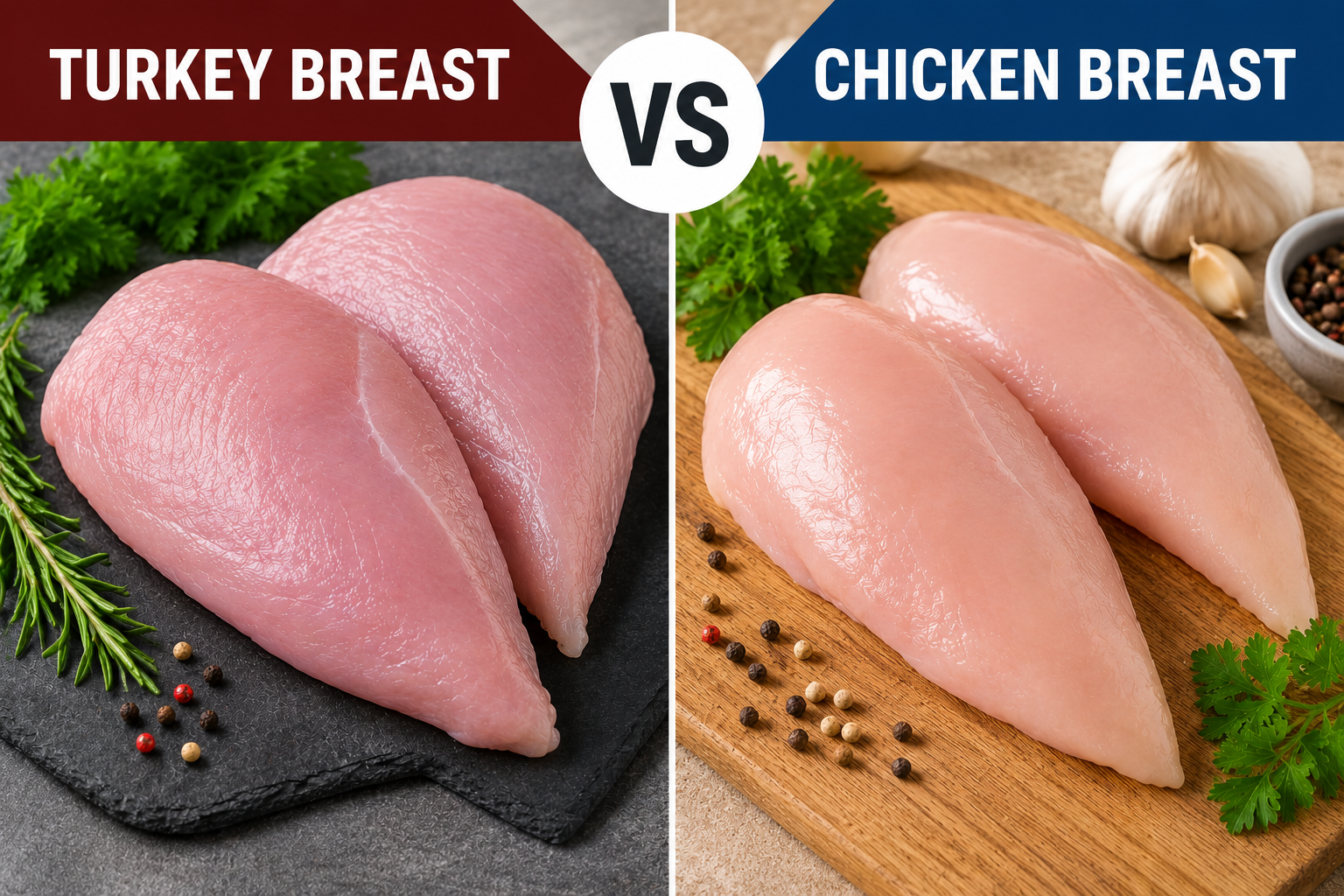
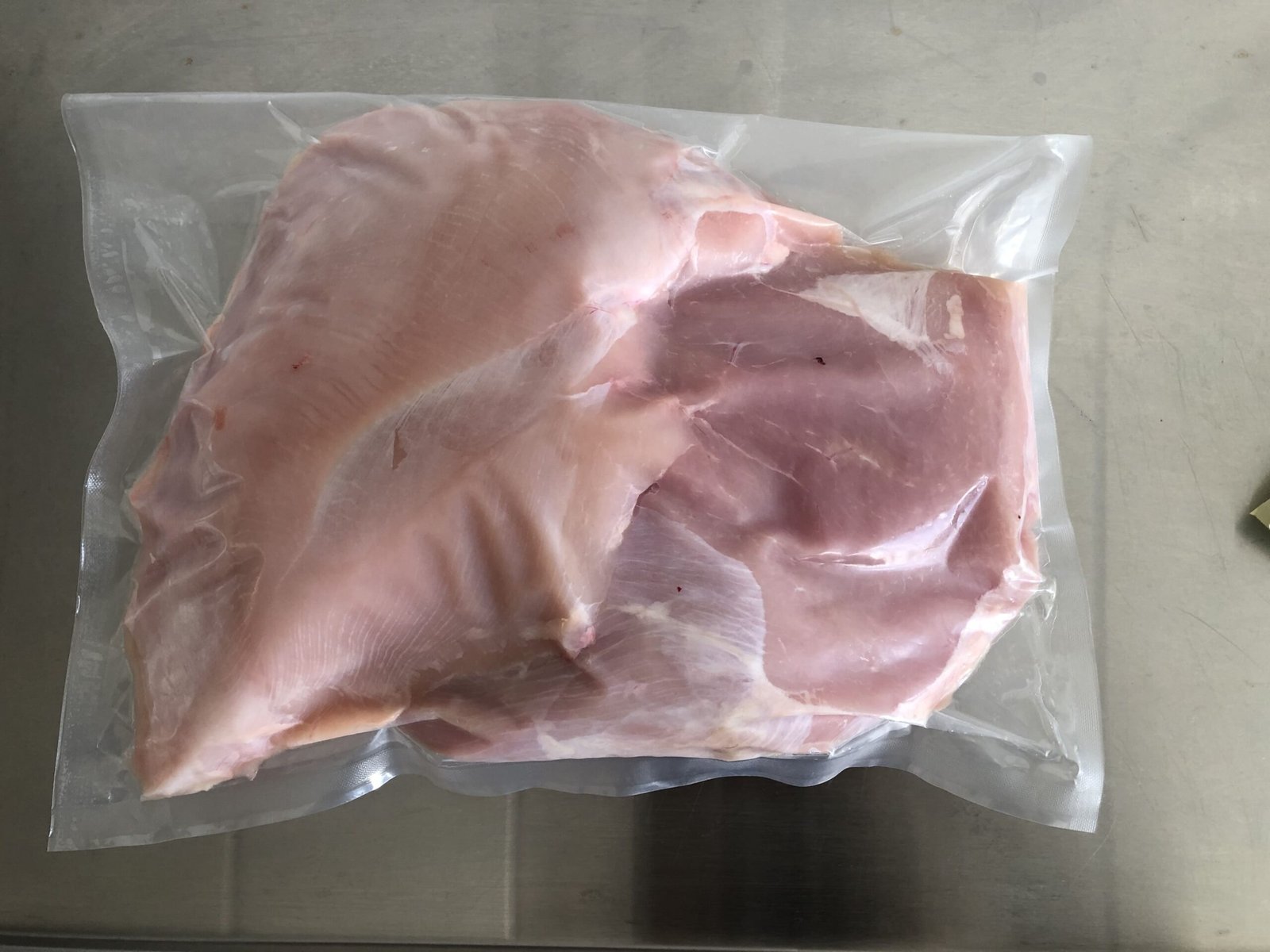
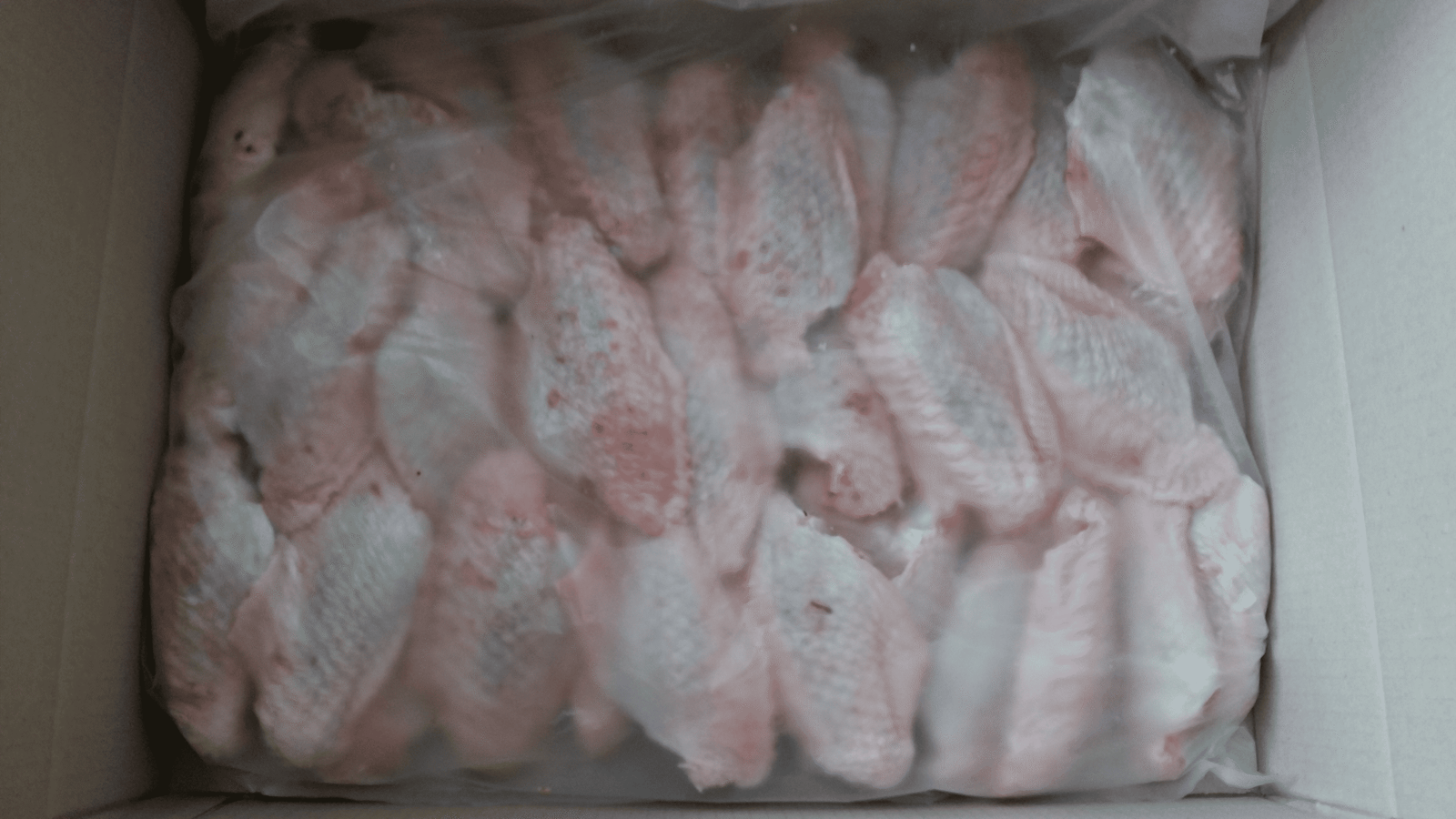
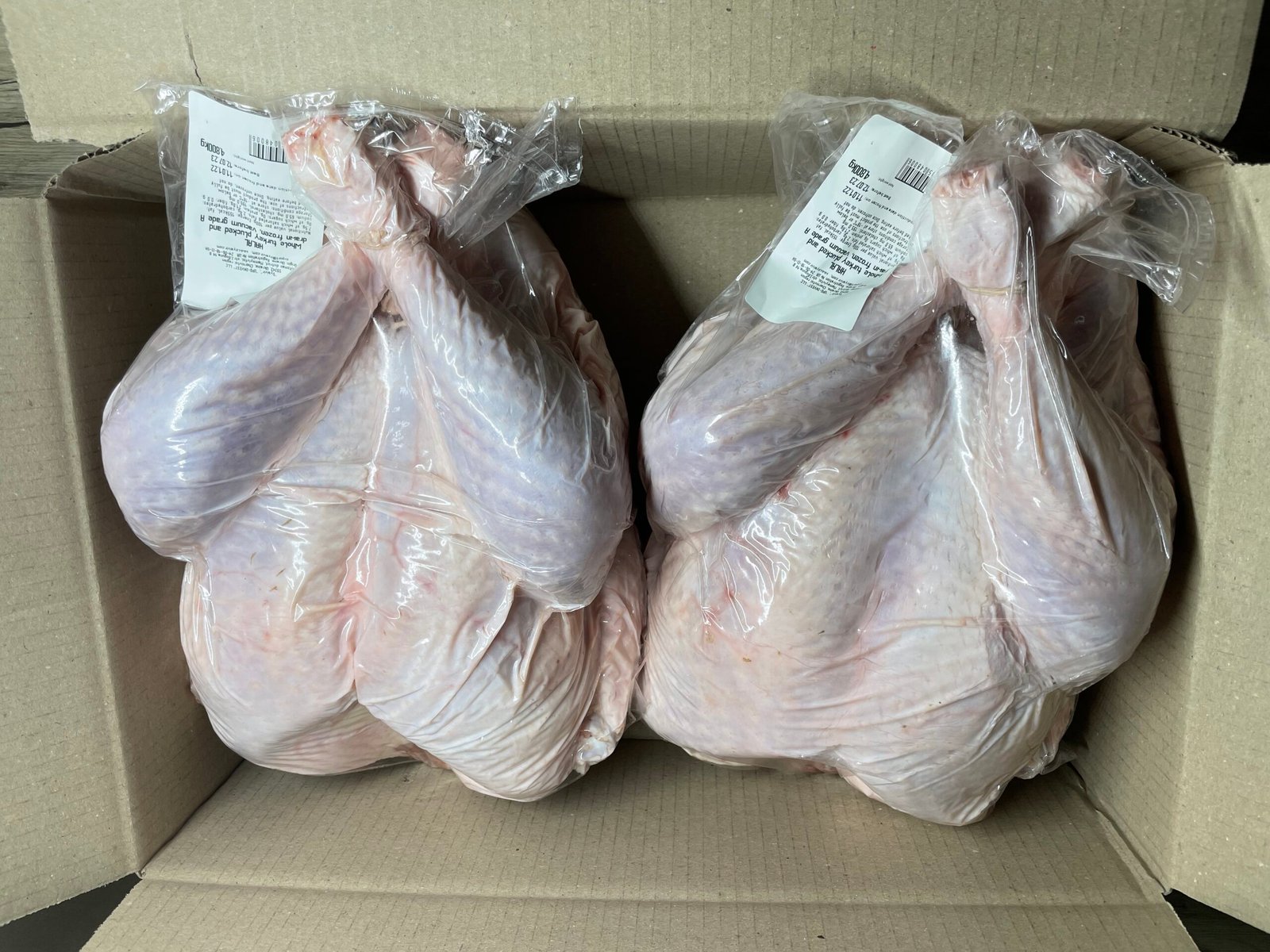
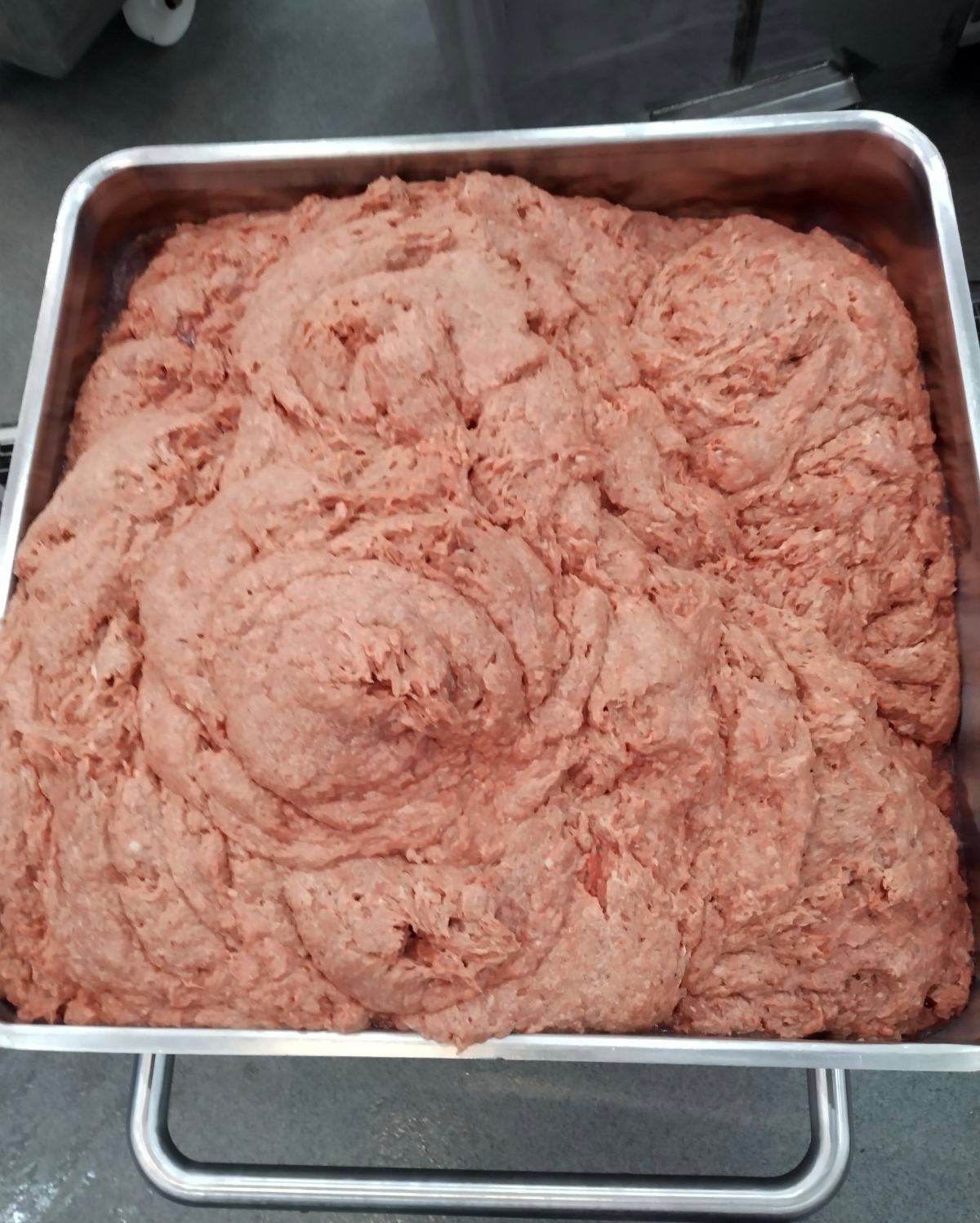
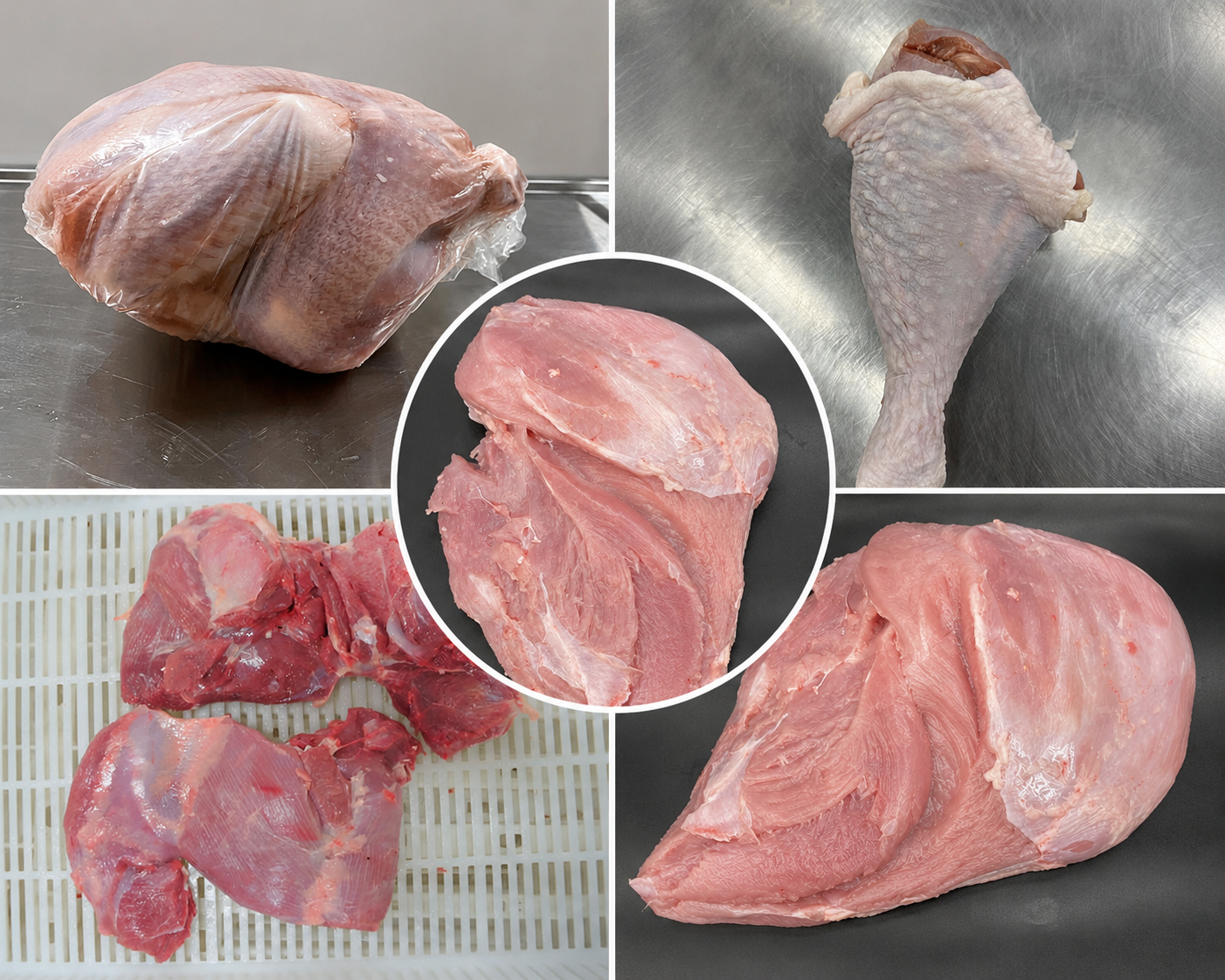
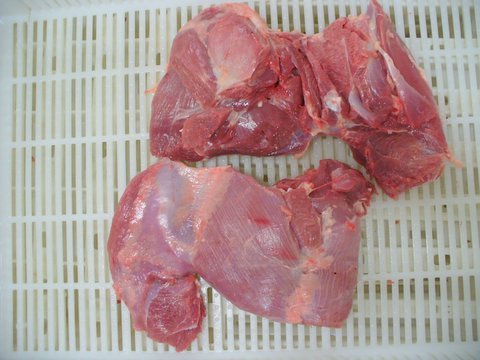
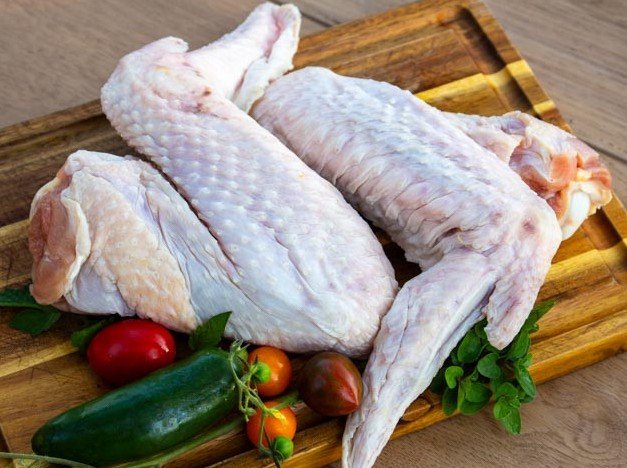
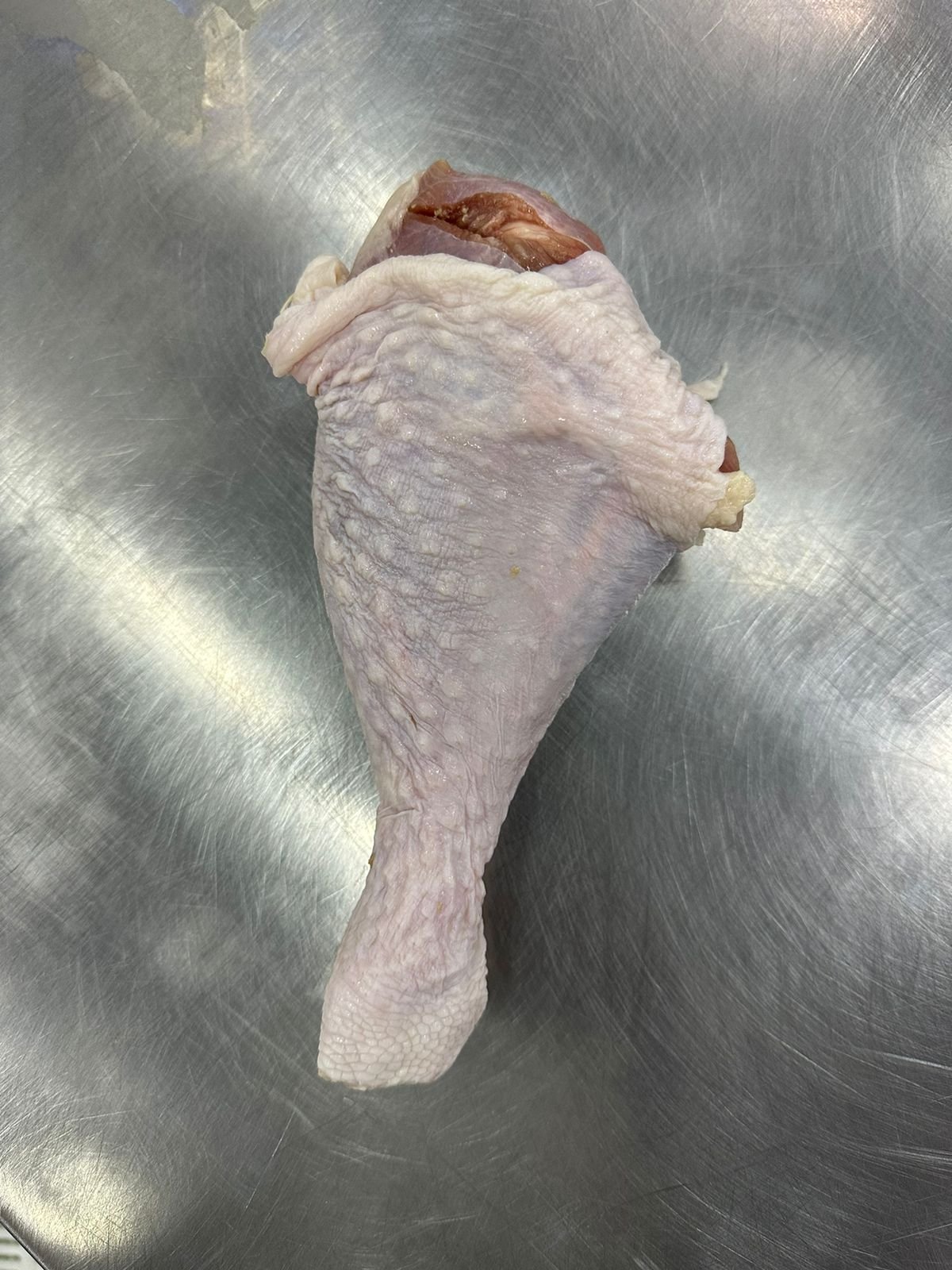
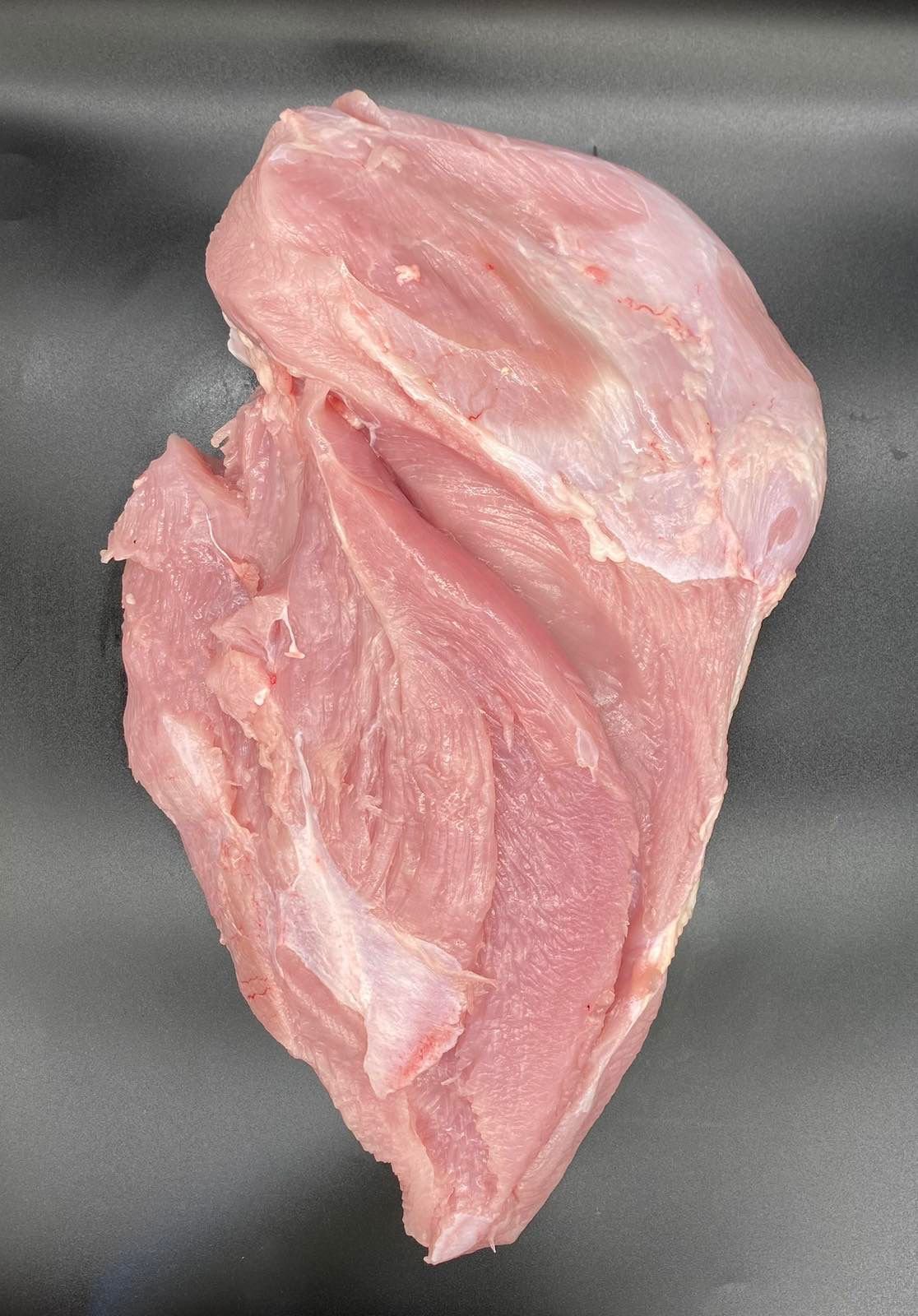
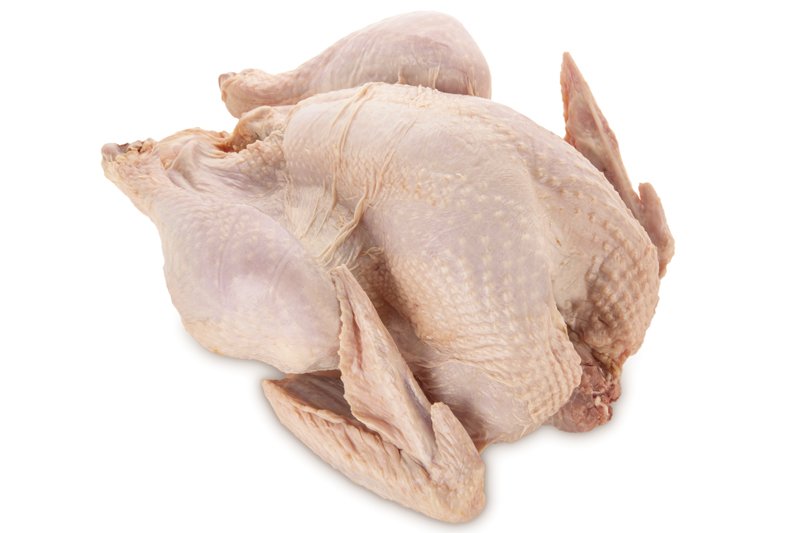
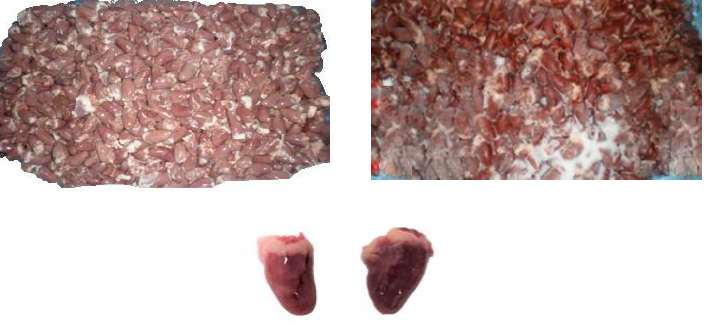
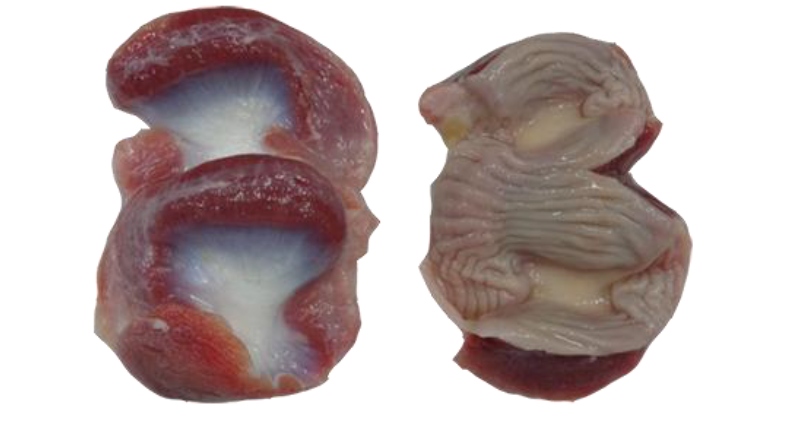
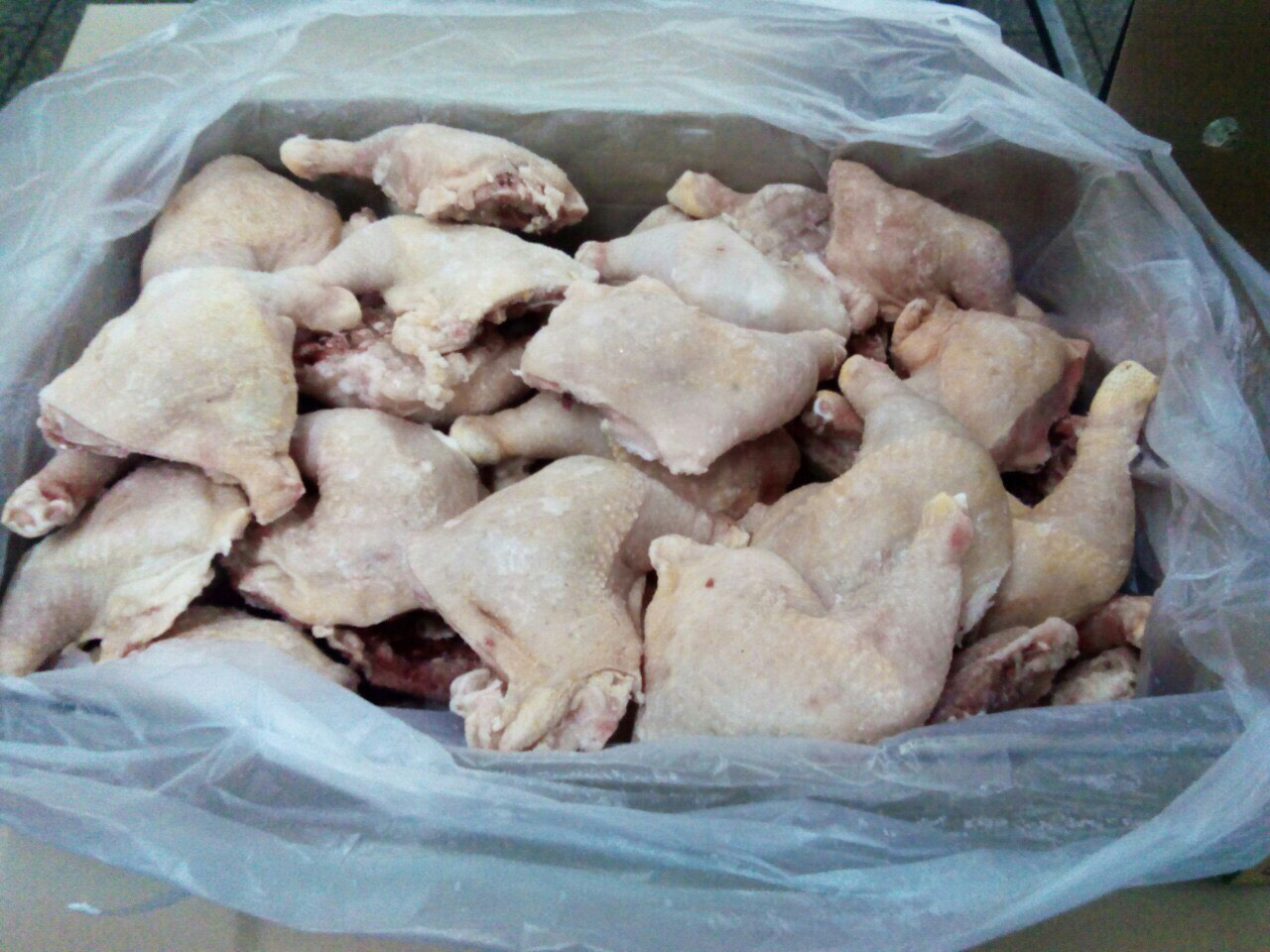
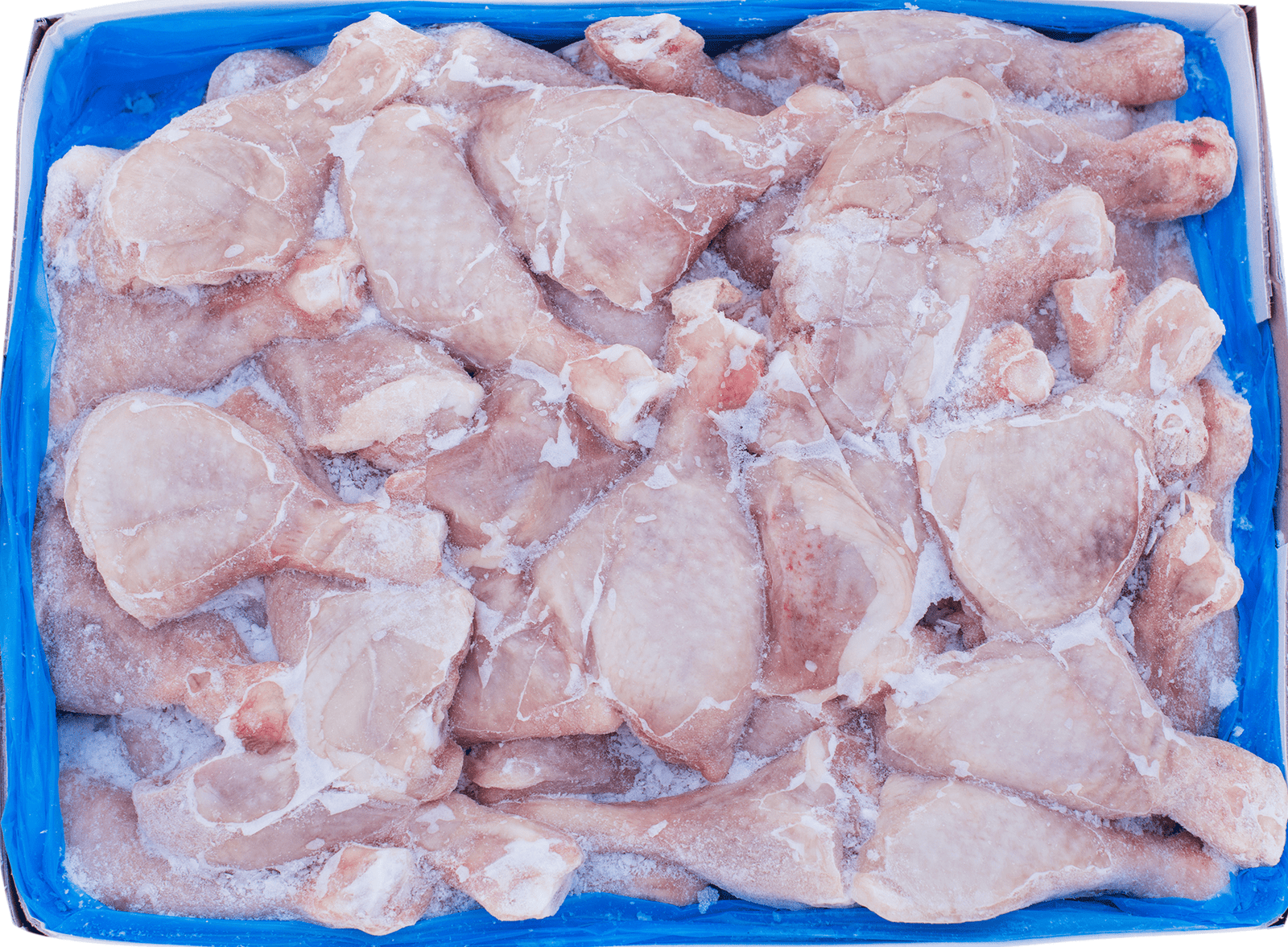
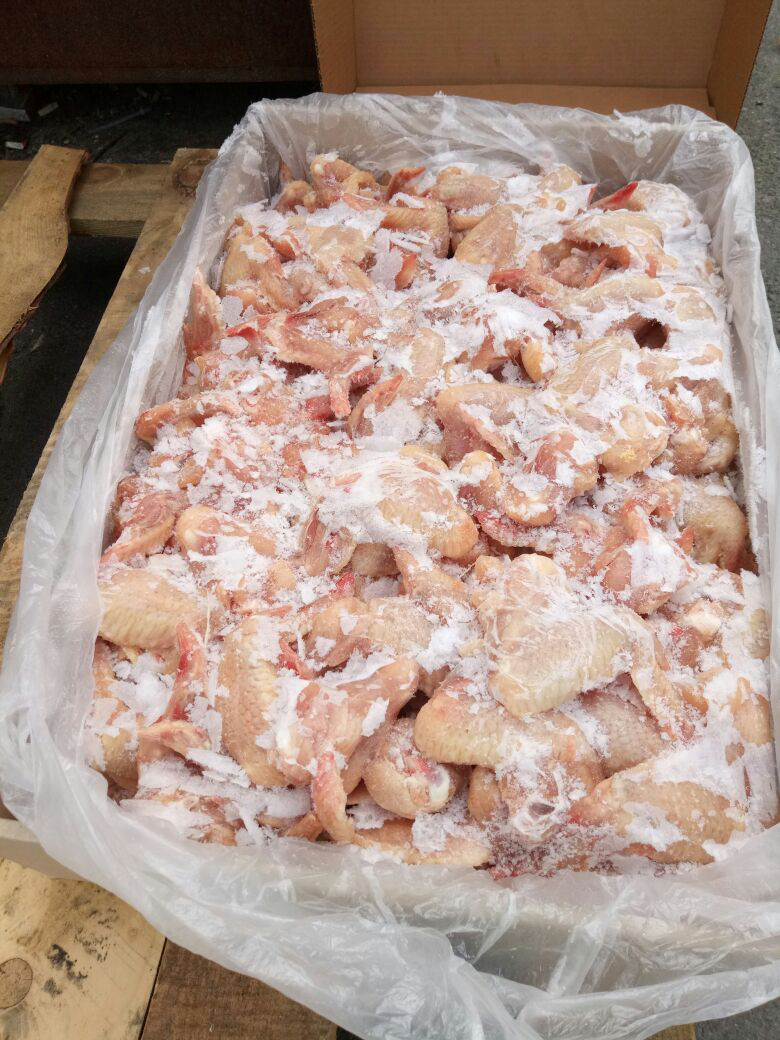
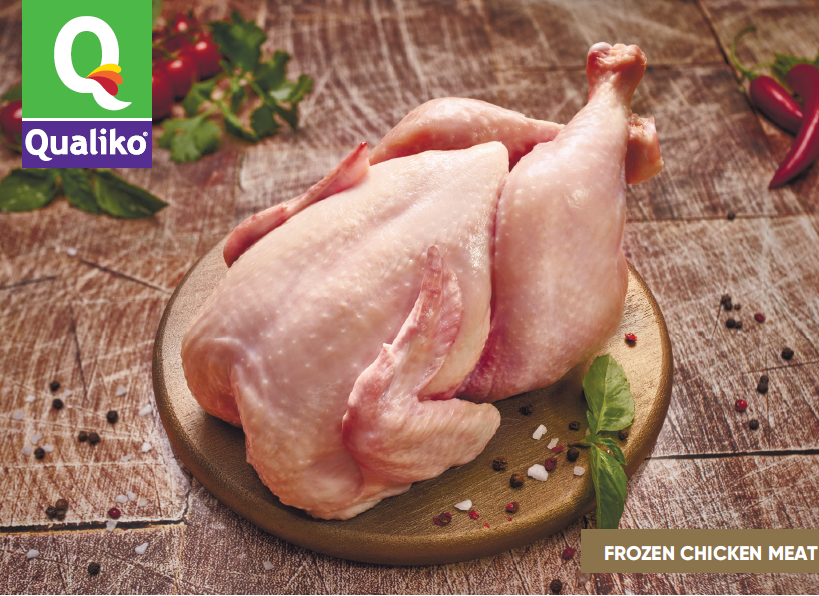
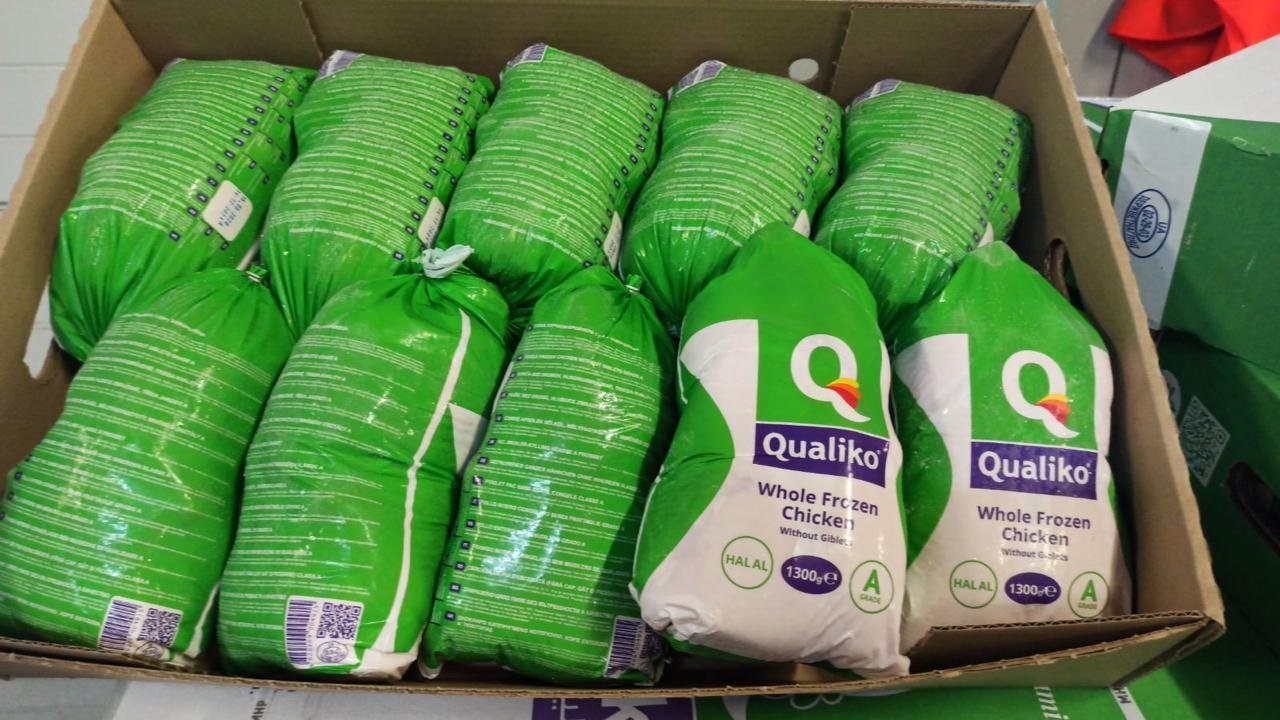
Export programs often include whole chicken, breast fillets, wings, drumsticks, thighs, leg quarters, skin, carcasses, mechanically separated meat and by‑products. Product demand varies sharply by region.
Europe
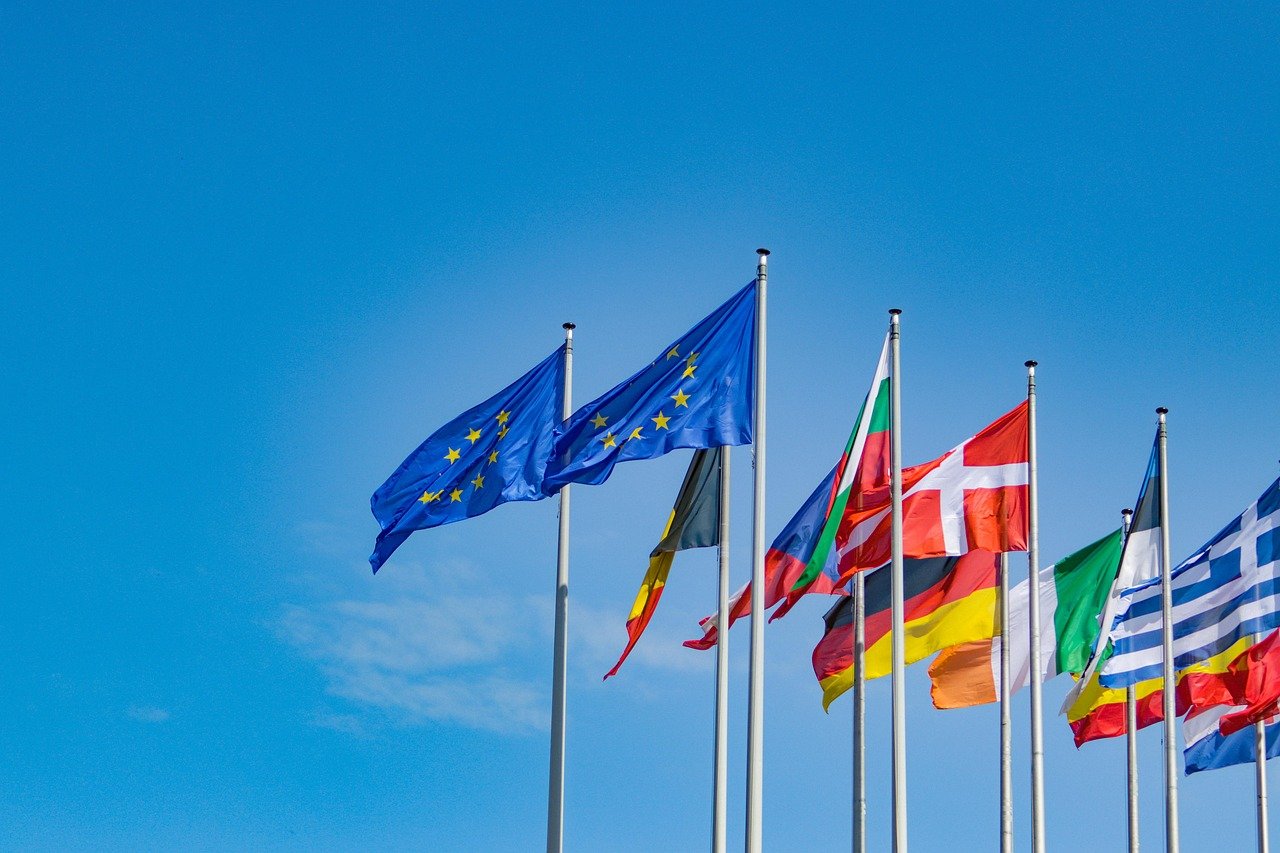
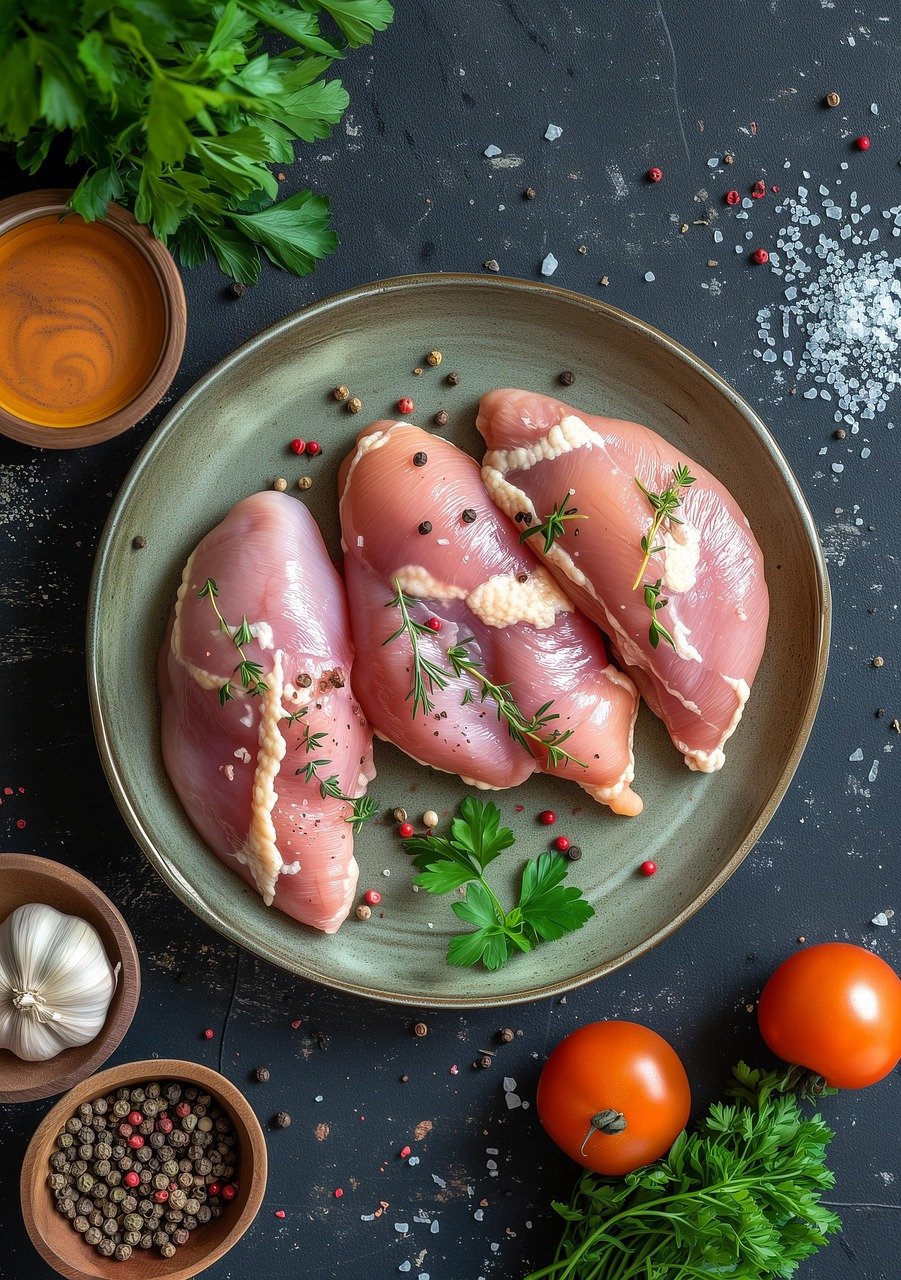
European buyers frequently purchase breast fillets, whole birds and chilled poultry. Retail chains prioritize consistency, shelf life and documentation. Processors may seek frozen raw material for sausages, ready meals and further processing.
Demand differs by country. Western Europe often favors fillets and convenience products, while some Southern markets retain stronger demand for whole birds.
United Kingdom
After Brexit, customs procedures became more important. Exporters able to manage paperwork gained competitive advantage.
Middle East
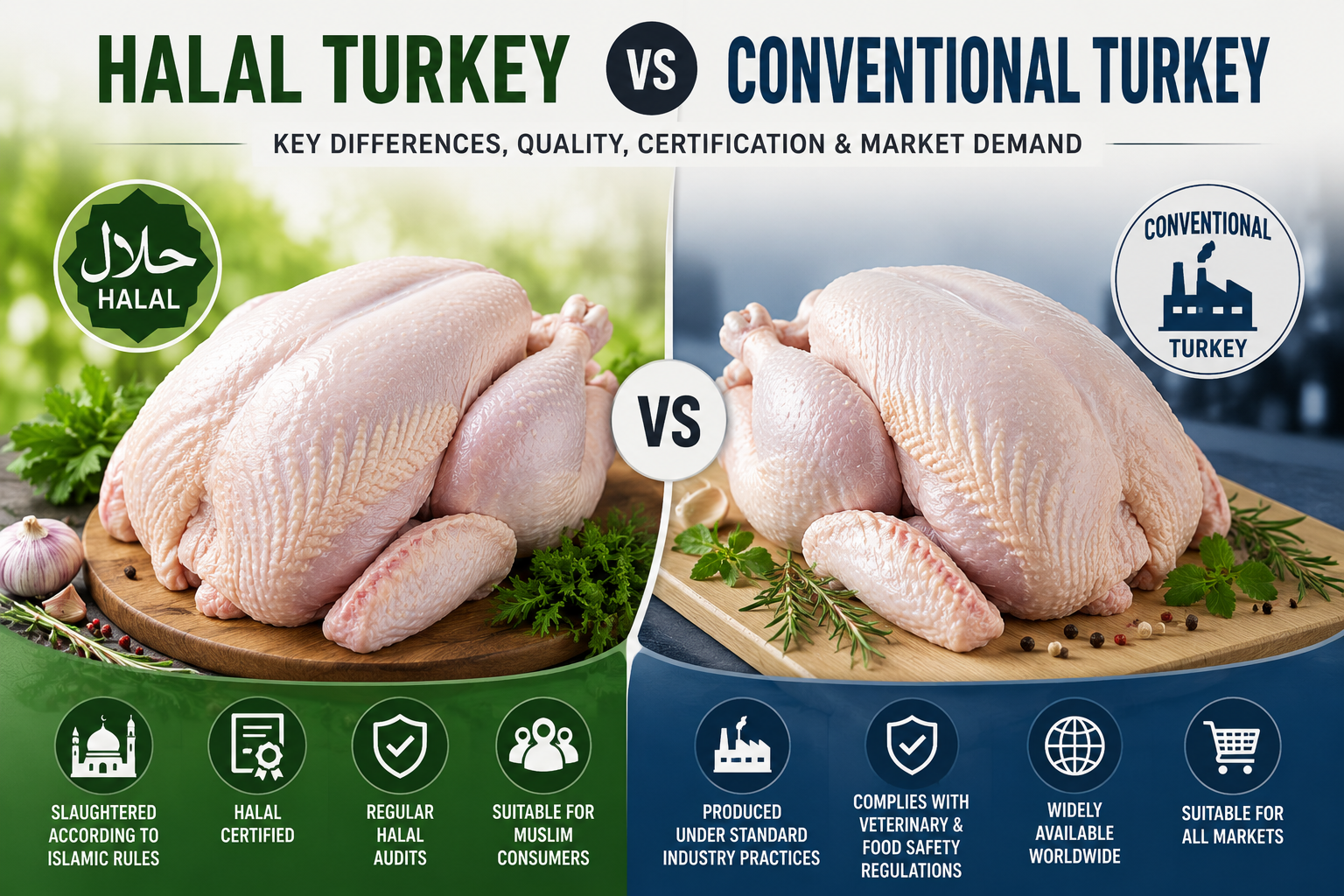
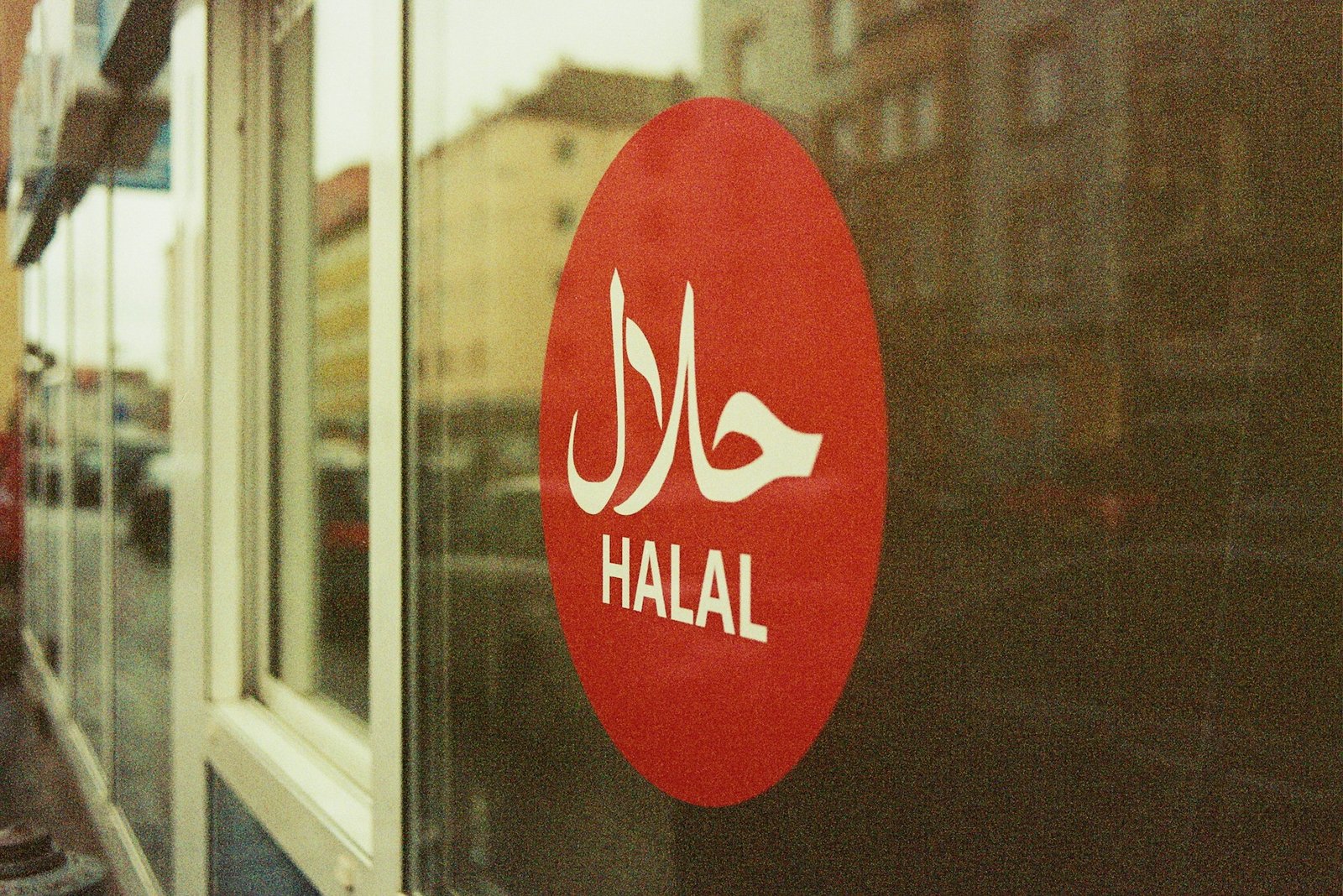
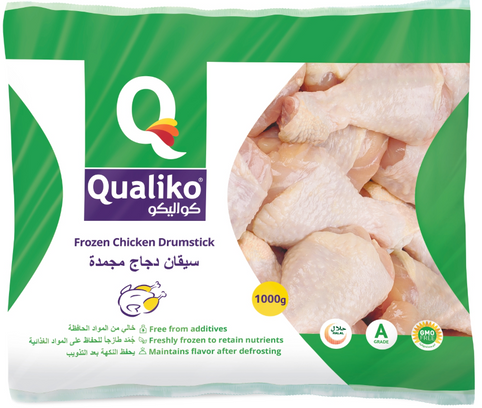
Markets such as UAE and Saudi Arabia commonly buy whole chicken, drumsticks, thighs and leg quarters. Halal compliance is often essential.
Importers frequently evaluate slaughter standards, certificate acceptance and packaging presentation before price.
Asia
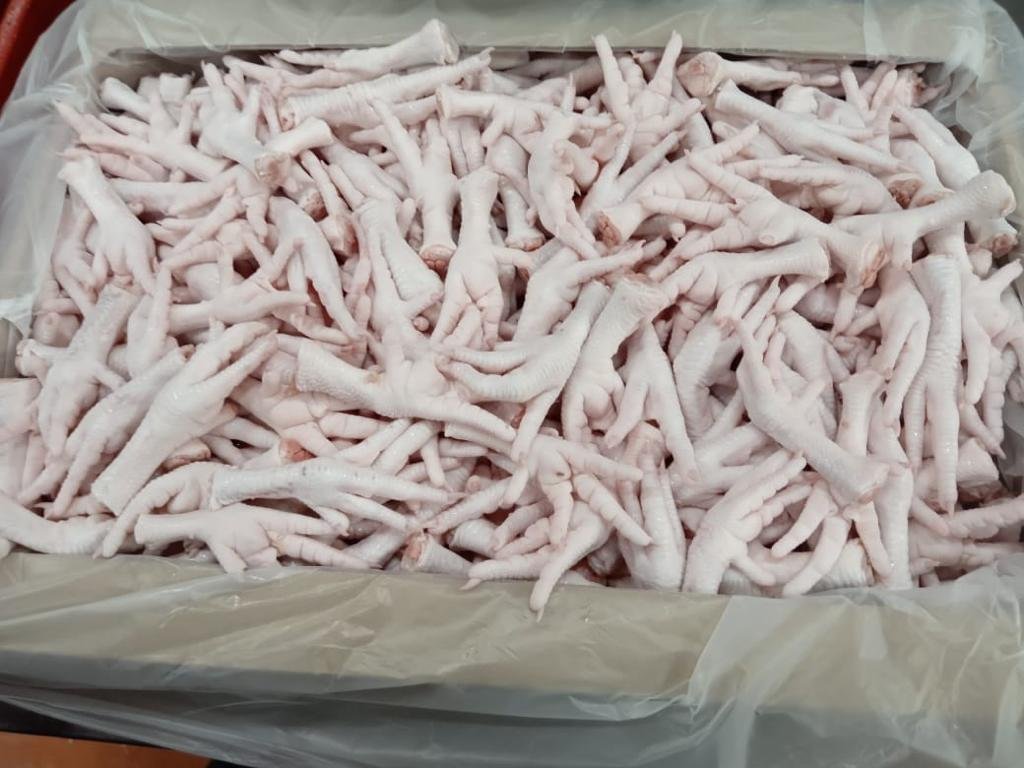
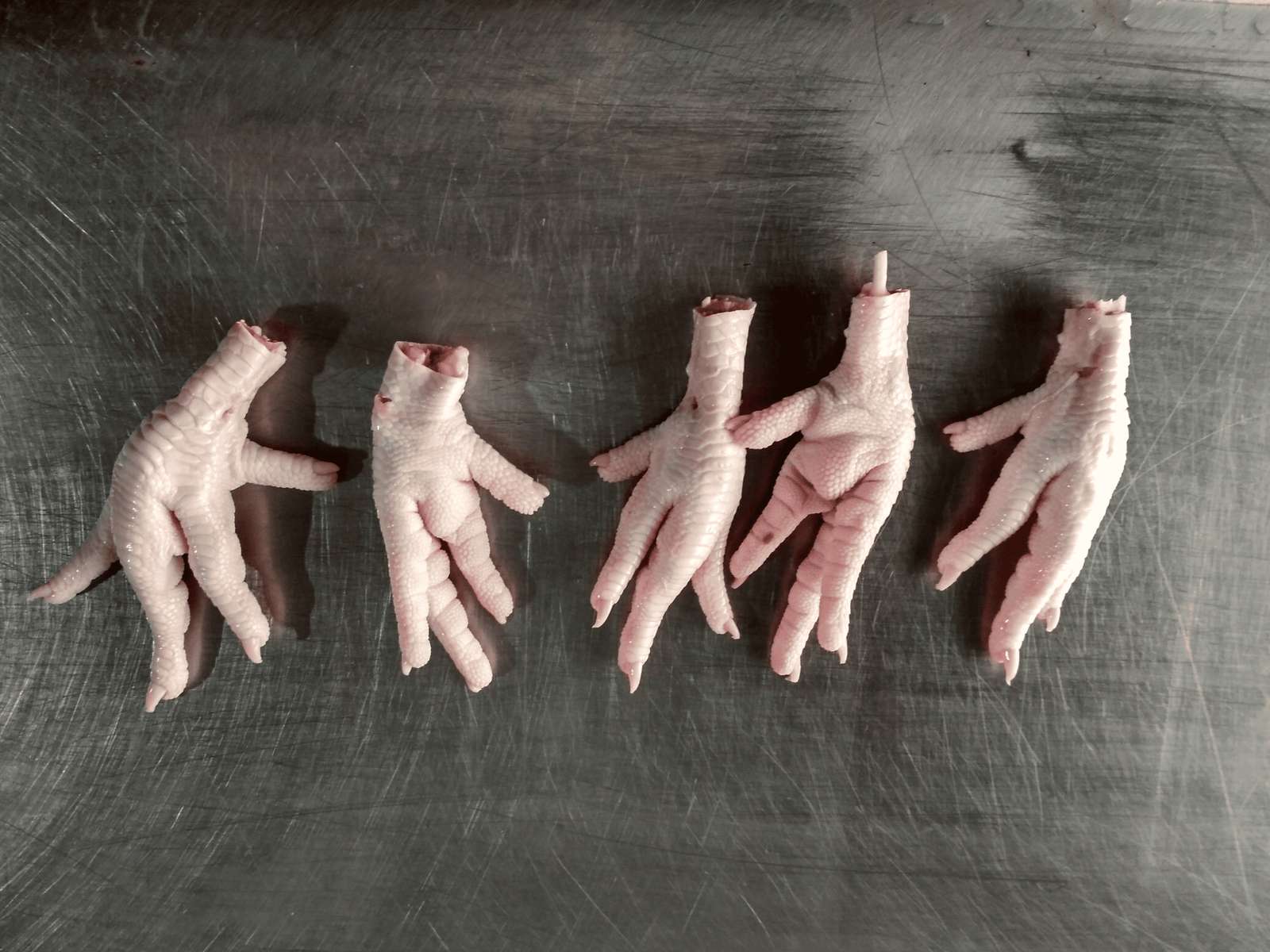
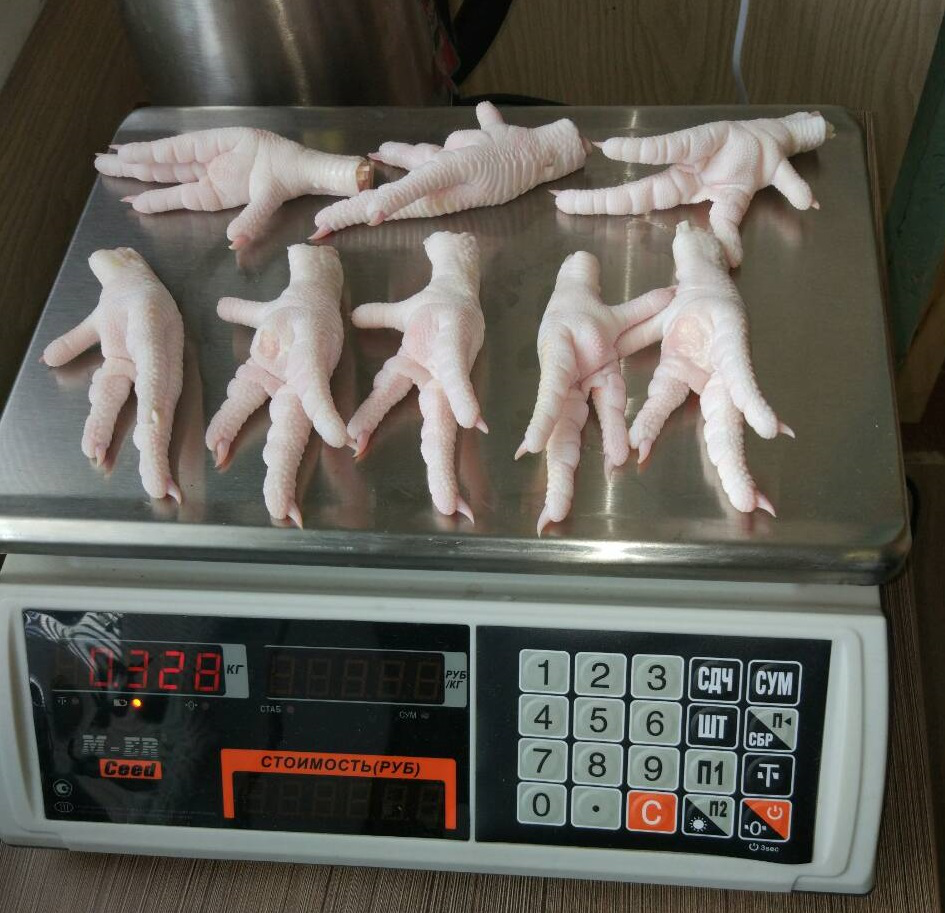
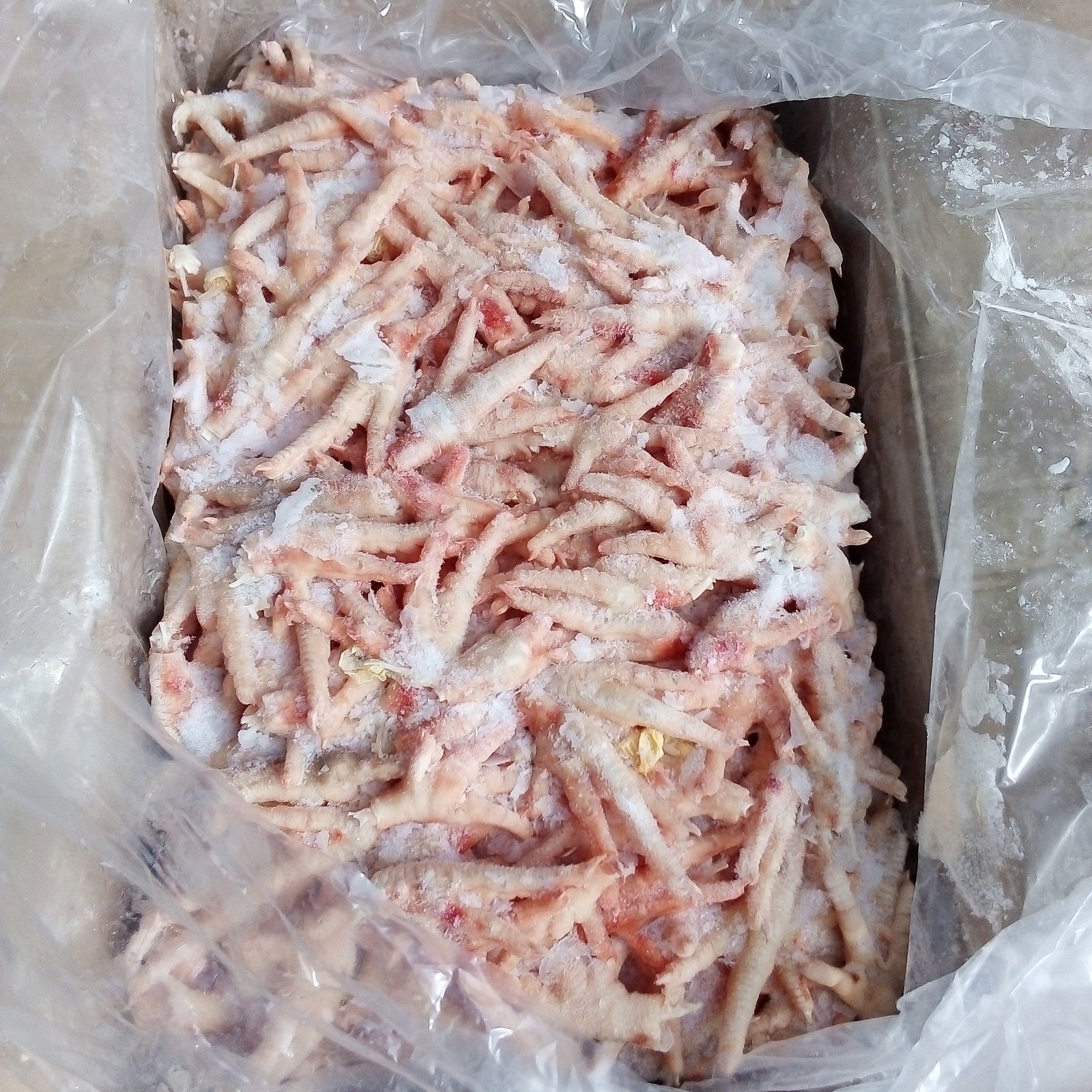
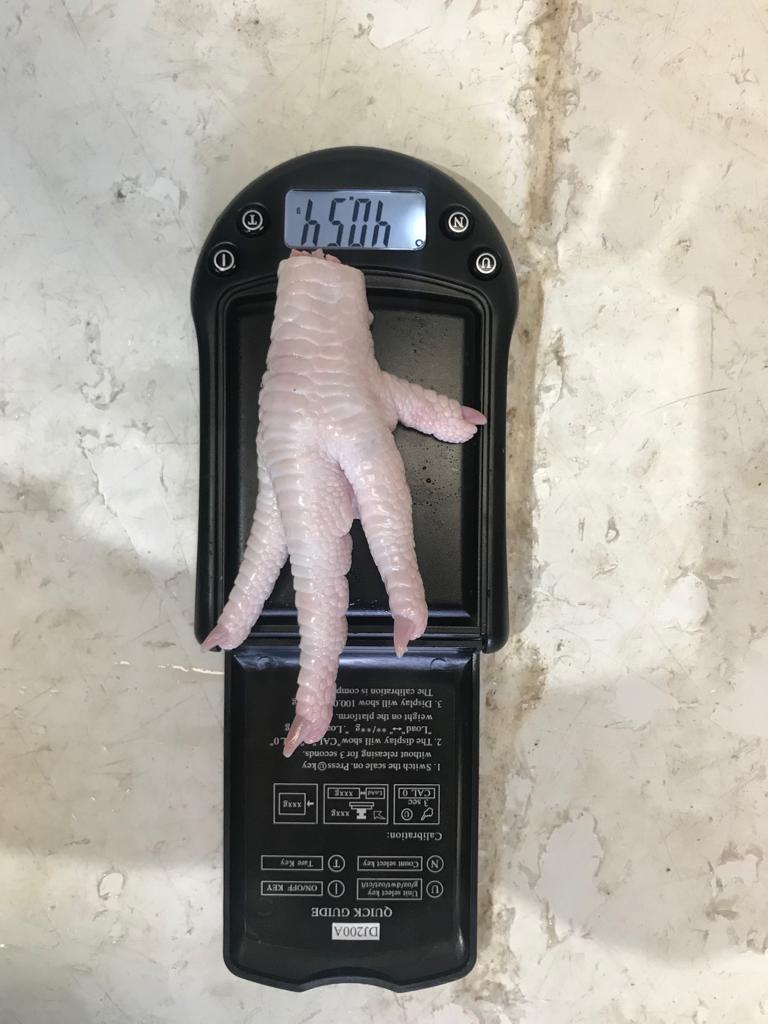
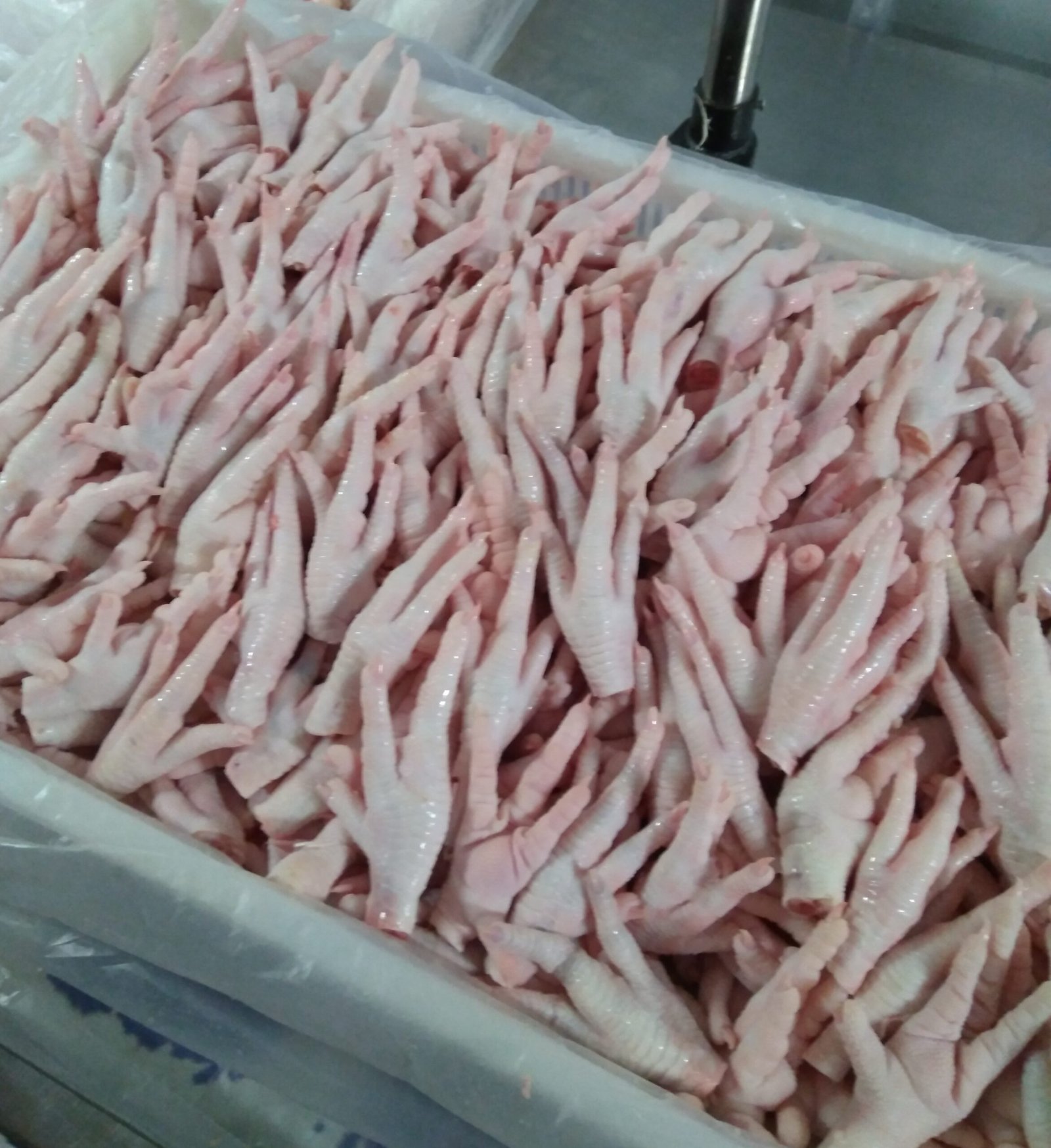
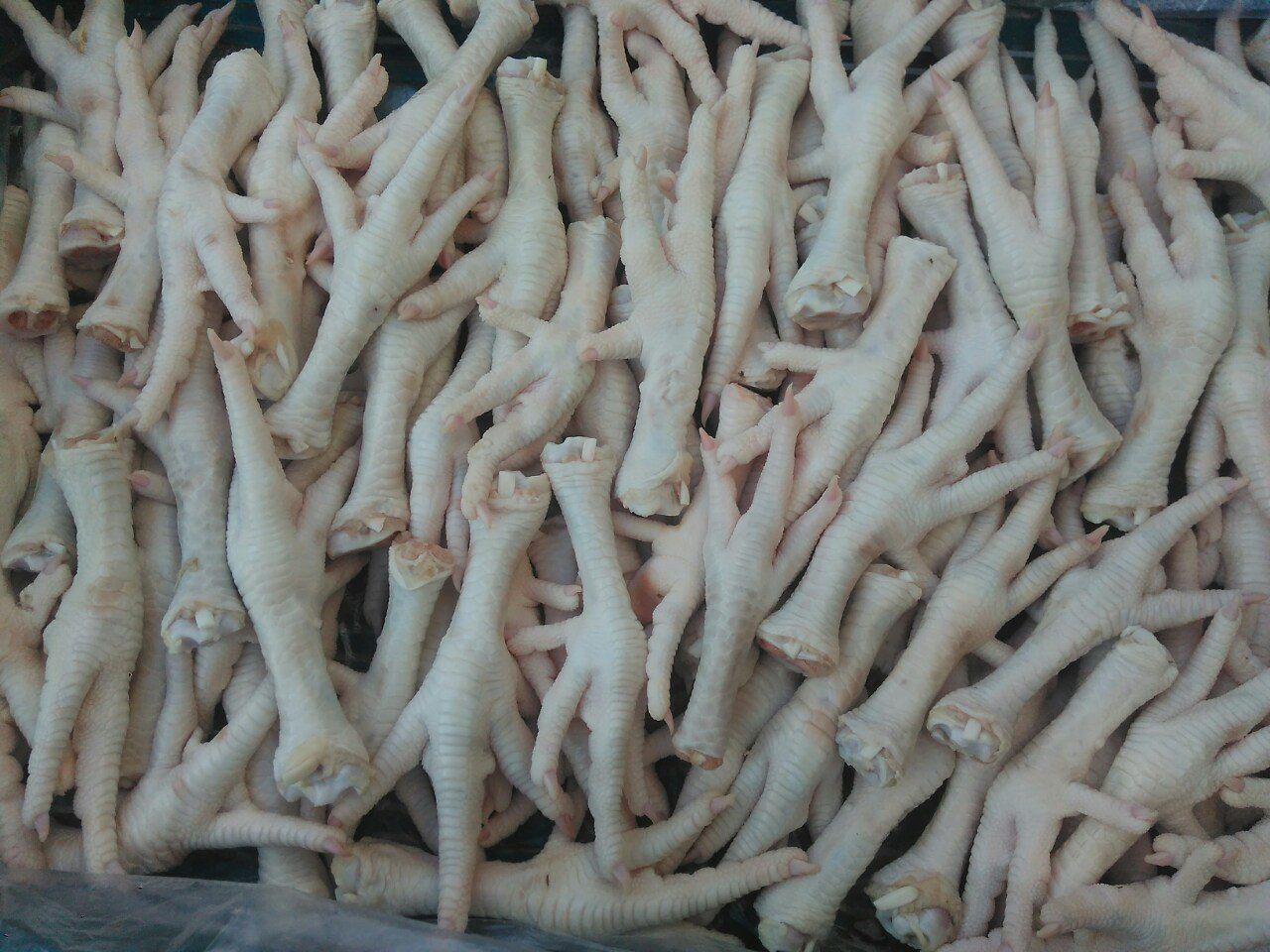
Hong Kong and Vietnam may value chicken paws, feet and specialty cuts that carry lower demand elsewhere.
Different culinary traditions increase value for cuts underutilized in Europe.
Frozen vs Chilled
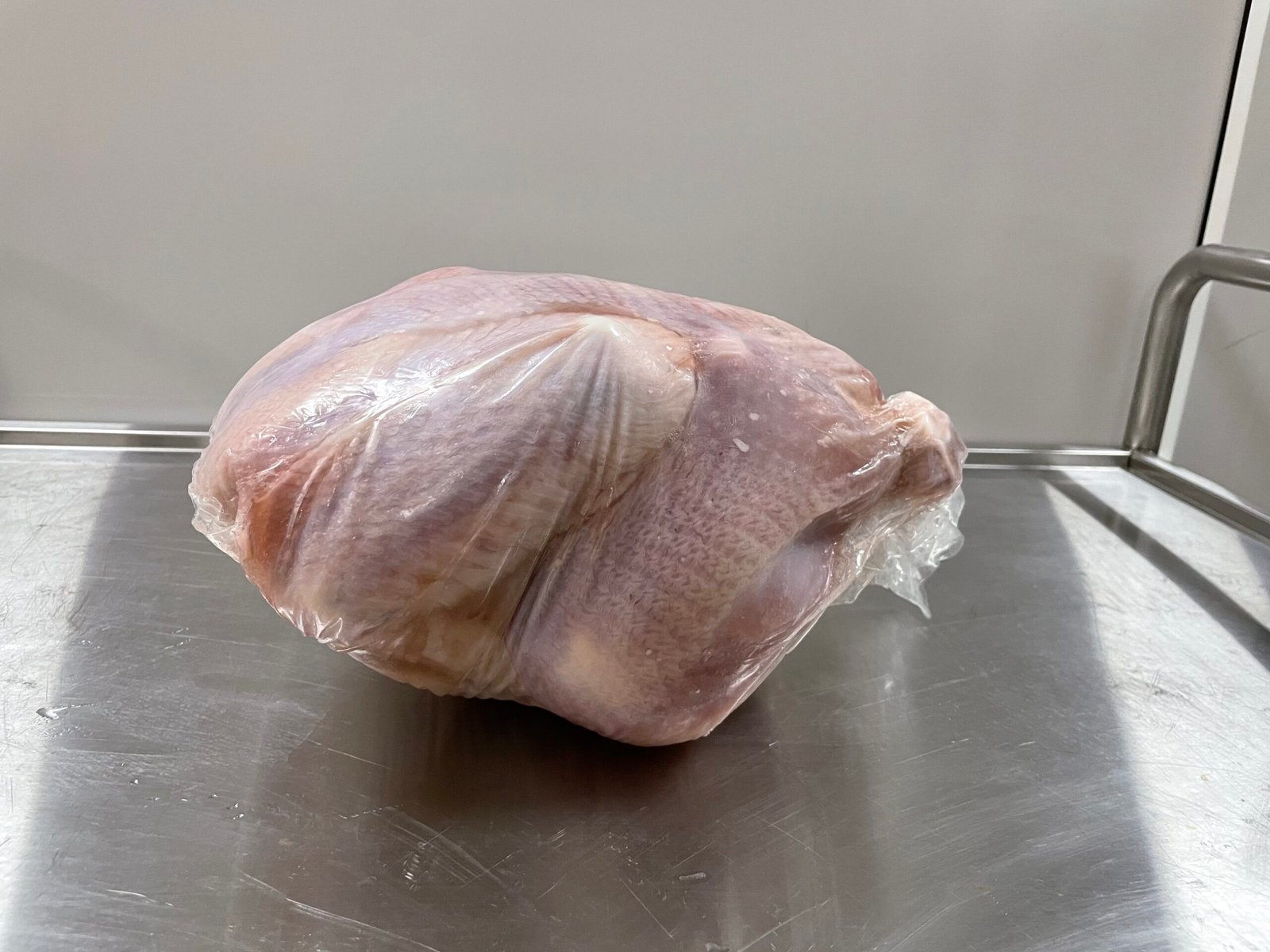
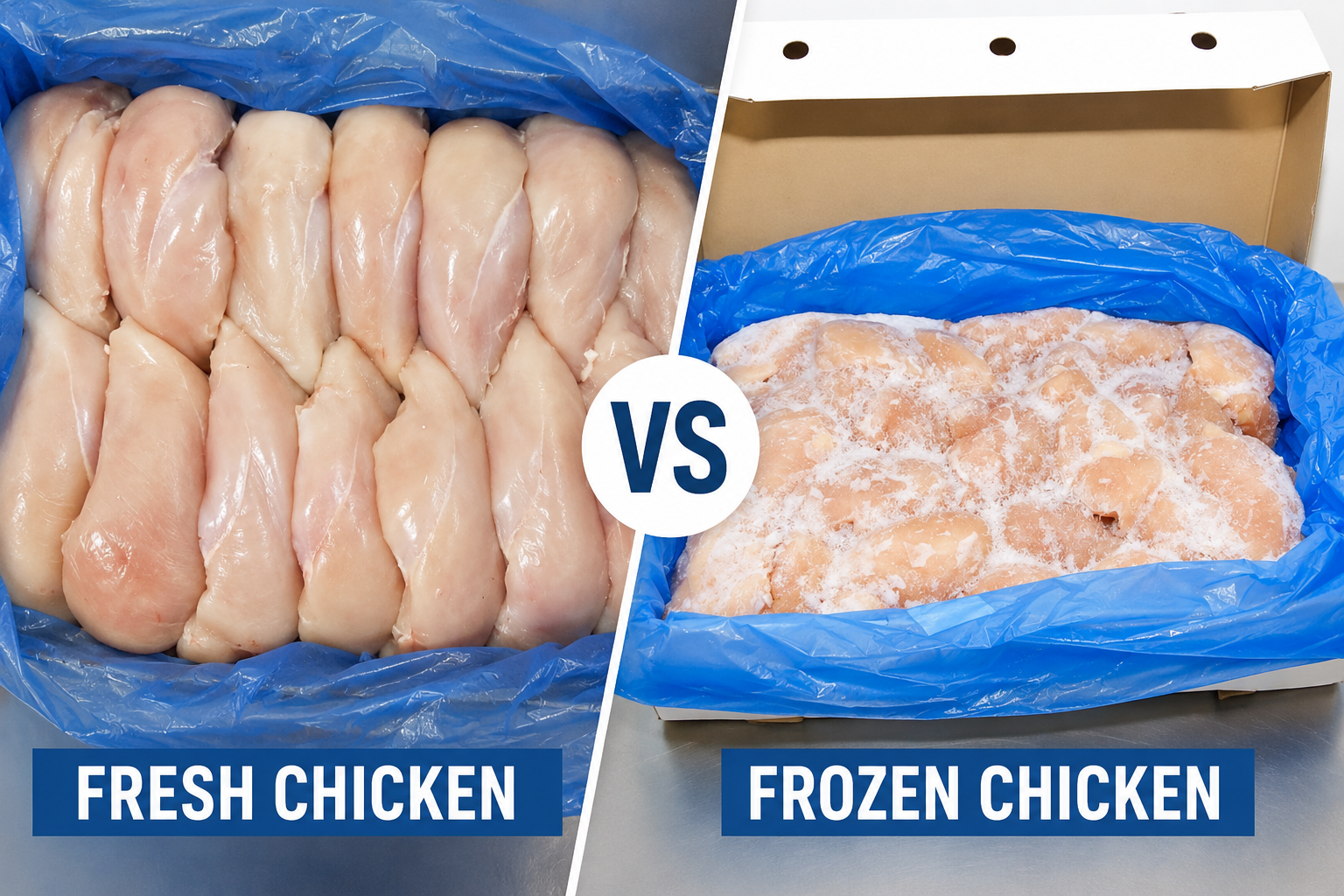
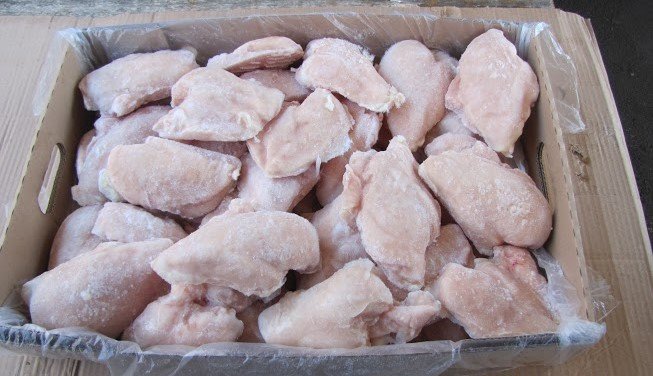
Frozen poultry supports long-distance shipping and inventory planning. Chilled products target retail and foodservice where freshness and fast turnover matter.
Halal
Halal certification is required in many destinations and increasingly requested in parts of Europe.
Quality Systems
ISO, HACCP, traceability and veterinary supervision influence procurement decisions because importers must manage compliance risk.
Packaging
Wholesale exports commonly use 10–20 kg cartons; retail and private label formats may also be arranged.
Logistics
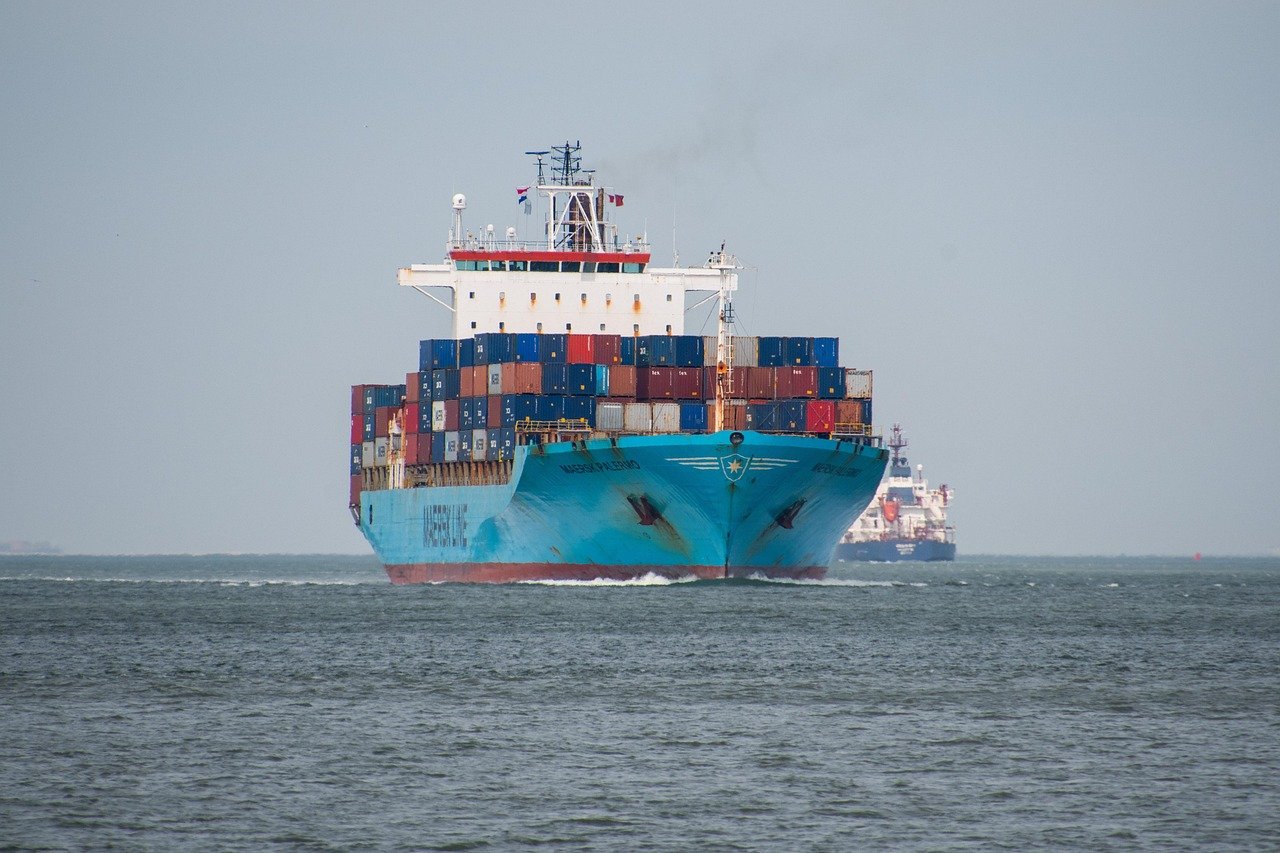
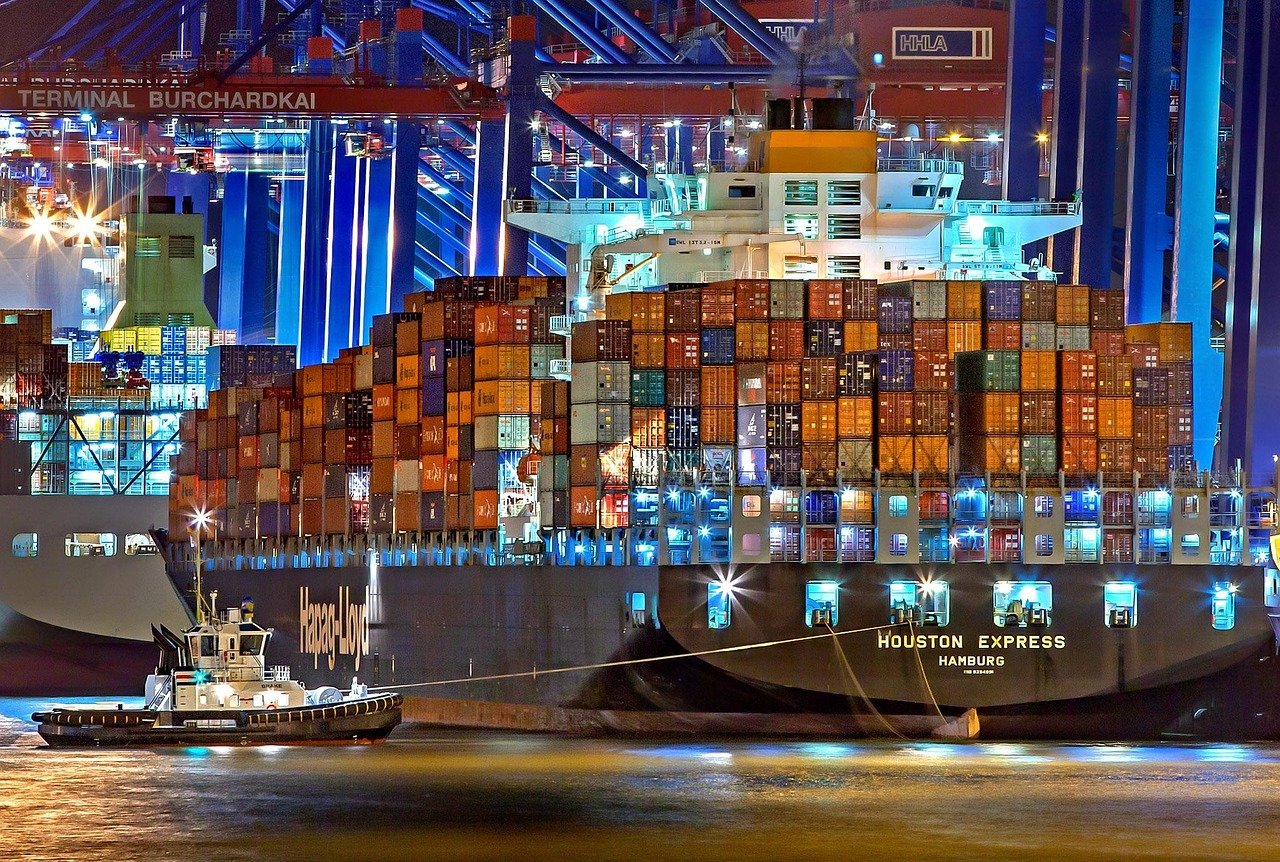
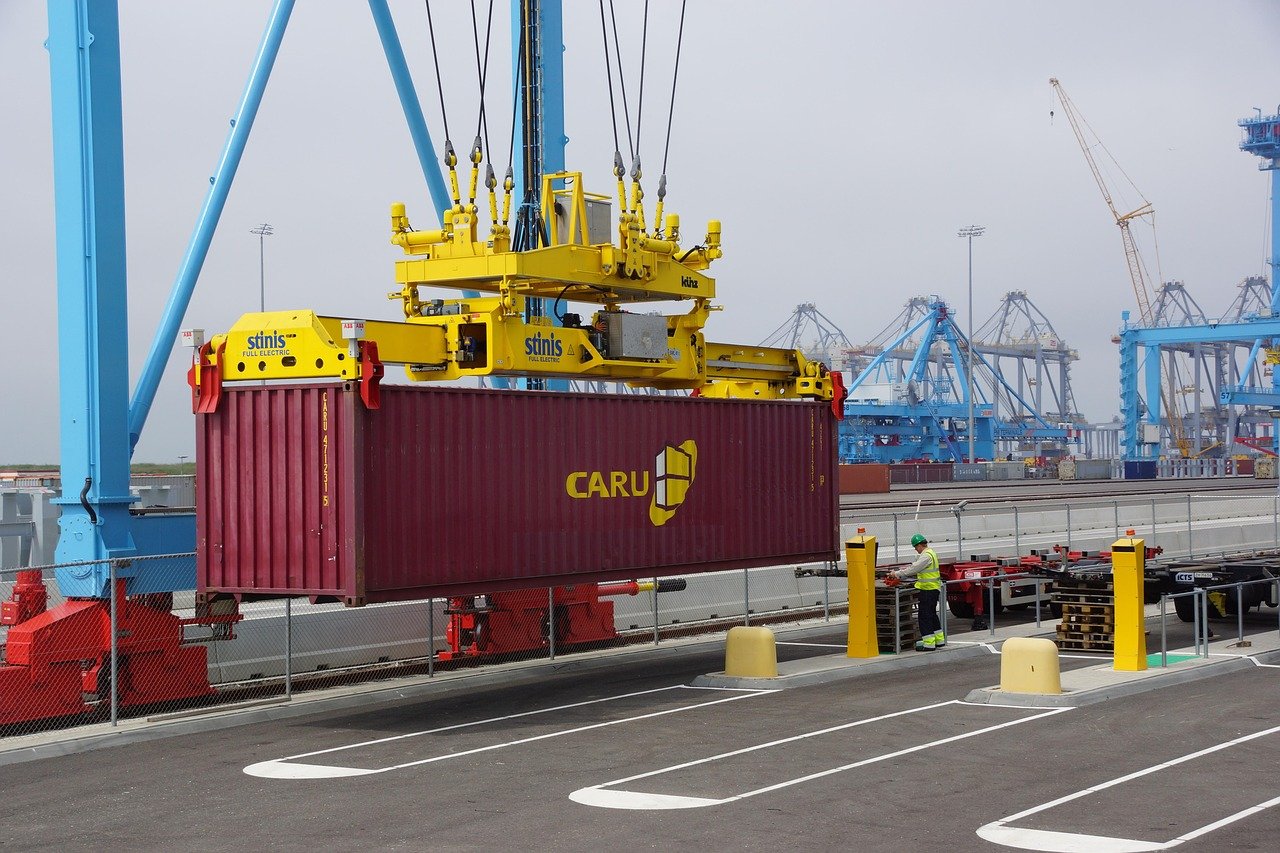
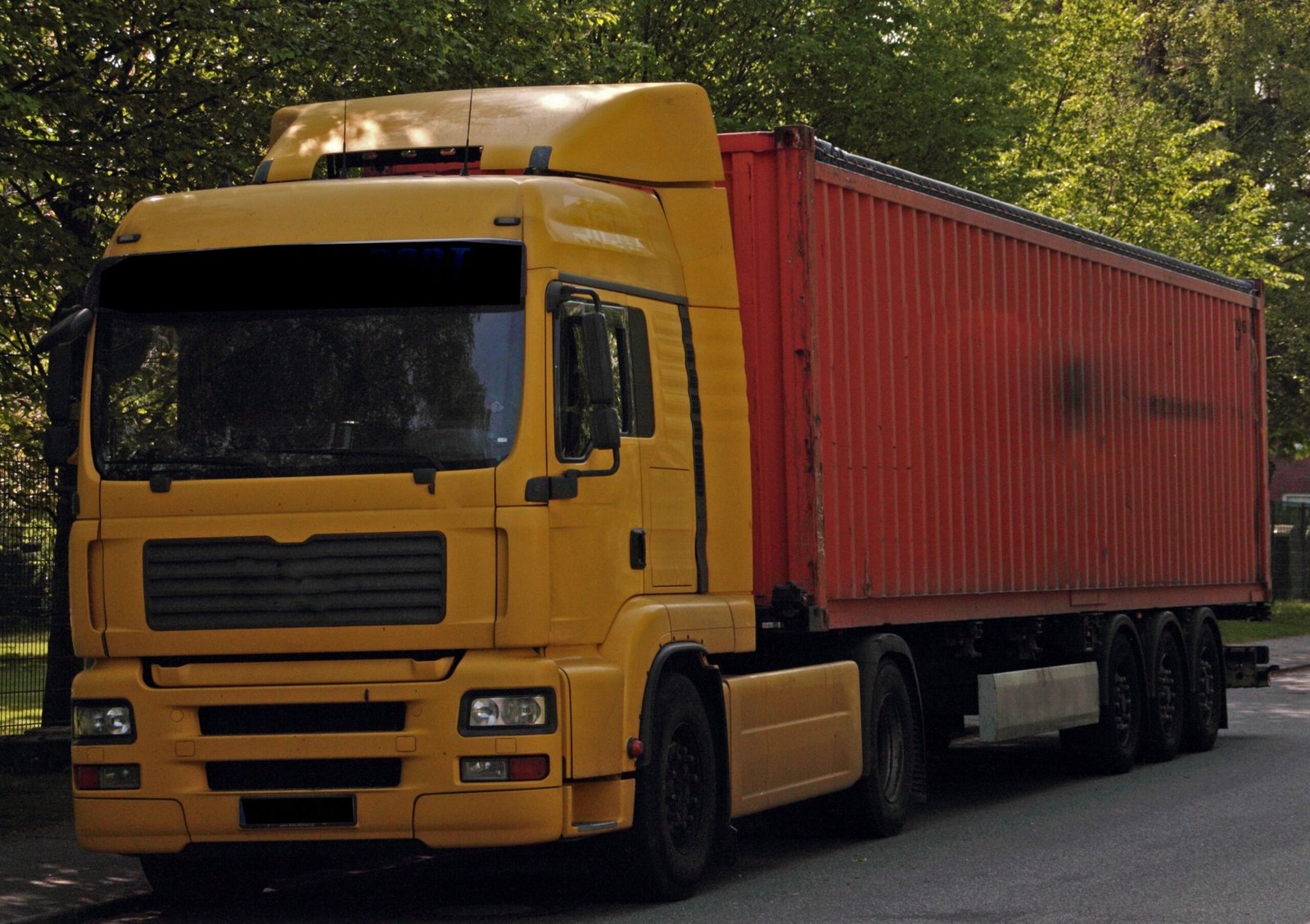
European deliveries often use refrigerated trucks. Intercontinental shipments rely on reefer containers. Temperature deviations can create claims and losses.
Transit planning affects remaining shelf life and commercial viability.
Ports
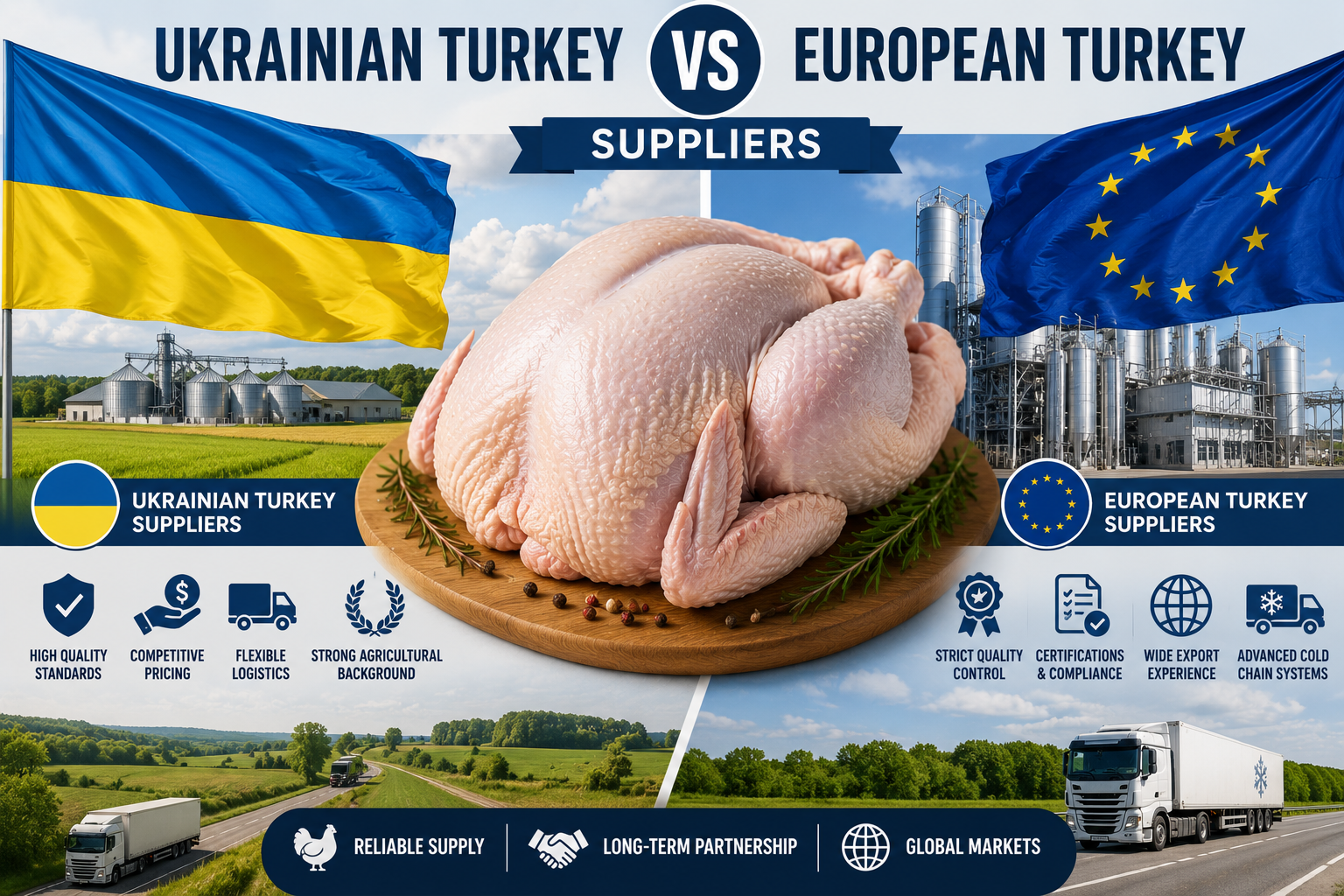
Export routes may involve European hubs and Black Sea alternatives depending on origin and destination.
Procurement Trends
Buyers increasingly compare exporters on reliability, response speed, documentation quality and ability to maintain stable supply during price volatility.
Role of Food Trade Partners
The company supports sourcing, supplier communication, logistics coordination and export execution.
FAQ
- Can chilled poultry be exported? — Yes, on suitable routes.
- Are Halal certificates available? — Often required for specific markets.
- Do exporters manage customs? — Many full-service exporters do.
- Which products dominate Europe? — Fillets, whole birds and wings.