Veterinary Certificates for Chicken Export: Complete Guide for Poultry Exporters
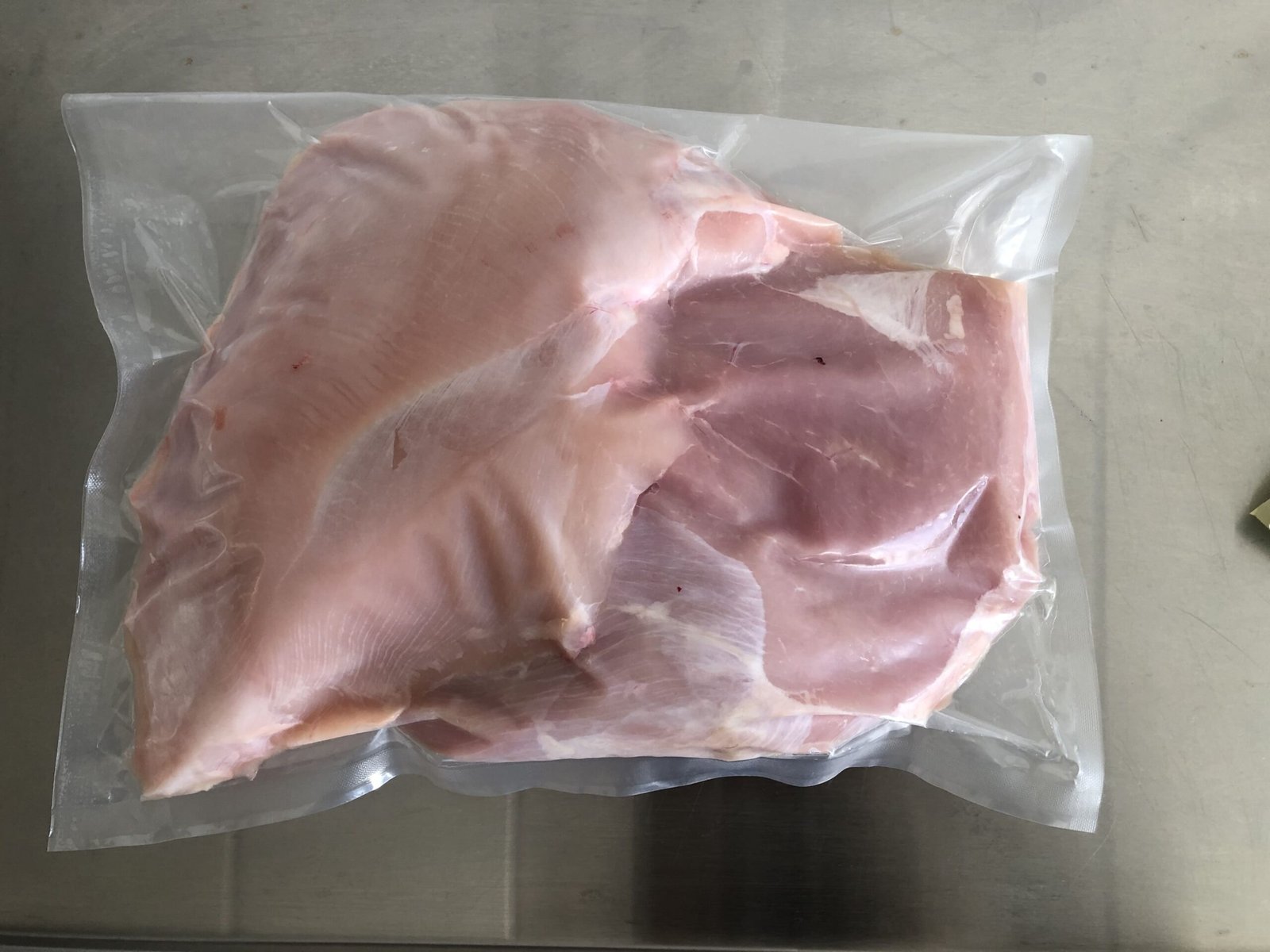
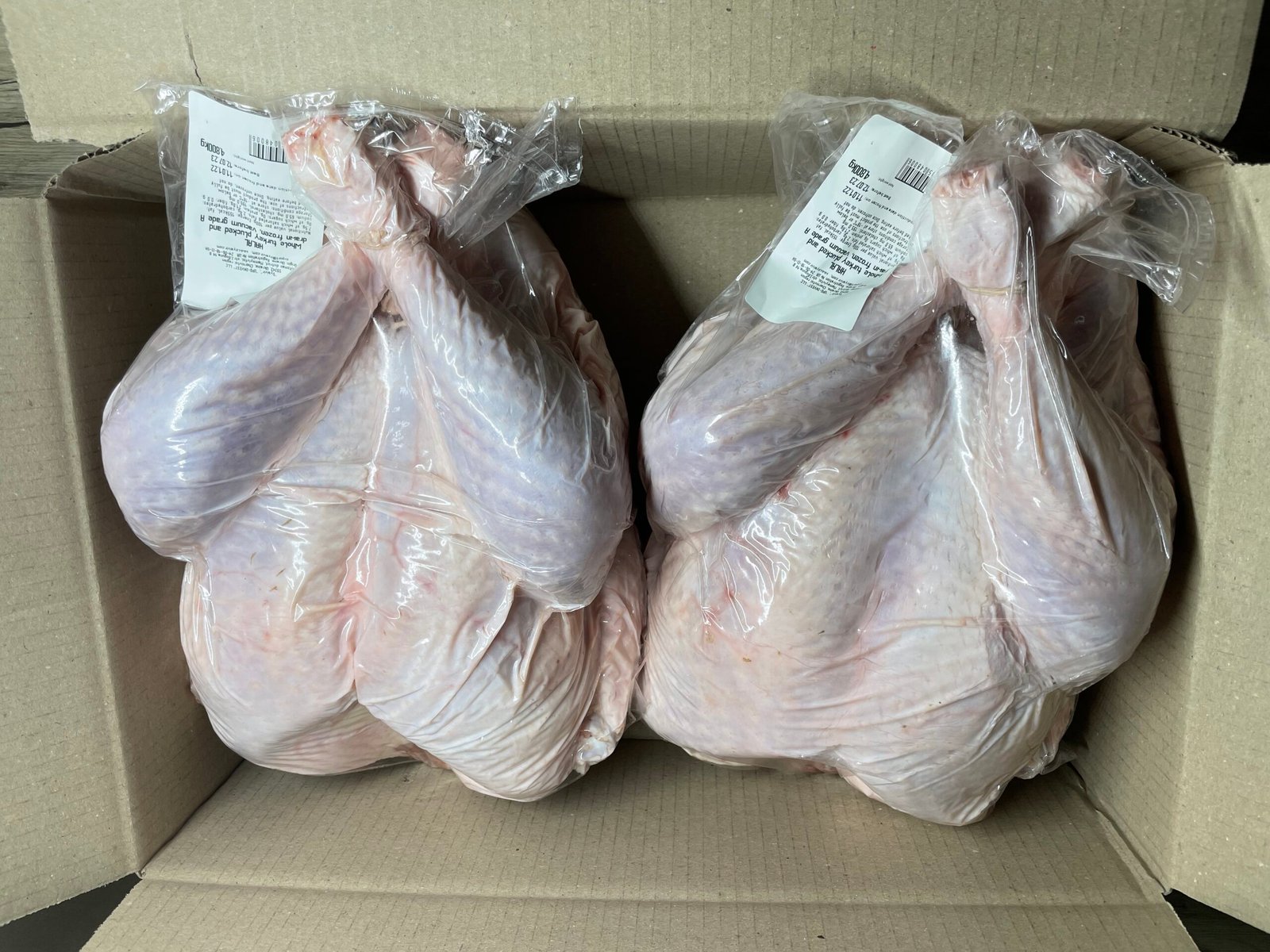
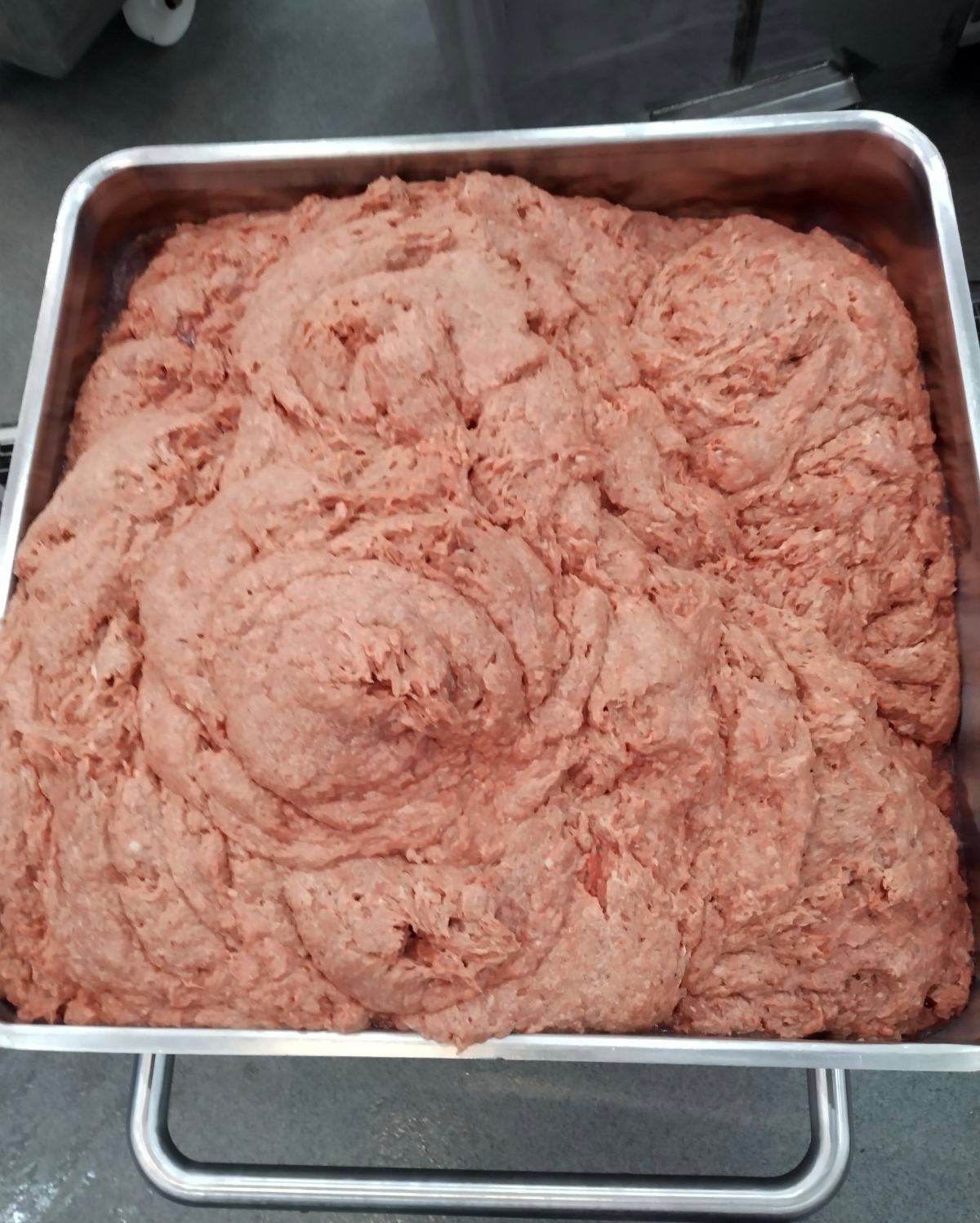
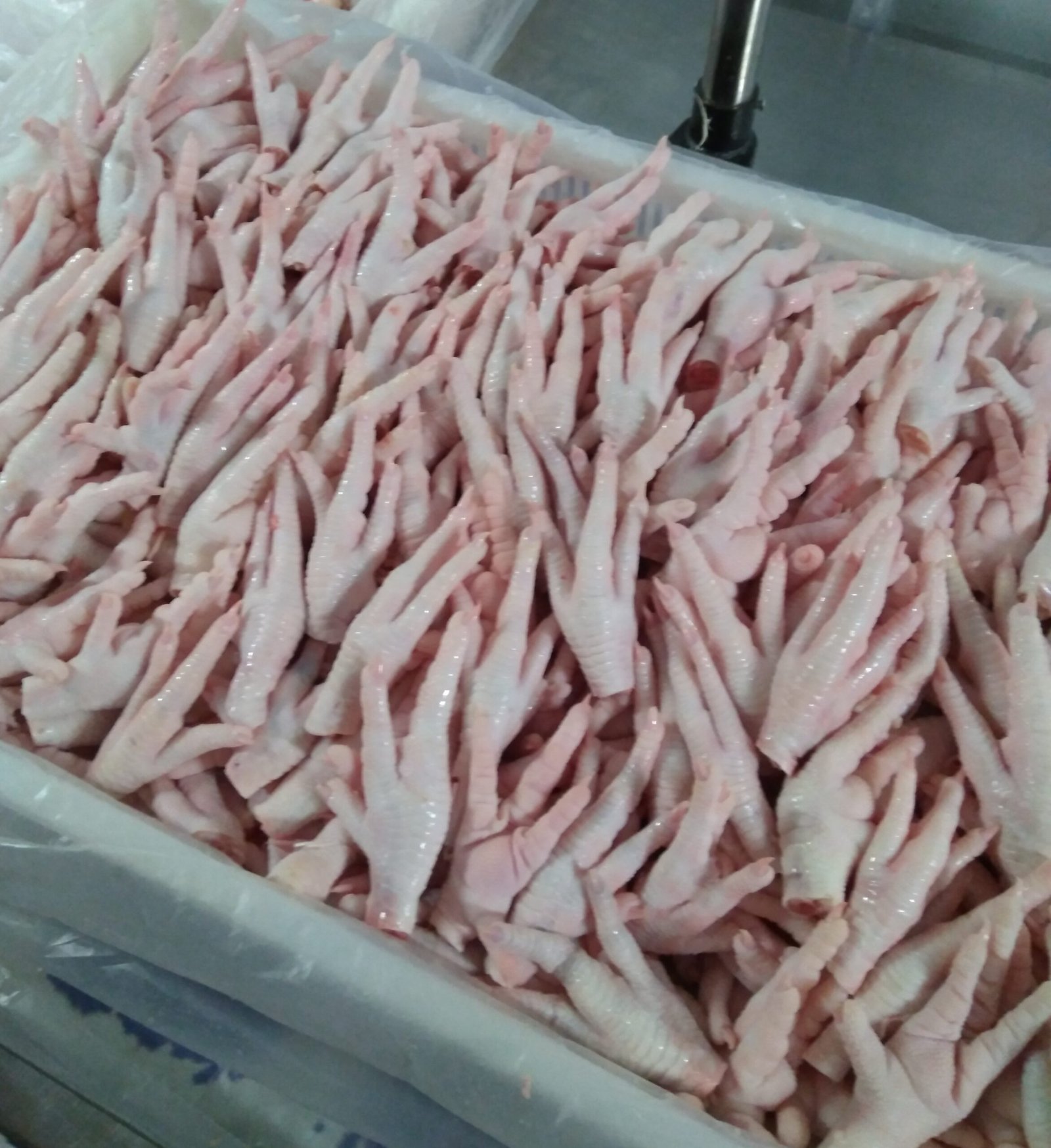
International poultry trade depends heavily on veterinary compliance. Exporters supplying whole chickens, chicken cuts, paws, feet, offal, MDM, and processed poultry products must provide accurate veterinary documentation to meet import requirements.
WHAT IS A VETERINARY CERTIFICATE?
A veterinary certificate is an official document issued or endorsed by the competent veterinary authority of the exporting country. The certificate confirms that exported poultry products meet sanitary, animal health, and import requirements established by the destination country.
WHY VETERINARY CERTIFICATES MATTER
• Provide legal access to international markets
• Confirm disease control status
• Support customs clearance
• Reduce shipment rejection risks
• Increase importer confidence
INFORMATION INCLUDED IN CERTIFICATES
Typical veterinary certificates contain:
– Exporter details
– Importer details
– Product description
– Batch numbers
– Production dates
– Health declarations
– Storage conditions
– Transport information
– Official signatures
COMMON DISEASES REFERENCED
Importing authorities often evaluate risks related to avian influenza, Newcastle disease, and other notifiable poultry diseases.
WHO ISSUES EXPORT VETERINARY CERTIFICATES?
Government veterinary services, food safety agencies, or authorized national authorities usually issue export certificates.
VETERINARY CERTIFICATE VS OTHER DOCUMENTS
Veterinary certificate = animal health compliance.
Health certificate = sanitary declarations.
Halal certificate = religious compliance.
Certificate of origin = production country.
Commercial invoice = financial document.
COUNTRY-SPECIFIC REQUIREMENTS
Requirements differ across GCC countries, Europe, Southeast Asia, Africa, and Latin America. Exporters must verify destination-specific rules before shipment.
COMMON REASONS FOR SHIPMENT REJECTION
Incorrect forms, expired certificates, missing signatures, disease restrictions, and discrepancies between products and documents frequently cause delays.
BEST PRACTICES
Review importer requirements before production.
Maintain traceability systems.
Coordinate early with veterinary authorities.
Monitor disease restrictions affecting export markets.
CONCLUSION
Veterinary certificates remain among the most important documents in poultry trade. Accurate compliance reduces commercial risk and improves access to long-term export markets.