Chicken Export from Ukraine to Egypt: Market Demand, Halal Standards and Frozen Poultry Opportunities
Egypt is one of the largest food consumption markets in North Africa, with a population exceeding 100 million people and continuous demand for affordable protein sources. Poultry remains an important category because chicken is generally cheaper than beef and widely consumed.
Despite local poultry production, Egypt periodically relies on imported frozen chicken products to stabilize prices, cover shortages and support wholesale distribution.
Why Egypt Imports Chicken
Egypt has domestic poultry farming, but import demand may increase due to population growth, inflation, feed costs, disease outbreaks or supply gaps. Imported frozen poultry helps balance market availability.
Which Chicken Products Are Exported to Egypt
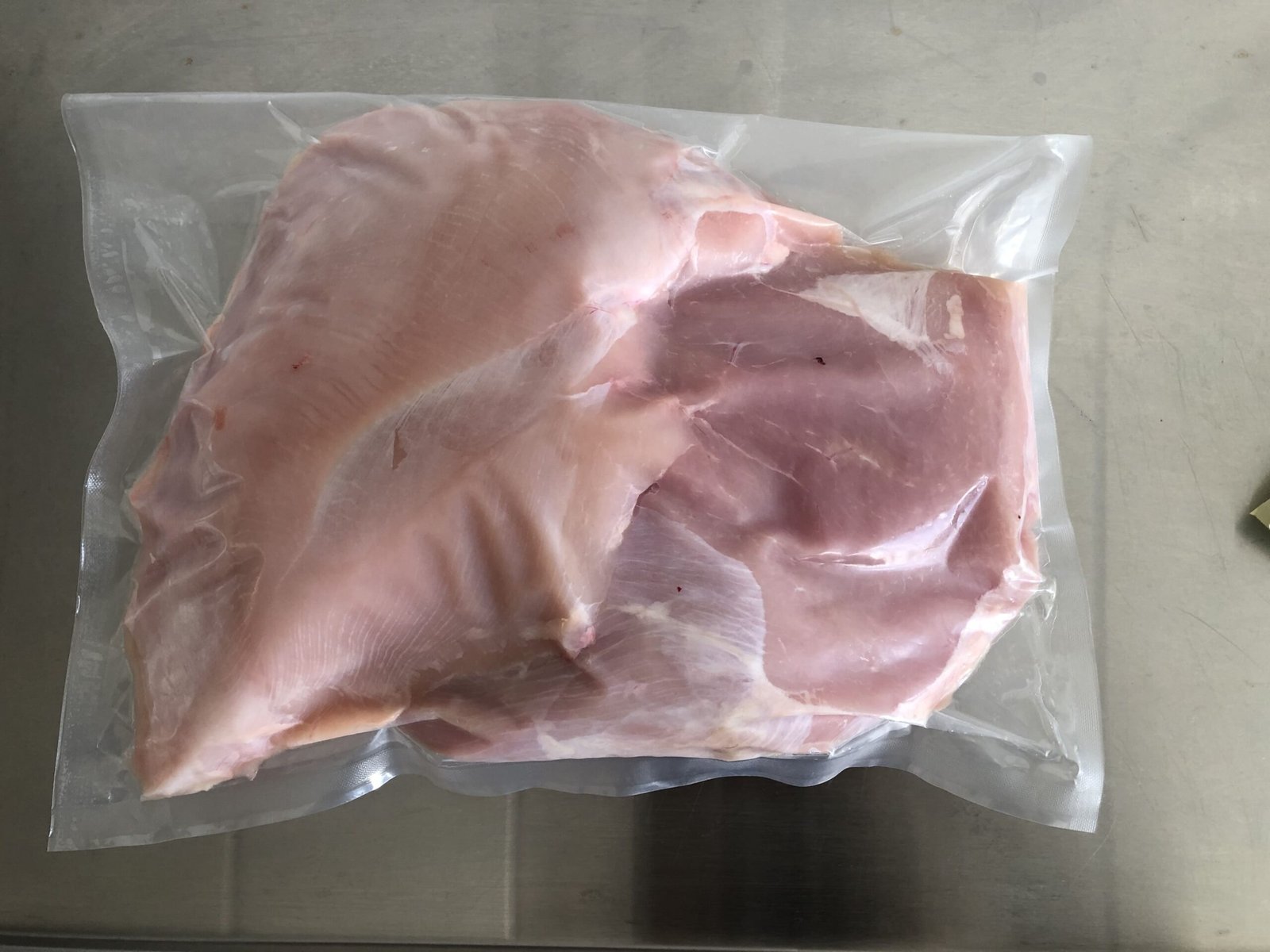
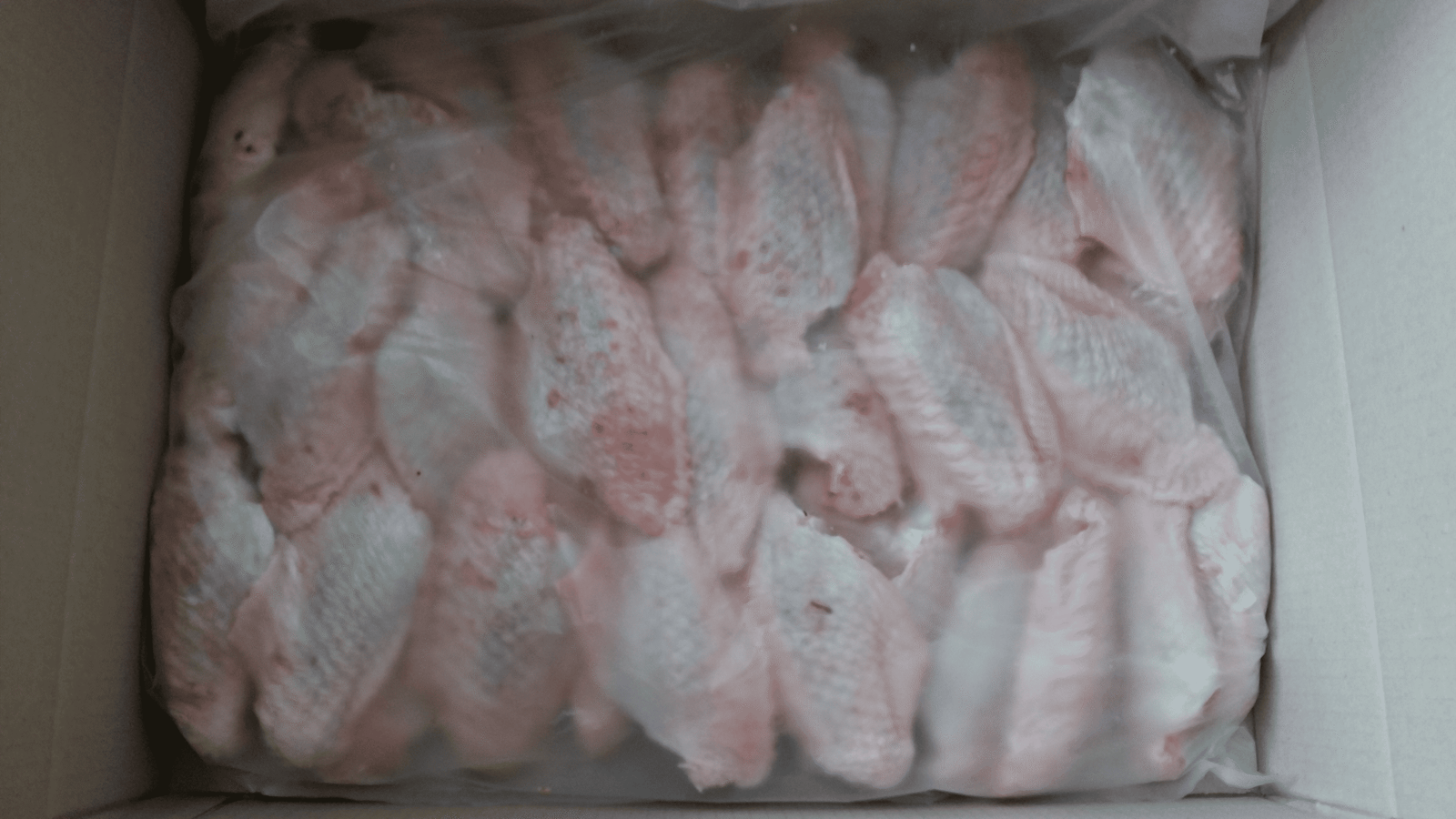
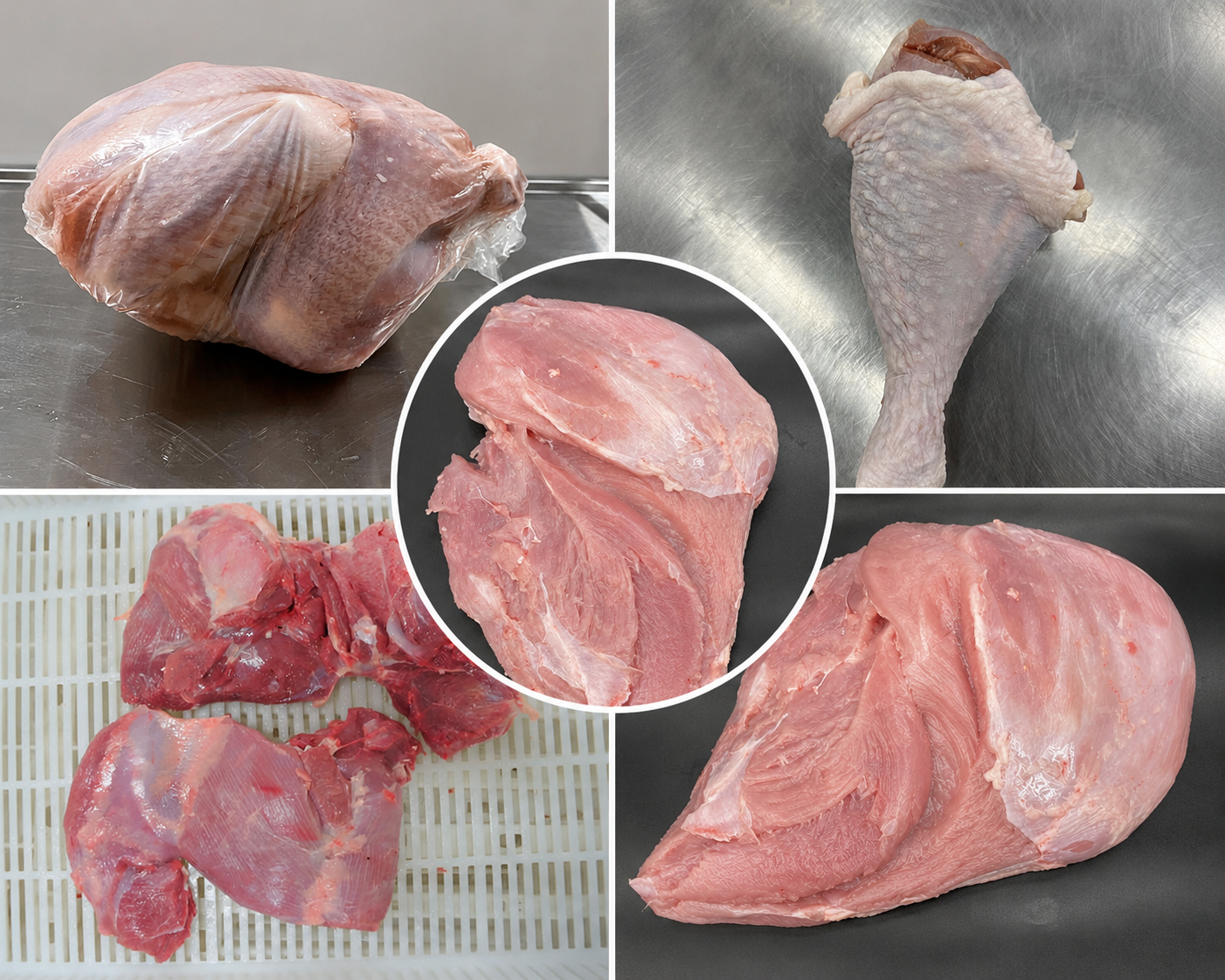
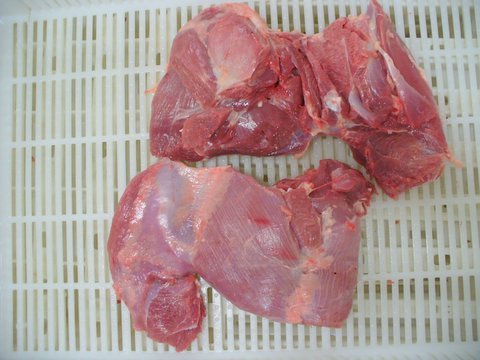
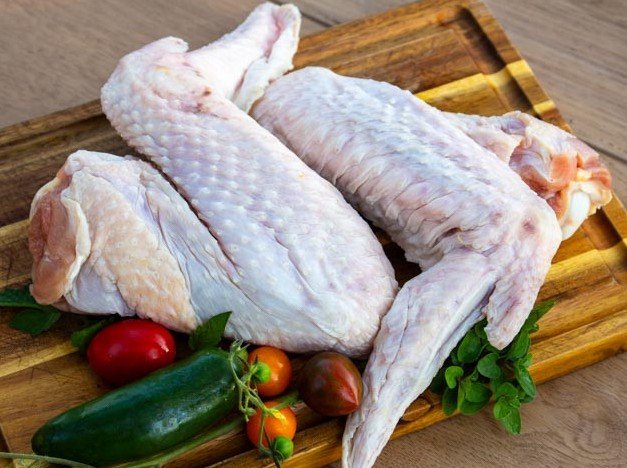
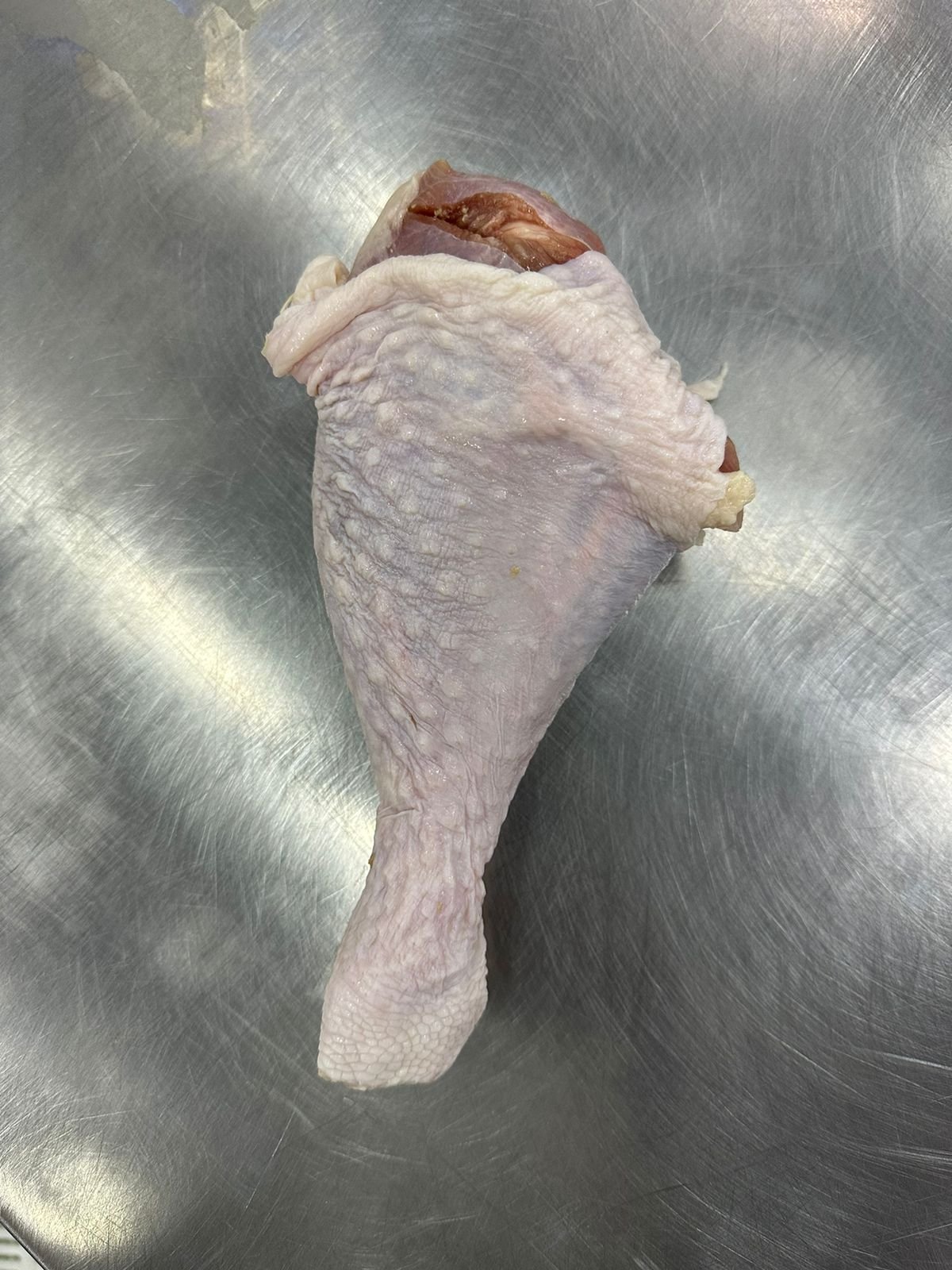
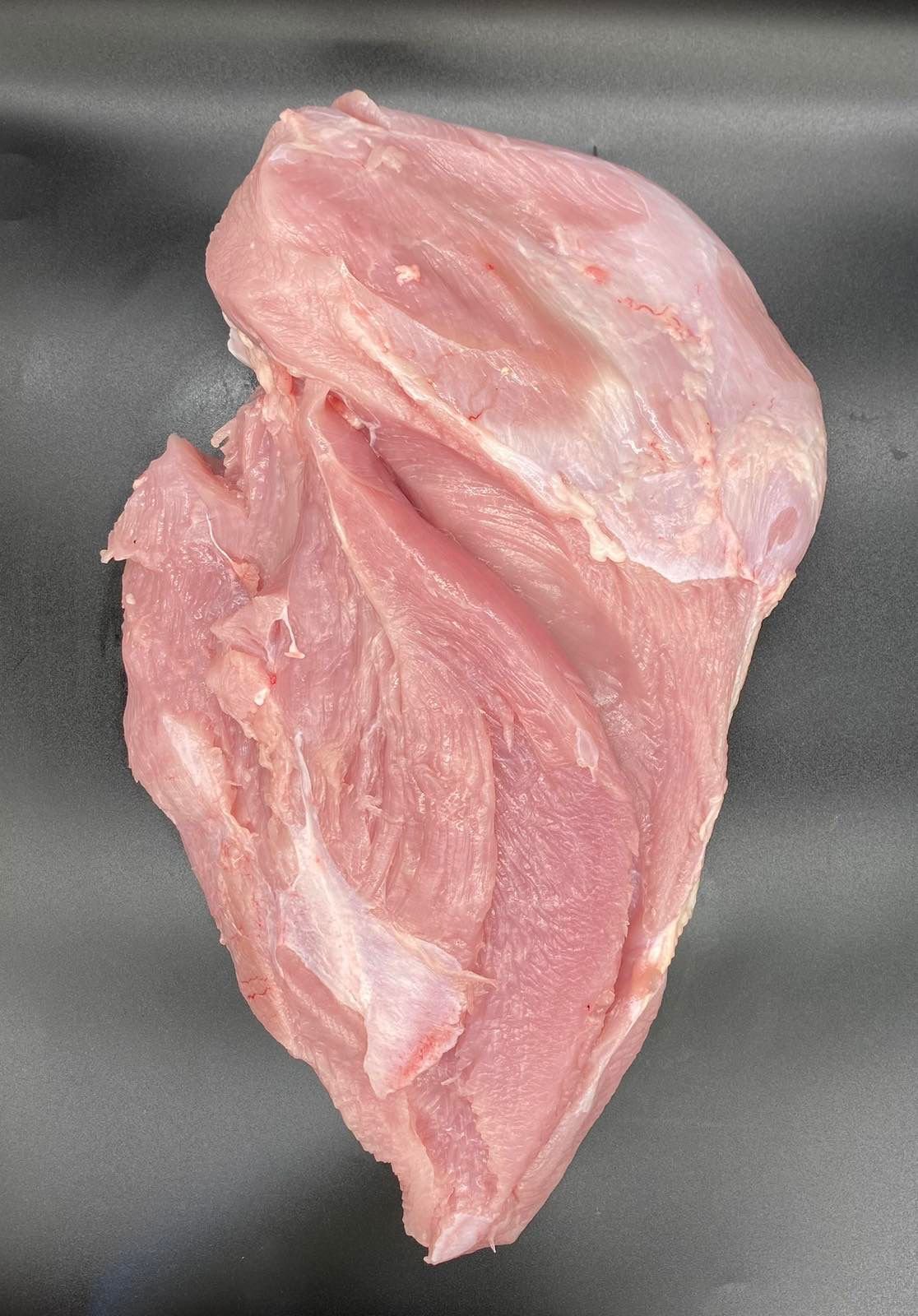
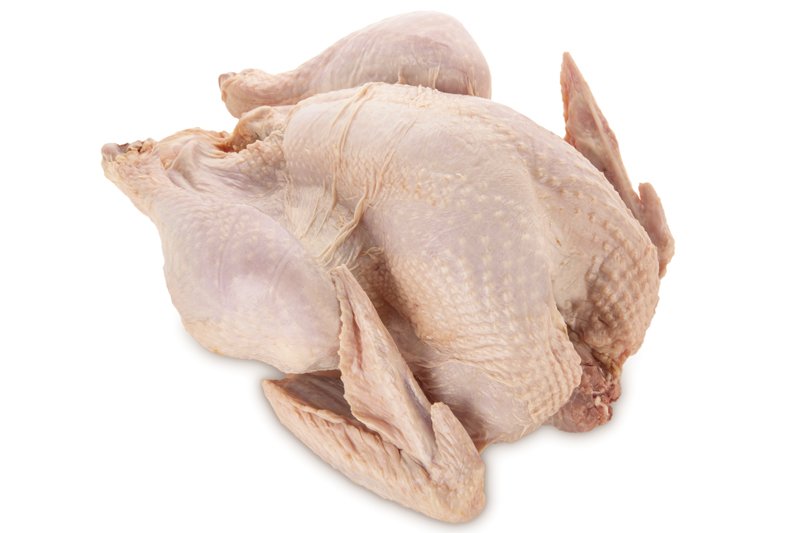
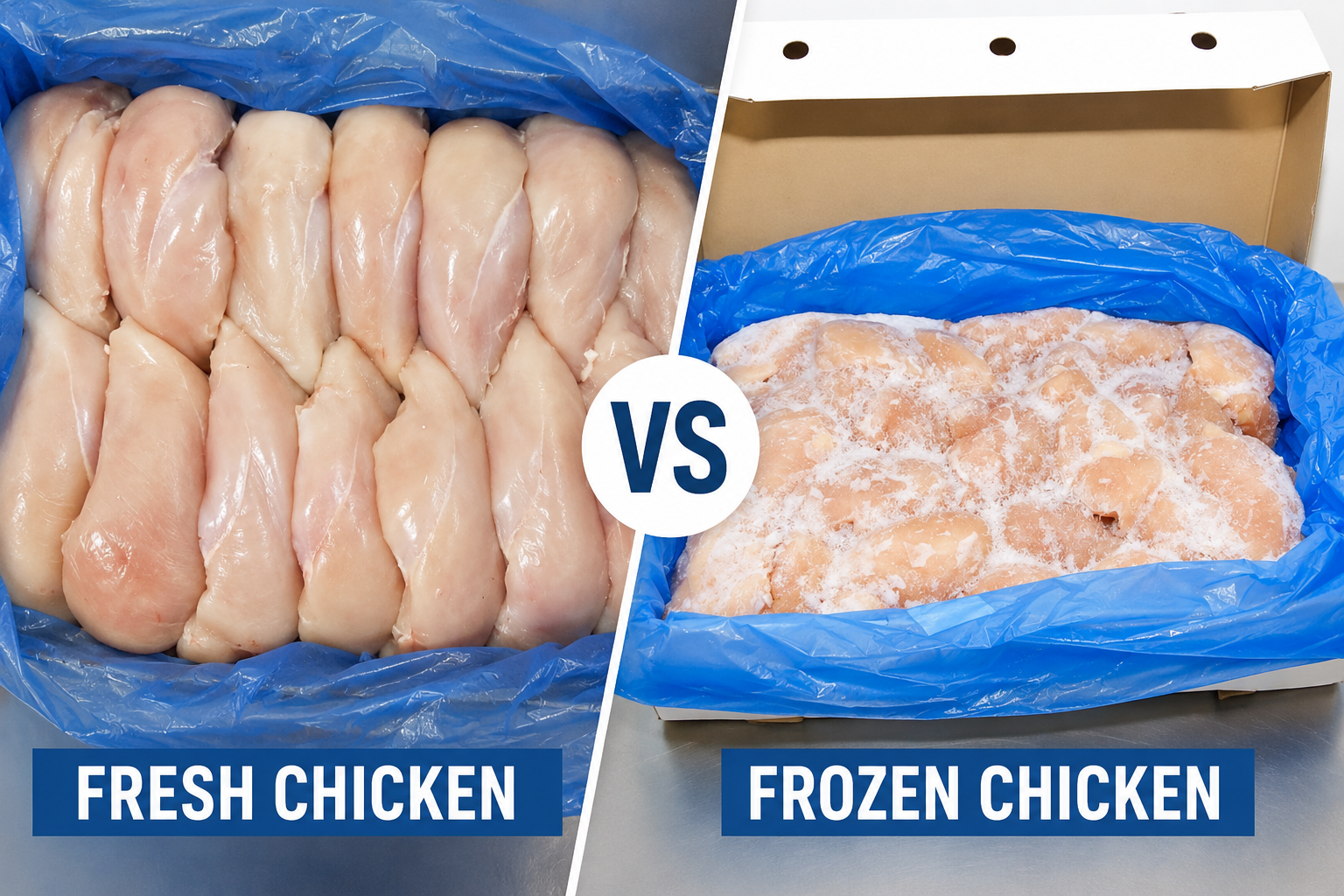
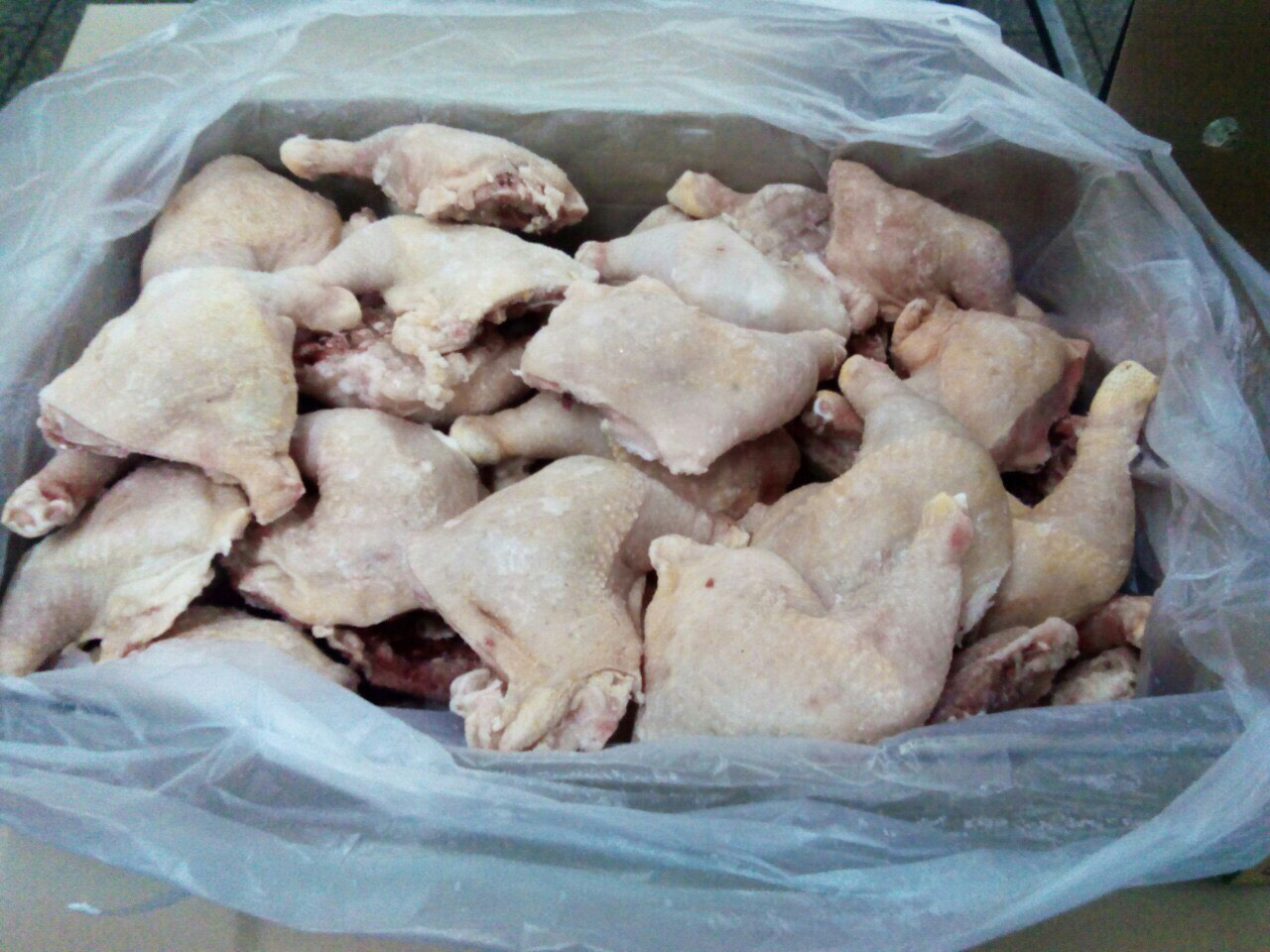
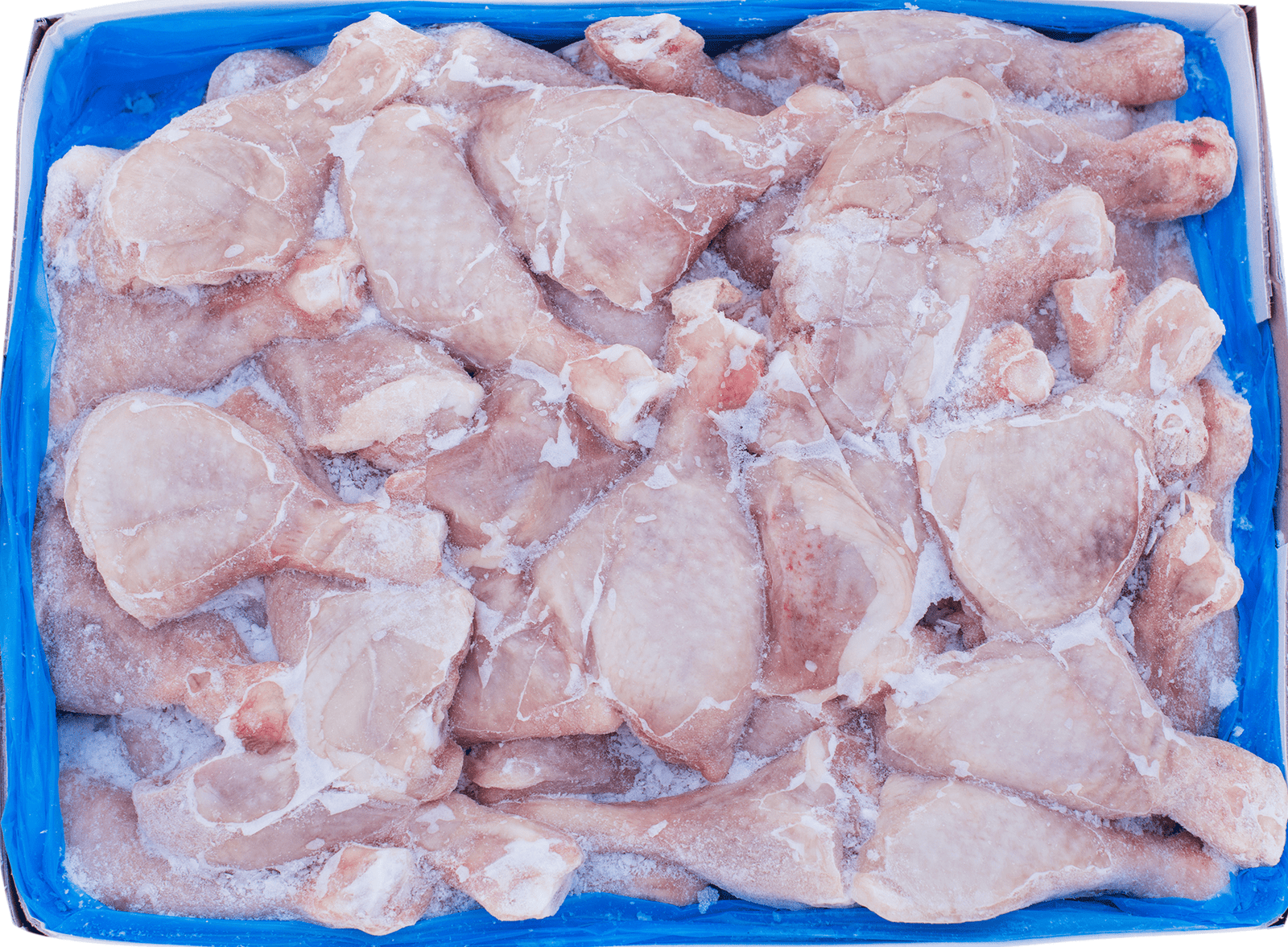
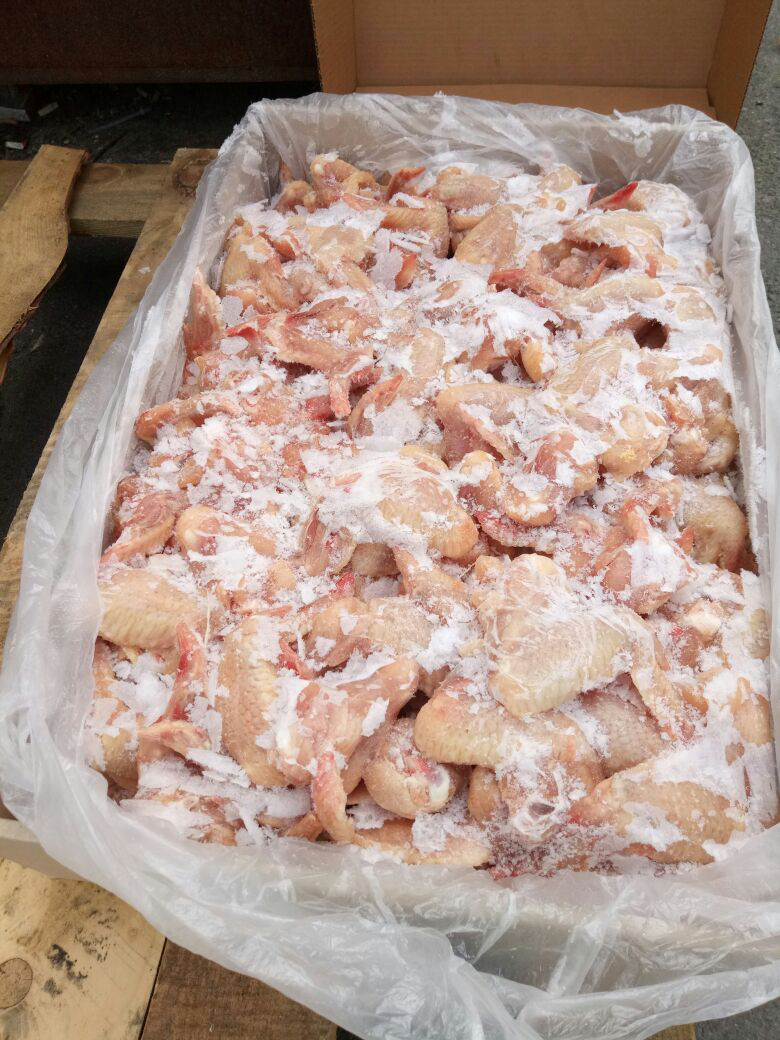
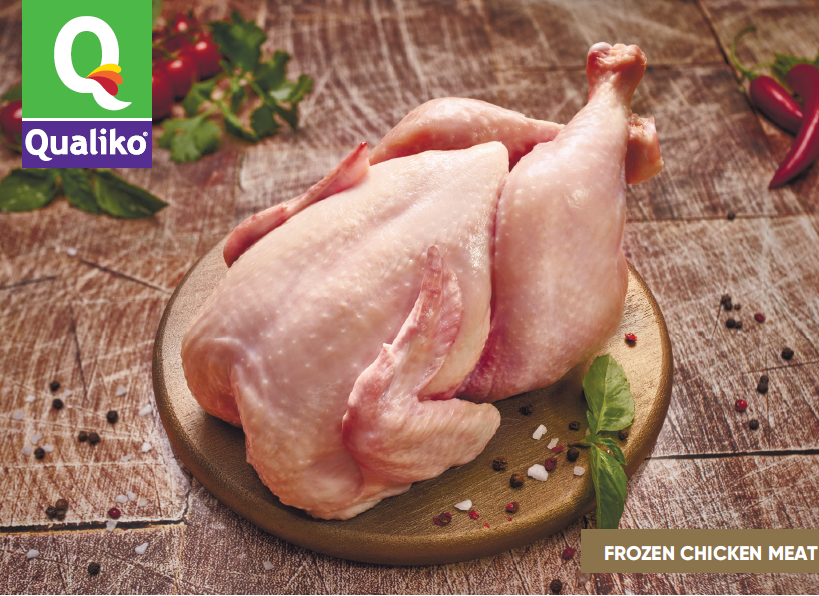
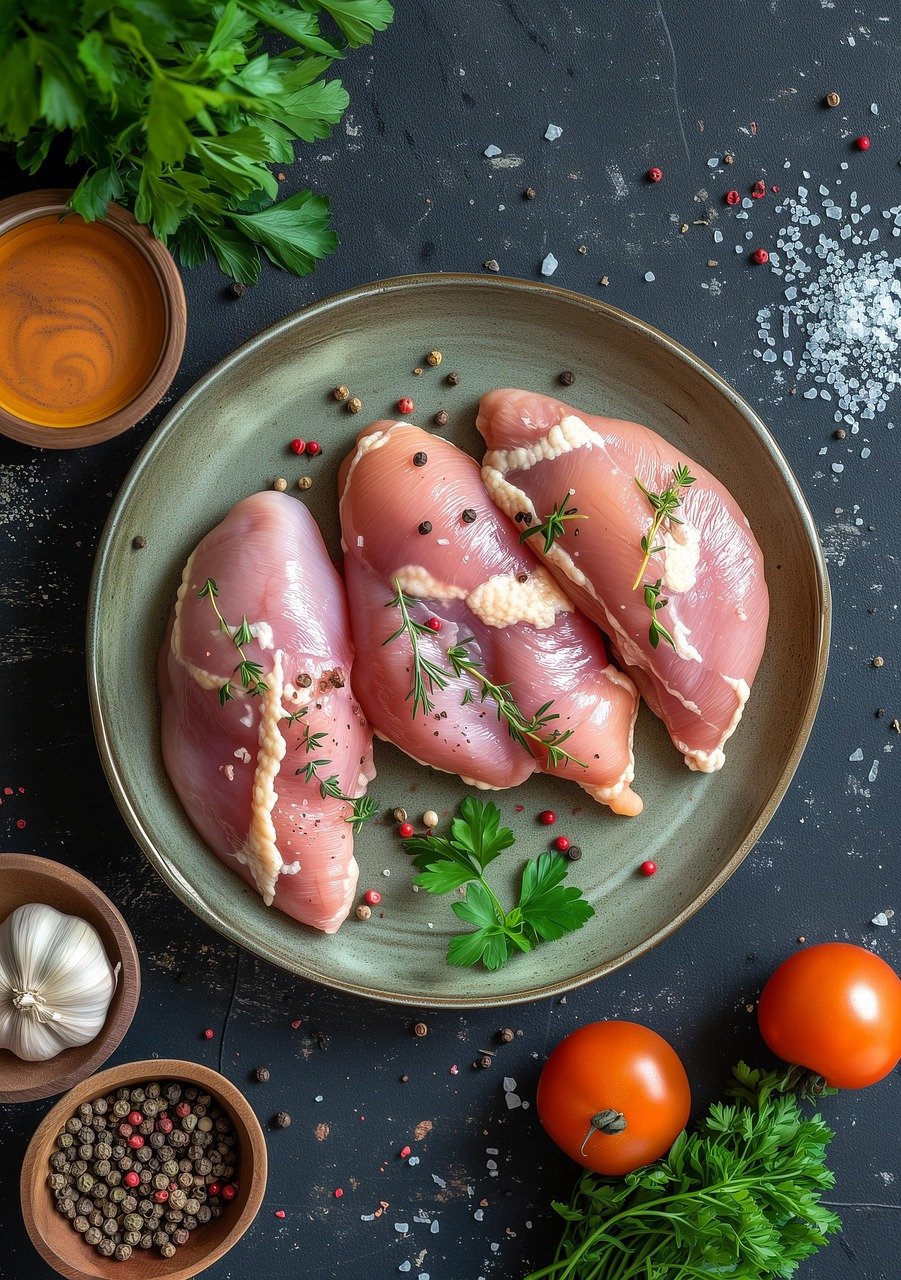
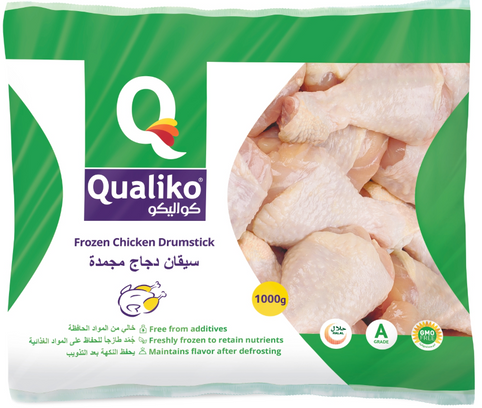
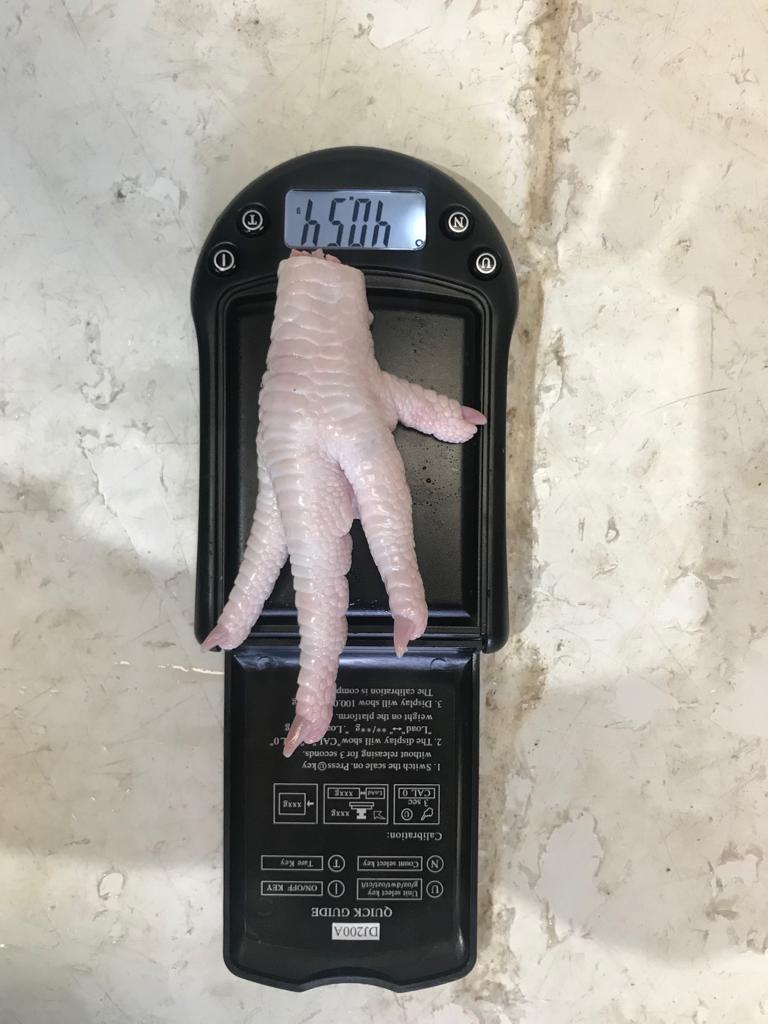
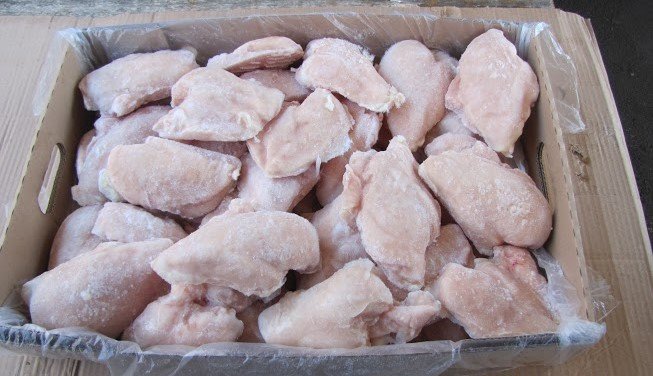
Frozen whole chicken, chicken grillers, leg quarters, breast fillets, wings and halal-certified poultry products are common. Some importers prioritize bulk products for distribution networks.
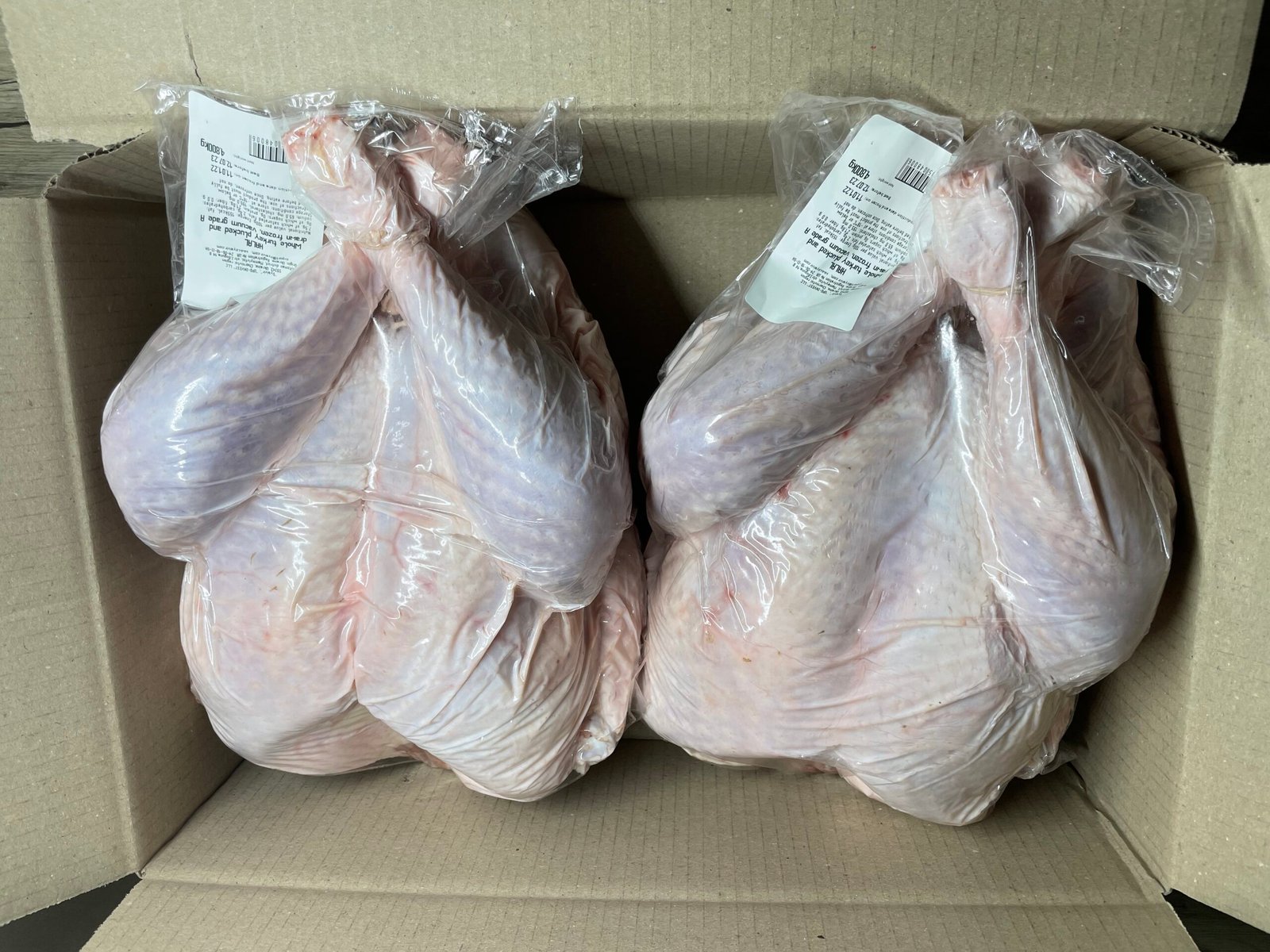
Whole Chicken Demand
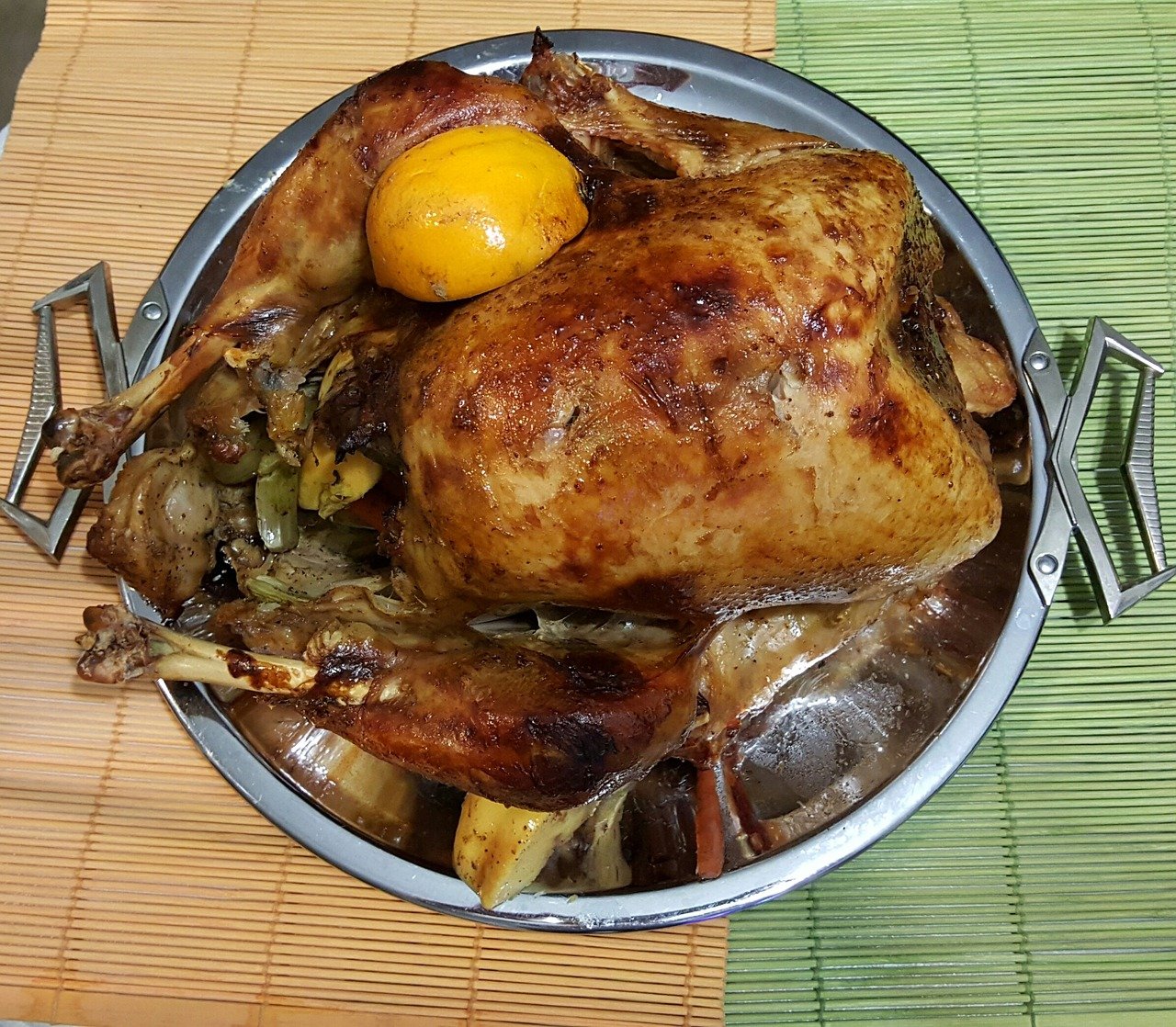
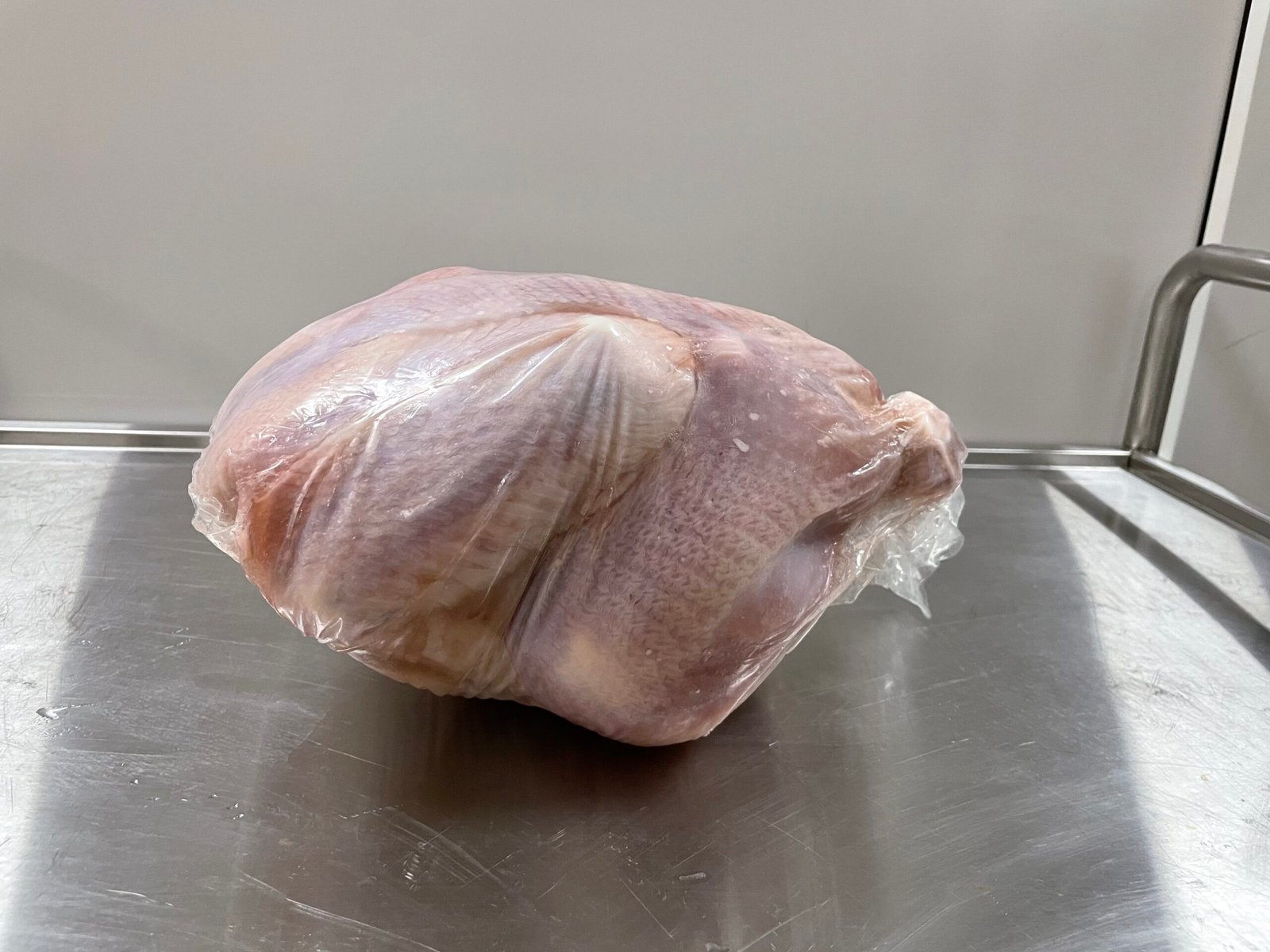
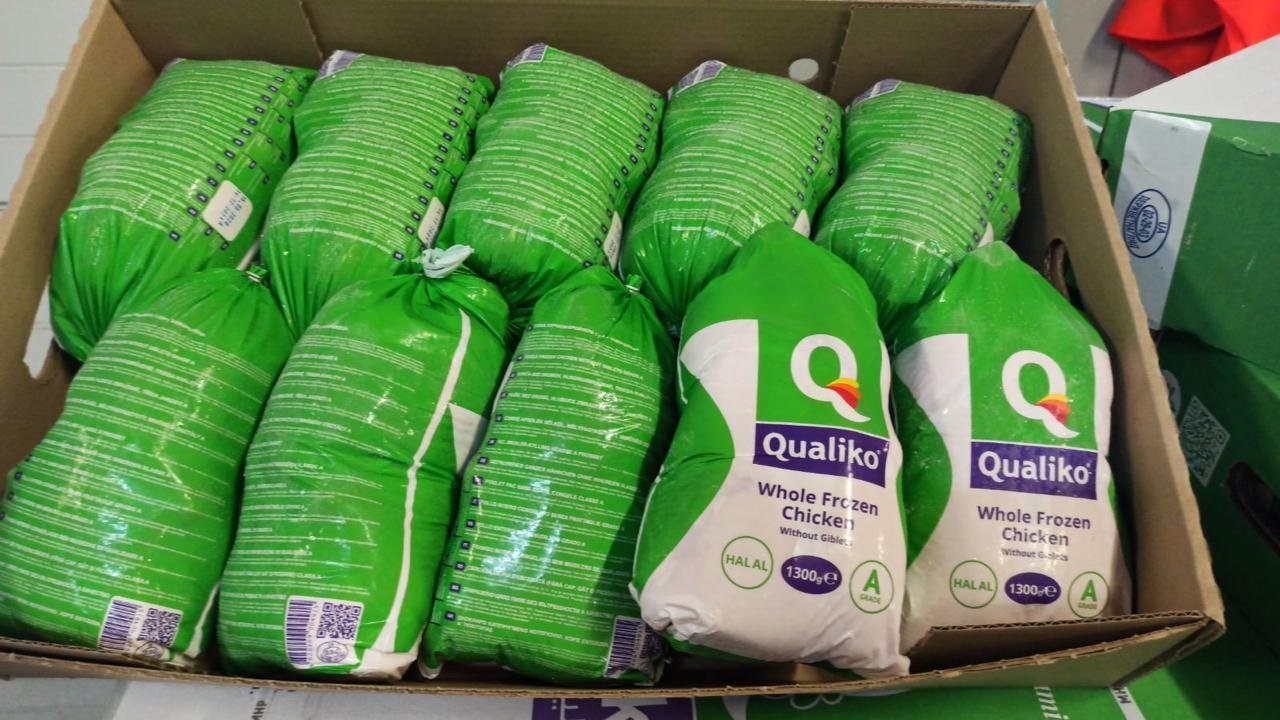
Whole chicken remains important because retail buyers and traditional markets often prefer complete carcasses rather than highly processed cuts. This factor can strongly influence purchasing decisions in import markets.
Halal Is Essential
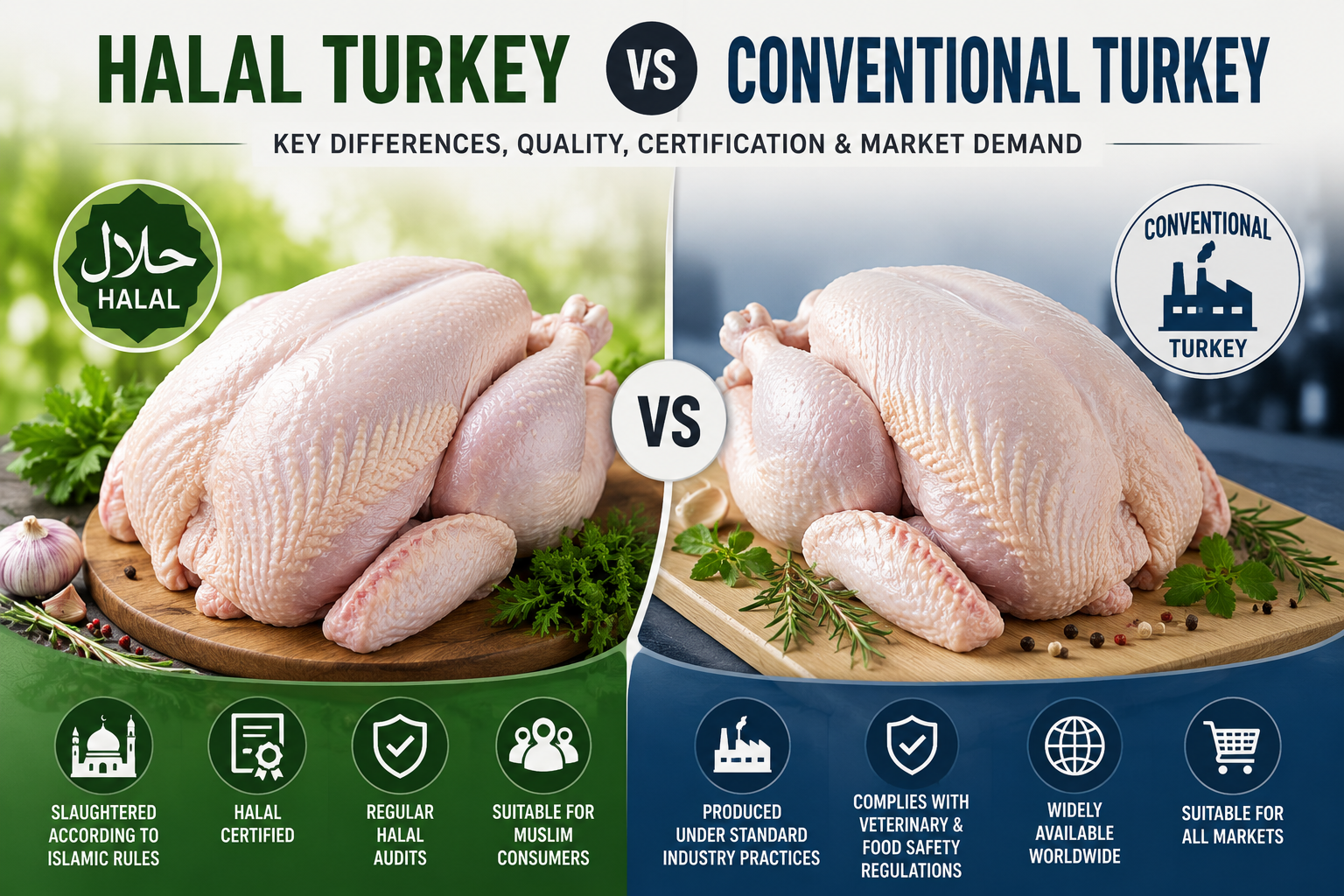
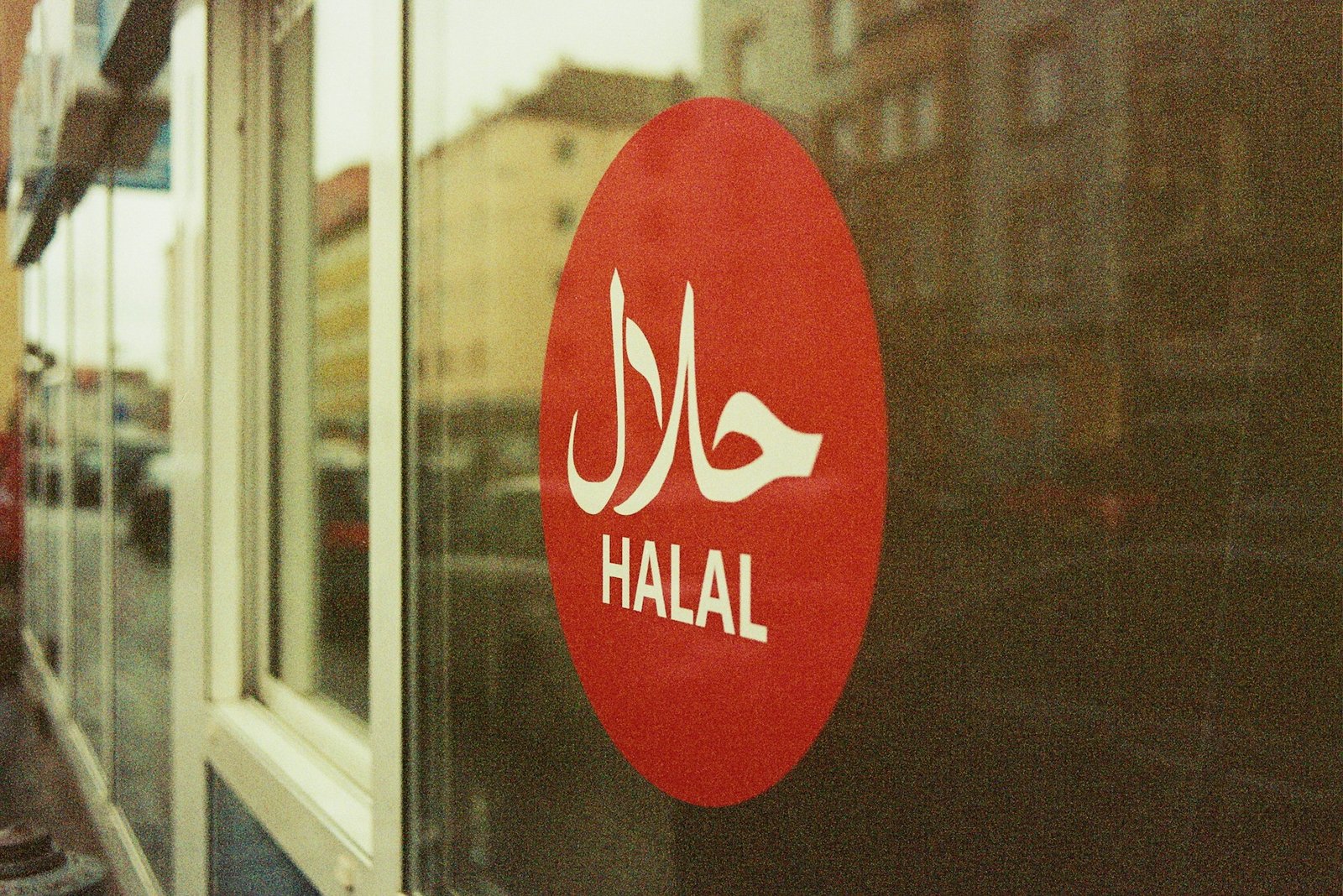
The Egyptian market generally requires halal-compliant poultry imports. Importers may request certification accepted by local authorities and buyers. This factor can strongly influence purchasing decisions in import markets.
What Halal Means
Halal refers to products prepared according to Islamic requirements. For poultry this may involve slaughter procedures, segregation, supervision and documentation. This factor can strongly influence purchasing decisions in import markets.
How Halal Certification Works in Ukraine
Export-oriented Ukrainian plants may operate under halal procedures supervised by recognized certification organizations. Audits, staff requirements and document control can be involved depending on export destination.
Competition: Ukraine vs Brazil
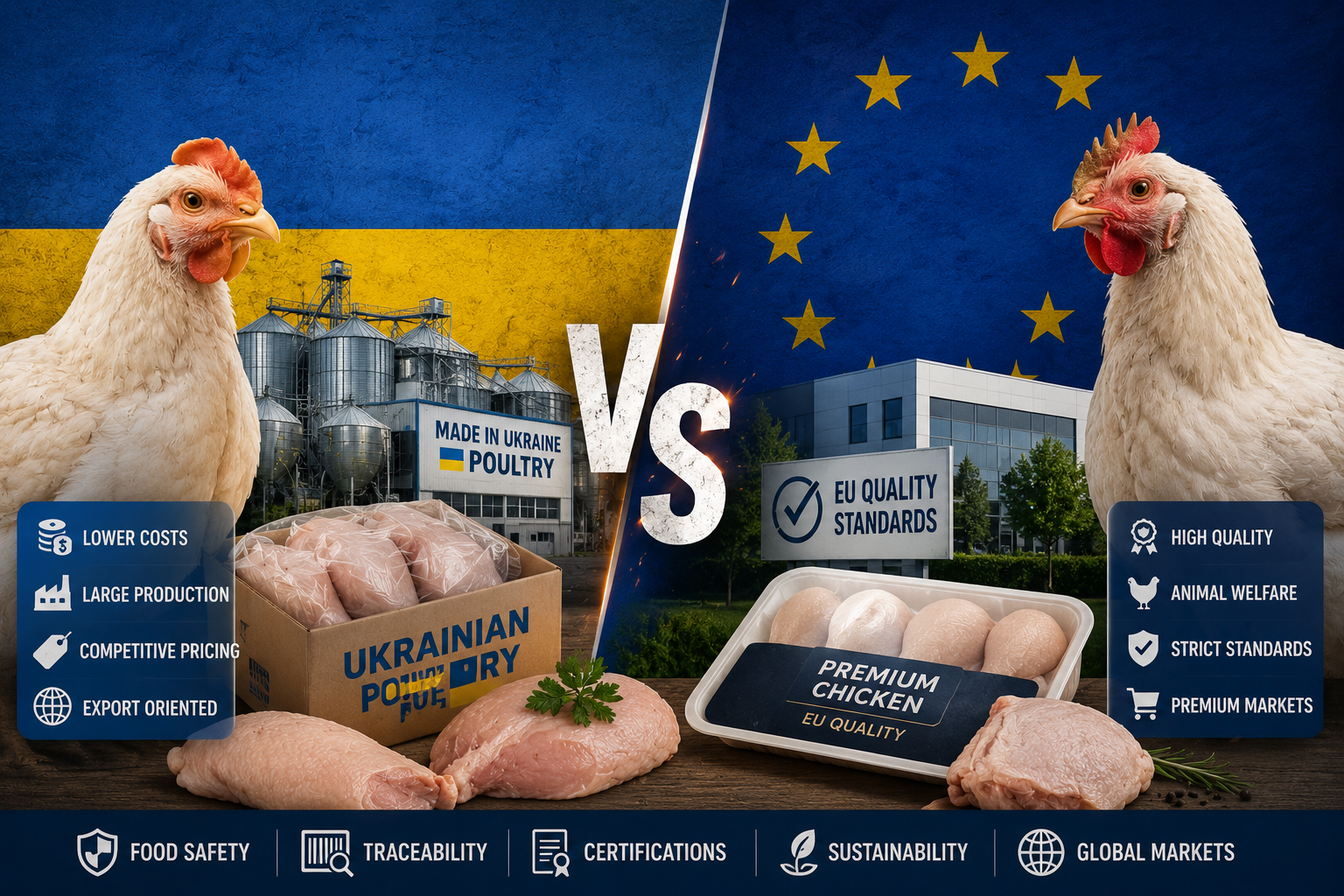
Brazil has historically been a major poultry supplier to MENA markets. Ukrainian exporters may compete through logistics advantages, flexible sourcing and regional proximity.
Why Ukrainian Poultry Can Be Attractive
Large production volumes, export experience, natural product positioning and flexible specifications can support competitiveness.
Ports and Logistics
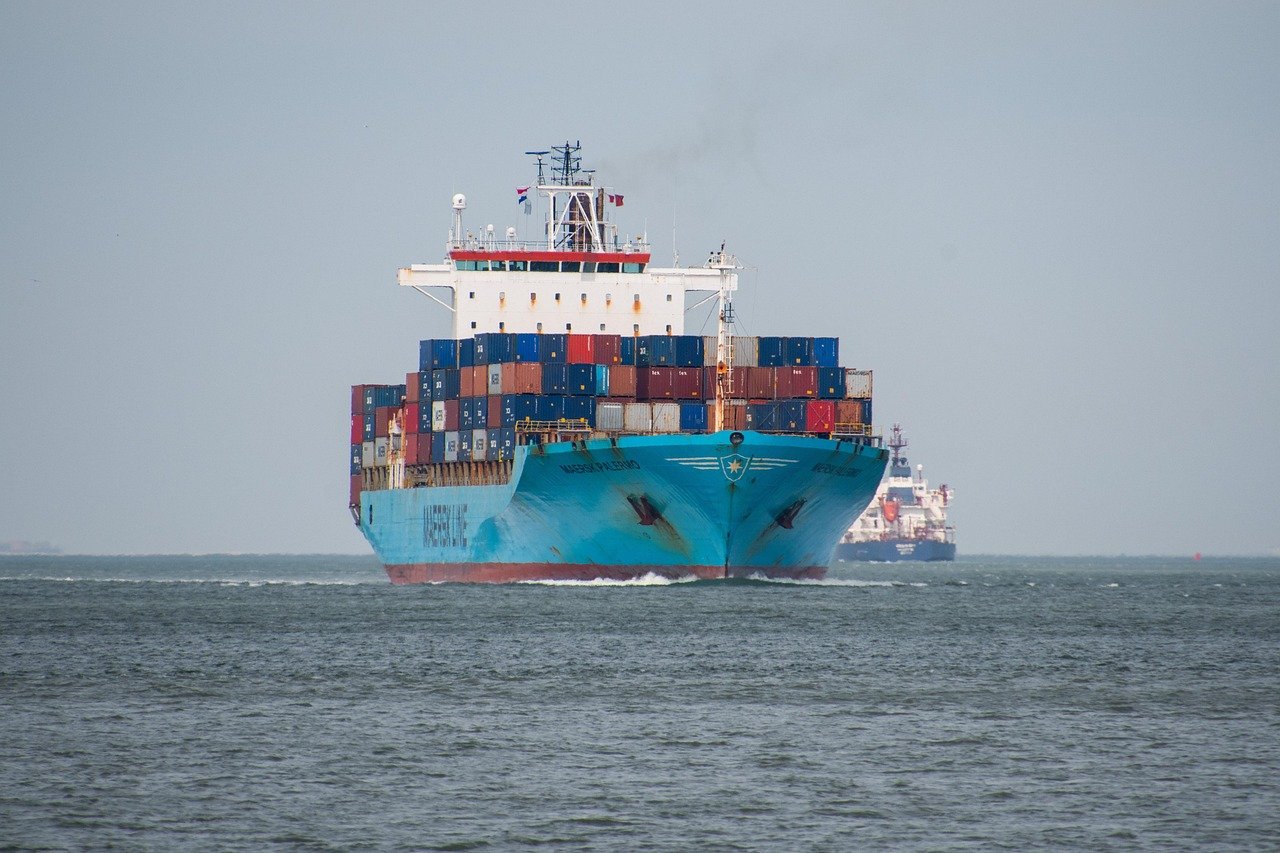
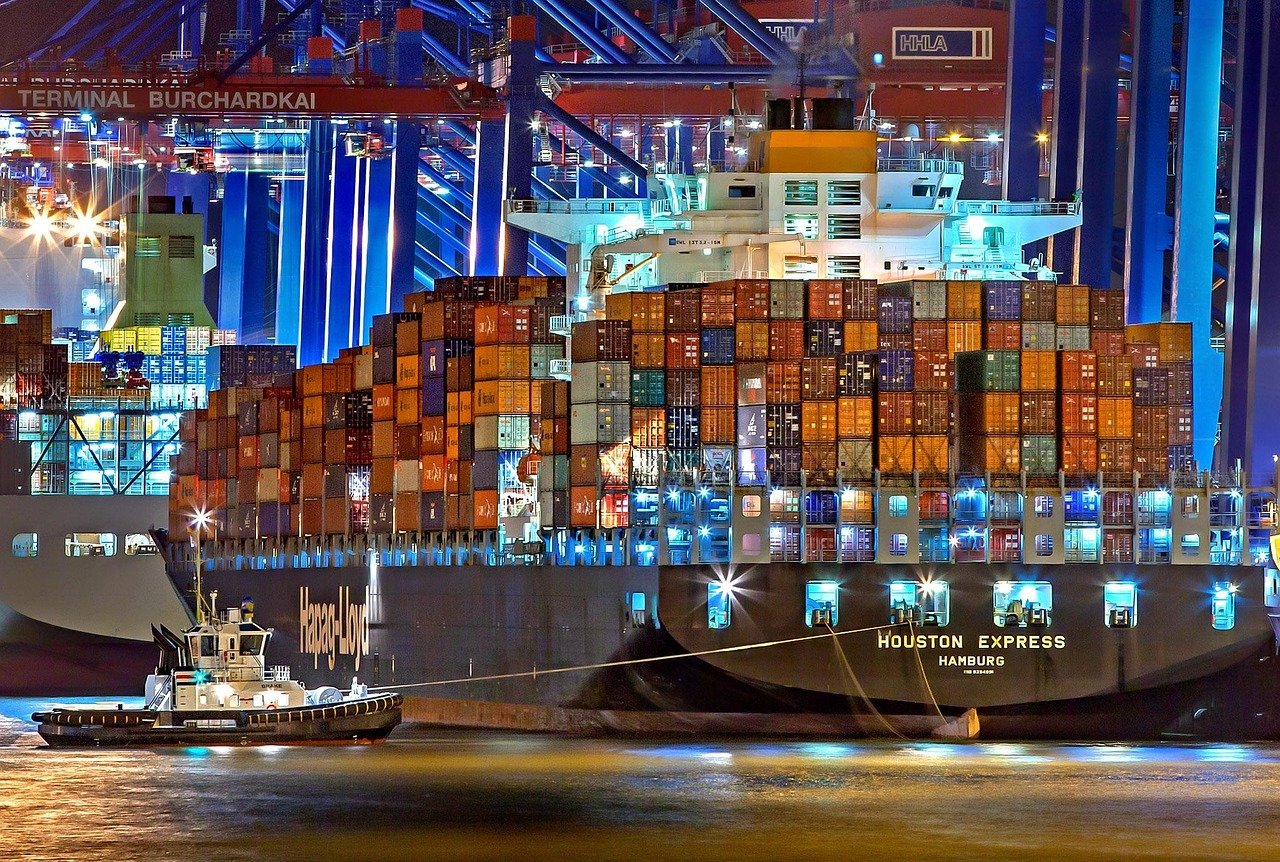
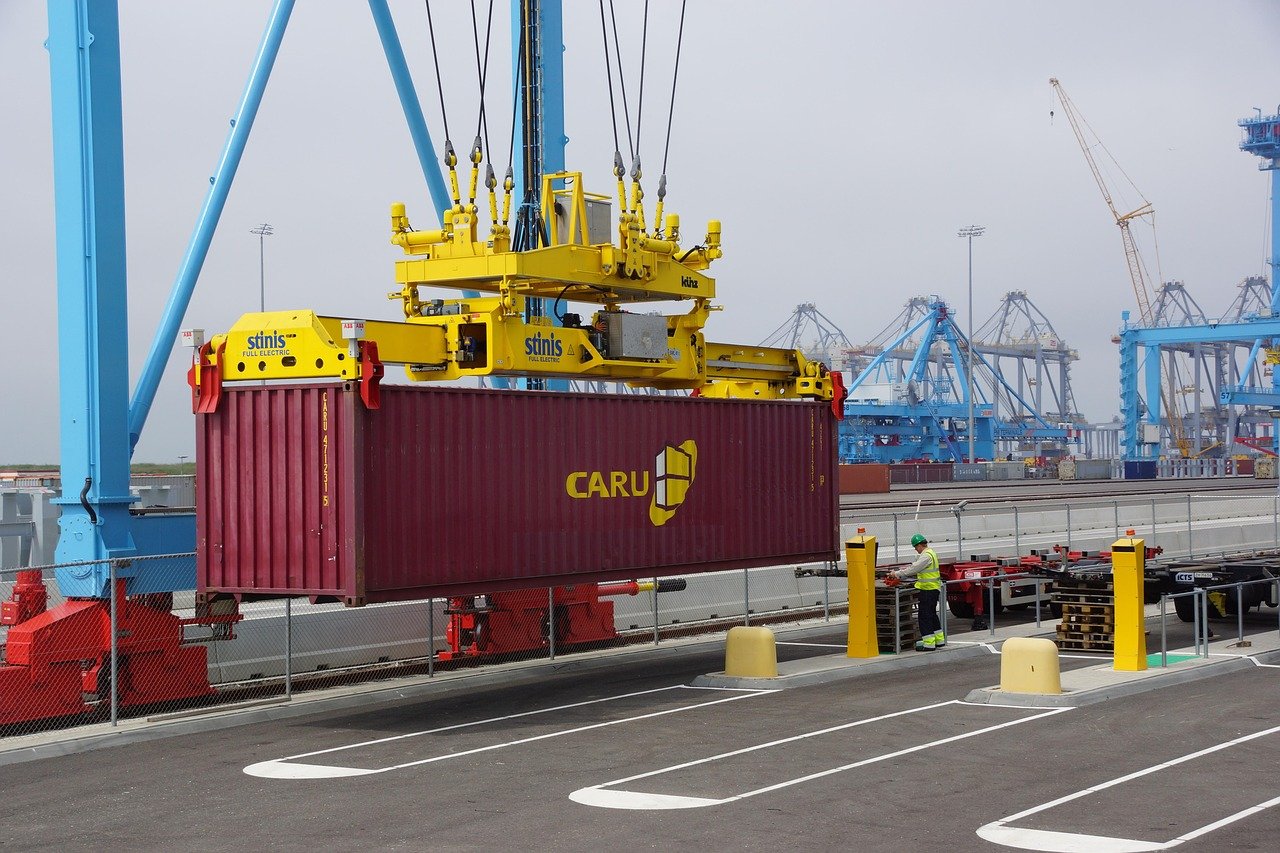
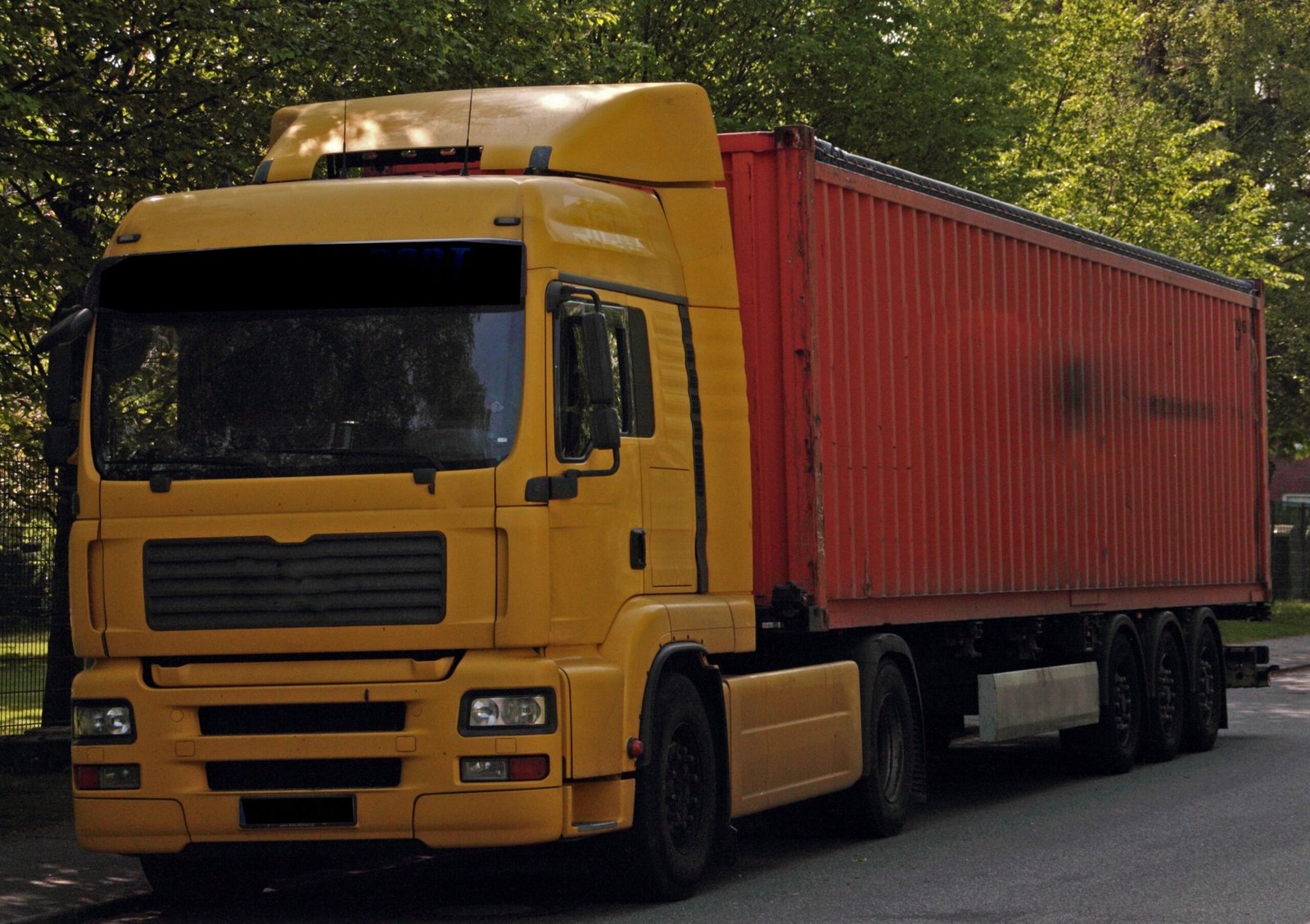
Frozen poultry shipments to Egypt rely on reefer containers and uninterrupted cold chain management. Transit planning affects shelf life and product condition.
Buyer Priorities
Egyptian importers may evaluate price, halal documentation, weight ranges, shelf life, packaging and manufacturer reputation.
| Product |
Typical Demand |
Notes |
| Whole chicken |
High |
Retail & wholesale |
| Leg quarters |
Medium-High |
Price-sensitive buyers |
| Breast fillets |
Medium |
Food service |
| Halal poultry |
Very High |
Market expectation |
Role of Food Trades Partners Ltd.
Food Trades Partners Ltd. works with Ukrainian producers and suppliers to support international poultry sourcing for markets including Europe, the Middle East and Africa.
Conclusion
Egypt remains an important market for frozen poultry due to population size, affordability pressures and ongoing demand for halal-certified products.