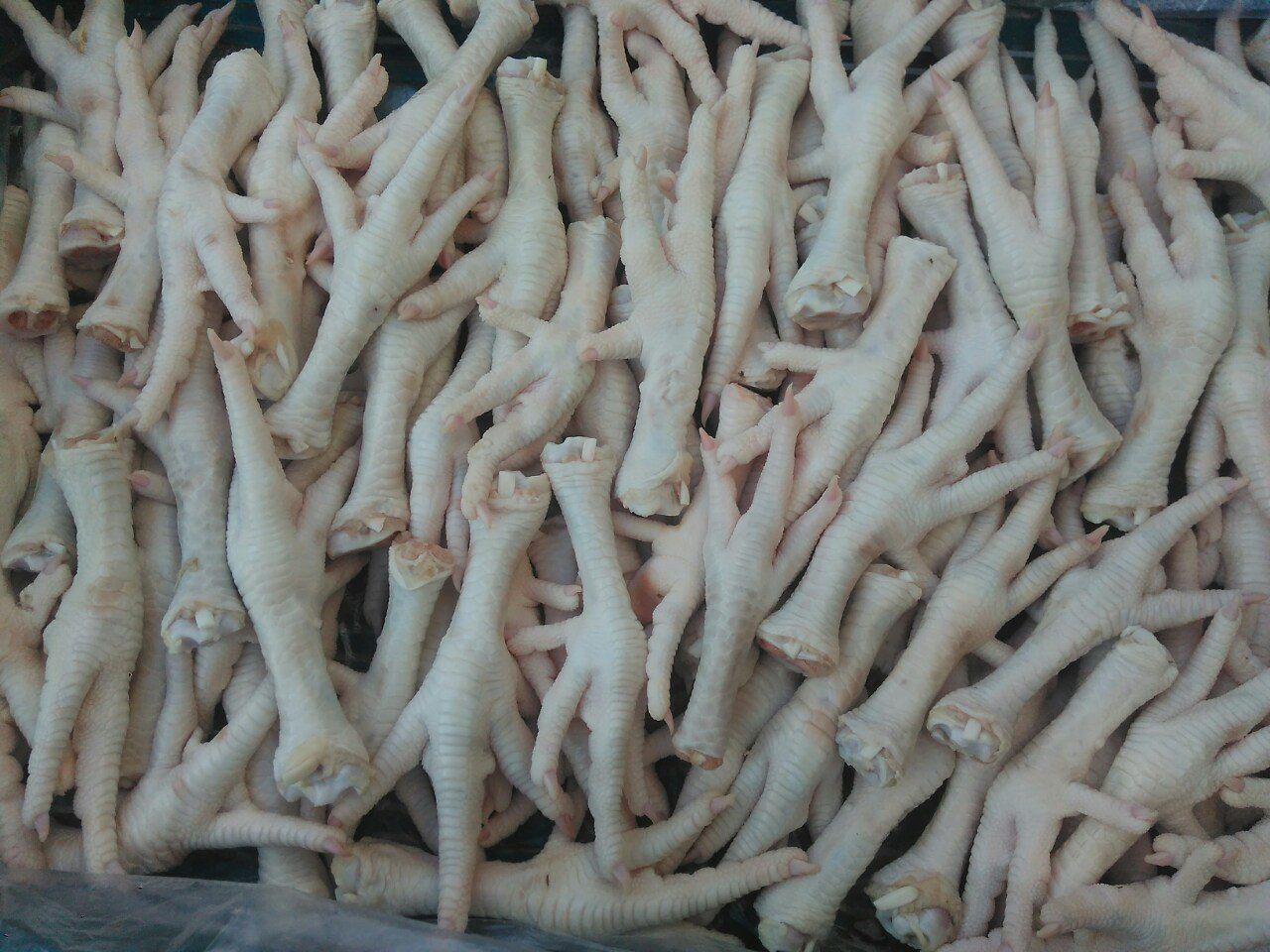
Difference Between Chicken Paws and Chicken Feet
Chicken paws and chicken feet are among the most traded poultry by-products in international food markets, especially in Asia. In China demand for the frozen chicken paws is stable and high. Although these terms are often used interchangeably, there are important differences between chicken paws and chicken feet in processing, appearance, and market demand.
What Are Chicken Paws?
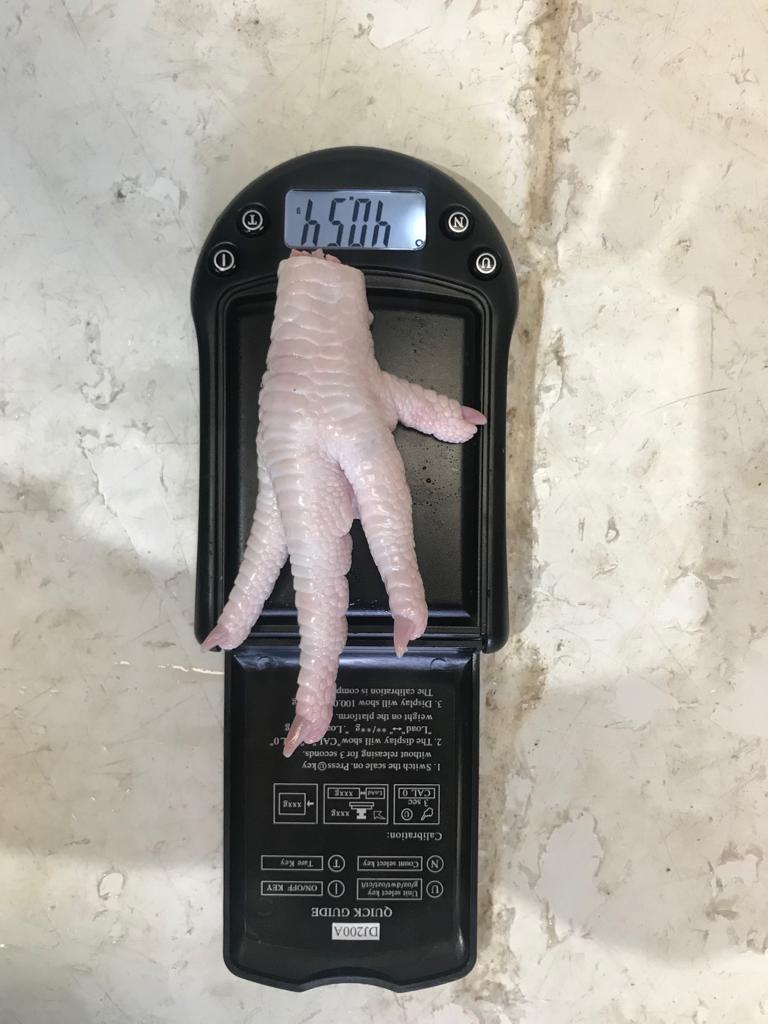
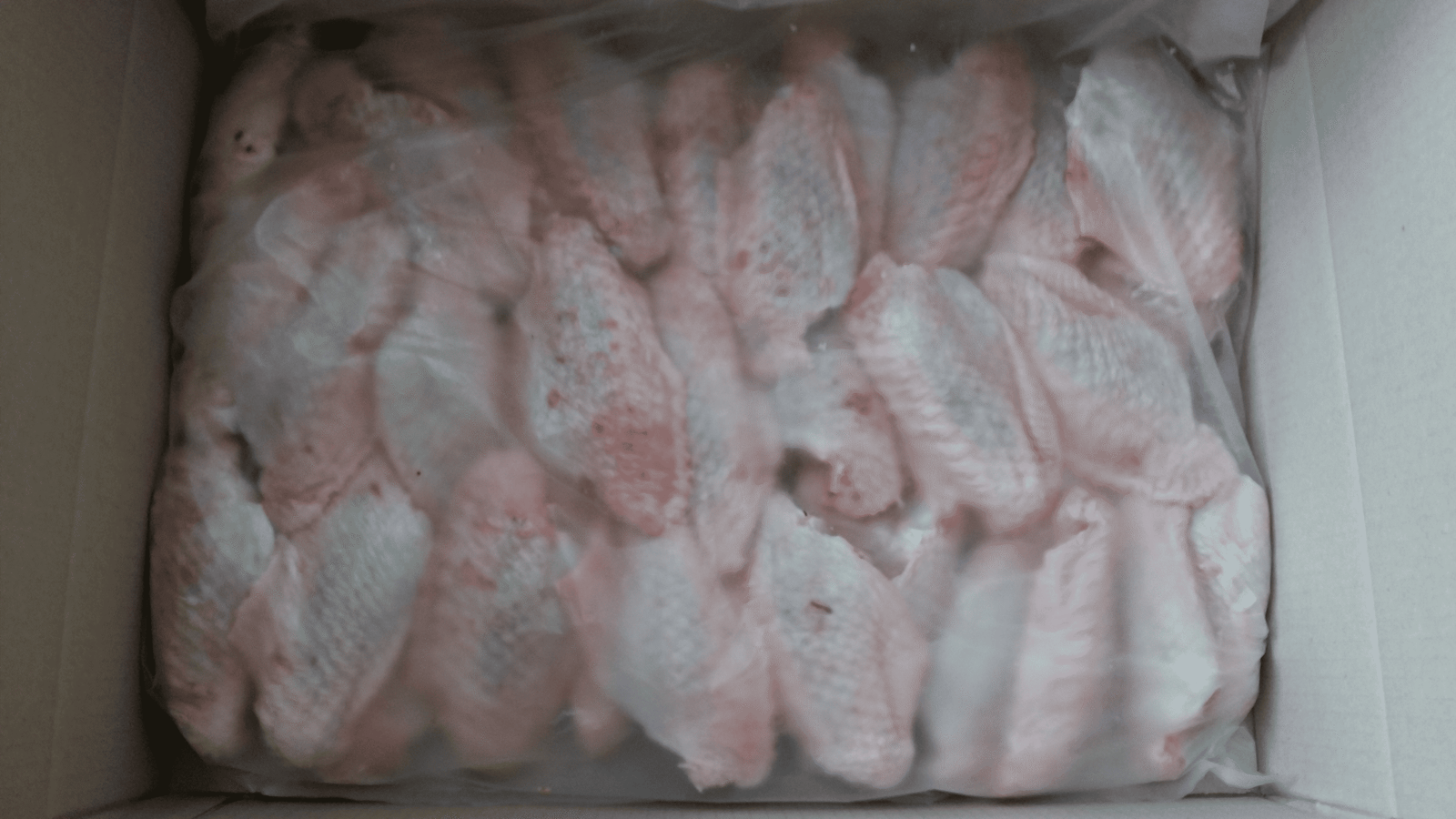
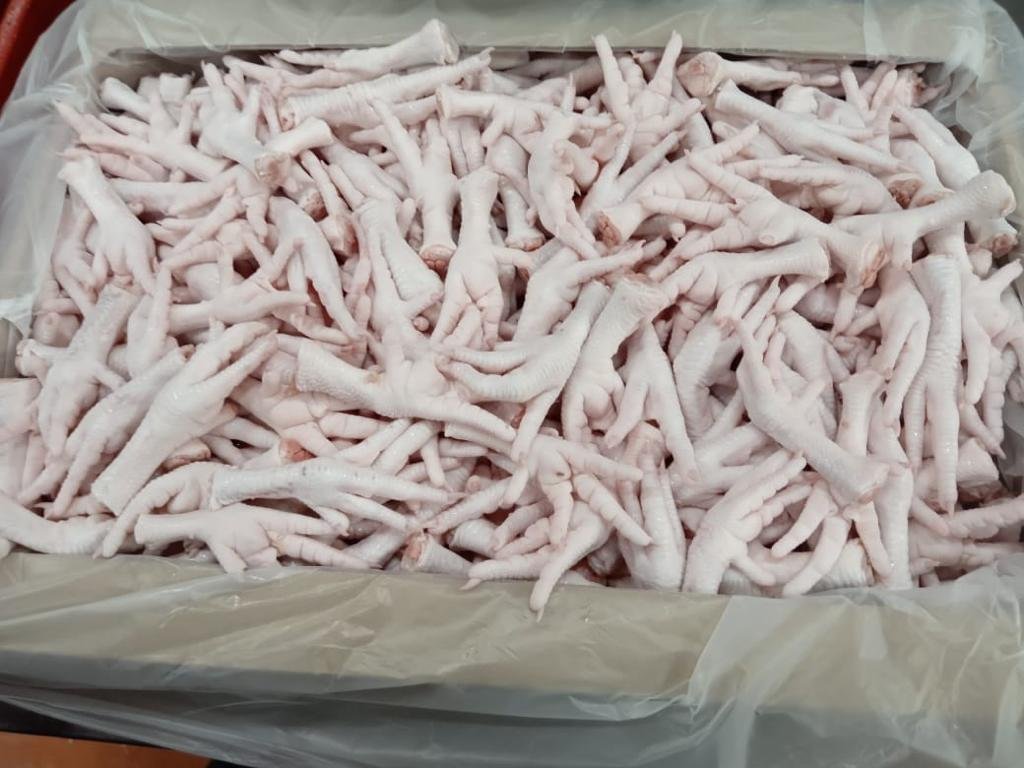
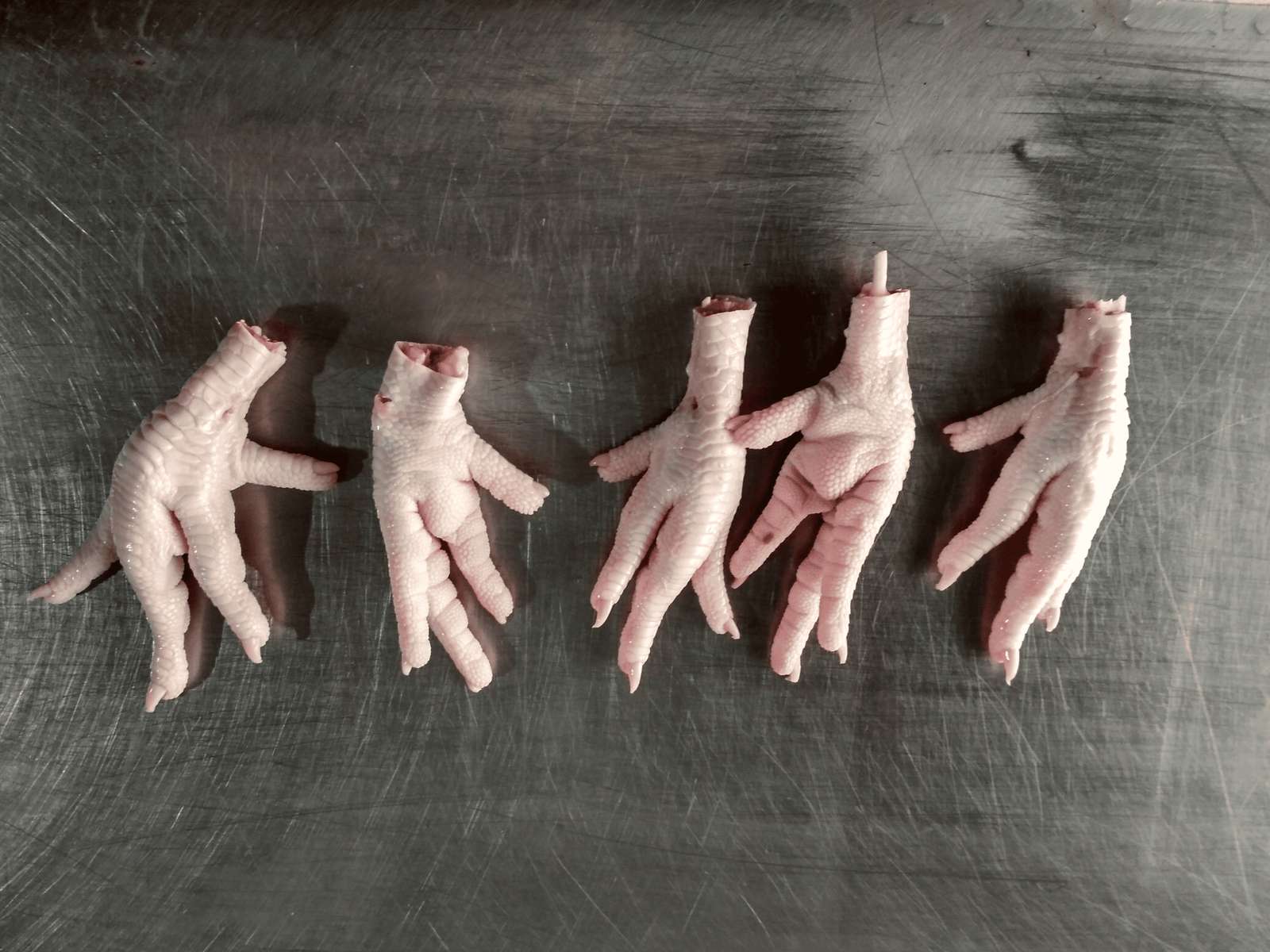
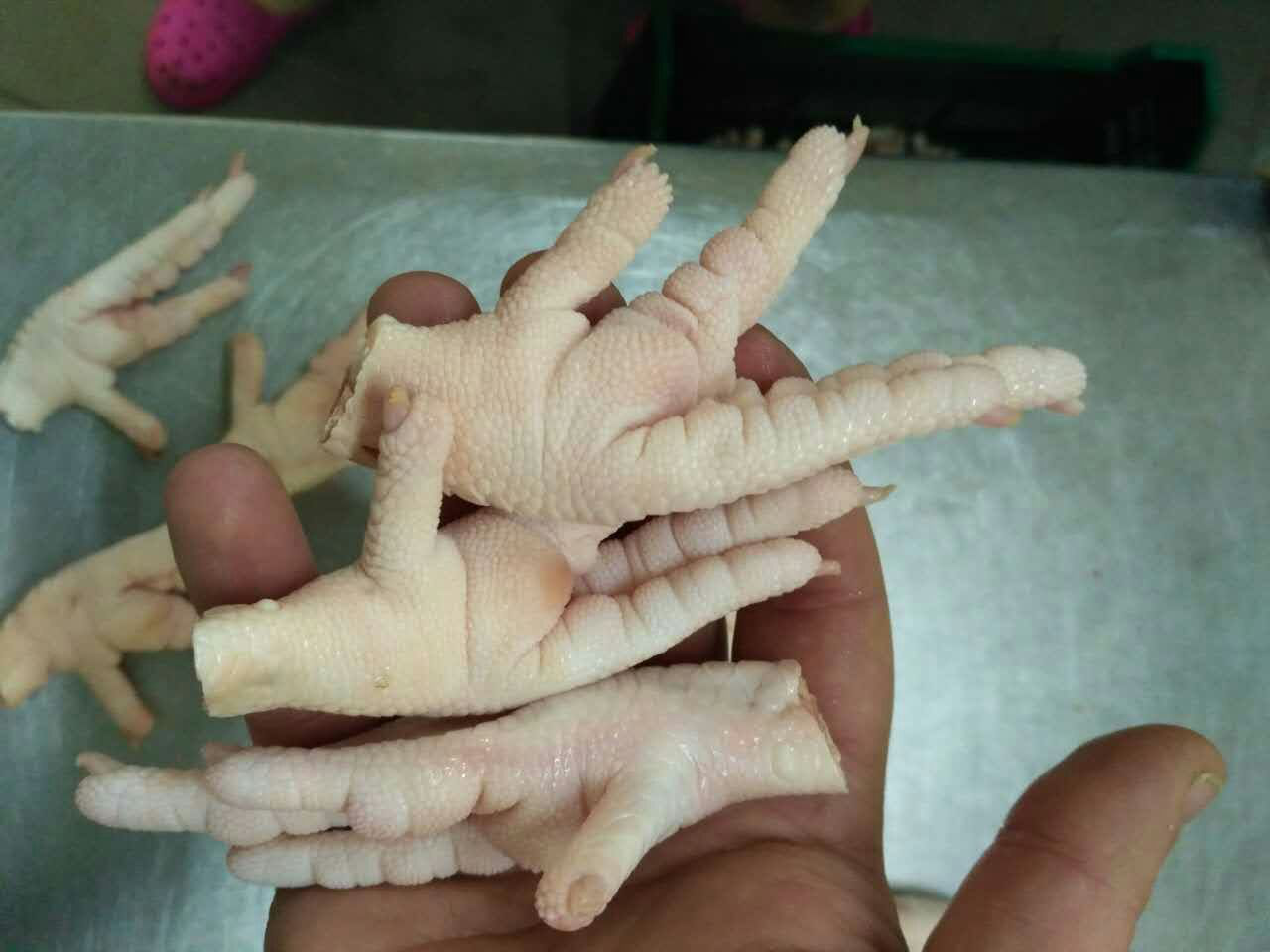
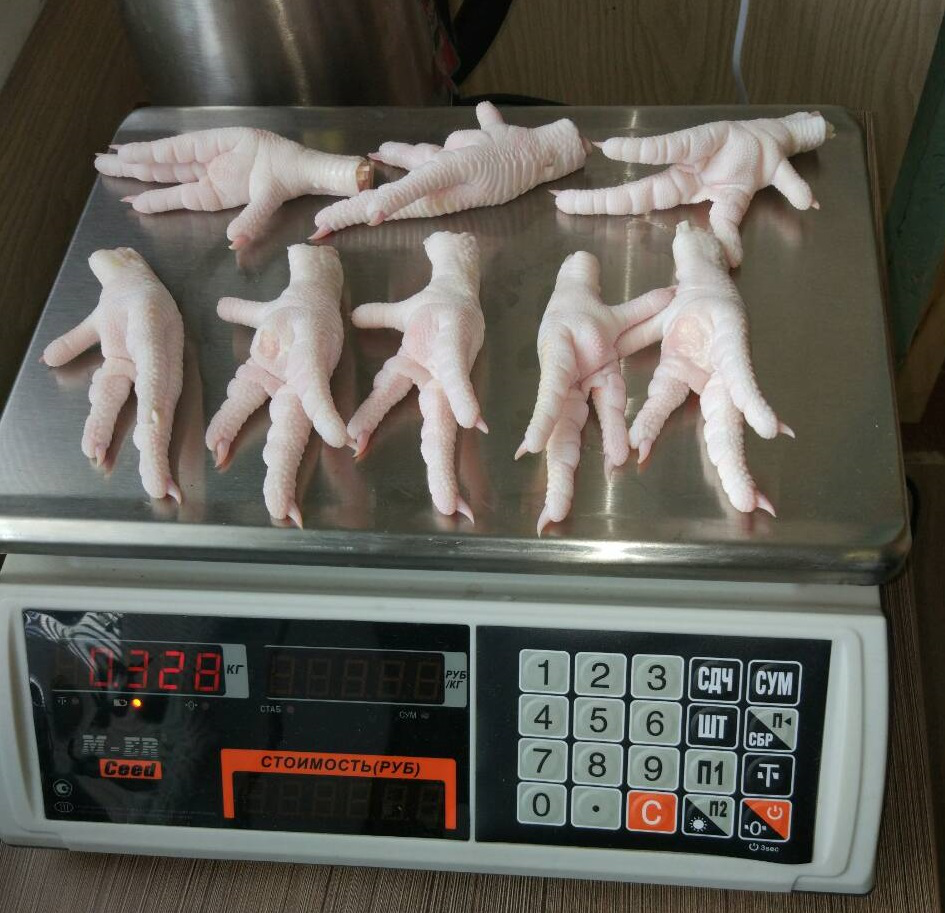
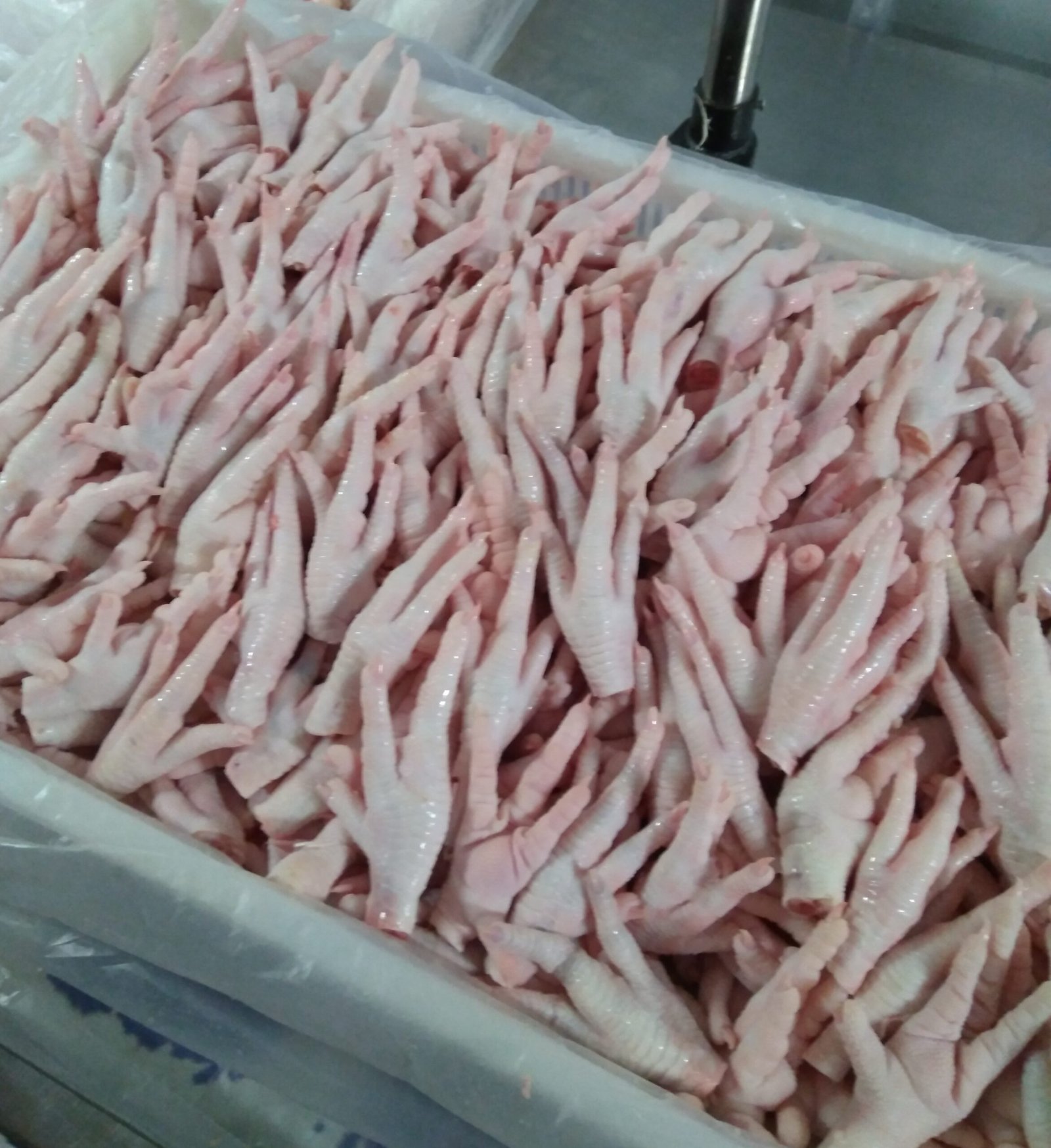
Chicken paws are processed chicken feet with the outer yellow skin layer and nails removed. After cleaning and processing, chicken paws have a cleaner appearance and are considered a higher-value export product.
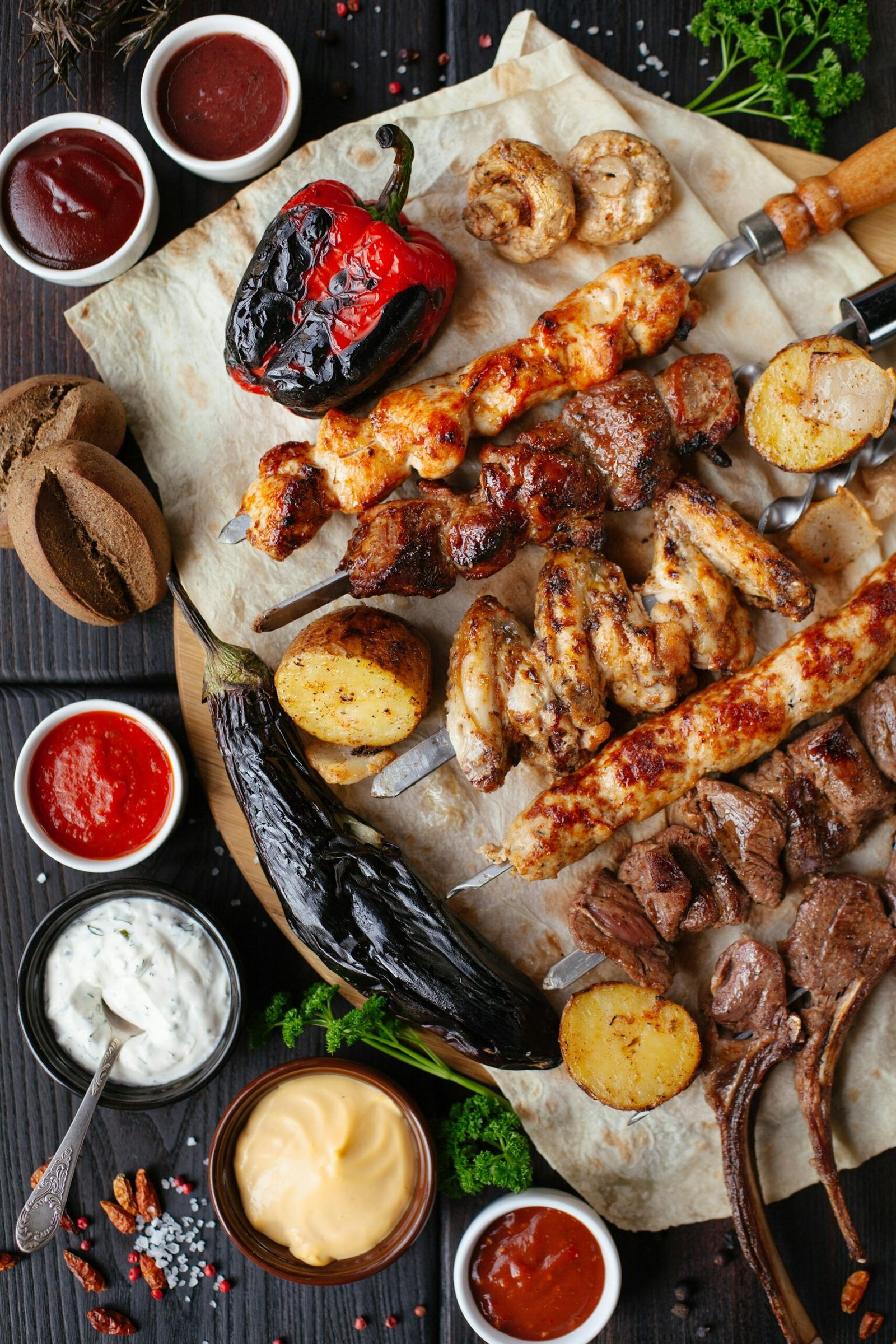
Chicken paws are highly popular in Asian cuisine (especially in China) and are commonly used in restaurants, food processing, and retail distribution.
What Are Chicken Feet?
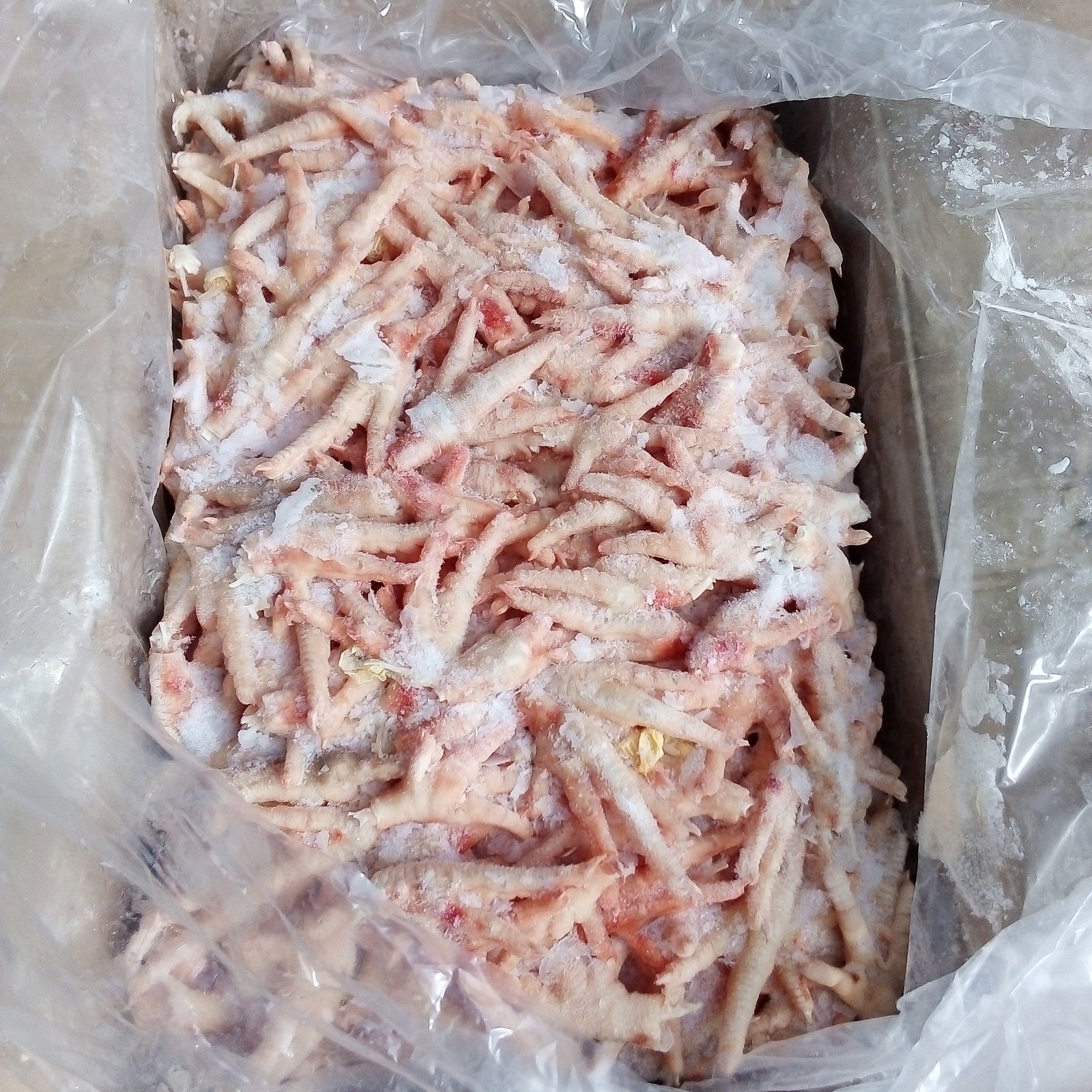
Chicken feet usually refer to the product before full processing or with less processing compared to chicken paws. In many markets, chicken feet may still include the outer yellow skin layer and nails depending on buyer specifications.
Frozen chicken feet are widely traded internationally and are supplied in different processing grades according to importer requirements.
Main Differences Between Chicken Paws and Chicken Feet
- Chicken feet – whole foot with the long section attached, and chicken paws – only the lower foot part after the leg section is cut off
- Chicken paws are cleaned and processed more thoroughly
- Chicken paws usually have yellow skin removed
- Chicken paws generally do not include nails
- Chicken feet may require additional processing after import
- Chicken paws are considered a premium export product in many Asian markets
- Pricing for chicken paws is often higher than standard chicken feet
Why Chicken Paws Are Popular in Asia, and especially in China
Asian markets remain the largest consumers of chicken paws and chicken feet worldwide. These products are widely used in traditional cuisine, snacks, street food, restaurants, and food manufacturing.
China is the largest and most important market for chicken paws consumption and import. Chinese consumers strongly prefer processed chicken paws products due to their texture and culinary applications.
Hong Kong and Vietnam also represent important secondary markets for frozen chicken paws and chicken feet products. Importers and distributors in these countries purchase large volumes for wholesale distribution, food service, and retail markets.
Export Specifications
- Grade A frozen chicken paws
- Yellow skin removed
- Nails removed
- No black spots or bruises
- Blast frozen at -40°C
- Storage temperature: -18°C
- Export packing available
- Shelf life: 24 months
International Trade & Export Demand
Chicken paws and chicken feet continue to remain valuable poultry export products due to strong demand from Asian markets. Reliable suppliers focus on product quality, cold chain logistics, and export compliance to meet international buyer requirements.
Professional poultry exporters supply frozen chicken paws and chicken feet products in bulk quantities for importers, wholesalers, and food distributors.
Conclusion
While chicken paws and chicken feet may appear similar, they differ in processing level, presentation, and market value. Chicken paws are generally considered a premium processed poultry product with especially strong demand in China, Hong Kong, and Vietnam.