Ukraine vs Poland Chicken Suppliers
A Comparative Guide for International Poultry Importers
Introduction
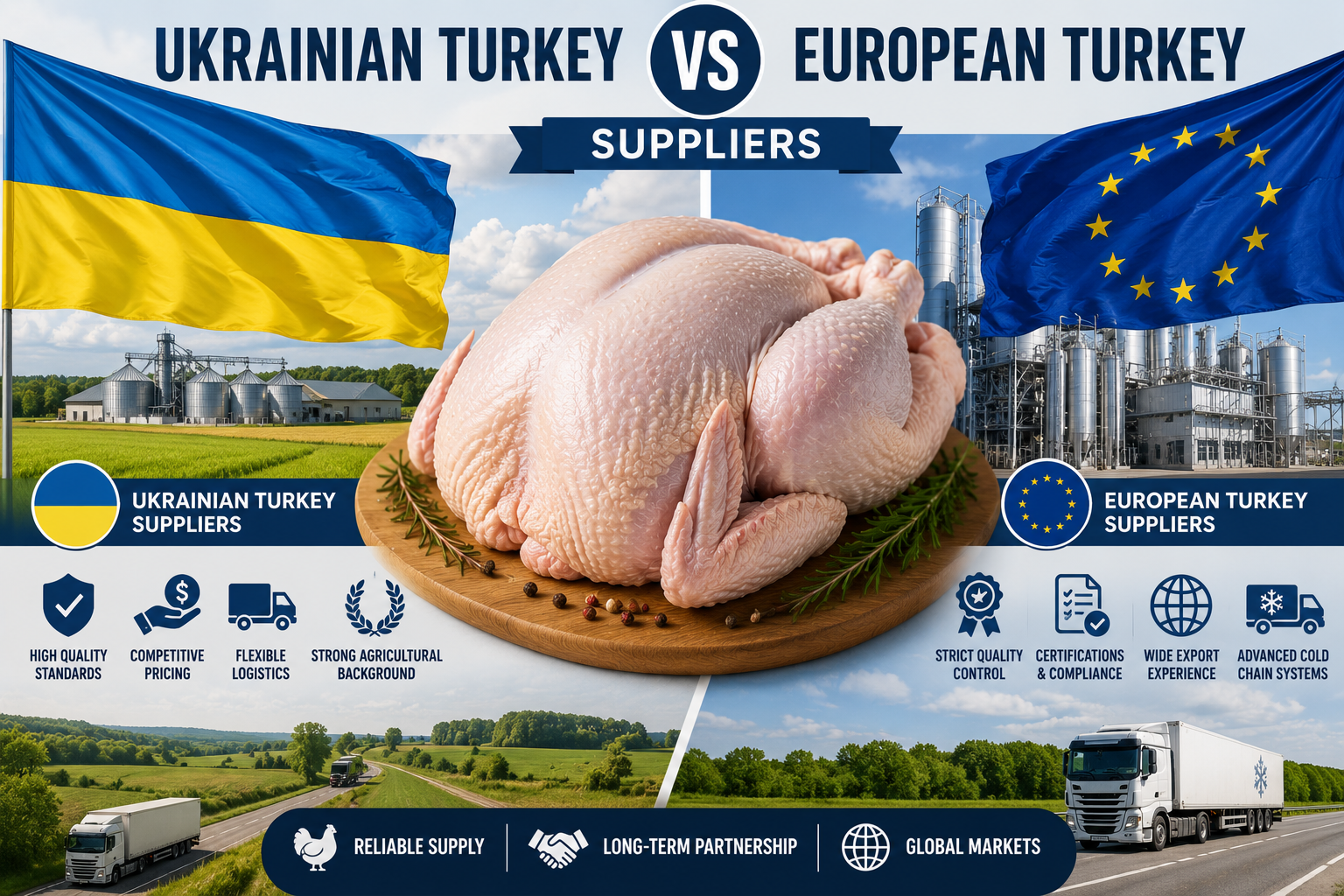
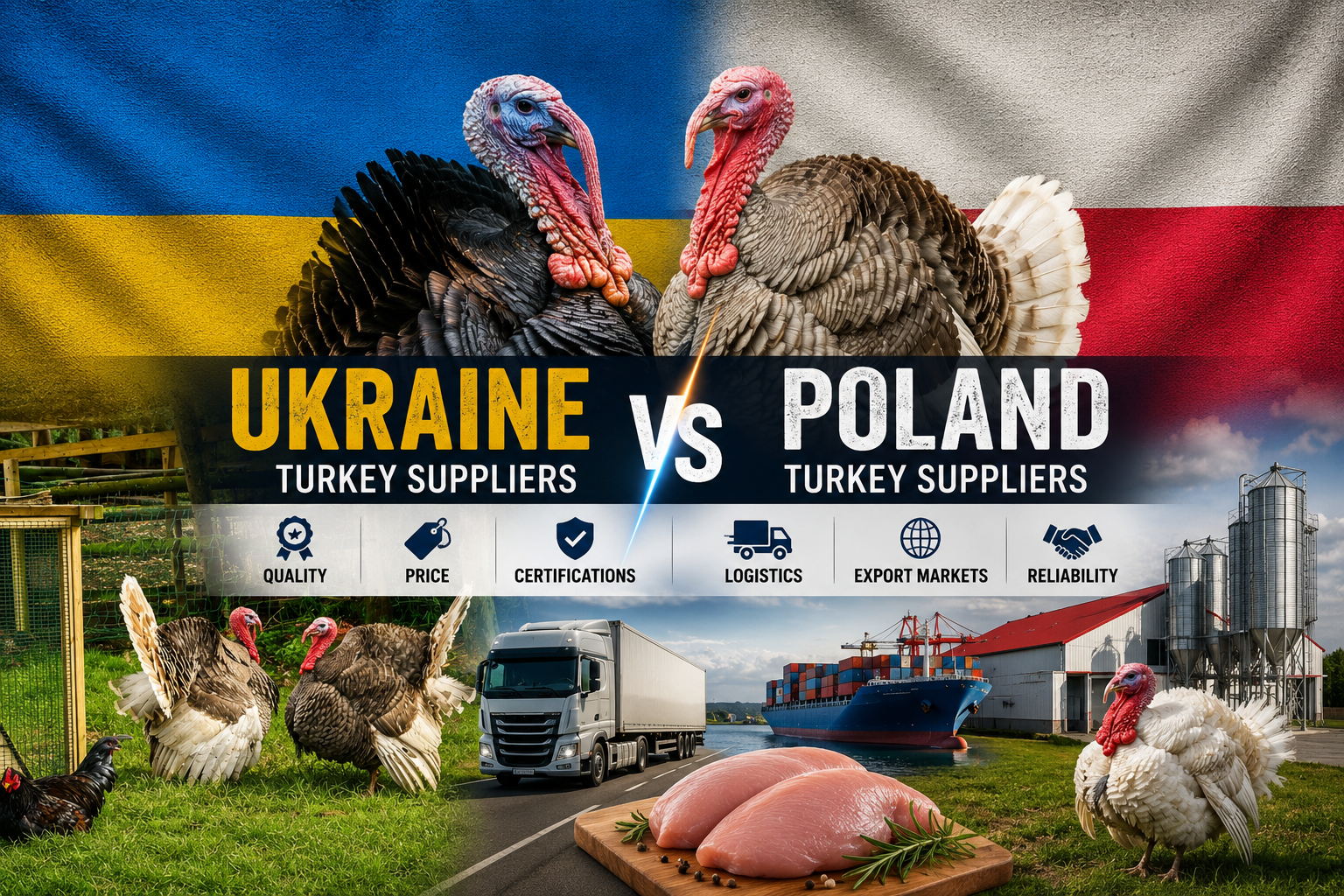
Ukraine and Poland are important poultry suppliers in Europe. Both countries export frozen chicken products to markets across Europe, the Middle East, Africa, and Asia. Importers frequently compare suppliers from these countries when evaluating quality, pricing, logistics, certifications, and supply reliability.
Overview of the Ukrainian Poultry Industry
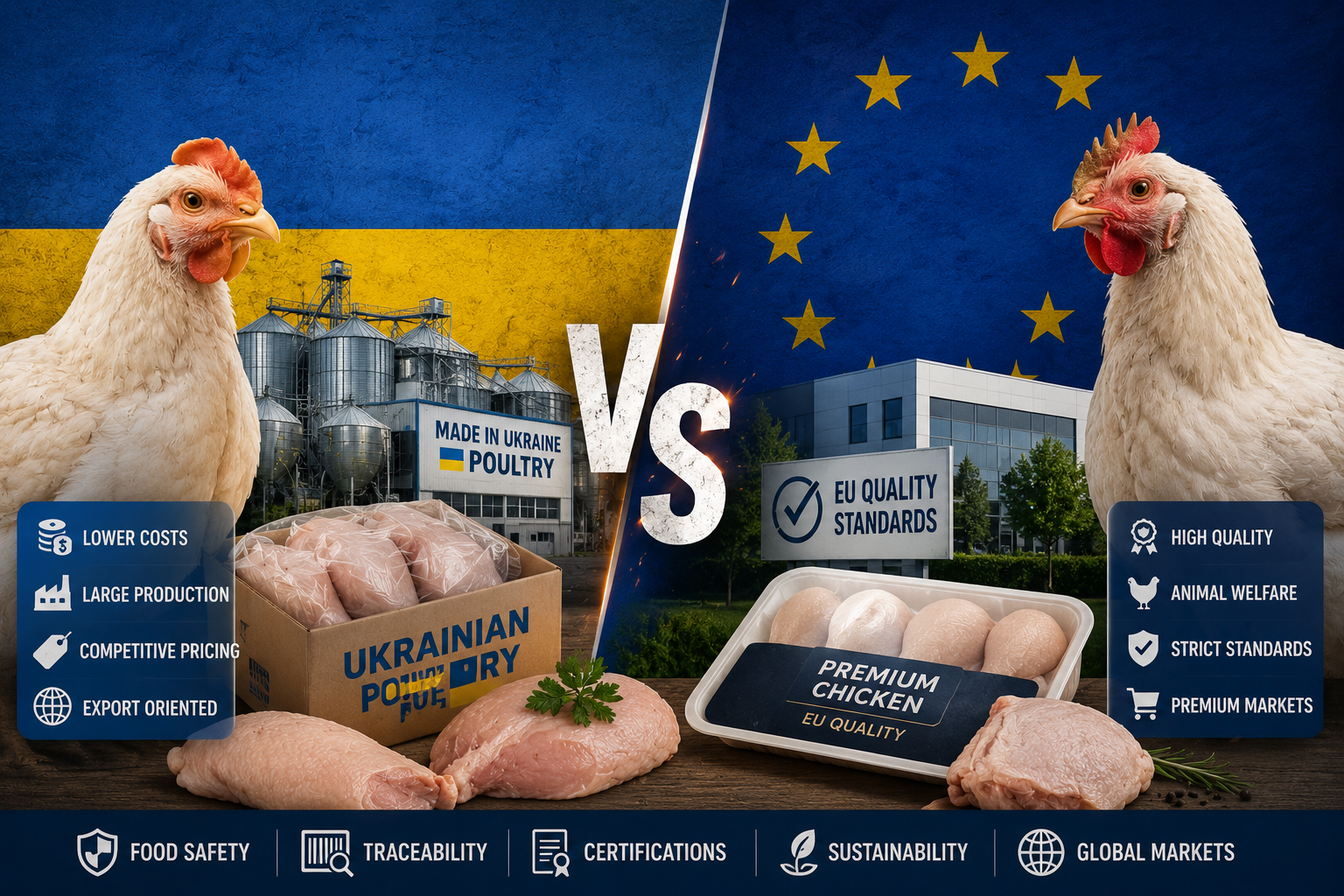
Ukraine has developed a highly competitive poultry sector with large-scale integrated producers, modern processing facilities, and significant export capabilities. Ukrainian suppliers are known for competitive pricing and strong export orientation.
Overview of the Polish Poultry Industry
Poland is one of the largest poultry producers in the European Union. Polish exporters benefit from EU standards, advanced processing technologies, and extensive access to European and international markets.
Product Portfolio
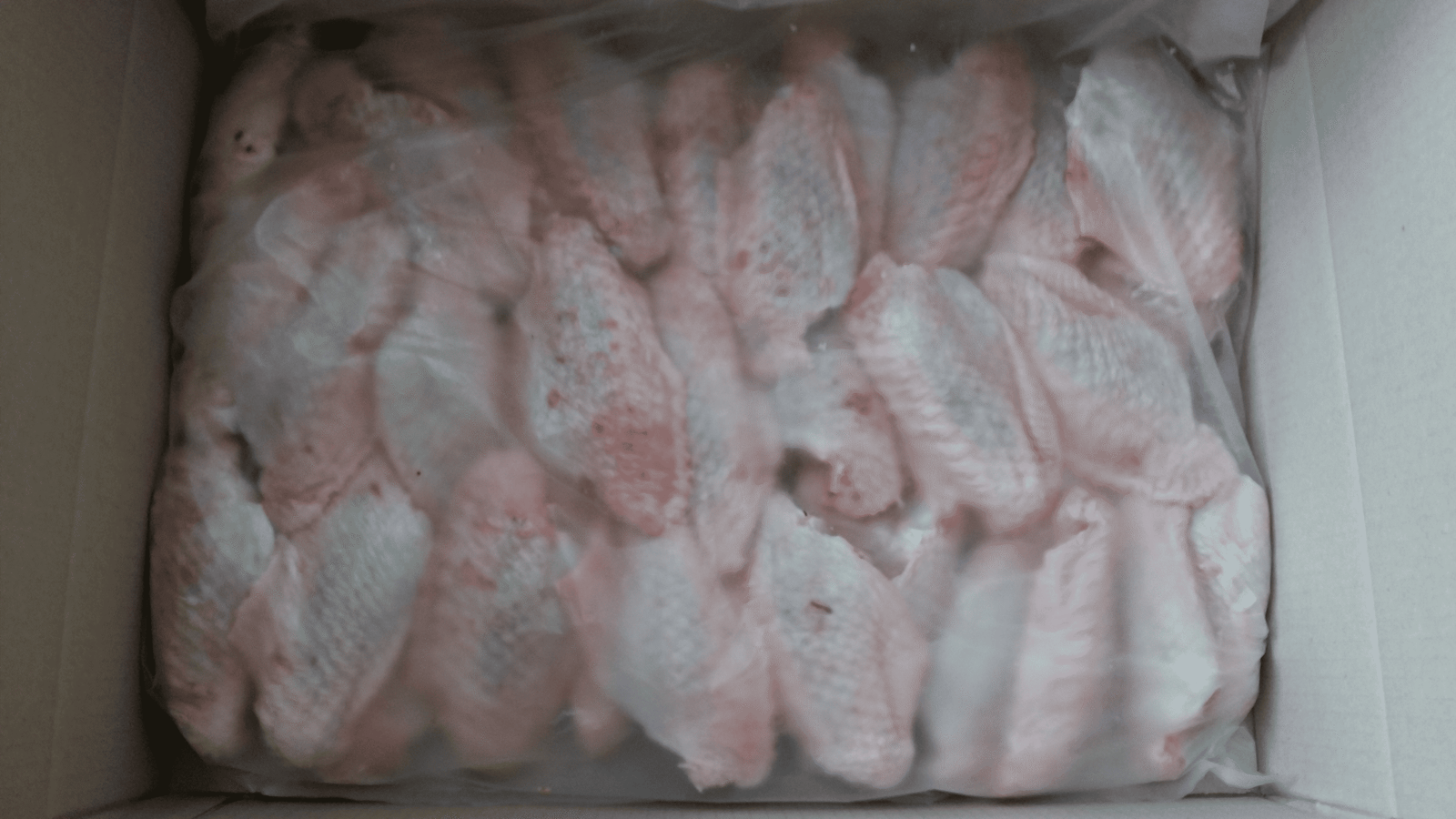
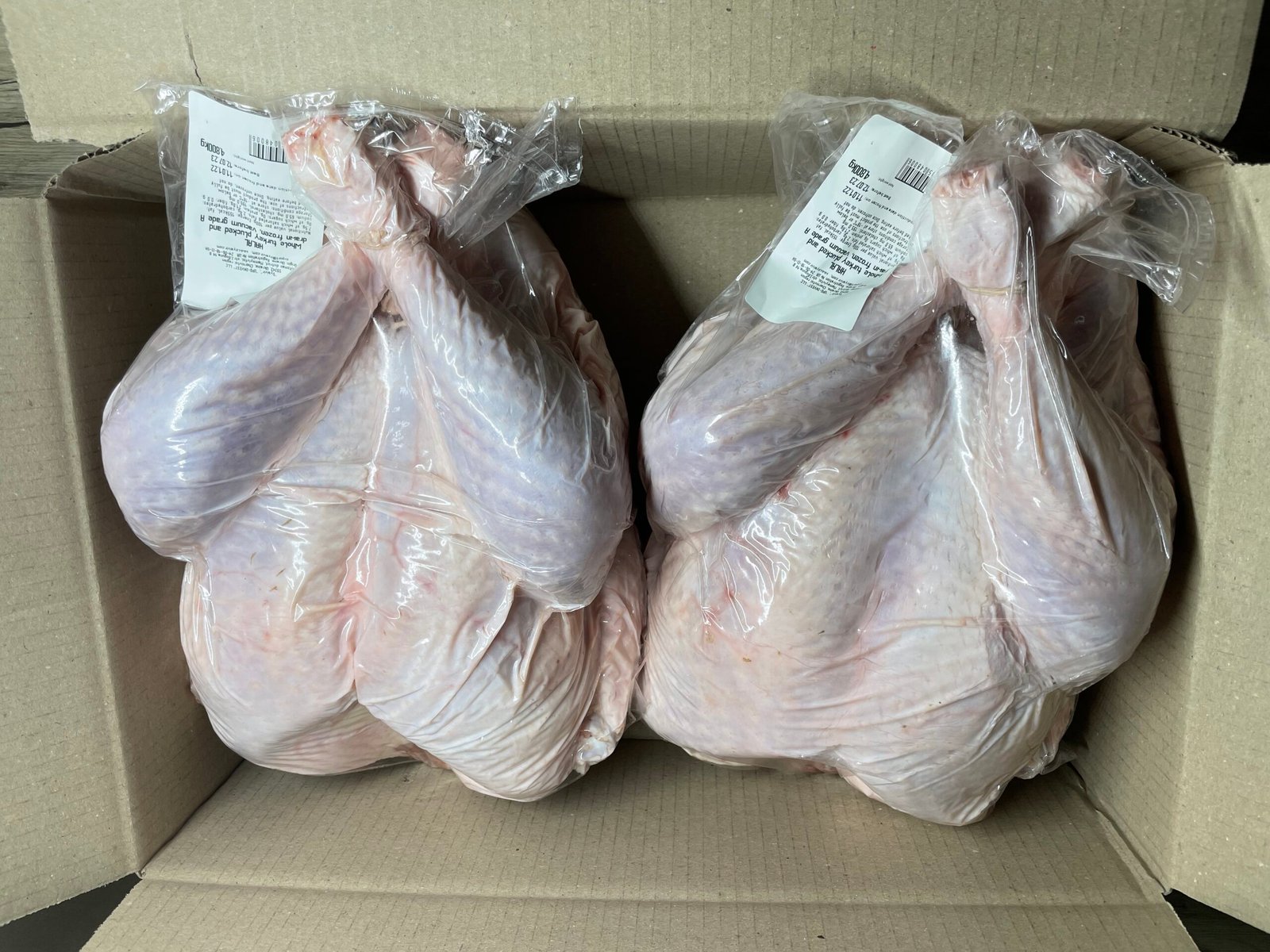
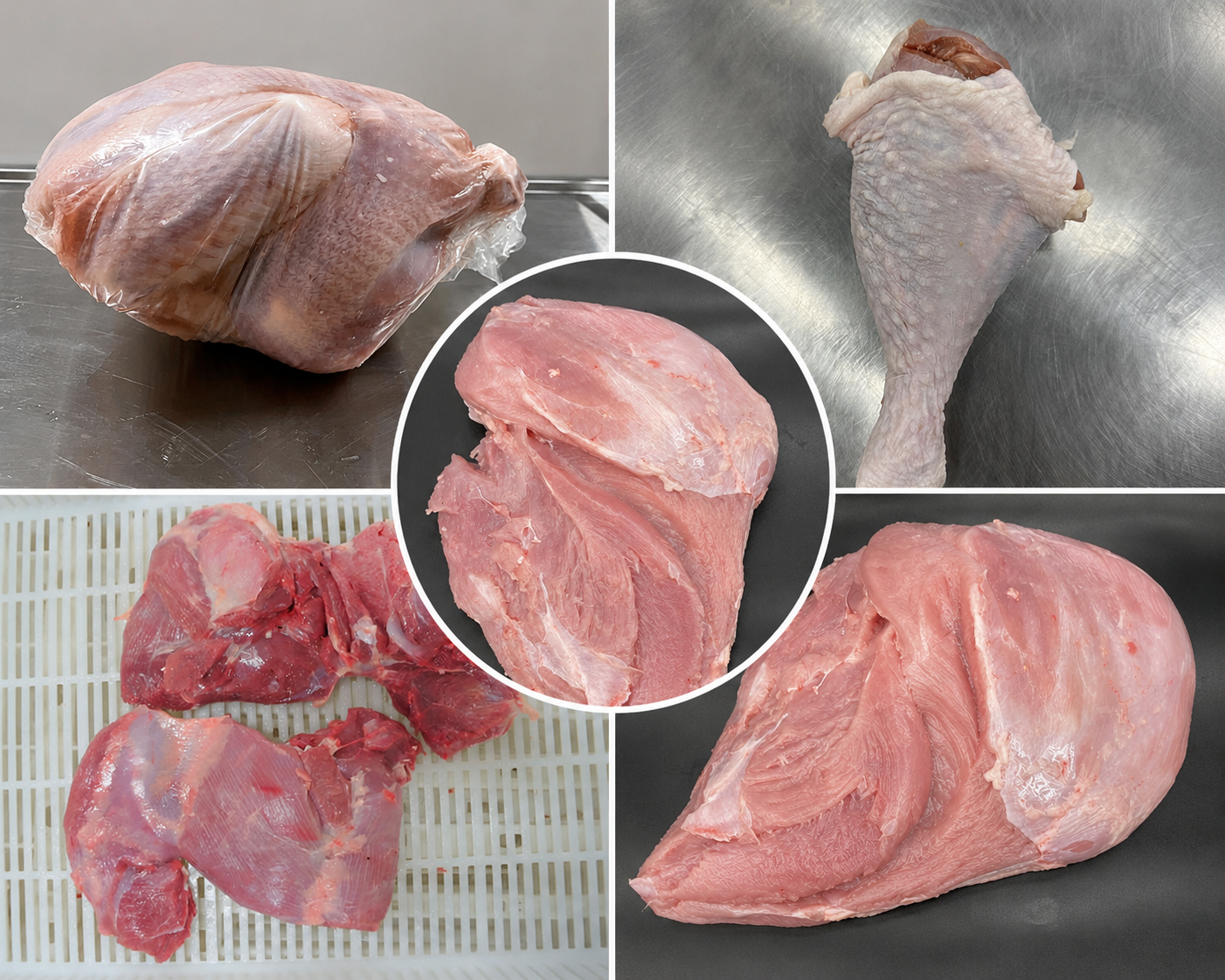
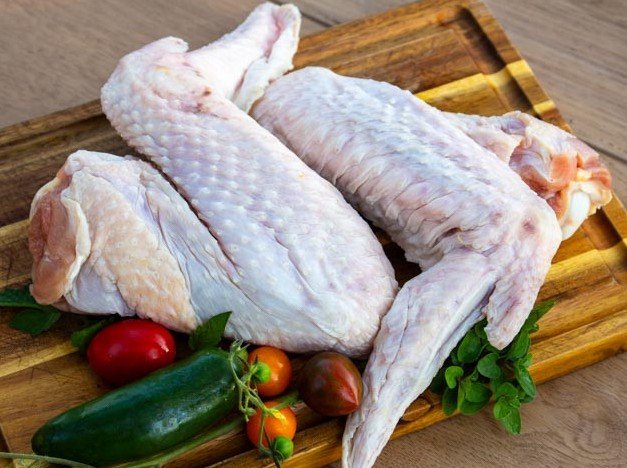
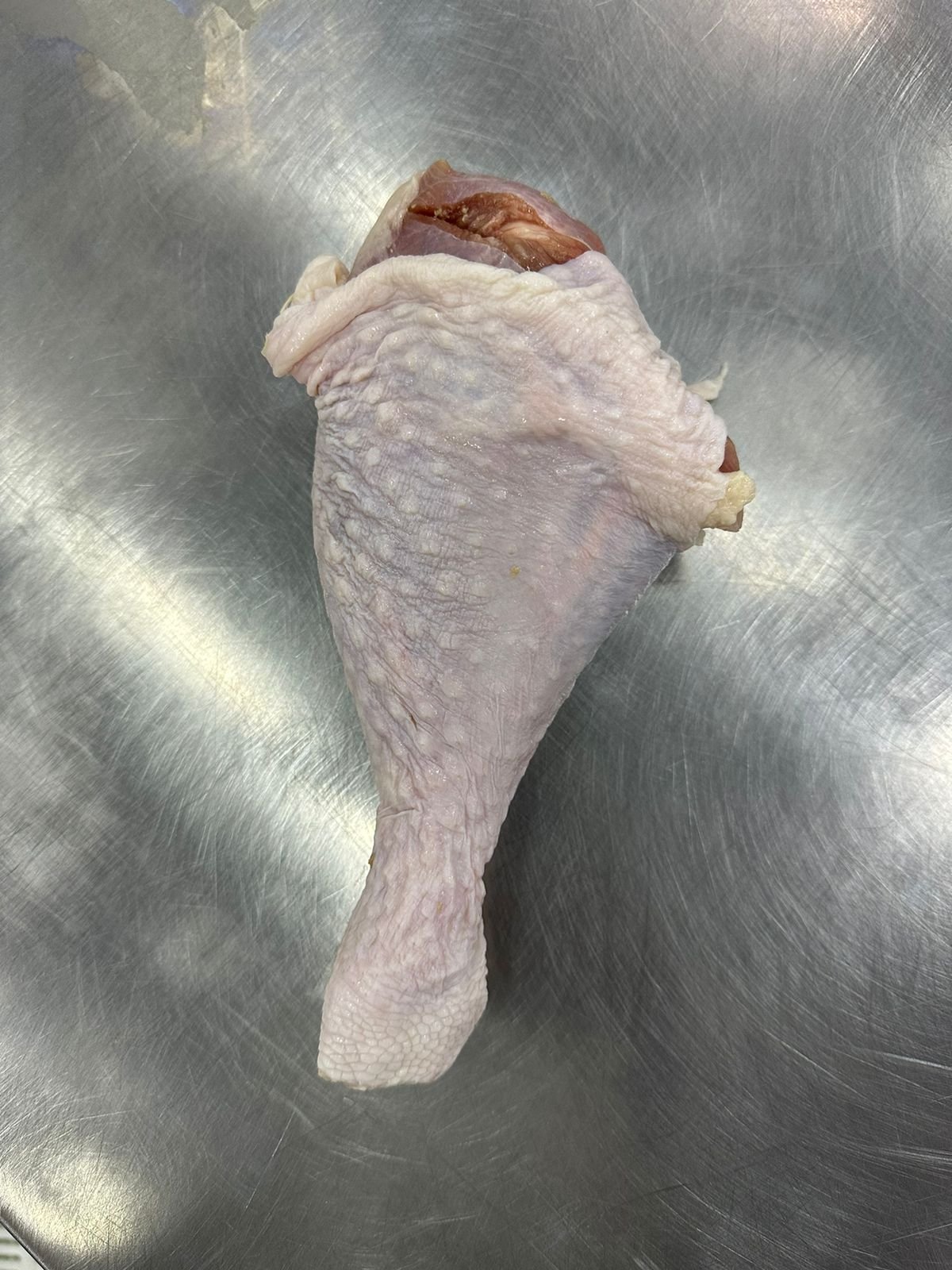
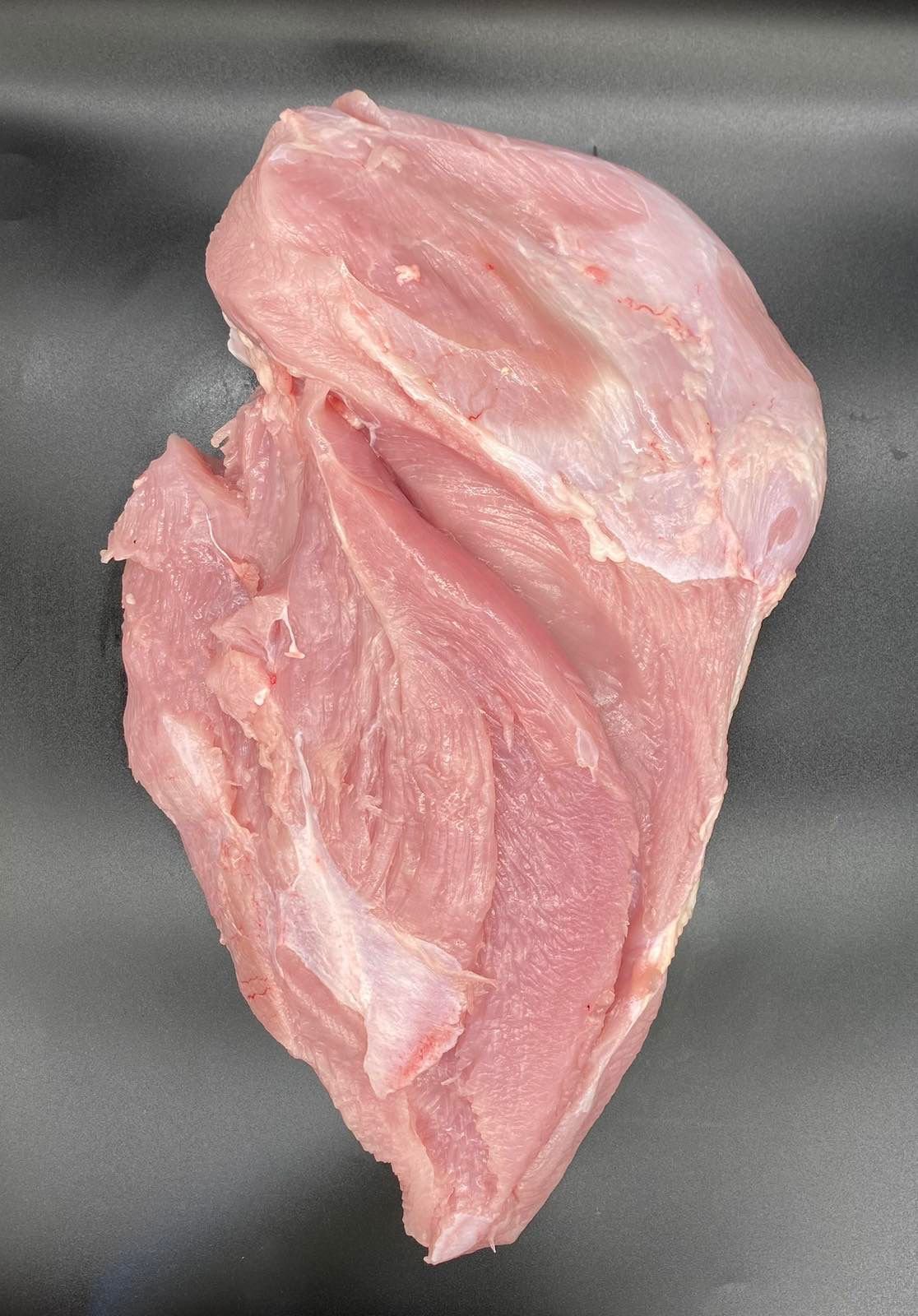
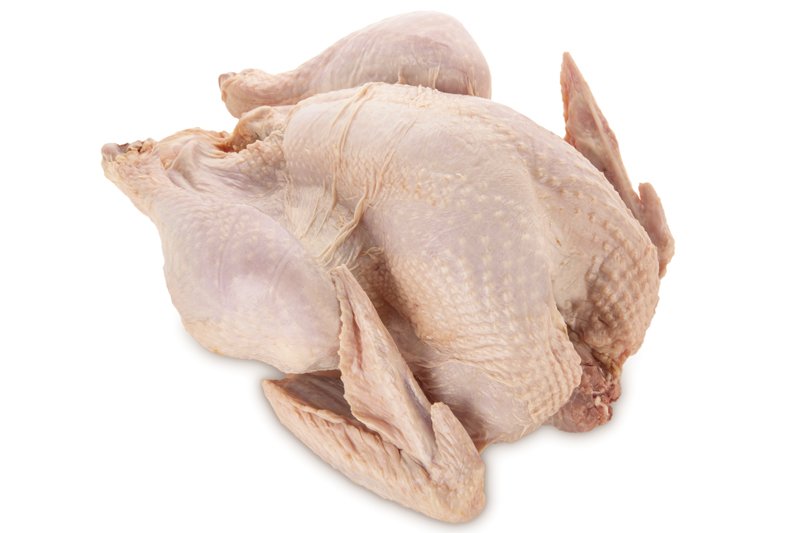
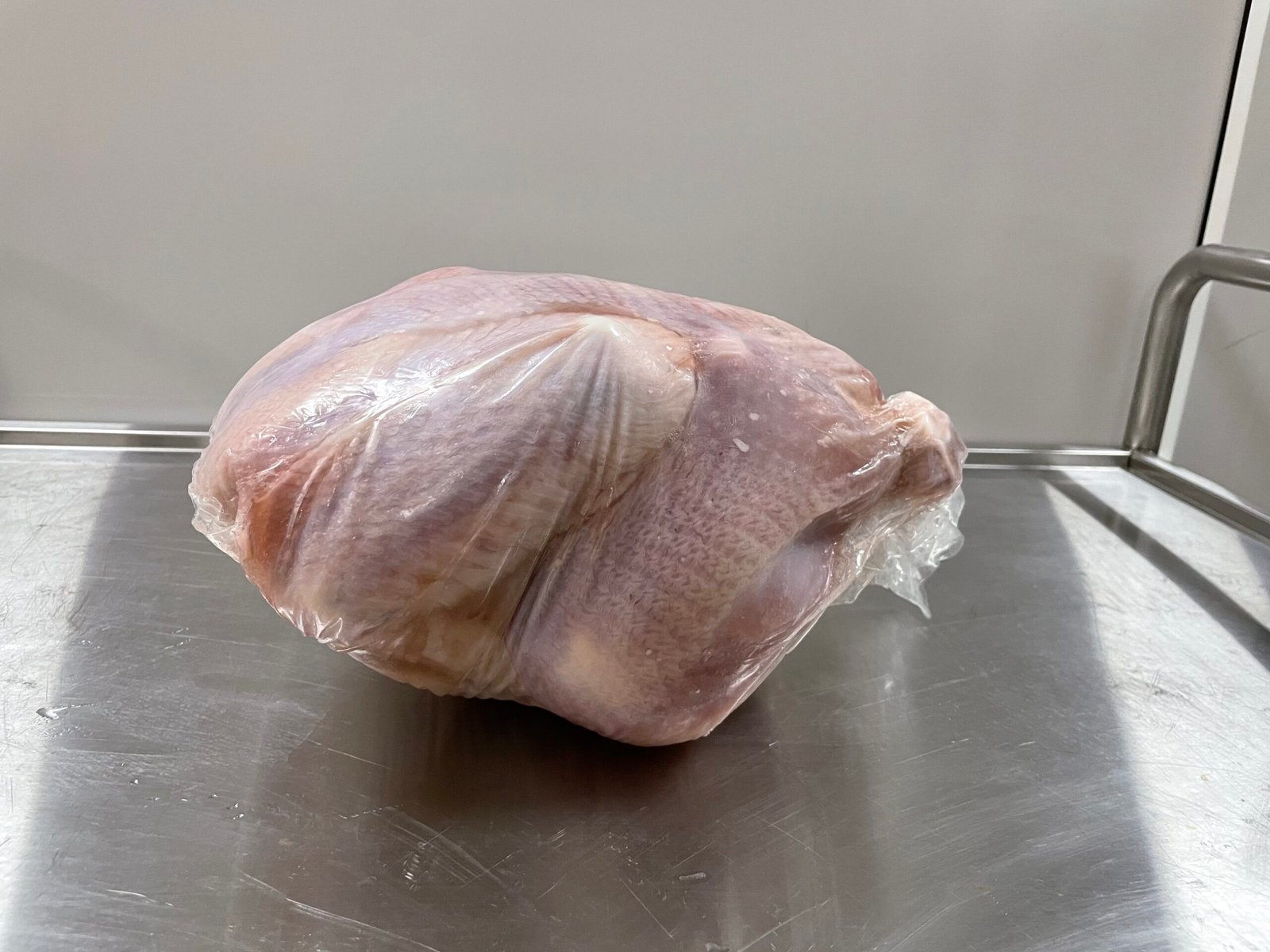
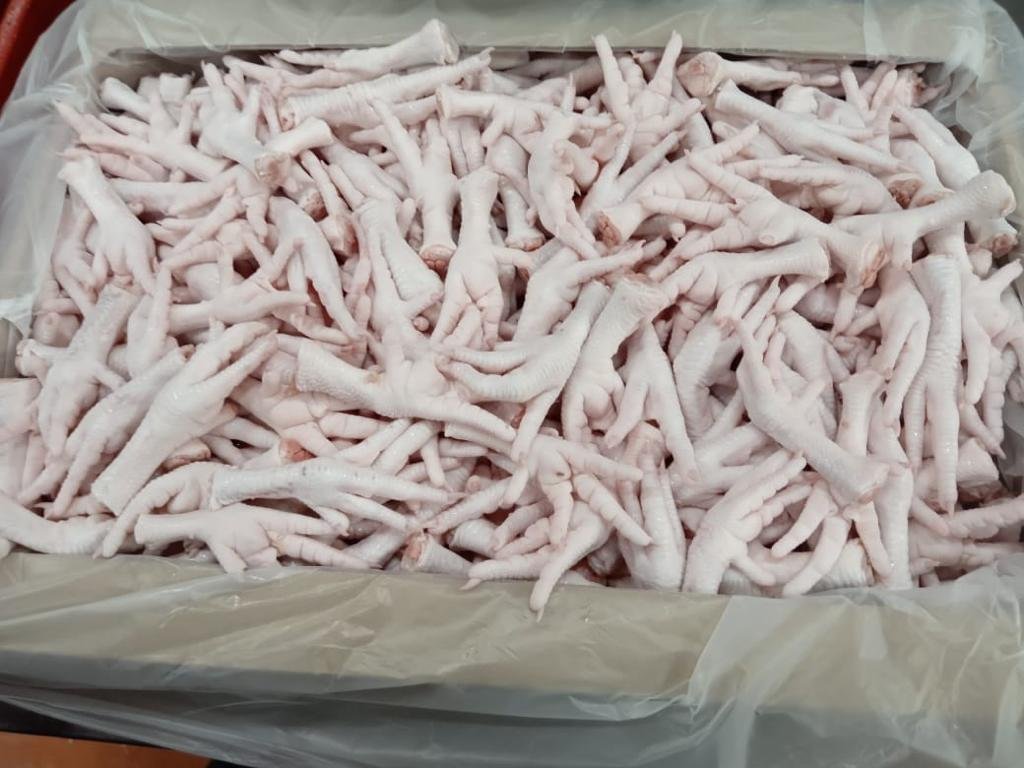
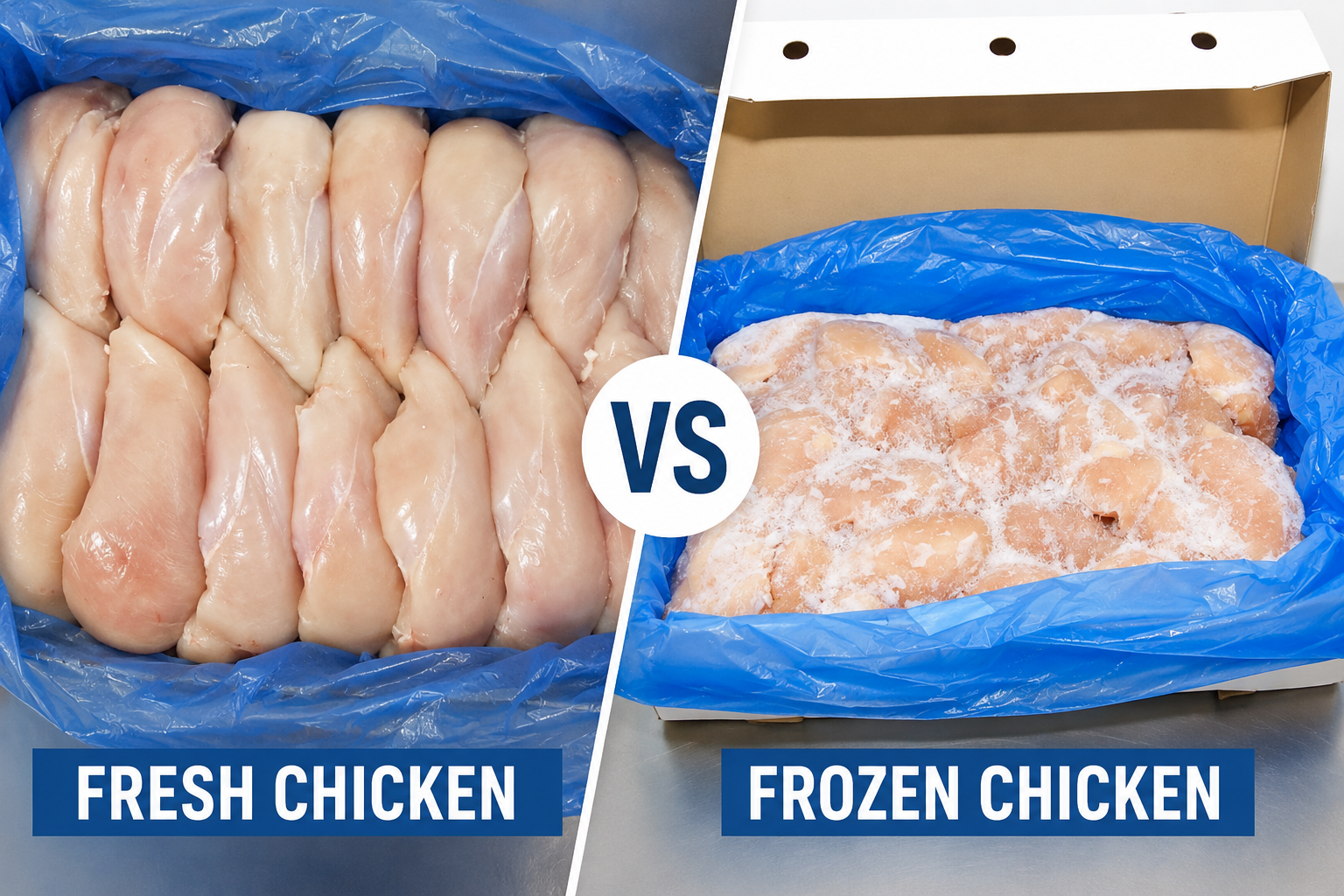
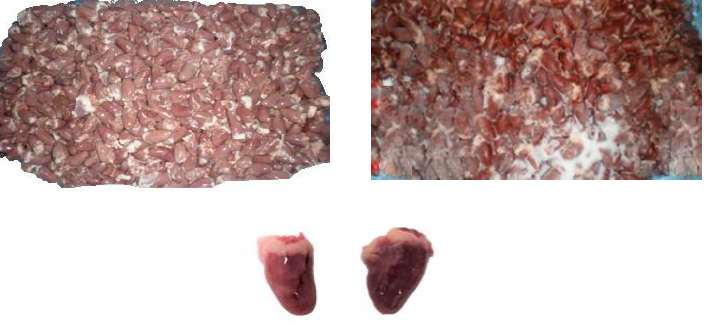
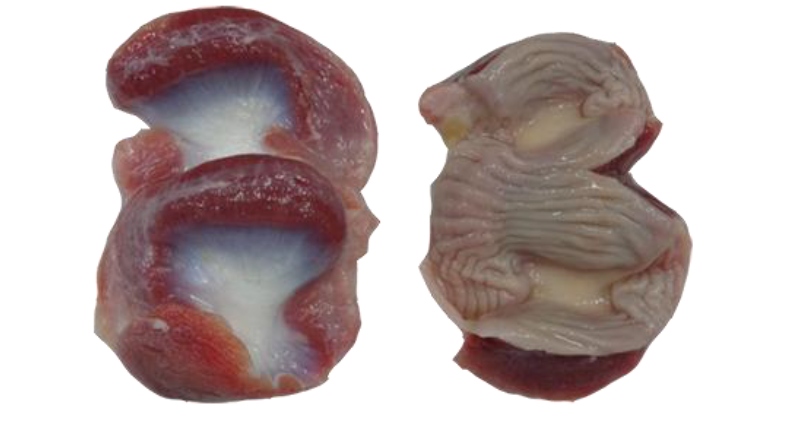
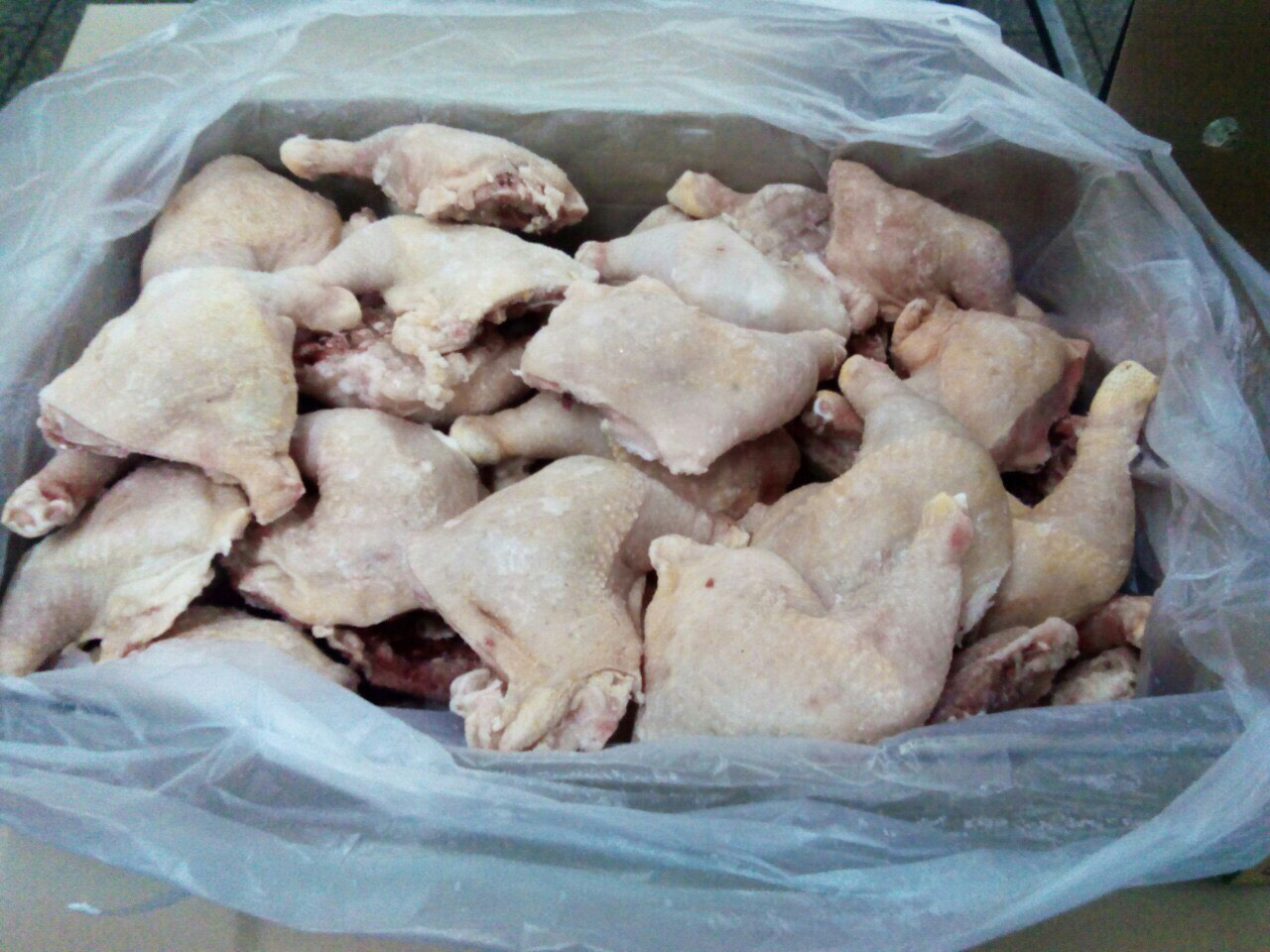
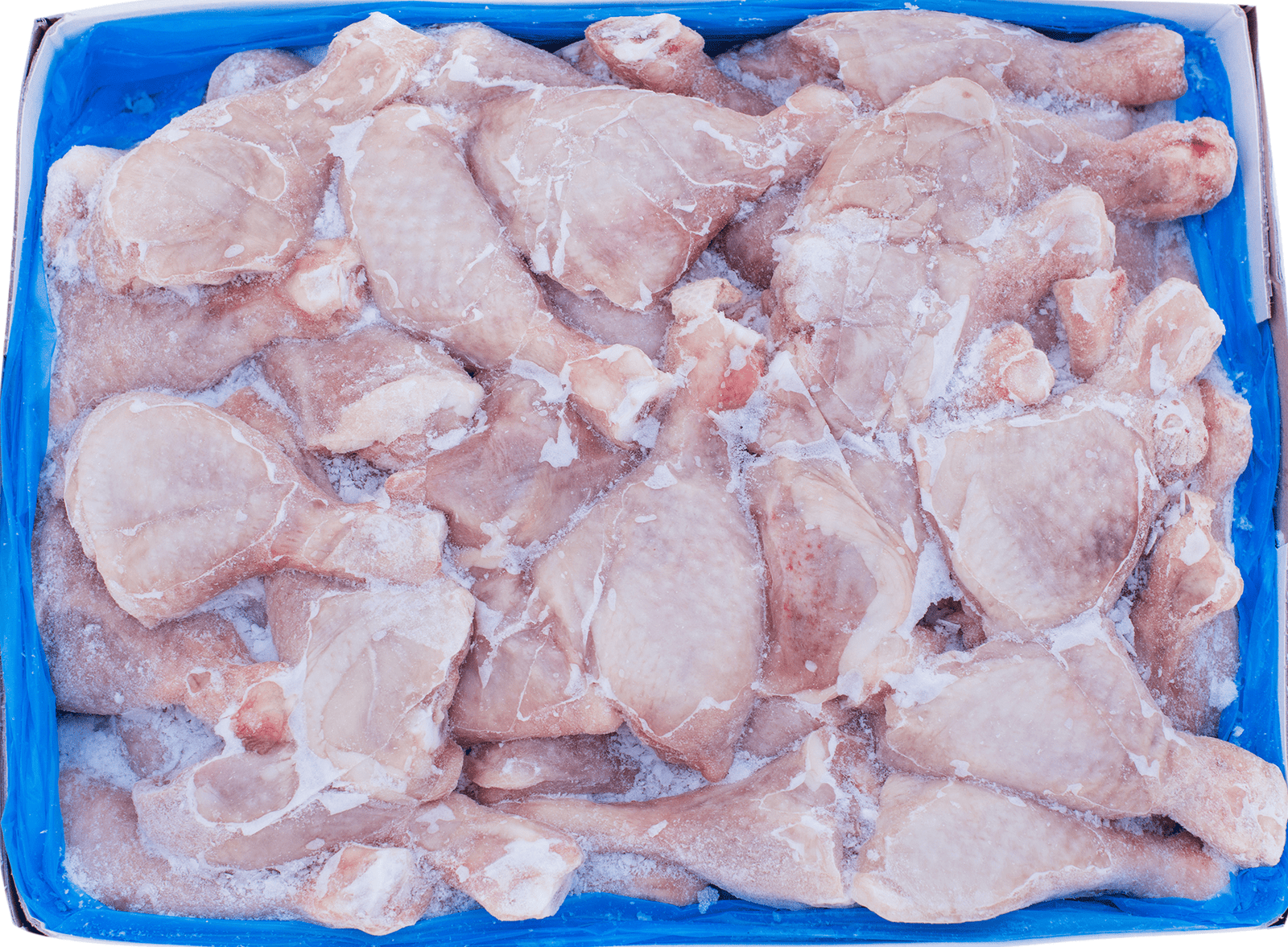
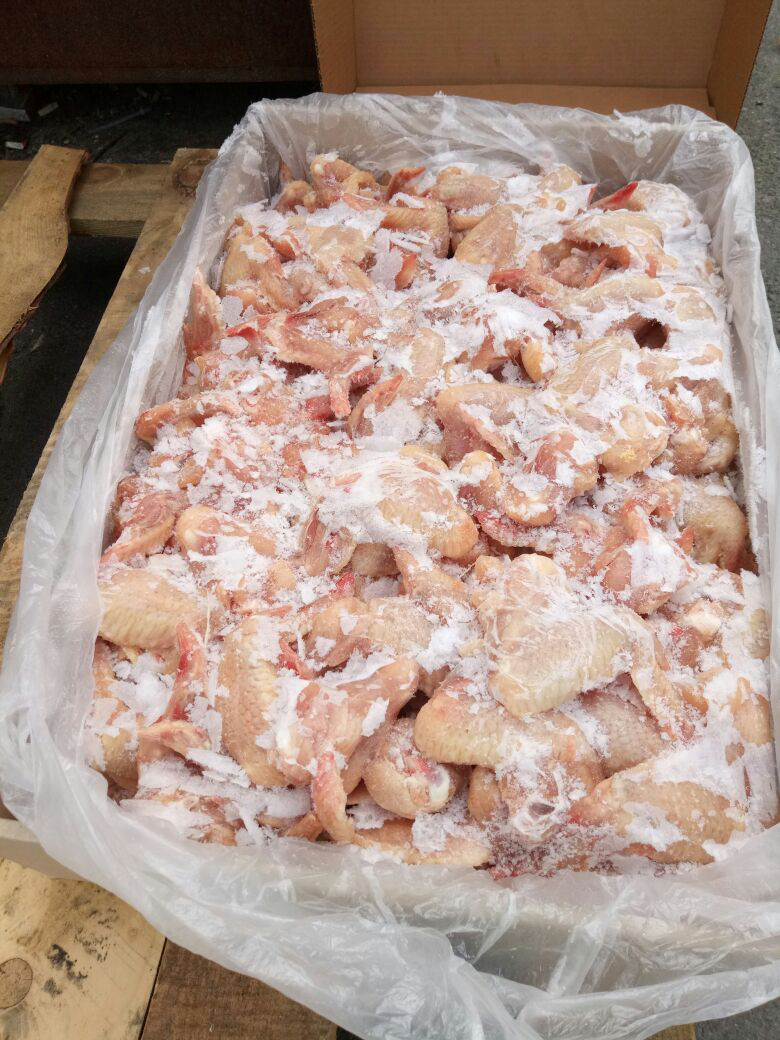
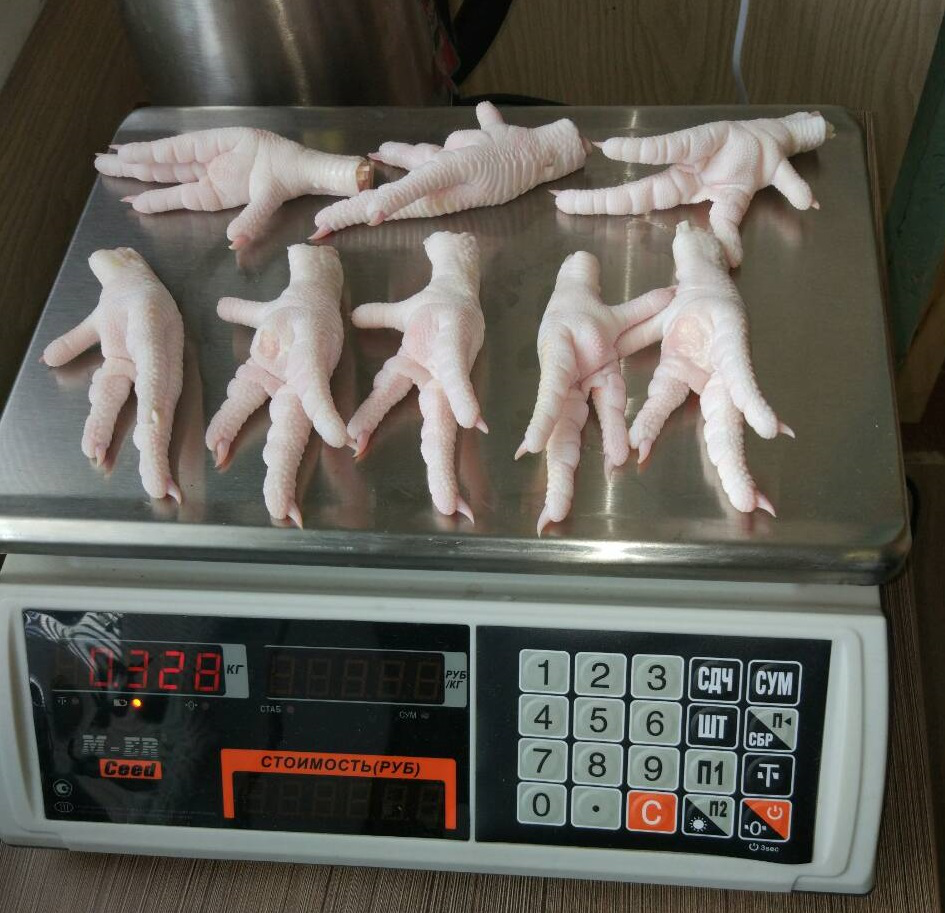
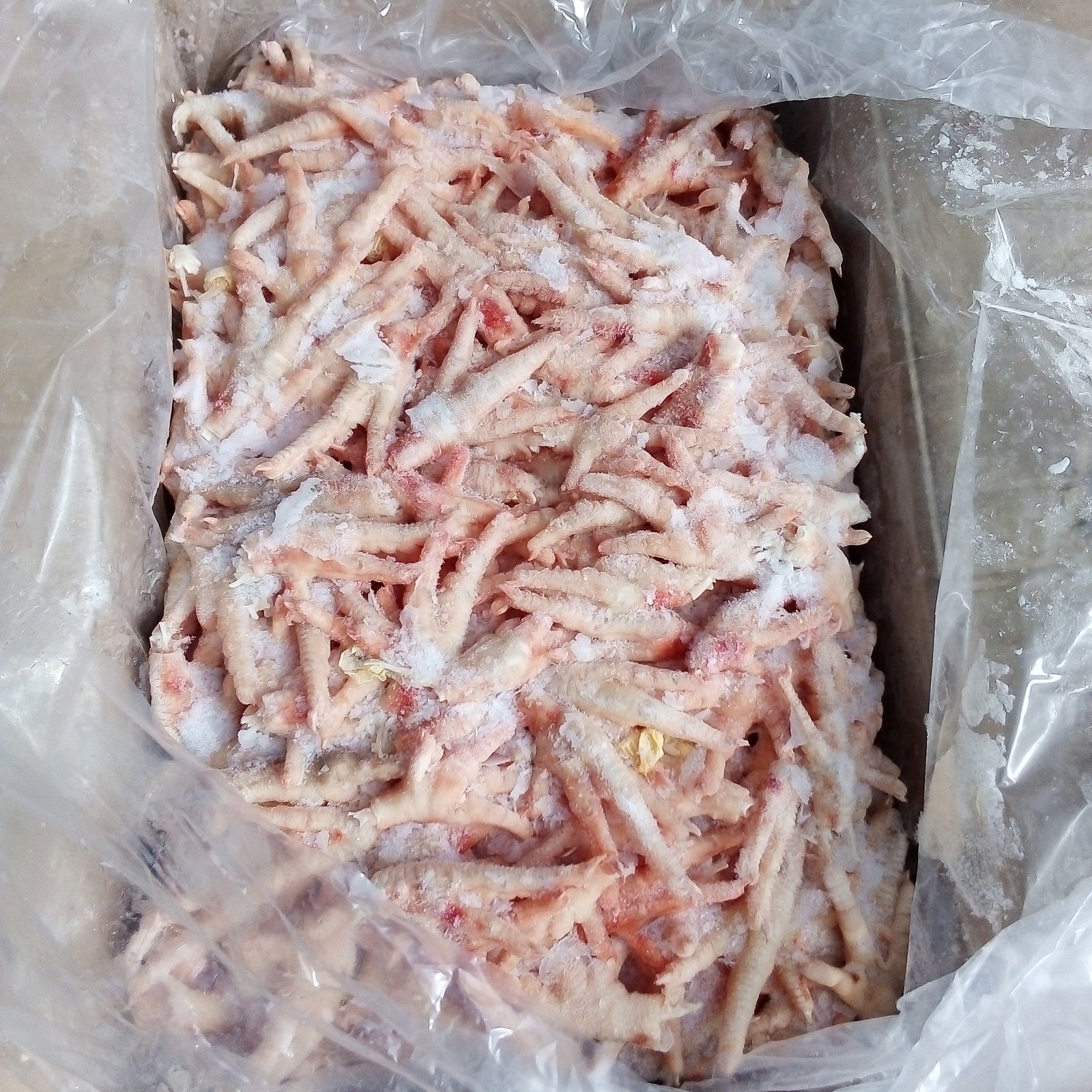
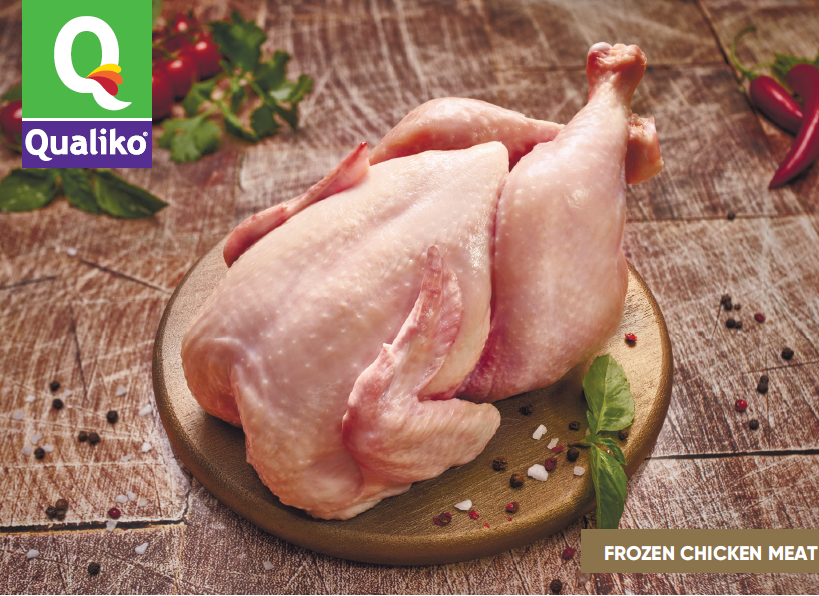
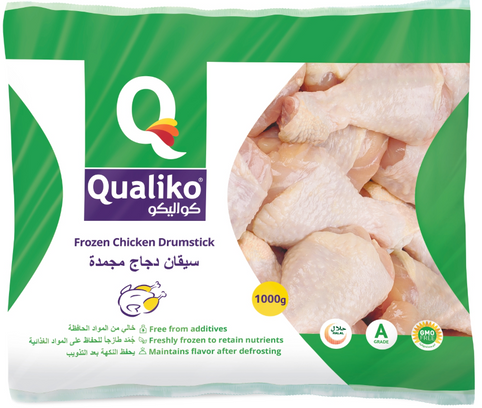
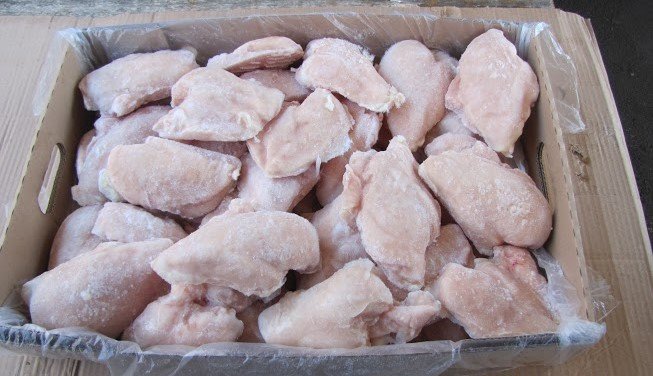
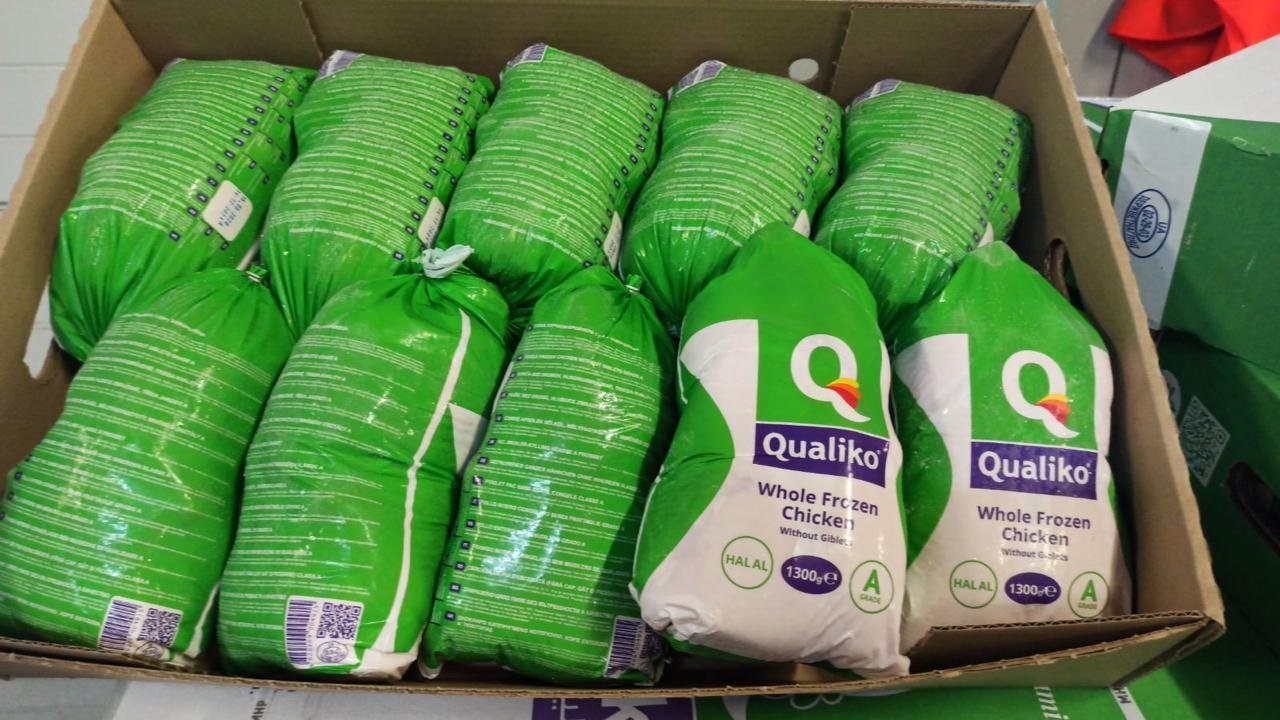
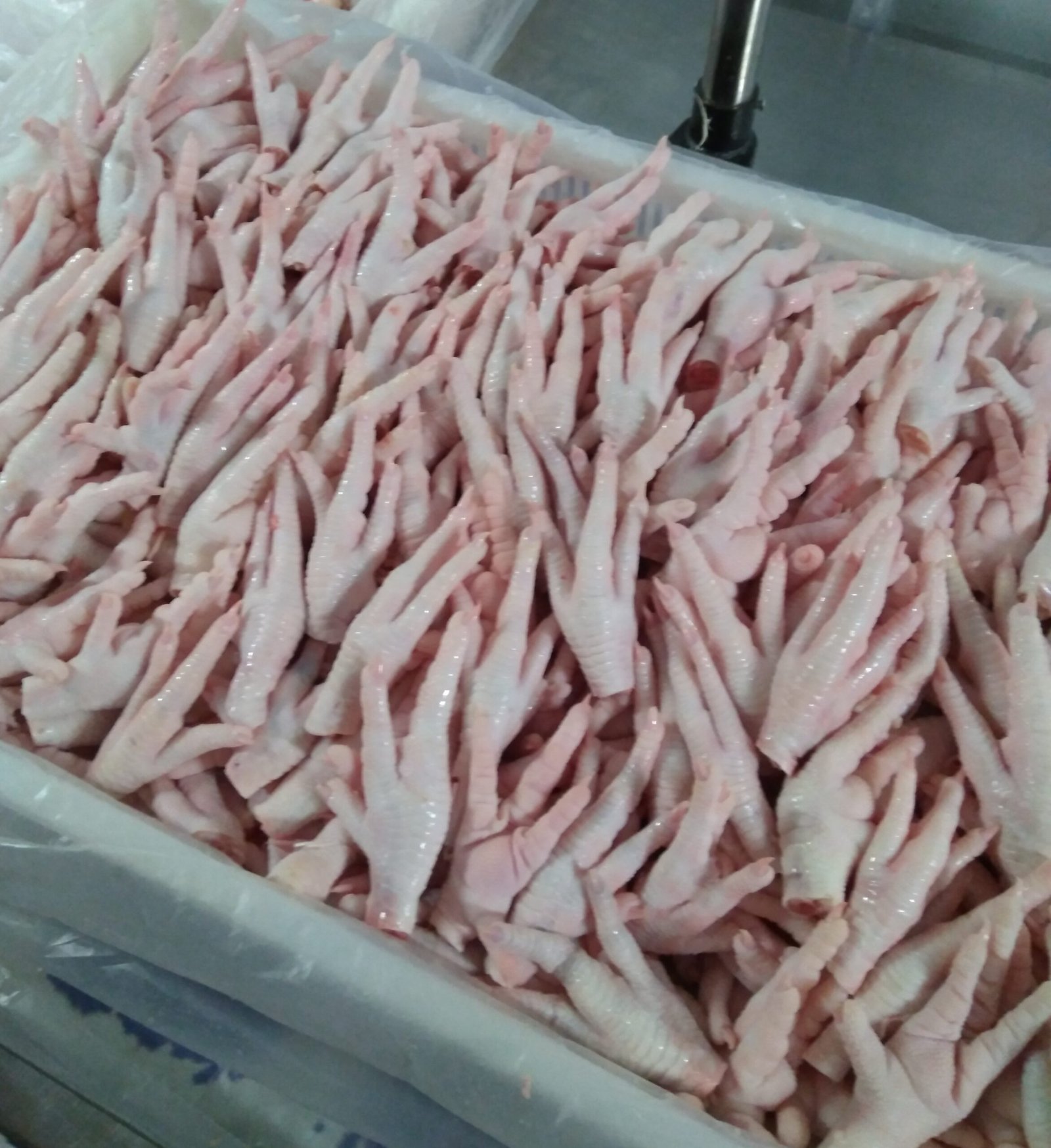
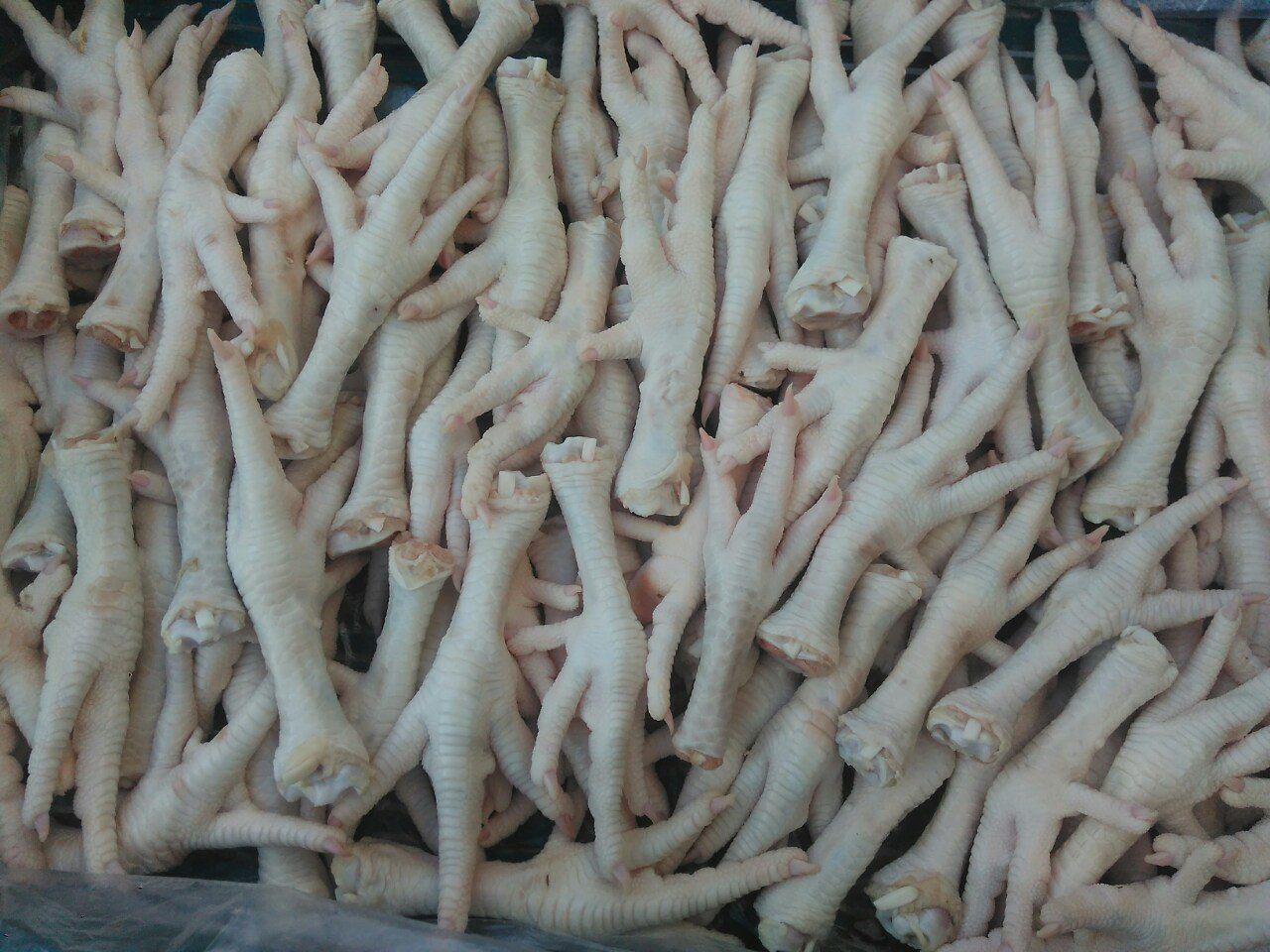
Both countries export whole chickens, leg quarters, breast meat, wings, drumsticks, chicken paws, feet, gizzards, hearts, and value-added poultry products. Product availability depends on customer specifications and production programs.
Quality and Food Safety Standards
Leading suppliers in both countries operate according to international food safety systems such as HACCP and other recognized quality standards. Buyers often assess consistency, traceability, packaging quality, and supplier performance.
Pricing Comparison
Pricing is influenced by feed costs, labor expenses, exchange rates, logistics costs, and market conditions. Importers should compare total landed cost rather than product price alone.
Logistics and Transportation
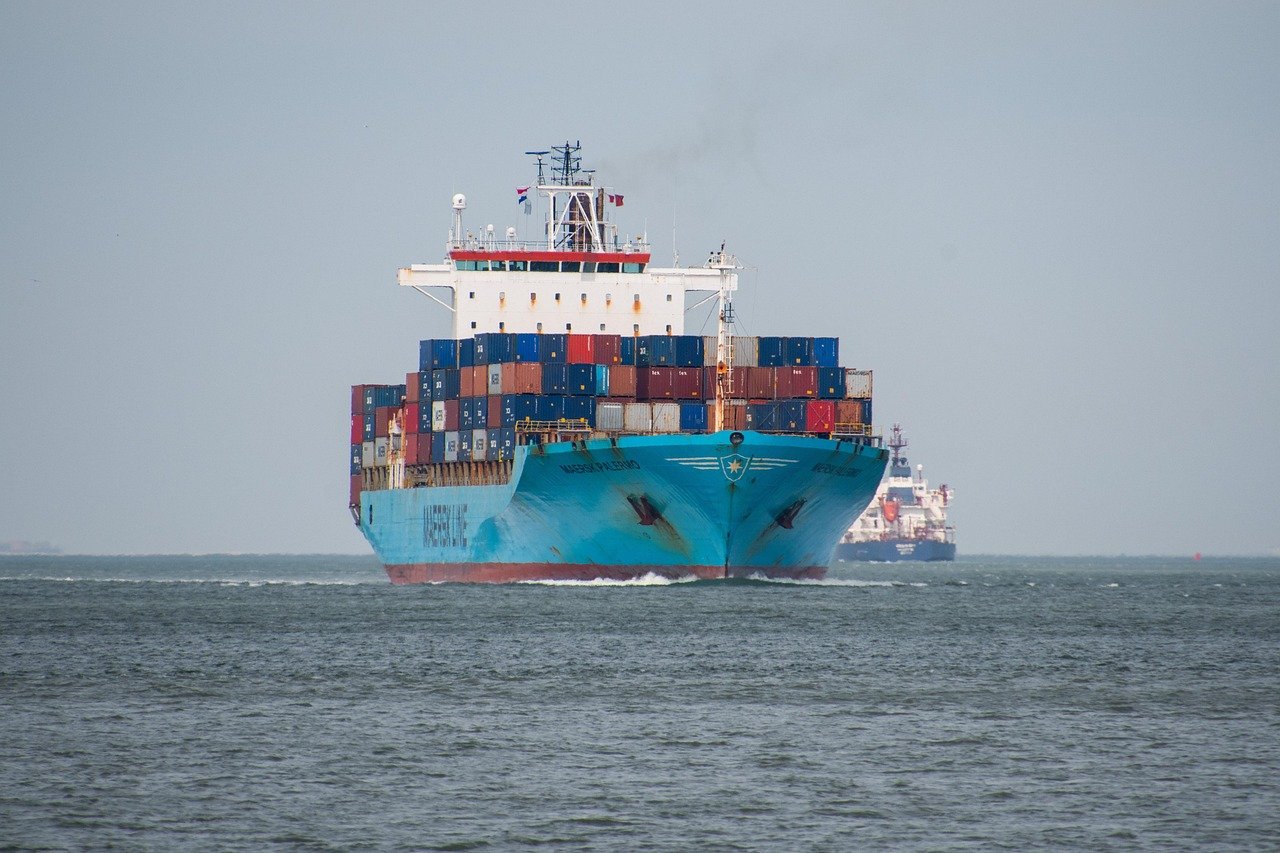
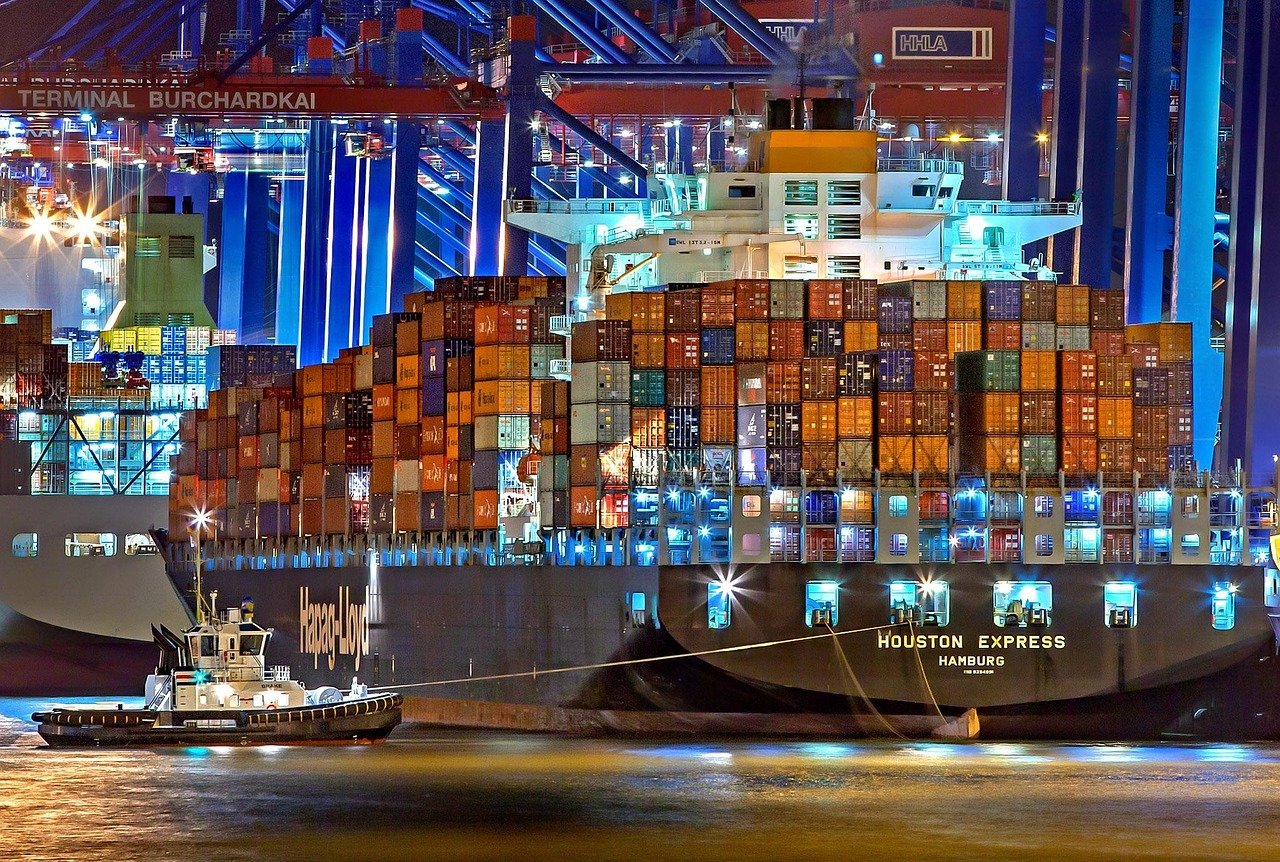
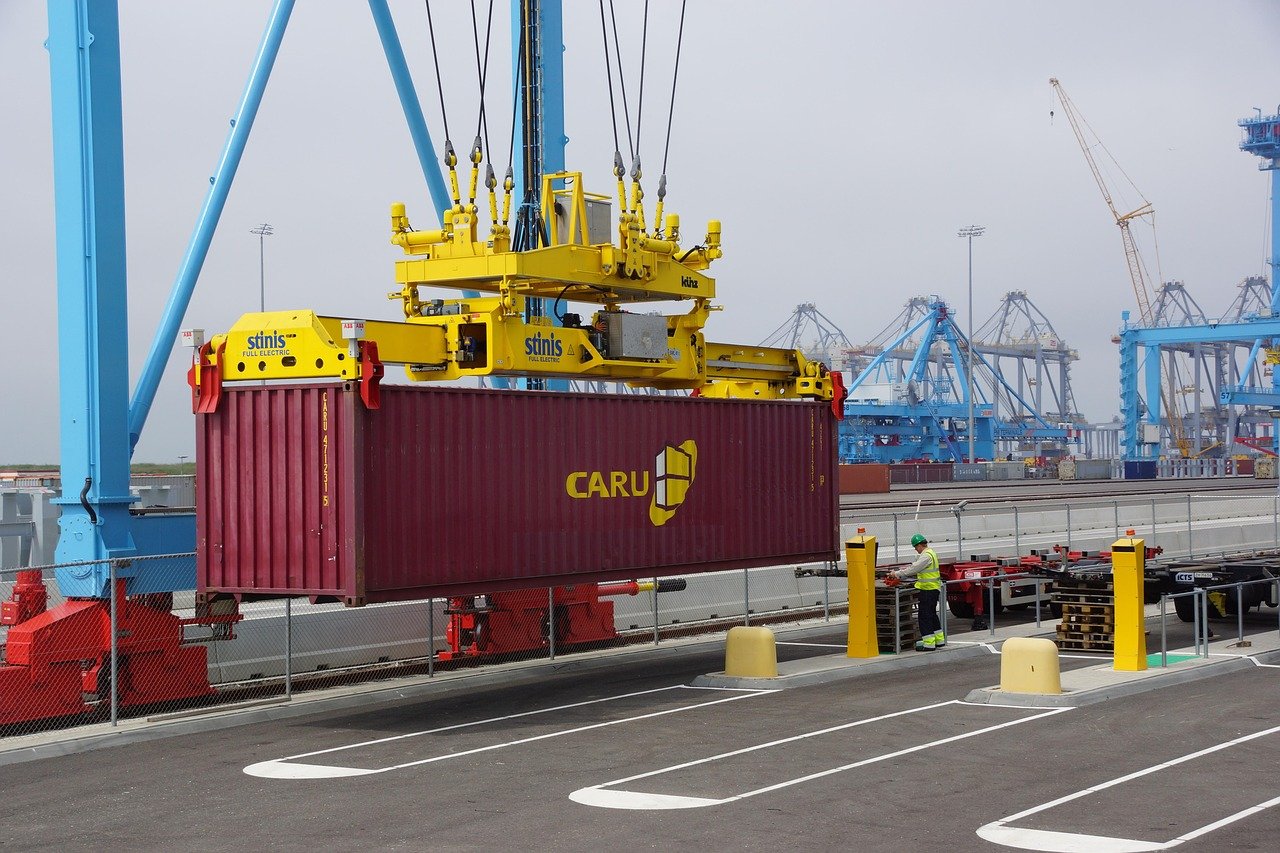
Polish suppliers often benefit from proximity to EU markets and developed transport infrastructure. Ukrainian suppliers may offer competitive export logistics depending on destination markets and shipping routes.
Halal Certification
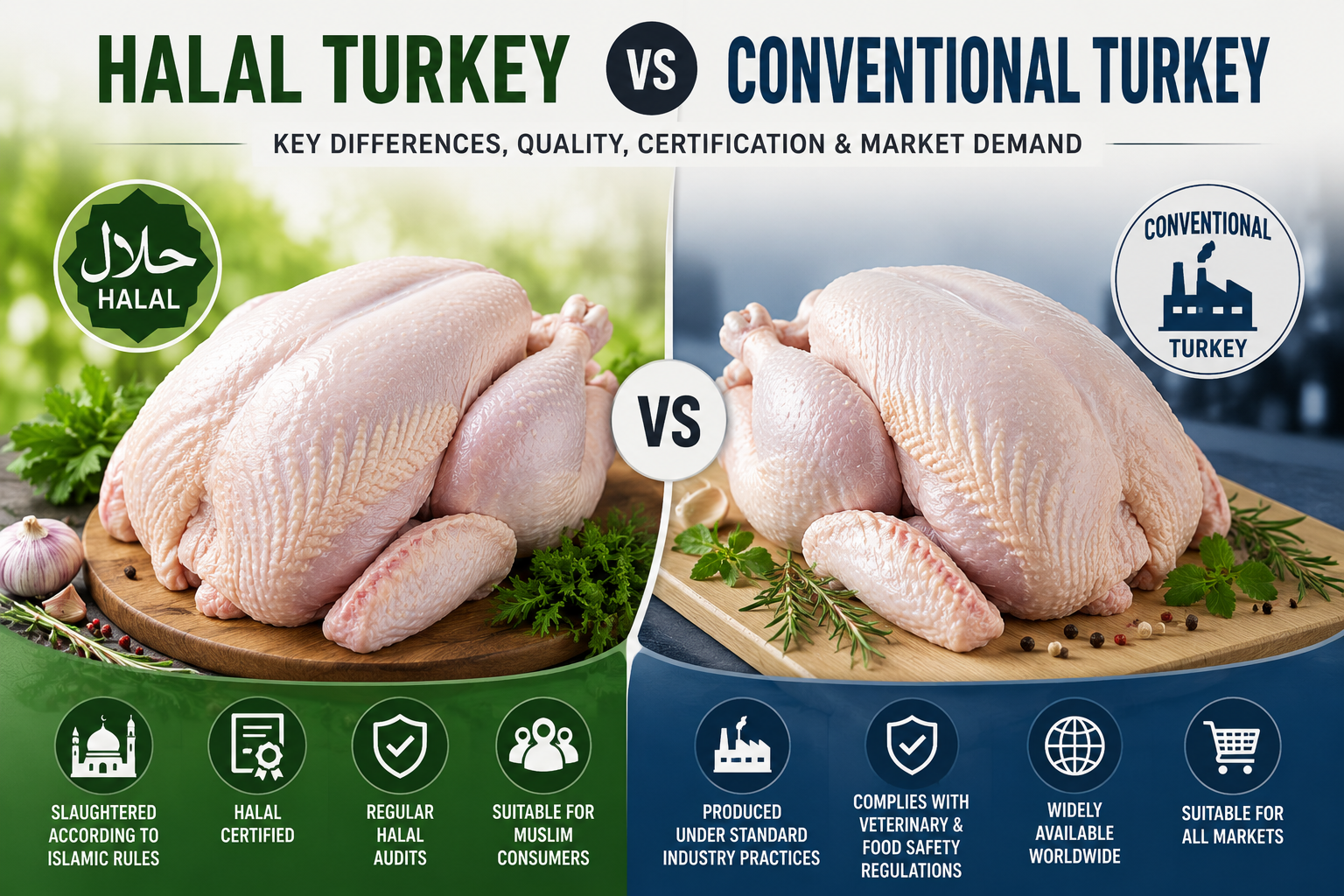
Many exporters in both countries provide halal-certified poultry products for Middle Eastern and Muslim-majority markets. Certification acceptance depends on destination-country requirements.
Export Markets
Both Ukraine and Poland serve customers across Europe, the Middle East, Africa, and Asia. Market access may vary according to trade agreements, regulatory approvals, and customer requirements.
Supply Reliability
Importers should evaluate production capacity, export experience, inventory management, logistics partnerships, and long-term supply stability when selecting suppliers.
Key Considerations for Importers
Important factors include quality standards, certifications, pricing, transit times, payment terms, product specifications, packaging options, and supplier responsiveness.
Conclusion
Both Ukraine and Poland offer attractive sourcing opportunities for poultry importers. The best choice depends on commercial priorities, destination markets, logistics requirements, and product specifications.