Turkey Mid-Joint Wings
Comprehensive B2B Guide for Importers, Distributors, Foodservice Operators and Poultry Wholesalers
Introduction
Turkey mid-joint wings are becoming increasingly popular in international poultry trade due to their versatility, attractive meat-to-bone ratio, and growing demand across foodservice and retail sectors. Positioned between premium turkey breast products and value-oriented dark meat cuts, mid-joint wings offer importers a product with strong commercial potential and broad consumer appeal.
What Are Turkey Mid-Joint Wings?
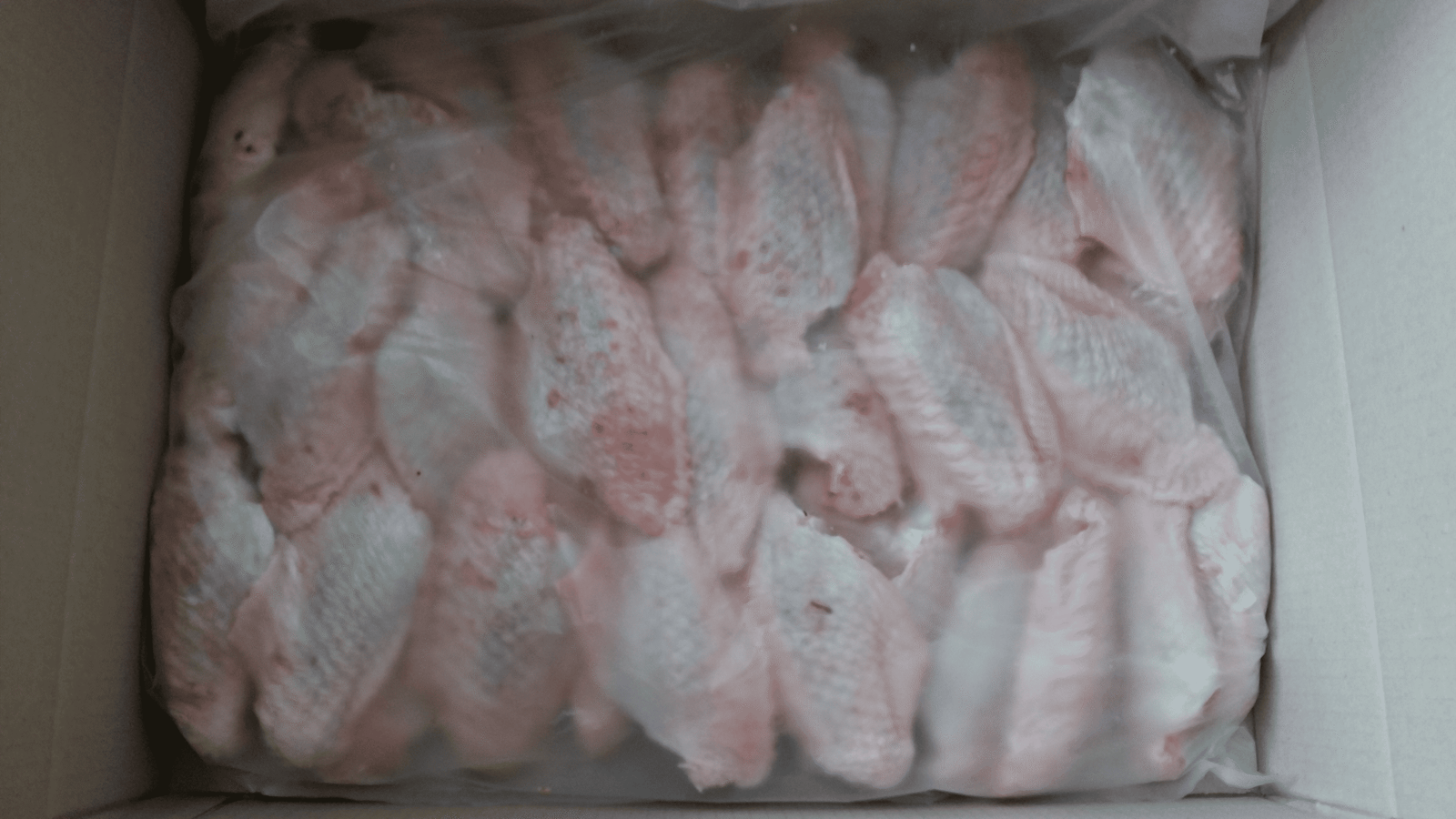
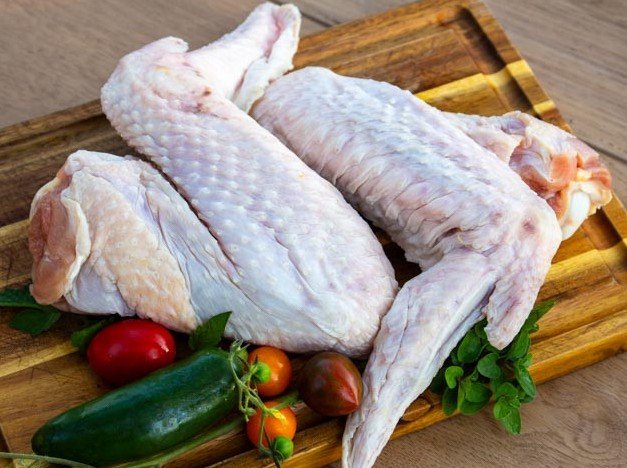
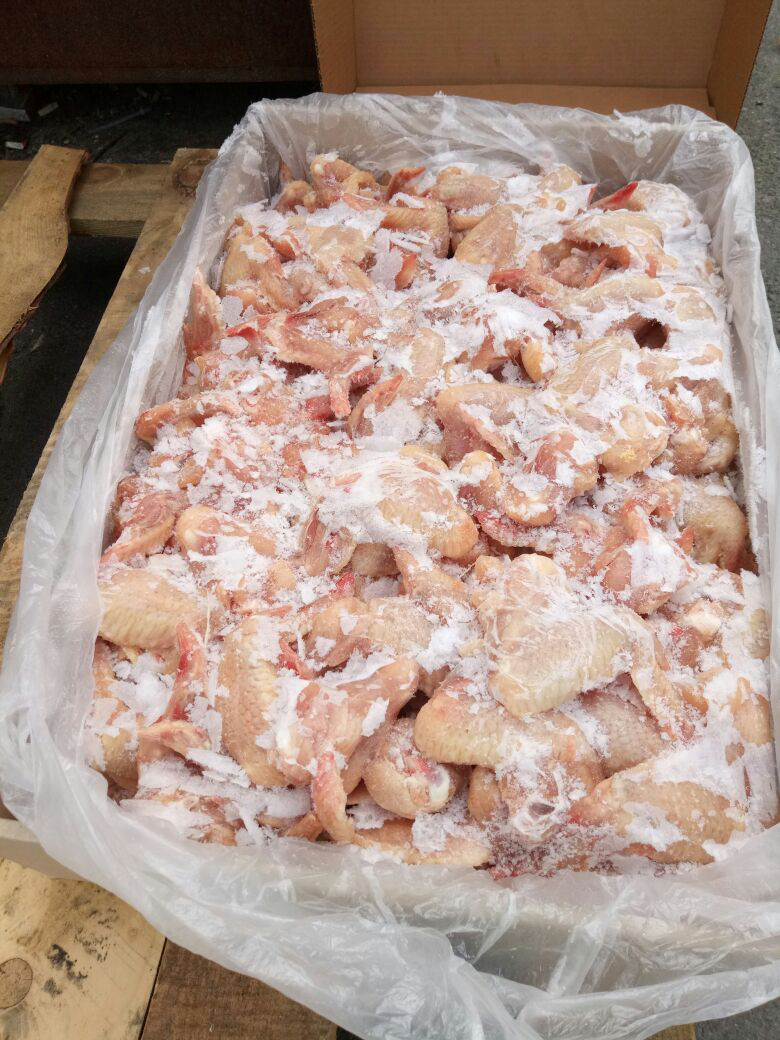
Turkey mid-joint wings, often referred to as wingettes or middle wing sections, are the central portion of the turkey wing located between the drumette and wing tip. This cut contains flavorful meat, moderate bone content, and excellent cooking characteristics, making it suitable for a wide range of culinary applications.
Why Buyers Choose Mid-Joint Wings
Importers and distributors value turkey mid-joint wings because they provide a balance between affordability and eating quality. Their size, flavor, and presentation make them attractive for restaurants, caterers, and retail consumers looking for alternatives to traditional chicken wings.
Global Demand Trends
Demand for turkey wing products has grown in Africa, the Middle East, the Caribbean, Eastern Europe, and selected Asian markets. Consumers appreciate the larger size and richer flavor profile compared with chicken wing products, while foodservice operators benefit from attractive portion sizes.
Foodservice Applications
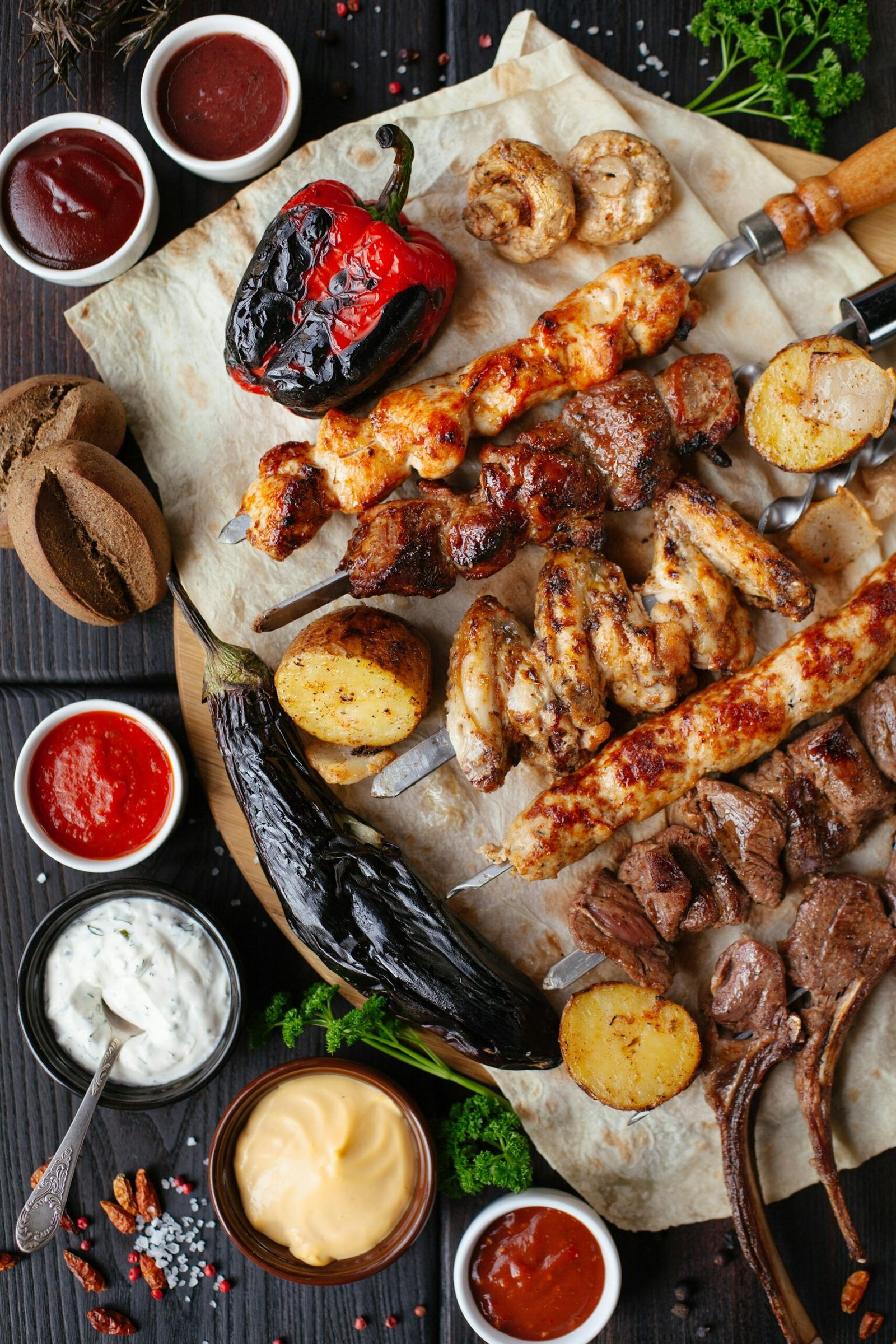
Turkey mid-joint wings are widely used in barbecue menus, smoked poultry dishes, roasted meals, soups, stews, and specialty ethnic cuisines. Their ability to retain moisture during cooking makes them particularly suitable for slow-cooking and smoking applications.
Retail Opportunities
Retailers increasingly offer turkey wing products as value-oriented protein options. Mid-joint wings can be sold fresh-frozen, marinated, seasoned, or packaged for ready-to-cook applications.
Product Specifications
Importers typically evaluate size ranges, weight specifications, trimming standards, glazing percentages, packaging formats, freezing methods, shelf life, and product origin. Consistent specifications help maintain customer satisfaction and reduce procurement risks.
Frozen Turkey Mid-Joint Wings
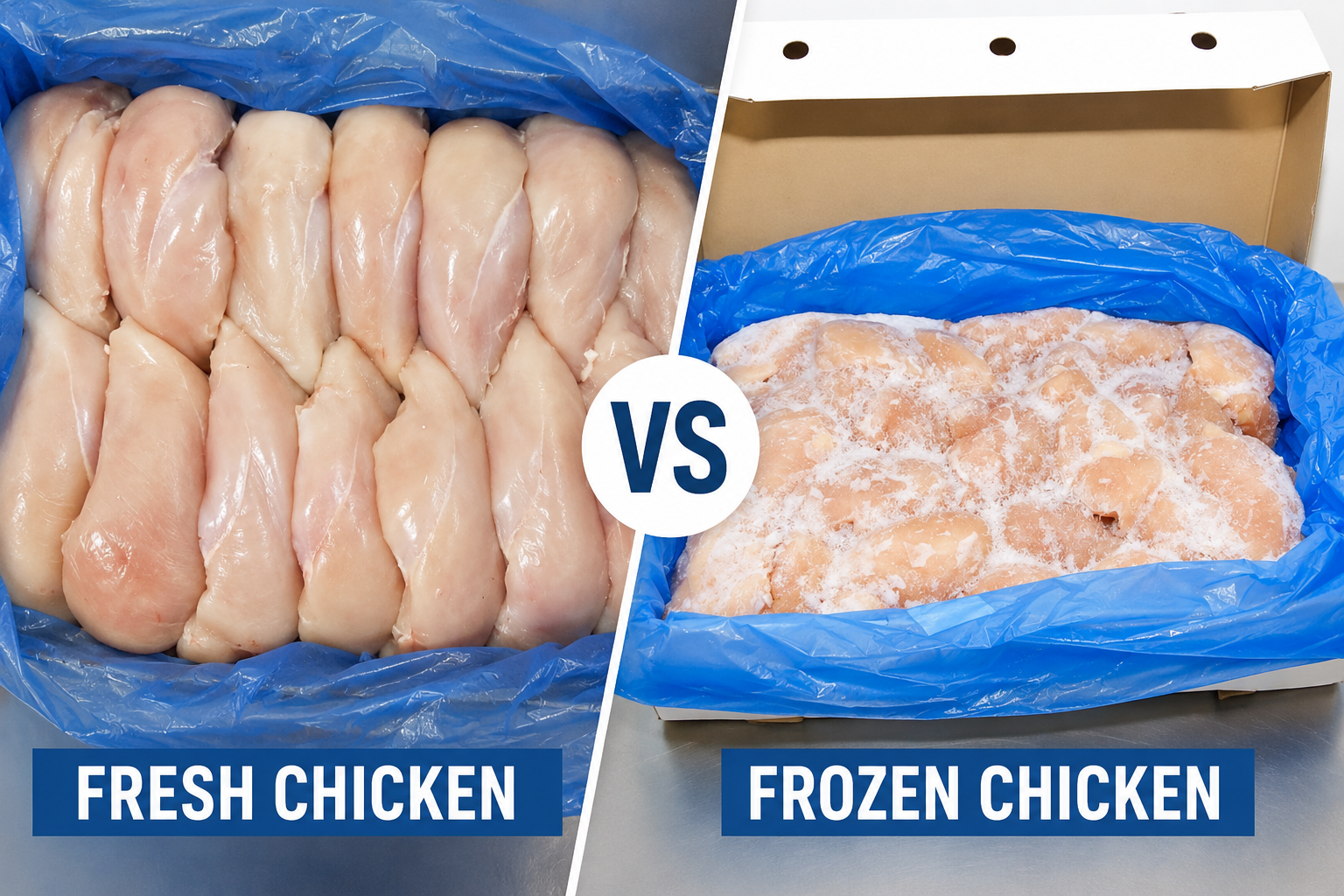
Most international trade involves frozen products because freezing extends shelf life and enables cost-effective transportation to distant markets. Frozen products also support inventory management and year-round supply programs.
Halal Market Potential
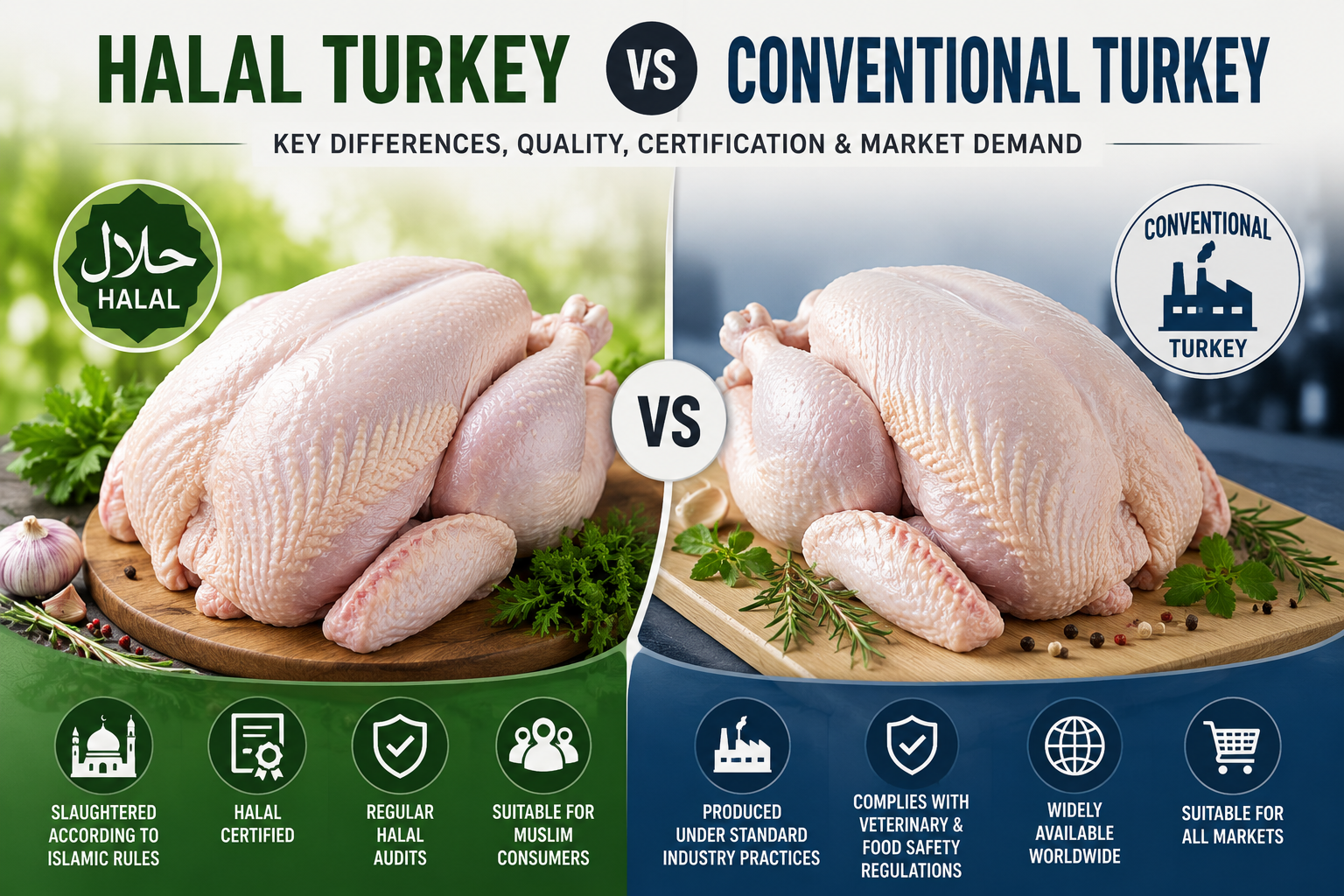
Halal-certified turkey mid-joint wings are increasingly important in Muslim-majority markets. Importers often require certification from recognized halal authorities together with full traceability and compliance documentation.
Food Safety Standards
Professional buyers prefer suppliers operating under HACCP, ISO 22000, BRCGS, or IFS food safety systems. These certifications demonstrate commitment to product quality, traceability, and regulatory compliance.
Packaging Options
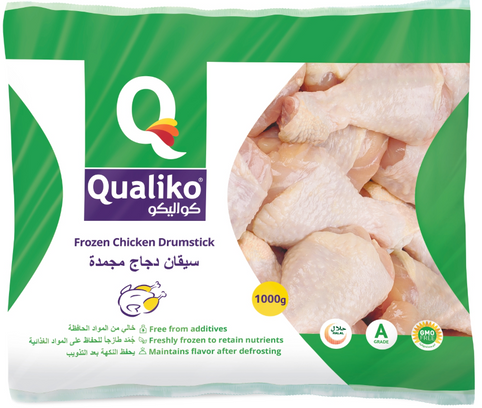
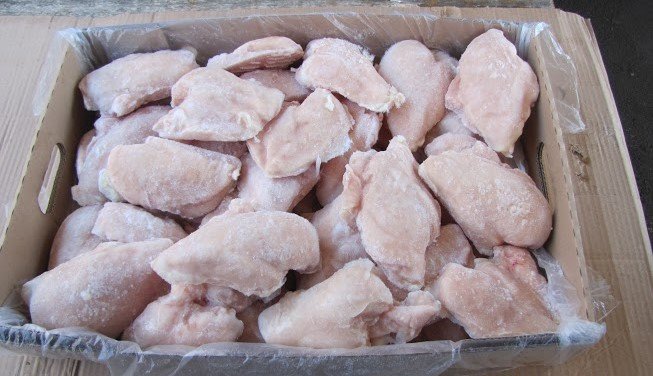
Turkey mid-joint wings may be supplied in bulk cartons, IQF formats, foodservice packs, or private-label retail packaging. Packaging selection depends on target customers and distribution channels.
Pricing Factors
Pricing is influenced by turkey production volumes, feed costs, processing expenses, labor, energy prices, logistics costs, exchange rates, and regional demand conditions. Importers should evaluate total landed costs when comparing supplier offers.
Cold Chain Logistics
Frozen turkey mid-joint wings are typically transported at -18°C or lower in refrigerated containers. Effective cold-chain management protects product quality and ensures compliance with food safety requirements.
Export Documentation
Shipments usually require commercial invoices, packing lists, veterinary health certificates, certificates of origin, bills of lading, and market-specific approvals. Additional halal documentation may be necessary for certain destinations.
How Importers Evaluate Suppliers
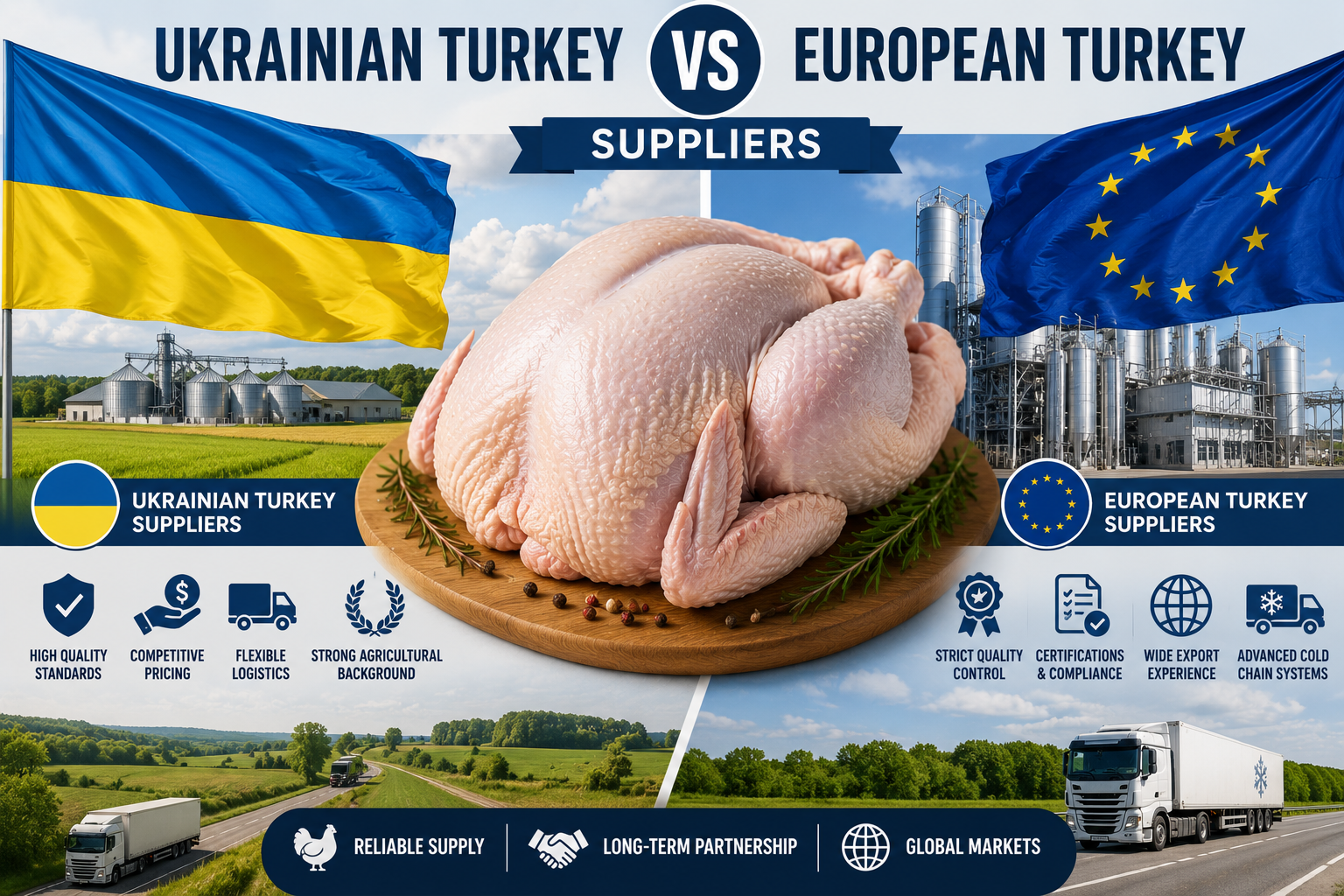
Key evaluation criteria include production capacity, export experience, certification status, product consistency, logistics capabilities, customer references, and responsiveness. Reliable supply is often more important than achieving the lowest purchase price.
Market Challenges
Importers may face challenges including freight volatility, regulatory changes, currency fluctuations, customs delays, and supply disruptions. Strong supplier relationships help mitigate these risks.
Future Outlook
Demand for turkey wing products is expected to remain positive as consumers seek affordable protein options and foodservice operators focus on value-driven menu development. Mid-joint wings are well positioned to benefit from these trends.
Conclusion
Turkey mid-joint wings represent an attractive opportunity for poultry importers, distributors, and foodservice suppliers. Their combination of flavor, affordability, versatility, and growing international demand makes them a valuable addition to poultry procurement programs.