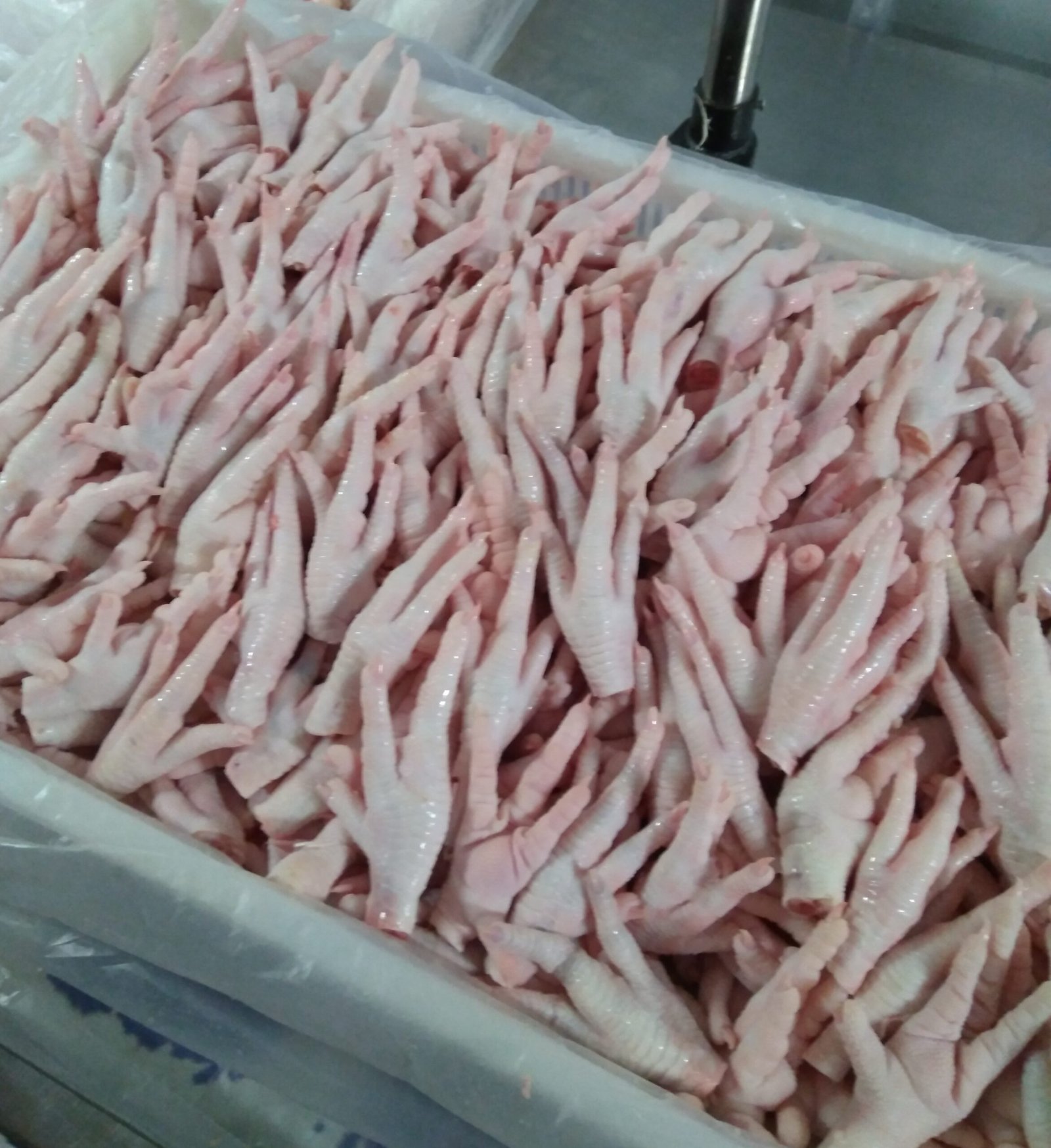
Fresh vs Frozen Chicken for Importers
Introduction
Choosing between frozen and fresh chicken is one of the most important decisions for poultry importers. The choice affects logistics, storage requirements, profitability, shelf life, food safety, inventory management, and customer satisfaction.
Understanding the Difference
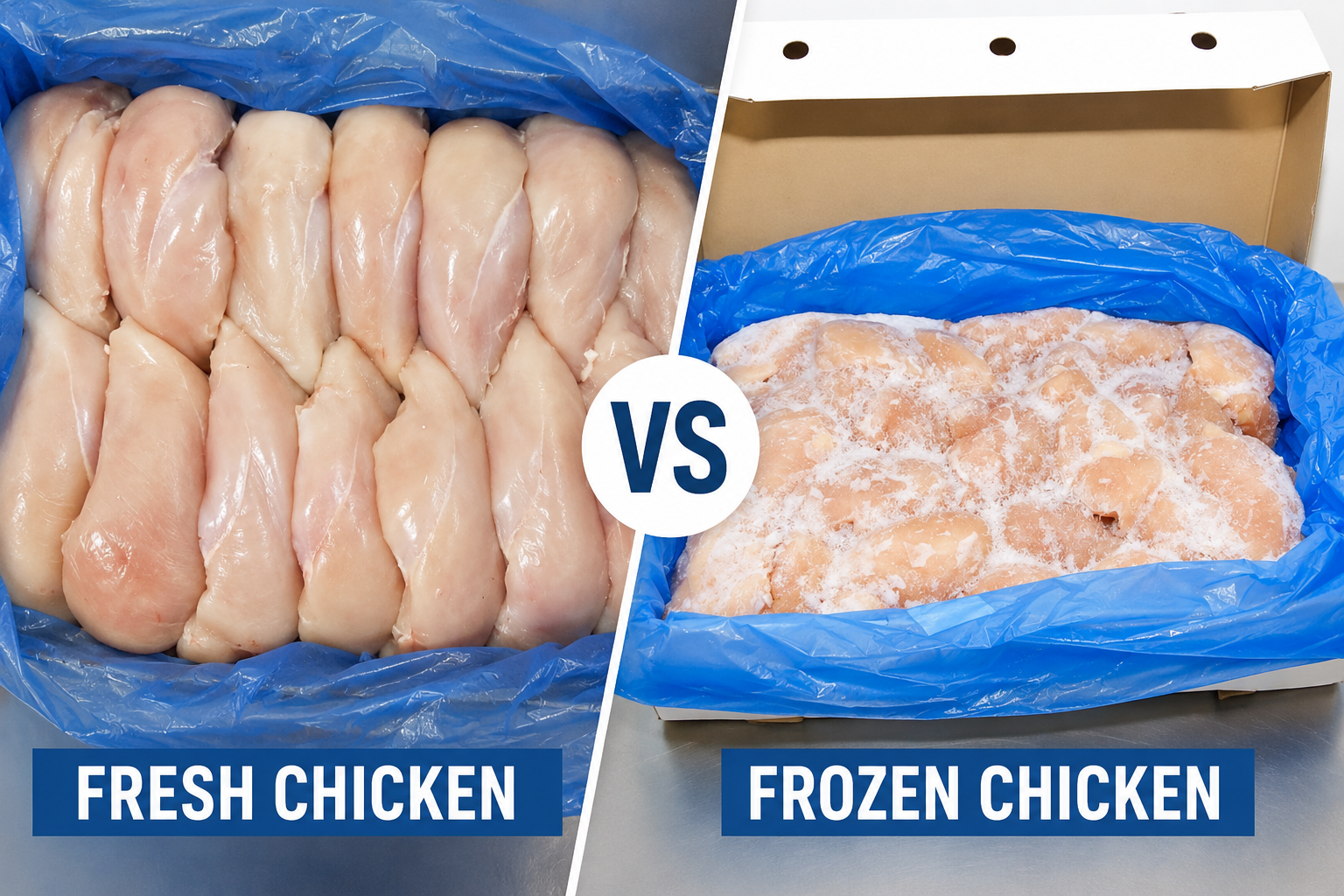
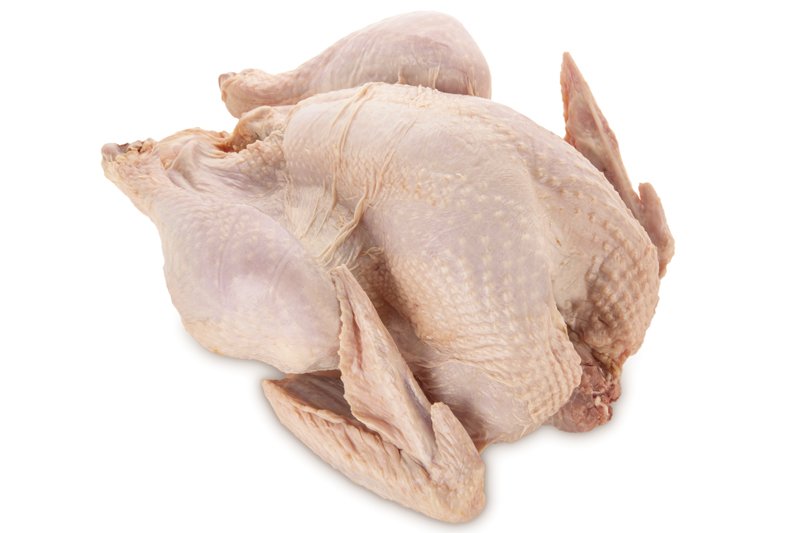
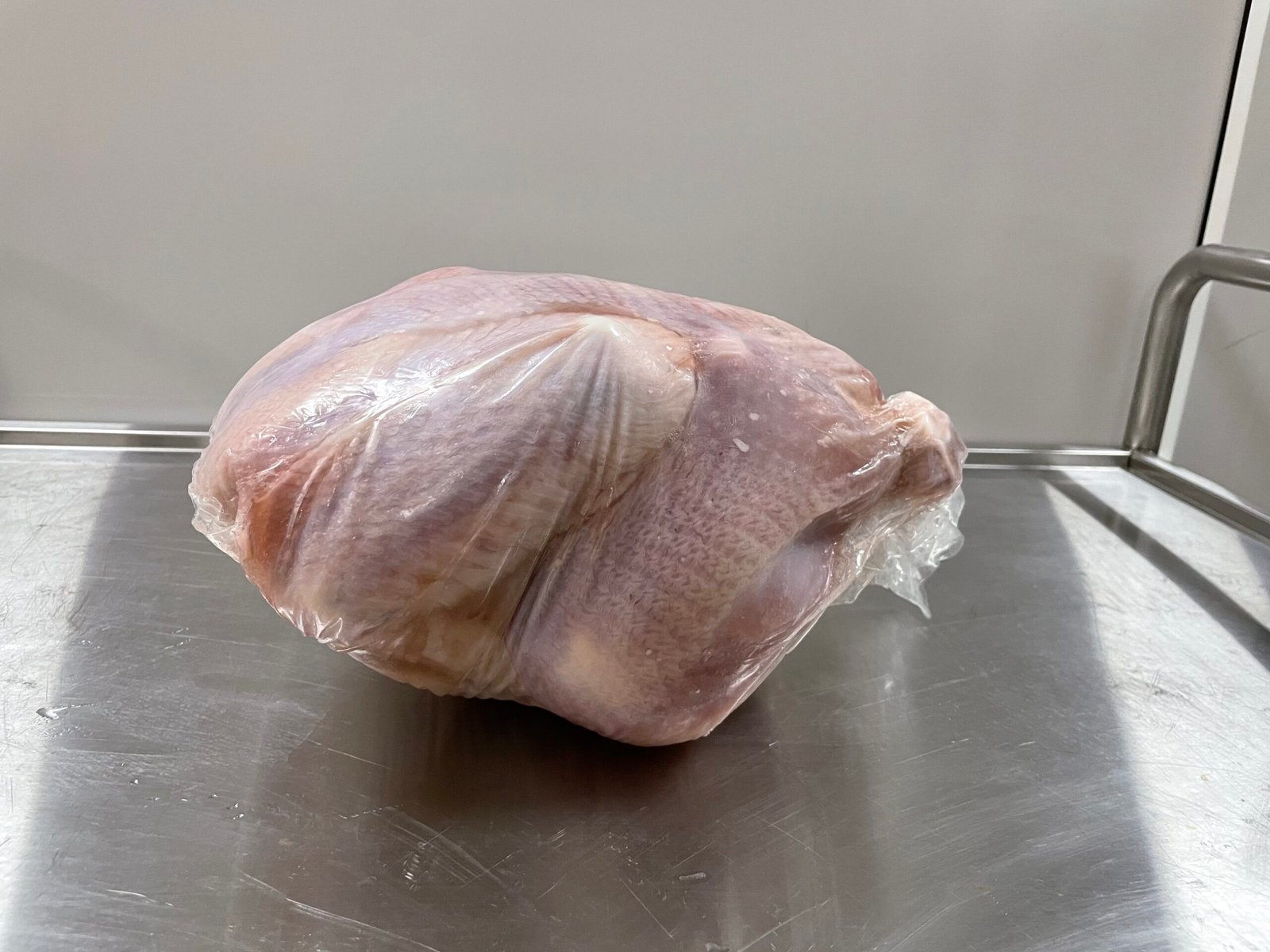
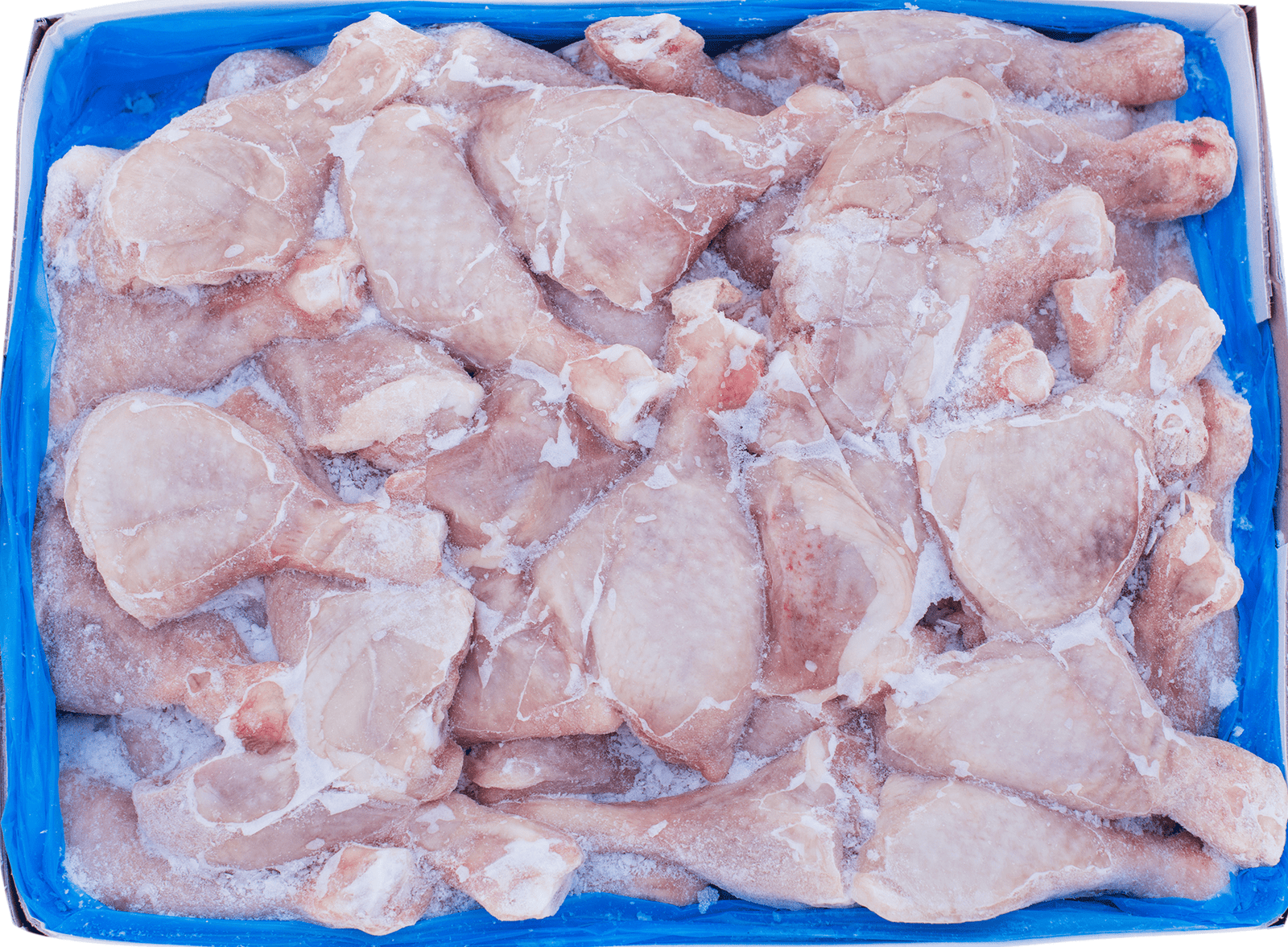
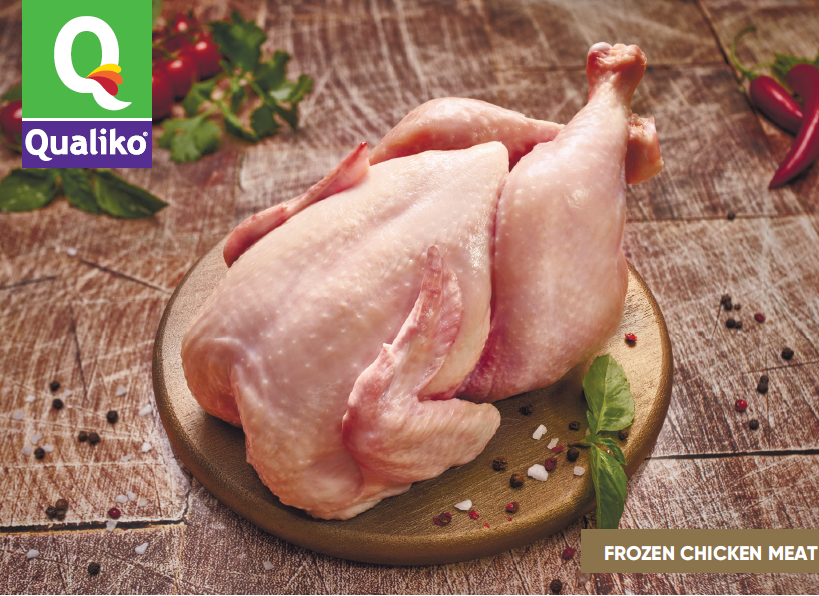
Fresh chicken is chilled after processing and stored between 0°C and 4°C. Frozen chicken is rapidly frozen and maintained at -18°C or below. Both products can offer excellent quality when handled correctly, but they serve different market needs.
Shelf Life and Inventory Management
Fresh chicken typically has a shelf life of 5–14 days. Frozen chicken can remain marketable for 12–24 months. For importers managing long shipping routes and variable demand, frozen poultry provides significantly greater flexibility.
Logistics and Transportation
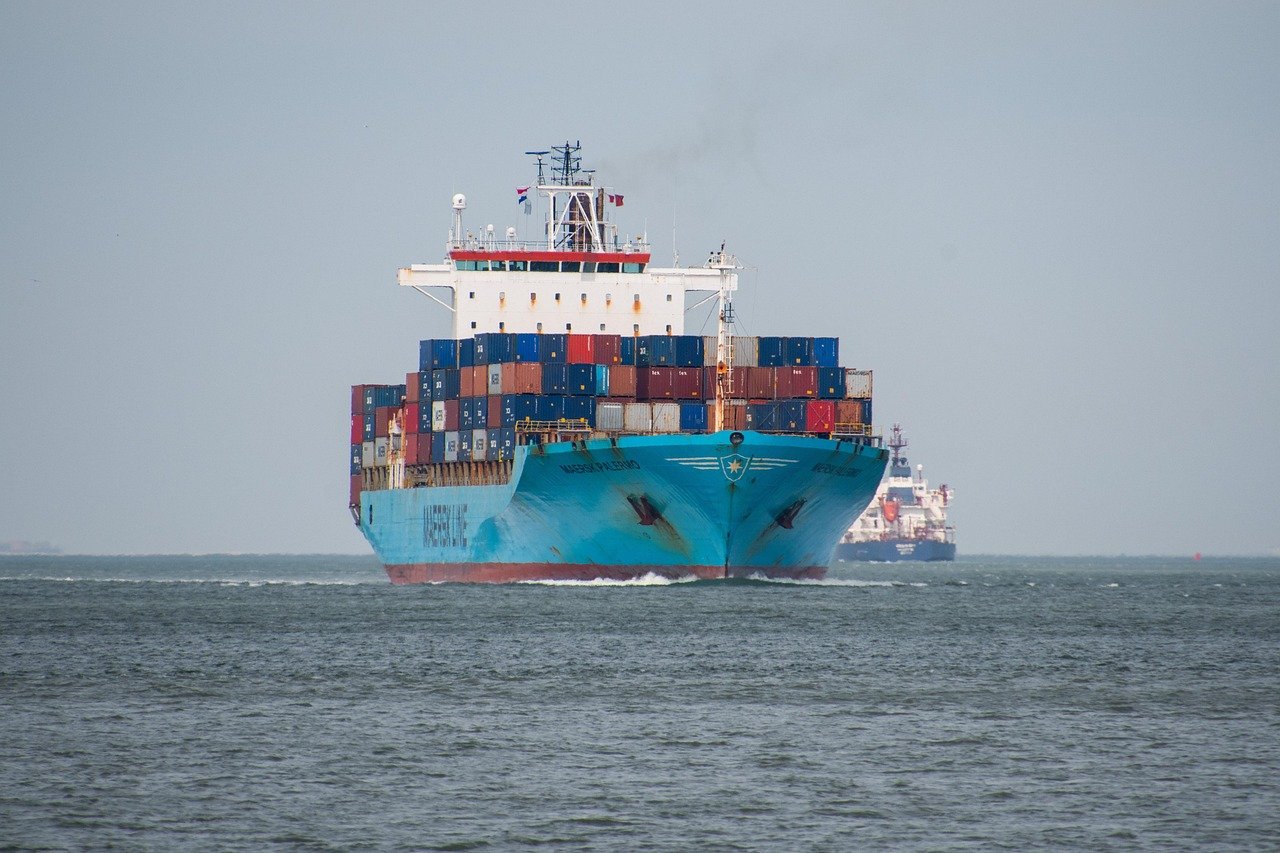
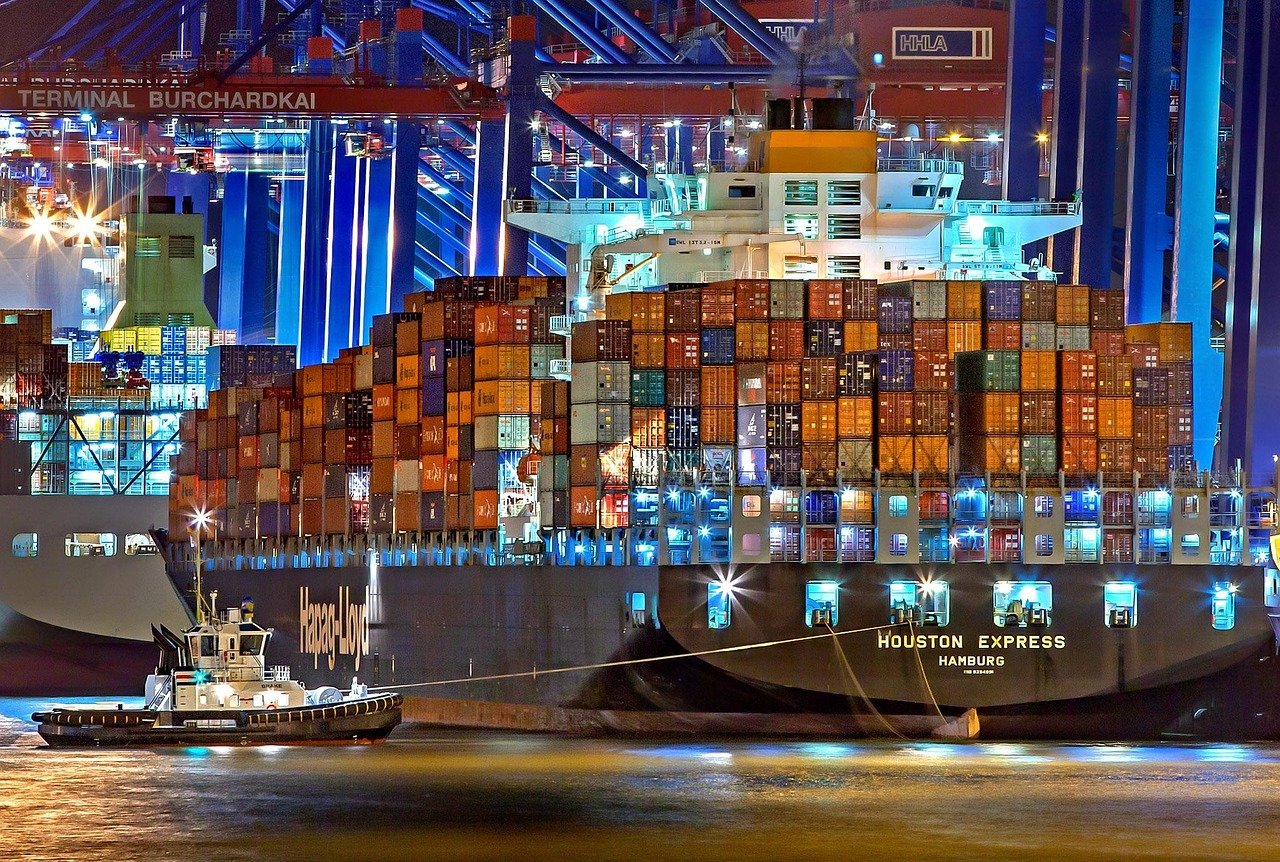
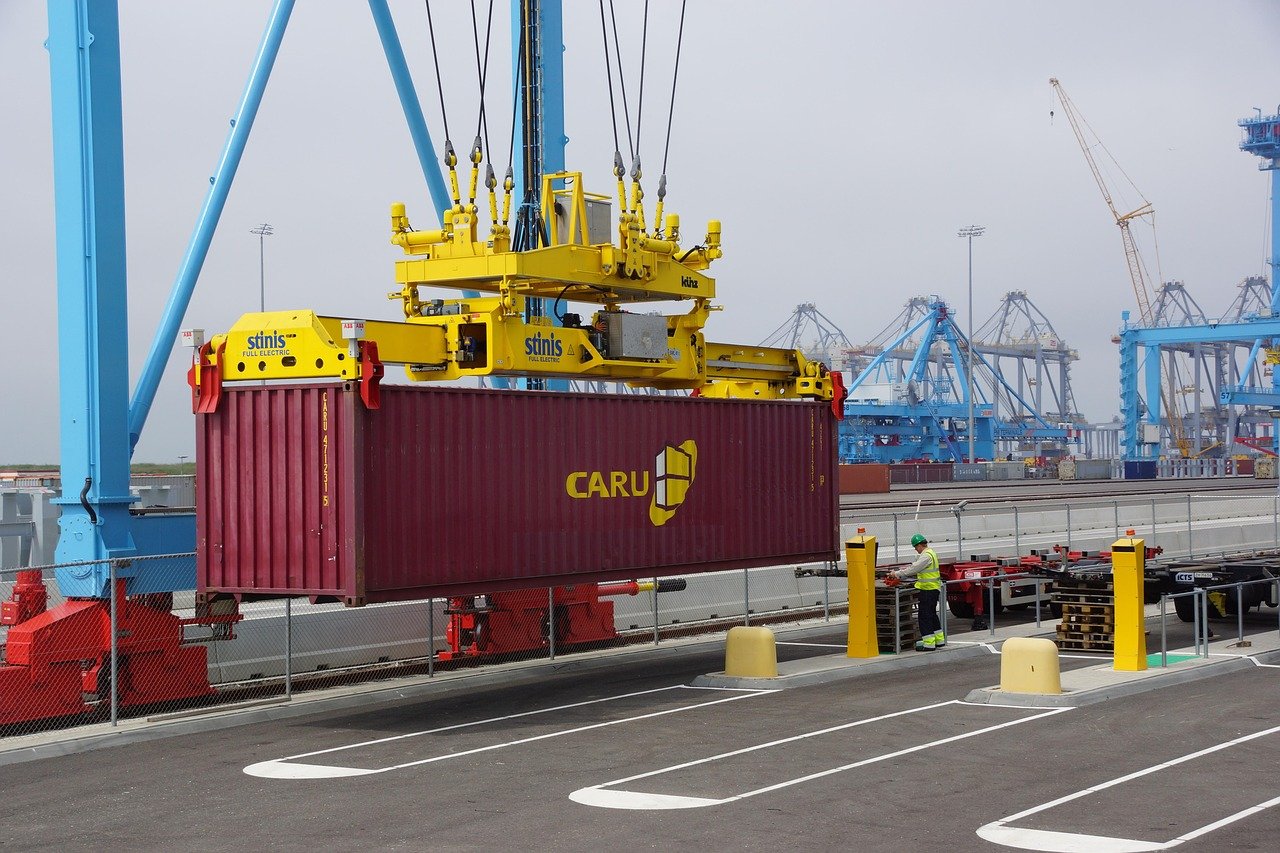
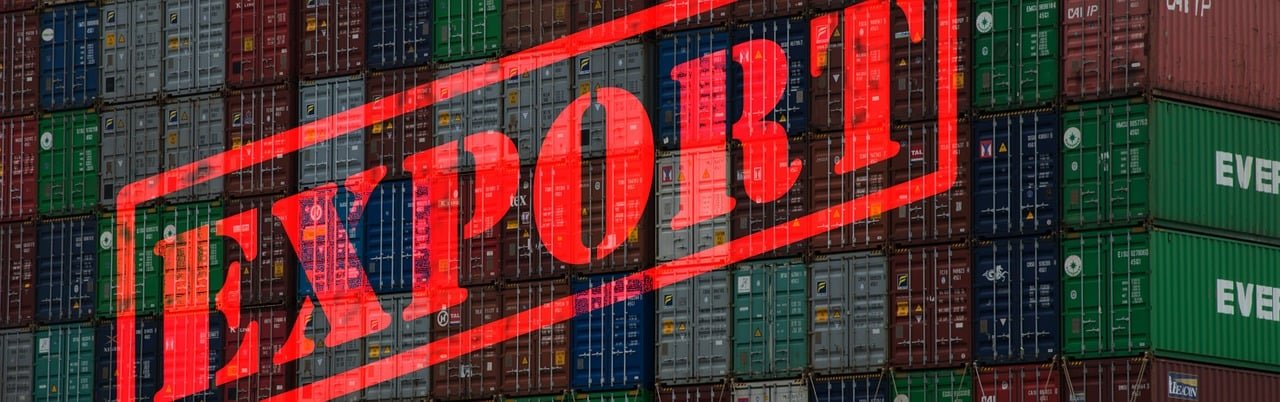
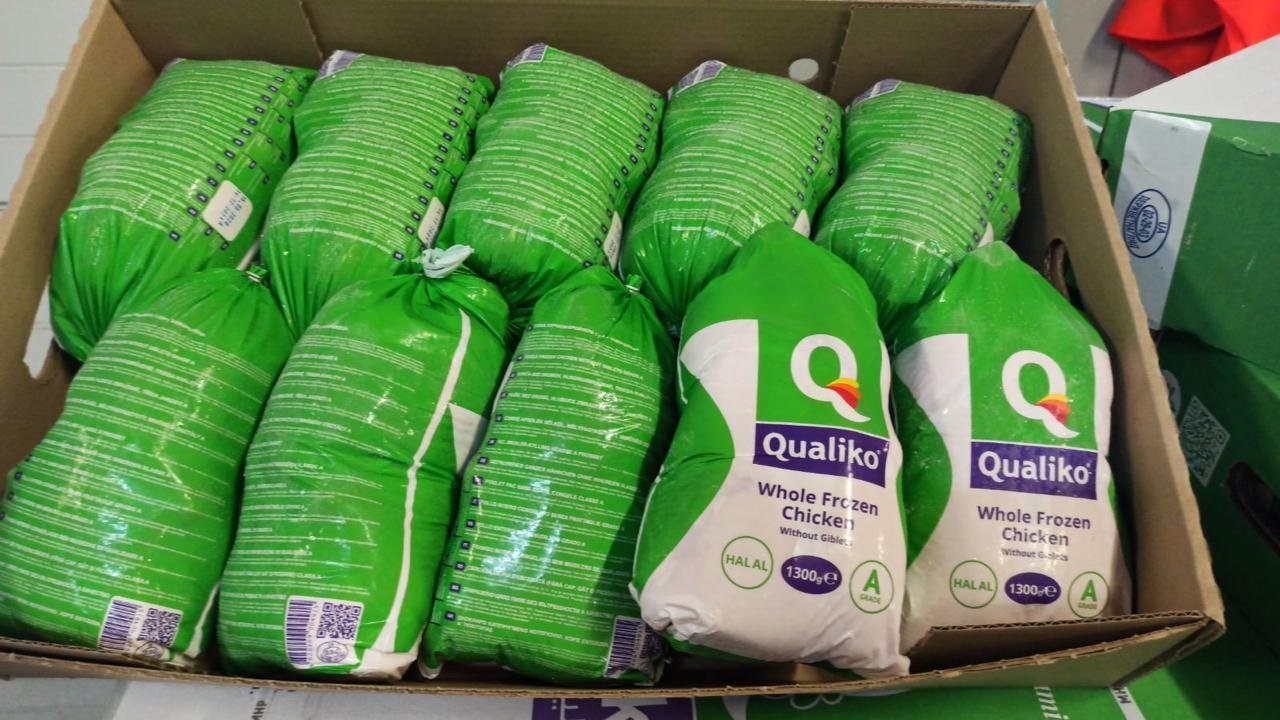
Frozen poultry dominates international trade because it can withstand long sea freight transit times. Fresh poultry requires faster transportation, tighter cold-chain control, and higher logistics costs.
Cost Comparison
Frozen chicken generally delivers lower overall supply-chain costs due to reduced wastage and easier inventory planning. Fresh chicken often commands higher prices but may involve higher operational expenses.
Food Safety
Both frozen and fresh poultry can be safe when handled properly. Importers must maintain strict cold-chain procedures and comply with veterinary and sanitary regulations.
Market Demand
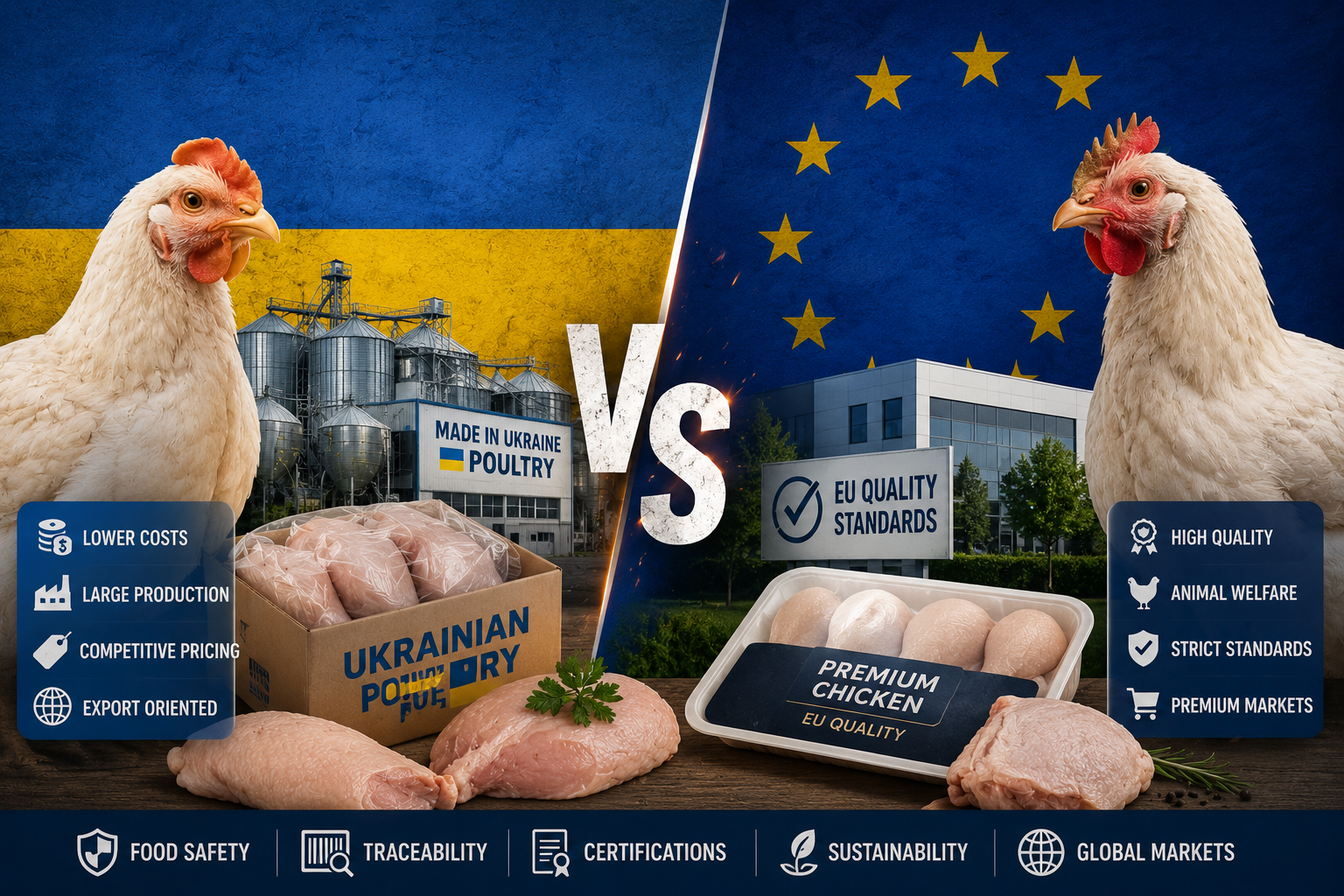
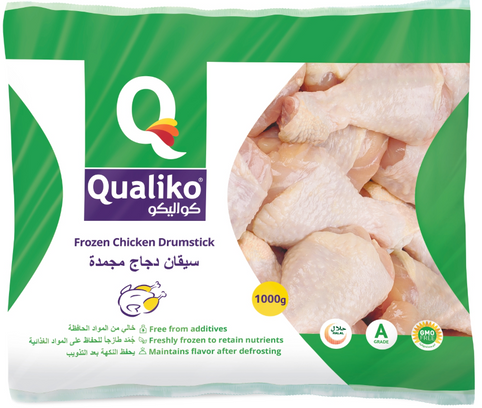
Frozen chicken is especially popular in Africa, the Middle East, Asia, and other price-sensitive markets. Fresh chicken is more common in premium retail channels and high-end foodservice operations.
Advantages of Frozen Chicken
– Long shelf life
– Lower spoilage risk
– Suitable for international shipping
– Flexible inventory management
– Broad product availability
Advantages of Fresh Chicken
– Premium market positioning
– Strong consumer perception
– Potentially higher retail margins
– Popular in upscale foodservice sectors
Challenges
Frozen poultry requires freezer infrastructure and energy costs. Fresh poultry involves higher spoilage risks, stricter logistics requirements, and shorter selling windows.
Conclusion
Frozen chicken remains the leading product in global poultry trade because of its storage and logistics advantages. Fresh chicken maintains strong demand in premium market segments. Importers should evaluate customer preferences, infrastructure capabilities, and profitability goals when selecting their sourcing strategy.