Halal Chicken Exporter: Supplying Certified Poultry to Europe and the Middle East
Global Halal Poultry Market
Halal poultry has shifted from a niche segment to a mainstream category in international food trade. Growth is driven by demographics, urbanization, organized retail and stricter traceability expectations. Importers increasingly seek exporters capable of delivering documentation, certification and stable volumes.
Why Europe Buys Halal Chicken
Demand in Europe comes from Muslim communities, ethnic retailers, wholesalers, schools, hospitals, restaurants and food manufacturers. Halal products are now stocked by major supermarket chains in several countries.
France
France remains one of Europe’s strongest Halal markets due to population size and mature distribution networks. Frozen chicken cuts and whole birds are widely used by distributors and butchers.
United Kingdom
The UK has long-established Halal wholesale channels. Buyers often require chilled products for rapid distribution as well as frozen poultry for foodservice.
Germany, Belgium & Netherlands
These markets combine domestic consumption with logistics functions. Importers value predictable delivery schedules and documentation quality.
Balkans
Albania and Bosnia maintain familiarity with Halal products. Competitive pricing is important, but supply continuity also influences purchasing decisions.
Middle East Overview
Across the Gulf region, Halal is a baseline expectation rather than a premium feature. Certificate acceptance can determine market access.
Saudi Arabia
Saudi Arabia is both a poultry producer and importer. Imports help diversify sourcing, support food-security strategies and satisfy demand for particular specifications.
United Arab Emirates
The UAE acts as a consumer market and a redistribution hub. Dubai logistics infrastructure enables onward movement to neighboring countries.
Egypt
Large population size supports substantial poultry consumption. Import needs can change with domestic production levels and affordability.
Products
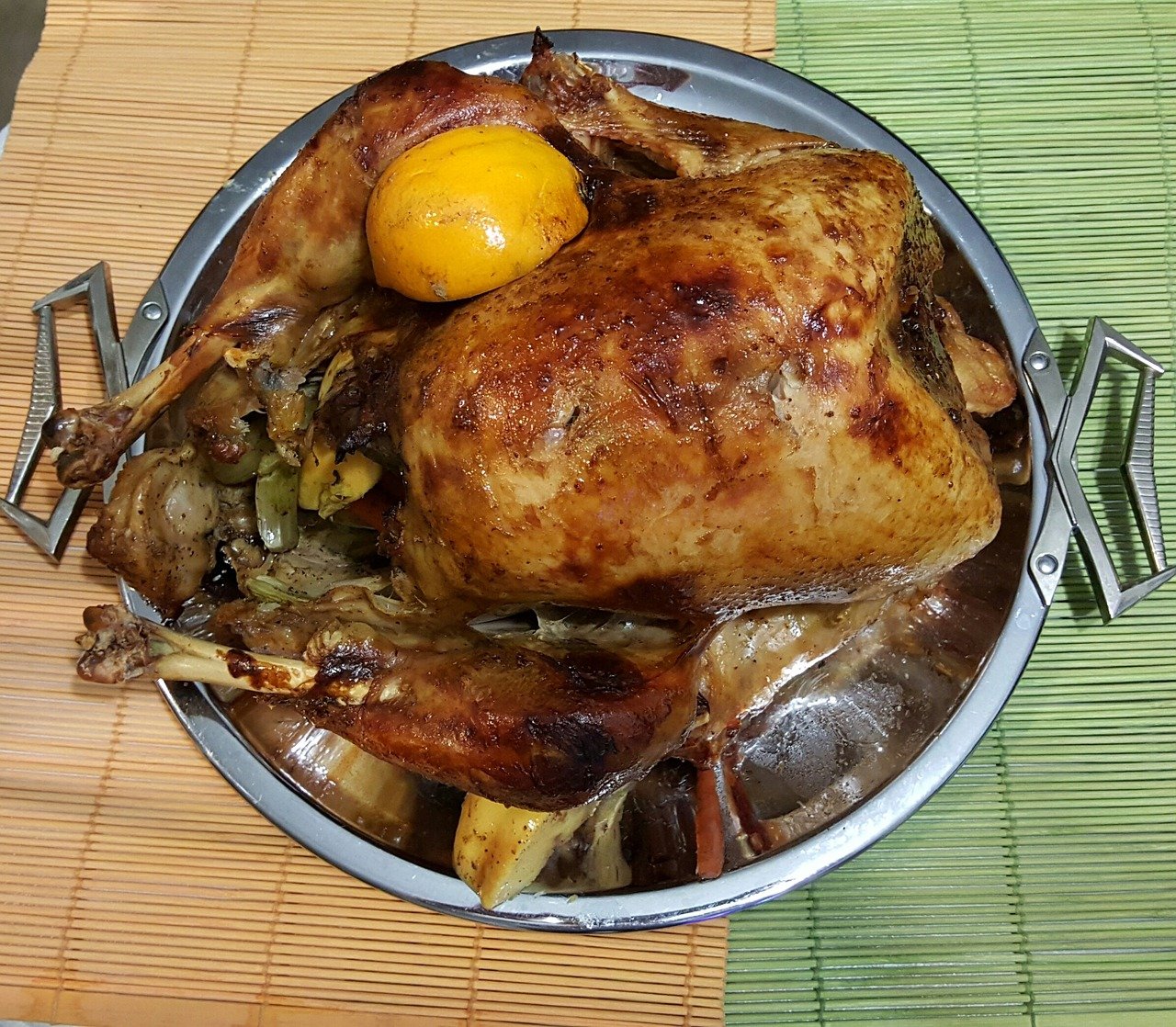
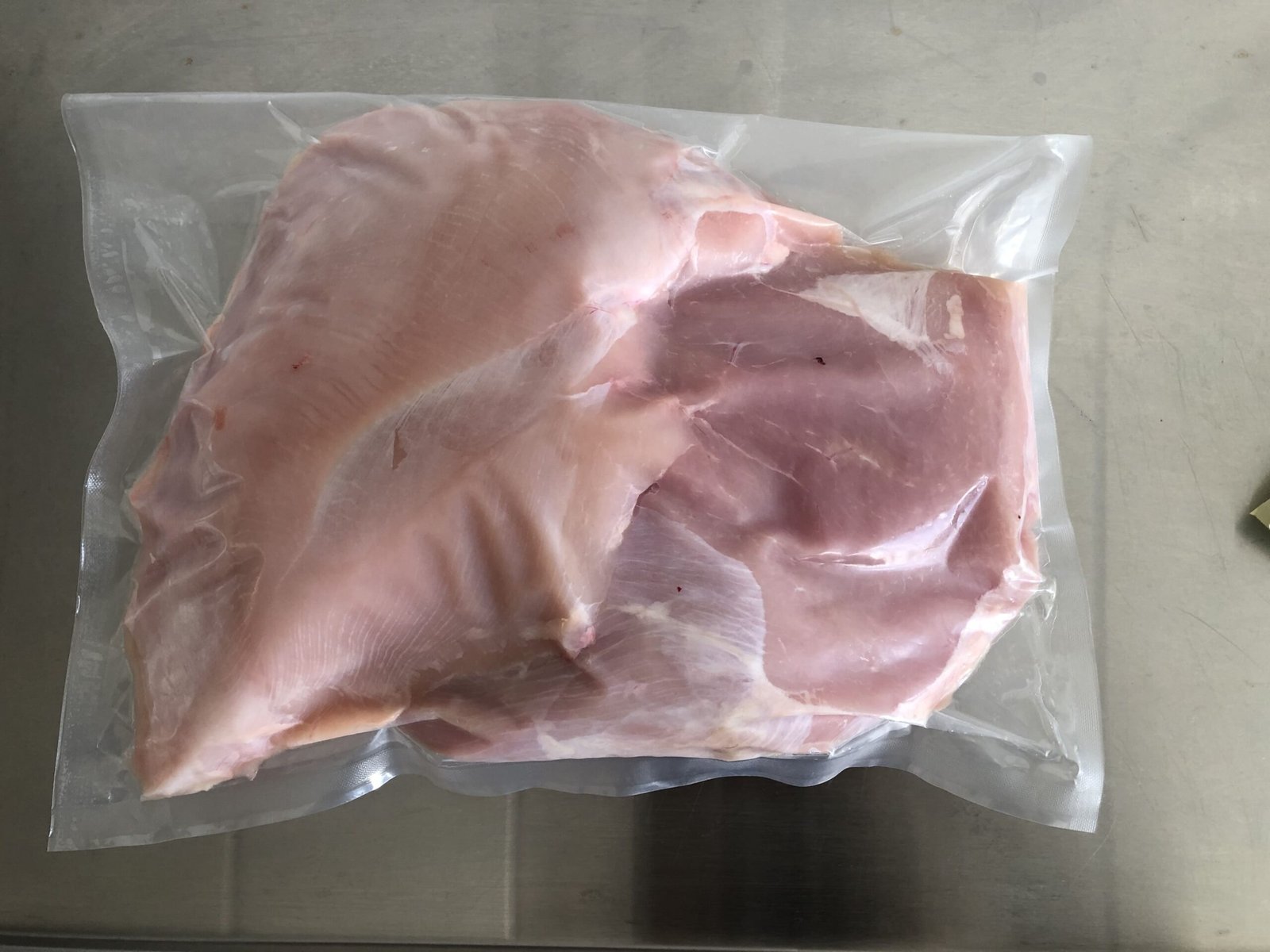
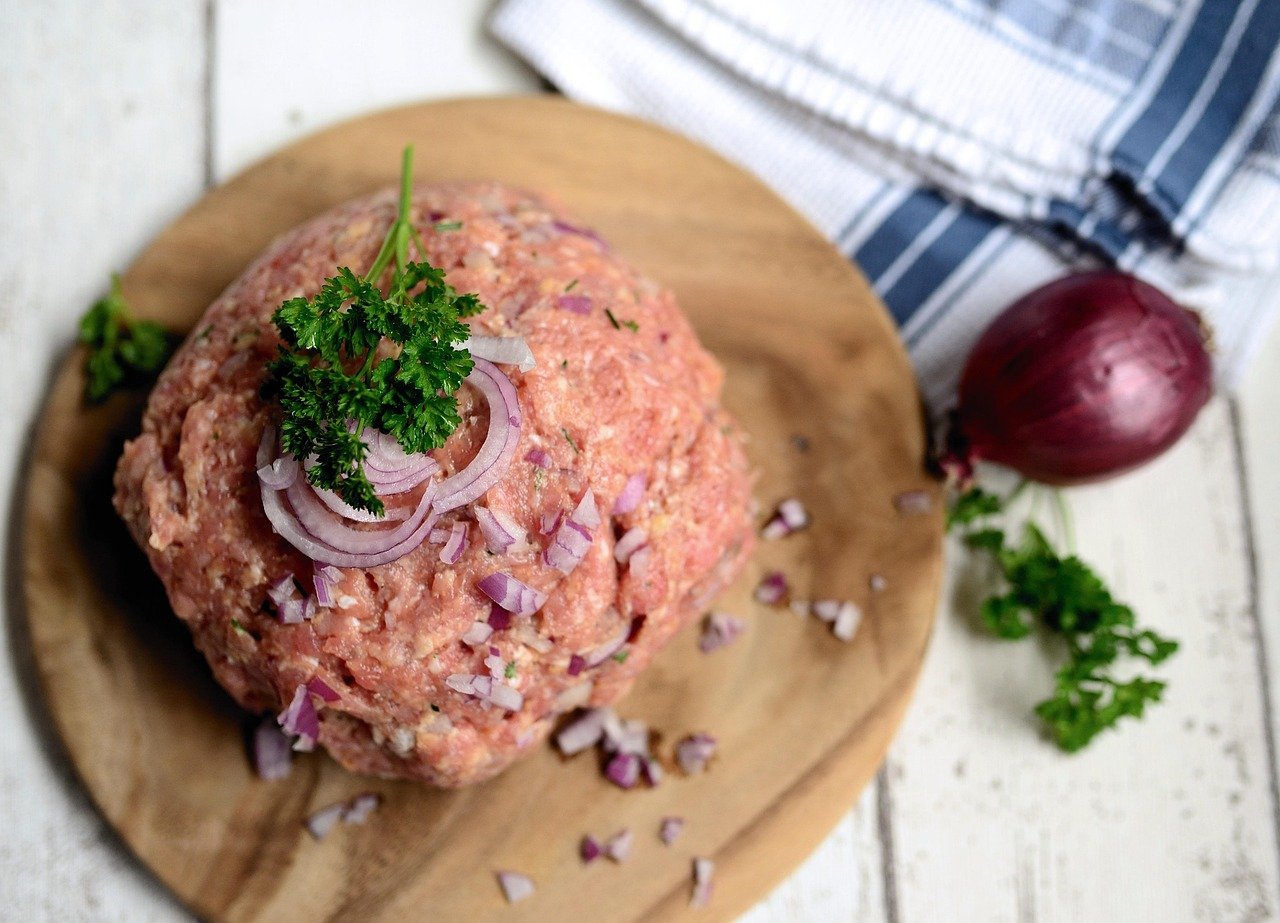
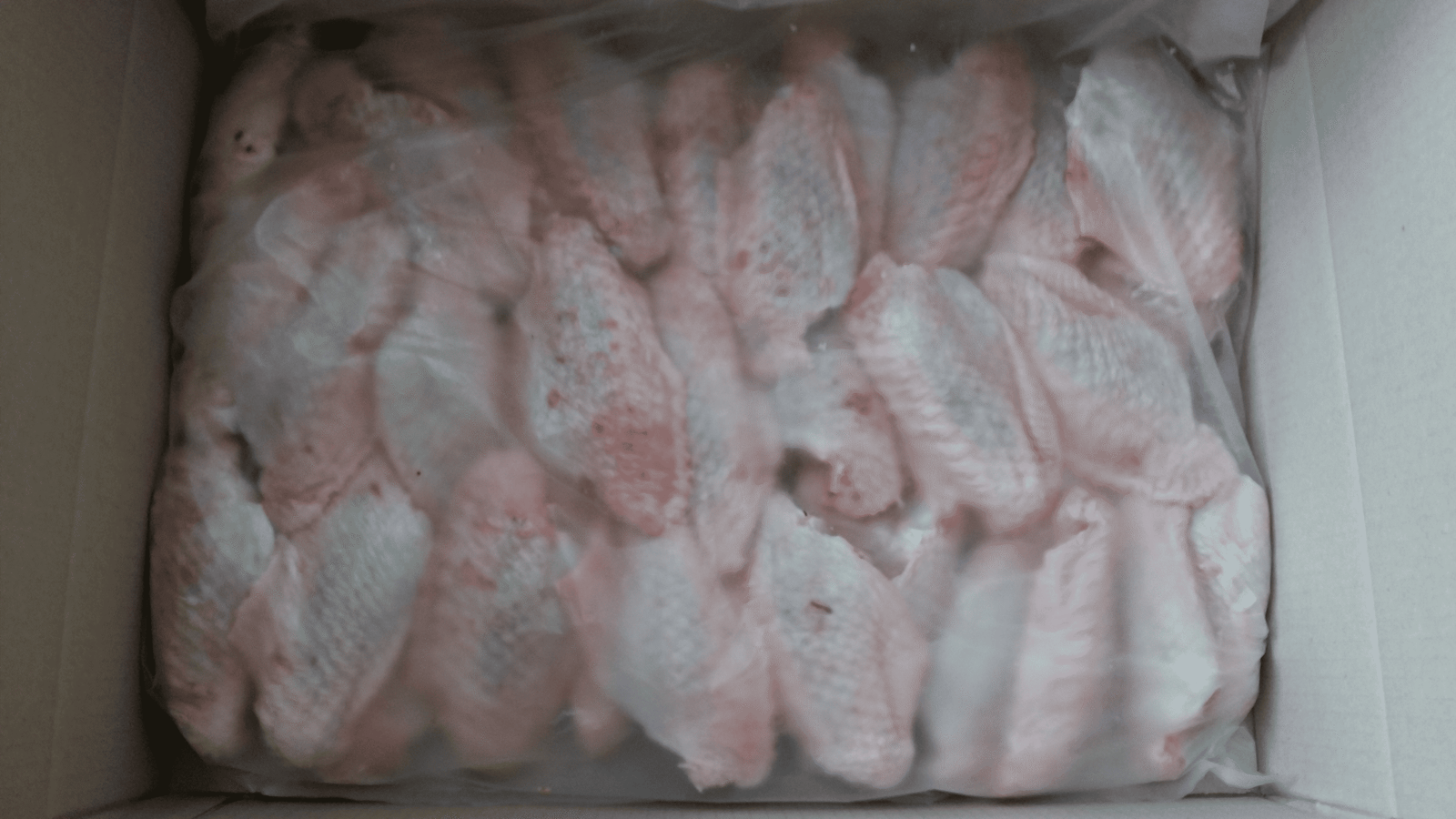
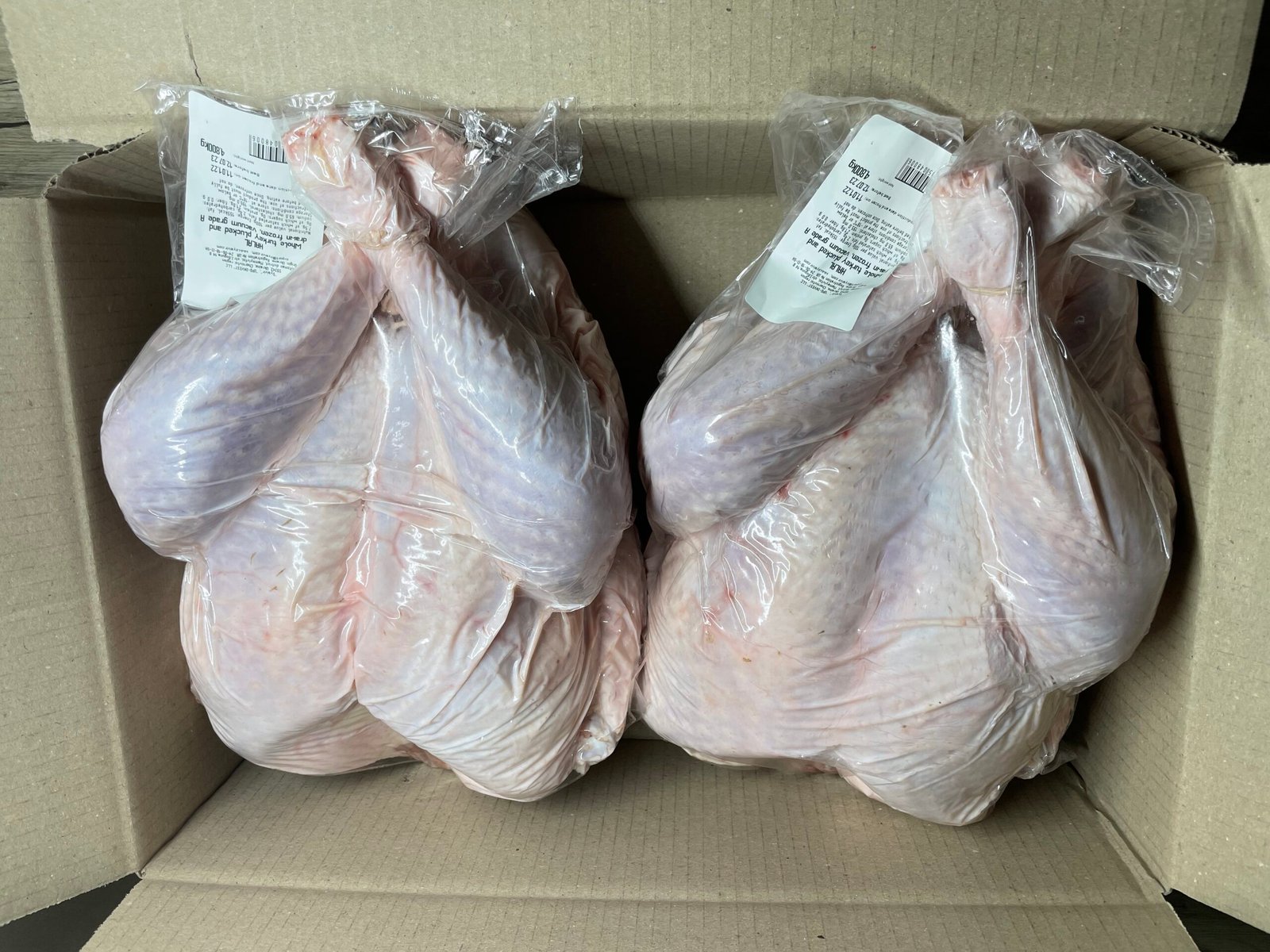
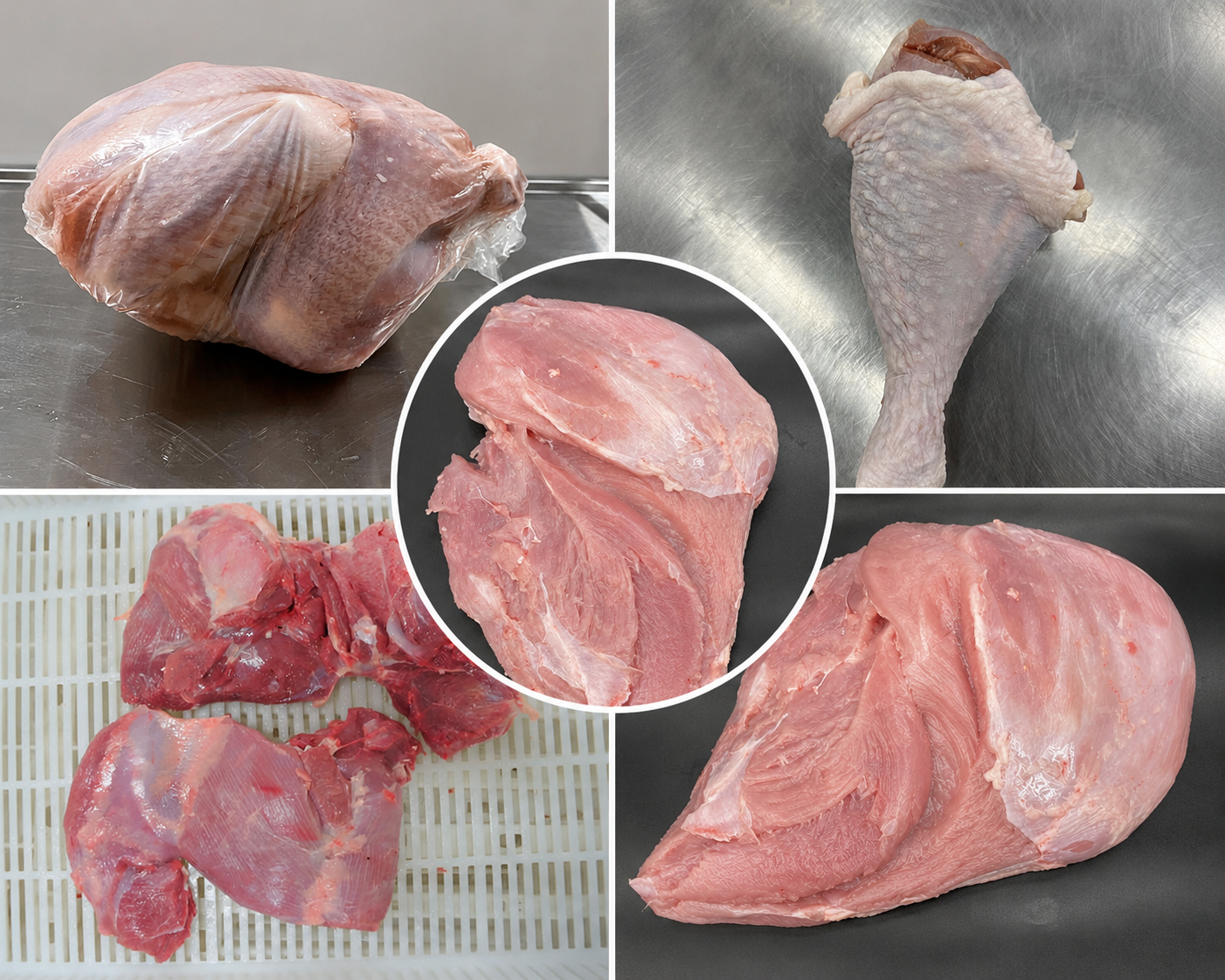
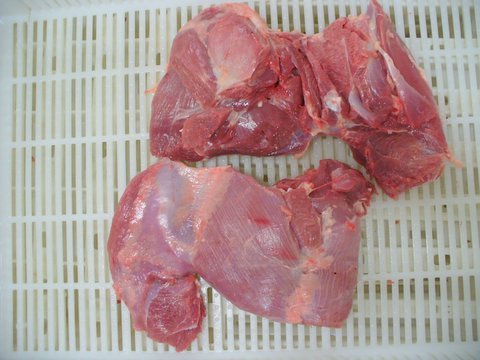
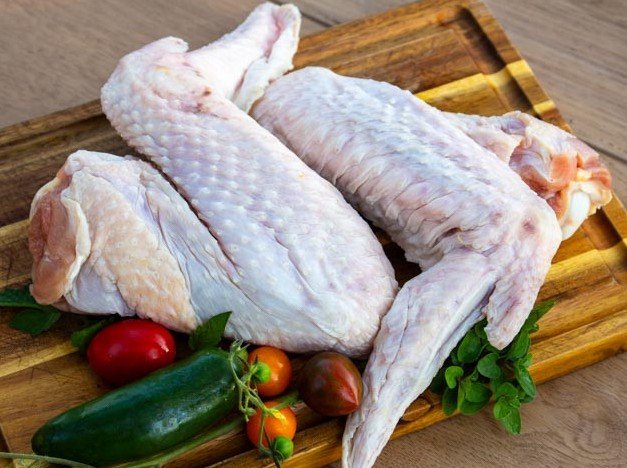
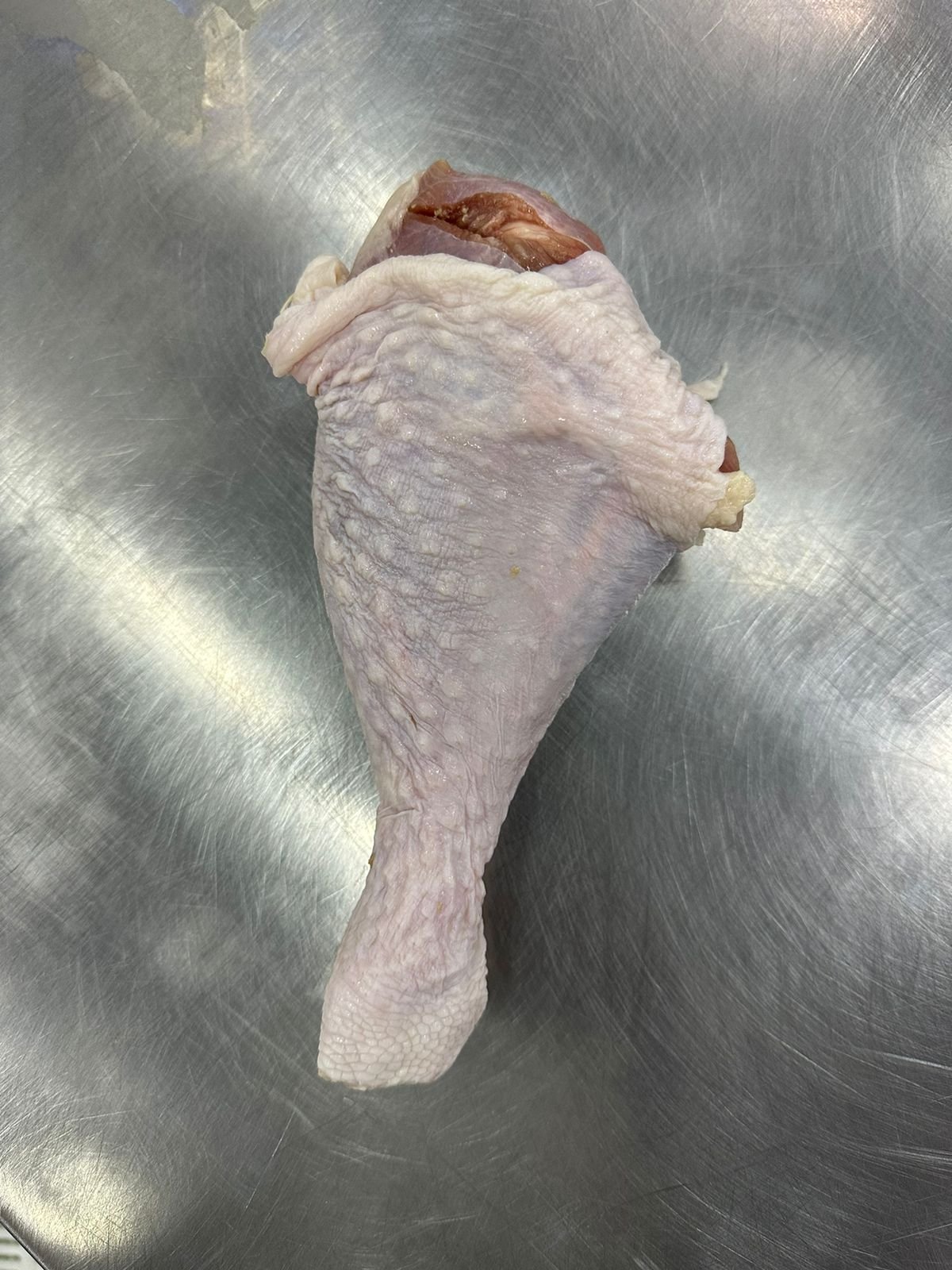
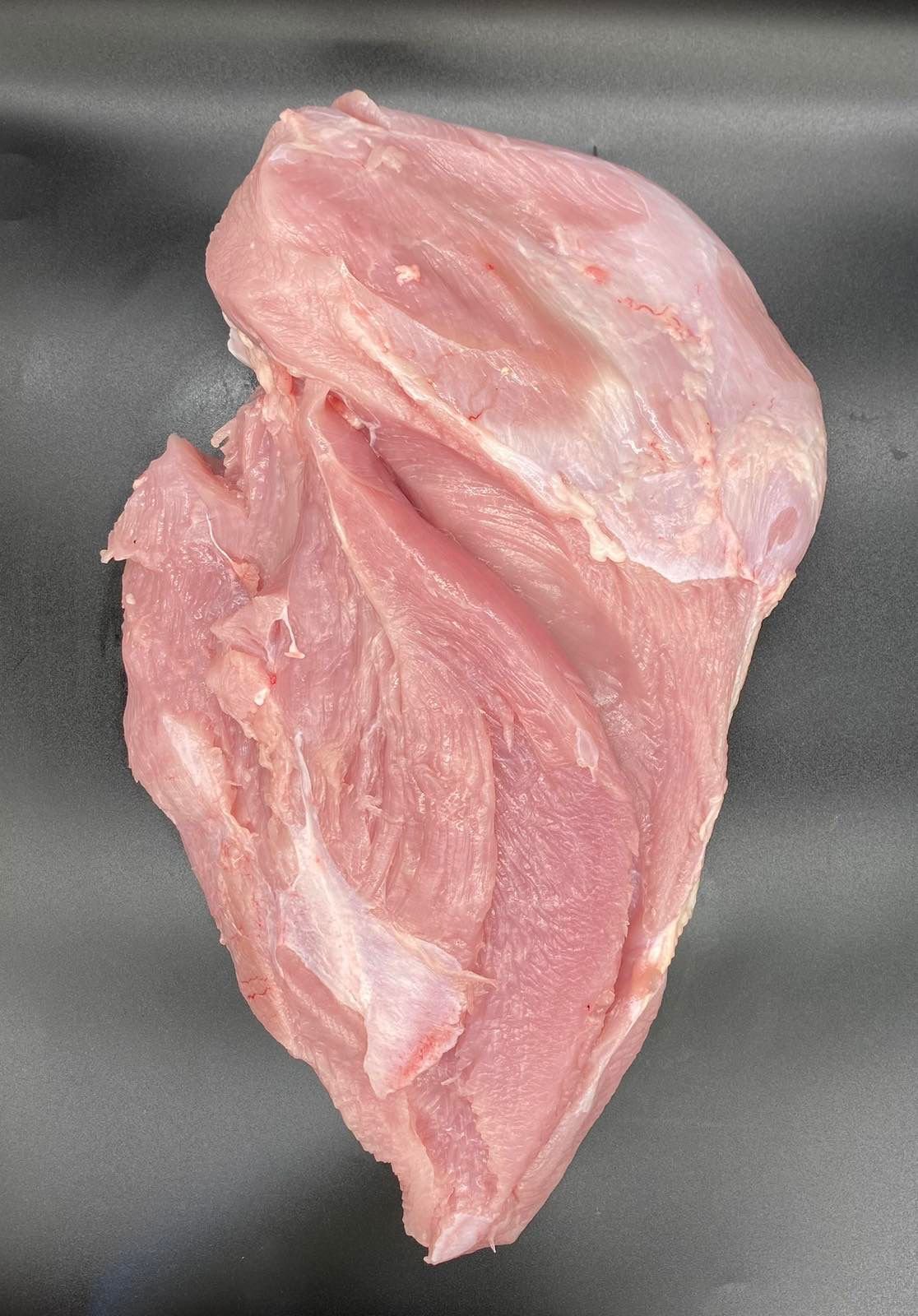
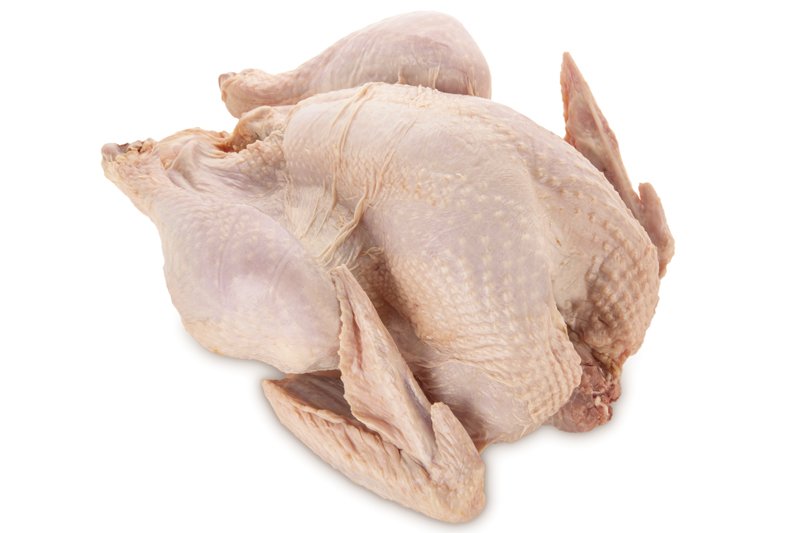
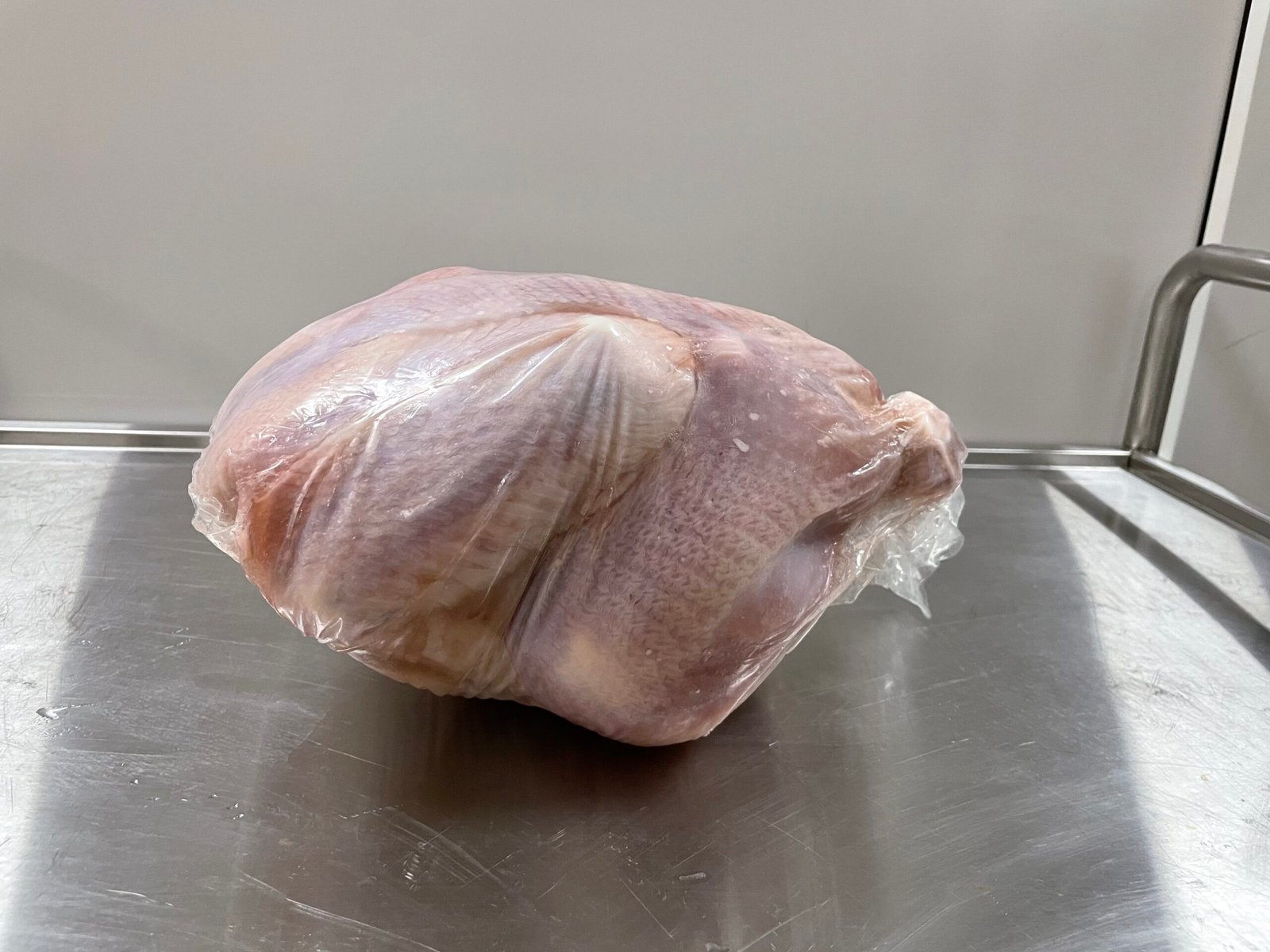
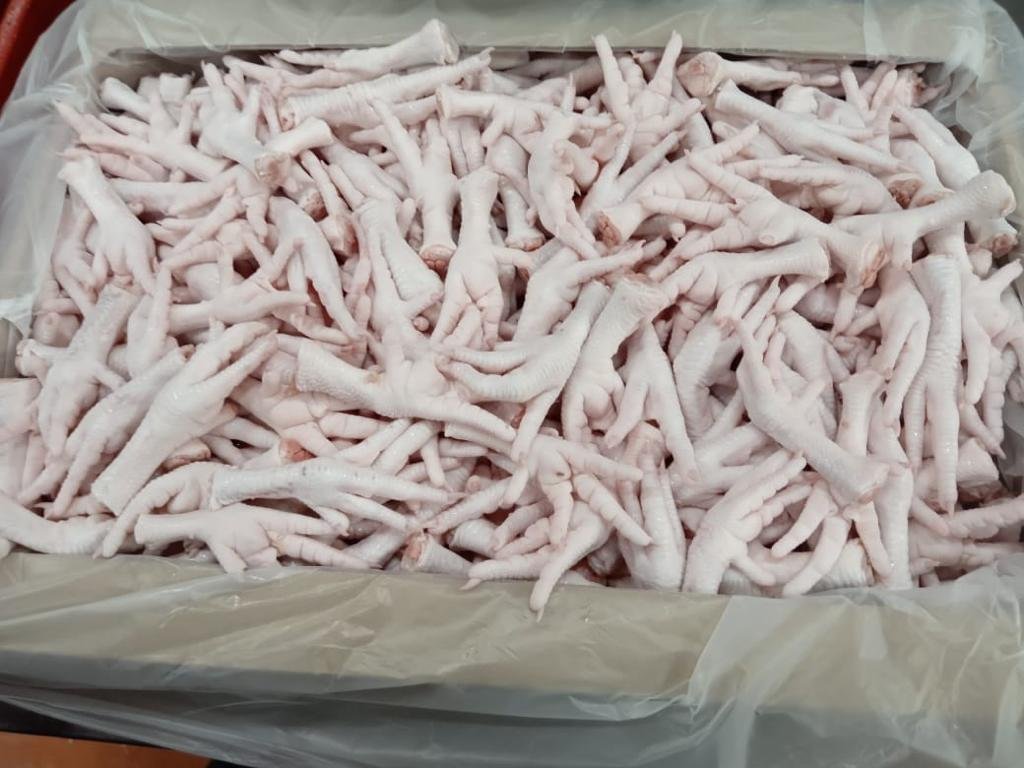
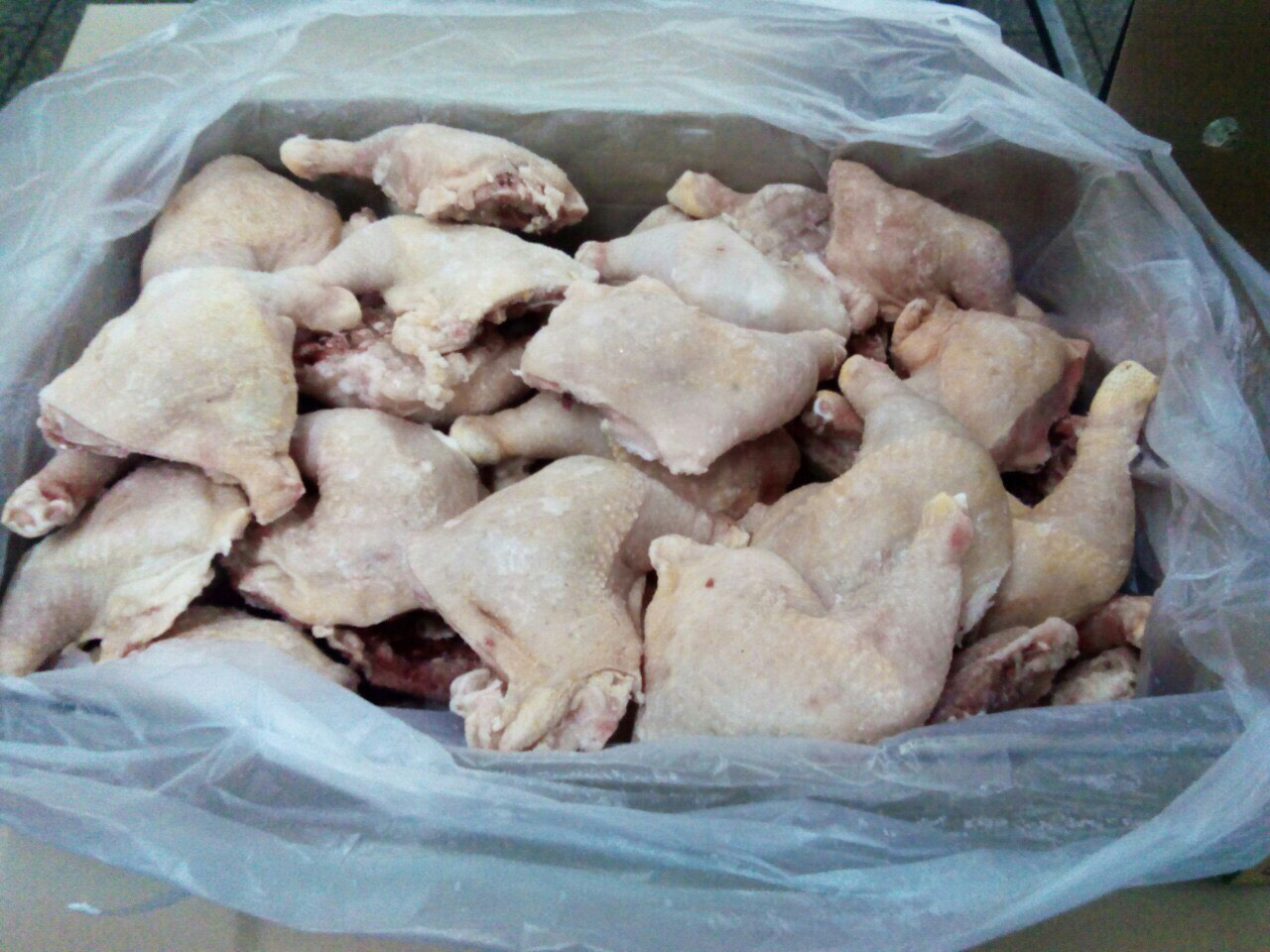
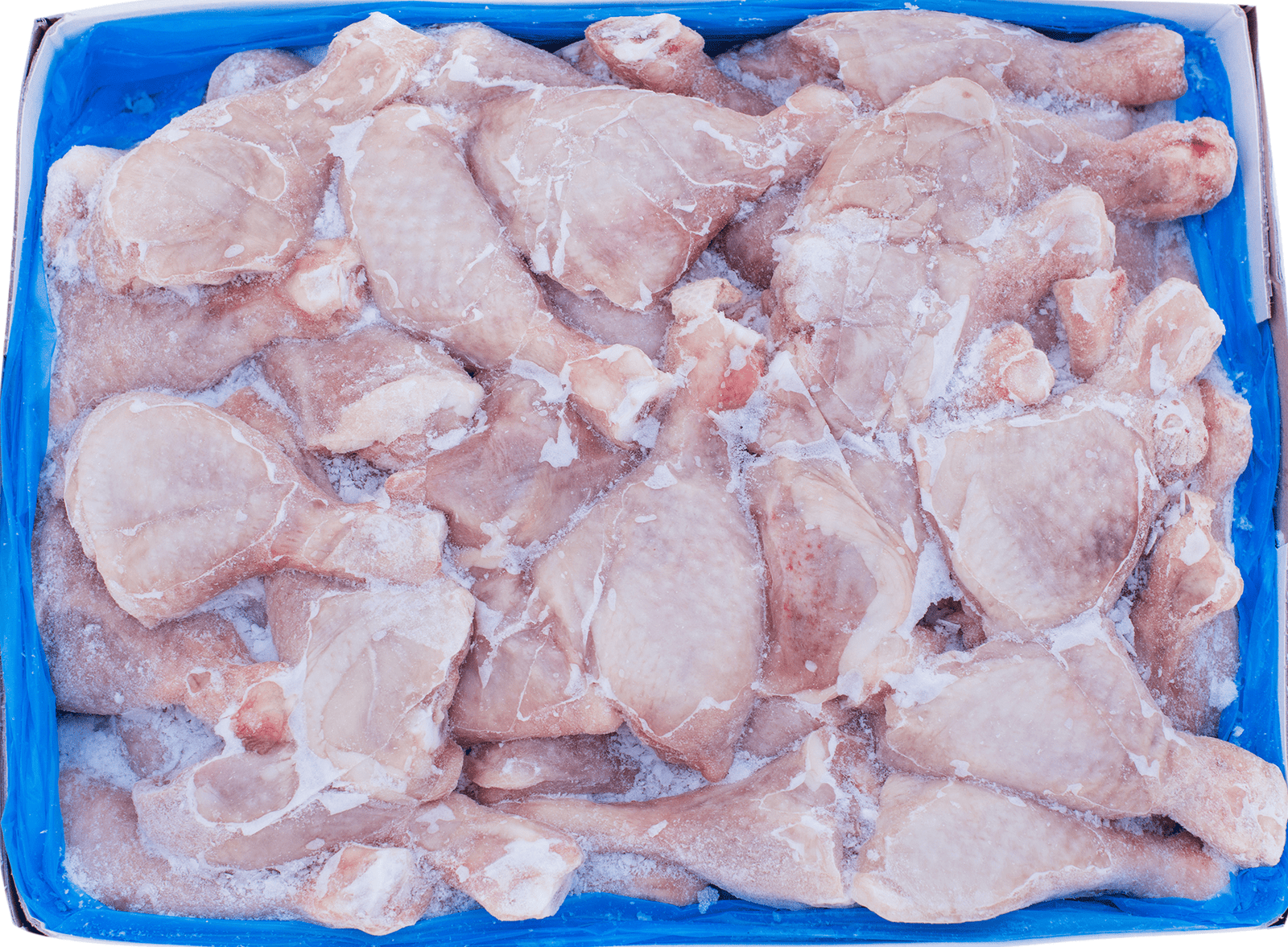
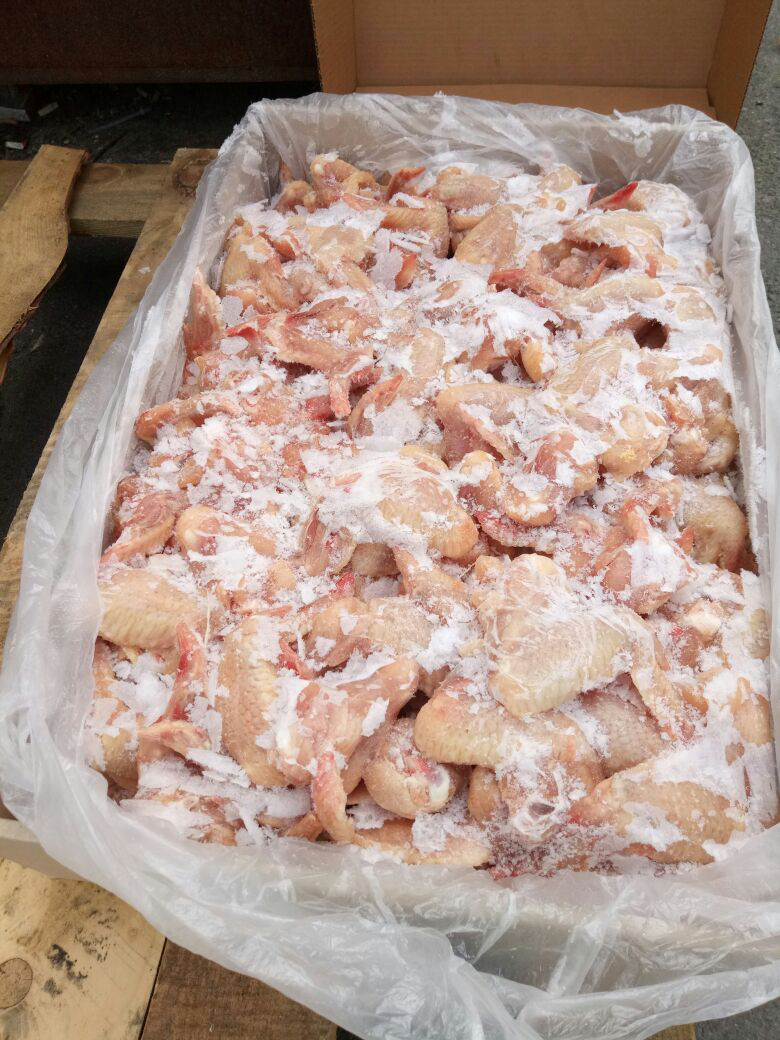
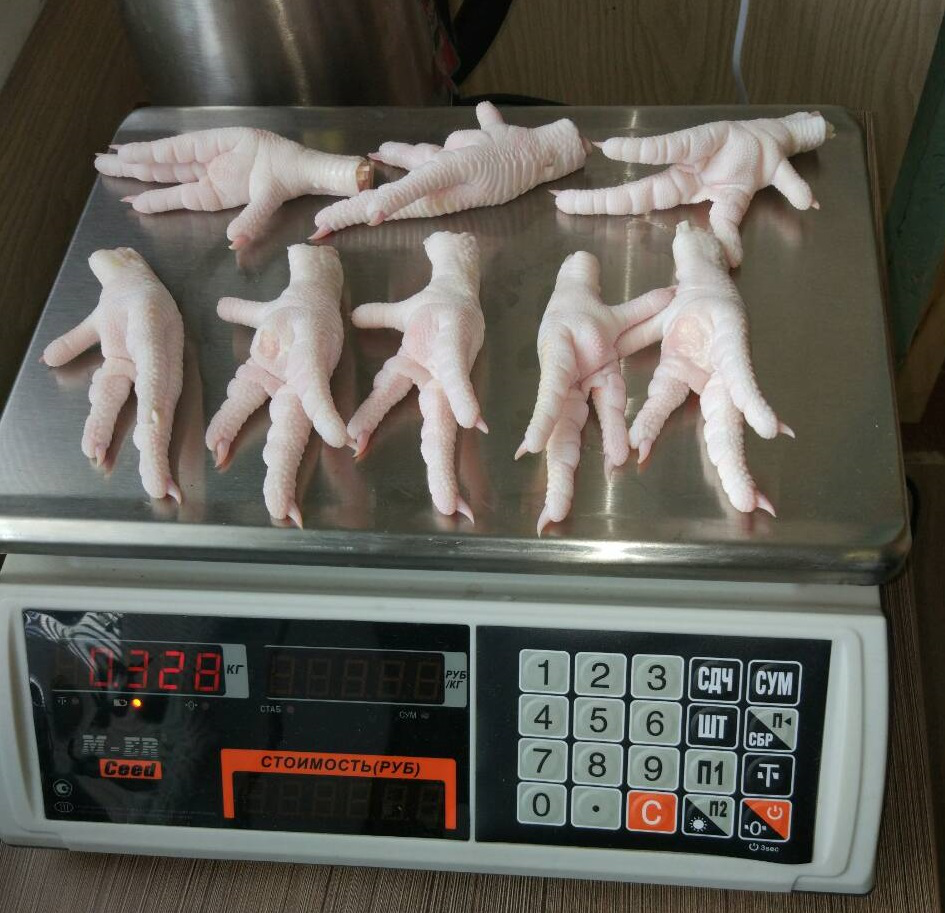
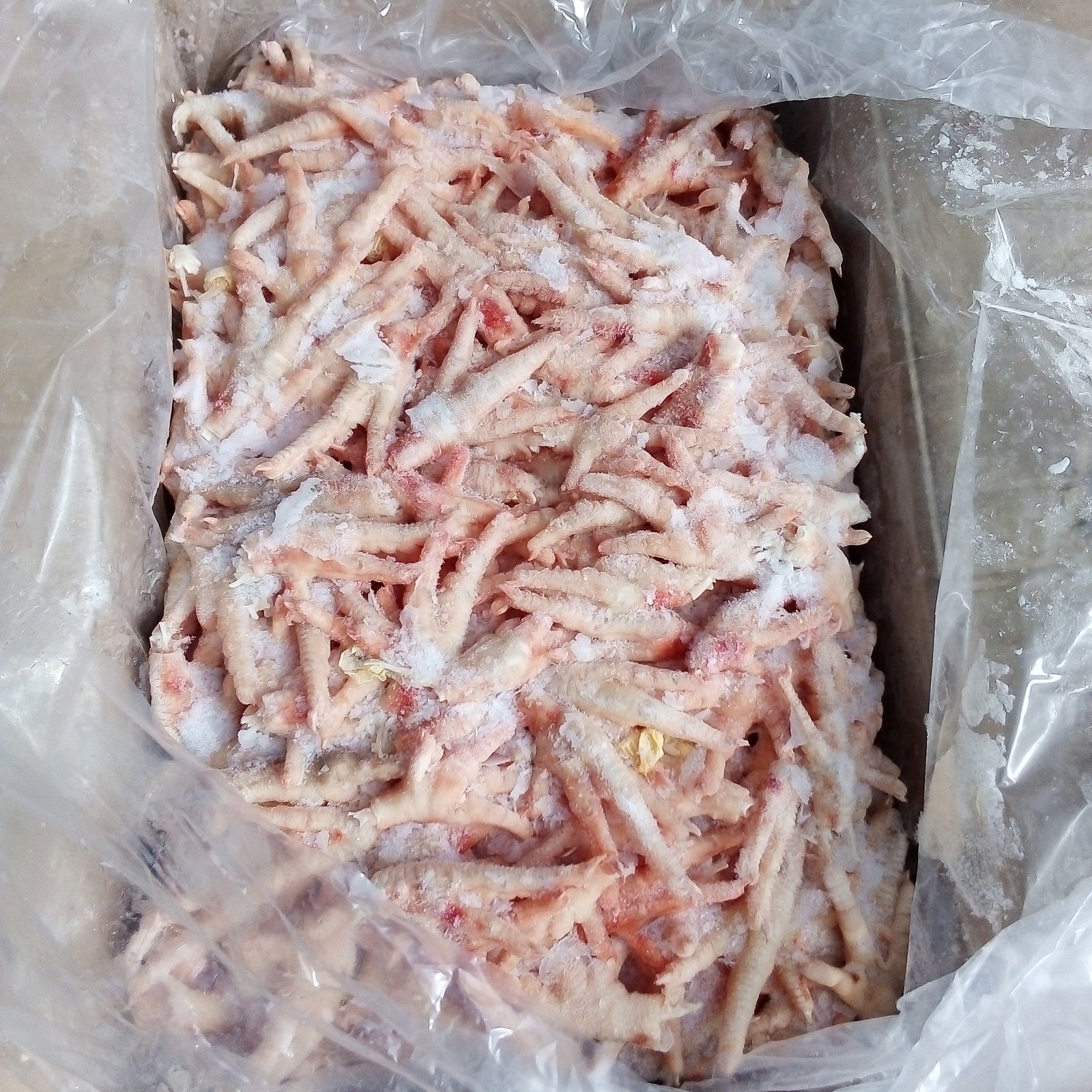
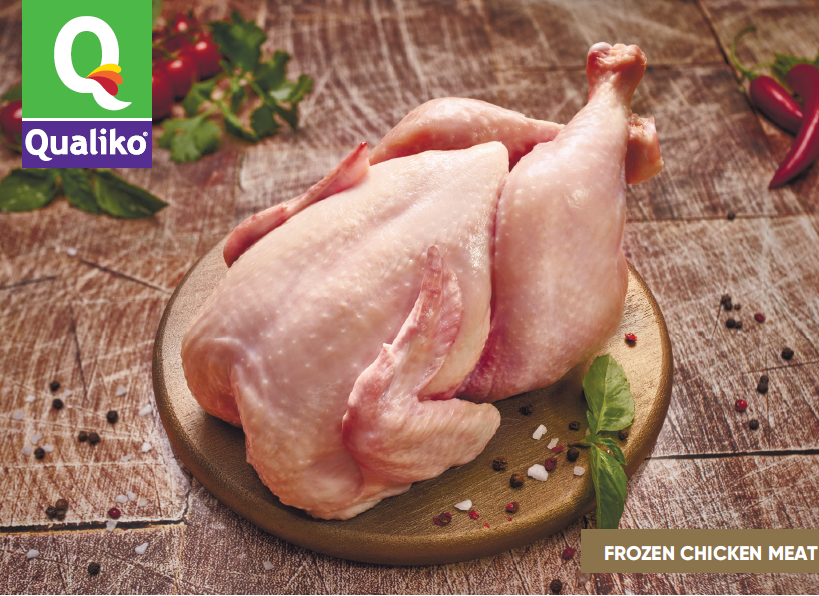
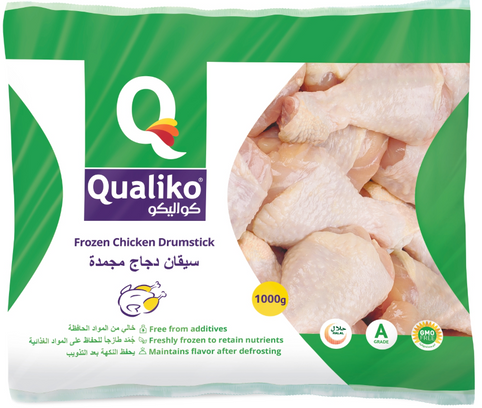
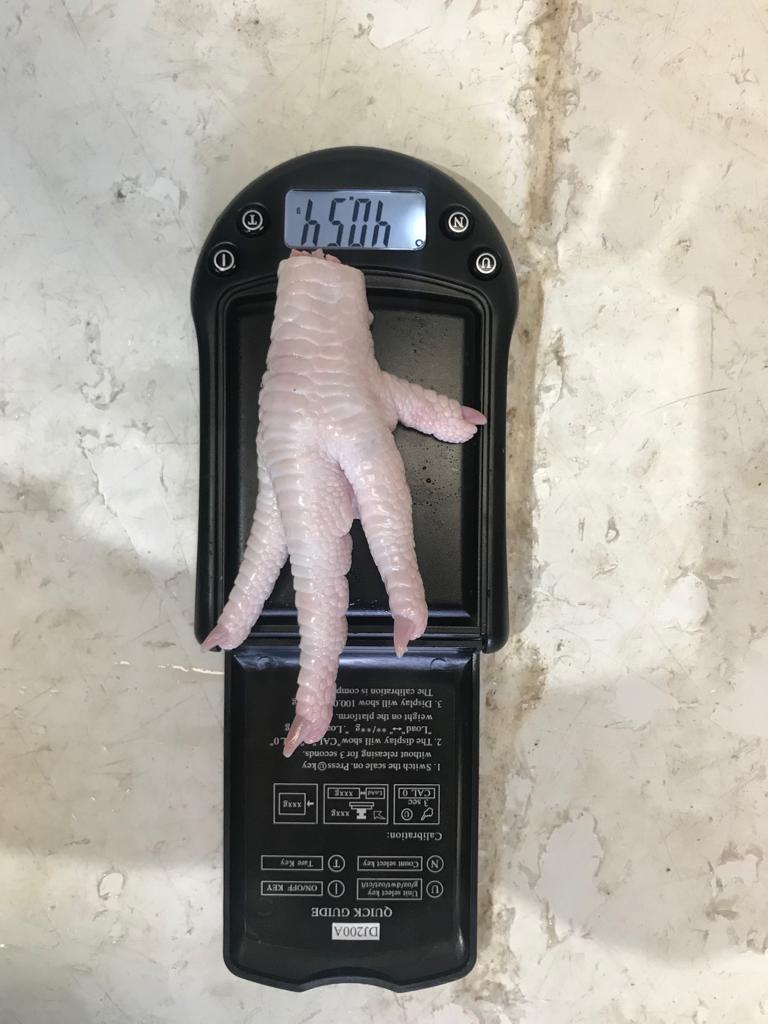
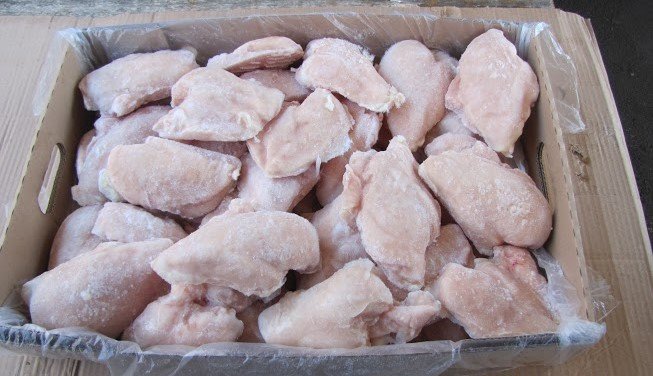
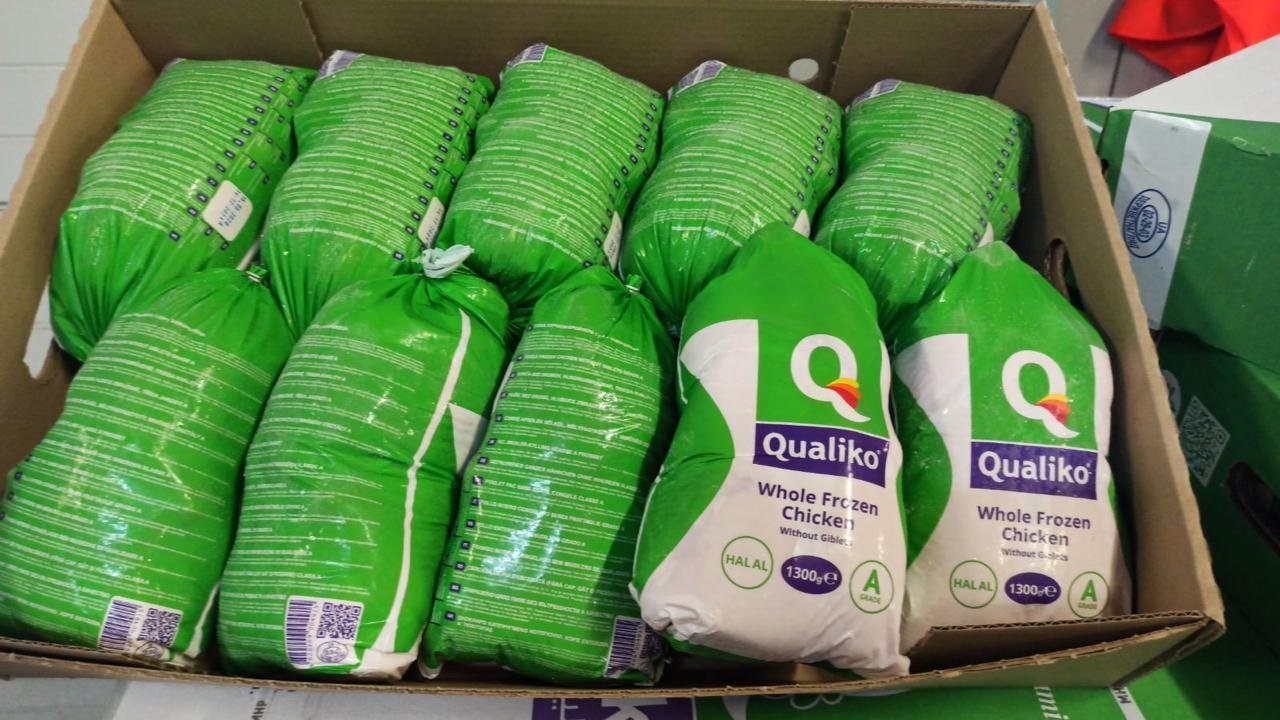
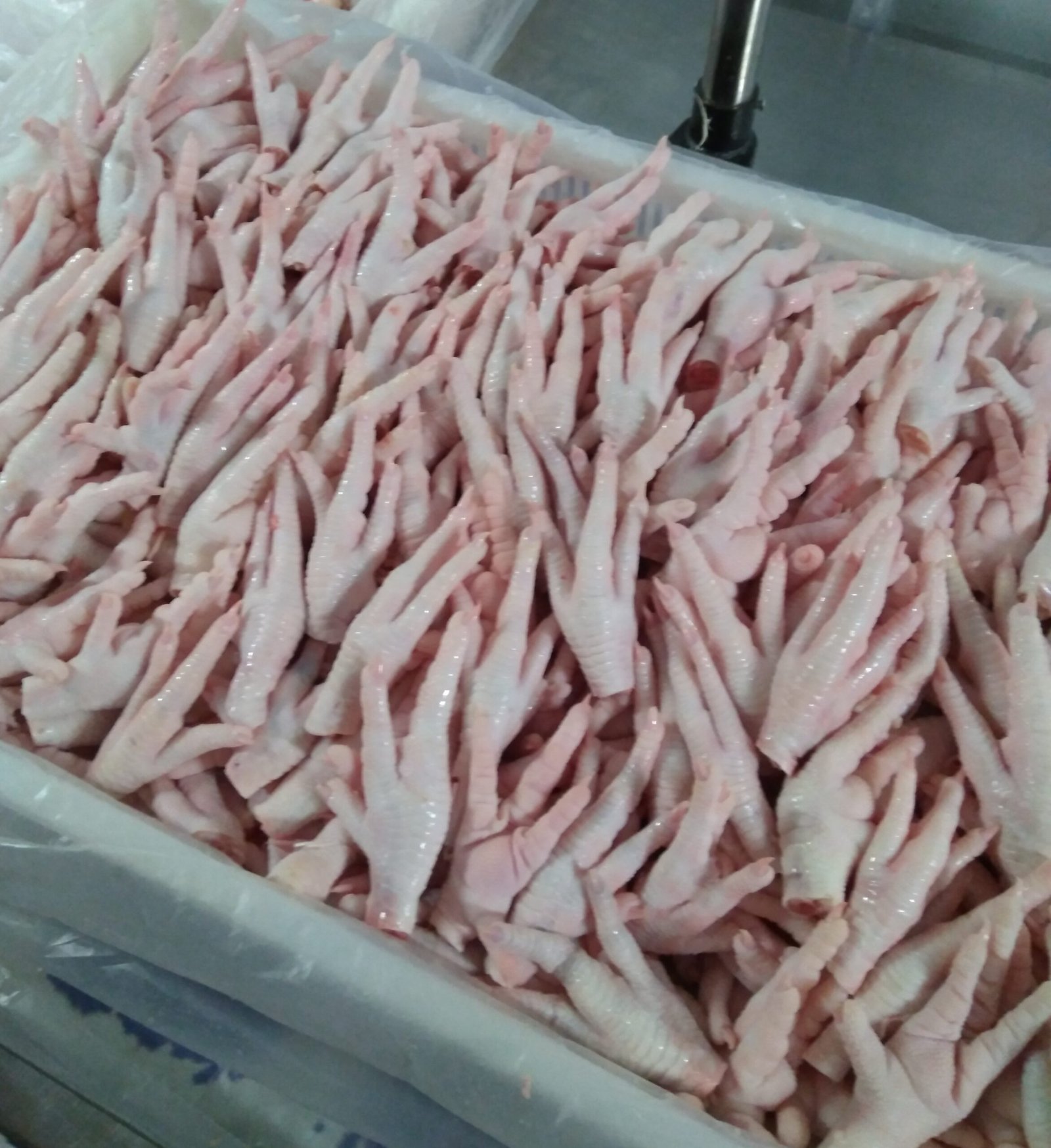
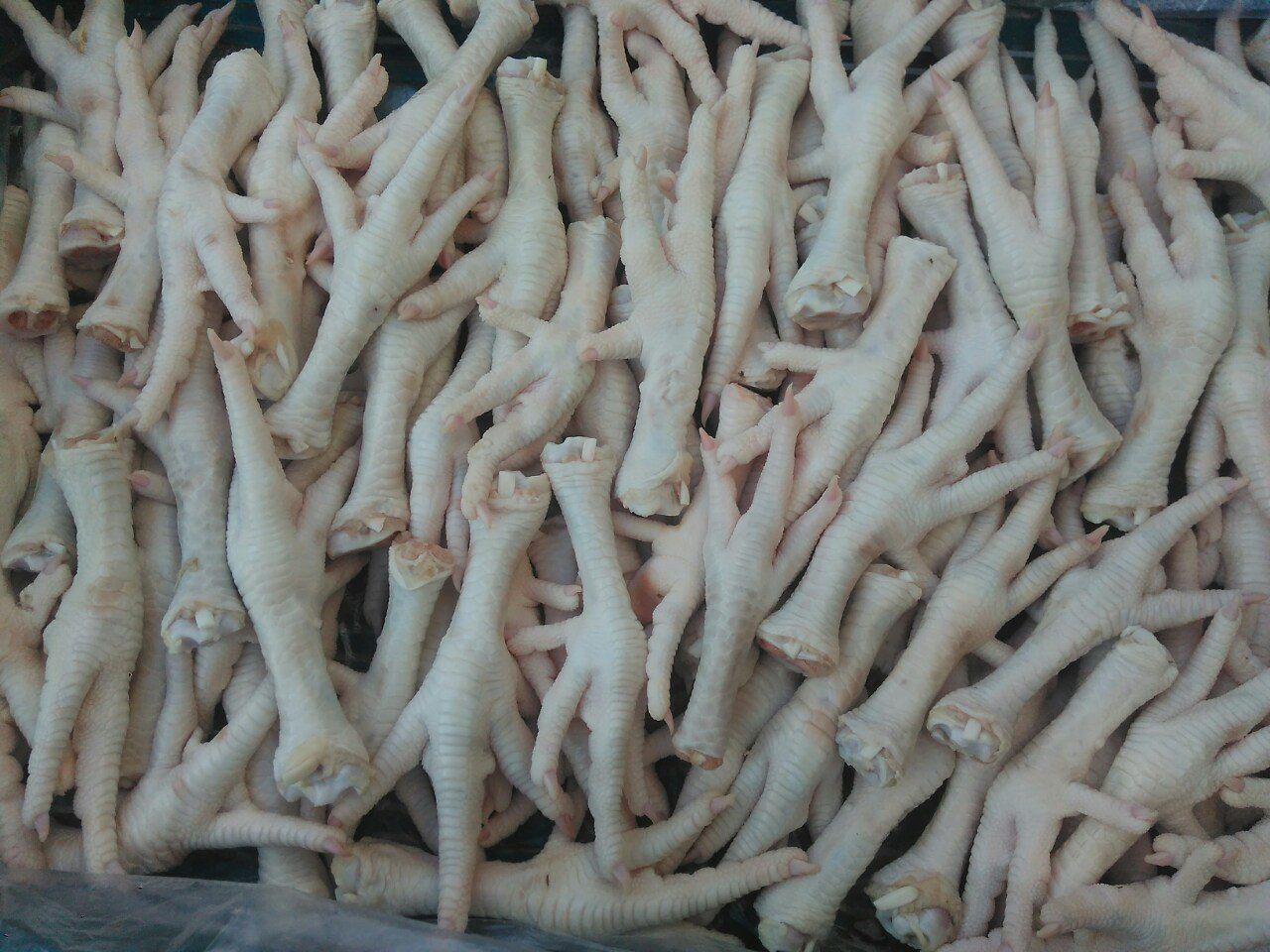
Common exported products: whole chicken, leg quarters, breast fillets, drumsticks and thighs. Different markets prefer different cuts depending on price sensitivity and cooking habits.
Frozen vs Chilled
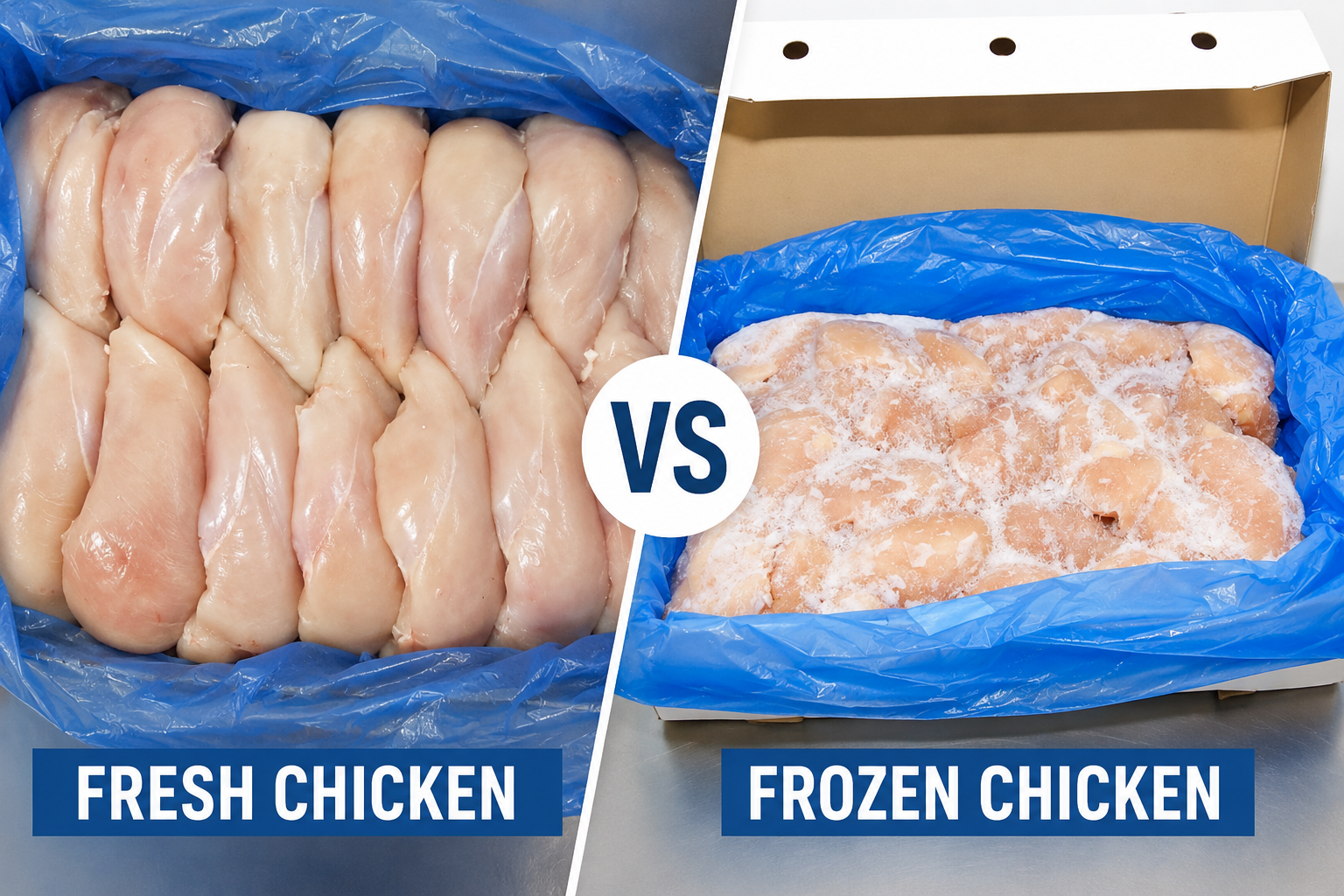
Frozen poultry supports long-distance shipping and stock planning. Chilled products fit premium retail and nearby destinations.
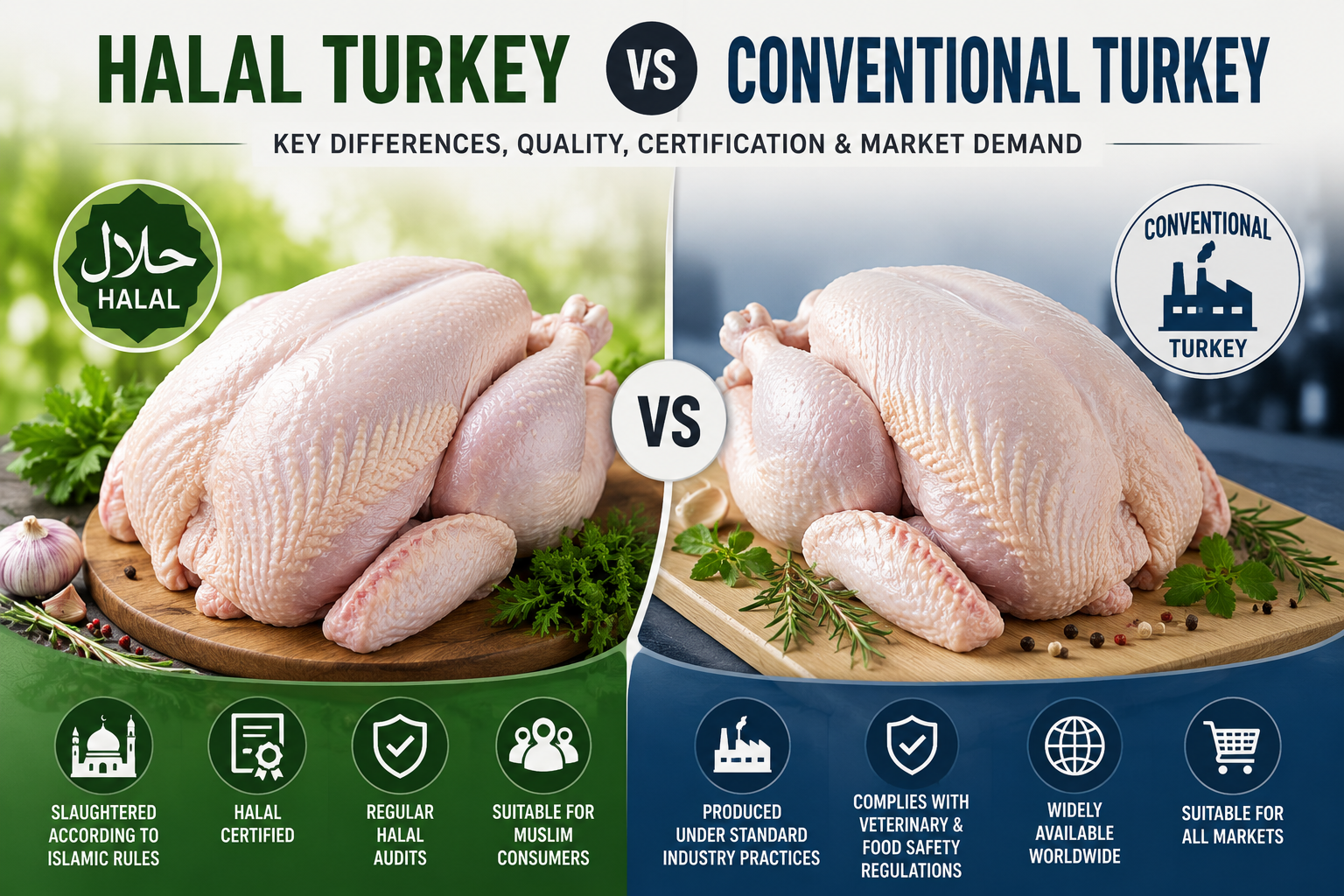
Halal Certification
Importers frequently request certificates recognized by destination authorities. Traceability and audit readiness are increasingly important.
Quality Systems
ISO and HACCP frameworks help standardize hygiene, process control and documentation.
Packaging
Wholesale exports commonly use 10–20 kg cartons. Labels include production dates, storage conditions and origin information.
Logistics
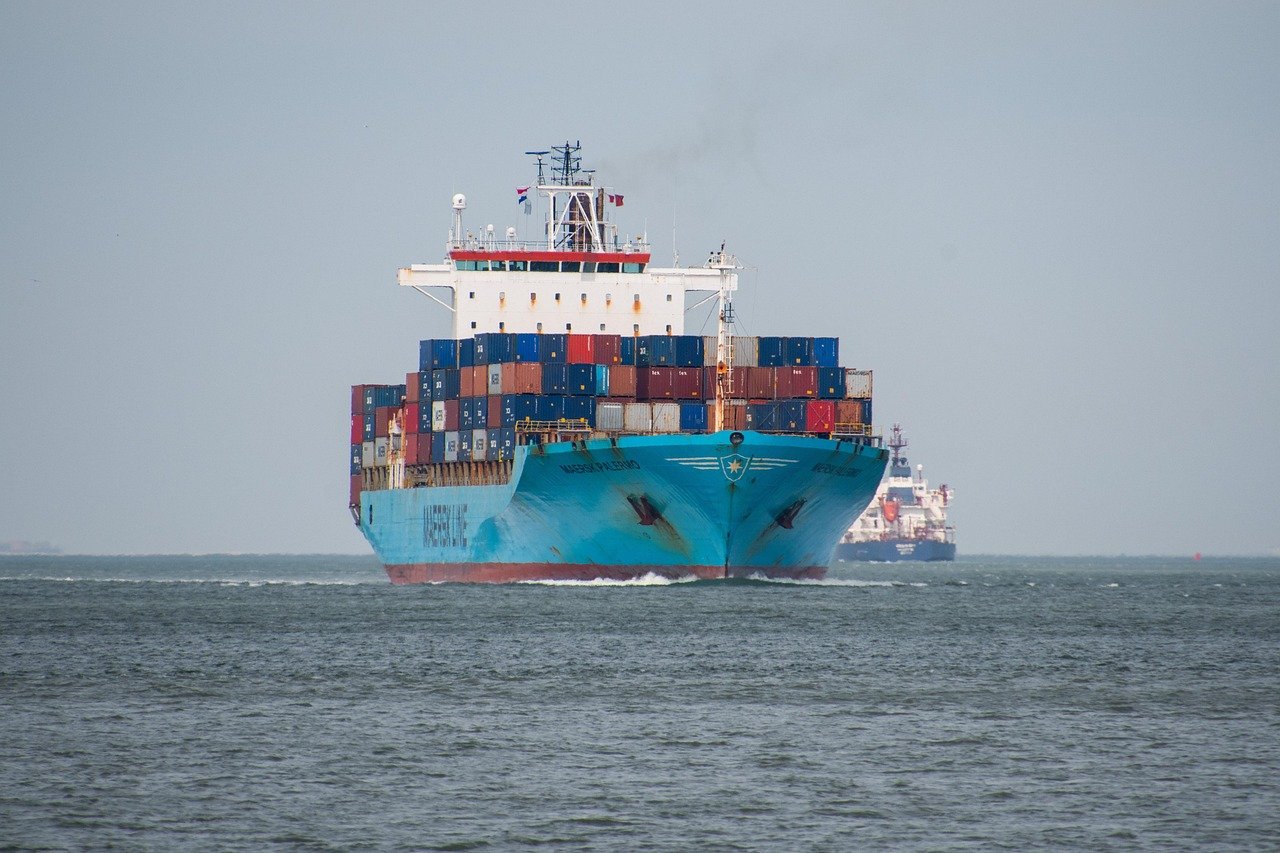
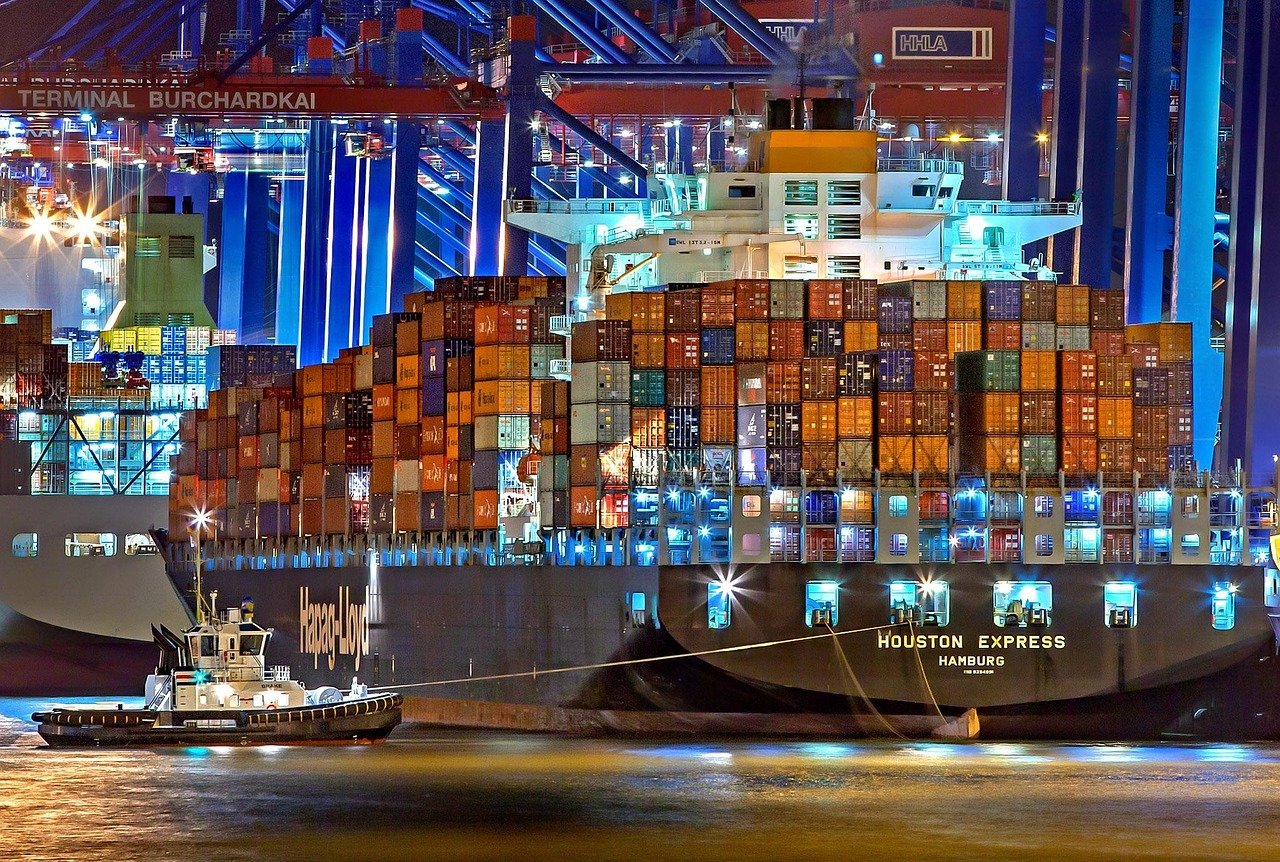
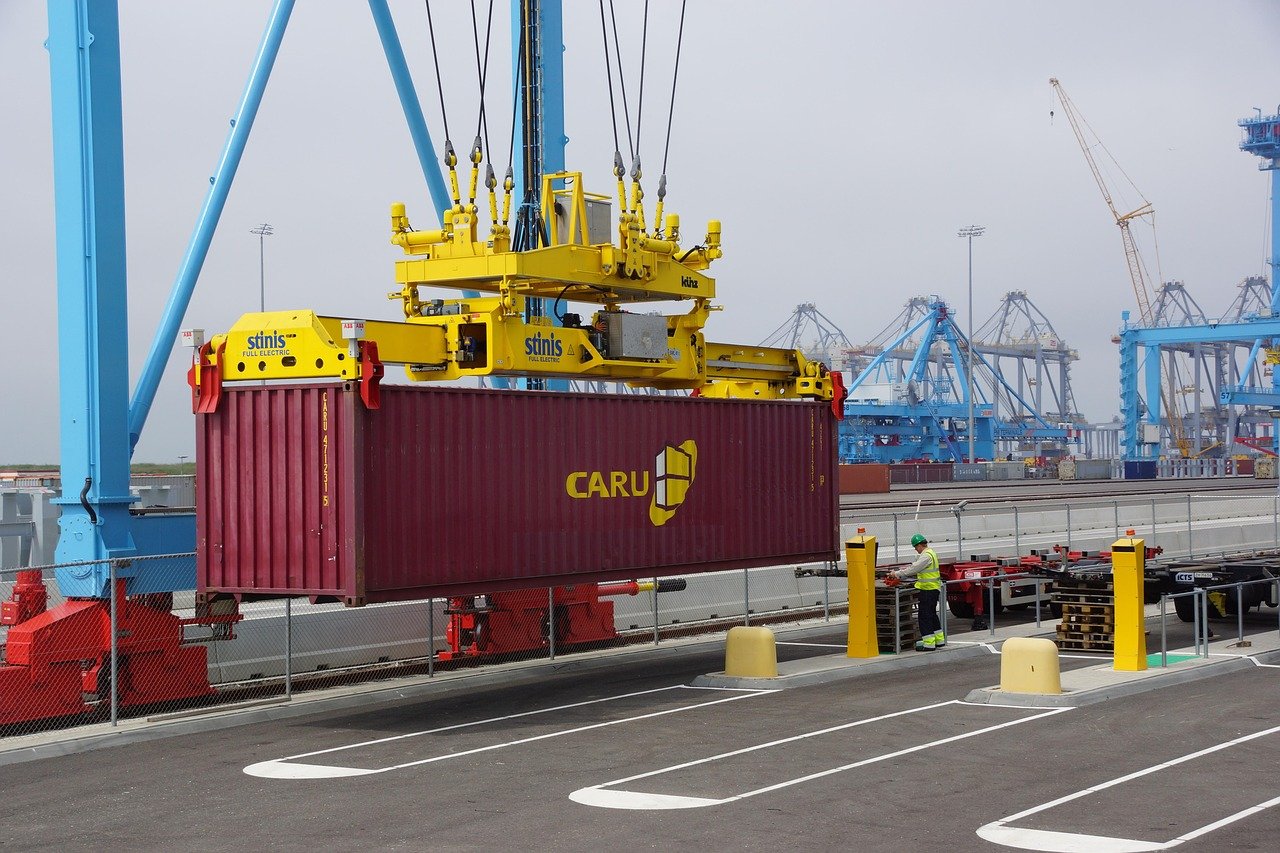
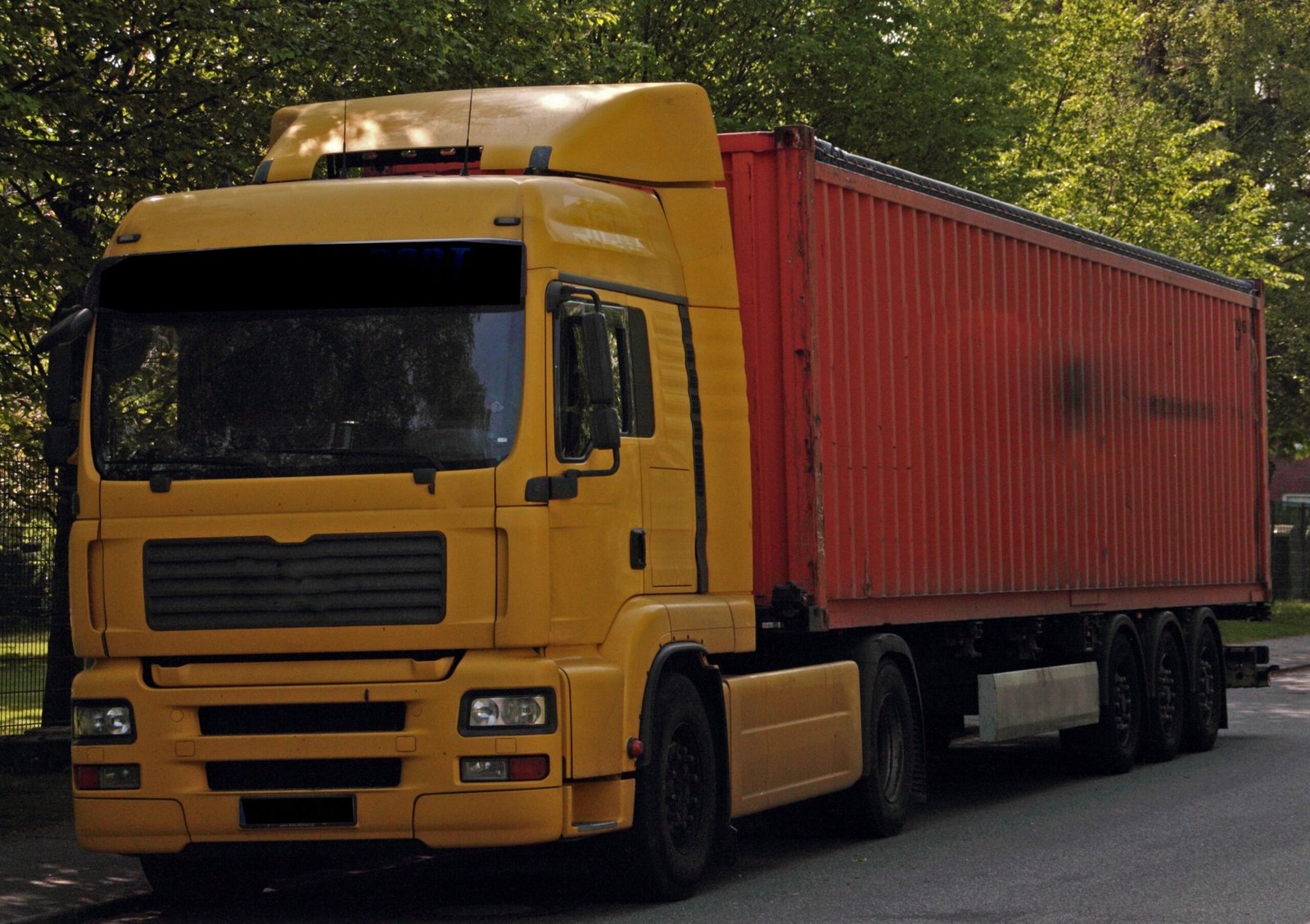
Europe is often served by refrigerated road transport. Middle East shipments commonly use reefer containers via sea freight.
Ports
Middle East deliveries may move through ports such as Jeddah and Dammam in Saudi Arabia, or Jebel Ali in the UAE, depending on destination.
Role of Food Trade Partners Ltd.
Food Trade Partners Ltd. coordinates sourcing, certification, customs procedures and delivery, reducing complexity for buyers.
Conclusion
Successful Halal poultry exports increasingly depend on reliability, compliance and logistics performance rather than price alone.
FAQ
Can Halal-certified chicken be supplied to Europe? Yes, for wholesalers and distributors.
Are chilled products available? Yes, depending on route length.
Do you handle customs procedures? Yes, coordination can be included.
Which products are exported most often? Whole chicken, leg quarters, fillets and thighs.