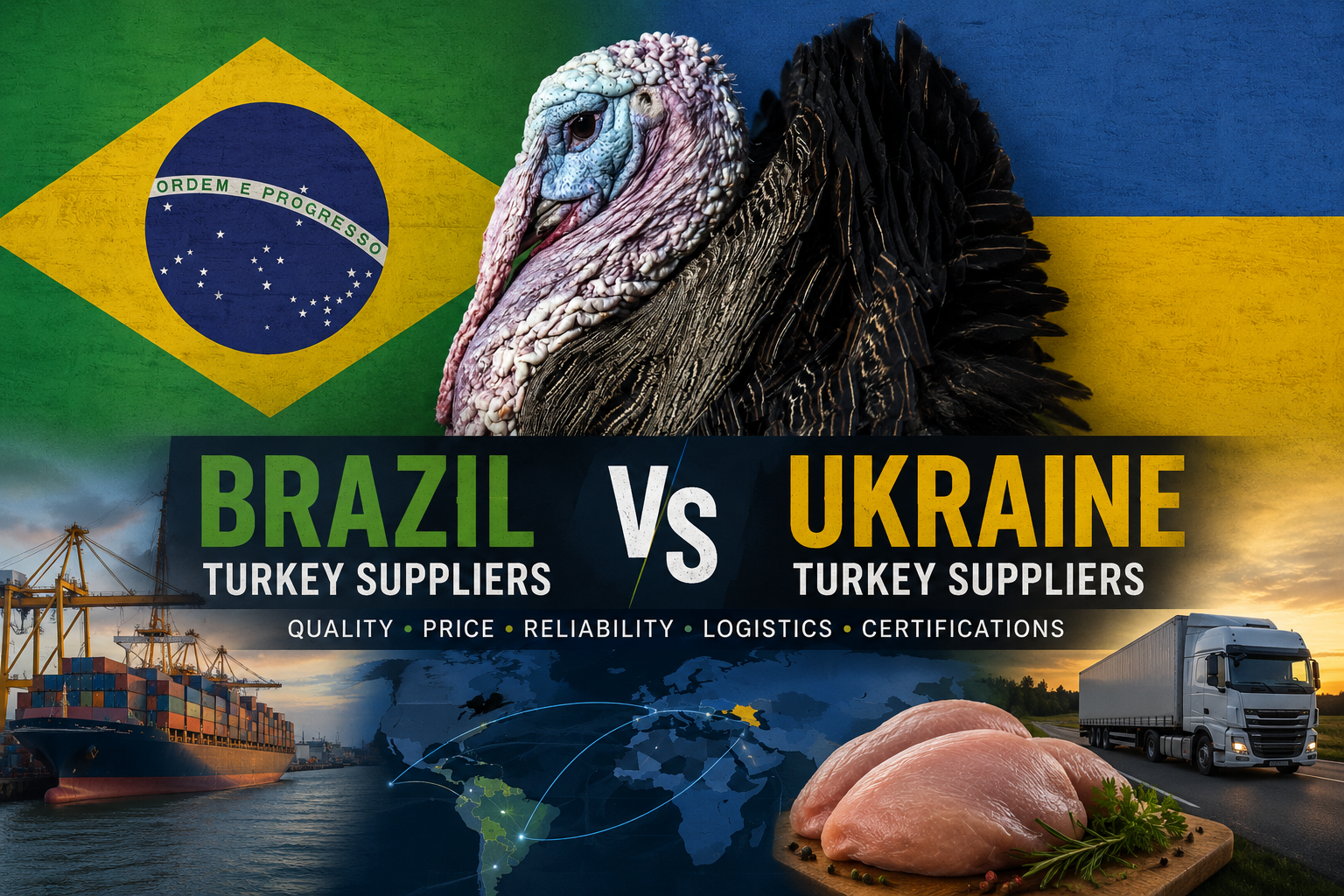
Ukraine vs Brazil Turkey Suppliers: Which Origin Is Better for Importers?
Introduction
Turkey meat remains one of the fastest-growing poultry categories in many international markets. Importers across Europe, the Middle East, Africa, and Asia are increasingly looking for reliable suppliers capable of delivering consistent quality, competitive prices, and stable long-term supply. Among the most discussed sourcing origins are Ukraine and Brazil.
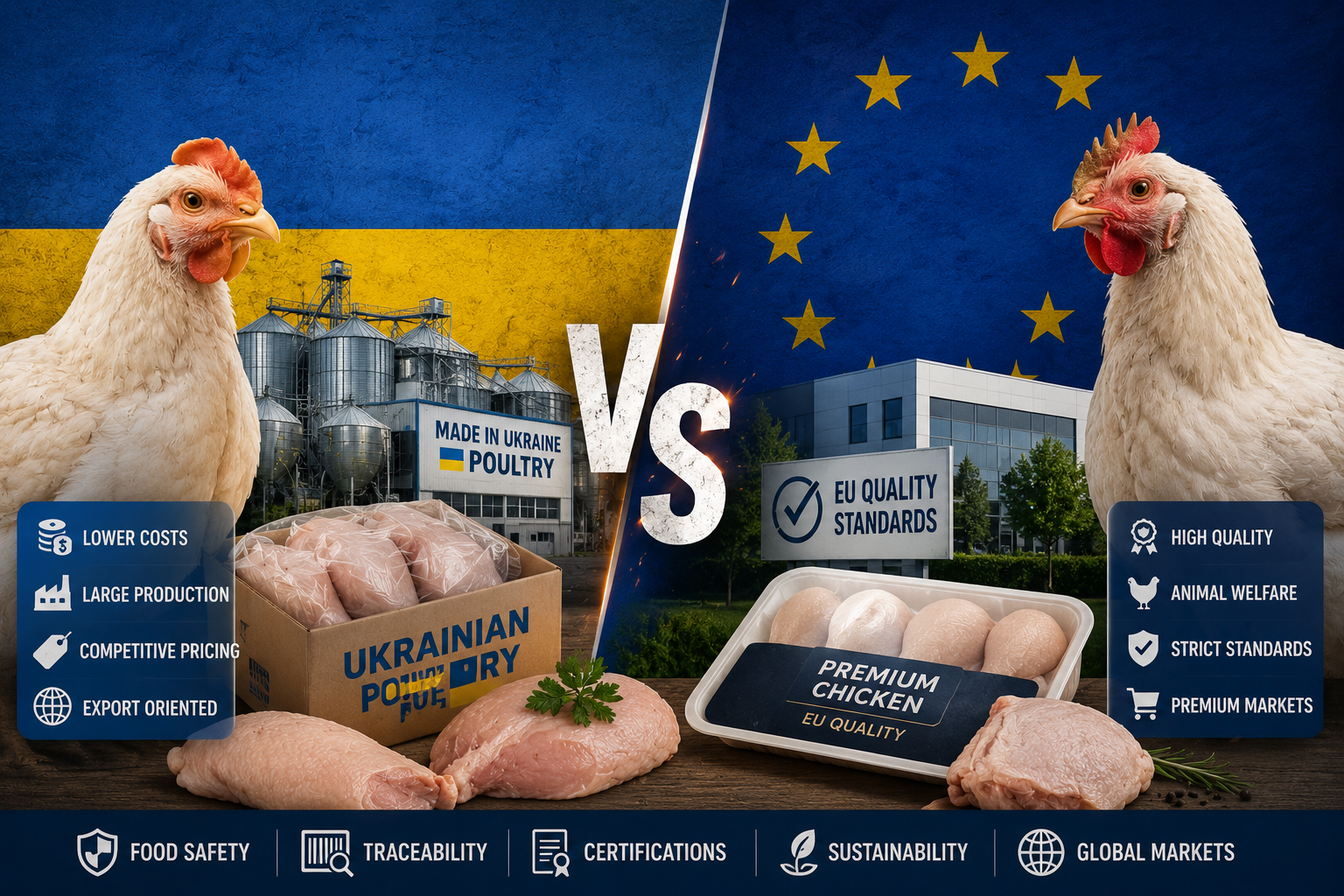
Although Brazil is widely recognized as one of the largest poultry exporters in the world, Ukraine has emerged as an increasingly important supplier of turkey meat thanks to modern production facilities, favorable agricultural conditions, and proximity to key consumer markets. Choosing between these two origins requires a detailed understanding of production capacity, quality standards, logistics, certifications, pricing structures, and commercial flexibility.
This article provides a comprehensive comparison designed specifically for importers, distributors, wholesalers, food processors, and retail buyers.
Global Position of Brazil and Ukraine
Brazil has built a global reputation as a poultry export powerhouse. Its poultry industry benefits from decades of investment, vertically integrated production systems, abundant feed supplies, and advanced processing facilities. Brazilian exporters serve hundreds of international customers and maintain a strong presence across multiple continents.
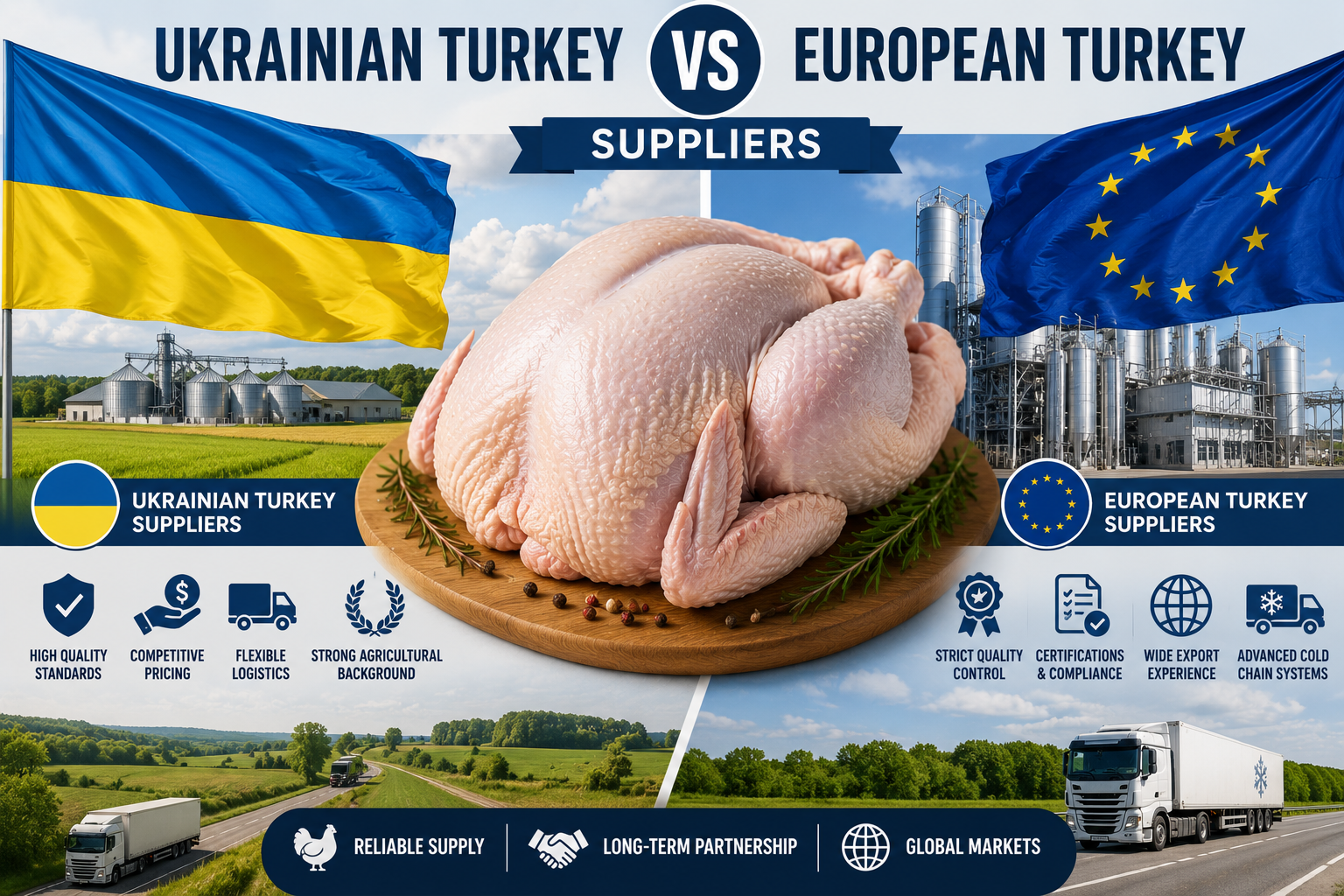
Ukraine’s turkey industry is considerably smaller but has developed rapidly. Producers have invested heavily in modern equipment, food safety systems, and export-oriented operations. Ukrainian companies increasingly target international markets and often position themselves as flexible partners capable of meeting specific customer requirements.
Production Capacity
Brazil’s greatest advantage is scale. Large poultry corporations manage integrated operations that include breeding, feed production, farming, processing, packaging, and export logistics. This allows Brazilian suppliers to support large annual contracts and maintain stable supply throughout the year.
Ukraine operates on a smaller scale but offers significant production growth potential. While annual volumes cannot match Brazil’s largest exporters, many Ukrainian processors can provide reliable supply programs for medium-sized and growing importers.
For buyers seeking thousands of tons annually, Brazil often offers greater capacity security. For buyers seeking flexibility and personalized service, Ukraine may offer advantages.
Turkey Product Portfolio
Both countries export a broad range of turkey products, including:
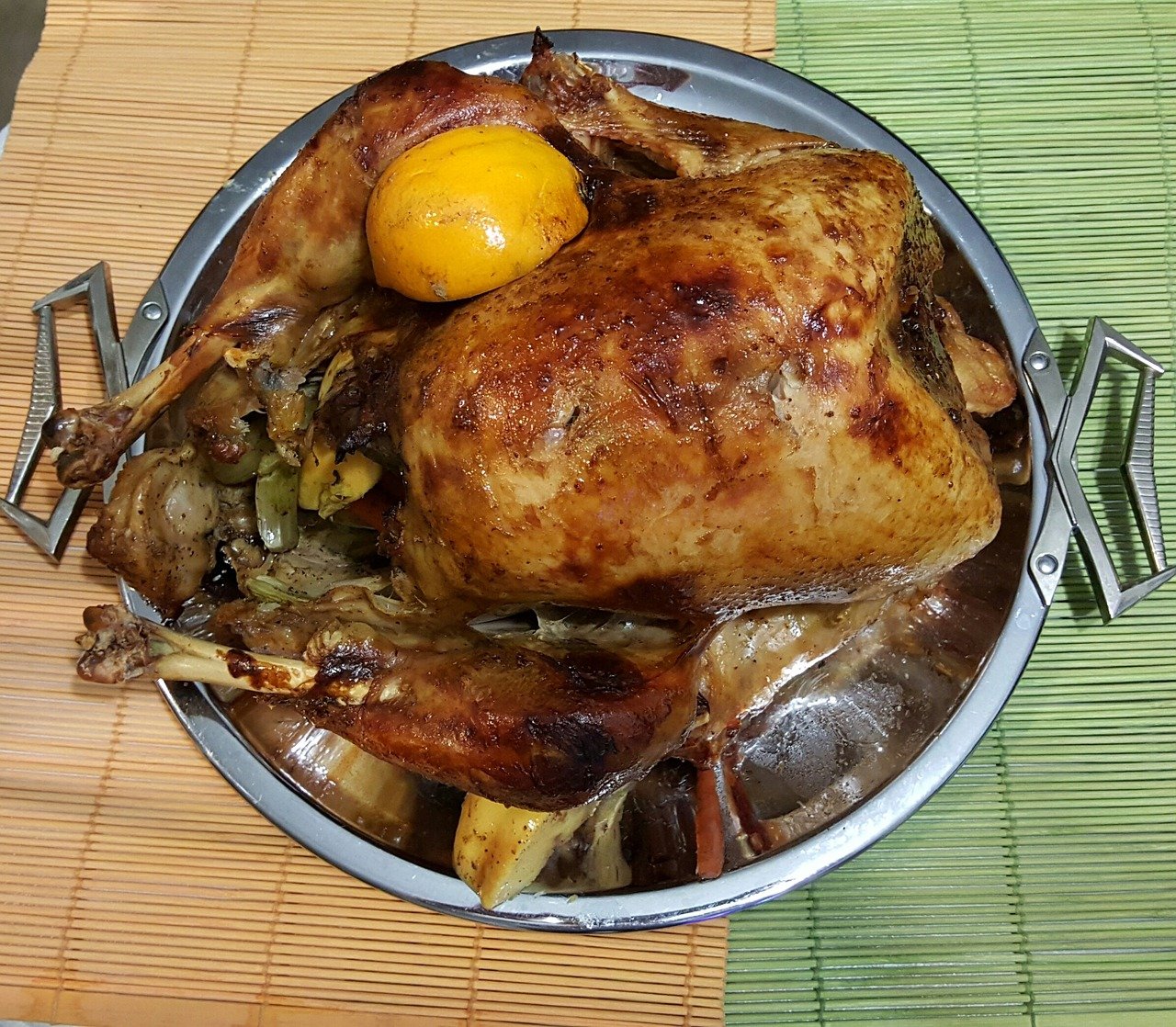
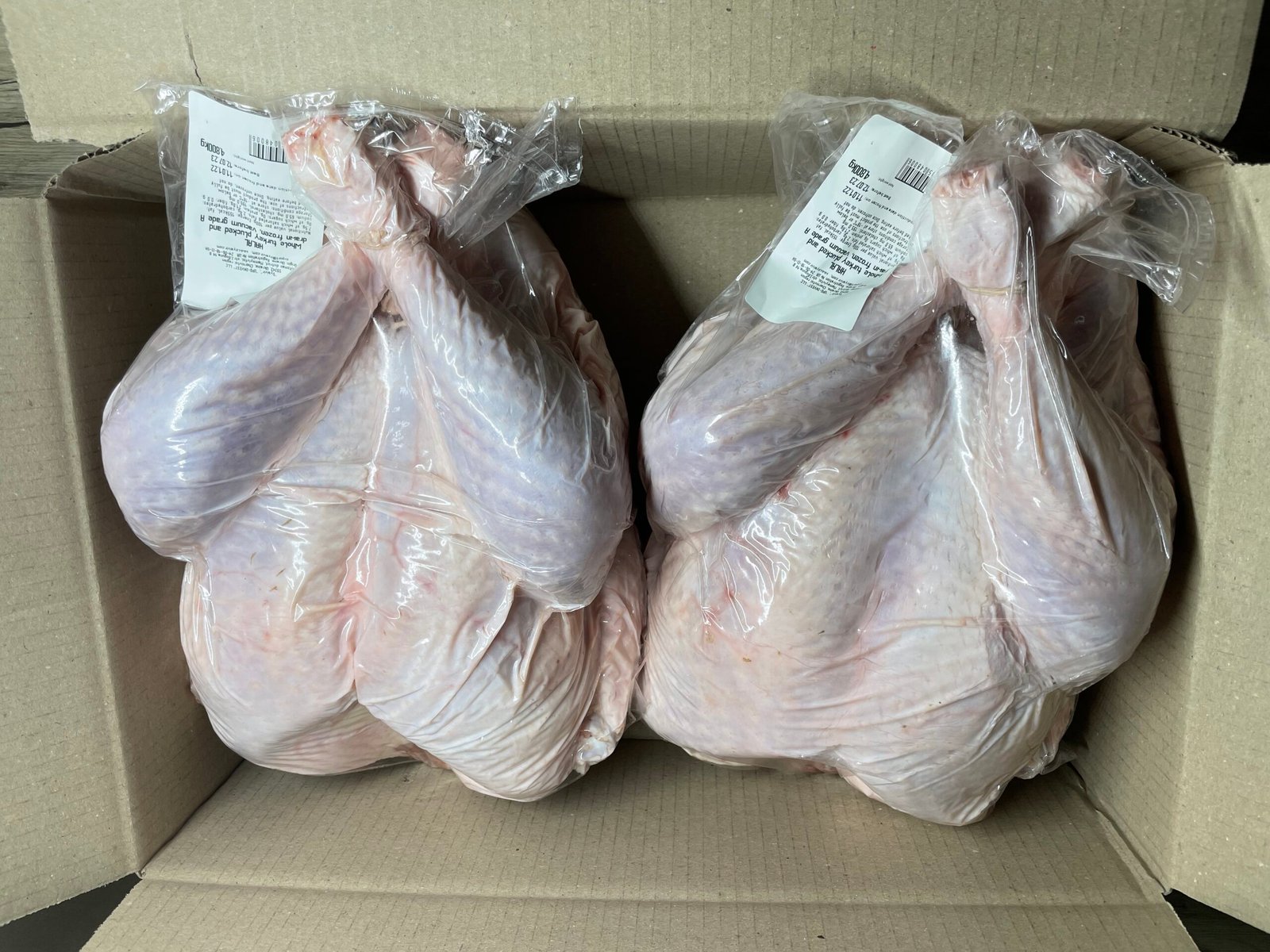
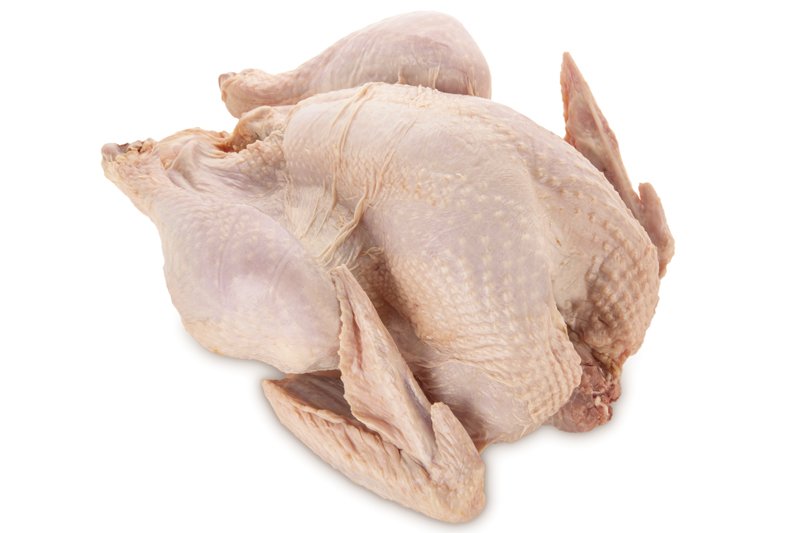
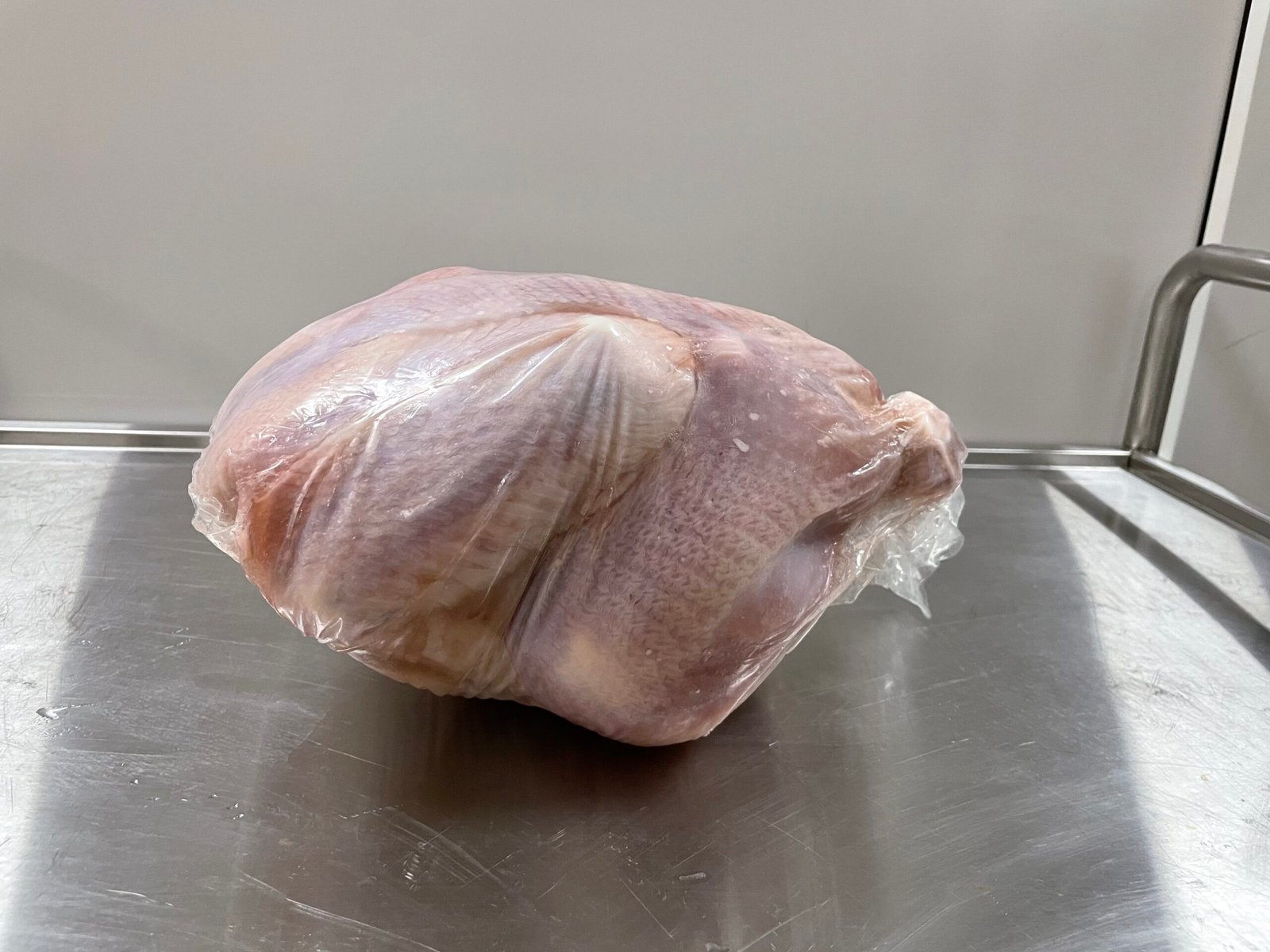
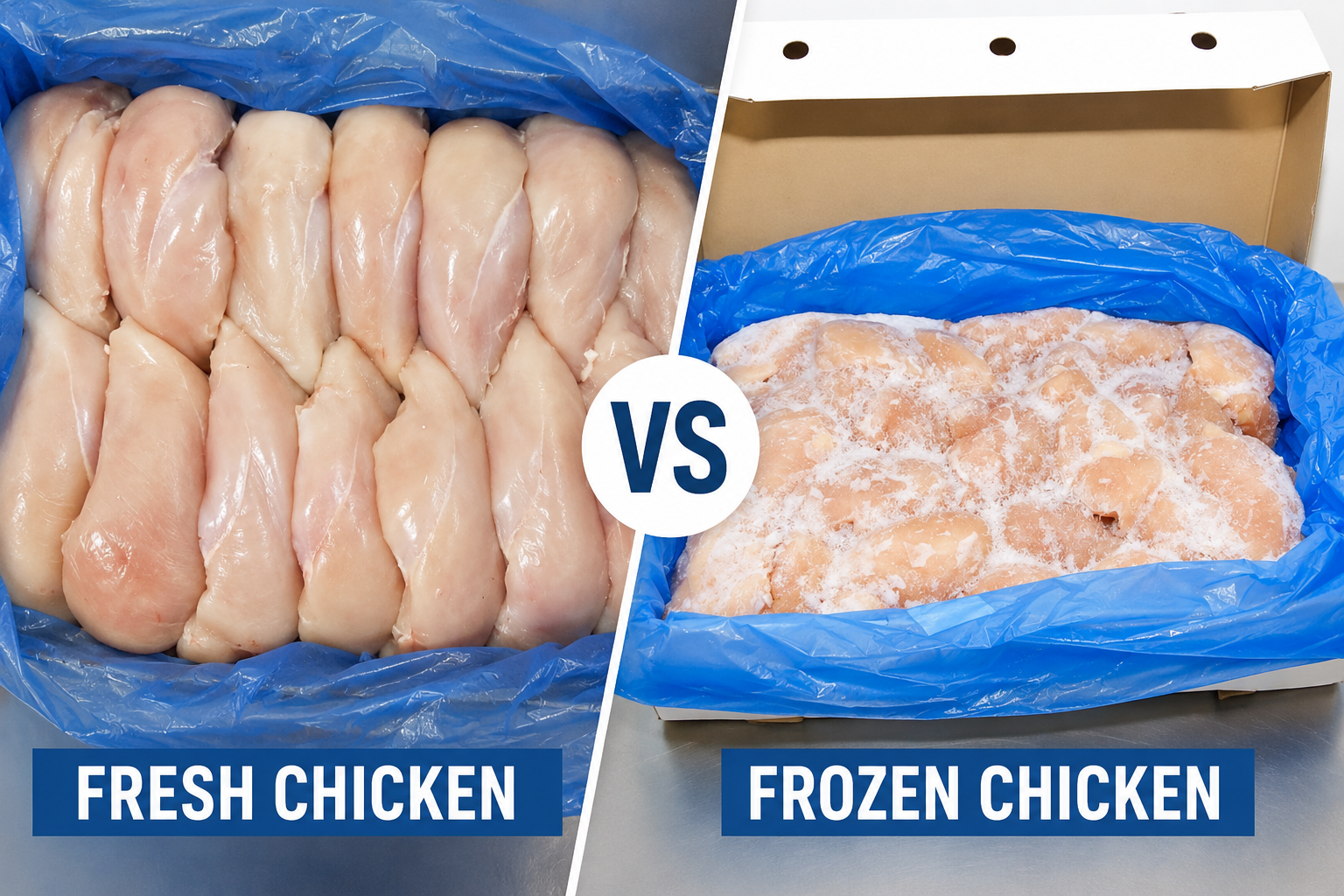
• Whole frozen turkey
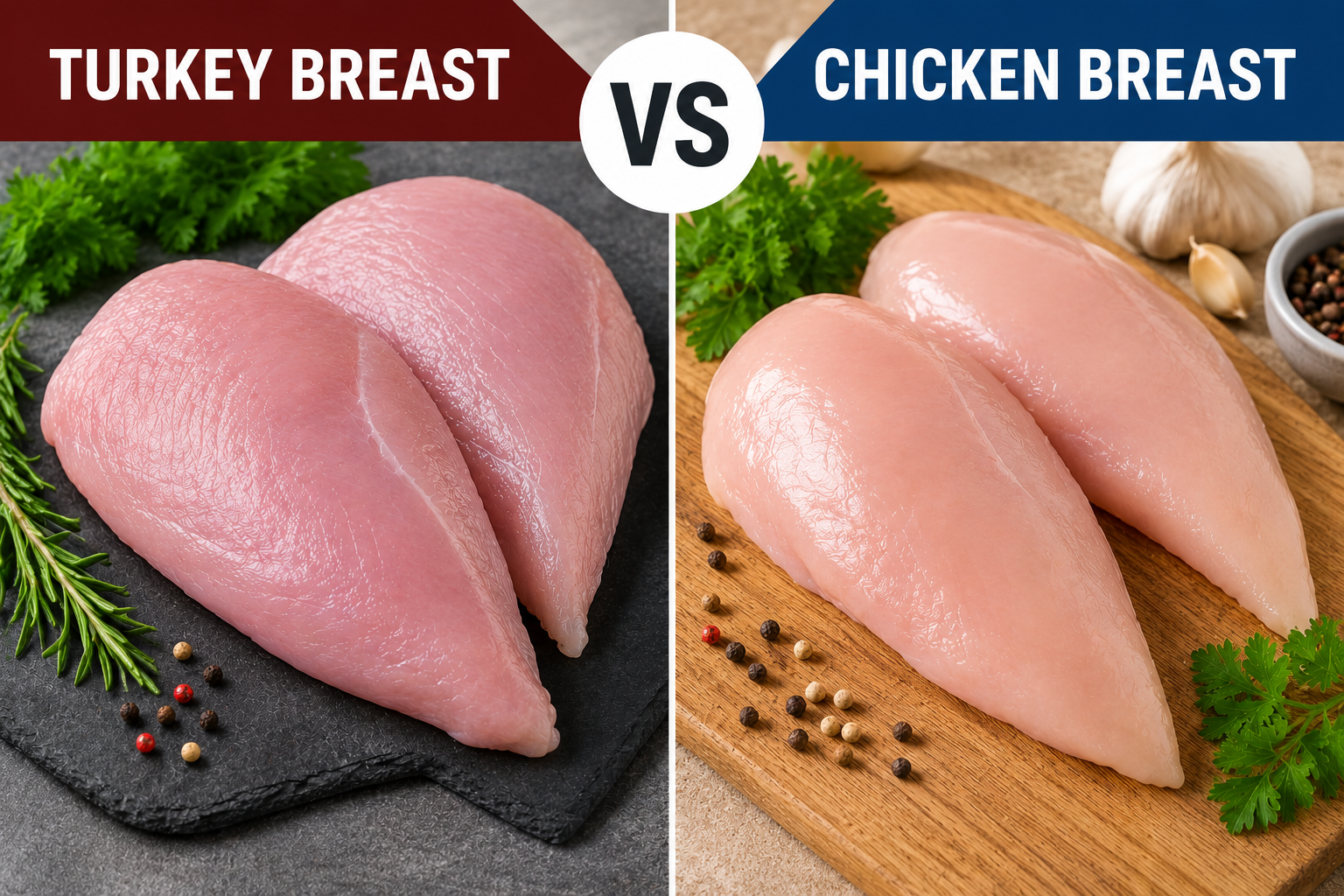
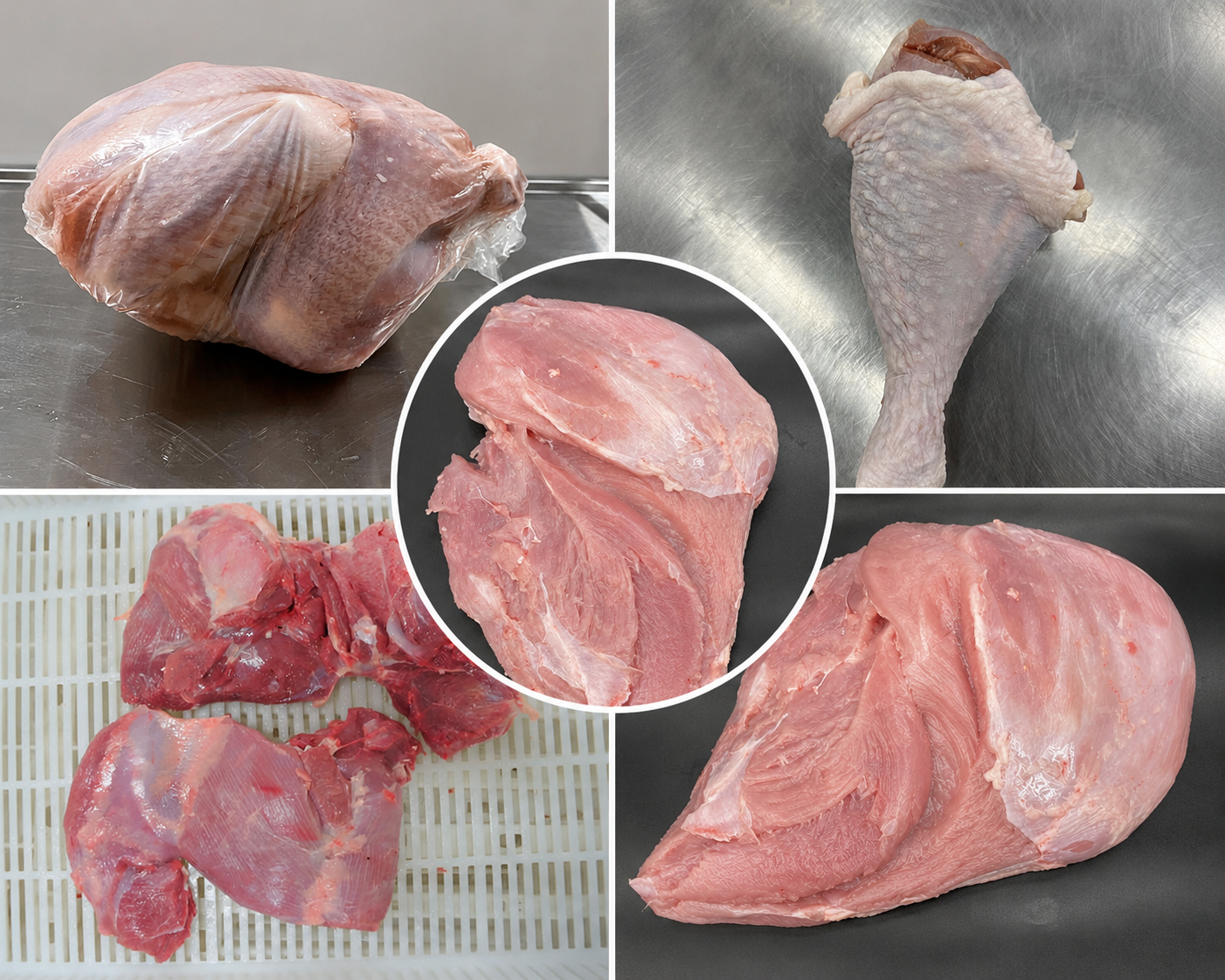
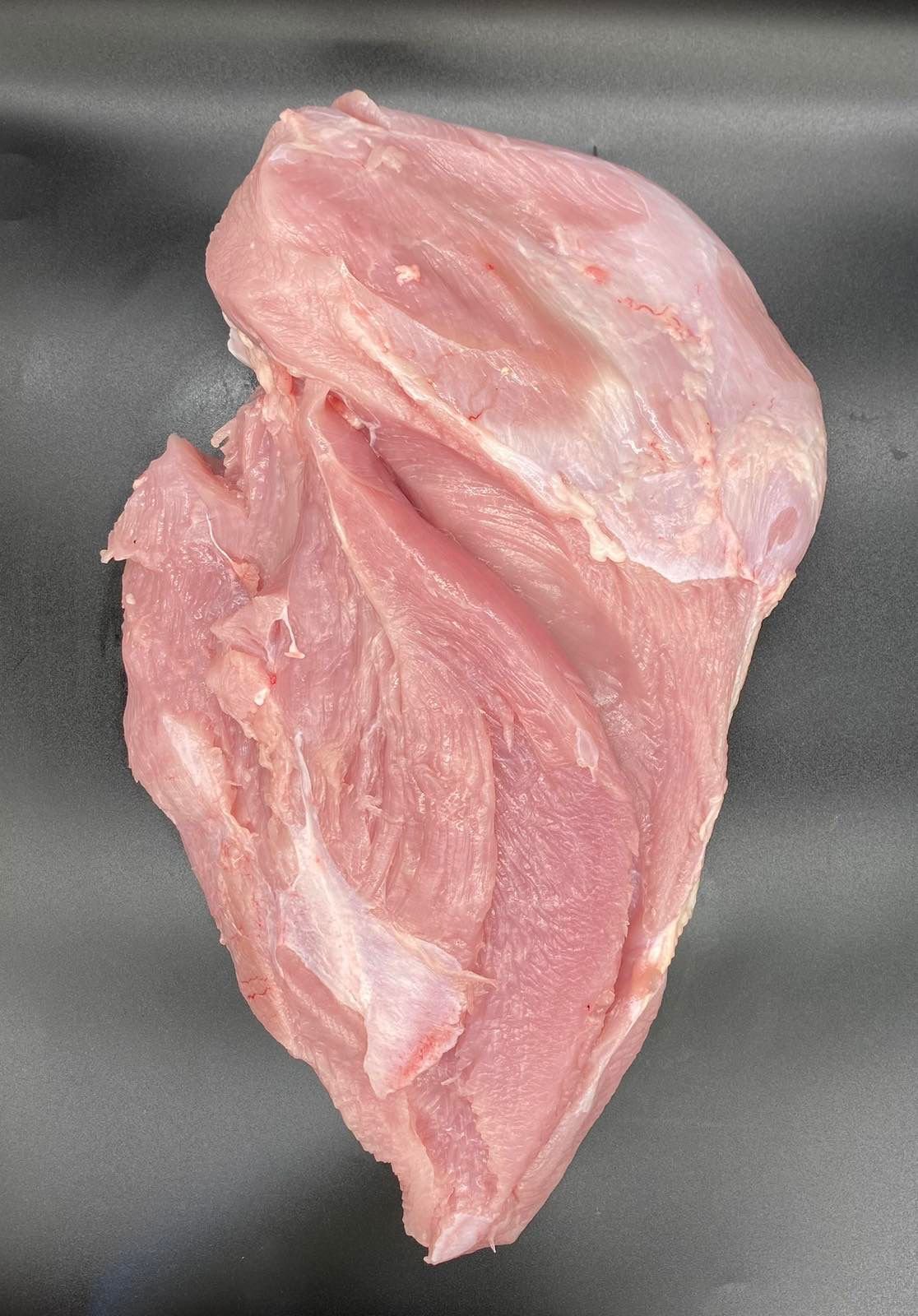
• Turkey breast meat
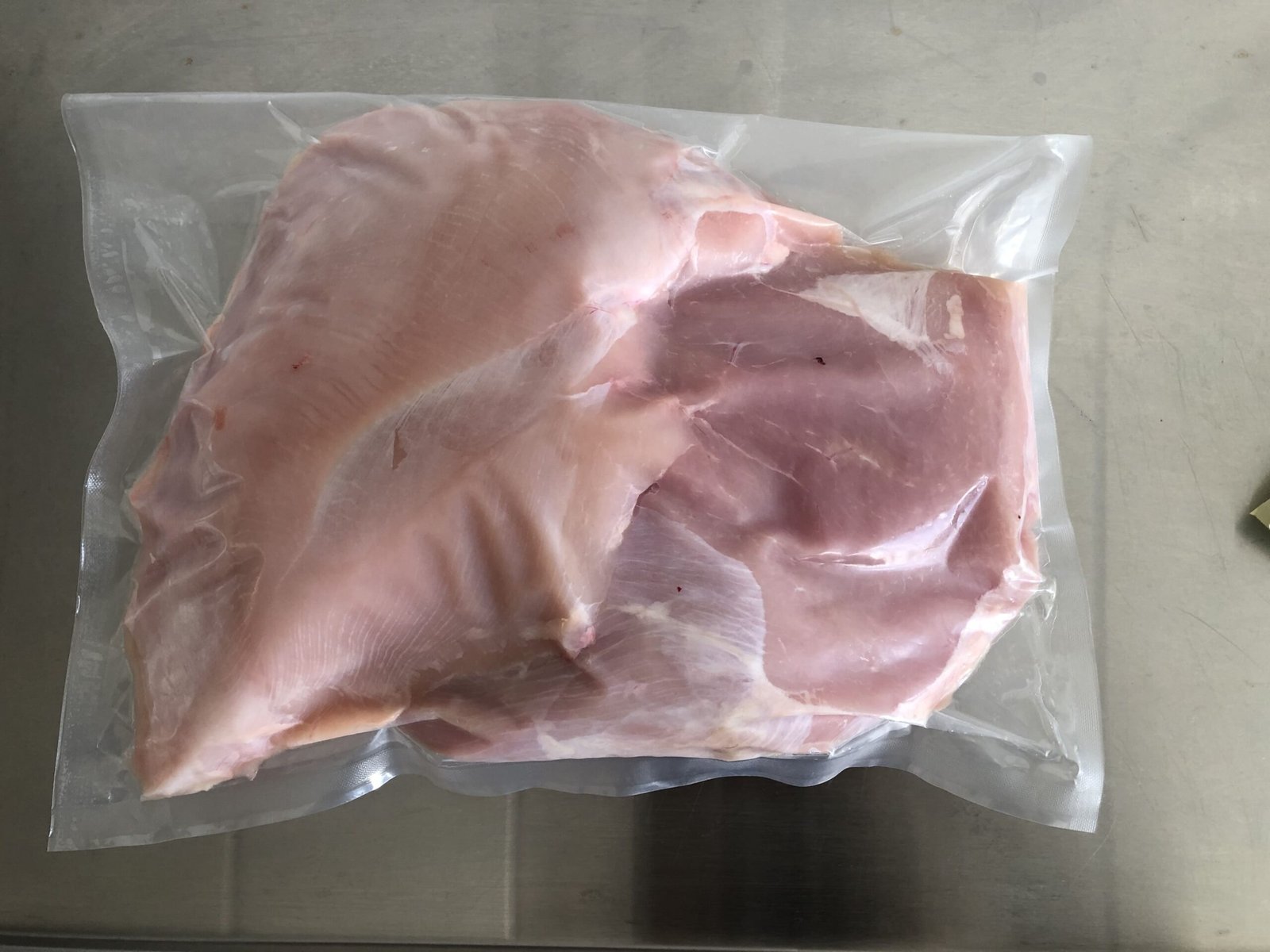
• Turkey thigh meat
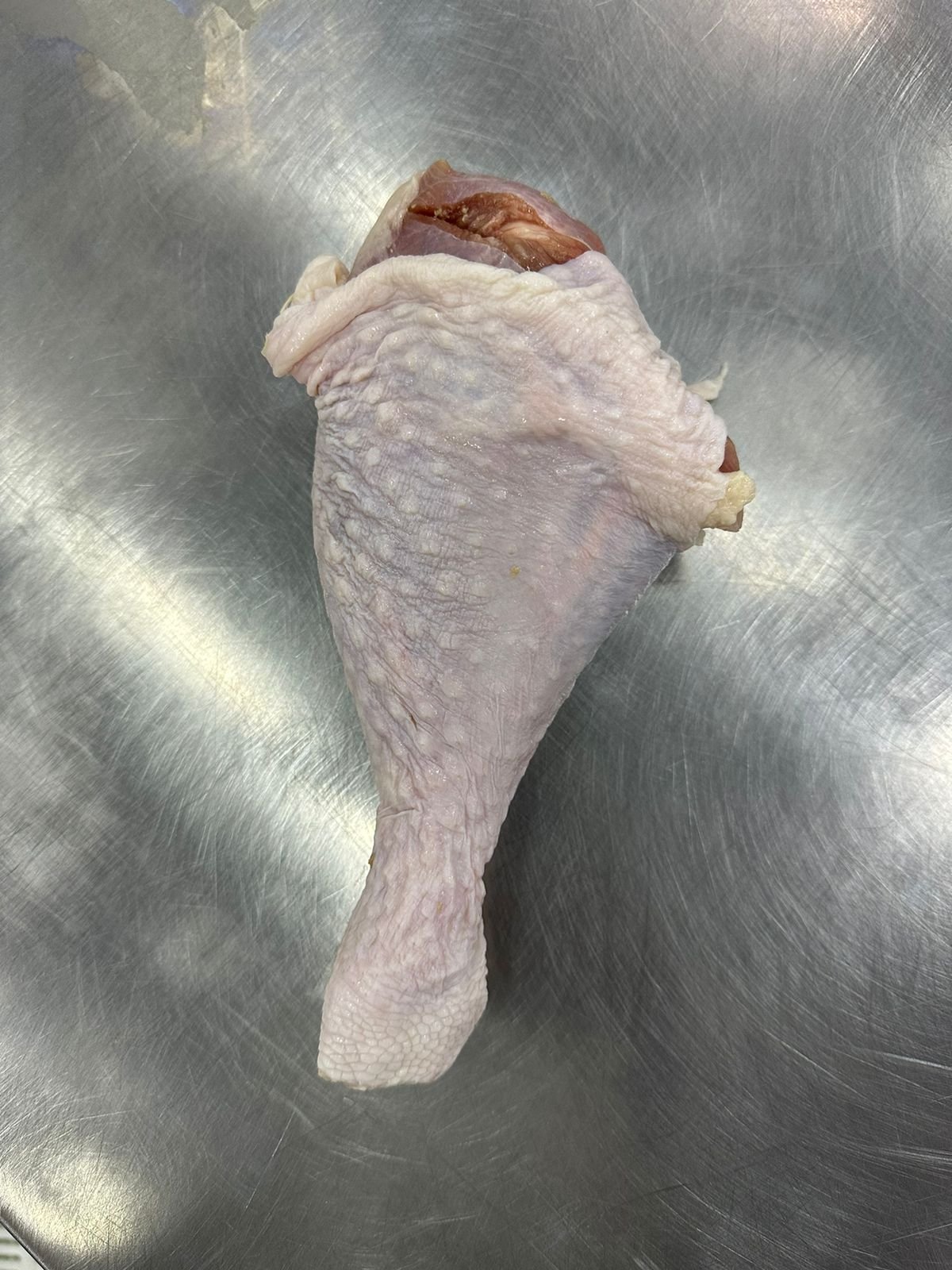
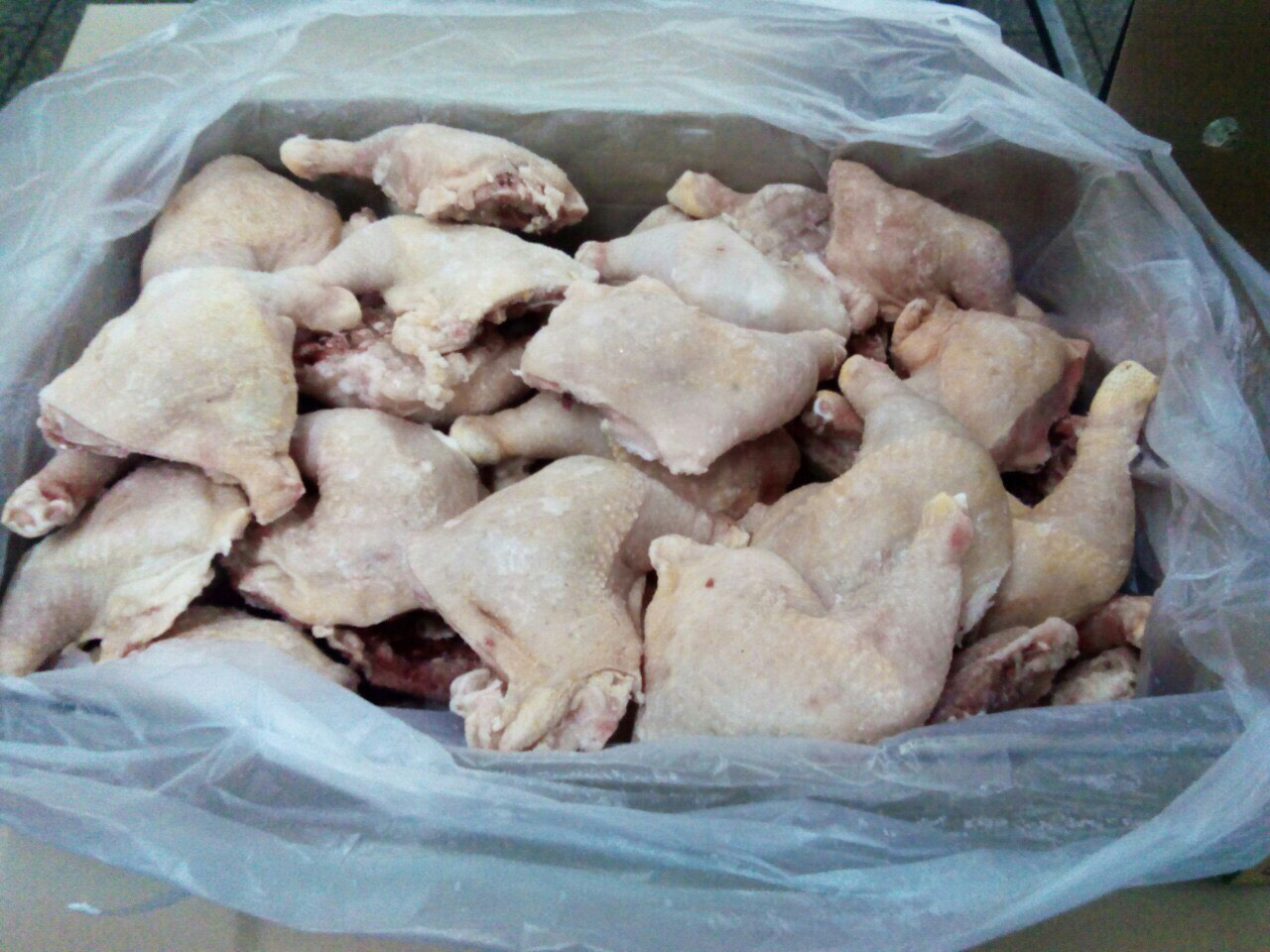
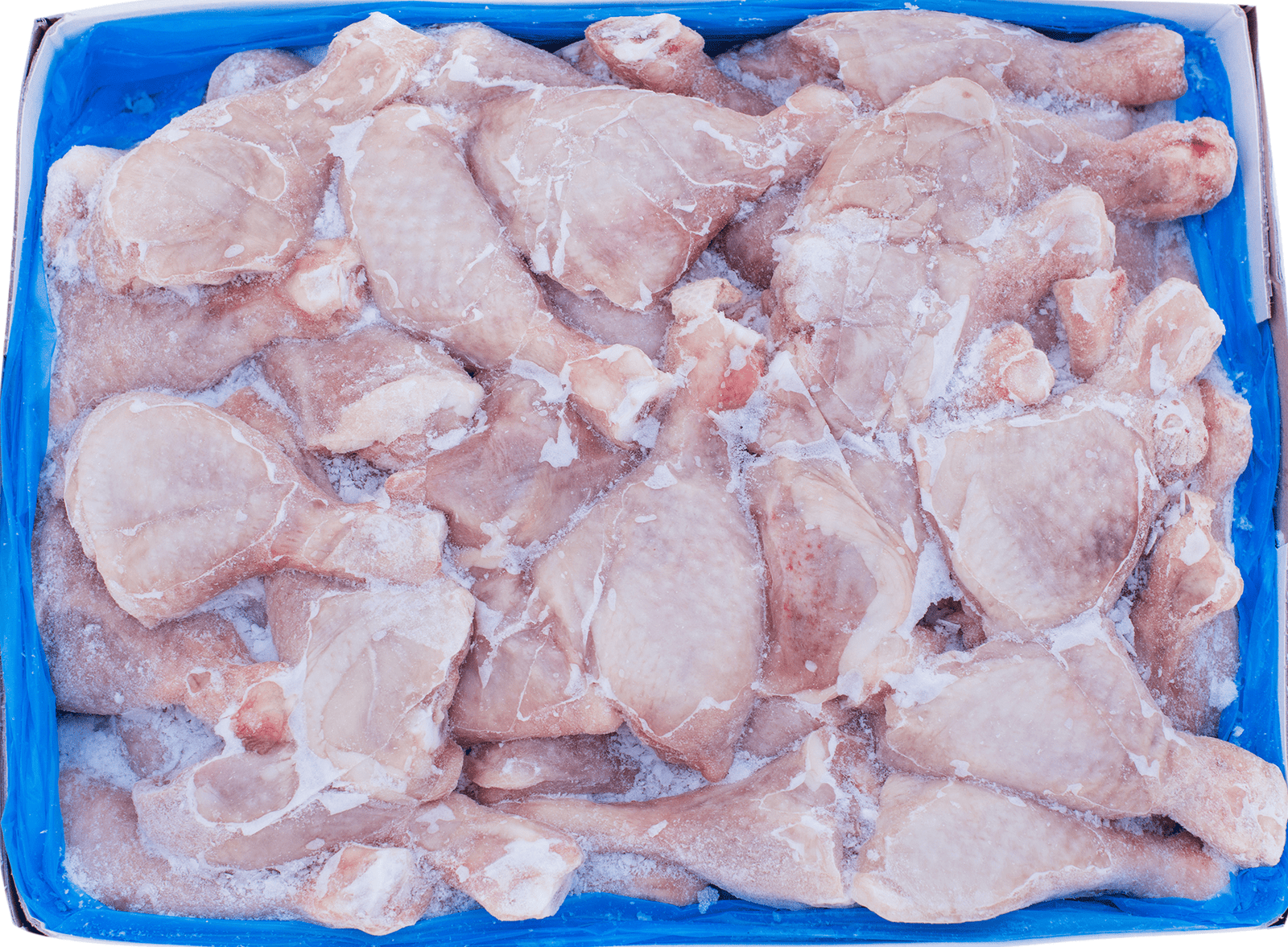
• Turkey drumsticks
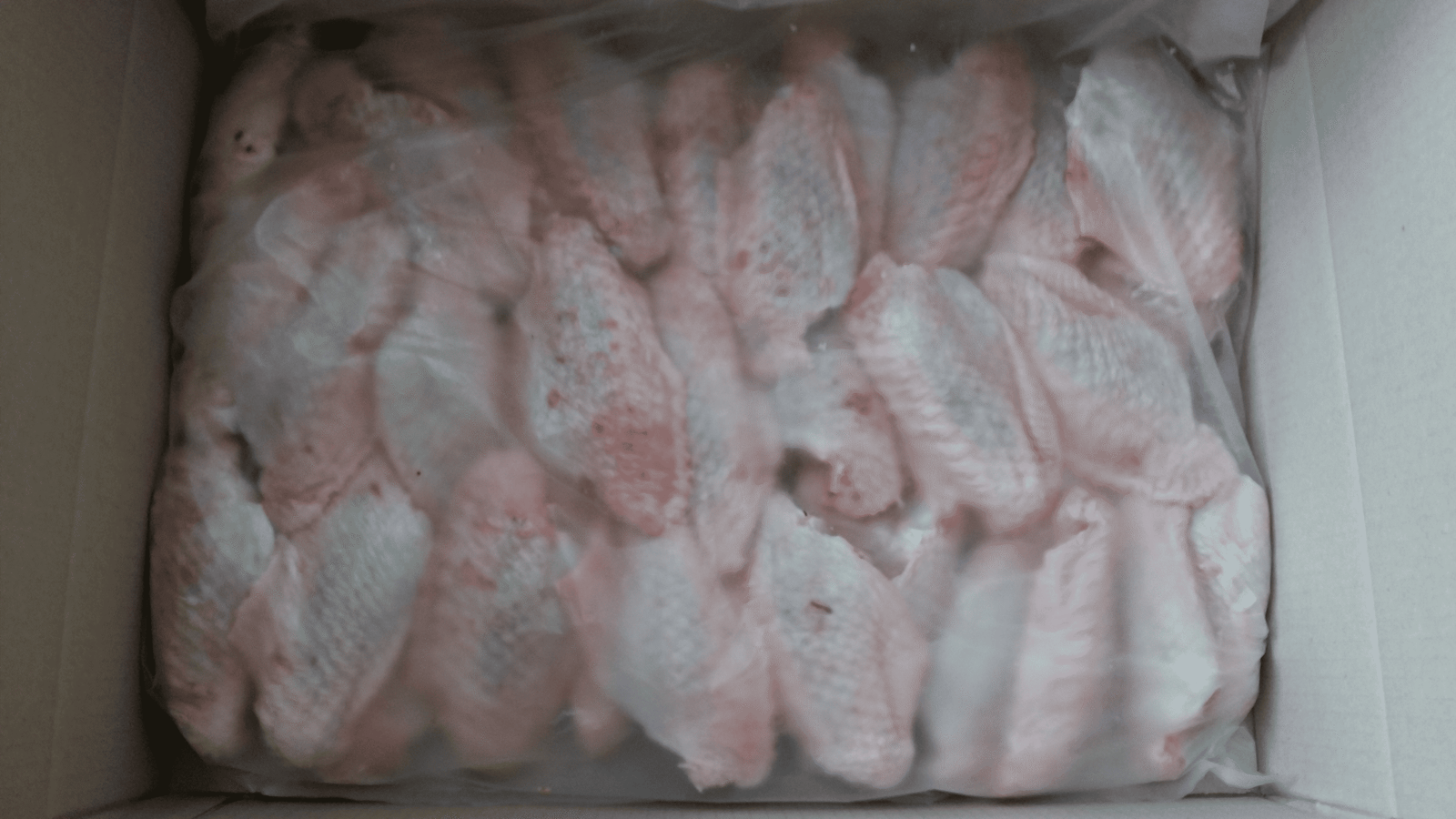
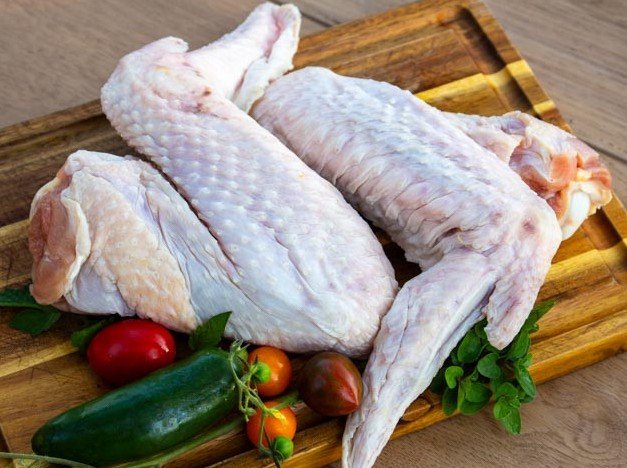
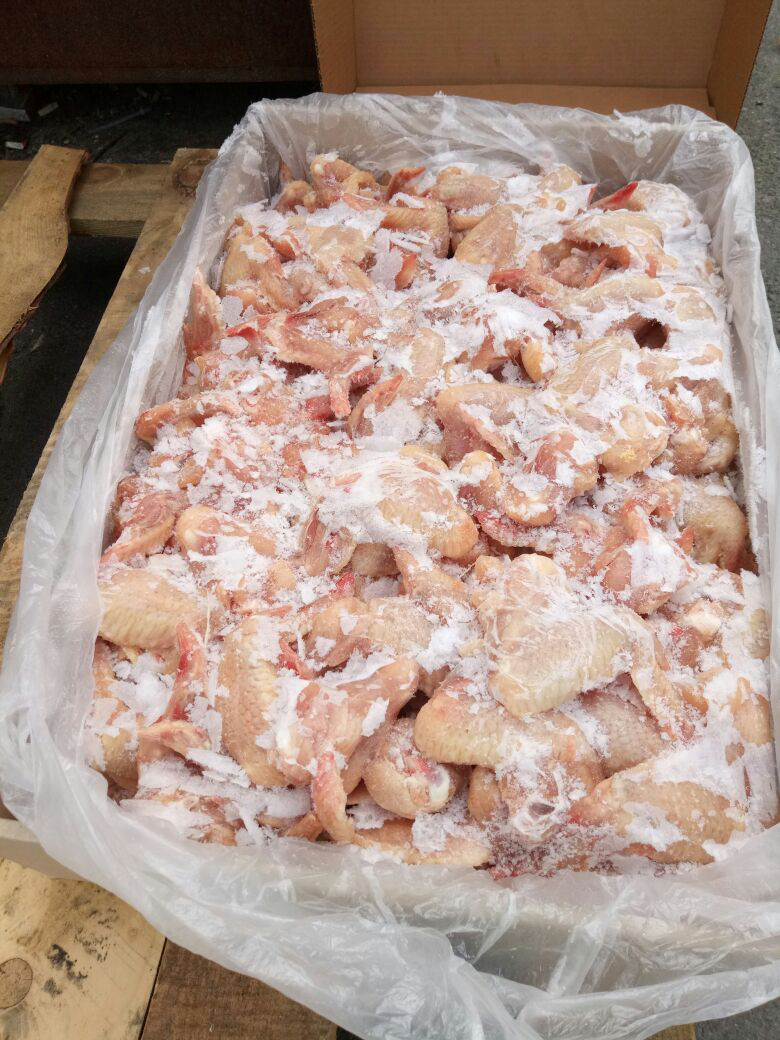
• Turkey wings
• Turkey fillets
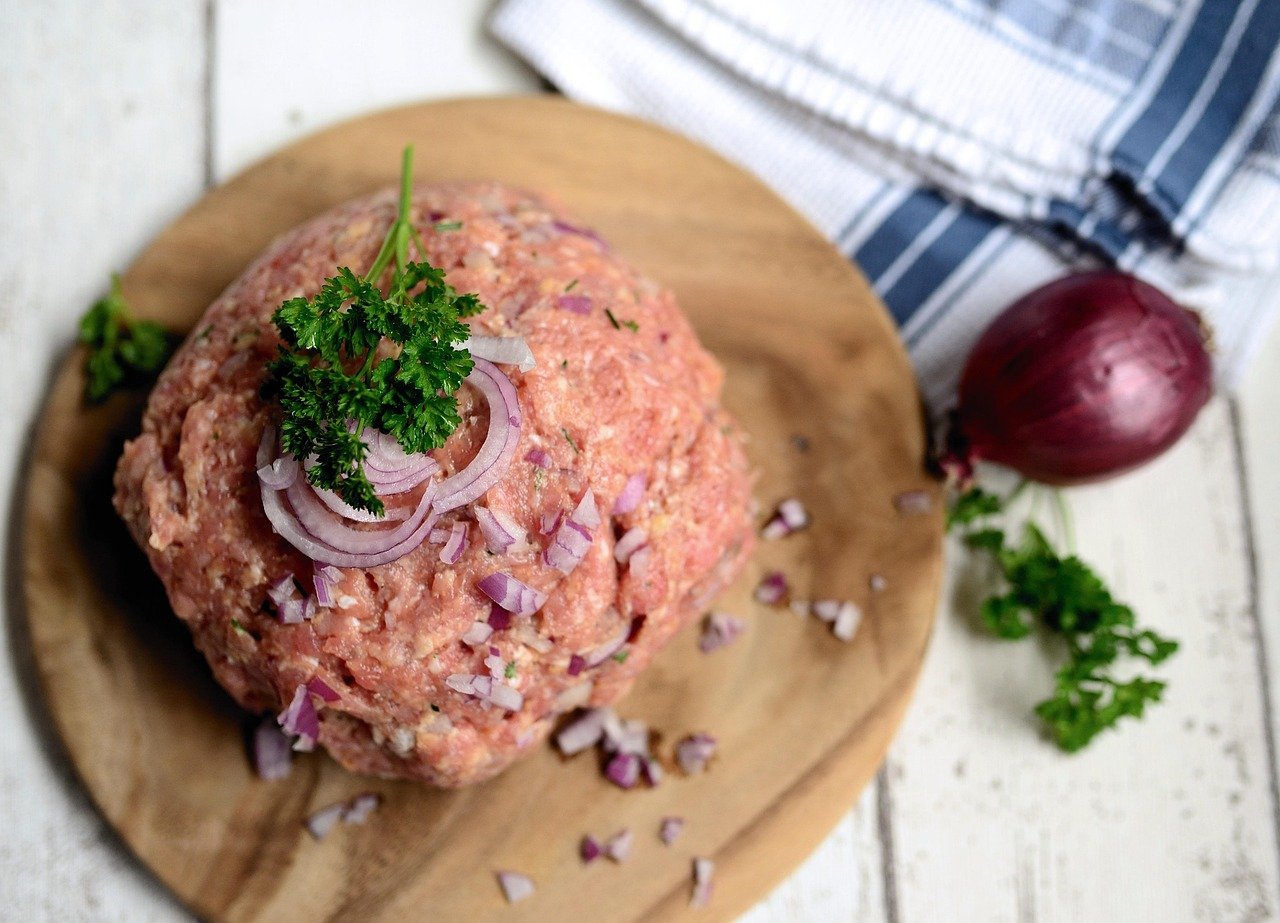
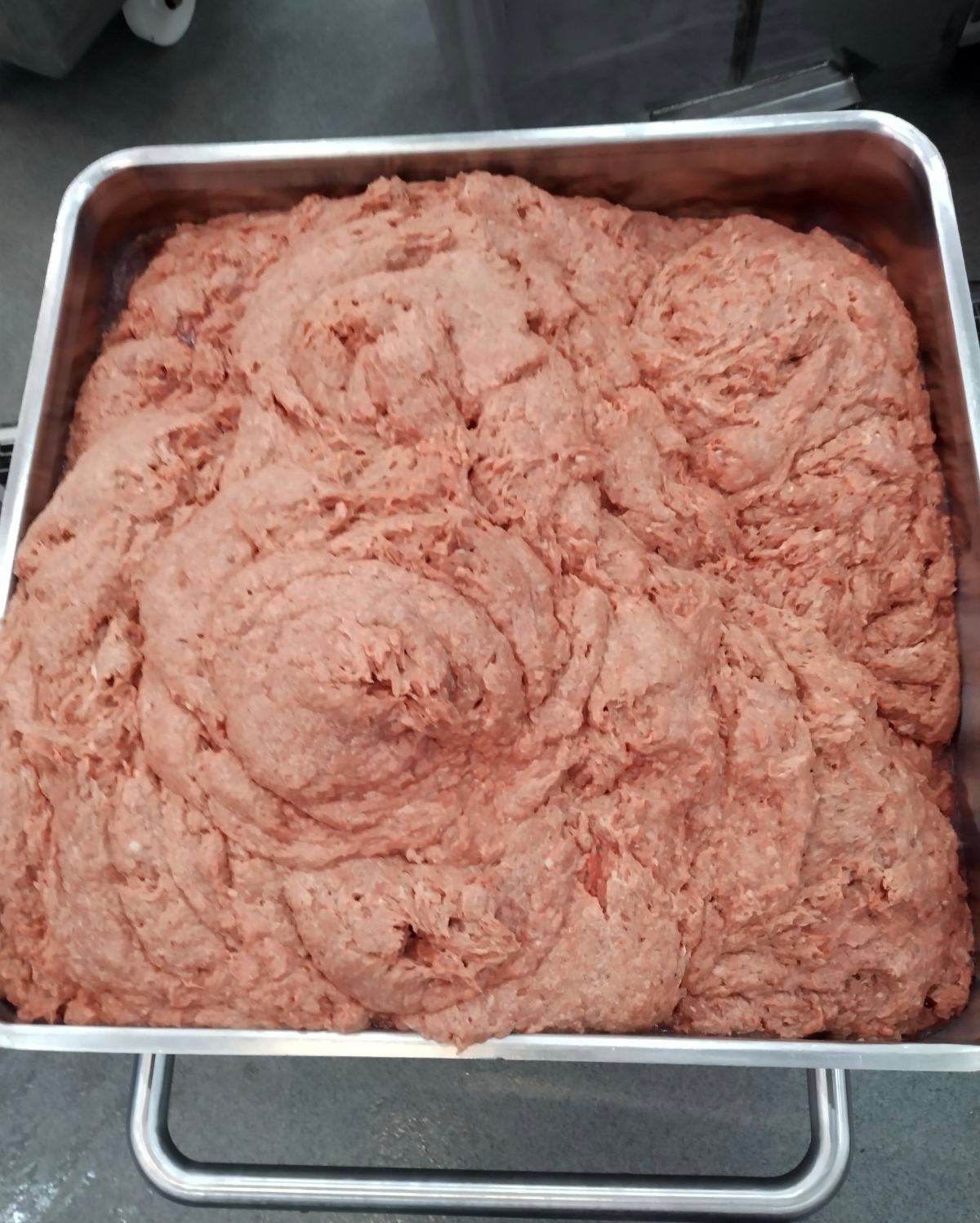
• Mechanically deboned turkey meat
• Processed turkey products
Brazilian exporters generally offer a wider product portfolio because of their larger processing infrastructure. Ukrainian suppliers, however, are often willing to customize specifications according to importer requirements.
Quality Standards
Quality remains one of the most important factors in supplier selection.
Brazilian processors have decades of experience supplying demanding international markets. Their quality systems are well established and continuously audited by importing countries. Large producers often maintain extensive laboratory testing and quality assurance departments.
Ukrainian producers have adopted many international standards and frequently align operations with European food safety requirements. Modern facilities emphasize traceability, animal welfare, hygiene control, and production transparency.
In practical terms, both origins can provide high-quality turkey products. The quality difference usually depends more on the specific supplier than the country itself.
Feed and Farming Conditions
Feed costs play a major role in poultry production economics.
Brazil benefits from large domestic supplies of corn and soybeans, which are essential poultry feed ingredients. This provides cost advantages and supports large-scale production.
Ukraine is also a major agricultural producer with substantial grain resources. Access to domestic feed ingredients helps Ukrainian turkey producers remain competitive despite industry challenges.
Importers focused on long-term price stability should evaluate feed market conditions in both countries since feed costs directly affect export prices.
Pricing Comparison
Pricing is rarely determined solely by production costs. Logistics, freight rates, exchange rates, certifications, and market demand all influence final export prices.
Brazil often benefits from economies of scale that reduce production costs. Large processing volumes allow exporters to spread fixed costs across greater output.
Ukraine may offset scale disadvantages through lower labor costs, proximity to destination markets, and reduced transportation expenses.
For European customers, Ukrainian turkey can frequently arrive at a competitive landed cost due to shorter transportation routes.
Logistics and Transit Time
Logistics represent one of the most significant differences between the two origins.
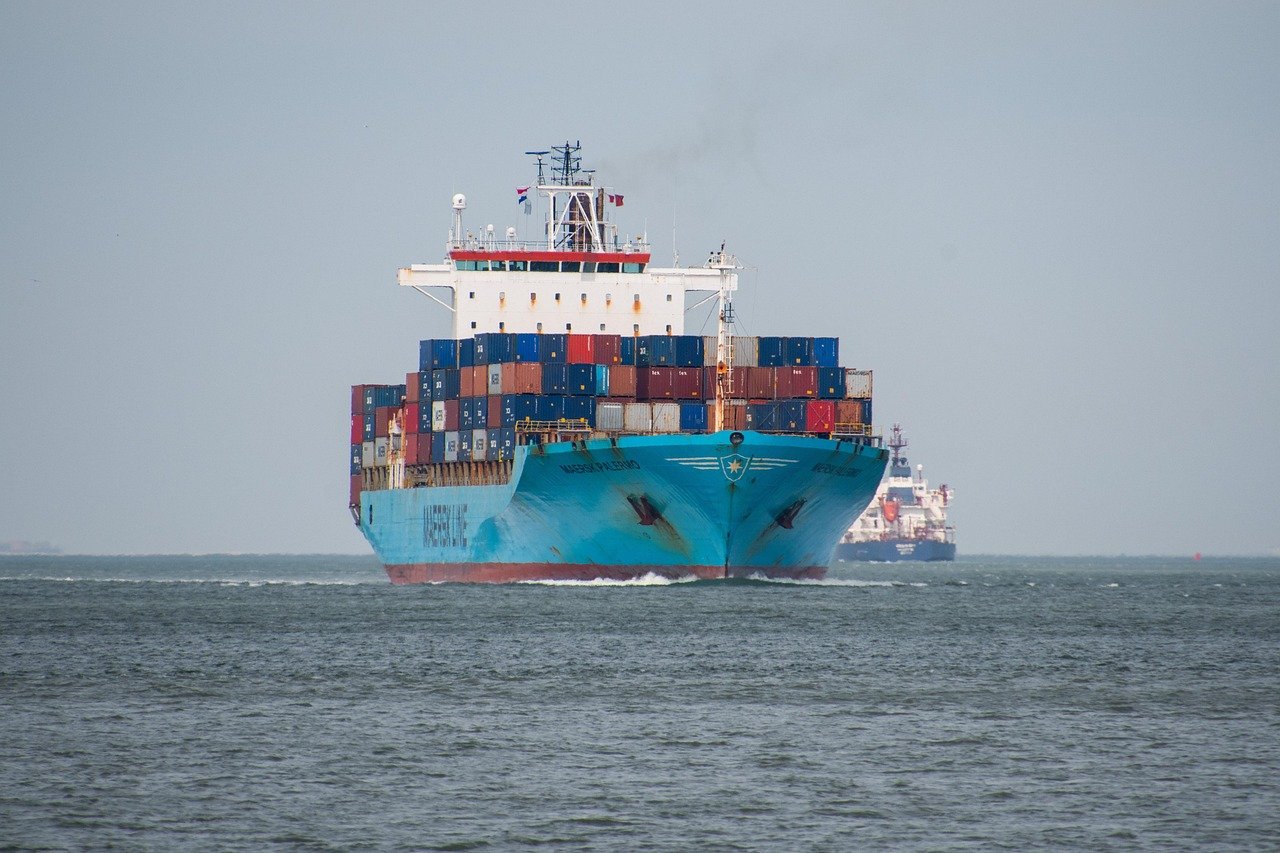
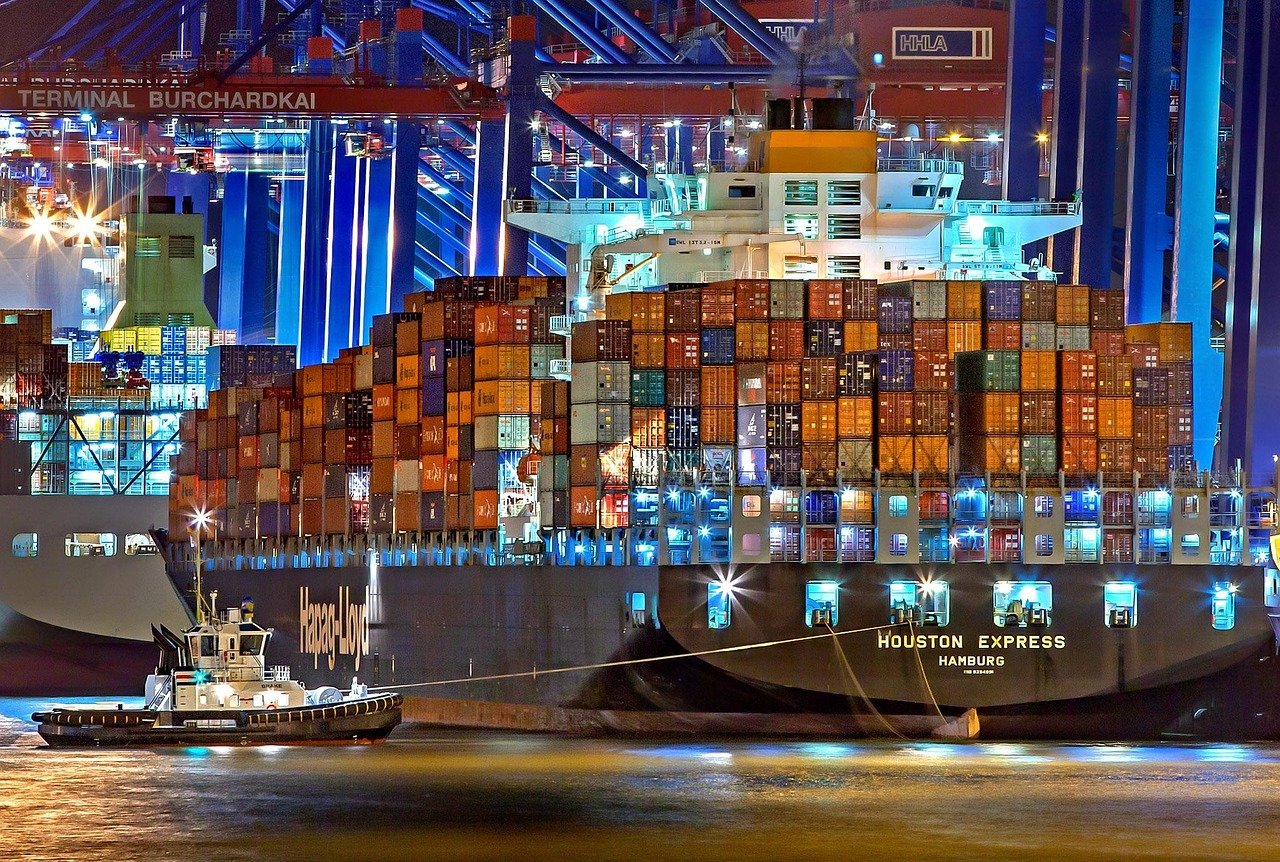
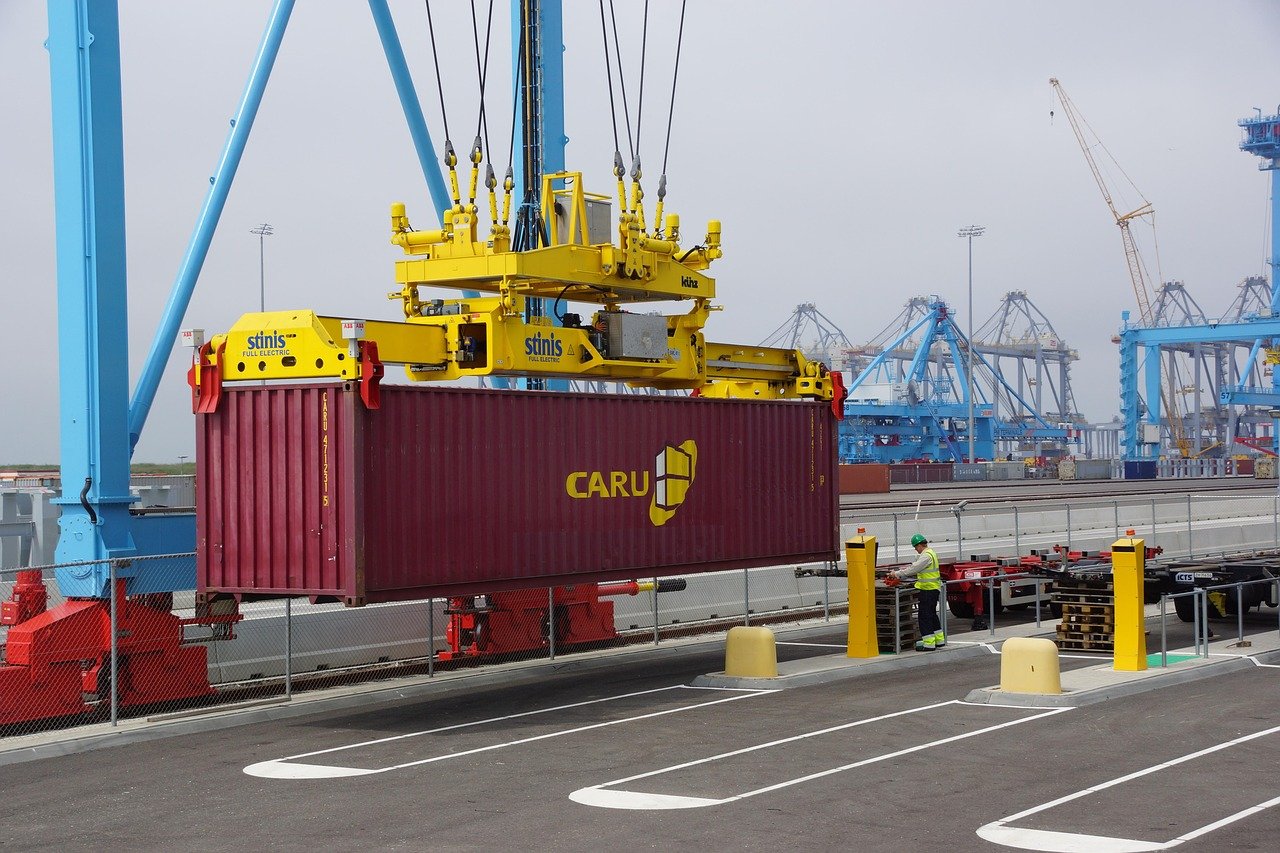
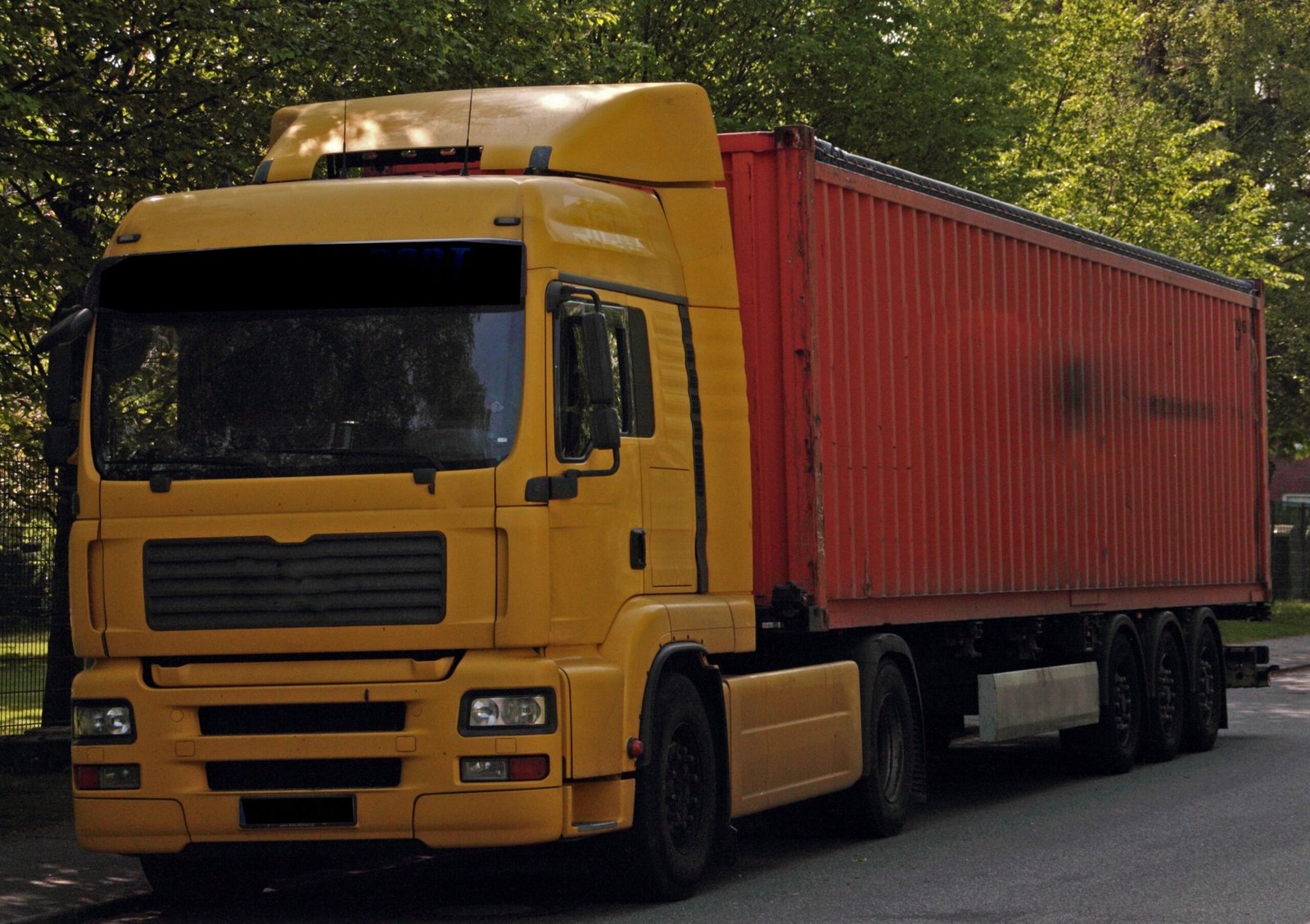
Brazilian exports generally travel longer distances by sea. Depending on destination, transit times can range from several weeks to more than a month.
Ukraine offers geographical advantages for European, Mediterranean, and certain Middle Eastern destinations. Shorter transit times can reduce inventory costs and improve supply chain responsiveness.
Importers serving retail chains often appreciate shorter lead times because they allow more flexible inventory management.
Export Documentation and Compliance
Professional importers evaluate suppliers based not only on product quality but also on documentation capabilities.
Typical requirements include:
• Veterinary certificates
• Health certificates
• Halal certification where applicable
• Origin documentation
• Product specifications
• Laboratory reports
• Traceability records
Both Brazilian and Ukrainian exporters can provide extensive export documentation, though requirements vary according to destination market regulations.
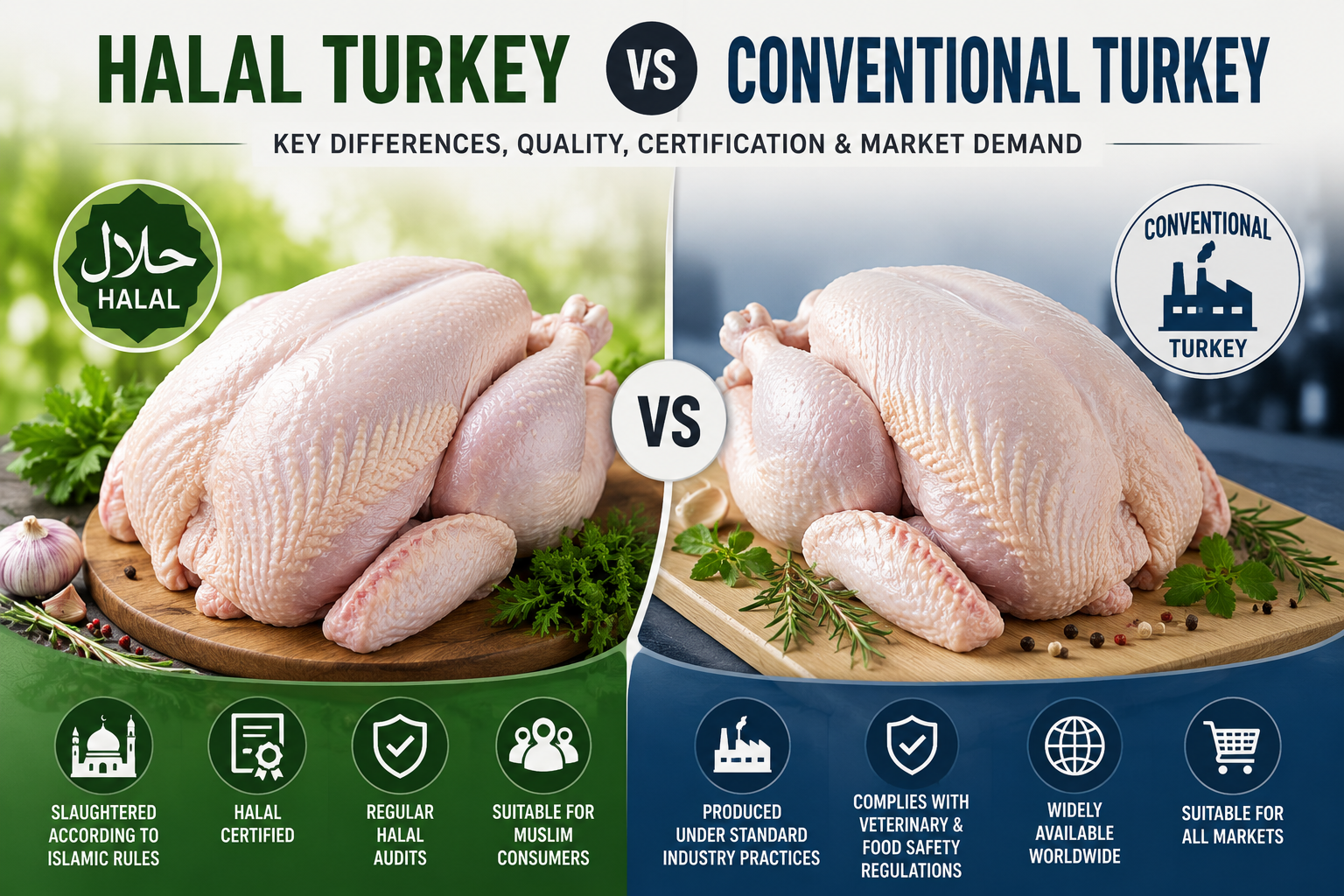
Halal Turkey Supply
Halal certification is particularly important in many Middle Eastern, African, and Asian markets.
Brazil possesses extensive experience in halal poultry production and has developed strong relationships with halal markets over many years. This expertise is one reason Brazilian poultry remains highly competitive in Muslim-majority countries.
Ukraine has also expanded halal-certified production. Many Ukrainian exporters recognize growing demand and have implemented halal-compliant processing programs.
Commercial Flexibility
Smaller industries often provide greater commercial flexibility.
Brazilian exporters sometimes focus on large-volume customers and standardized programs. Their operational efficiency is a major strength but can occasionally reduce flexibility for smaller orders.
Ukrainian suppliers frequently offer a more customized approach. Buyers may find greater willingness to discuss product specifications, packaging formats, and tailored contract arrangements.
Risk Diversification
Experienced importers rarely depend on a single country of origin.
Diversifying between Ukraine and Brazil can provide:
• Reduced supply risk
• Better negotiating leverage
• Improved continuity during disruptions
• Greater pricing flexibility
Many international distributors maintain relationships with suppliers in multiple countries to ensure stable supply under changing market conditions.
Sustainability Considerations
Sustainability increasingly influences purchasing decisions.
Major retailers and food service companies are placing greater emphasis on:
• Responsible farming practices
• Environmental management
• Animal welfare
• Carbon footprint reduction
• Supply chain transparency
Both Brazilian and Ukrainian producers are investing in sustainability initiatives, though requirements vary by customer and destination market.
Which Origin Is Better for European Importers?
For European importers, Ukraine often offers significant advantages:
• Shorter transit times
• Geographic proximity
• Competitive freight costs
• Alignment with European standards
• Flexible supplier relationships
These factors can improve responsiveness and reduce inventory costs.
Which Origin Is Better for Global Distribution?
For importers serving multiple continents, Brazil frequently offers advantages:
• Massive production capacity
• Extensive export experience
• Strong shipping infrastructure
• Broad product availability
• Long-established international presence
These strengths make Brazil particularly attractive for large multinational purchasing programs.
Key Questions to Ask Suppliers
Before selecting any turkey supplier, importers should evaluate:
1. Production capacity
2. Export history
3. Certifications
4. Product specifications
5. Quality assurance systems
6. Packaging options
7. Transit times
8. Payment terms
9. Traceability systems
10. Customer references
The answers often reveal more than simple price comparisons.
Conclusion
Ukraine and Brazil both represent attractive sourcing origins for frozen turkey meat imports. Brazil remains a global leader thanks to its enormous production capacity, sophisticated export infrastructure, and extensive international experience. Ukraine offers growing export potential, competitive pricing, shorter transit times to Europe, and a flexible customer-focused approach.
The best choice depends on destination market requirements, annual volume commitments, logistics strategy, certification needs, and commercial objectives. Many successful importers ultimately choose a diversified sourcing model that combines the strengths of both origins.
Rather than asking which country is universally better, importers should determine which origin best aligns with their business model, target market, and long-term supply strategy.