Container Shipping Temperature for Frozen Poultry
Introduction
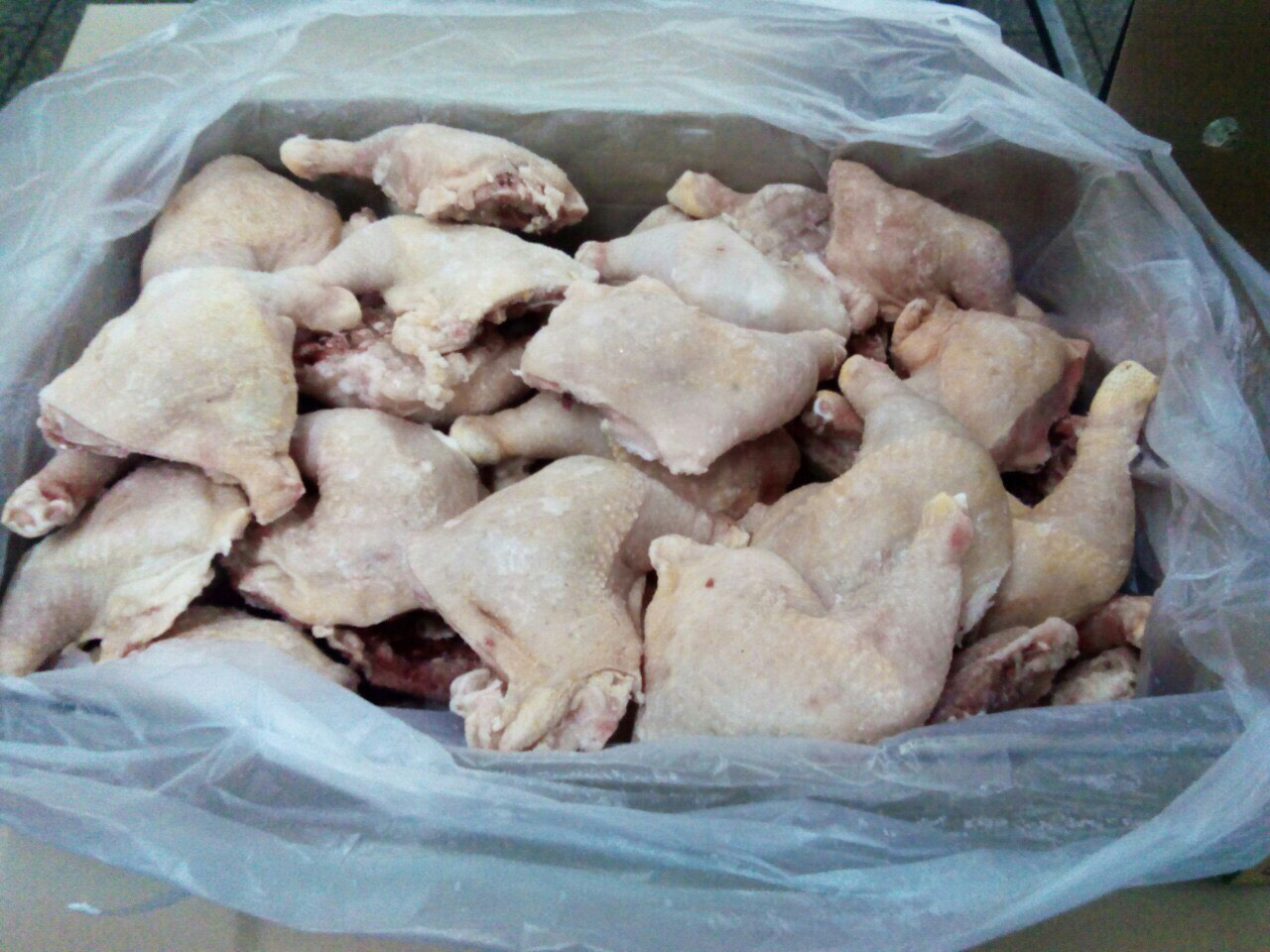
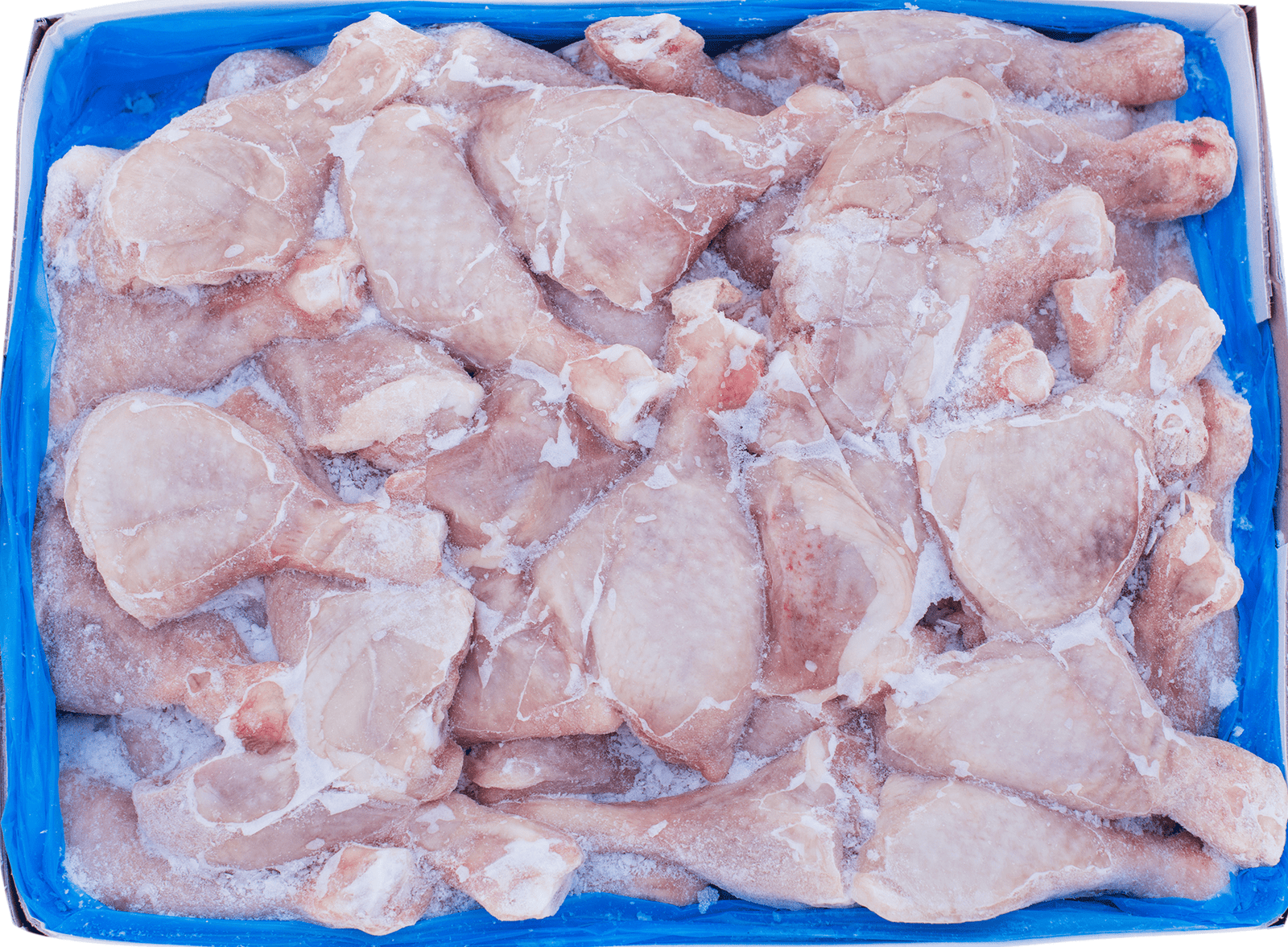
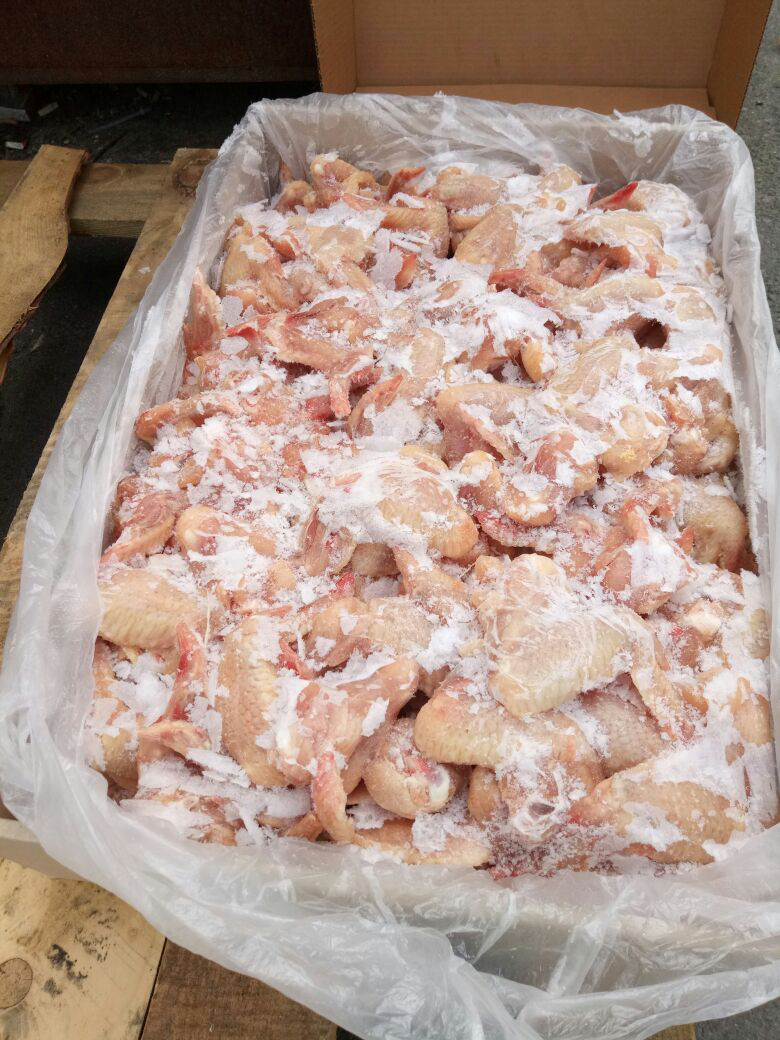
Temperature control is the foundation of successful frozen poultry exports. Maintaining the correct temperature throughout transportation protects food safety, product quality, and shelf life while ensuring compliance with importer requirements.
Recommended Temperature Standards
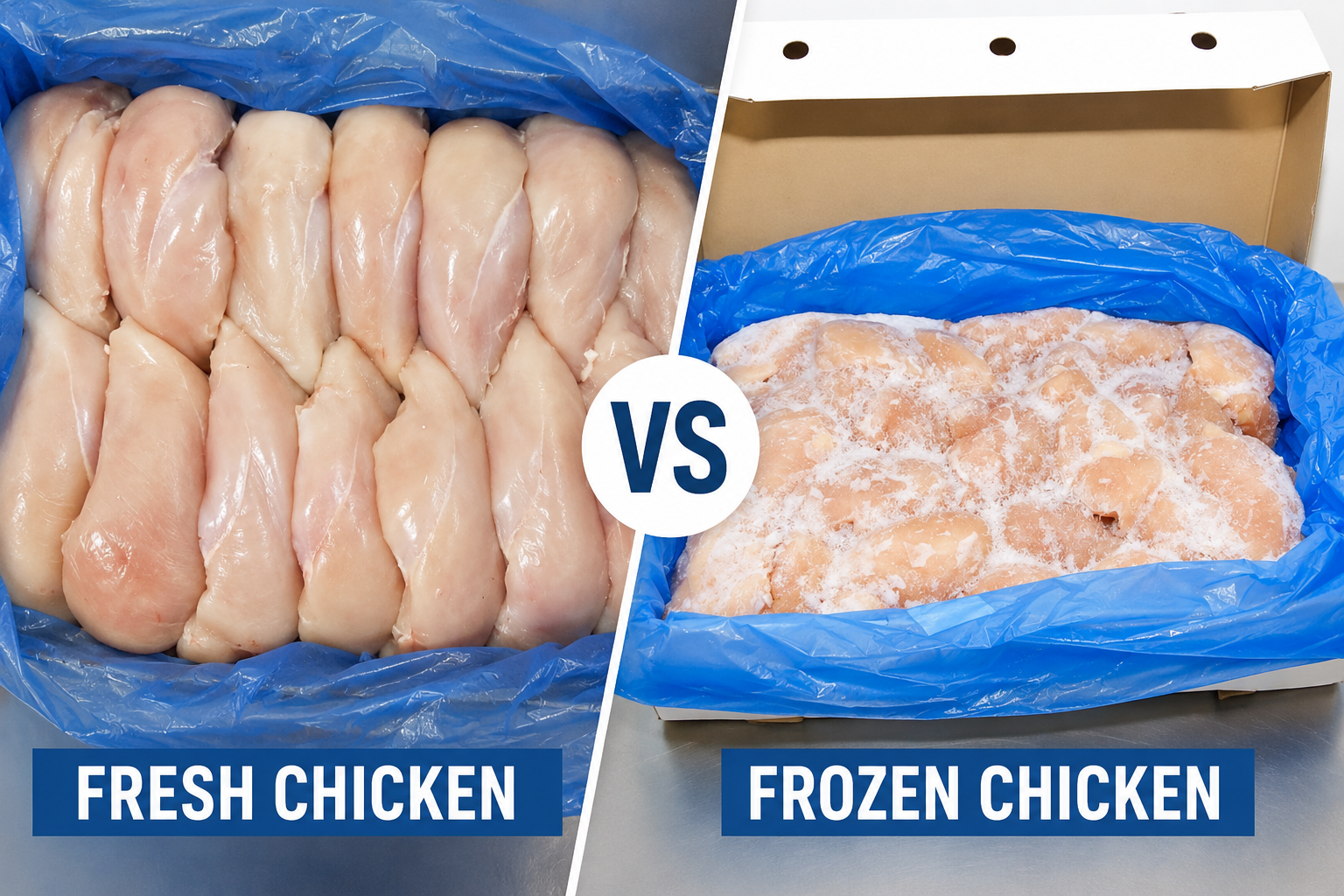
Most frozen poultry shipments are transported at -18°C or below. Many exporters use -20°C to -22°C for long-distance shipments to provide additional protection against temperature fluctuations during transit.
Why Temperature Stability Is Critical
Temperature abuse can result in partial thawing, refreezing, dehydration, texture changes, discoloration, freezer burn, and customer complaints. Stable temperatures help preserve product quality from origin to destination.
Reefer Containers
Modern refrigerated containers use integrated cooling systems to maintain precise temperature settings. These containers continuously circulate cold air and record operational data throughout the voyage.
Pre-Cooling and Loading
Frozen poultry should be loaded only after reaching the target internal temperature. Containers must be inspected before loading and cargo should be arranged to allow proper airflow.
Monitoring During Transit
Temperature monitoring systems and data loggers provide visibility throughout transportation. Continuous monitoring helps identify problems early and provides evidence of compliance.
Common Risks
Equipment failures, power outages, customs delays, port congestion, and incorrect settings can threaten cargo integrity. Risk management procedures are essential.
Documentation
Exporters should maintain reefer reports, temperature records, veterinary certificates, shipping documents, and quality-control documentation to support compliance and traceability.
Best Practices
Use reputable cold storage providers, verify reefer settings, monitor temperatures continuously, train personnel, and maintain contingency plans for disruptions.
Conclusion
Proper container shipping temperature management is essential for successful frozen poultry exports. Companies that maintain a reliable cold chain reduce claims, protect product quality, and strengthen customer confidence.