Chicken Offal Export from Ukraine: Complete B2B Market Guide
Global Market Overview
Chicken offal is a high-volume international commodity. Demand is strongest where affordable animal protein is important. Unlike chicken breast fillets, offal consumption depends heavily on culinary traditions. African importers often buy frozen mixed offal due to price; Gulf countries import certified halal products; some Asian markets value paws and specialty organs.
Which Products Are Exported
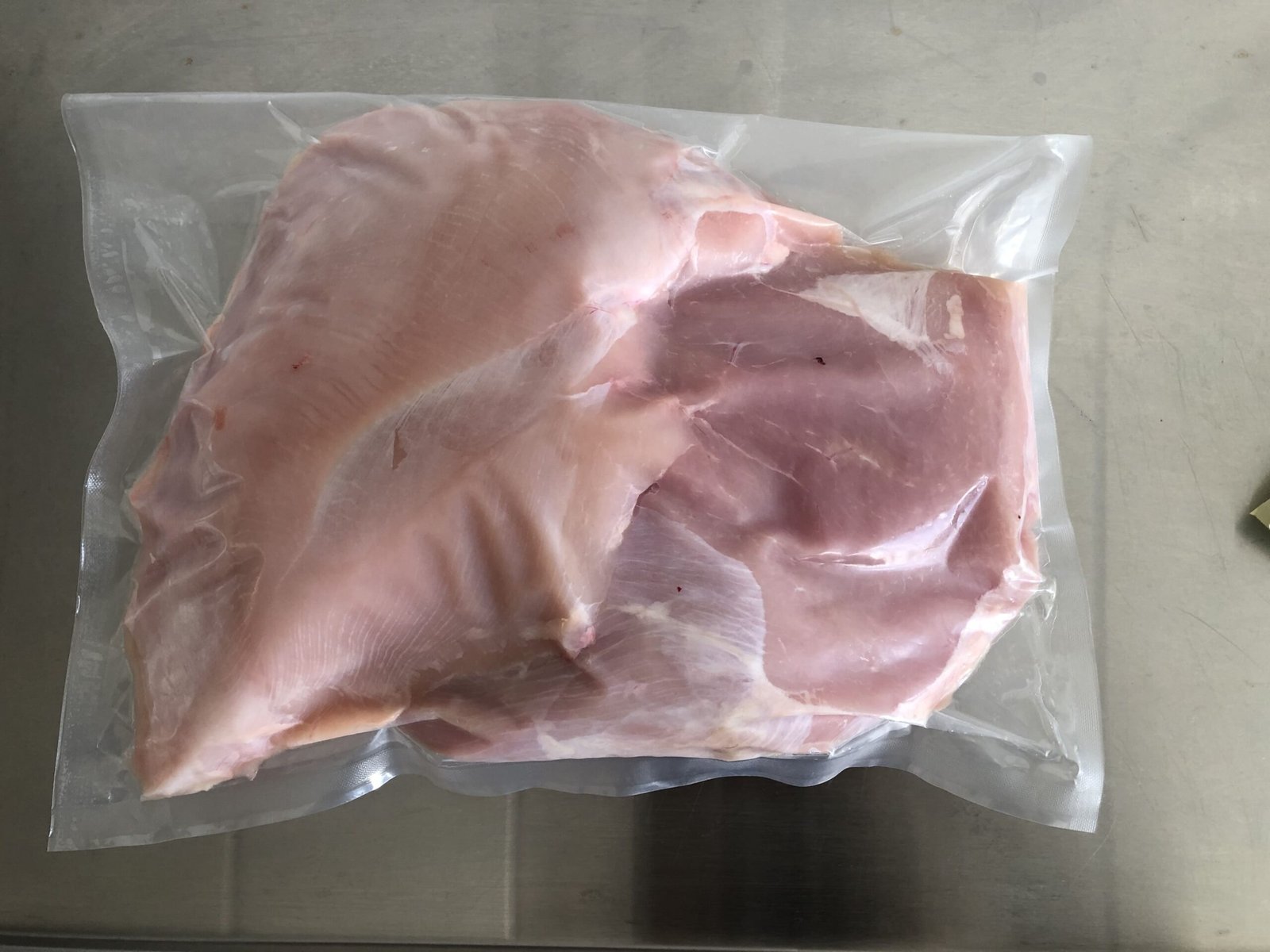
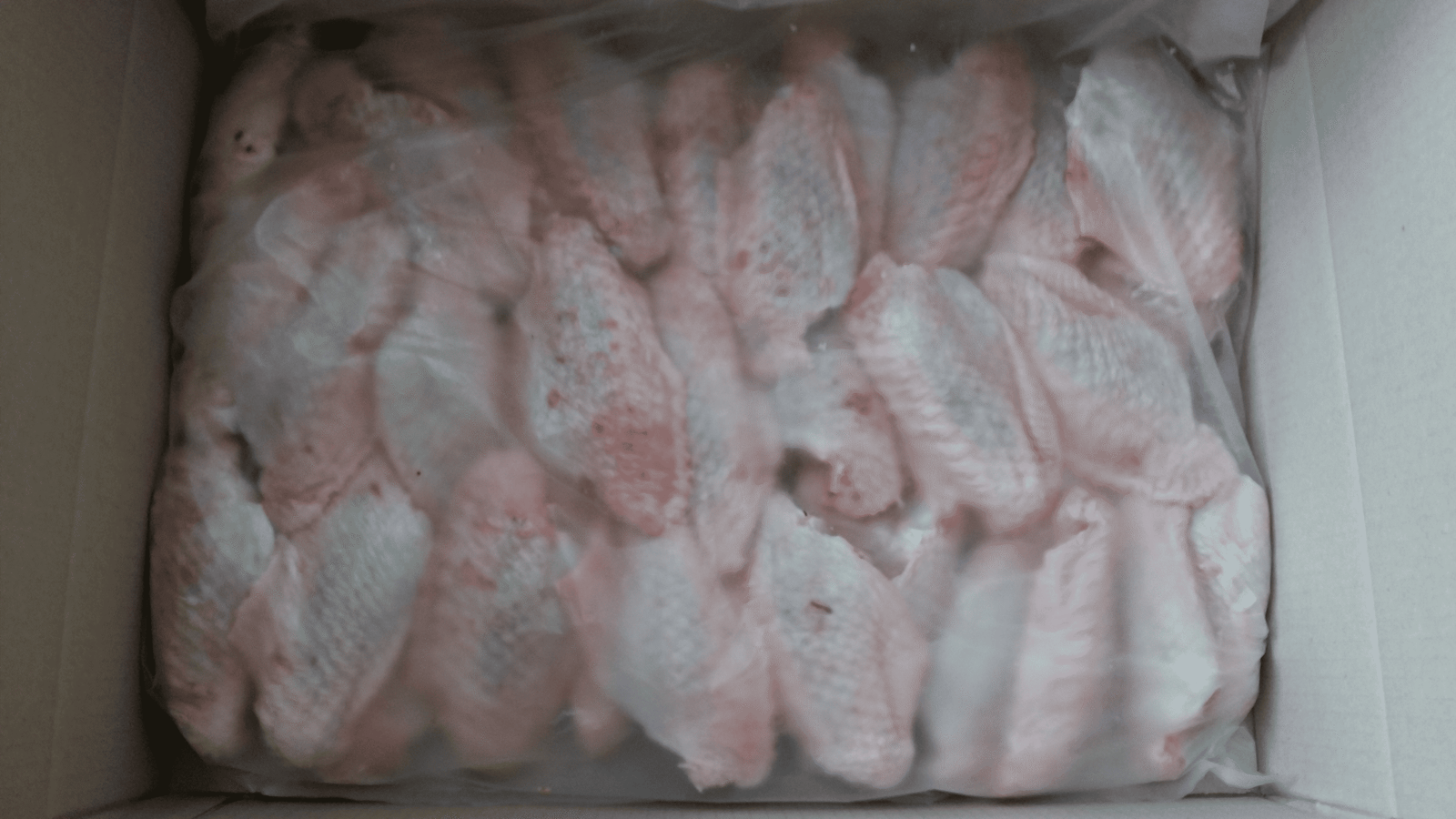
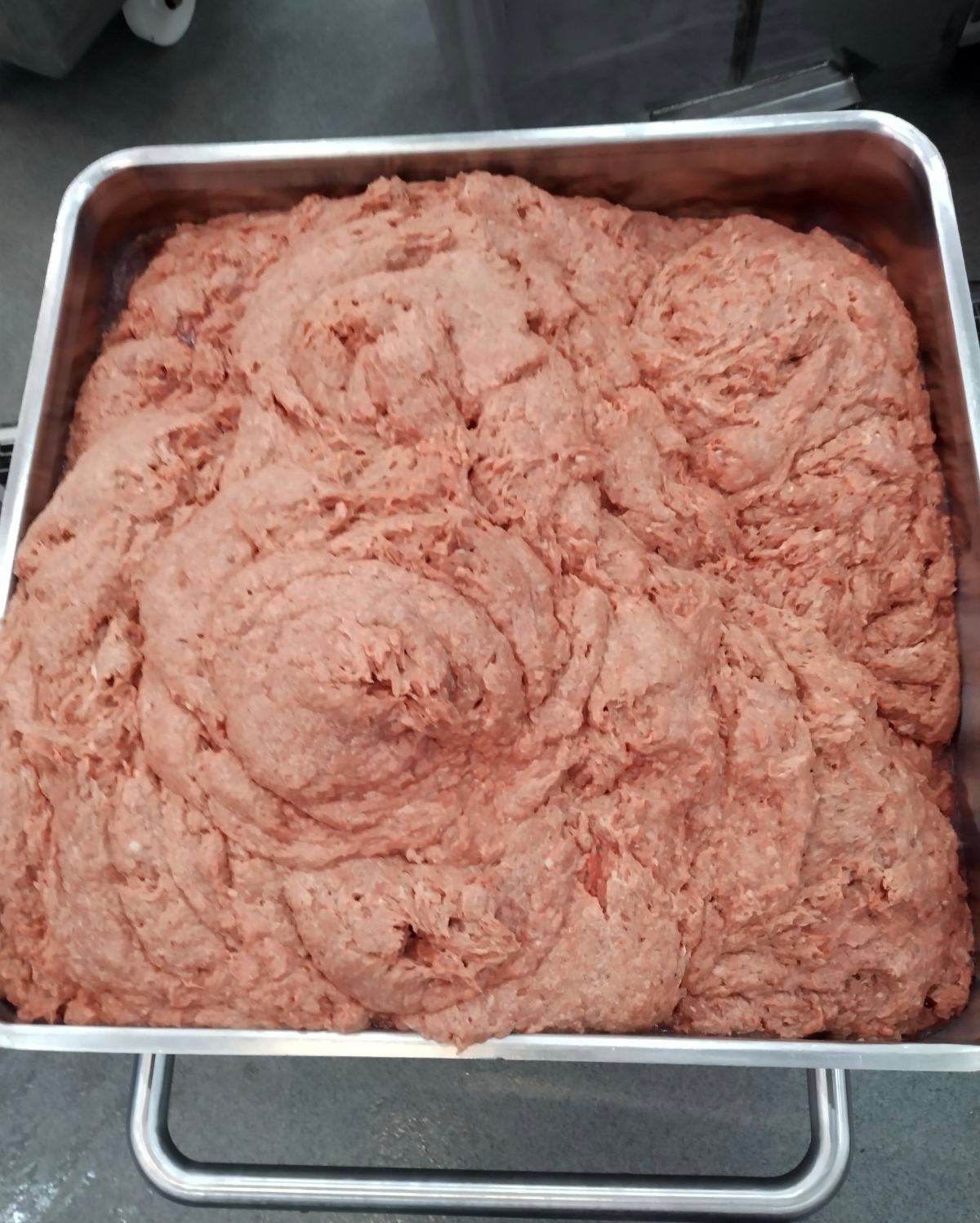
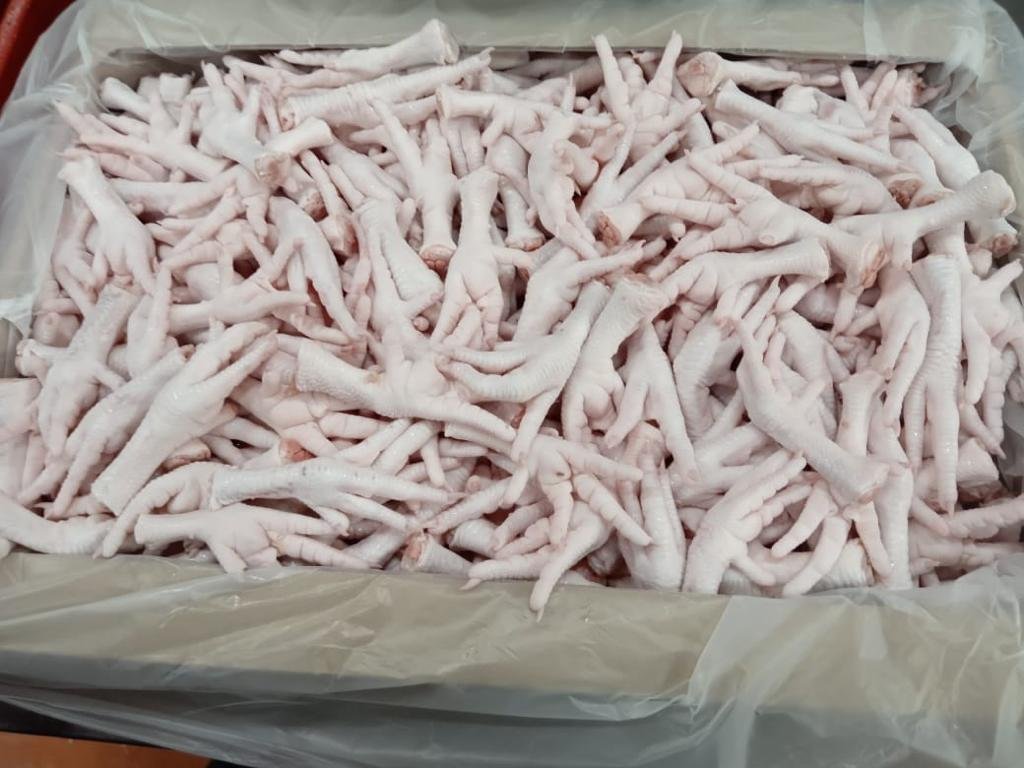
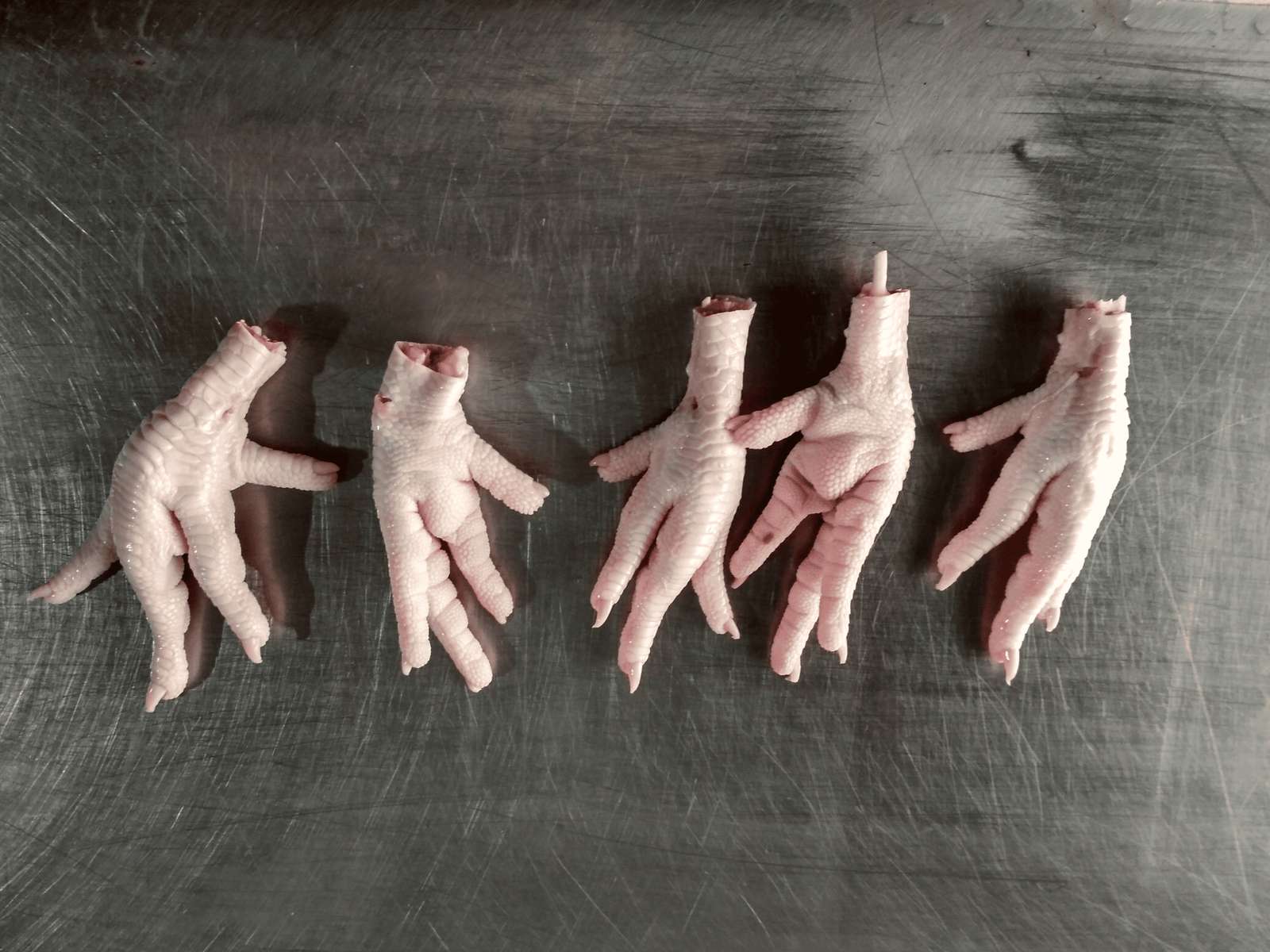
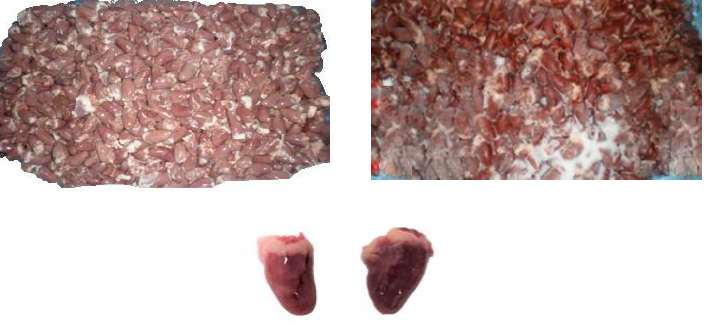
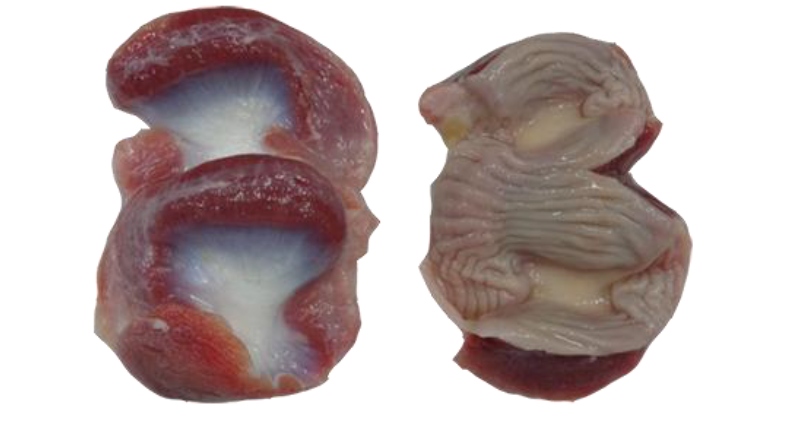
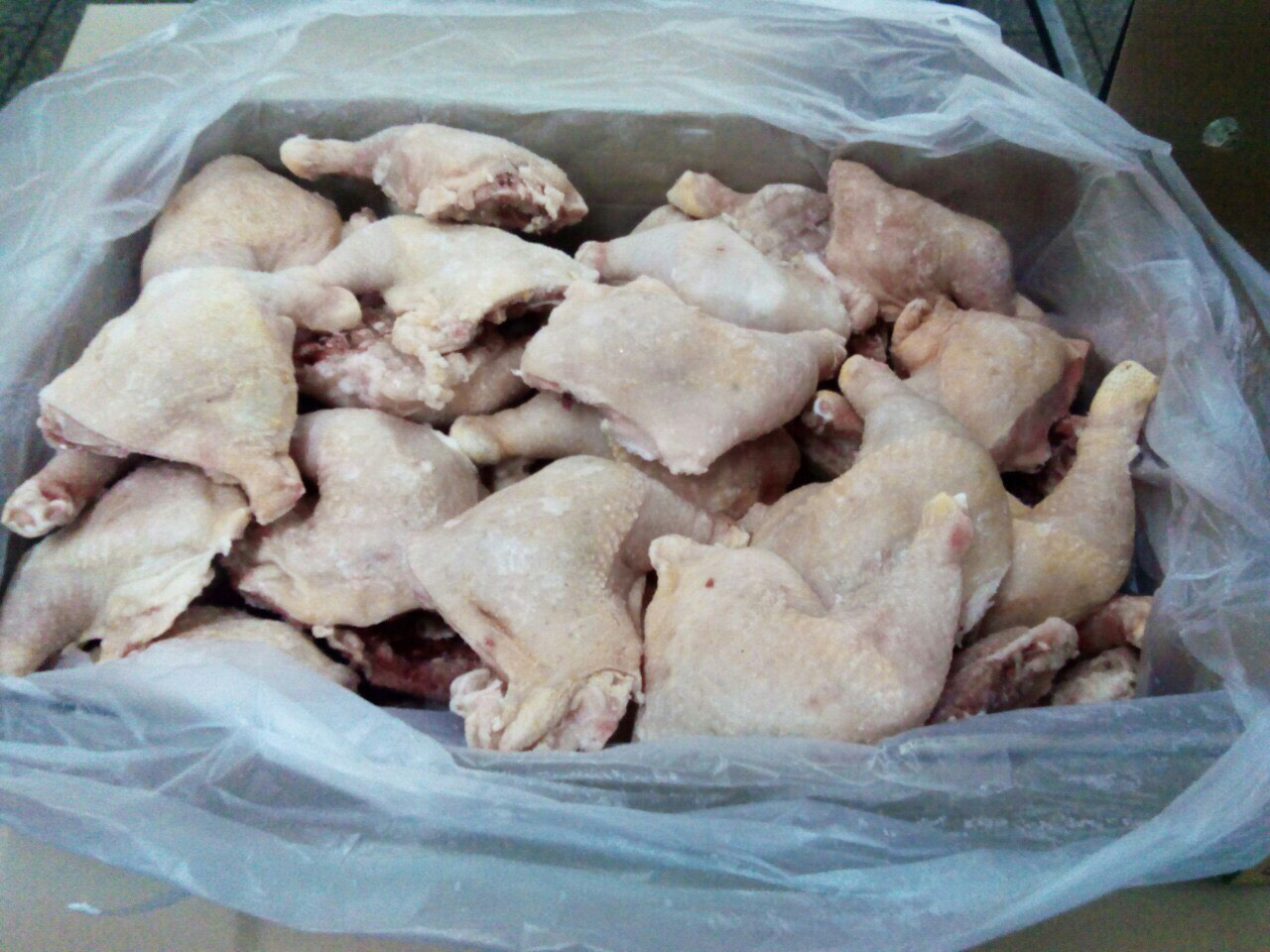
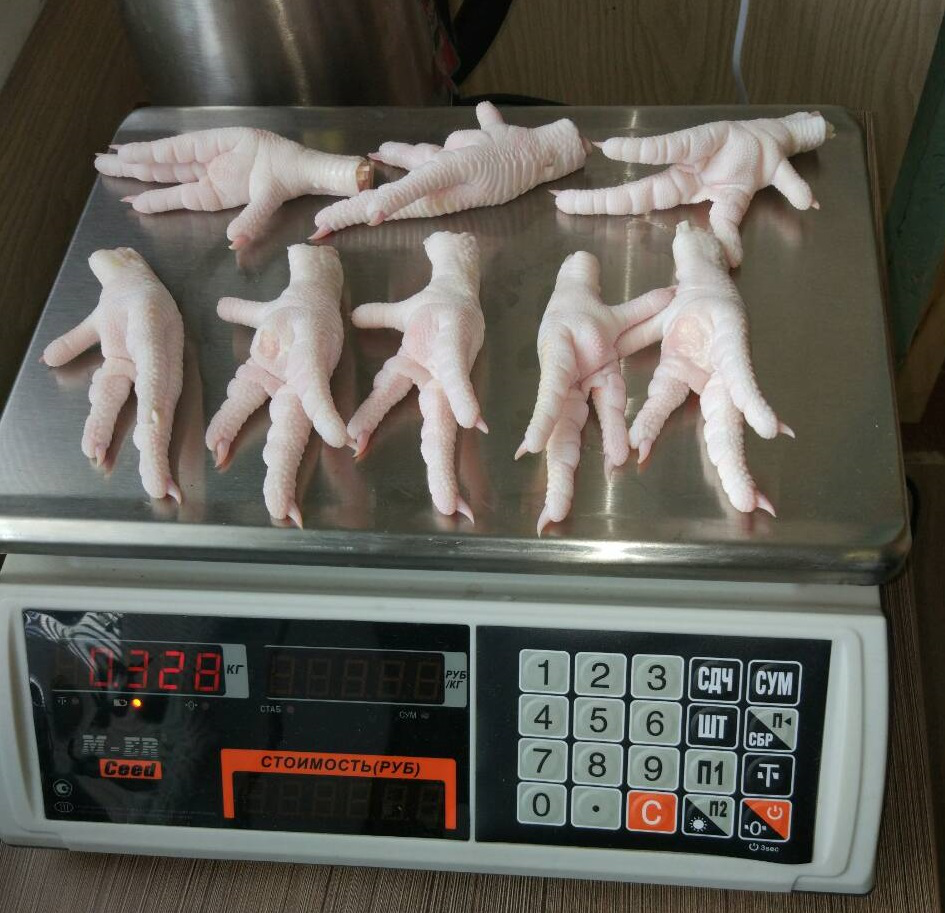
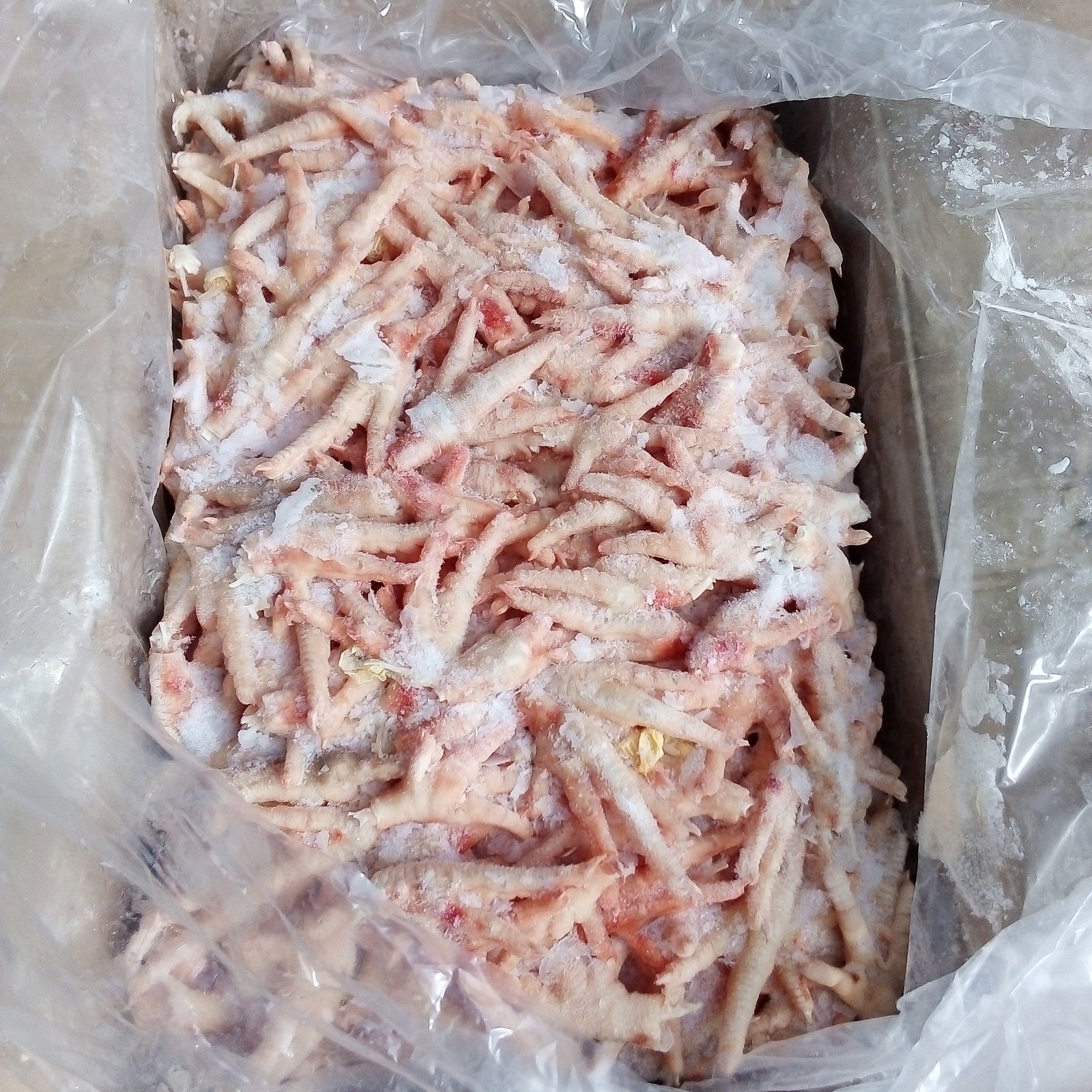
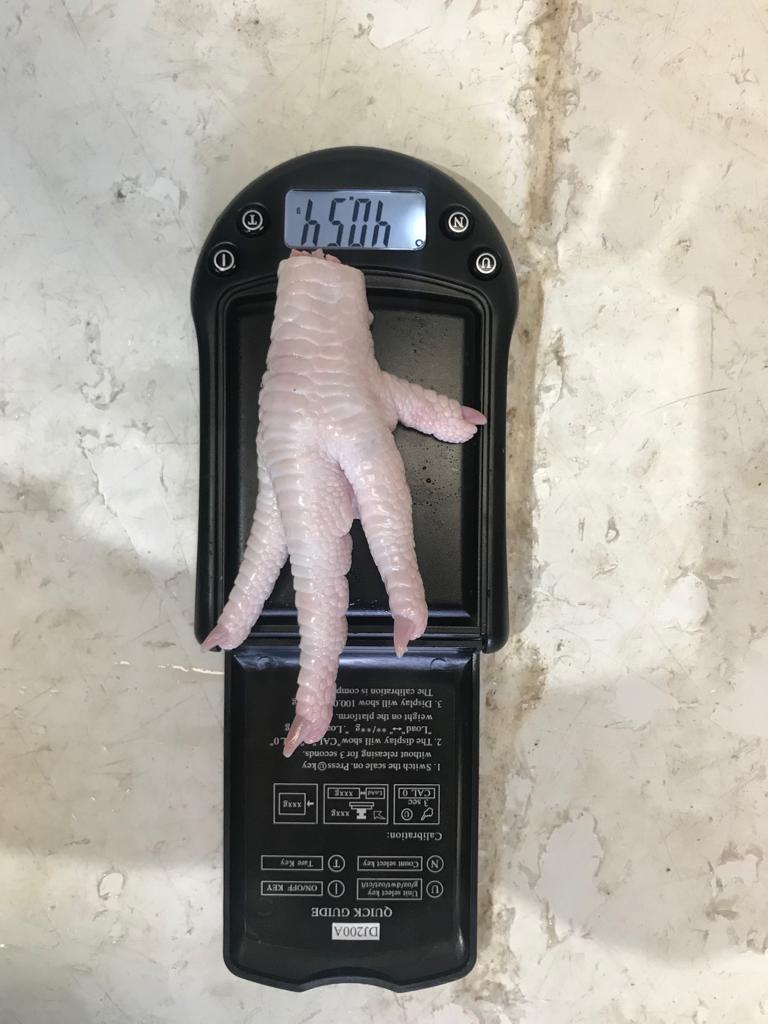
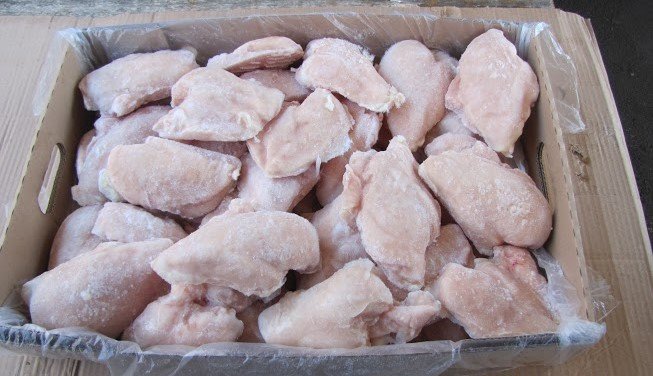
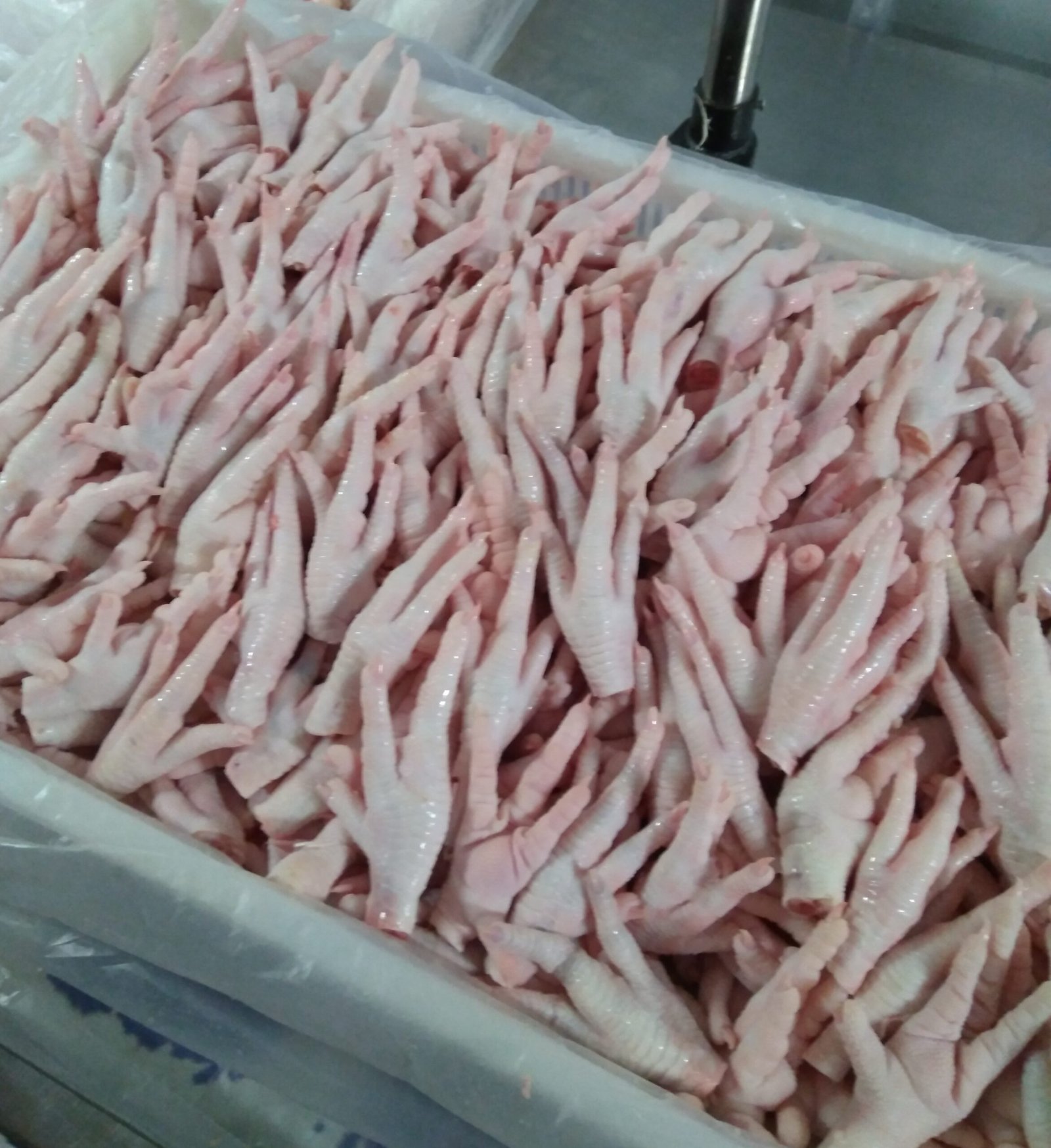
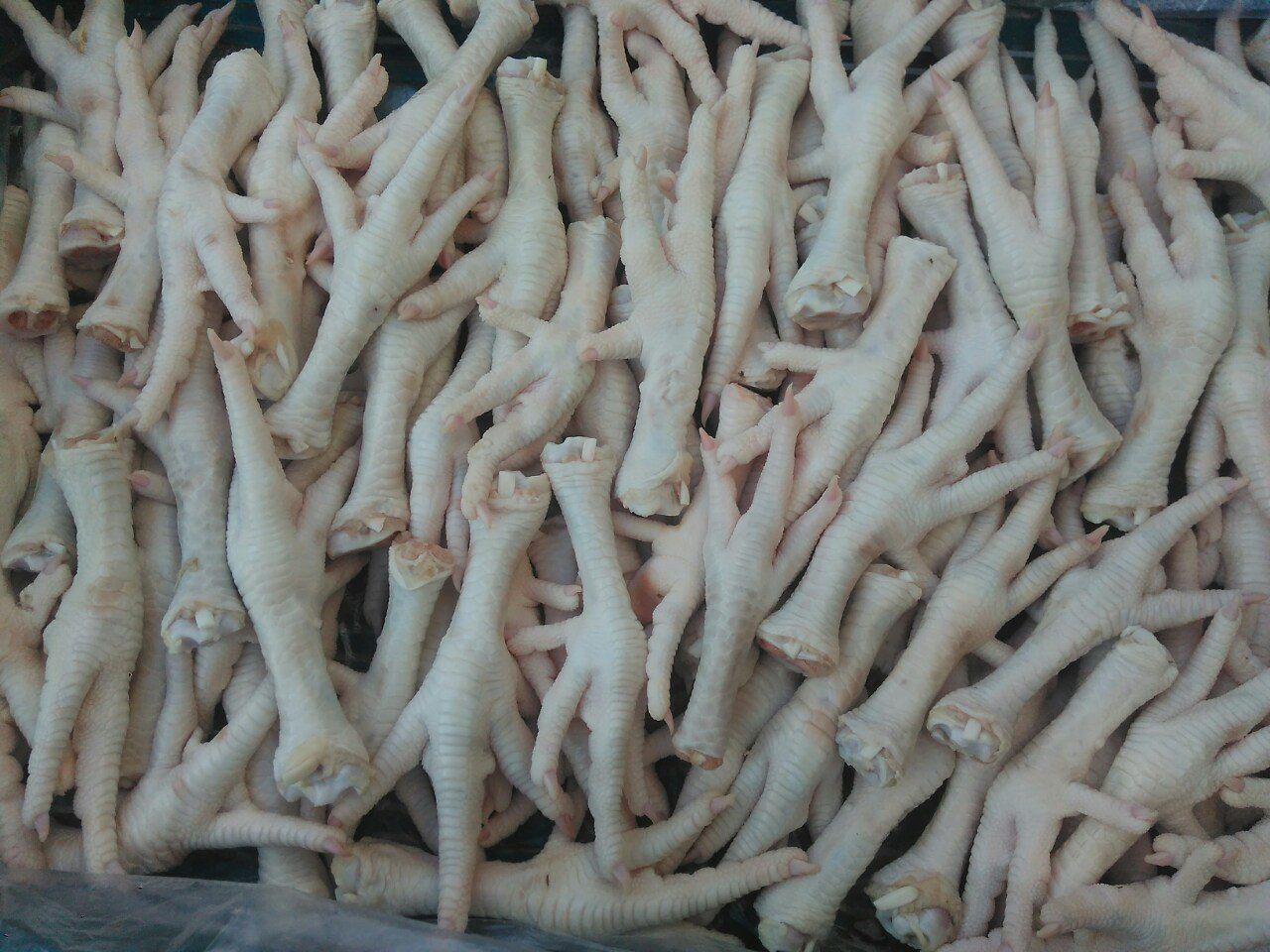
Main categories: liver, hearts, gizzards, feet/paws, necks, skin, stomachs, mixed edible offal and mechanically deboned poultry raw material. Each has different buyers, margins and packaging requirements. But for sure, the main chicken offal products are chicken paws and chicken feet, which are highly demanded in Asian markets, especially in Hong Kong and Vietnam.
Ukraine’s Competitive Position
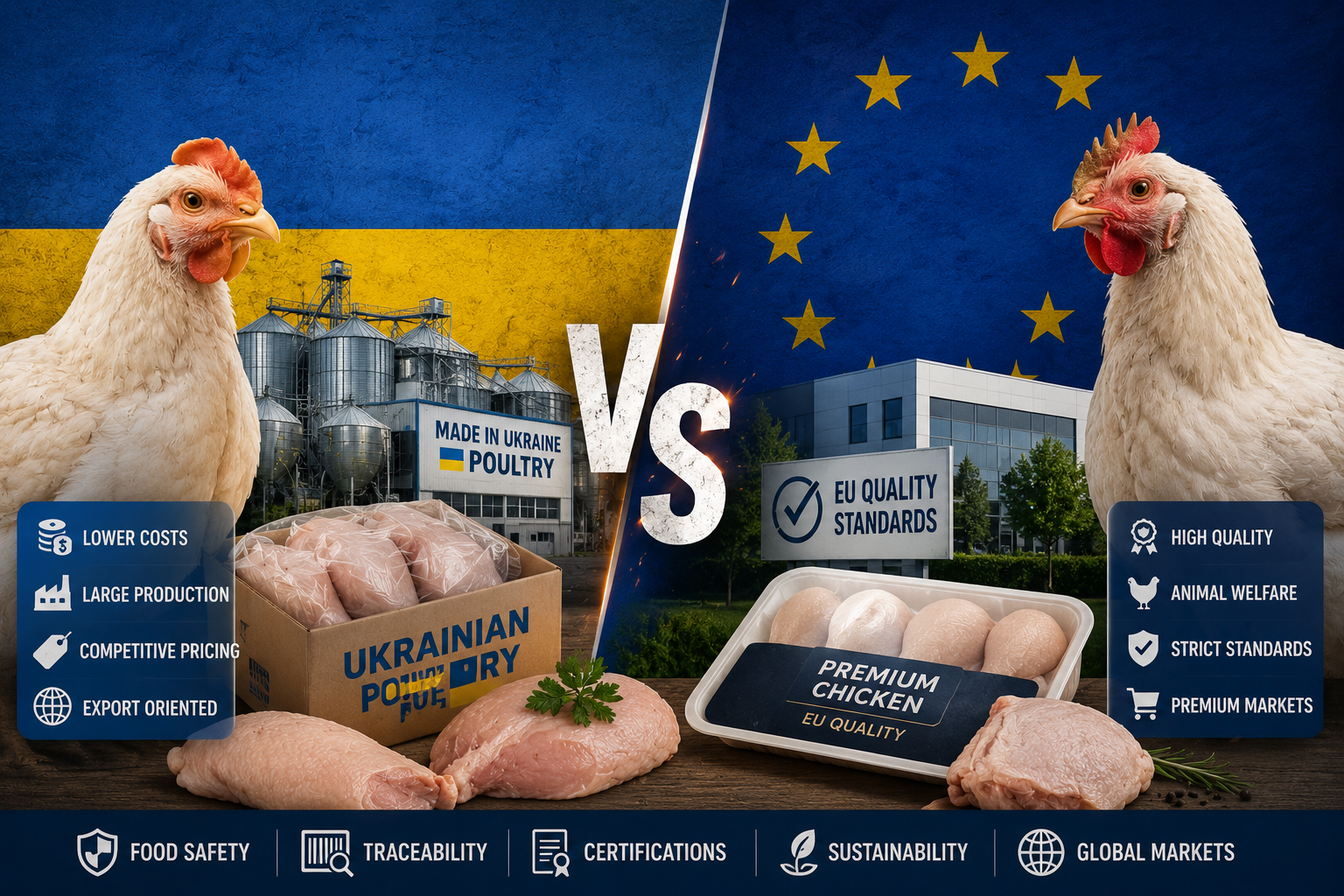
Ukraine historically built large poultry capacity and export-oriented production. Vertical integration (feed → hatchery → farming → slaughter → logistics) lowers cost and improves export consistency.
Major Ukrainian Exporters
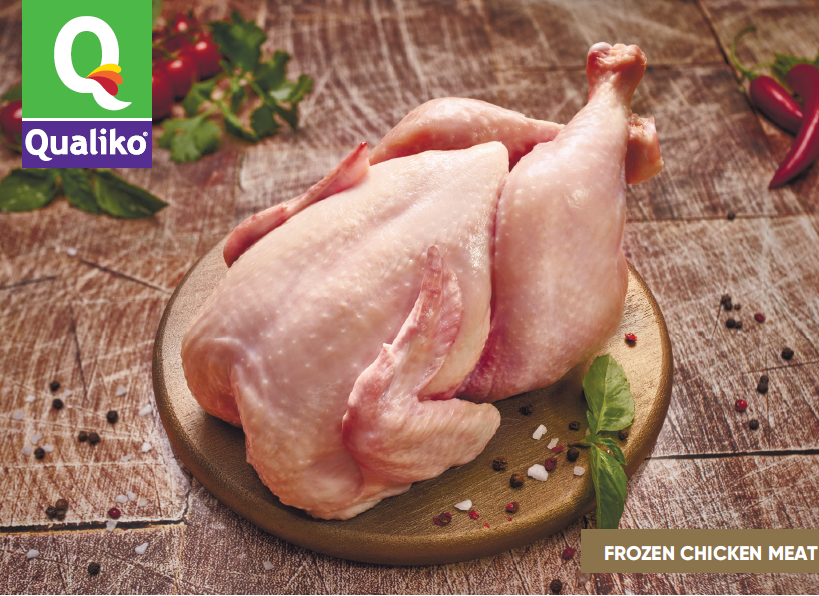
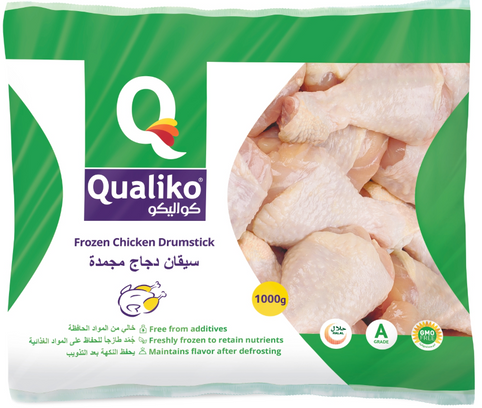
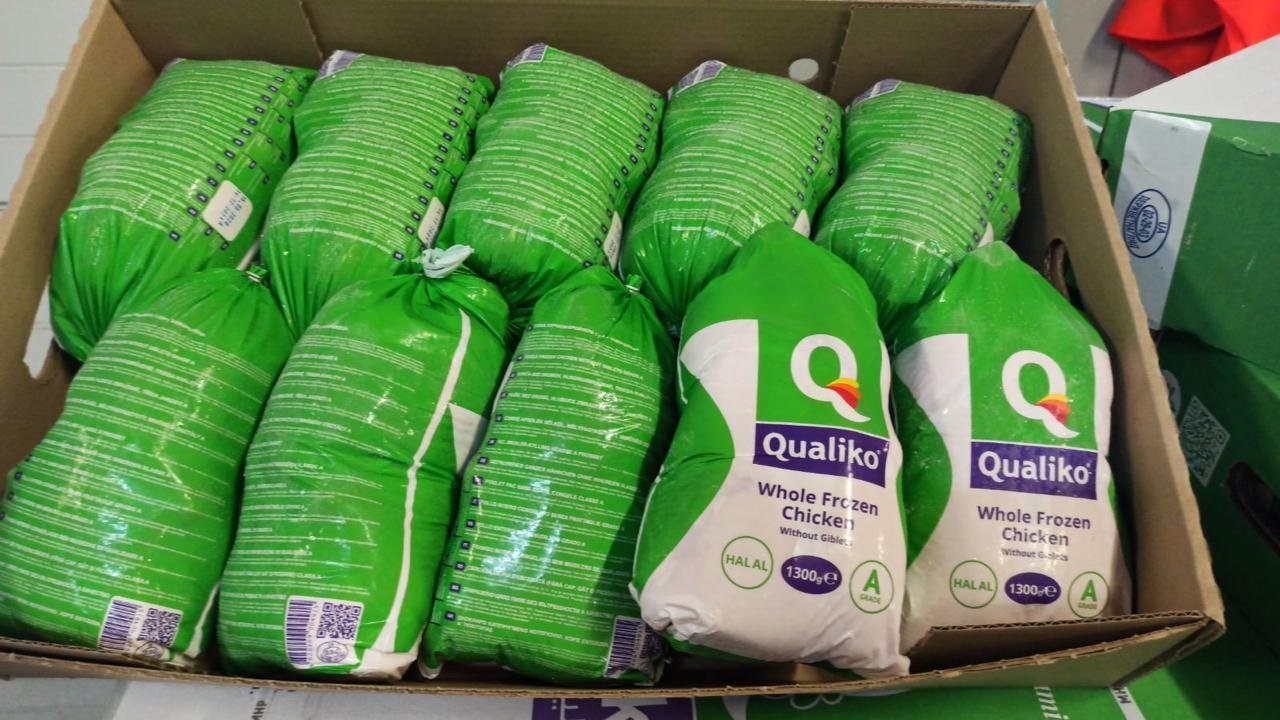
MHP under the Qualiko brand is the best-known international poultry exporter from Ukraine. Buyers evaluate plant approvals, production volumes, halal capability and destination-market history. Also other chicken producers like Pan Kurchak (brand Katkut), Ular and Ulas exports its production worldwide, but the amount of production is much smaller than MHP do.
African Markets
Countries in Sub‑Saharan Africa import affordable poultry products. Buyers focus on price, container utilization, shelf life and payment terms. Importers may prefer mixed cartons rather than premium sorting.
Middle East Markets
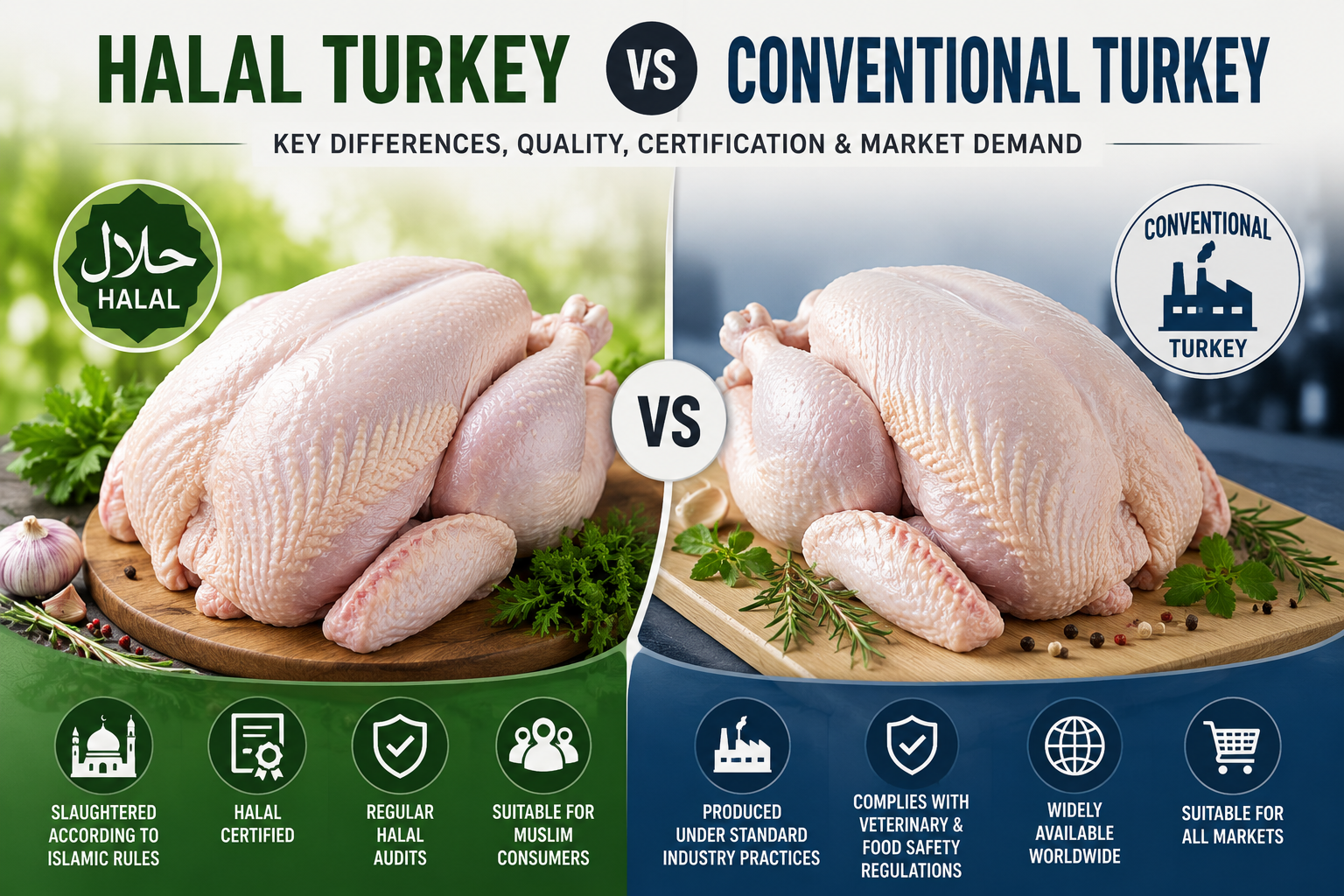
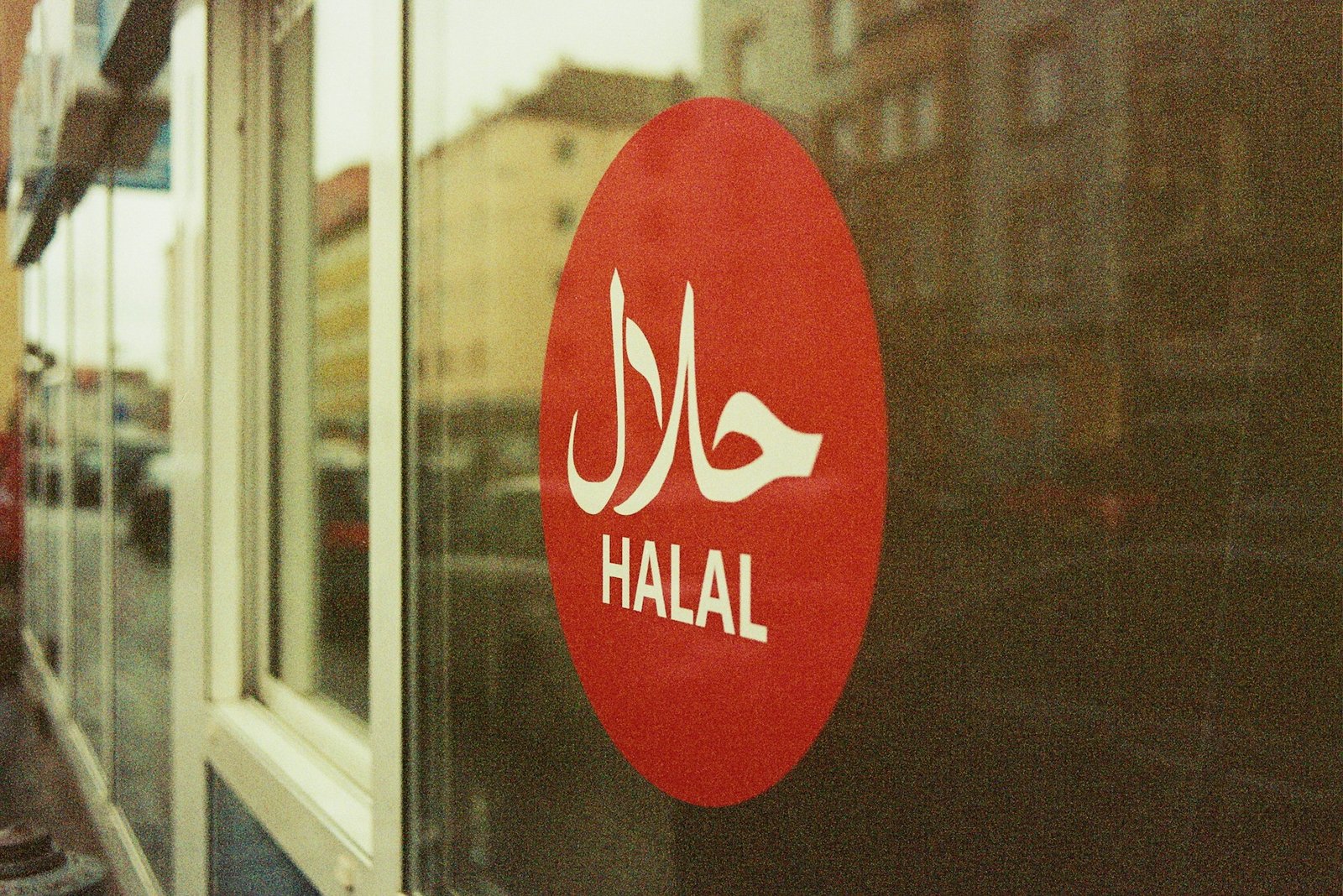
Halal certification is often mandatory. Importers may request veterinary certificates, slaughter information, plant approval status and long-term supply commitments.
Asian Markets
Some Asian buyers pay premium prices for specific products like feet, paws or selected organs. Specifications tend to be stricter and product uniformity matters.
Certification Requirements
Export programs can require HACCP systems, veterinary certificates, halal certificates, traceability procedures and destination-country approvals. Missing paperwork can stop customs clearance.
Cold Chain Logistics
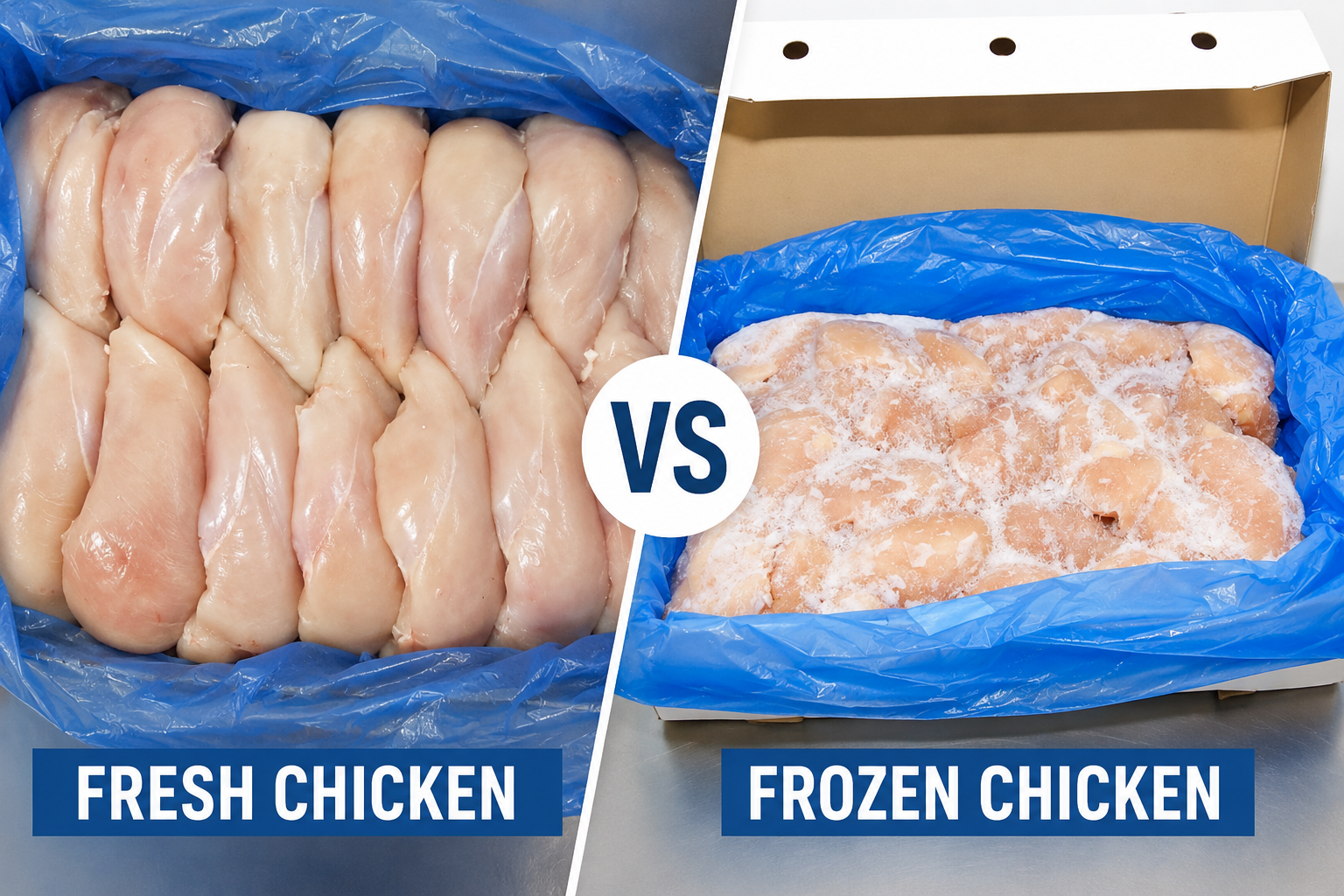
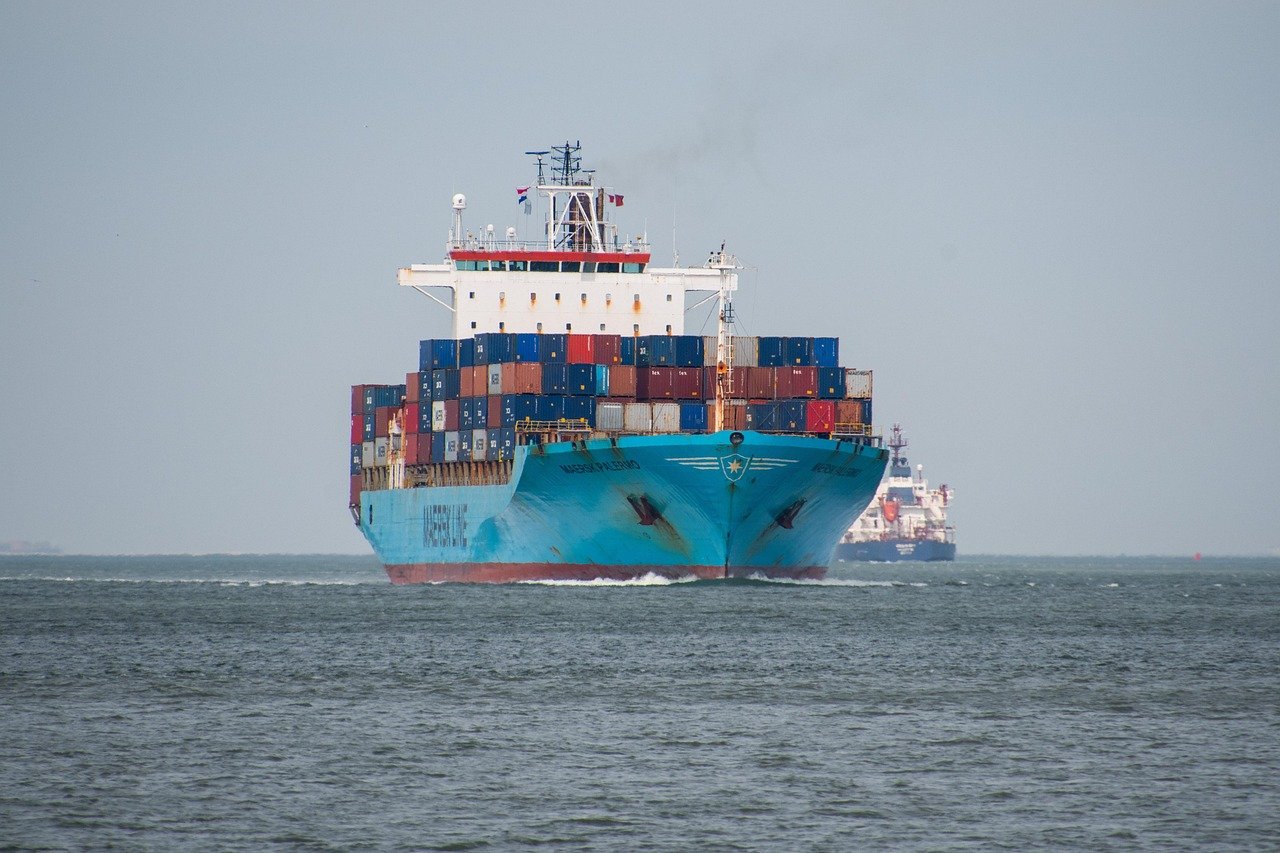
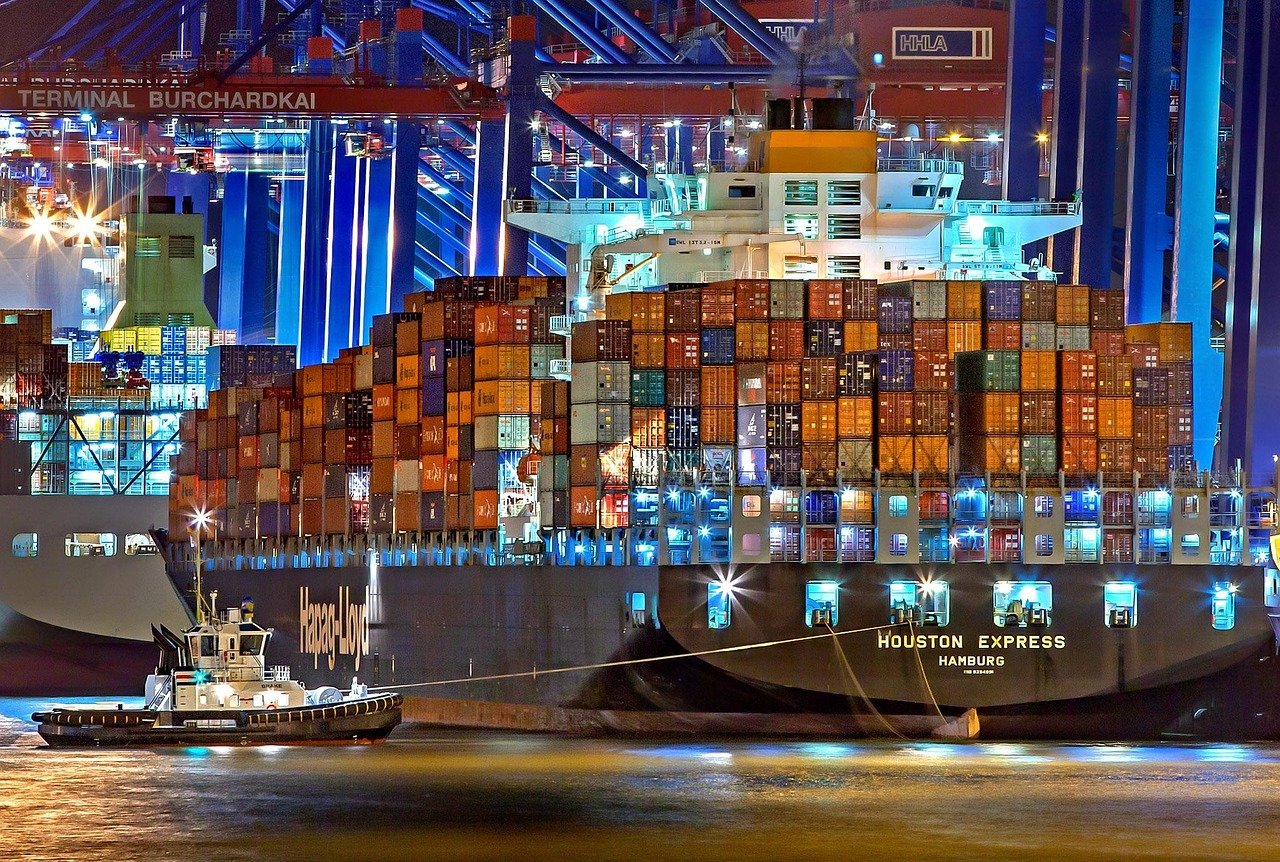
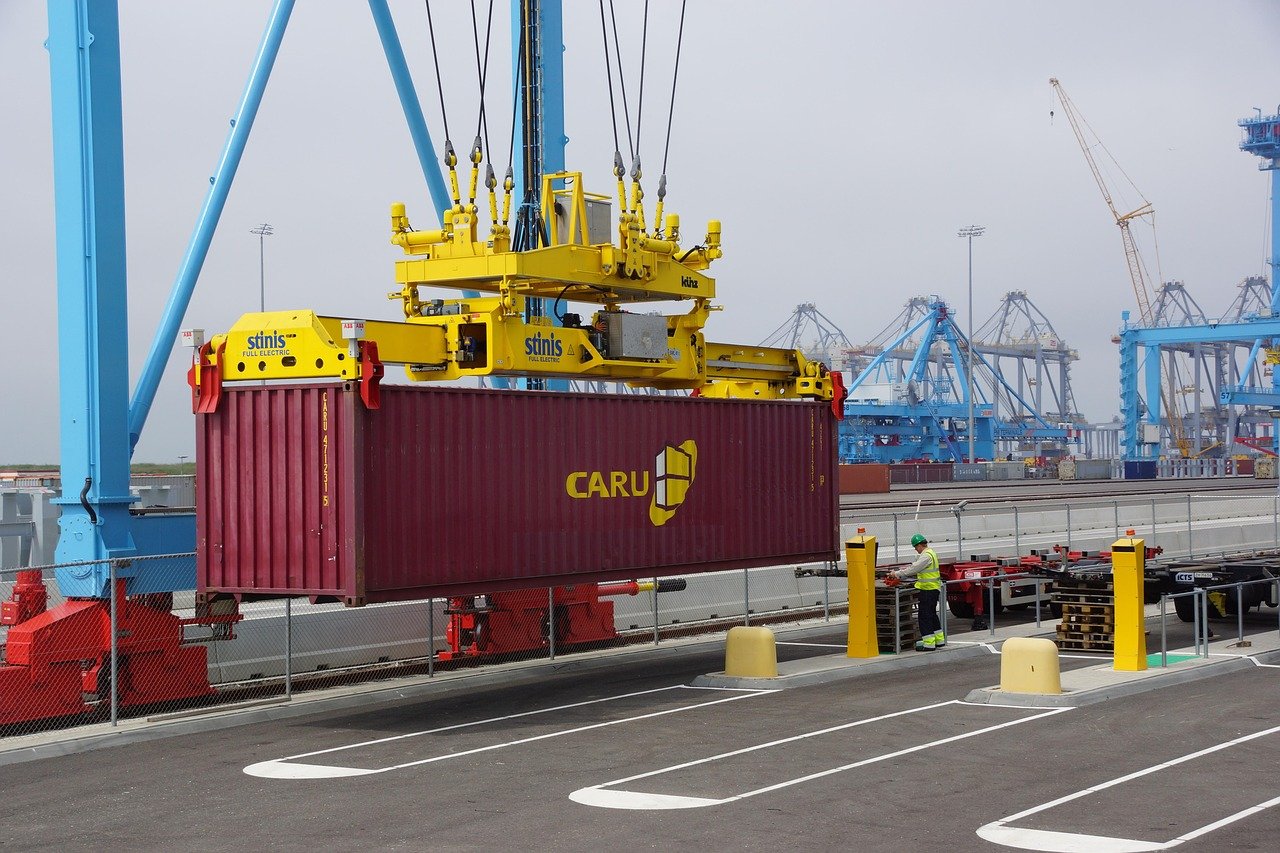
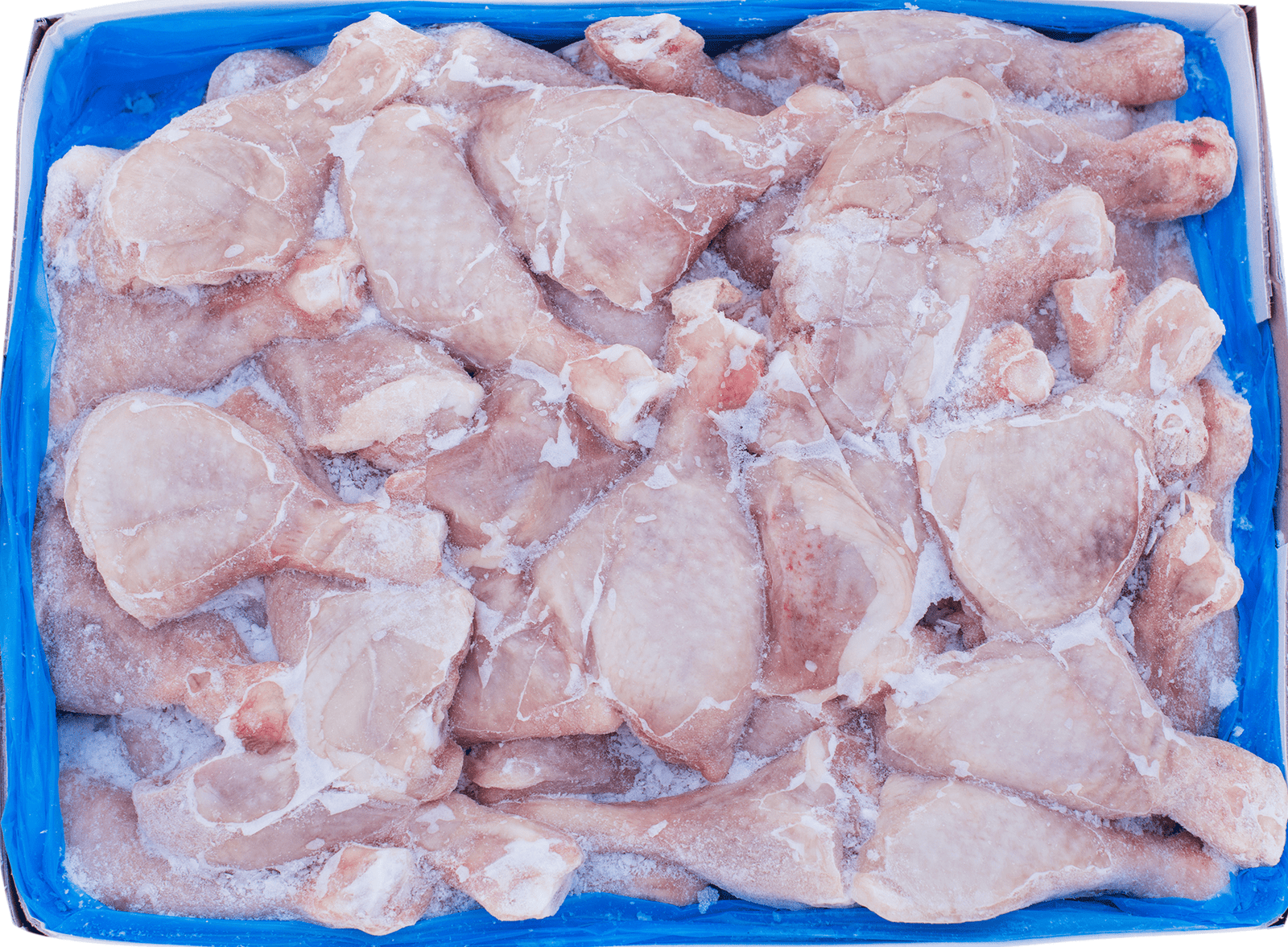
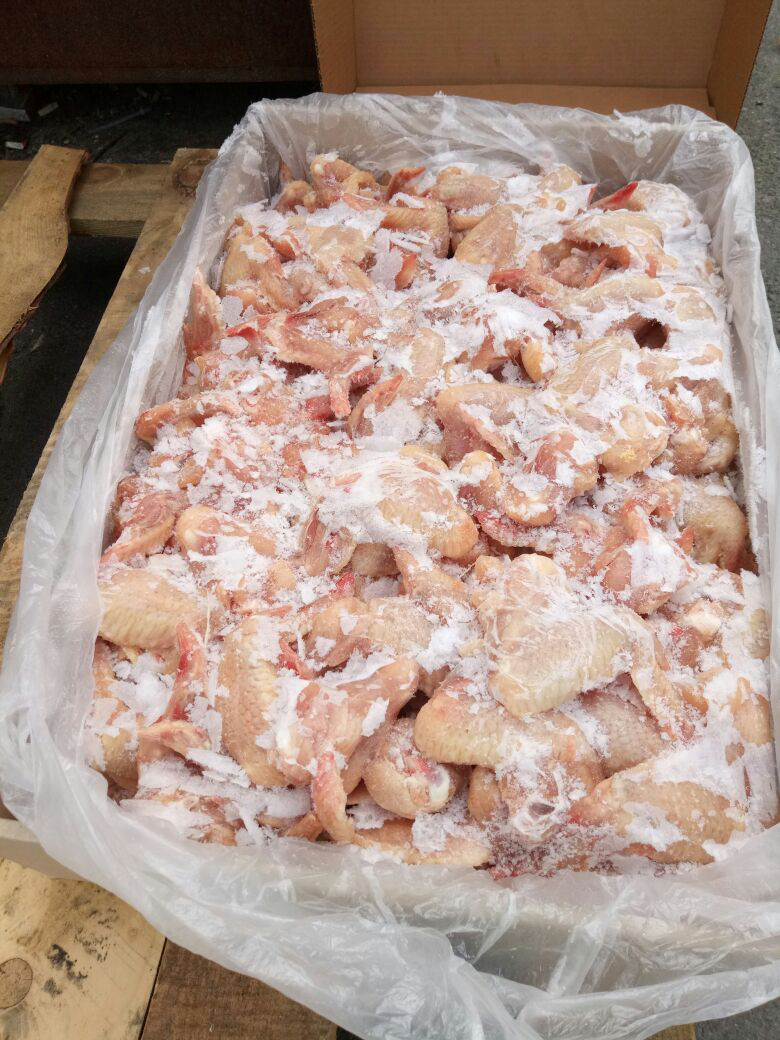
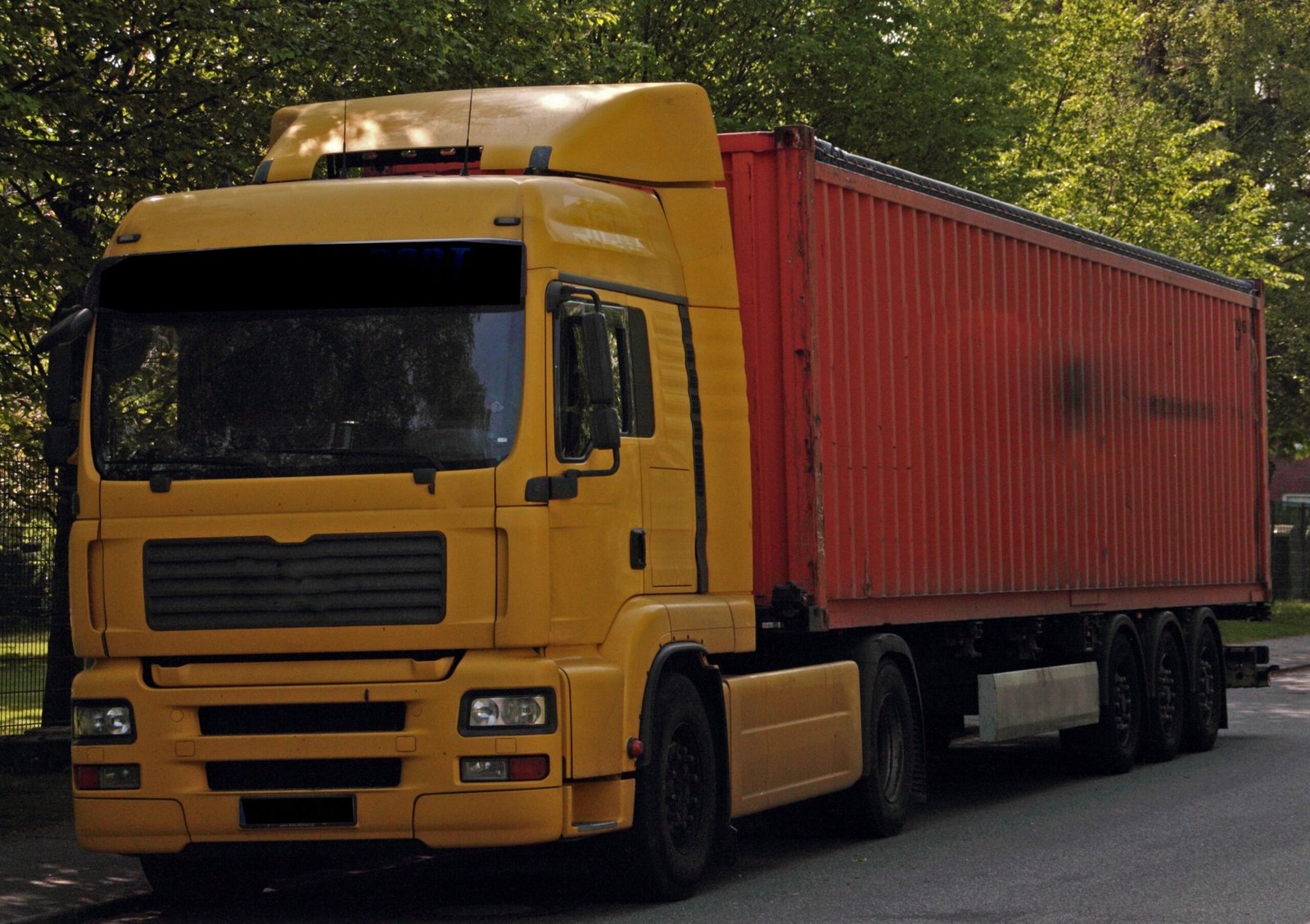
Frozen offal is normally shipped in reefer containers around −18°C. Temperature excursions increase claim risk. Loading quality, palletization and transit duration affect product integrity.
Pricing Factors
Export prices move with feed costs, freight rates, avian influenza outbreaks, currency shifts, destination demand and global poultry supply.
Buyer Checklist
Importers should verify: plant approval, export experience, packaging formats, production capacity, halal status, shelf life, loading photos, laboratory reports and payment conditions.
Outlook
Population growth in developing economies supports long-term demand for lower-cost animal protein, creating continuing opportunities for poultry by-product exporters.
Conclusion
Chicken offal export is a profitability strategy, not waste disposal. Exporters that match destination-specific requirements with reliable logistics and documentation are more likely to secure repeat contracts.