Frozen Chicken Paws from Russia: Export Opportunities for the Chinese Market
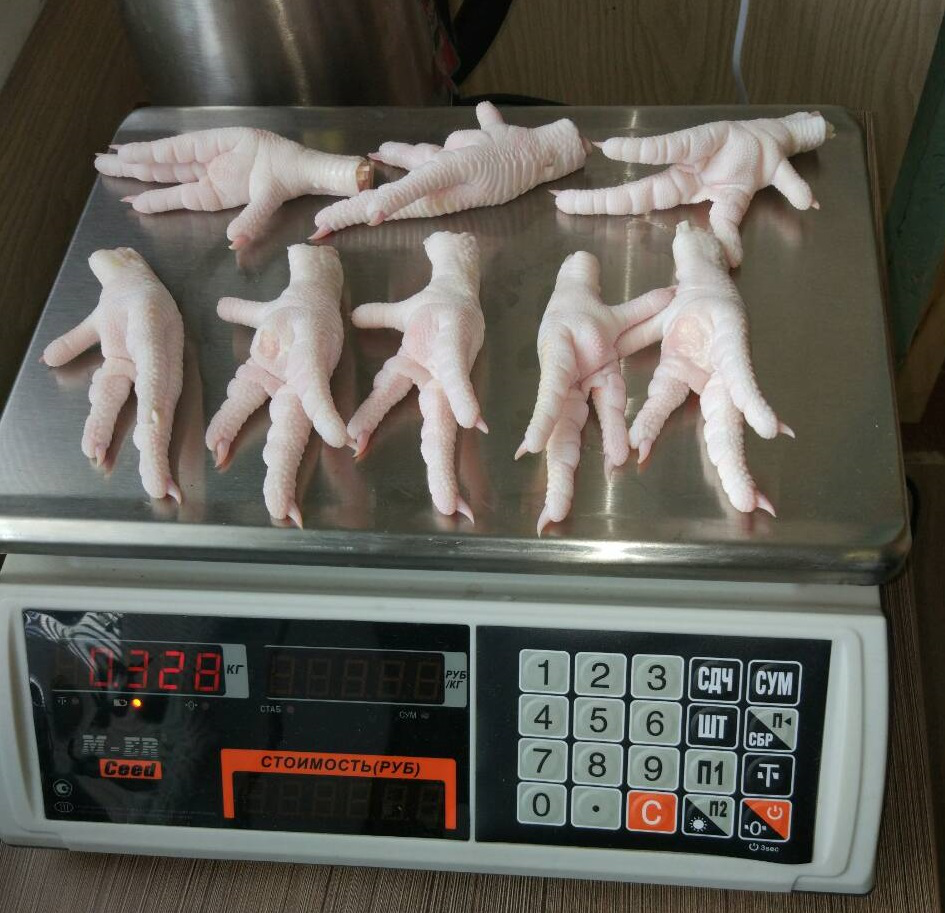
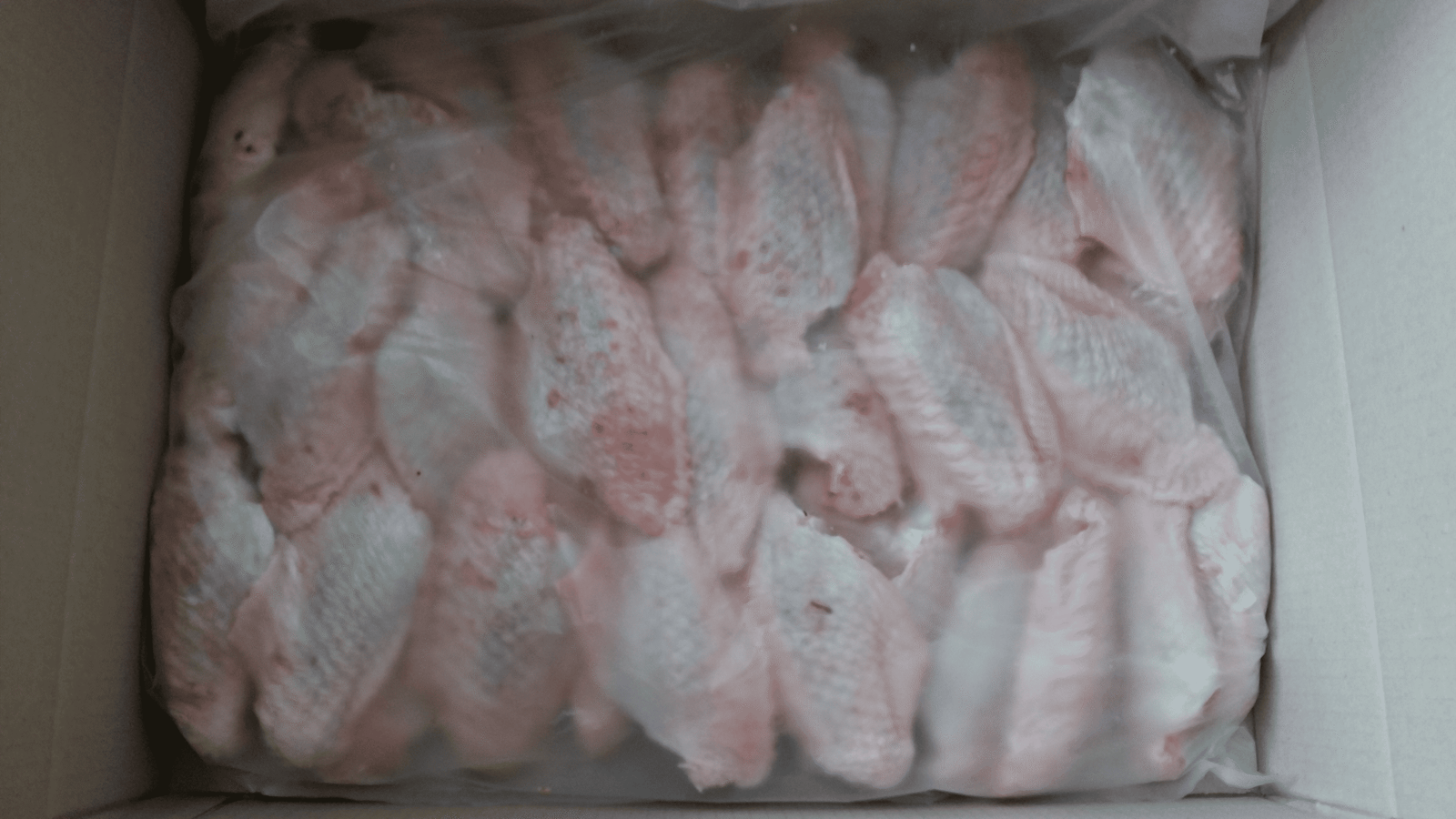
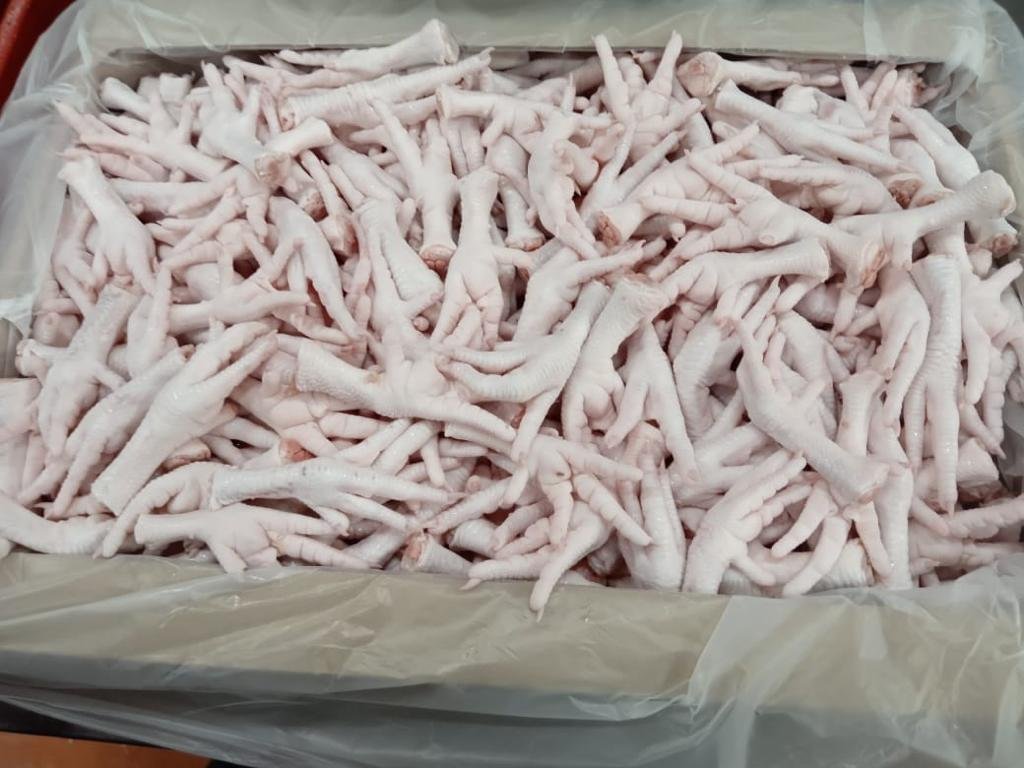
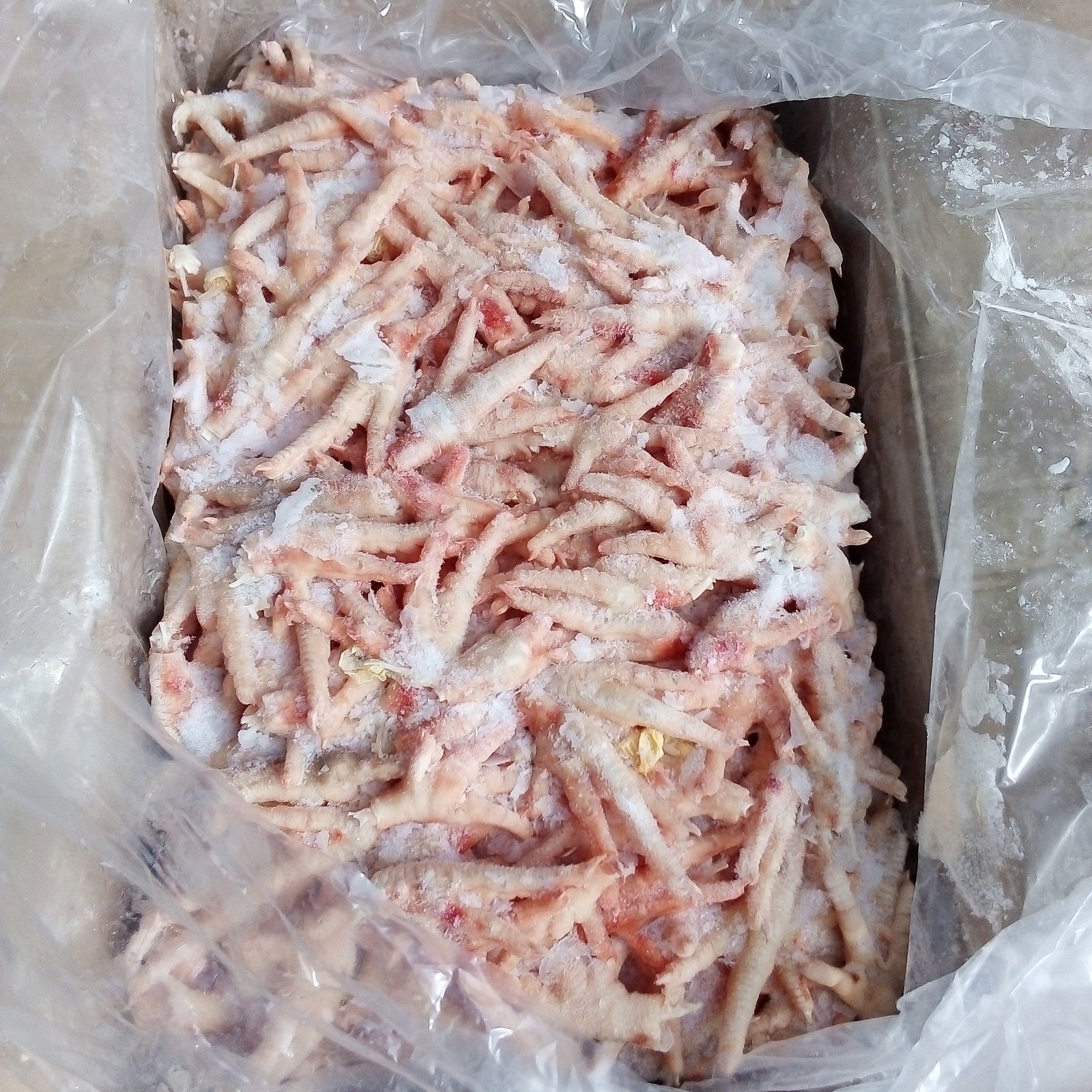
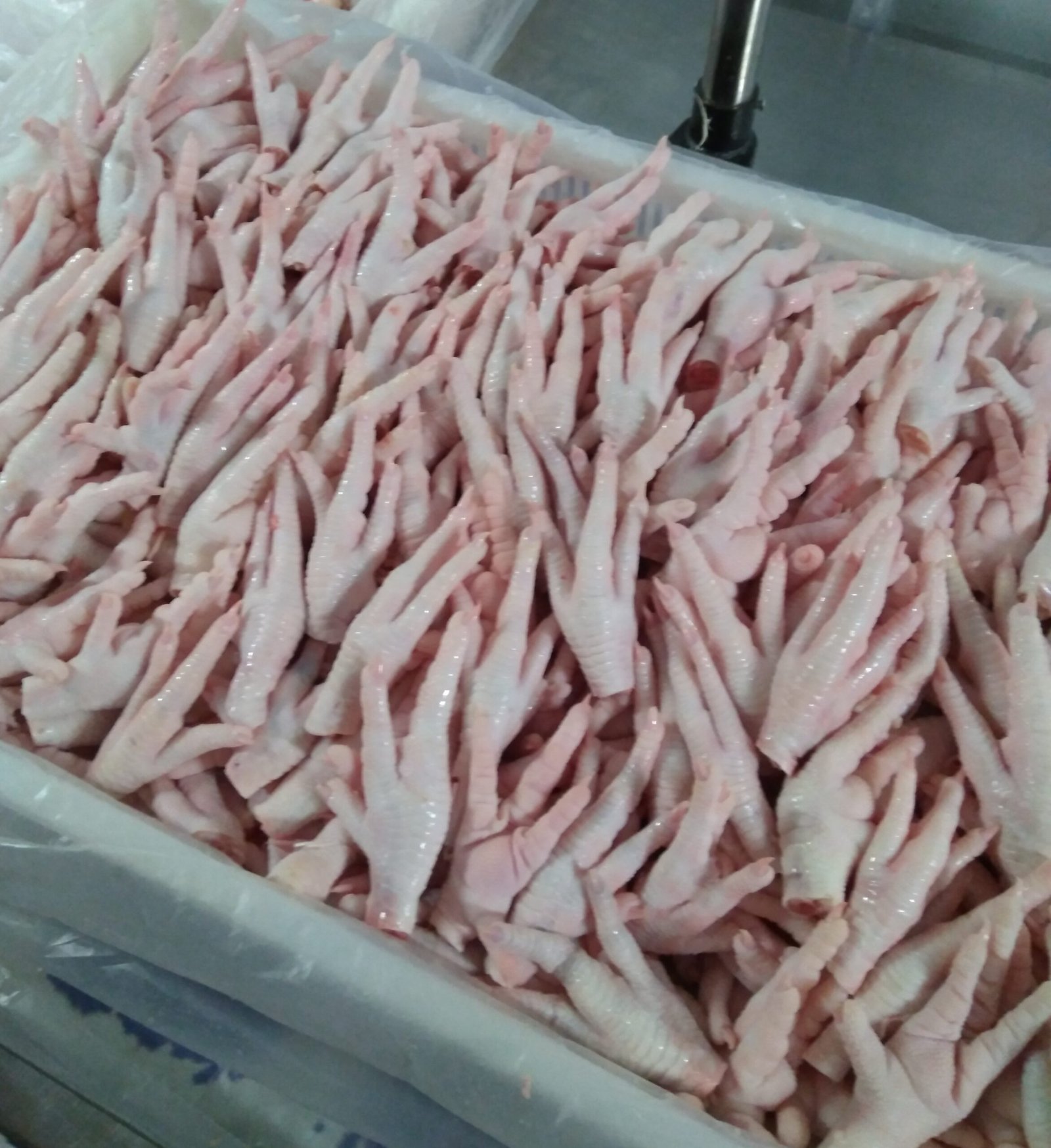
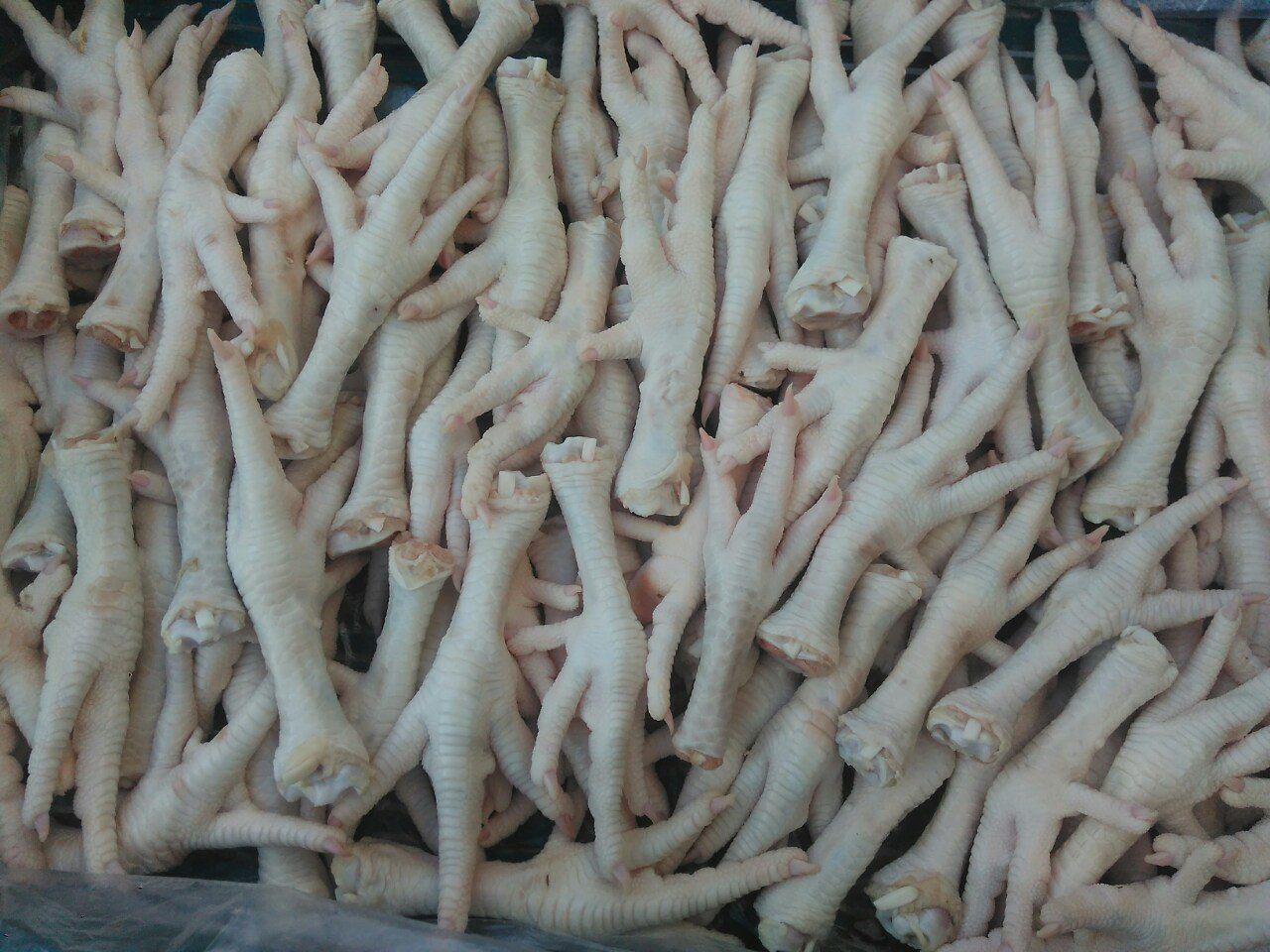
China remains the world’s dominant market for imported chicken paws. Unlike Europe, where paws are often treated as a low-value by-product, Chinese consumers purchase them for retail, foodservice and processed products. This structural demand has created a large international trade flow in frozen chicken paws and pushed exporters to compete for access to Chinese buyers.
For Russian suppliers, China is one of the most attractive destinations. Access is strongly linked to Chinese approval procedures and compliance requirements. Exporters with Chinese accreditation can participate directly in one of the world’s largest poultry import markets.
Russian poultry exports are supported by major producers including Miratorg, Cherkizovo, GAP Resource and Prioskolye. Alongside integrated producers, independent processors may purchase raw materials, perform sorting and freezing, then export products according to buyer specifications. This gives importers flexibility regarding grades, packaging and product calibration.
Chinese buyers usually request:
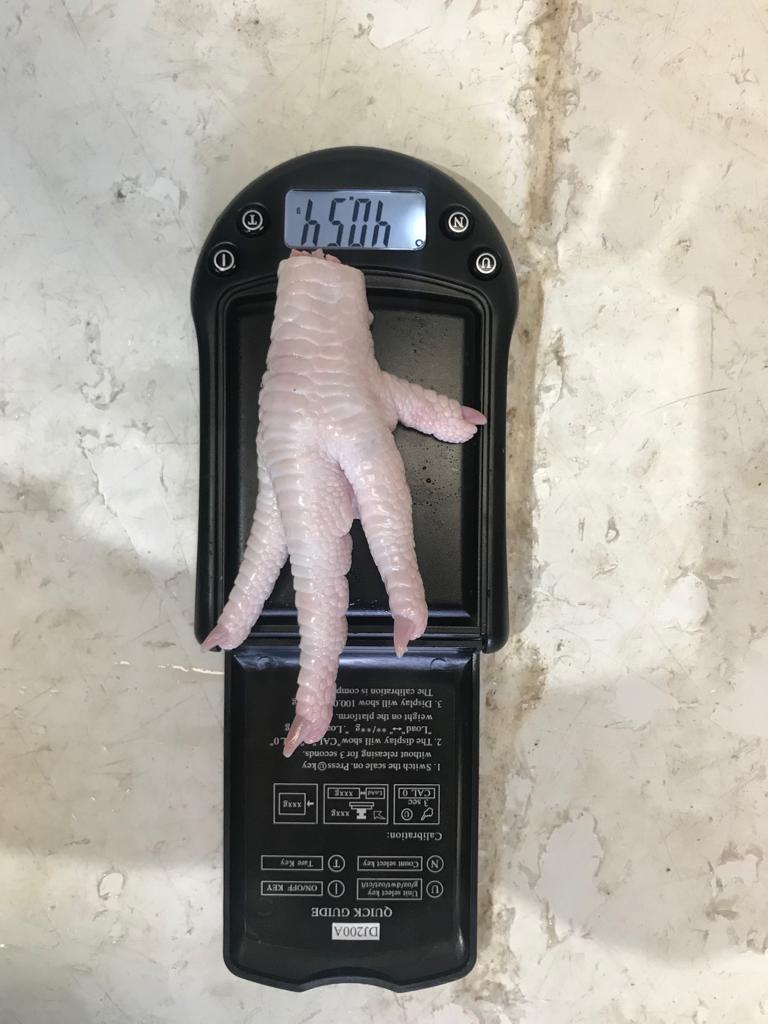
• specific weight ranges;
• nail-off or customized trimming;
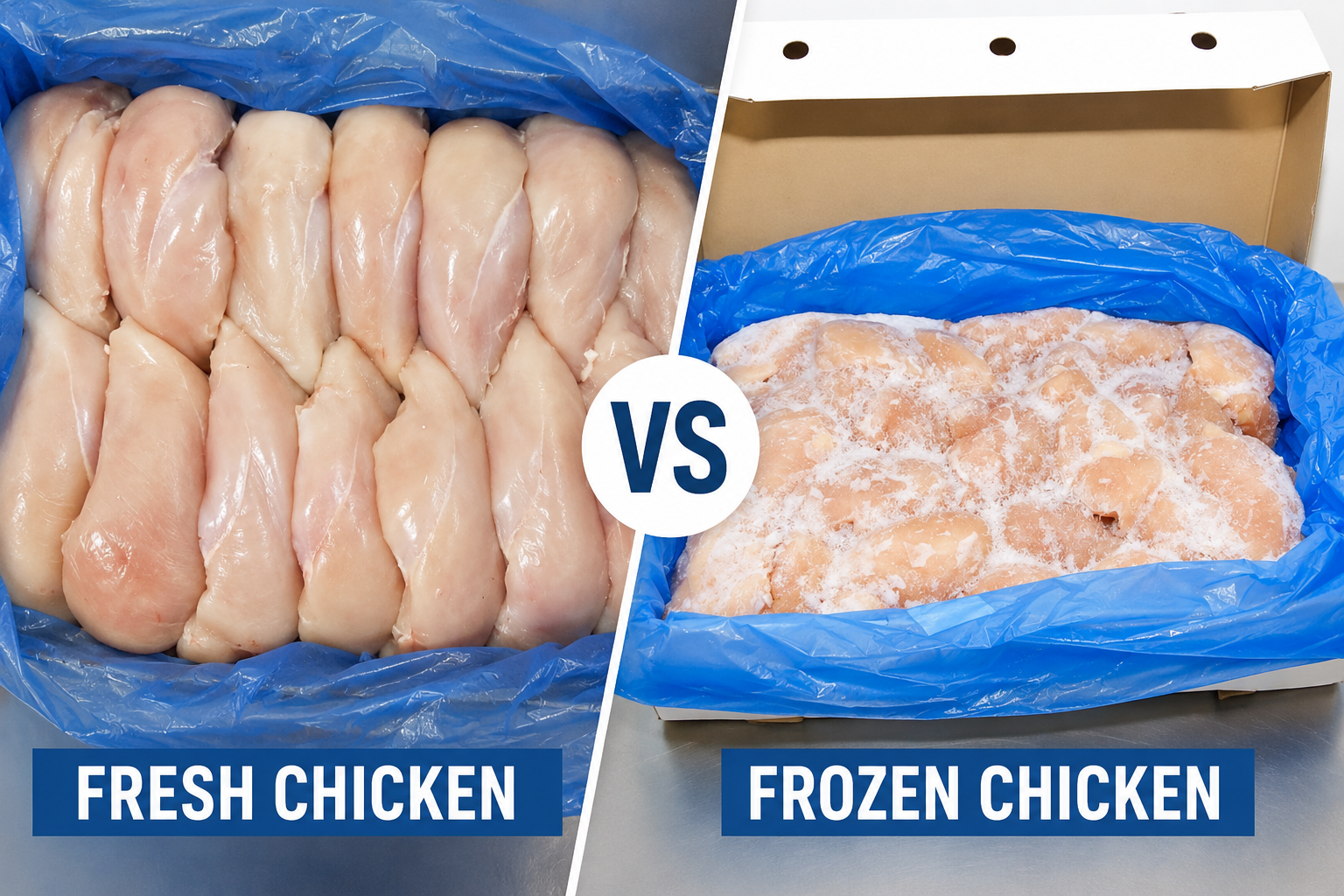
• blast frozen products;
• strict appearance standards;
• export documentation and traceability;
• container-scale monthly volumes.
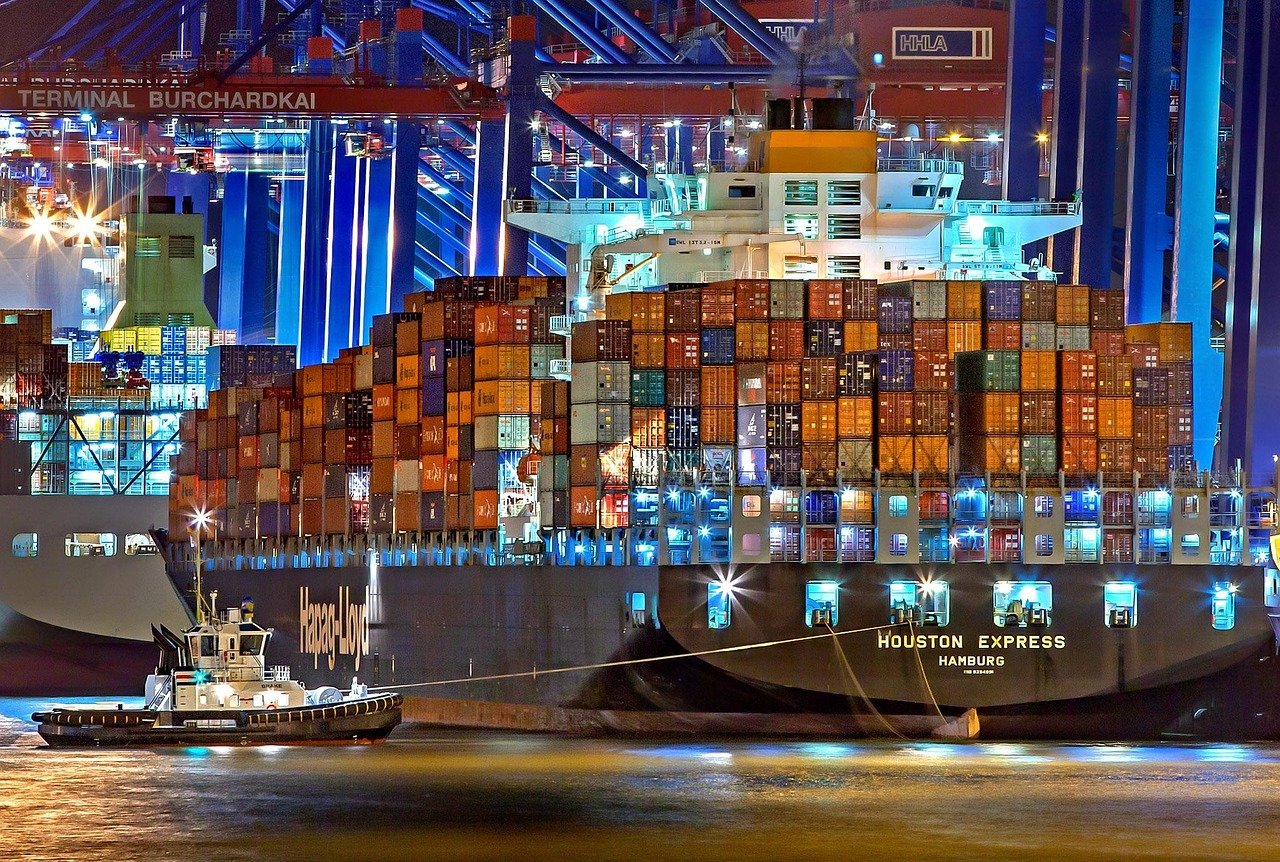
Shanghai, Qingdao, Shenzhen and Xiamen are among important Chinese port gateways handling frozen food imports and connecting products with wholesale and inland distribution networks.
Why demand in China remains exceptionally high:
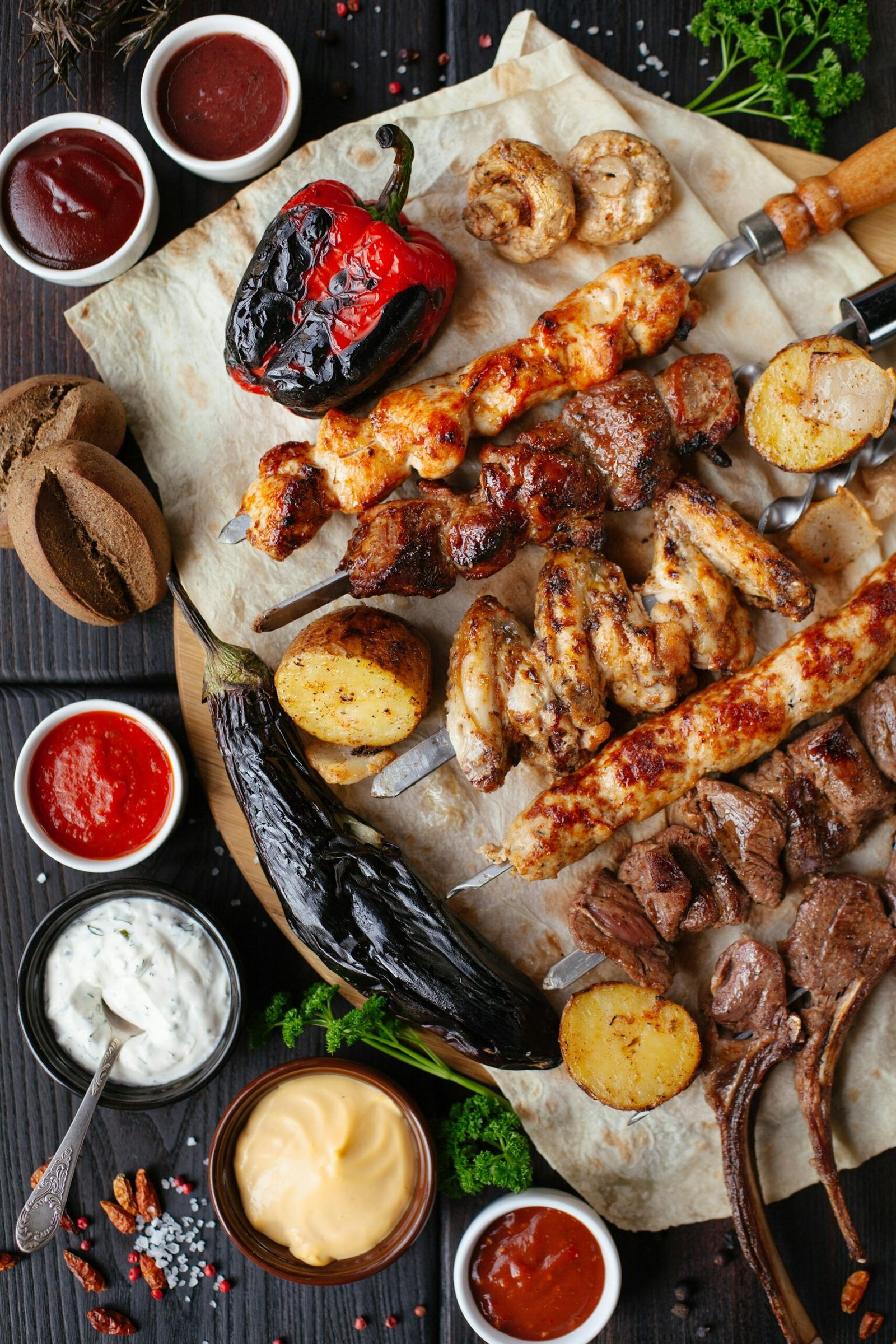
Chicken paws are widely consumed in snacks, braised dishes, packaged foods and restaurant channels. Consumption patterns differ significantly from many Western countries. Demand frequently exceeds local supply in some categories, maintaining interest in imported product.
Russia versus Brazil:
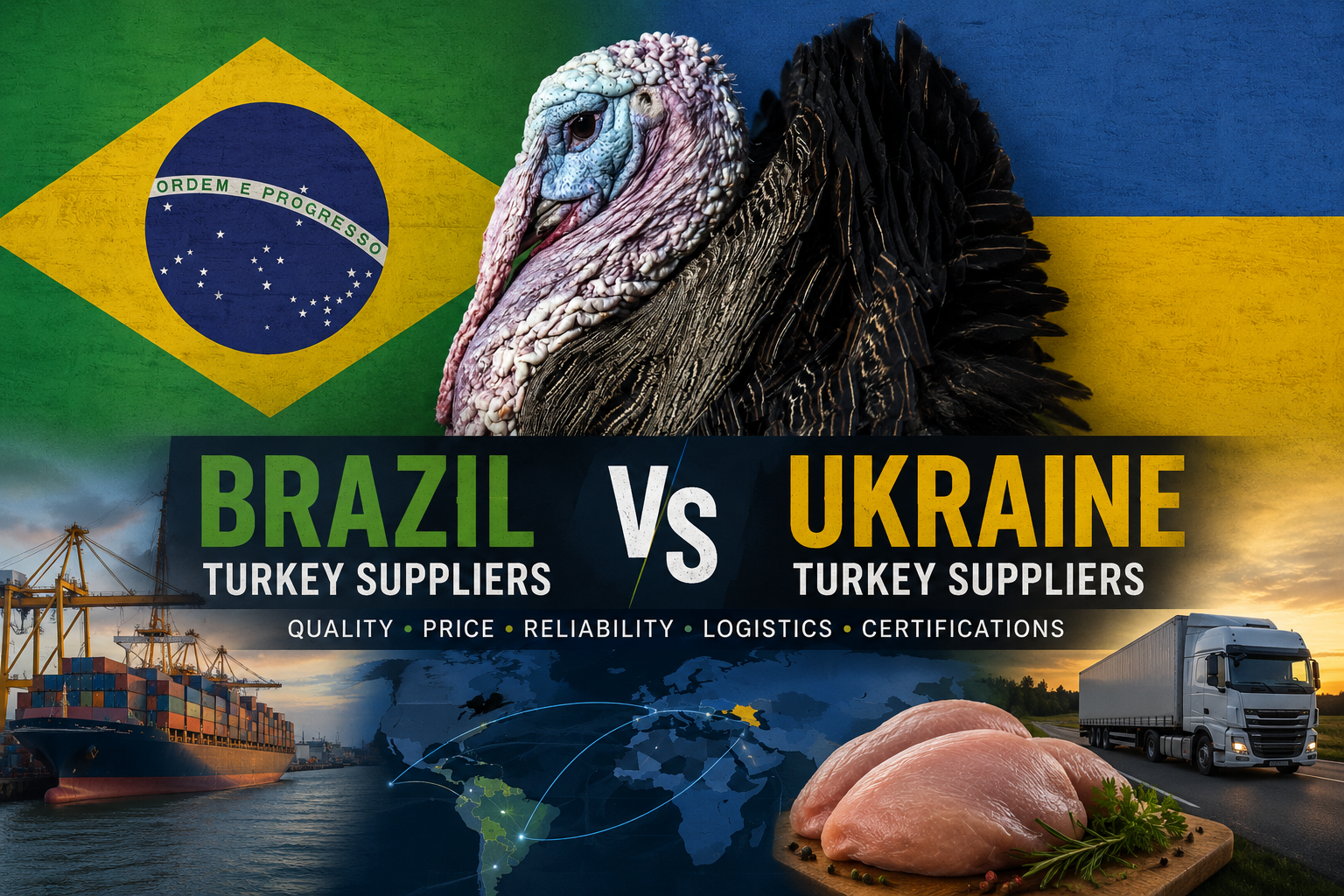
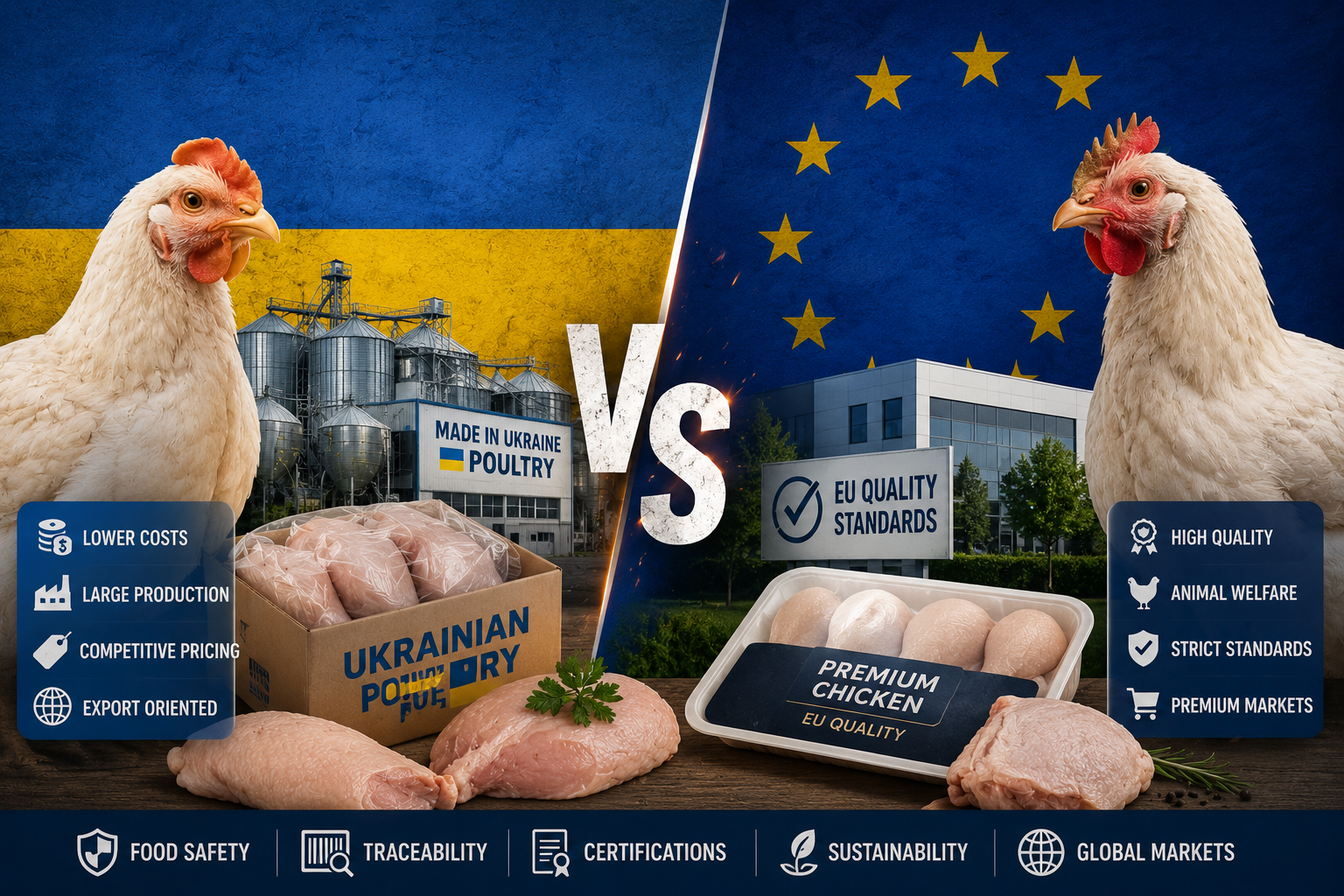
Brazil remains one of the strongest poultry exporters to China and is often viewed as the benchmark competitor because of scale, long export history and established buyer relationships. However, Russian suppliers may offer advantages in logistics and regional trade relations. Shorter transport routes in some corridors, evolving commercial ties and diversification of sourcing can be attractive to importers seeking alternatives.
Chinese buyers rarely choose suppliers on price alone. Reliability, documentation, approval status, shipment continuity and the ability to maintain repeated monthly volumes often determine long-term contracts.
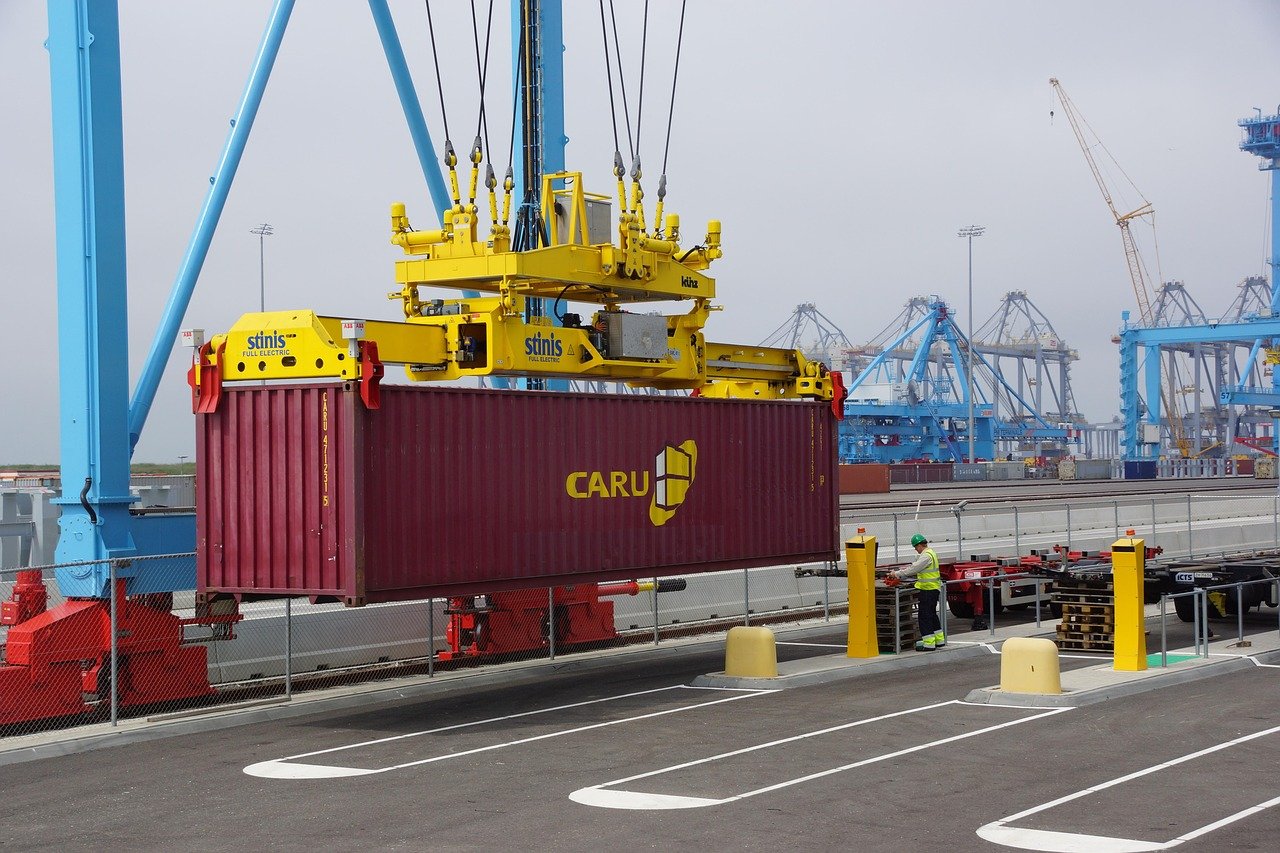
Cold chain performance is another critical factor. Reefer container management, freezing quality and temperature consistency influence rejection rates and repeat orders. Importers increasingly expect transparency and traceability across the supply chain.
Future outlook:
As Chinese consumption remains strong, competition among exporters is likely to continue. Suppliers capable of combining compliance, stable production and customized export specifications may be positioned to benefit from sustained demand for frozen chicken paws.