Frozen Turkey vs Fresh Turkey
Frozen Turkey vs Fresh Turkey: Which Is Better for Importers, Retailers, and Consumers?
Introduction
Turkey meat is one of the fastest-growing poultry categories worldwide, valued for its high protein content, versatility, and healthy nutritional profile. For importers, distributors, retailers, and foodservice operators, one of the most important sourcing decisions is whether to purchase frozen turkey or fresh turkey.
Both formats have advantages and disadvantages depending on market requirements, logistics capabilities, pricing strategies, and consumer preferences.
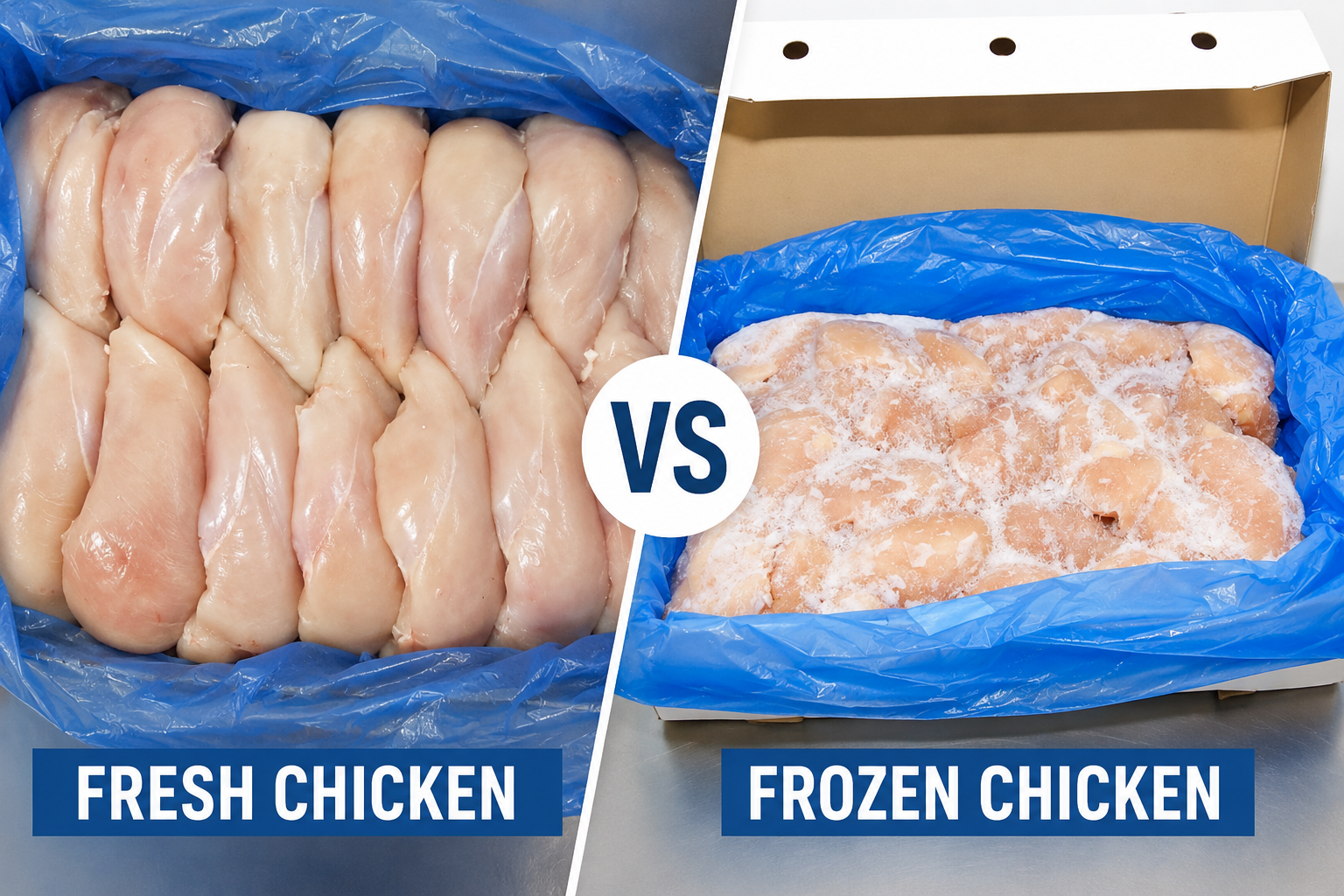
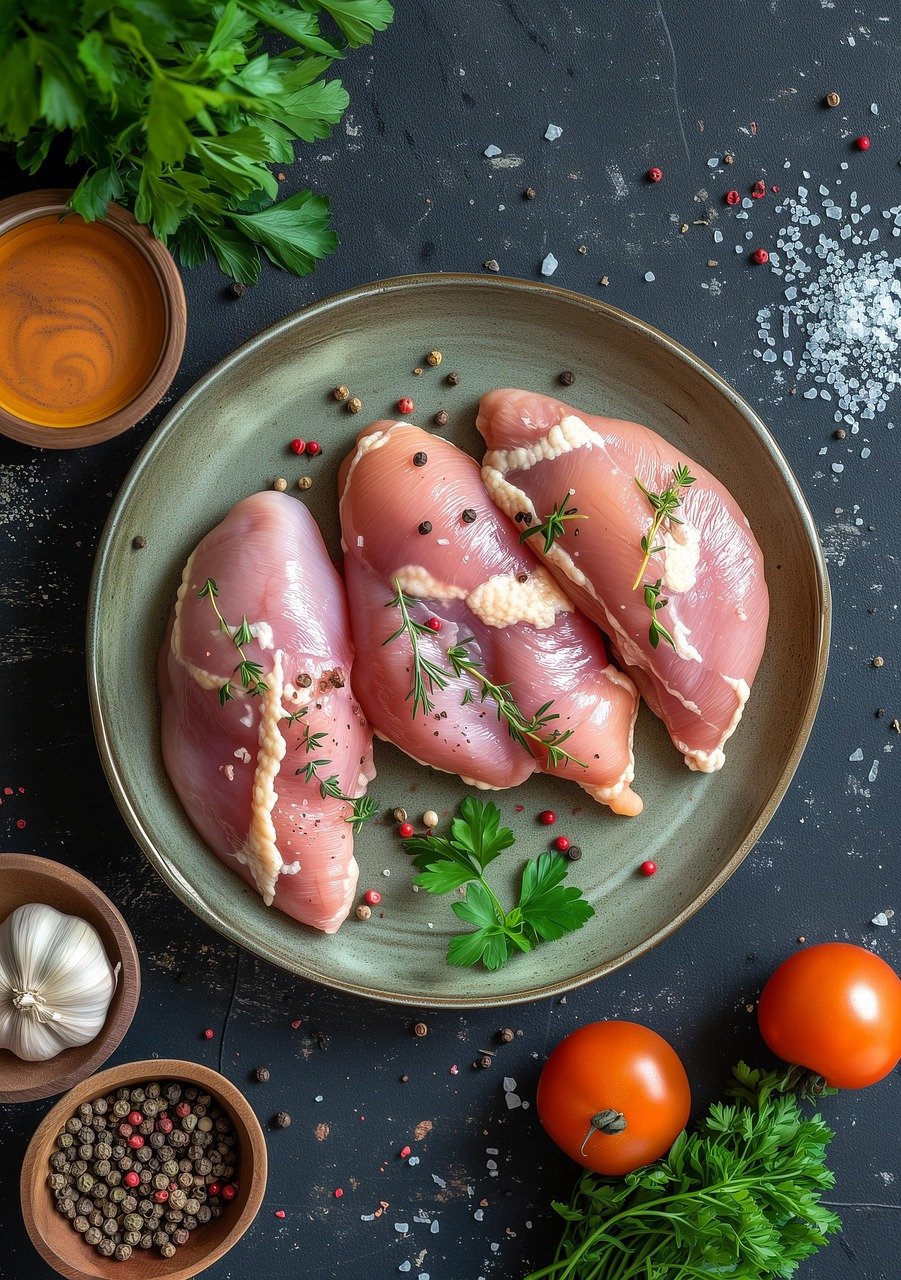
Fresh Turkey
Fresh turkey is chilled after processing and maintained under refrigerated conditions without being frozen.
– Advantages:
• Premium market positioning
• No thawing required
• Strong appeal in retail and foodservice
• Excellent eating quality when consumed quickly
– Challenges:
• Short shelf life
• Higher spoilage risk
• More demanding logistics
• Limited export opportunities
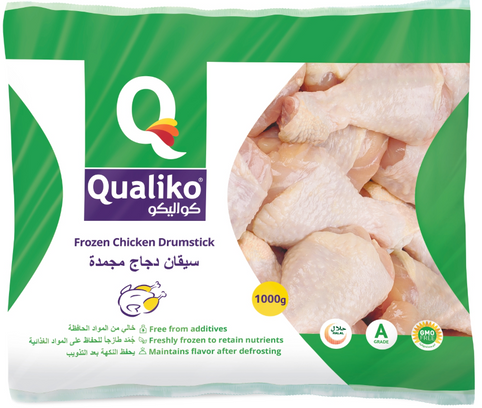
Frozen Turkey
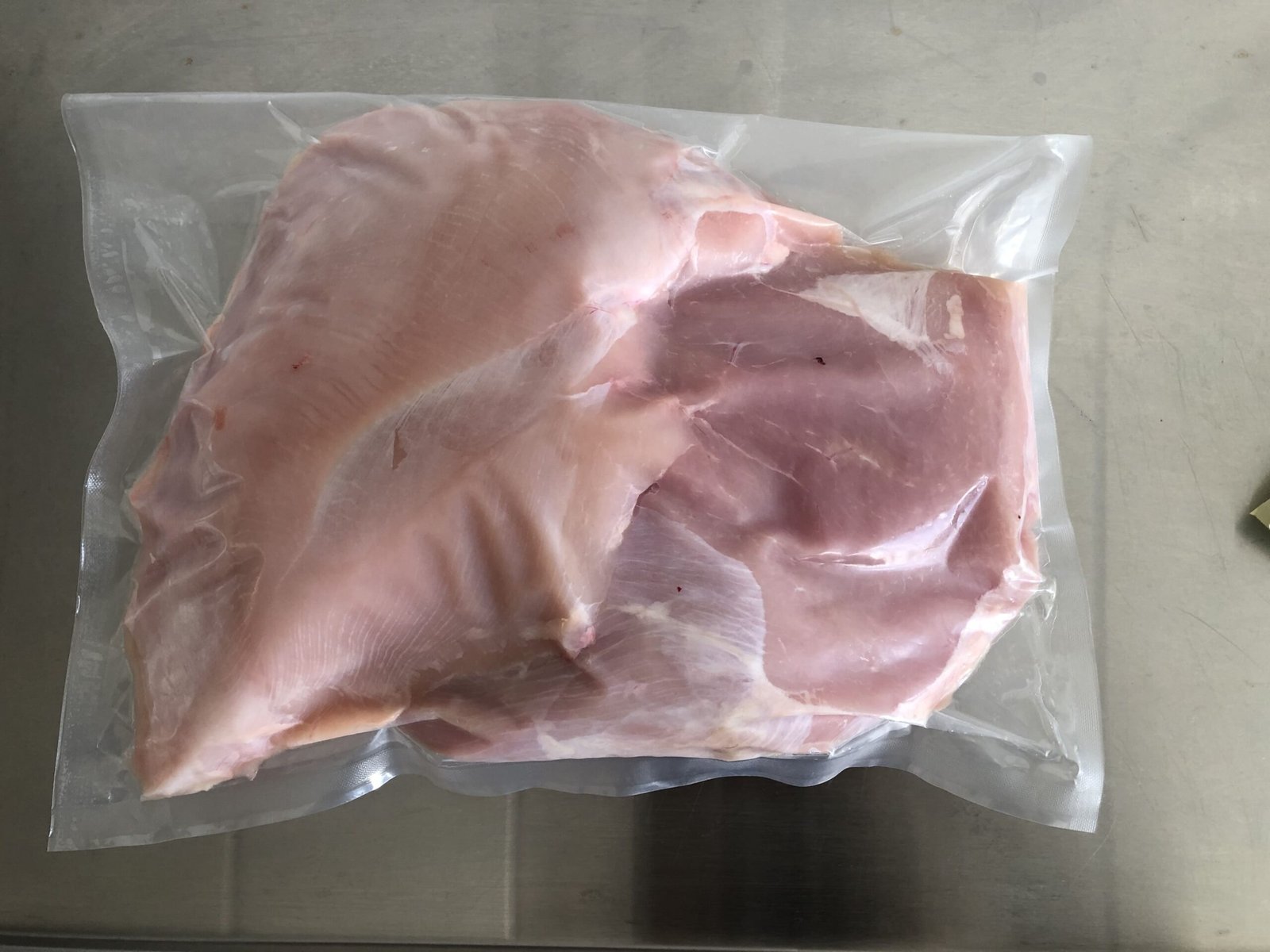
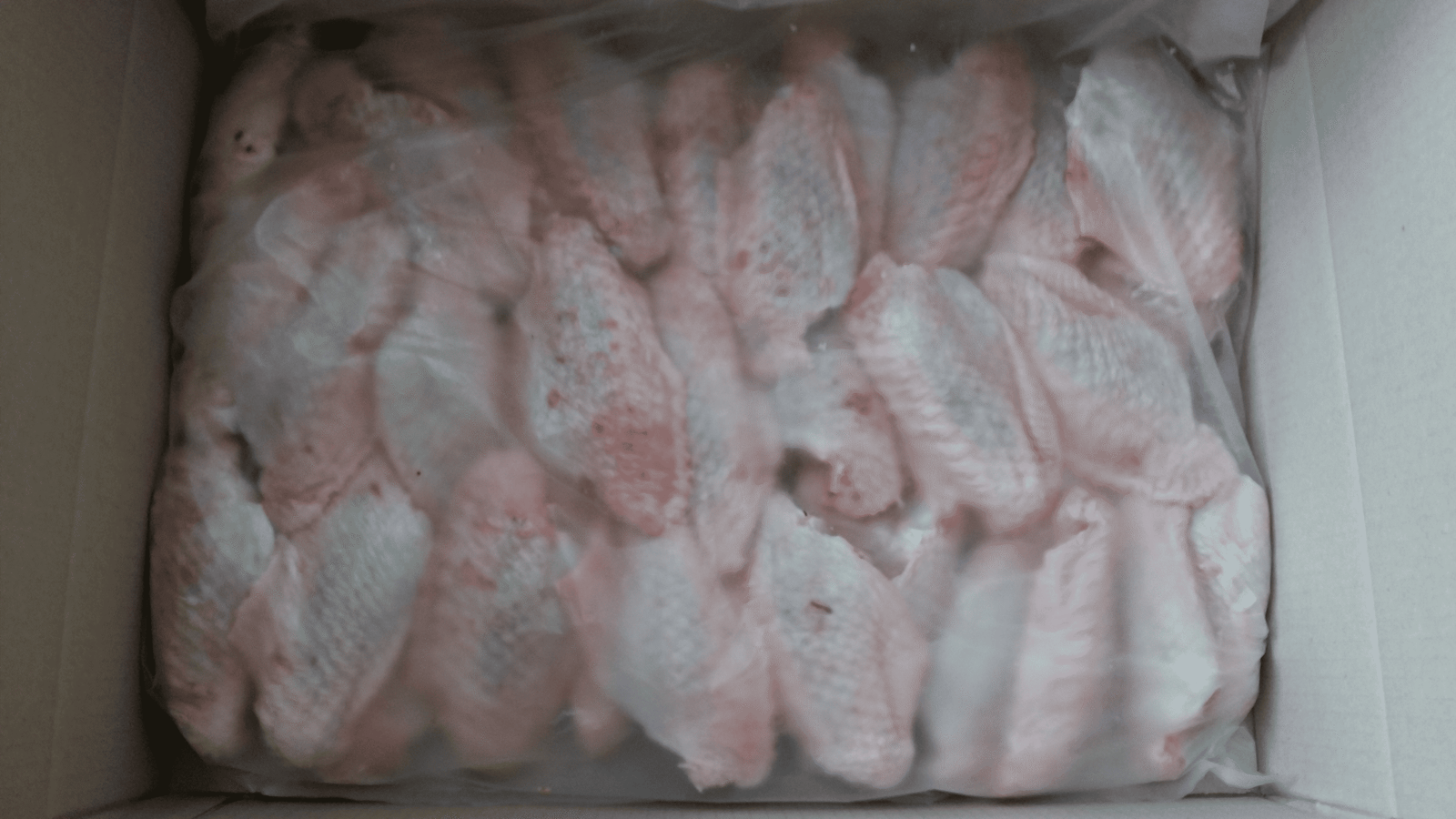
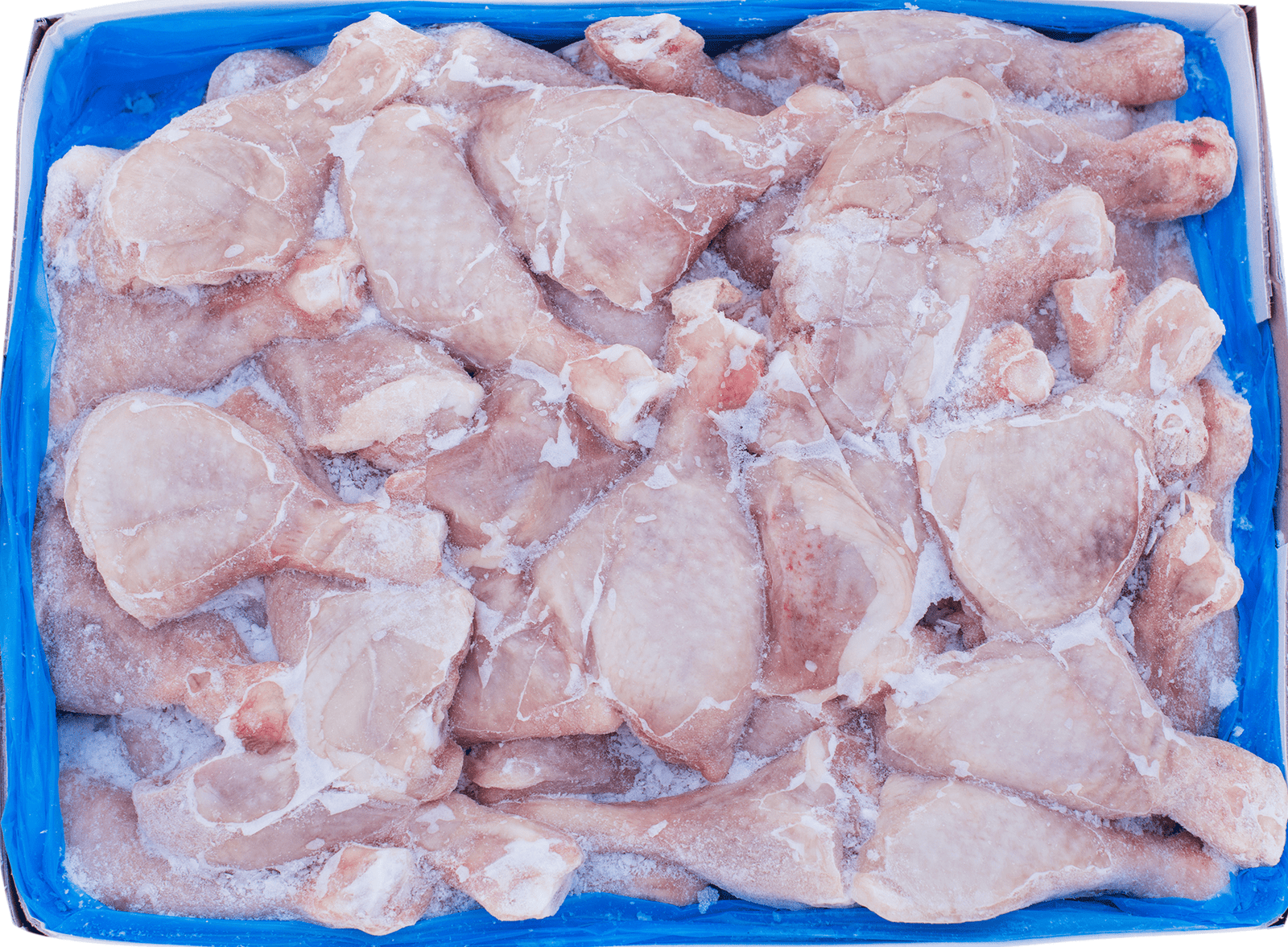
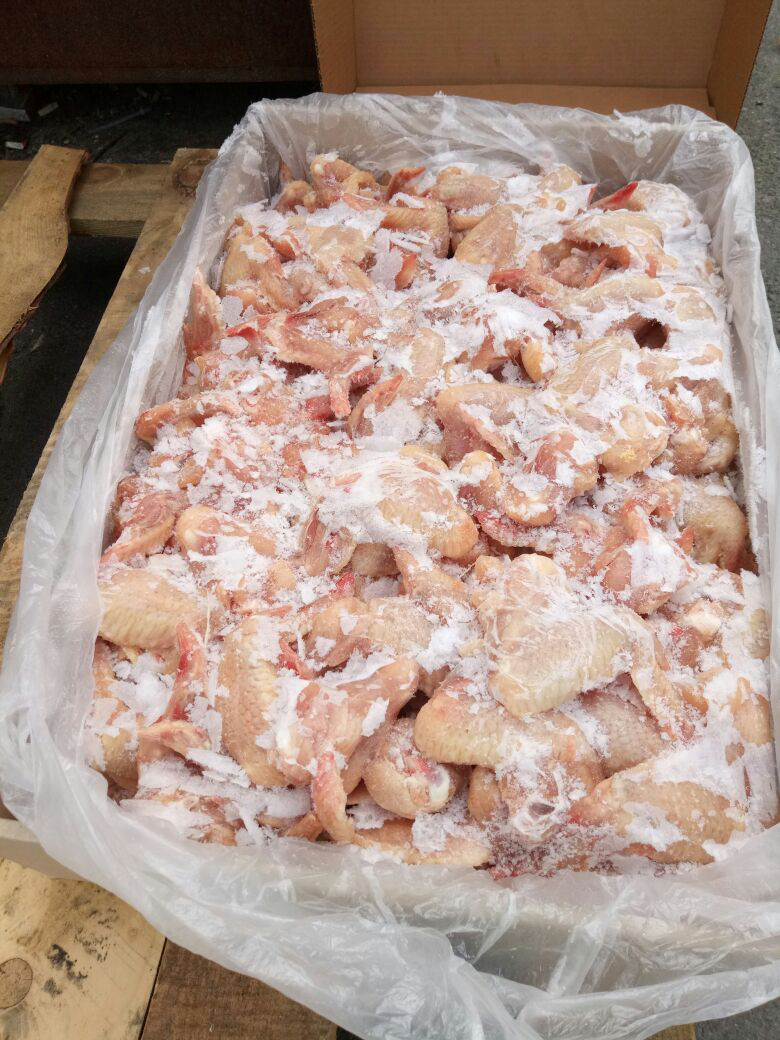
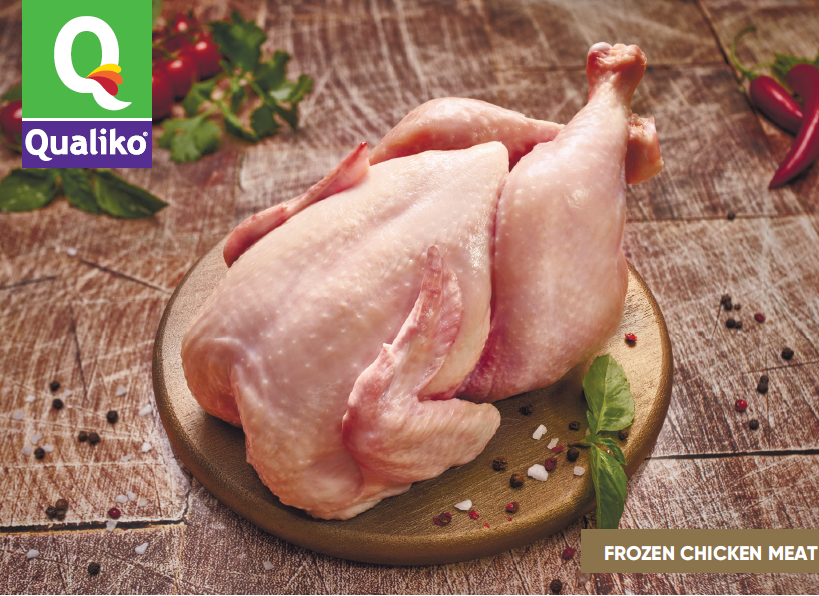
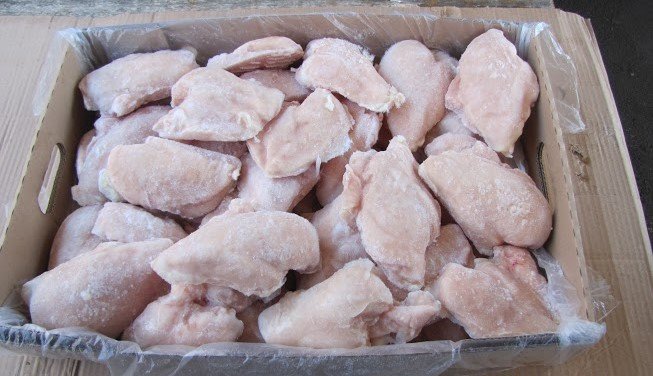
Frozen turkey is rapidly frozen after processing and stored at temperatures of -18°C or lower.
Advantages:
• Long shelf life
• Suitable for international trade
• Reduced waste
• Better inventory management
• Flexible logistics
Challenges:
• Requires thawing before use
• Some consumers perceive fresh products as more premium
Shelf Life Comparison
Fresh turkey typically remains suitable for sale for a relatively short period under refrigerated conditions.
Frozen turkey can be stored for many months while maintaining safety and quality when proper storage conditions are maintained.
Logistics and Distribution
Fresh turkey requires highly efficient cold-chain management and rapid transportation.
Frozen turkey offers significantly greater flexibility and is the preferred format for international exports because it can withstand long shipping periods without compromising product safety.
Nutritional Value
Frozen and fresh turkey provide nearly identical nutritional benefits, including:
• High-quality protein
• Low fat levels in breast meat
• B vitamins
• Selenium
• Phosphorus
Modern freezing technology preserves nutritional value extremely well.
Retail Market Opportunities
Fresh turkey is often sold as:
• Turkey breast fillets
• Fresh steaks
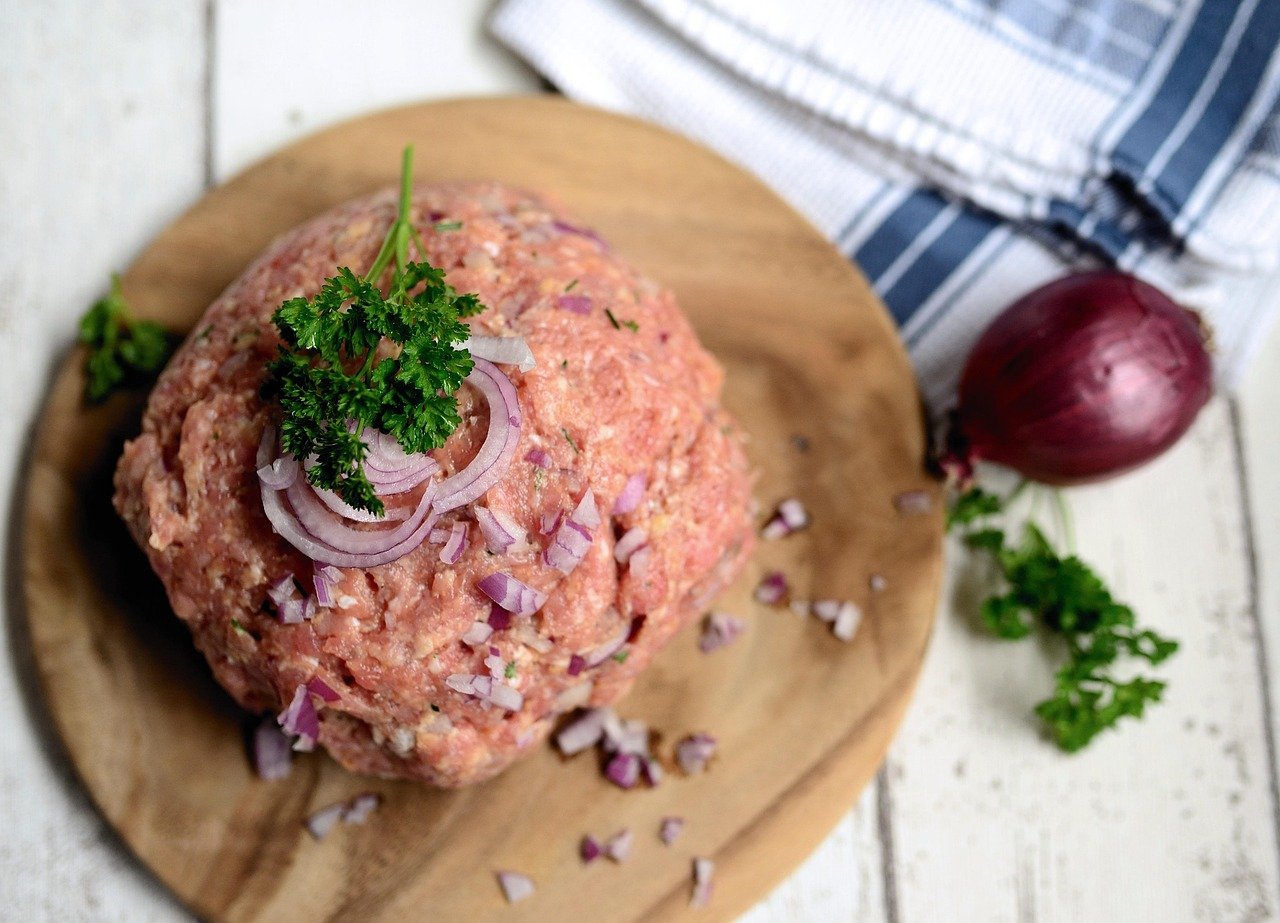
• Marinated portions
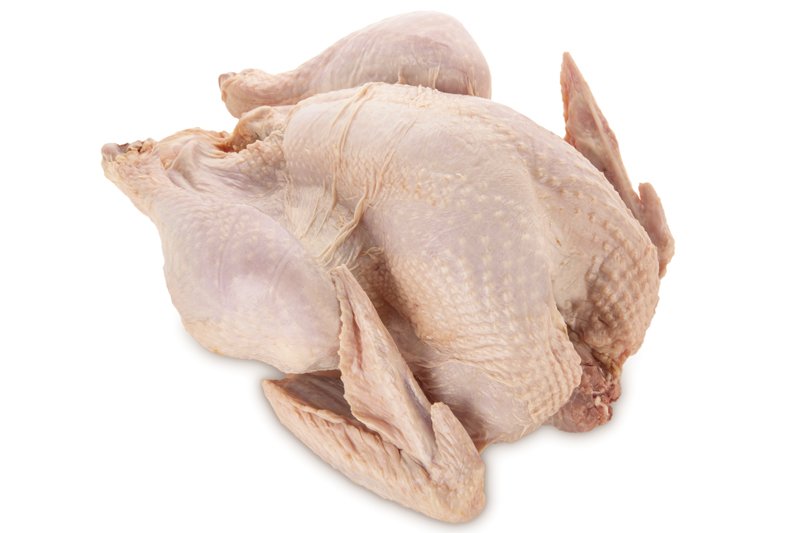
• Whole fresh turkey
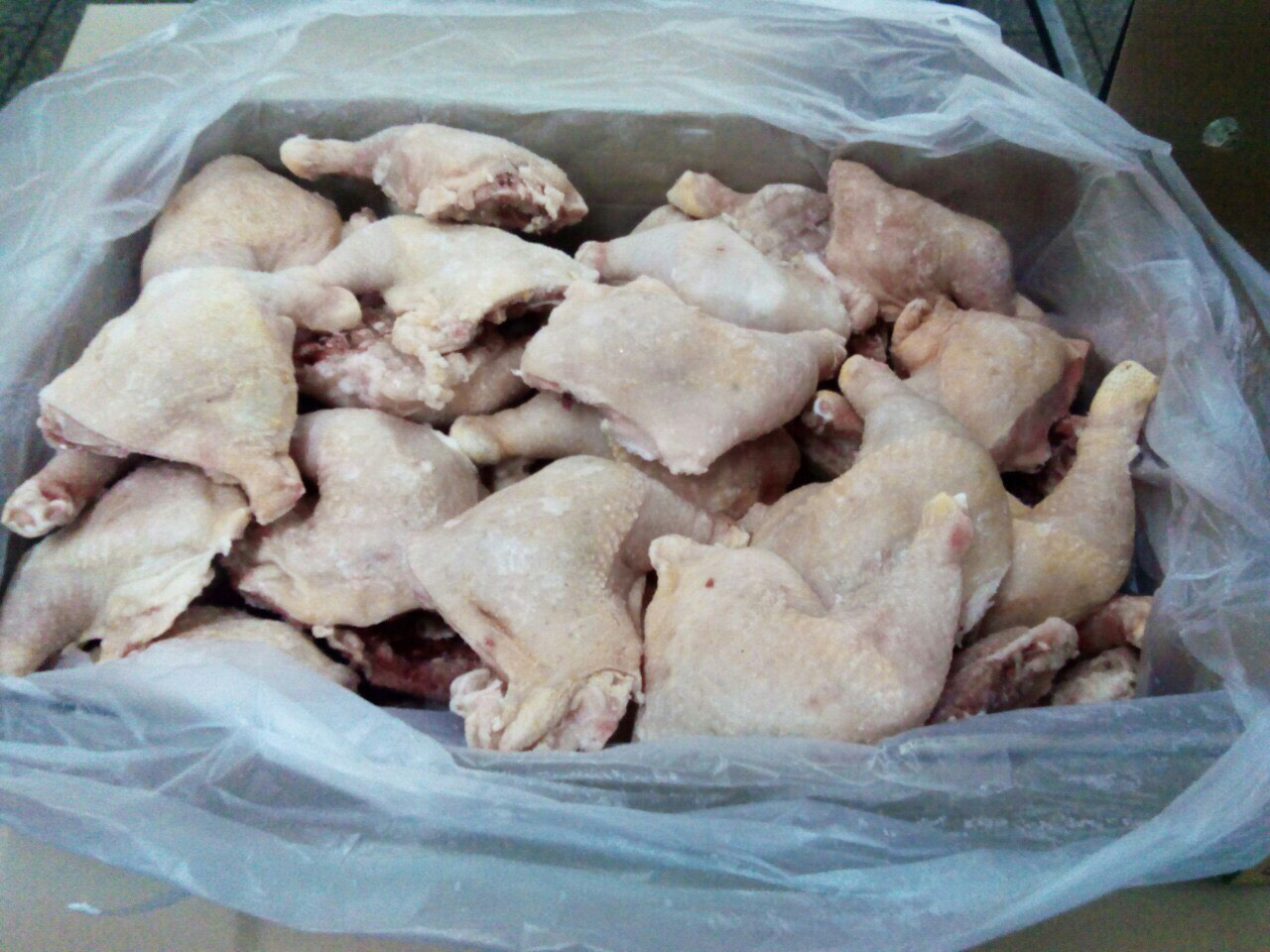
Frozen turkey is commonly sold as:
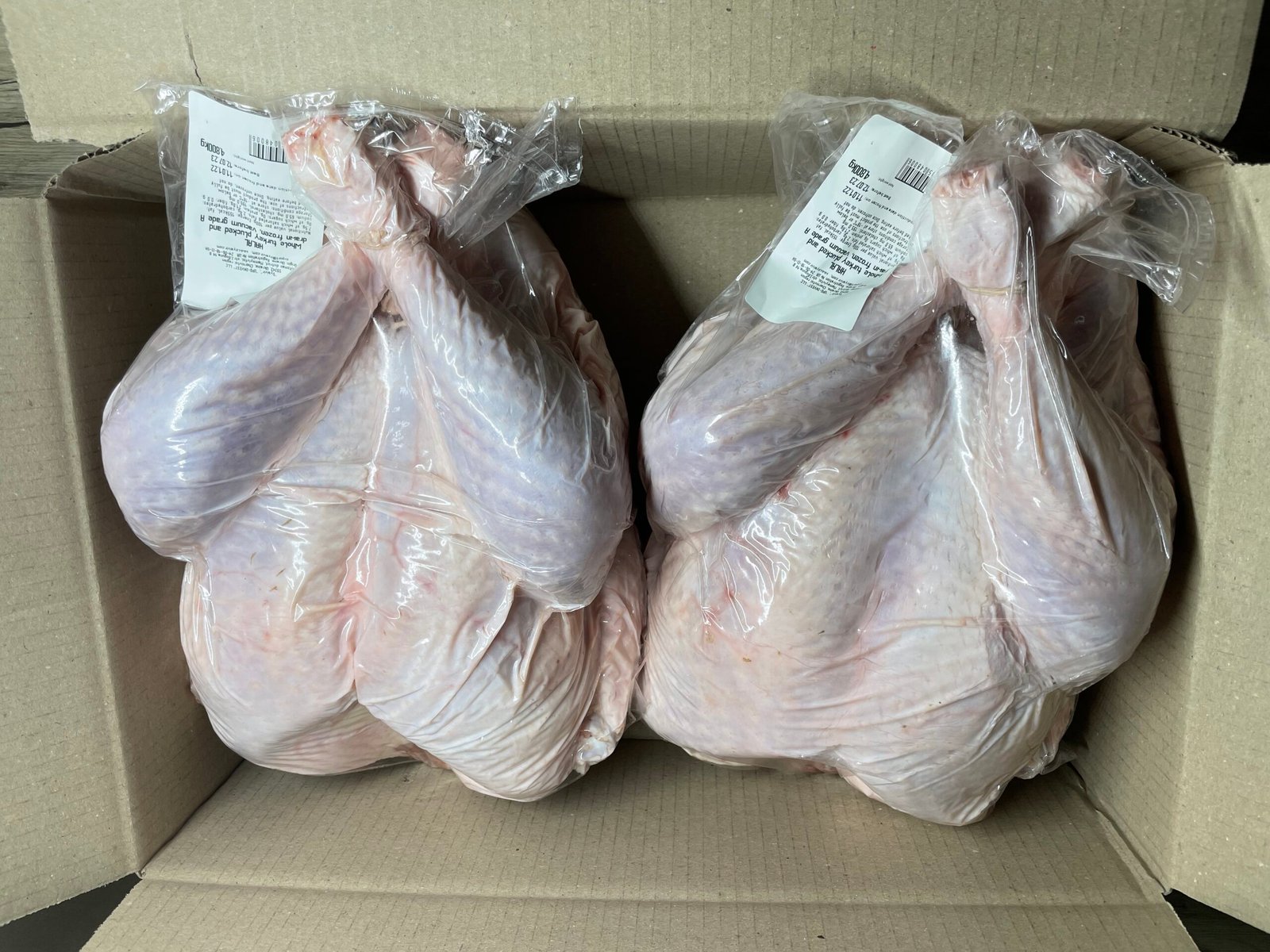
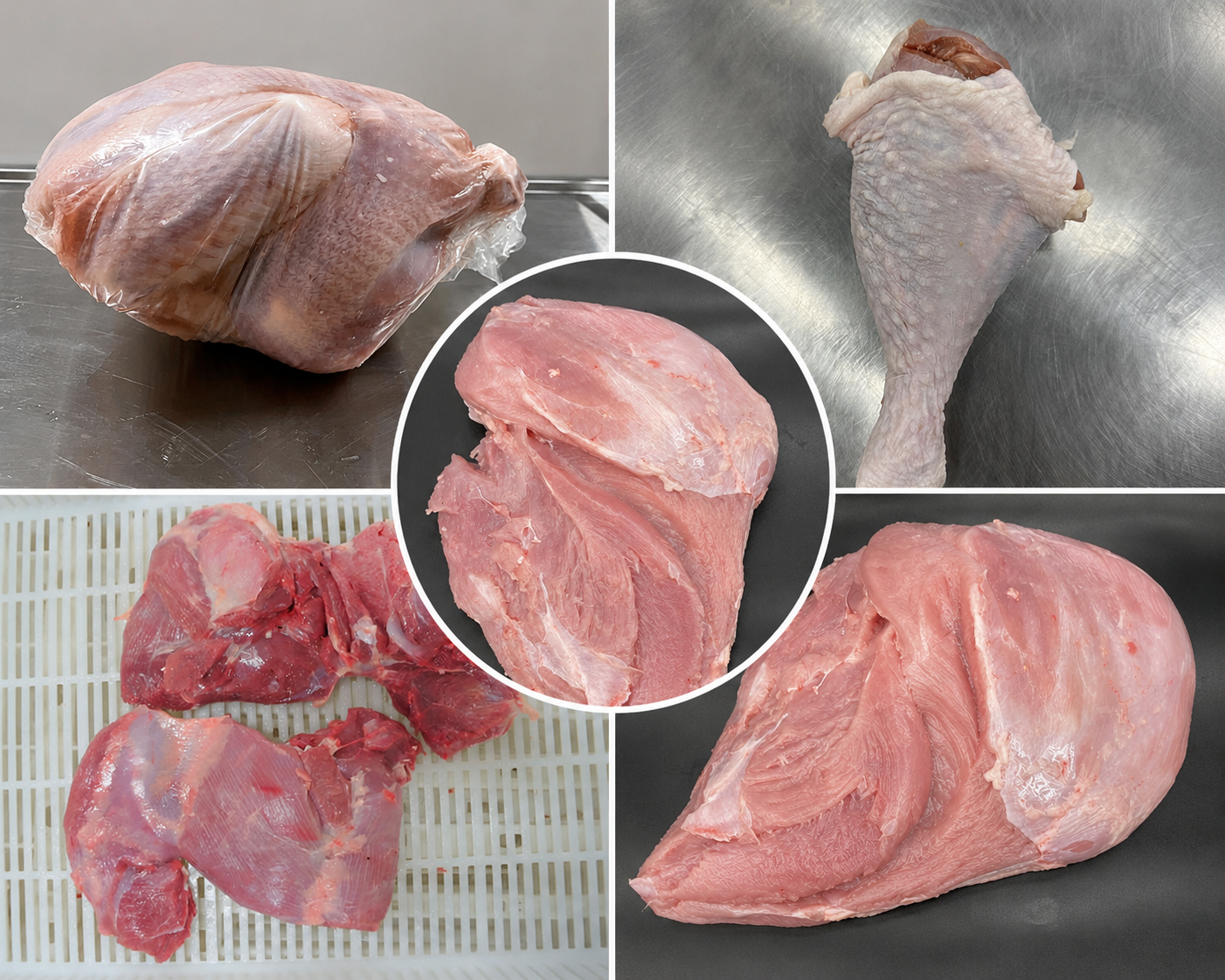
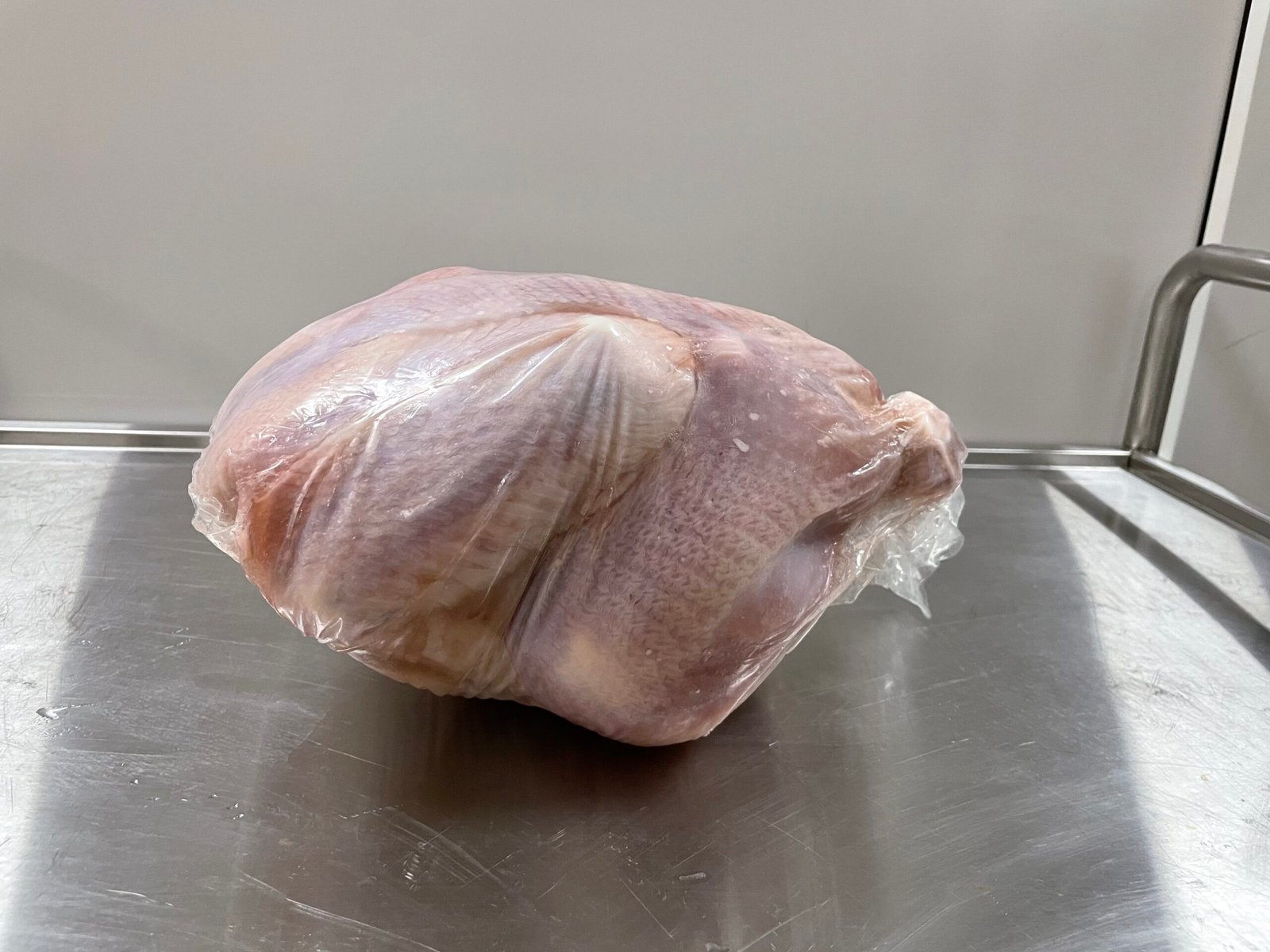
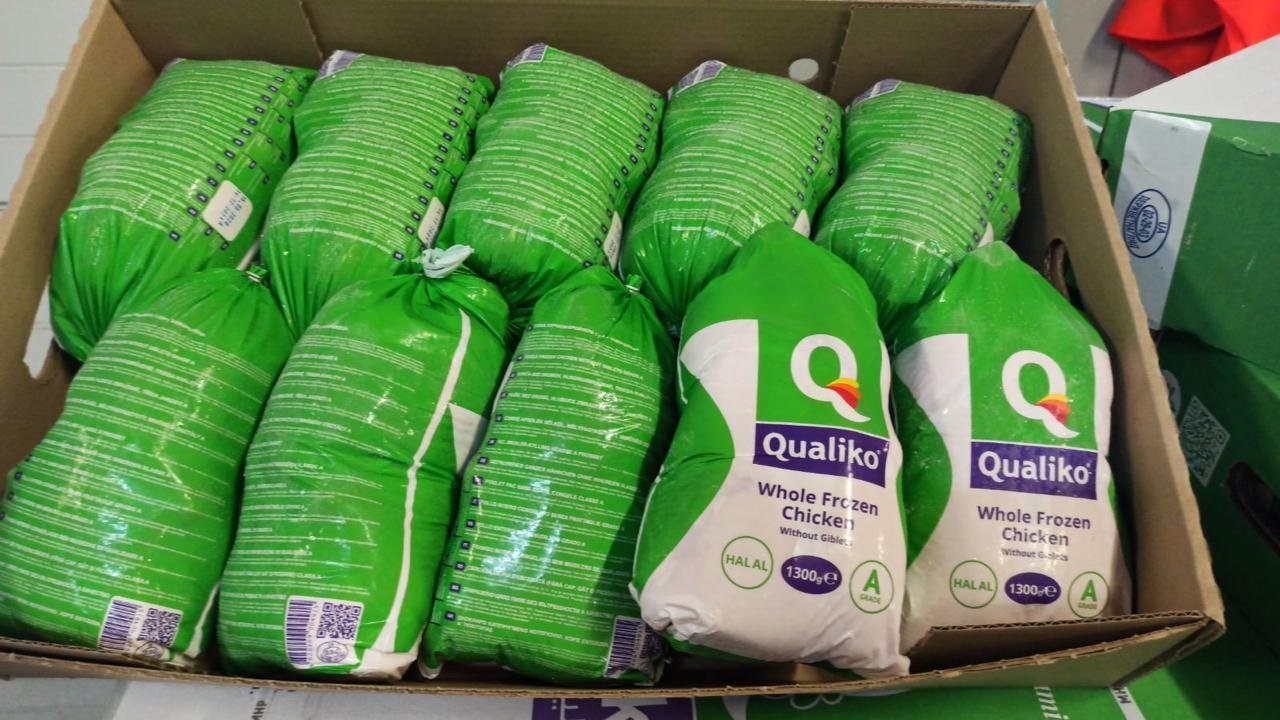
• Whole frozen turkey
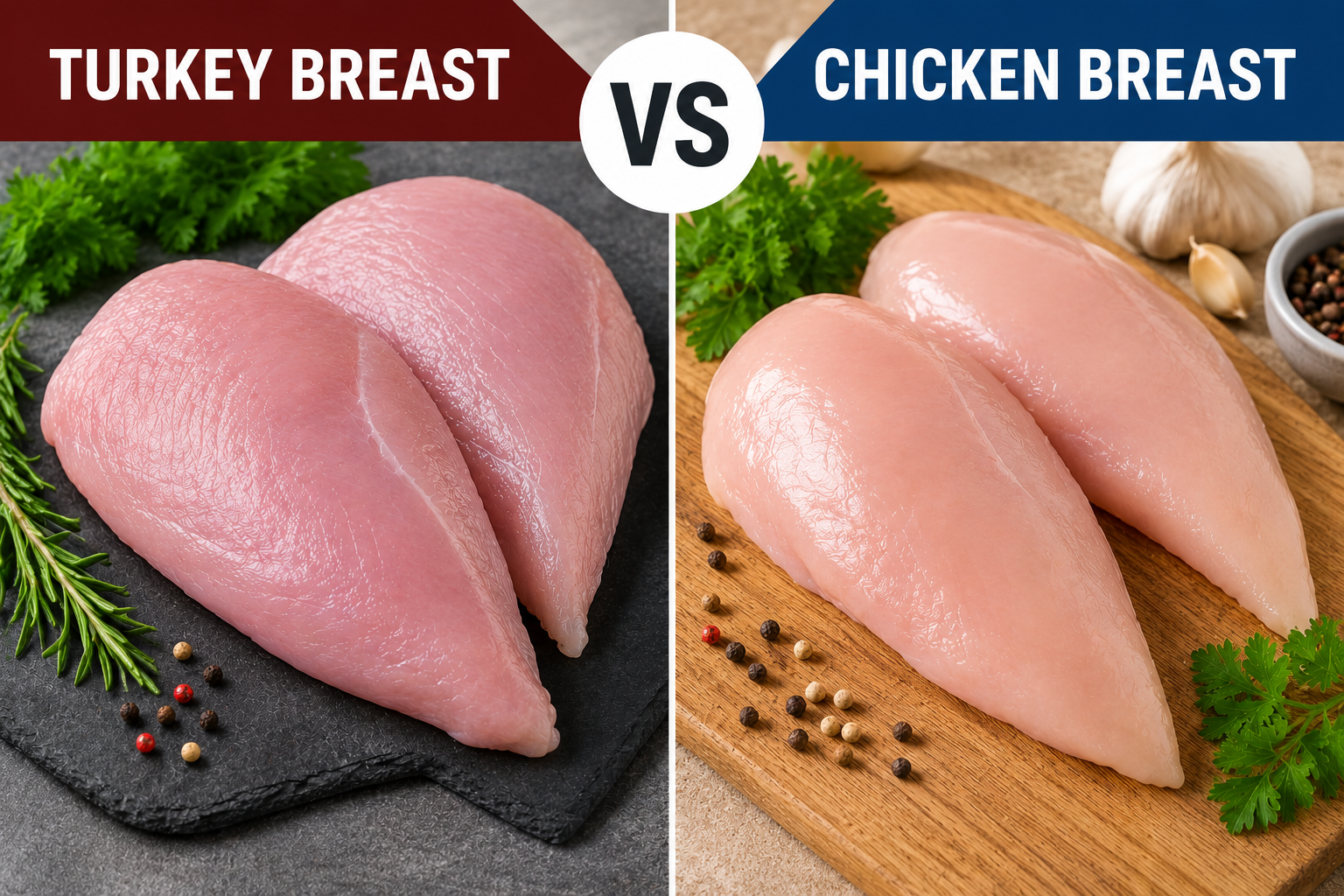
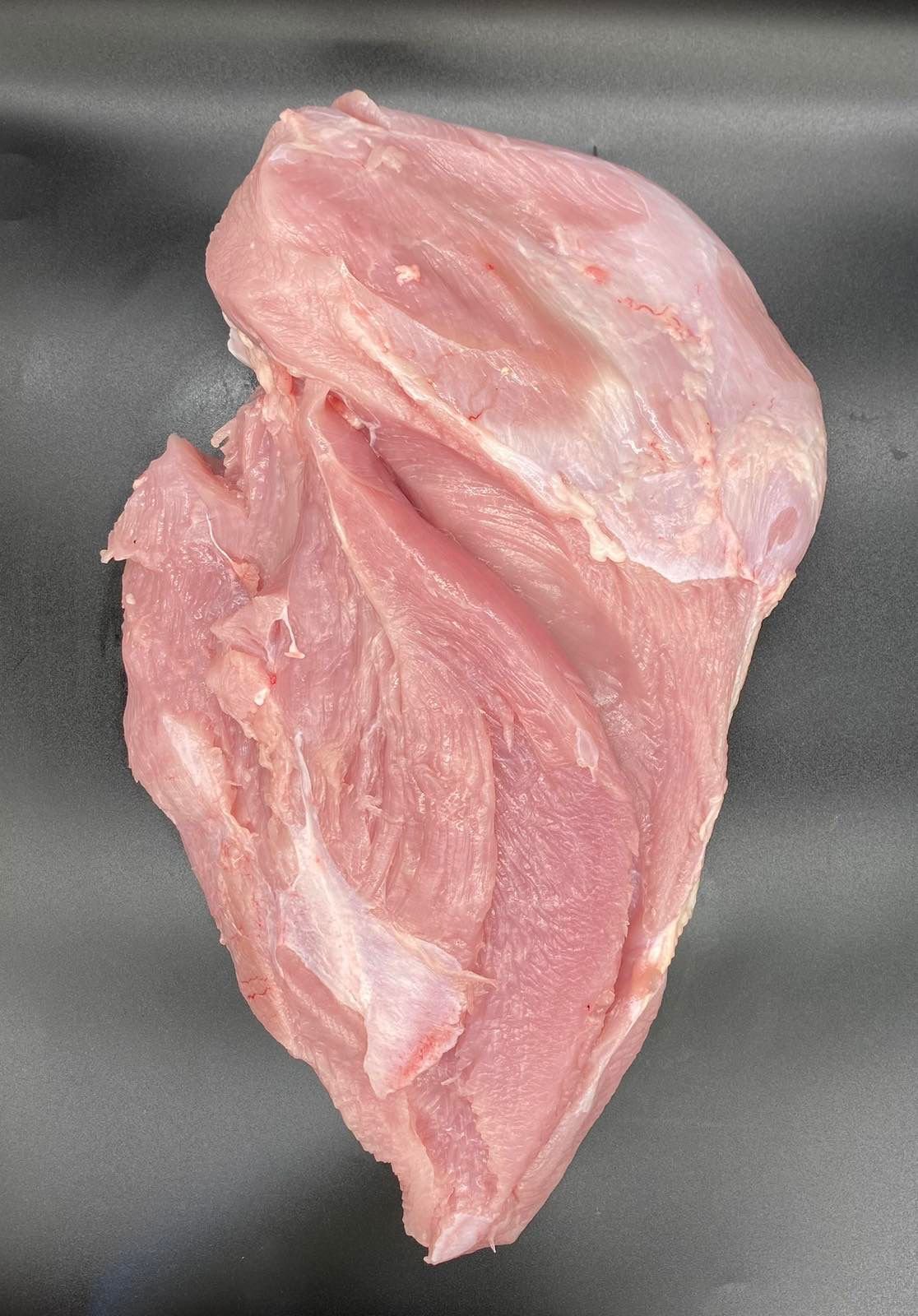
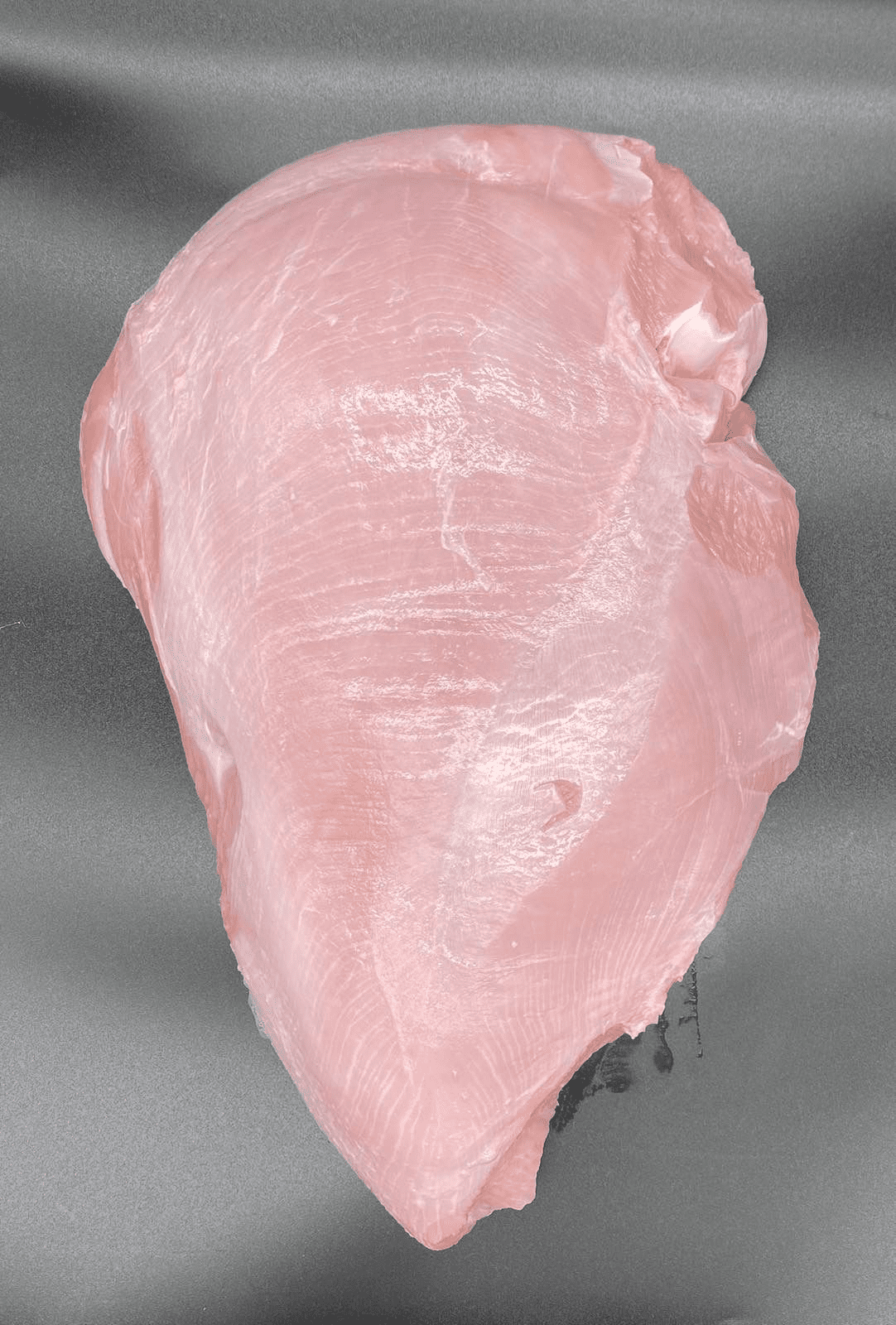
• Turkey breast
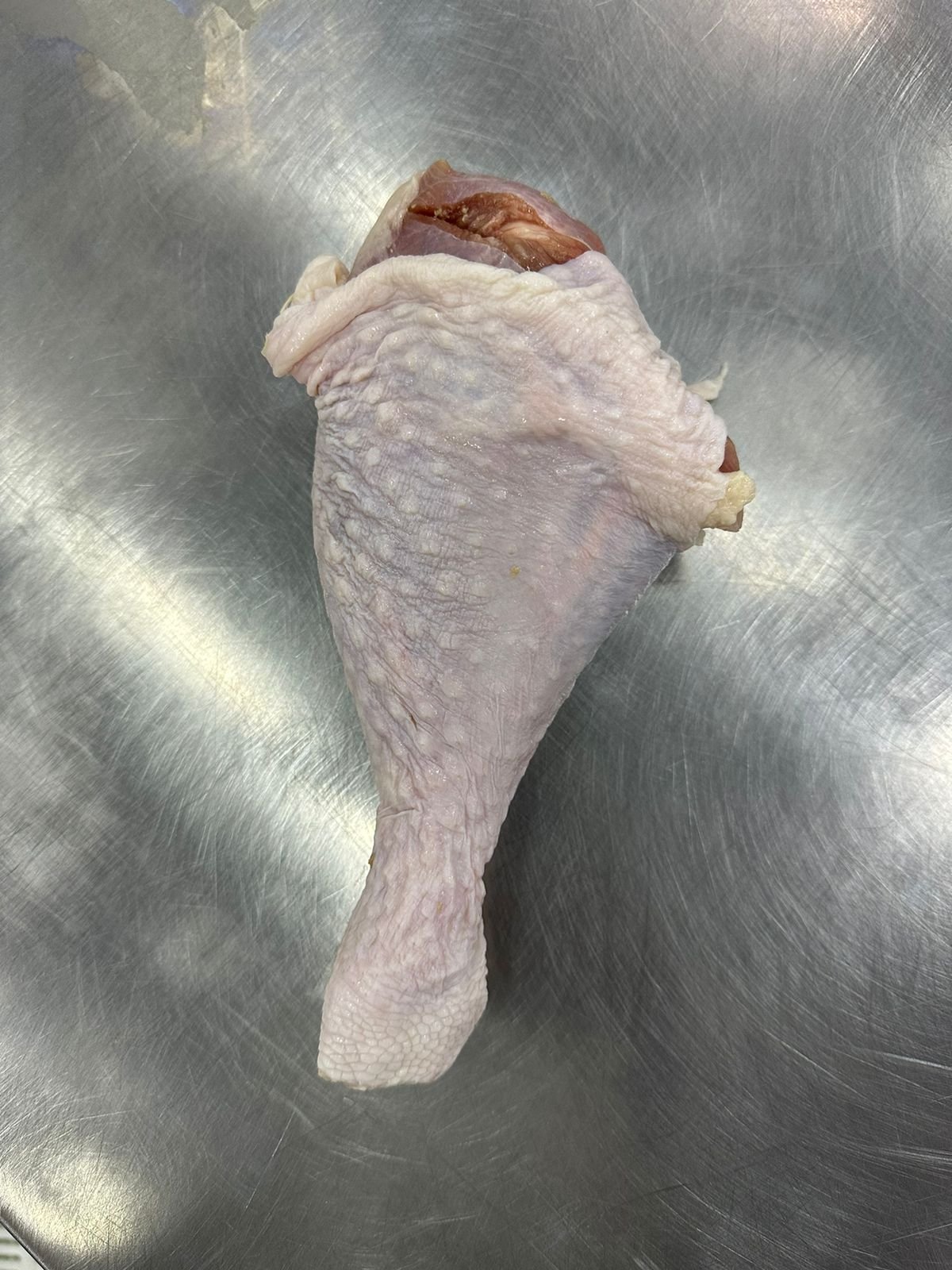
• Drumsticks
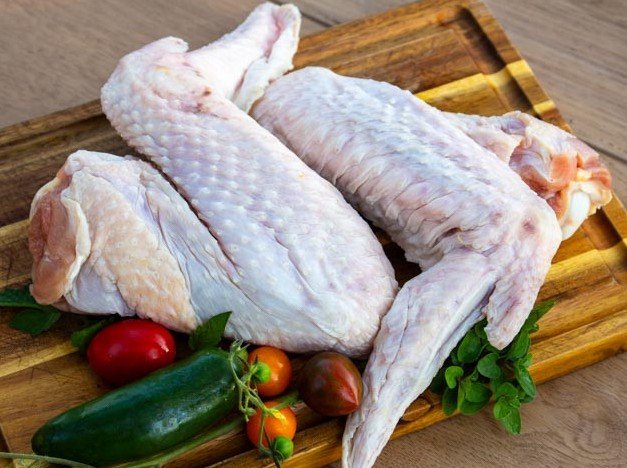
• Wings
• Thigh meat
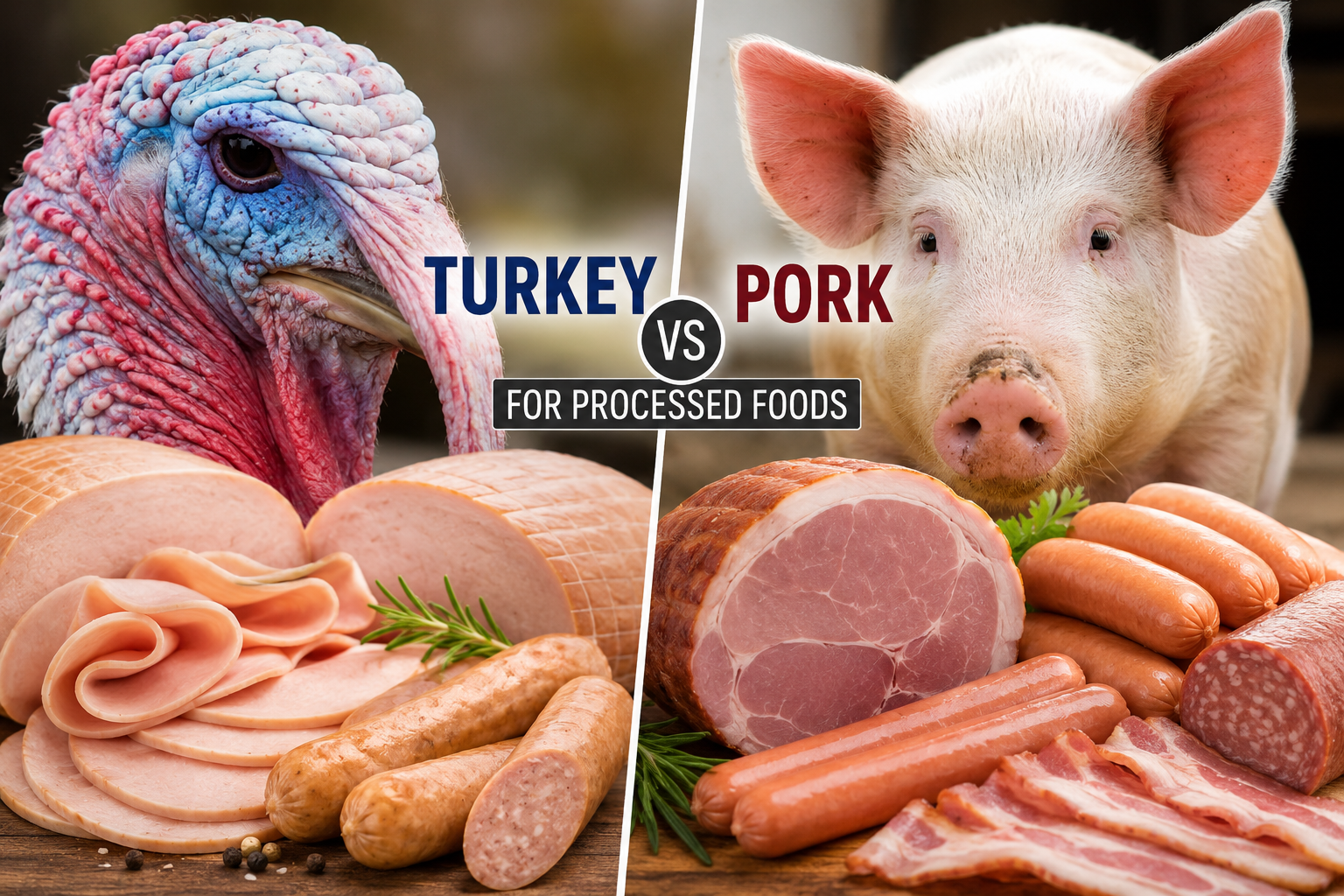
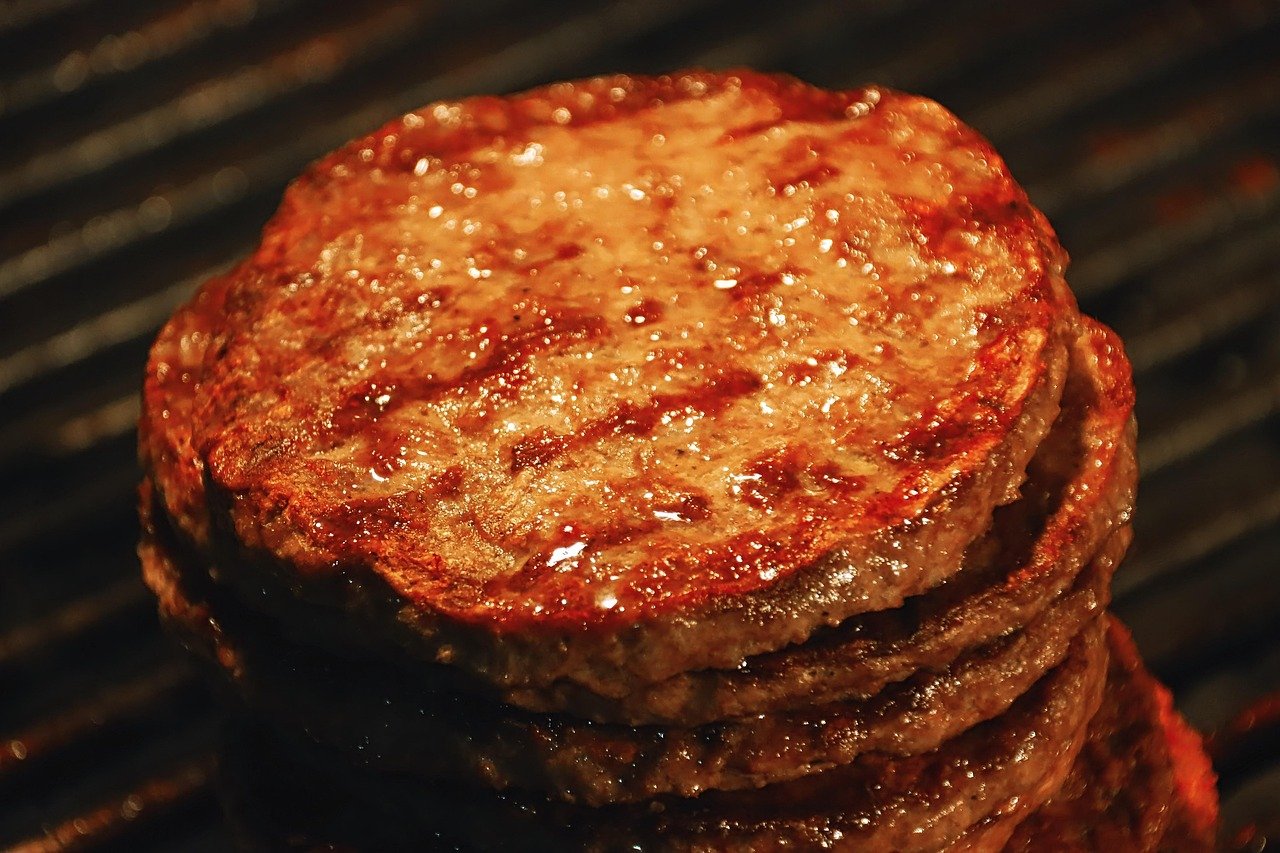
• Value-added products
Foodservice Applications
Fresh turkey is often preferred by premium restaurants and catering operations.
Frozen turkey is widely used by:
• Hotels
• Restaurant chains
• Institutional catering
• Foodservice distributors
Cost Comparison
Fresh turkey generally carries higher costs because of shorter shelf life and more complex logistics.
Frozen turkey often provides better value through:
• Lower waste
• Improved storage flexibility
• More efficient transportation
• Larger purchasing options
Export Opportunities
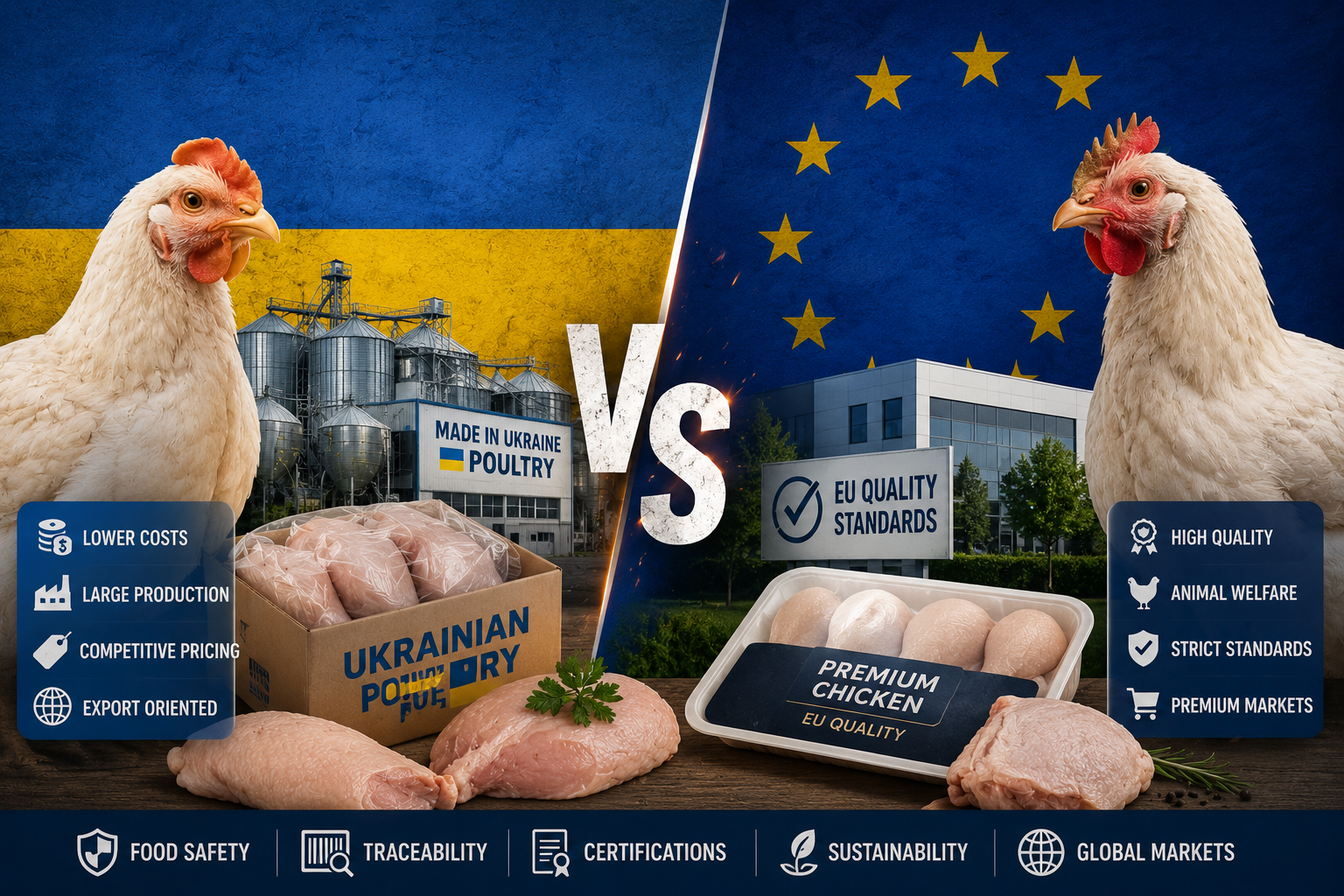
Frozen turkey dominates international poultry trade because it can be transported over long distances while maintaining quality and safety.
Fresh turkey exports are generally limited to nearby markets with efficient transportation infrastructure.
Food Safety
Both fresh and frozen turkey require proper handling, temperature control, and compliance with food safety standards such as HACCP, ISO 22000, and BRCGS.
Which Is Better?
Fresh turkey is often the preferred choice for premium local markets and immediate consumption.
Frozen turkey is usually the preferred choice for importers, distributors, and international buyers because of its longer shelf life, lower waste, and superior logistics flexibility.
Conclusion
Both fresh and frozen turkey have important roles in the global poultry industry. Fresh turkey appeals to premium retail and foodservice customers, while frozen turkey remains the dominant format in international trade due to its storage stability, cost efficiency, and export suitability. The best choice depends on business objectives, supply chain capabilities, and target customer preferences.