Turkey Thigh Meat: Applications and Market Demand
Comprehensive B2B Guide for Importers, Distributors, Food Manufacturers and Foodservice Buyers
Introduction
Turkey thigh meat has become an increasingly important product within the global poultry industry. Known for its rich flavor, tender texture, and competitive pricing, turkey thigh meat serves a wide range of applications across retail, foodservice, and food manufacturing sectors. As international demand for affordable protein sources continues to grow, turkey thigh meat is gaining recognition among importers seeking versatile and cost-effective poultry products.
What Is Turkey Thigh Meat?
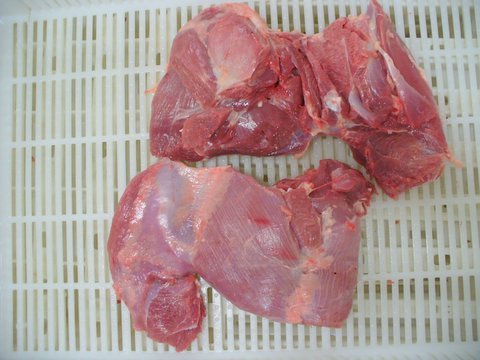
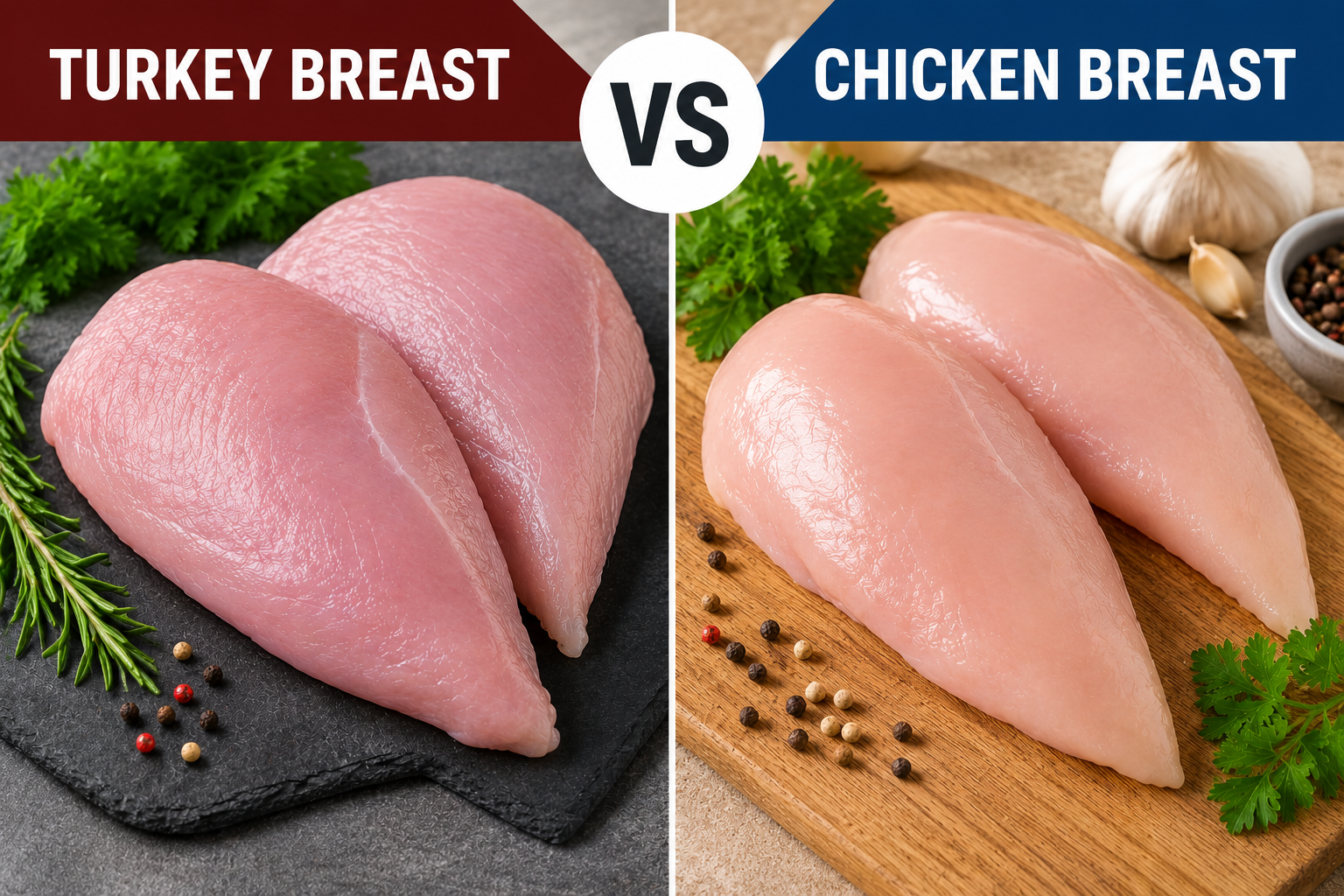
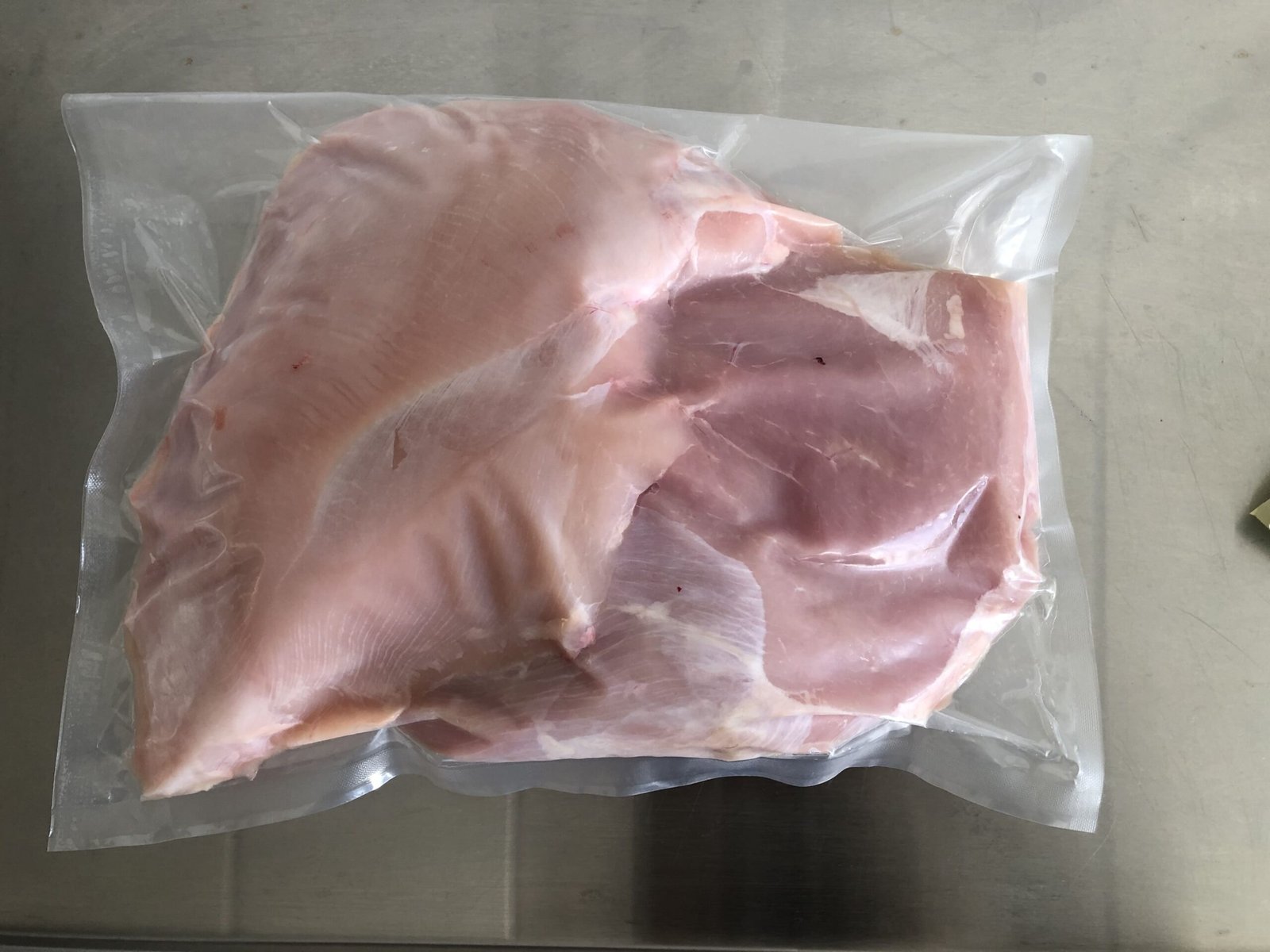
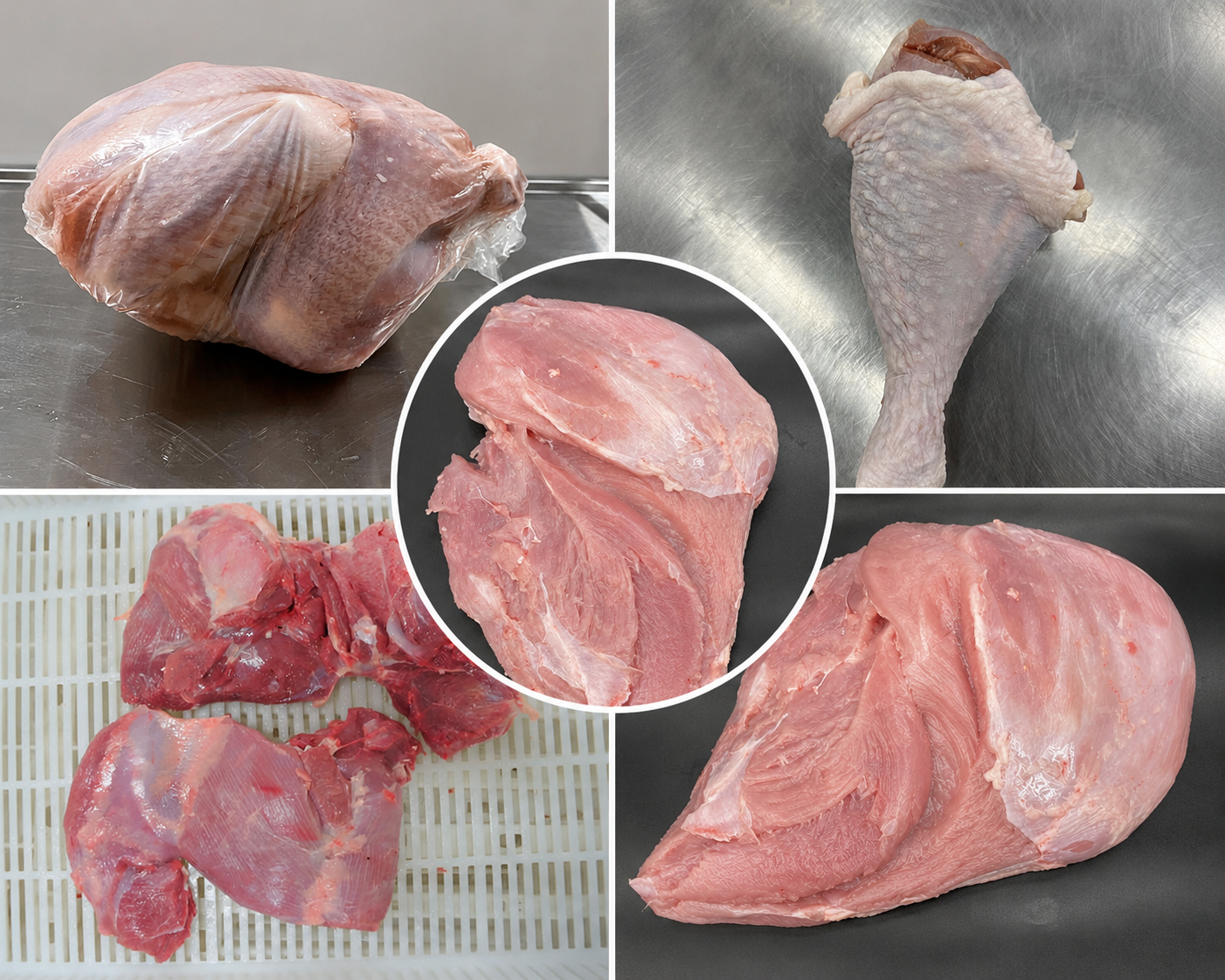
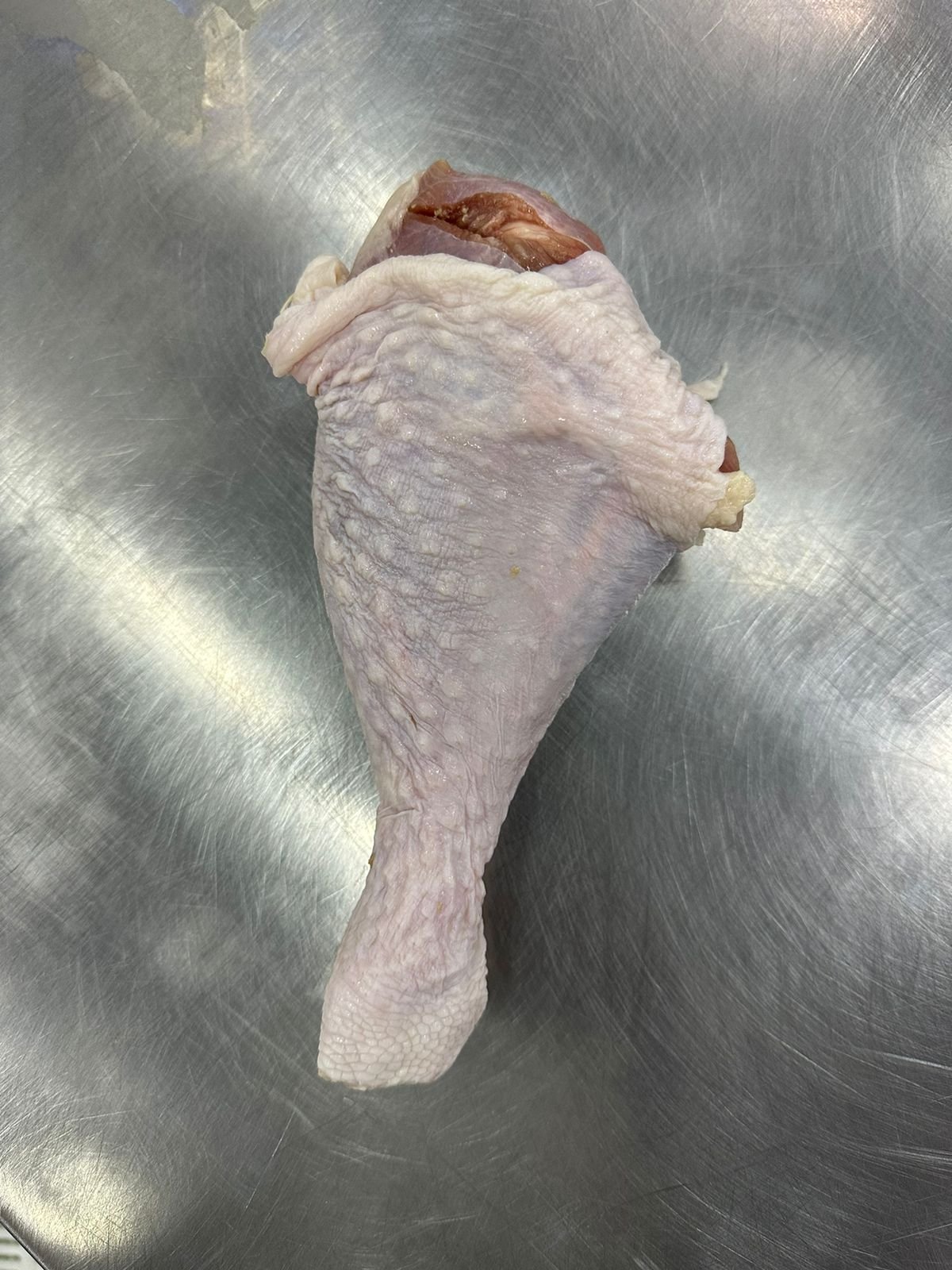
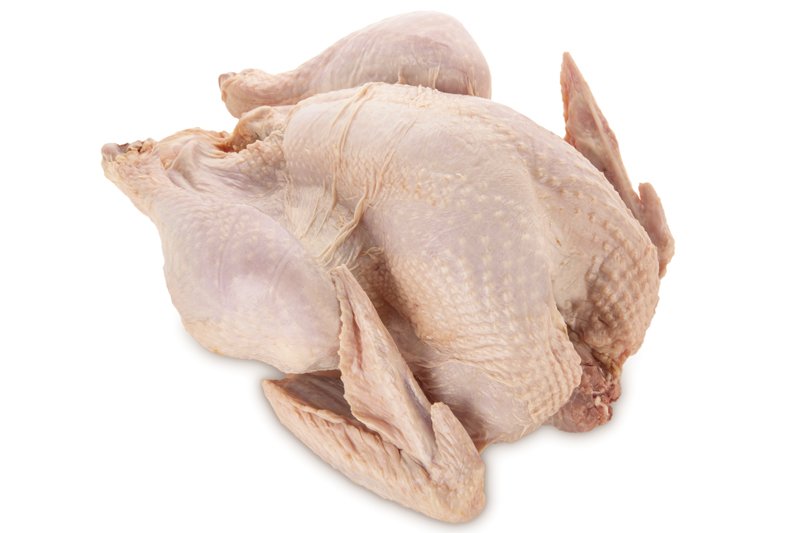
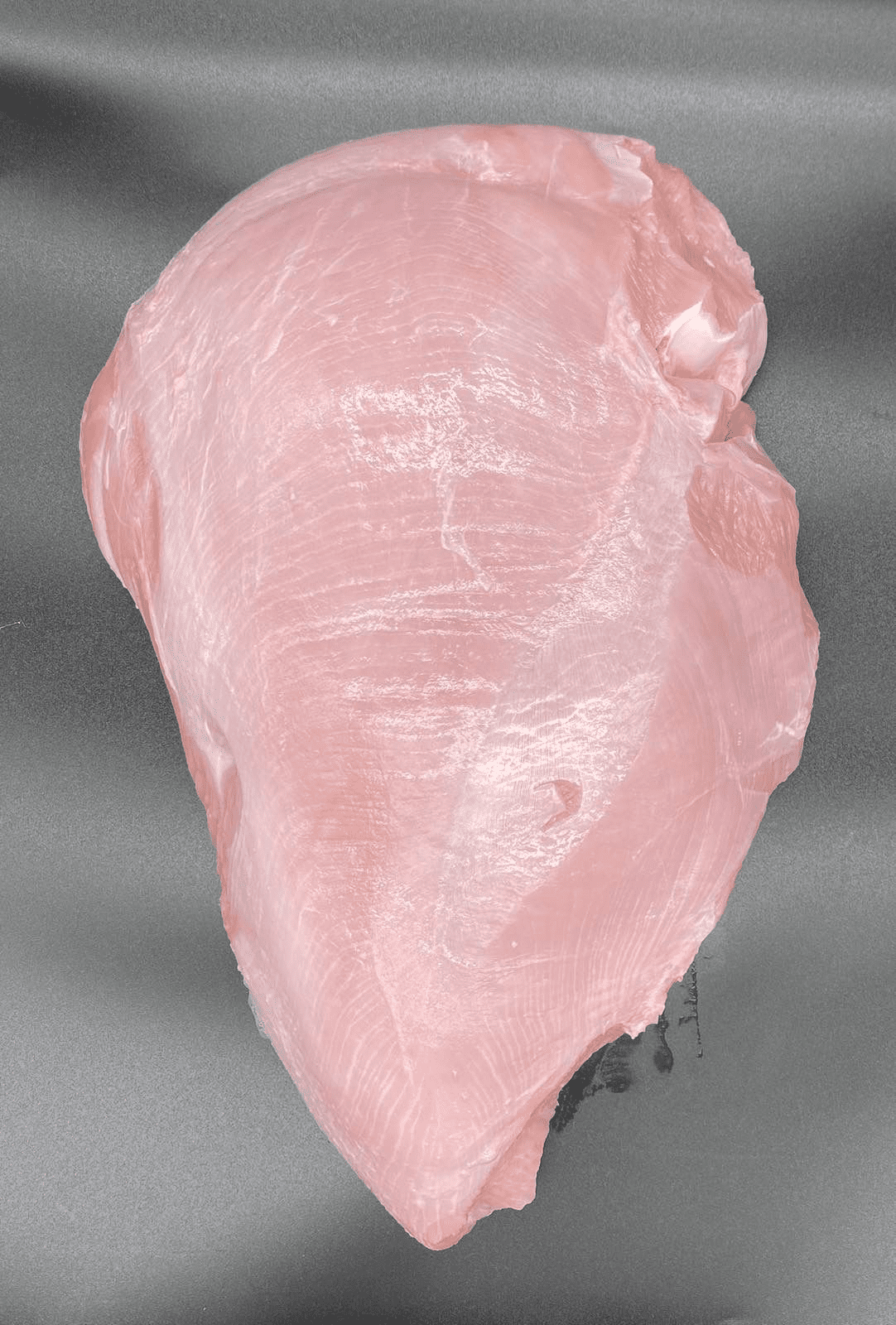
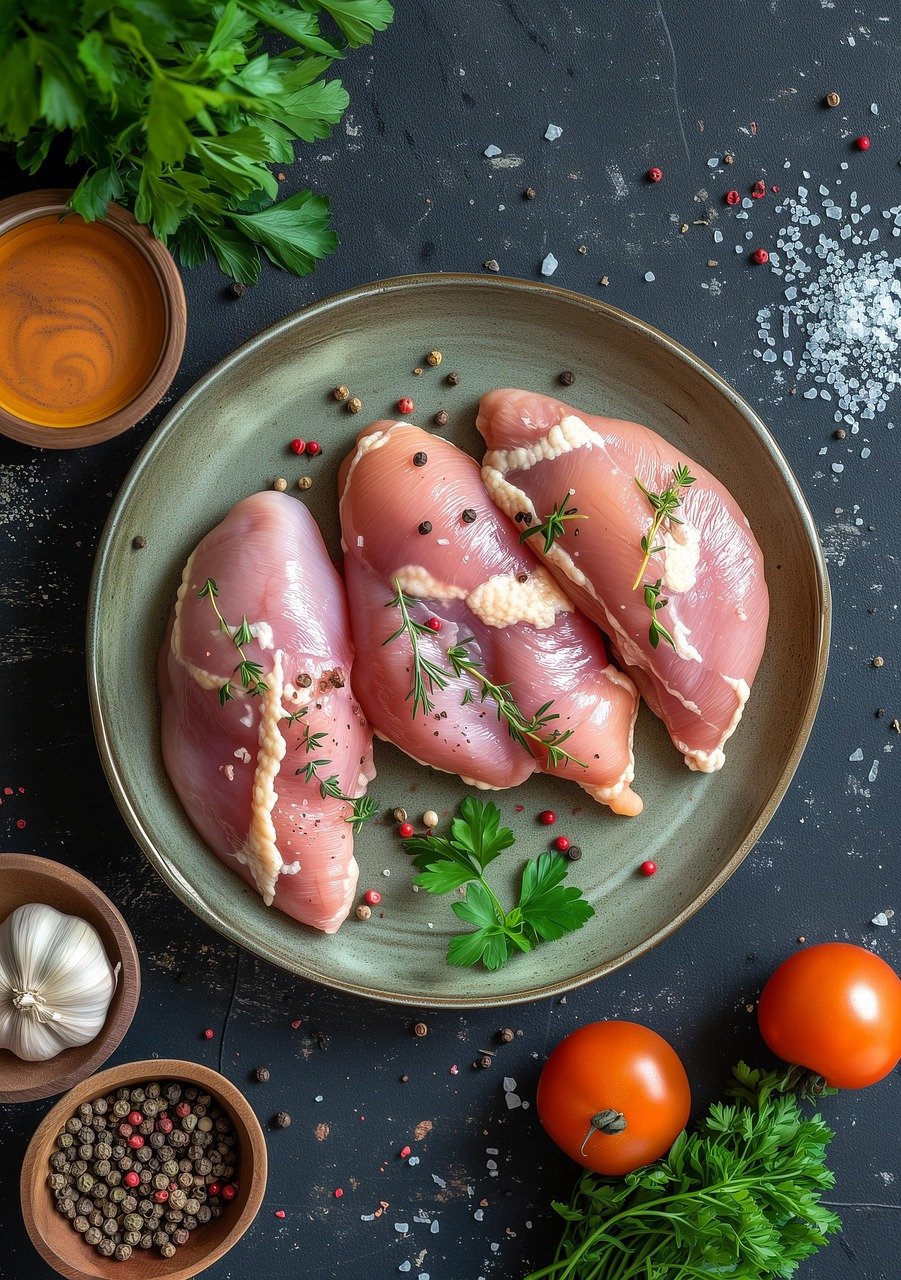
Turkey thigh meat is derived from the upper leg portion of the bird and is classified as dark meat. Compared with breast meat, it contains a slightly higher fat content, richer flavor profile, and excellent cooking performance. It is available as bone-in cuts, boneless thigh meat, skin-on products, skinless products, and further-processed formats.
Why Buyers Choose Turkey Thigh Meat
Foodservice operators and processors value turkey thigh meat because it delivers strong flavor, good moisture retention, and attractive yields. The product performs well in slow-cooked dishes, roasting, grilling, smoking, and industrial processing applications.
Global Market Demand
Demand for turkey thigh meat has expanded in both developed and emerging markets. Buyers increasingly seek products that balance quality and affordability. Turkey thigh meat often serves as a cost-effective alternative to premium poultry cuts while still providing excellent culinary performance.
Applications in Foodservice
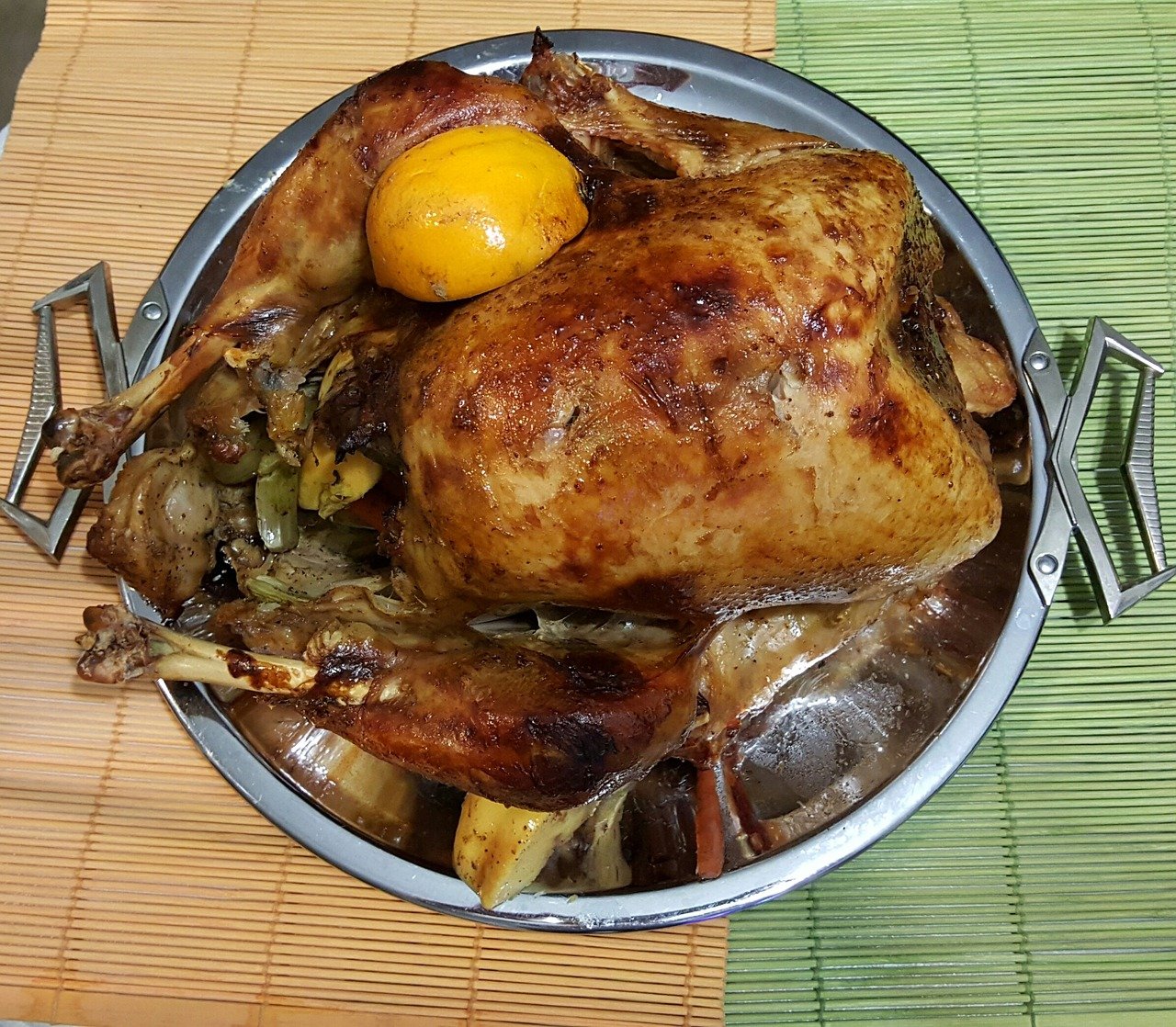
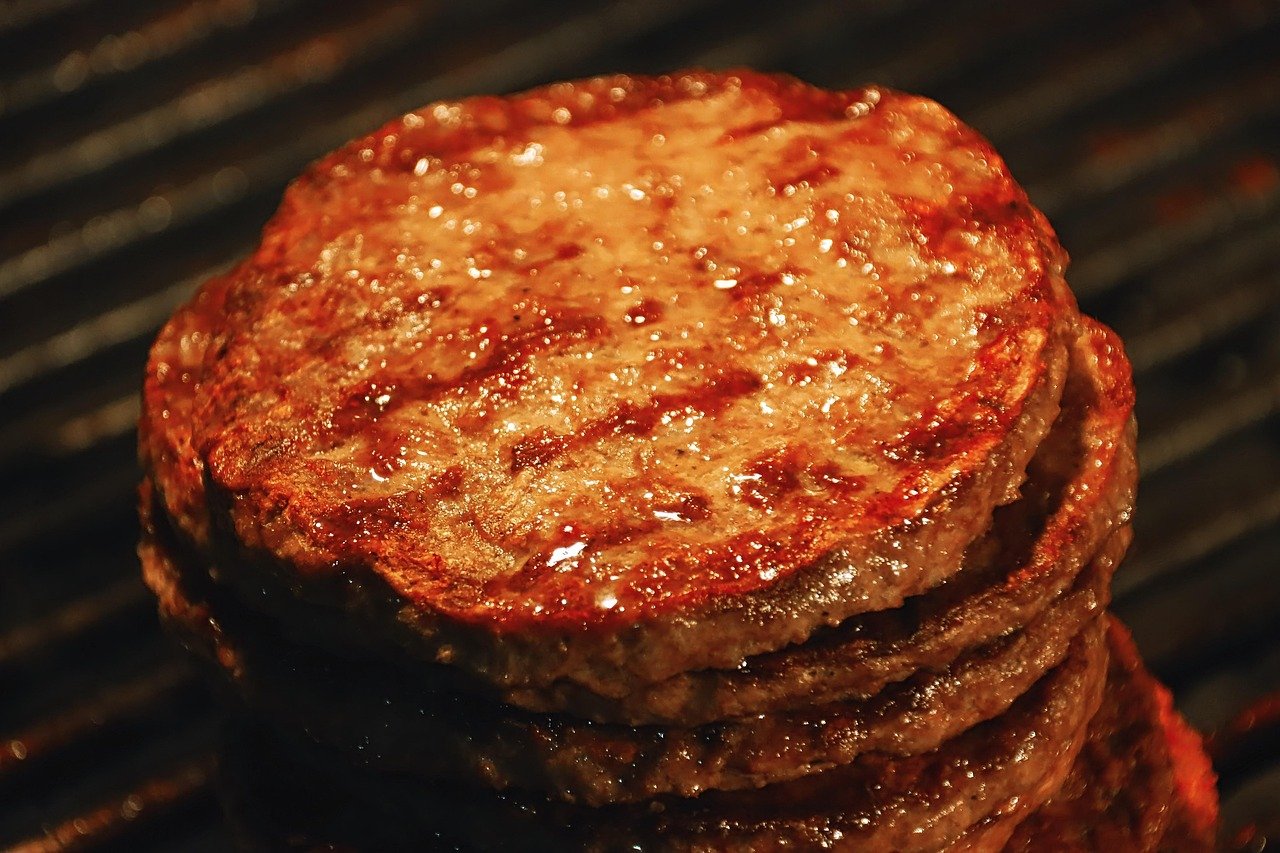
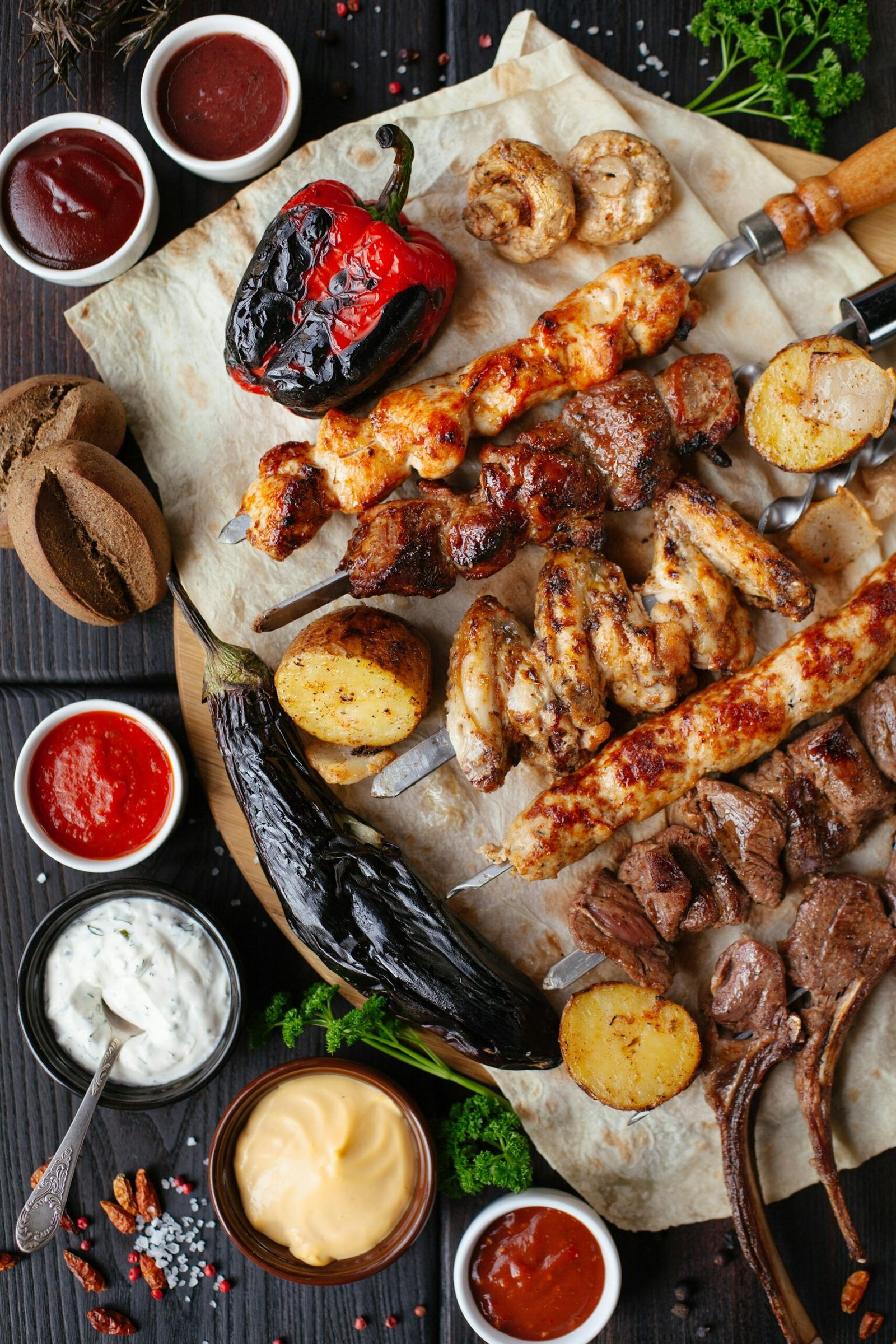
Restaurants, hotels, caterers, institutional kitchens, and quick-service operators use turkey thigh meat in a variety of menu items. Common applications include roasted dishes, barbecue products, stews, curries, sandwiches, wraps, and prepared meals. Its rich flavor makes it especially suitable for recipes requiring extended cooking times.
Industrial Processing Applications
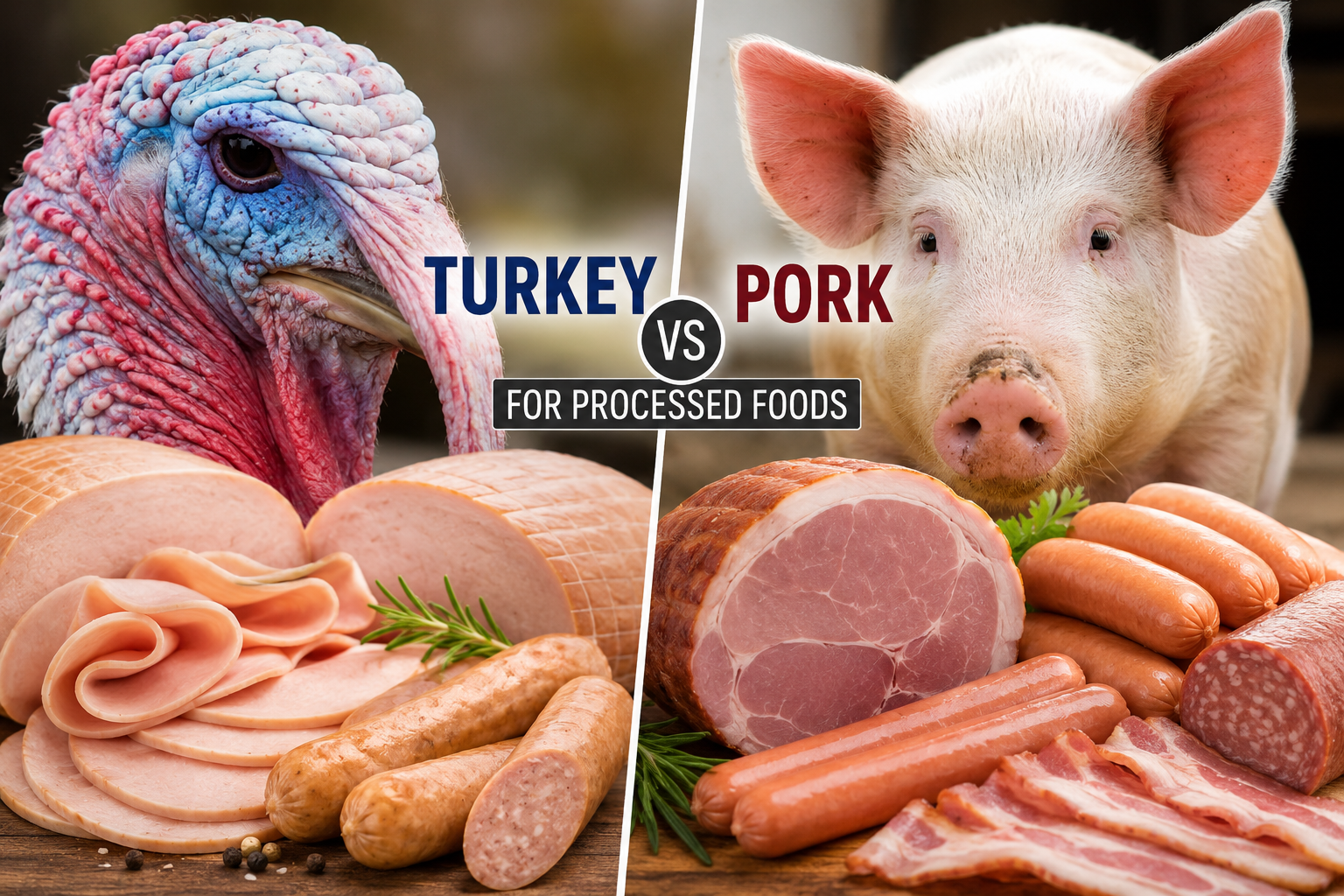
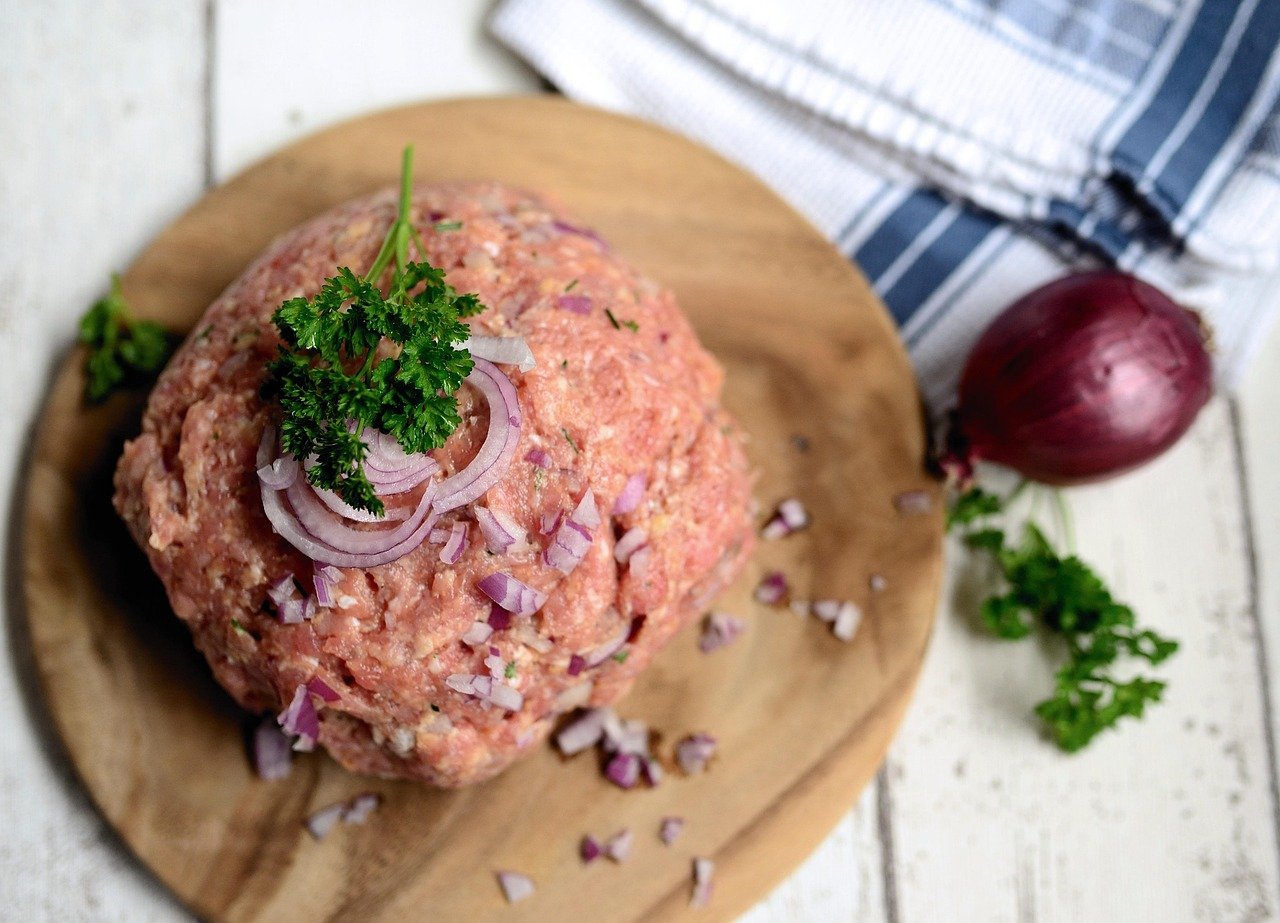
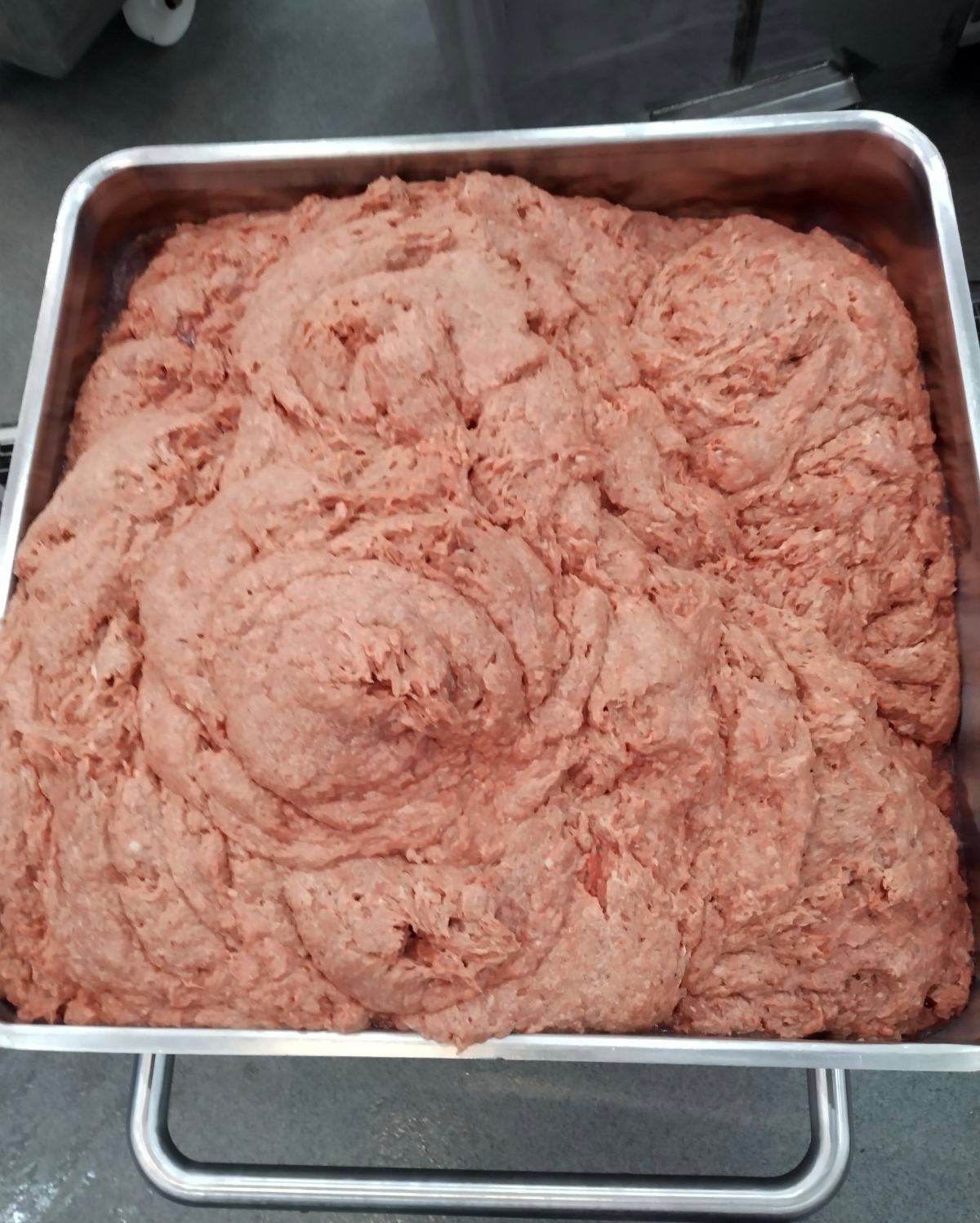
Food manufacturers frequently utilize turkey thigh meat in sausages, deli products, ready meals, frozen foods, soups, and value-added poultry products. Its functionality and flavor profile make it attractive for large-scale processing operations.
Retail Market Opportunities
Retail consumers increasingly recognize turkey thigh meat as an affordable and versatile protein source. Family-sized packaging and value-oriented positioning help support retail demand in many markets.
Frozen Turkey Thigh Meat
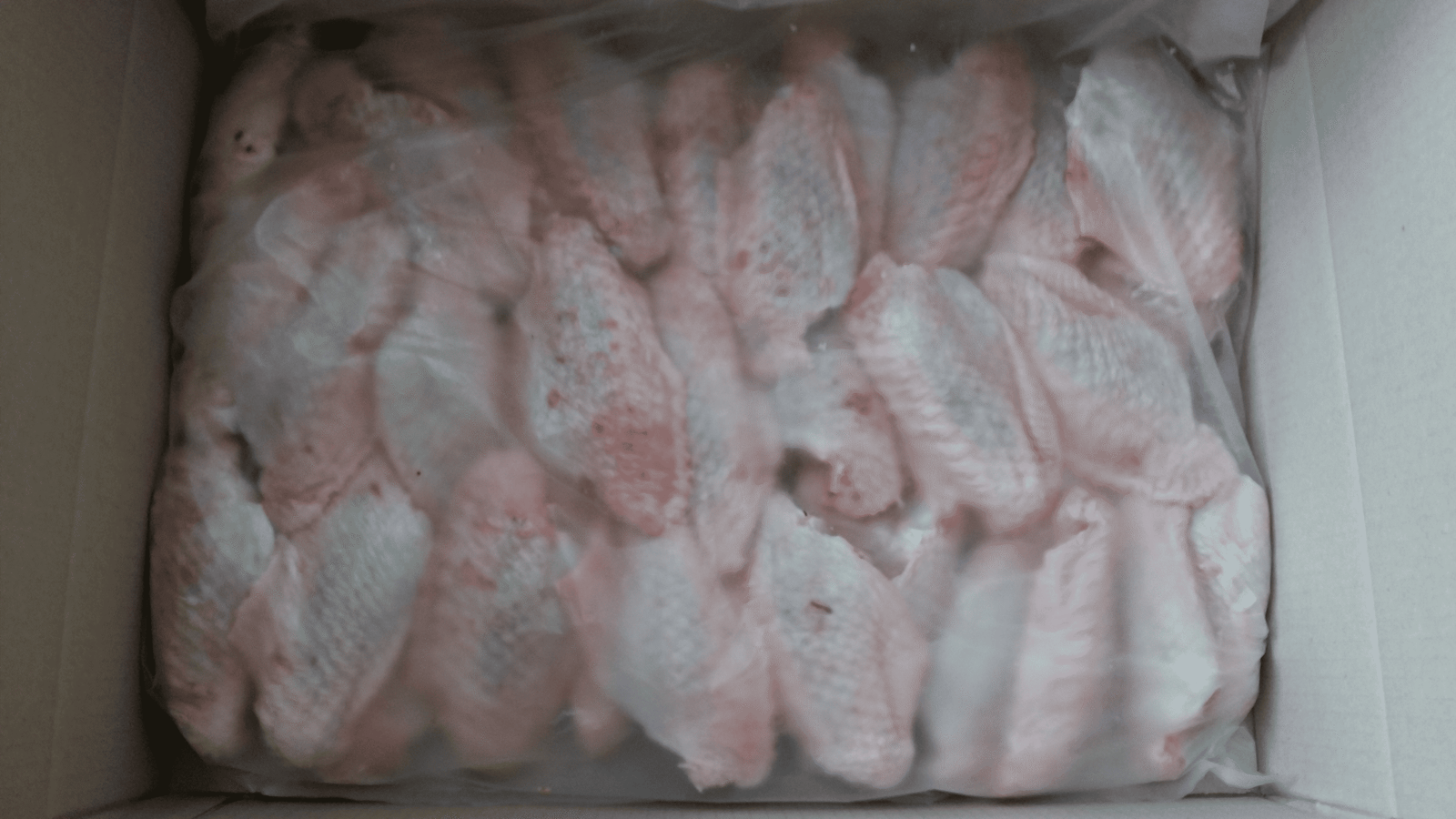
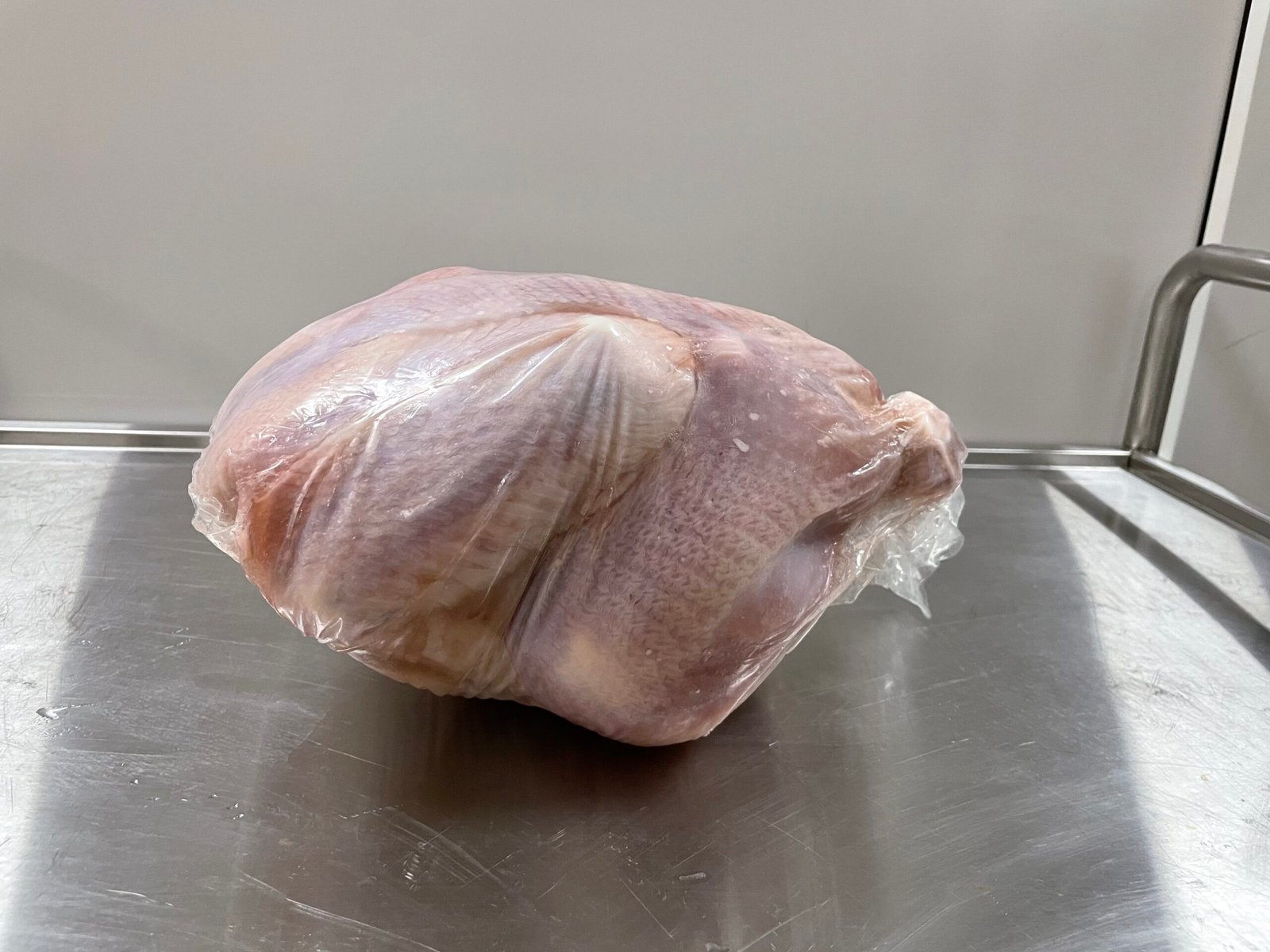
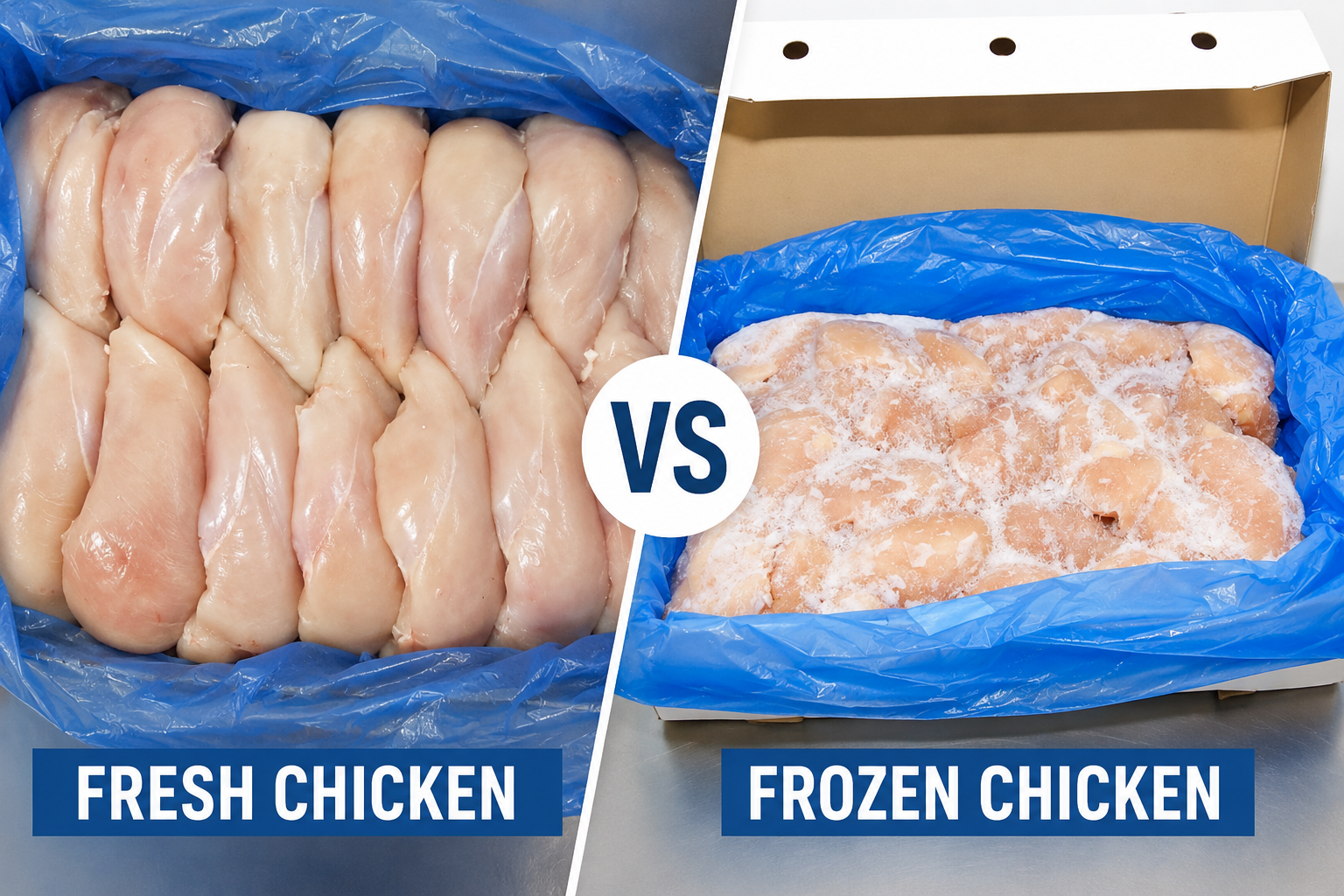
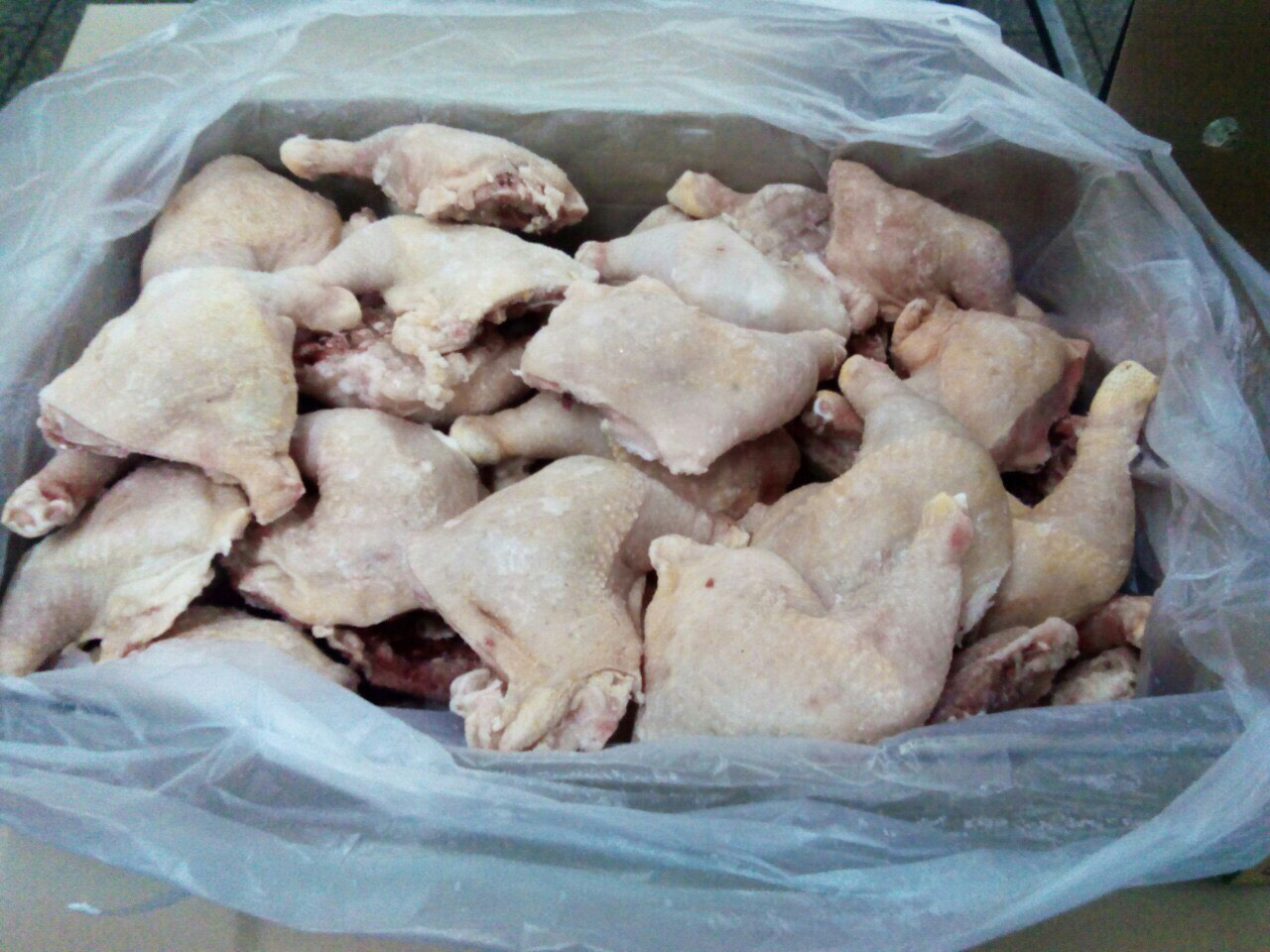
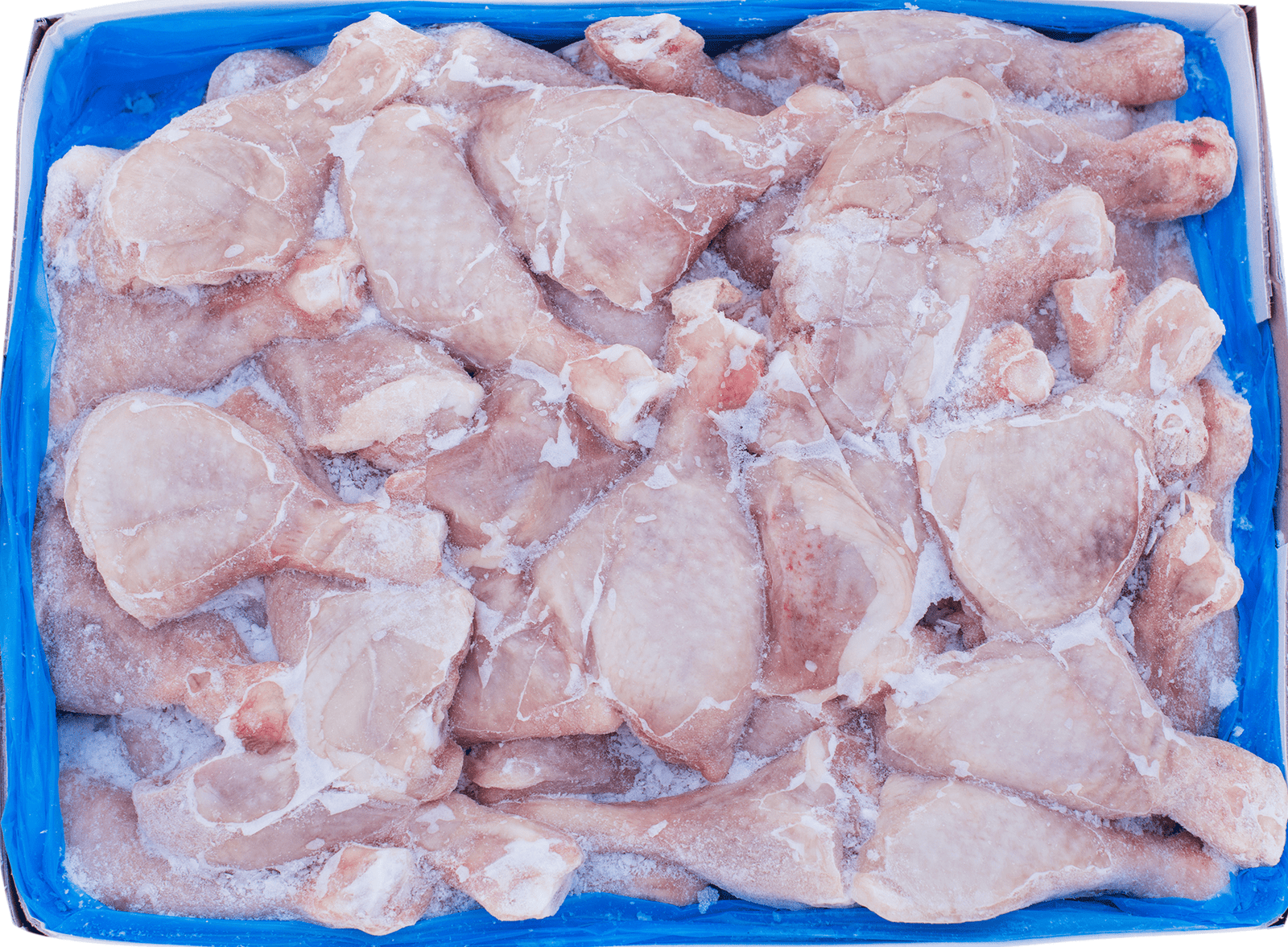
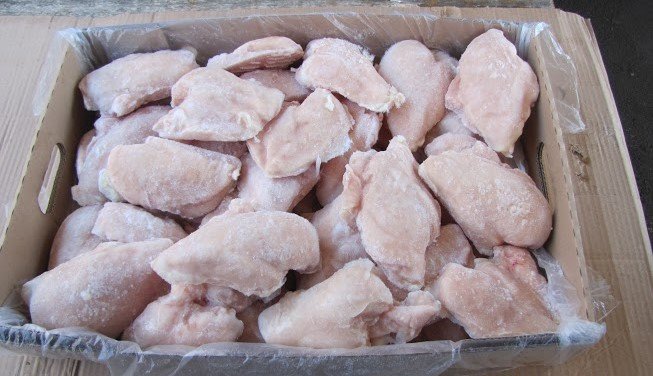
Most international trade is conducted using frozen products. Freezing extends shelf life, simplifies logistics, and allows exporters to access distant markets while maintaining product quality. Frozen turkey thigh meat is particularly attractive for importers seeking inventory flexibility.
Halal Market Demand
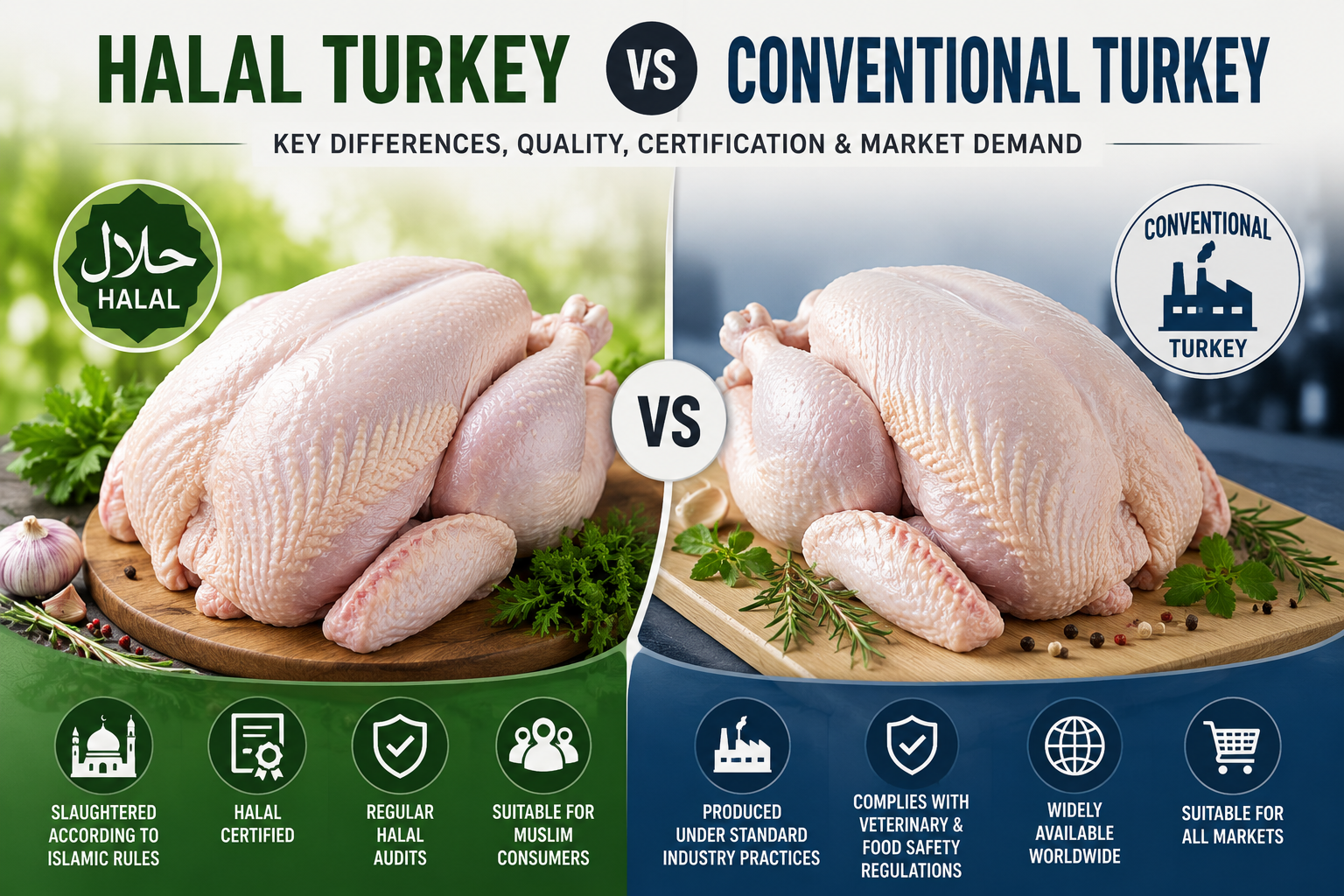
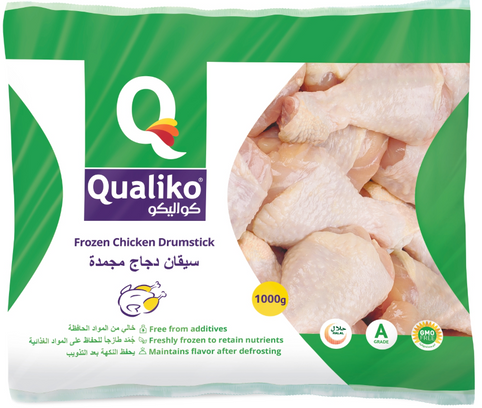
Halal-certified turkey thigh meat is increasingly important in the Middle East, Africa, and parts of Asia and Europe. Buyers serving Muslim consumers often require recognized halal certification and documented compliance throughout the production process.
Food Safety and Quality Standards
Professional buyers typically require suppliers to operate under internationally recognized food safety systems such as HACCP, ISO 22000, BRCGS, or IFS. These certifications support supplier credibility and help ensure product consistency.
Product Specifications
Importers commonly evaluate weight ranges, trimming standards, moisture levels, freezing methods, packaging formats, shelf life, and origin. Clear specifications help maintain consistency across shipments and reduce procurement risks.
Packaging Solutions
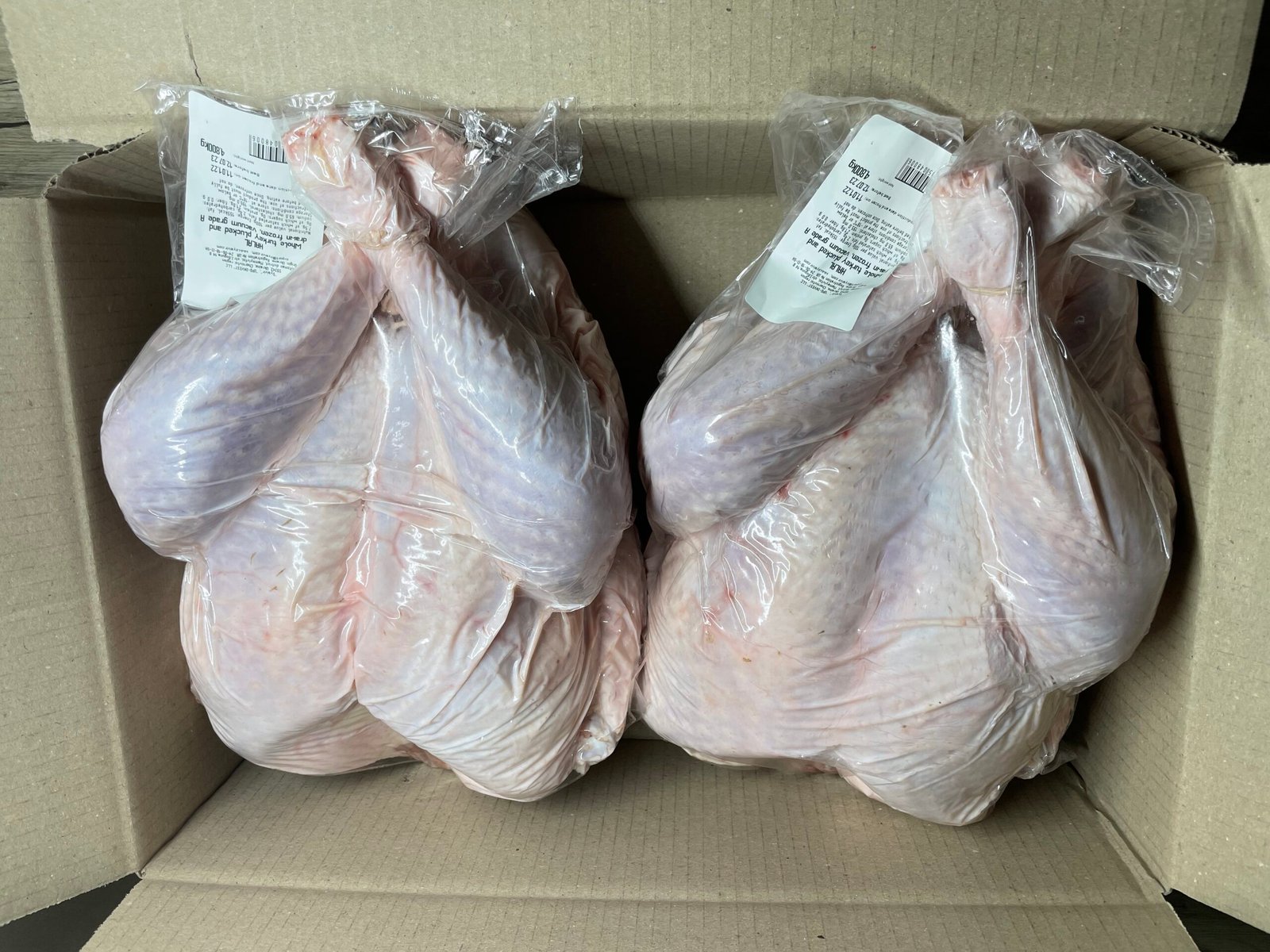
Turkey thigh meat may be supplied in bulk cartons, vacuum-packed formats, IQF packaging, or customized private-label solutions. Packaging requirements vary depending on distribution channels and customer preferences.
Pricing Factors
Market pricing is influenced by feed costs, processing expenses, labor costs, energy prices, certifications, freight rates, exchange rates, and global supply-demand conditions. Buyers should focus on total landed cost rather than product price alone.
Cold Chain Logistics
Frozen turkey thigh meat is typically transported in refrigerated containers at temperatures of approximately -18°C or lower. Effective cold-chain management is essential for preserving product quality and meeting regulatory requirements.
Documentation Requirements
International shipments generally require commercial invoices, packing lists, veterinary health certificates, certificates of origin, bills of lading, and destination-specific approvals. Halal certificates may also be required in certain markets.
How Importers Evaluate Suppliers
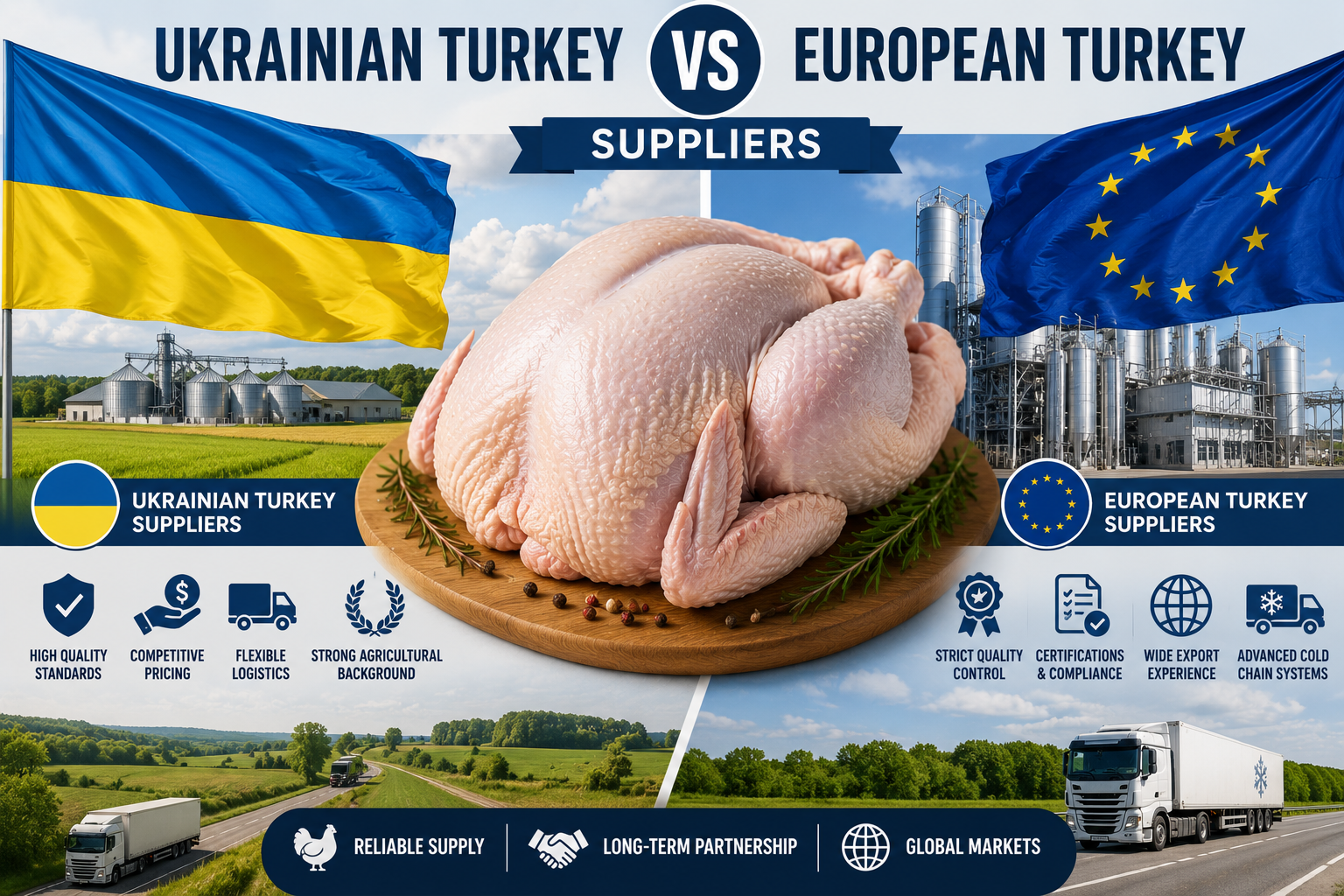
Experienced buyers assess production capacity, export experience, food safety certifications, logistics capabilities, quality systems, customer references, and supply reliability. Long-term partnerships often provide greater value than short-term price advantages.
Challenges and Opportunities
Importers face challenges including freight volatility, regulatory changes, currency fluctuations, and supply chain disruptions. However, growing demand for affordable proteins continues to create attractive opportunities in many international markets.
Future Outlook
Turkey thigh meat is expected to benefit from ongoing growth in foodservice, retail, and food manufacturing sectors. Rising protein consumption and increased demand for value-oriented poultry products should continue to support international trade.
Conclusion
Turkey thigh meat offers a compelling combination of flavor, versatility, affordability, and commercial value. Its broad range of applications across foodservice, retail, and industrial processing sectors makes it an attractive option for importers and distributors worldwide. Companies that prioritize quality, certification compliance, and reliable supply chains will be well positioned to capitalize on future market growth.