Turkey Drumsticks: Demand and Import Trends
Comprehensive Market Analysis for Importers, Distributors, Wholesalers and Foodservice Buyers
Introduction
Turkey drumsticks have become an increasingly important product in the global poultry trade. While turkey breast often receives the most attention, drumsticks offer a unique combination of affordability, flavor, and versatility that appeals to importers, foodservice operators, processors, and retail buyers. Growing demand in emerging markets and changing consumer preferences continue to support international trade in frozen turkey drumsticks.
What Are Turkey Drumsticks?
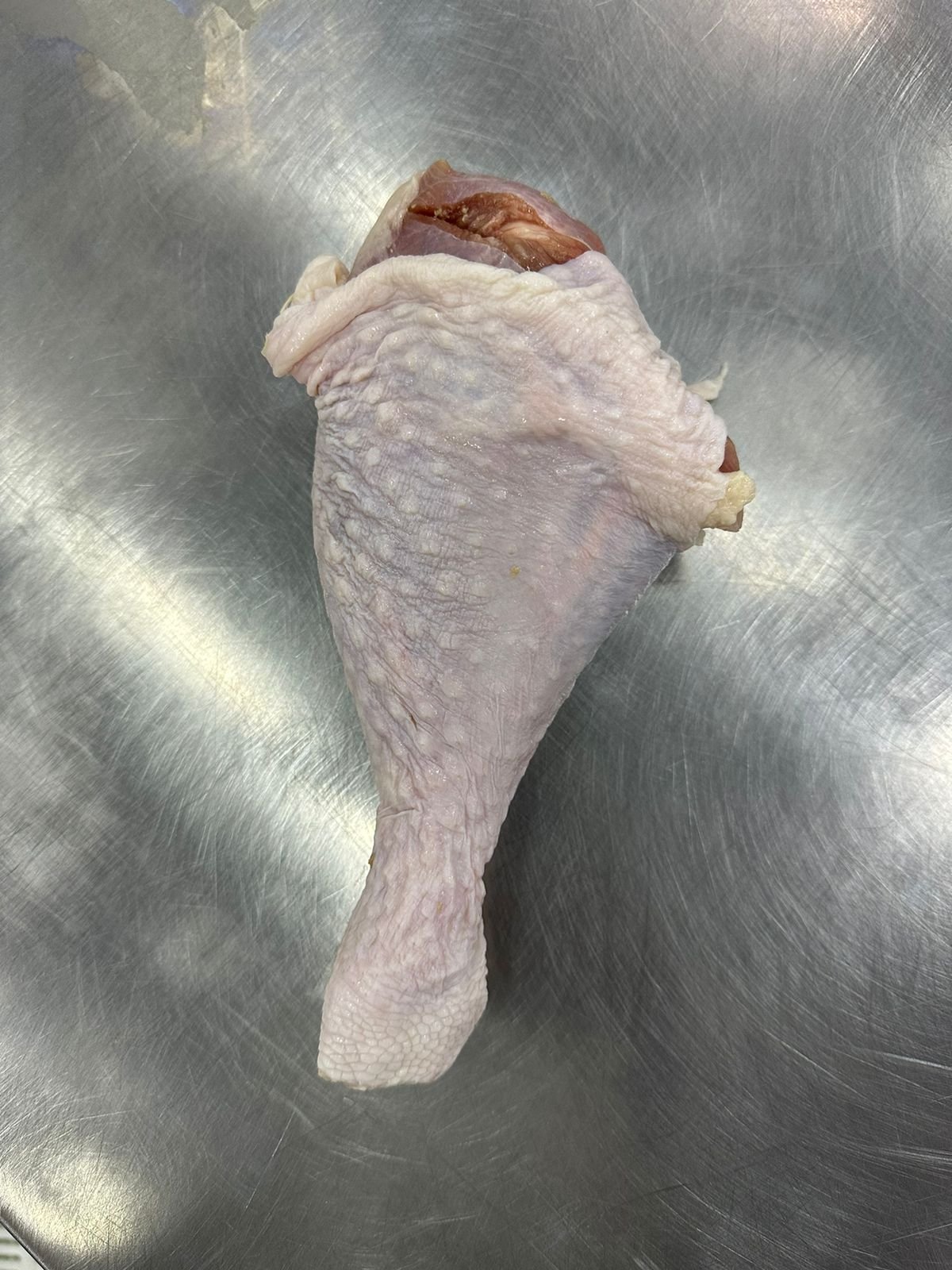
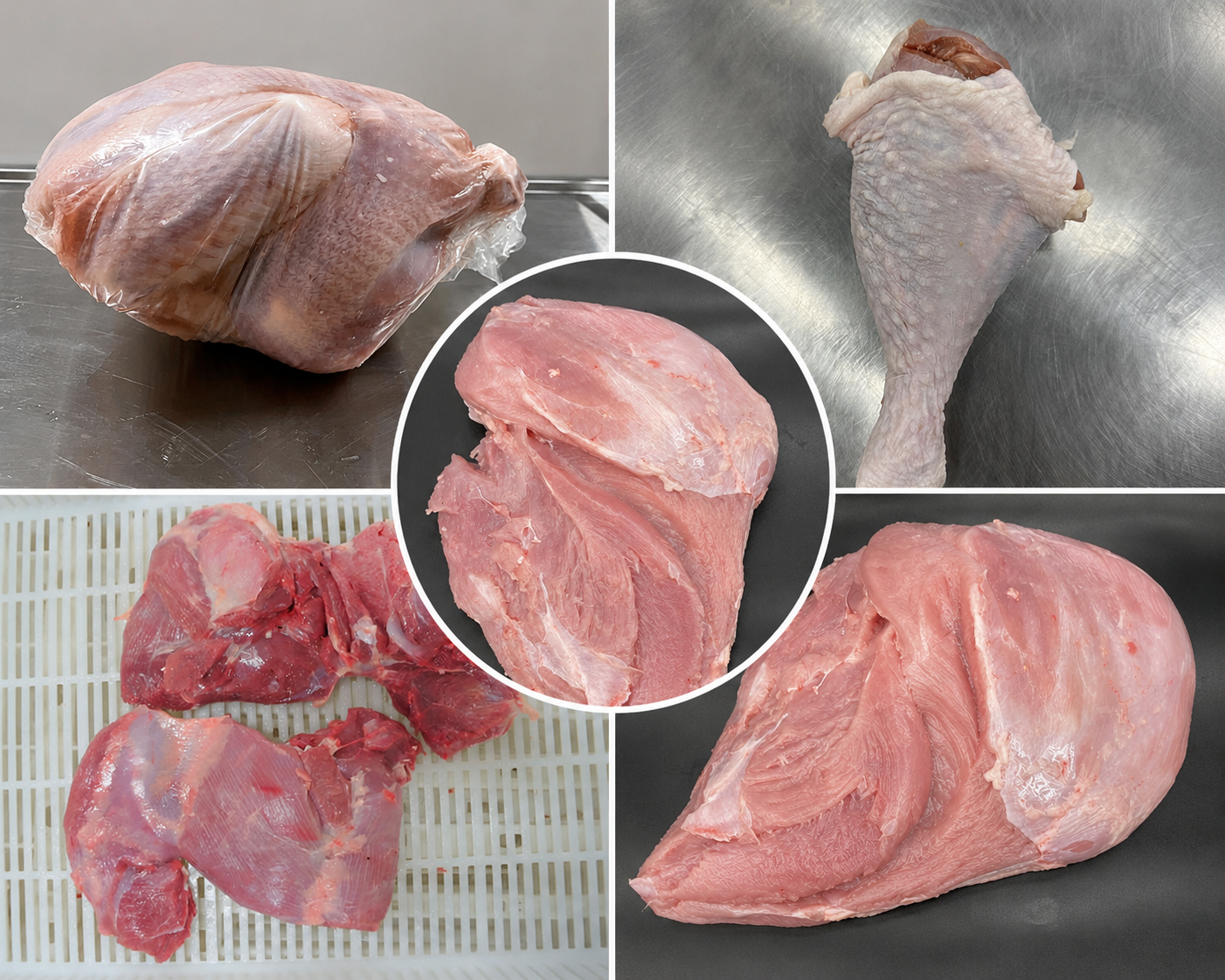
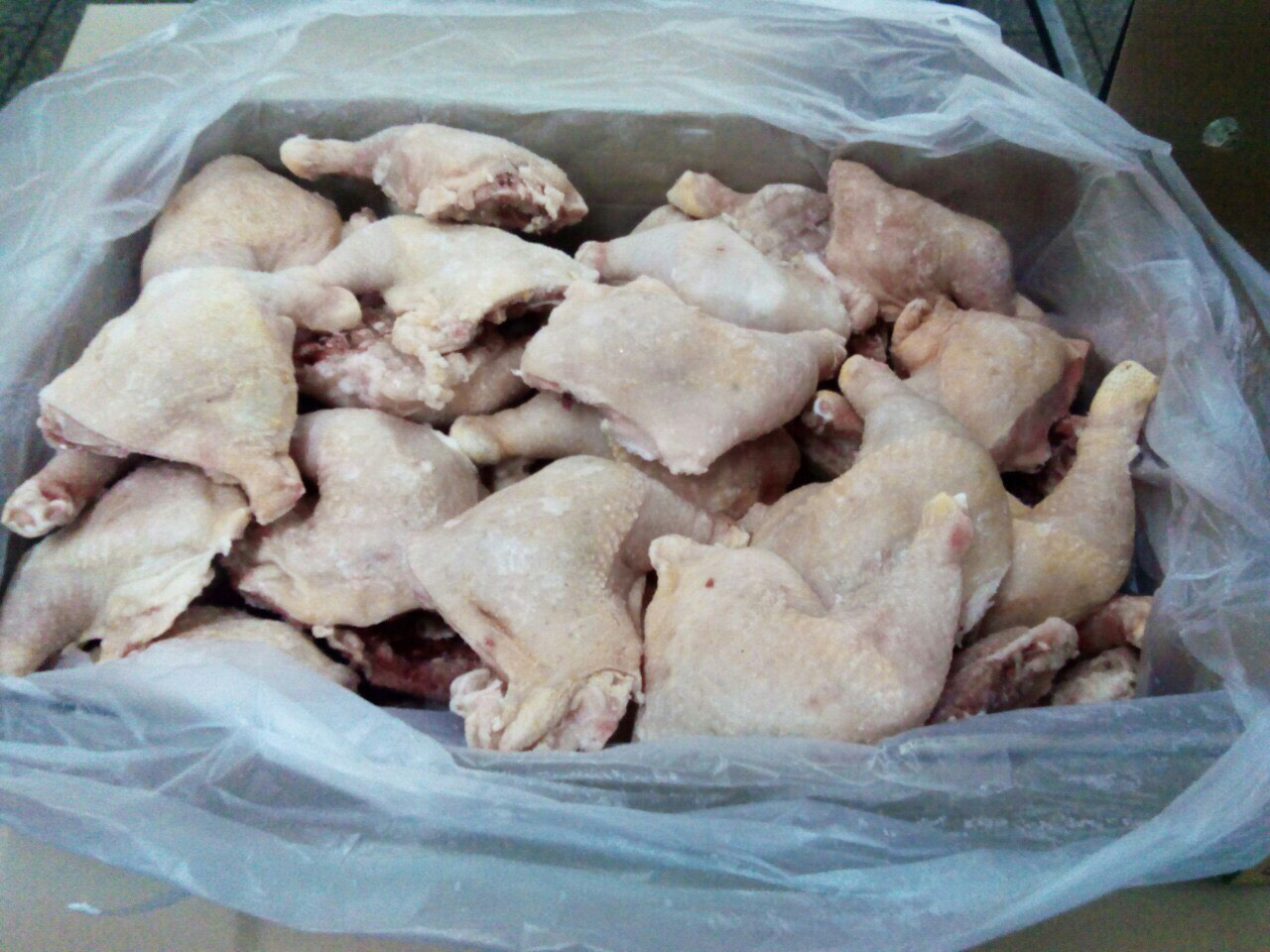
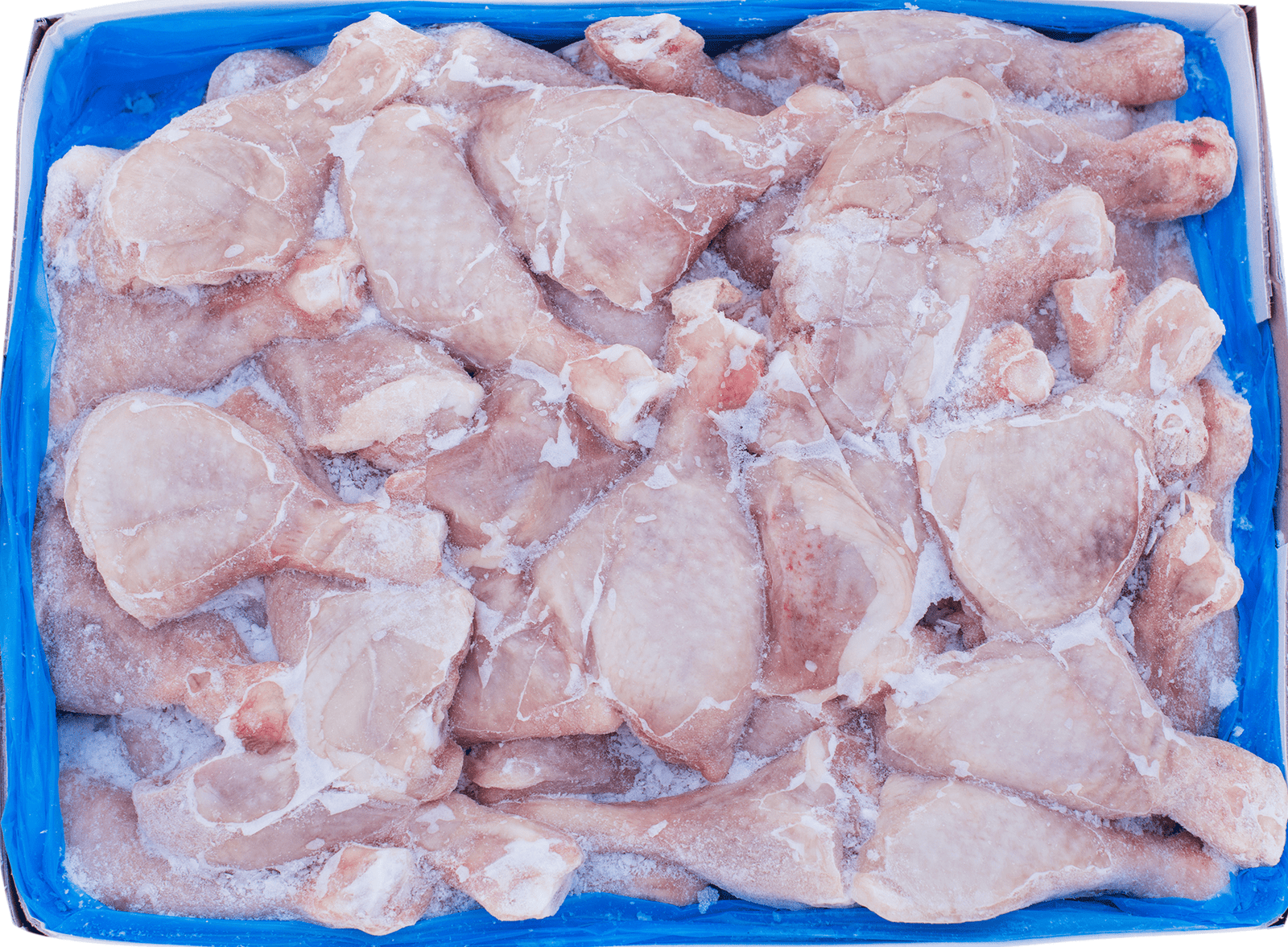
Turkey drumsticks are the lower leg portion of the bird and are known for their rich flavor, darker meat, and relatively high yield. They are sold as frozen raw products, marinated items, smoked products, or further-processed foodservice solutions. Their larger size compared to chicken drumsticks makes them suitable for a wide range of commercial applications.
Global Demand Overview
International demand for turkey drumsticks has expanded as buyers seek cost-effective poultry proteins. In many markets, consumers appreciate dark meat products for their flavor and cooking characteristics. Turkey drumsticks are increasingly used by restaurants, caterers, food manufacturers, and institutional kitchens.
Major Import Markets
Demand is particularly strong in parts of Africa, the Middle East, Eastern Europe, Central Asia, and selected Asian markets. Many importers view turkey drumsticks as an affordable alternative to premium poultry cuts while still offering attractive nutritional value and menu flexibility.
Why Importers Buy Turkey Drumsticks
Importers are attracted by competitive pricing, reliable availability, long frozen shelf life, and broad culinary applications. Compared with premium breast meat, drumsticks often provide a more economical solution for distributors serving price-sensitive markets.
Foodservice Applications
Hotels, restaurants, quick-service chains, and catering companies use turkey drumsticks in roasted dishes, barbecue menus, smoked products, soups, stews, and traditional regional recipes. Their strong flavor profile makes them especially popular in slow-cooked preparations.
Retail Market Opportunities
Retailers increasingly market turkey drumsticks as value-oriented protein products. Larger family portions and competitive pricing appeal to consumers seeking affordable meal solutions.
Supply Trends
Global availability of turkey drumsticks depends on turkey production volumes, processing capacity, export demand, and consumer preferences in producing countries. Export-oriented processors often develop specialized programs for international customers seeking dark meat products.
Factors Affecting Import Demand
Demand is influenced by population growth, income levels, dietary trends, poultry consumption patterns, religious requirements, and relative pricing compared with chicken, beef, and other proteins.
Halal Market Growth
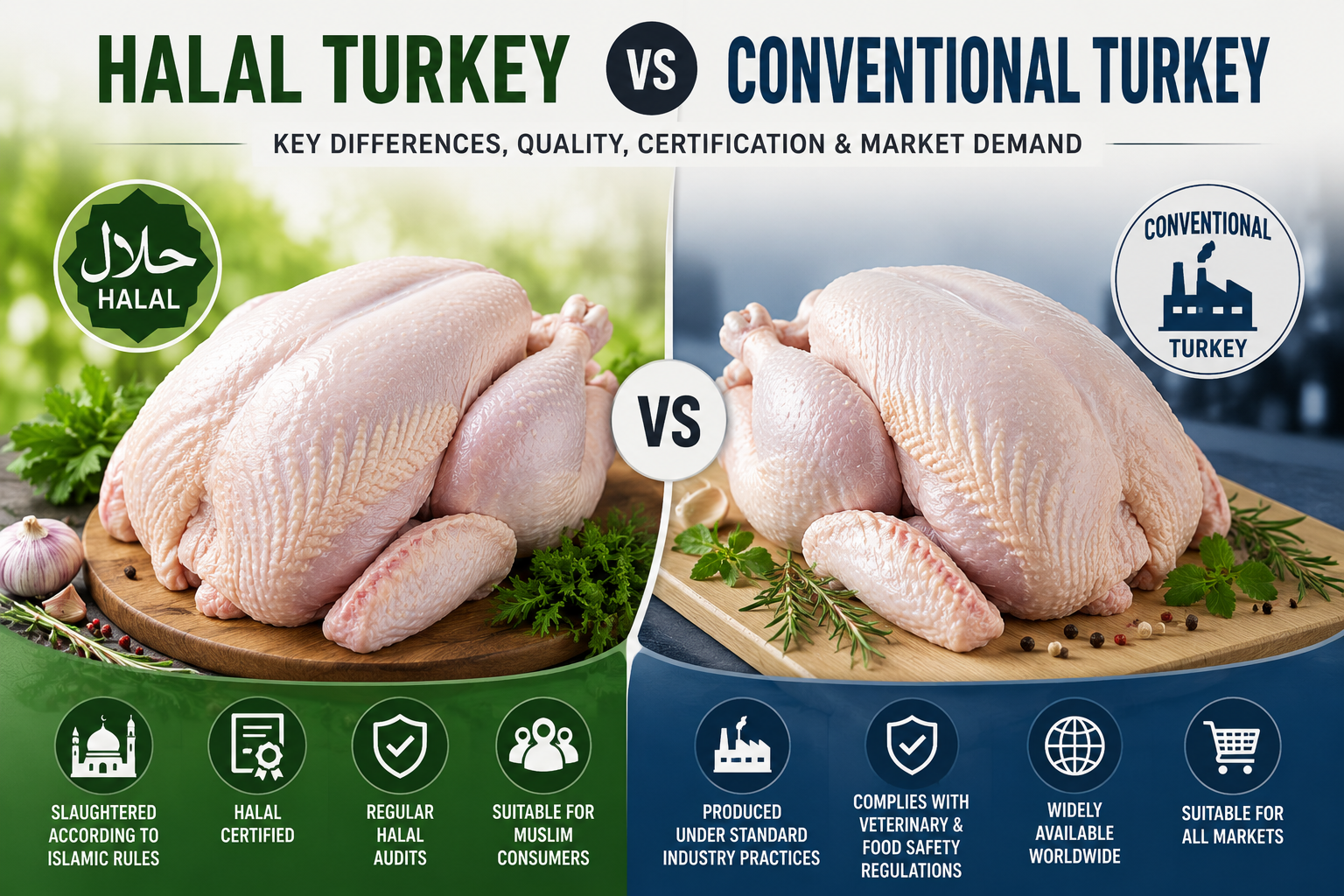
Halal-certified turkey drumsticks are increasingly important in many importing regions. Buyers often require recognized halal certification and documented compliance throughout production and distribution.
Pricing Trends
Turkey drumstick pricing is affected by feed costs, labor expenses, energy prices, freight rates, exchange rates, and global poultry supply-demand dynamics. Importers should evaluate total landed cost rather than FOB pricing alone.
Logistics and Cold Chain Requirements
Most international shipments are transported frozen in refrigerated containers. Maintaining temperatures of approximately -18°C or lower throughout the supply chain helps preserve product quality and shelf life.
Documentation Requirements
International trade typically requires commercial invoices, packing lists, veterinary health certificates, certificates of origin, bills of lading, and destination-specific approvals. Halal certificates may also be required depending on the market.
Supplier Selection
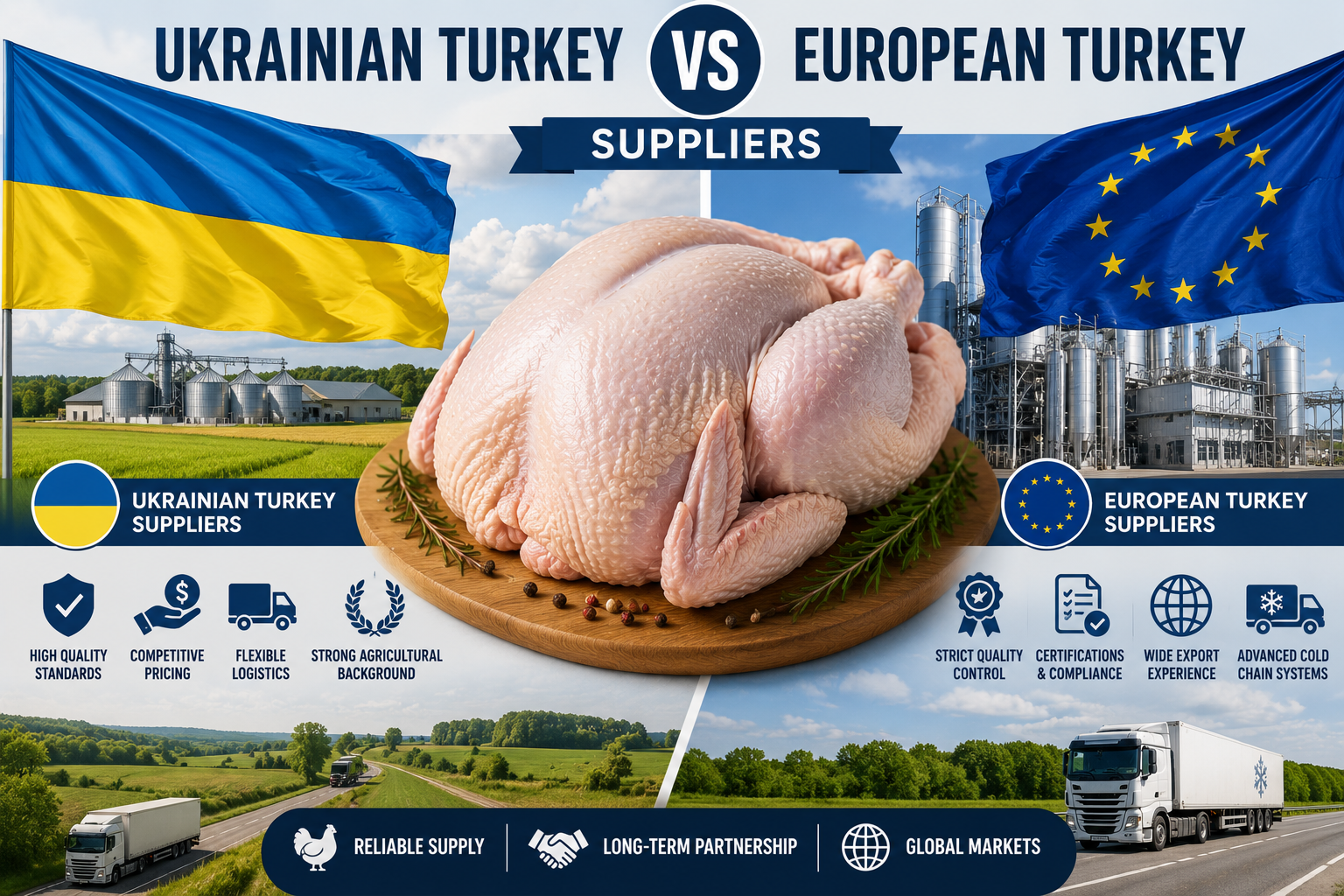
Professional buyers evaluate suppliers based on production capacity, export experience, certification status, quality control systems, logistics capabilities, and consistency of supply. Long-term reliability is often more valuable than short-term price advantages.
Challenges Facing Importers
Importers may encounter challenges including freight volatility, currency fluctuations, regulatory changes, customs delays, and supply disruptions. Effective procurement planning helps mitigate these risks.
Emerging Market Opportunities
Urbanization, growth in foodservice sectors, and increasing protein consumption are creating new opportunities for turkey drumstick suppliers. Emerging economies are expected to remain key growth drivers in coming years.
Future Outlook
Global demand for turkey drumsticks is expected to remain positive as consumers seek affordable protein sources and foodservice operators focus on cost management. Suppliers capable of delivering consistent quality and reliable logistics are likely to benefit from future growth.
Conclusion
Turkey drumsticks represent a valuable product category within the international poultry trade. Their affordability, versatility, and strong consumer appeal support continued import demand across multiple regions. Importers that focus on supplier quality, logistics performance, certification compliance, and market-specific requirements will be best positioned to capitalize on future opportunities.