Turkey Breast vs Chicken Breast
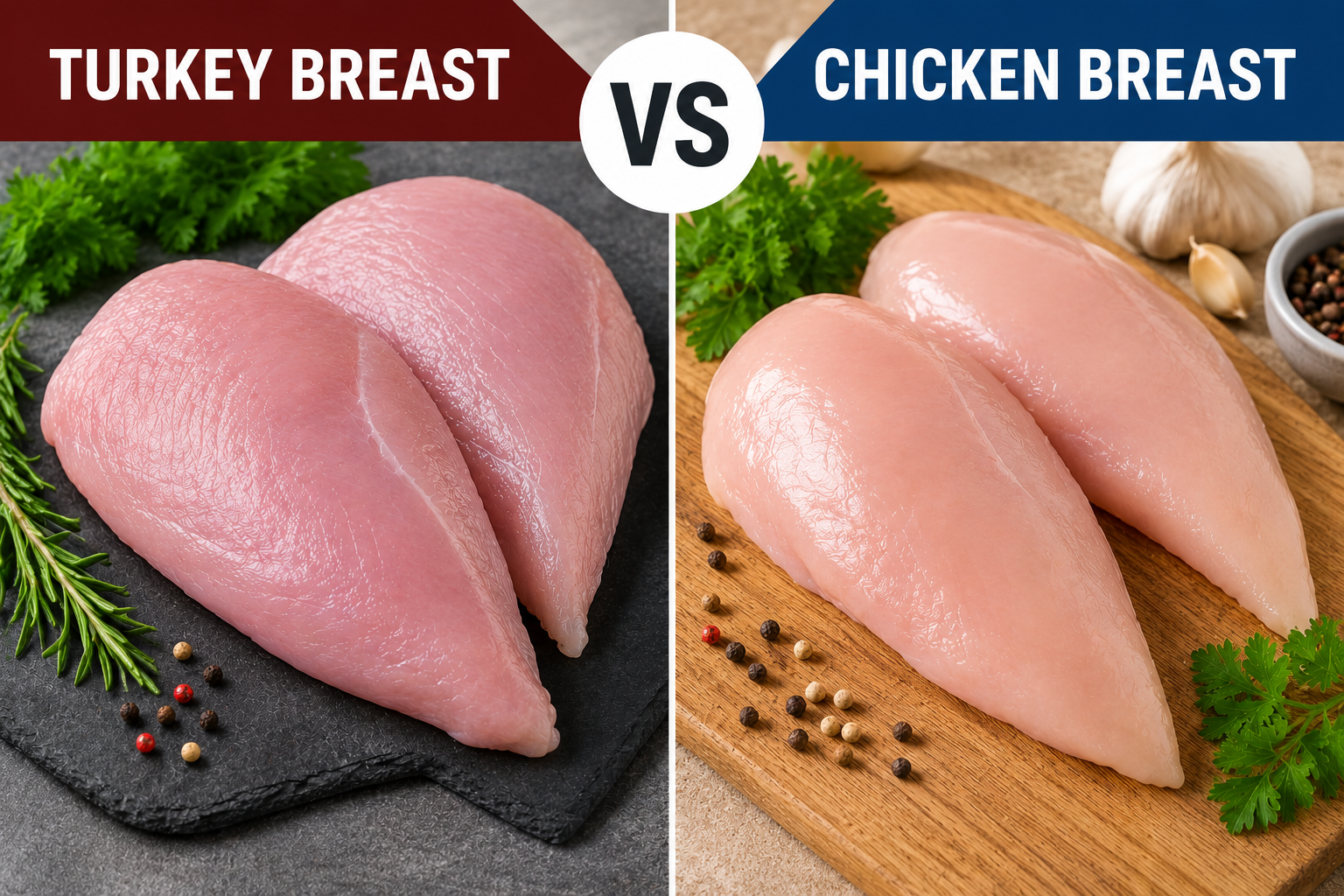
Turkey Breast vs Chicken Breast: A Complete Comparison for Importers, Retailers, and Consumers
Introduction
Turkey breast and chicken breast are two of the most popular poultry products in the global food industry. Both are widely recognized as lean, high-protein meats that appeal to health-conscious consumers, foodservice operators, retailers, and food manufacturers.
Although they share many similarities, turkey breast and chicken breast differ in terms of nutrition, cost, market positioning, consumer demand, processing applications, and international trade opportunities. Understanding these differences can help importers and buyers make informed sourcing decisions.
This article compares turkey breast and chicken breast from nutritional, commercial, and market perspectives.
Product Overview
– Turkey Breast
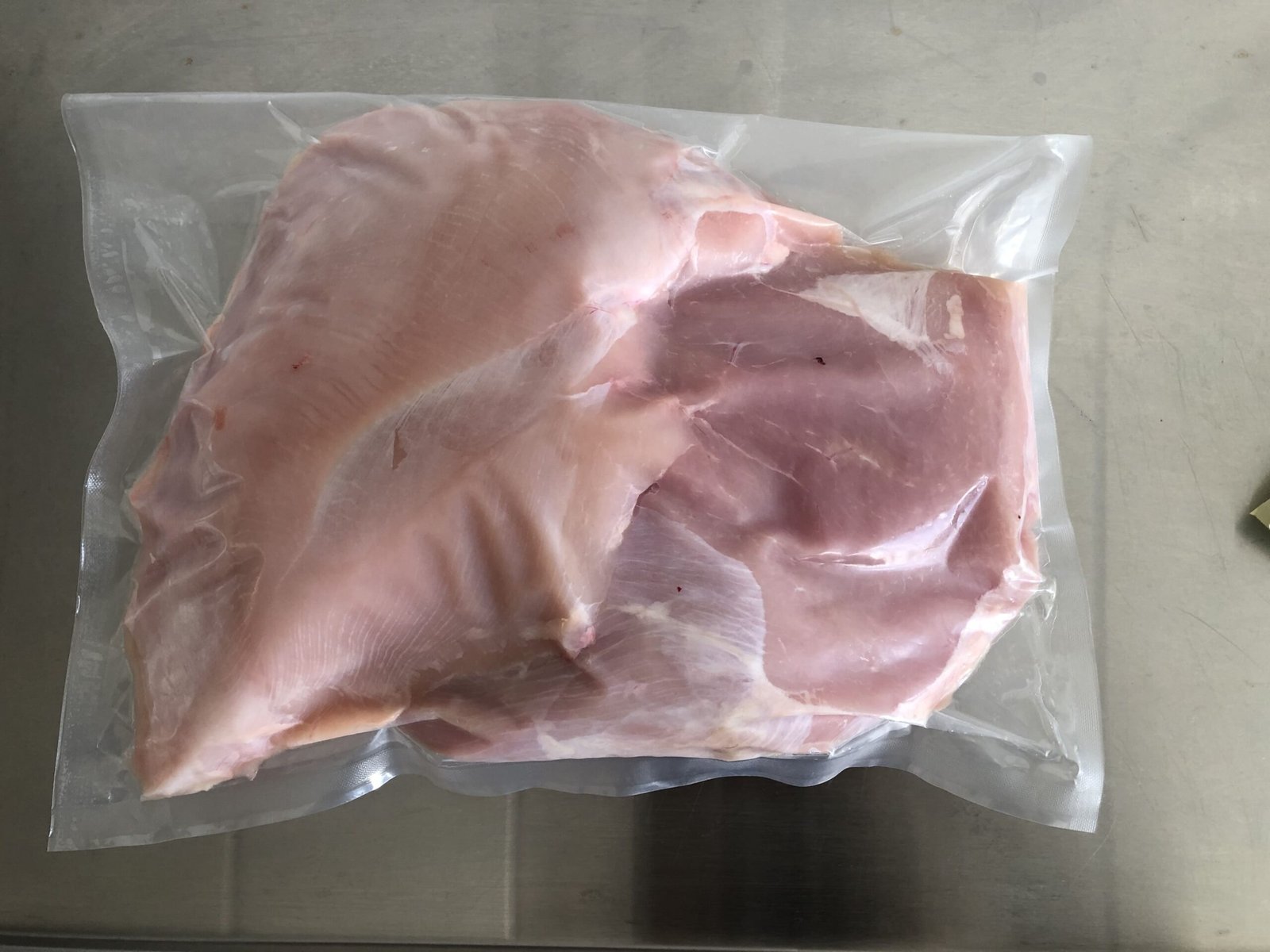
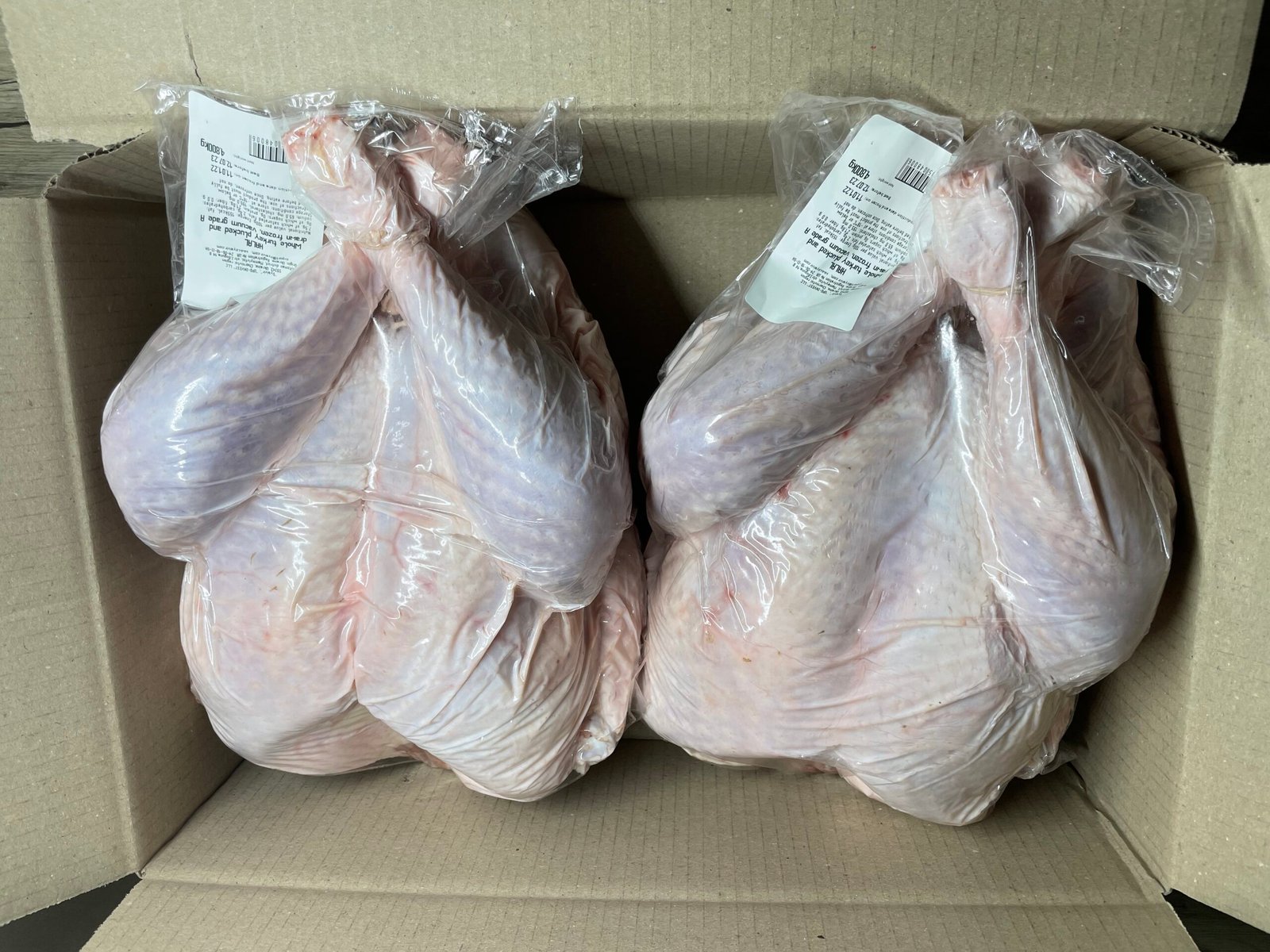
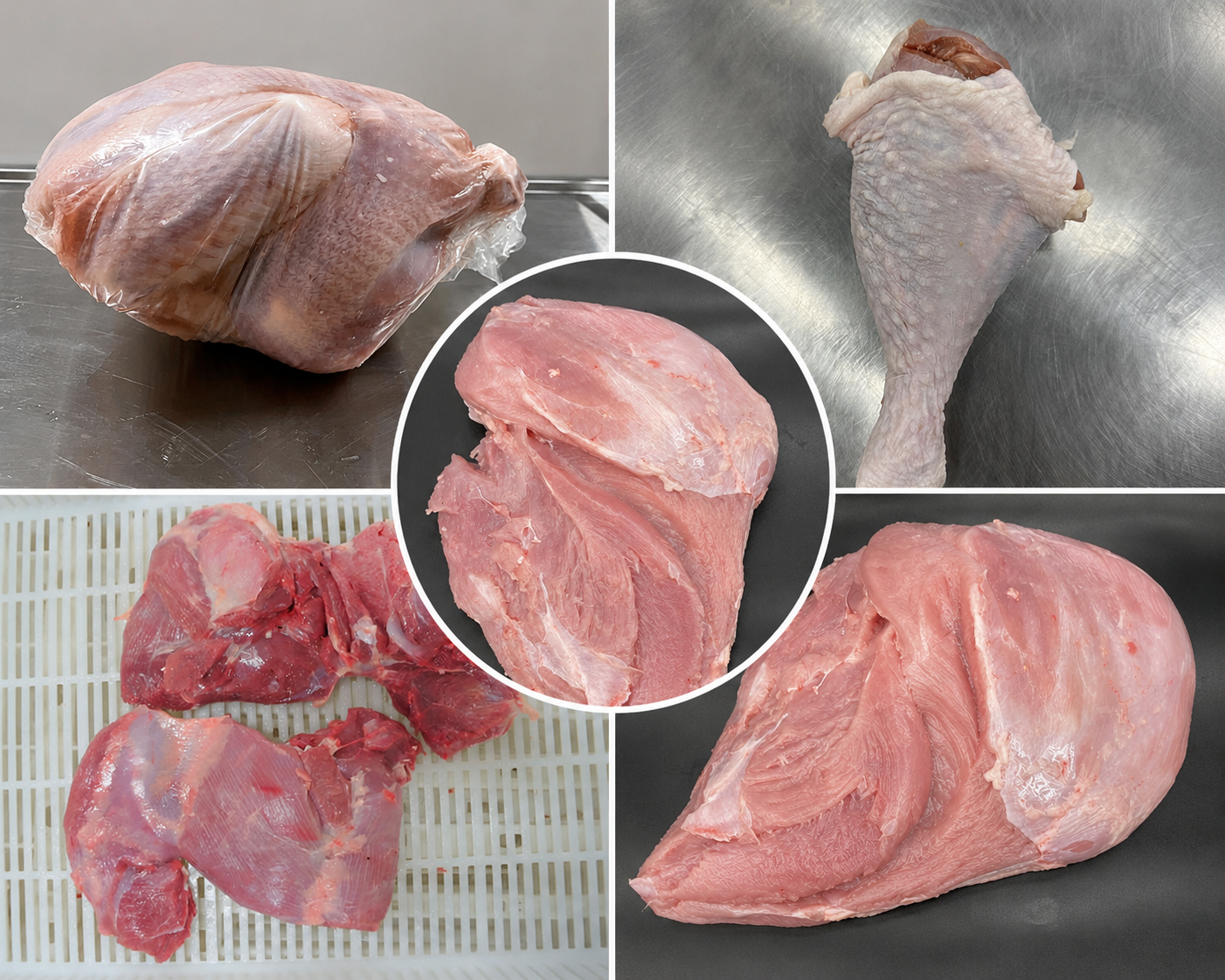
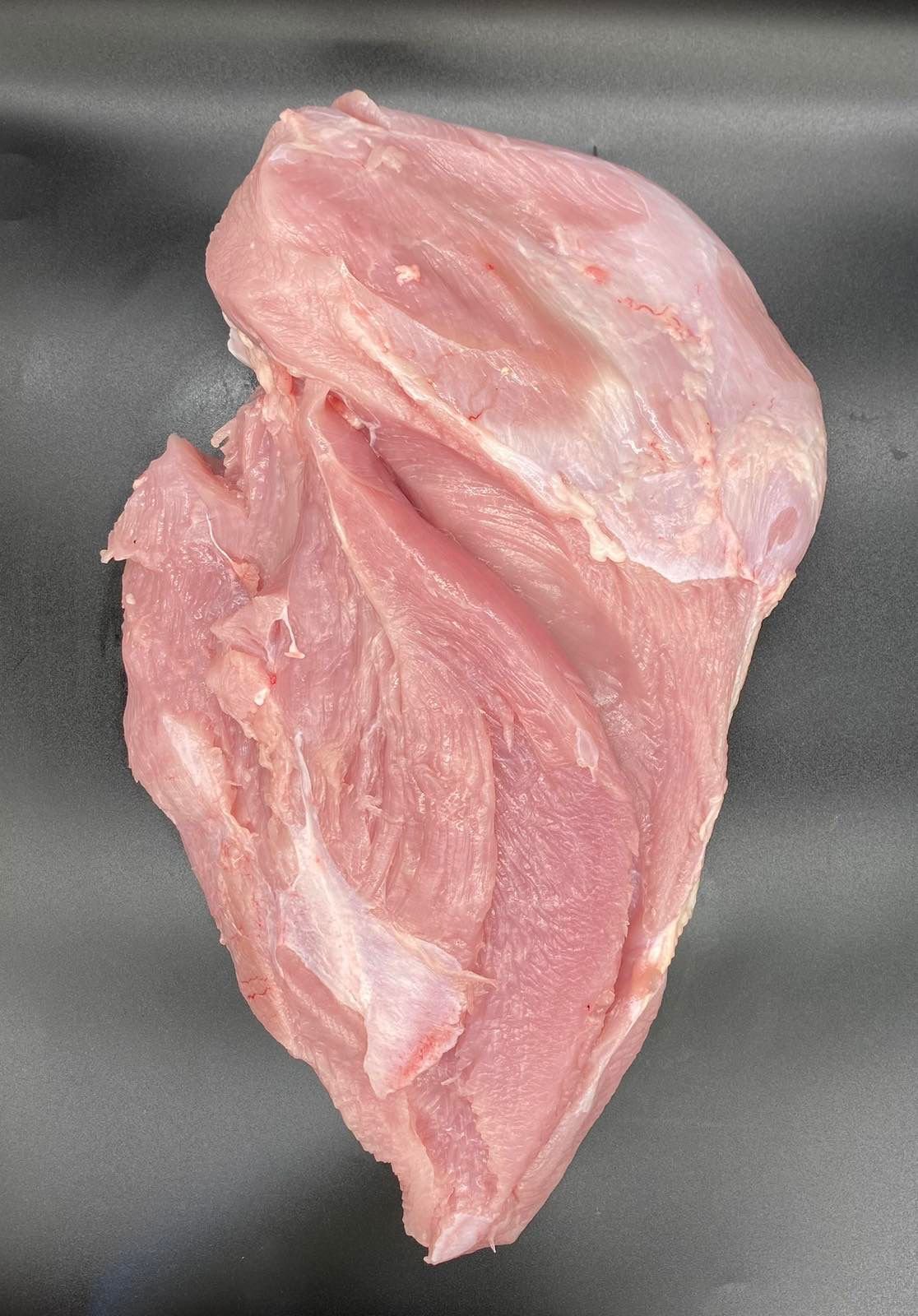
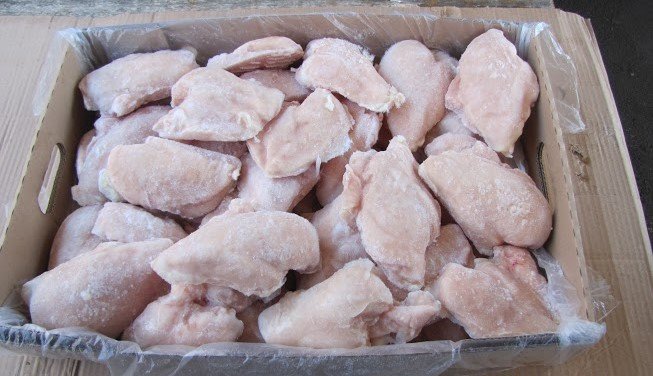
Turkey breast is boneless white meat obtained from the turkey breast. It is often considered a premium poultry product due to its larger size, lean profile, and growing popularity among consumers seeking healthy protein options.
– Chicken Breast
Chicken breast is the most widely consumed poultry cut globally. It is known for its versatility, affordability, and broad consumer acceptance across nearly all markets.
Nutritional Comparison
– Protein Content
Both products provide excellent protein levels.
Turkey breast is often slightly higher in protein per serving and is frequently marketed as a premium protein source.
Chicken breast also provides substantial protein content and remains a staple of fitness-oriented diets worldwide.
– Fat Content
Turkey breast generally contains very low fat levels.
Advantages of turkey breast:
• Lean protein source
• Low saturated fat
• Suitable for weight-management diets
Chicken breast is also lean but may contain slightly higher fat levels depending on processing and preparation methods.
– Calorie Comparison
Both products are relatively low in calories.
Turkey breast is often favored by consumers seeking maximum protein with minimal fat and calories.
– Vitamins and Minerals
Turkey breast provides:
• Selenium
• Niacin
• Vitamin B6
• Phosphorus
Chicken breast provides:
• B vitamins
• Phosphorus
• Selenium
• Potassium
Both products contribute valuable nutrients to a balanced diet.
– Consumer Perception
Turkey Breast
Consumers often associate turkey breast with:
• Healthy lifestyles
• Premium poultry products
• Fitness nutrition
• High-protein diets
Chicken Breast
Consumers often associate chicken breast with:
• Everyday meals
• Affordability
• Convenience
• Familiarity
These perceptions influence purchasing decisions and product positioning.
Cost Comparison
Chicken breast generally benefits from larger production volumes and lower prices.
Advantages:
• Competitive pricing
• Broad availability
• High-volume sales potential
Turkey breast often commands higher prices because of:
• Premium positioning
• Lower production volumes
• Larger bird size
• Higher perceived value
Retail Opportunities
Turkey Breast
Retail products include:
• Fresh turkey breast fillets
• Frozen turkey breast
• Marinated turkey portions
• Premium poultry selections
Chicken Breast
Retail products include:
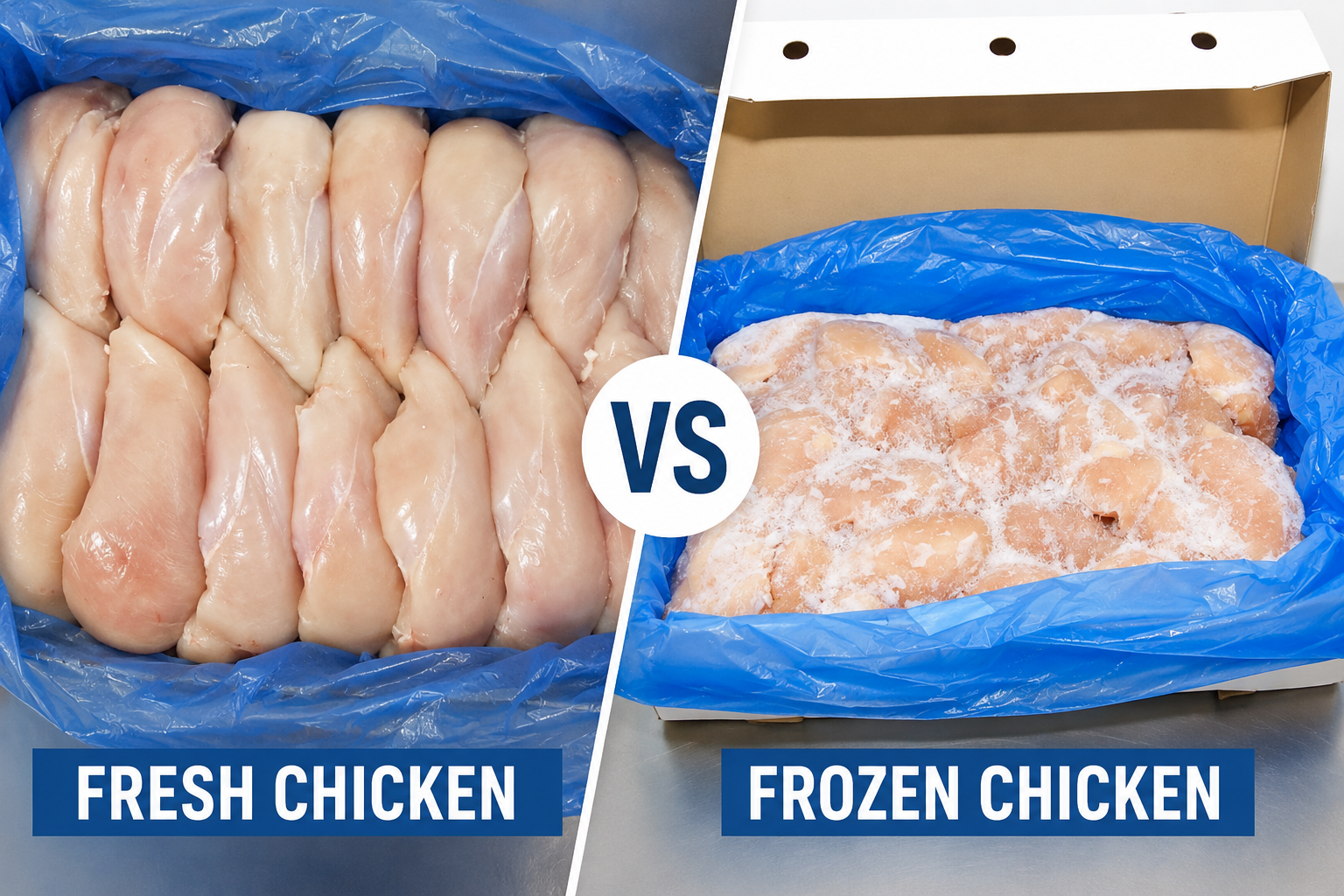
• Fresh chicken breast
• Frozen chicken breast
• Breaded products
• Ready-to-cook options
Chicken dominates volume sales, while turkey often performs strongly in premium categories.
Foodservice Applications
Turkey Breast
Common applications include:
• Grilled dishes
• Salads
• Sandwiches
• Healthy meal plans
Chicken Breast
Common applications include:
• Restaurant meals
• Fast-food products
• Catering menus
• Prepared foods
Both proteins are highly versatile in commercial kitchens.
Industrial Food Processing
Turkey breast is frequently used in:
• Premium deli meats
• Ready meals
• High-protein products
• Specialty poultry products
Chicken breast is widely used in:
• Nuggets
• Processed foods
• Frozen meals
• Foodservice products
Chicken maintains a larger share of industrial poultry processing, but turkey is expanding rapidly in premium segments.
Export Opportunities
Turkey Breast Advantages
• Premium positioning
• Growing demand
• Strong health-oriented marketing
• Attractive margins
Chicken Breast Advantages
• Massive global demand
• Established trade flows
• Broad customer base
• Competitive pricing
Many importers offer both products to serve different market segments.
Market Trends
Several trends support demand for both products:
• Growth of high-protein diets
• Expansion of convenience foods
• Increased health awareness
• Rising poultry consumption worldwide
Turkey is benefiting particularly from premiumization and wellness trends.
Sustainability Considerations
Both turkey and chicken are generally considered more resource-efficient than many red meat categories.
Turkey production offers:
• Efficient feed conversion
• Strong meat yields
• Premium value opportunities
Chicken production offers:
• Large-scale efficiency
• Competitive production economics
• Broad market accessibility
Which Product Is Better?
Choose Turkey Breast If:
• Targeting premium consumers
• Marketing healthy lifestyle products
• Seeking higher margins
• Differentiating product offerings
Choose Chicken Breast If:
• Volume sales are the priority
• Price competitiveness is essential
• Broad market coverage is required
• High turnover is important
Conclusion
Turkey breast and chicken breast are both outstanding poultry products with strong positions in global food markets. Turkey breast offers premium positioning, excellent nutritional characteristics, and growing consumer demand among health-conscious buyers. Chicken breast remains the global leader due to affordability, availability, and widespread acceptance.
For importers, retailers, and foodservice operators, the ideal strategy often involves offering both products to meet the diverse needs of modern consumers and maximize market opportunities.