Turkey Export Documentation Guide
A Complete Guide to Export Documents Required for International Turkey Meat Trade
Introduction
Exporting turkey meat requires strict compliance with international trade regulations, veterinary requirements, food safety standards, and customs procedures. Proper documentation is one of the most critical aspects of successful export operations. Incomplete or inaccurate paperwork can lead to shipment delays, additional costs, customs holds, or even rejection at the destination port.
Why Export Documentation Matters
Export documentation serves multiple purposes. It verifies the origin of goods, confirms product safety, supports customs clearance, facilitates payment under trade contracts, and demonstrates compliance with importing-country regulations. Professional importers expect exporters to provide complete and accurate documentation for every shipment.
Commercial Invoice
The commercial invoice is the primary document used in international trade. It contains details about the buyer, seller, product description, quantities, pricing, Incoterms, payment terms, and shipment information. Customs authorities use this document to determine duties and taxes where applicable.
Packing List
A packing list provides detailed information about the shipment contents, including carton counts, pallet quantities, net weight, gross weight, dimensions, and packaging specifications. This document assists customs officials, freight forwarders, and warehouse operators.
Veterinary Health Certificate
For turkey meat exports, veterinary certificates are among the most important documents. These certificates confirm that products originate from approved establishments, meet animal health requirements, and comply with the sanitary regulations of the importing country.
Certificate of Origin
A certificate of origin verifies the country where the product was produced. Many importing countries require this document to determine eligibility under trade agreements, tariff preferences, or import regulations.
Halal Certificate
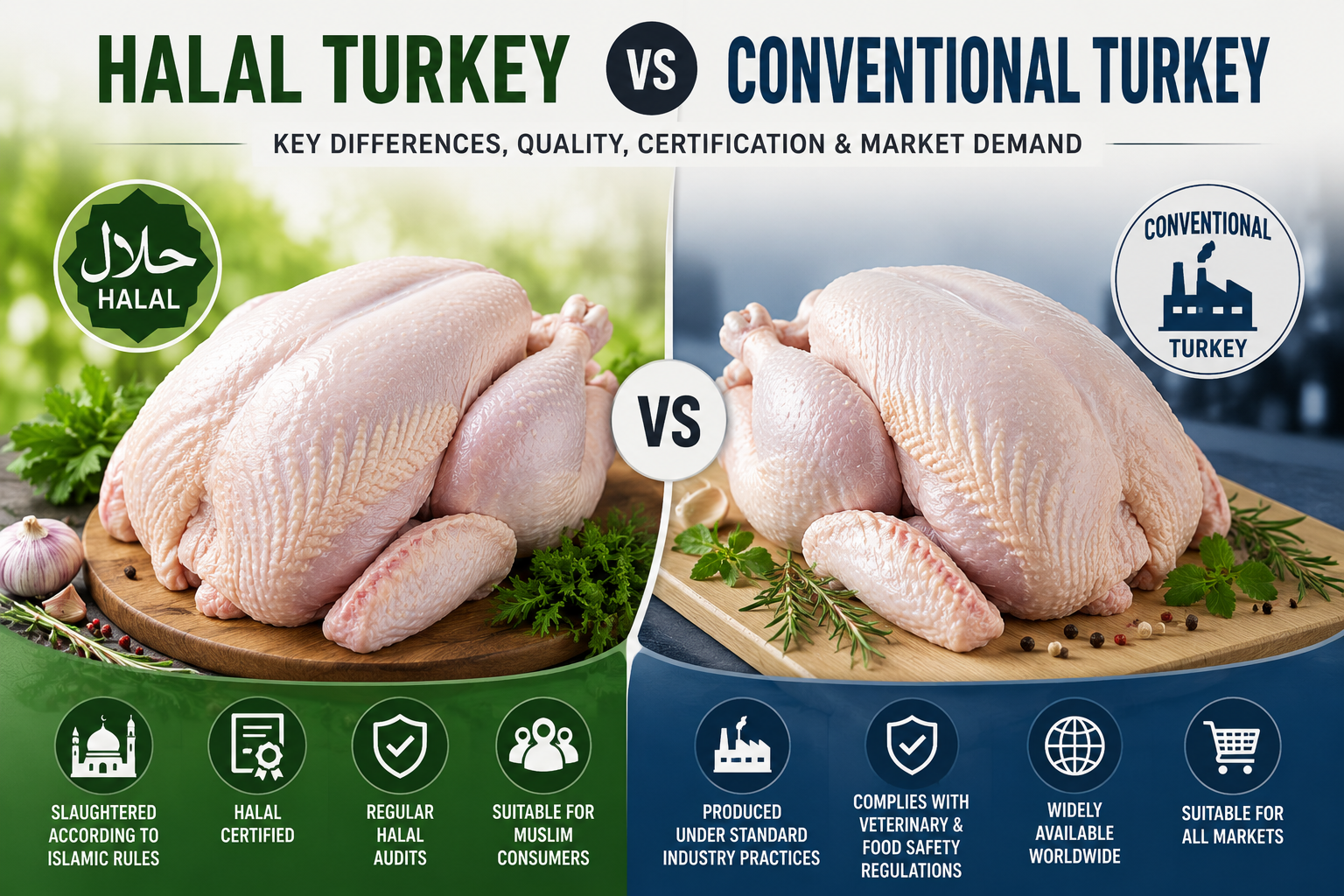
For shipments destined to Muslim-majority markets, halal certification may be mandatory. The certificate confirms that production and processing comply with recognized halal standards and the requirements of the destination market.
Food Safety Certifications
Many importers request supporting certificates such as HACCP, ISO 22000, BRCGS, or IFS certifications. These documents provide assurance that the exporter operates according to internationally recognized food safety management systems.
Bill of Lading and Transport Documents
The bill of lading acts as a transportation contract and proof of shipment. Depending on the mode of transport, exporters may also use airway bills, road transport documents, or multimodal transport certificates.
Customs Documentation
Export declarations, customs forms, tariff classifications, and supporting trade documents must be completed accurately. Errors in customs documentation can result in delays and additional compliance costs.
Import Permits and Market-Specific Requirements
Certain countries require import permits, establishment approvals, product registrations, laboratory reports, or pre-shipment inspections. Exporters should verify destination-specific requirements before production and shipment planning.
Cold Chain Records
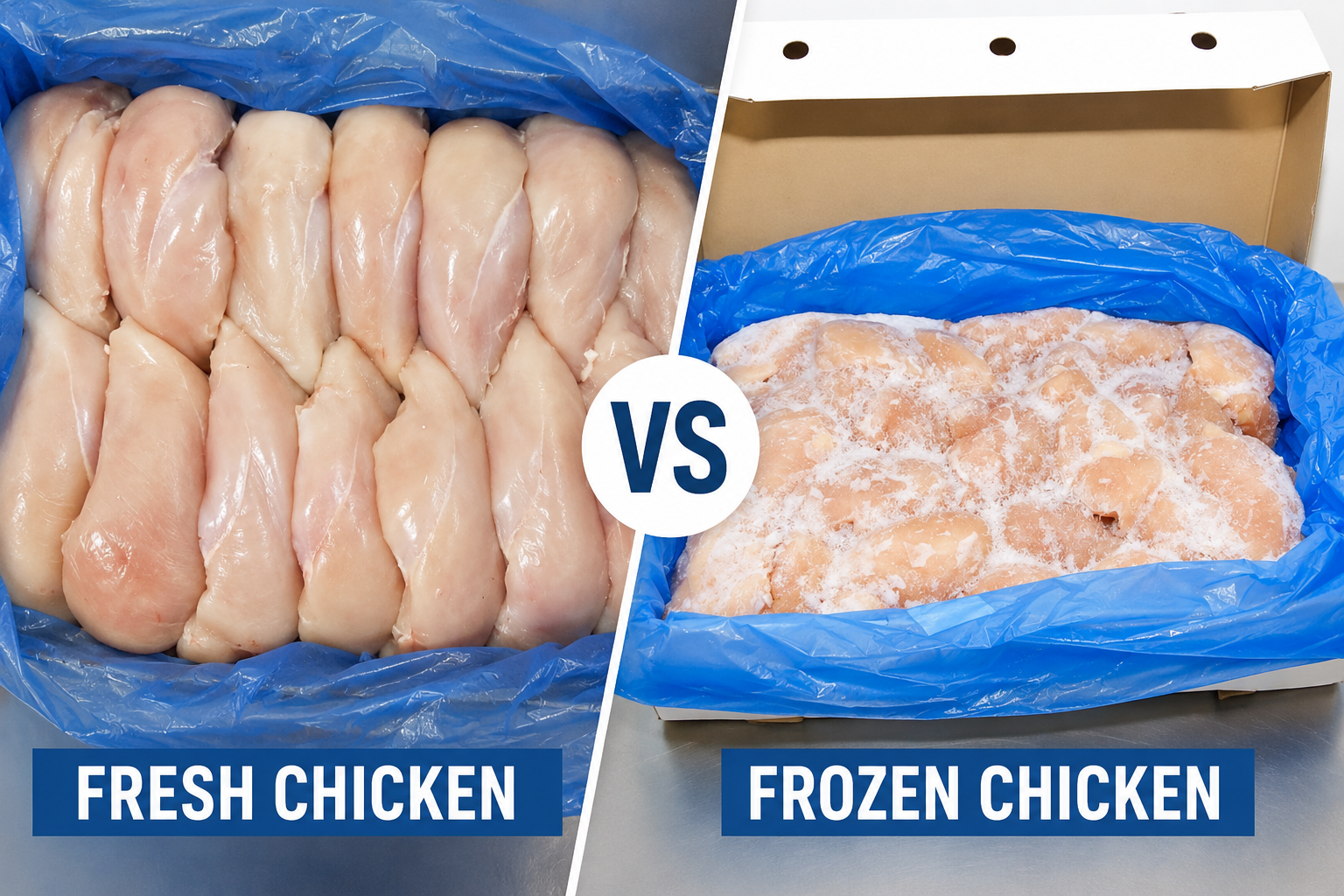
Turkey meat products are highly sensitive to temperature variations. Maintaining documented temperature records throughout storage and transportation helps demonstrate compliance with cold chain requirements and protects product quality.
Common Documentation Errors
Typical mistakes include inconsistent product descriptions, incorrect HS codes, inaccurate weights, missing signatures, expired certificates, and discrepancies between shipping documents. Strong internal review procedures help reduce these risks.
Best Practices for Exporters
Successful exporters standardize document preparation, maintain digital records, monitor regulatory updates, train export staff, and work closely with freight forwarders and customs brokers. These practices improve efficiency and reduce compliance risks.
Conclusion
Turkey meat exporters that develop robust documentation systems gain a significant competitive advantage. Accurate export paperwork supports faster customs clearance, improves buyer confidence, reduces operational risks, and helps build long-term relationships with international customers.