Halal Turkey Export: Requirements and Certifications
A Comprehensive Guide for Importers, Exporters, and International Food Businesses
Introduction
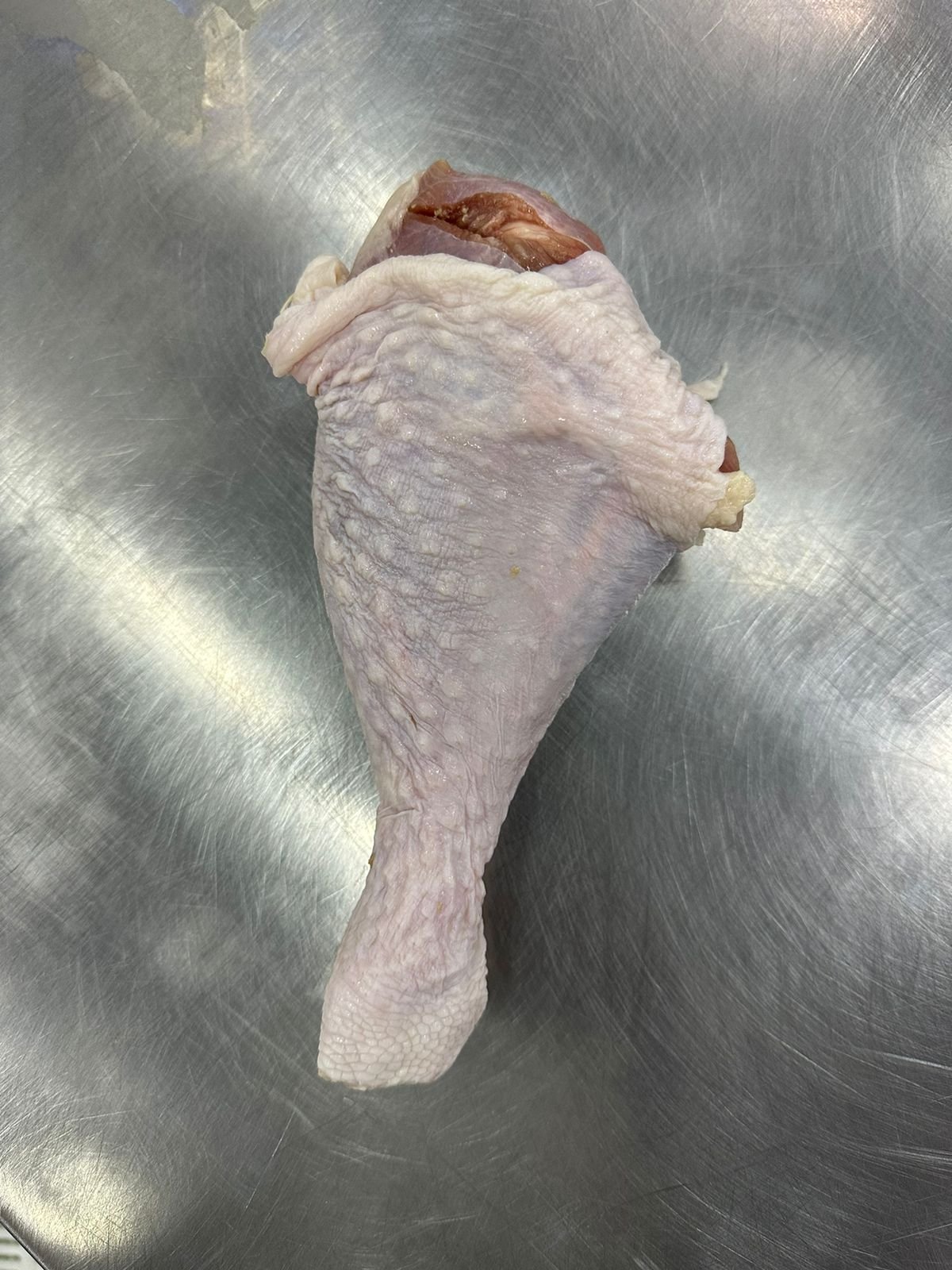
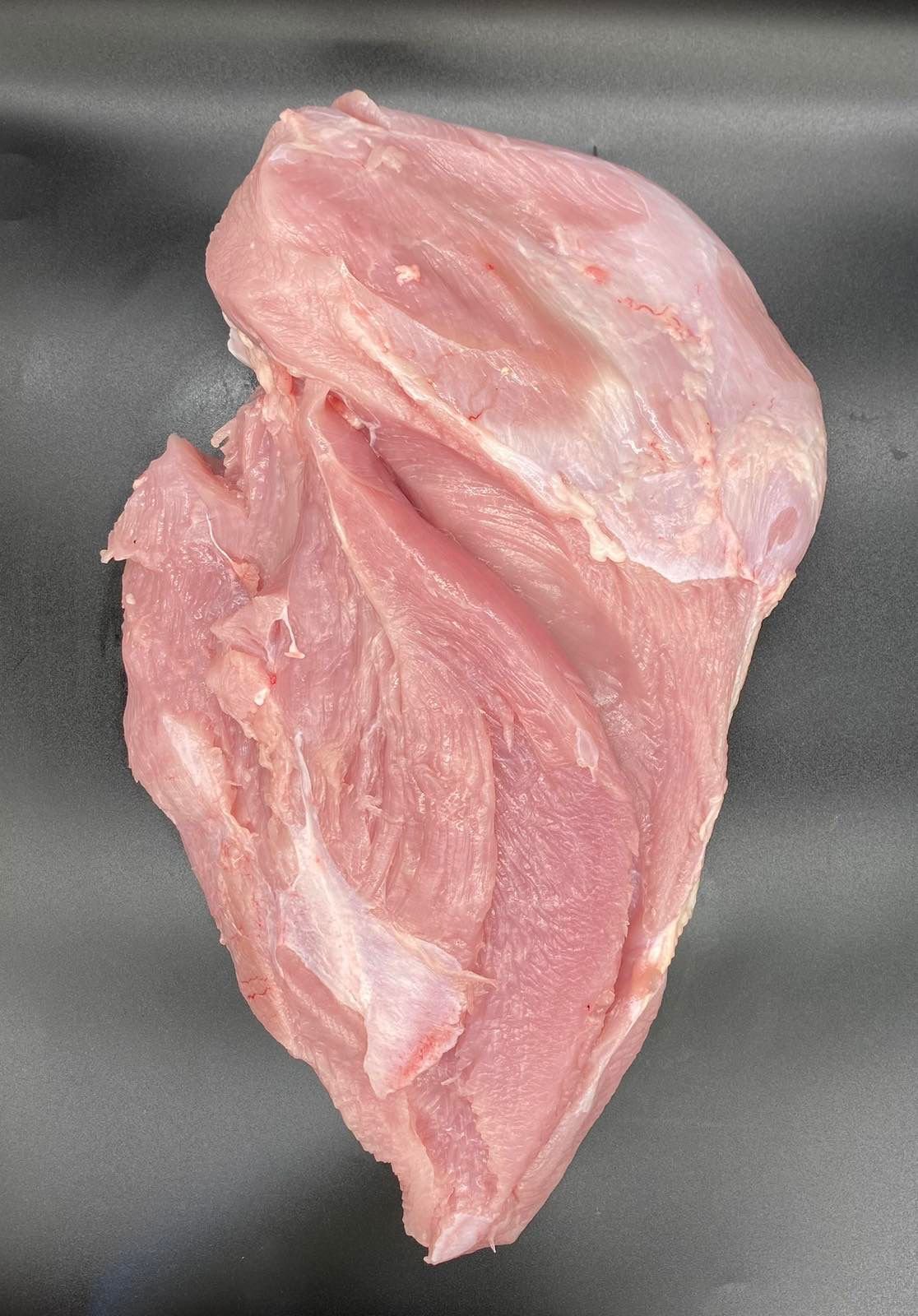
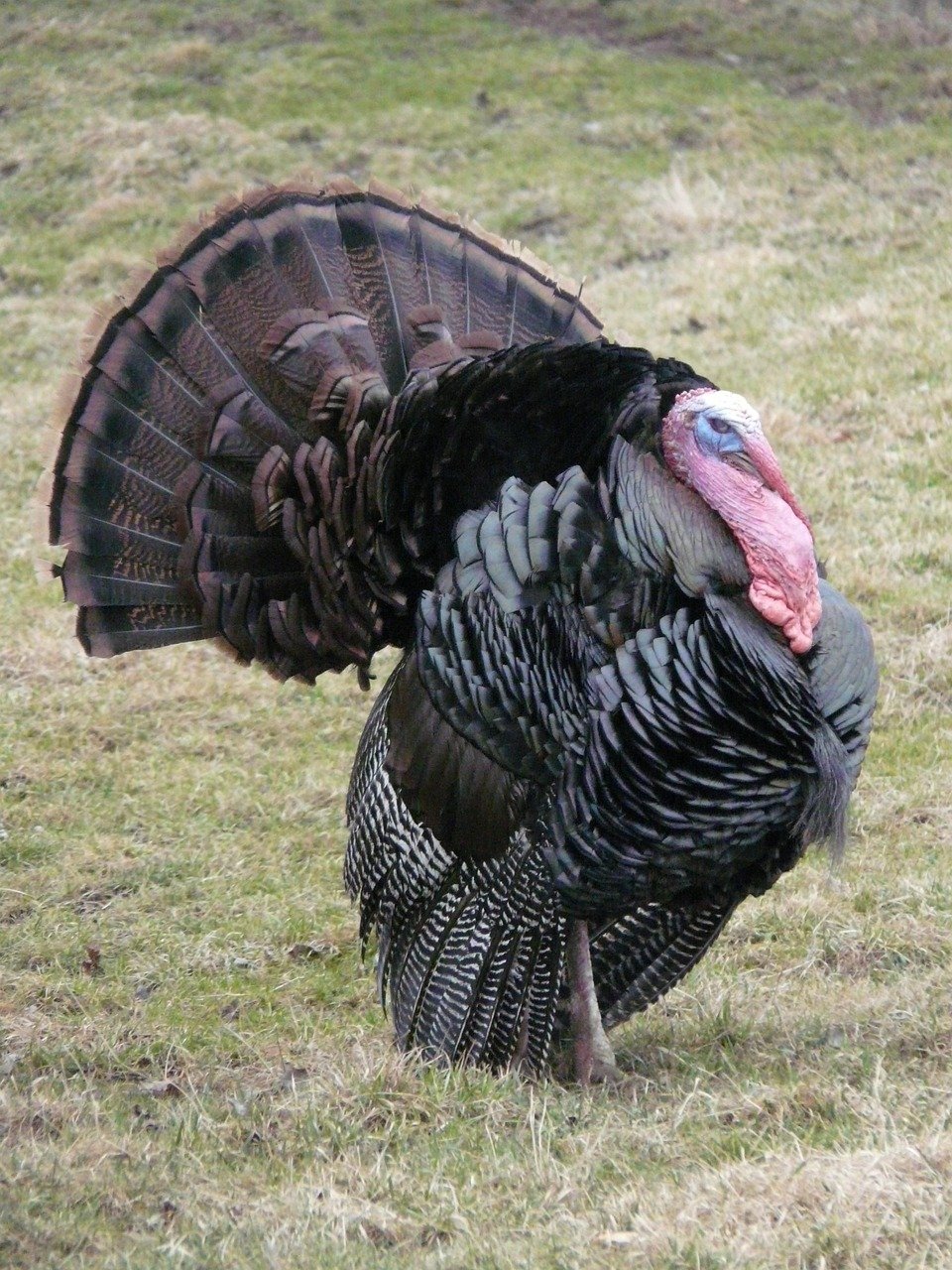
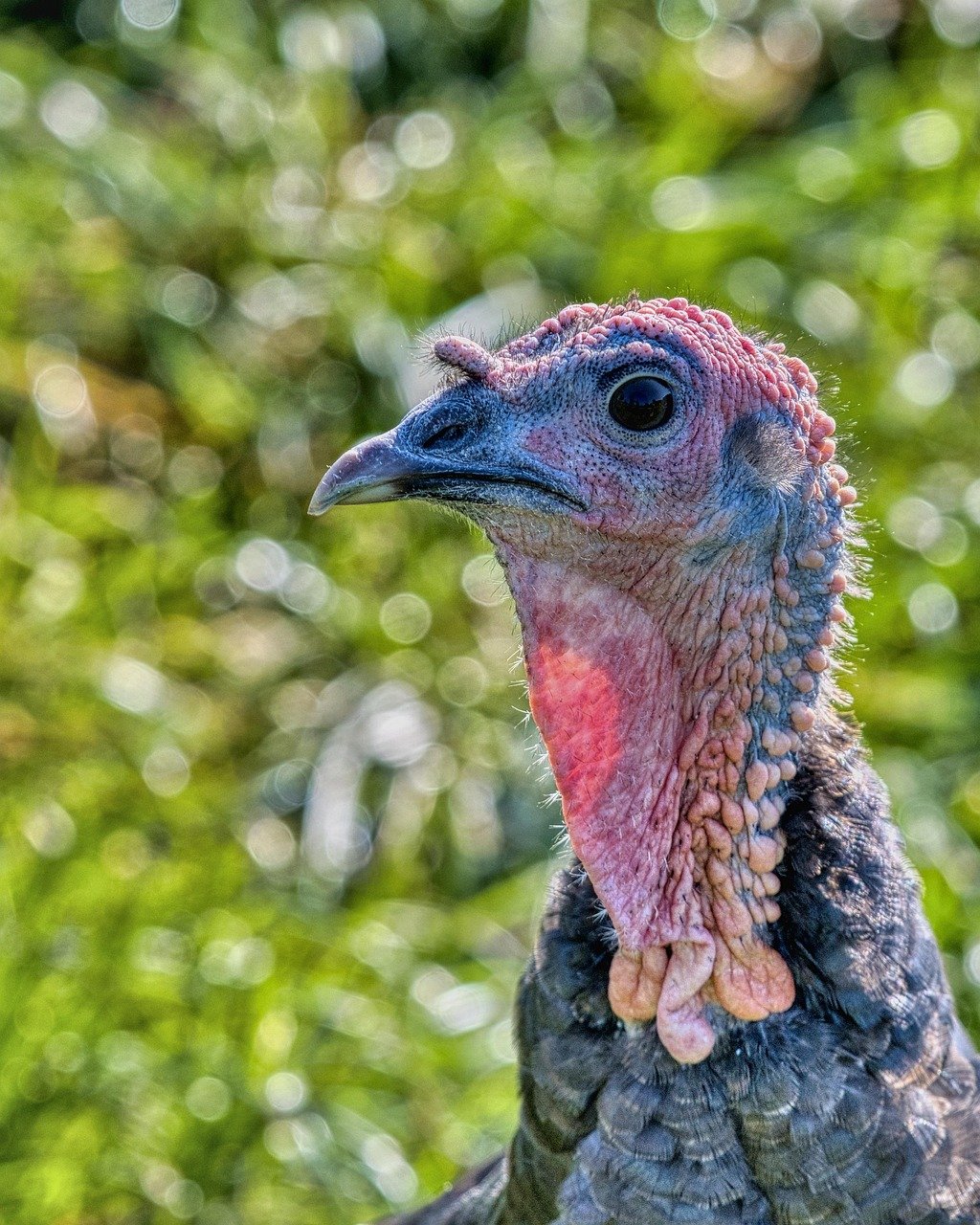
Halal turkey meat exports represent a rapidly growing segment of the global poultry trade. Rising Muslim populations, increasing consumer awareness regarding food standards, and expanding international trade networks have created strong demand for certified halal poultry products. Turkey meat is particularly attractive because of its nutritional profile, versatility, and suitability for both retail and foodservice channels. Exporters seeking access to halal markets must comply with religious, veterinary, food safety, and international trade requirements.
What Does Halal Mean in Poultry Exports?
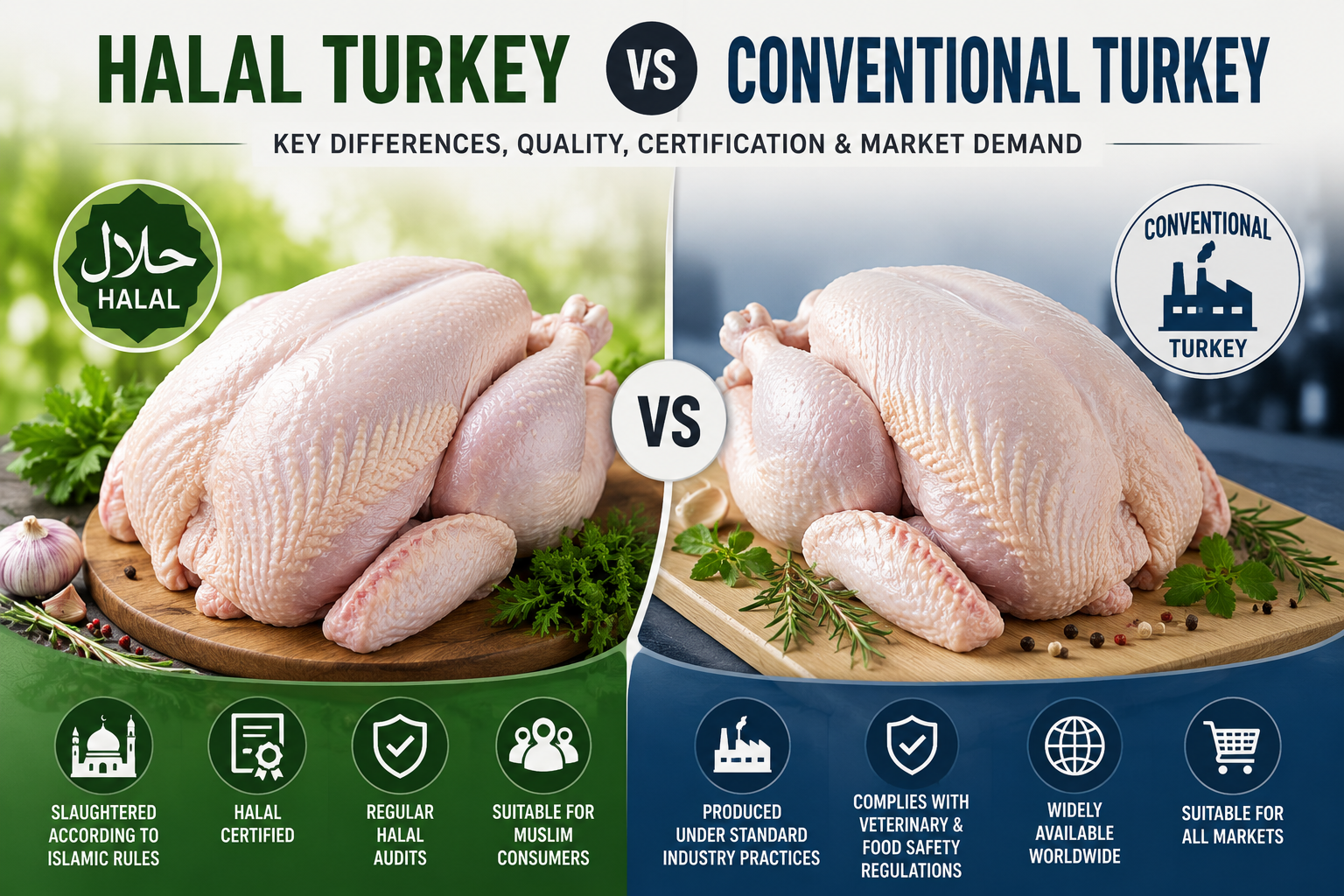
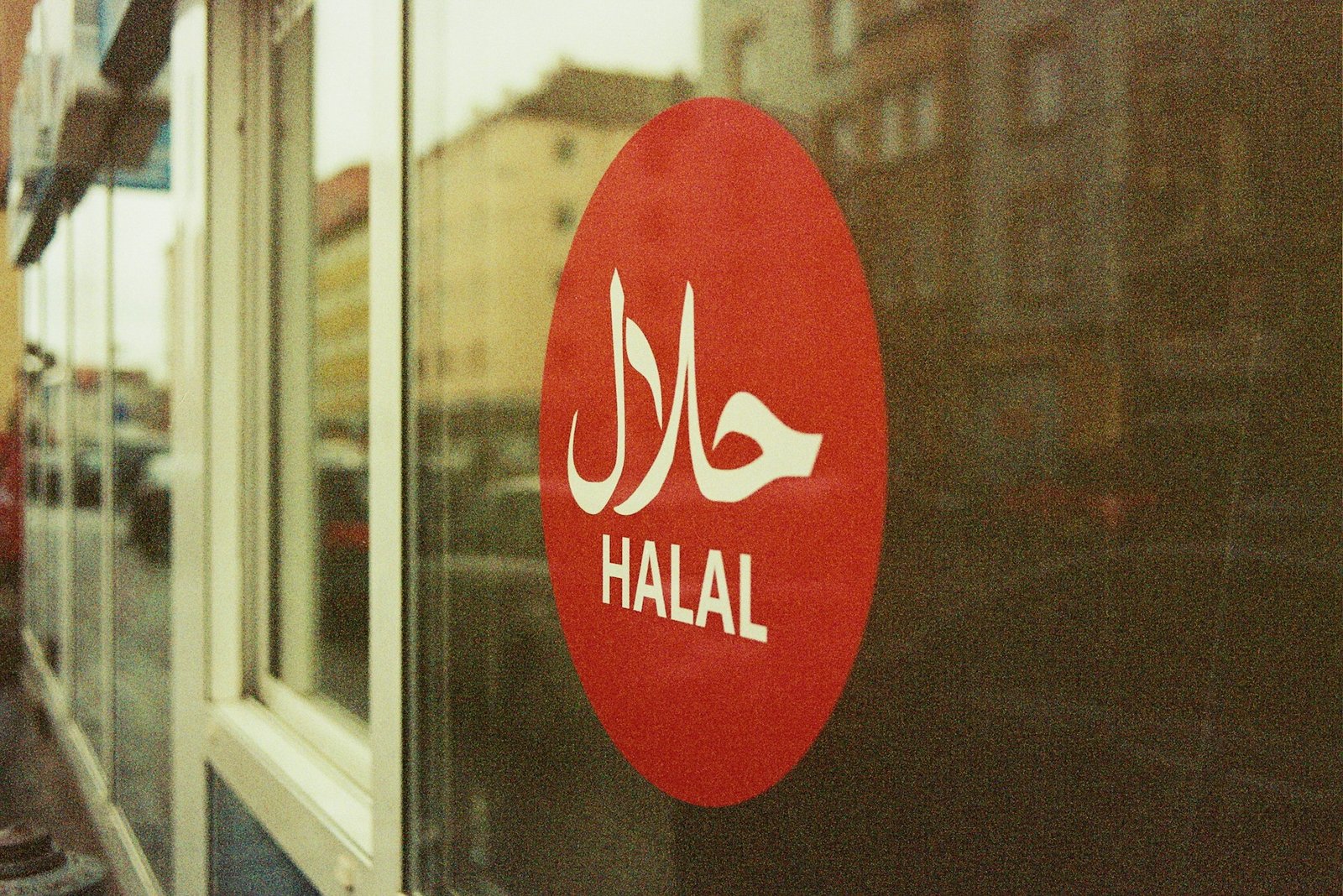
Halal refers to products that comply with Islamic dietary laws. In turkey production, halal compliance extends beyond slaughter itself. It includes animal welfare, processing methods, ingredient sourcing, segregation procedures, hygiene controls, packaging, storage, and transportation. Importers in halal markets often require proof that the entire supply chain complies with recognized halal standards.
Key Requirements for Halal Turkey Export
Exporters must ensure halal slaughter by trained personnel, use approved slaughter procedures, maintain proper documentation, prevent cross-contamination with non-halal products, comply with food safety systems such as HACCP, and satisfy veterinary export requirements established by destination countries. Many importing countries also require approval from recognized halal certification bodies.
Halal Slaughter Requirements
Halal slaughter generally requires a healthy bird, invocation of the name of Allah during slaughter, severing of major blood vessels, and complete bleeding of the carcass. Requirements can vary among countries, Islamic authorities, and certification organizations. Exporters should verify destination-specific interpretations before shipping products.
Food Safety and Quality Certifications
In addition to halal certification, international buyers frequently request HACCP, ISO 22000, BRCGS, IFS, GMP, and other food safety certifications. These systems demonstrate that production facilities maintain robust quality assurance procedures and comply with international food safety expectations.
Halal Certification Bodies
Many markets accept certifications only from approved halal organizations. Exporters should verify whether their chosen certification body is recognized by authorities in target markets. Recognition requirements differ between the Middle East, Southeast Asia, Africa, and Europe.
Documentation Required for Export
Typical export documentation includes halal certificates, veterinary health certificates, certificates of origin, commercial invoices, packing lists, laboratory test reports where required, and transport documentation. Some countries may require product registration or establishment approval before imports are permitted.
Packaging and Labeling Requirements
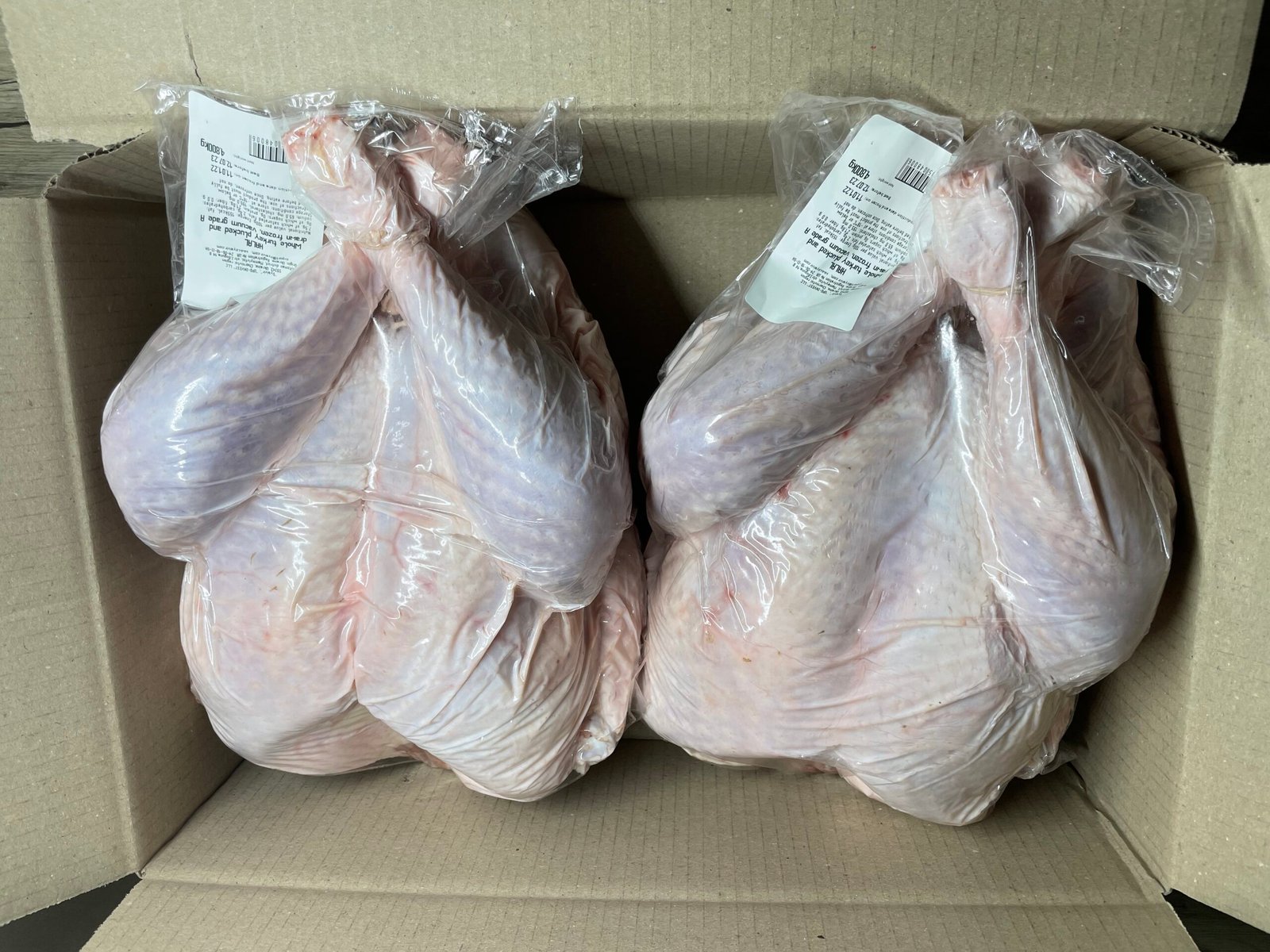
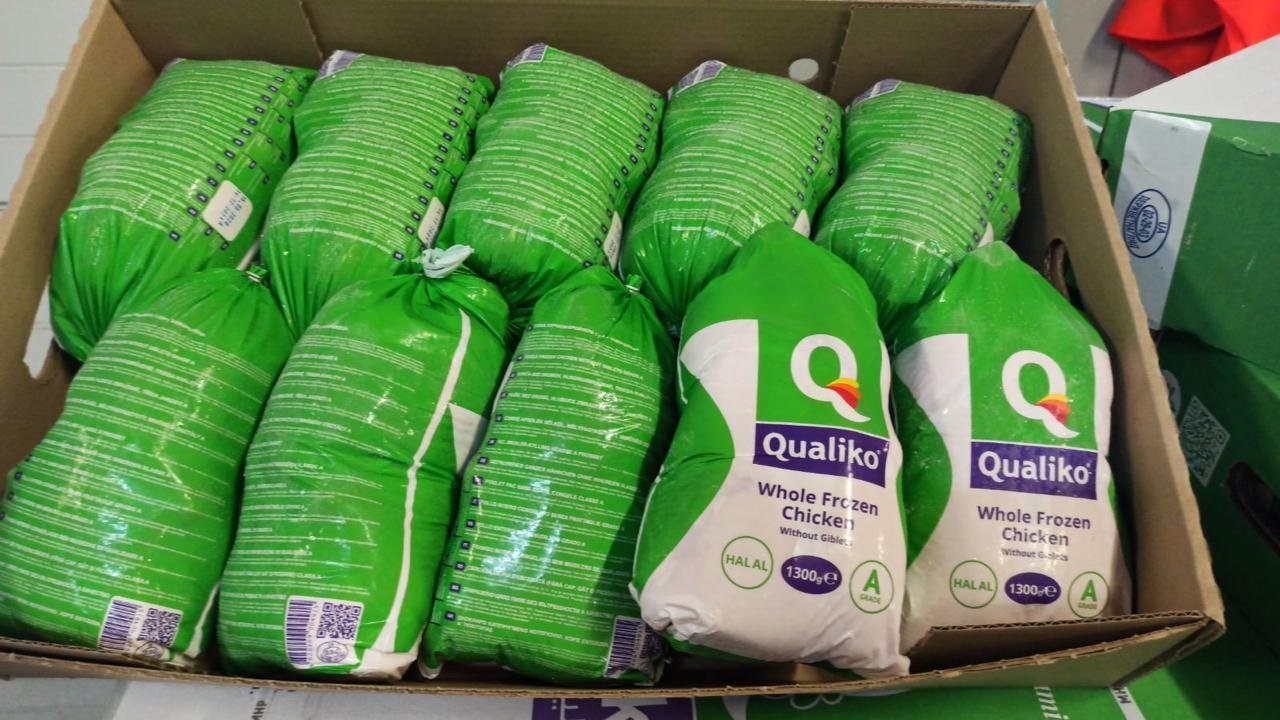
Packaging must accurately identify the product, country of origin, production date, shelf life, storage conditions, and halal status. Certain countries require halal logos, Arabic labeling, or additional regulatory declarations. Incorrect labeling can result in shipment delays or rejection.
Cold Chain Compliance
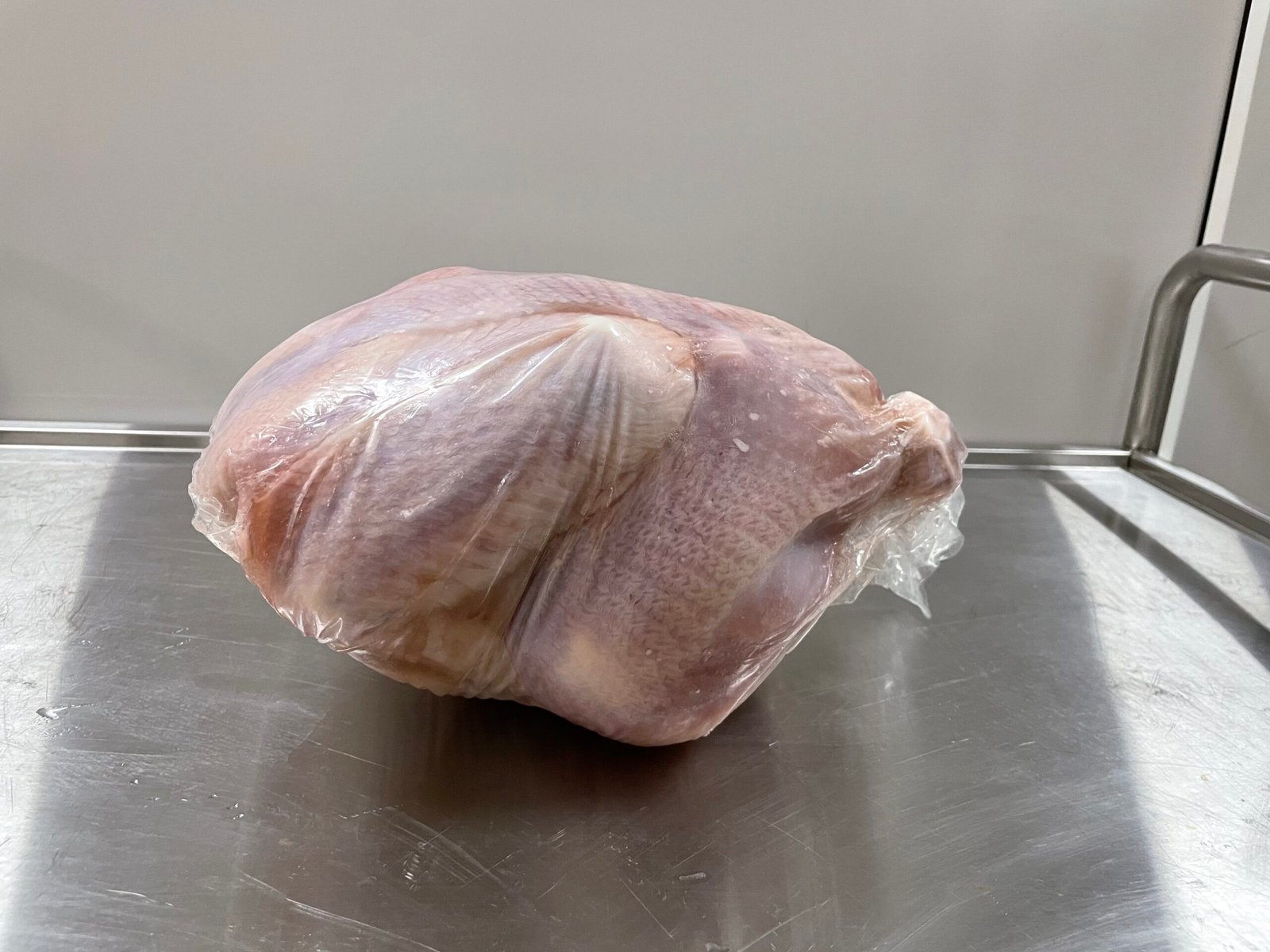
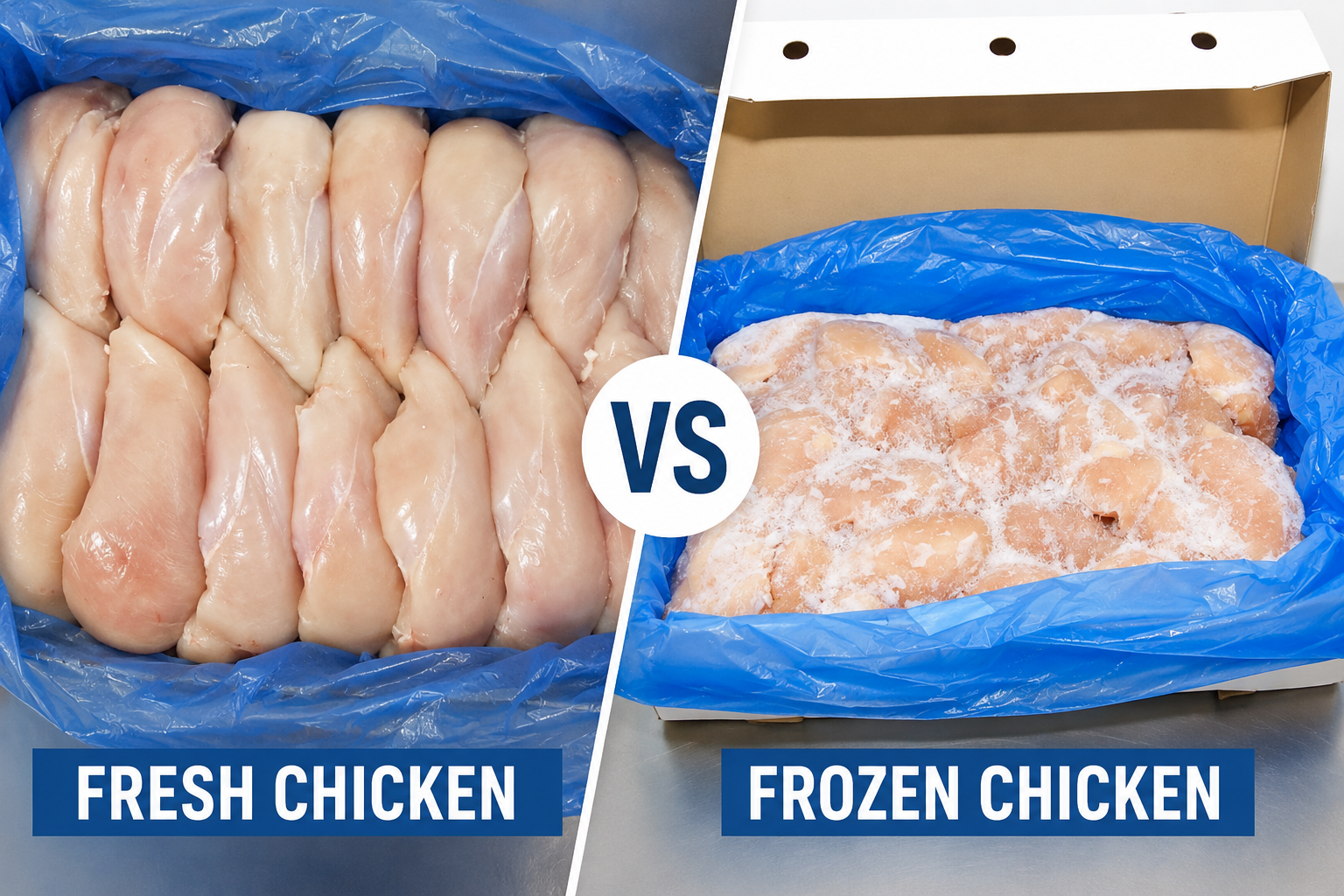
Maintaining product integrity throughout transport is critical. Frozen halal turkey products must remain within required temperature ranges from processing through final delivery. Exporters should use validated cold chain systems and maintain temperature monitoring records.
Major Halal Import Markets
Key halal turkey import destinations include countries in the Gulf Cooperation Council region, North Africa, Southeast Asia, Sub-Saharan Africa, and Muslim communities within Europe. Market requirements vary significantly, making regulatory research essential before entering a new market.
Challenges in Halal Turkey Export
Exporters often face challenges related to certification recognition, changing import regulations, documentation complexity, logistics costs, and differing interpretations of halal standards. Maintaining strong relationships with certification bodies and import partners helps reduce these risks.
How Importers Evaluate Suppliers
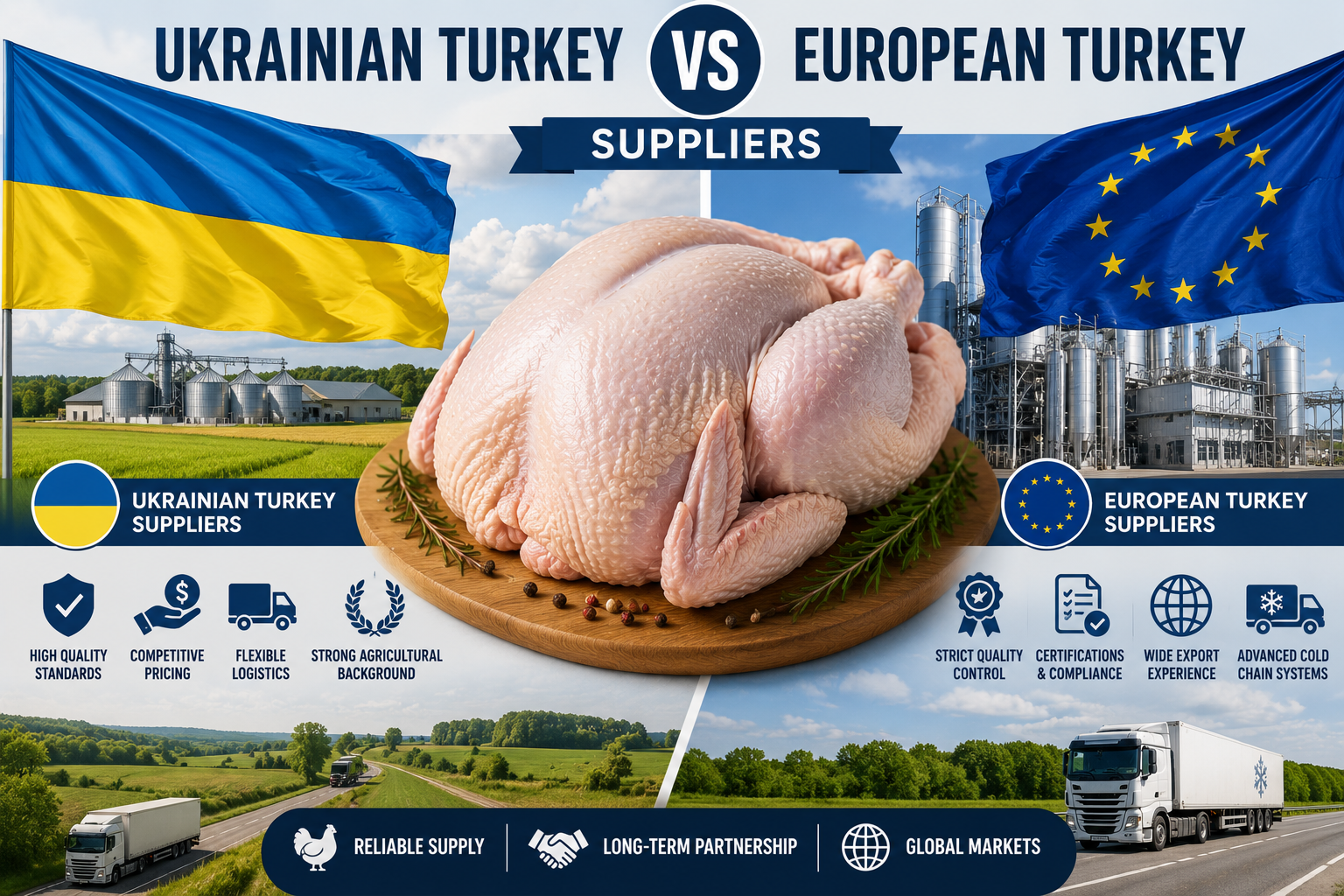
Professional importers typically assess production capacity, certification status, food safety systems, export experience, product consistency, logistics capabilities, and responsiveness. Transparent documentation and audit readiness are important competitive advantages.
Conclusion
Halal turkey export success depends on more than obtaining a halal certificate. Exporters must integrate religious compliance, food safety management, veterinary controls, documentation accuracy, and cold chain excellence into a single export strategy. Companies that maintain internationally recognized certifications and demonstrate consistent compliance are best positioned to access high-growth halal poultry markets worldwide.