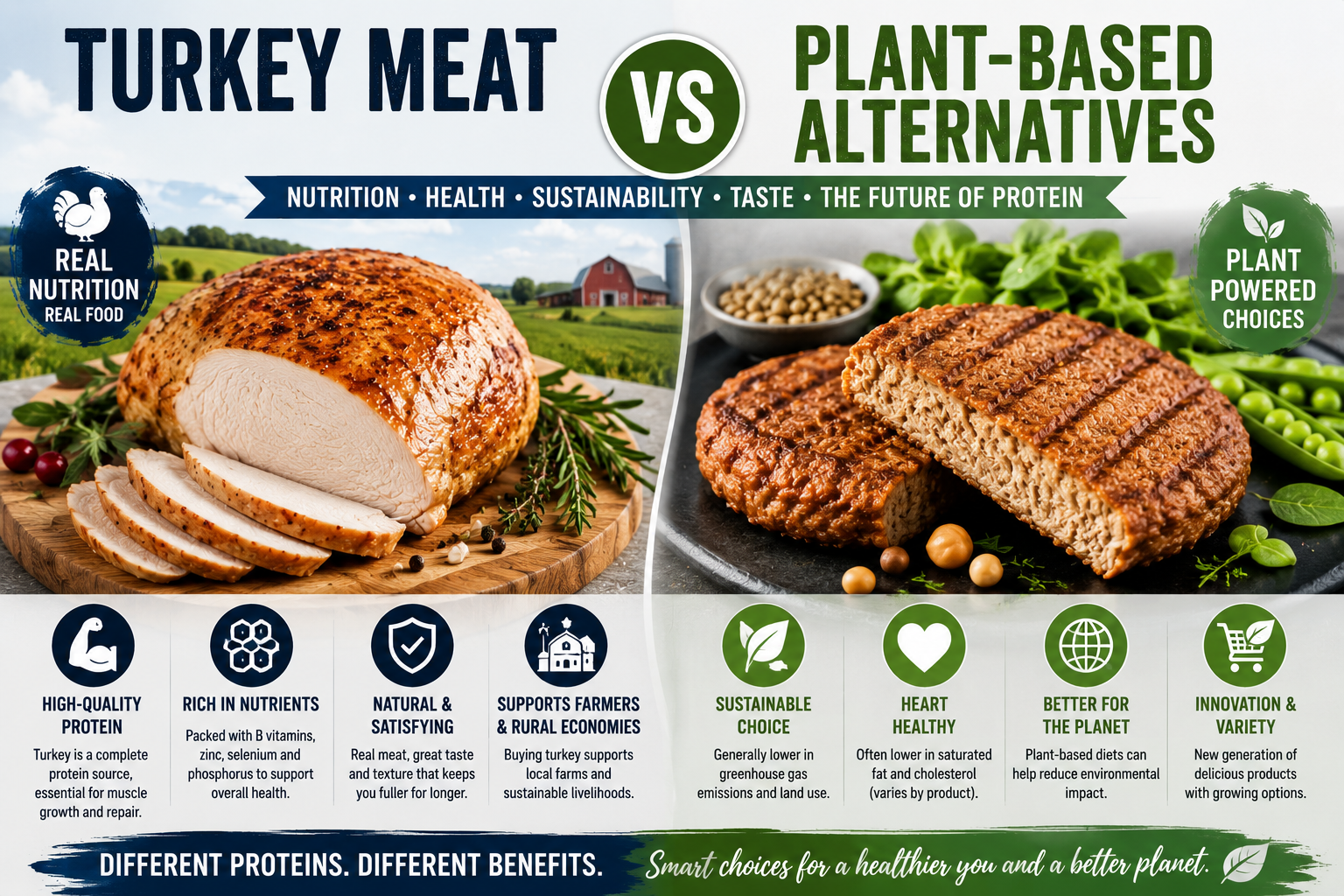
Turkey Meat vs Plant-Based Alternatives
Turkey Meat vs Plant-Based Alternatives: Market Trends, Nutrition, and Opportunities for Importers
Introduction
The global protein market is undergoing significant transformation as consumers increasingly explore alternatives to traditional animal proteins. Alongside the growing popularity of plant-based foods, turkey meat continues to strengthen its position as a lean, nutritious, and versatile protein source.
For importers, distributors, retailers, and food manufacturers, understanding the differences between turkey meat and plant-based alternatives is essential when evaluating future business opportunities. While plant-based products have attracted considerable attention in recent years, turkey remains a highly competitive protein due to its nutritional value, affordability, consumer familiarity, and broad market acceptance.
This article compares turkey meat and plant-based alternatives from nutritional, commercial, and market perspectives.
Understanding Plant-Based Alternatives
Plant-based meat alternatives are products designed to mimic the taste, texture, and appearance of traditional meat while being produced primarily from plant ingredients.
Common ingredients include:
• Pea protein
• Soy protein
• Wheat protein
• Fava beans
• Vegetable oils
• Natural flavorings
These products are marketed as alternatives to poultry, beef, pork, and other animal proteins.
Turkey Meat Overview
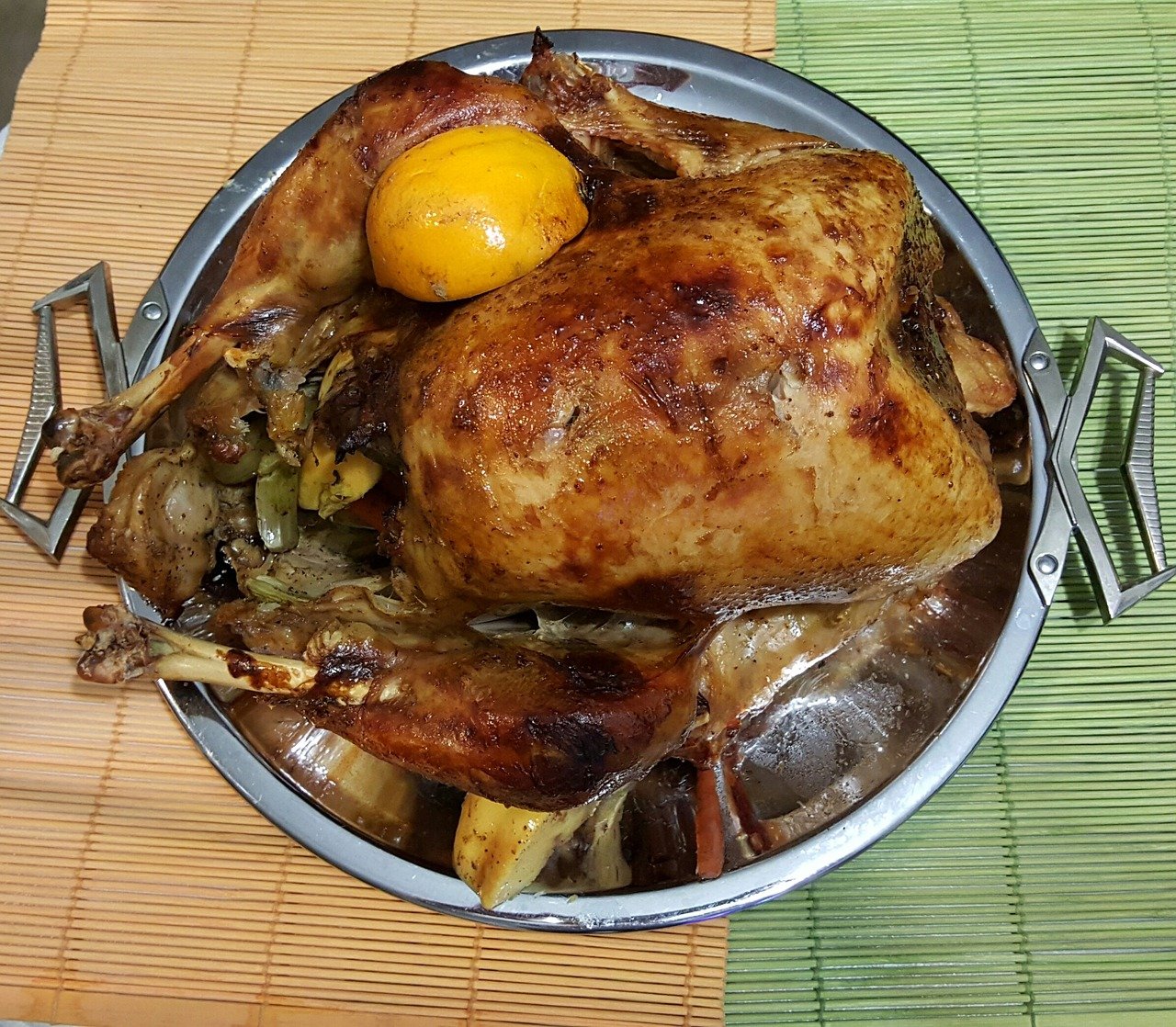
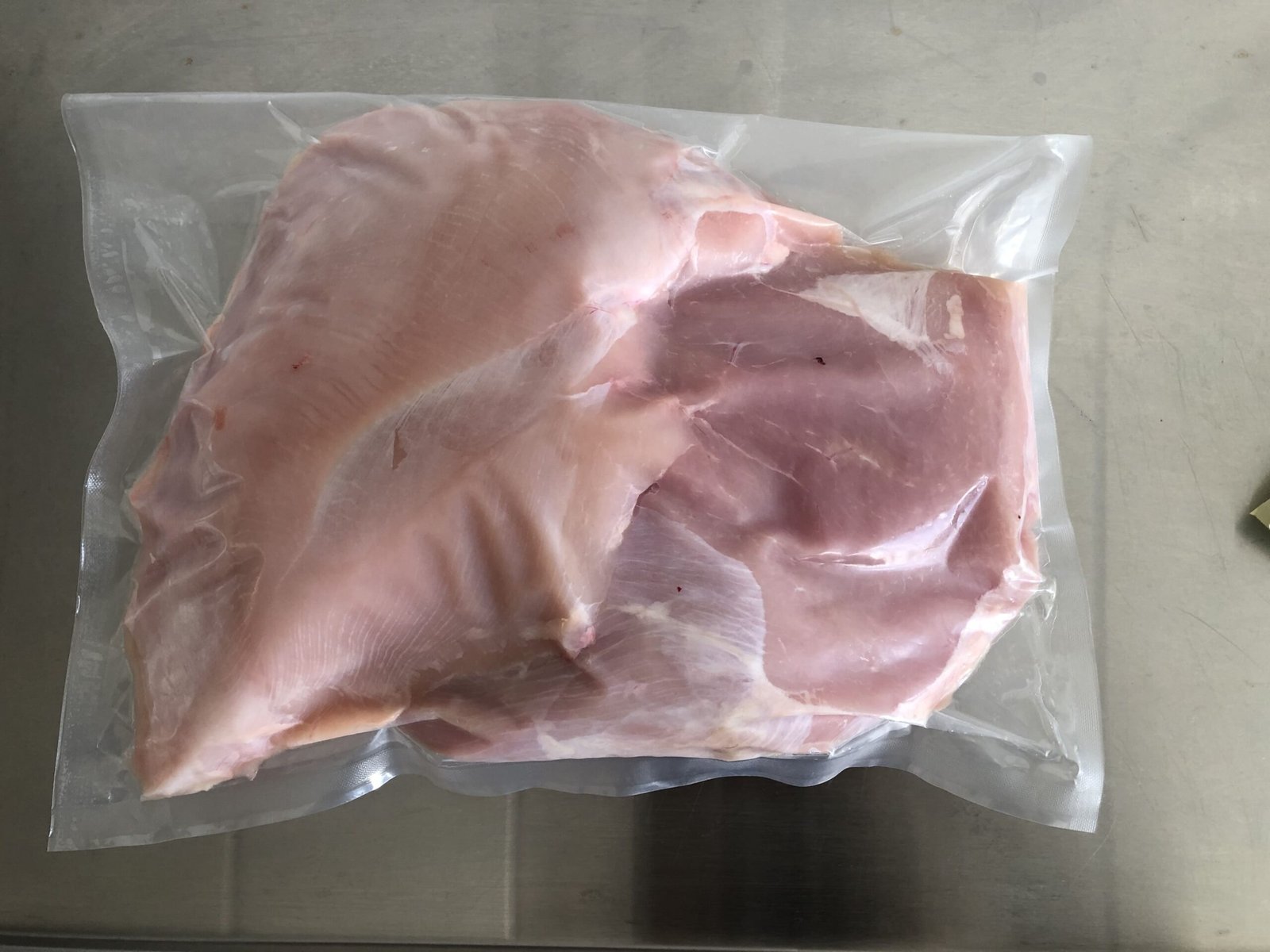
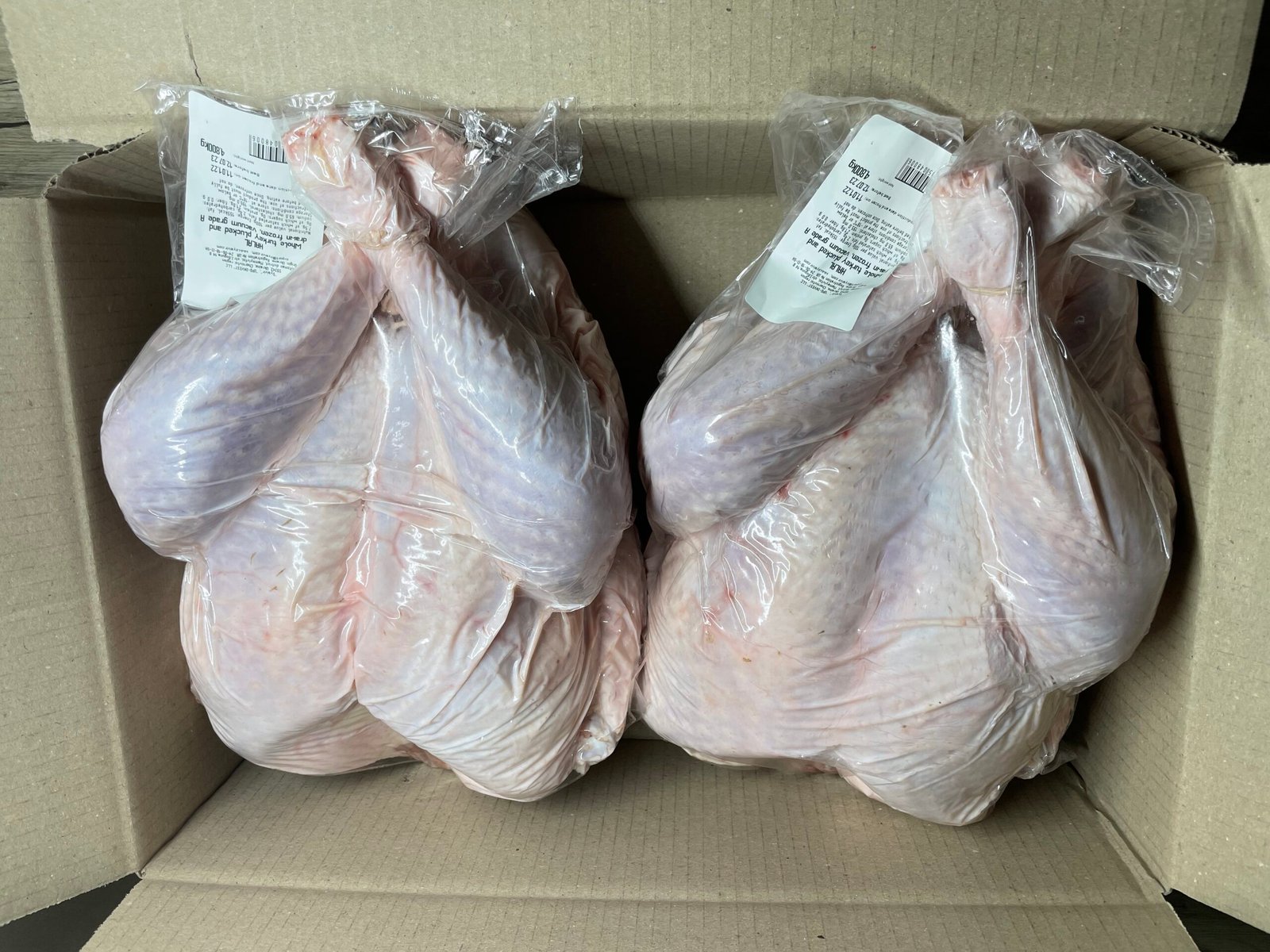
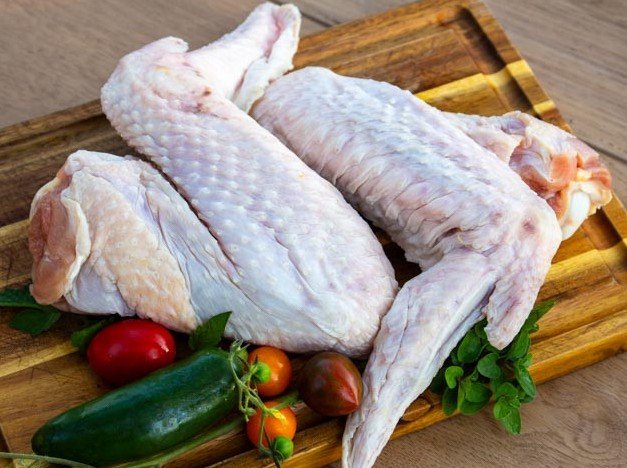
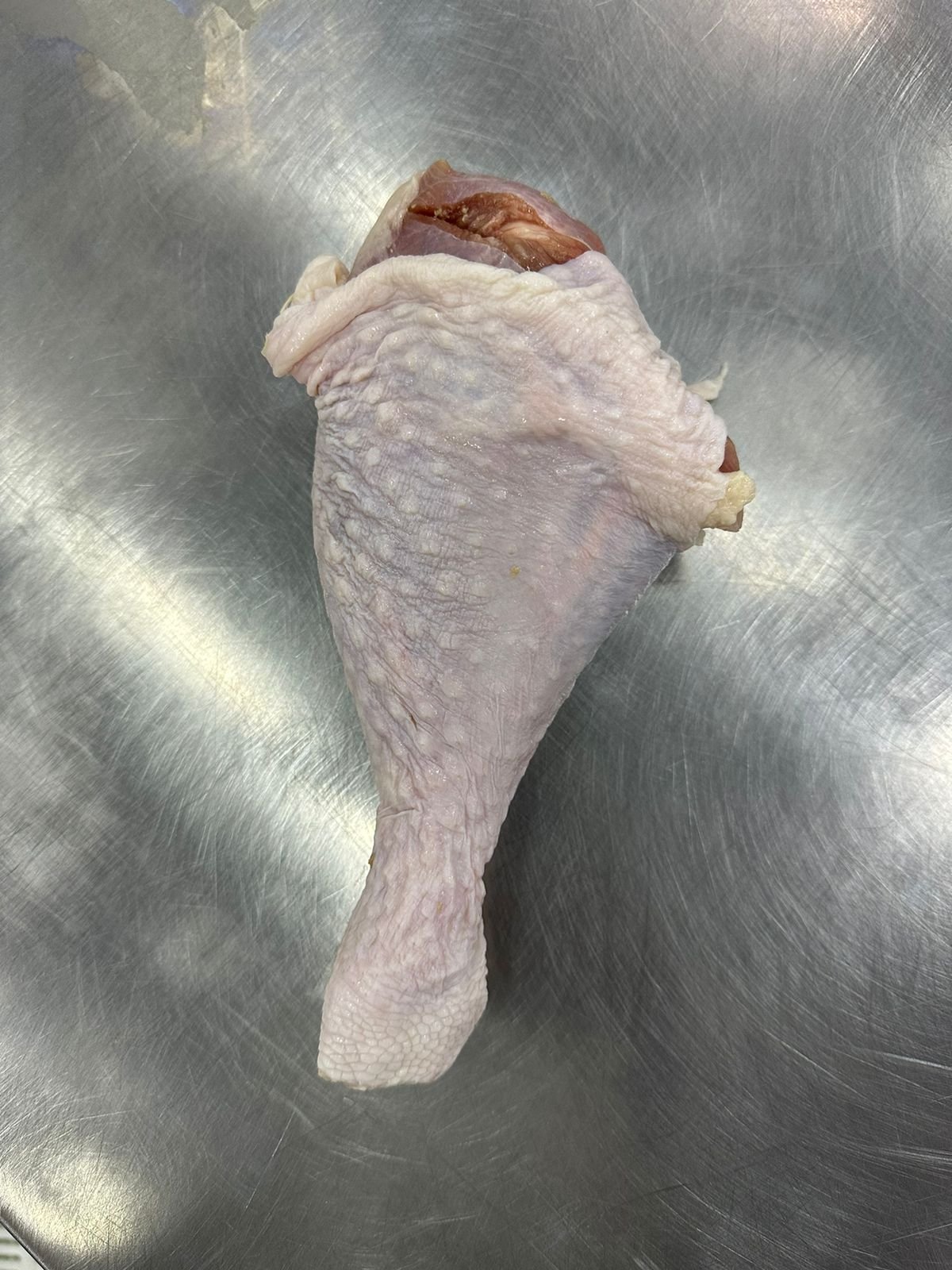
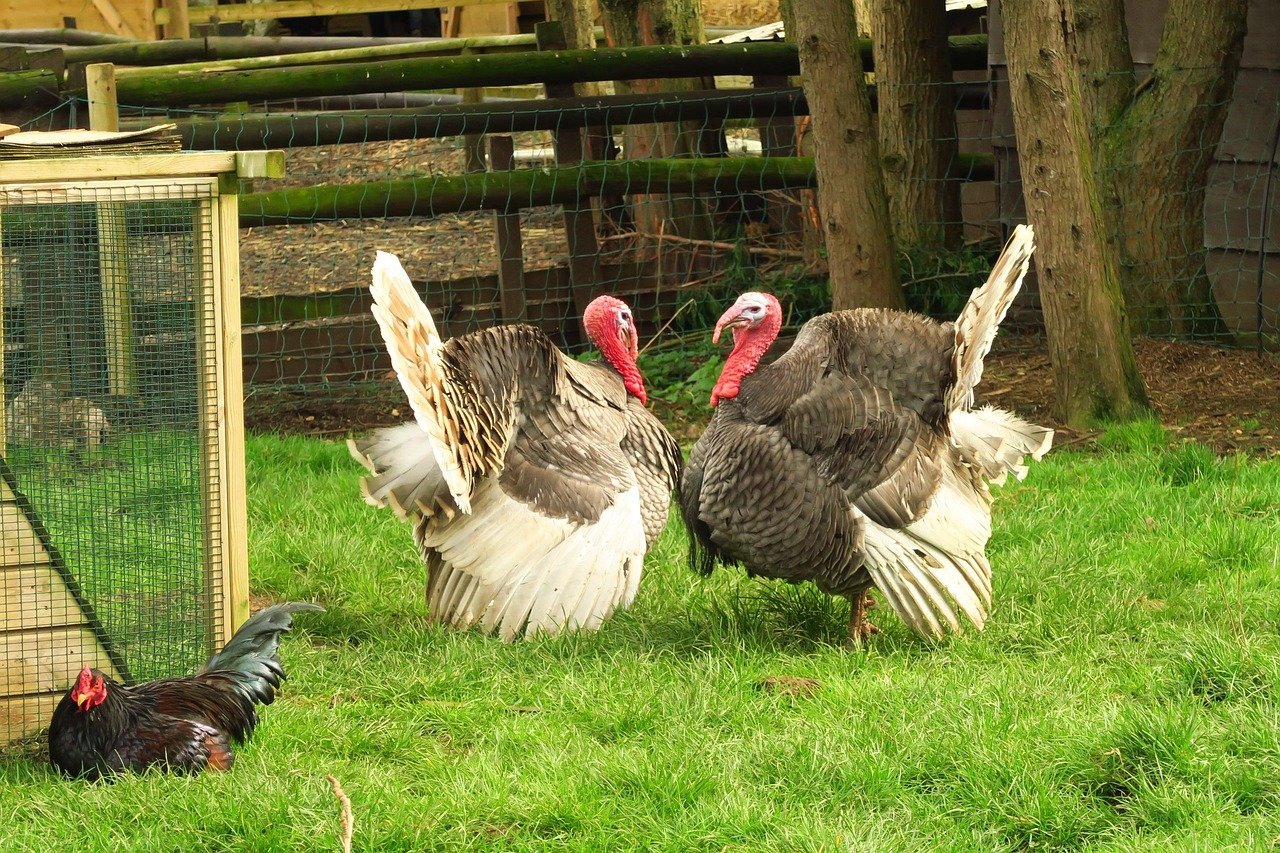
Turkey meat is one of the most popular poultry proteins worldwide.
Key advantages include:
• High-quality complete protein
• Naturally low fat content
• Rich nutrient profile
• Versatile culinary applications
• Broad consumer acceptance
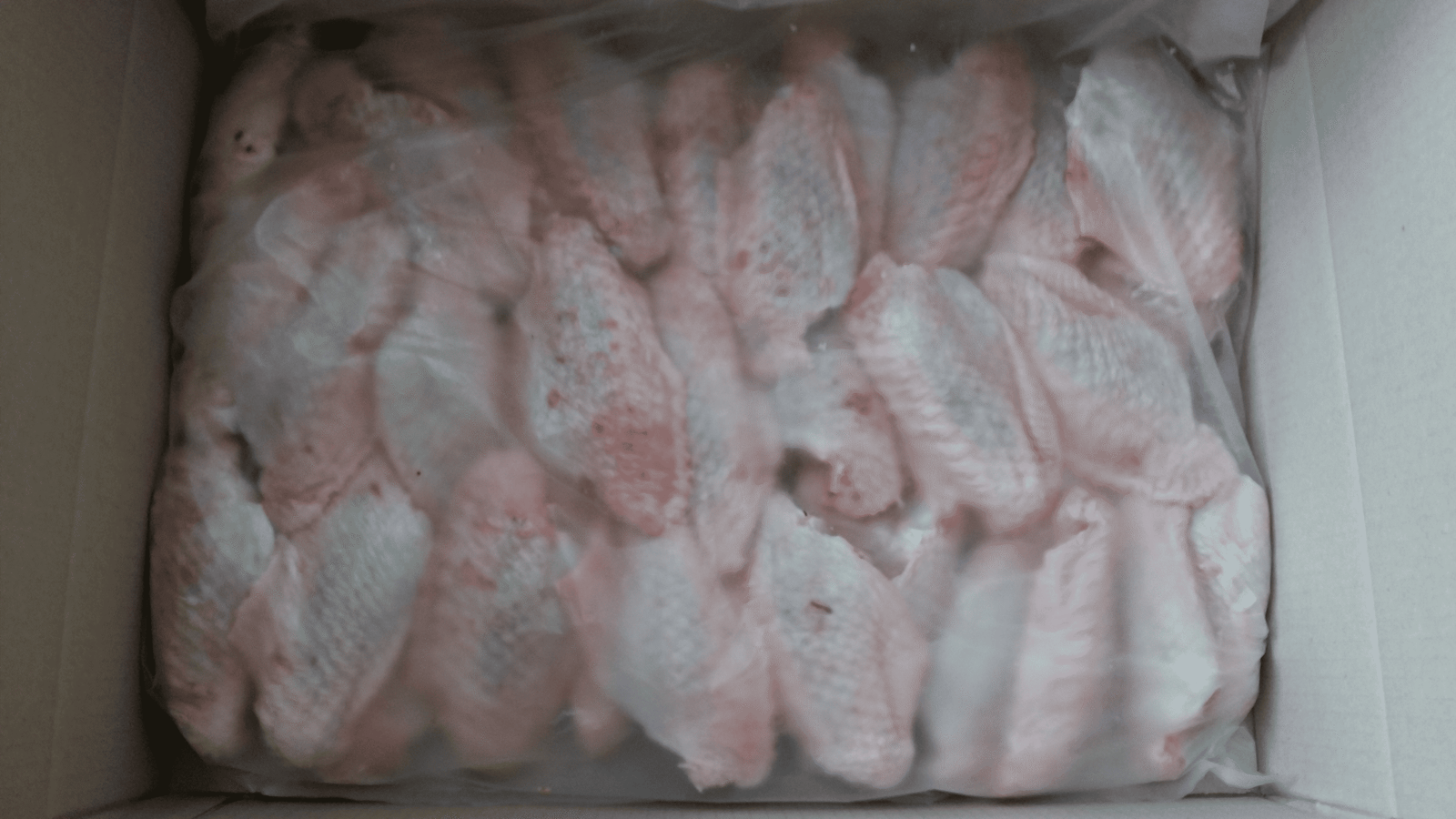
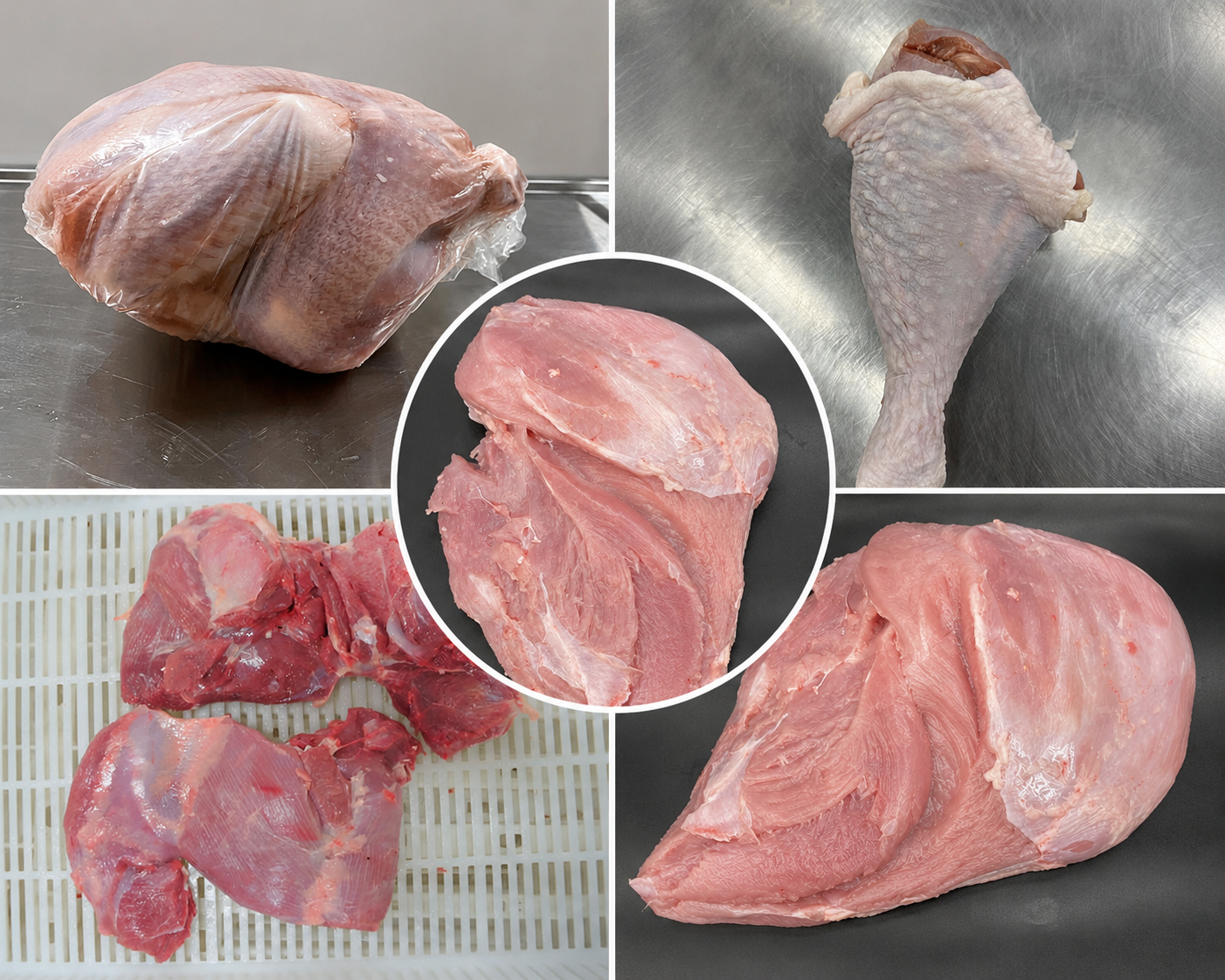
Turkey products are available in fresh, frozen, processed, retail, and foodservice formats.
Nutritional Comparison
– Protein Quality
Turkey provides complete animal protein containing all essential amino acids required by the human body.
Plant-based alternatives can provide significant protein levels but may require blended ingredients to achieve amino acid profiles comparable to animal proteins.
– Fat Content
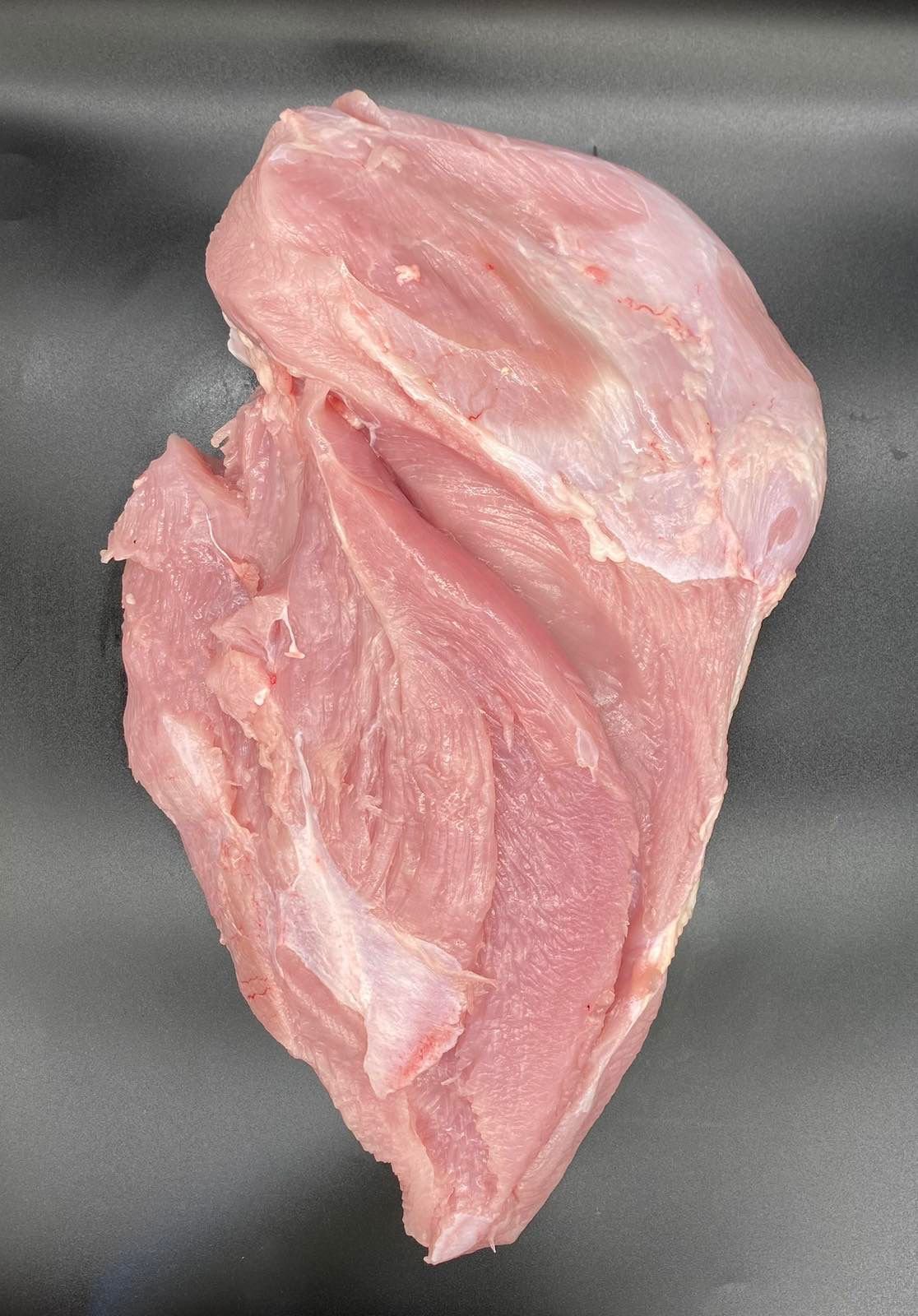
Turkey breast is naturally lean and contains relatively low fat levels.
Plant-based products vary significantly depending on formulation and may contain vegetable oils to improve texture and flavor.
– Calories
Both turkey and plant-based products can fit into healthy diets.
However, nutritional profiles vary considerably between brands and formulations.
– Vitamins and Minerals
Turkey naturally provides:
• Selenium
• Niacin
• Vitamin B6
• Phosphorus
• Zinc
Plant-based products are often fortified to provide vitamins and minerals typically found in animal proteins.
Consumer Perception
– Turkey Meat
Consumers often associate turkey with:
• Natural protein
• Healthy eating
• High-protein diets
• Traditional food products
– Plant-Based Alternatives
Consumers often associate plant-based products with:
• Sustainability
• Innovation
• Vegetarian lifestyles
• Environmental awareness
Consumer preferences differ substantially by region and demographic group.
Retail Market Performance
– Turkey Products
Popular retail products include:
• Turkey breast fillets
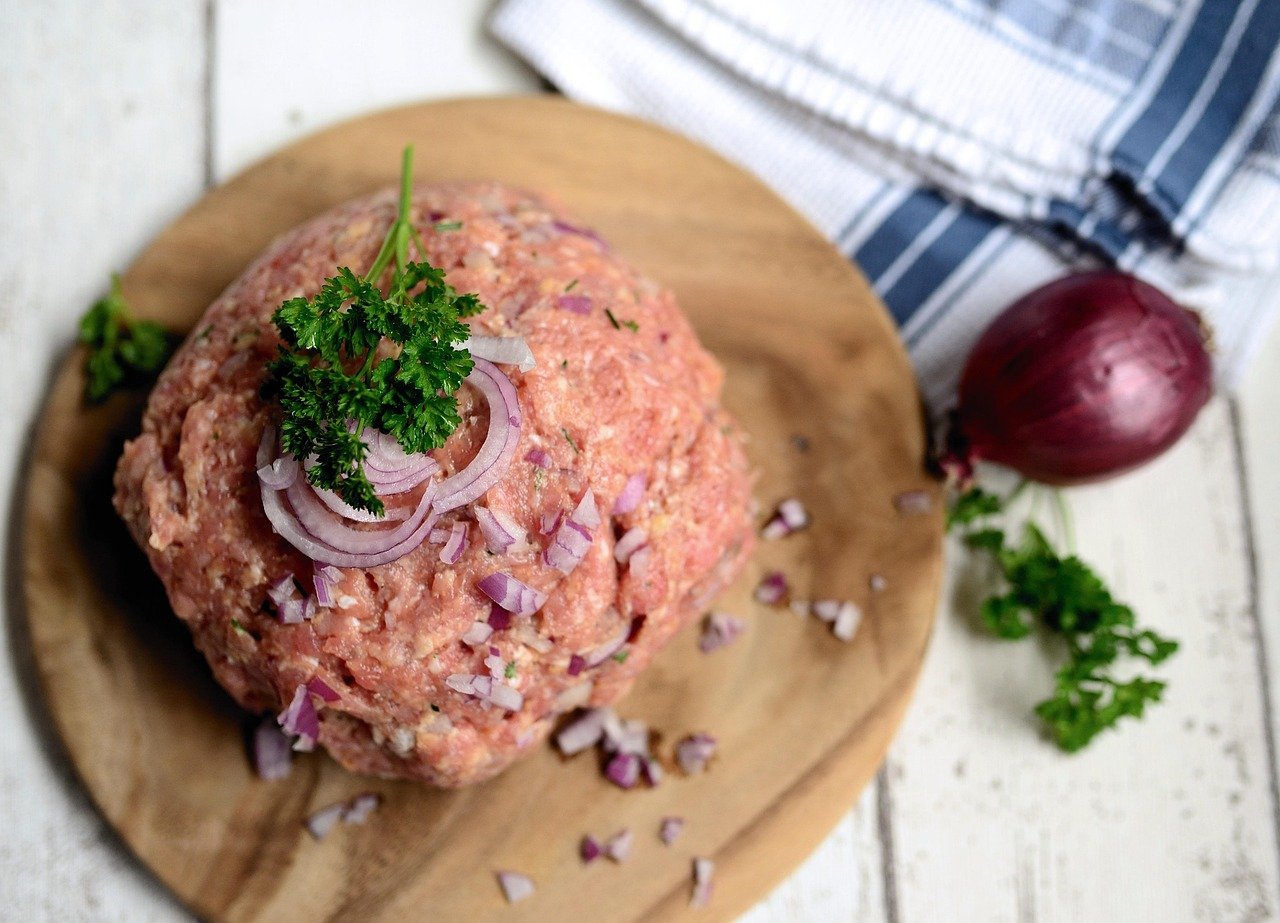
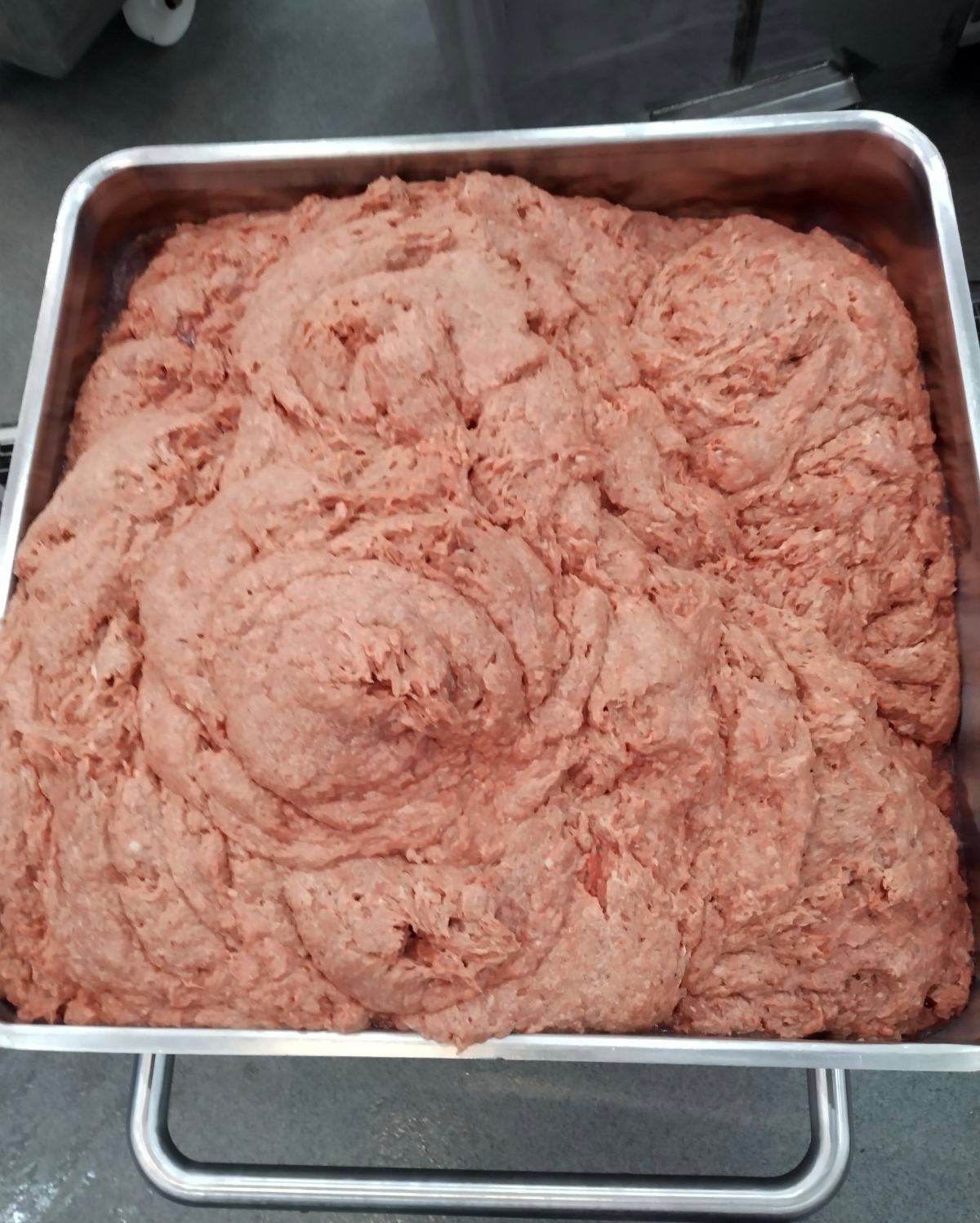
• Ground turkey
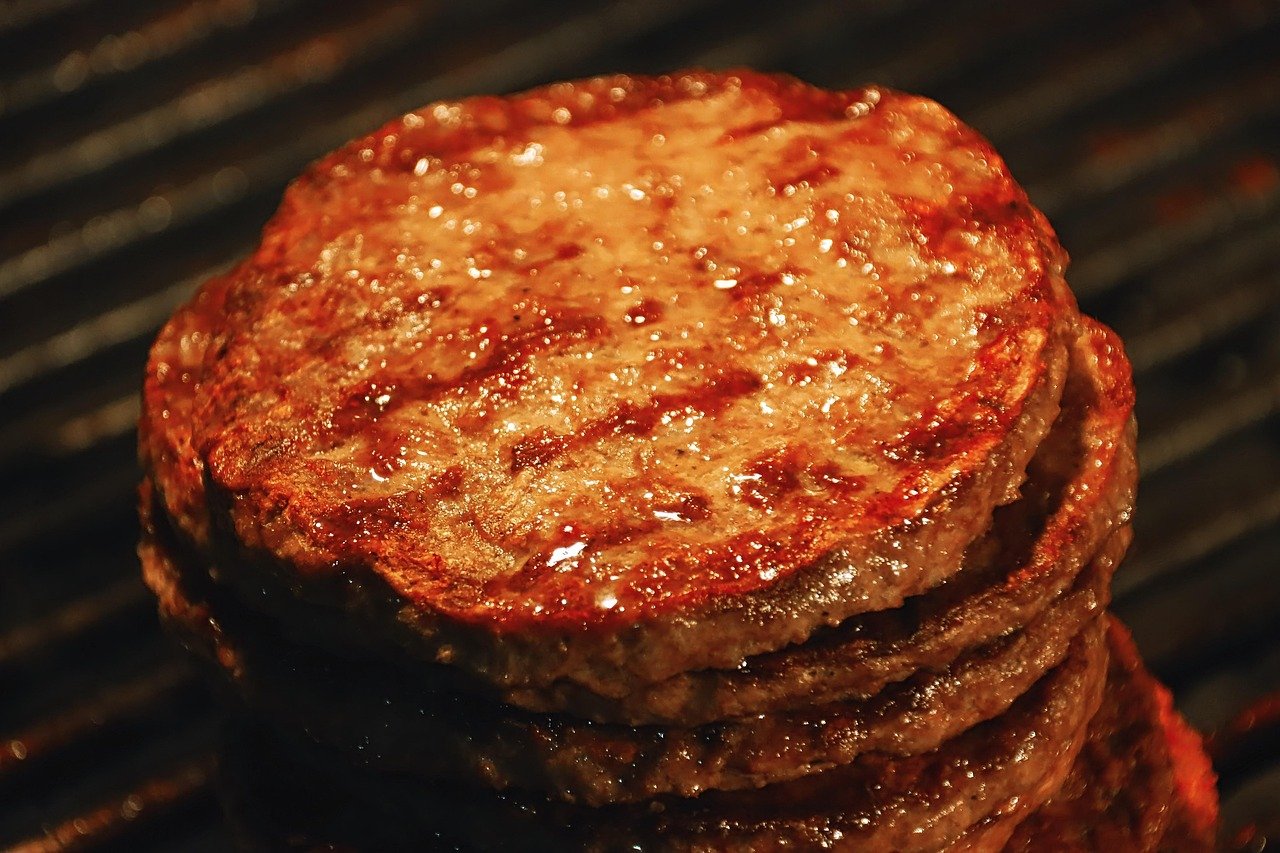
• Turkey burgers
• Turkey sausages
• Whole turkey
– Plant-Based Products
Common offerings include:
• Plant-based burgers
• Plant-based nuggets
• Meat-free sausages
• Alternative deli products
While plant-based products continue to expand, turkey remains a much larger category in many international markets.
– Foodservice Applications
Turkey is widely used by:
• Restaurants
• Hotels
• Catering companies
• Institutional kitchens
Plant-based alternatives are increasingly offered by:
• Quick-service restaurants
• Casual dining chains
• Specialty foodservice providers
Many operators now offer both options to accommodate diverse consumer preferences.
Cost Comparison
– Turkey Meat
Turkey generally benefits from:
• Established production systems
• Large-scale supply chains
• Competitive pricing
• Reliable availability
– Plant-Based Alternatives
Plant-based products often involve:
• Advanced processing technologies
• Specialized ingredients
• Higher manufacturing costs
As a result, many plant-based products remain more expensive than comparable turkey products.
Industrial Food Manufacturing
Turkey is commonly used in:
• Ready meals
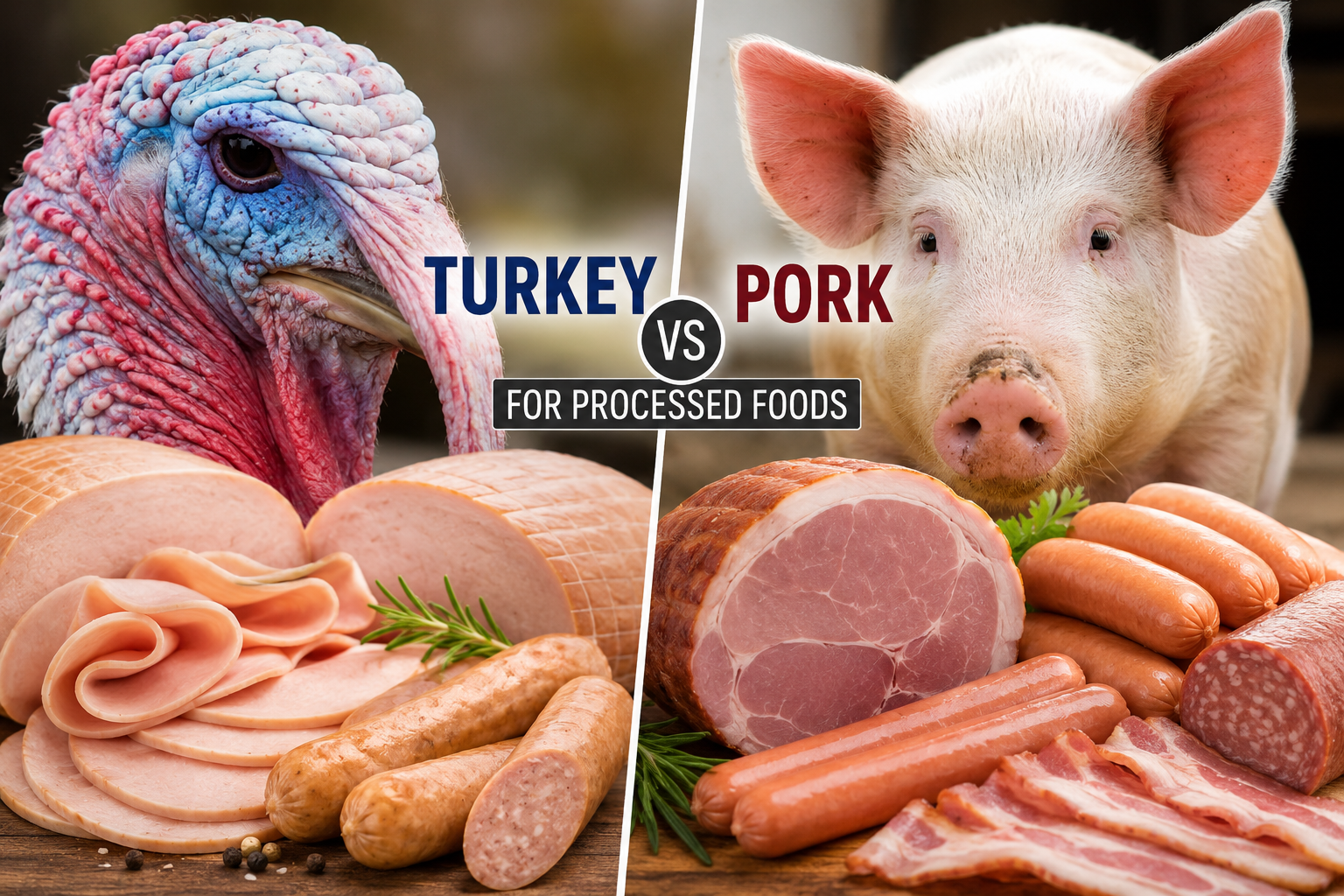
• Deli meats
• Sausages
• Burgers
• Protein snacks
Plant-based ingredients are increasingly incorporated into:
• Meat alternatives
• Hybrid protein products
• Functional foods
• Convenience meals
Manufacturers frequently use both categories to diversify product portfolios.
Sustainability Considerations
Environmental impact has become an important purchasing factor.
Plant-based products are often promoted for:
• Reduced land use
• Lower greenhouse gas emissions
• Resource efficiency
Turkey production also offers sustainability advantages compared with many red meat categories due to efficient feed conversion and lower resource requirements.
Market Demand Trends
Turkey Market Trends
• Growth of high-protein diets
• Demand for lean proteins
• Expansion of convenience foods
• Increasing poultry consumption
Plant-Based Market Trends
• Rising interest in alternative proteins
• Flexitarian consumer growth
• Product innovation
• Sustainability-focused purchasing
Both categories are expected to remain important components of the global protein market.
Export Opportunities
Turkey Export Advantages
• Established global demand
• Strong foodservice applications
• Broad consumer acceptance
• Diverse product formats
Plant-Based Export Advantages
• Rapid innovation
• Emerging market opportunities
• Premium product positioning
Importers should carefully evaluate local demand before expanding product portfolios.
Challenges for Plant-Based Alternatives
Despite growth, plant-based products face challenges including:
• Higher prices
• Consumer skepticism
• Taste expectations
• Ingredient complexity
Turkey benefits from centuries of consumer familiarity and established purchasing habits.
Future Outlook
The future protein market is likely to include both traditional and alternative protein sources.
Turkey is expected to continue benefiting from:
• Health-conscious consumption
• Protein-focused diets
• Retail and foodservice demand
Plant-based alternatives are expected to continue expanding as technology improves and consumer awareness grows.
Conclusion
Turkey meat and plant-based alternatives each offer unique advantages in today’s evolving protein market. Turkey provides complete protein, affordability, strong consumer acceptance, and broad commercial applications. Plant-based alternatives appeal to consumers seeking sustainability, innovation, and non-animal protein options.
For importers, retailers, and food manufacturers, the most successful strategy may be offering both categories to meet changing consumer preferences and maximize market opportunities in a rapidly evolving global food industry.