Ukrainian Turkey vs European Turkey Suppliers
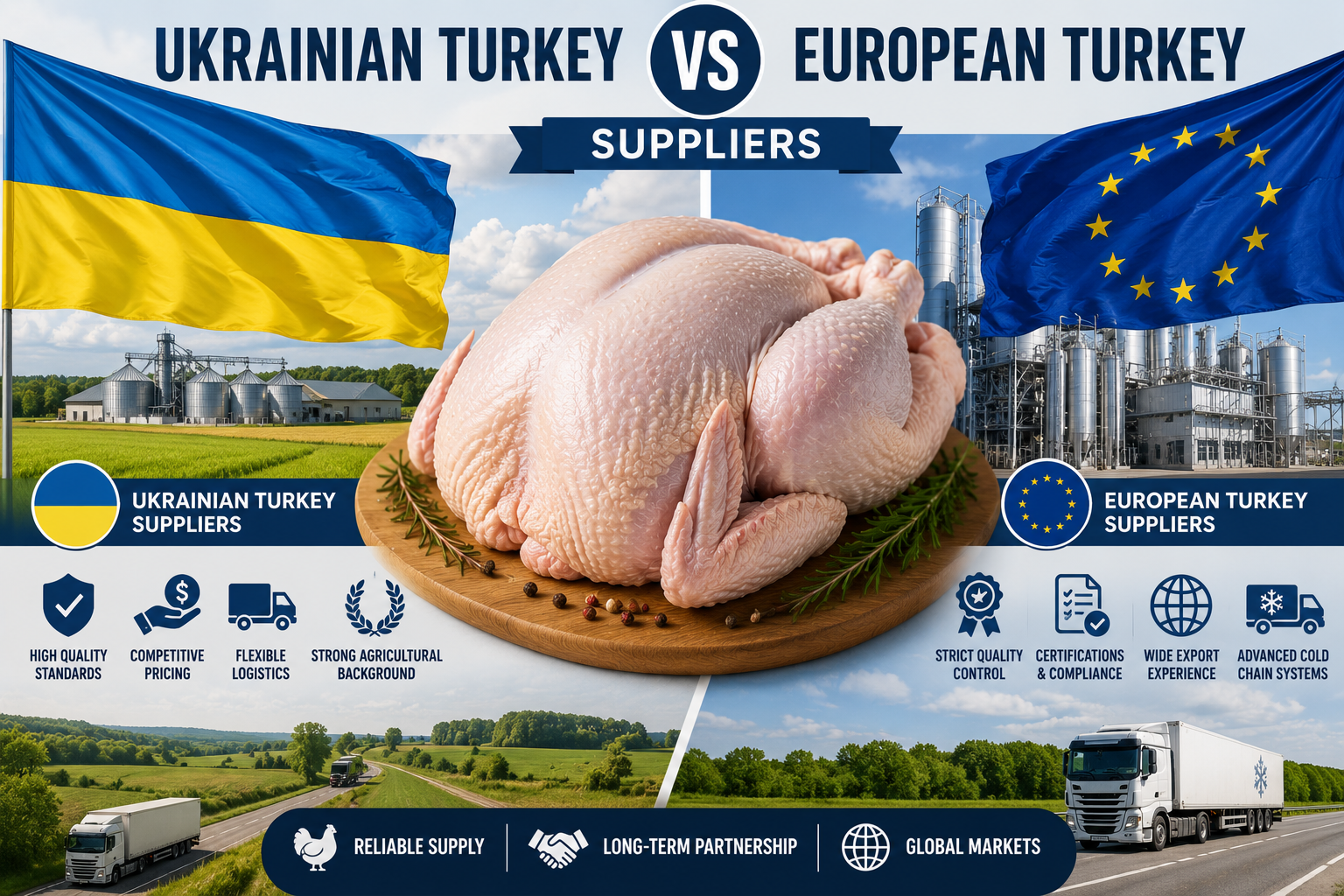
Ukrainian Turkey vs European Turkey Suppliers: A Comparative Analysis for Importers
Introduction
The global turkey meat trade continues to expand as retailers, distributors, food manufacturers, and foodservice operators seek reliable poultry suppliers capable of delivering consistent quality, competitive pricing, and dependable logistics. Among the most important sourcing options for international buyers are Ukrainian turkey suppliers and suppliers from the European Union.
Both regions offer significant advantages, but they differ in production costs, export capabilities, certifications, pricing structures, market access, and product portfolios. Understanding these differences can help importers make informed purchasing decisions and optimize their supply chains.
Overview of the Turkey Industry
Ukraine has emerged as an increasingly important poultry-producing country with a strong focus on export-oriented agriculture. Competitive feed costs, extensive farming resources, and growing processing capacity have strengthened Ukraine’s position in international poultry markets.
European turkey suppliers operate within one of the world’s most advanced food production environments. Countries such as Poland, Germany, France, Italy, and Spain maintain well-developed turkey industries supported by strict regulatory frameworks and sophisticated processing facilities.
Production Capacity
European producers generally benefit from larger combined production volumes and extensive integration throughout the supply chain. Their operations are often supported by advanced automation, modern processing technologies, and established export networks.
Ukrainian suppliers have invested heavily in modern poultry production over recent years and continue to expand capacity to serve international markets. Many facilities operate according to international food safety standards and focus strongly on export opportunities.
Pricing Competitiveness
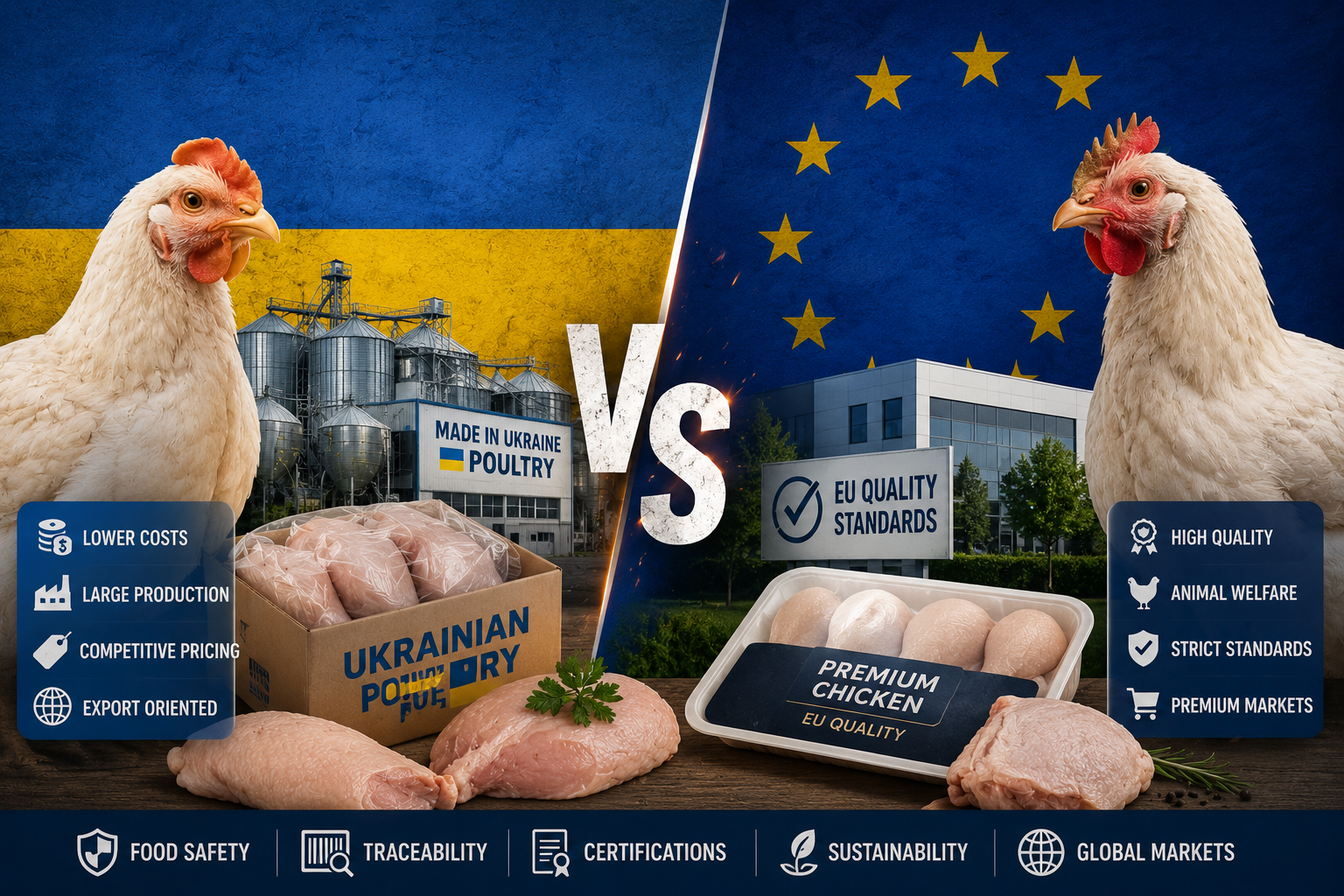
One of Ukraine’s primary advantages is cost competitiveness.
Factors supporting competitive pricing include:
• Lower production costs
• Competitive labor expenses
• Strong agricultural sector
• Efficient feed production
European suppliers often face higher operational costs associated with labor, compliance, energy, and regulatory requirements. As a result, European turkey products may carry higher prices compared with equivalent products sourced from Ukraine.
Quality Standards
Both Ukrainian and European suppliers can offer high-quality turkey products.
European producers operate under comprehensive EU regulations covering:
• Food safety
• Animal welfare
• Traceability
• Environmental standards
Leading Ukrainian producers increasingly implement international standards such as:
• HACCP
• ISO 22000
• BRCGS
• Halal certification programs
Importers should evaluate individual suppliers rather than relying solely on country of origin when assessing quality.
Product Range
Ukrainian suppliers commonly export:
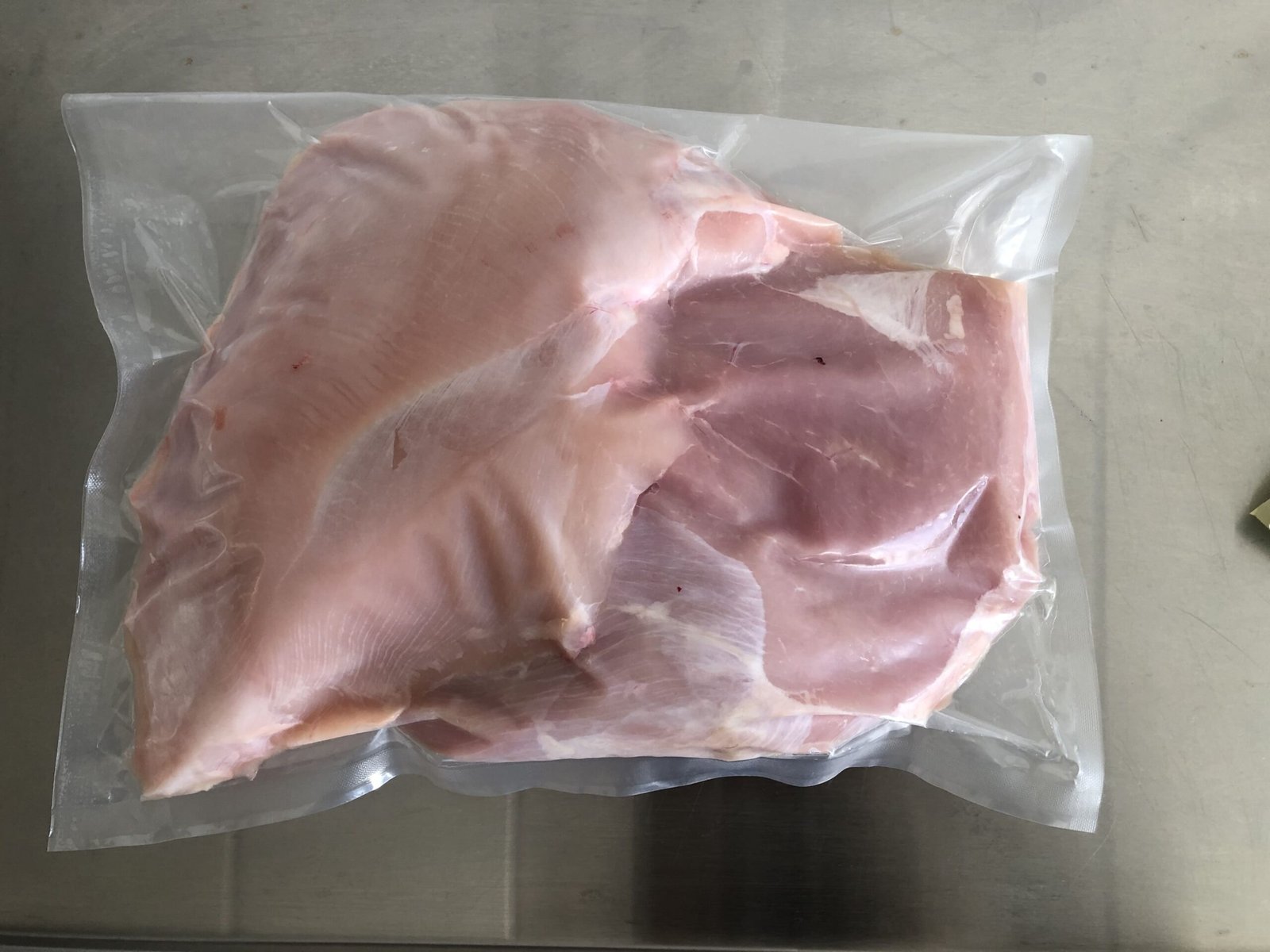
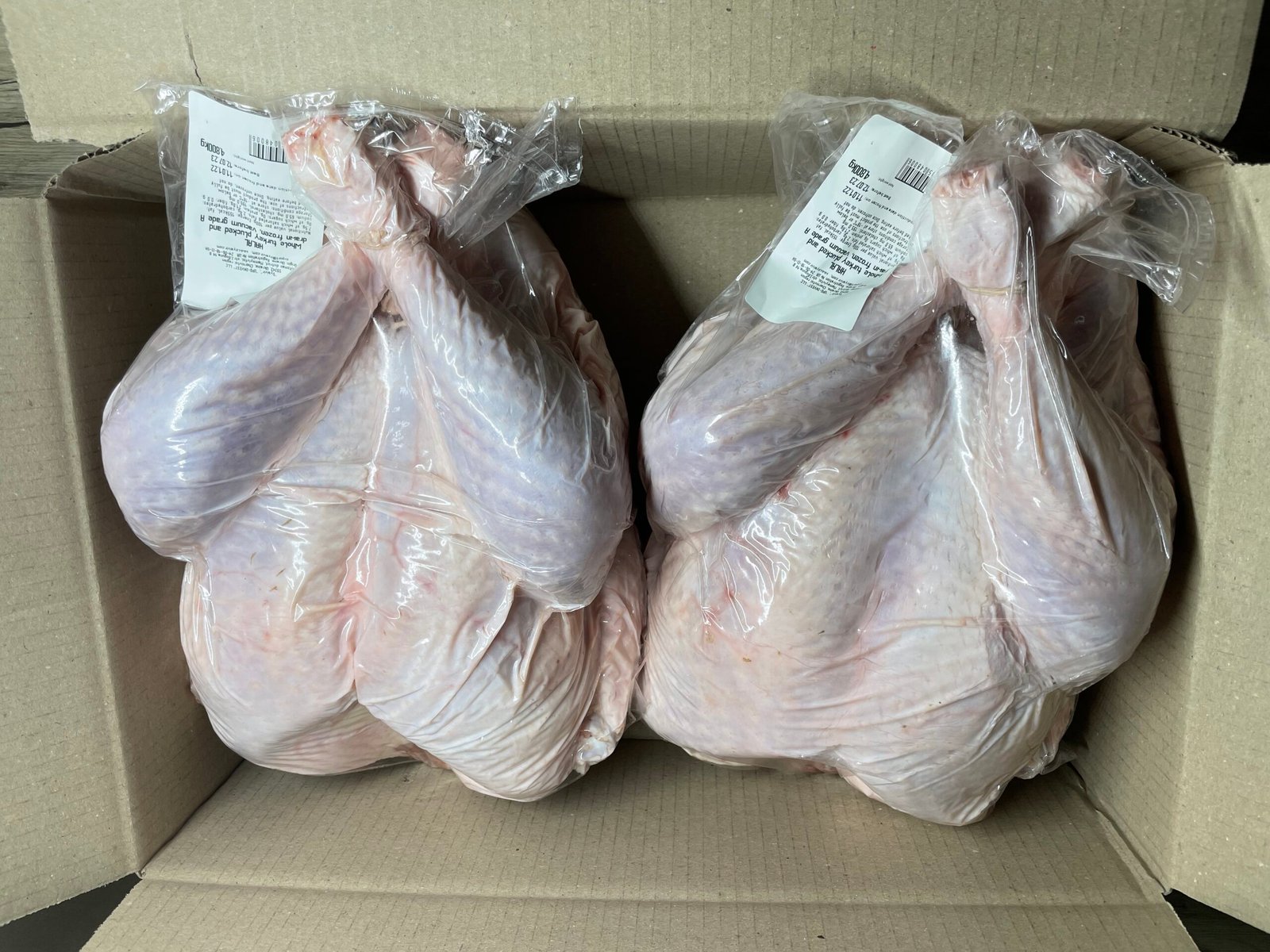
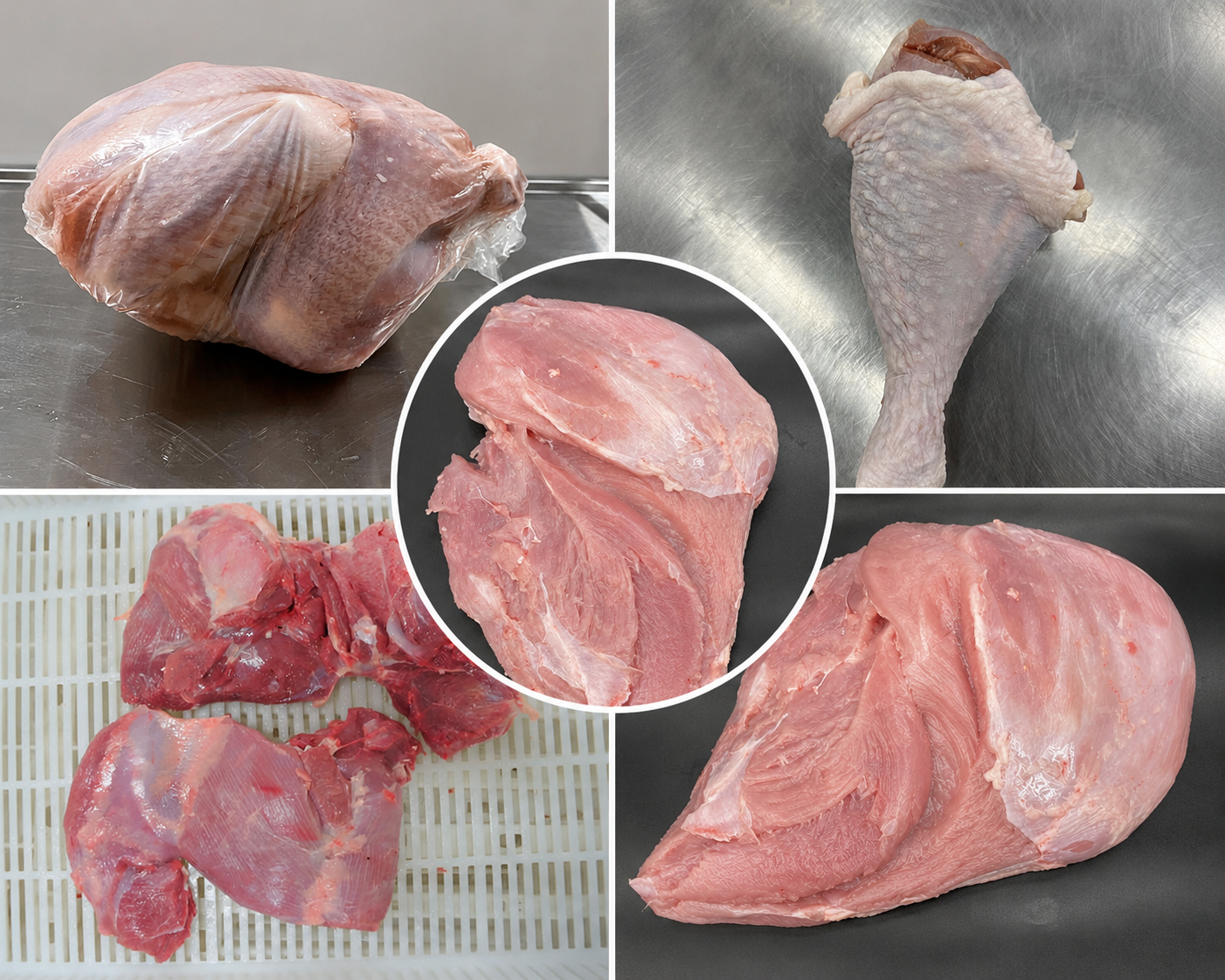
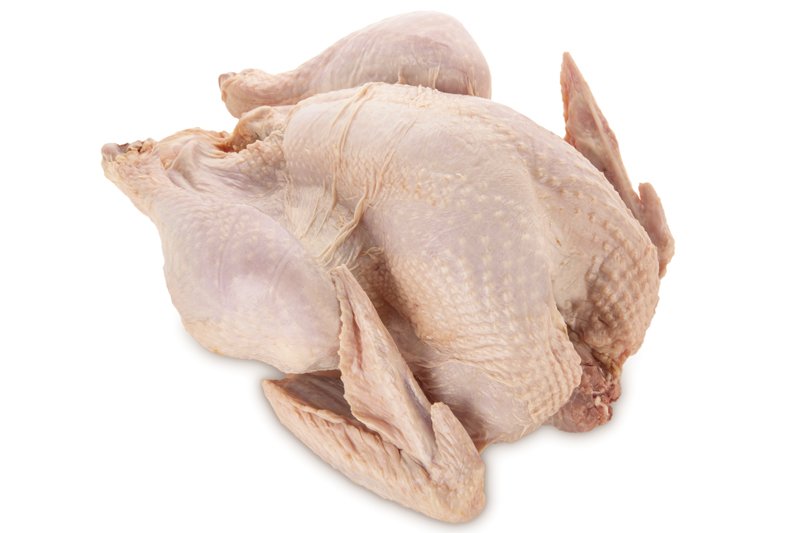
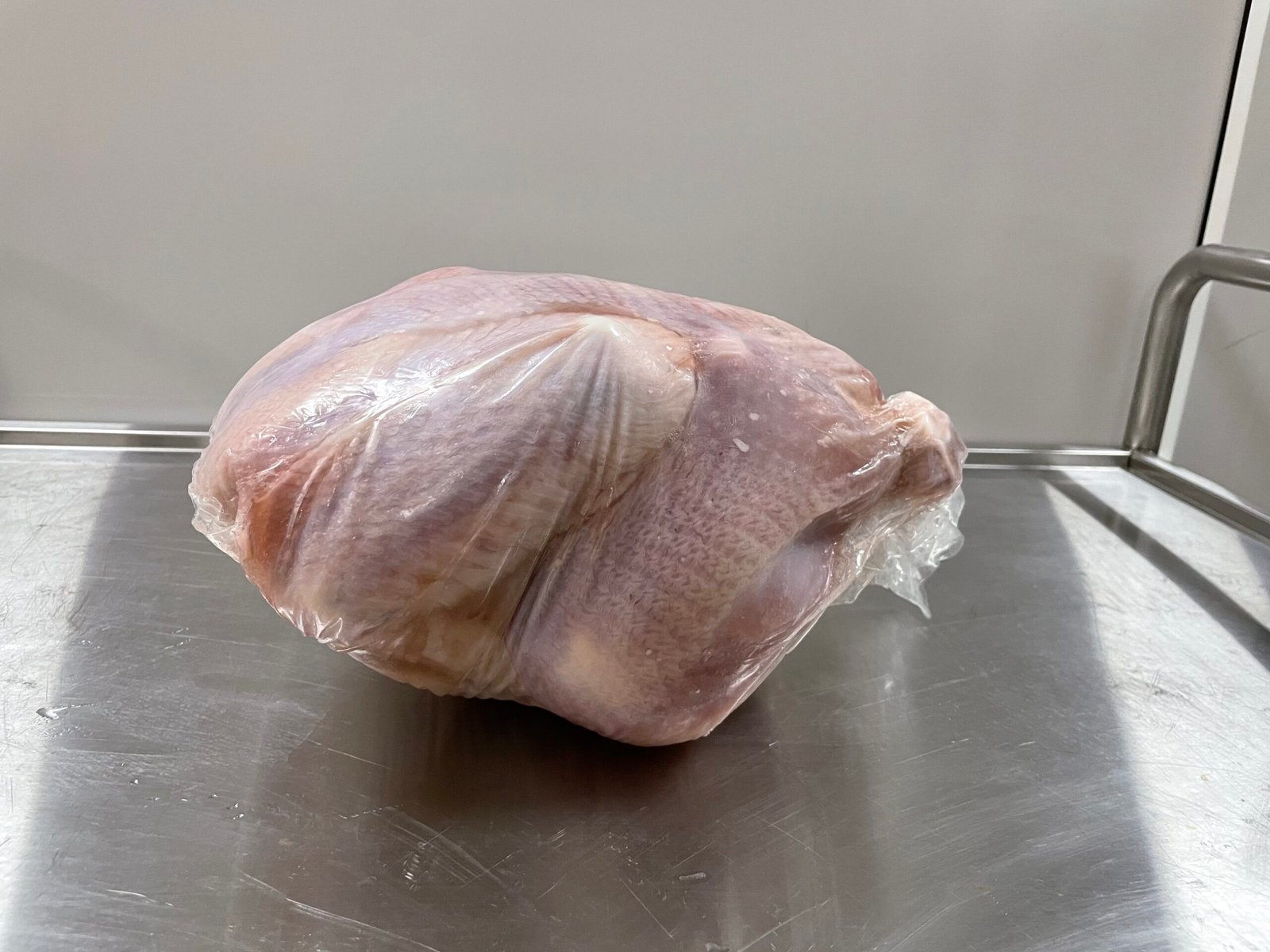
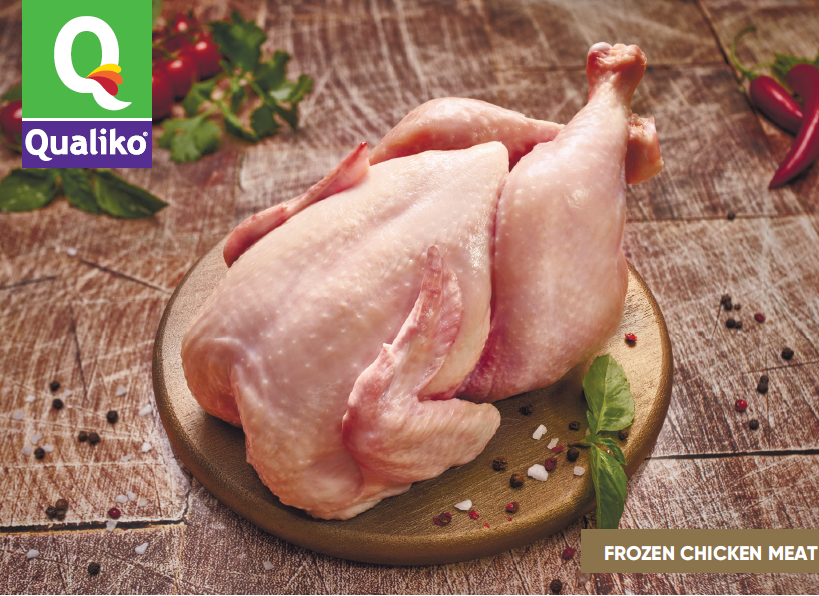
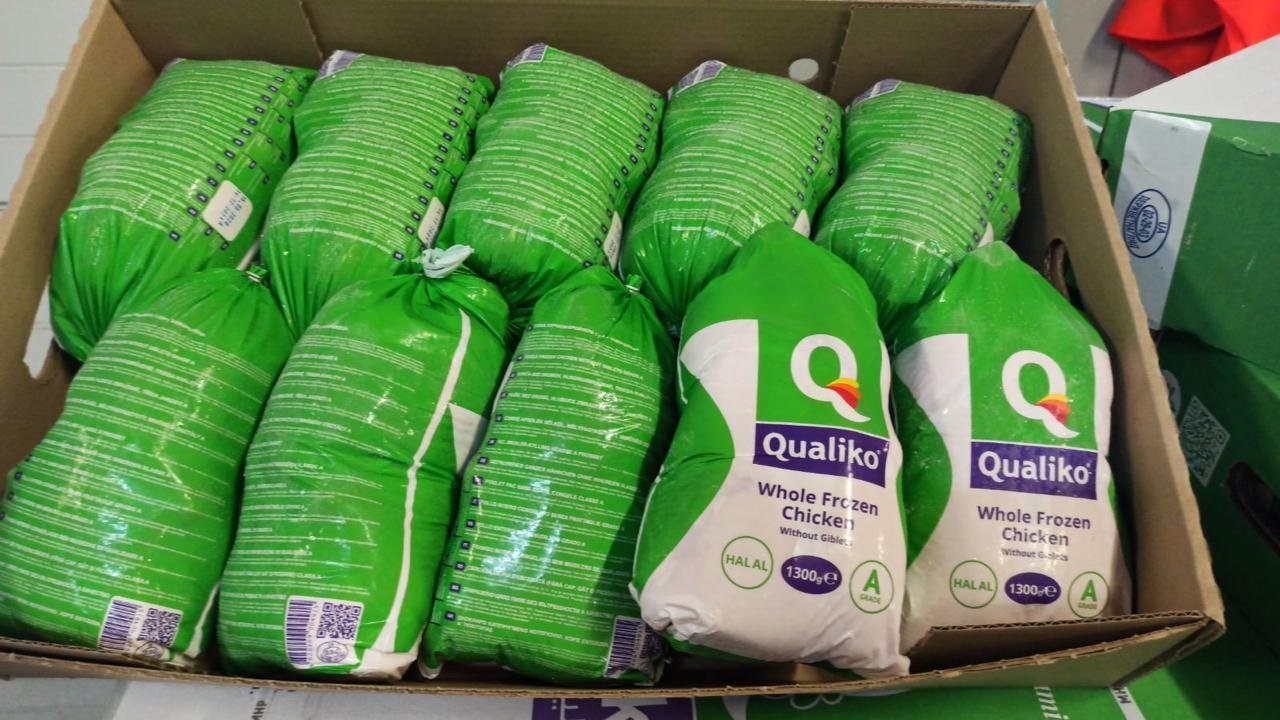
• Whole frozen turkey
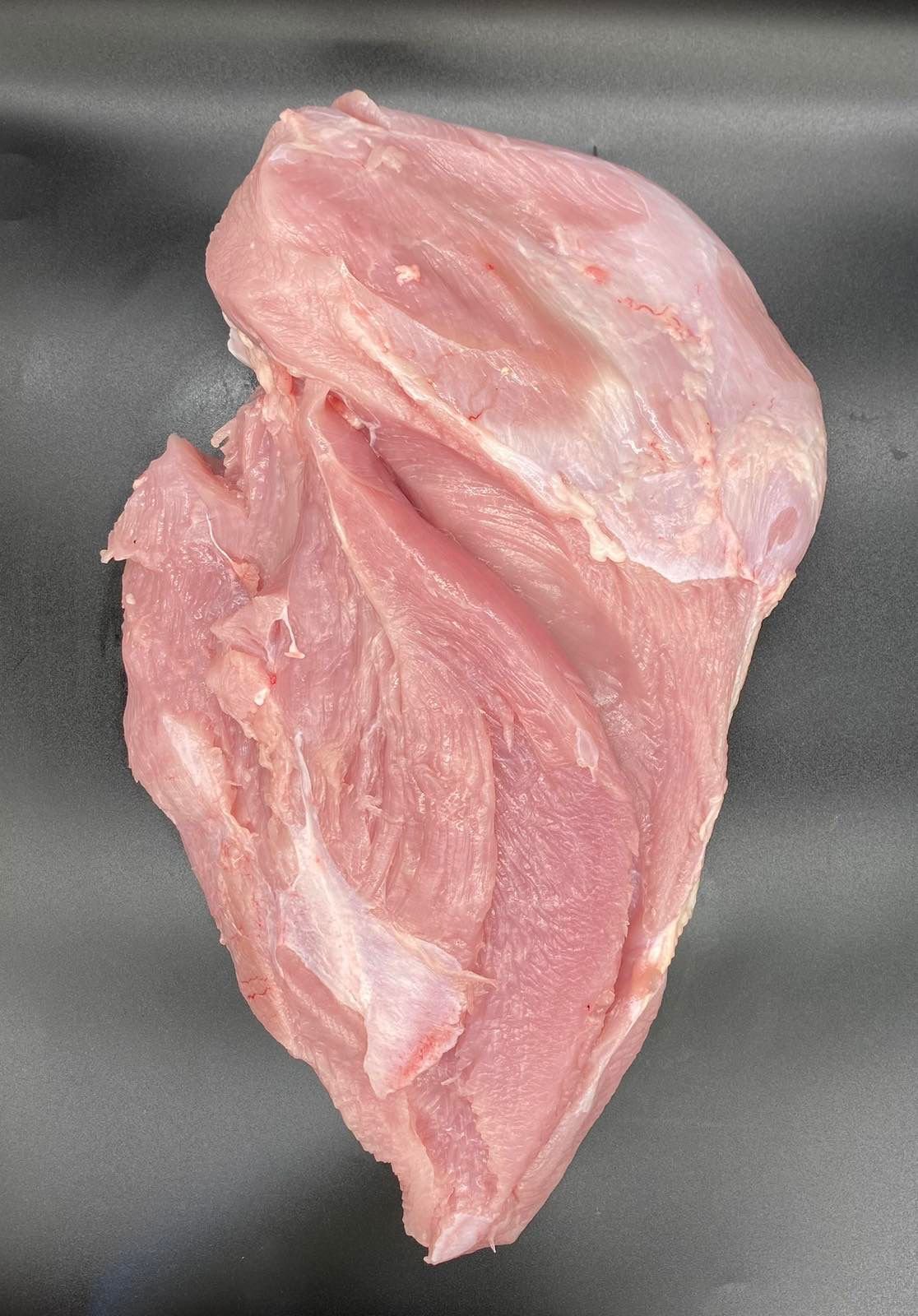
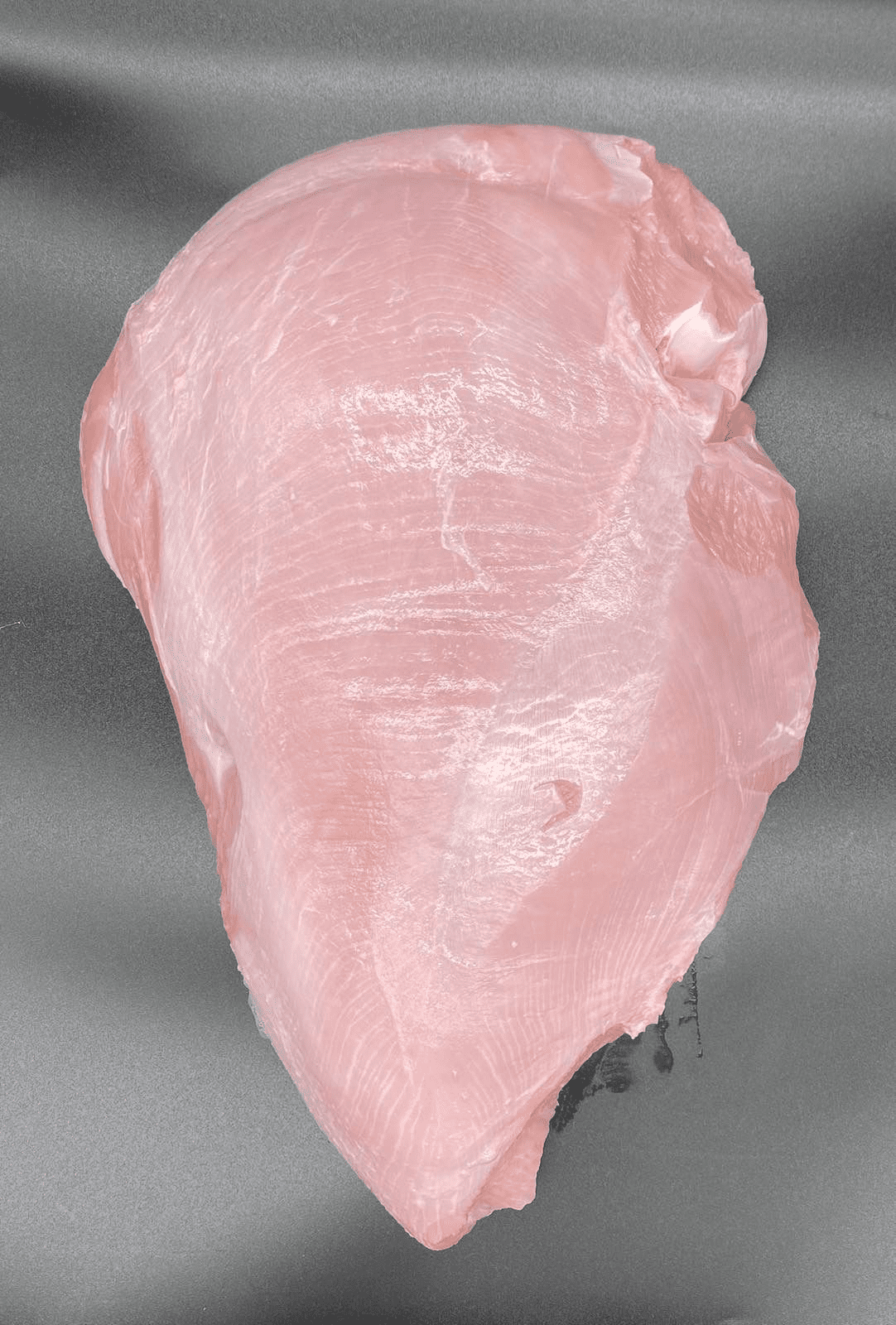
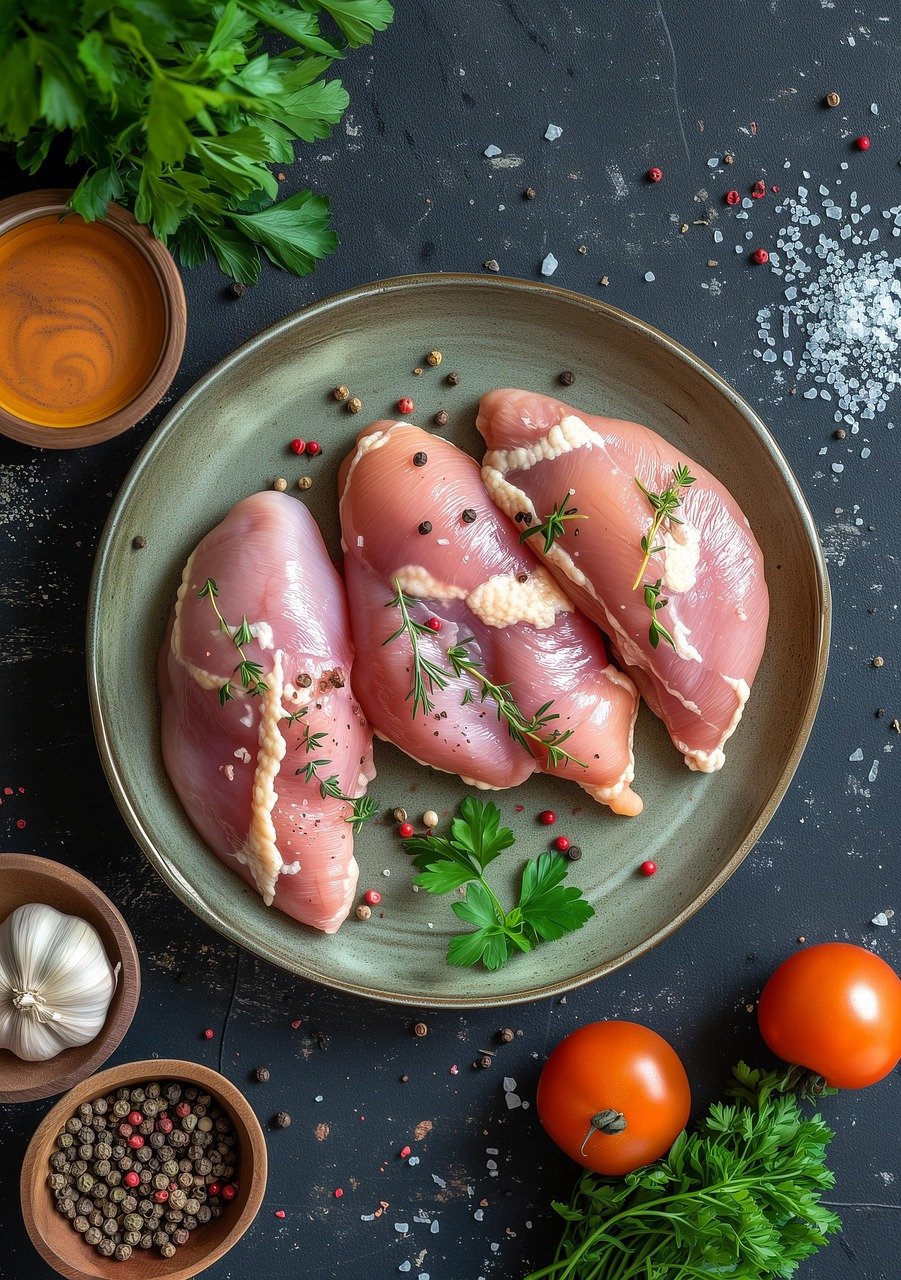
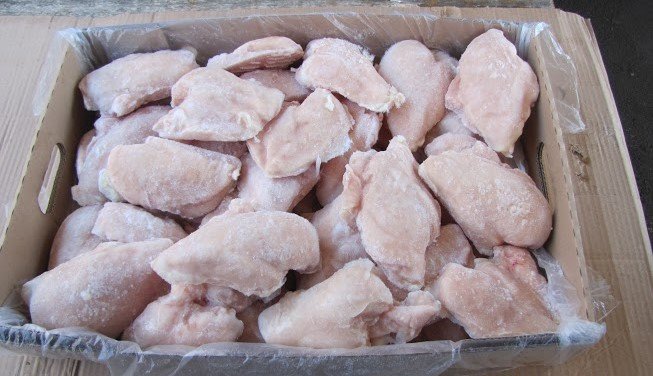
• Turkey breast fillets
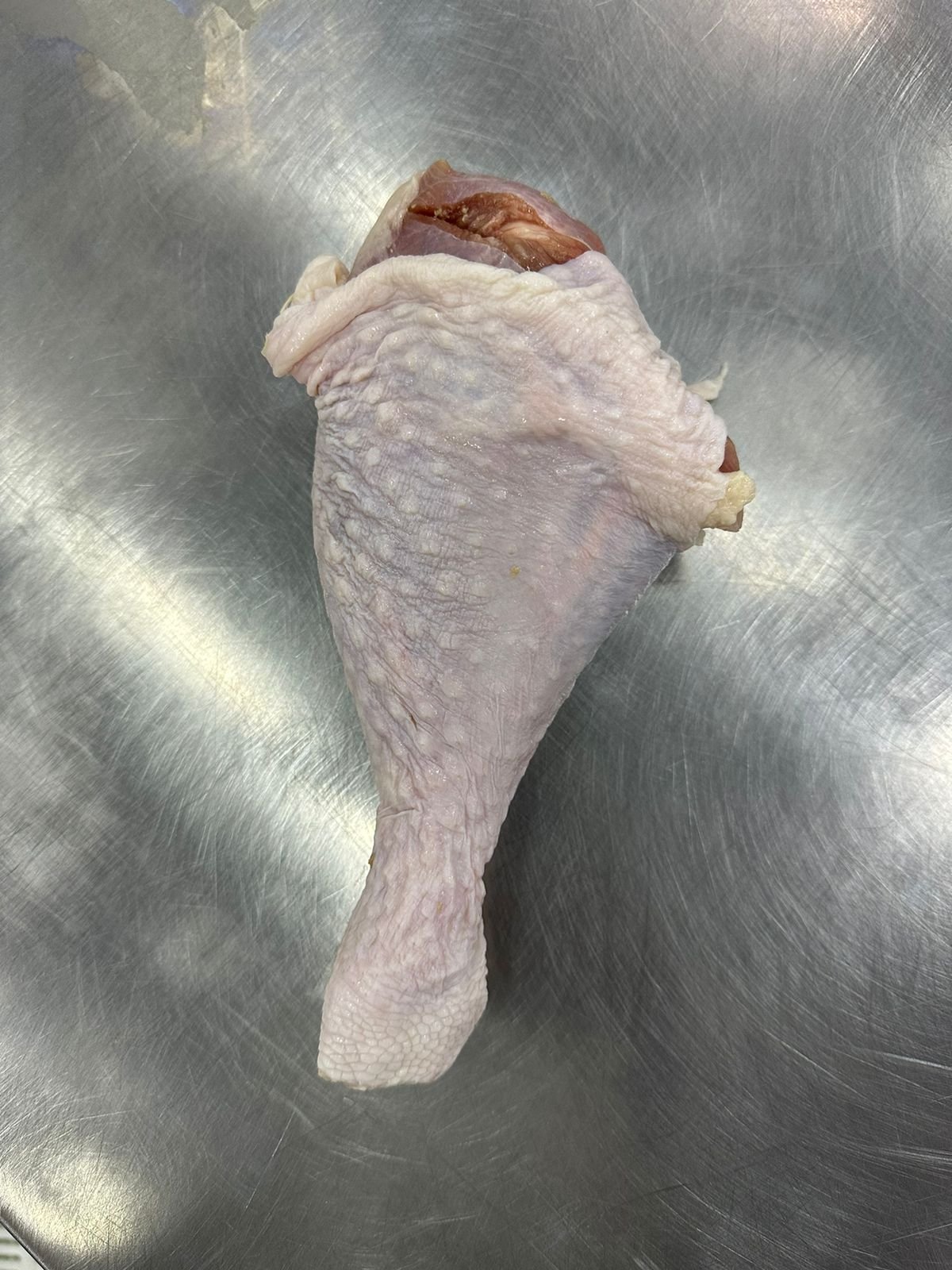
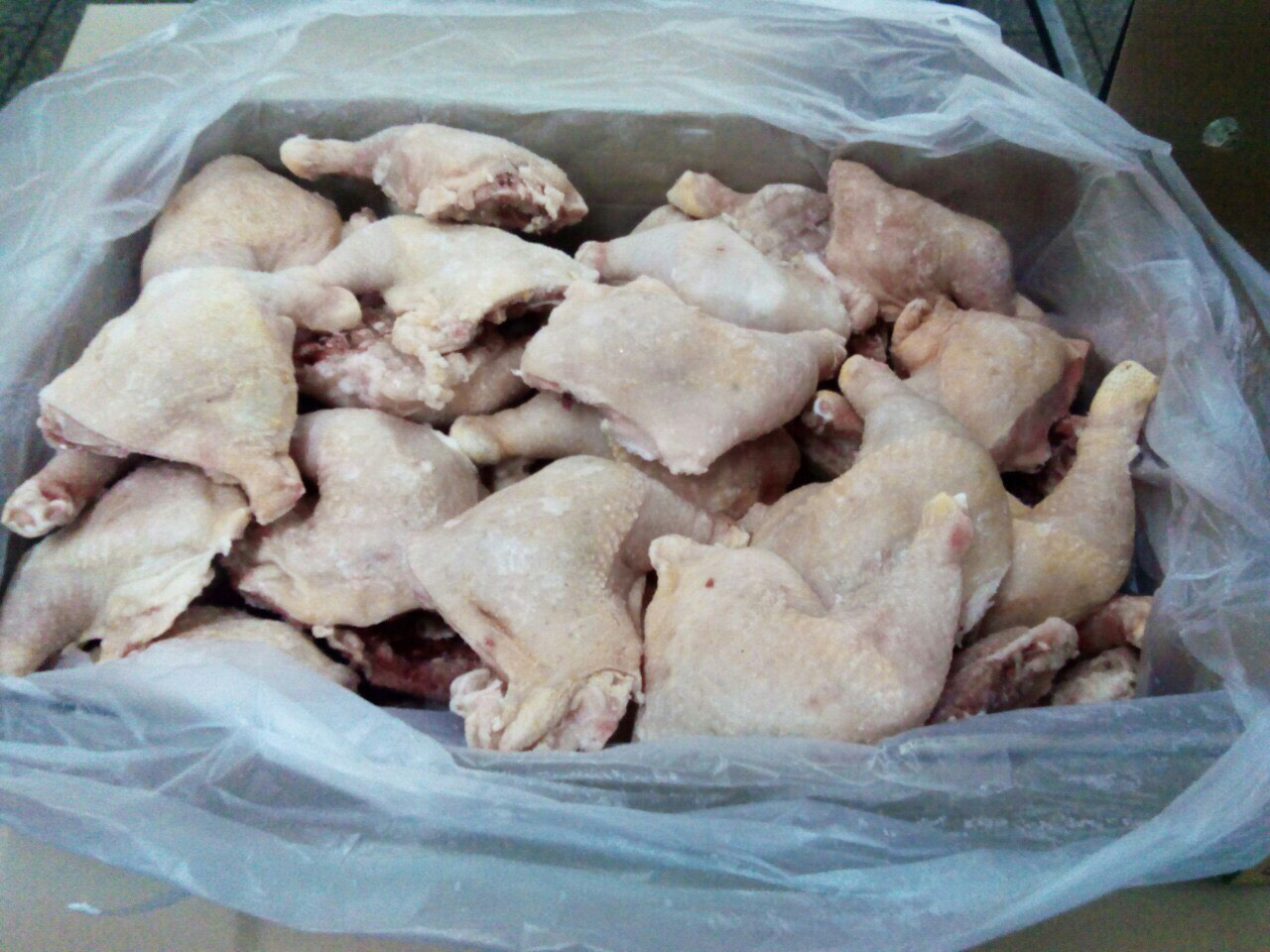
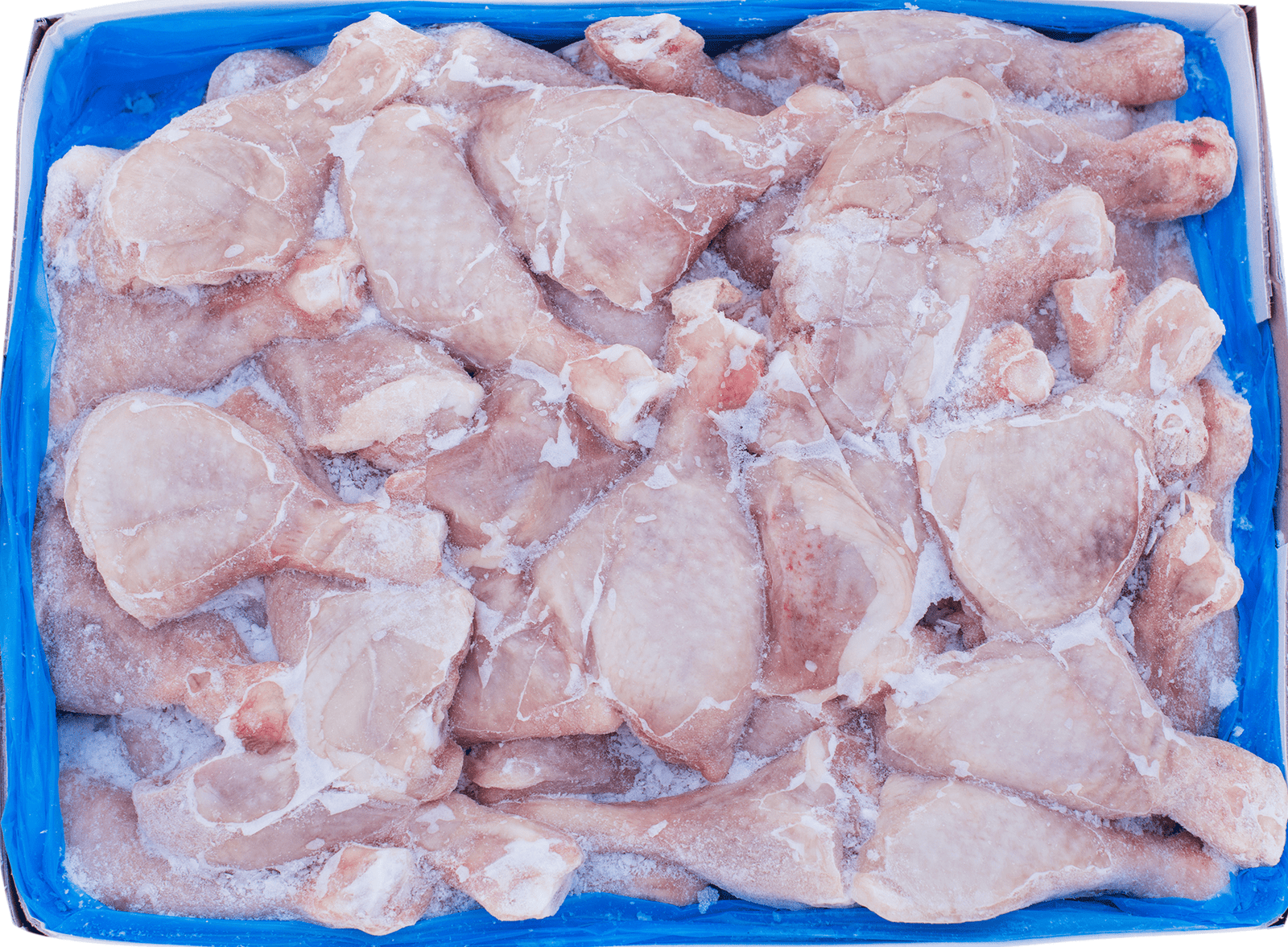
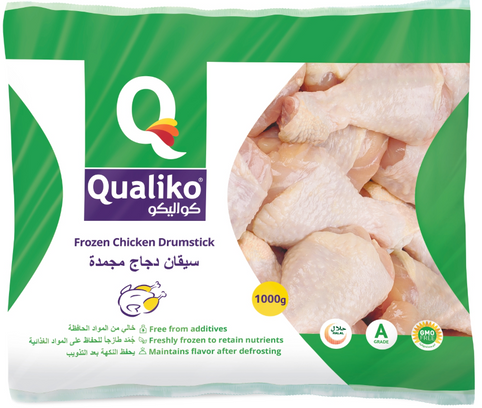
• Turkey drumsticks
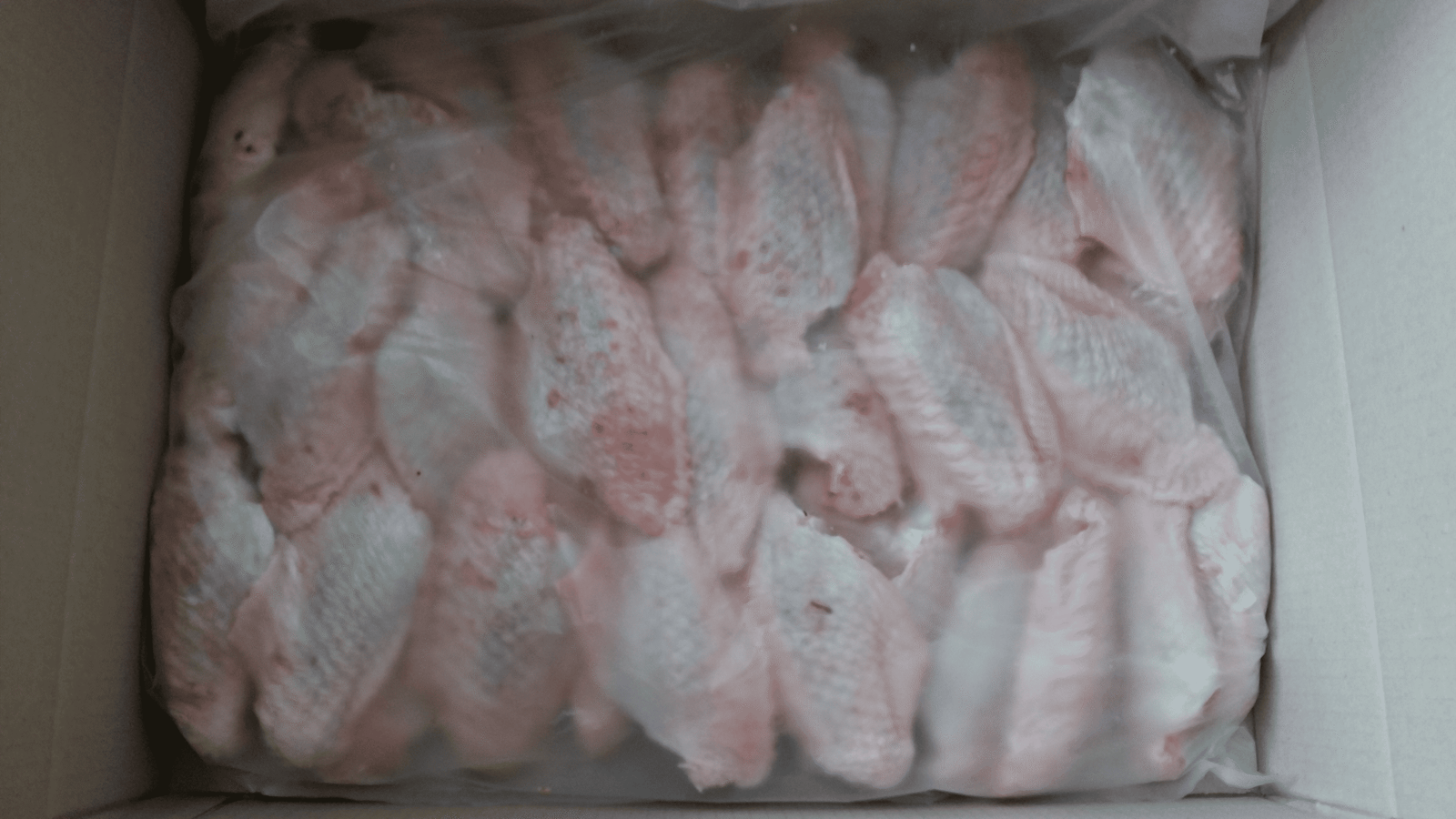
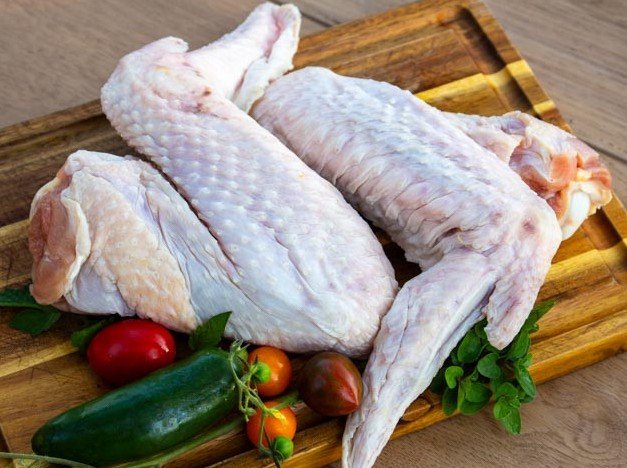
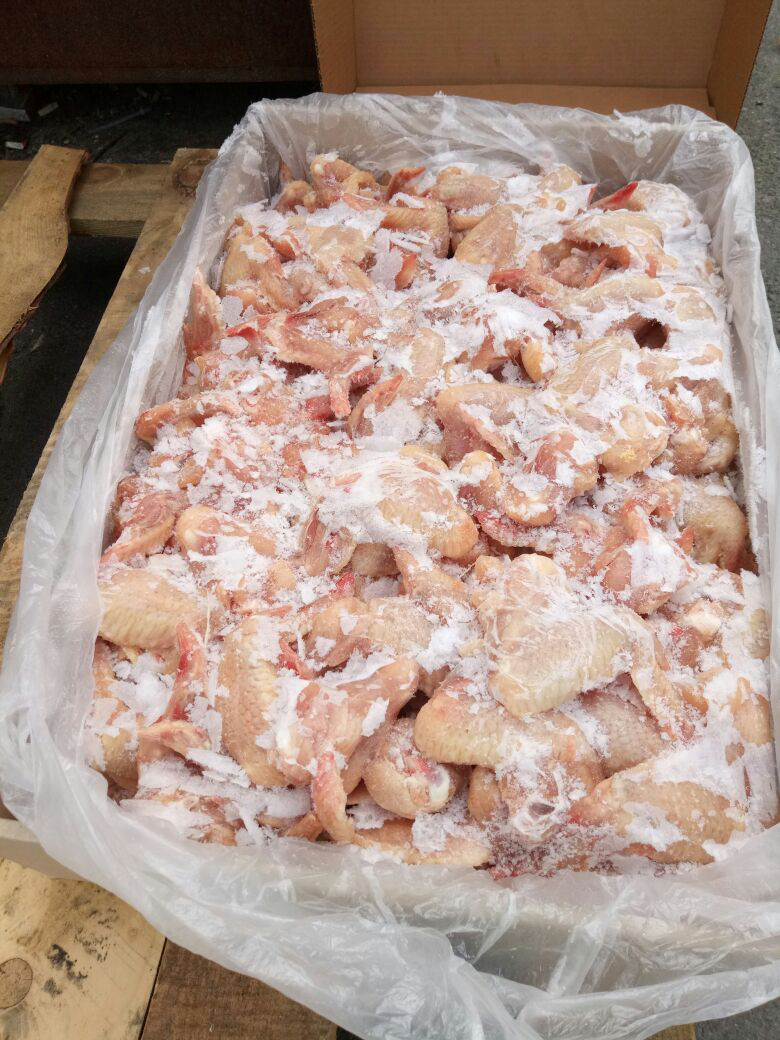
• Turkey wings
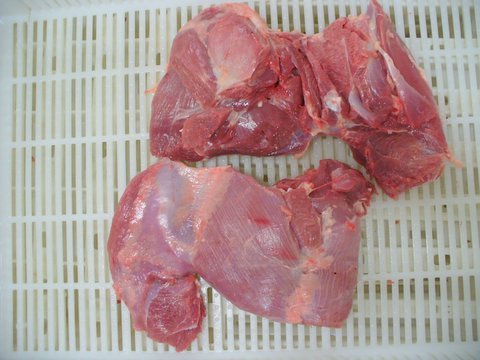
• Turkey thigh meat
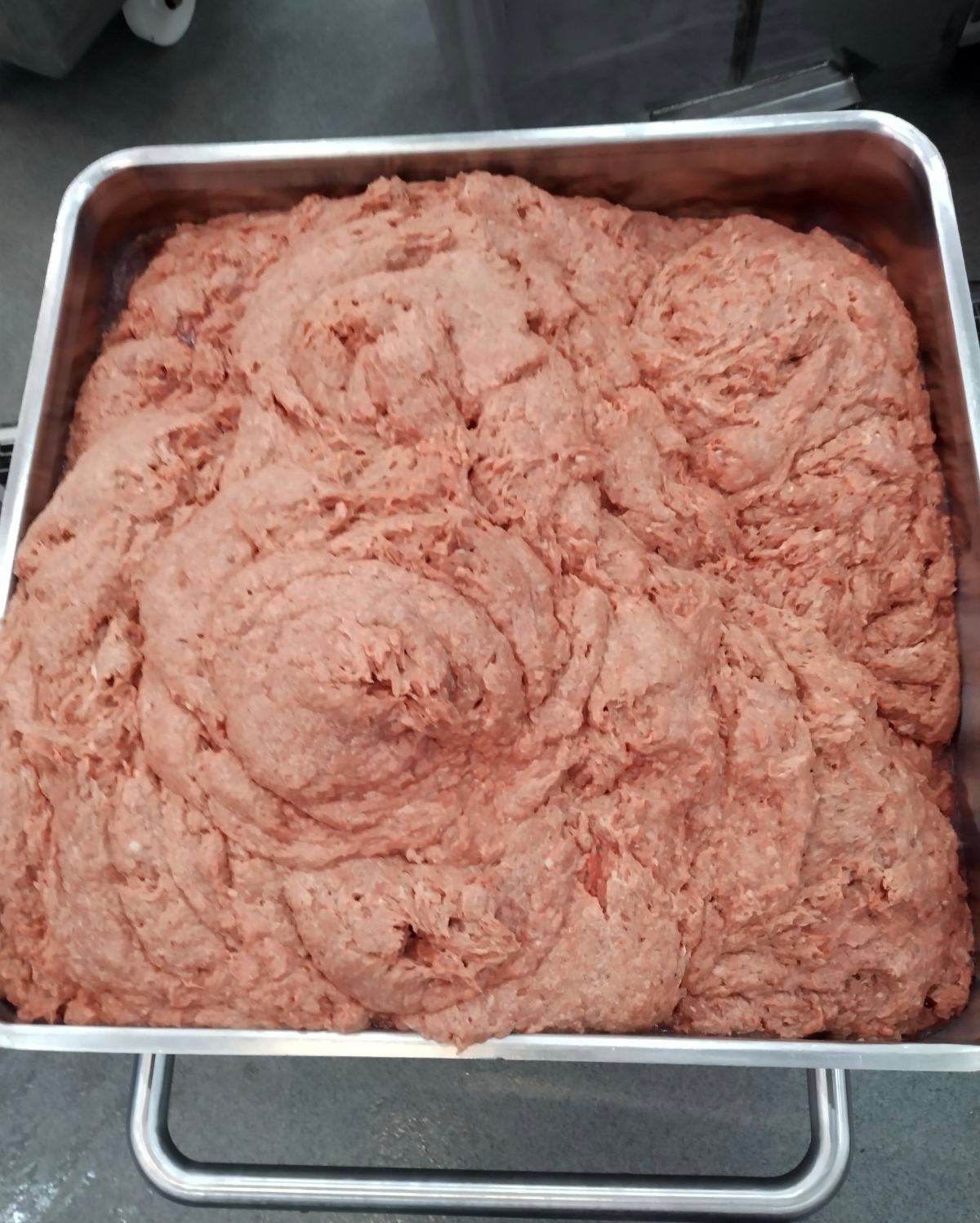
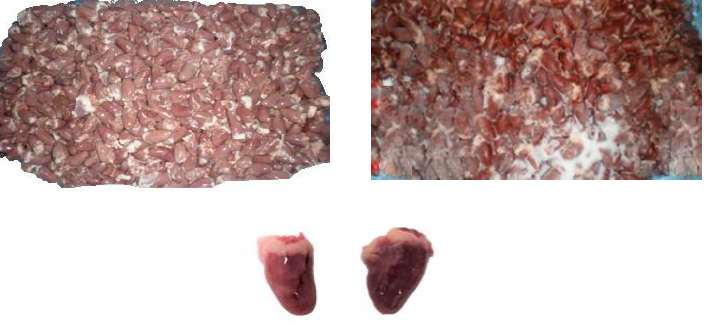
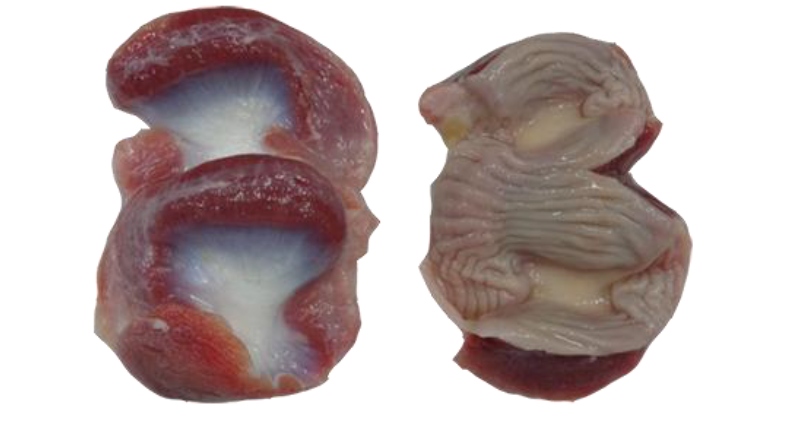
• Mechanically deboned turkey meat (MDTM)
European suppliers typically offer:
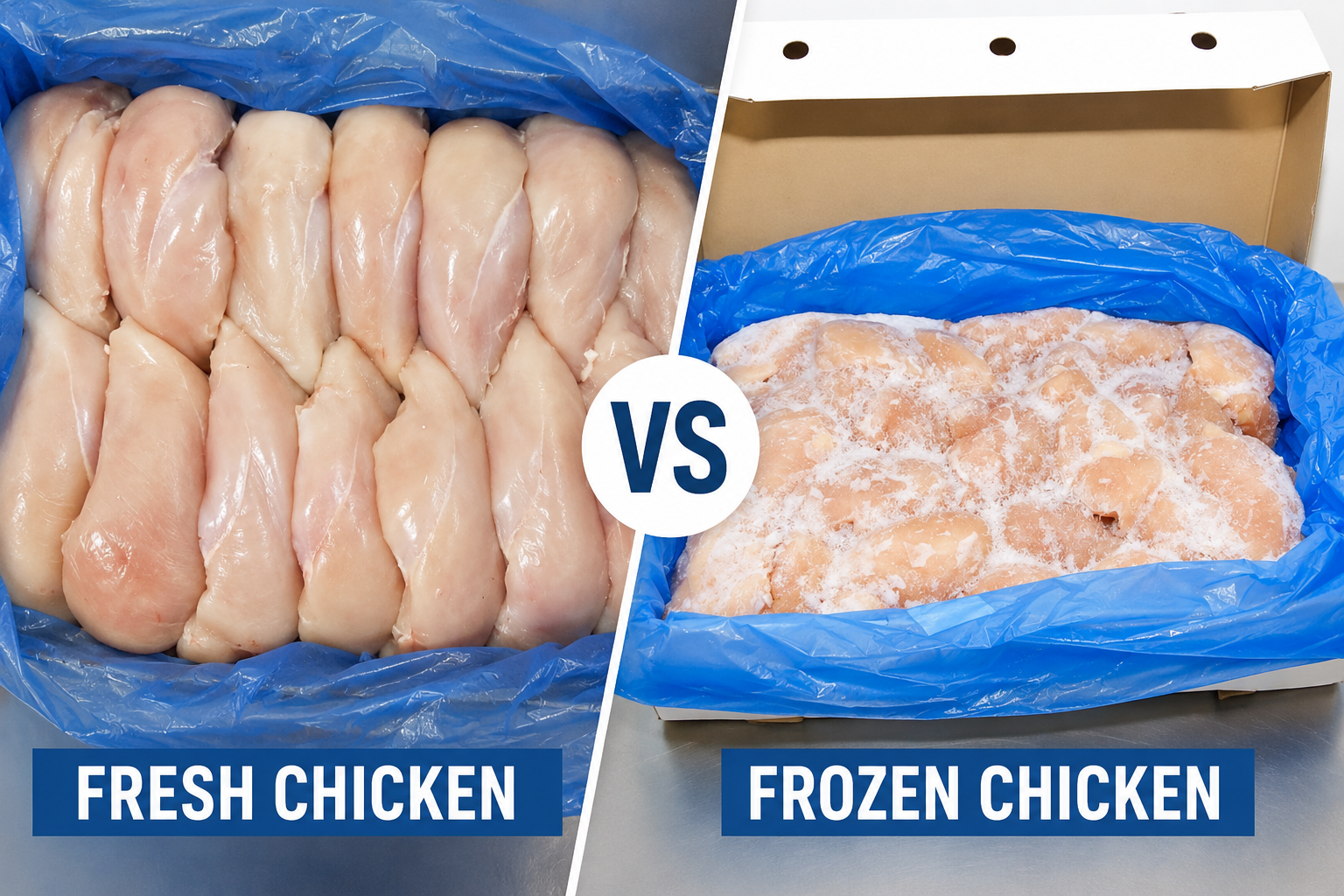
• Fresh turkey products
• Frozen turkey products
• Processed turkey items
• Retail-ready packaging
• Value-added turkey products
The optimal choice depends on market requirements and customer preferences.
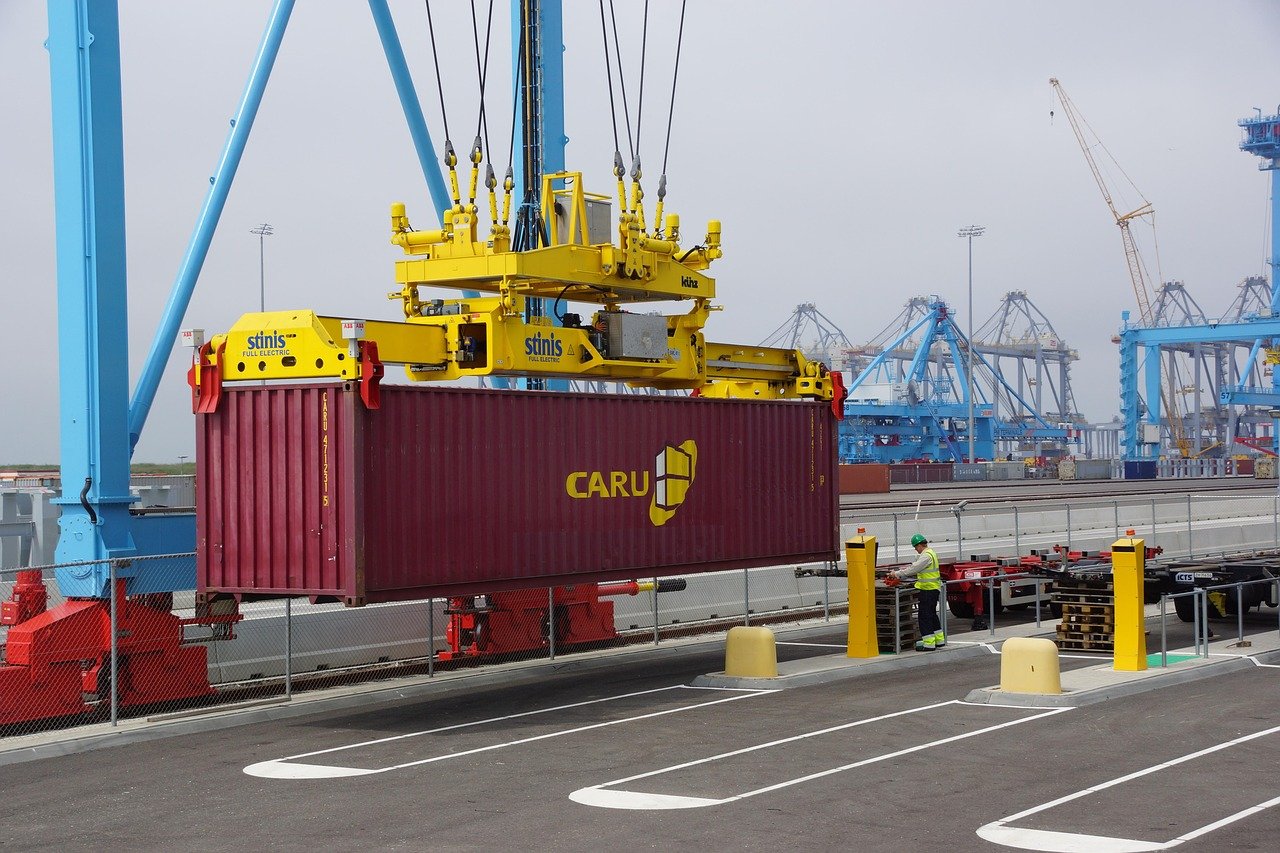
Export Logistics
European suppliers benefit from proximity to major consumer markets and well-developed transportation infrastructure.
Advantages include:
• Extensive road networks
• Established cold-chain systems
• Fast delivery times within Europe
• Integrated logistics services
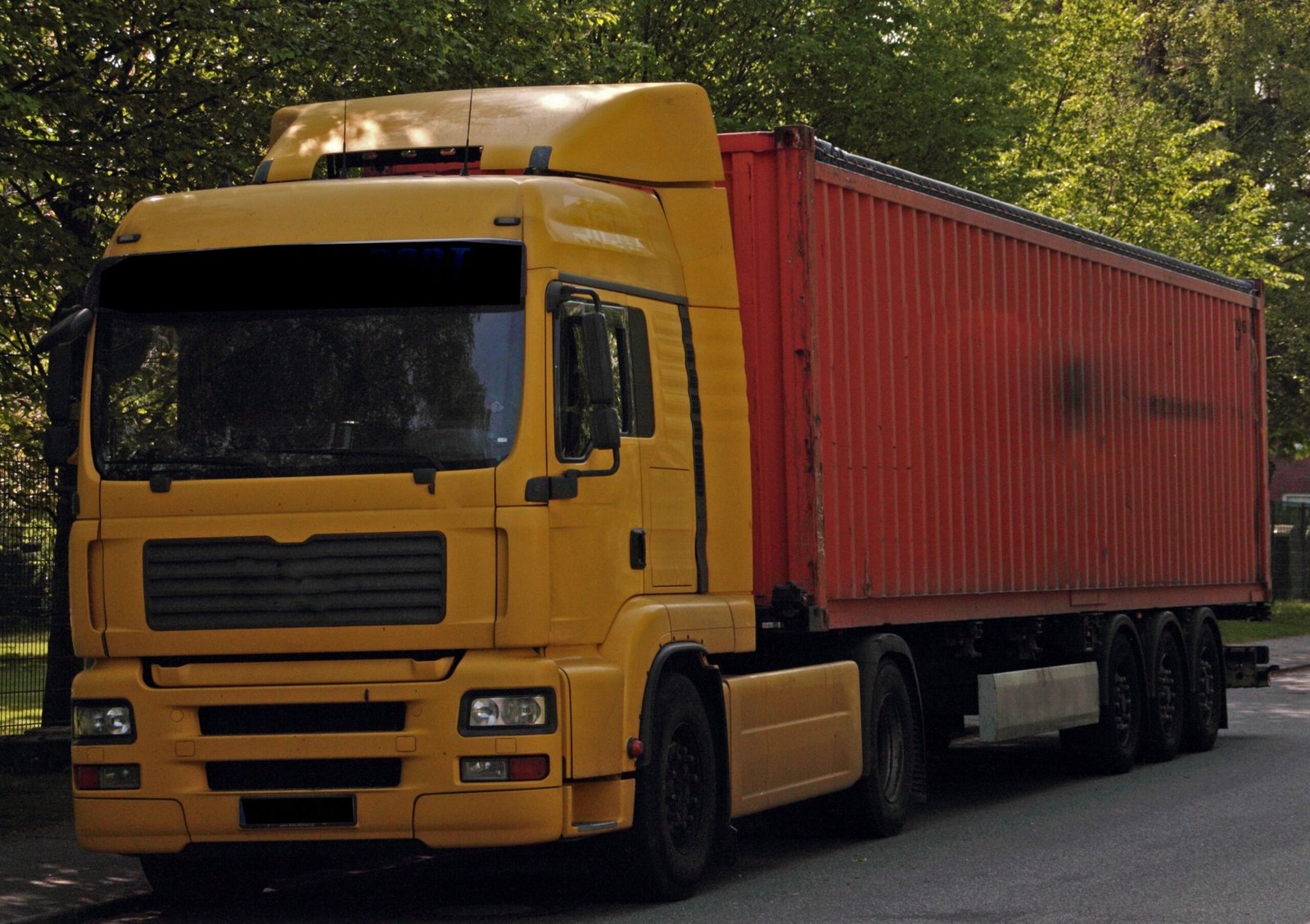
Ukrainian exporters have also developed strong export capabilities, particularly for frozen products shipped to international destinations. Frozen turkey products often provide greater flexibility for long-distance transportation.
Certification and Compliance
European suppliers automatically operate within the EU regulatory framework, which is recognized globally for food safety and traceability.
Many Ukrainian suppliers maintain:
• International certifications
• Veterinary export approvals
• Halal certifications
• Customer-specific compliance programs
Certification requirements should always be verified before placing orders.
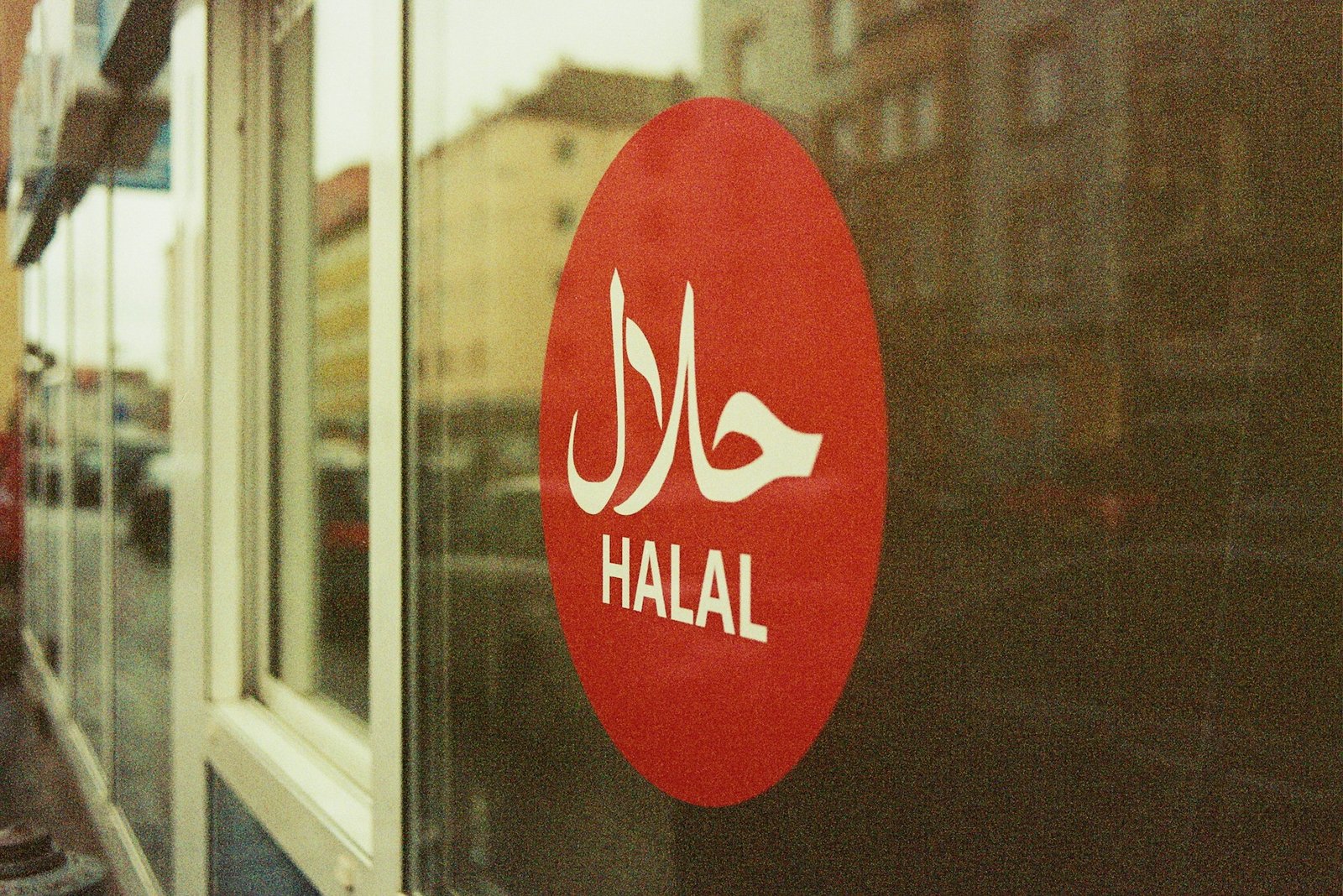
Halal Market Opportunities
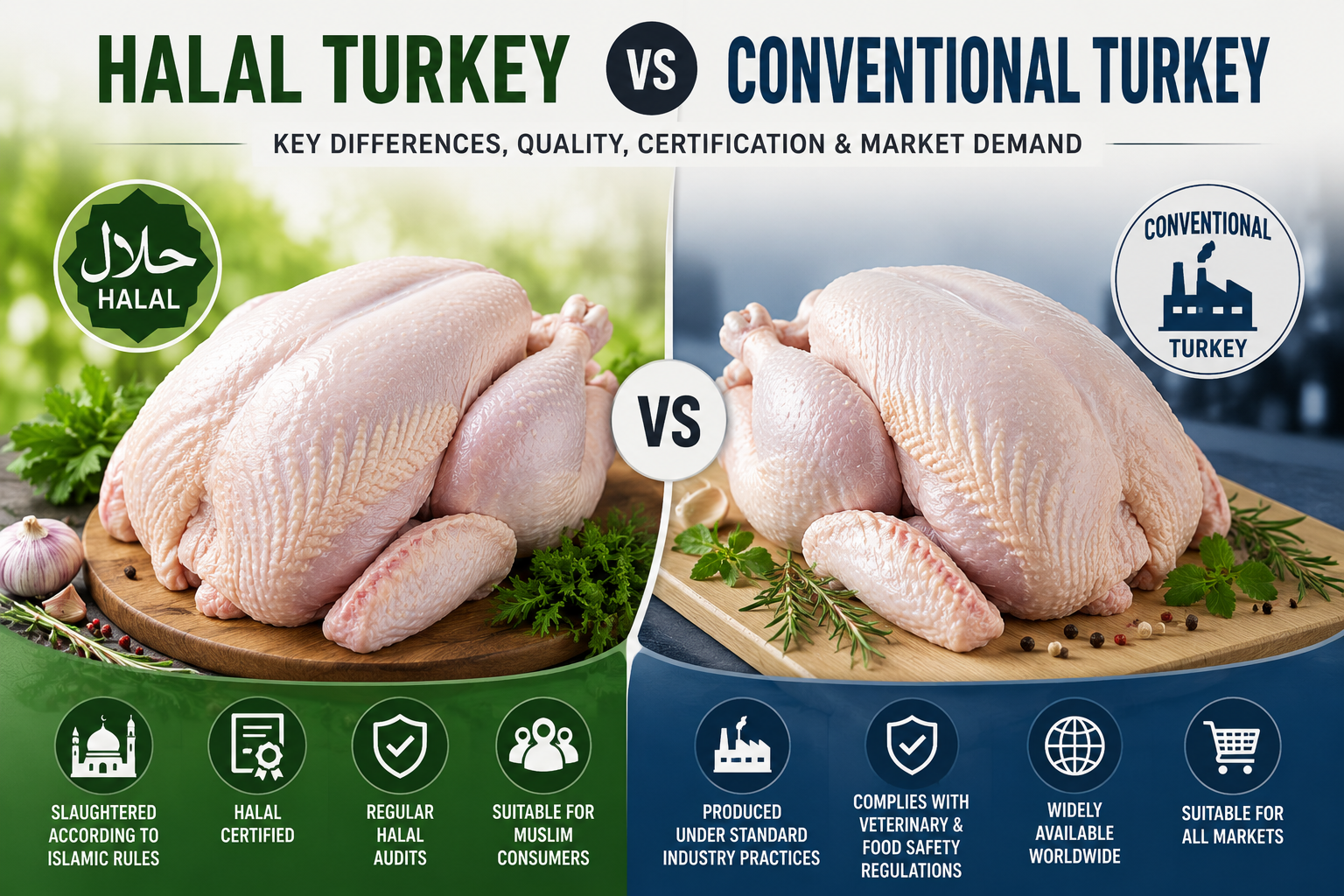
Both Ukrainian and European suppliers increasingly offer halal-certified turkey products.
Ukraine has become particularly active in supplying halal poultry to international markets, including destinations in the Middle East, Africa, and Asia.
For importers targeting Muslim consumers, certification validity and certification body recognition are important considerations.
Retail Market Positioning
European turkey products are often positioned as:
• Premium products
• High-quality retail offerings
• Value-added solutions
Ukrainian turkey products are frequently positioned as:
• Competitive alternatives
• Cost-effective sourcing solutions
• Reliable wholesale products
The best positioning strategy depends on target market expectations.
Foodservice Applications
Both supplier groups serve foodservice operators.
Turkey products are widely used in:
• Hotels
• Restaurants
• Catering companies
• Institutional kitchens
Frozen turkey products supplied by both regions are particularly popular because of their storage stability and operational convenience.
Supply Chain Reliability
Supply chain reliability is a critical factor for importers.
Key evaluation criteria include:
• Production capacity
• Export experience
• Documentation support
• Product consistency
• Logistics performance
Long-term partnerships with reputable suppliers often provide greater value than focusing solely on pricing.
Market Trends
Several trends continue to shape sourcing decisions:
• Growing demand for lean protein
• Expansion of halal food markets
• Increased interest in poultry products
• Rising demand for value-added turkey items
Both Ukraine and Europe are well positioned to benefit from these developments.
Advantages of Ukrainian Turkey Suppliers
• Competitive pricing
• Strong agricultural base
• Growing export capacity
• Expanding international presence
• Availability of frozen bulk products
Advantages of European Turkey Suppliers
• Established reputation
• Advanced regulatory environment
• Extensive product diversification
• Strong logistics infrastructure
• Premium retail opportunities
Which Supplier Is Better?
Importers focused on cost efficiency and bulk purchasing may find Ukrainian suppliers particularly attractive.
Importers seeking premium retail products, value-added solutions, and access to highly regulated supply chains may prefer European suppliers.
In many cases, businesses successfully source products from both regions to diversify risk and optimize purchasing strategies.
Conclusion
Ukrainian and European turkey suppliers each offer unique advantages within the global poultry market. Ukraine provides competitive pricing, growing production capacity, and strong export potential, while European suppliers offer advanced processing capabilities, premium product portfolios, and highly developed regulatory systems.
The best sourcing decision depends on target markets, customer expectations, pricing objectives, certification requirements, and long-term business strategy. Importers that carefully evaluate supplier capabilities and maintain diversified sourcing relationships are often best positioned for long-term success.