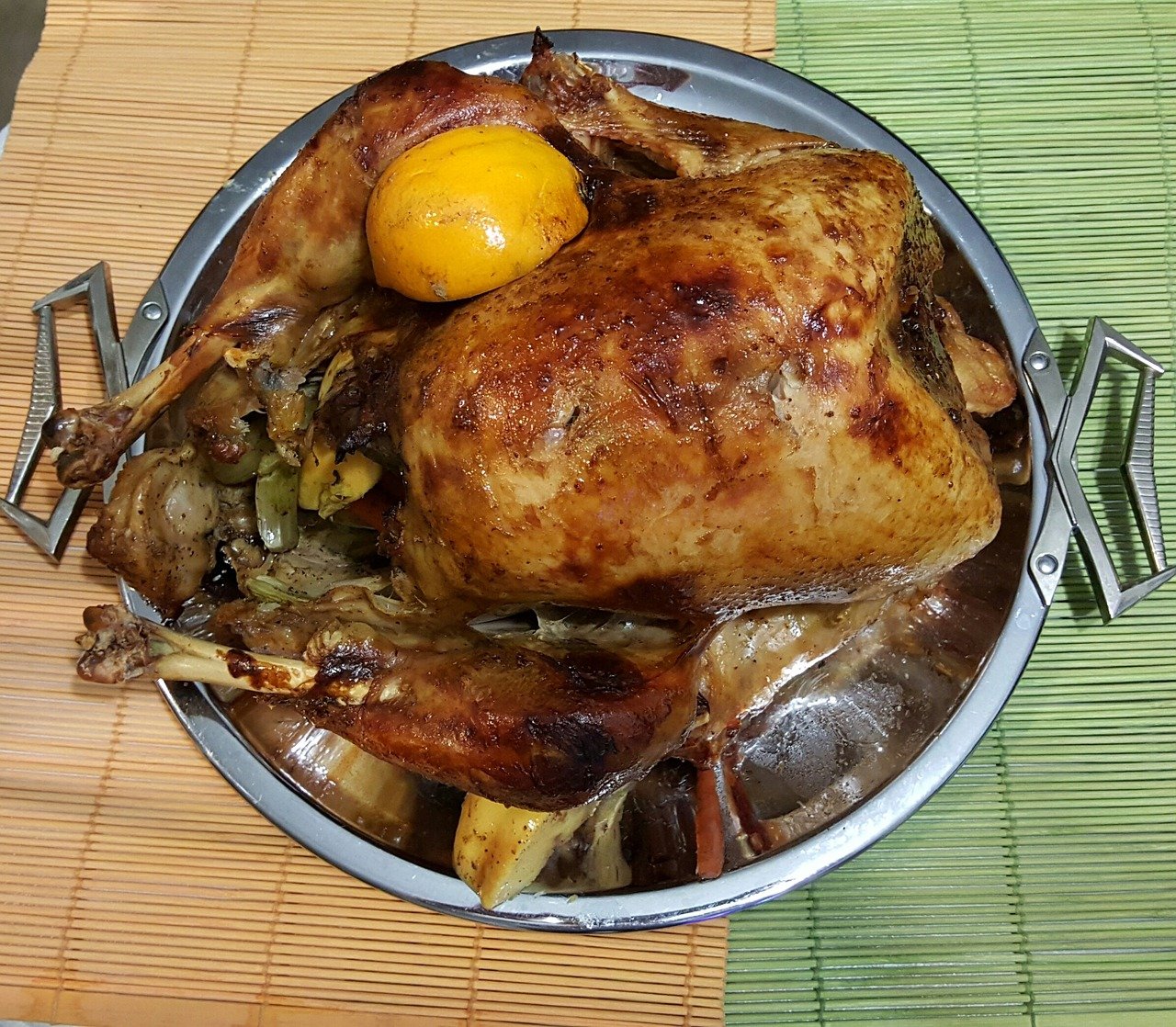
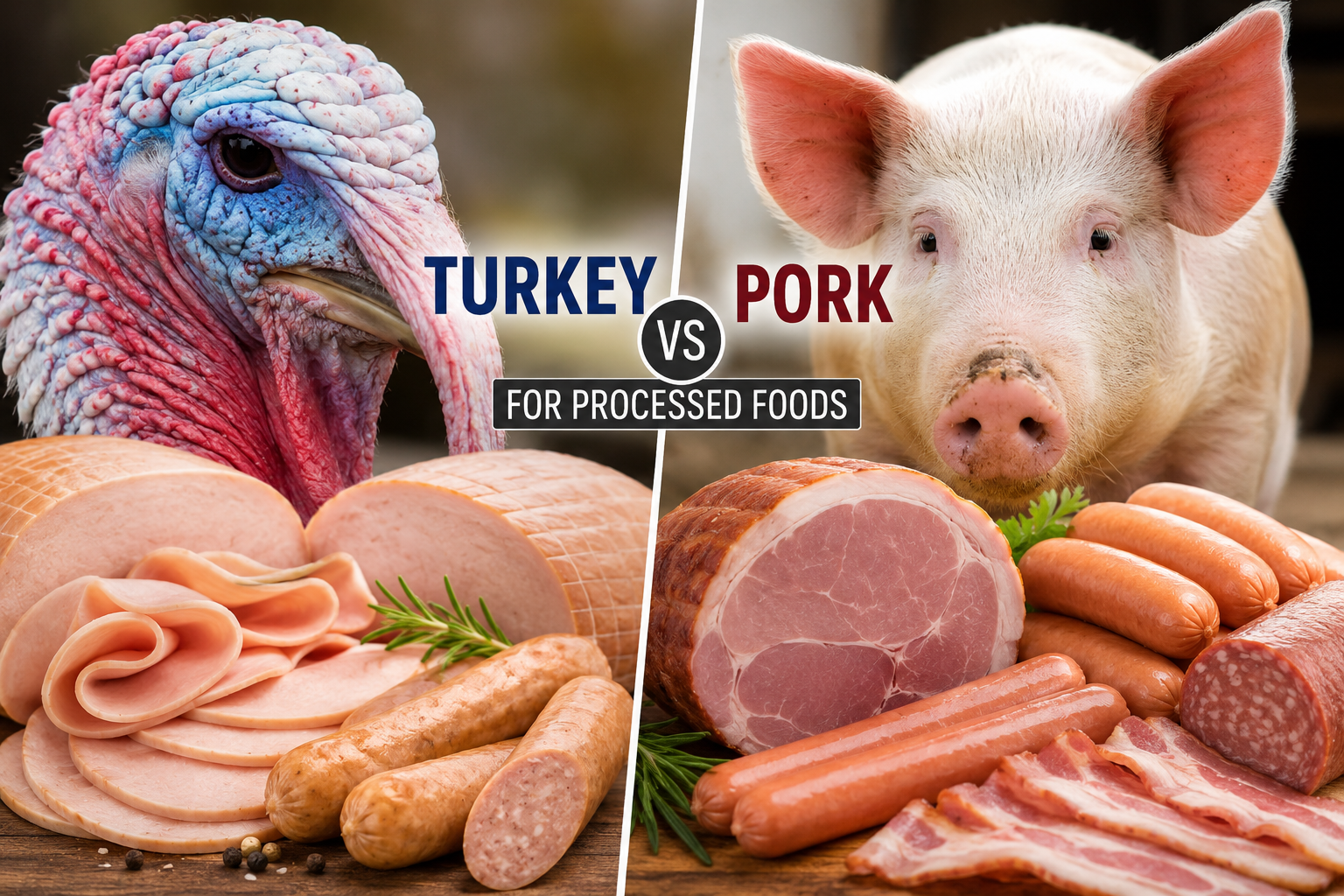
Halal Turkey vs Conventional Turkey
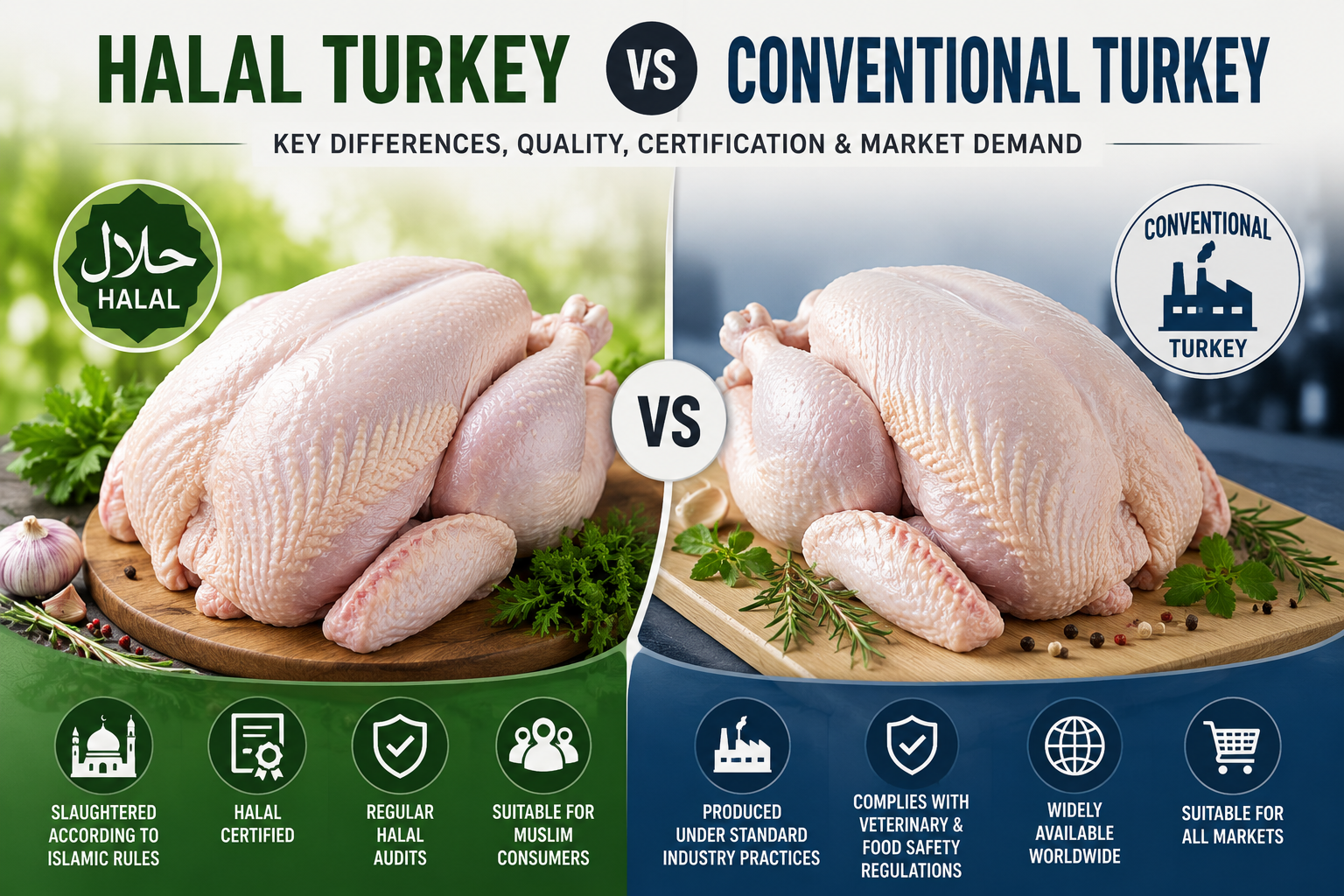
Halal Turkey vs Conventional Turkey: Key Differences for Importers
Introduction
The global turkey meat industry serves a wide range of consumer groups, retail channels, foodservice operators, and food manufacturers. Among the most important distinctions in international poultry trade is the difference between halal turkey and conventional turkey. While both products originate from the same species and offer similar nutritional value, they differ significantly in terms of production standards, slaughter procedures, certification requirements, market access, and consumer demand.
As the global halal food market continues to expand, importers increasingly evaluate whether halal-certified turkey products can provide additional commercial opportunities compared with conventional turkey. Understanding these differences is essential for distributors, wholesalers, retailers, and food manufacturers seeking to serve diverse consumer markets.
What Is Halal Turkey?
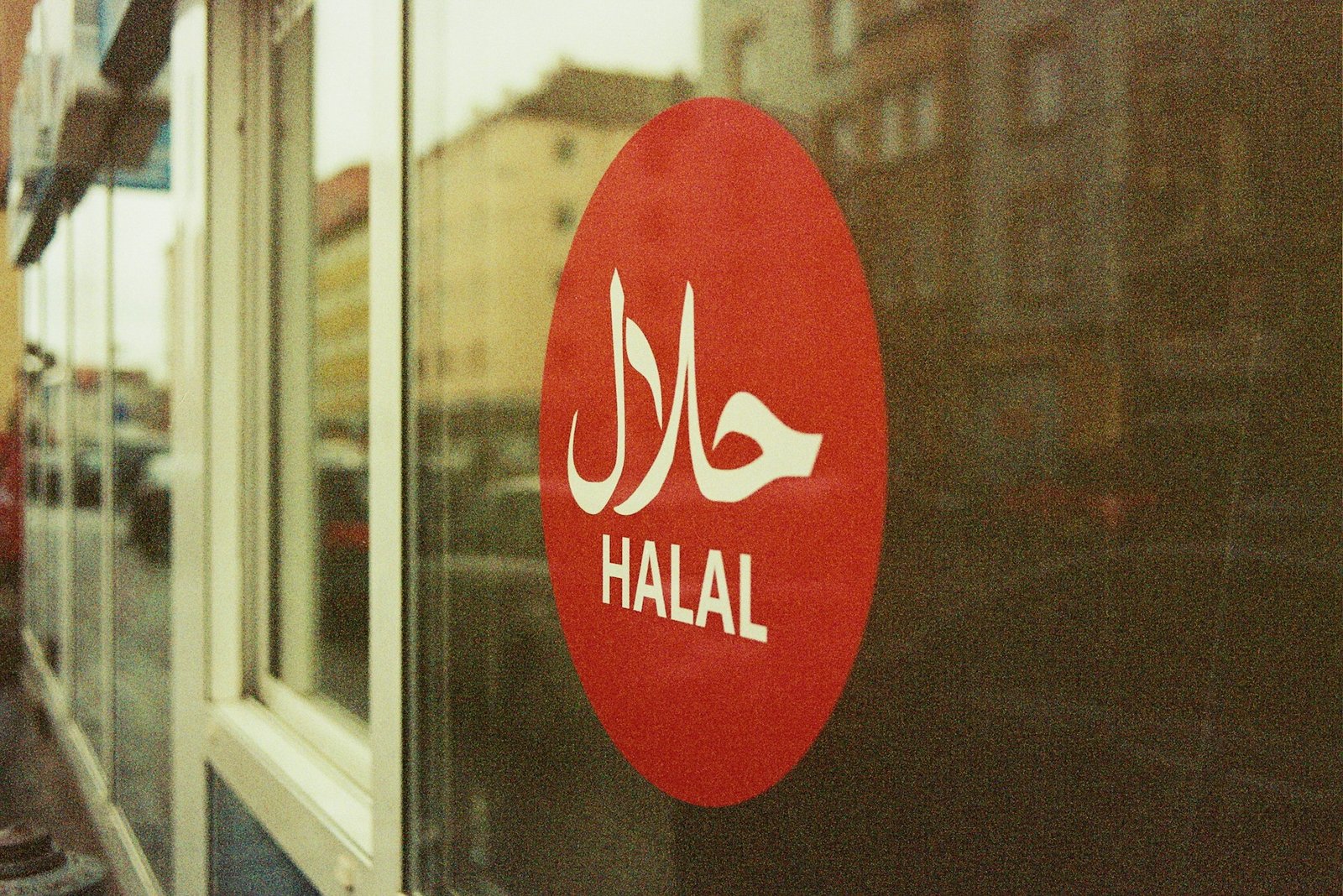
Halal turkey refers to turkey meat produced according to Islamic dietary requirements. The term “halal” means “permissible” under Islamic law.
To qualify as halal, turkey production must follow specific requirements regarding slaughter procedures, handling practices, traceability, and certification. Halal turkey is typically inspected and approved by recognized halal certification bodies that verify compliance with religious standards.
Halal certification provides assurance to Muslim consumers that the product meets Islamic dietary requirements.
What Is Conventional Turkey?
Conventional turkey refers to turkey meat produced under standard commercial poultry production systems without specific halal certification requirements.
The birds are raised according to industry standards and processed in accordance with veterinary regulations and food safety laws. Conventional turkey products dominate many retail and foodservice markets where halal certification is not required.
Although conventional turkey complies with food safety regulations, it is not automatically acceptable for consumers who specifically require halal-certified products.
Slaughter Process Differences
One of the most significant differences between halal and conventional turkey is the slaughter process.
Halal Turkey
Halal slaughter typically requires:
• The bird to be alive at the time of slaughter
• A designated halal slaughter procedure
• Compliance with Islamic requirements
• Supervision by qualified personnel
• Verification by halal certification organizations
Conventional Turkey
Conventional turkey processing follows:
• National veterinary regulations
• Food safety requirements
• Commercial poultry processing standards
• Industry-specific welfare regulations
The exact procedures may vary between countries and processing facilities.
Certification Requirements
– Halal Turkey
Halal turkey requires certification from recognized halal authorities.
Certification often involves:
• Facility audits
• Process verification
• Traceability systems
• Ongoing inspections
• Documentation reviews
Many international buyers specifically request halal certificates before placing orders.
– Conventional Turkey
Conventional turkey generally requires:
• Veterinary approval
• Food safety certification
• Export documentation
• Compliance with importing country regulations
Additional halal certification is not necessary unless requested by customers.
Consumer Demand
Halal Turkey Market
Demand for halal turkey continues to grow worldwide due to:
• Expanding Muslim populations
• Rising purchasing power
• Growth of halal retail channels
• Increasing demand for certified food products
Halal products are purchased not only by Muslim consumers but also by some buyers who associate certification with additional quality assurance and traceability.
Conventional Turkey Market
Conventional turkey remains the dominant category in many countries and serves:
• Mainstream retail markets
• Foodservice operators
• Food manufacturers
• Institutional buyers
The market size is significantly larger in regions where halal requirements are not a major purchasing factor.
Export Opportunities
– Halal Turkey
Halal certification opens access to numerous international markets, including:
• Middle East
• North Africa
• Southeast Asia
• Muslim communities in Europe
• Muslim communities in North America
For exporters, halal certification can create additional revenue opportunities and expand customer reach.
Conventional Turkey
Conventional turkey continues to enjoy strong demand across global markets and often benefits from:
• Simplified production systems
• Broad market acceptance
• High-volume sales opportunities
However, access to certain halal-focused markets may be limited without certification.
Retail Applications
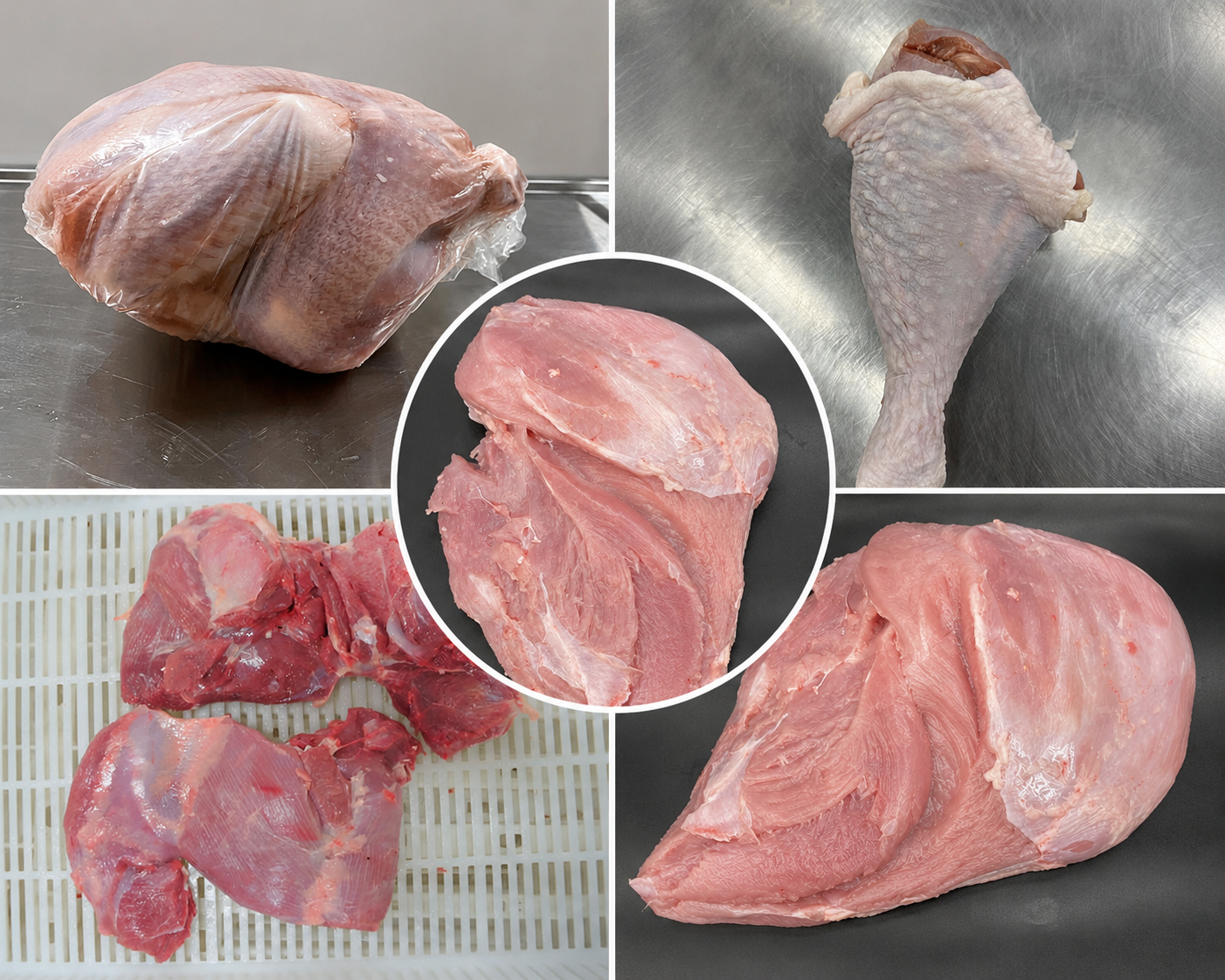
Halal turkey products are commonly sold as:
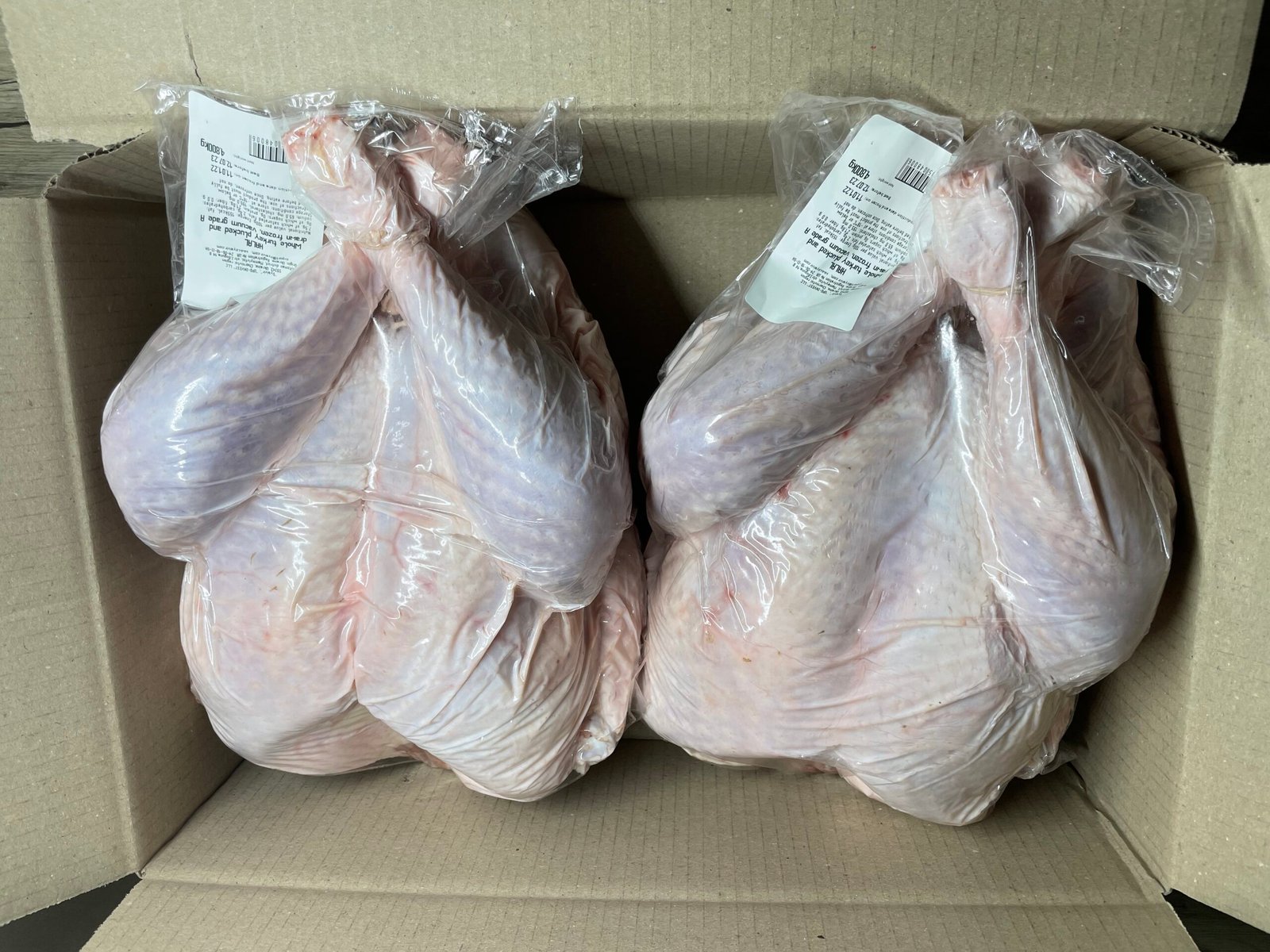
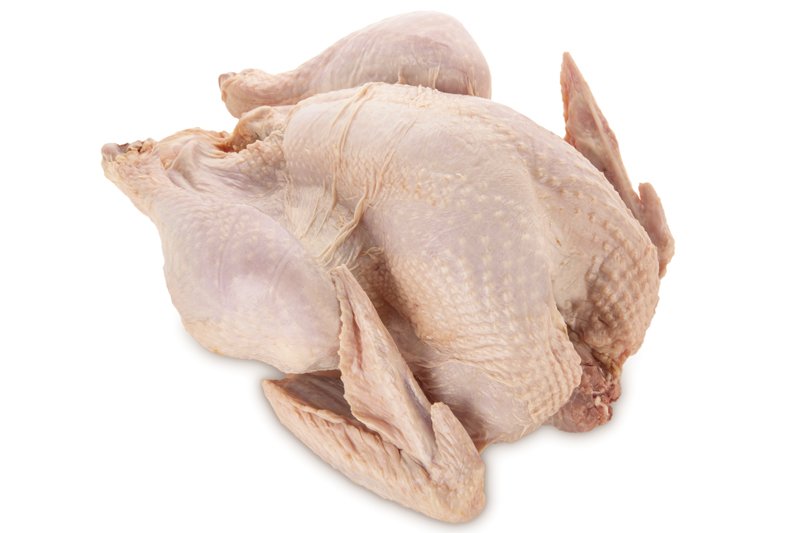
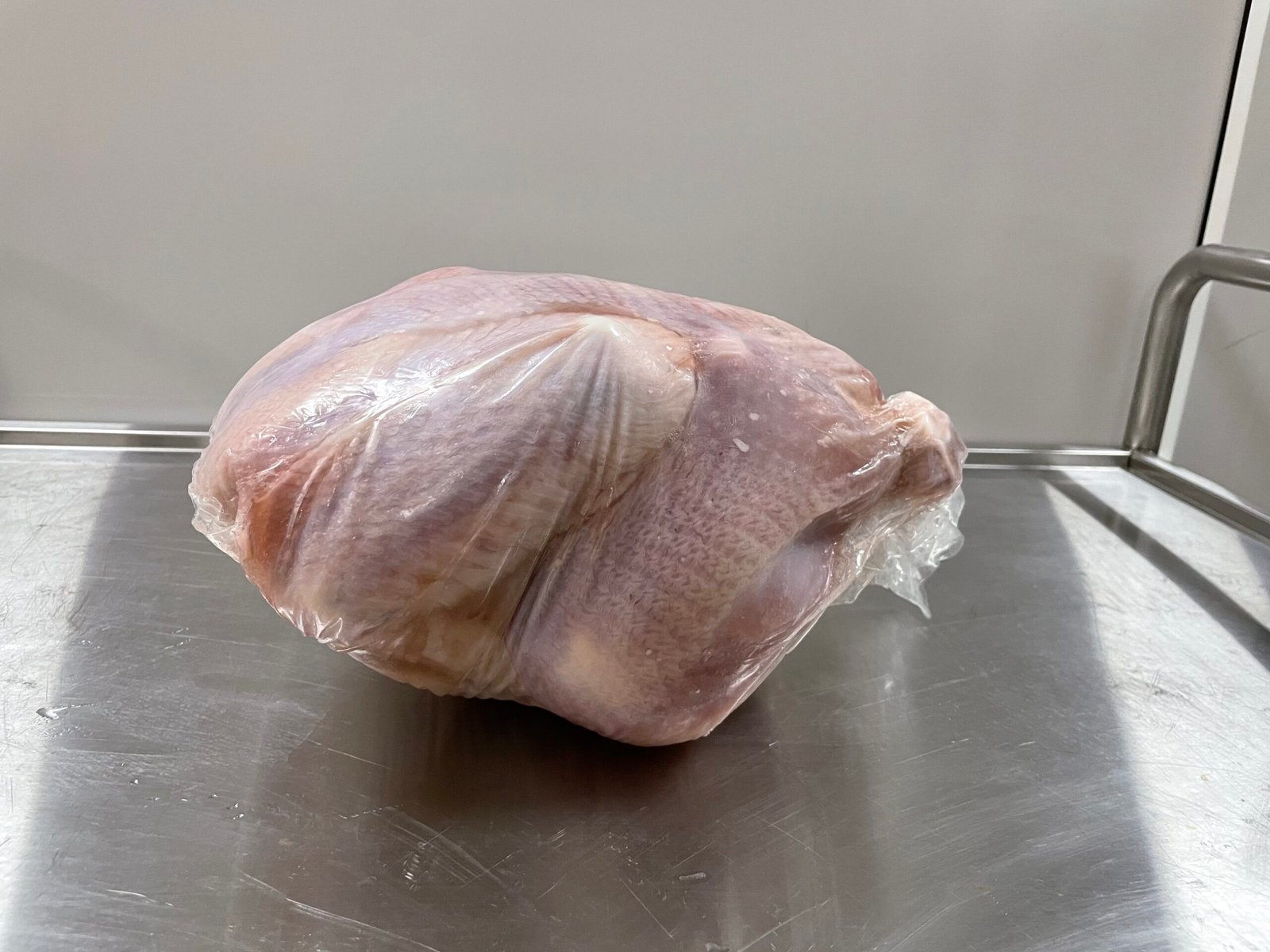
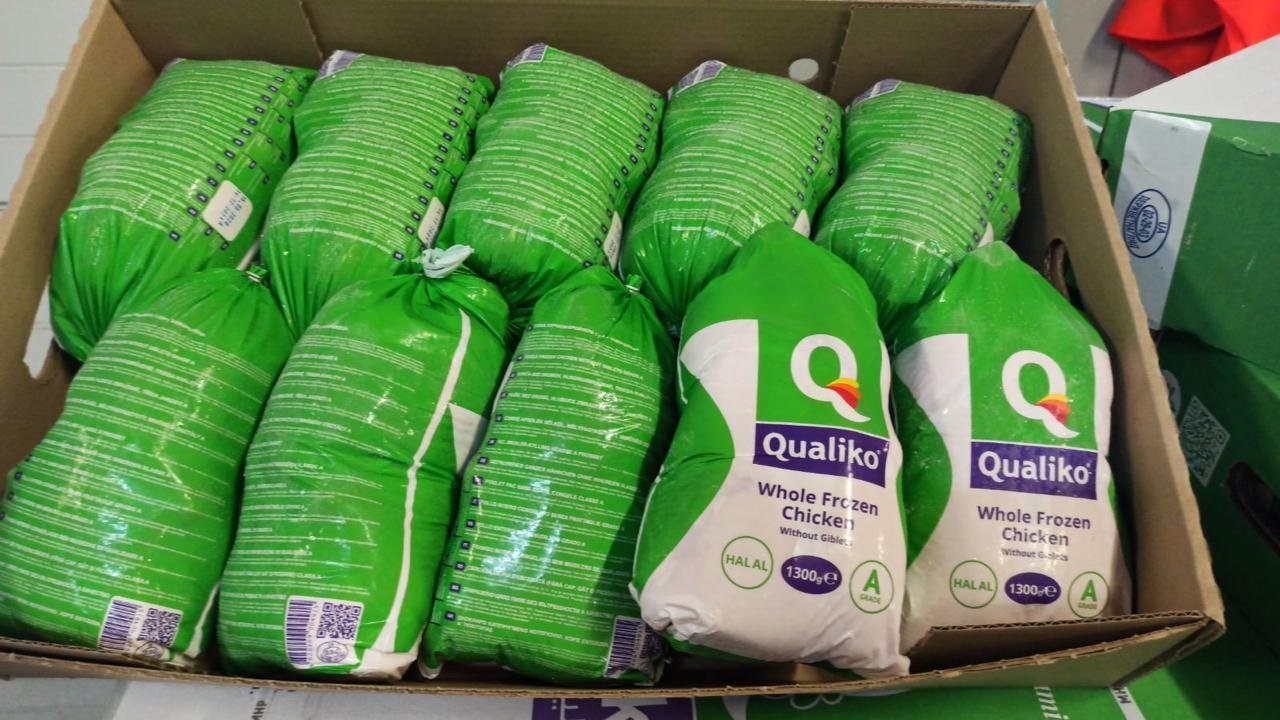
• Whole turkey
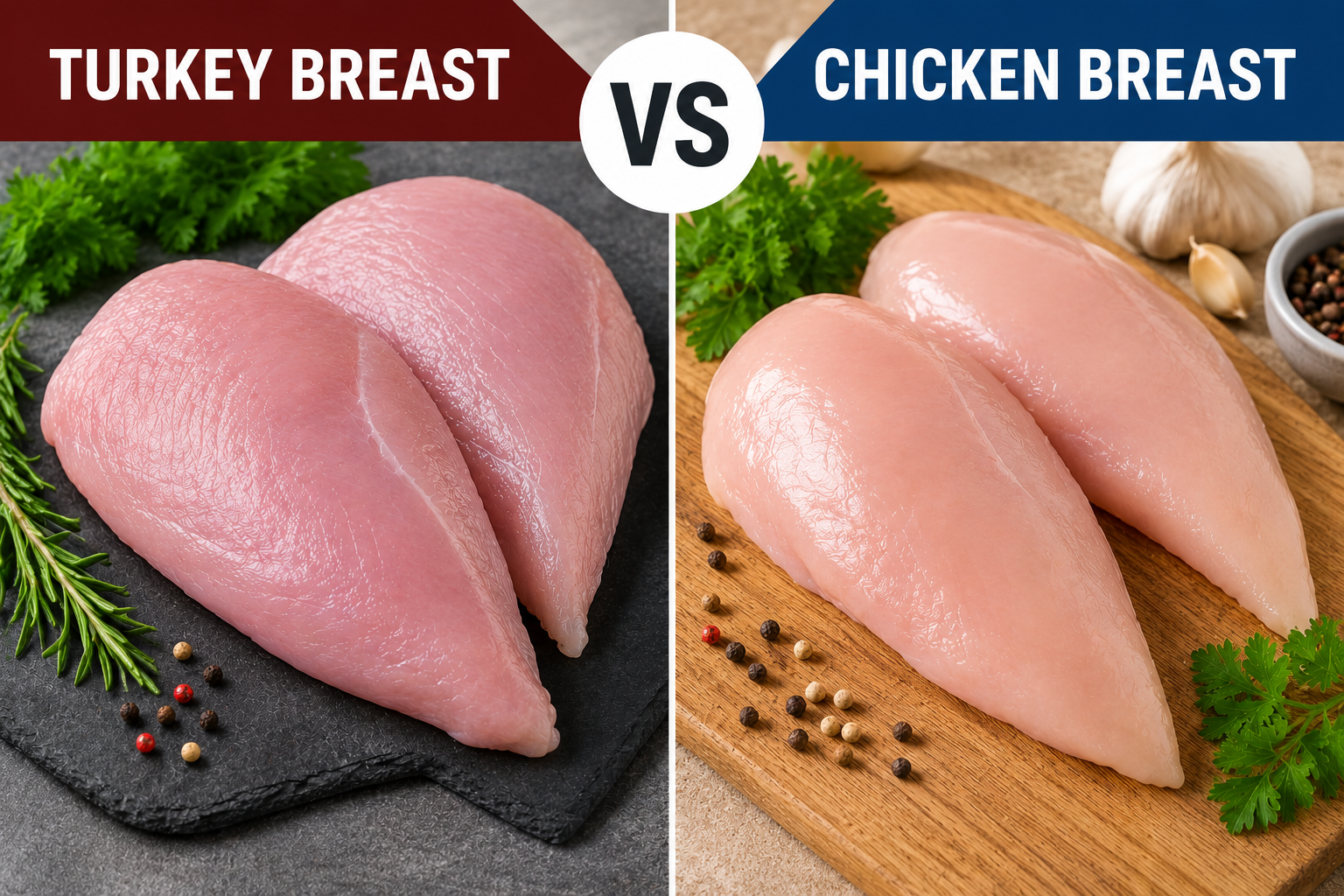
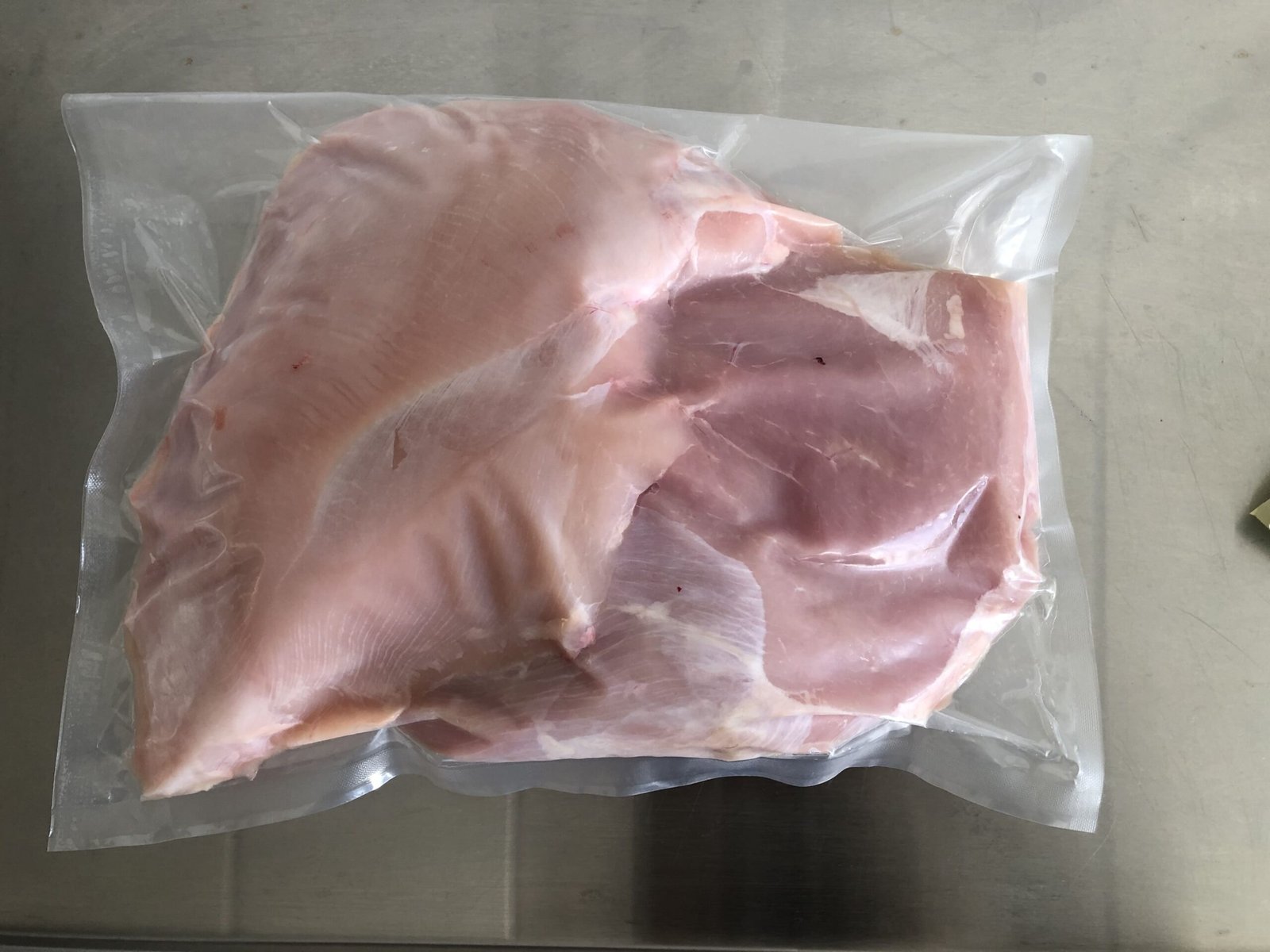
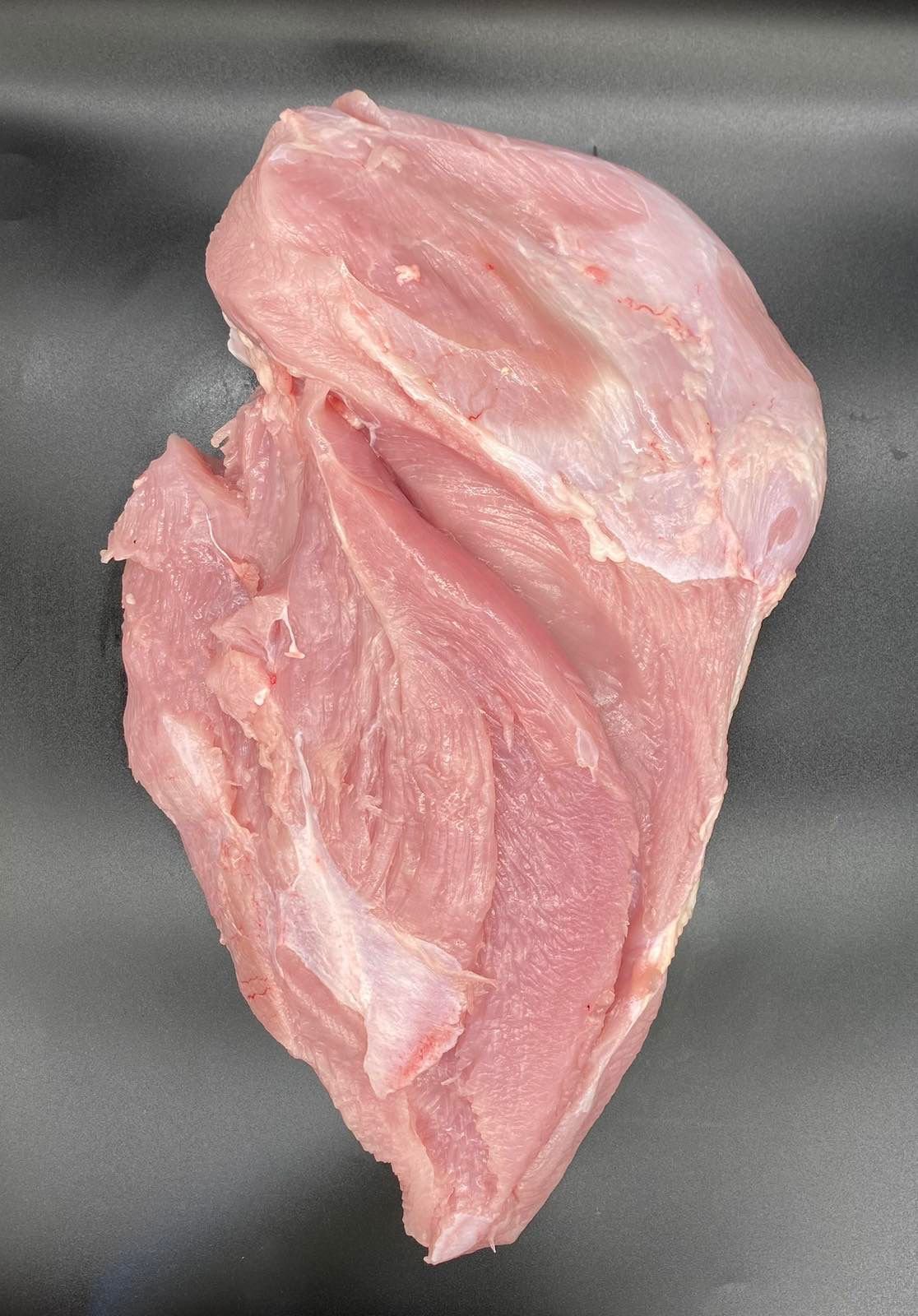
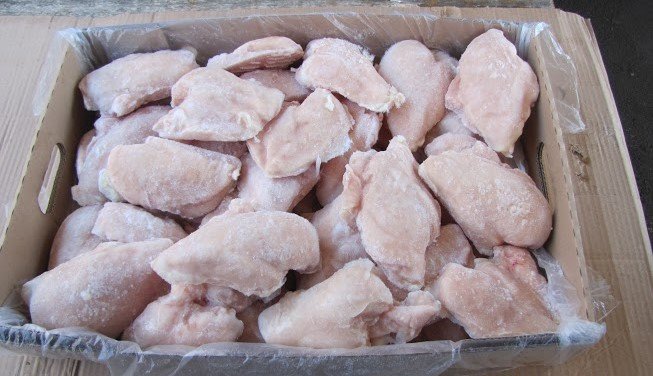
• Turkey breast fillets
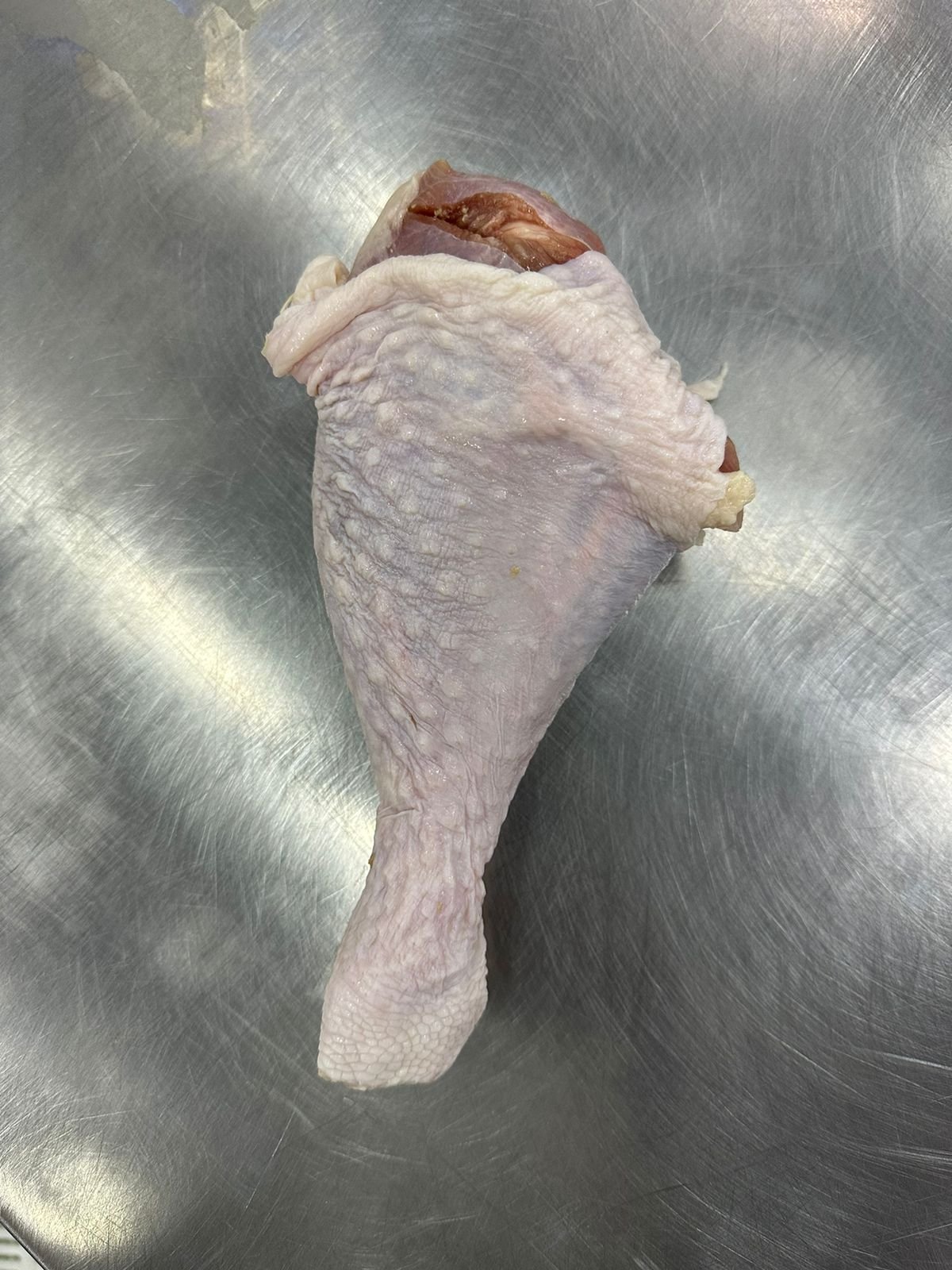
• Turkey drumsticks
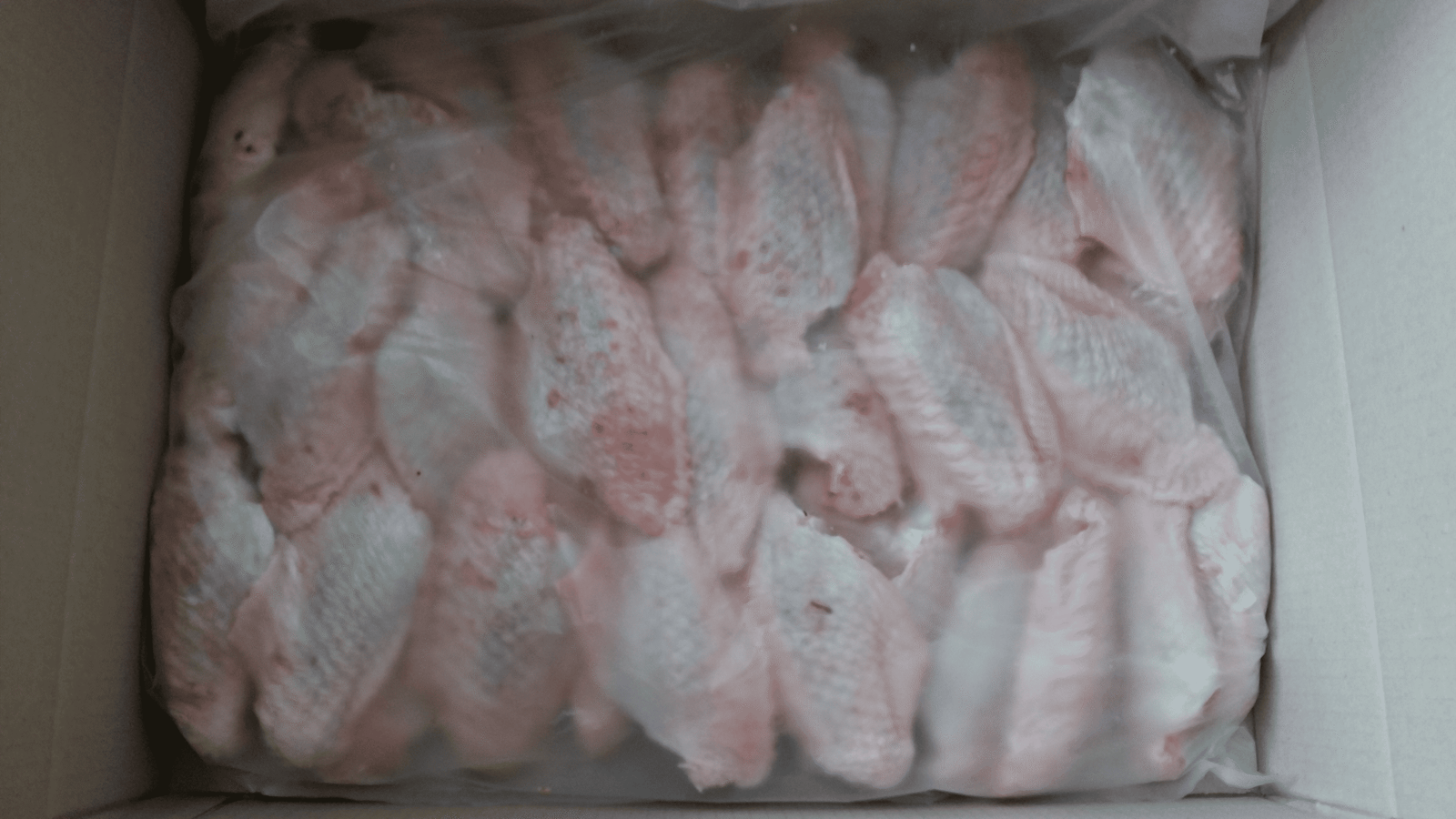
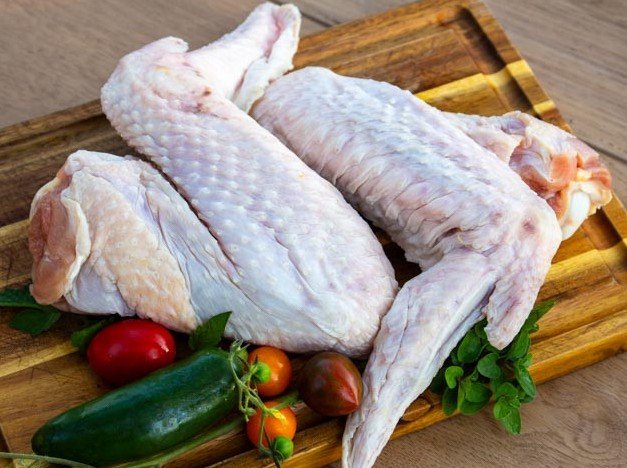
• Turkey wings
• Turkey sausages
• Turkey burgers
• Deli meats
Conventional turkey is available in the same product formats and dominates many mainstream retail channels.
Foodservice Demand
Restaurants, hotels, caterers, and institutional kitchens increasingly request halal turkey products, particularly in regions with significant Muslim populations.
Conventional turkey remains popular in general foodservice operations and large-scale catering programs where halal certification is not required.
Pricing Considerations
Halal turkey may command a premium price because of:
• Certification costs
• Additional audits
• Segregation requirements
• Documentation procedures
Despite these additional costs, many buyers are willing to pay a premium to access halal-certified products and serve specialized consumer segments.
Conventional turkey often benefits from slightly lower production costs and broader availability.
Food Safety and Quality
Both halal and conventional turkey producers must comply with food safety regulations.
Leading suppliers often operate under:
• HACCP
• ISO 22000
• BRCGS
• Veterinary export approvals
Food safety standards apply regardless of whether the product is halal or conventional.
Nutritional Comparison
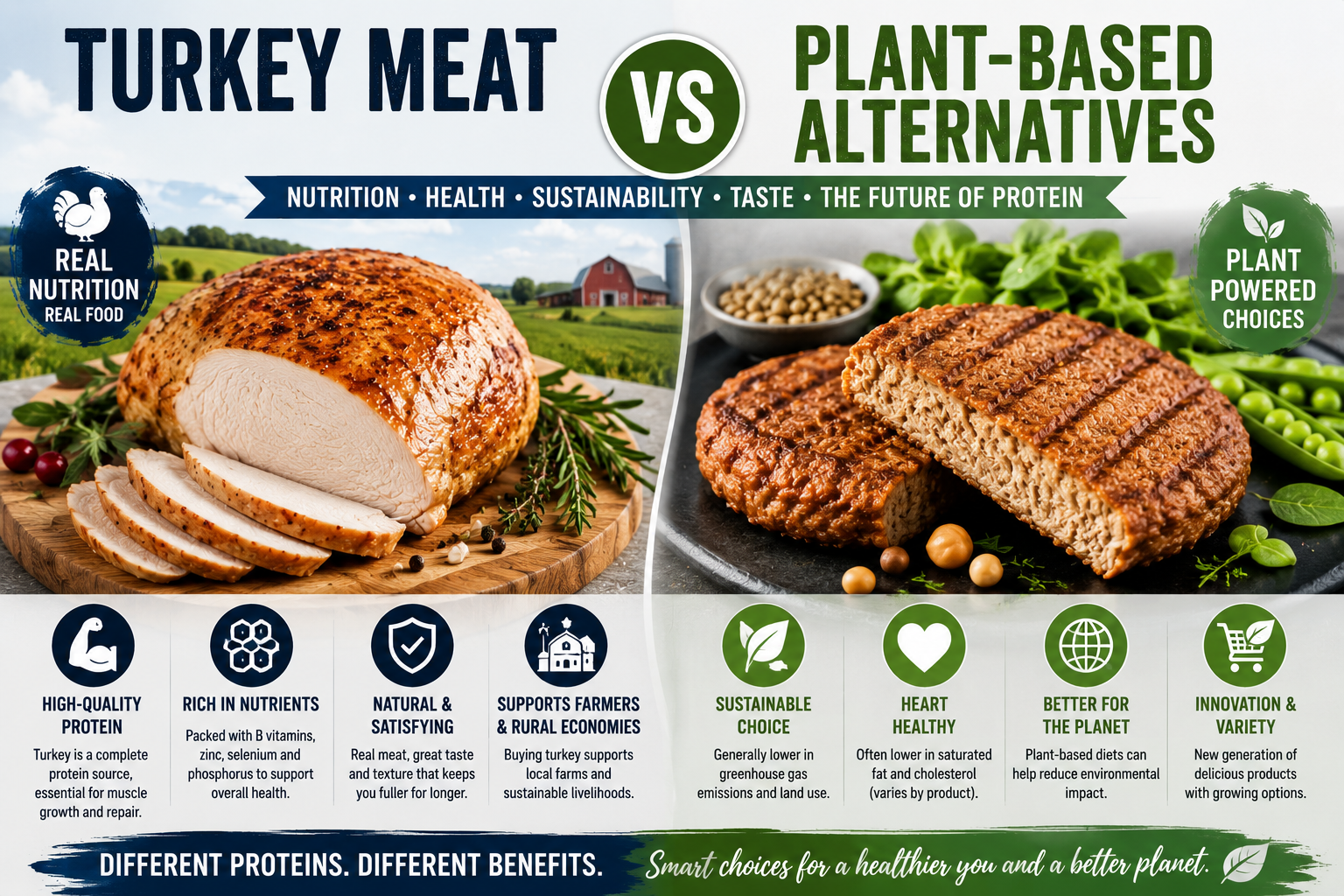
From a nutritional perspective, halal and conventional turkey are essentially identical.
Both provide:
• High-quality protein
• Low fat levels in breast meat
• B vitamins
• Selenium
• Phosphorus
The primary differences relate to certification and processing requirements rather than nutritional composition.
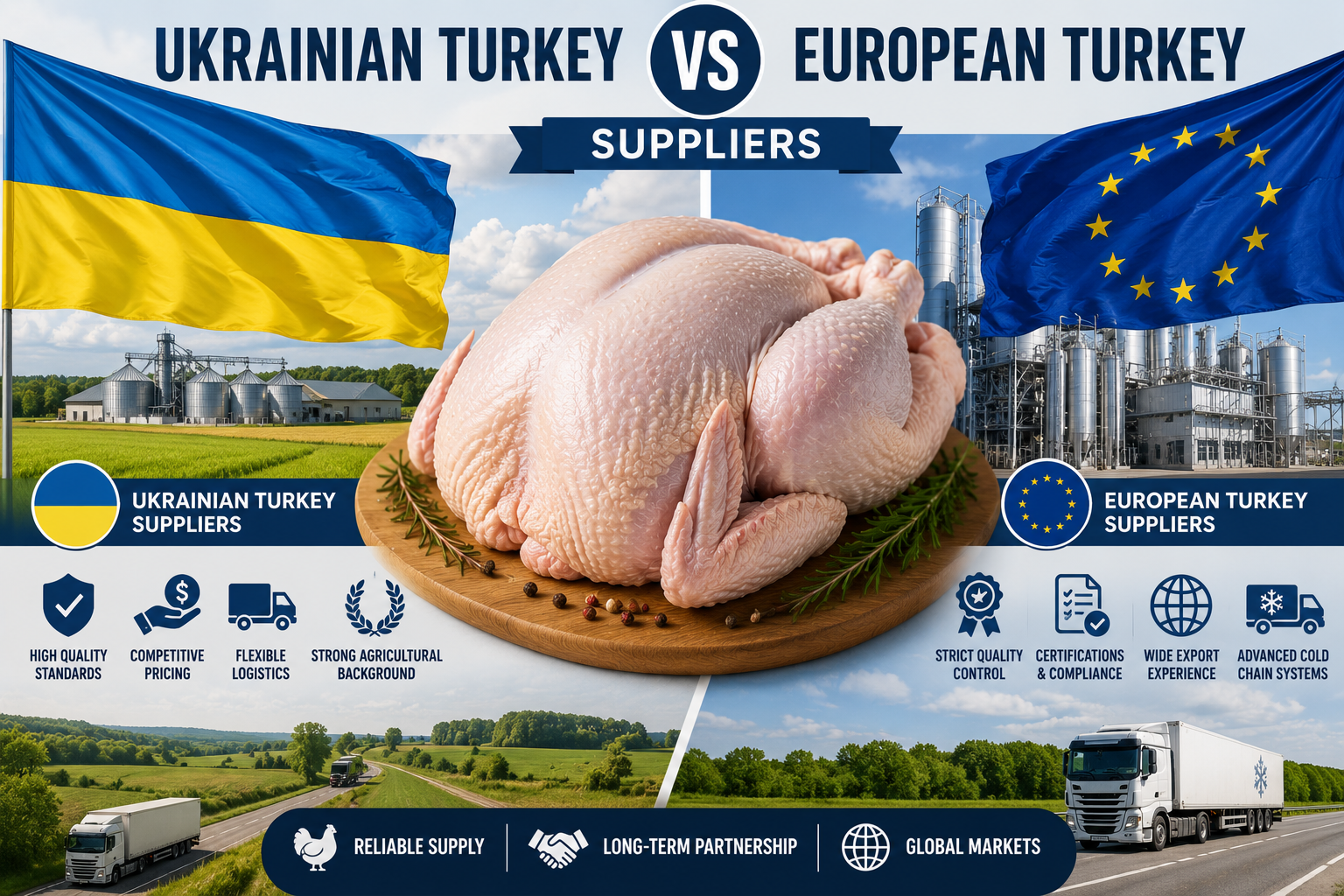
Supply Chain Considerations
Importers should evaluate:
• Supplier reliability
• Certification validity
• Production capacity
• Export experience
• Documentation support
For halal products, maintaining integrity throughout the supply chain is particularly important.
Future Market Outlook
The halal food sector is expected to continue expanding over the coming years. Rising demand from Muslim consumers and increasing availability of halal-certified products are creating new opportunities for exporters and importers alike.
Conventional turkey will remain the dominant poultry category in many regions, but halal-certified products are expected to capture a growing share of international trade.
Conclusion
Halal turkey and conventional turkey share many similarities in terms of quality, nutrition, and product applications. The key differences relate to slaughter procedures, certification requirements, market access, and consumer preferences.
For importers and distributors, halal turkey offers access to rapidly growing markets and specialized customer segments, while conventional turkey continues to provide strong opportunities across mainstream retail, foodservice, and food manufacturing channels. Understanding both categories can help businesses develop effective sourcing strategies and maximize international market opportunities.