Turkey vs Pork for Processed Foods
Turkey vs Pork for Processed Foods
Introduction
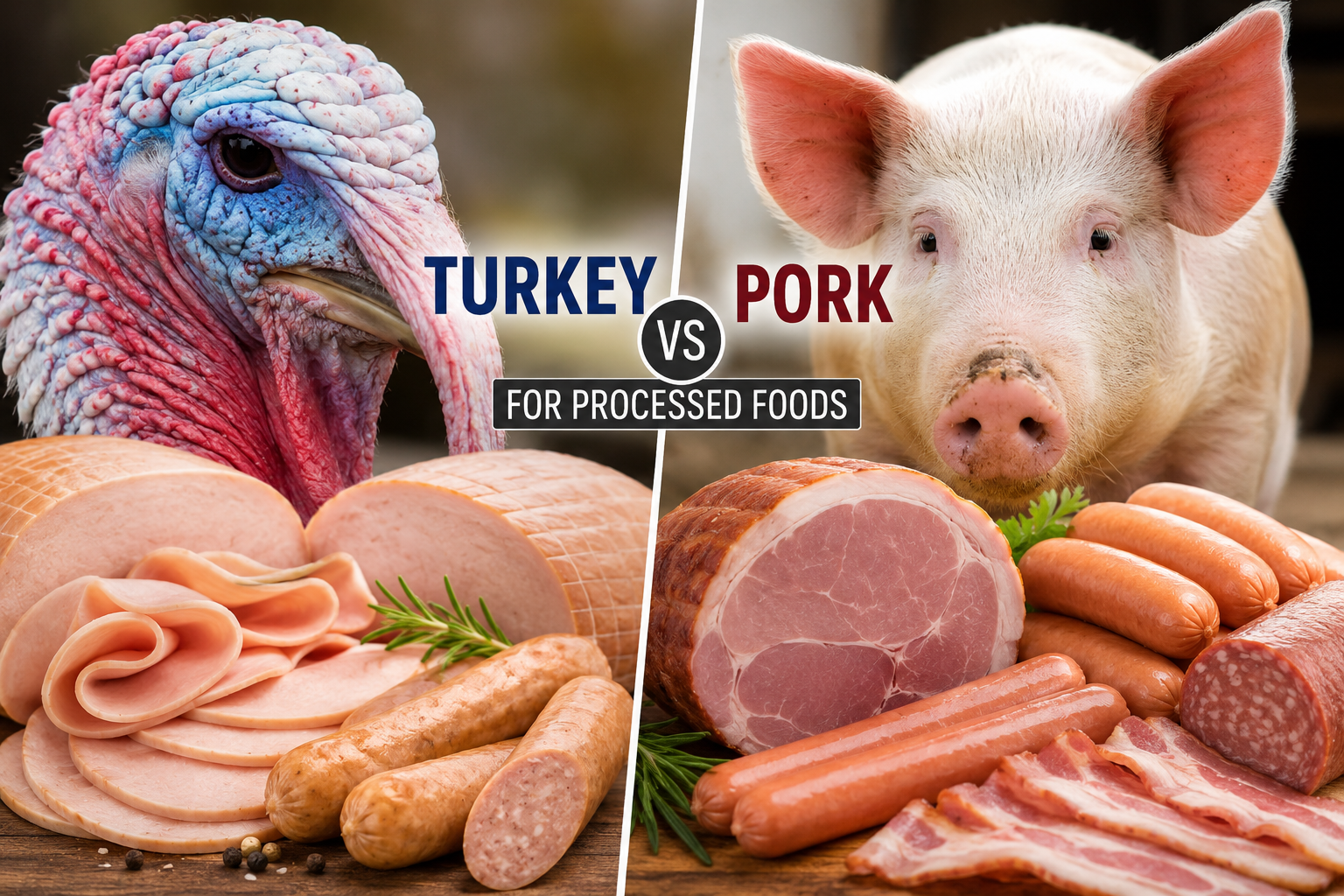
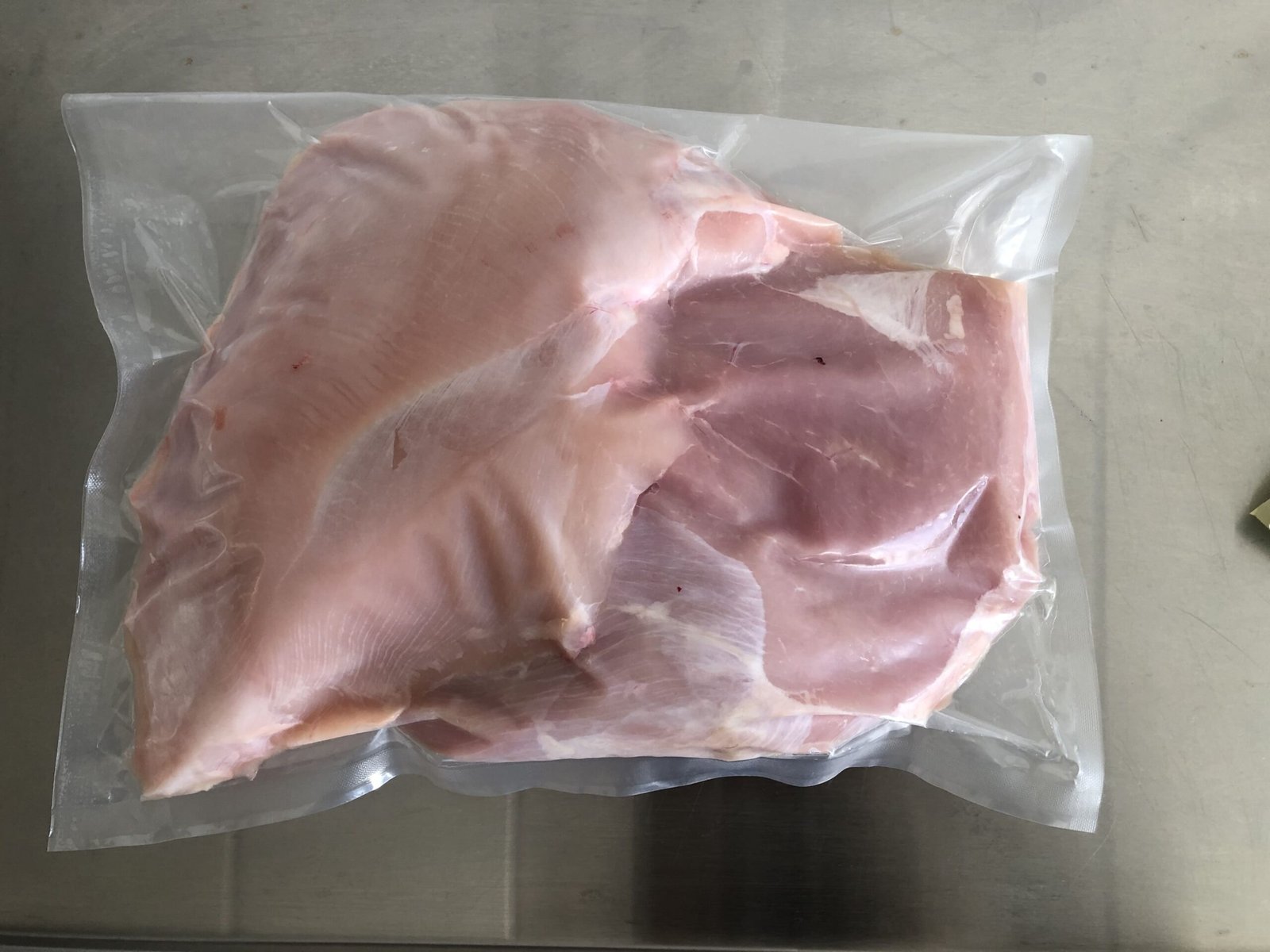
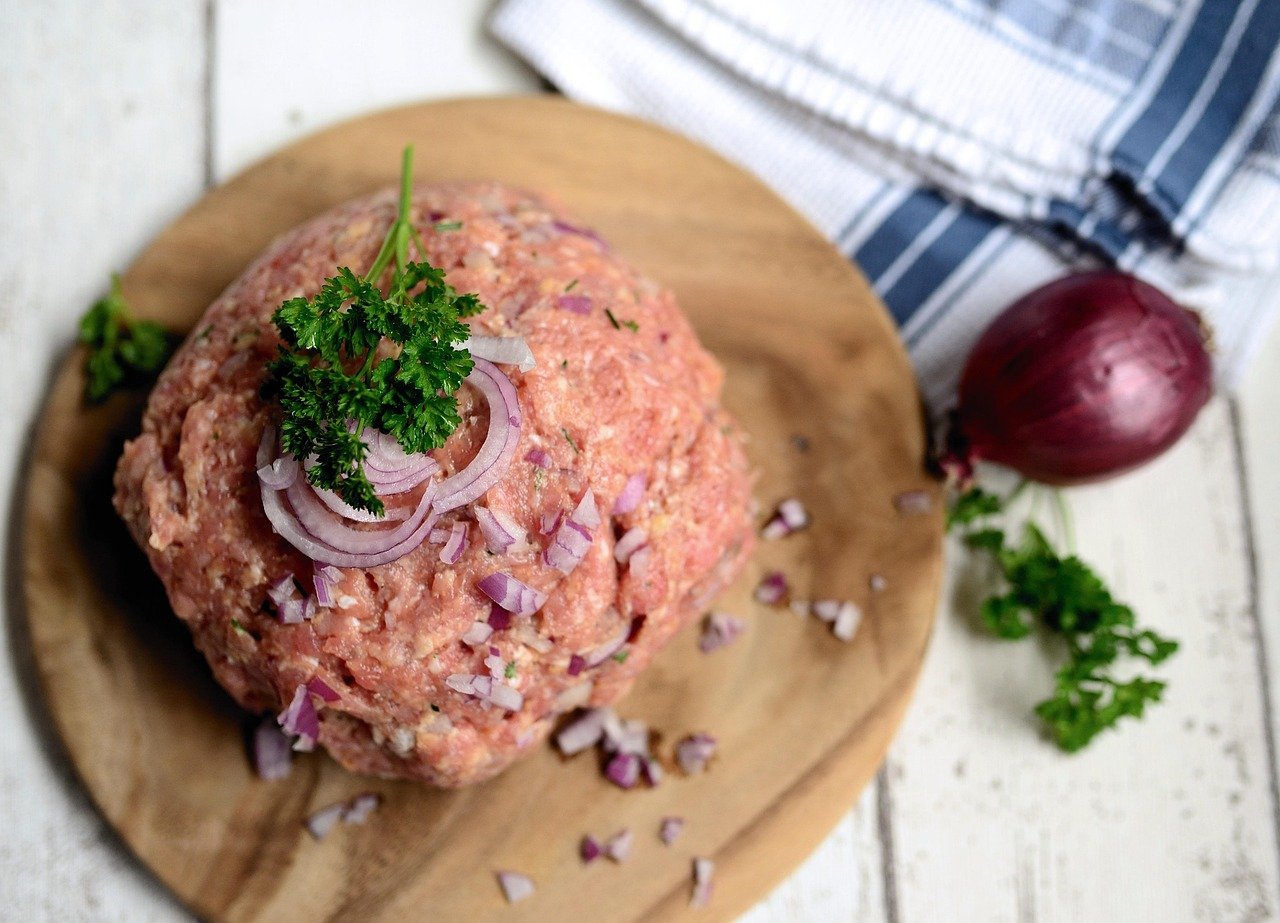
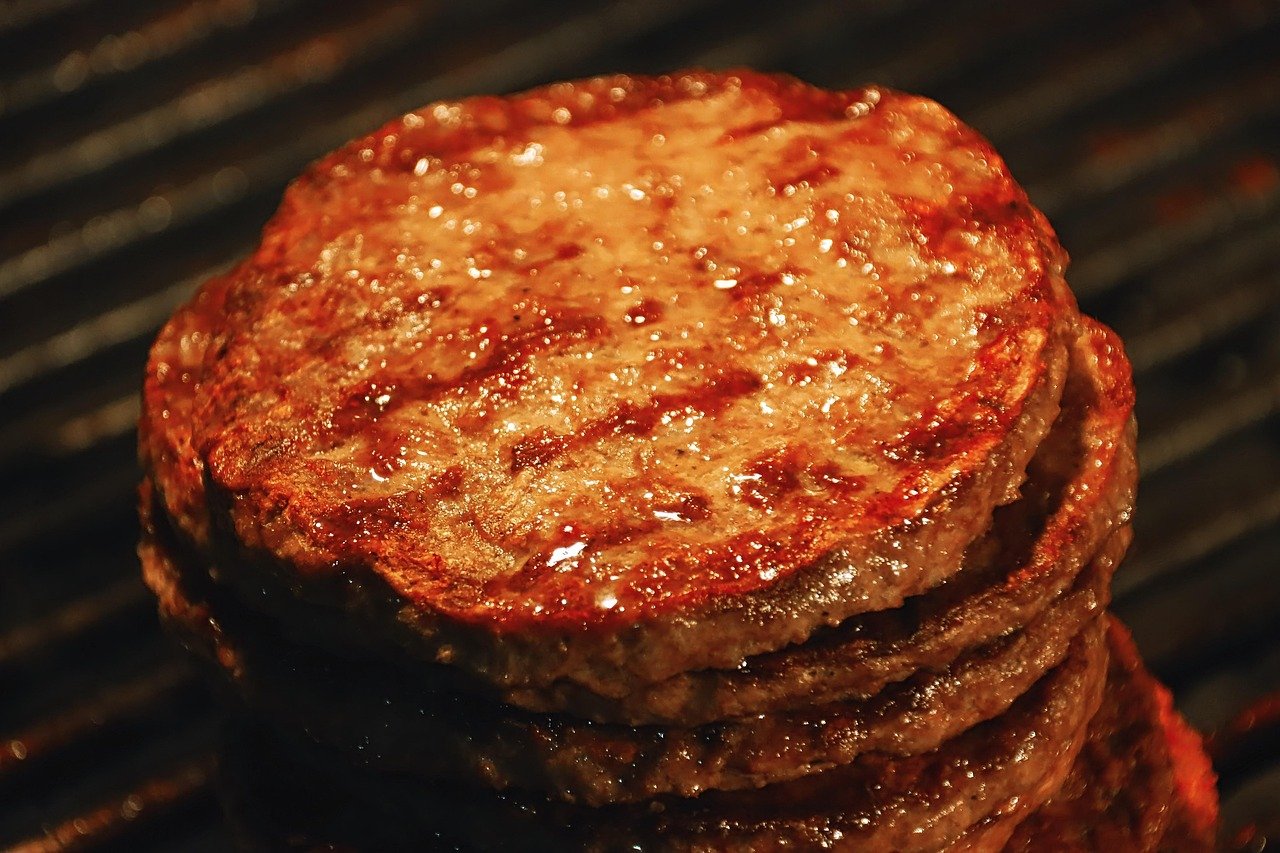
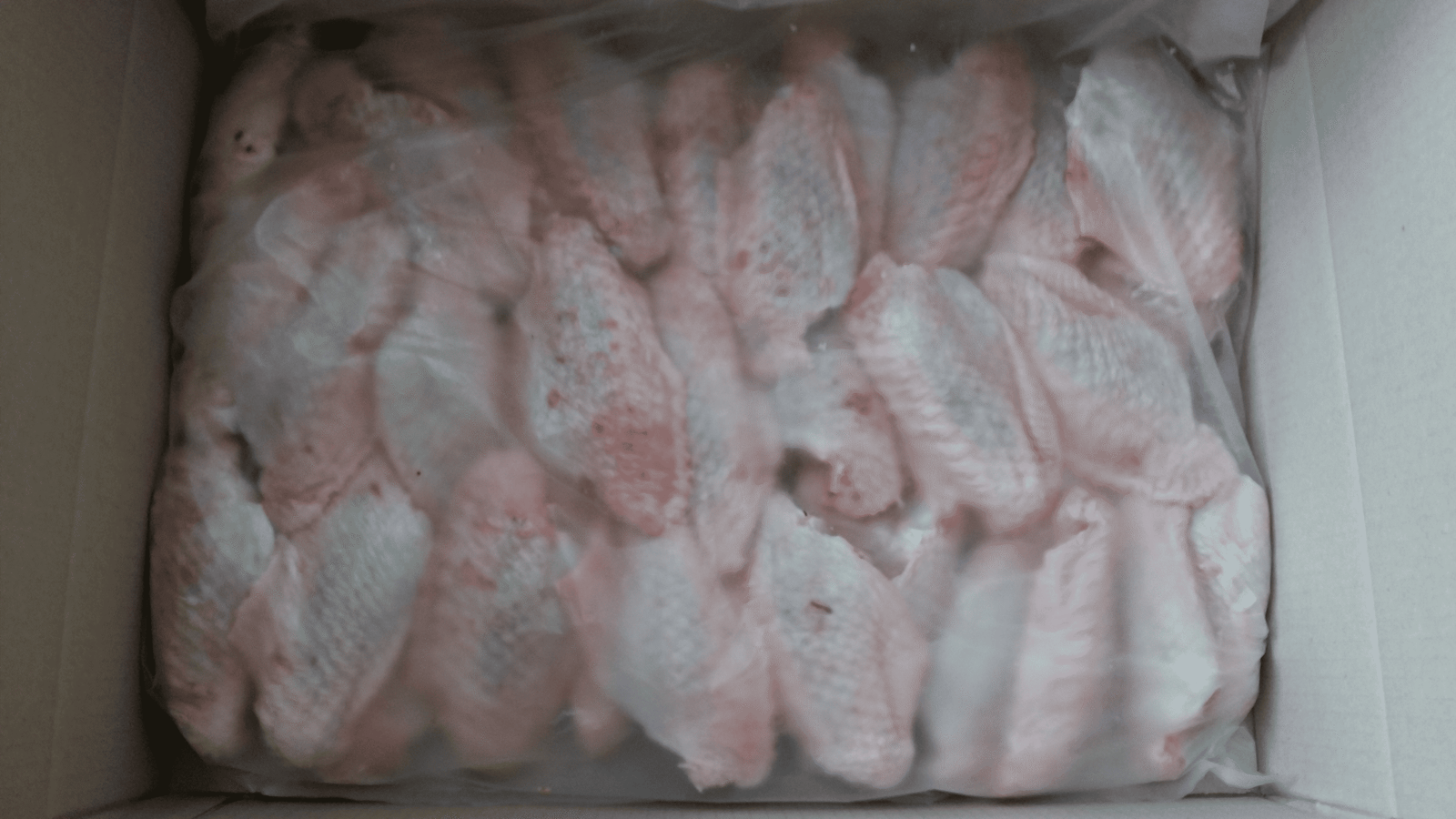
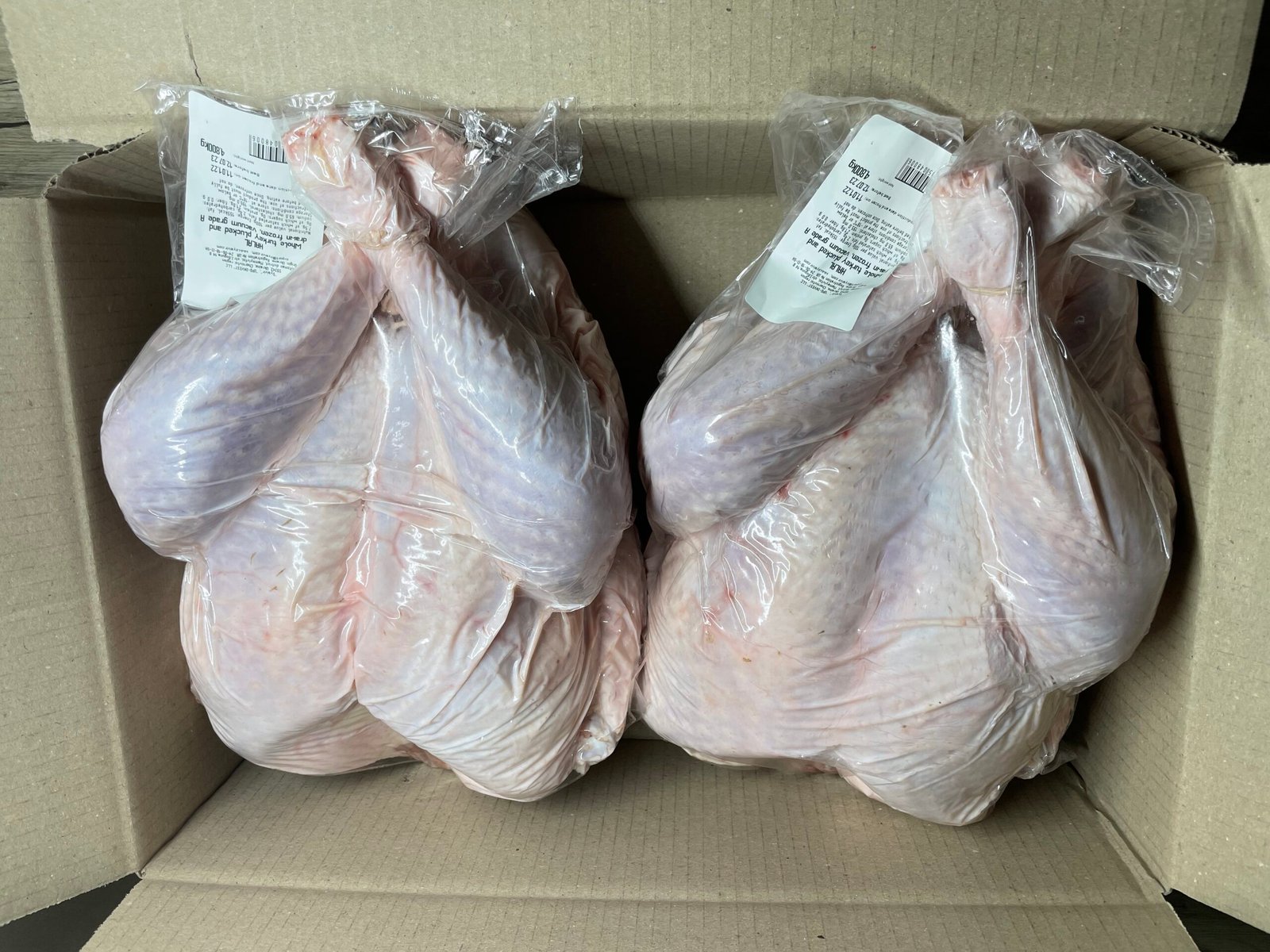
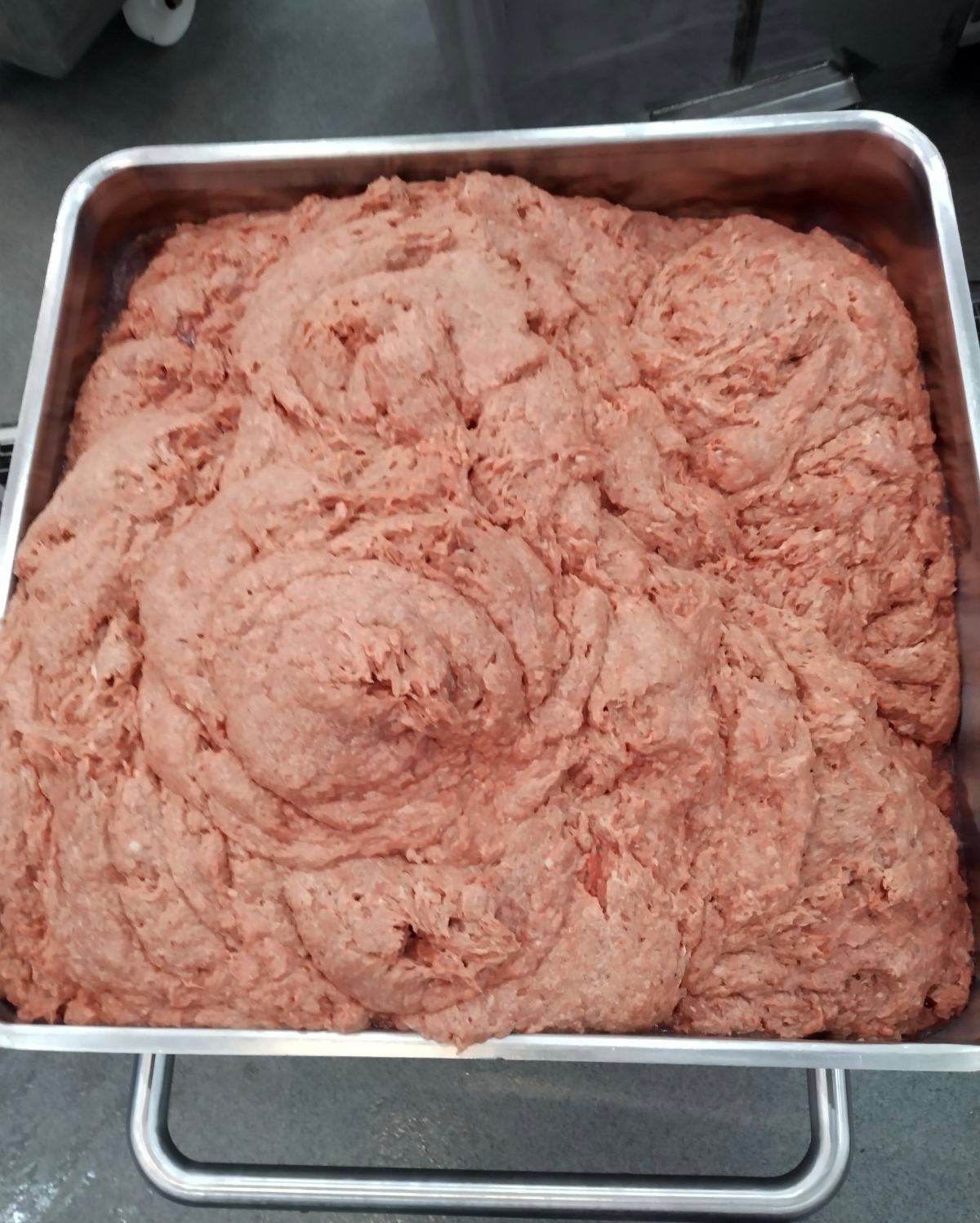
Turkey and pork are two of the most important raw materials used in the global processed meat industry. Manufacturers around the world utilize these proteins in sausages, deli meats, nuggets, burgers, ready meals, canned products, and a wide range of value-added food applications.
As consumer preferences evolve and health awareness increases, food manufacturers, importers, and distributors are increasingly comparing turkey and pork based on cost, functionality, nutritional value, consumer demand, and market opportunities. While pork remains the dominant protein in many processed meat categories, turkey is rapidly gaining market share due to its healthier image and growing popularity among health-conscious consumers.
This article examines the advantages and disadvantages of turkey and pork in processed food production and helps buyers understand which protein may be best suited for specific applications.
Global Market Overview
Pork is one of the most widely consumed meats globally and has traditionally dominated processed meat manufacturing. It serves as the foundation for numerous sausage, ham, bacon, and deli meat products.
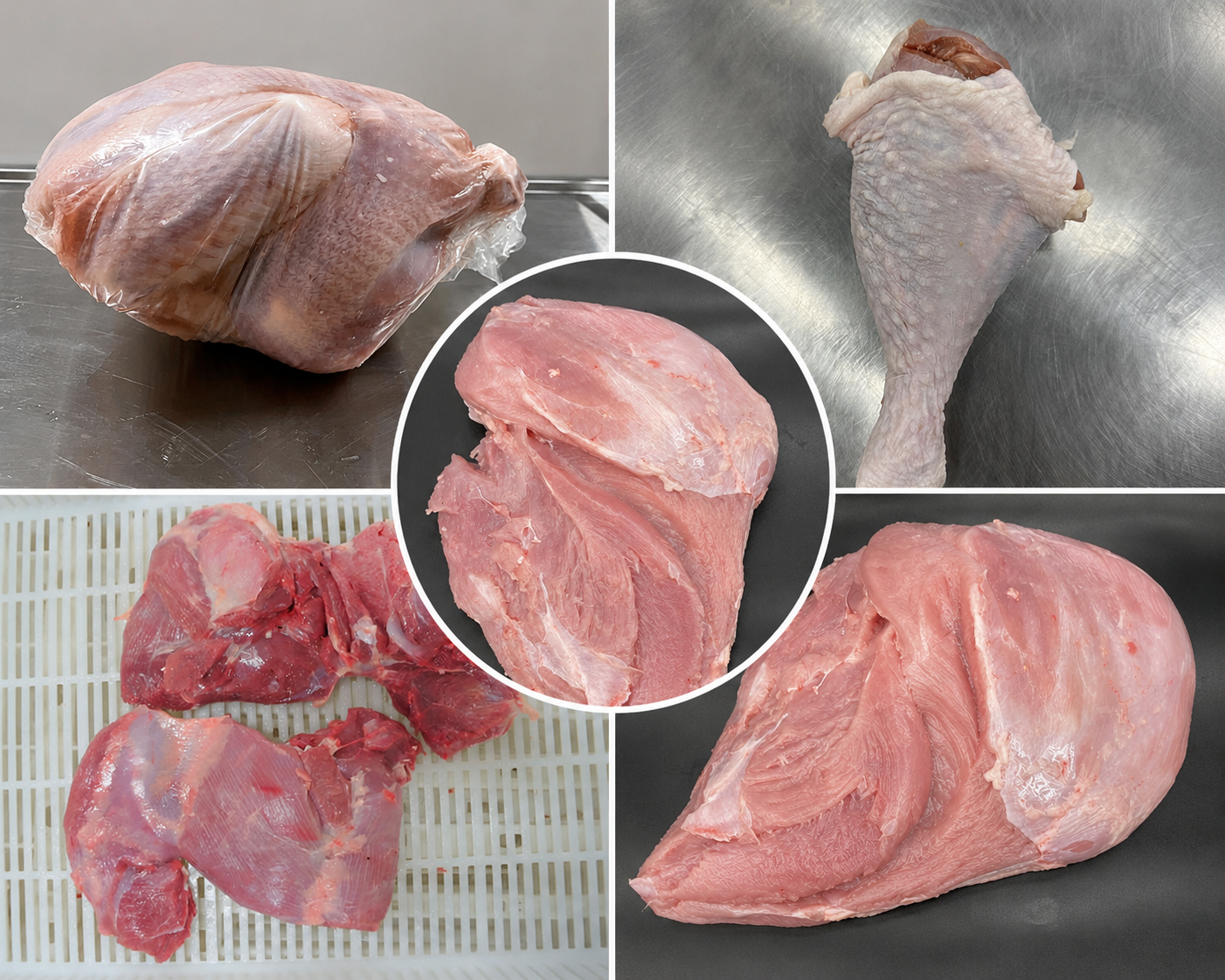
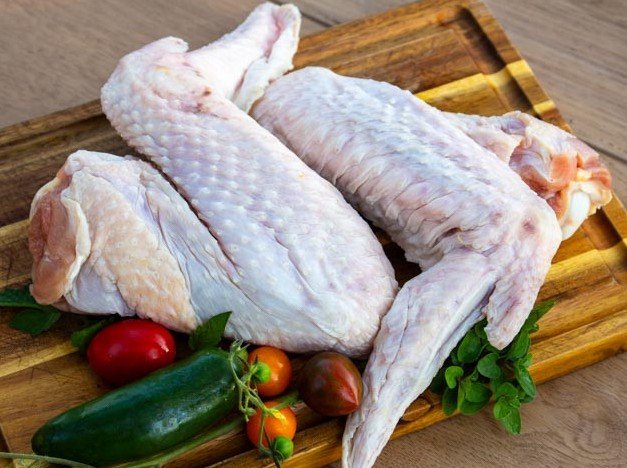
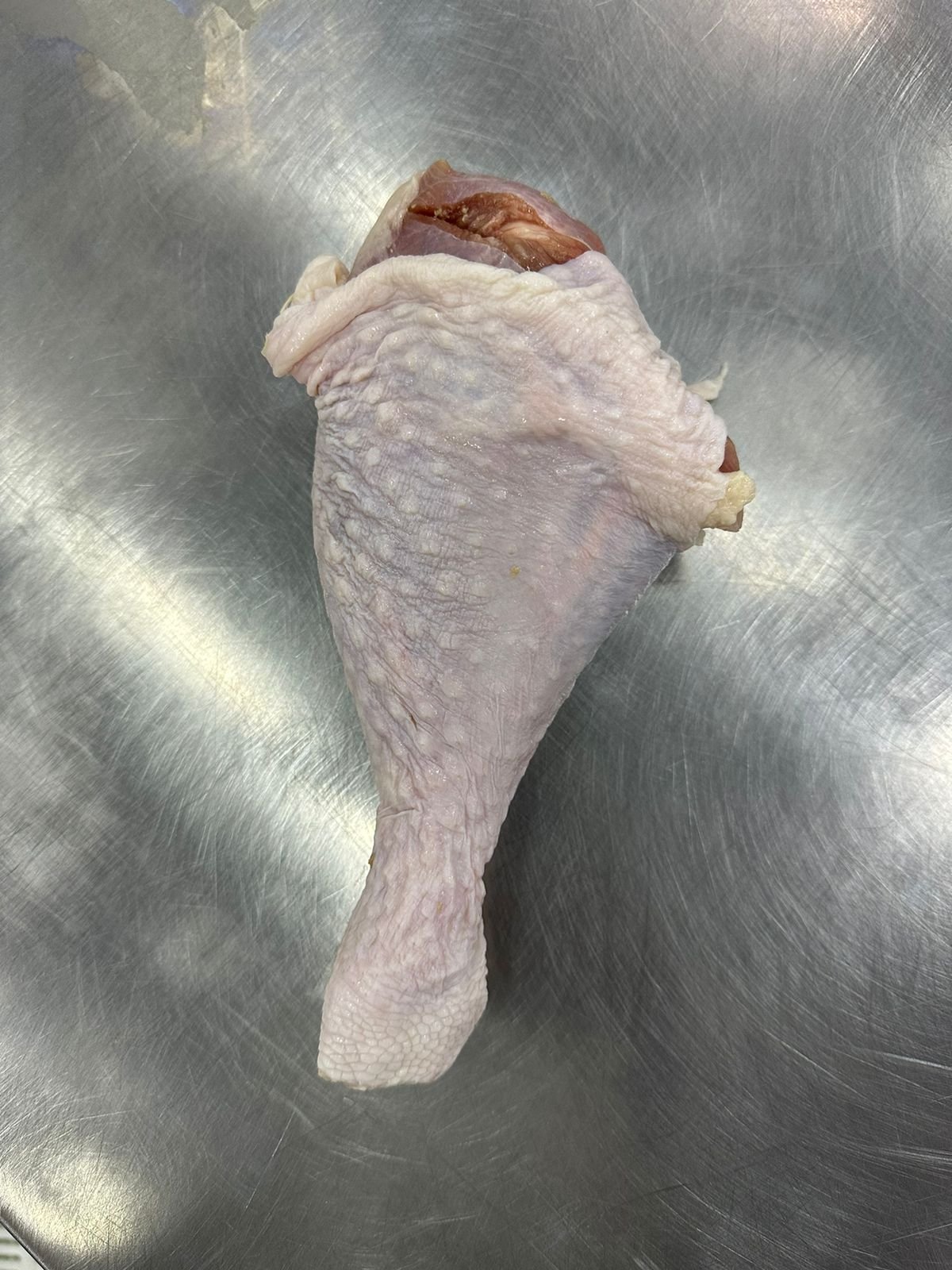
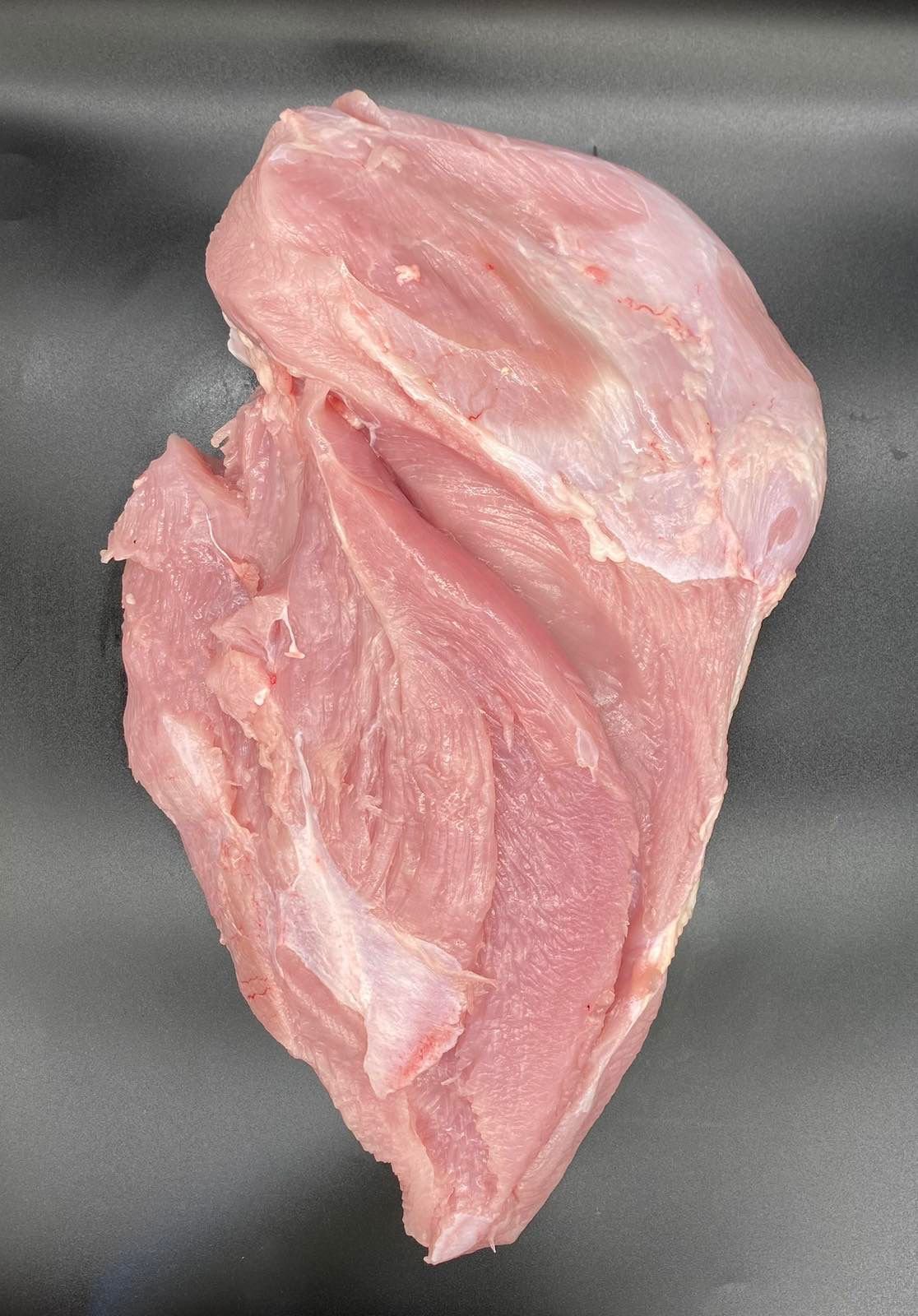
Turkey represents a smaller but rapidly growing segment. Increased demand for lean proteins, healthier diets, and premium poultry products has supported the expansion of turkey-based processed foods.
Manufacturers increasingly use turkey to diversify product portfolios and meet changing consumer expectations.
Cost Comparison
– Pork Advantages
Pork production benefits from:
• Large-scale global production
• Established supply chains
• Competitive raw material pricing
• Extensive processing infrastructure
– Turkey Advantages
Turkey products often provide:
• Competitive pricing compared with premium pork products
• Strong value in health-focused categories
• Attractive opportunities in premium retail segments
The final cost comparison depends on product type, region, and market conditions.
Nutritional Comparison
– Protein Content
Both turkey and pork provide high-quality animal protein suitable for processed food manufacturing.
Turkey is frequently marketed as:
• Lean protein
• Low-fat meat
• High-protein ingredient
– Fat Content
One of the largest differences between turkey and pork is fat composition.
Turkey generally contains:
• Lower fat levels
• Lower saturated fat
• Lower calorie density
Pork often contains:
• Higher fat levels
• Richer flavor
• Enhanced juiciness in processed products
These characteristics influence product formulation and consumer perception.
Consumer Perception
– Turkey Products
Consumers often associate turkey with:
• Healthy eating
• Weight management
• Sports nutrition
• Modern lifestyles
– Pork Products
Consumers often associate pork with:
• Traditional recipes
• Rich flavor
• Comfort foods
• Established processed meat products
Market positioning differs significantly between the two proteins.
Applications in Processed Foods
– Turkey Applications
Turkey is widely used in:
• Turkey sausages
• Turkey burgers
• Turkey nuggets
• Turkey deli meats
• Ready meals
• High-protein snacks
– Pork Applications
Pork remains dominant in:
• Traditional sausages
• Bacon
• Ham
• Salami
• Frankfurters
• Processed deli products
Each protein offers unique advantages depending on the target market.
Sausage Manufacturing
Pork has historically been the preferred sausage ingredient due to its fat content and flavor profile.
However, turkey sausages continue gaining popularity because they offer:
• Reduced fat content
• Health-focused marketing opportunities
• Premium positioning
Many manufacturers now produce blended formulations using both proteins.
Deli Meat Production
Turkey deli products have experienced significant growth in retail markets.
Advantages include:
• Lean image
• High protein content
• Consumer demand for healthier options
Pork deli meats remain popular but often face greater scrutiny from health-conscious consumers.
Halal and Religious Market Considerations
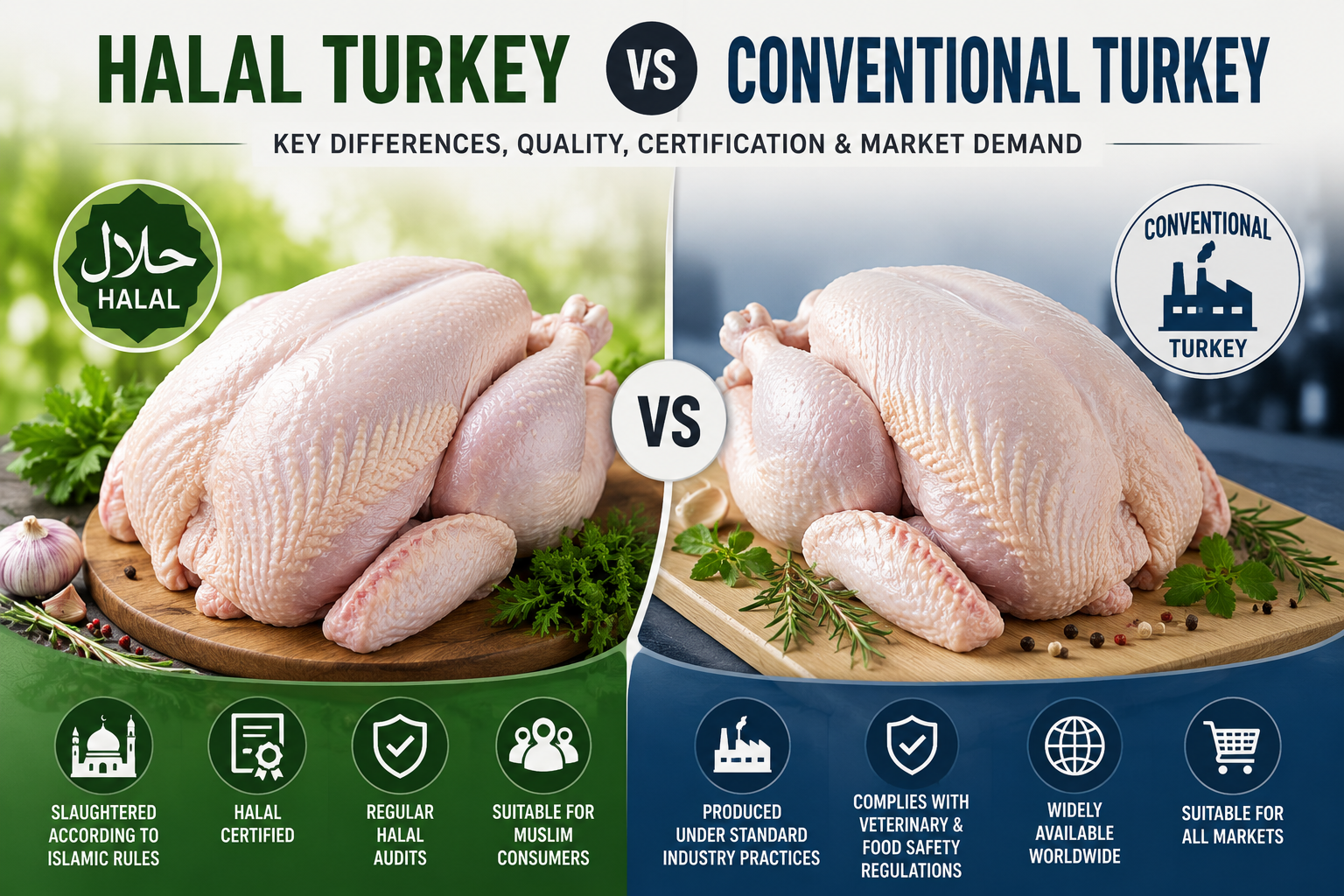
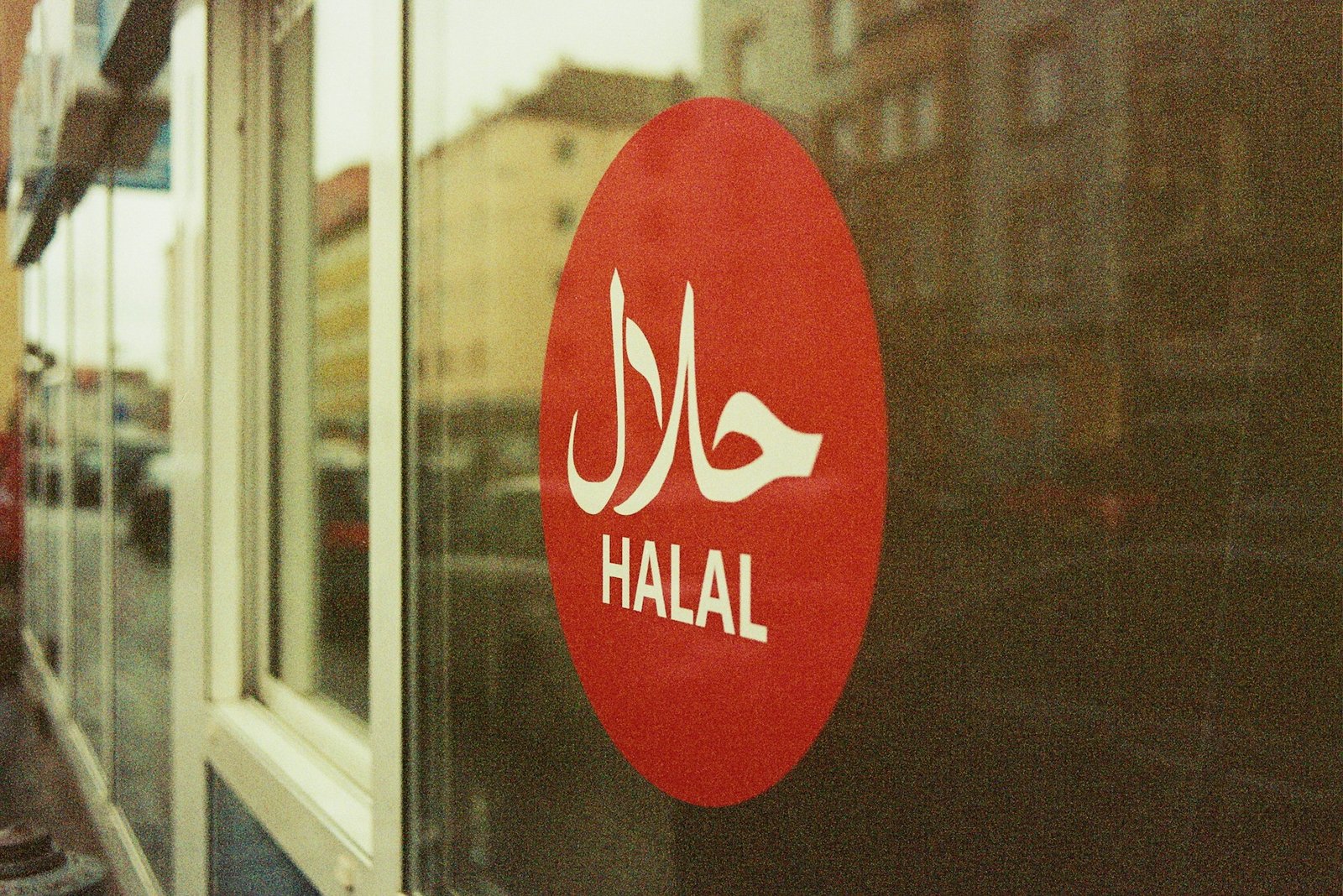
Turkey has a significant advantage in halal markets because it can be readily certified and consumed by Muslim populations.
Pork faces substantial restrictions in:
• Muslim-majority countries
• Halal-certified product lines
• Certain export destinations
For companies targeting halal markets, turkey often provides broader commercial opportunities.
Foodservice Demand
– Turkey Products
Restaurants increasingly use turkey for:
• Healthy menu items
• Sandwiches
• Salads
• High-protein meals
– Pork Products
Pork remains important in:
• Traditional cuisines
• Breakfast menus
• Premium processed meats
• Barbecue applications
Foodservice demand varies significantly by region and consumer preferences.
Industrial Processing Benefits
– Turkey Benefits
• Lean formulation options
• Strong health positioning
• Growing consumer demand
• Product differentiation opportunities
– Pork Benefits
• Excellent processing characteristics
• Rich flavor profile
• Established manufacturing practices
• Broad market acceptance
Manufacturers often select proteins based on product objectives rather than cost alone.
Retail Trends
– Turkey-based processed foods are benefiting from:
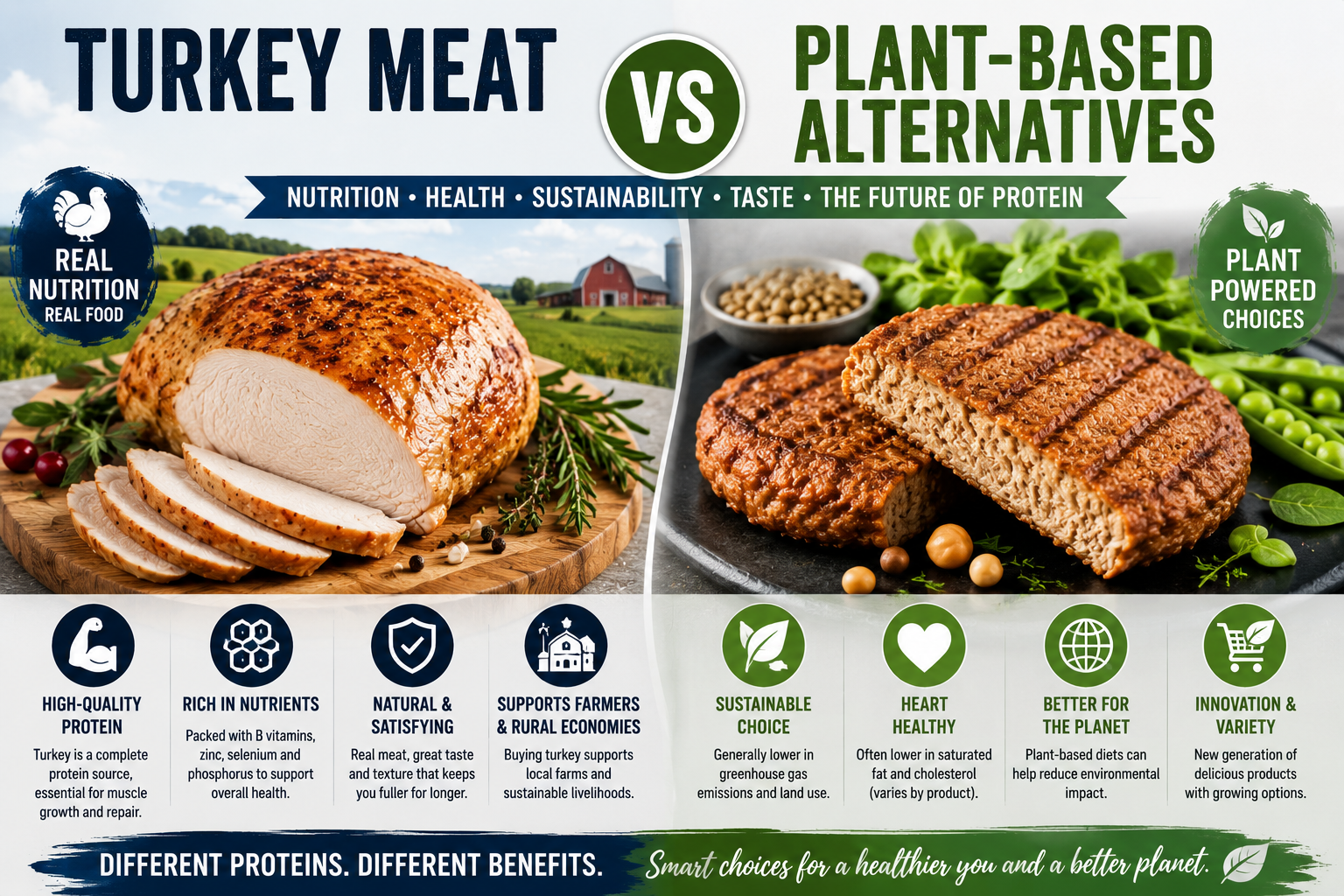
• Health-conscious consumption
• Fitness trends
• High-protein diets
• Clean-label demand
– Pork-based products continue to perform strongly due to:
• Consumer familiarity
• Traditional preferences
• Flavor characteristics
Retailers increasingly stock both categories to serve diverse customer groups.
Export Opportunities
– Turkey Export Advantages
• Growing global demand
• Halal market access
• Premium positioning
• Expanding retail opportunities
– Pork Export Advantages
• Large established markets
• Strong processing sector demand
• High-volume trade flows
Importers should evaluate target market requirements carefully before selecting product categories.
Sustainability Considerations
Environmental performance is becoming increasingly important for food manufacturers and retailers.
Turkey production often benefits from:
• Efficient feed conversion
• Lower resource requirements
• Smaller environmental footprint compared with many red meat categories
Sustainability considerations increasingly influence purchasing decisions throughout the supply chain.
Future Market Trends
Several trends are expected to support continued growth in turkey-based processed foods:
• Rising health awareness
• Demand for lean protein
• Growth of halal markets
• Expansion of premium convenience foods
Pork is expected to remain a dominant protein in processed meats but may face increasing competition from poultry-based alternatives.
Conclusion
Turkey and pork each play important roles in processed food manufacturing. Pork continues to dominate many traditional processed meat categories due to its flavor, fat content, and established consumer acceptance. Turkey, however, is rapidly expanding its market presence due to its lean nutritional profile, health-focused image, and suitability for halal and premium food segments.
For manufacturers, importers, and retailers, the choice between turkey and pork depends on target consumers, product positioning, regulatory requirements, and market objectives. Companies that effectively leverage both proteins can create diverse product portfolios capable of serving a wide range of consumer preferences.