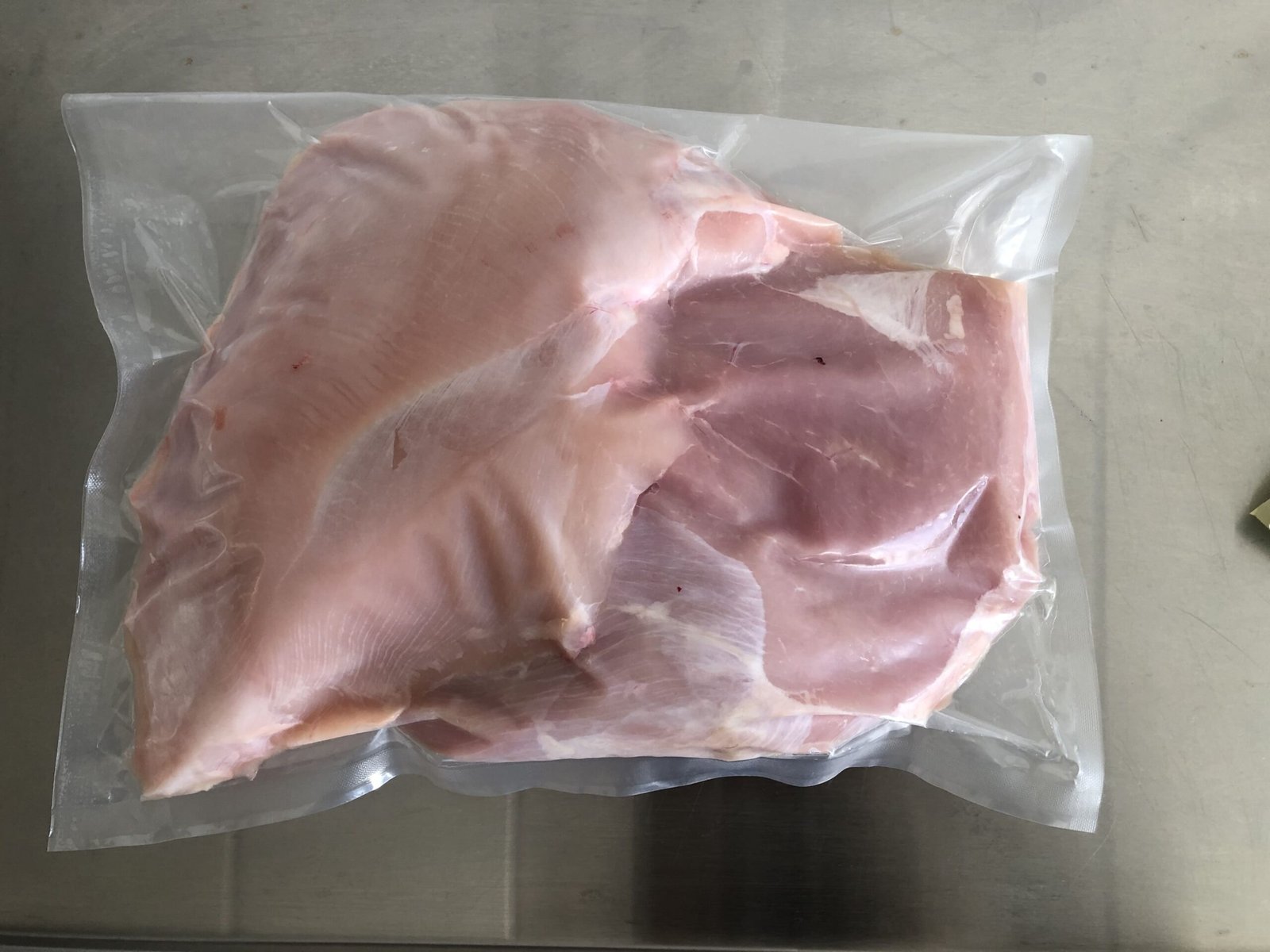
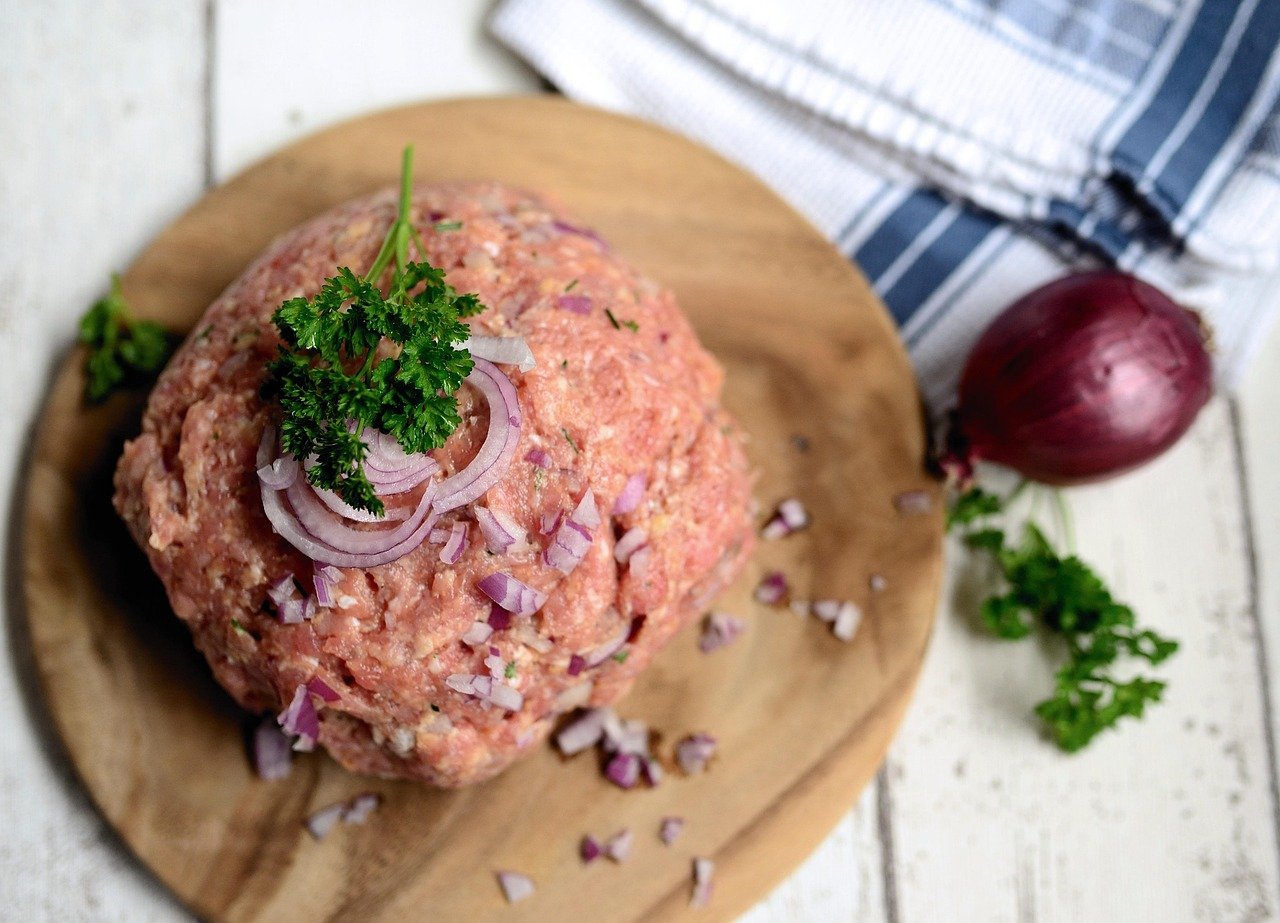
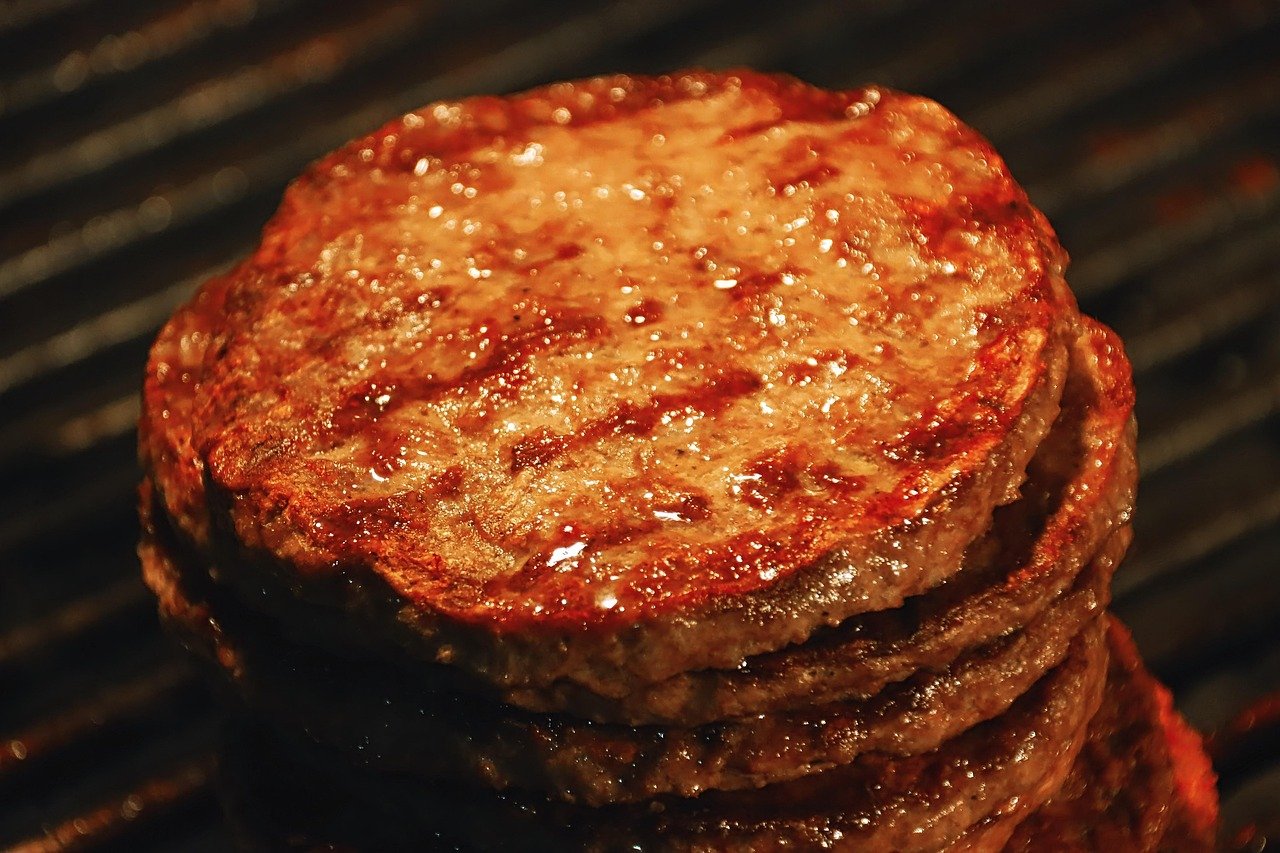
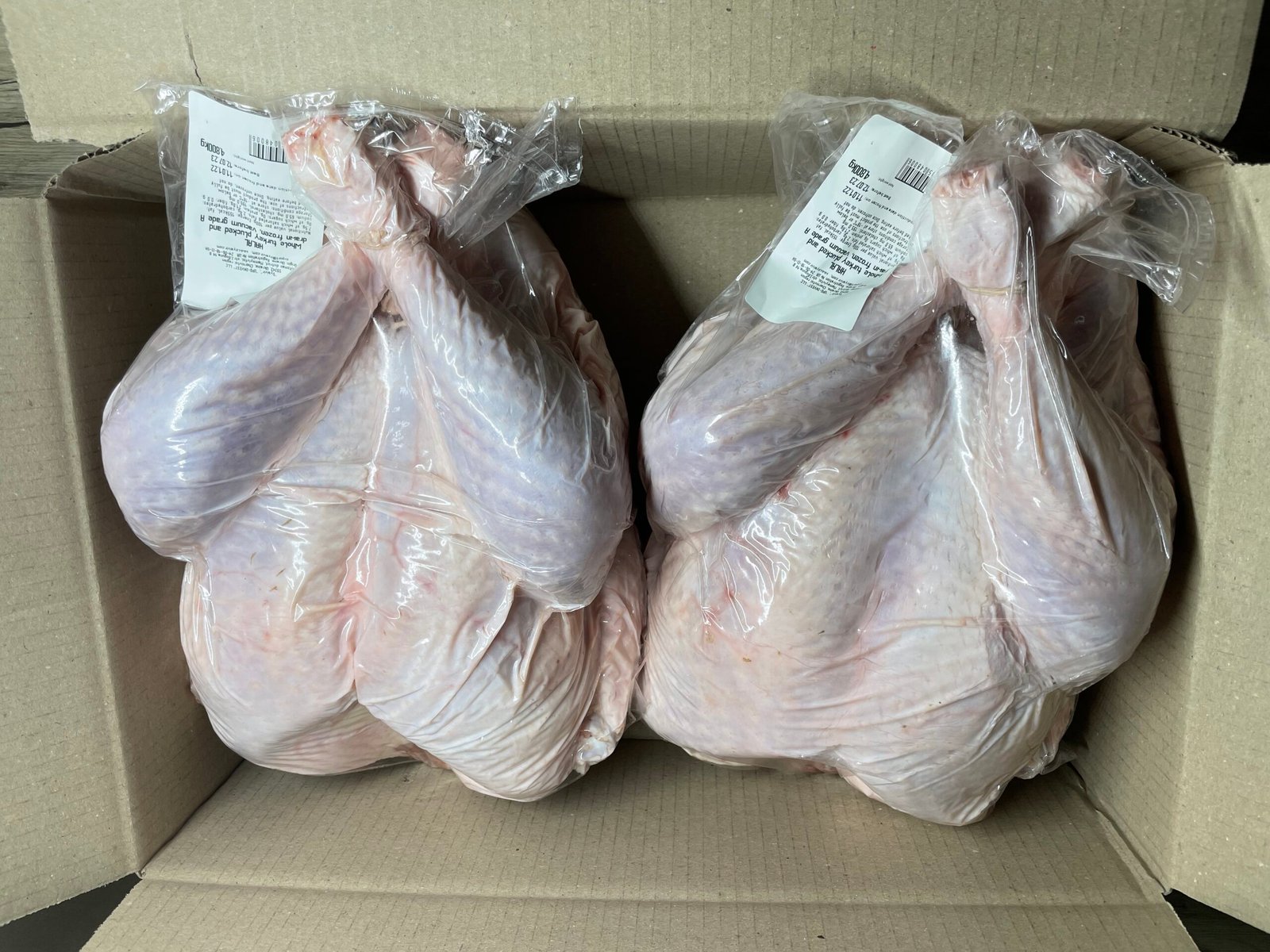
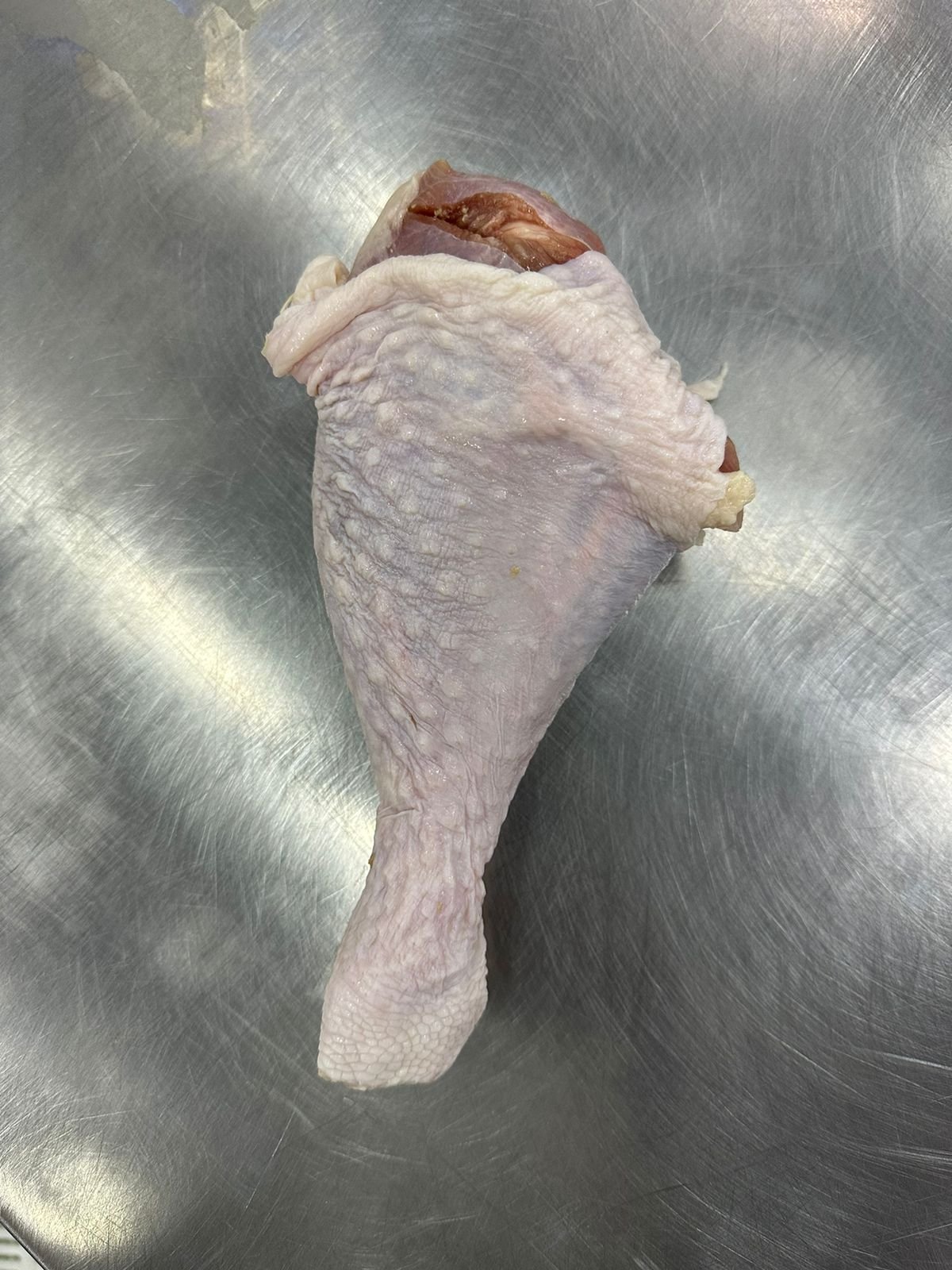
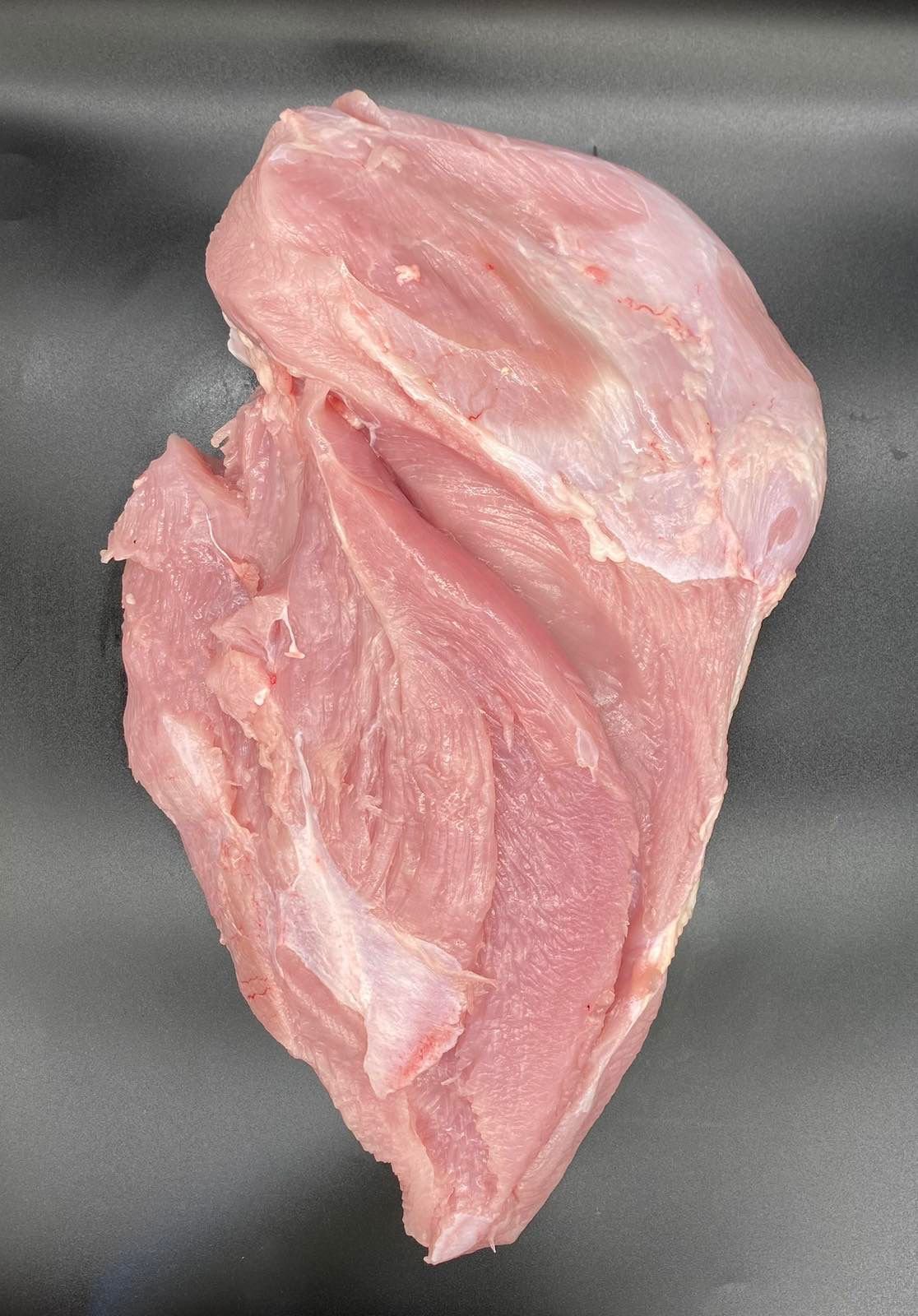
Turkey vs Beef: Cost and Nutrition Analysis
Turkey vs Beef: Cost and Nutrition Analysis
Introduction
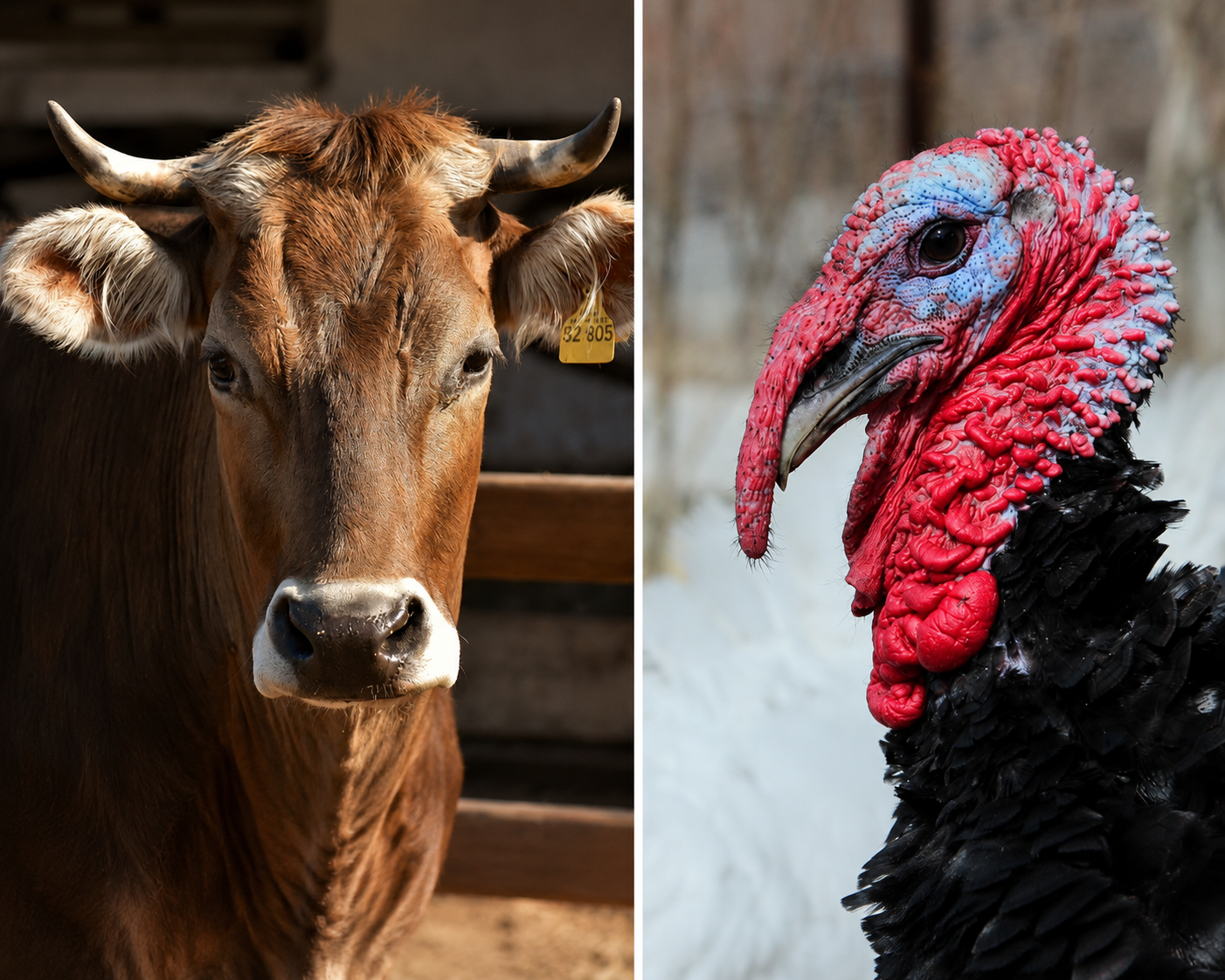
Turkey and beef are two of the most important protein sources in the global meat industry. Both products play significant roles in retail, foodservice, and food manufacturing markets, yet they differ considerably in terms of cost, nutritional value, consumer perception, and market positioning.
As consumers become increasingly health-conscious and food inflation continues to influence purchasing decisions, importers, distributors, retailers, and foodservice operators are paying closer attention to the economic and nutritional advantages of different protein sources. Turkey has gained popularity as a lean and affordable alternative to beef, while beef remains one of the most widely consumed and premium-positioned meats worldwide.
This article provides a detailed comparison of turkey and beef from both cost and nutrition perspectives while examining market trends and opportunities for international buyers.
Global Market Overview
Beef is one of the largest meat categories globally and is consumed across virtually every region of the world. It is associated with premium dining, strong flavor, and high consumer demand.
Turkey occupies a smaller share of the global meat market but continues to gain popularity due to its nutritional profile, competitive pricing, and versatility.
Growing health awareness and rising beef prices in many markets have encouraged consumers and food manufacturers to consider turkey as an alternative protein source.
Cost Comparison
– Production Costs
Turkey production generally requires less feed, less time, and lower overall production costs compared with cattle farming. Beef production is resource-intensive and requires longer production cycles.
As a result, turkey meat is often more affordable than beef in wholesale and retail markets.
– Wholesale Pricing
Turkey products typically offer:
• Lower raw material costs
• Competitive wholesale pricing
• Attractive margins for processors
• Affordable options for foodservice operators
Beef products typically command:
• Higher wholesale prices
• Premium market positioning
• Greater exposure to market volatility
– Retail Pricing
In many markets, turkey breast, turkey mince, and turkey burgers are significantly less expensive than comparable beef products.
For budget-conscious consumers, turkey can provide substantial savings without sacrificing protein intake.
Nutritional Comparison
Protein Content
Both turkey and beef are excellent sources of high-quality protein.
Turkey breast is particularly valued for:
• High protein density
• Low fat content
• Low calorie levels
Beef also provides high-quality protein but often contains higher levels of fat depending on the cut.
Fat Content
One of the biggest differences between turkey and beef is fat content.
Turkey breast:
• Naturally lean
• Lower saturated fat
• Suitable for weight-management diets
Beef:
• Higher fat levels in many cuts
• Richer flavor profile
• Greater calorie density
Consumers seeking lean protein often prefer turkey for this reason.
Calories
Turkey generally contains fewer calories than beef when comparing similar serving sizes.
This makes turkey attractive for:
• Fitness-focused consumers
• Weight-loss programs
• Healthy lifestyle diets
Vitamins and Minerals
Beef is known for providing:
• Iron
• Zinc
• Vitamin B12
• Creatine
Turkey provides:
• B vitamins
• Selenium
• Phosphorus
• Niacin
Both meats offer valuable nutrients, though beef has an advantage in iron and zinc content.
Health Considerations
Turkey is frequently recommended by nutrition professionals because of its lean profile and lower saturated fat levels.
Potential benefits include:
• Lower calorie intake
• Heart-friendly meal planning
• High protein consumption
• Reduced saturated fat intake
Beef remains an important source of nutrients but may require greater attention to portion sizes and cut selection.
Consumer Demand Trends
– Turkey Demand
Turkey consumption is growing due to:
• Healthy eating trends
• High-protein diets
• Expansion of convenience foods
• Demand for lean meats
Popular turkey products include:
• Turkey breast fillets
• Ground turkey
• Turkey burgers
• Turkey sausages
• Deli turkey products
– Beef Demand
Beef continues to enjoy strong demand because of:
• Consumer familiarity
• Premium positioning
• Traditional culinary applications
• Strong flavor characteristics
Foodservice Applications
– Turkey in Foodservice
Restaurants and catering companies increasingly use turkey because it offers:
• Lower food costs
• Healthy menu options
• Versatile preparation methods
• Strong consumer appeal
– Beef in Foodservice
Beef remains dominant in:
• Steakhouses
• Premium restaurants
• Gourmet burgers
• Traditional menu concepts
However, rising beef costs have encouraged many operators to diversify protein offerings.
Retail Opportunities
Turkey products are often marketed as:
• Healthy alternatives
• Lean protein options
• Family-friendly products
• Affordable meal solutions
Beef products are typically positioned as:
• Premium proteins
• Gourmet selections
• High-value dining experiences
Retailers frequently use turkey products to attract health-conscious consumers while maintaining competitive pricing.
Industrial Food Manufacturing
Turkey is widely used in:
• Processed meats
• Ready meals
• Sausages
• Nuggets
• High-protein foods
Beef is commonly used in:
• Burgers
• Meatballs
• Prepared meals
• Processed meat products
Turkey often provides cost advantages in large-scale food manufacturing.
Sustainability Considerations
Environmental concerns increasingly influence purchasing decisions.
Turkey production generally requires:
• Less land
• Less water
• Fewer resources
Compared with beef production, turkey often has a smaller environmental footprint.
For companies emphasizing sustainability, turkey can be an attractive option.
Profitability for Importers
Turkey Advantages
• Lower acquisition costs
• Growing demand
• Strong health positioning
• Diverse product applications
Beef Advantages
• Premium pricing
• Established demand
• Strong brand value
• Higher-value market segments
Many importers choose to carry both products to serve multiple customer groups.
Market Risks
– Turkey Risks
• Smaller market size in some regions
• Consumer education requirements
• Seasonal demand fluctuations
– Beef Risks
• Price volatility
• Supply constraints
• Environmental concerns
• Higher inventory costs
Future Market Outlook
Several trends are expected to support turkey growth:
• Rising health awareness
• Demand for lean protein
• Expansion of fitness-focused diets
• Growth of convenience foods
Beef is expected to remain a premium protein category but may face continued pricing and sustainability challenges.
Conclusion
Turkey and beef each offer unique advantages for consumers and businesses. Turkey provides lower costs, fewer calories, less fat, and strong appeal among health-conscious consumers. Beef delivers rich flavor, premium positioning, and important nutritional benefits such as iron and zinc.
For importers, retailers, and foodservice operators, the choice often depends on target customers and business objectives. Turkey offers affordability and growth potential, while beef remains a powerful premium category. A balanced portfolio that includes both proteins can help businesses maximize market opportunities and meet evolving consumer preferences.