Turkey vs Duck Meat: Market Comparison
Turkey vs Duck Meat: Market Comparison
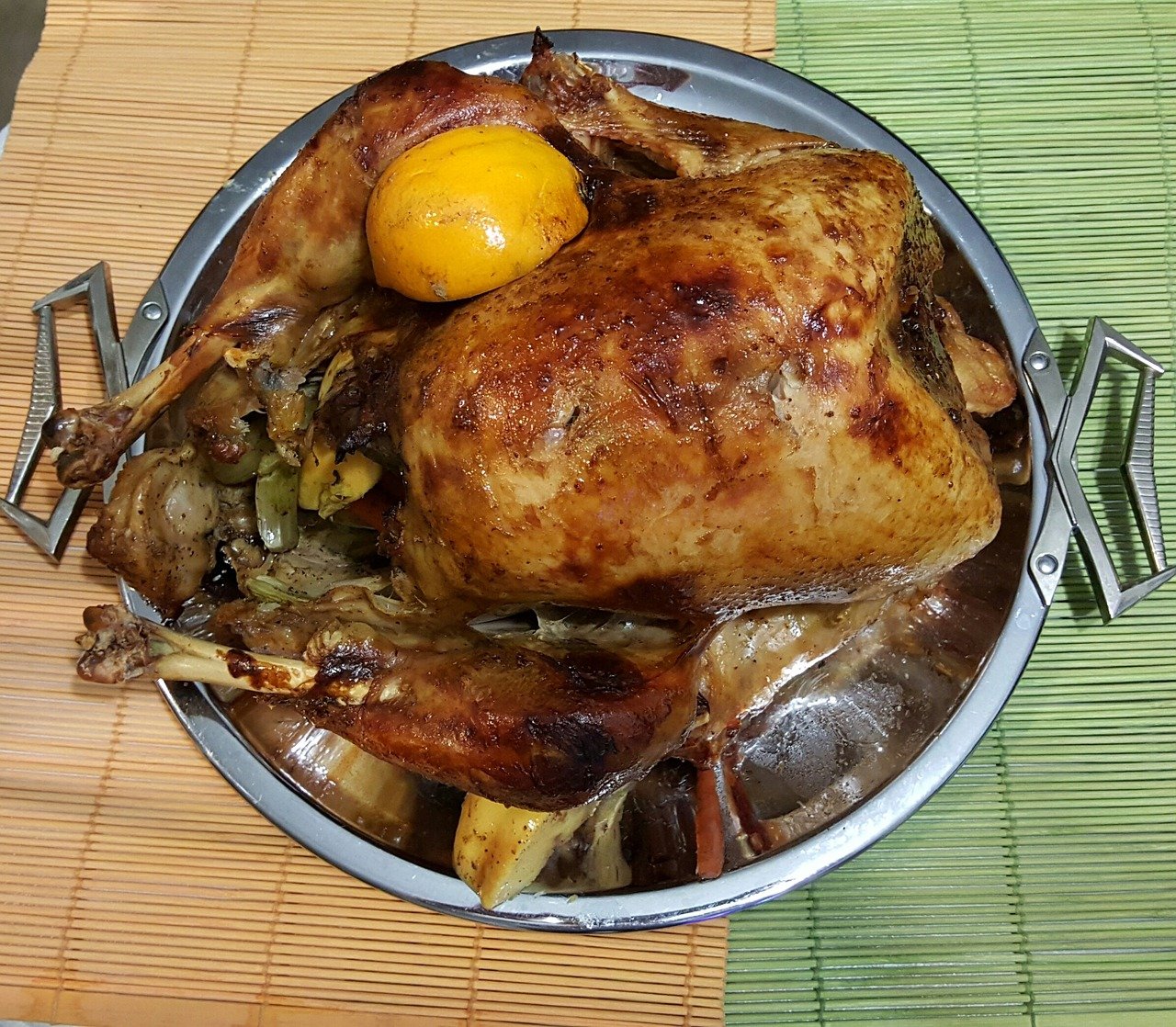
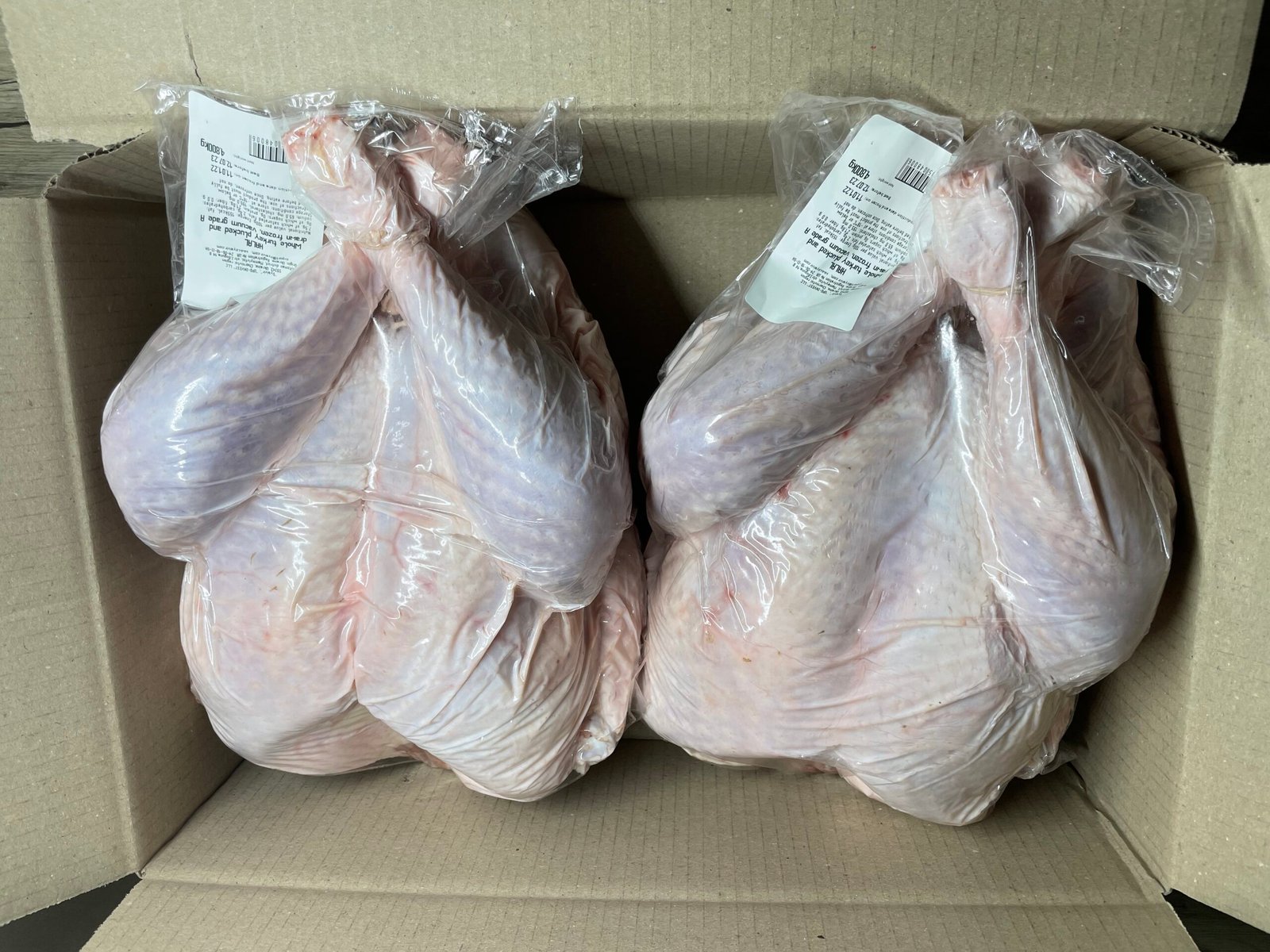
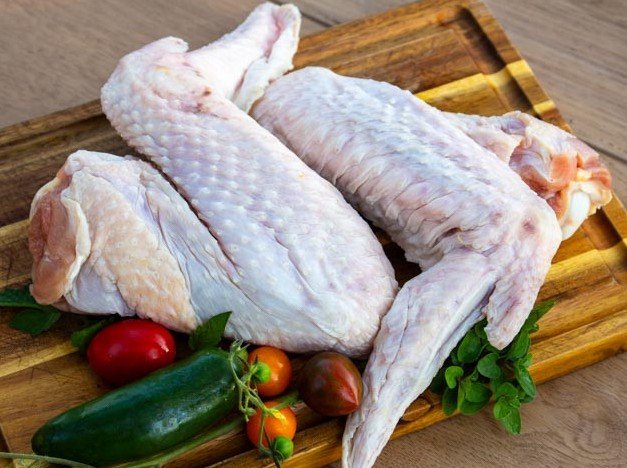
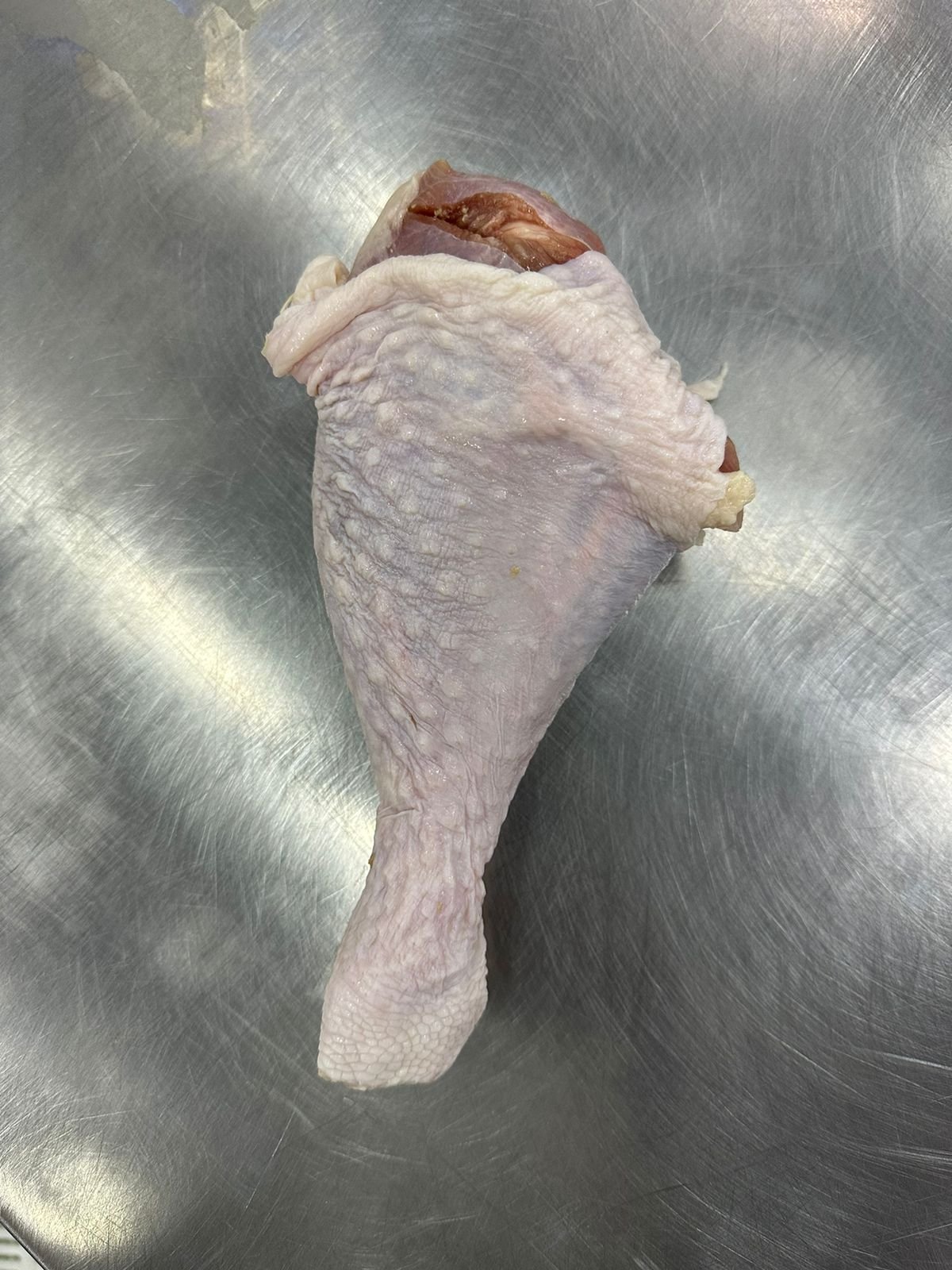
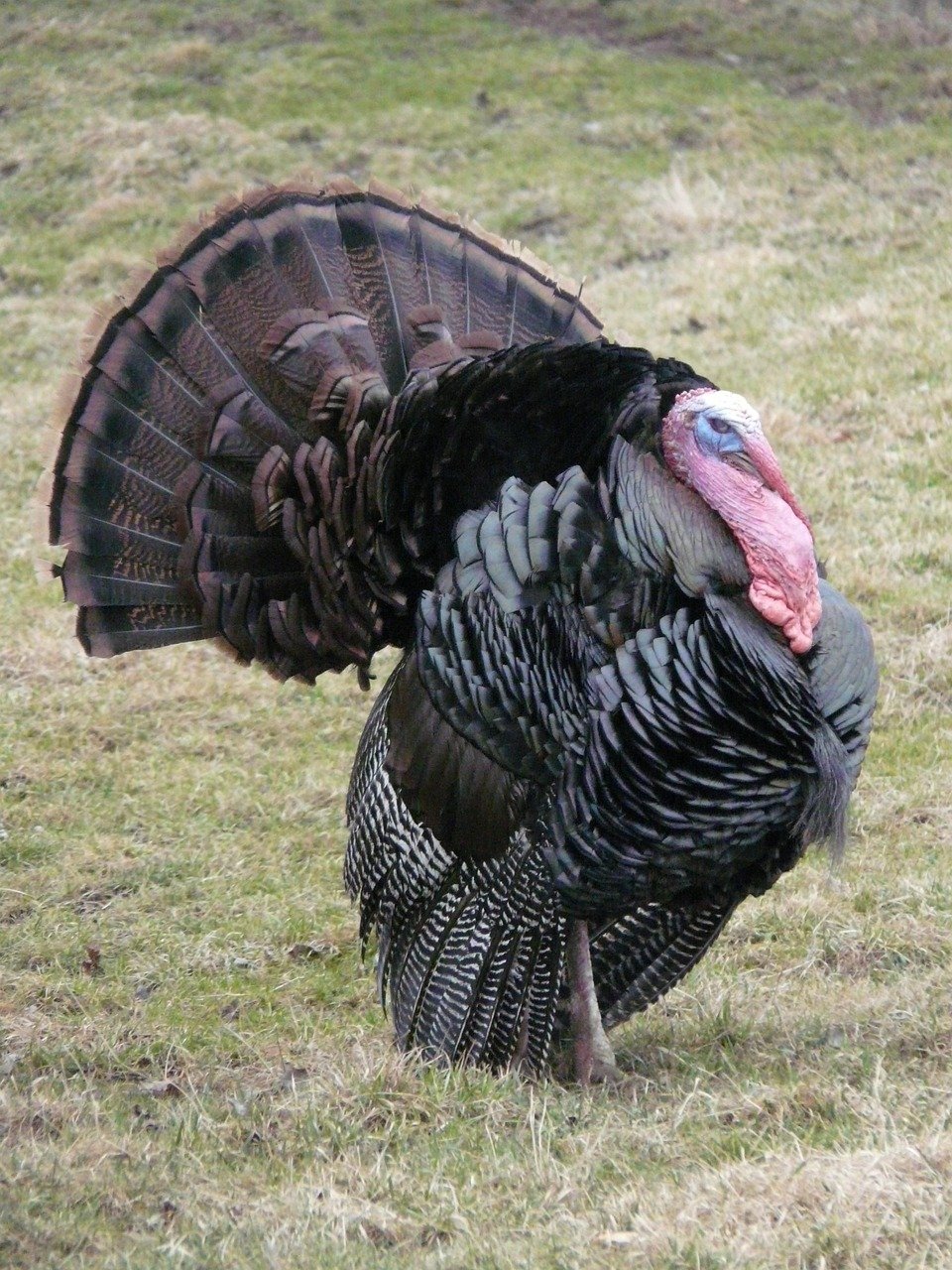
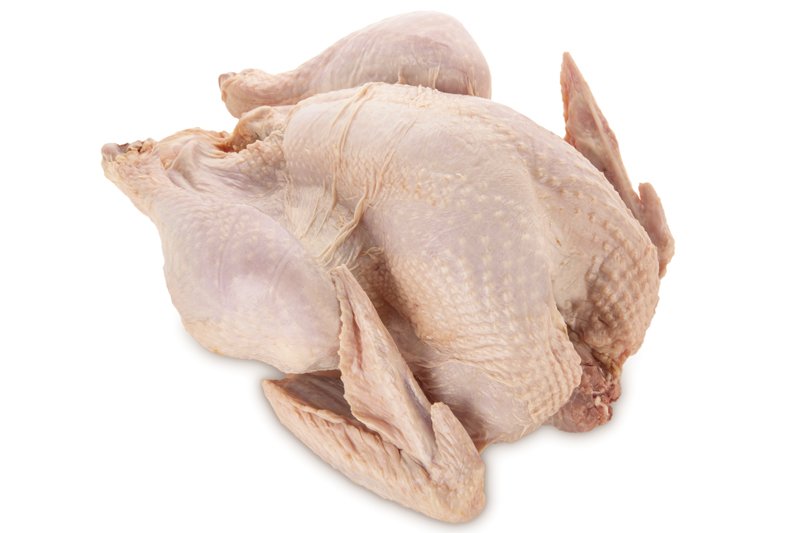
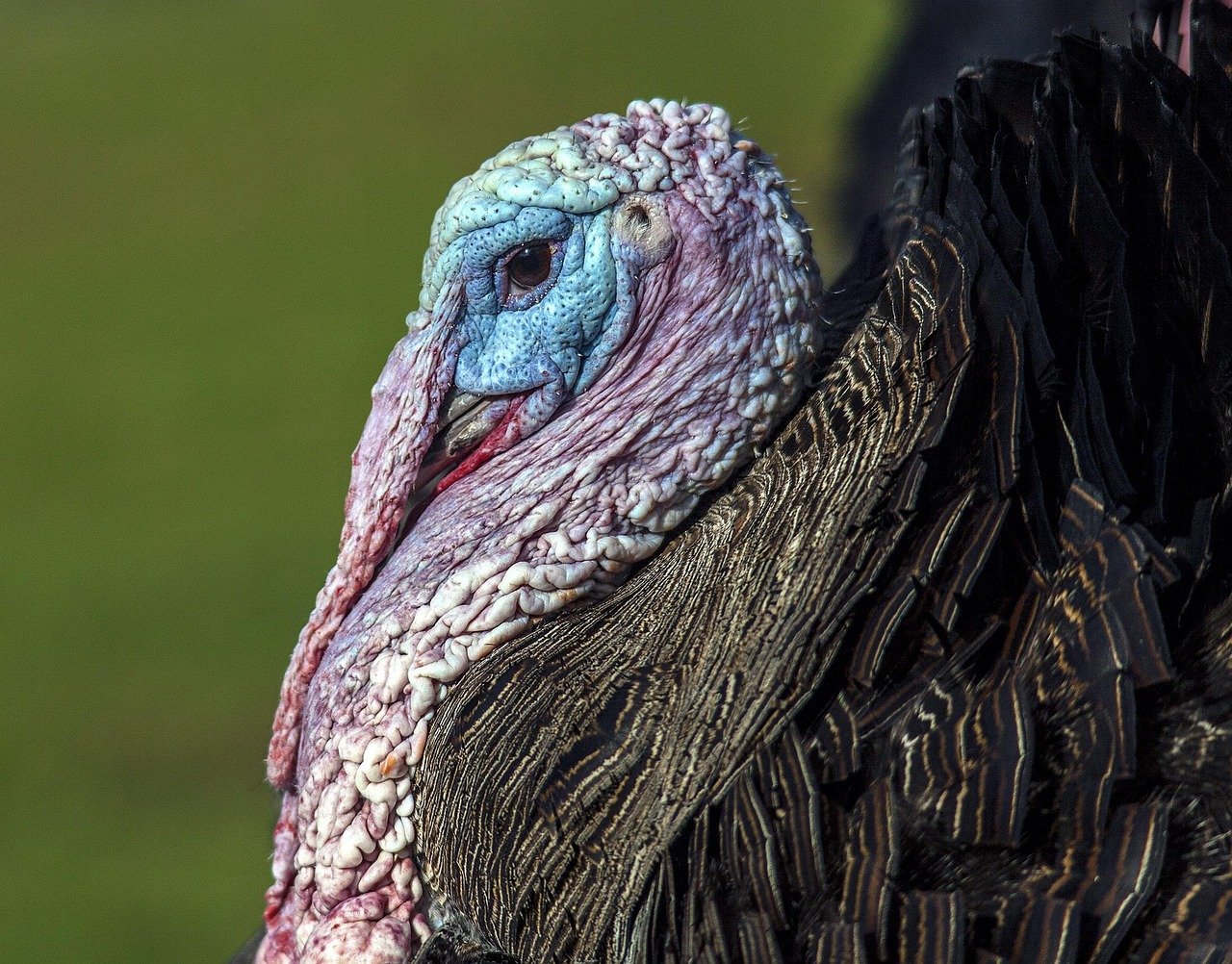
Turkey and duck meat are important segments of the global poultry industry, but they serve different markets and consumer preferences. Turkey is widely recognized as a lean, high-protein poultry product with broad retail and foodservice appeal, while duck is generally positioned as a premium specialty meat associated with gourmet cuisine and traditional dishes.
Global Market Position
Turkey benefits from larger international trade volumes and wider market acceptance. It is commonly sold through retail chains, foodservice distributors, and food manufacturers.
Duck production is more concentrated geographically, particularly in Asia, and is often marketed as a premium or specialty product.
Consumer Perception
Turkey is associated with:
• Healthy eating
• Lean protein
• Fitness-focused diets
• Everyday consumption
Duck is associated with:
• Rich flavor
• Gourmet dining
• Premium cuisine
• Traditional recipes
Nutritional Comparison
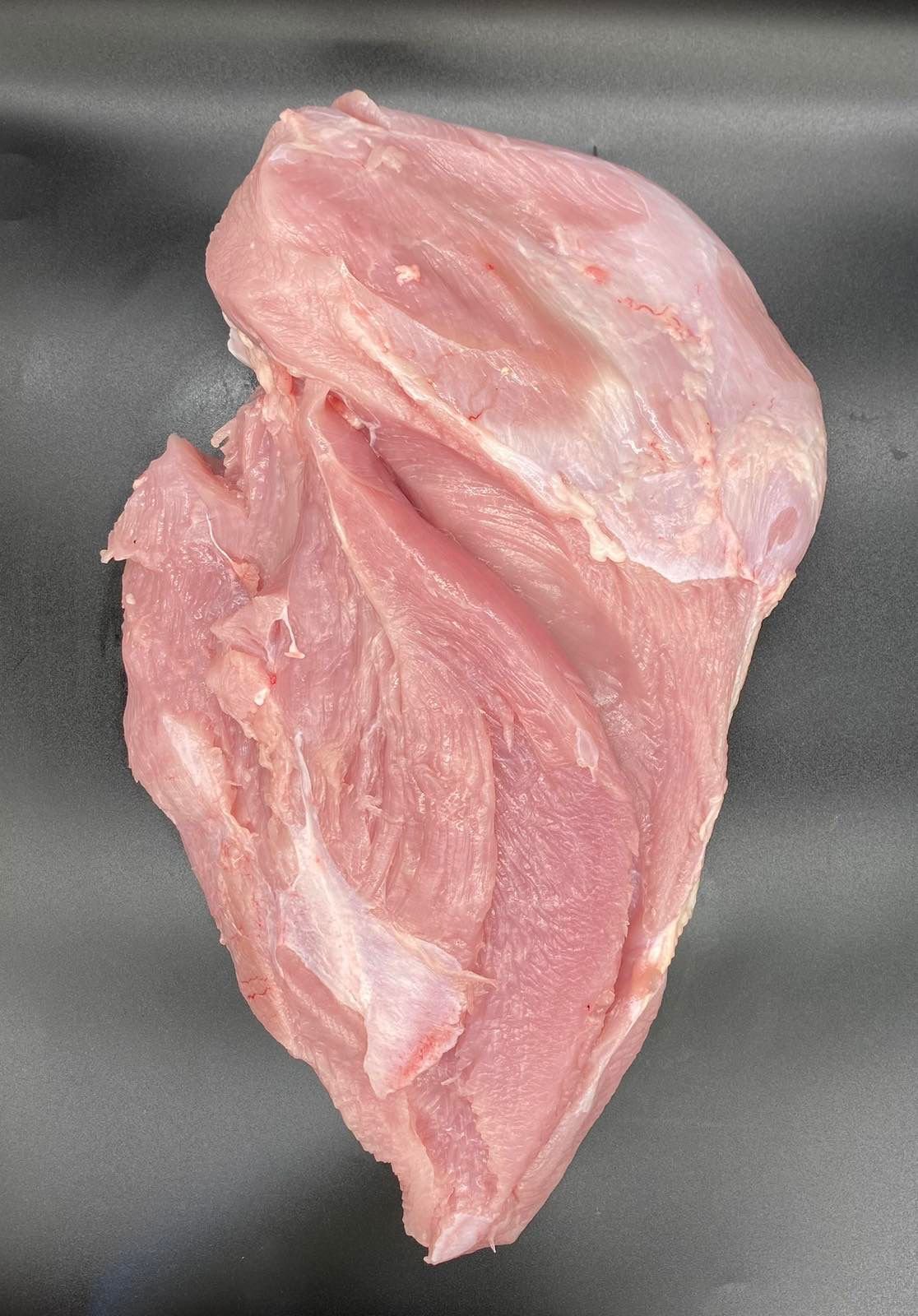
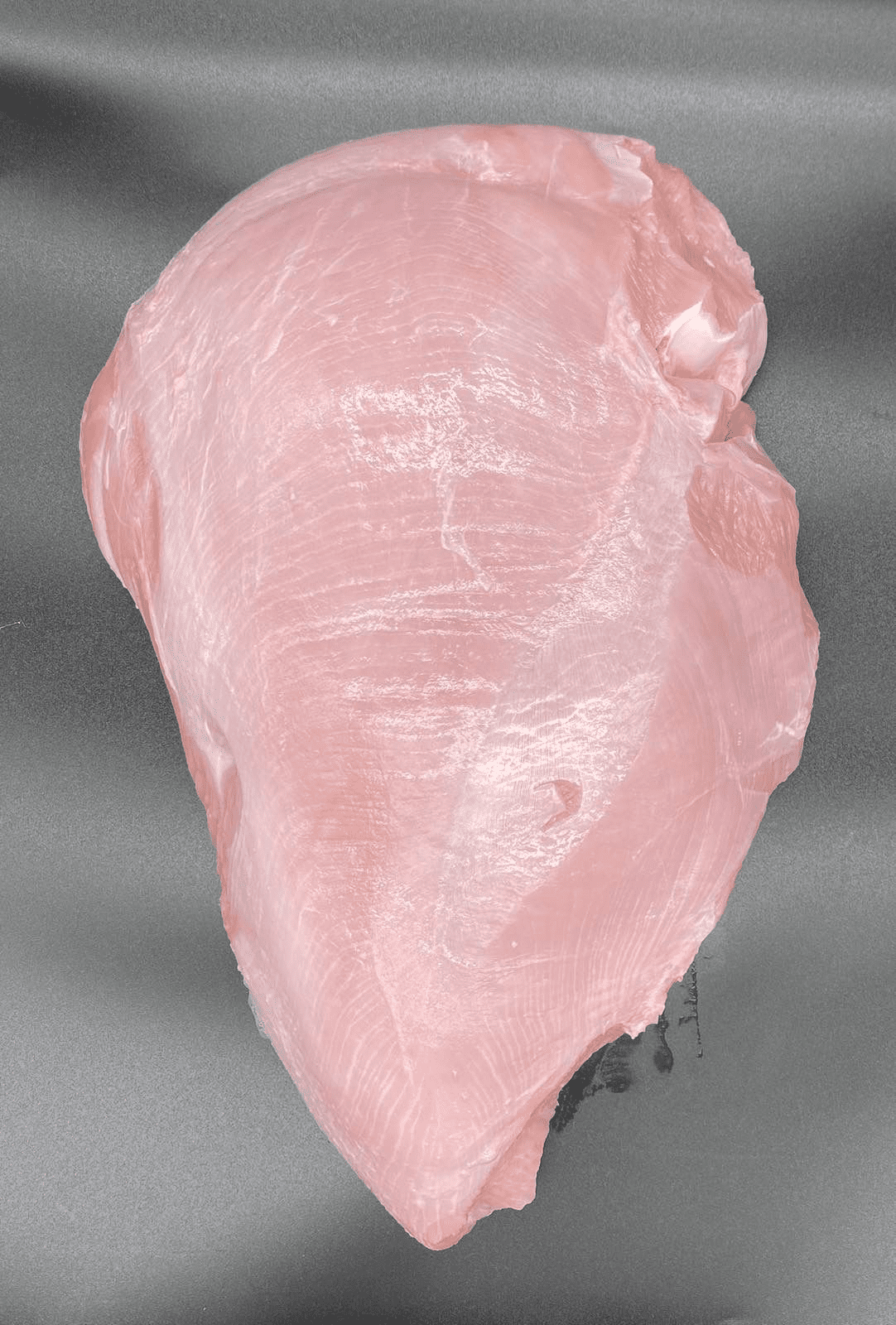
Turkey breast meat is generally lower in fat and calories while providing high protein content.
Duck meat offers a richer taste and higher fat content, making it attractive for culinary applications where flavor is a priority.
Retail Opportunities
Popular turkey retail products include:
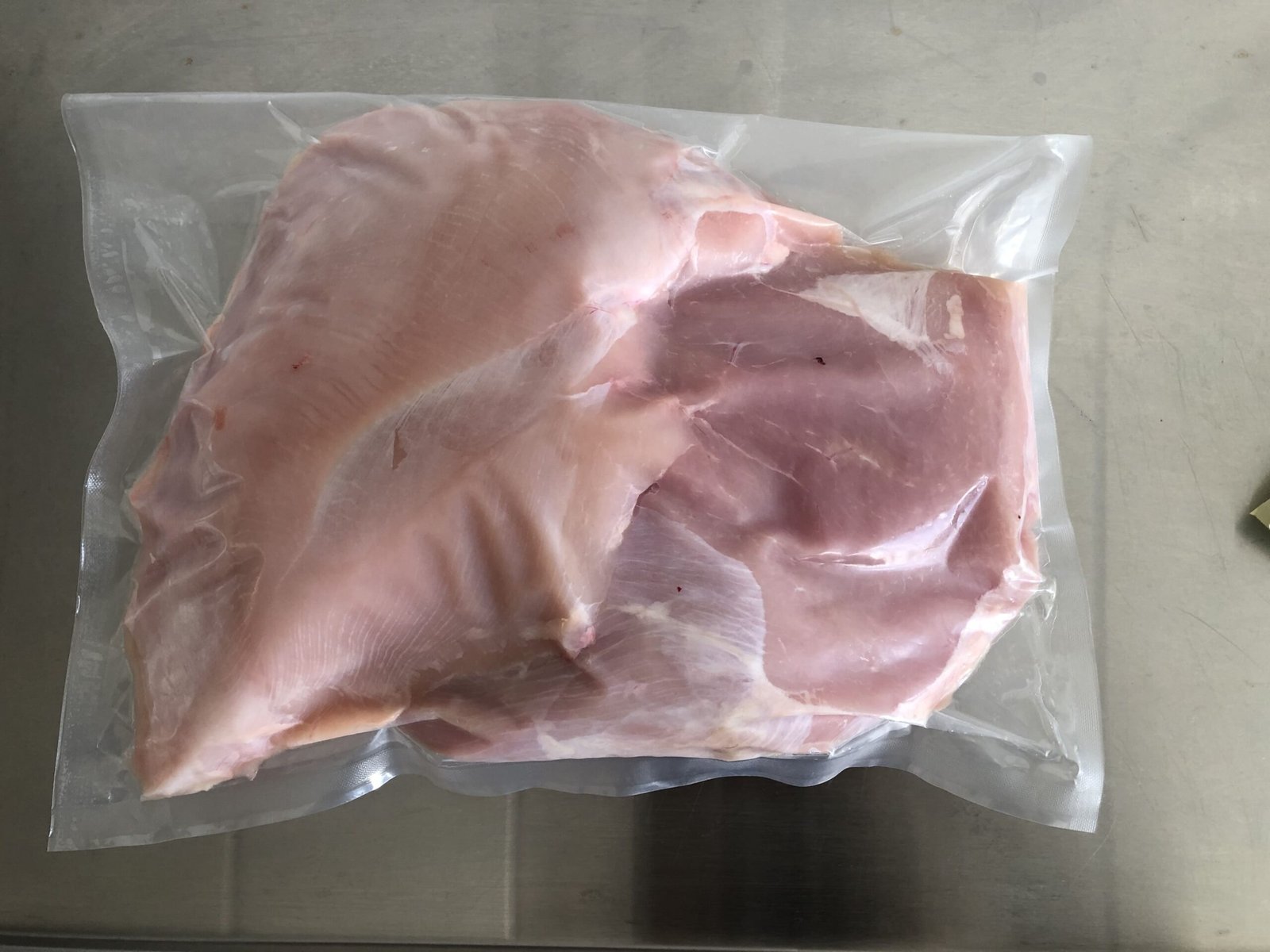
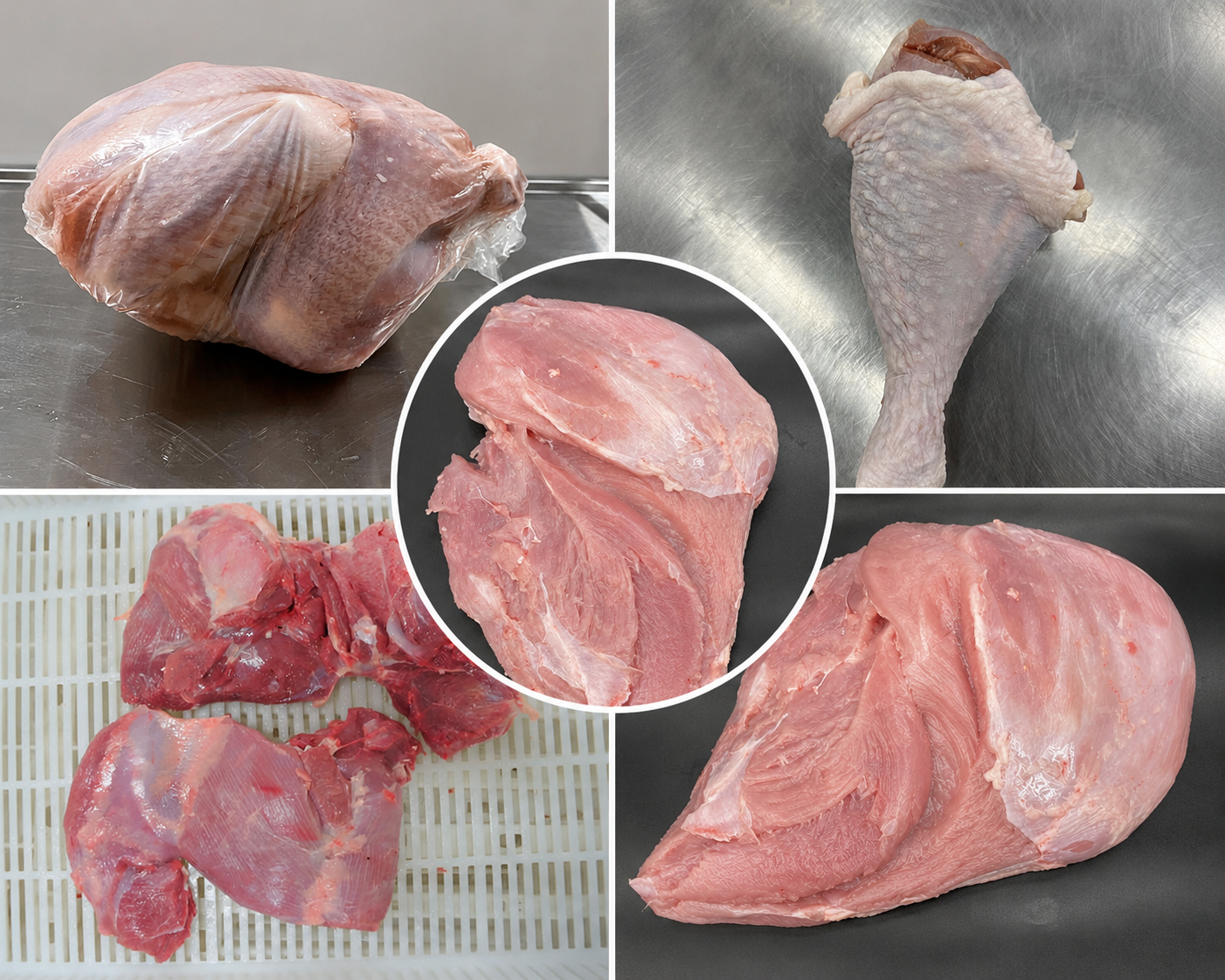
• Turkey breast fillets
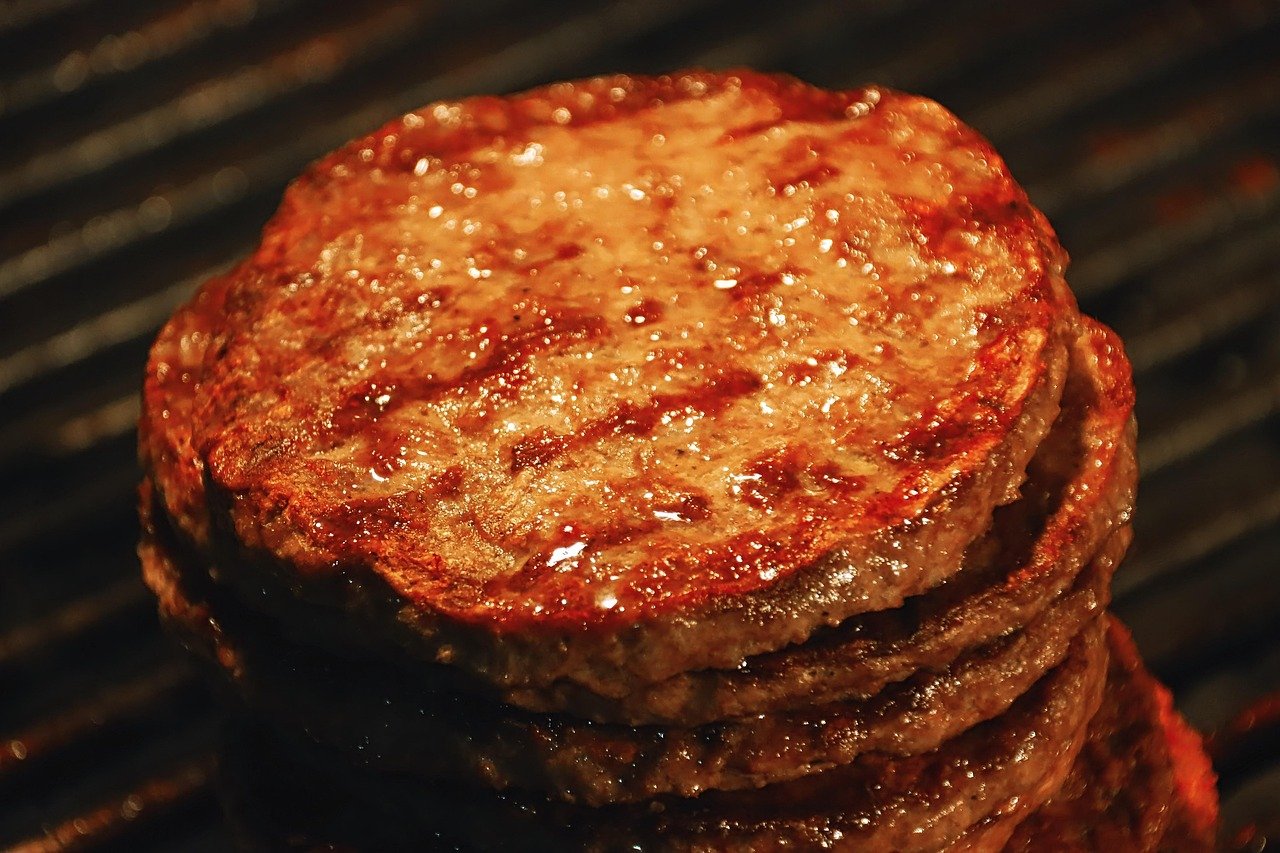
• Turkey burgers
• Turkey sausages
• Turkey deli meats
• Ready-to-cook products
Popular duck retail products include:
• Whole duck
• Duck breast
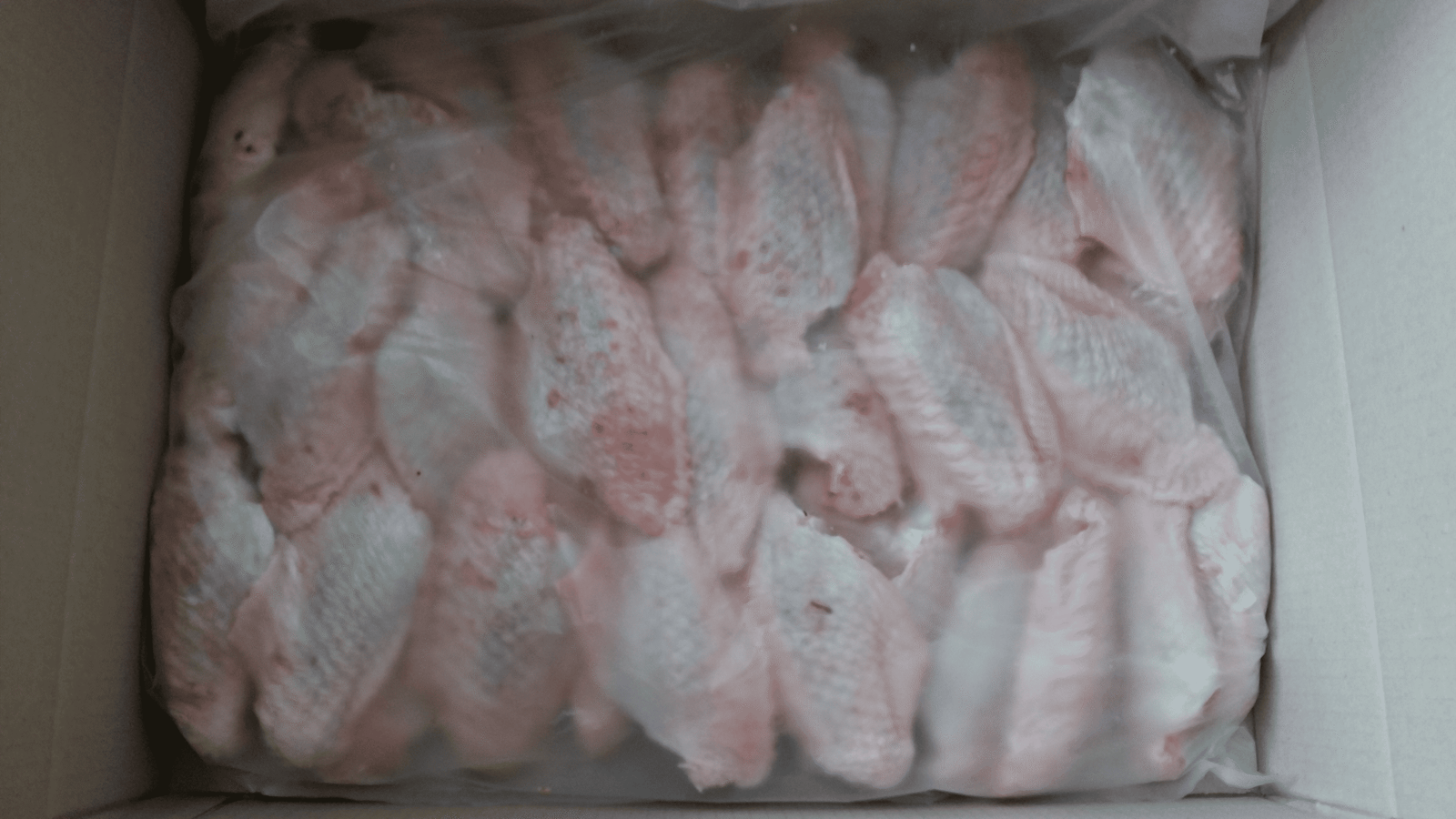
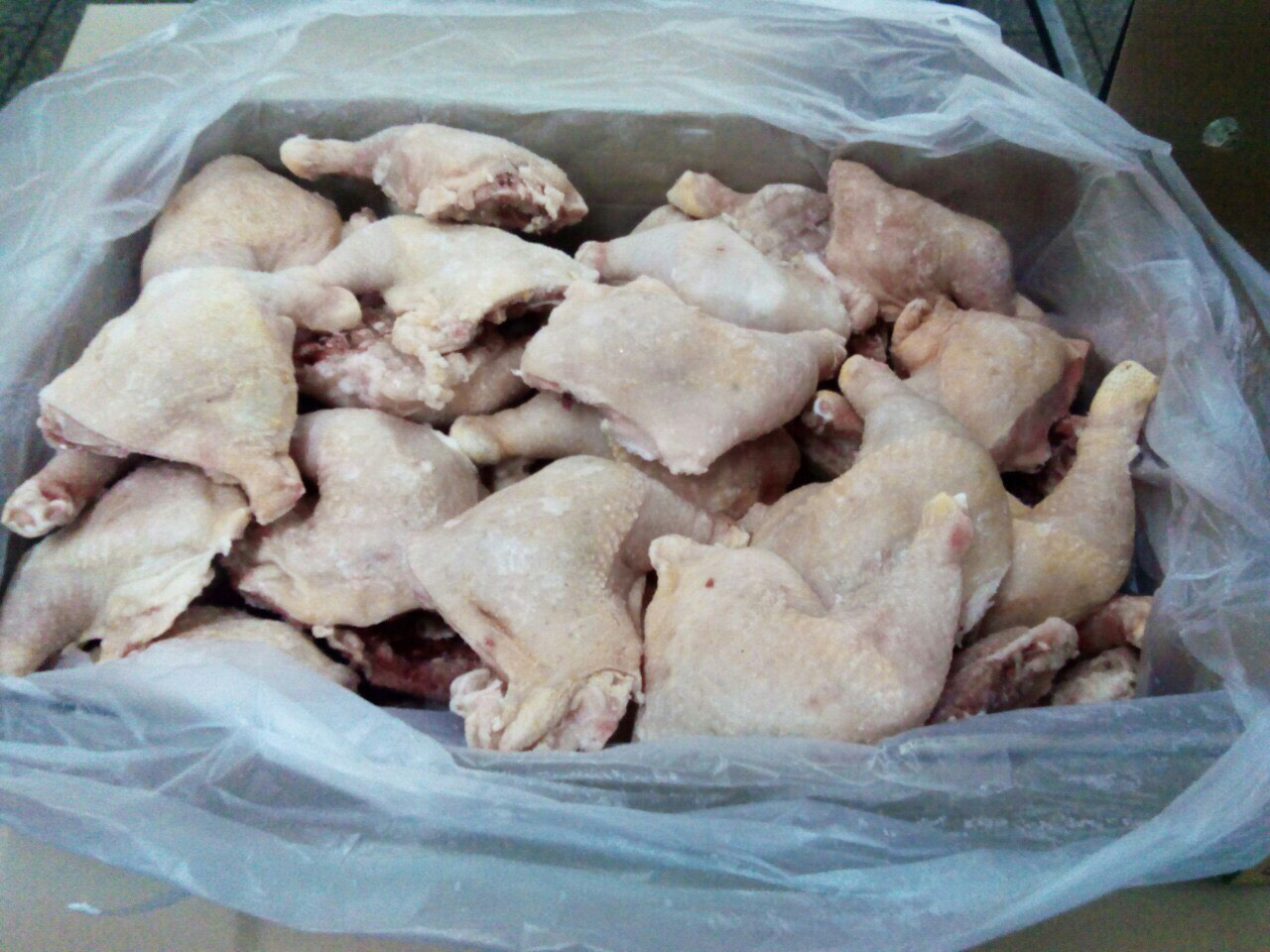
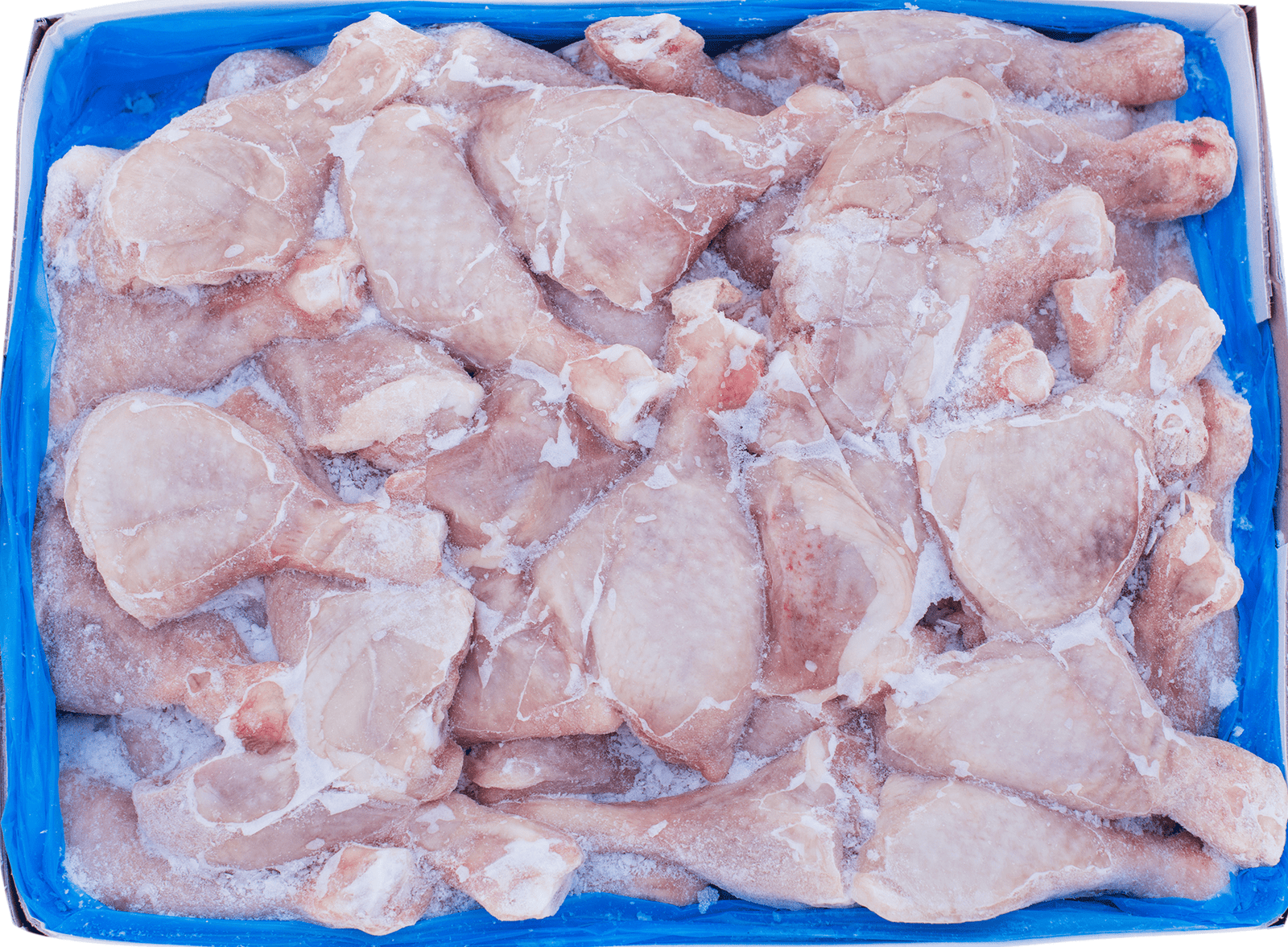
• Duck legs
• Smoked duck products
• Gourmet prepared foods
Foodservice Applications
Turkey is widely used in restaurants, hotels, catering operations, and healthy menu concepts.
Duck is especially popular in fine dining, Asian cuisine, premium restaurants, and luxury hospitality sectors.
Industrial Processing
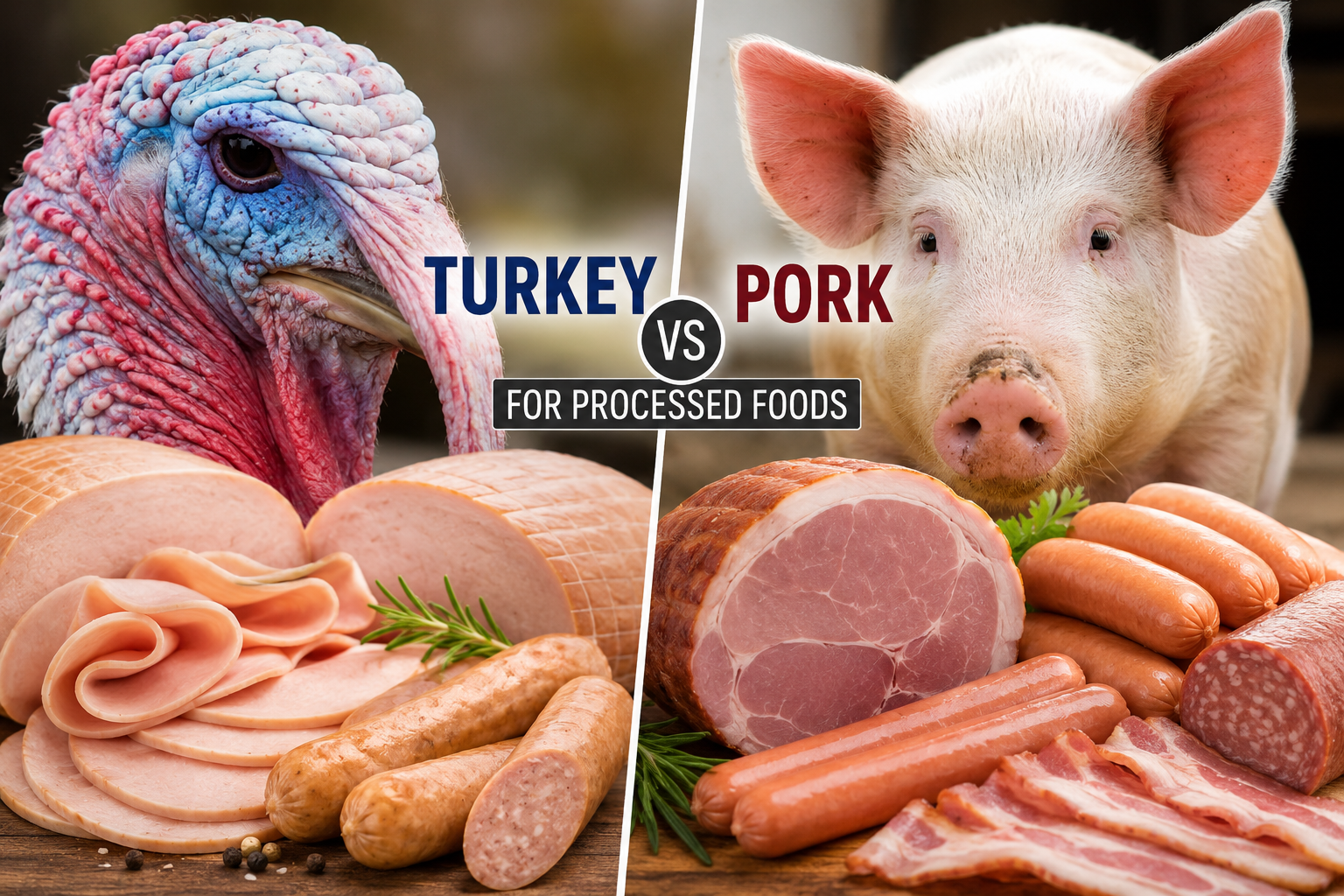
Turkey has a strong advantage in food manufacturing and is commonly used in:
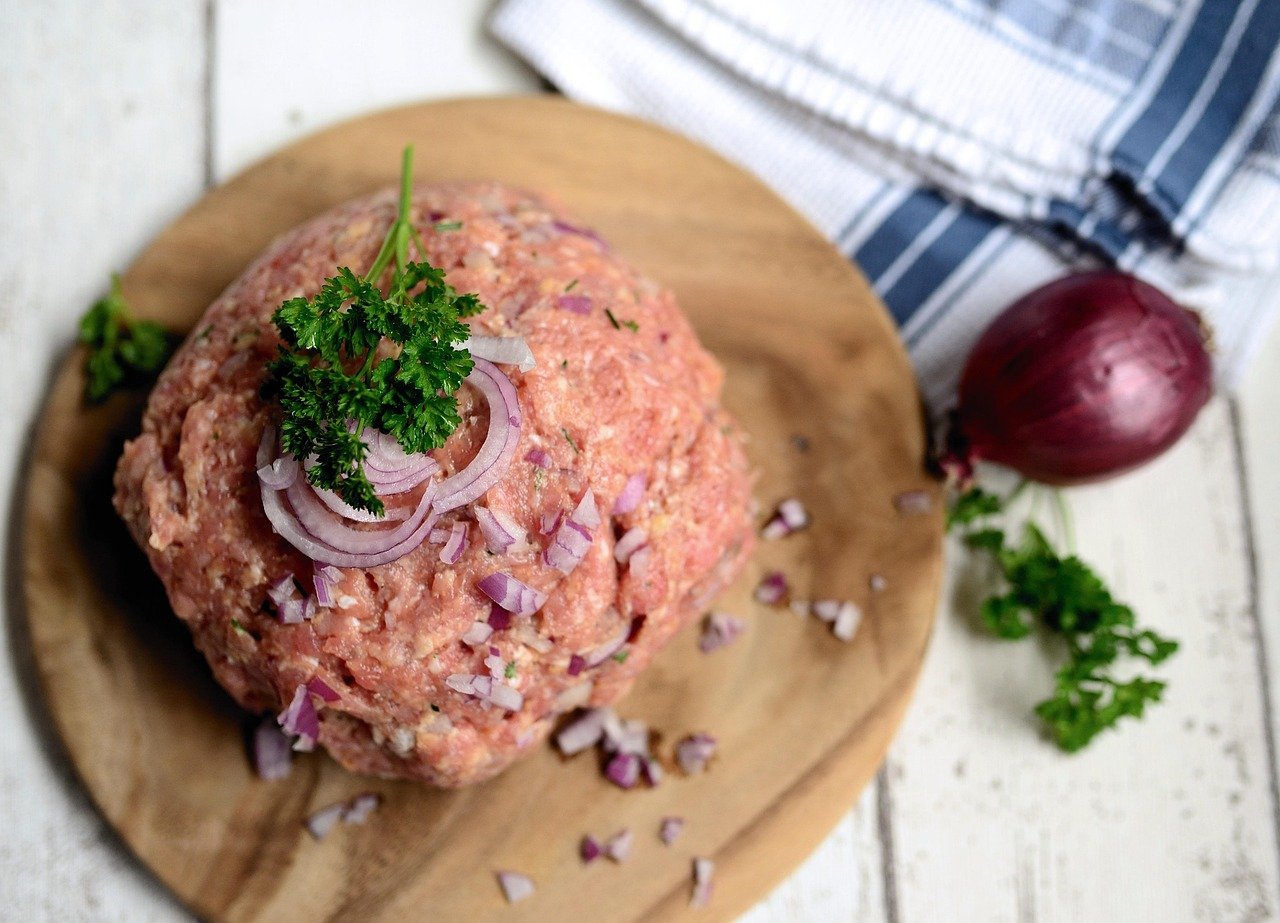
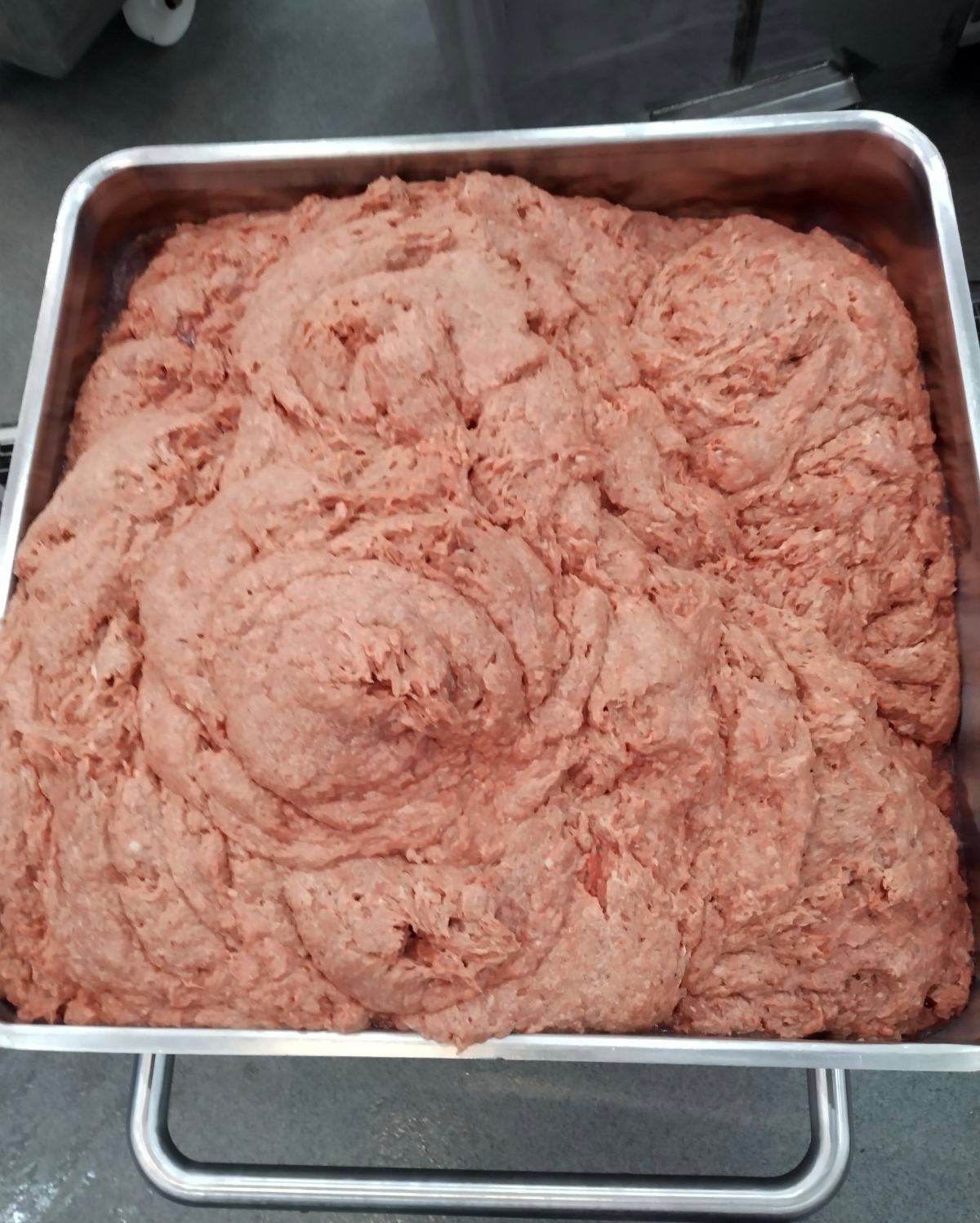
• Sausages
• Nuggets
• Burgers
• Deli meats
• Ready meals
Duck processing is generally focused on specialty and premium products.
Pricing and Profitability
Turkey typically offers larger sales volumes and broad market appeal.
Duck often commands higher prices and can generate higher margins in premium market segments.
Export Opportunities
Turkey exporters benefit from:
• Larger production volumes
• Stable supply chains
• Competitive pricing
• Diverse product portfolios
Duck exporters benefit from:
• Premium positioning
• Specialty demand
• Higher-value product categories
Sustainability and Market Trends
Growing consumer interest in protein-rich diets, premium foods, and sustainable sourcing supports demand for both turkey and duck products.
Future Outlook
Turkey is expected to continue benefiting from health-conscious consumption and convenience food trends. Duck is likely to maintain strong demand in gourmet and specialty food markets.
Conclusion
Turkey and duck meat each offer unique advantages for importers. Turkey provides broader market appeal, larger sales volumes, and strong opportunities in retail and food manufacturing. Duck offers premium positioning, distinctive flavor, and attractive opportunities within gourmet and specialty food sectors.