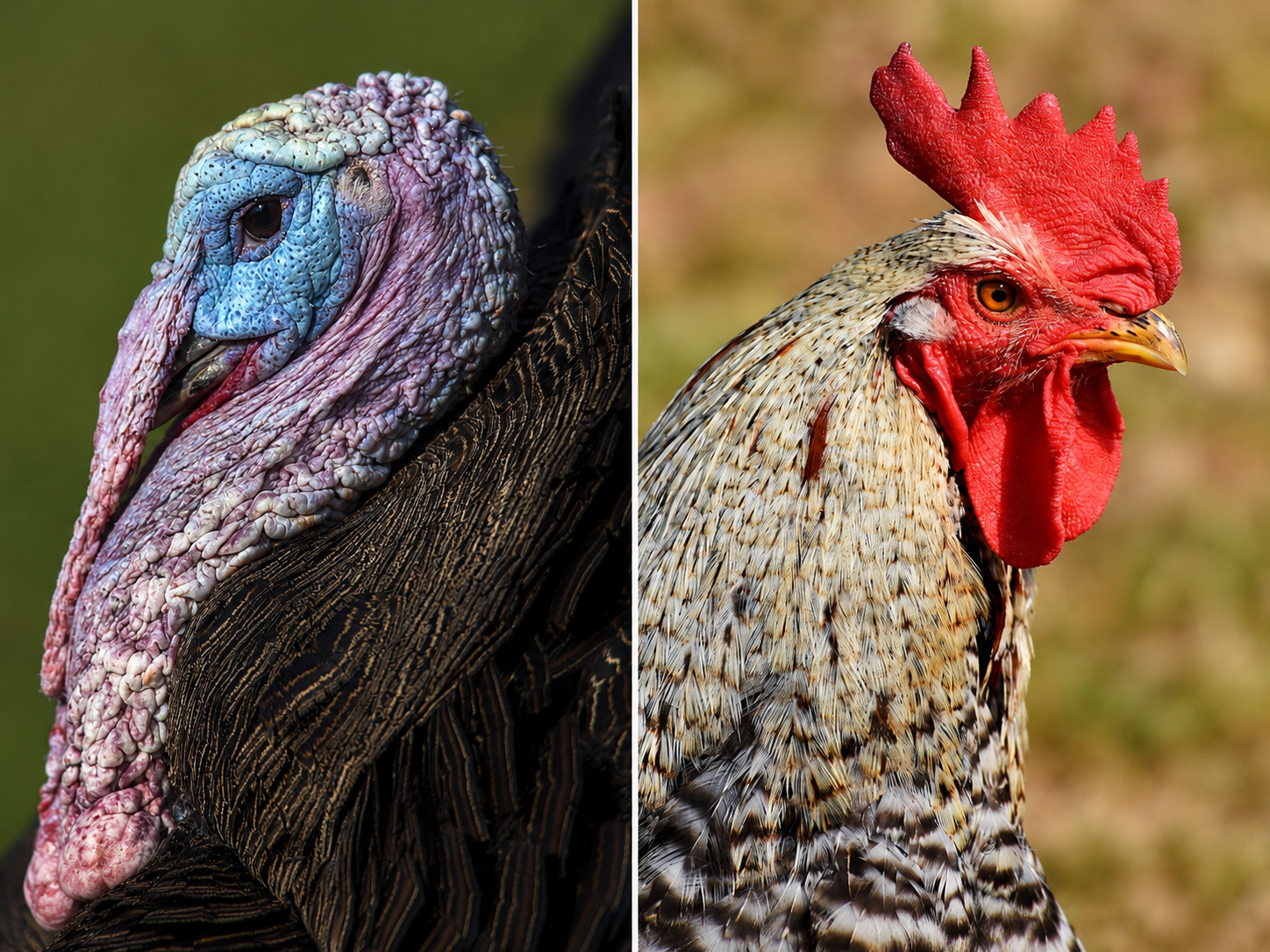
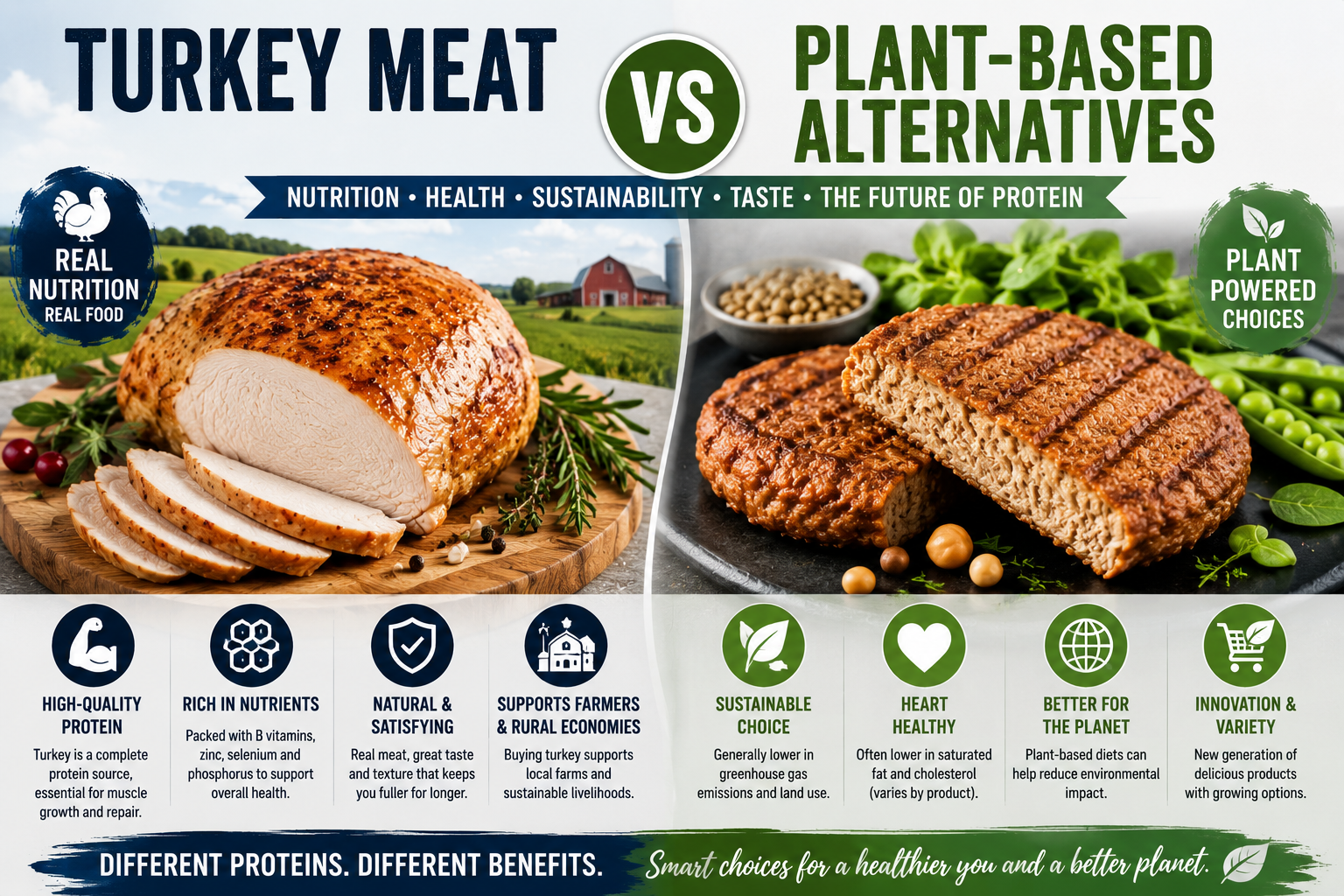
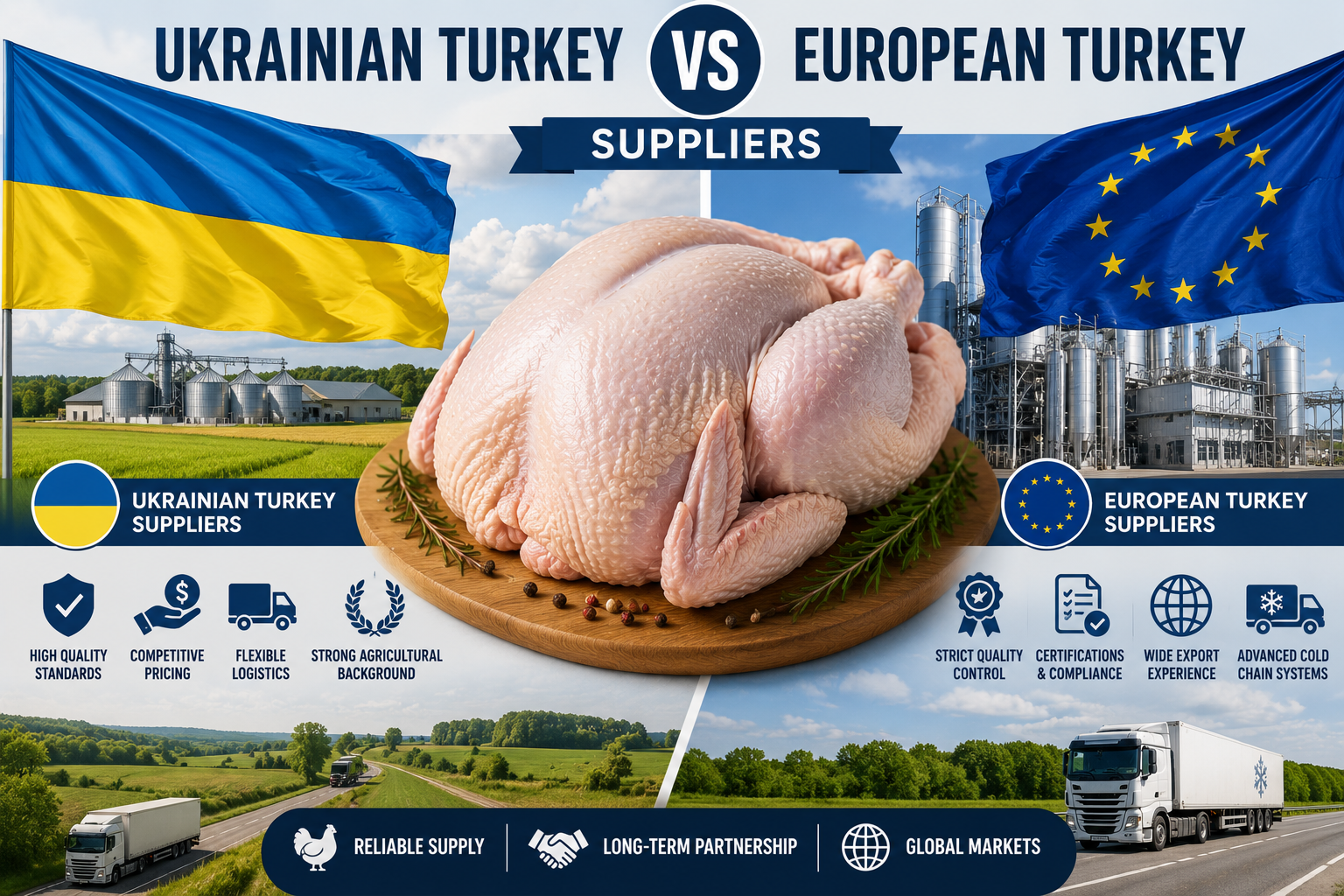
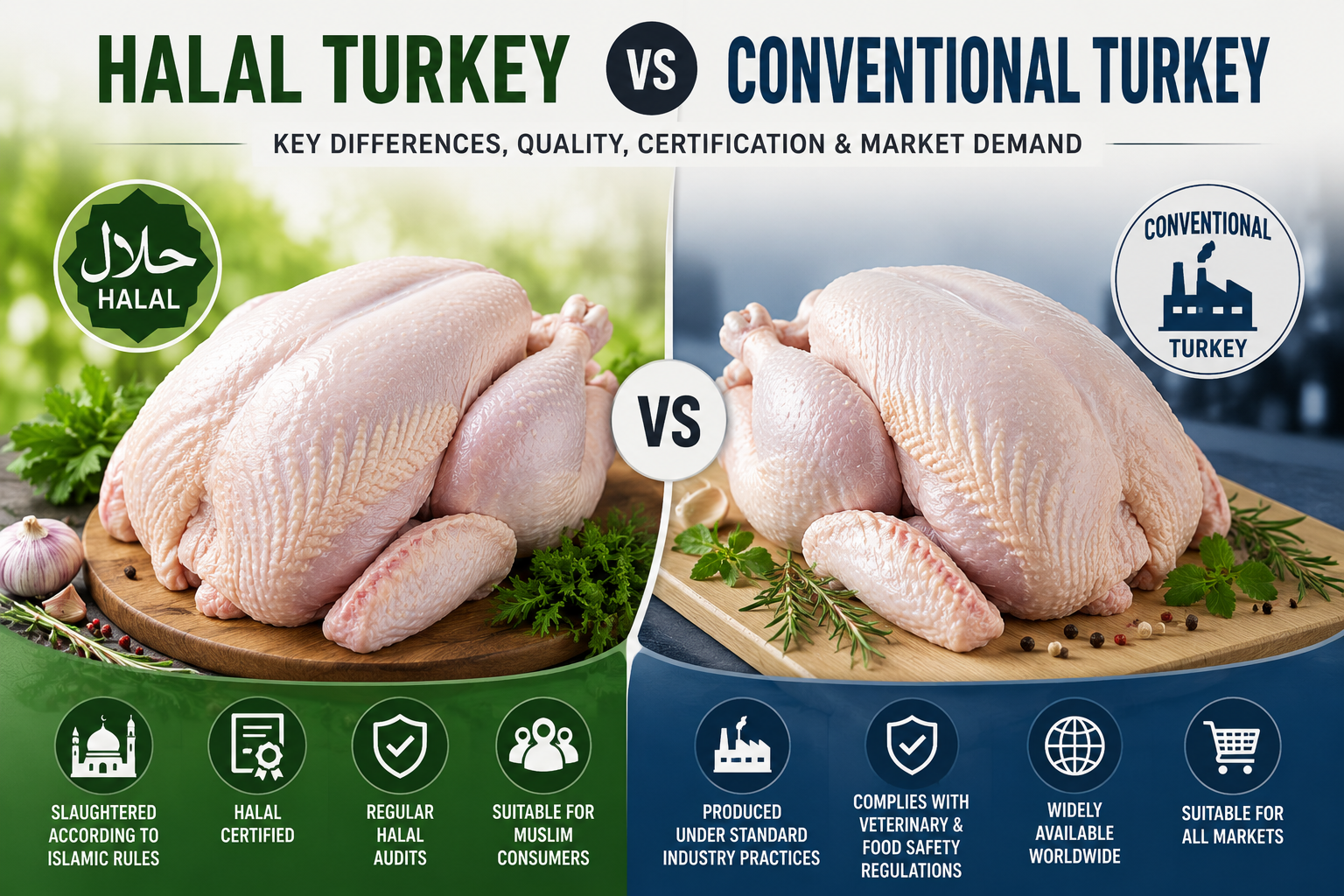
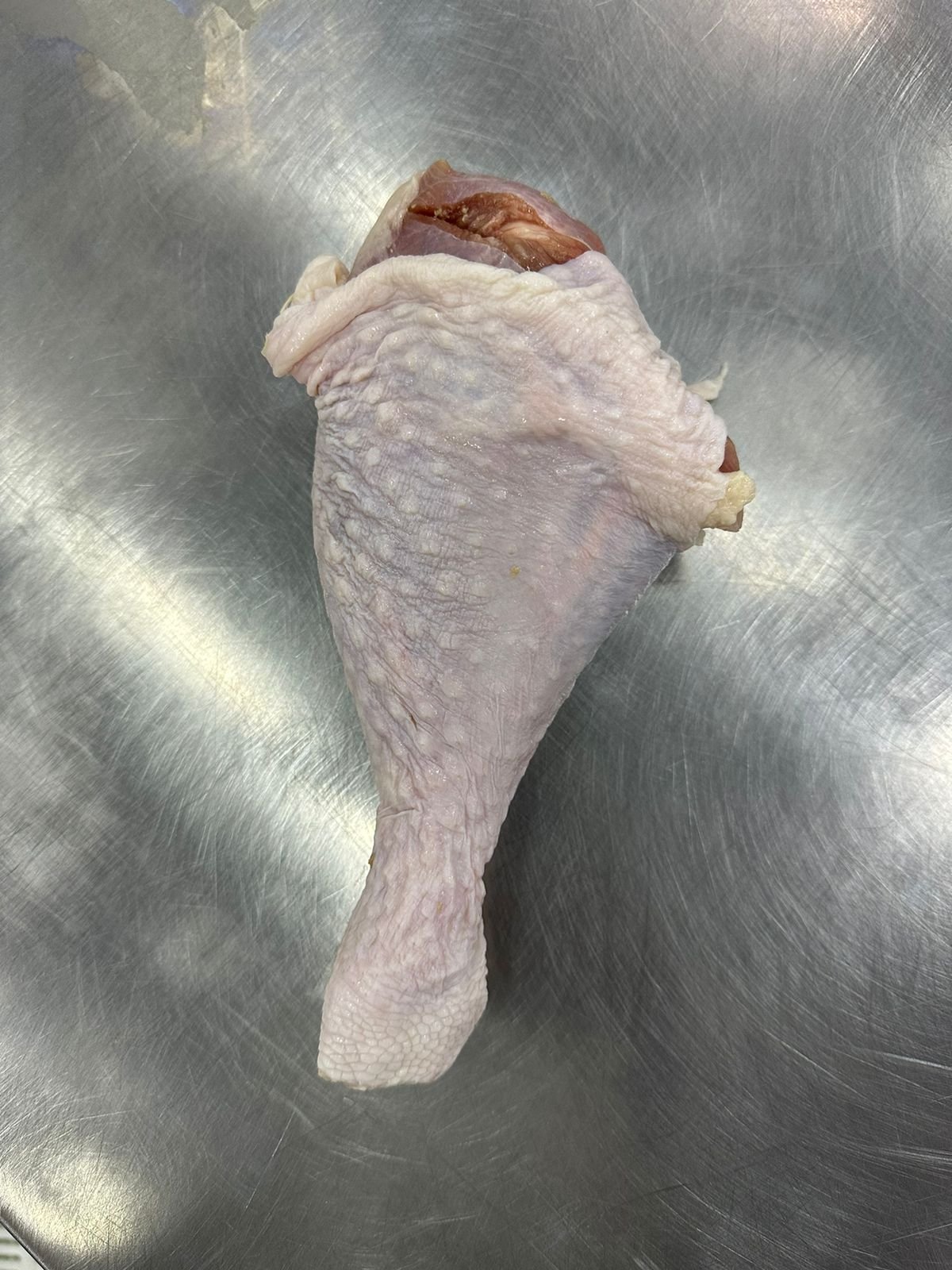
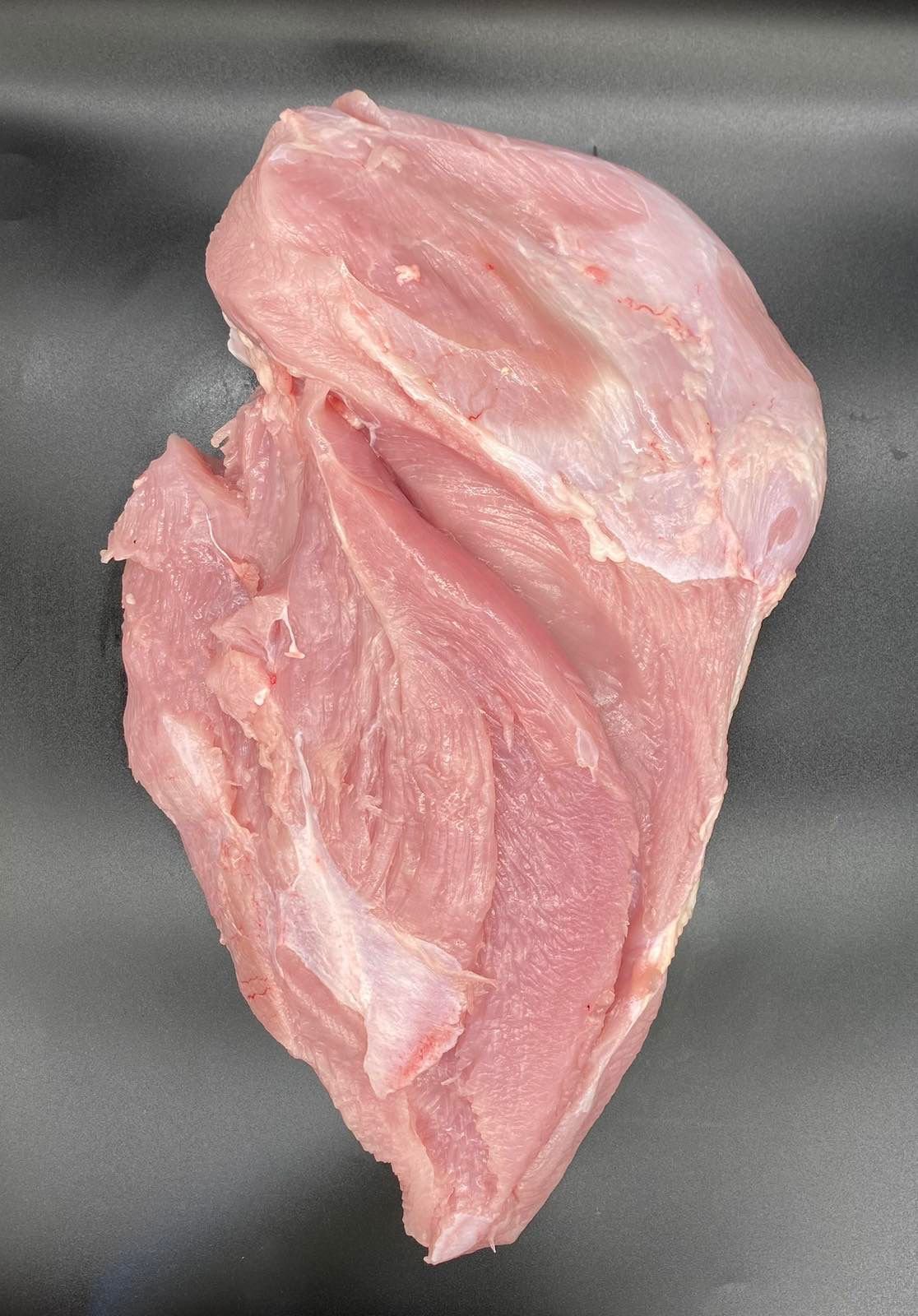
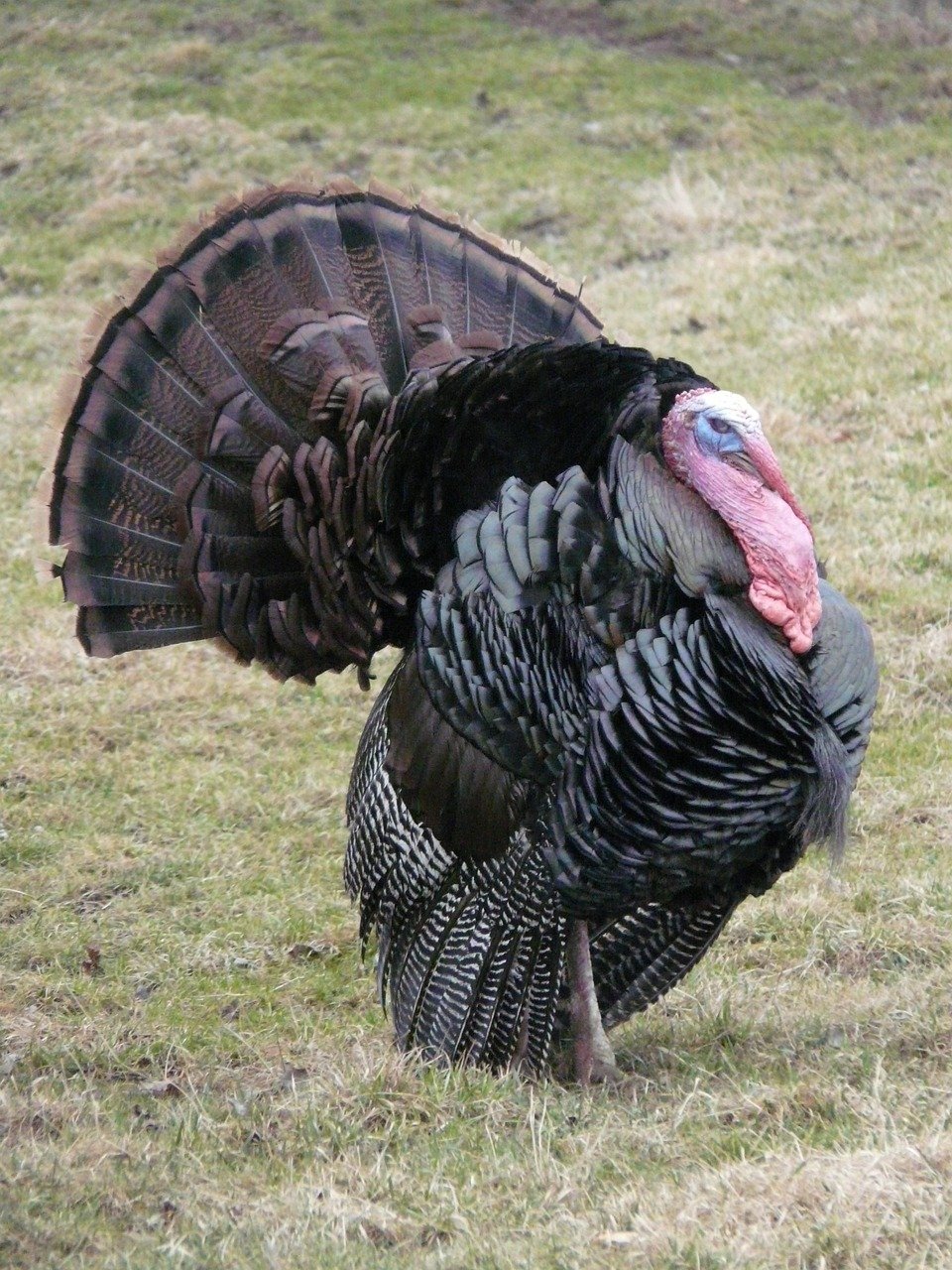
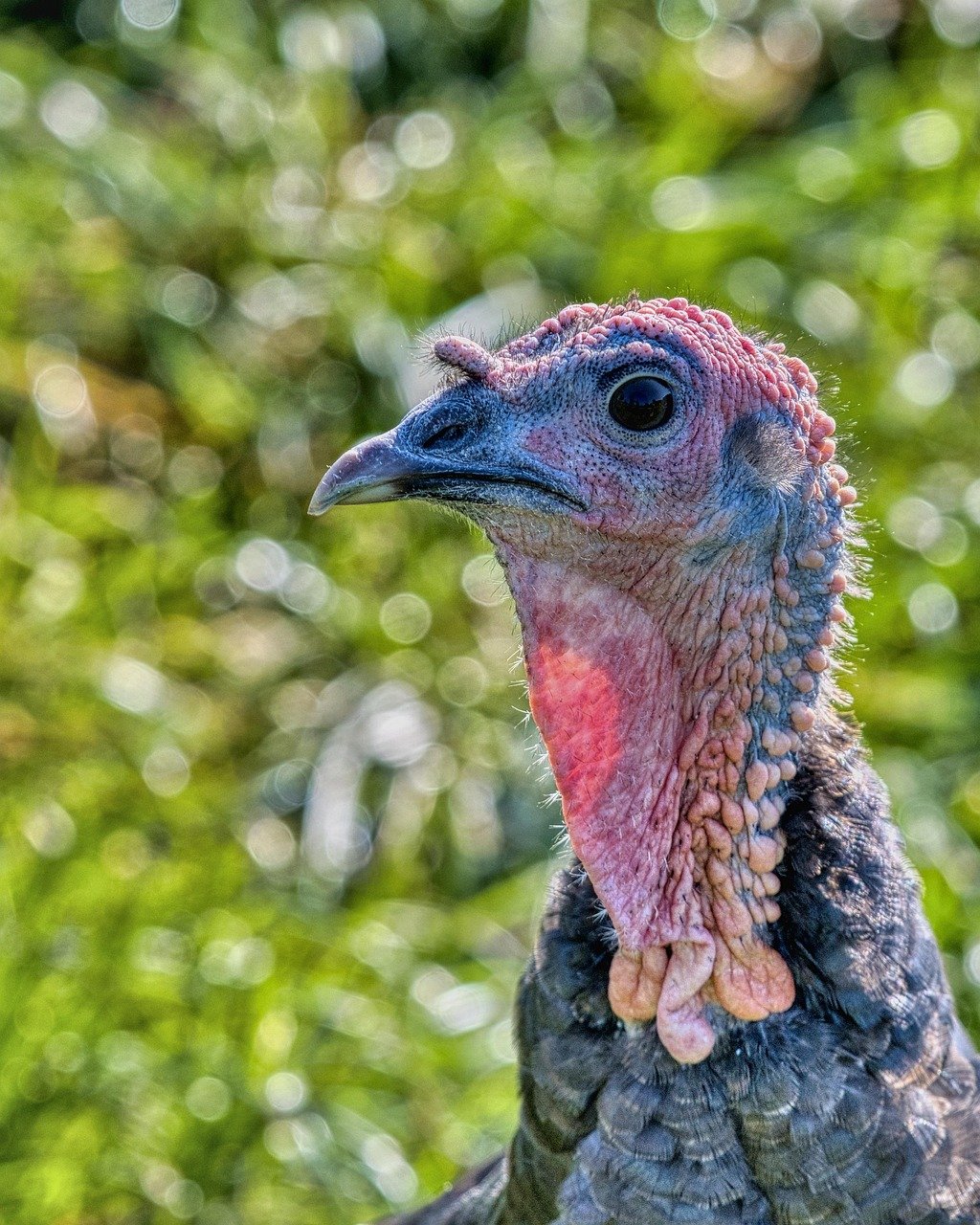
Turkey vs Chicken: Which Is Better for Importers?
Turkey vs Chicken: Which Is Better for Importers?
Introduction
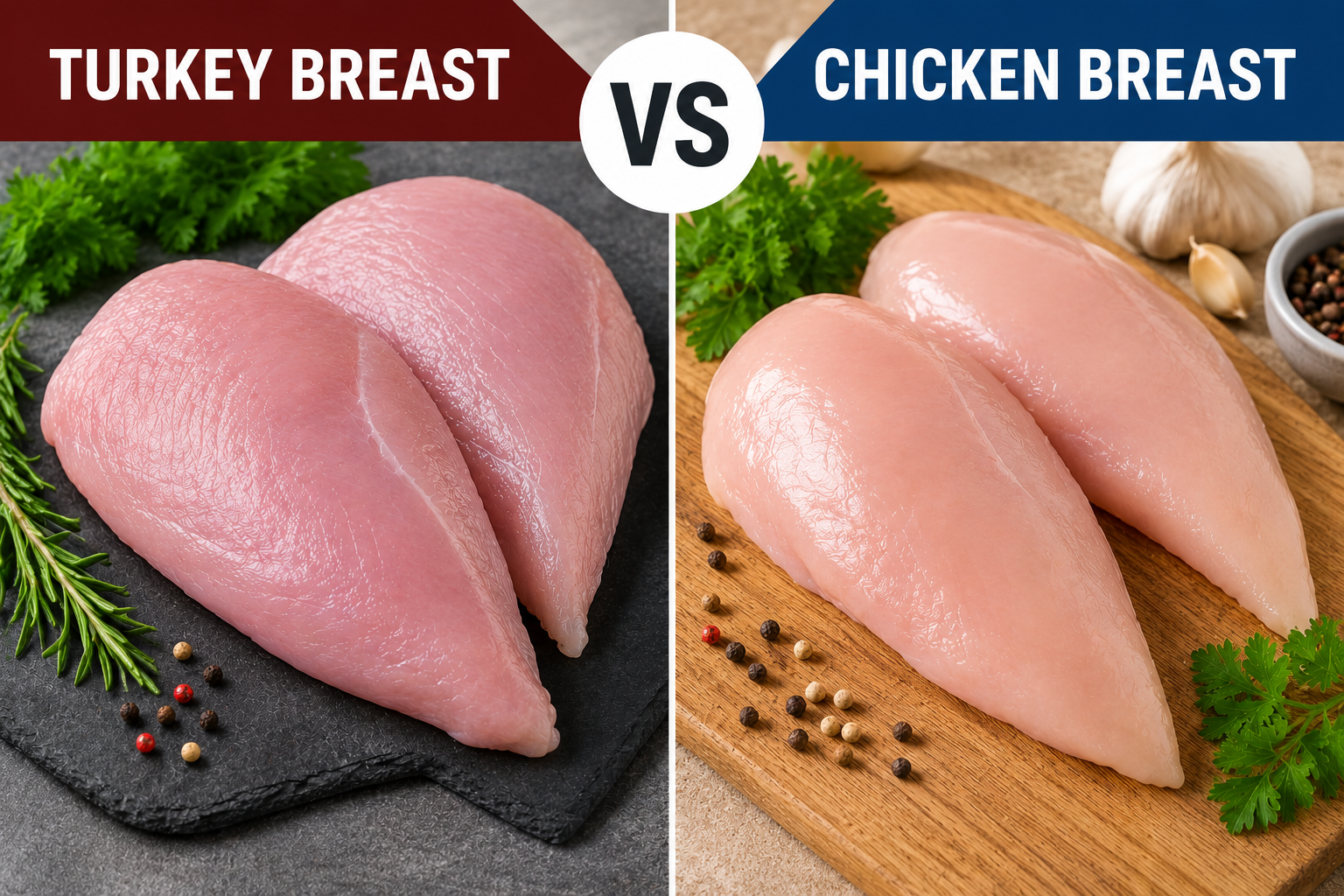
Turkey and chicken are among the most widely traded poultry products in the global meat industry. Both offer attractive opportunities for importers, distributors, retailers, foodservice operators, and food manufacturers. However, each product category has distinct advantages, challenges, and market dynamics that buyers should understand before making sourcing decisions.
As global demand for affordable protein continues to grow, importers are increasingly comparing turkey and chicken products based on pricing, profitability, consumer demand, product applications, supply stability, and long-term market potential.
This article explores the key differences between turkey and chicken from an importer’s perspective and examines which option may offer the best opportunities in different markets.
Global Market Overview
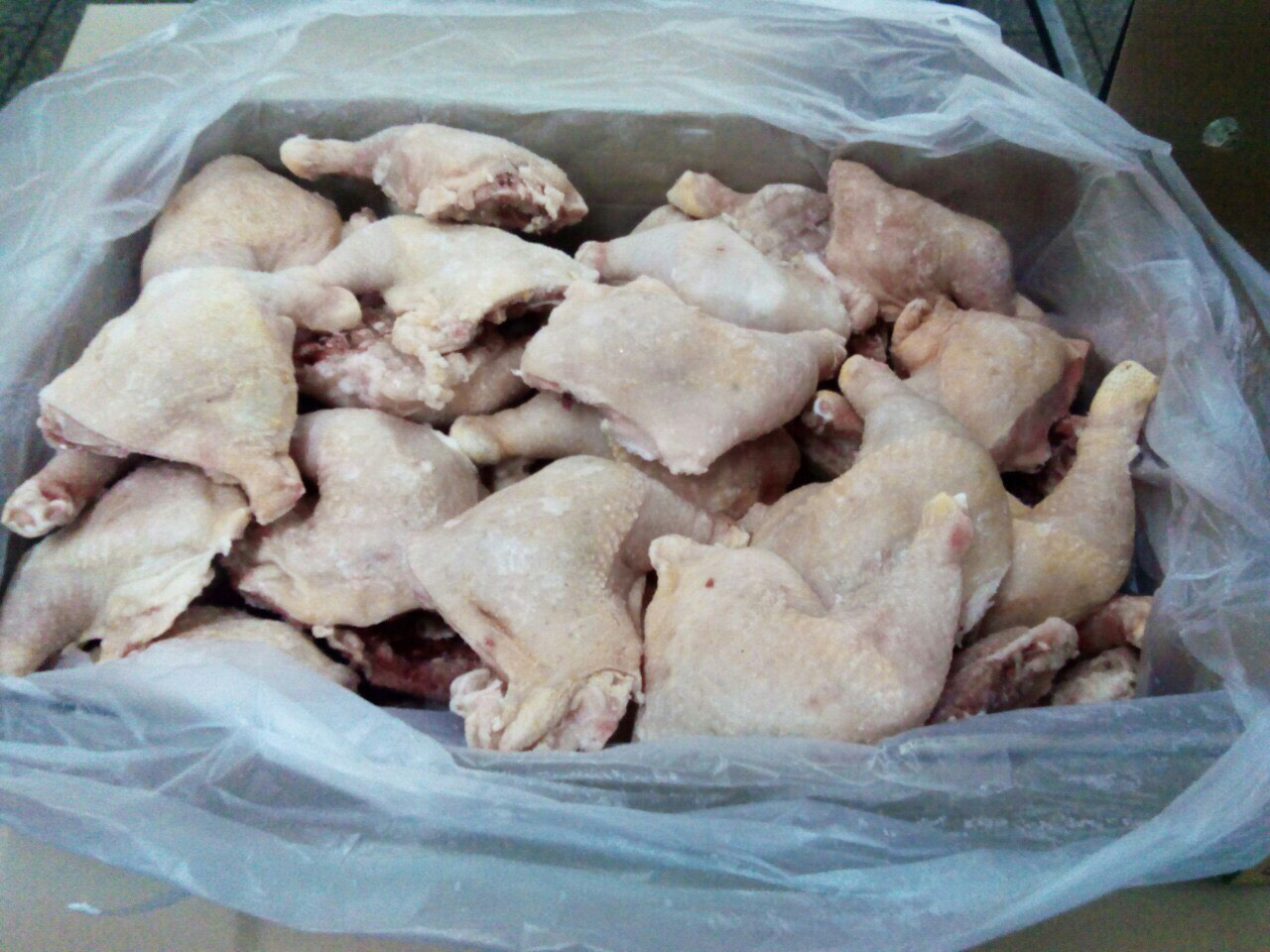
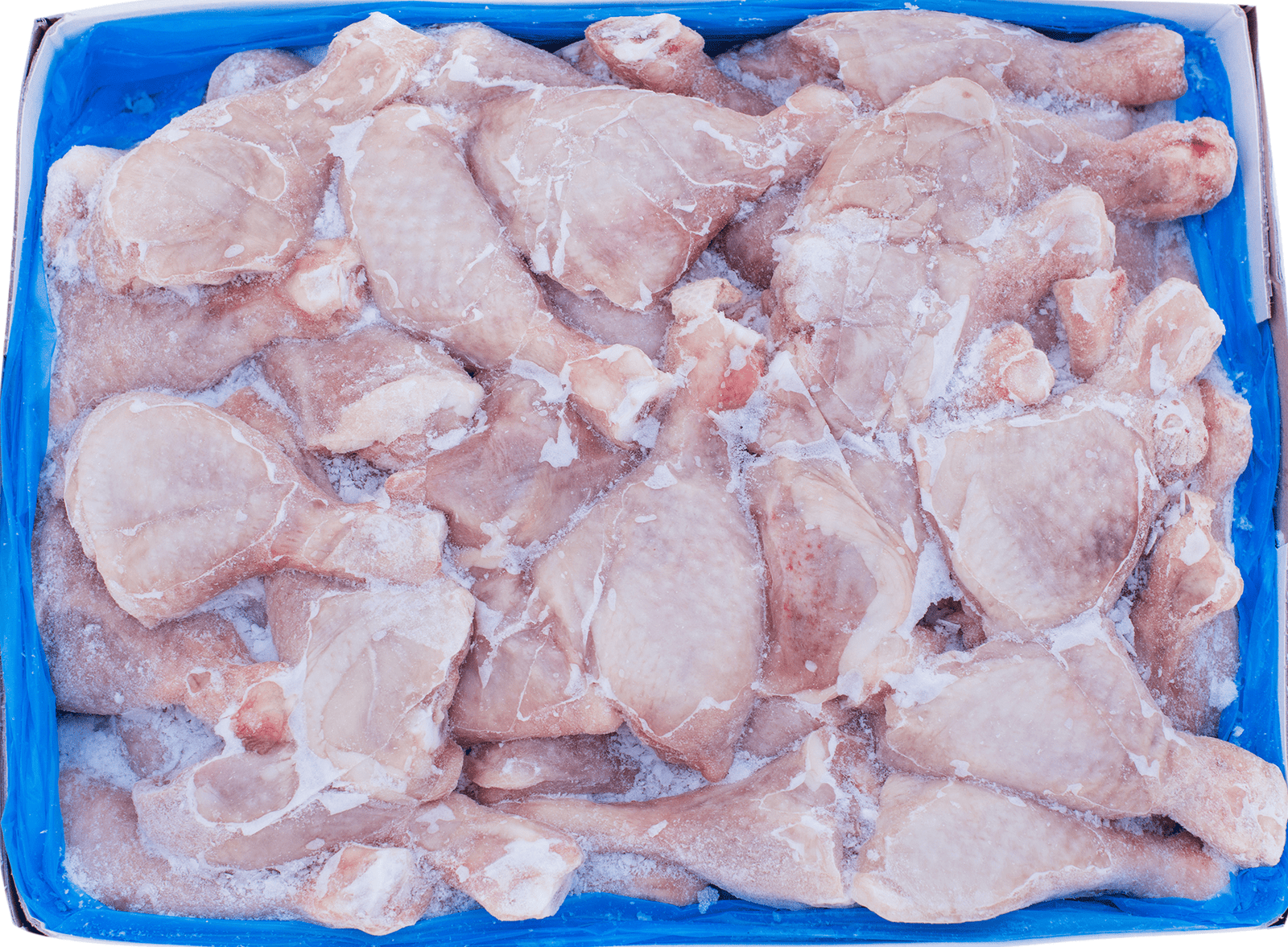
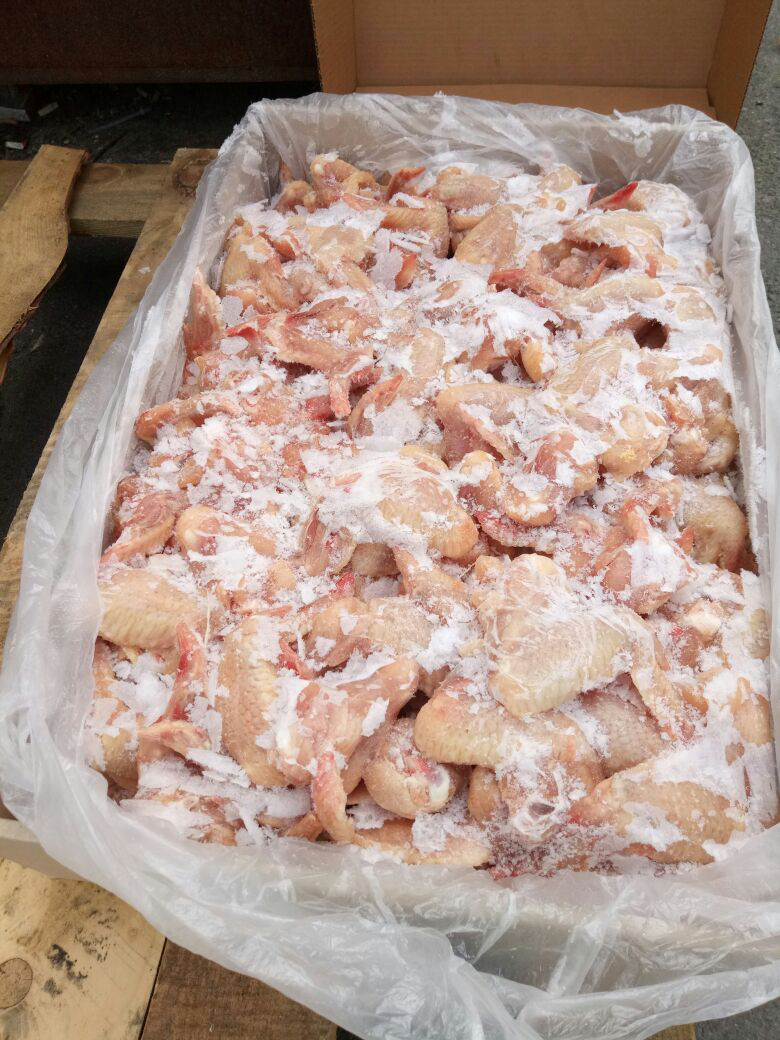
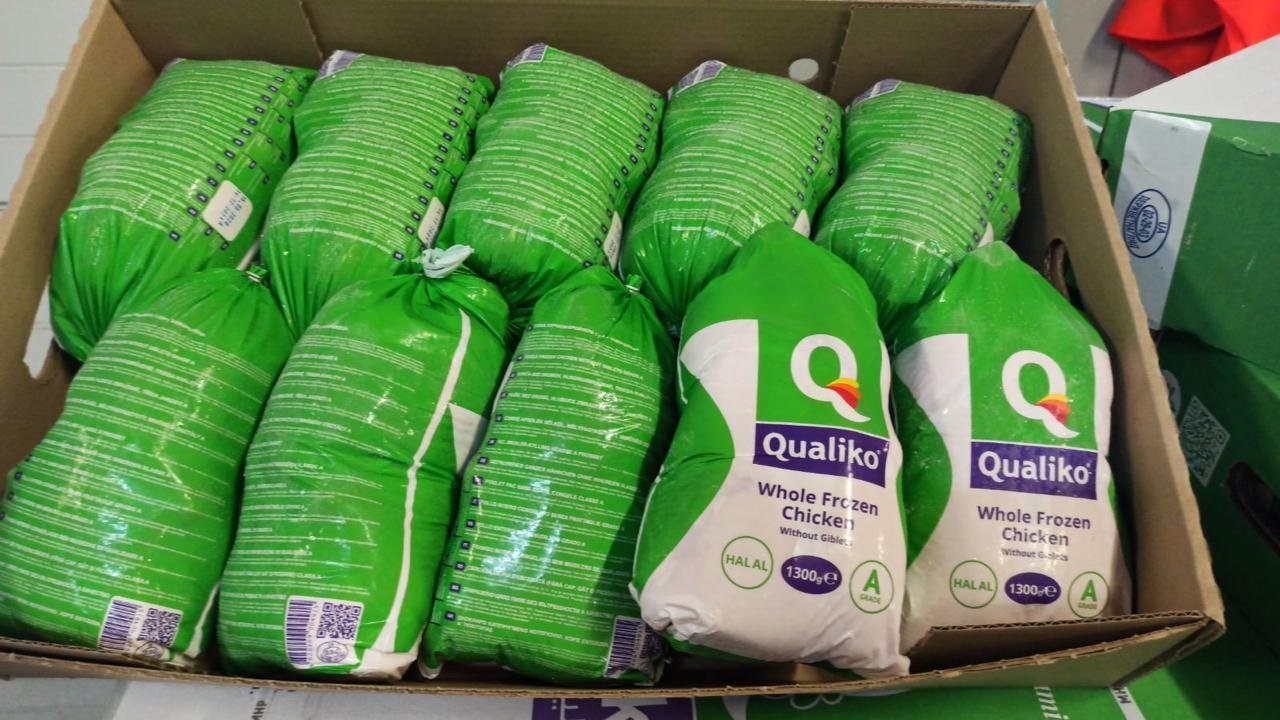
Chicken remains the dominant poultry protein worldwide due to its affordability, broad consumer acceptance, and massive production volumes. It is consumed in virtually every market and forms the foundation of many retail and foodservice sectors.
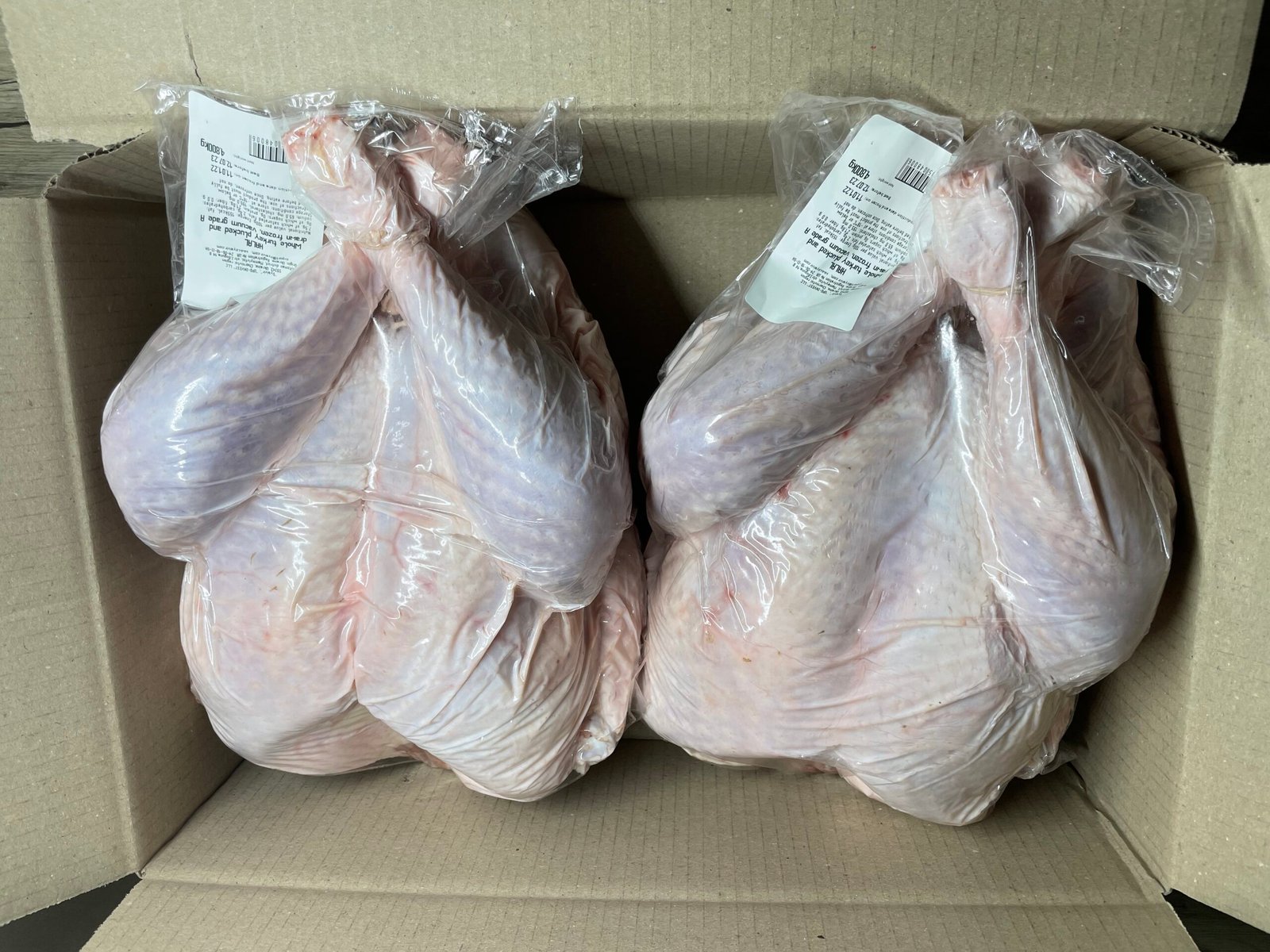
Turkey occupies a smaller but increasingly attractive market segment. It is often positioned as a premium poultry product and is gaining popularity among consumers seeking lean, high-protein alternatives.
Price Comparison
One of the primary reasons importers choose chicken is its competitive pricing. Global chicken production is significantly larger than turkey production, creating economies of scale.
Turkey products generally command higher prices due to:
• Lower production volumes
• Premium market positioning
• Larger bird size
• Higher processing value
For importers focused on price-sensitive markets, chicken may offer advantages. For buyers targeting premium segments, turkey can generate stronger margins.
Consumer Demand
Chicken enjoys universal demand across retail, foodservice, and industrial applications.
Turkey demand is growing due to:
• Health-conscious consumers
• High-protein diets
• Premium food trends
• Demand for alternative poultry products
In many markets, turkey consumption is increasing faster than chicken consumption, although from a smaller base.
Nutritional Comparison
Both products provide excellent protein content. However, turkey is often perceived as a healthier option because of its lean profile.
Turkey advantages:
• High protein content
• Lower fat levels in breast meat
• Premium healthy image
Chicken advantages:
• Familiarity among consumers
• Broad product range
• Competitive pricing
Retail Opportunities
Chicken dominates supermarket poultry sections. However, turkey products often occupy premium shelves where retailers can achieve higher margins.
Popular turkey retail products include:
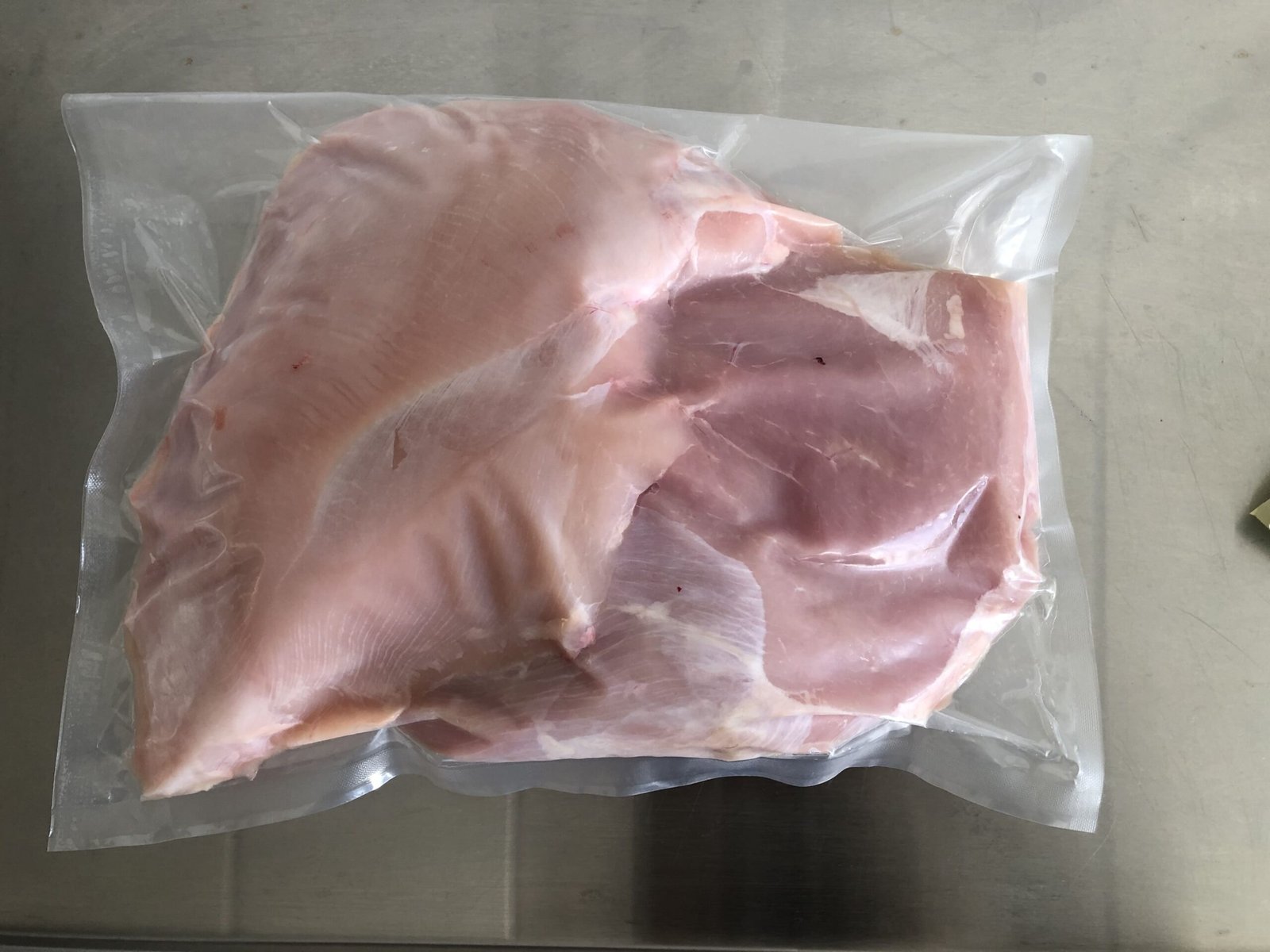
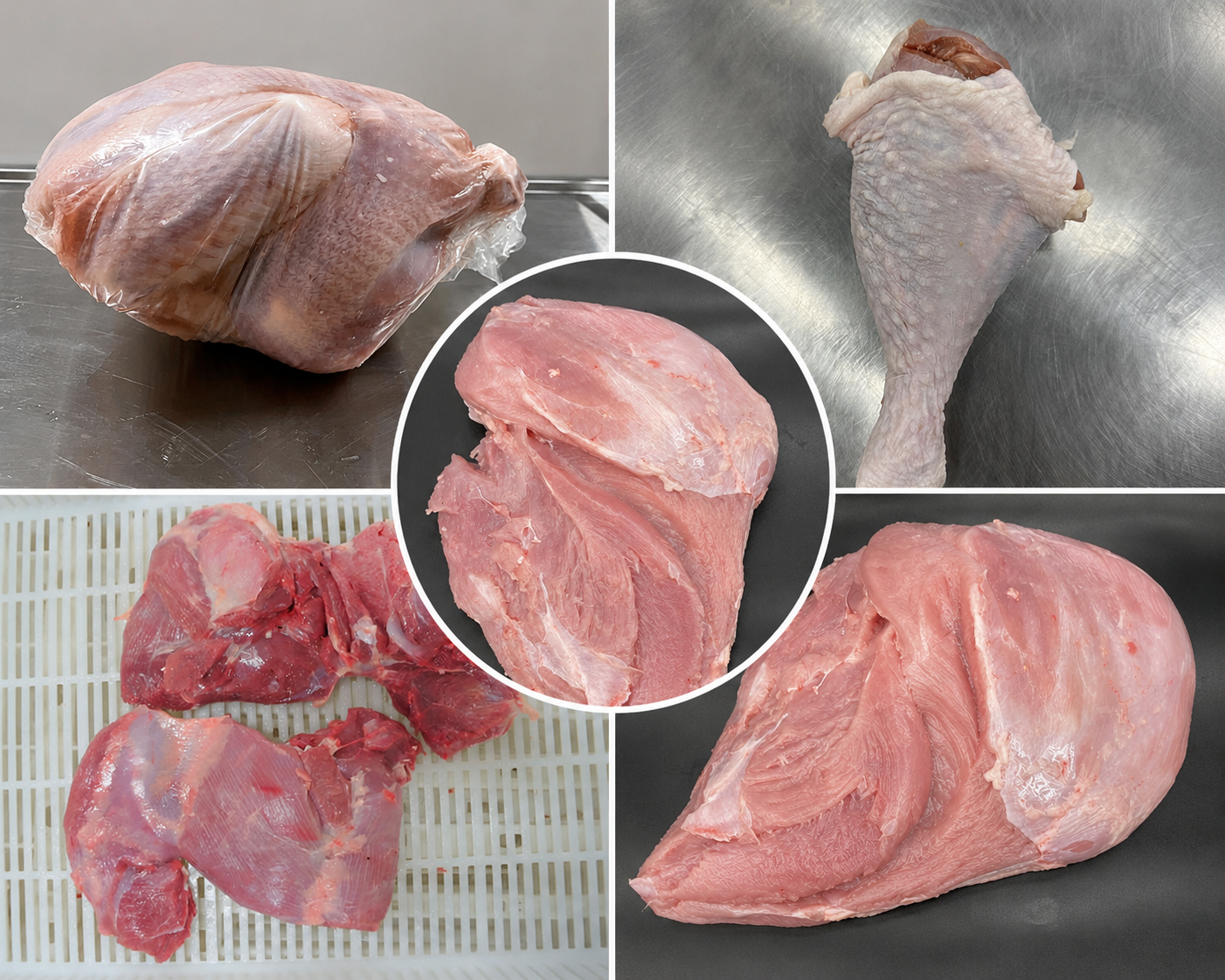
• Turkey breast fillets
• Turkey steaks
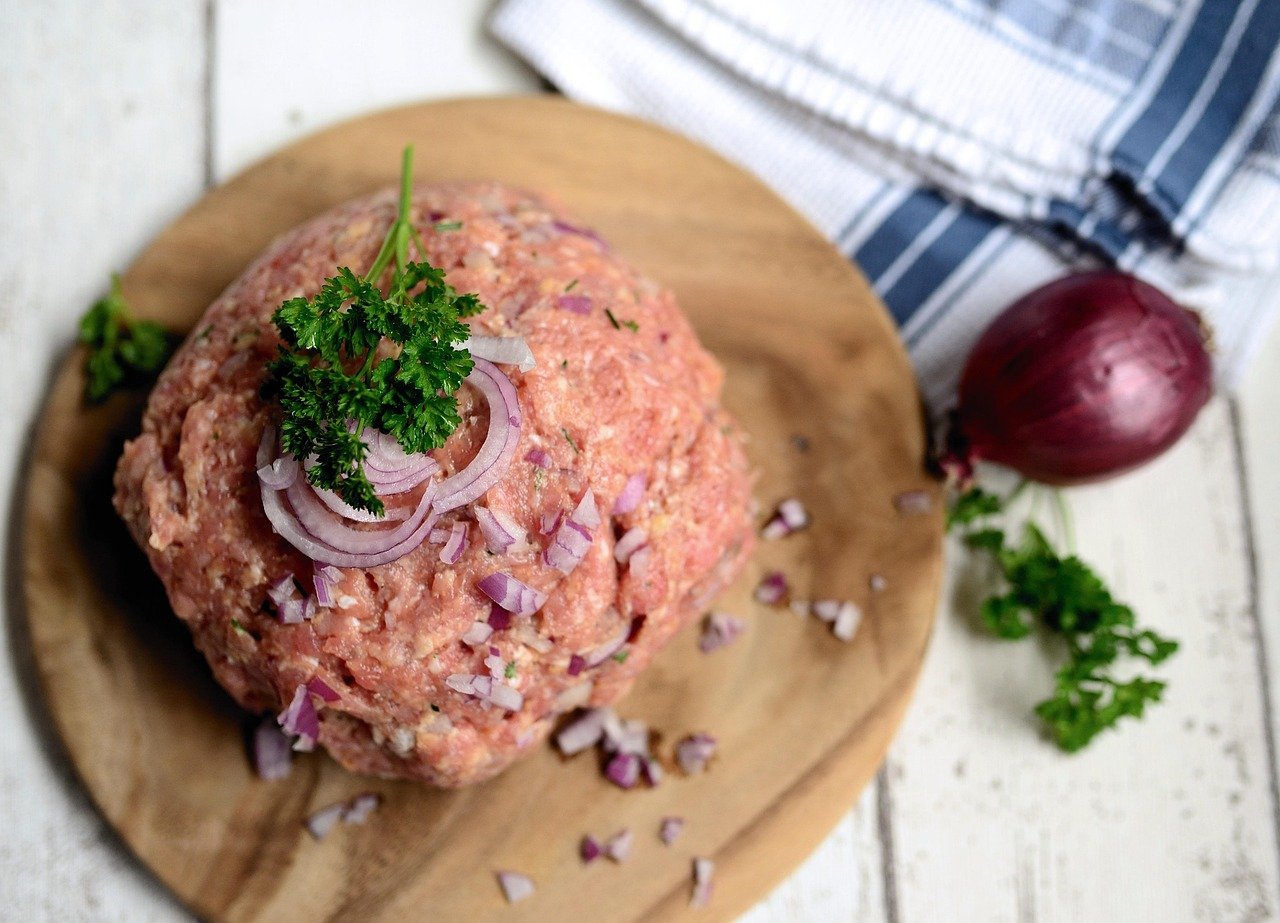
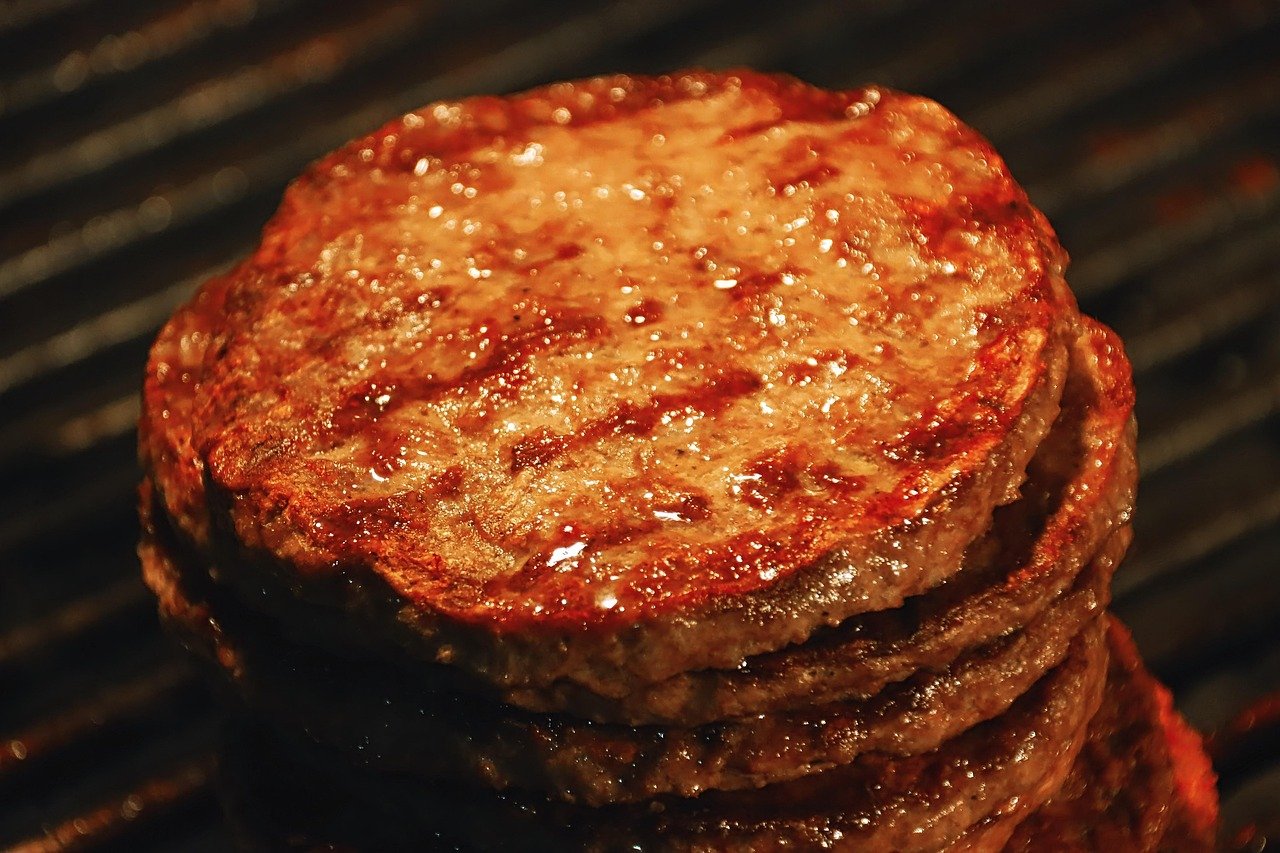
• Turkey burgers
• Turkey sausages
• Turkey deli meats
Chicken remains stronger in volume sales, while turkey often performs better in premium categories.
Foodservice Applications
Restaurants, hotels, and catering businesses use both products extensively.
Chicken is commonly used because:
• It is cost-effective
• Consumers are familiar with it
• Menu applications are virtually unlimited
Turkey offers:
• Premium menu positioning
• Health-focused meal options
• Product differentiation
Many foodservice operators use turkey to create higher-value menu items.
Industrial Food Production
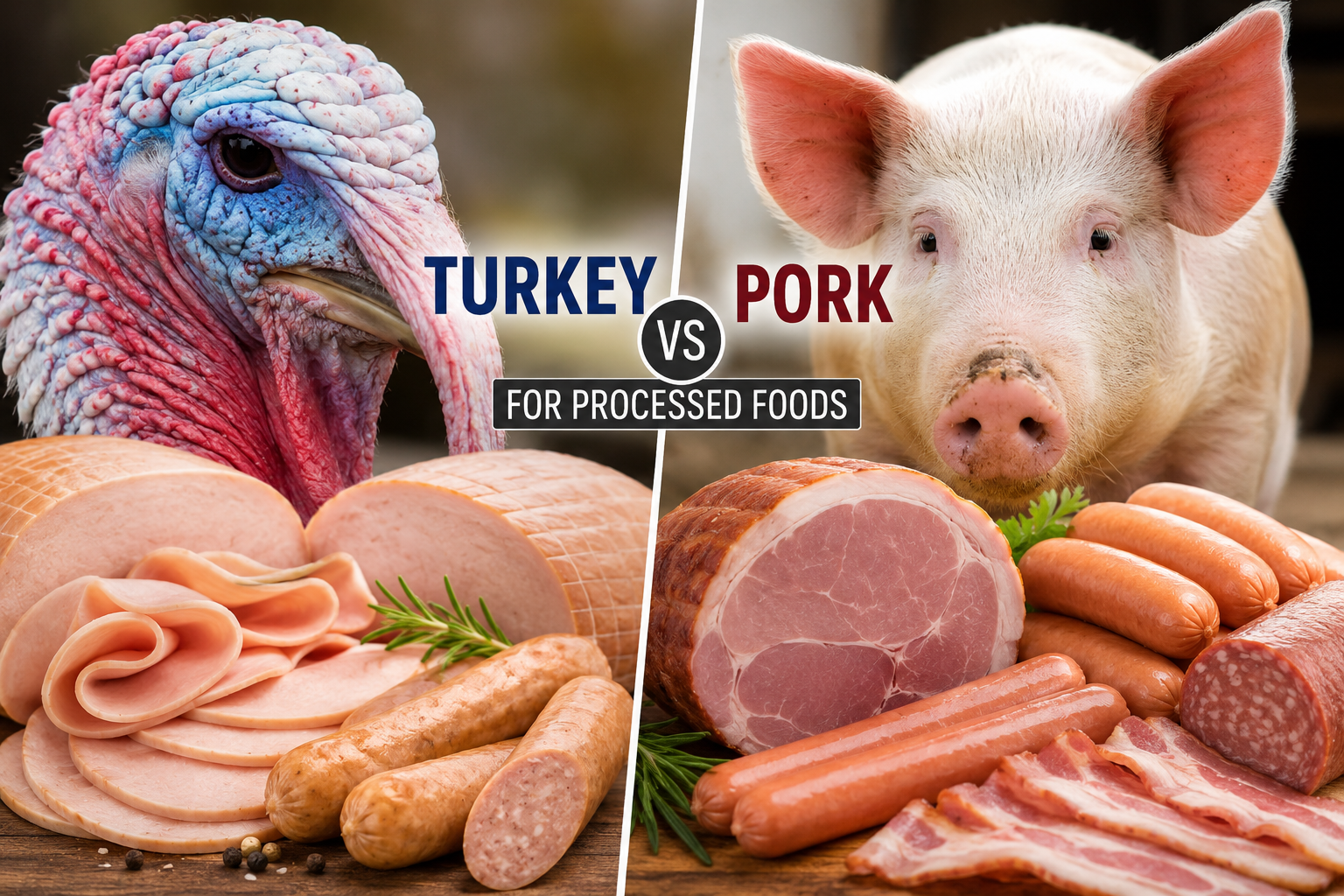
Both turkey and chicken are important ingredients in processed foods.
Chicken is widely used in:
• Nuggets
• Sausages
• Ready meals
• Processed poultry products
Turkey is increasingly used in:
• Premium sausages
• Deli meats
• Healthy convenience foods
• High-protein products
Supply Stability
Chicken benefits from larger global production volumes and more diversified supply chains.
Turkey production is concentrated in fewer countries, but major exporters often provide reliable year-round supply programs.
Importers should evaluate:
• Production capacity
• Export experience
• Logistics capabilities
• Food safety standards
Profit Margin Potential
Chicken generally offers higher sales volume but lower margins.
Turkey often provides:
• Premium pricing
• Better differentiation
• Stronger branding opportunities
• Higher value-added potential
For many importers, turkey products can generate superior profitability despite lower sales volumes.
Halal Market Considerations
Both turkey and chicken can be supplied with halal certification.
Turkey is becoming increasingly attractive in halal markets because it offers product differentiation while meeting religious requirements.
Storage and Logistics
Both products require cold-chain management.
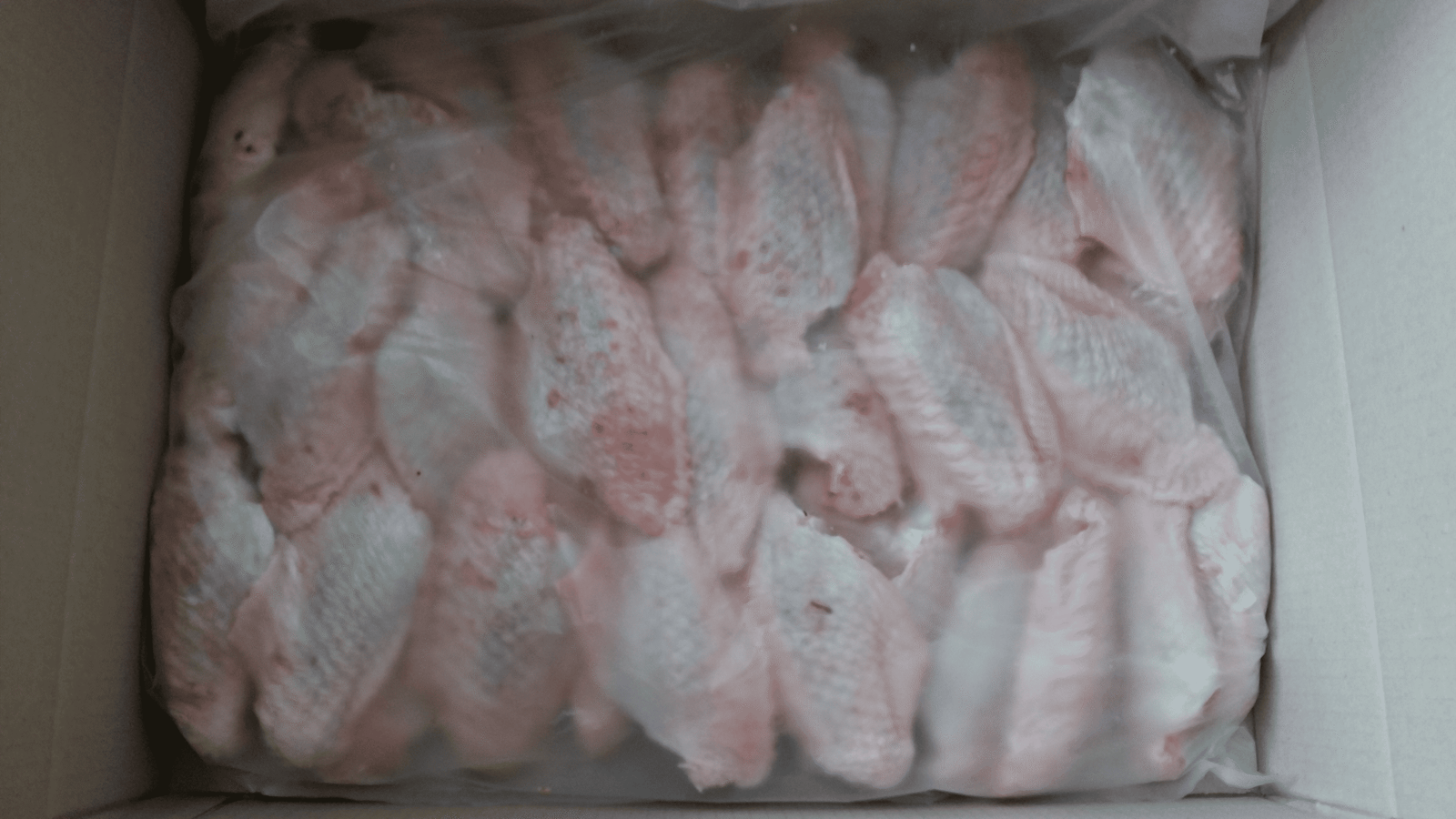
Frozen turkey products often provide:
• Longer inventory flexibility
• Premium export positioning
• Diverse product formats
Chicken benefits from established global logistics networks and widespread market familiarity.
Sustainability Considerations
Sustainability is becoming increasingly important in purchasing decisions.
Importers now evaluate suppliers based on:
• Resource efficiency
• Waste reduction
• Animal welfare standards
• Environmental practices
Both industries continue investing in sustainable production methods.
Market Trends
Several trends are shaping future demand:
• Rising global protein consumption
• Growth of convenience foods
• Increased focus on health and wellness
• Expansion of premium food categories
• Growth in halal-certified products
These trends support continued opportunities for both turkey and chicken importers.
Which Is Better for Importers?
The answer depends largely on market objectives.
Choose Chicken If:
• Price competitiveness is critical
• Target markets are highly price-sensitive
• High sales volume is the primary objective
• Broad consumer acceptance is required
Choose Turkey If:
• Premium positioning is important
• Higher margins are desired
• Health-conscious consumers are a target audience
• Product differentiation is a priority
Many successful importers carry both product categories to maximize market coverage.
Conclusion
Turkey and chicken each offer unique advantages for international importers. Chicken remains the global volume leader due to affordability and widespread demand, while turkey continues gaining popularity as a premium, high-protein poultry option.
Importers seeking high-volume sales may find chicken more attractive, while those focused on premium markets, healthier products, and stronger margins may benefit from expanding their turkey portfolio. A balanced strategy that incorporates both products can often provide the greatest long-term growth potential.