Premium Turkey Fillet for International Buyers
Premium Turkey Fillet for International Buyers
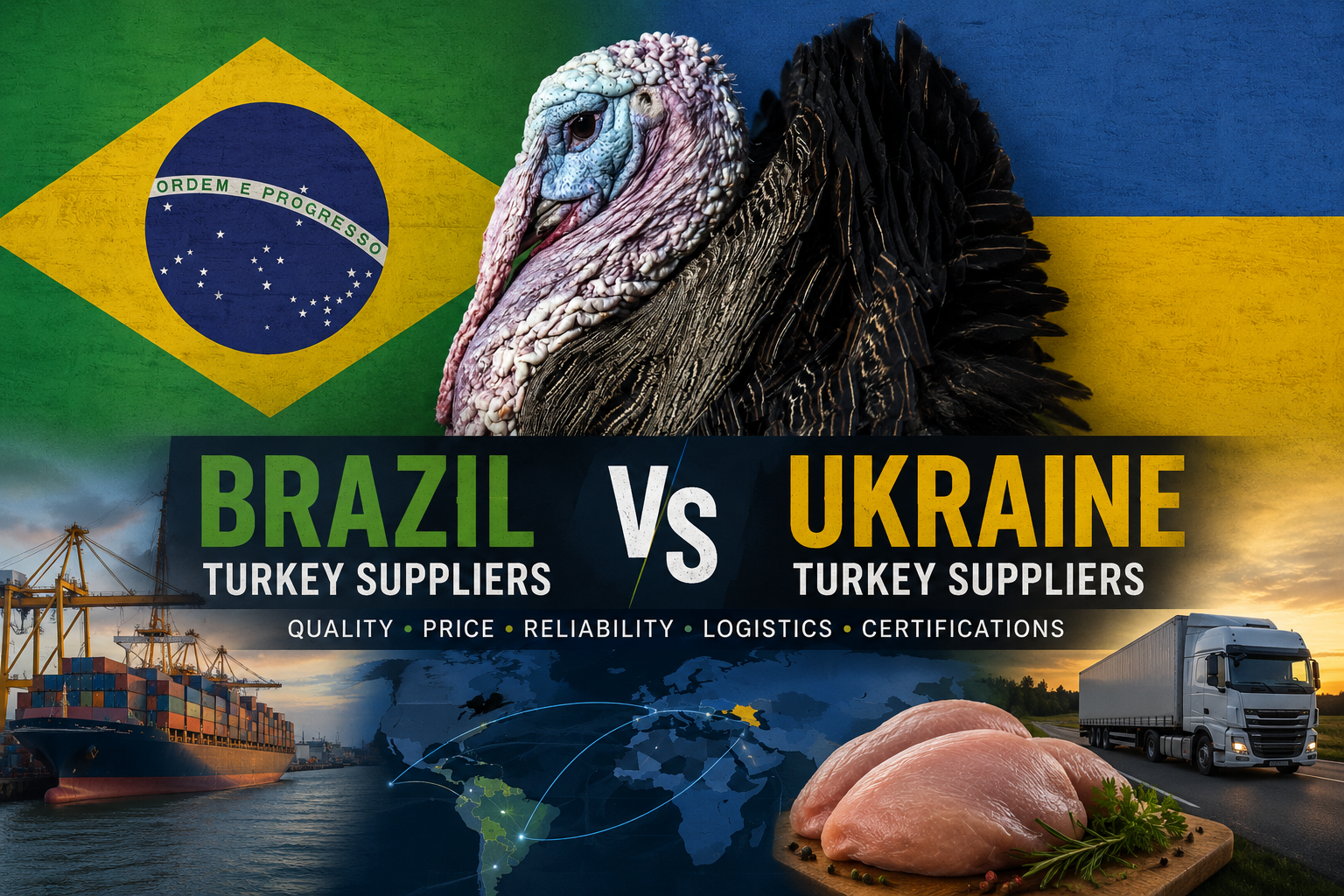
Premium turkey fillet is among the highest-value poultry products traded internationally. Known for its lean protein content, tender texture, and versatility, turkey breast fillet is increasingly demanded by importers, distributors, retailers, foodservice companies, and food manufacturers worldwide.
As consumers continue to seek healthier protein alternatives, premium turkey fillet has become an attractive product for both developed and emerging markets. Its ability to fit into retail, foodservice, and industrial applications makes it a strategic product for international buyers.
What Is Premium Turkey Fillet?
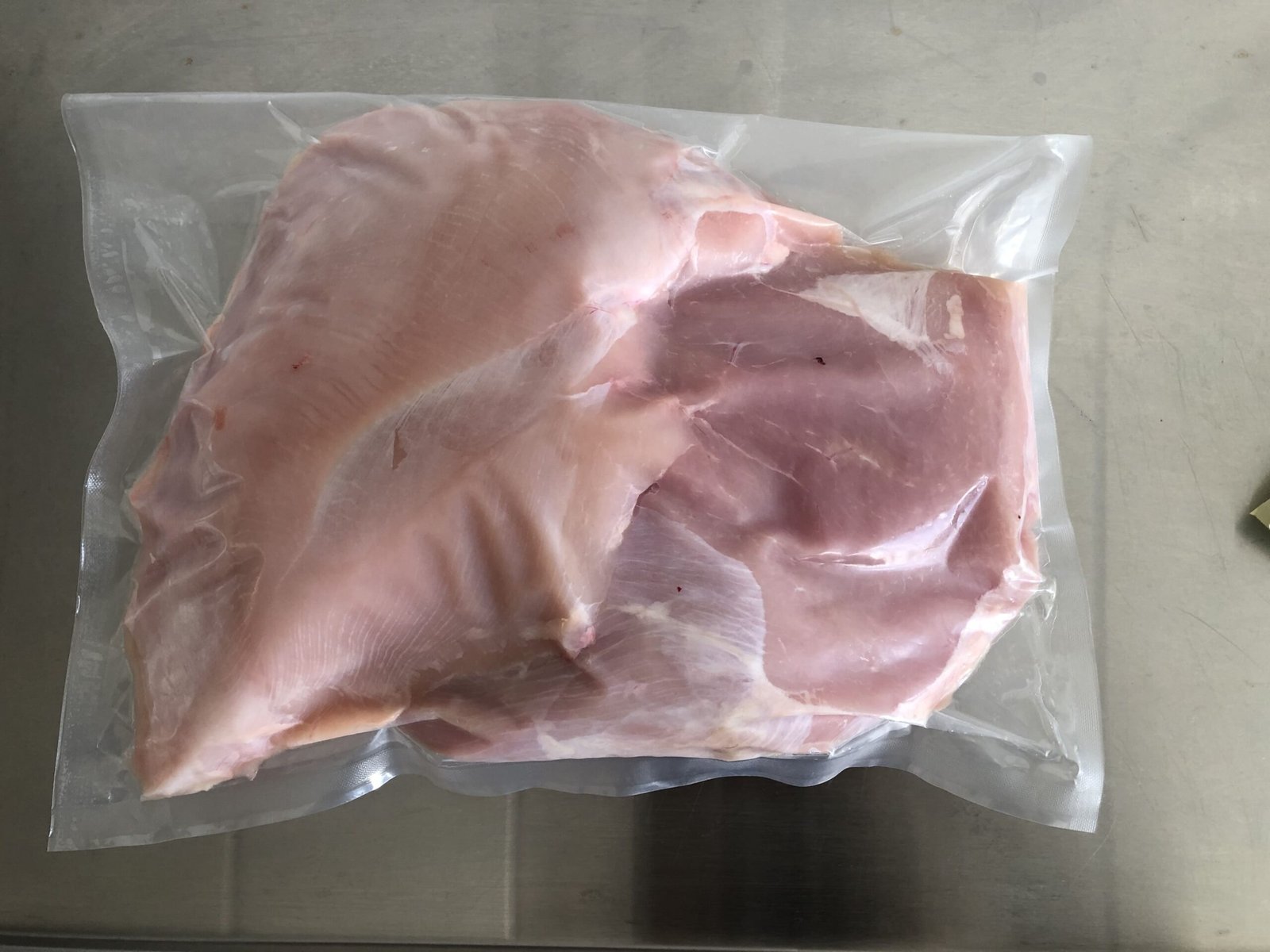
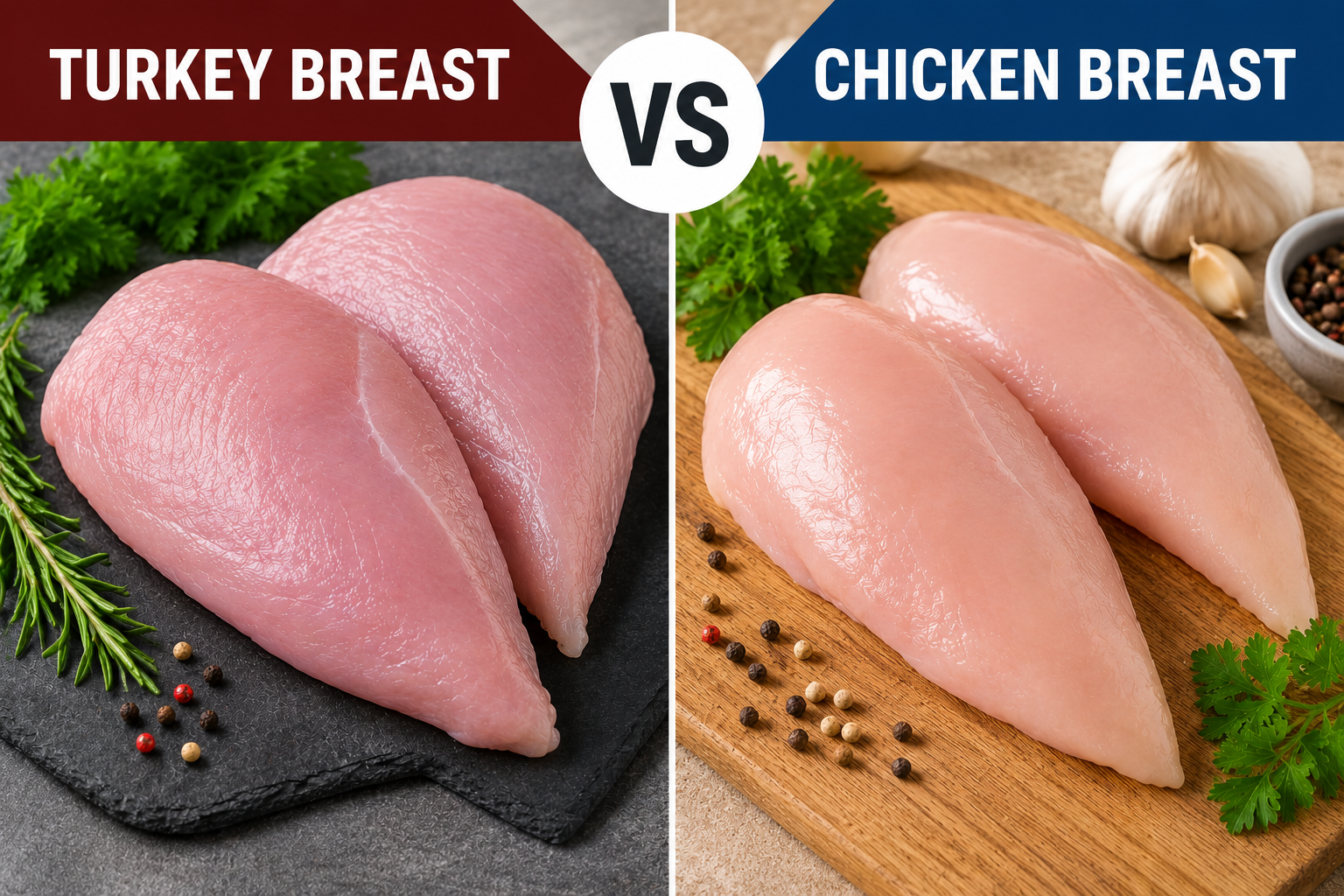
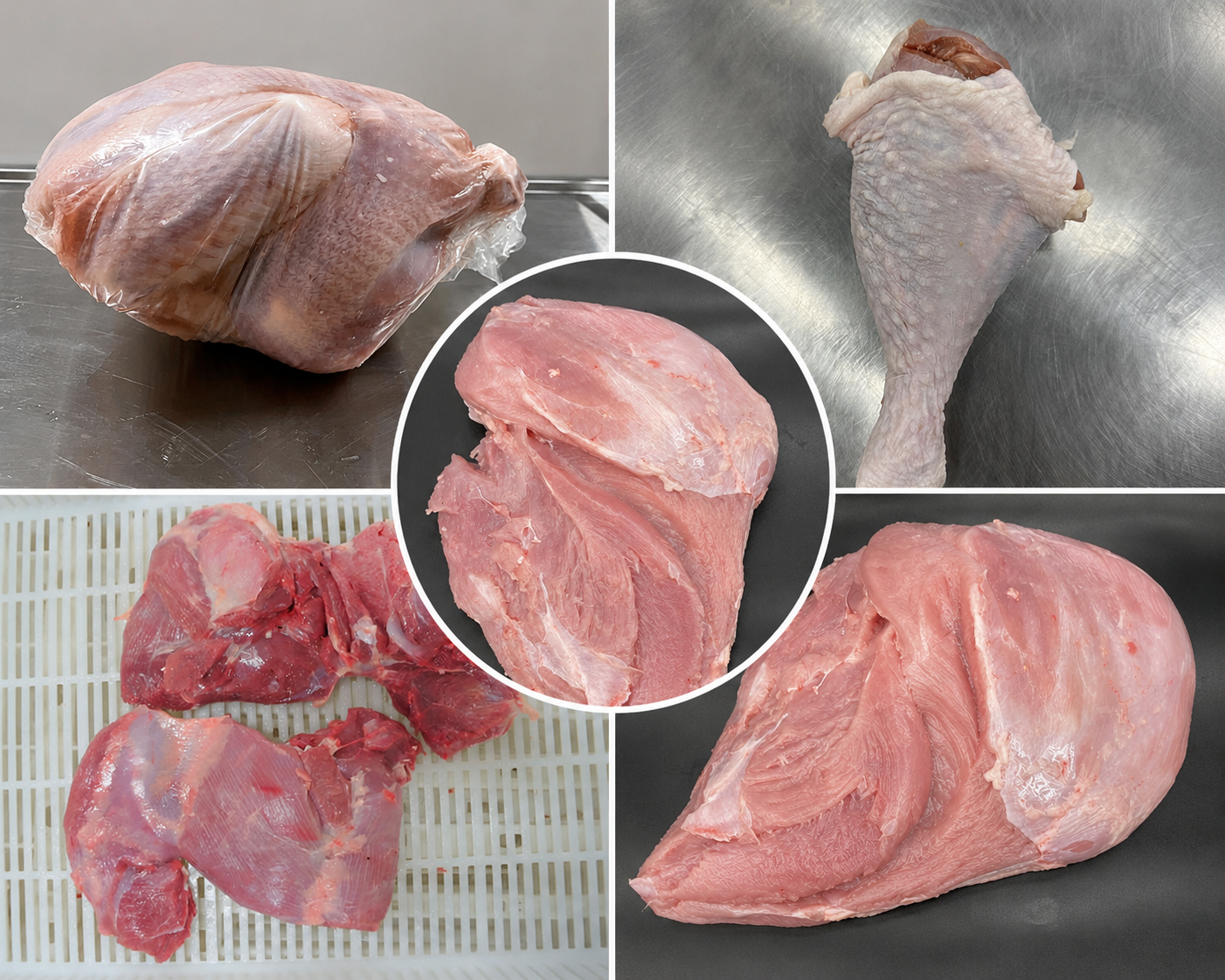
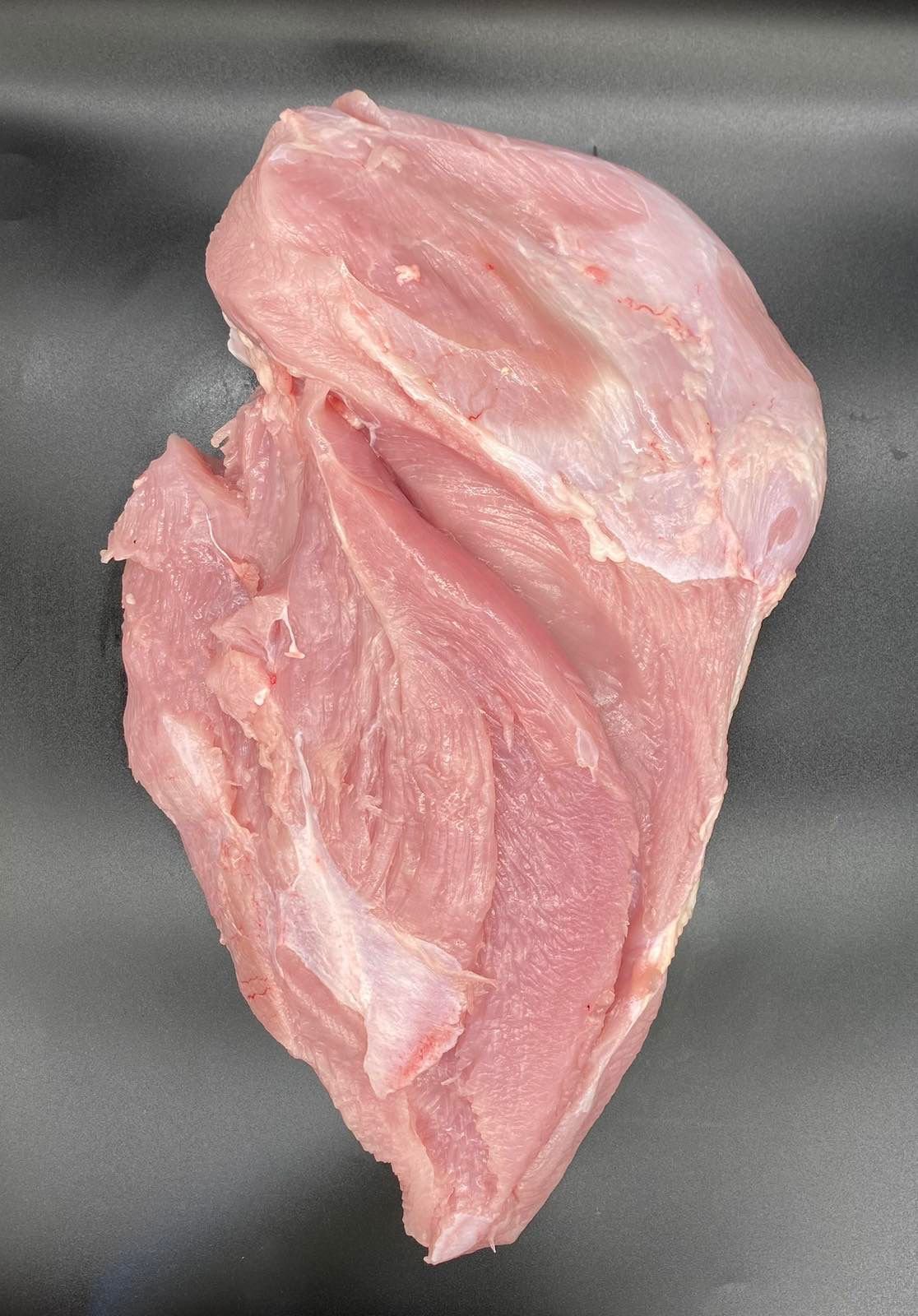
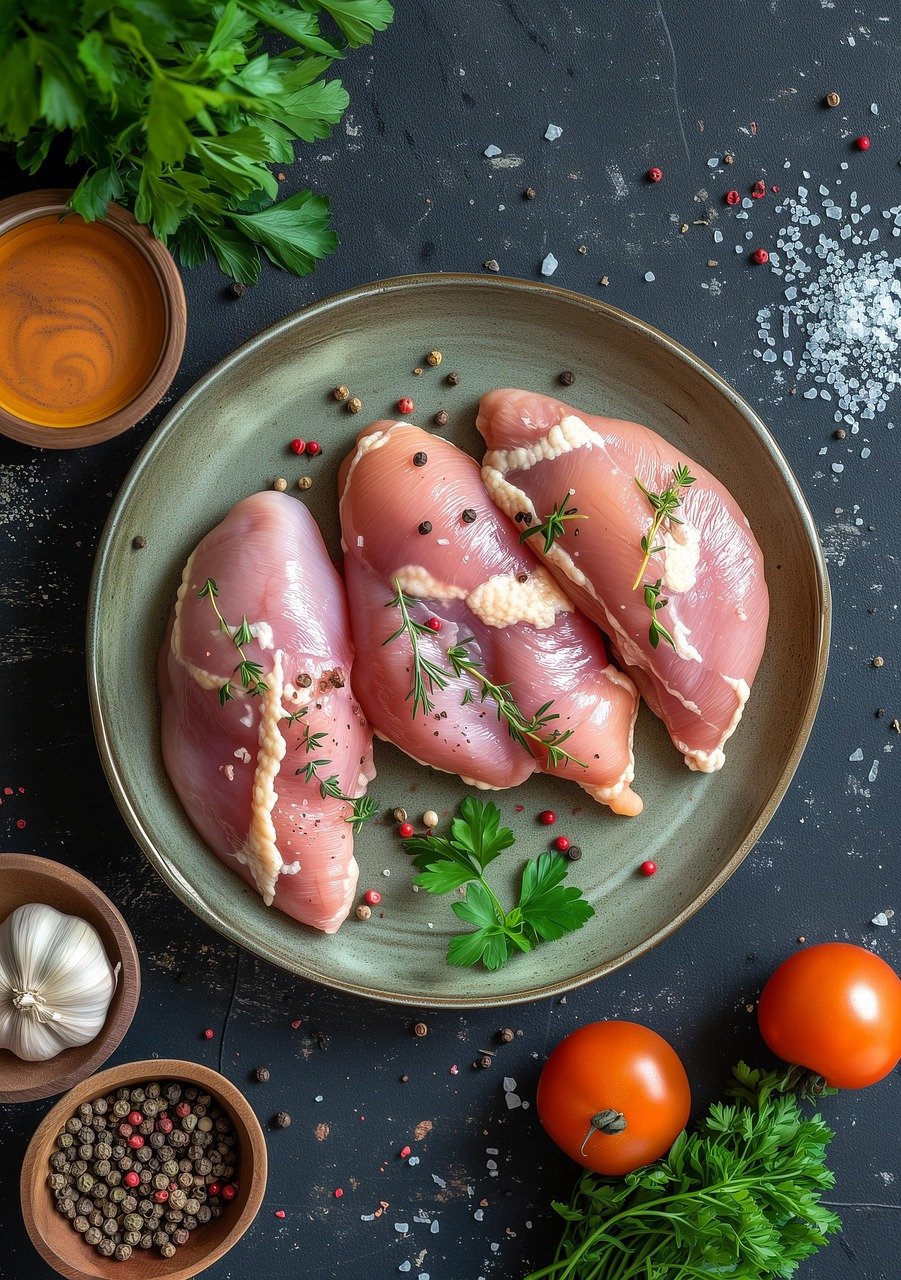
Turkey fillet is boneless breast meat obtained from the turkey breast. Premium-grade fillets are carefully trimmed, processed under strict hygiene standards, and selected according to customer specifications.
Key characteristics include:
• High protein content
• Low fat levels
• Consistent size and appearance
• Tender texture
• Excellent yield
• Broad culinary applications
Why International Buyers Choose Premium Turkey Fillet
Global demand is driven by several factors:
• Growth of healthy eating trends
• Demand for premium poultry products
• Expansion of foodservice industries
• Growth of ready-to-cook meal solutions
• Increasing consumer awareness of lean proteins
Turkey fillet offers a premium alternative to many traditional meat products while remaining versatile and cost-efficient.
Applications
Retail:
• Fresh turkey fillets
• Frozen turkey breast
• Marinated turkey products
• Vacuum-packed premium poultry
Foodservice:
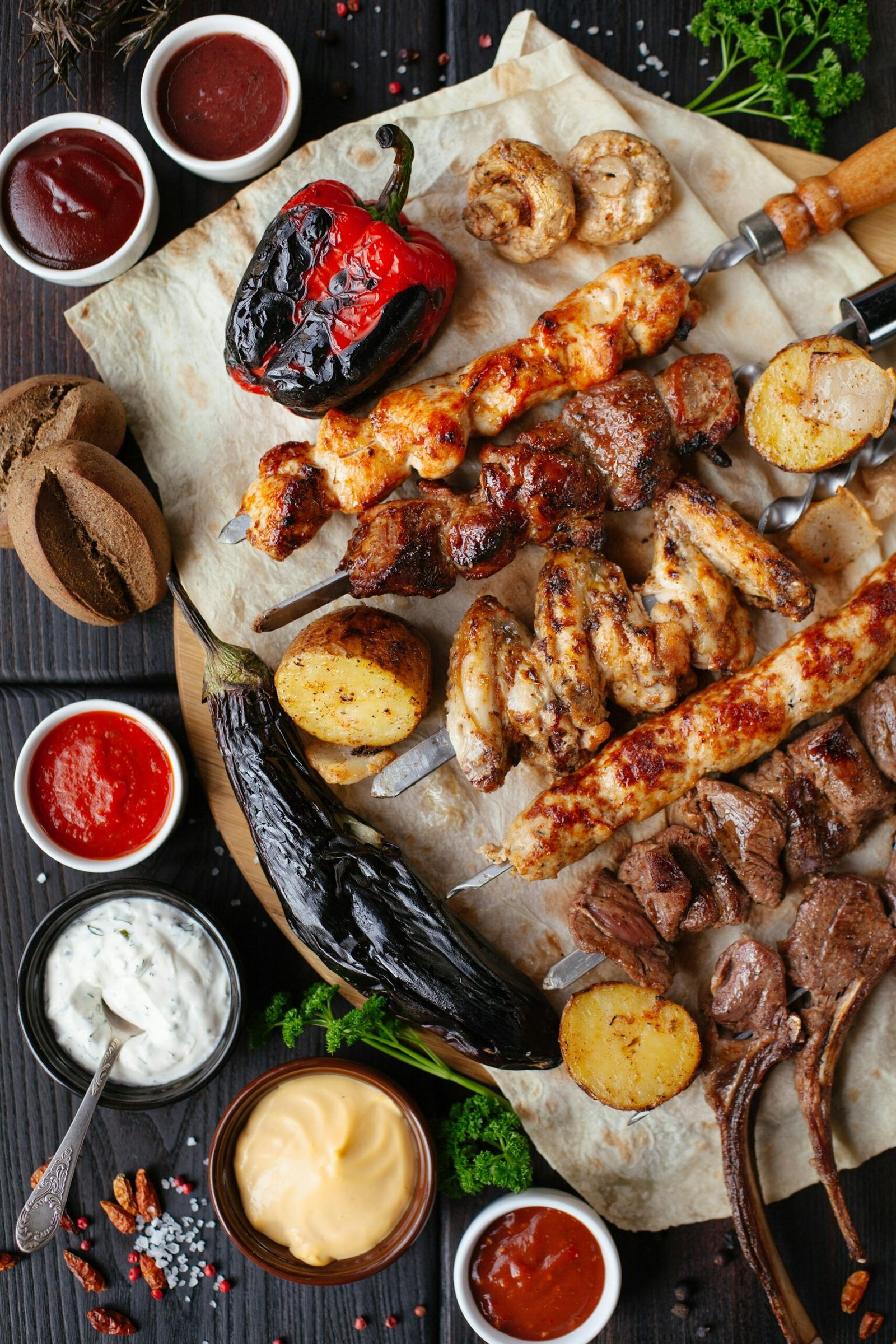
• Grilled turkey dishes
• Sandwiches and wraps
• Salads
• Catering menus
• Hotel and restaurant offerings
Food Manufacturing:
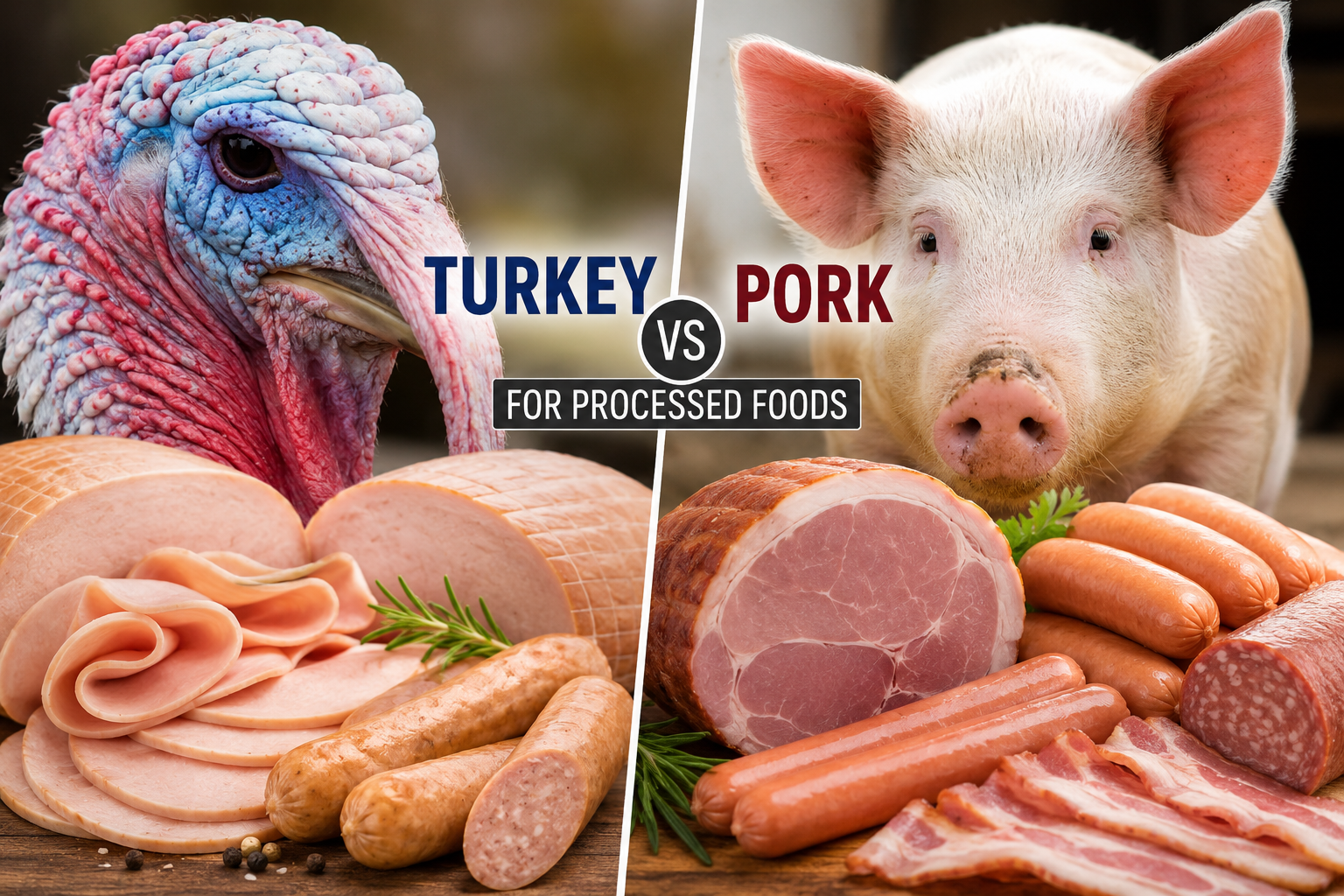
• Deli meats
• Ready meals
• Premium processed products
• High-protein food applications
Quality Requirements
International buyers typically evaluate:
• Product origin
• Fillet size and weight
• Color consistency
• Fat content
• Moisture levels
• Packaging quality
• Shelf life
• Microbiological standards
Food Safety and Certifications
Leading exporters operate under internationally recognized standards:
• HACCP
• ISO 22000
• BRCGS
• Halal certification
• Veterinary export approvals
These certifications help ensure product safety, traceability, and regulatory compliance.
Halal Market Opportunities
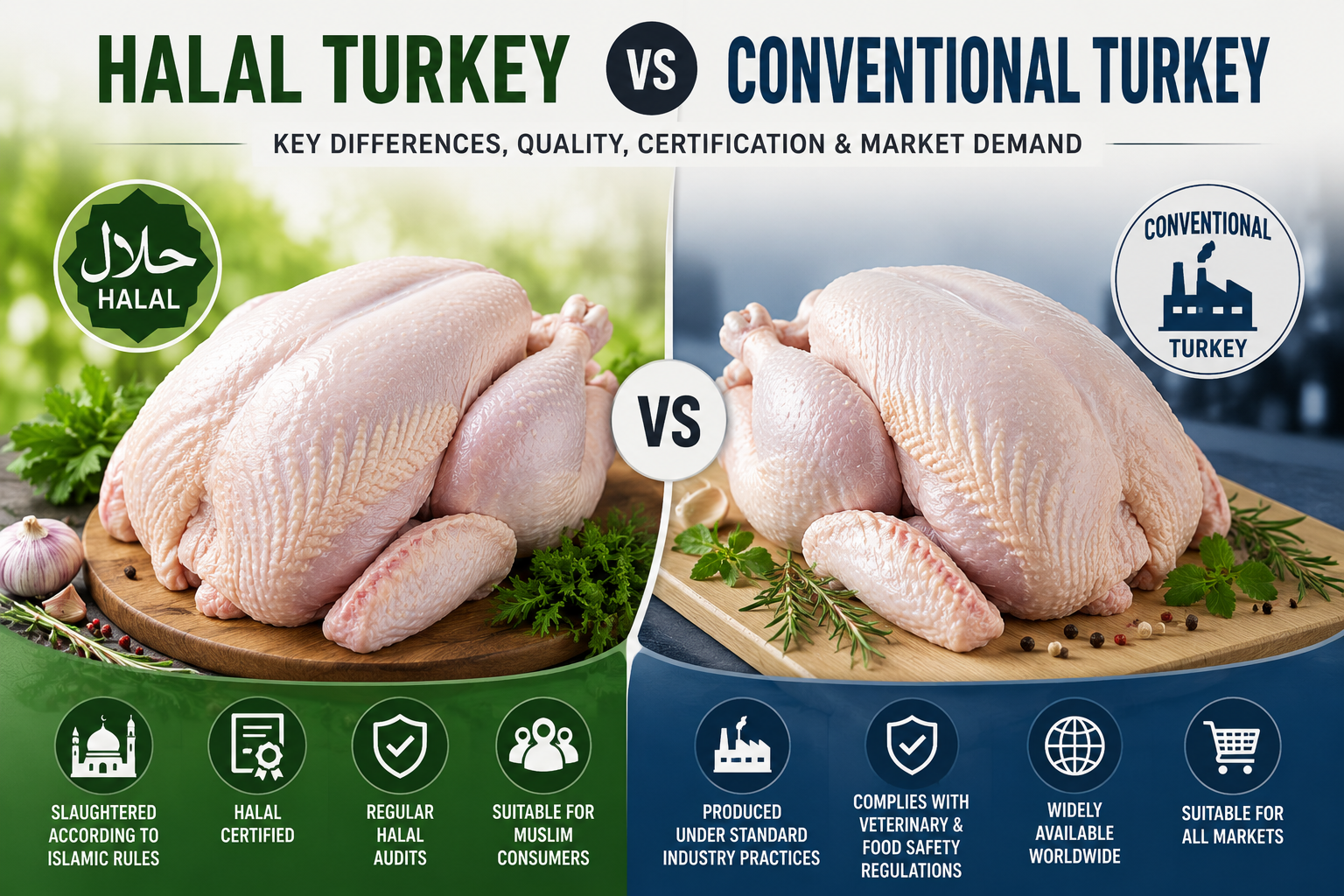
Demand for halal-certified turkey fillet continues to increase across the Middle East, Africa, Asia, and multicultural markets worldwide. Halal certification expands market access and supports retail and foodservice growth.
Packaging Options
Common export formats include:
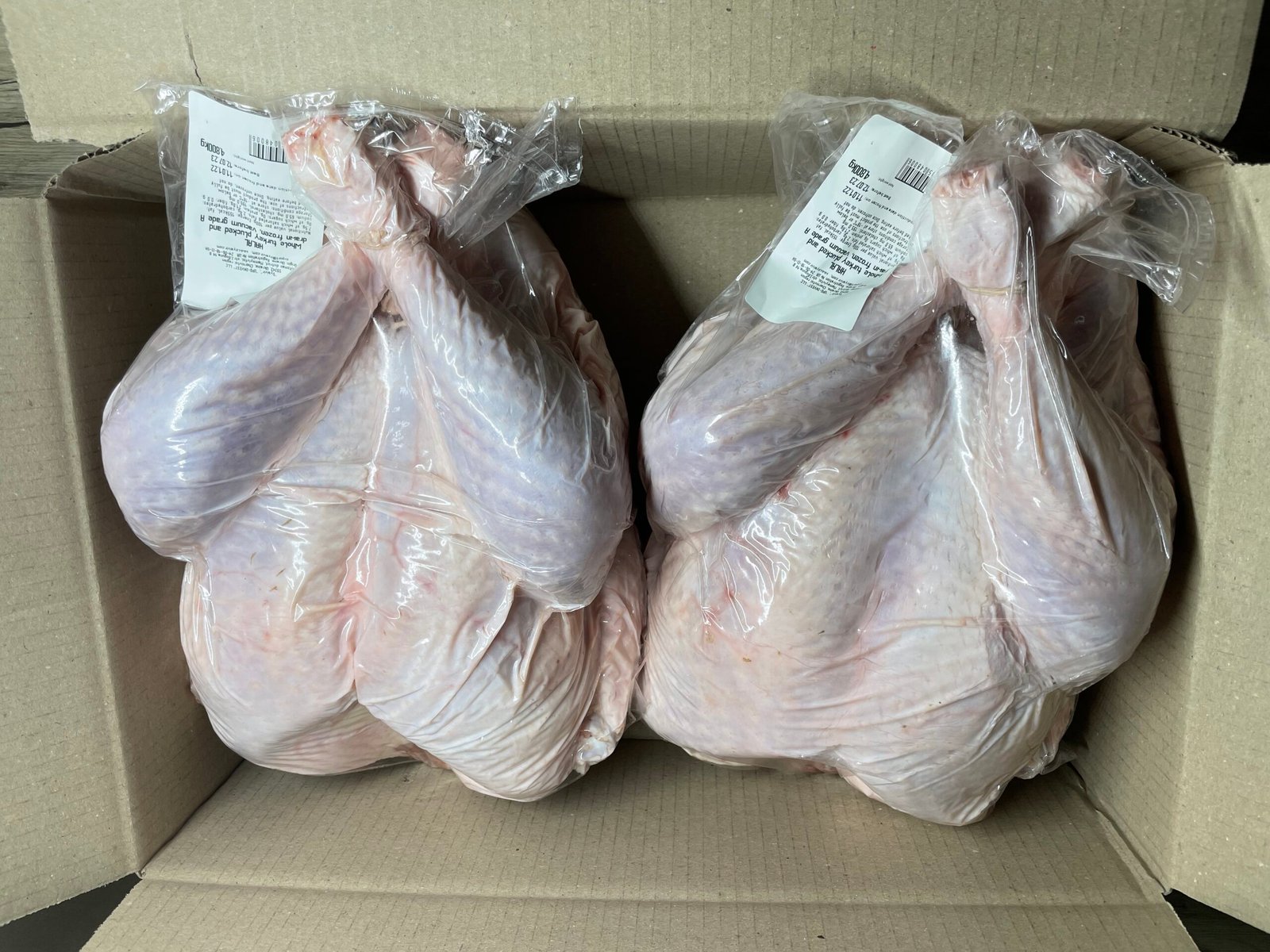
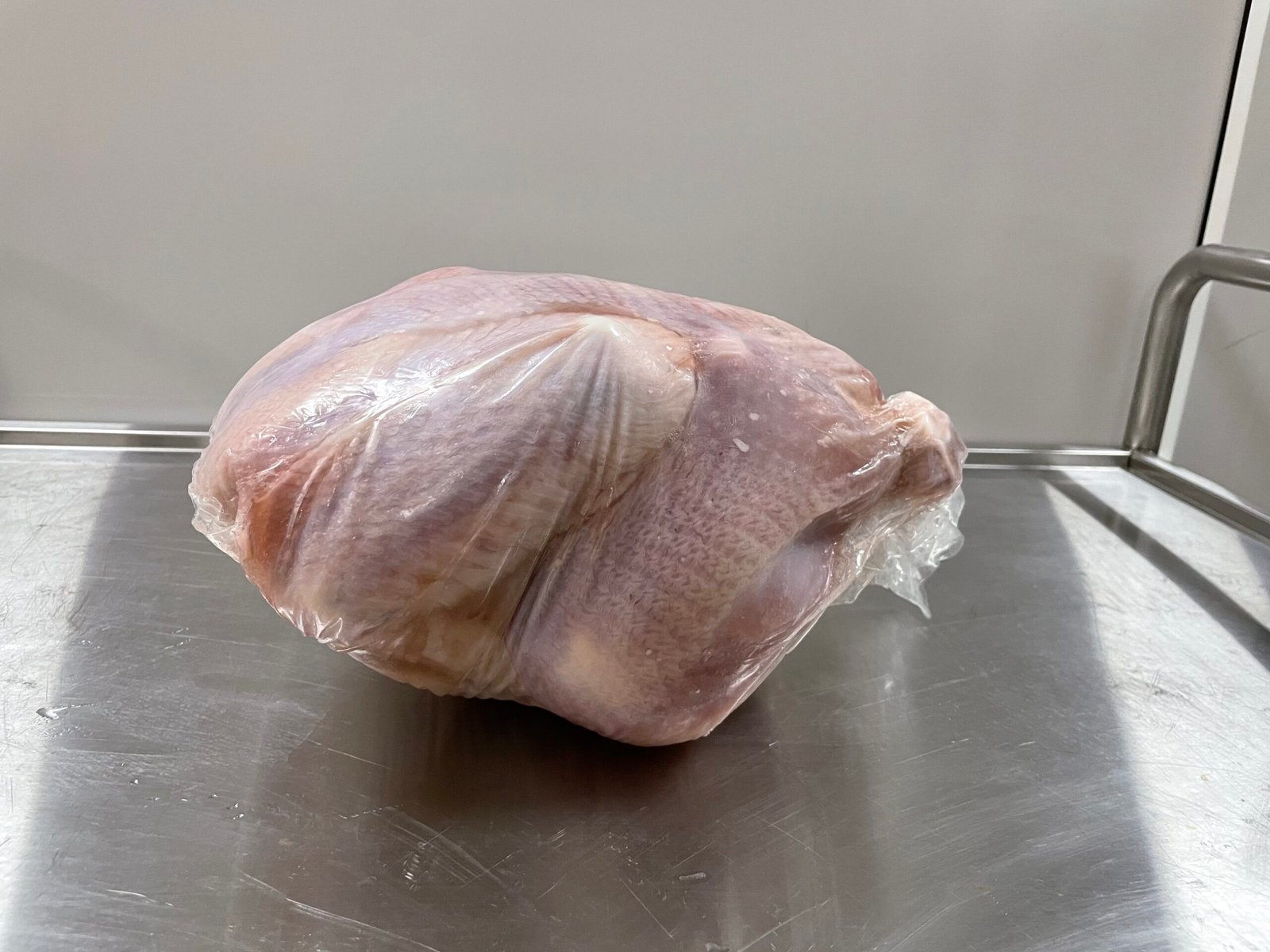
• Vacuum-packed fillets
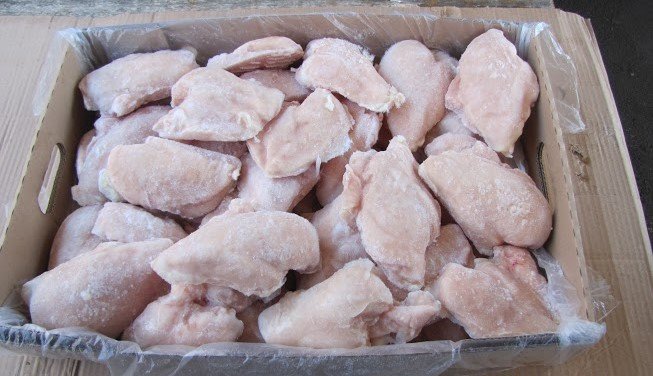
• Bulk frozen cartons
• Retail-ready packaging
• Modified atmosphere packaging (MAP)
Proper packaging helps preserve freshness and product quality throughout transportation.
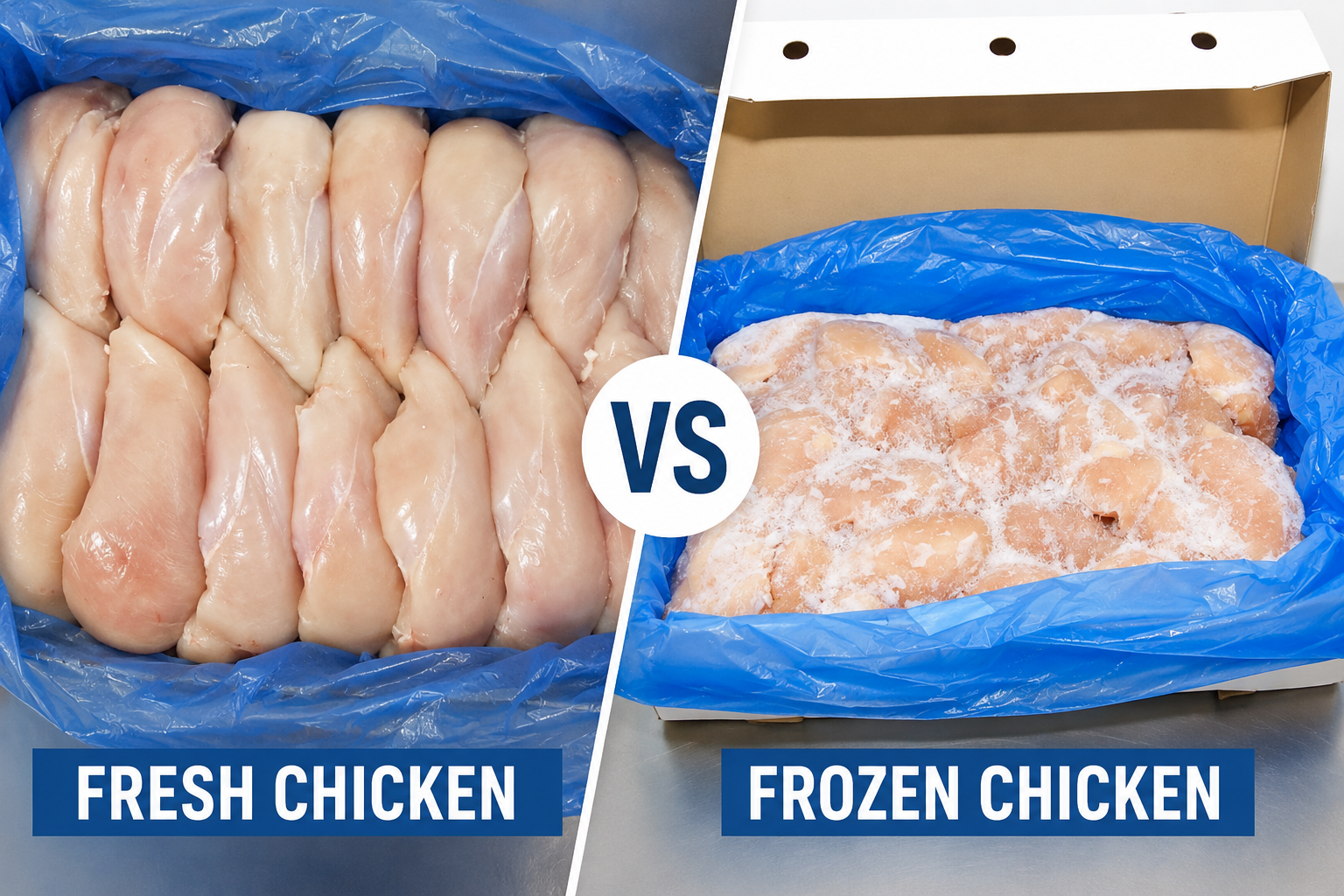
Frozen vs Fresh Turkey Fillet
Frozen Product Advantages:
• Longer shelf life
• Easier international logistics
• Reduced waste
• Flexible inventory management
Fresh Product Advantages:
• Premium positioning
• Strong retail appeal
• Immediate foodservice use
Major Import Markets
Premium turkey fillet is imported across:
• Europe
• Middle East
• Africa
• Asia
• North America
Market growth is supported by rising incomes, expanding retail sectors, and increasing demand for healthy protein sources.
Selecting a Supplier
Successful buyers typically prioritize:
• Consistent supply capacity
• Export experience
• Competitive pricing
• Strong quality control systems
• Reliable logistics support
• Flexible specifications
Sustainability
Many buyers now evaluate suppliers based on sustainability initiatives, including resource efficiency, waste reduction, responsible sourcing, and environmental management programs.
Future Outlook
Demand for premium turkey fillet is expected to remain strong due to growing health awareness, premium food consumption, foodservice expansion, and increasing global protein demand.
Conclusion
Premium turkey fillet remains one of the most valuable poultry products in international trade. Its nutritional benefits, premium positioning, versatility, and broad consumer acceptance make it an attractive option for importers, retailers, foodservice operators, and food manufacturers worldwide.