Value-Added Turkey Products for Retailers
Value-Added Turkey Products for Retailers
Introduction
The global retail food industry is undergoing a significant transformation. Consumers are no longer purchasing meat products solely based on price. Convenience, health benefits, product innovation, sustainability, and premium quality have become major purchasing drivers. As a result, value-added turkey products are gaining popularity across supermarkets, hypermarkets, convenience stores, online grocery platforms, and specialty food retailers.
Turkey meat has long been recognized as a lean, nutritious protein source. However, the highest growth opportunities for retailers and suppliers are increasingly found in processed and value-added turkey products rather than traditional whole birds or raw cuts. These products offer higher margins, stronger brand differentiation, improved shelf appeal, and increased consumer convenience.
For retailers, value-added turkey products represent an opportunity to attract health-conscious consumers, busy families, fitness enthusiasts, and premium food shoppers. For exporters and manufacturers, they provide a way to maximize carcass utilization and create premium offerings that command higher prices.
What Are Value-Added Turkey Products?
Value-added turkey products are products that have undergone additional processing, preparation, seasoning, packaging, or innovation to increase their appeal and convenience for consumers. Rather than selling raw turkey meat alone, manufacturers create products that save preparation time, improve flavor, or meet specific consumer preferences.
Examples include:
• Marinated turkey fillets
• Ready-to-cook turkey steaks
• Turkey burgers
• Turkey sausages
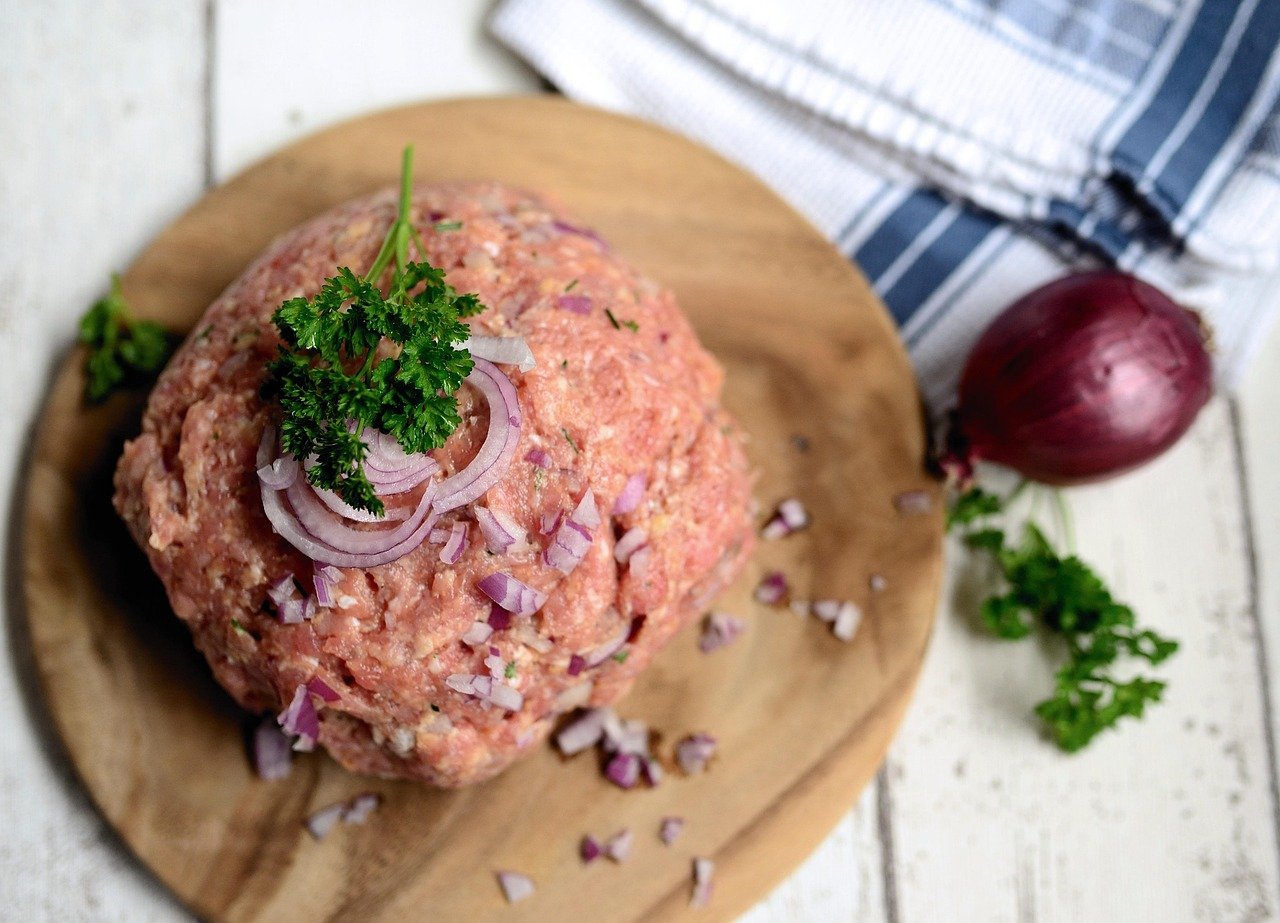
• Turkey meatballs
• Smoked turkey products
• Sliced deli turkey
• Turkey bacon
• Turkey nuggets
• Turkey kebabs
• Fully cooked turkey meals
• Frozen prepared turkey products
• High-protein turkey snacks
These products provide retailers with broader merchandising opportunities while helping consumers prepare meals more quickly and easily.
Why Retailers Are Investing in Value-Added Turkey Products
Several factors explain the growing retail demand for value-added turkey products.
– Convenience-Driven Purchasing
Modern consumers have less time available for meal preparation. Ready-to-cook and ready-to-eat turkey products reduce cooking time while maintaining nutritional value. Retailers increasingly allocate shelf space to products that simplify meal planning and preparation.
– Health and Wellness Trends
Turkey is naturally lower in fat than many alternative proteins. Consumers seeking healthier diets often view turkey as a superior alternative to traditional red meat products. Value-added turkey items can further capitalize on health trends through low-fat, low-sodium, high-protein, gluten-free, or clean-label formulations.
– Premiumization
Consumers are willing to pay more for products that offer premium ingredients, unique flavors, or enhanced convenience. Gourmet turkey burgers, smoked turkey specialties, and premium deli products create attractive opportunities for retailers to improve profit margins.
– Growth of High-Protein Diets
The popularity of fitness-focused lifestyles and protein-rich diets continues to increase worldwide. Turkey products are well-positioned to meet these demands due to their favorable nutritional profile.
– Reduced Food Waste
Value-added processing allows manufacturers to utilize various turkey cuts efficiently. Retailers benefit from more consistent product formats and improved shelf management.
Most Popular Value-Added Turkey Products
– Turkey Burgers
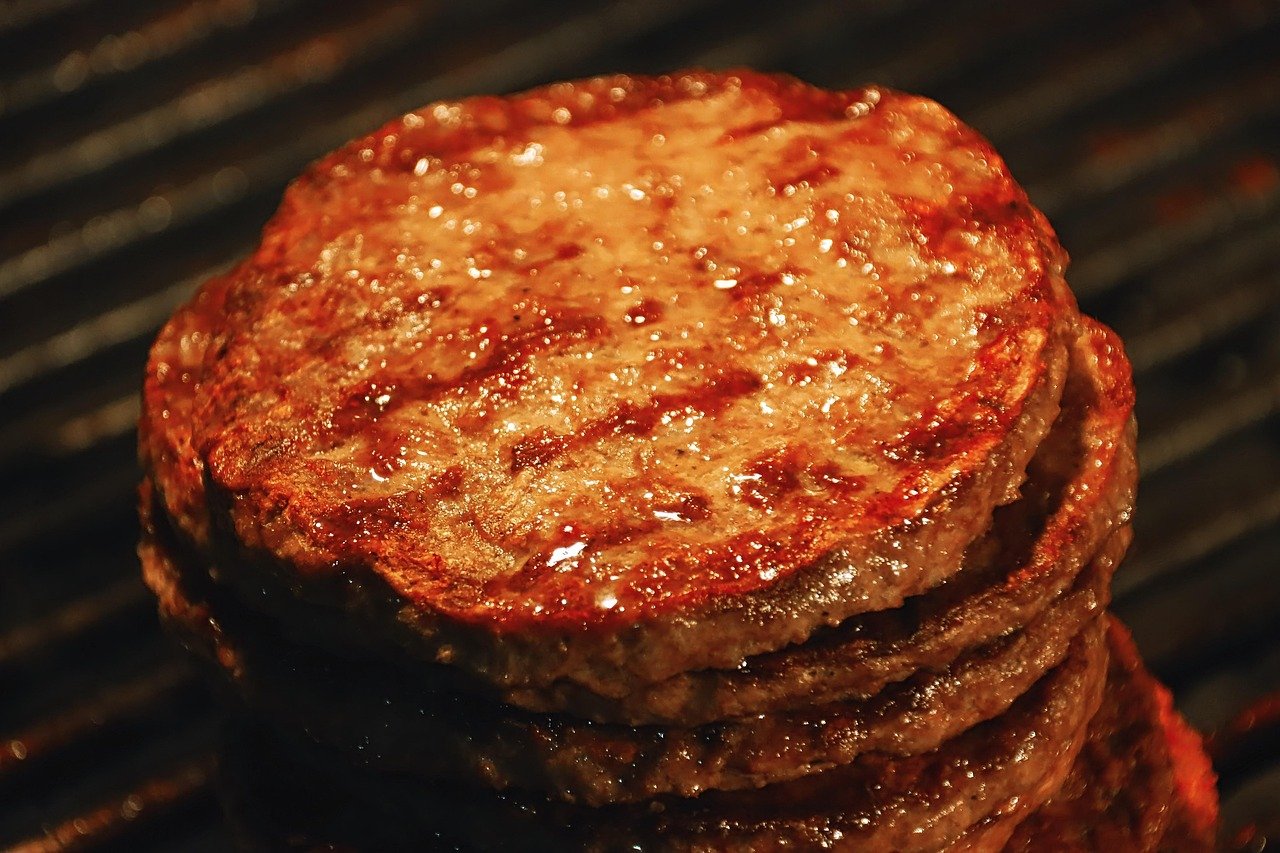
Turkey burgers have become one of the fastest-growing value-added categories. Consumers often perceive turkey burgers as a healthier alternative to traditional beef burgers.
– Retail Advantages:
• Growing consumer demand
• Suitable for frozen and chilled sections
• High repeat purchase rates
• Strong appeal among younger consumers
Premium versions featuring herbs, cheese, vegetables, or international seasonings can generate even higher margins.
– Turkey Sausages
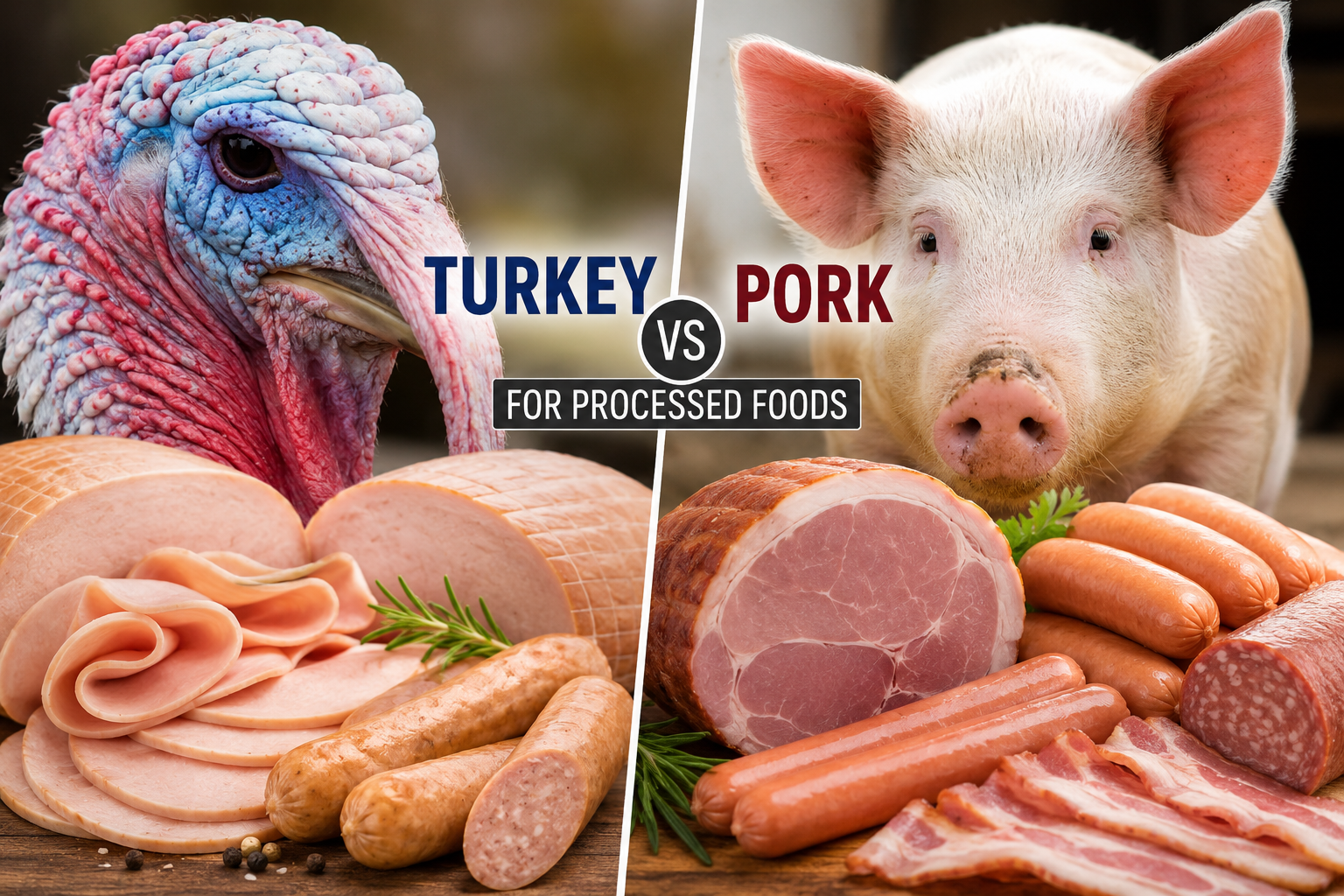
Turkey sausages are increasingly replacing traditional pork sausages in many markets. Health-conscious consumers appreciate their lower fat content while maintaining flavor and versatility.
– Retailers can offer:
• Breakfast sausages
• Smoked sausages
• Italian-style turkey sausages
• Spicy turkey sausages
• Organic turkey sausages
These products perform particularly well in North America, Europe, and parts of Asia.
– Turkey Meatballs
Turkey meatballs appeal to families seeking convenient meal solutions. They are suitable for pasta dishes, sandwiches, appetizers, and ready meals.
– Advantages include:
• Easy preparation
• Family-friendly positioning
• Strong frozen category performance
• Opportunities for multiple flavor profiles
– Turkey Bacon
Turkey bacon remains one of the most successful value-added turkey products worldwide. It serves consumers seeking alternatives to traditional pork bacon.
– Key selling points:
• Lower fat content
• Familiar usage occasions
• Breakfast category growth
• Appeal across diverse consumer groups
– Turkey Deli Slices
Ready-to-eat sliced turkey products remain essential offerings in modern retail environments.
– Retail benefits:
• Strong sandwich category demand
• High purchase frequency
• Premium packaging opportunities
• Suitable for convenience-oriented consumers
Deli turkey products often generate strong profit margins when positioned as premium or natural offerings.
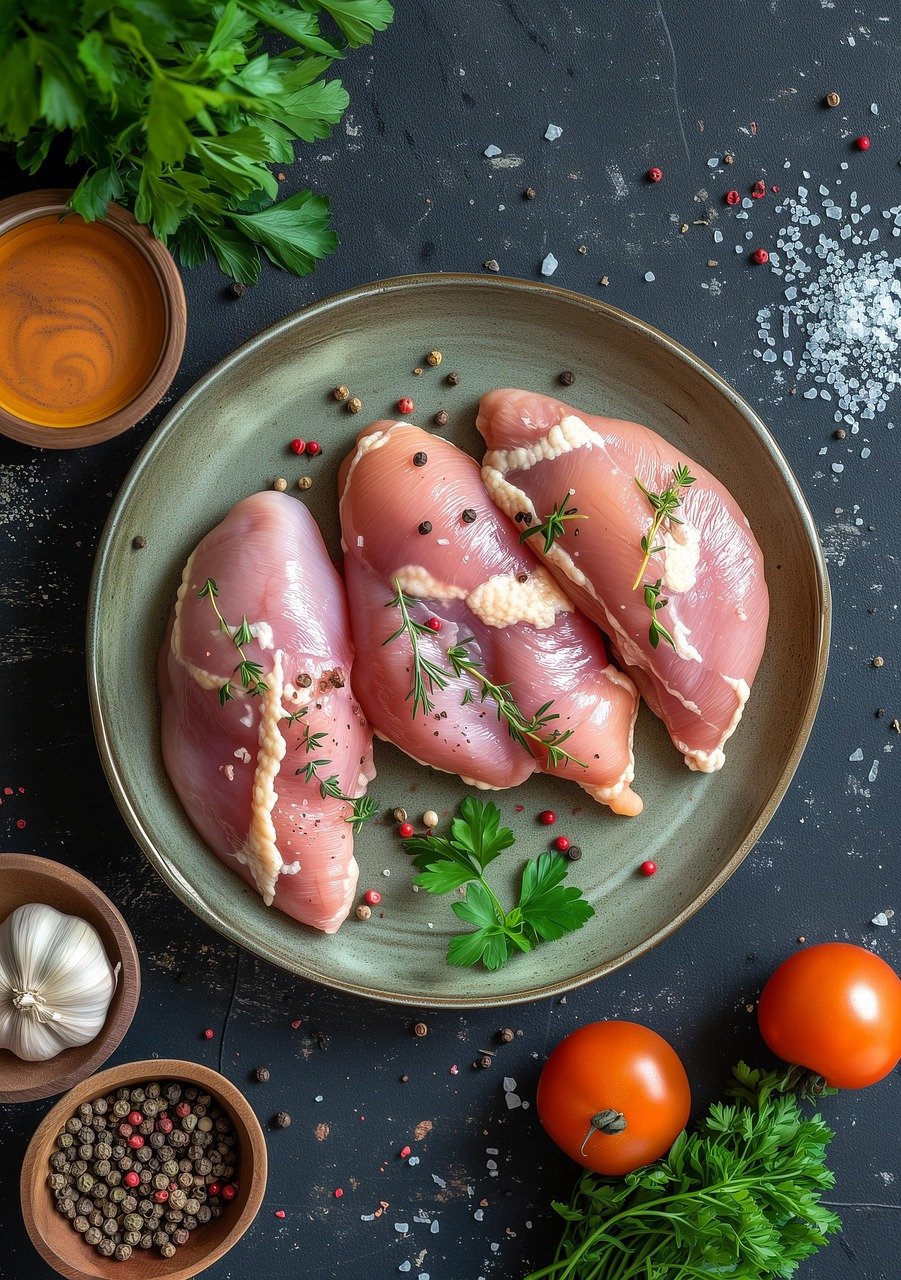
– Marinated Turkey Fillets
Marinated turkey fillets reduce meal preparation time and improve flavor consistency.
Popular flavors include:
• Garlic and herbs
• Lemon pepper
• Barbecue
• Mediterranean
• Asian-inspired marinades
These products are particularly attractive to consumers seeking quick dinner solutions.
– Ready-to-Cook Turkey Meals
Complete meal kits featuring turkey proteins are growing rapidly.
Examples include:
• Turkey stir-fry kits
• Turkey fajita kits
• Turkey curry meals
• Turkey pasta dishes
• Turkey rice bowls
Meal kits provide retailers with opportunities to increase basket sizes and encourage impulse purchases.
– Turkey Nuggets and Breaded Products
Families with children continue to drive demand for breaded turkey products.
Benefits include:
• Broad consumer appeal
• Strong frozen category sales
• High convenience value
• Easy preparation
Premium versions featuring whole-muscle turkey meat and clean-label ingredients can command premium pricing.
Emerging Value-Added Turkey Categories
– Protein Snacks
High-protein snacks represent one of the fastest-growing food categories globally.
Turkey-based options include:
• Turkey jerky
• Turkey snack sticks
• Protein bites
• Dried turkey strips
These products target active consumers seeking portable protein sources.
Organic Turkey Products
Organic food sales continue expanding across many regions.
Retailers increasingly stock:
• Organic turkey burgers
• Organic turkey sausages
• Organic deli slices
• Organic prepared meals
Organic certification can significantly enhance perceived value.
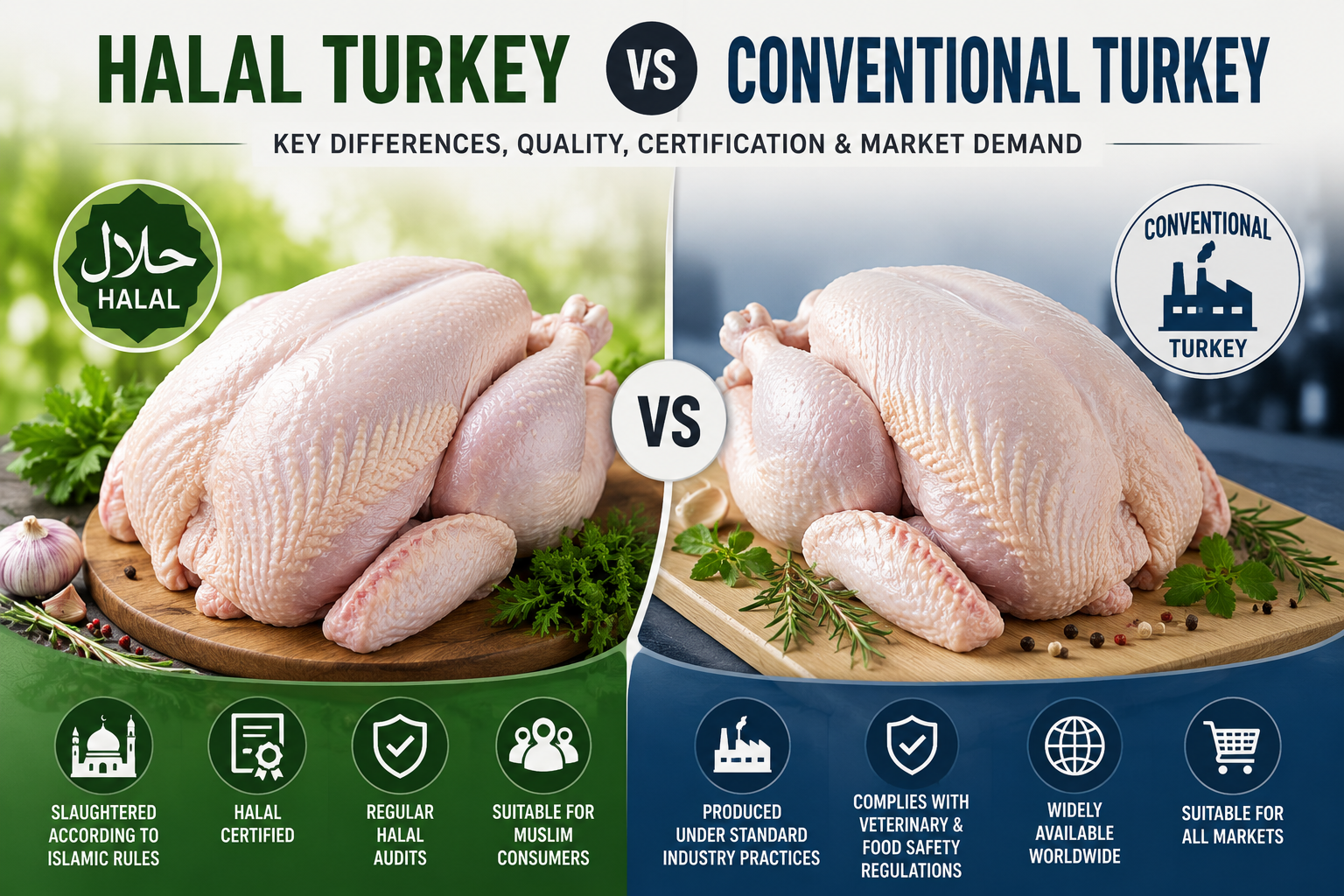
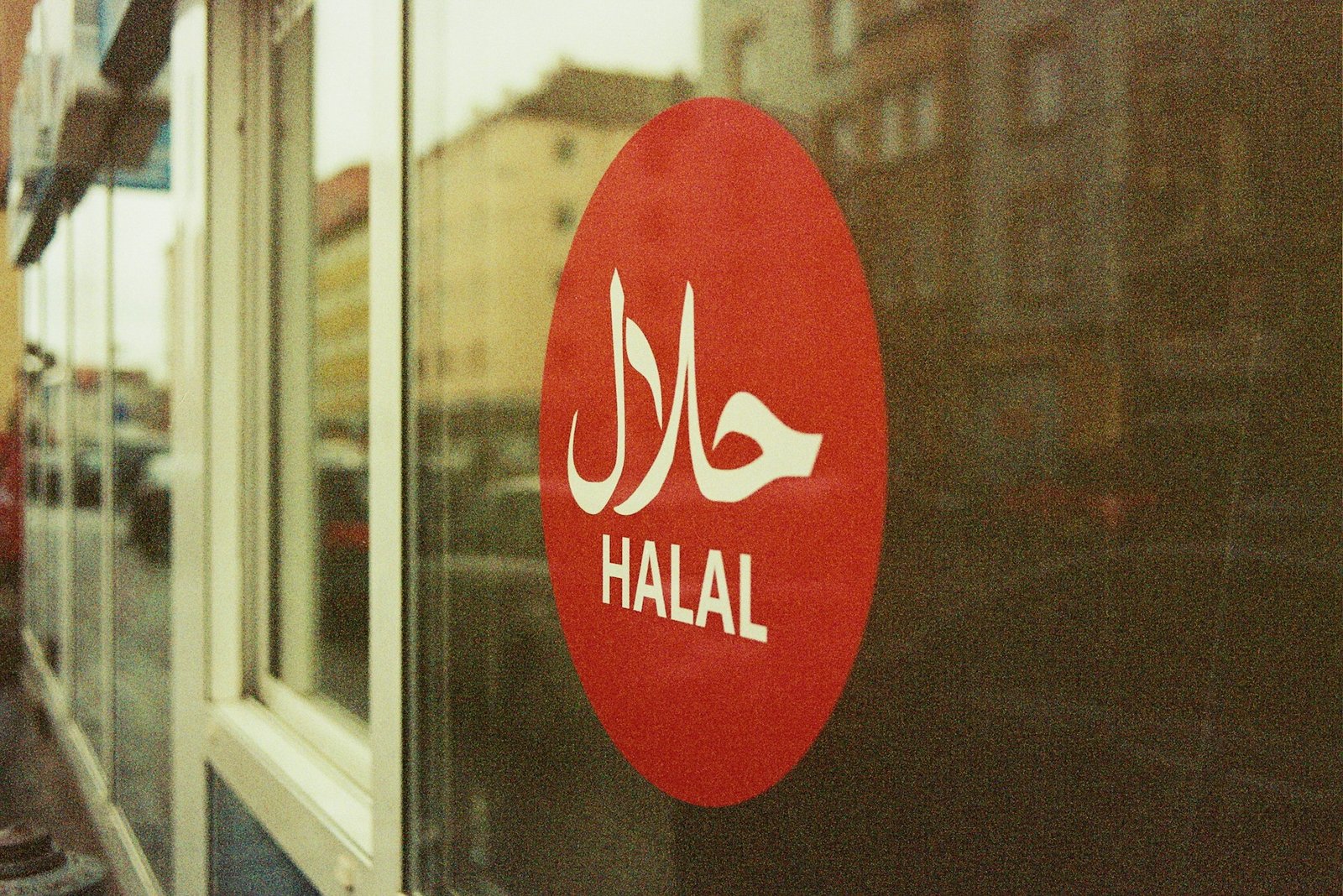
Halal Turkey Products
The global halal food market continues to expand rapidly.
Value-added halal turkey products include:
• Halal sausages
• Halal burgers
• Halal deli meats
• Halal ready meals
Retailers serving multicultural communities can benefit substantially from these offerings.
Clean Label Products
Consumers increasingly scrutinize ingredient lists.
Successful clean-label turkey products emphasize:
• No artificial preservatives
• No artificial colors
• Reduced additives
• Natural ingredients
This trend is particularly strong in premium retail environments.
Packaging Innovations for Retail Success
Packaging plays a critical role in the success of value-added turkey products.
Modern retail packaging focuses on:
– Convenience
Resealable packaging improves usability and extends product freshness
– Visibility
Transparent packaging allows consumers to inspect product quality directly.
– Portion Control
Single-serving and family-sized formats help meet varying household needs.
– Sustainability
Eco-friendly packaging solutions are becoming increasingly important for both retailers and consumers.
– Extended Shelf Life
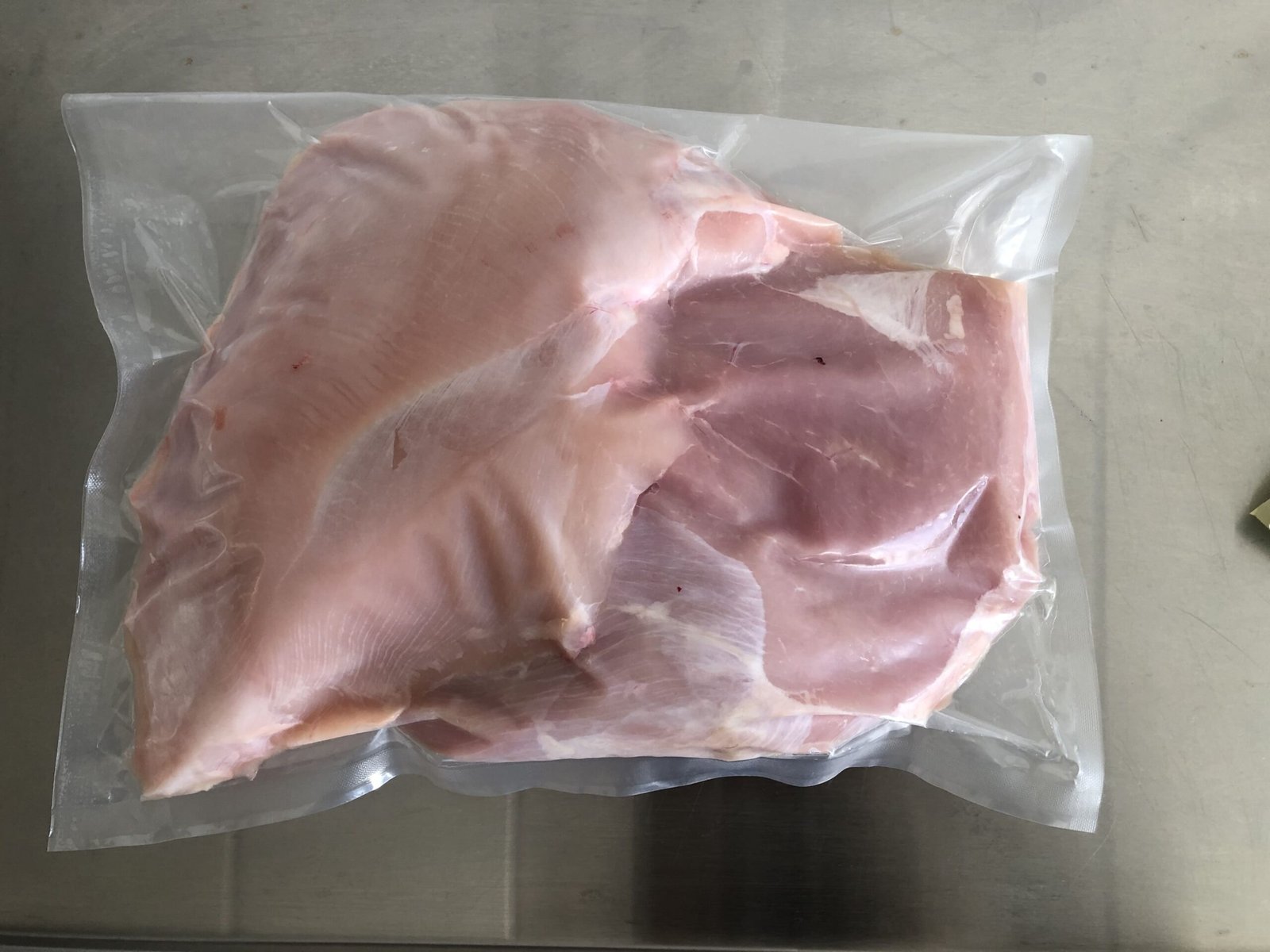
Modified atmosphere packaging and vacuum packaging technologies can improve freshness while reducing waste.
Key Consumer Trends Supporting Growth
– Health-Conscious Consumption
Consumers increasingly prioritize healthier protein options. Turkey’s favorable nutritional profile supports continued category growth.
– Convenience and Time Savings
Busy lifestyles continue driving demand for products requiring minimal preparation.
– Protein-Focused Diets
Fitness and wellness trends support long-term demand for turkey-based protein products.
– Premium Experiences
Consumers increasingly seek restaurant-quality products for home consumption.
– Ethnic and International Flavors
Retailers benefit from offering turkey products inspired by global cuisines, including Mediterranean, Asian, Middle Eastern, and Latin American flavors.
– Retail Merchandising Strategies
Successful retailers utilize several approaches to maximize value-added turkey sales.
– Cross-Merchandising
Turkey products can be displayed alongside:
• Fresh vegetables
• Sauces
• Pasta
• Rice
• Meal kits
This strategy encourages larger purchases.
– Seasonal Promotions
Turkey products can be promoted during:
• Summer grilling season
• Holiday periods
• Back-to-school campaigns
• Health-focused promotional events
– Private Label Opportunities
Retailers increasingly develop private-label turkey products.
Benefits include:
• Higher margins
• Brand loyalty
• Greater pricing flexibility
• Enhanced differentiation
– Digital Marketing Support
Online recipes, cooking videos, and social media campaigns help increase consumer engagement and product awareness.
– Challenges and Considerations
Despite strong growth potential, retailers should consider several factors.
– Price Sensitivity
Premium value-added products must clearly communicate their benefits to justify higher pricing.
– Cold Chain Requirements
Maintaining product quality requires effective refrigeration and logistics systems.
– Consumer Education
Some markets still require education regarding the benefits of turkey compared to alternative proteins.
– Competition
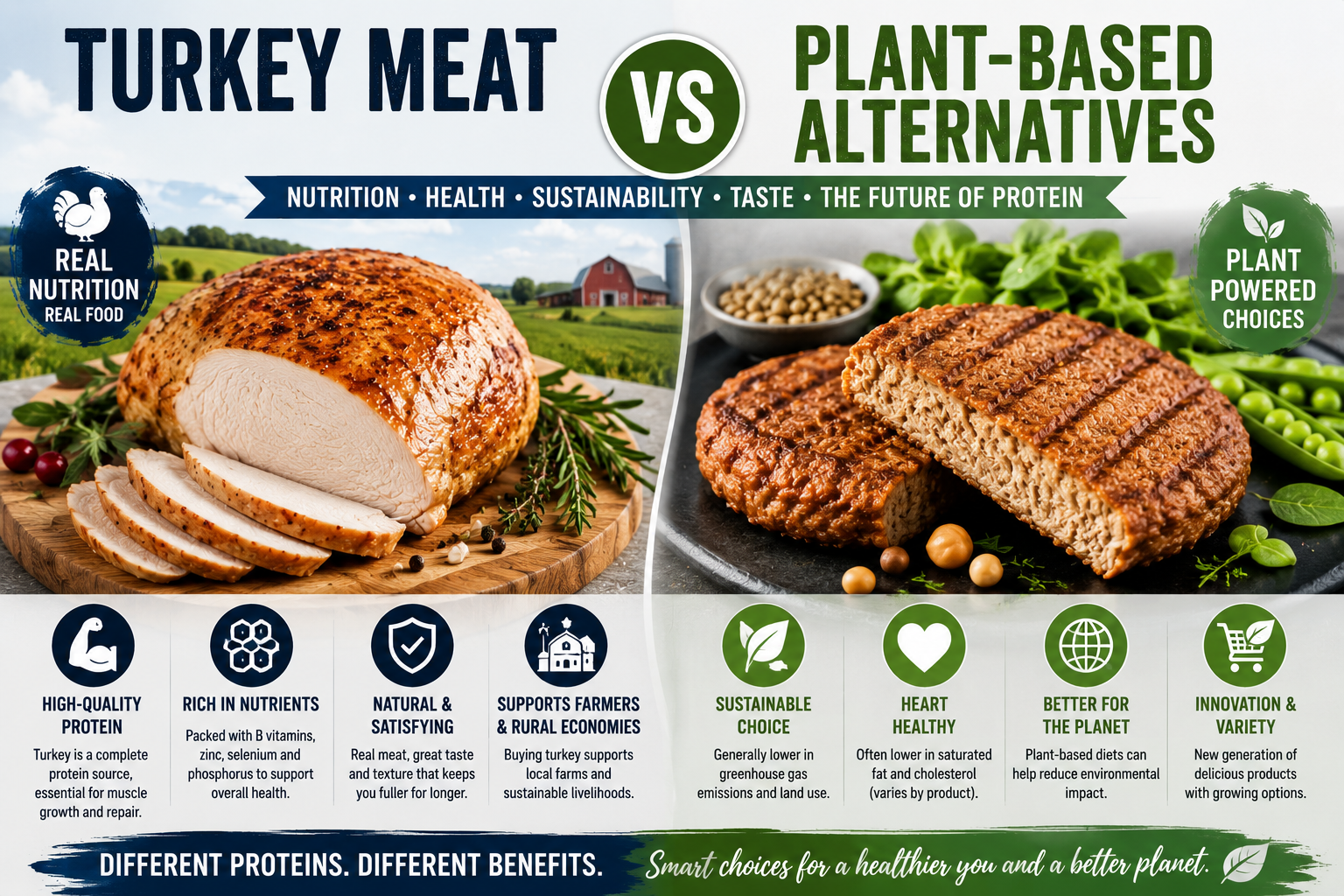
Retailers face competition from chicken, beef, pork, seafood, and plant-based alternatives.
Future Outlook
The future for value-added turkey products appears highly promising. Rising consumer demand for healthier proteins, convenient meal solutions, and innovative food experiences will continue supporting category expansion.
Emerging technologies, improved processing methods, sustainable packaging innovations, and growing demand for premium foods are expected to create additional opportunities for retailers worldwide.
Manufacturers that invest in product innovation, clean-label development, halal certification, organic production, and convenience-focused formats will be best positioned to capture future growth.
Conclusion
Value-added turkey products have evolved from niche offerings into major growth drivers within the global retail food industry. Turkey burgers, sausages, meatballs, deli products, meal kits, protein snacks, and ready-to-cook solutions provide retailers with opportunities to increase sales, improve margins, and meet changing consumer preferences.
As health consciousness, convenience demands, and premium food consumption continue expanding worldwide, value-added turkey products are expected to become an increasingly important category across modern retail channels. Retailers that embrace innovation, strategic merchandising, and consumer-focused product development will be well-positioned to benefit from the long-term growth of this dynamic market segment.