Whole Turkey for Export
Comprehensive Guide for Importers, Distributors, Retailers and Foodservice Buyers
Introduction
Whole frozen turkey remains one of the most important products in the international turkey meat trade. While demand for turkey cuts continues to grow, whole birds maintain strong positions in retail, foodservice, seasonal promotions, and further-processing industries. Importers value whole turkeys because they offer flexibility, competitive pricing, and multiple marketing opportunities across different customer segments.
What Is a Whole Export Turkey?
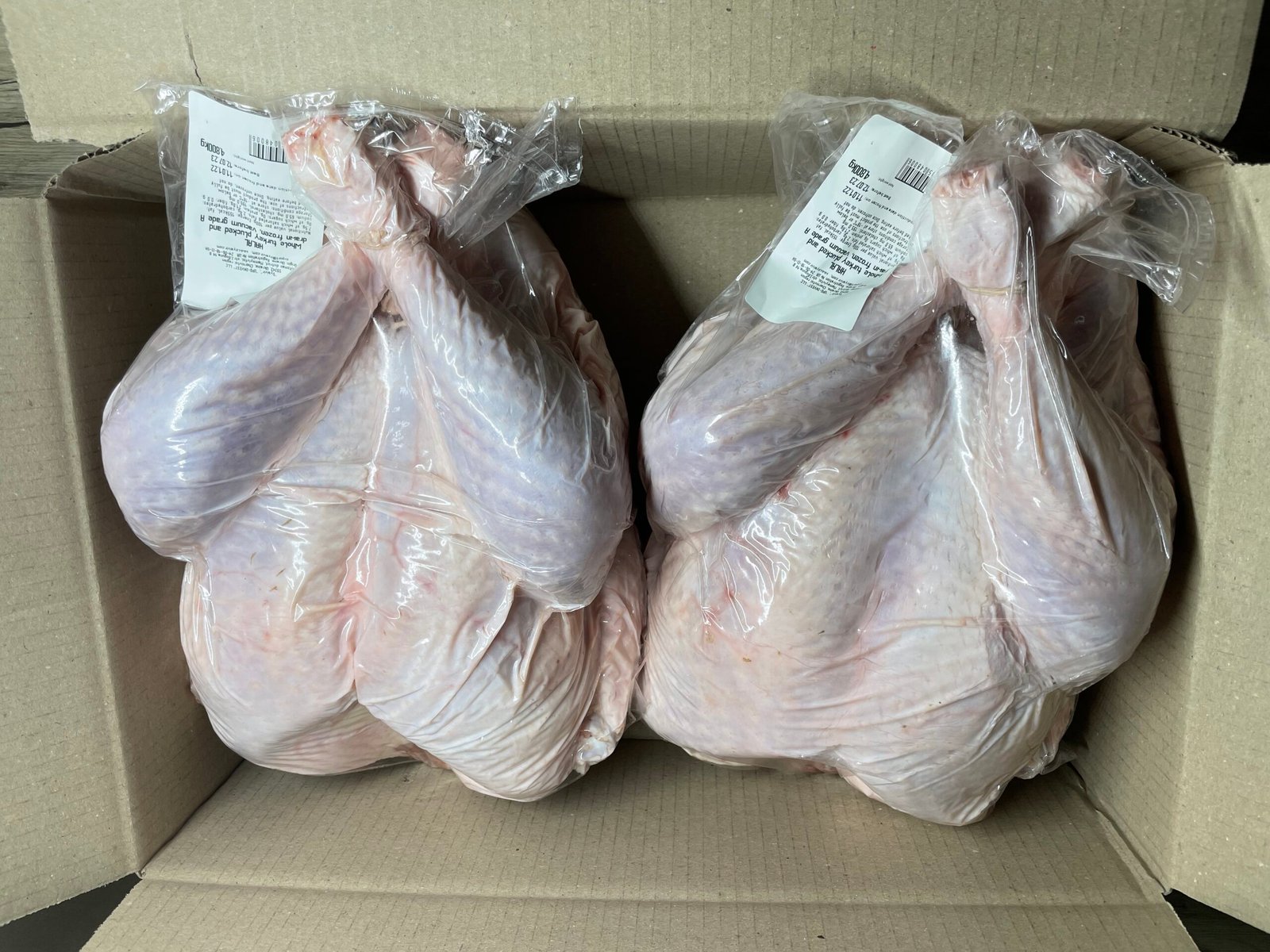
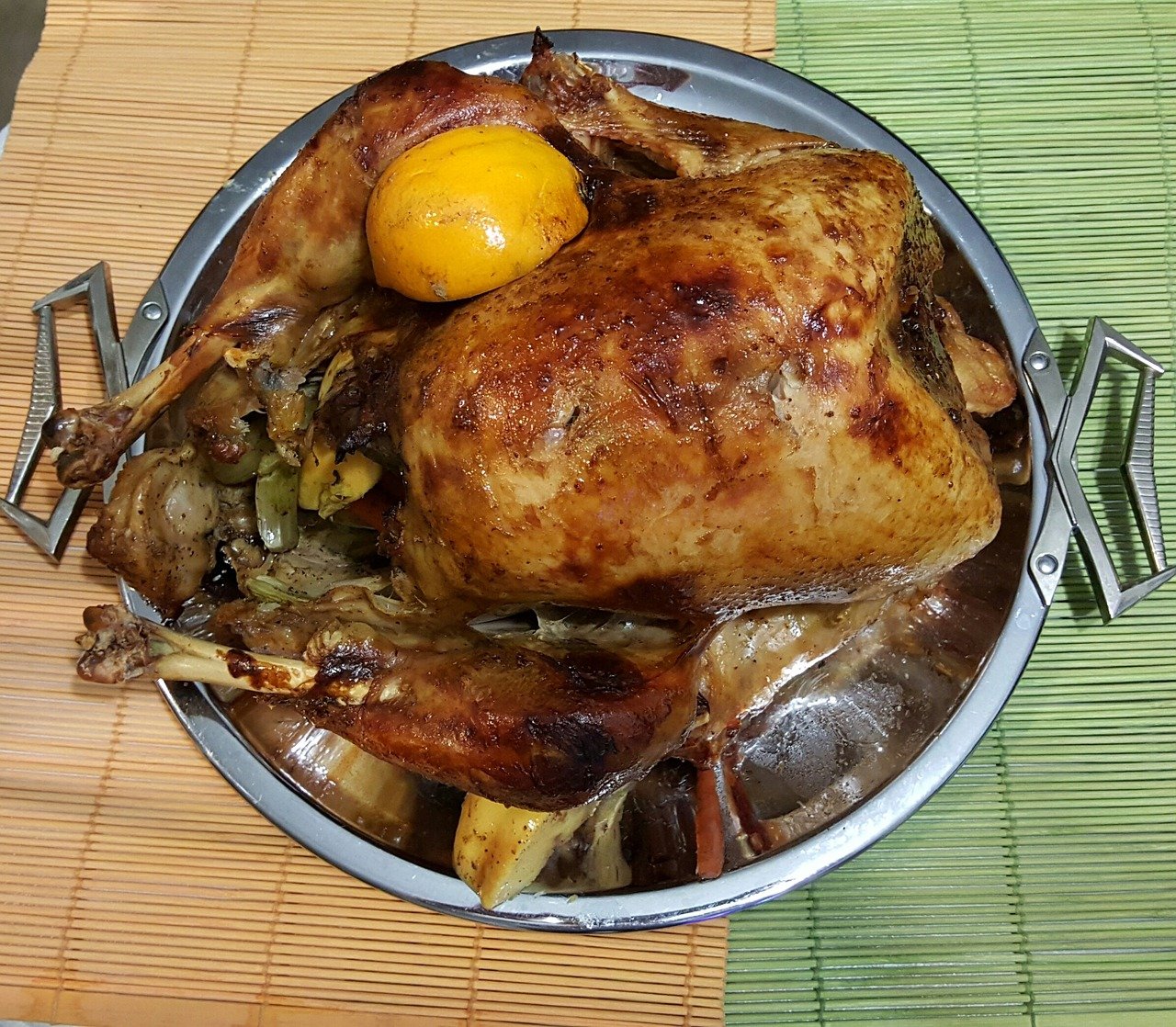
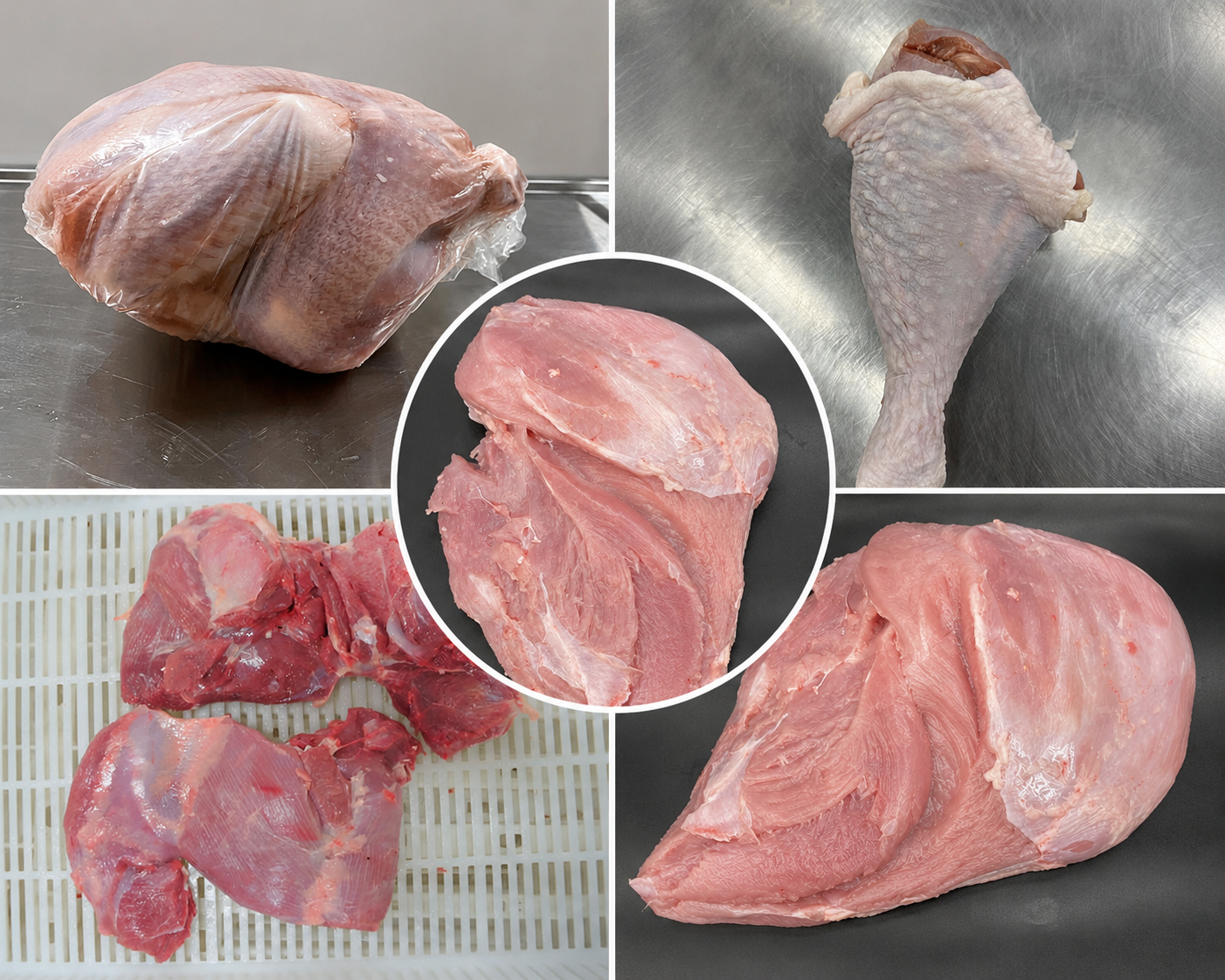
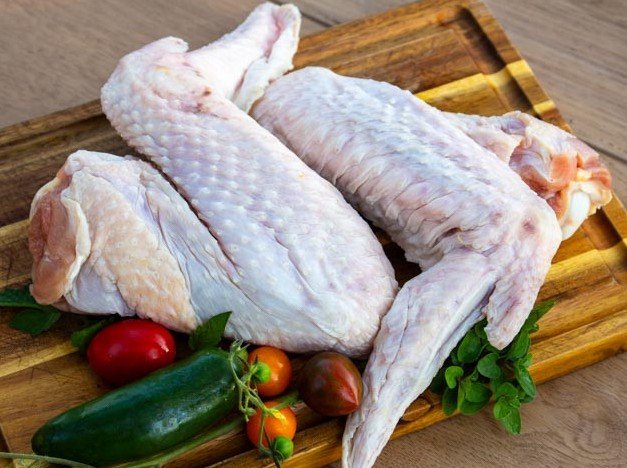
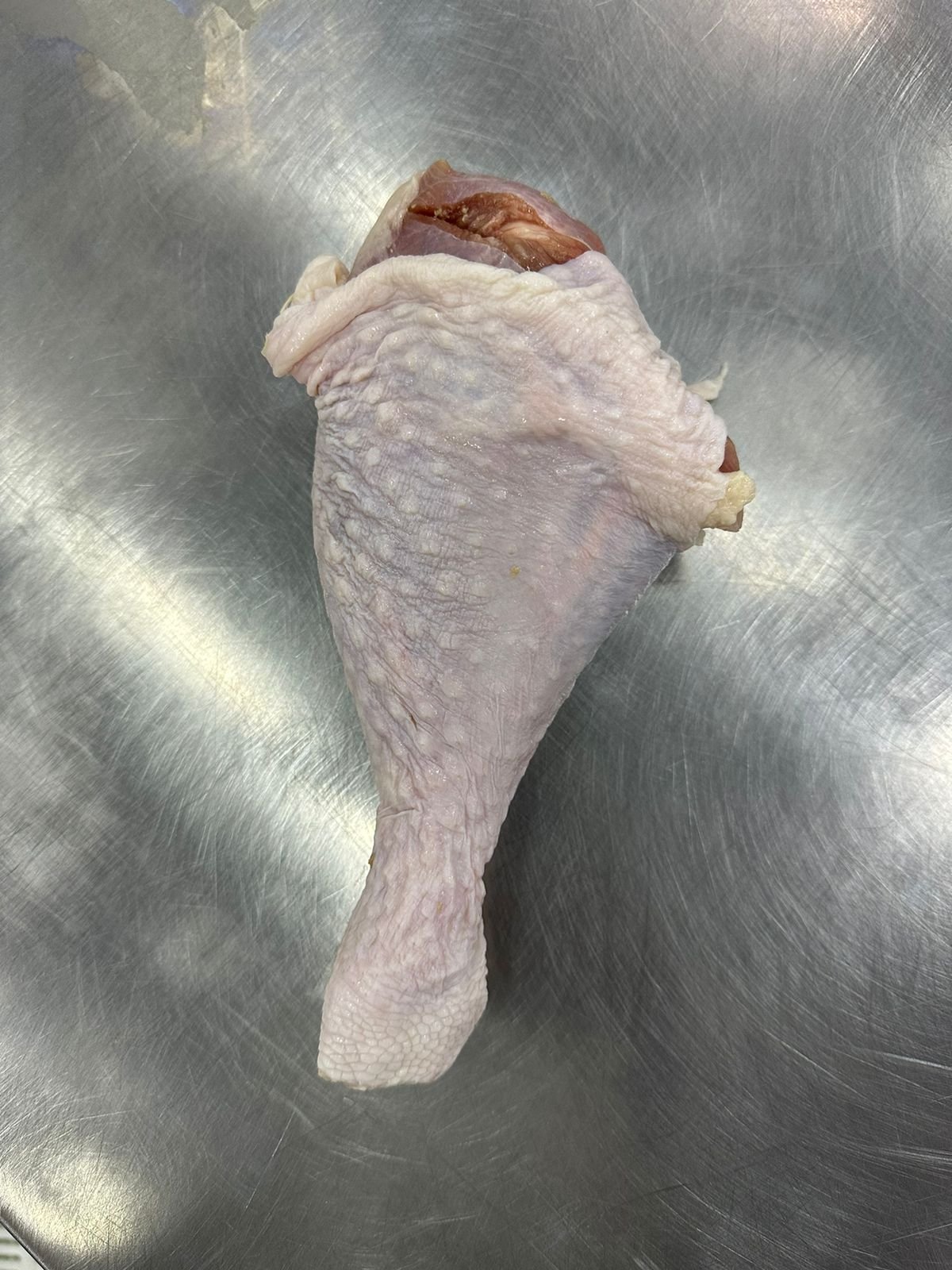
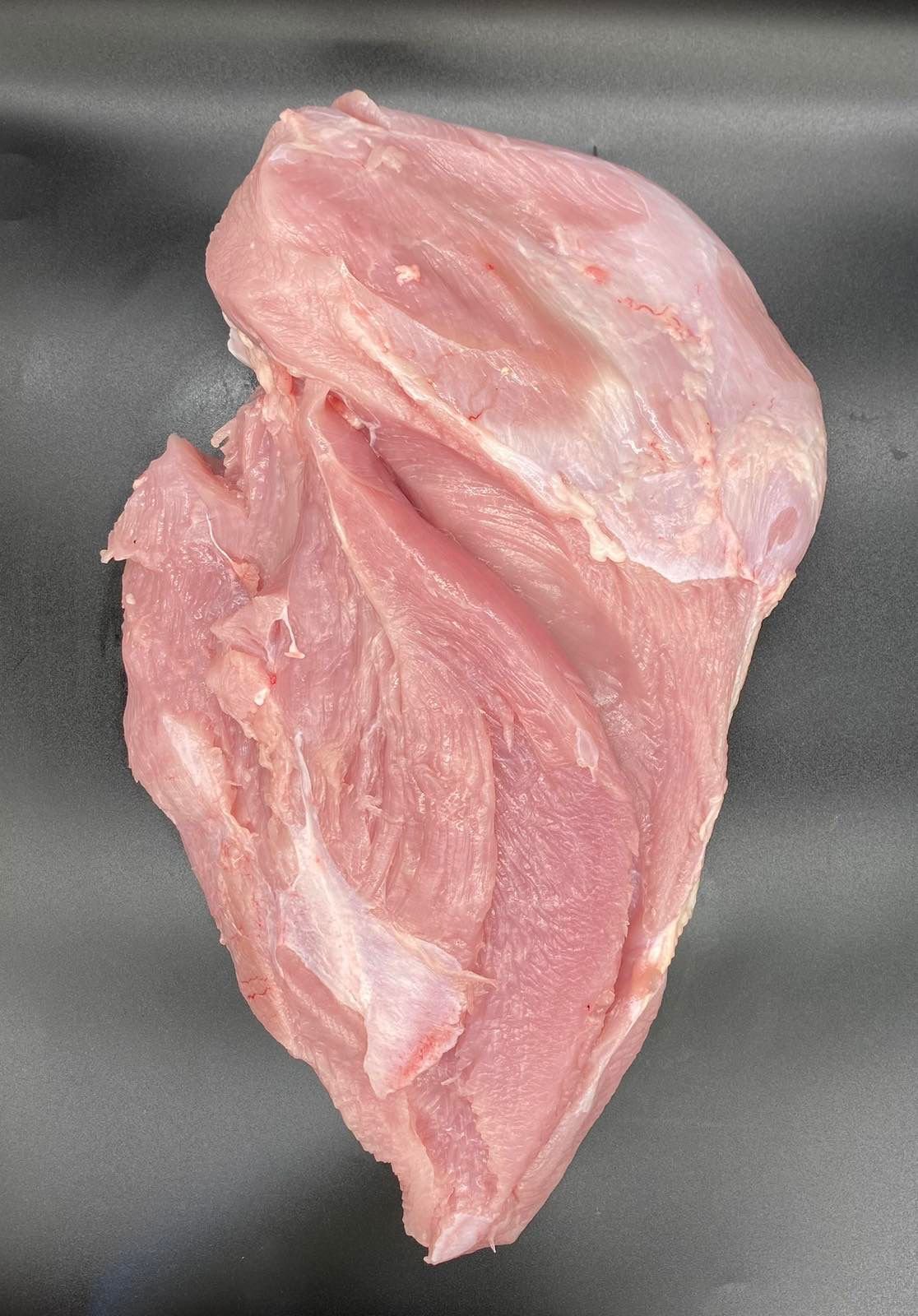
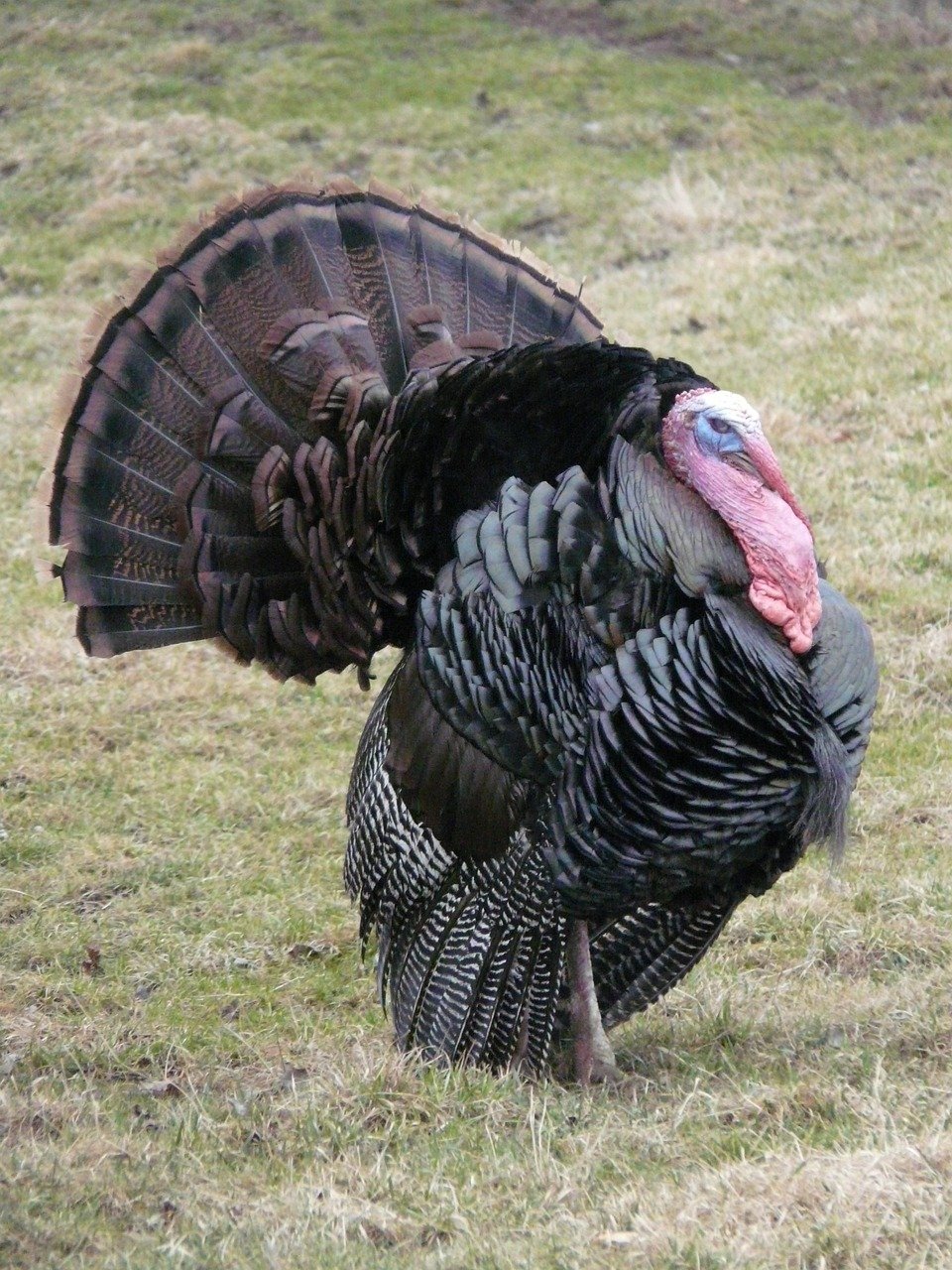
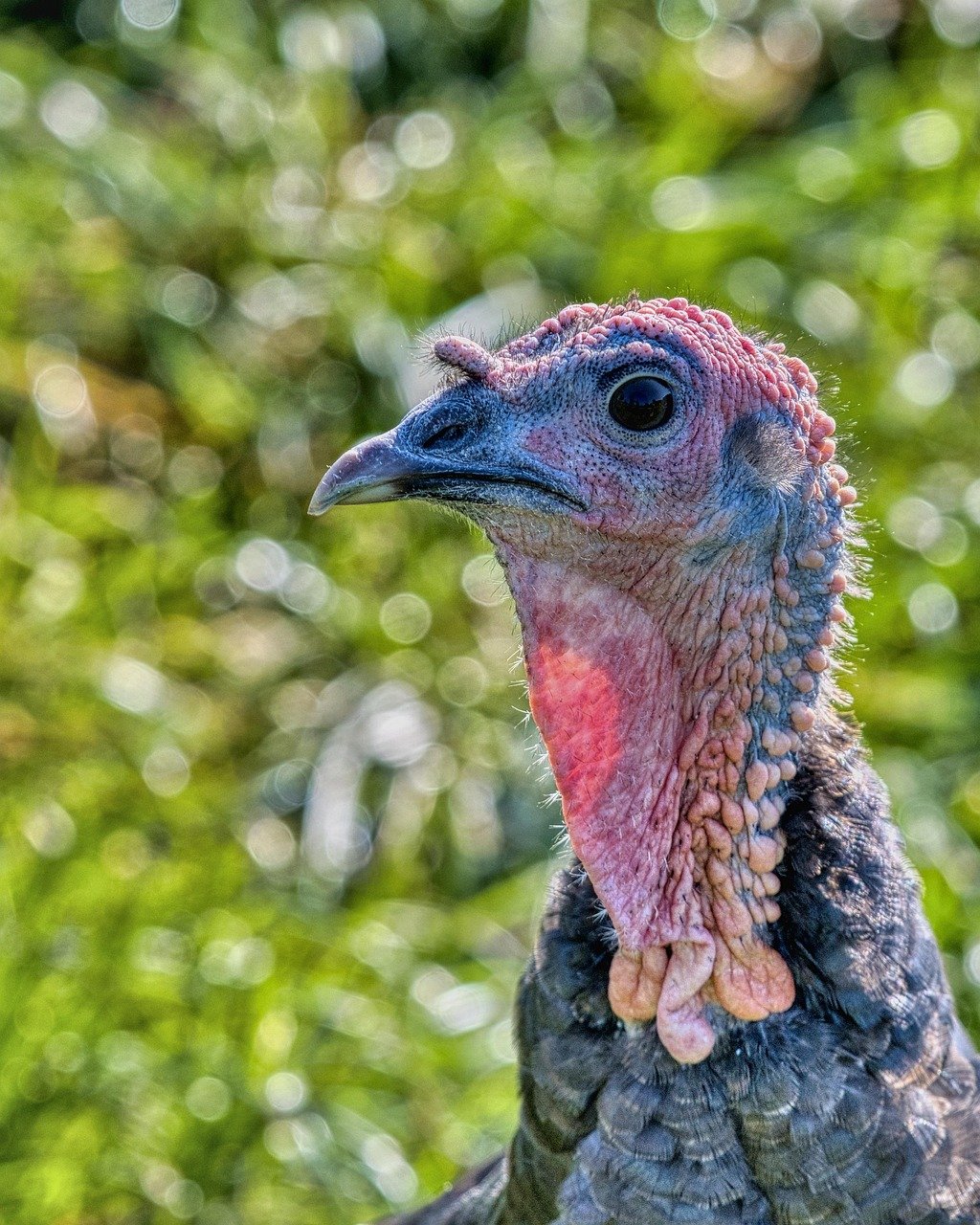
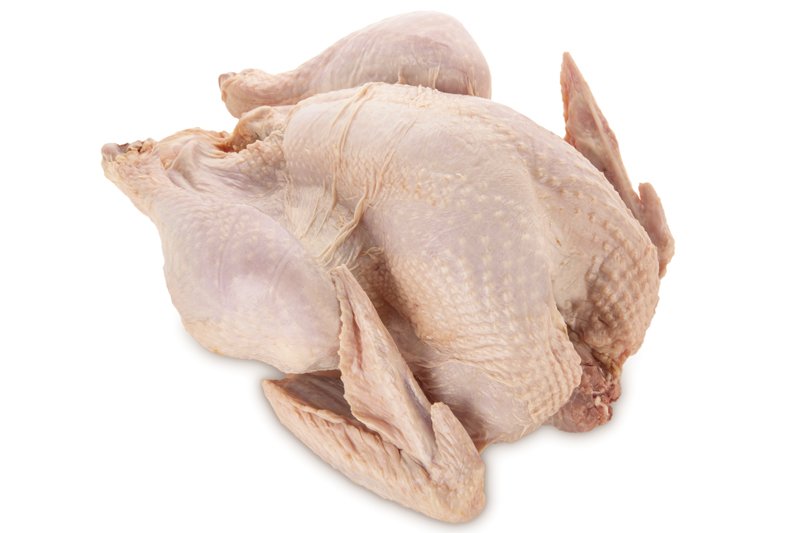
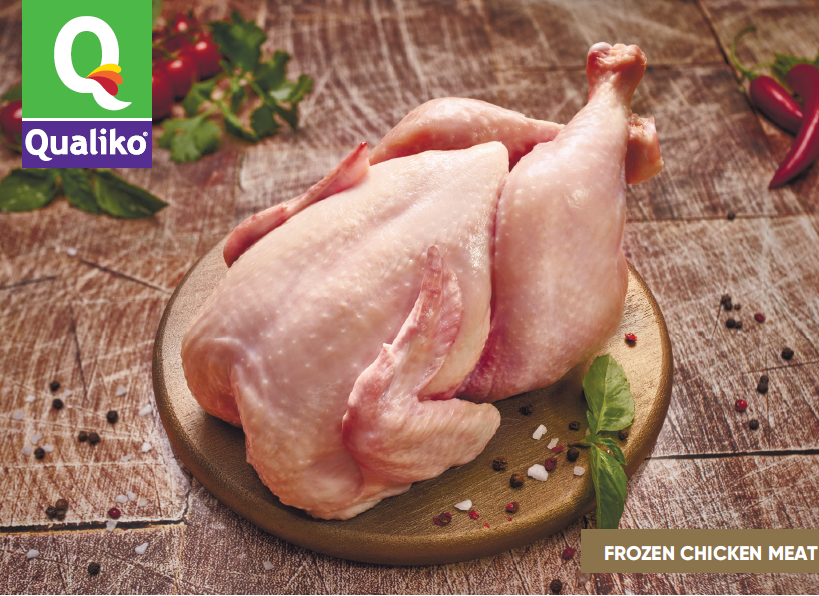
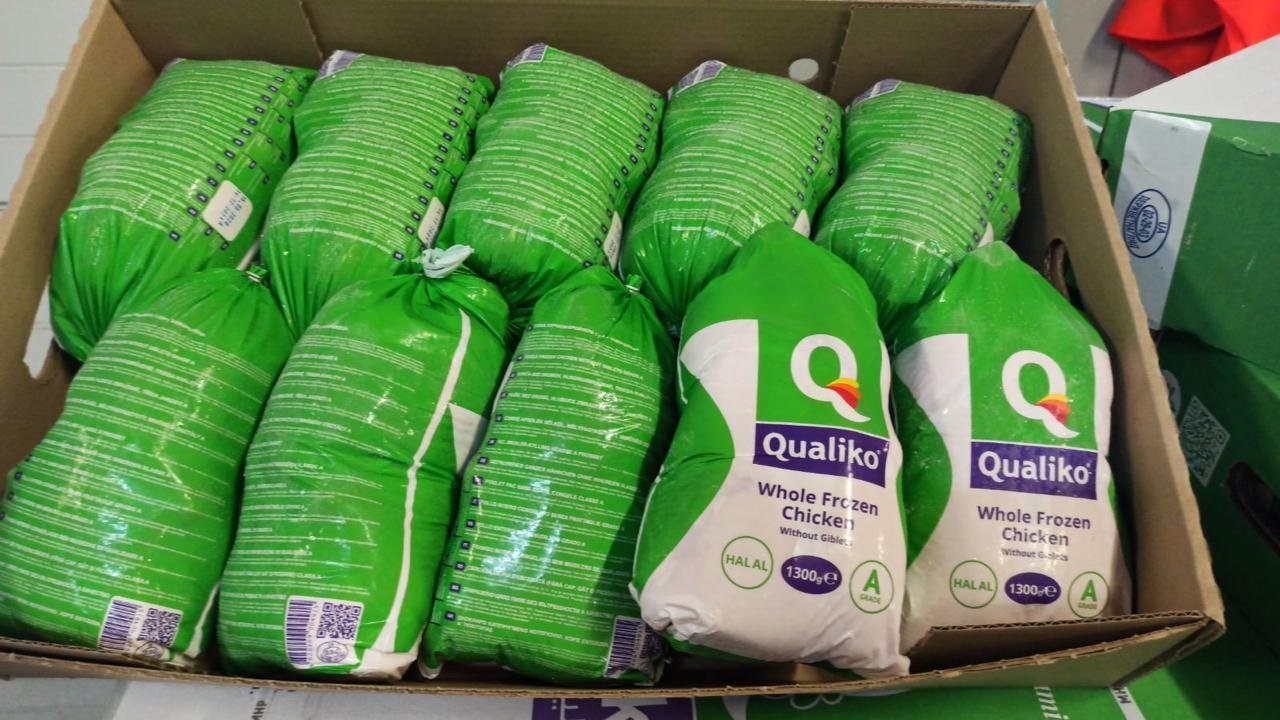
A whole export turkey is a complete processed bird prepared according to international food safety, veterinary, and market requirements. Products may be supplied with or without giblets, in various weight categories, and under different packaging specifications depending on destination market preferences.
Global Demand for Whole Turkey
Demand is driven by retail chains, wholesalers, distributors, hotels, restaurants, institutional buyers, and food manufacturers. Seasonal consumption during holidays and religious celebrations creates additional demand in many countries, while year-round demand exists in foodservice and processing sectors.
Key Import Markets
Whole turkey exports are shipped to markets throughout Europe, the Middle East, Africa, Asia, and Latin America. Market requirements vary regarding product specifications, halal certification, labeling standards, and veterinary approvals.
Advantages for Importers
Whole birds provide flexibility because buyers can distribute products directly to retailers or process them into cuts. Importers can often achieve favorable purchasing economics compared with buying multiple individual cuts separately.
Product Specifications
Export specifications commonly include weight range, grading standards, freezing method, packaging type, moisture requirements, shelf life, and labeling requirements. Buyers typically define these specifications before concluding supply agreements.
Fresh vs Frozen Whole Turkey
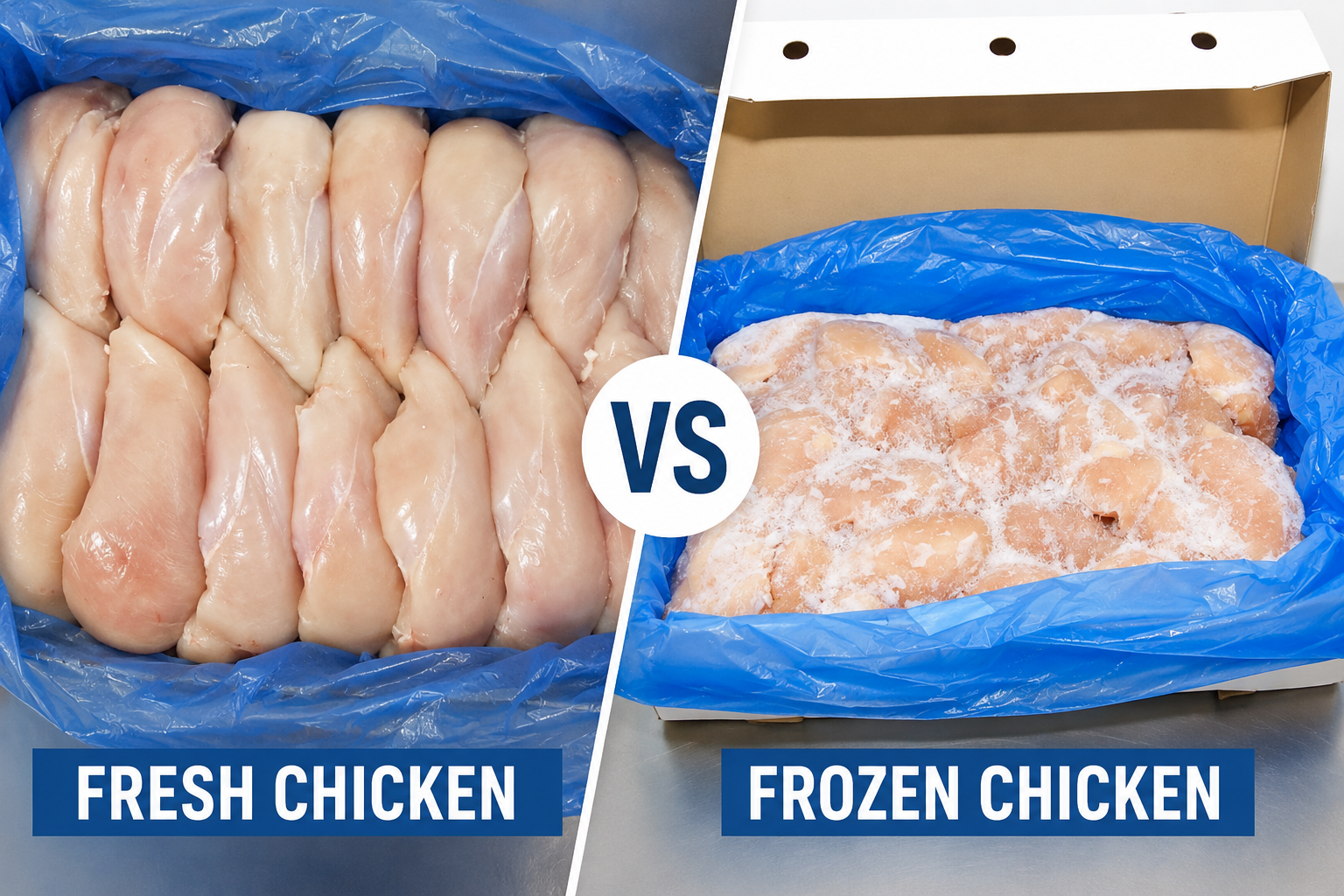
Most international trade is conducted using frozen products due to longer shelf life and easier logistics management. Frozen whole turkeys allow exporters to serve distant markets while maintaining product quality and food safety.
Halal Whole Turkey Exports
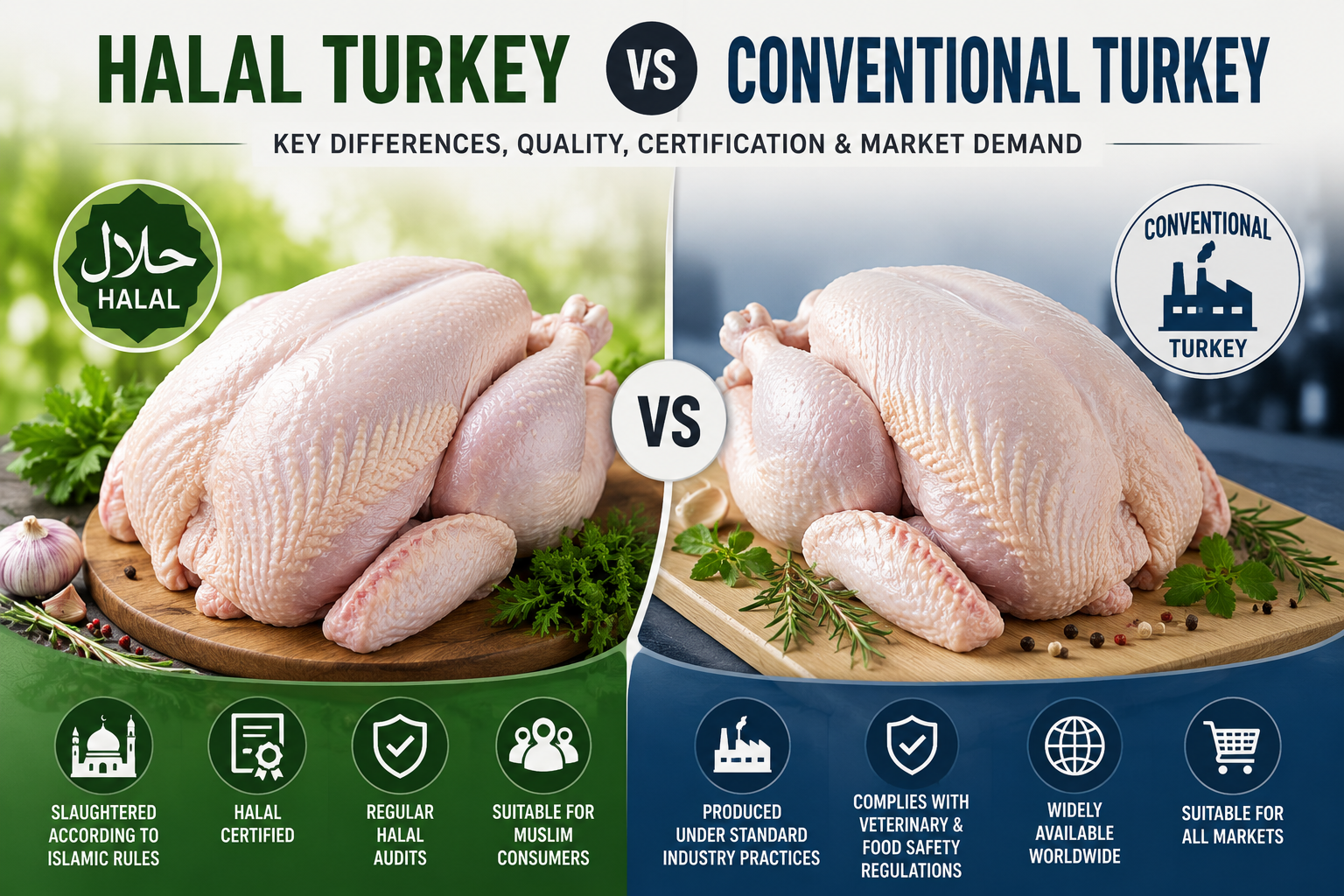
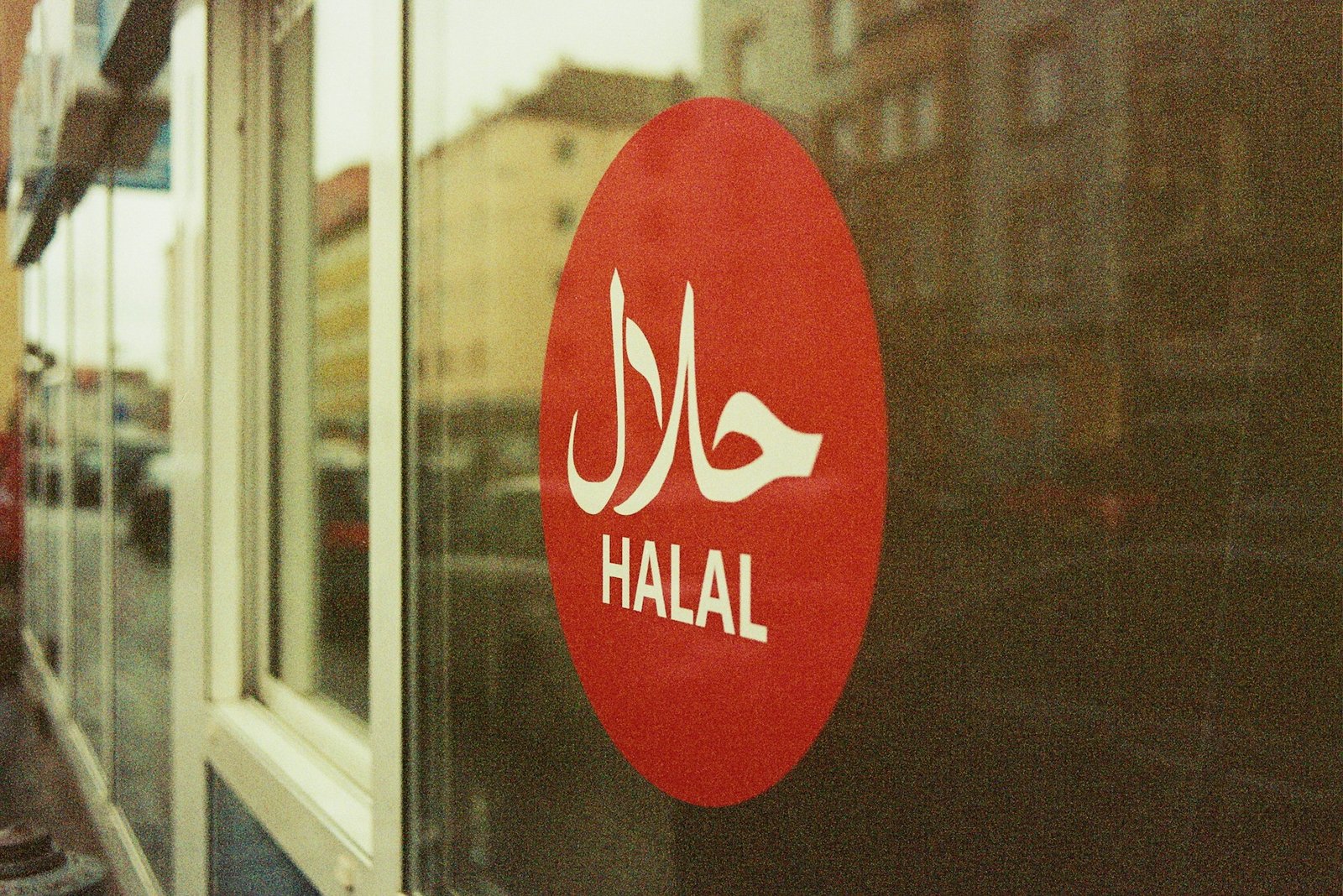
Many international markets require halal-certified turkey products. Halal compliance covers slaughter procedures, processing controls, segregation requirements, documentation, and certification issued by recognized authorities.
Food Safety and Quality Standards
Professional importers increasingly require suppliers to operate under HACCP, ISO 22000, BRCGS, or IFS food safety systems. These standards help ensure traceability, consistency, and compliance with international buyer expectations.
Packaging and Labeling
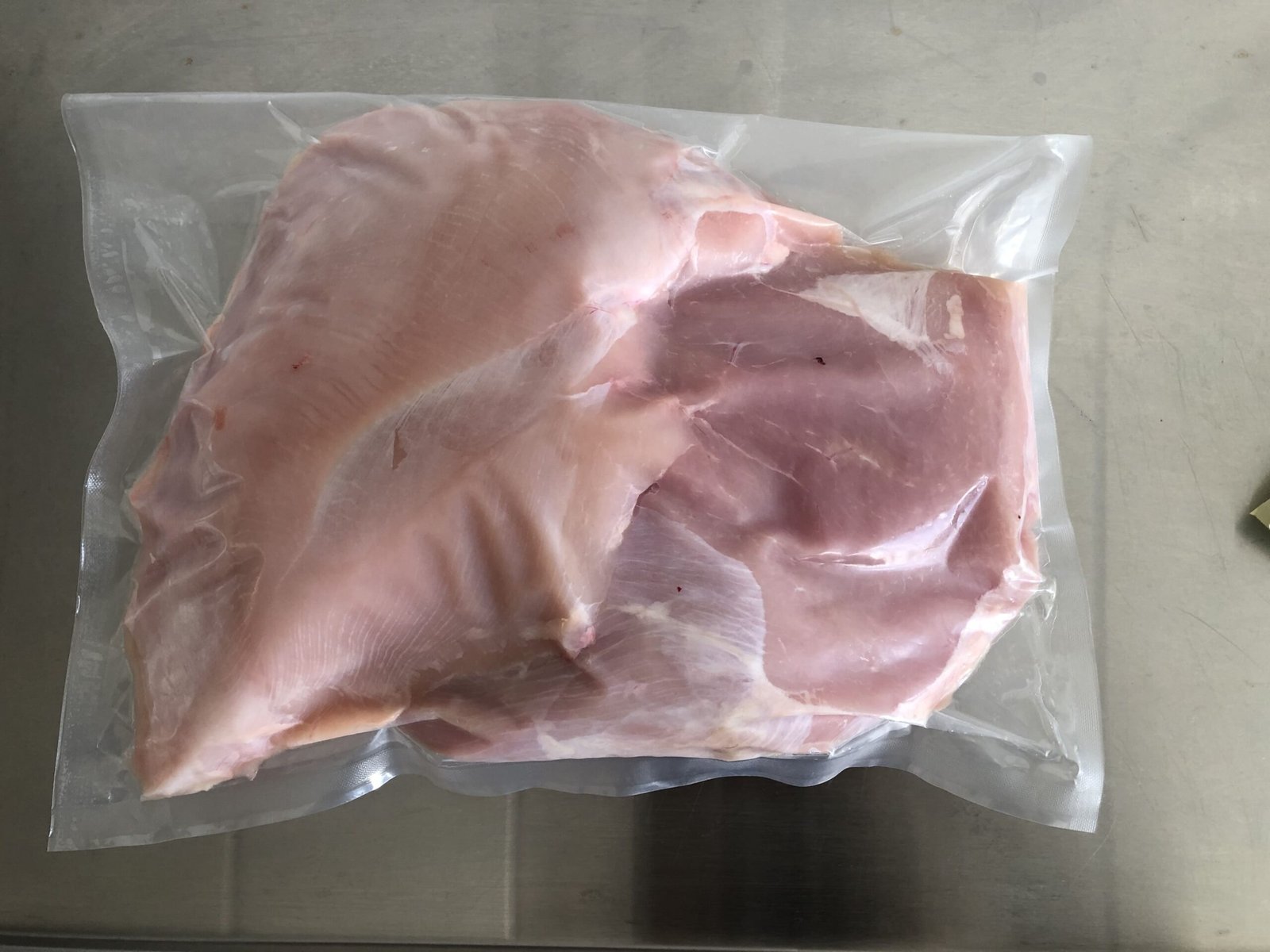
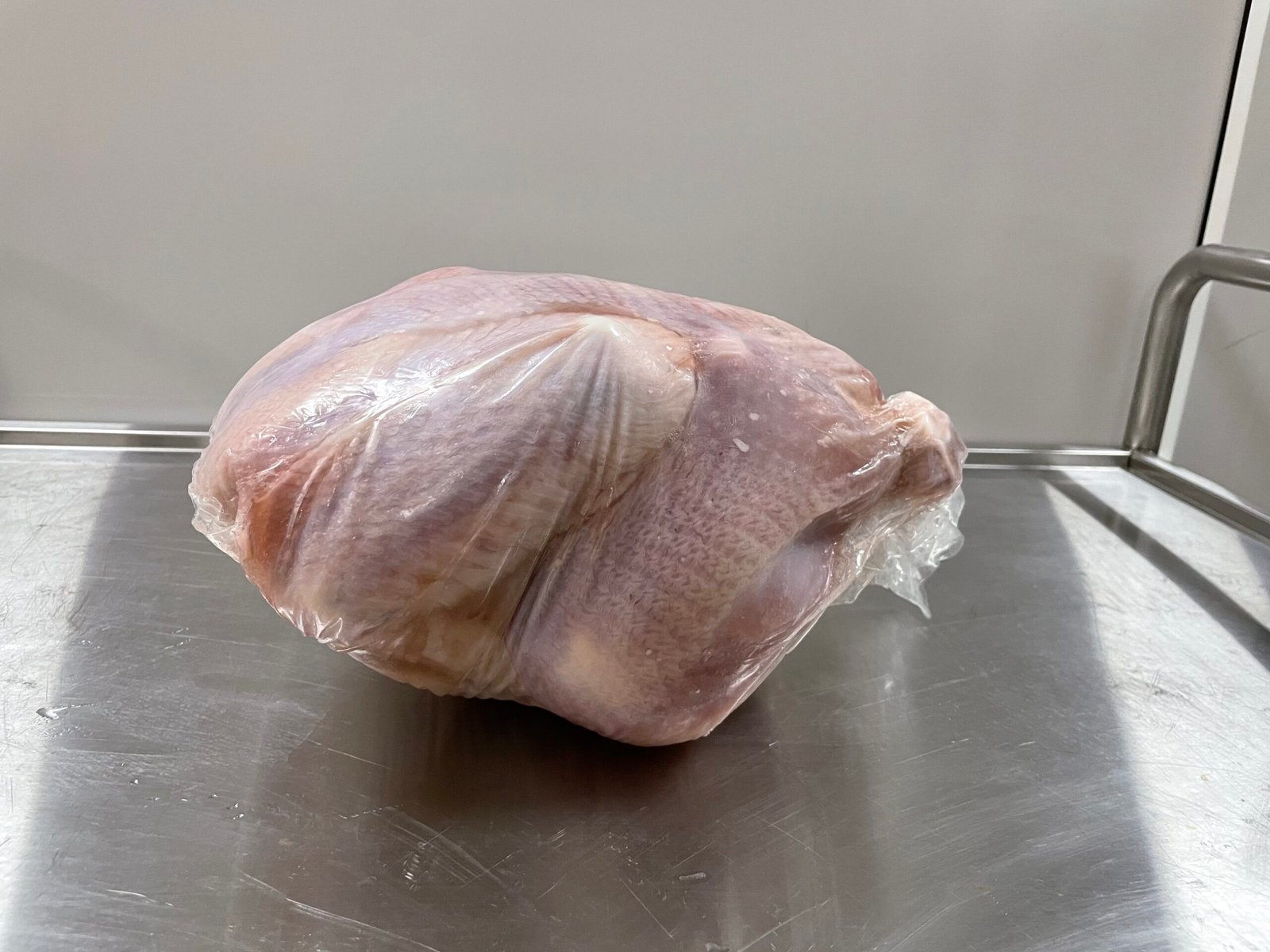
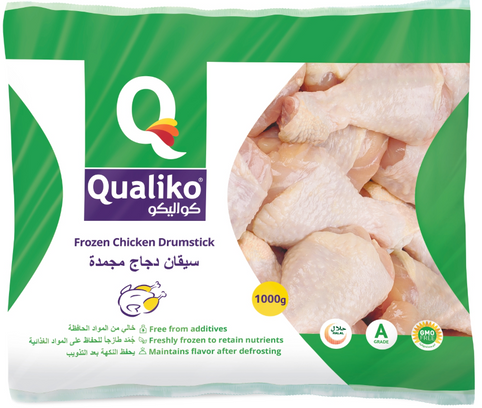
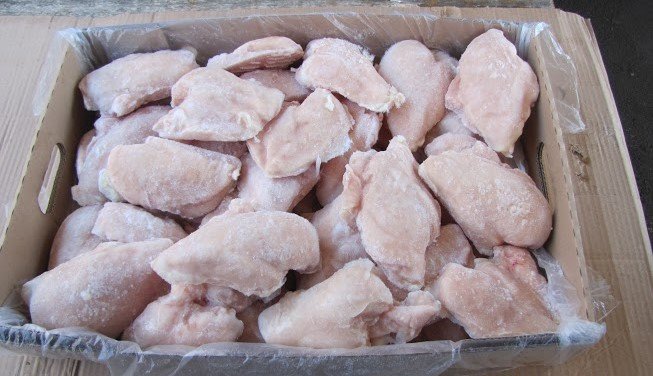
Whole turkeys are typically packed in shrink bags, vacuum packaging, or export cartons. Labels may include product description, country of origin, production date, shelf life, storage instructions, batch codes, and certification information.
Cold Chain Logistics
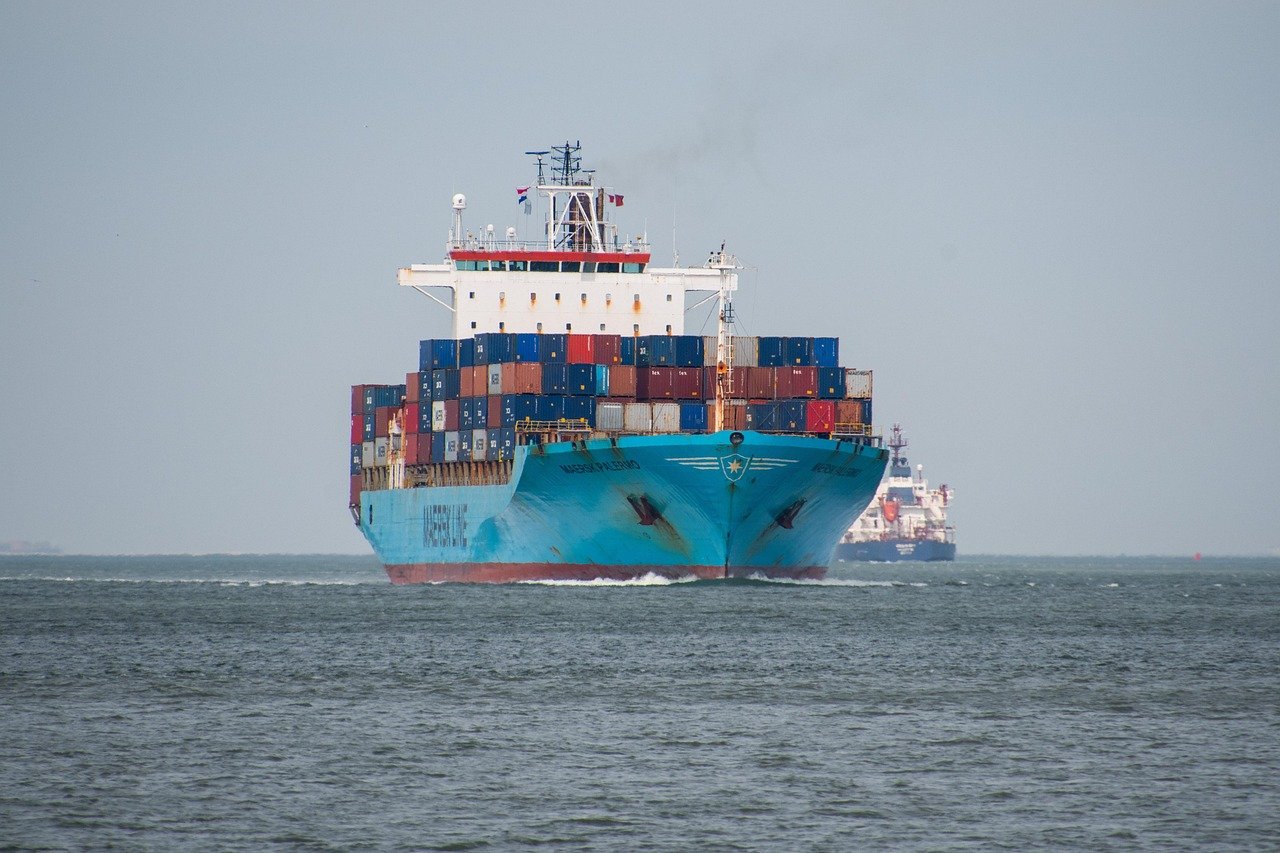
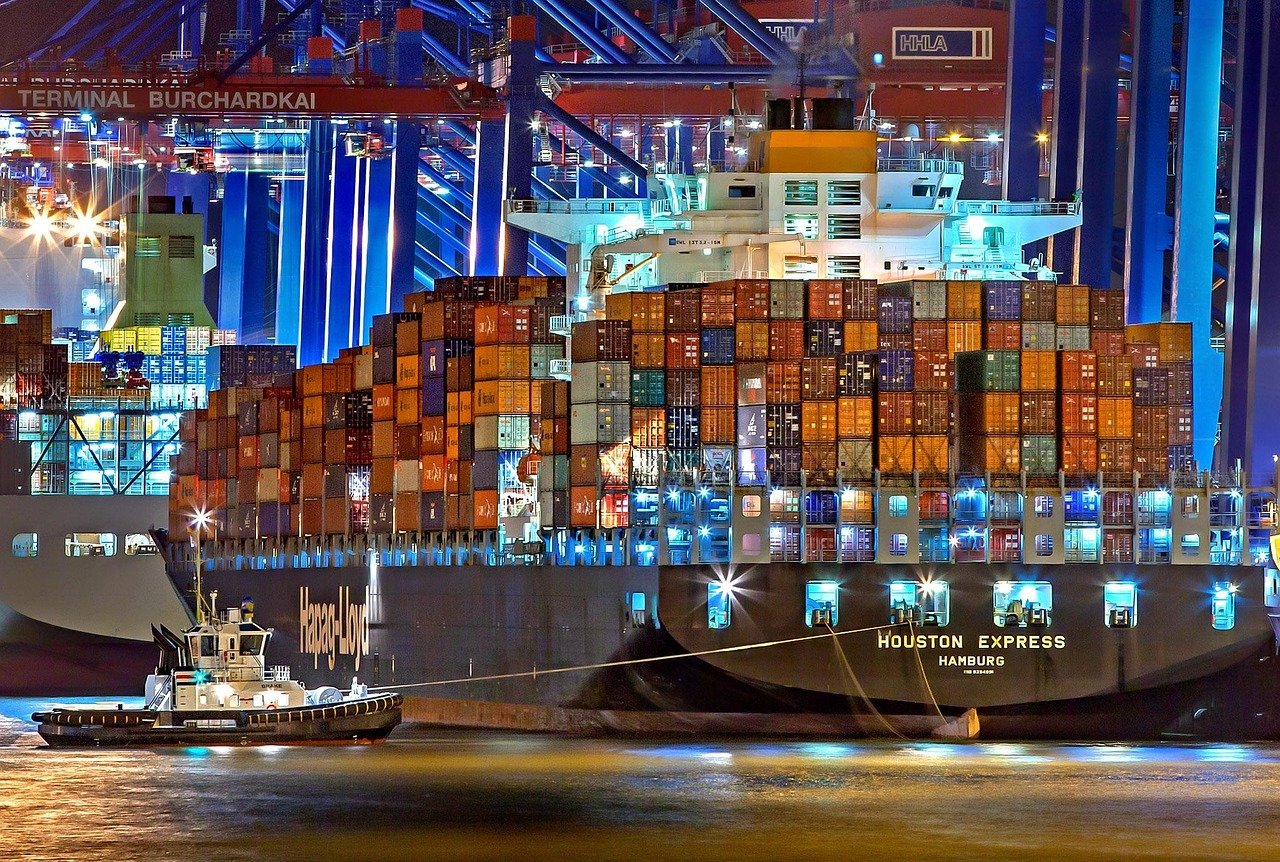
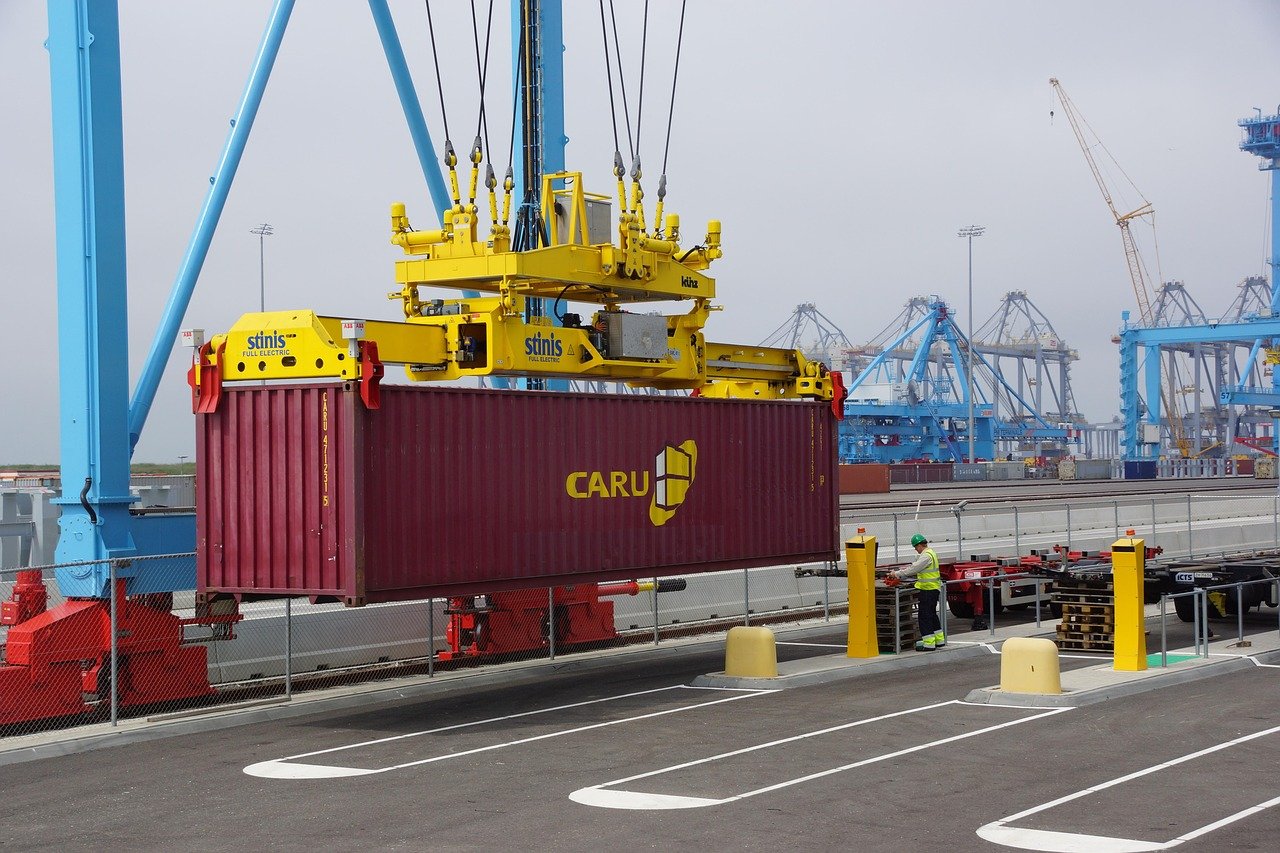
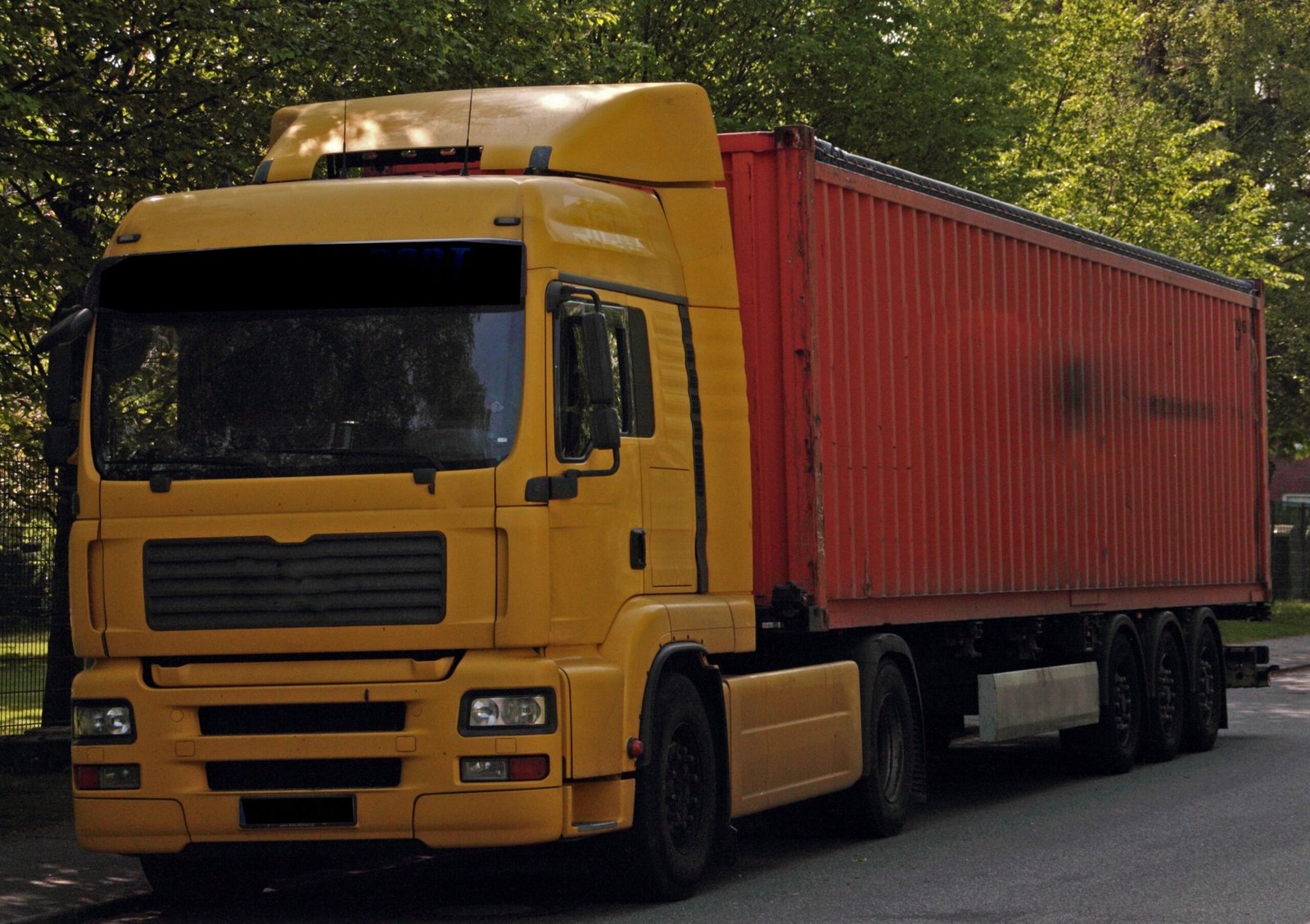
Maintaining temperatures of approximately -18°C or below throughout transportation is essential. Exporters use refrigerated storage facilities and reefer containers to preserve product quality from processing plant to final destination.
Export Documentation
Shipments generally require commercial invoices, packing lists, veterinary health certificates, certificates of origin, bills of lading, halal certificates where applicable, and destination-specific import documentation.
Pricing Factors
Whole turkey pricing is influenced by feed costs, production expenses, labor, energy prices, exchange rates, freight costs, certifications, and market demand. Seasonal purchasing patterns can also affect pricing levels.
Retail Opportunities
Retailers often market whole turkeys during holiday periods and family celebrations. Whole birds can attract consumers seeking value, traditional meal options, and larger serving sizes.
Foodservice Applications
Hotels, restaurants, caterers, and institutional kitchens purchase whole turkeys for roasting, carving stations, banquet operations, and further processing into menu items.
Supplier Selection
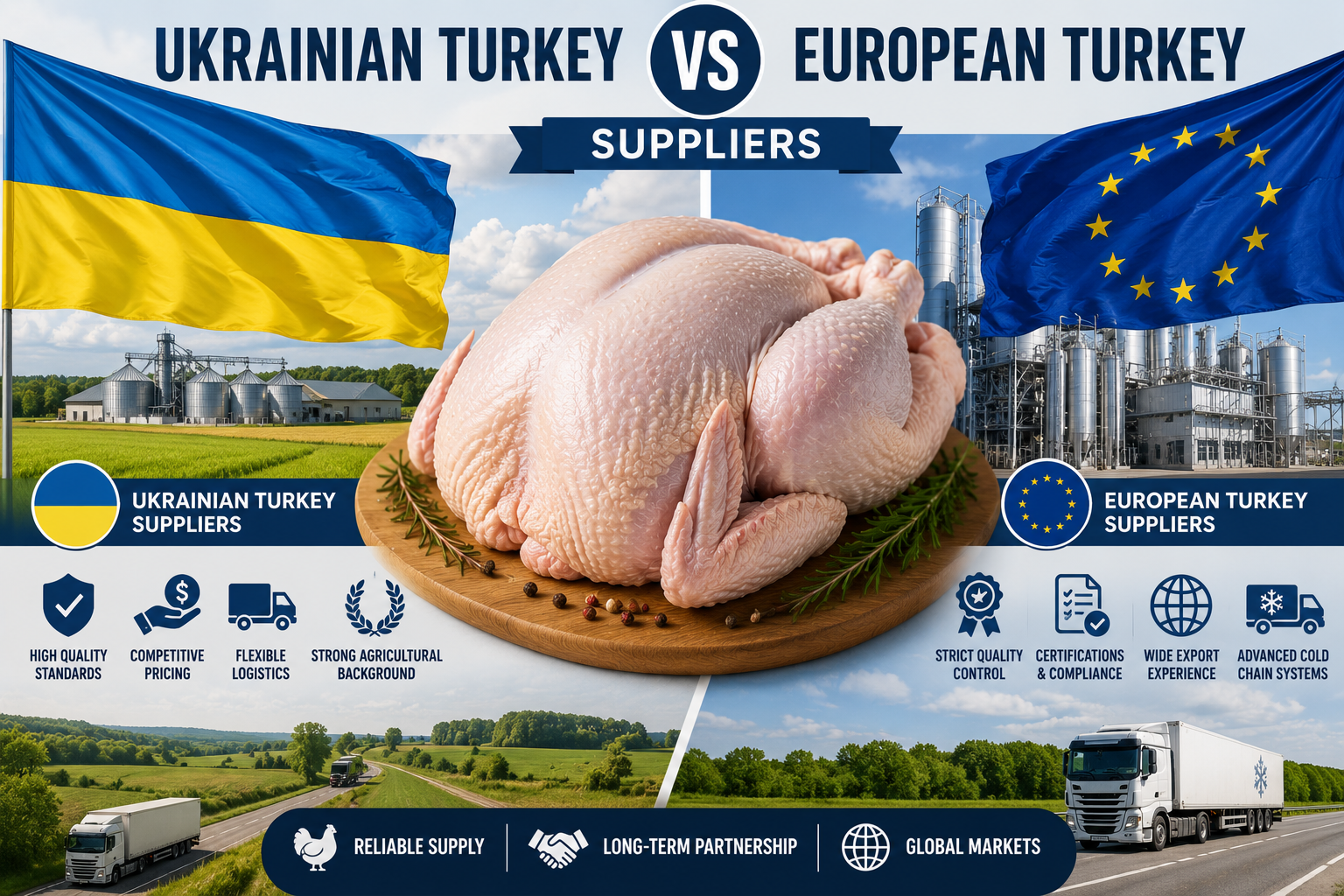
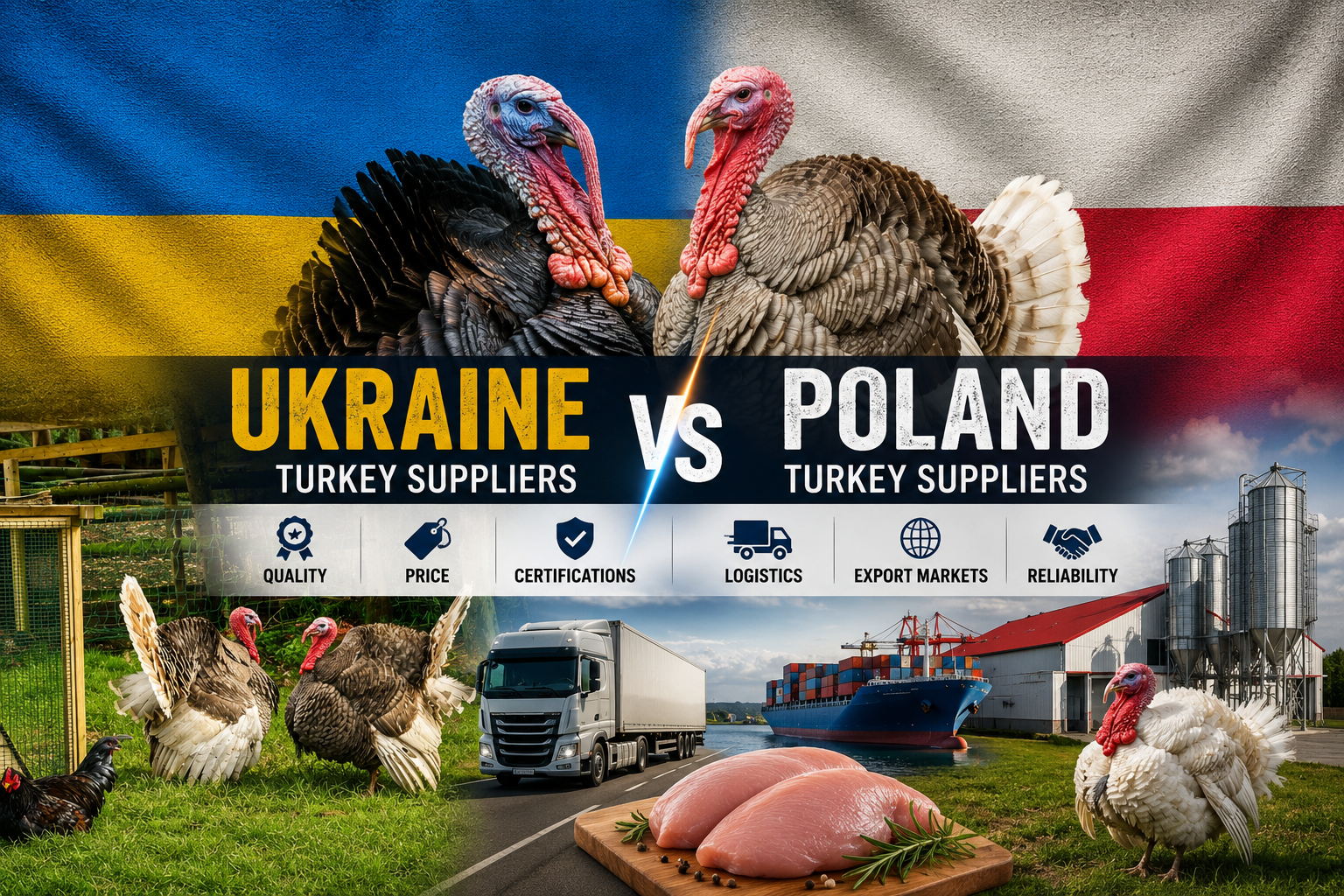
Importers should evaluate suppliers based on production capacity, export experience, certification status, product consistency, logistics capabilities, and customer references. Reliability and compliance are often more important than price alone.
Common Challenges
Exporters and importers may face challenges related to freight volatility, customs procedures, regulatory changes, cold-chain management, and seasonal demand fluctuations. Strong planning and communication help reduce these risks.
Future Outlook
Although demand for convenience products and turkey cuts is growing, whole turkey exports are expected to remain an important segment of international poultry trade. Seasonal retail demand and processing flexibility continue to support global market opportunities.
Conclusion
Whole turkey remains a valuable export product for international buyers. Its flexibility, broad market appeal, and competitive economics make it attractive for distributors, retailers, foodservice operators, and processors. Companies that prioritize quality, food safety, certification compliance, and reliable logistics can successfully compete in the global whole turkey market.