Mechanically Deboned Turkey Meat (MDM): Uses and Benefits
Comprehensive B2B Guide for Importers, Food Manufacturers, Distributors and Poultry Processors
Introduction
Mechanically Deboned Turkey Meat (MDM) is one of the most widely traded raw materials in the global poultry processing industry. Produced through specialized mechanical separation systems, MDM provides manufacturers with a cost-effective, functional, and versatile ingredient used in a broad range of processed food products. As demand for affordable protein solutions continues to grow, MDM plays an increasingly important role in international food production and poultry trade.
What Is Mechanically Deboned Turkey Meat?
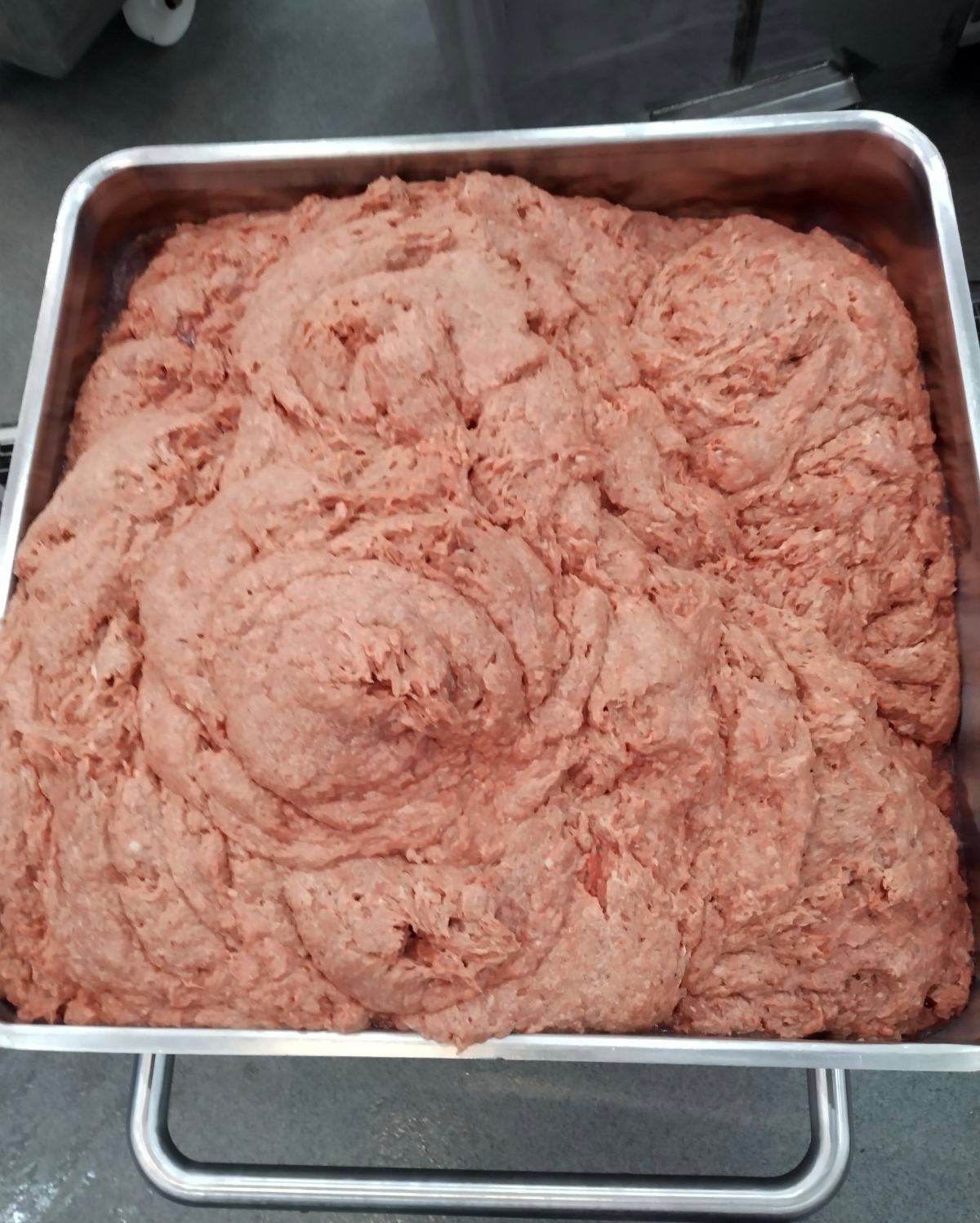
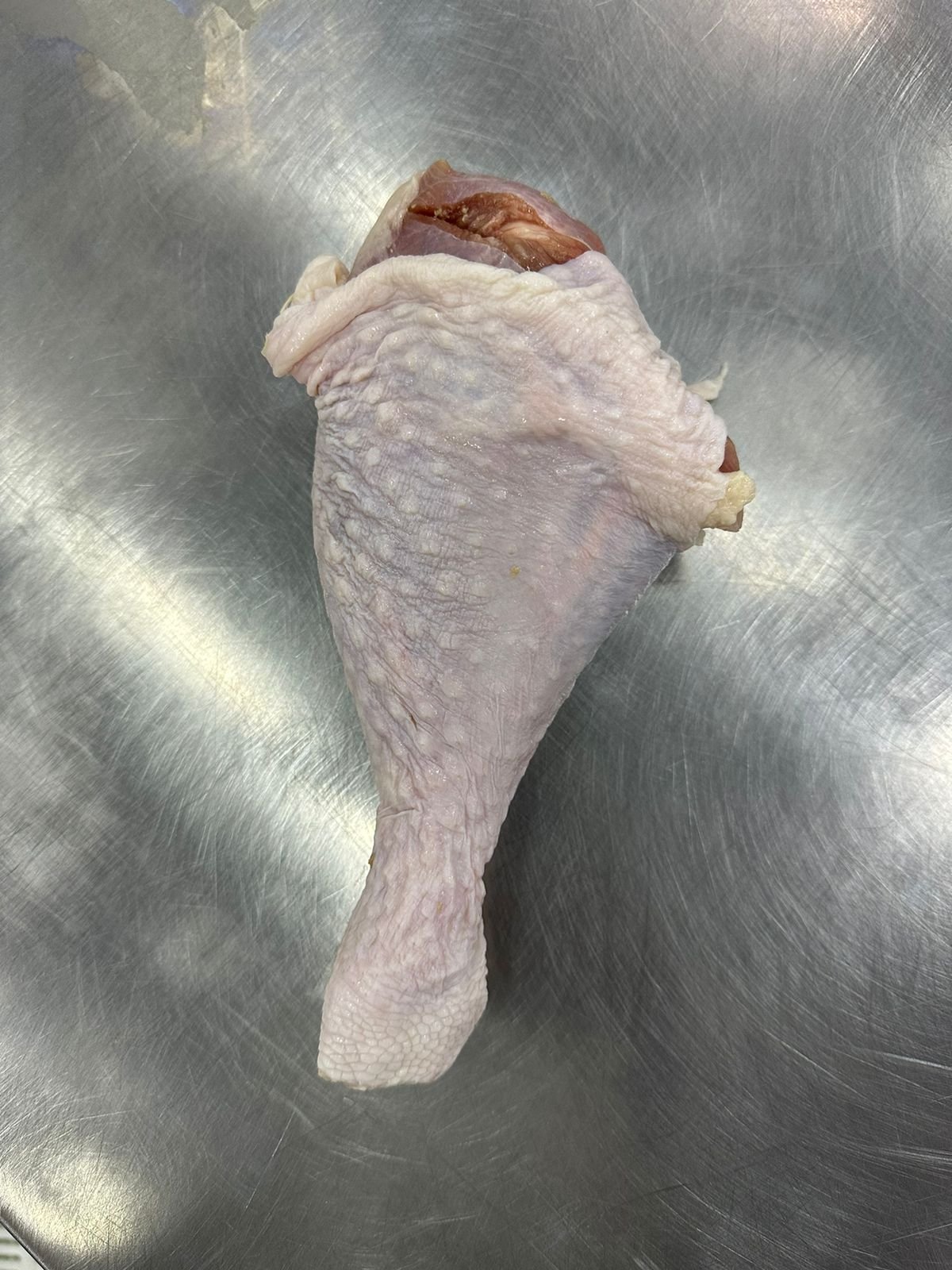
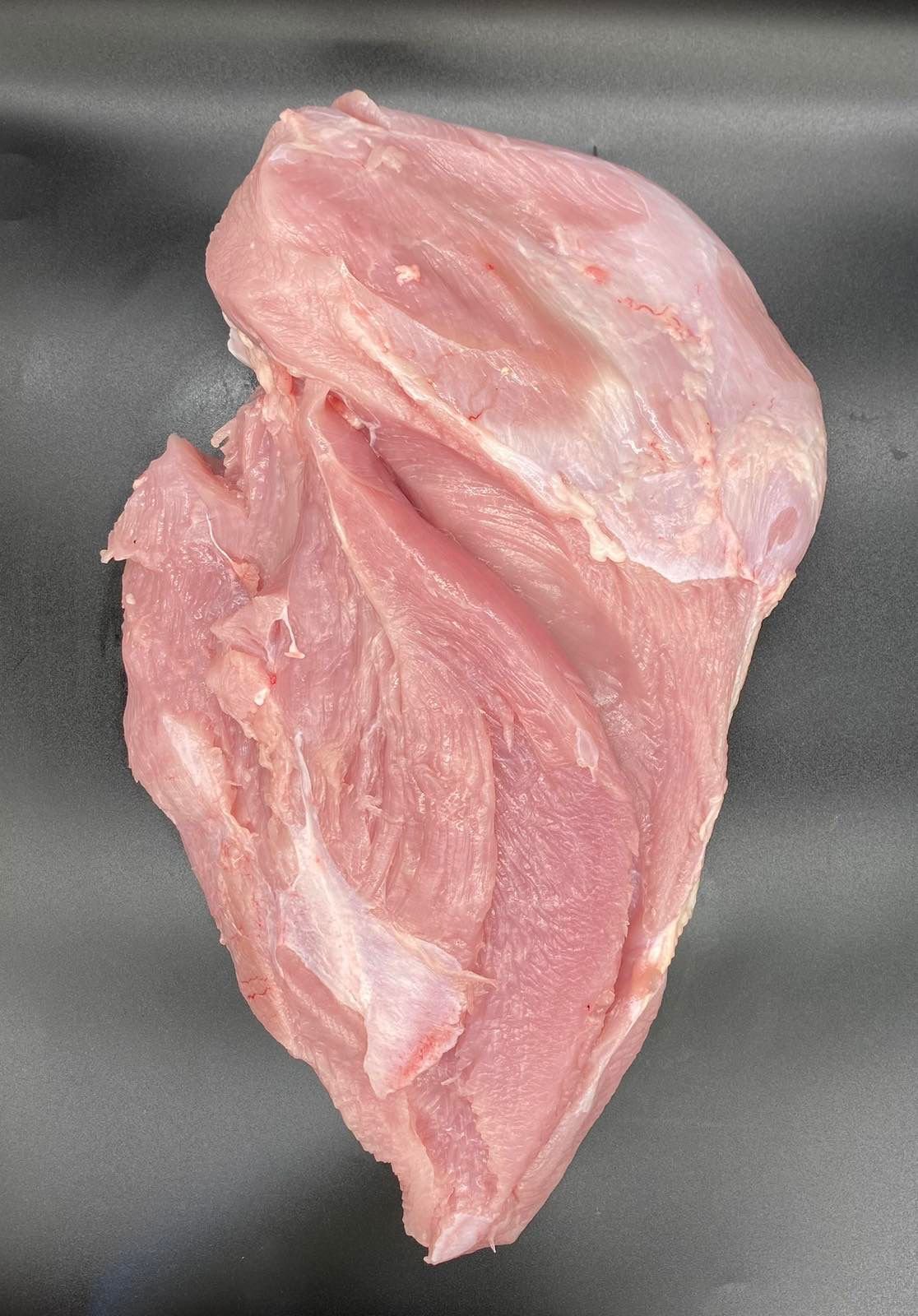
MDM is produced by mechanically separating residual meat from turkey bones after primary cuts such as breast fillets, wings, drumsticks, and thighs have been removed. Advanced separation equipment recovers valuable meat while minimizing waste and maximizing carcass utilization. The resulting product is a finely textured raw material widely used by food manufacturers.
How MDM Is Produced
Following primary processing, turkey frames and bones are transferred to mechanical separation systems. Pressure-based equipment extracts remaining muscle tissue while filtering bone fragments and hard materials. Modern production facilities operate under strict food safety controls to ensure consistent quality and regulatory compliance.
Why MDM Is Important to the Poultry Industry
MDTM improves overall carcass utilization and supports sustainability goals by reducing waste. It enables processors to recover valuable protein that would otherwise remain on bones, increasing efficiency and helping producers maximize returns from each bird.
Key Characteristics of MDM
Mechanically deboned turkey meat is valued for its fine texture, protein content, functionality, and affordability. Product specifications may vary depending on production methods, fat levels, calcium content, and customer requirements. Buyers typically define detailed specifications before entering supply agreements.
Applications in Food Manufacturing
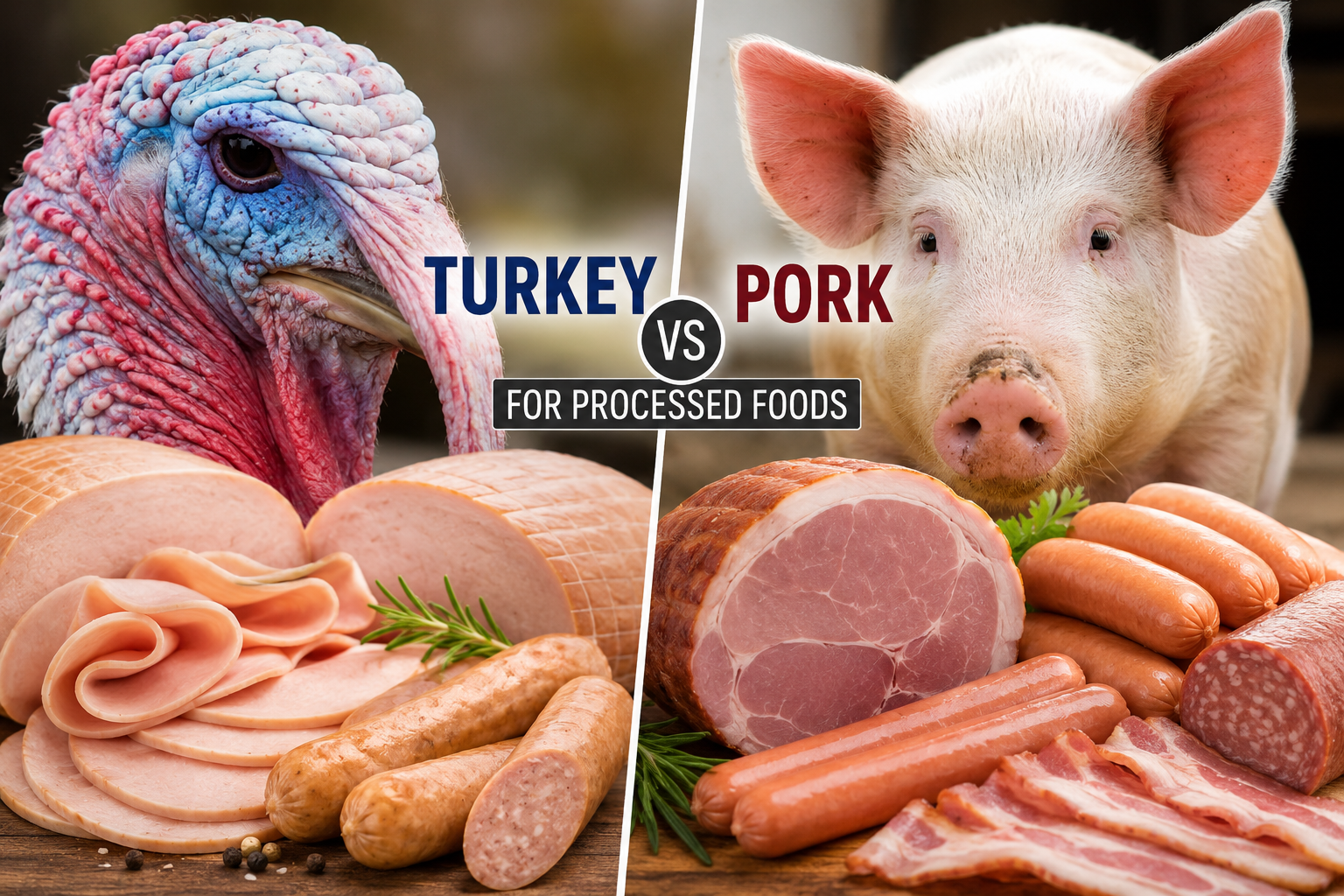
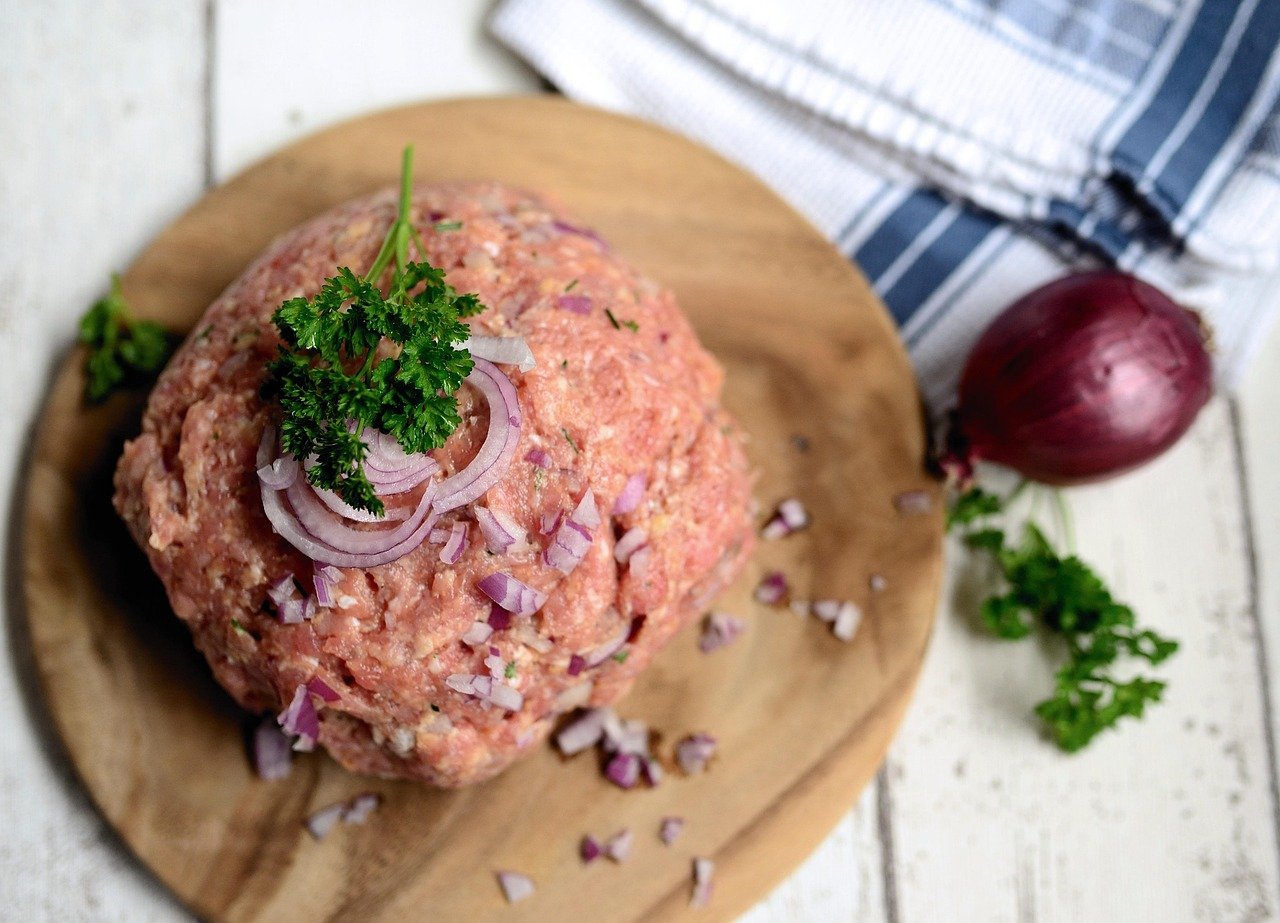
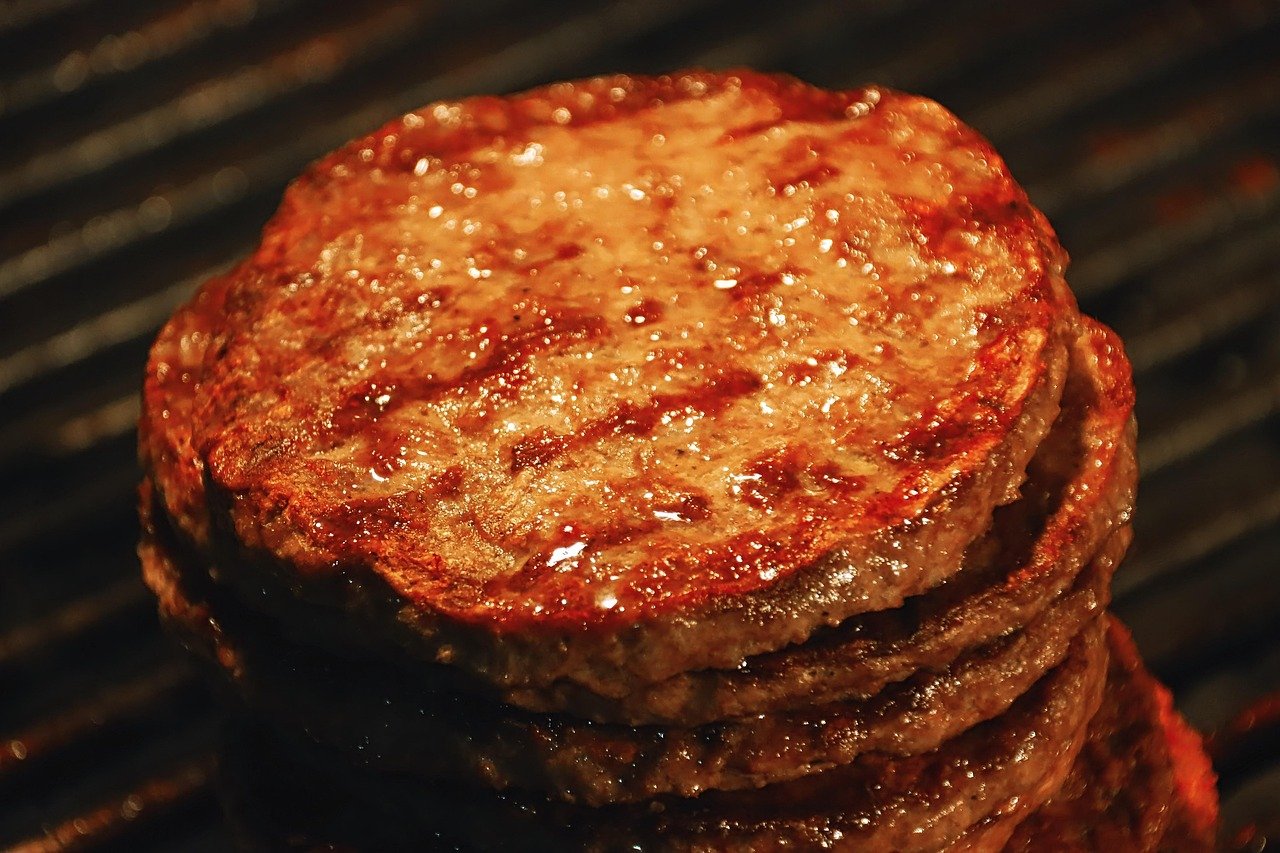
MDM is used extensively in the production of sausages, frankfurters, luncheon meats, deli products, poultry rolls, nuggets, patties, meatballs, canned products, and ready meals. Its processing characteristics make it particularly attractive for industrial food manufacturing operations.
Use in Processed Poultry Products
Many poultry processors utilize MDM as a functional ingredient in value-added products. It can contribute to texture, consistency, protein content, and production efficiency while supporting competitive pricing strategies.
Benefits for Food Manufacturers
Food manufacturers appreciate MDM because it offers cost efficiency, consistent supply, excellent functionality, and versatility across numerous product categories. These advantages help manufacturers optimize production economics without compromising product performance.
Cost Advantages
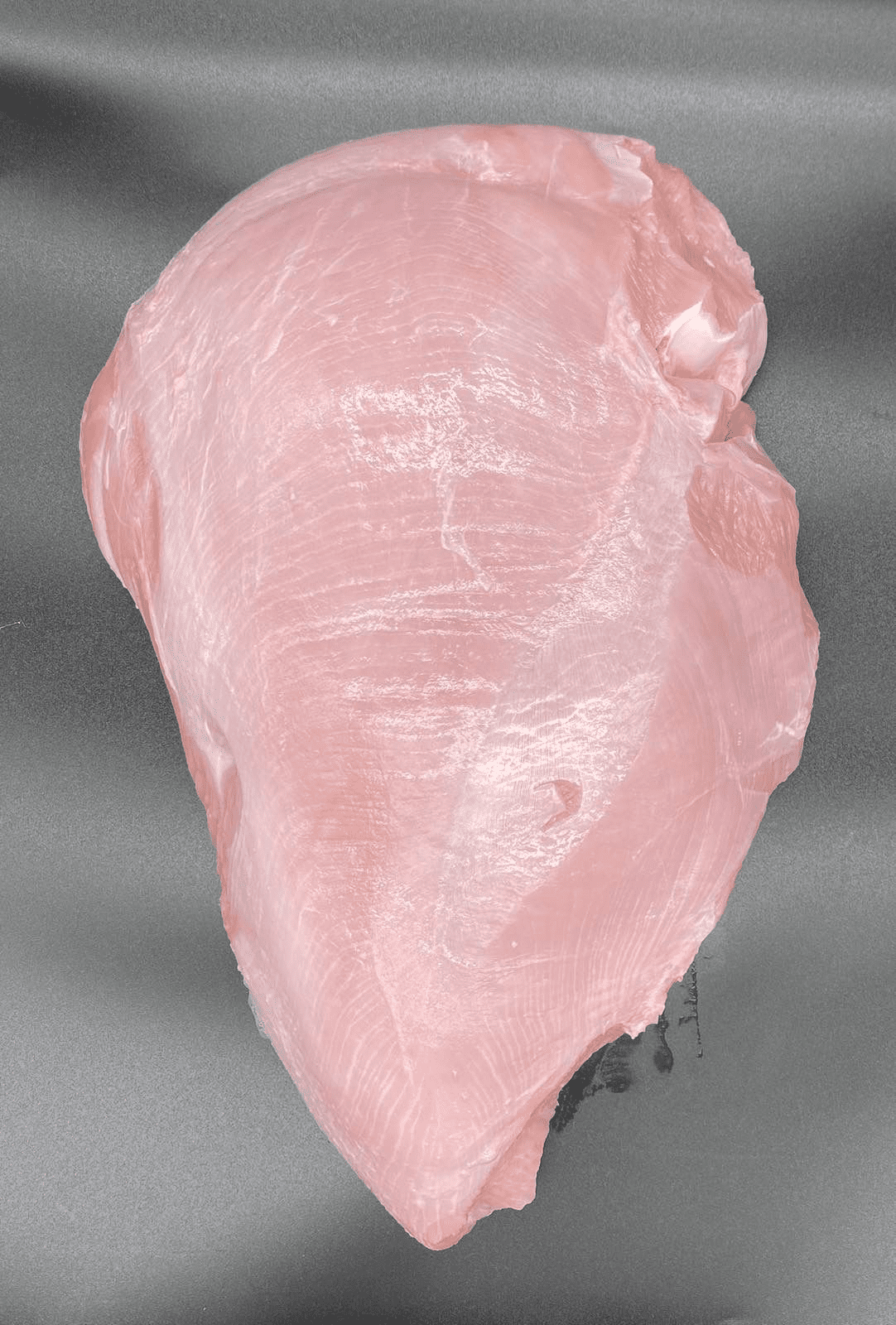
Compared with premium turkey cuts, MDM offers a significantly lower cost per kilogram. This economic advantage makes it attractive for manufacturers seeking to control raw material costs while maintaining protein content and product quality.
Global Demand for MDM
Demand for mechanically deboned turkey meat continues to grow in both developed and emerging markets. Food processors, distributors, and industrial buyers increasingly rely on MDM as a strategic raw material for large-scale production.
International Trade and Export Markets
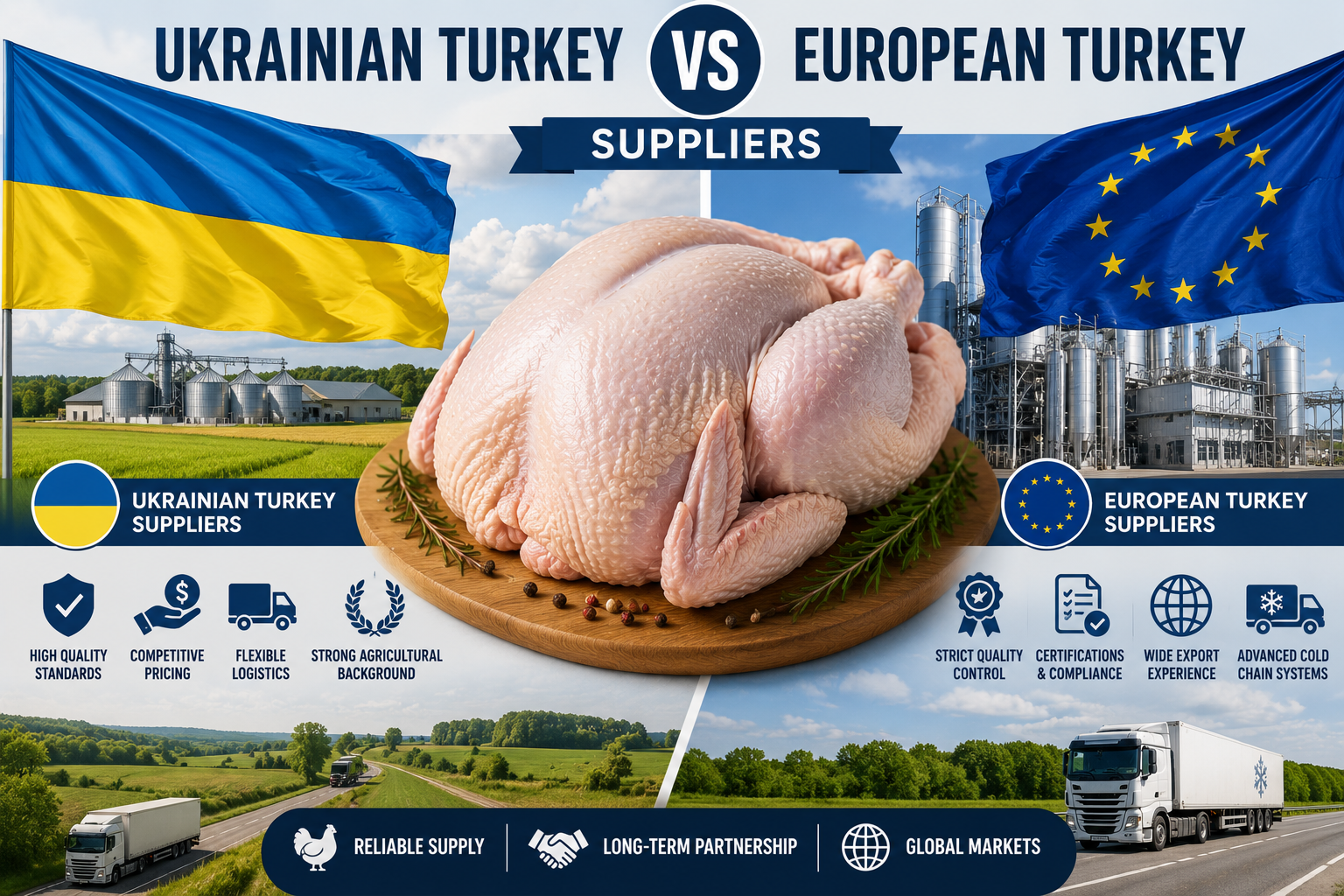
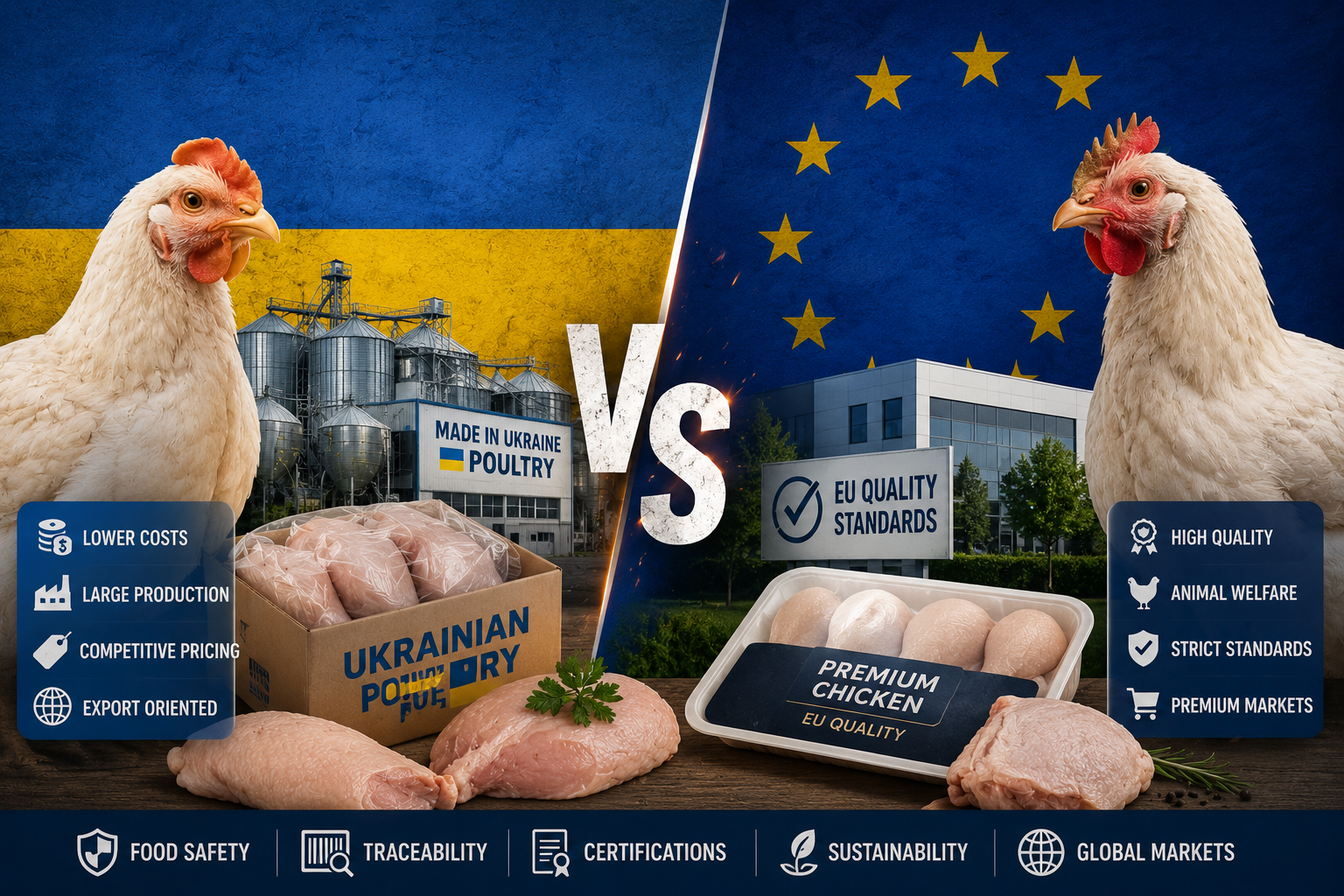
MDM is traded globally and exported to food manufacturers, further processors, and distributors in numerous regions. Key purchasing considerations include product specifications, regulatory compliance, food safety standards, and logistics capabilities.
Food Safety Requirements
Leading suppliers operate under internationally recognized food safety systems such as HACCP, ISO 22000, BRCGS, and IFS. Buyers often require detailed quality documentation, microbiological testing programs, and traceability systems.
Halal MDM
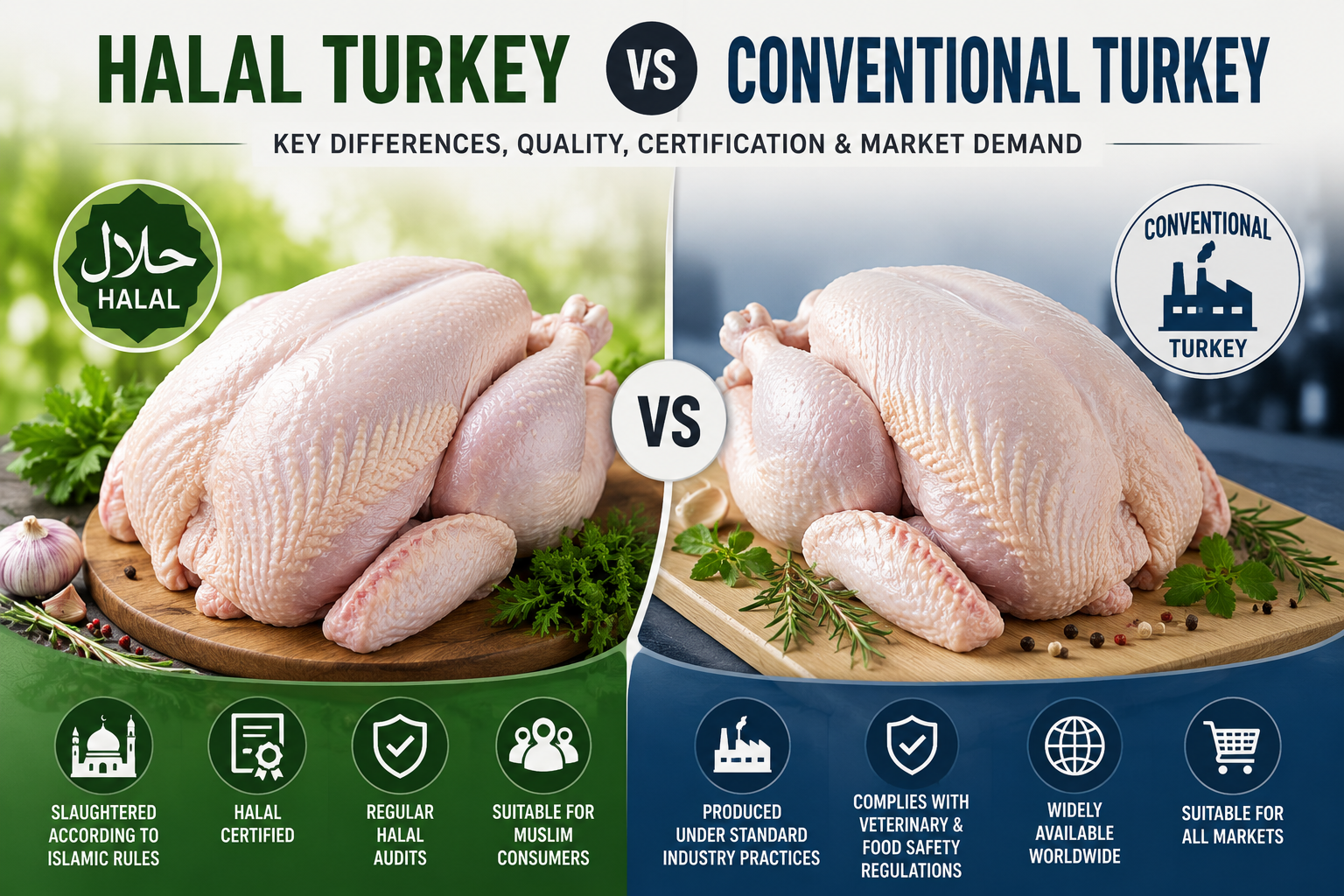
Halal-certified mechanically deboned turkey meat is increasingly important in markets serving Muslim consumers. Halal production requires compliance throughout slaughter, processing, storage, and distribution operations.
Packaging and Storage
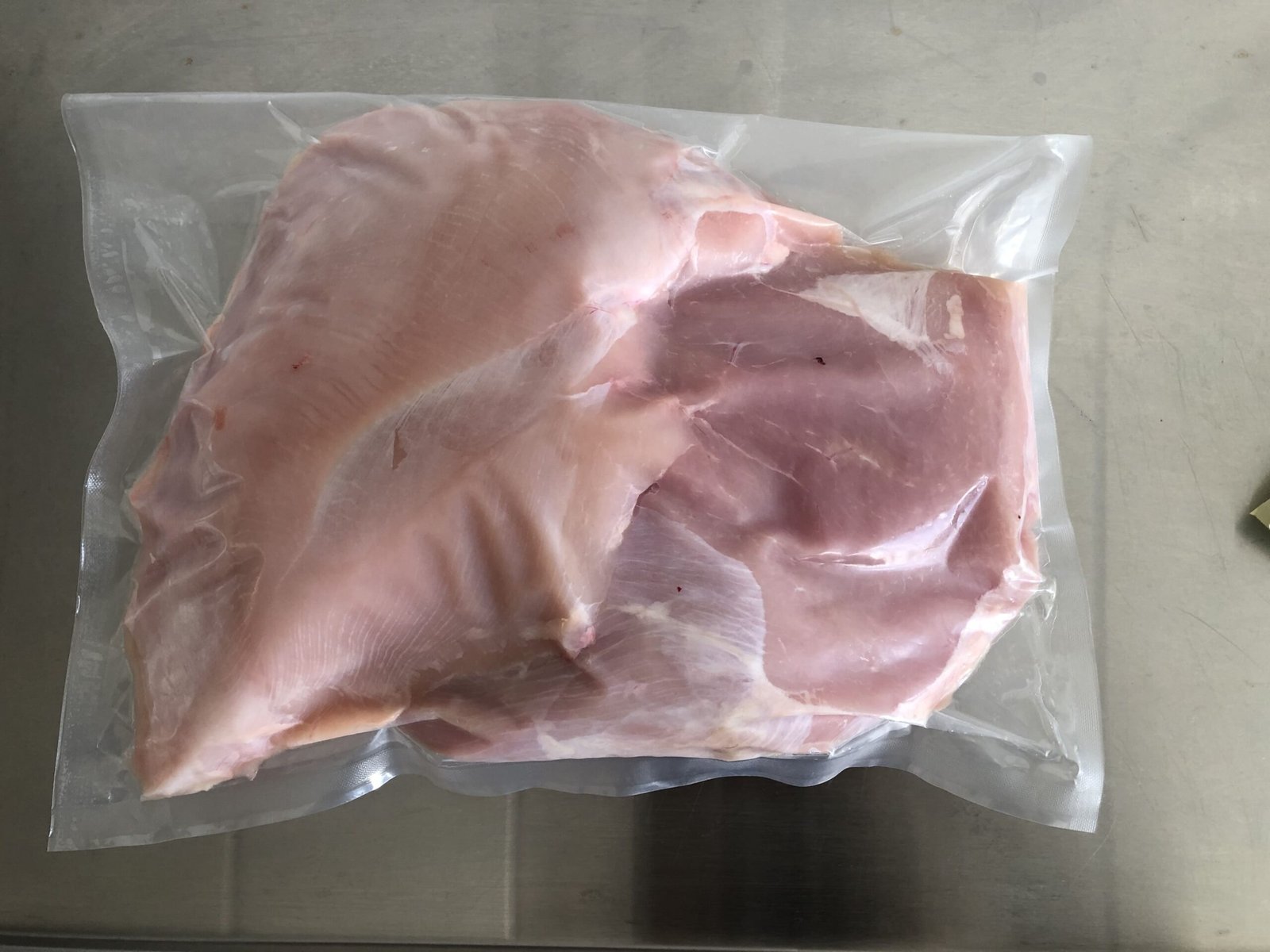
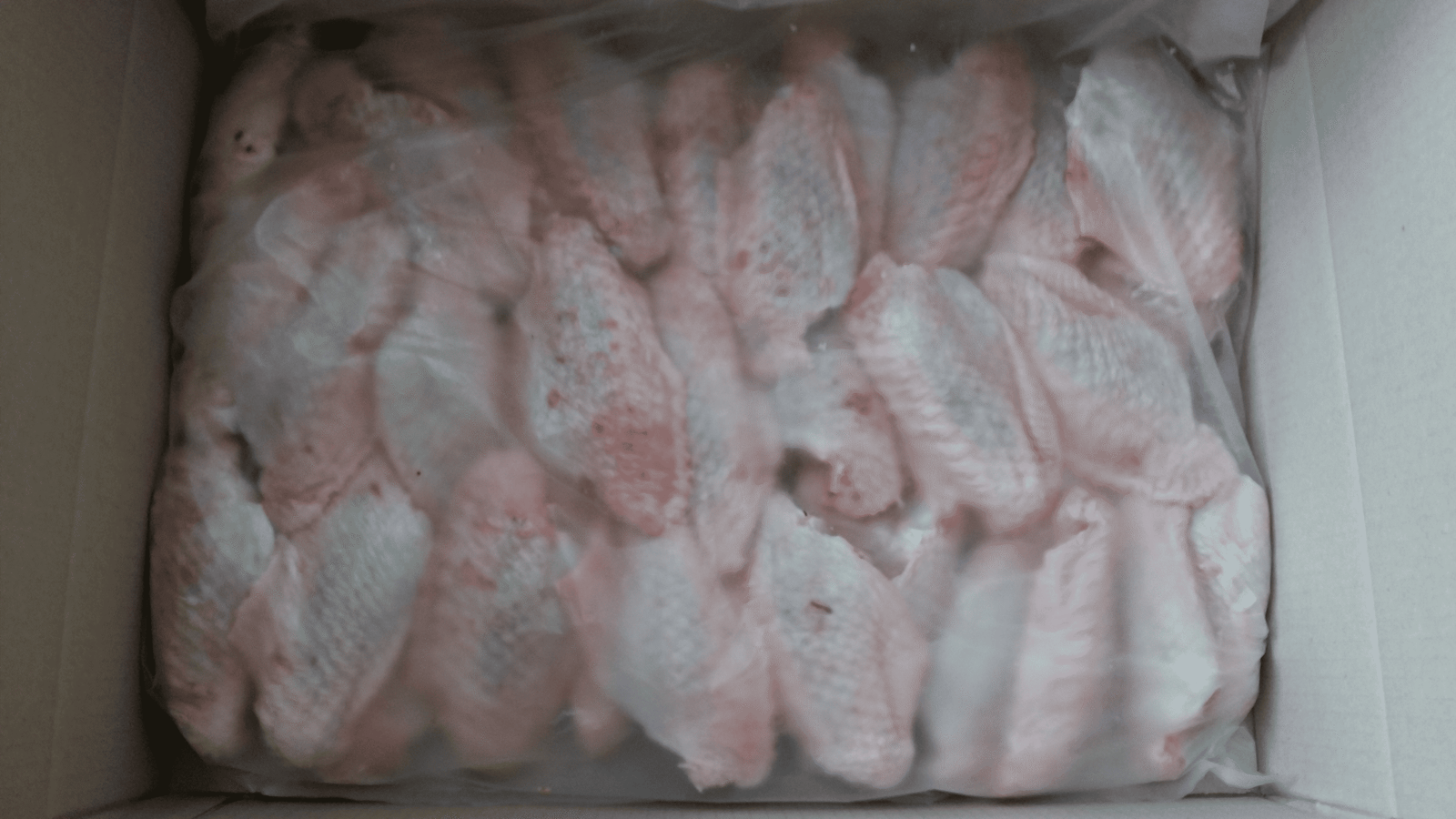
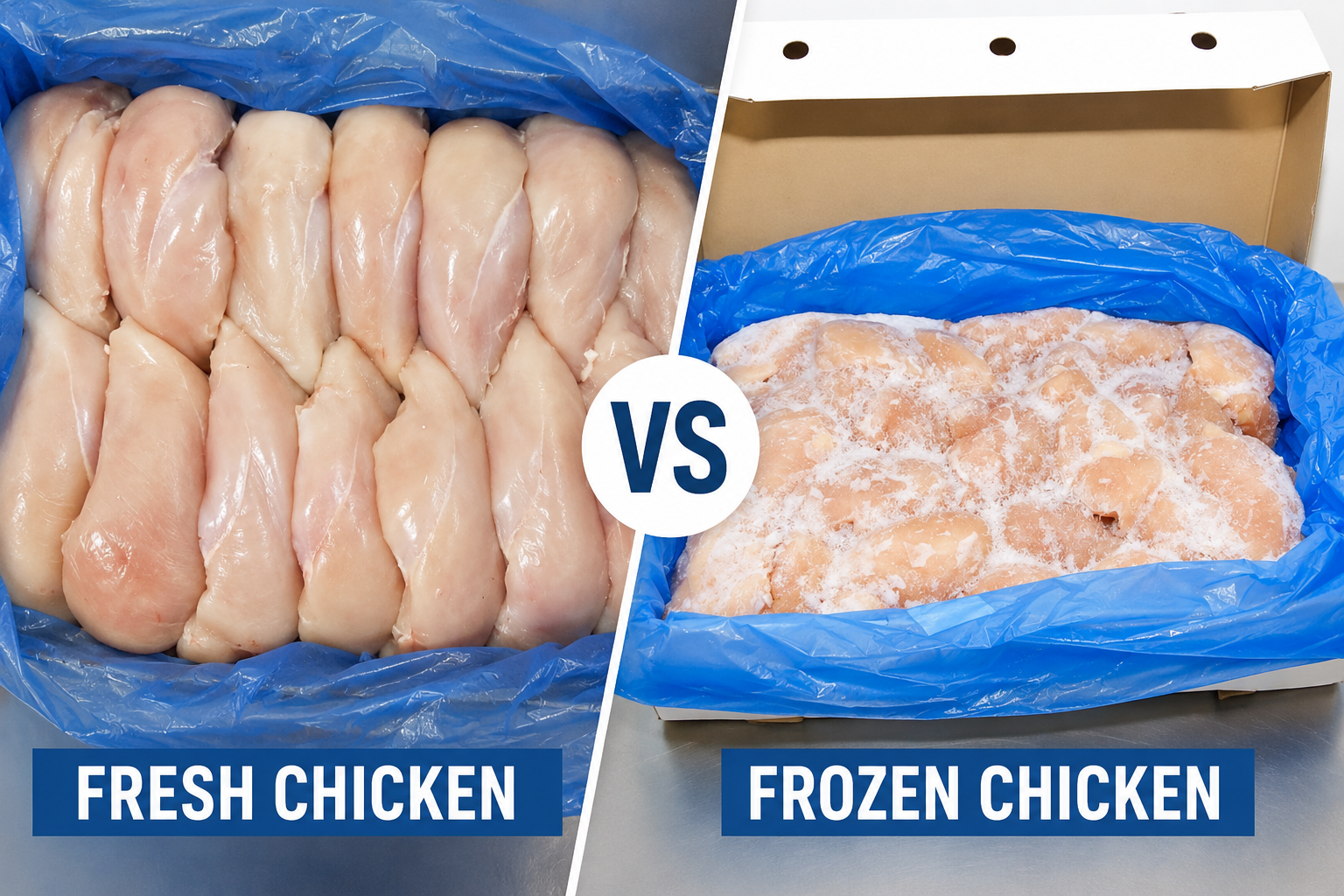
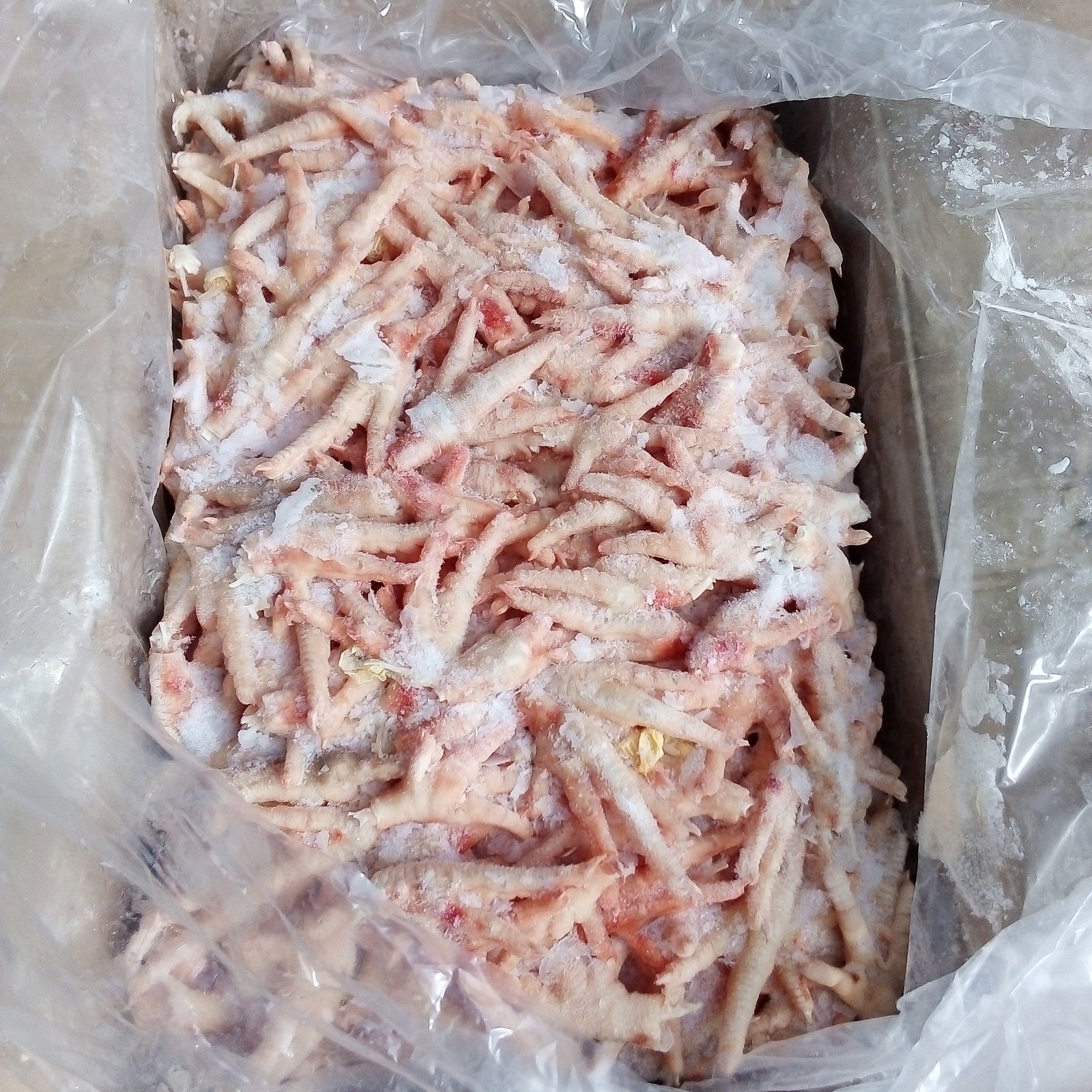
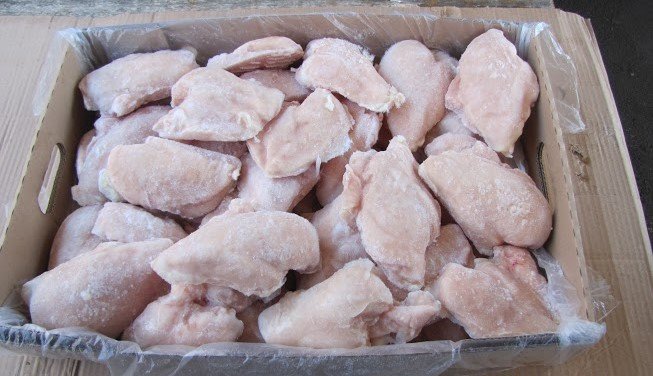
MDM is commonly supplied in frozen blocks or bulk packaging formats suitable for industrial processing. Proper packaging protects product quality and facilitates efficient transportation and storage.
Cold Chain Management
Frozen MDM must be maintained at appropriate temperatures throughout the supply chain. Effective cold-chain management preserves product quality, supports food safety objectives, and ensures compliance with buyer requirements.
Factors Affecting Pricing
Pricing is influenced by turkey production volumes, feed costs, processing expenses, labor costs, energy prices, transportation costs, exchange rates, and global supply-demand conditions. Buyers should evaluate total procurement costs rather than focusing solely on product price.
How Buyers Evaluate Suppliers
Industrial buyers typically assess production capacity, export experience, quality systems, certification status, specification consistency, logistics capabilities, and long-term supply reliability. Strong supplier relationships often contribute to greater operational stability.
Challenges in the MDM Market
Manufacturers and importers face challenges including regulatory differences, freight volatility, supply chain disruptions, changing food labeling requirements, and fluctuations in poultry production levels. Strategic sourcing programs can help mitigate these risks.
Future Market Outlook
Global demand for processed protein products is expected to support continued growth in MDM consumption. Advances in processing technology, sustainability initiatives, and increasing demand for affordable protein ingredients are likely to strengthen market opportunities.
Conclusion
Mechanically Deboned Turkey Meat remains one of the most valuable raw materials in the poultry processing sector. Its combination of affordability, functionality, efficiency, and versatility makes it an essential ingredient for food manufacturers worldwide. Buyers that prioritize quality standards, food safety compliance, and reliable supplier partnerships can maximize the benefits of MDM within their production operations.