Whole Frozen Turkey vs Turkey Cuts
A Comprehensive Guide for Importers, Distributors, Foodservice Buyers, and Poultry Wholesalers
Introduction
International buyers sourcing turkey products often face an important purchasing decision: whether to import whole frozen turkeys or individual turkey cuts. Both options offer unique advantages depending on market demand, processing capabilities, customer preferences, logistics requirements, and pricing considerations. Understanding the differences between whole birds and turkey cuts can help importers optimize profitability and improve supply chain efficiency.
Understanding Whole Frozen Turkey
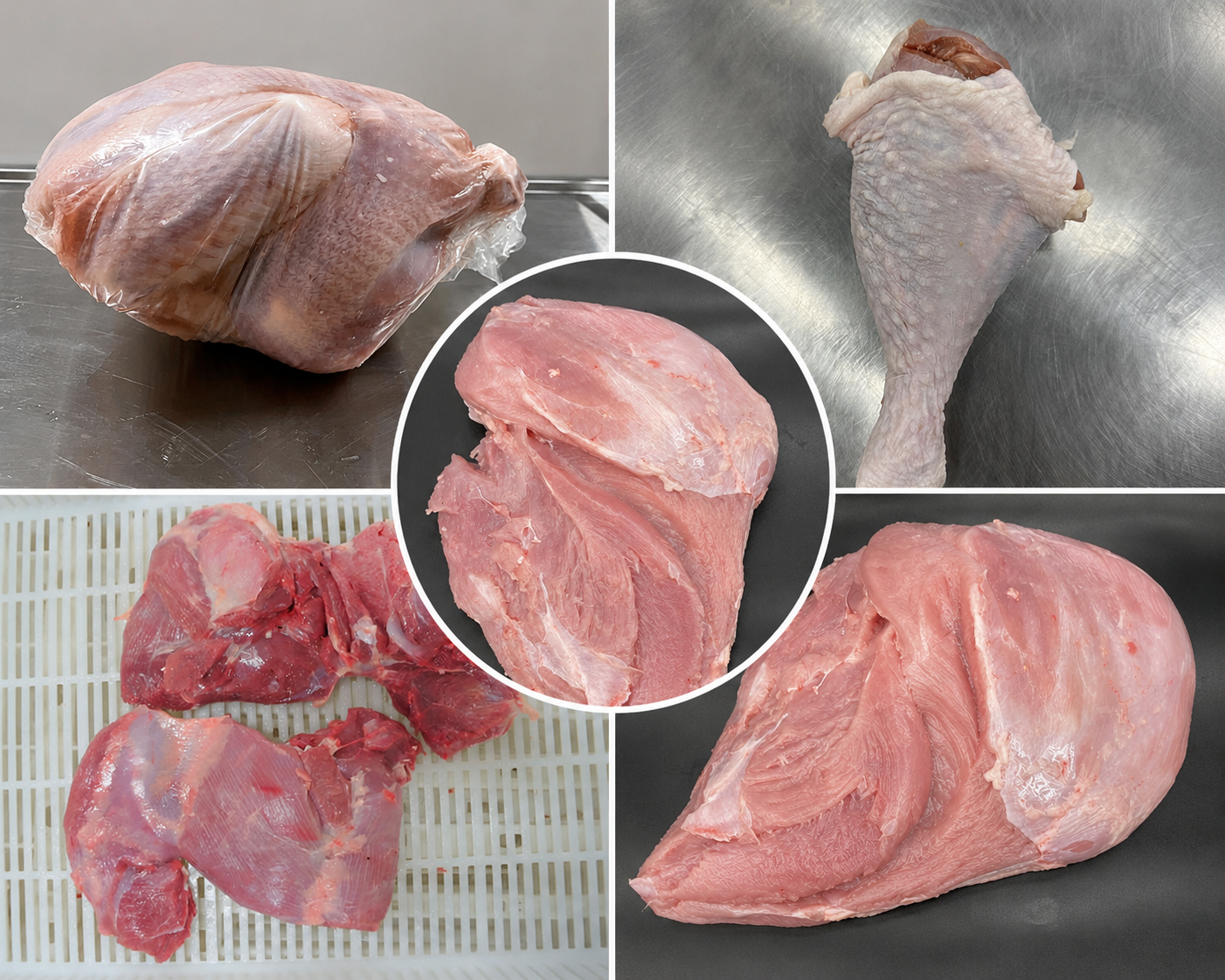
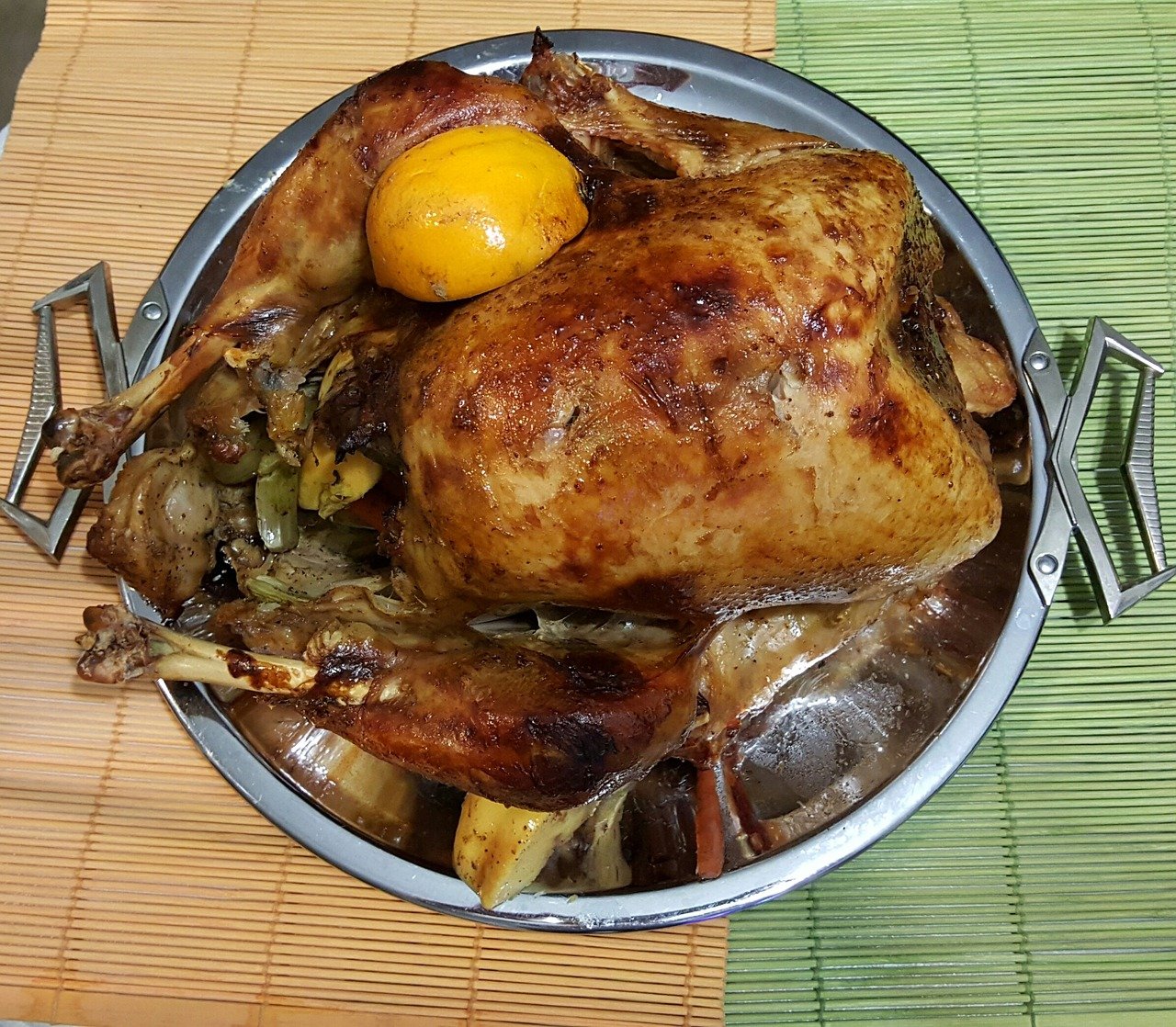
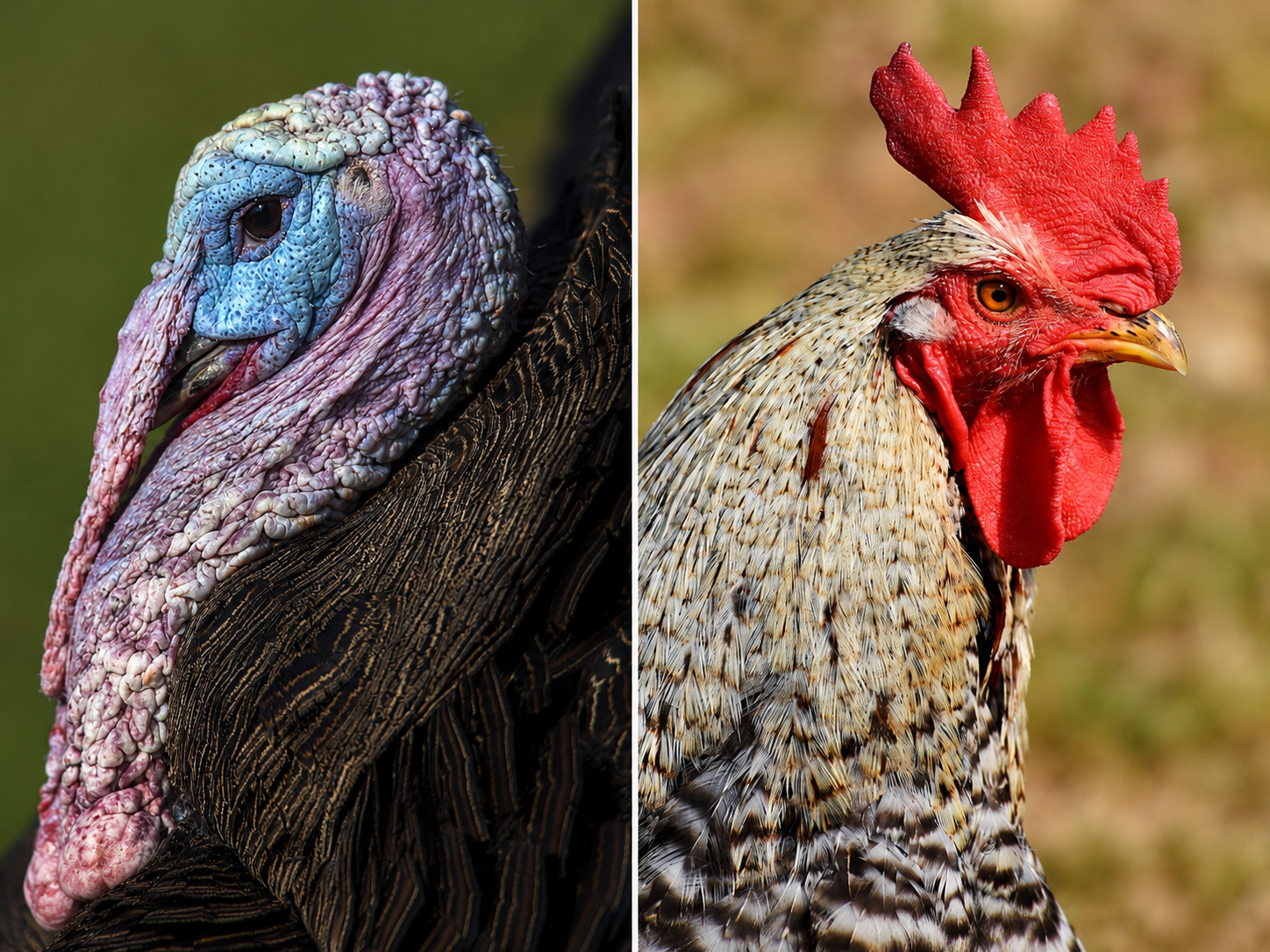
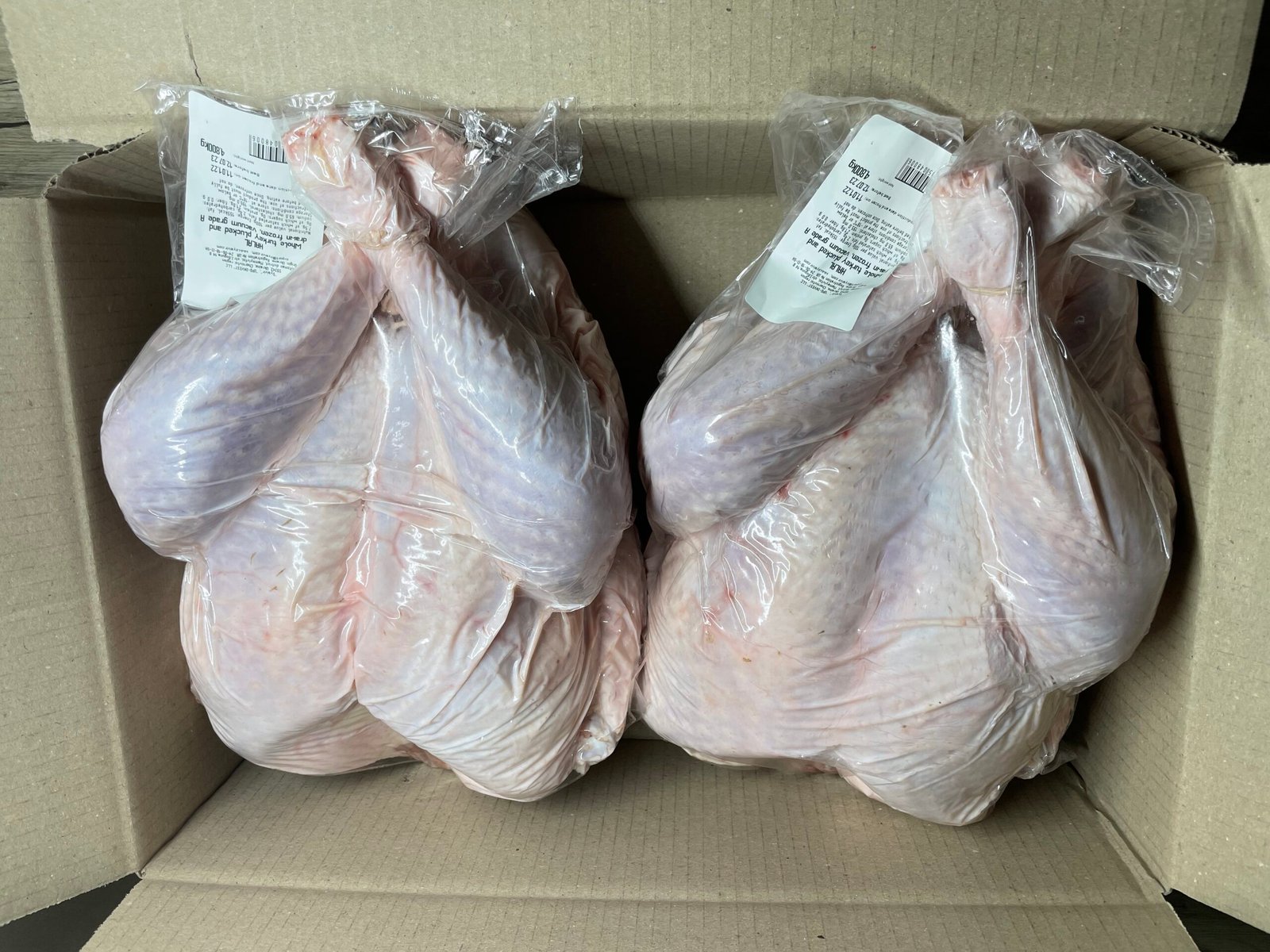
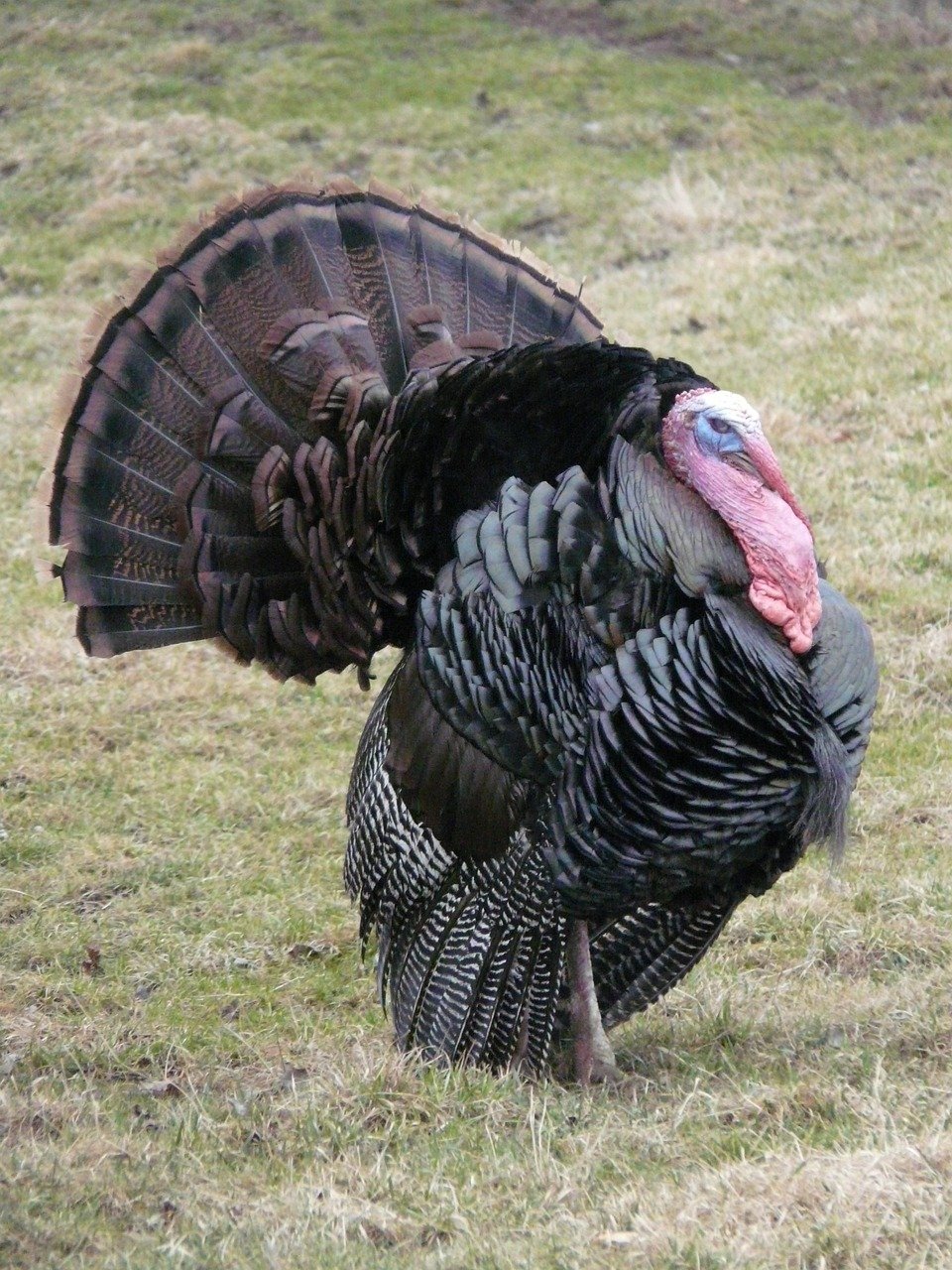
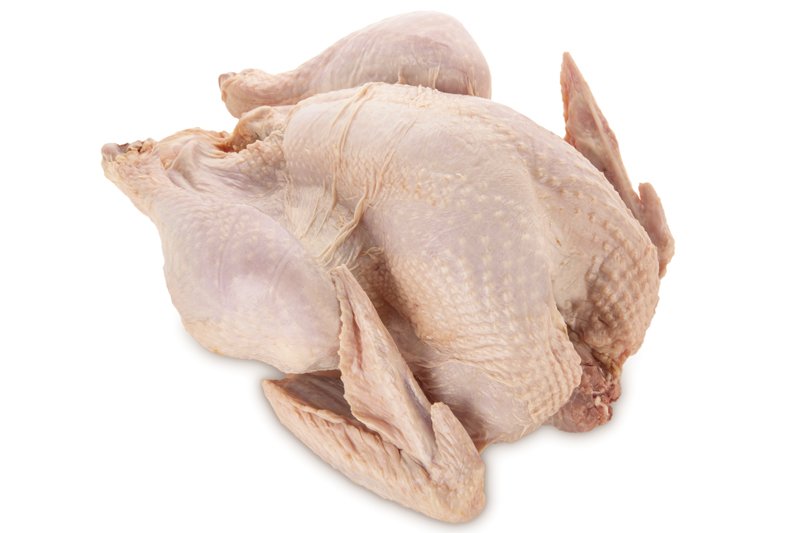
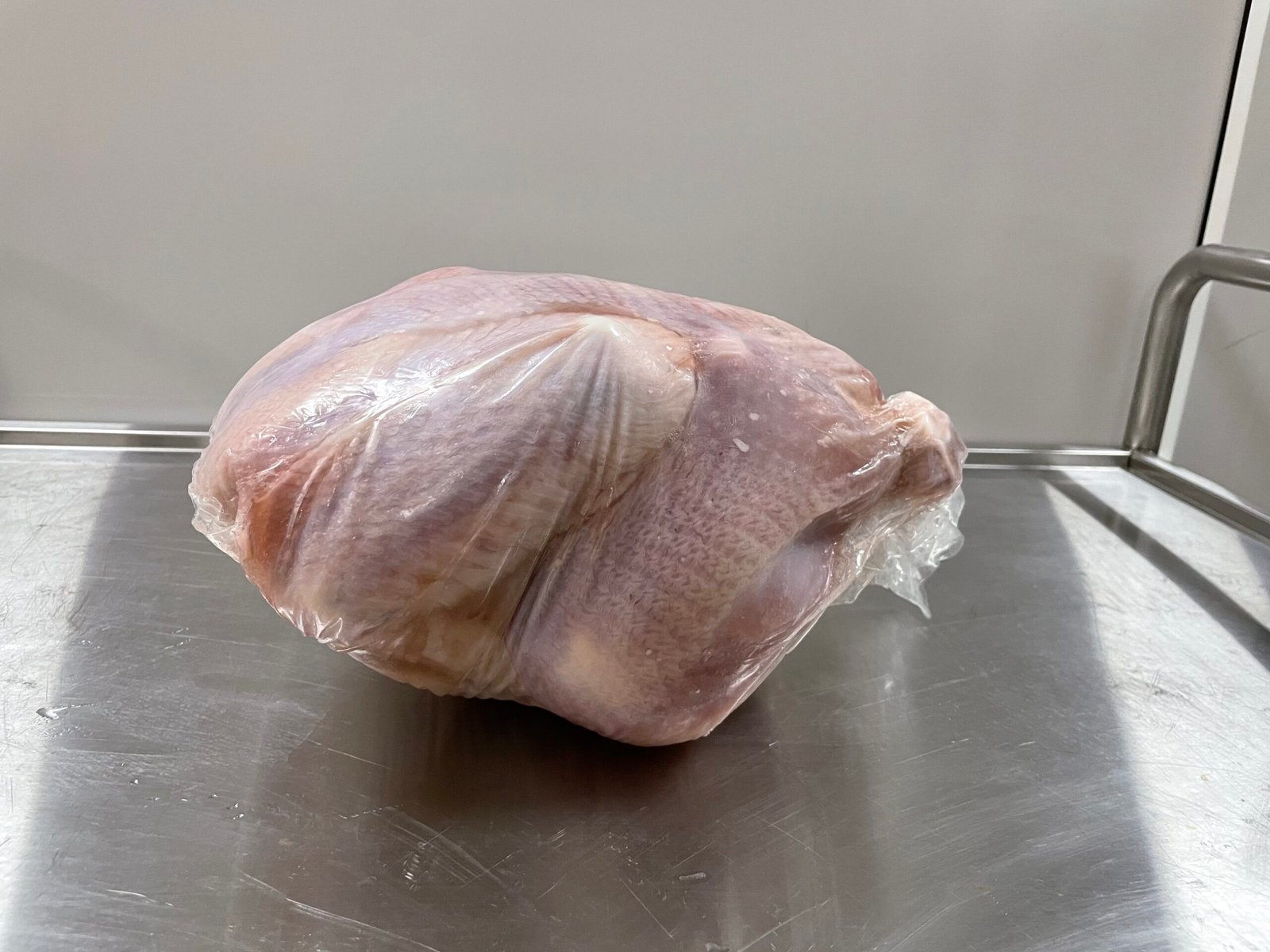
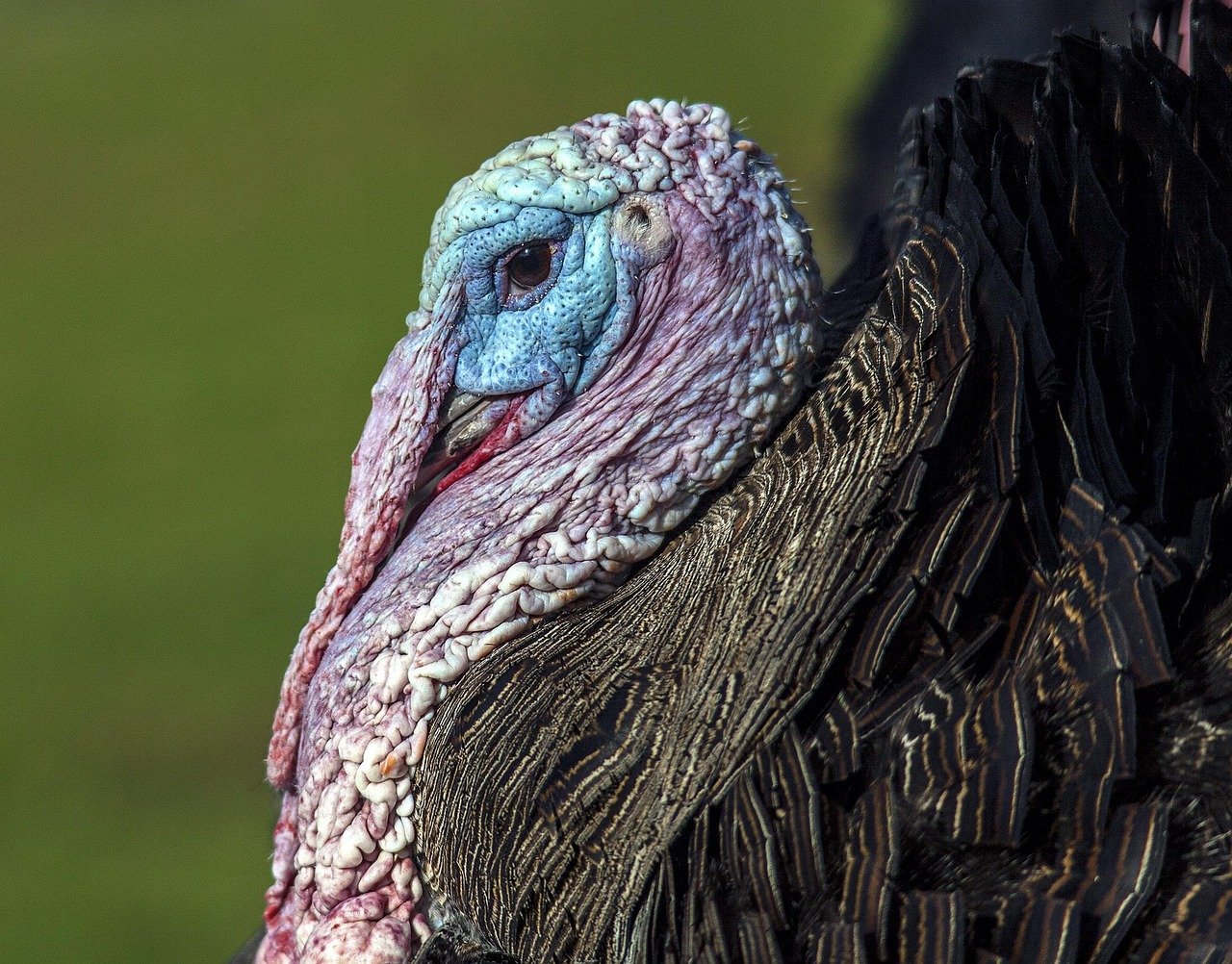
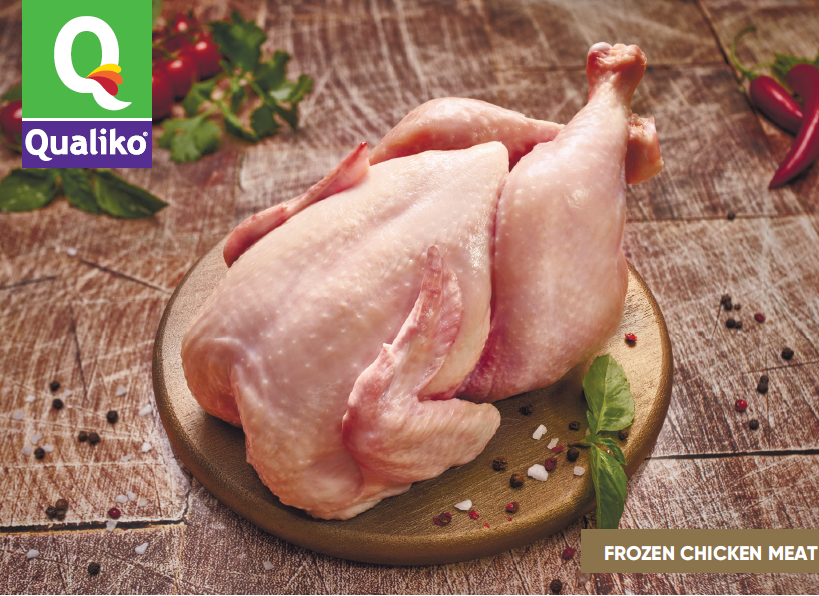
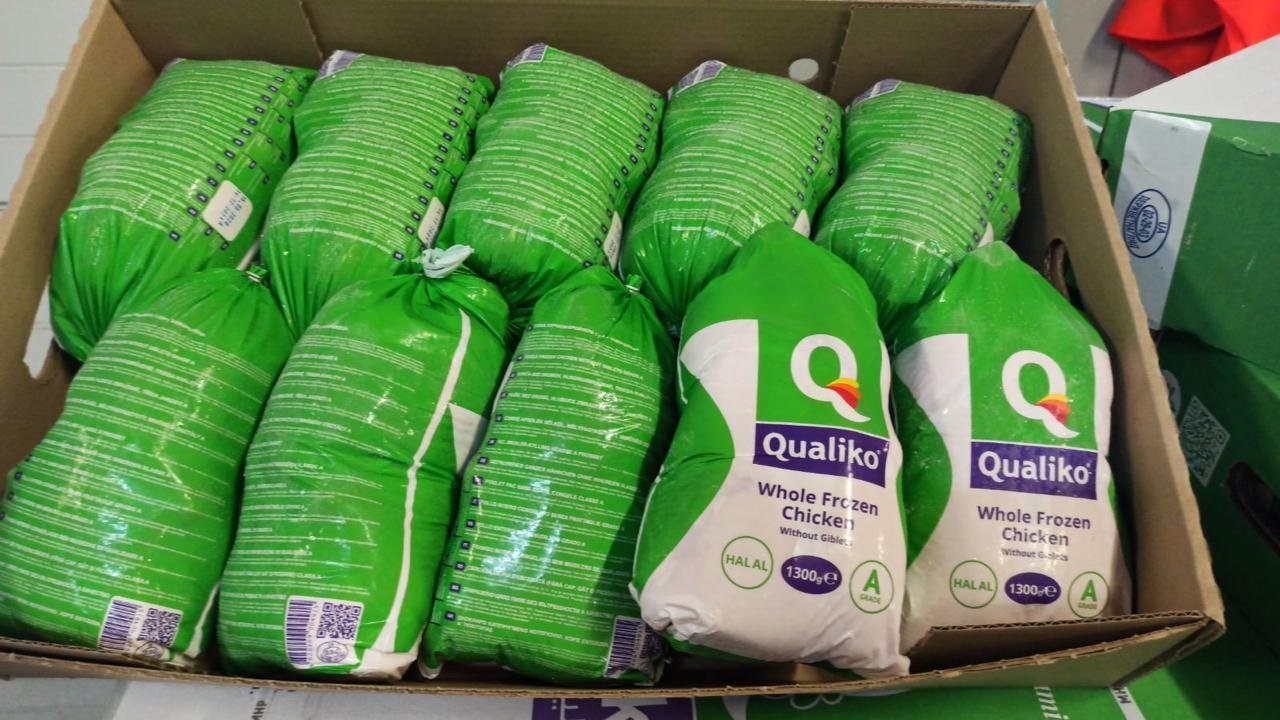
Whole frozen turkey refers to the complete bird processed, frozen, and packed for export. These products are commonly sold to retail chains, foodservice distributors, seasonal buyers, and processors. Whole birds are available in various weight ranges and can be supplied with or without giblets depending on customer requirements.
Understanding Turkey Cuts
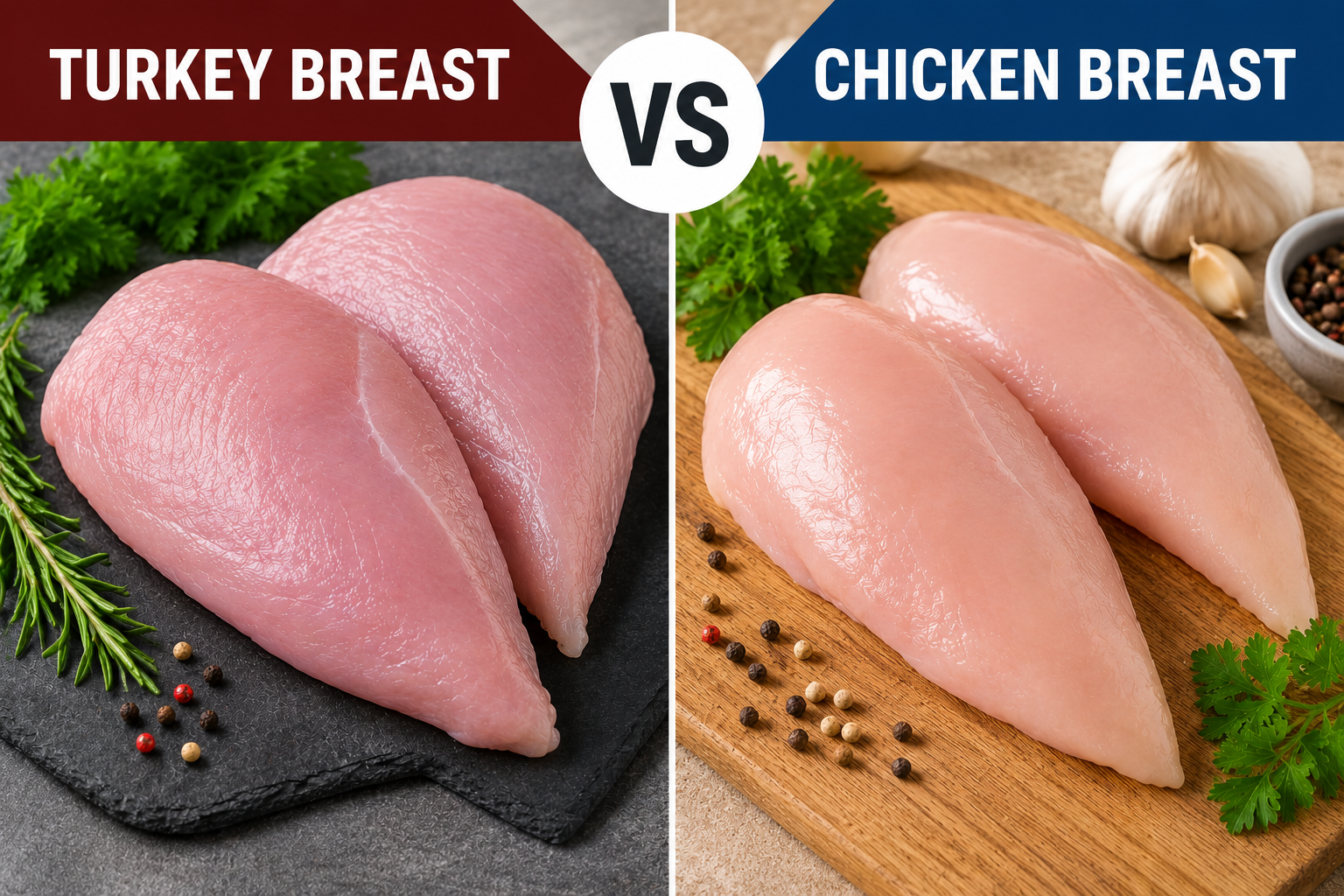
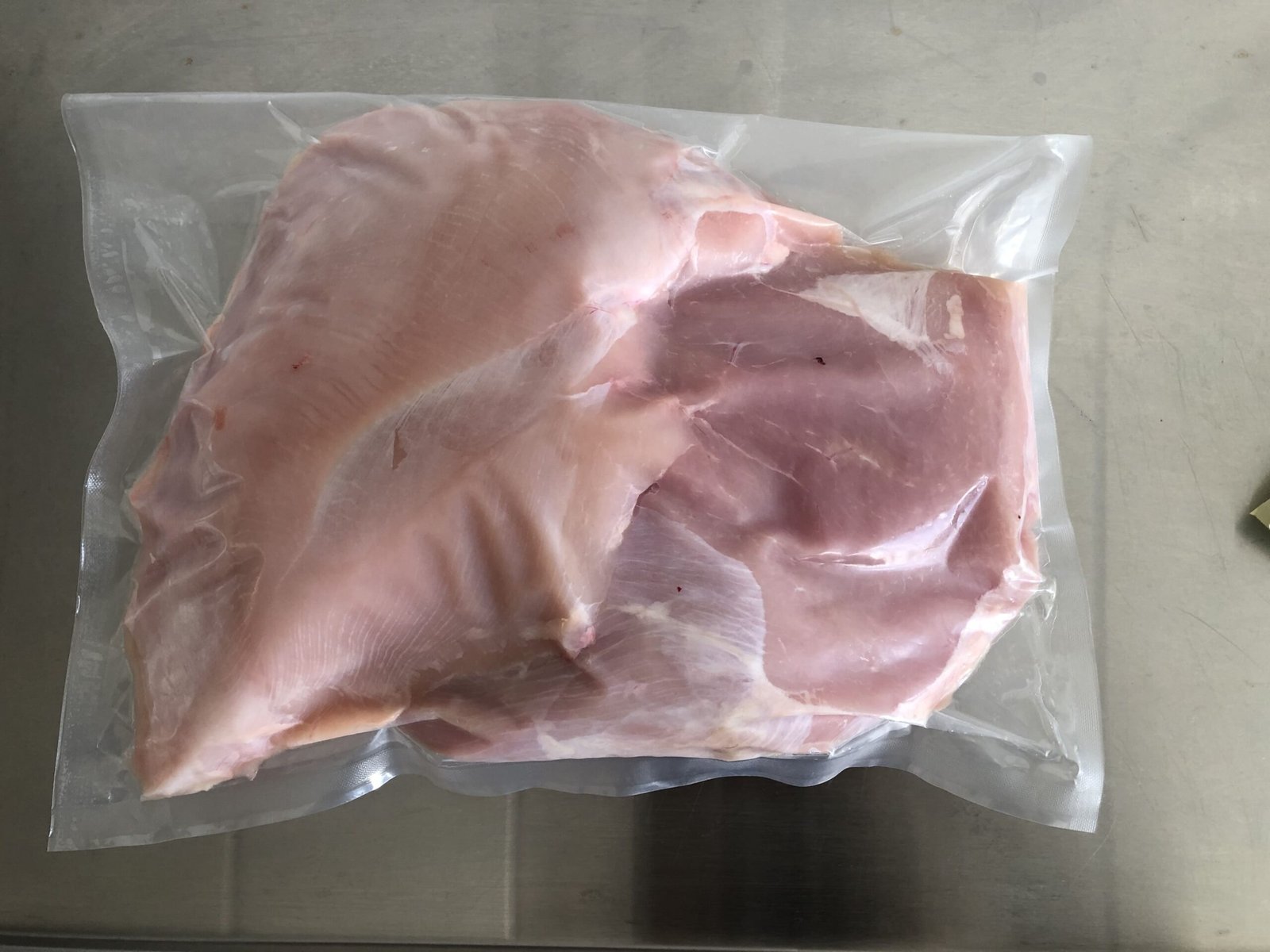
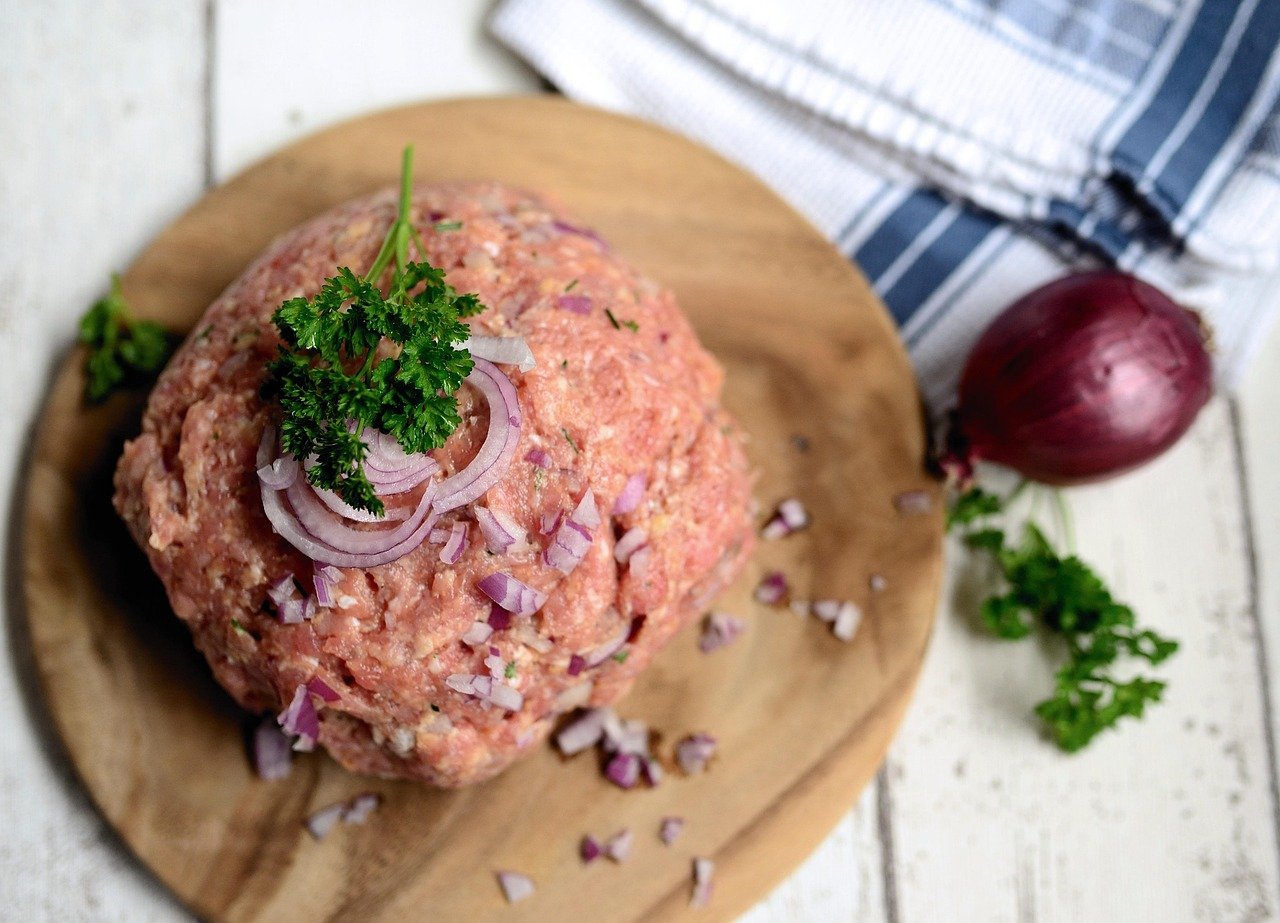
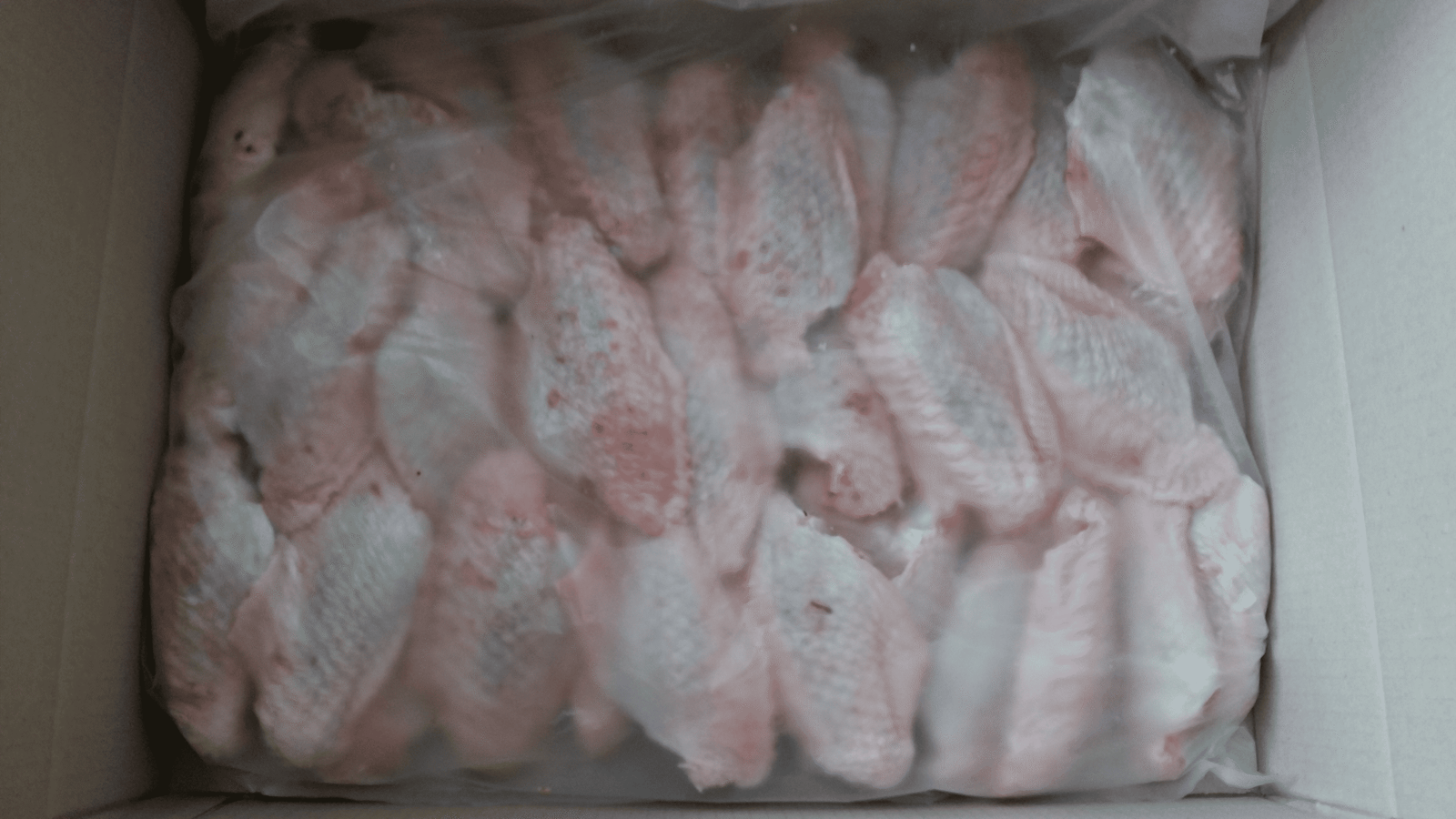
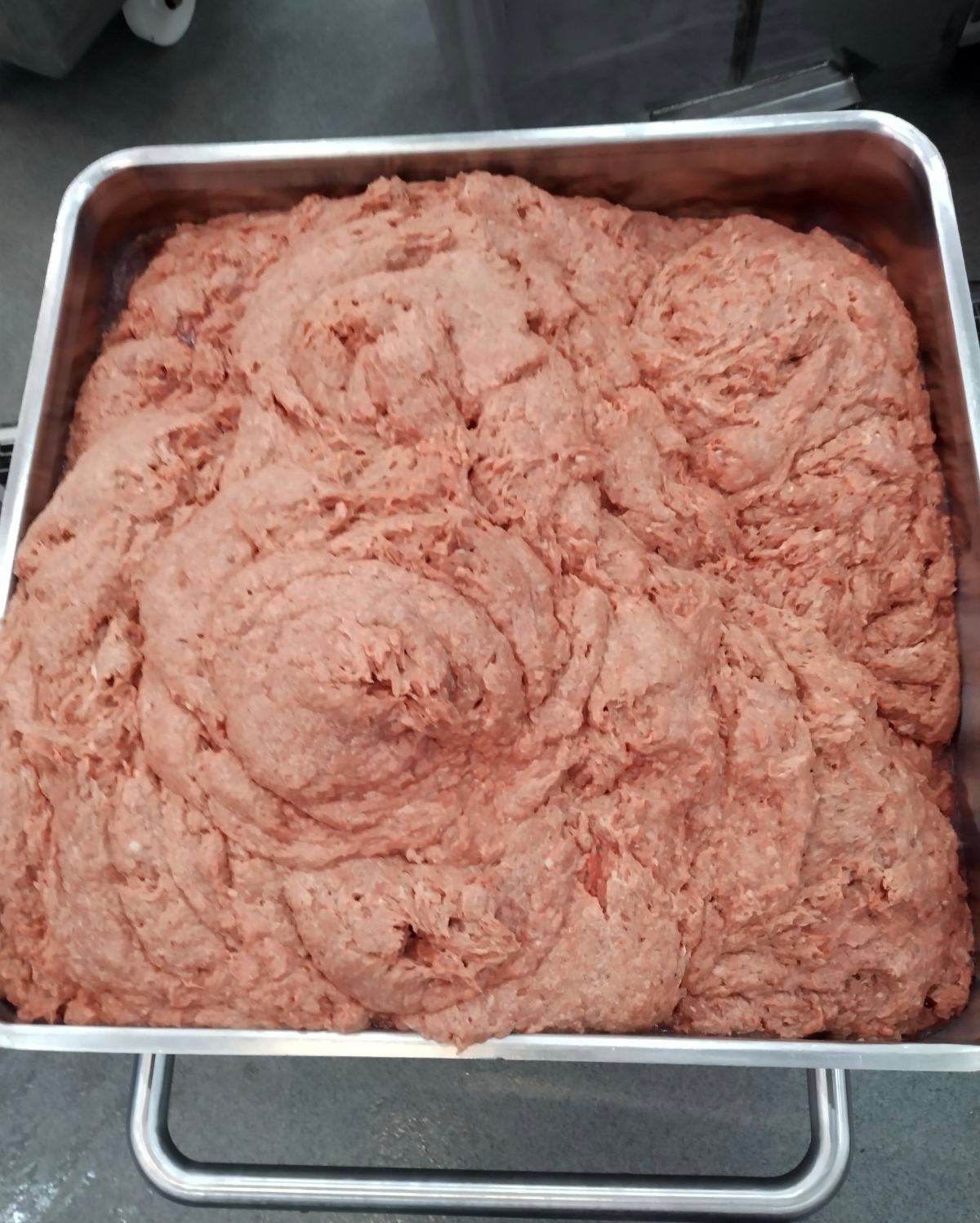
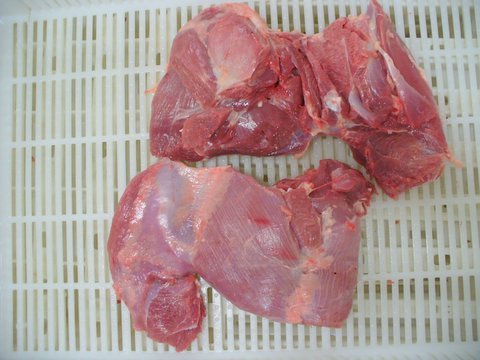
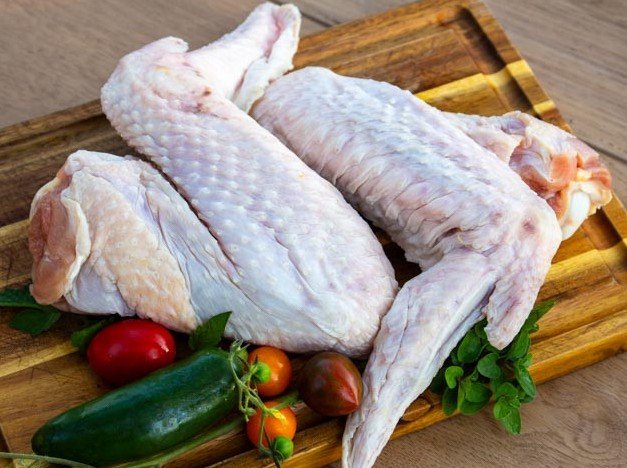
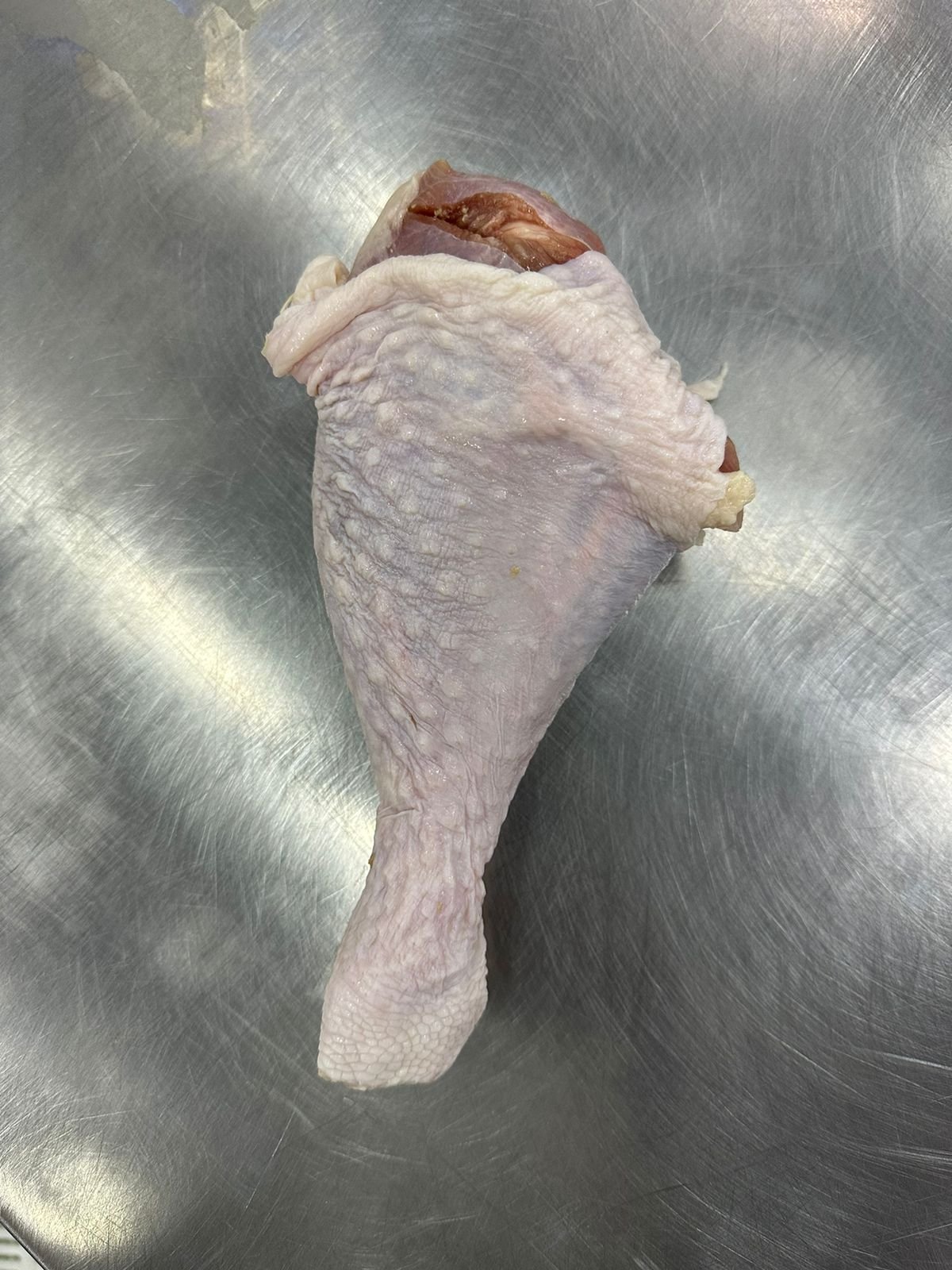
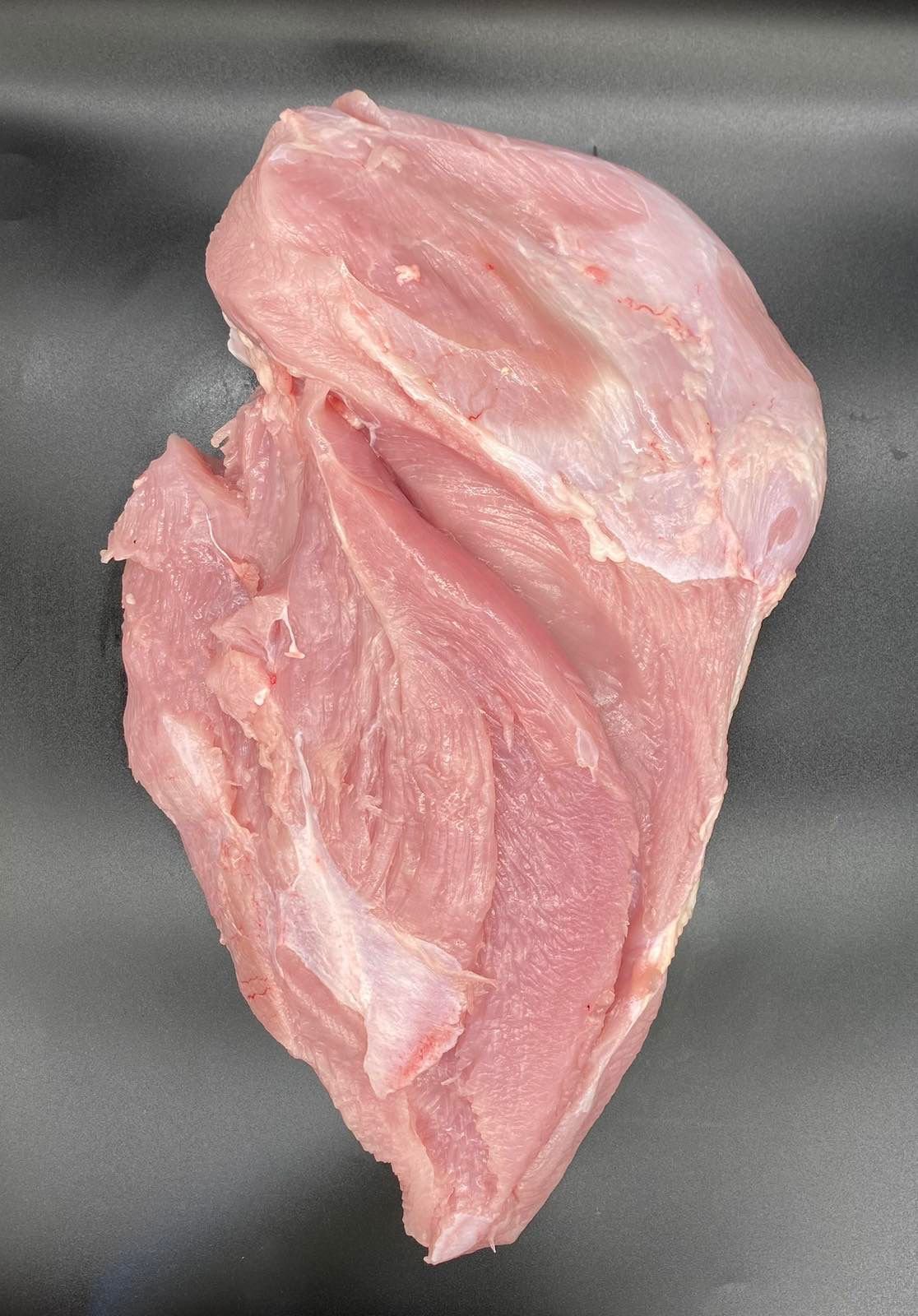
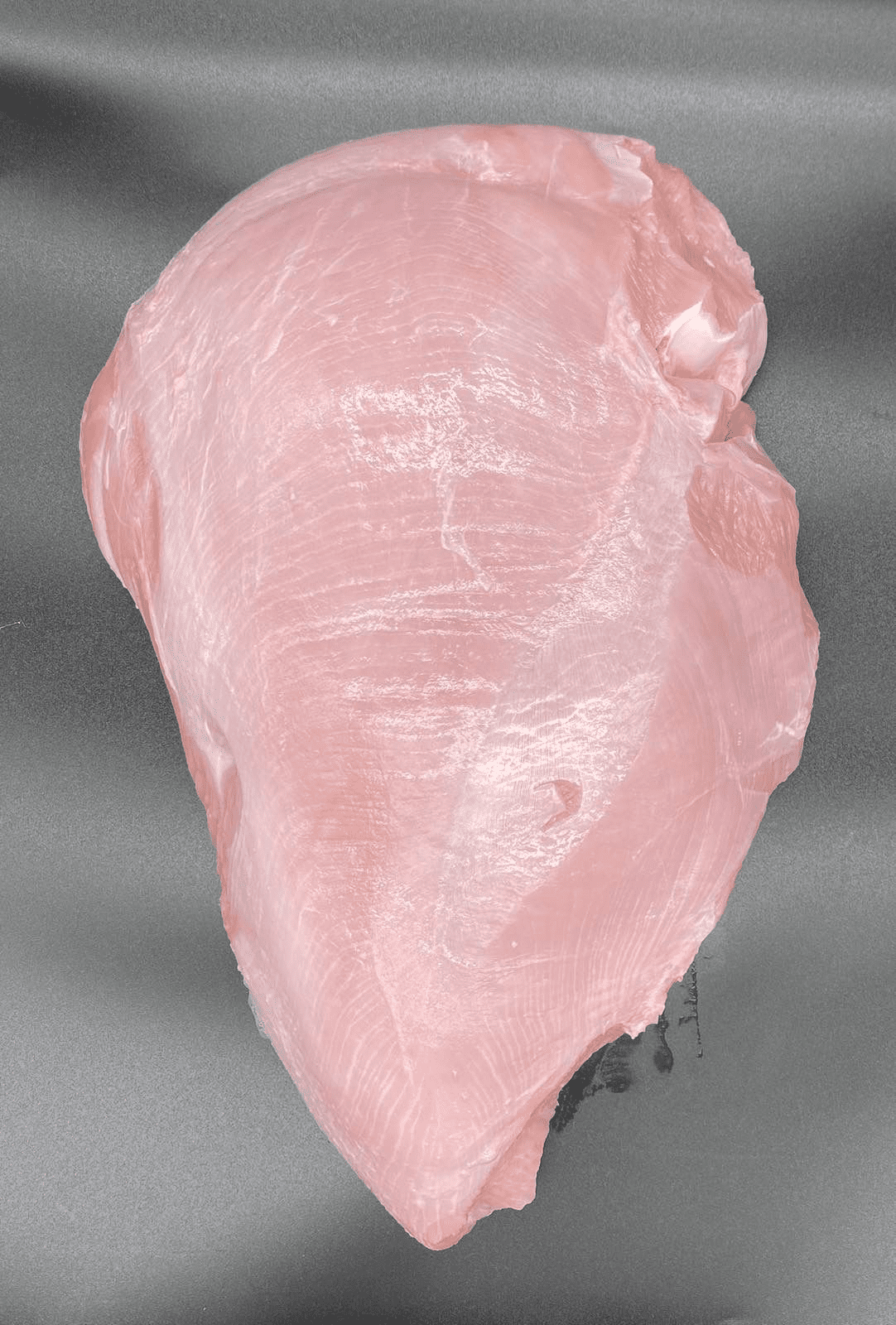
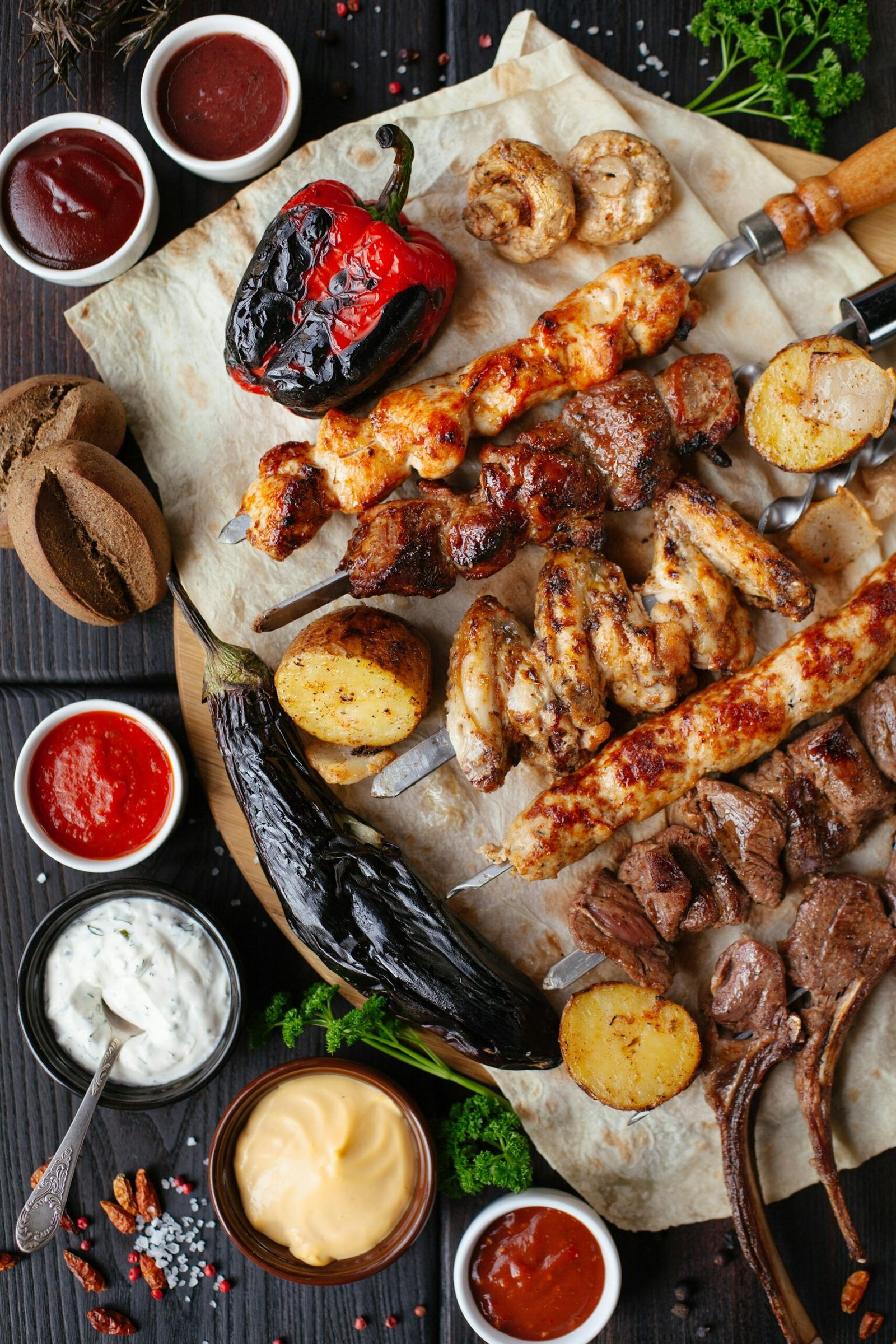
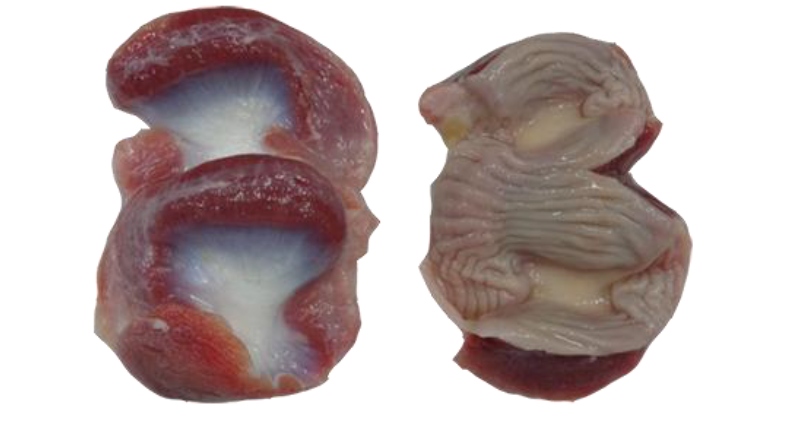
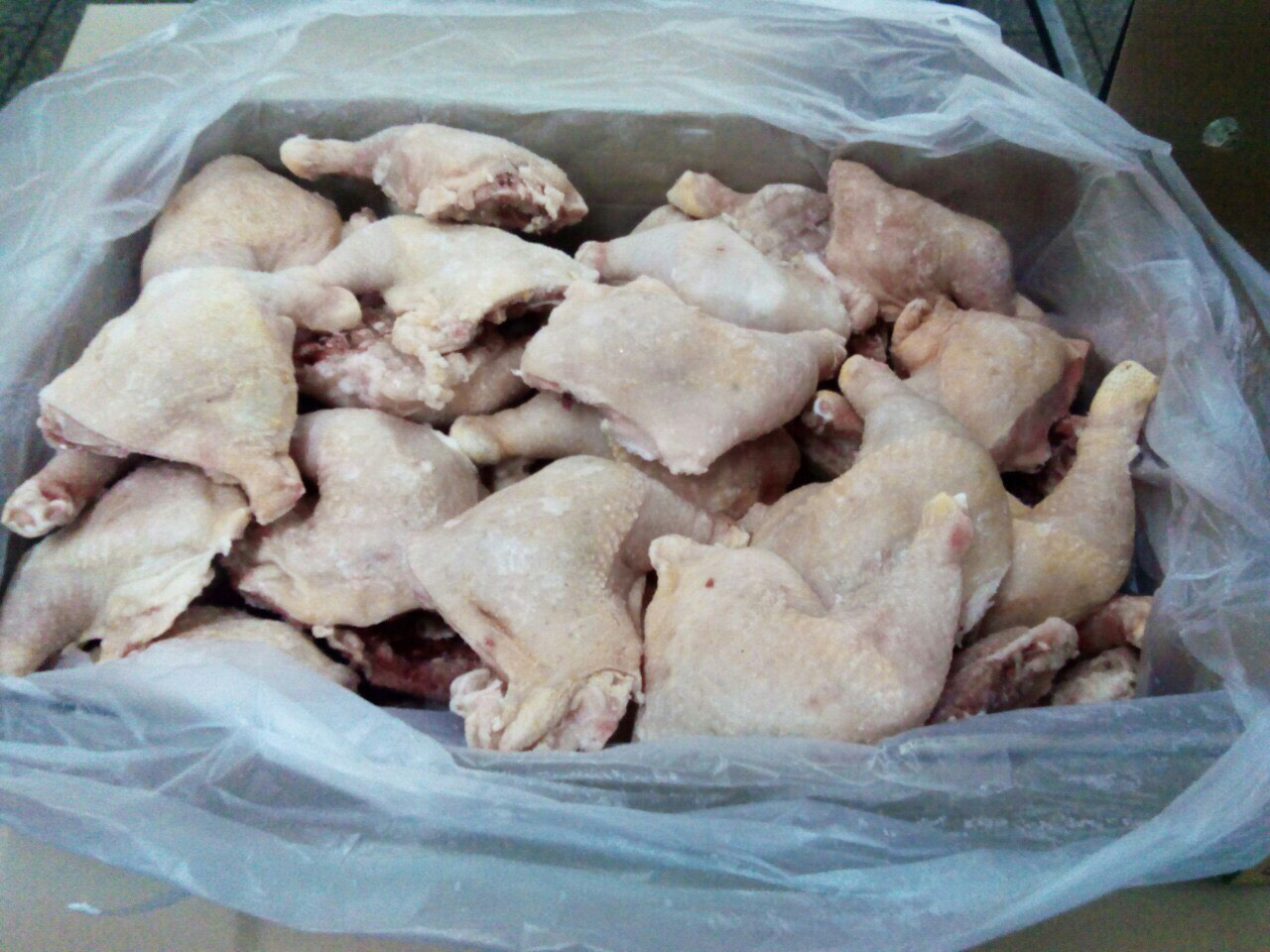
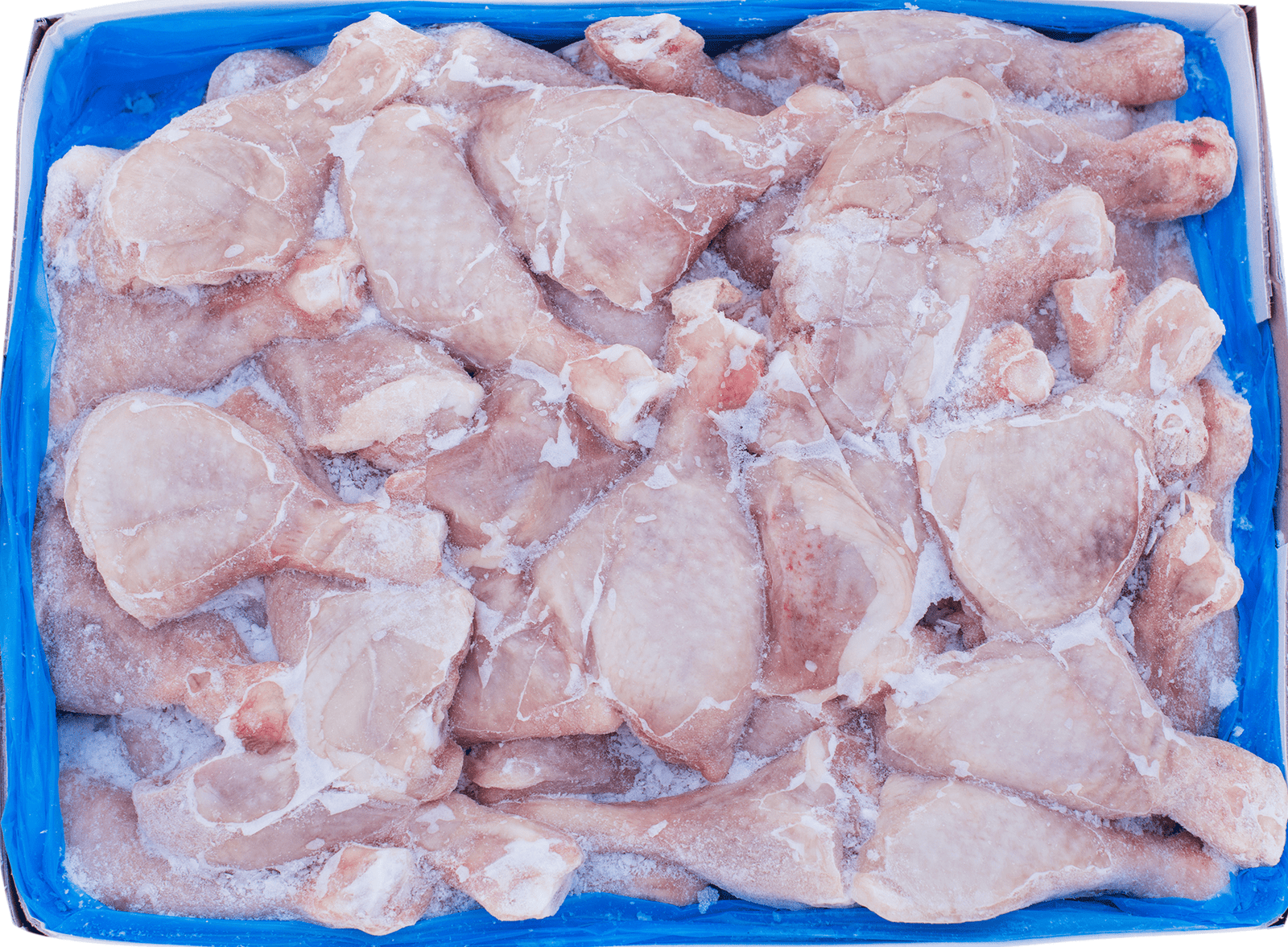
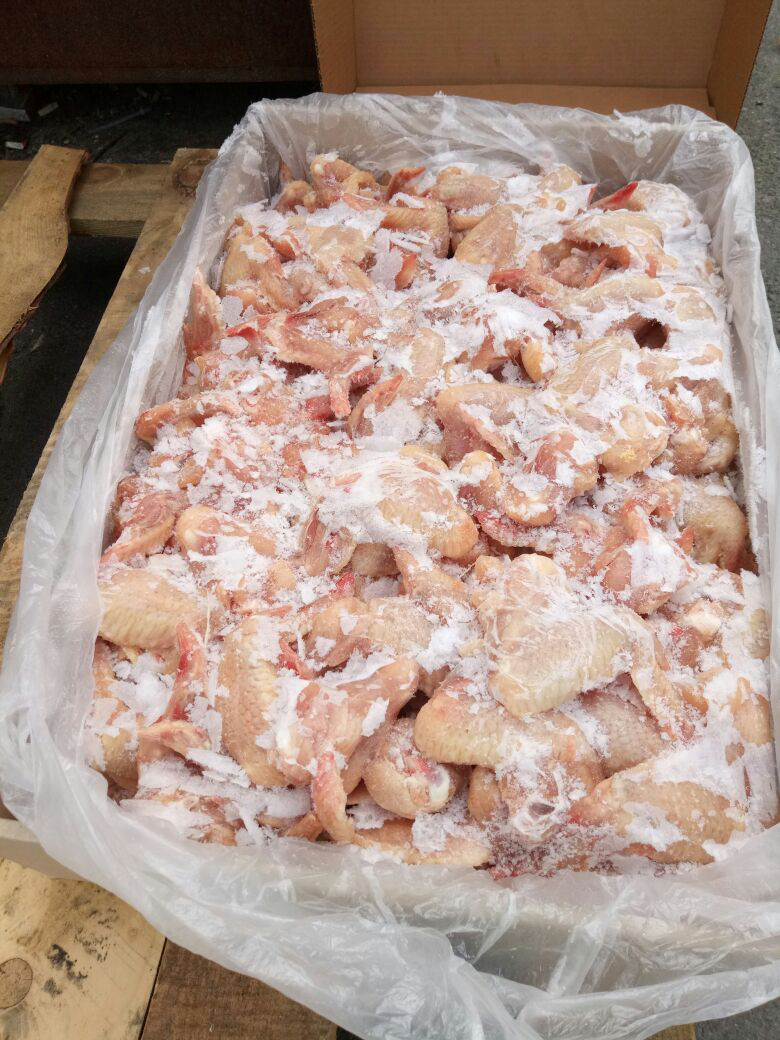
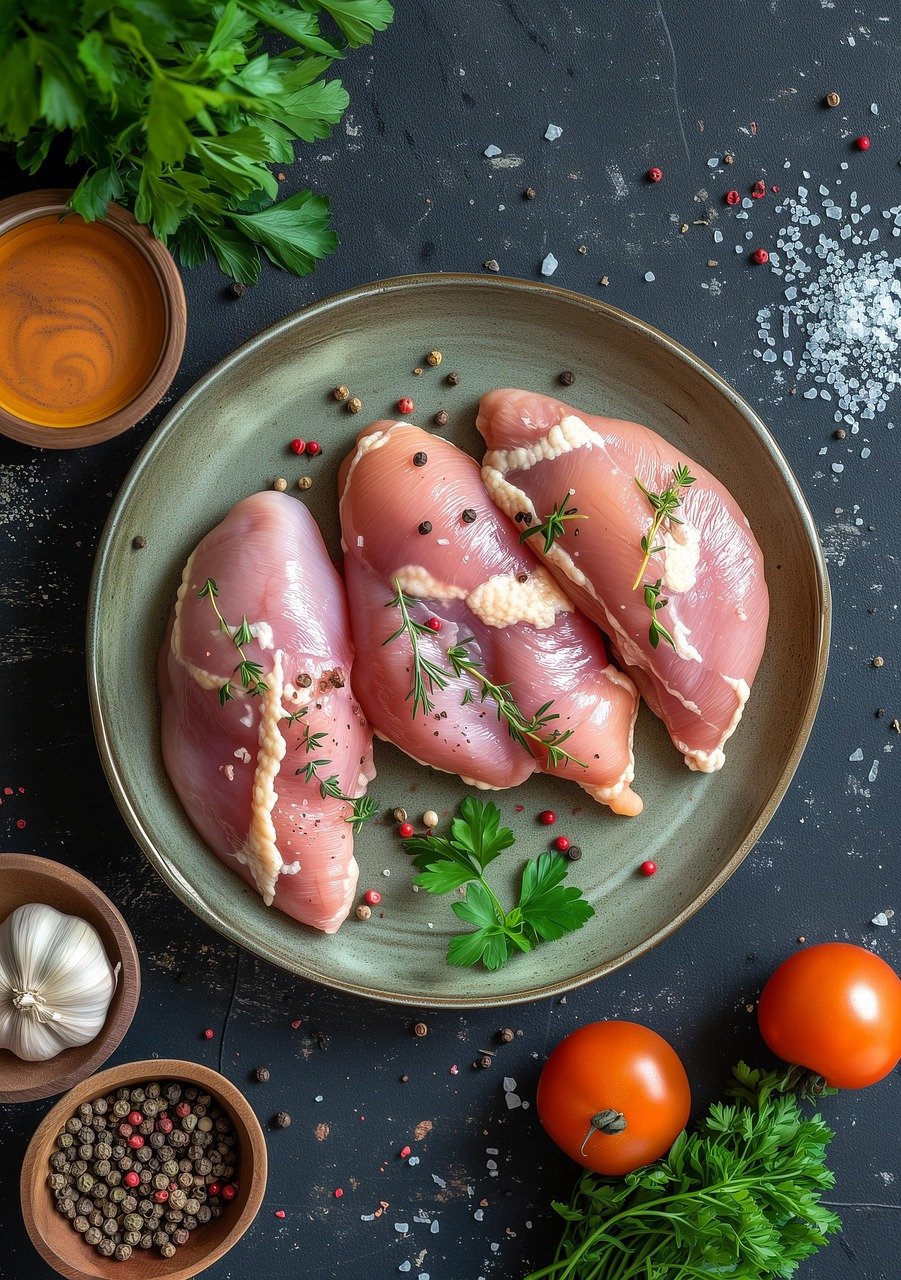
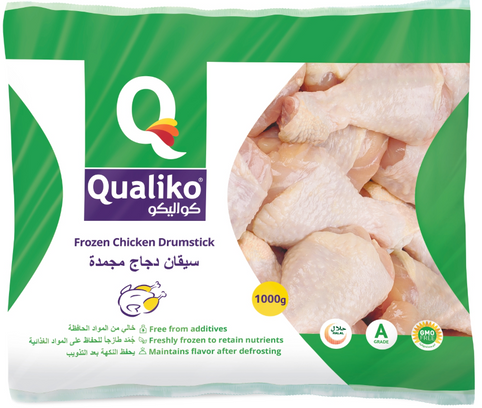
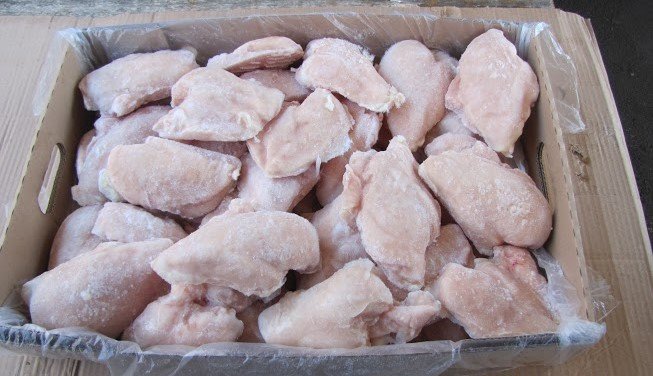
Turkey cuts include breast fillets, drumsticks, thighs, wings, tenderloins, mechanically deboned meat, and other specialized products. These cuts are designed to meet the needs of foodservice operators, food manufacturers, retailers, and industrial processors seeking specific portions rather than complete birds.
Market Demand Comparison
Demand patterns vary significantly between regions. Whole frozen turkeys are especially popular during seasonal holidays and celebrations. Turkey cuts generally enjoy more stable year-round demand because they are used across multiple foodservice and industrial applications.
Advantages of Whole Frozen Turkey
Whole birds provide flexibility for buyers who wish to process products locally. They often offer lower processing costs at origin and may provide attractive pricing opportunities. Retailers and distributors can also market whole turkeys during holiday periods when consumer demand peaks.
Advantages of Turkey Cuts
Turkey cuts provide greater convenience, portion control, and operational efficiency. Restaurants, hotels, caterers, and food manufacturers often prefer cuts because they reduce labor requirements and simplify food preparation processes.
Cost Considerations
Whole frozen turkeys may initially appear less expensive on a per-kilogram basis. However, buyers should consider deboning costs, labor requirements, yield losses, waste management, and processing expenses. Turkey cuts may carry higher purchase prices but can reduce overall operational costs.
Yield and Utilization
One of the key differences between whole birds and cuts is usable yield. Importers purchasing whole birds must account for bones, trimming losses, and processing waste. Buyers purchasing specific cuts receive products tailored to their intended applications.
Foodservice Applications
Foodservice operators generally prefer turkey cuts because they simplify menu preparation and improve consistency. Turkey breast, thighs, drumsticks, and wings can be incorporated directly into menu items without additional processing.
Retail Opportunities
Retail demand exists for both categories. Whole turkeys are commonly marketed during holiday seasons, while turkey cuts provide year-round sales opportunities through supermarkets, convenience stores, and specialty food retailers.
Industrial Processing Applications
Food manufacturers frequently purchase turkey cuts and raw materials rather than whole birds. Specific cuts allow processors to optimize production efficiency and maintain consistent product formulations.
Storage and Inventory Management
Turkey cuts often provide greater inventory flexibility because buyers can purchase products according to demand patterns. Whole birds require larger storage capacity and may create inventory management challenges outside seasonal sales periods.
Pricing Factors
Pricing is influenced by feed costs, processing expenses, labor costs, logistics, market demand, exchange rates, and supply conditions. Different cuts may experience distinct pricing trends depending on consumer preferences and market conditions.
Logistics and Transportation
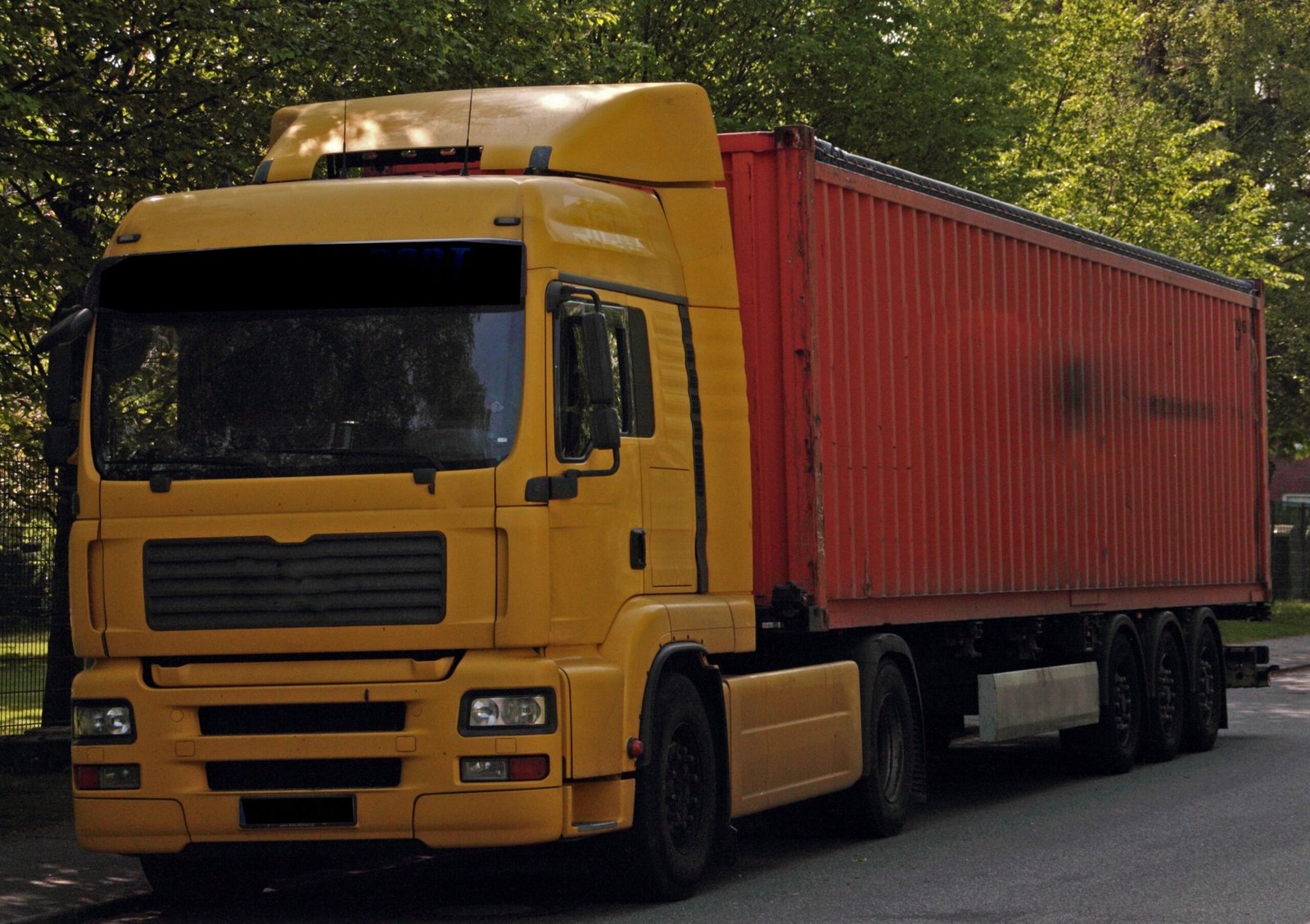
Both whole birds and cuts are typically transported frozen in refrigerated containers. However, product dimensions, packaging configurations, palletization efficiency, and container utilization rates can affect logistics costs.
Halal Market Considerations
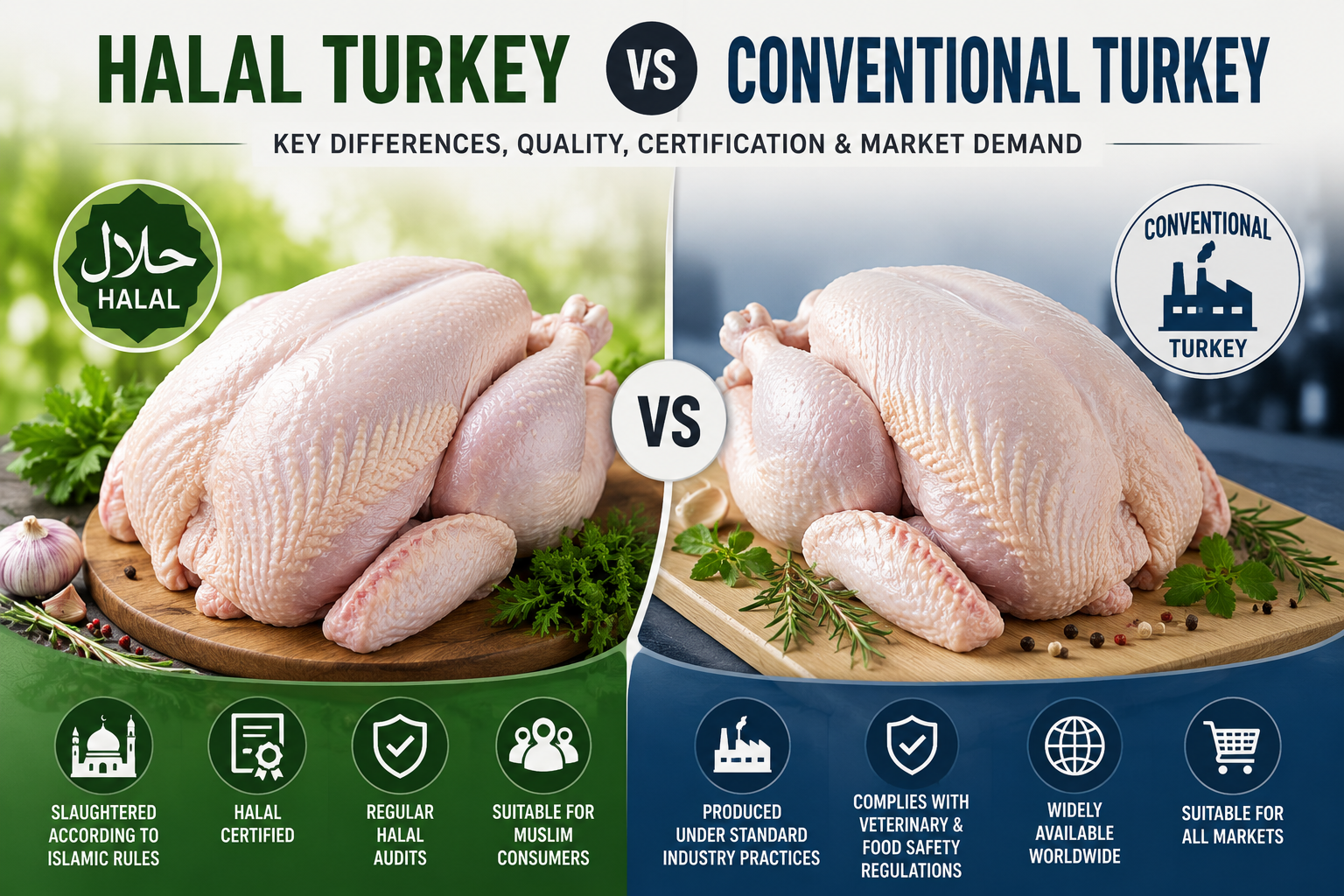
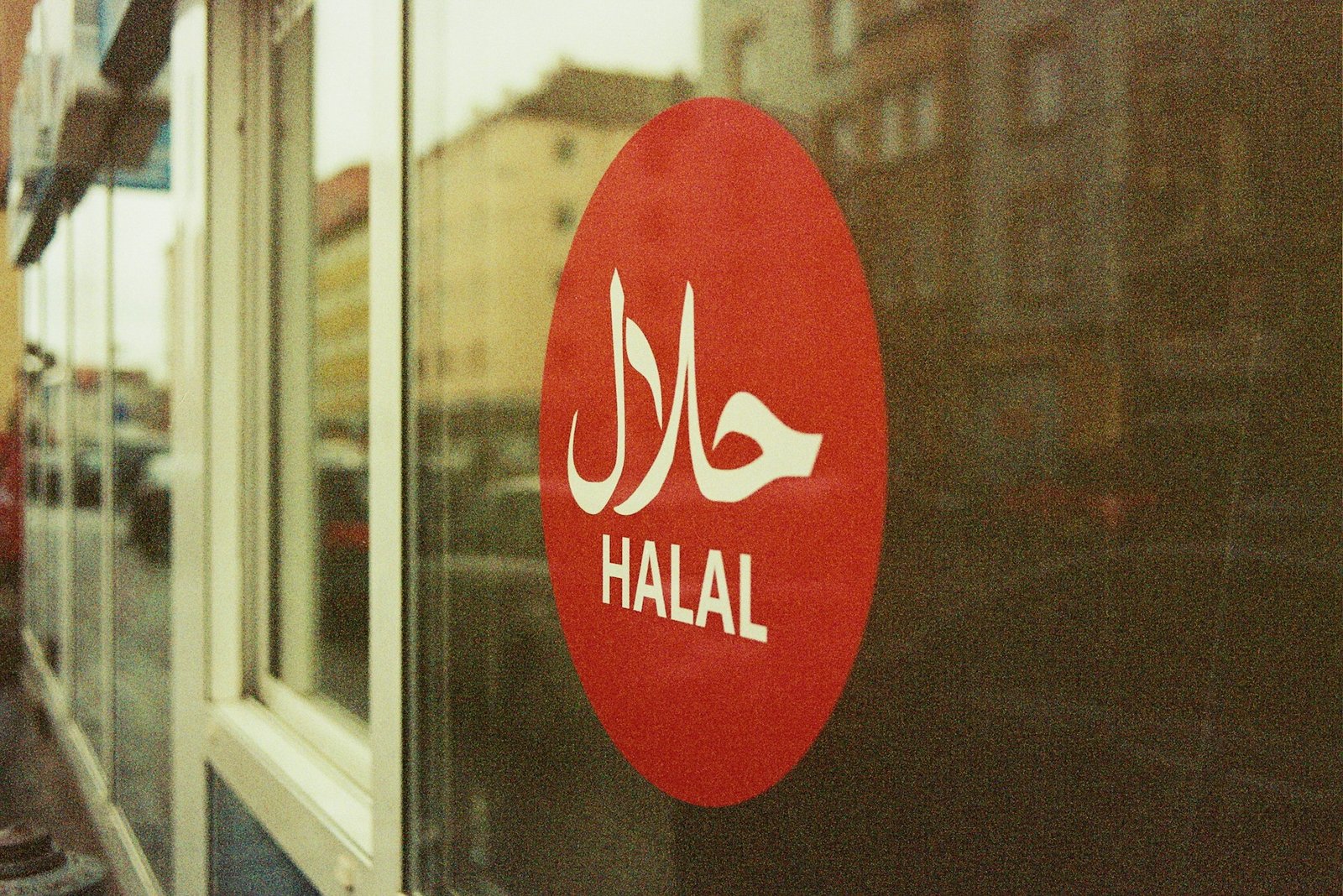
Many import markets require halal certification. Both whole turkeys and turkey cuts can be supplied as halal-certified products provided that production processes comply with recognized halal standards.
Food Safety Requirements
Professional buyers increasingly require suppliers to maintain HACCP, ISO 22000, BRCGS, or IFS certifications. Food safety compliance is critical regardless of whether products are sold as whole birds or individual cuts.
How Importers Choose Between Whole Birds and Cuts
Decision-making should be based on target customers, local processing capabilities, labor availability, market demand, storage capacity, and profitability objectives. Some importers successfully combine both product categories to diversify revenue streams.
Emerging Market Trends
Global demand is gradually shifting toward convenience-oriented products. As foodservice and processed food sectors expand, demand for turkey cuts is growing faster in many regions. However, whole birds continue to play an important role in retail and seasonal markets.
Future Outlook
Both product categories are expected to remain important in international poultry trade. Turkey cuts are likely to benefit from long-term convenience trends, while whole frozen turkeys will continue serving traditional retail and seasonal demand channels.
Conclusion
Neither whole frozen turkey nor turkey cuts are universally superior. The optimal choice depends on market requirements, operational capabilities, and customer preferences. Importers that carefully evaluate pricing, yield, logistics, and demand patterns can develop sourcing strategies that maximize profitability and strengthen their competitive position.