Turkey Wings for Wholesale Importers
Comprehensive B2B Guide for Poultry Importers, Distributors, Wholesalers and Foodservice Suppliers
Introduction
Turkey wings are an increasingly important product in the international poultry trade. While turkey breast attracts premium buyers and drumsticks serve value-oriented markets, turkey wings occupy a unique position due to their flavor, versatility, affordability, and strong demand across retail, foodservice, and processing sectors. For wholesale importers, turkey wings represent an opportunity to supply a product that combines attractive pricing with broad consumer appeal.
Understanding Turkey Wing Products
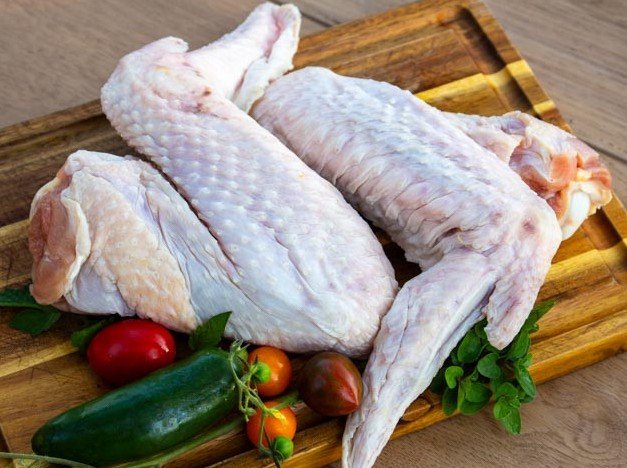
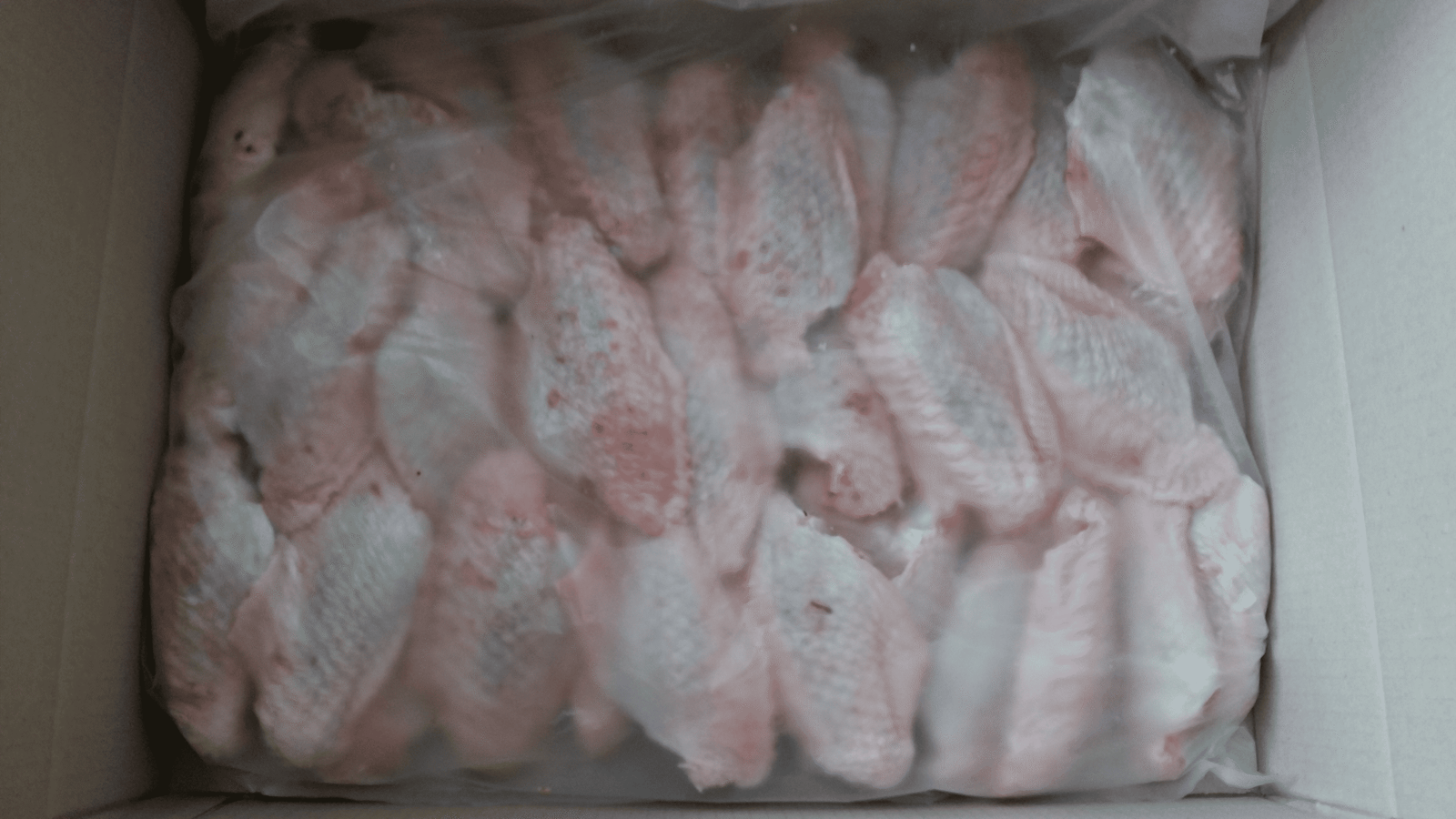
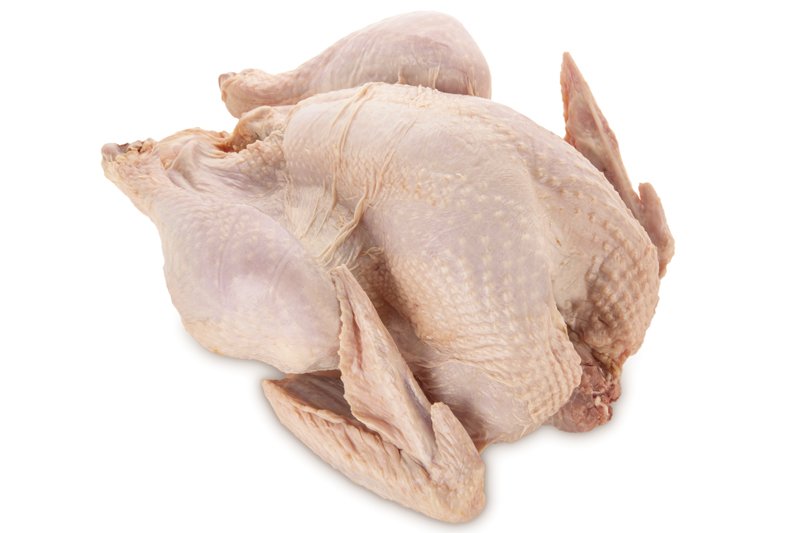
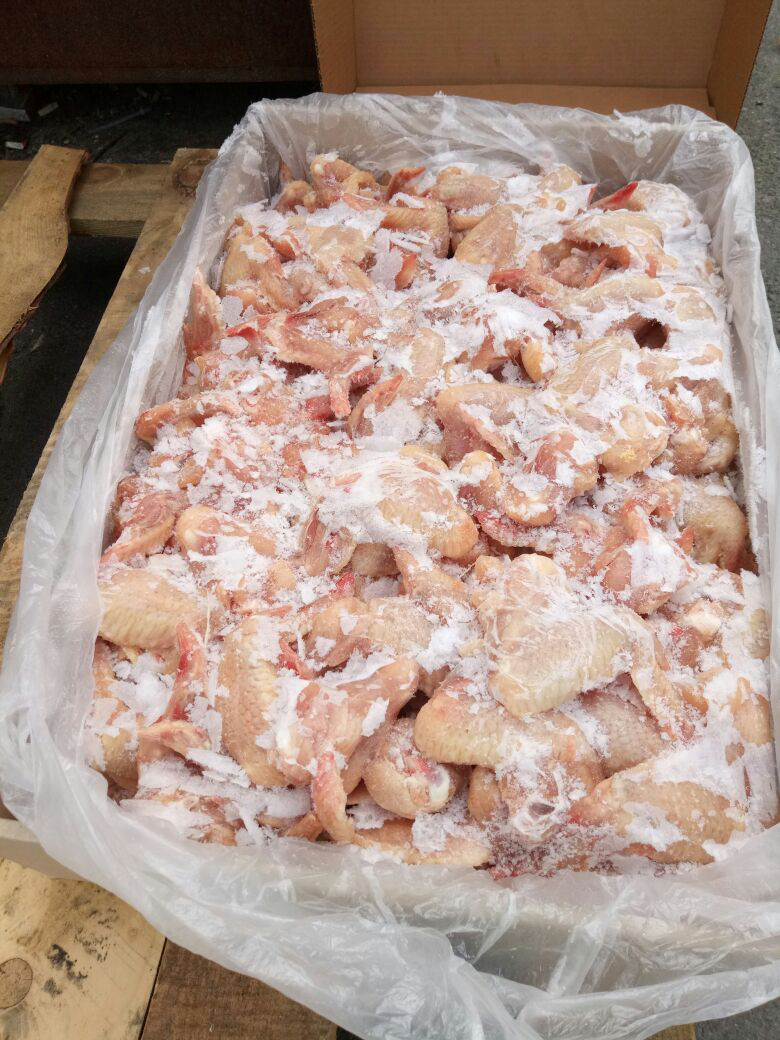
Turkey wings consist of three primary sections: the drumette, wingette, and wing tip. Exporters may offer whole wings, split wings, wing portions, IQF products, marinated wings, smoked wings, or customized specifications for industrial buyers. Product selection depends on the target market and end-user requirements.
Global Demand for Turkey Wings
Demand for turkey wings has grown steadily in regions where consumers value flavorful dark meat and larger poultry portions. Importers in Africa, the Middle East, Eastern Europe, the Caribbean, and selected Asian markets increasingly include turkey wings in their procurement portfolios due to strong consumer acceptance and competitive pricing.
Why Wholesale Importers Buy Turkey Wings
Turkey wings offer several commercial advantages. They are typically more affordable than breast meat, provide excellent cooking performance, and can be sold through multiple distribution channels. Importers often view turkey wings as a product capable of serving both retail and foodservice customers simultaneously.
Foodservice Applications
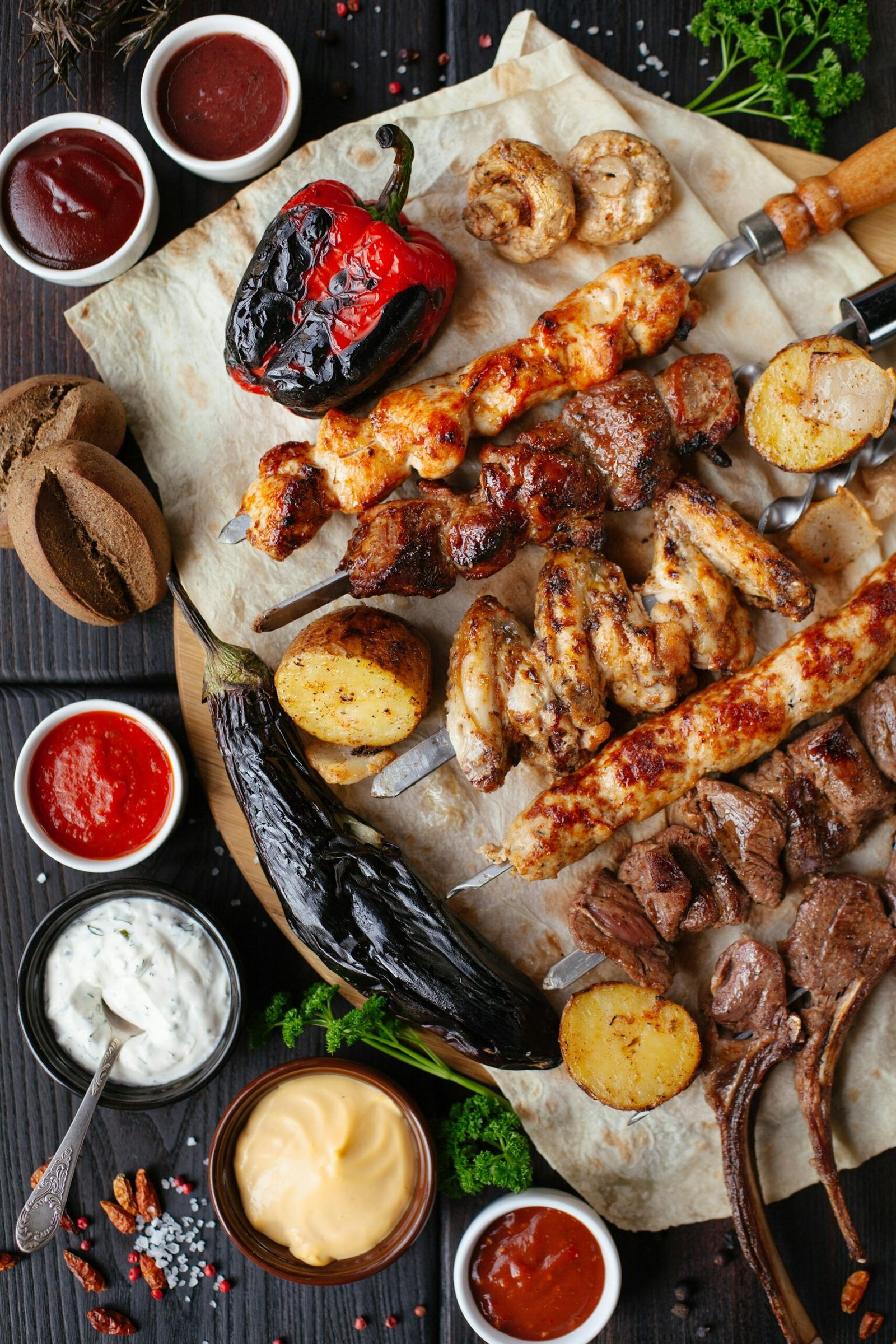
Restaurants, hotels, caterers, street-food operators, and quick-service chains use turkey wings in roasted dishes, barbecue menus, smoked products, soups, stews, and regional specialties. Their rich flavor profile makes them particularly attractive for slow-cooking and smoking applications.
Retail Market Opportunities
Retail consumers often purchase turkey wings for family meals and traditional recipes. In many markets, larger portion sizes and value pricing make turkey wings an attractive alternative to premium poultry cuts.
Product Specifications and Quality Standards
Professional buyers evaluate weight ranges, cutting specifications, glazing percentages, packaging formats, freezing methods, shelf life, and overall product appearance. Consistent sizing and quality are especially important for foodservice and industrial customers.
Frozen vs Chilled Turkey Wings
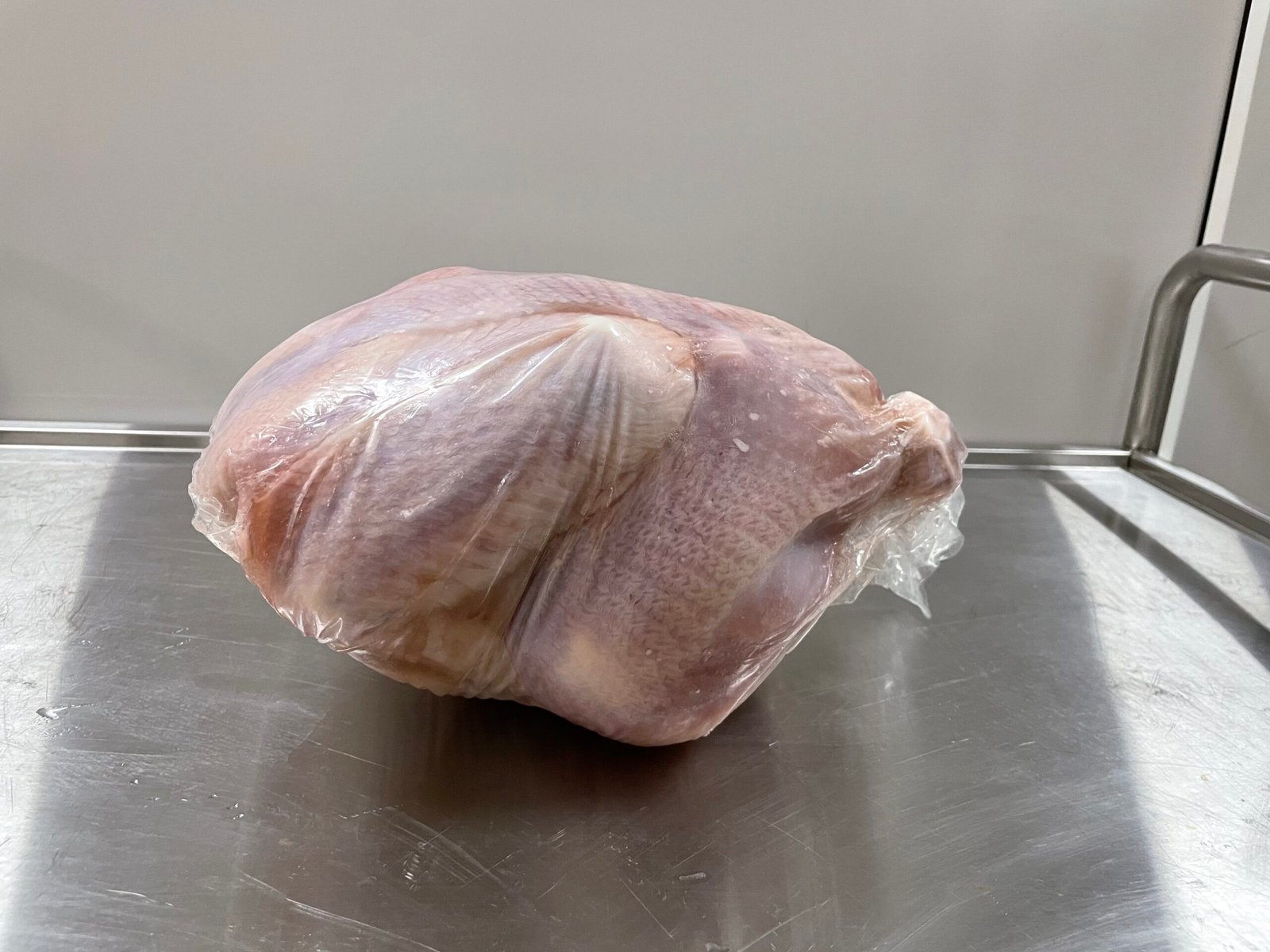
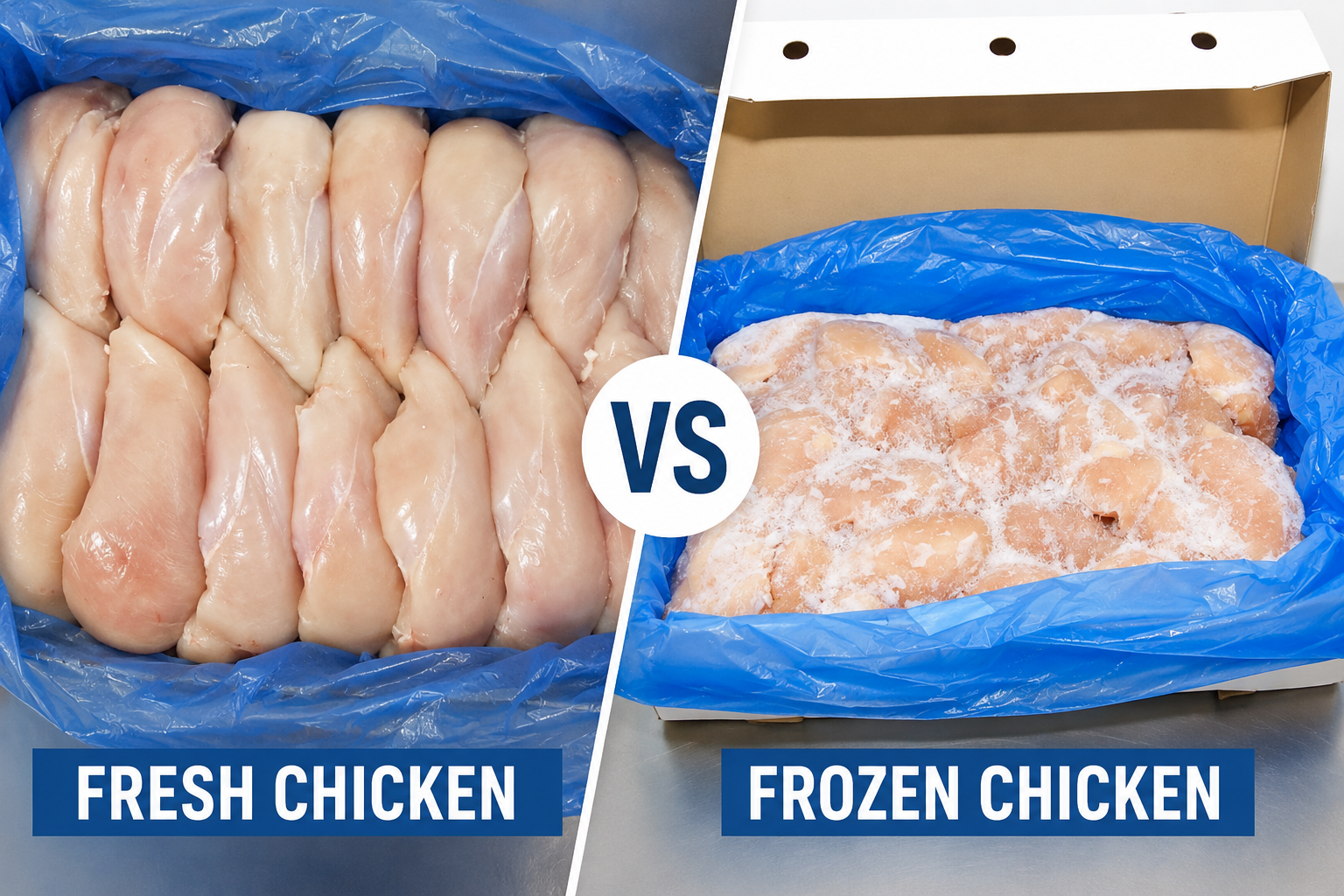
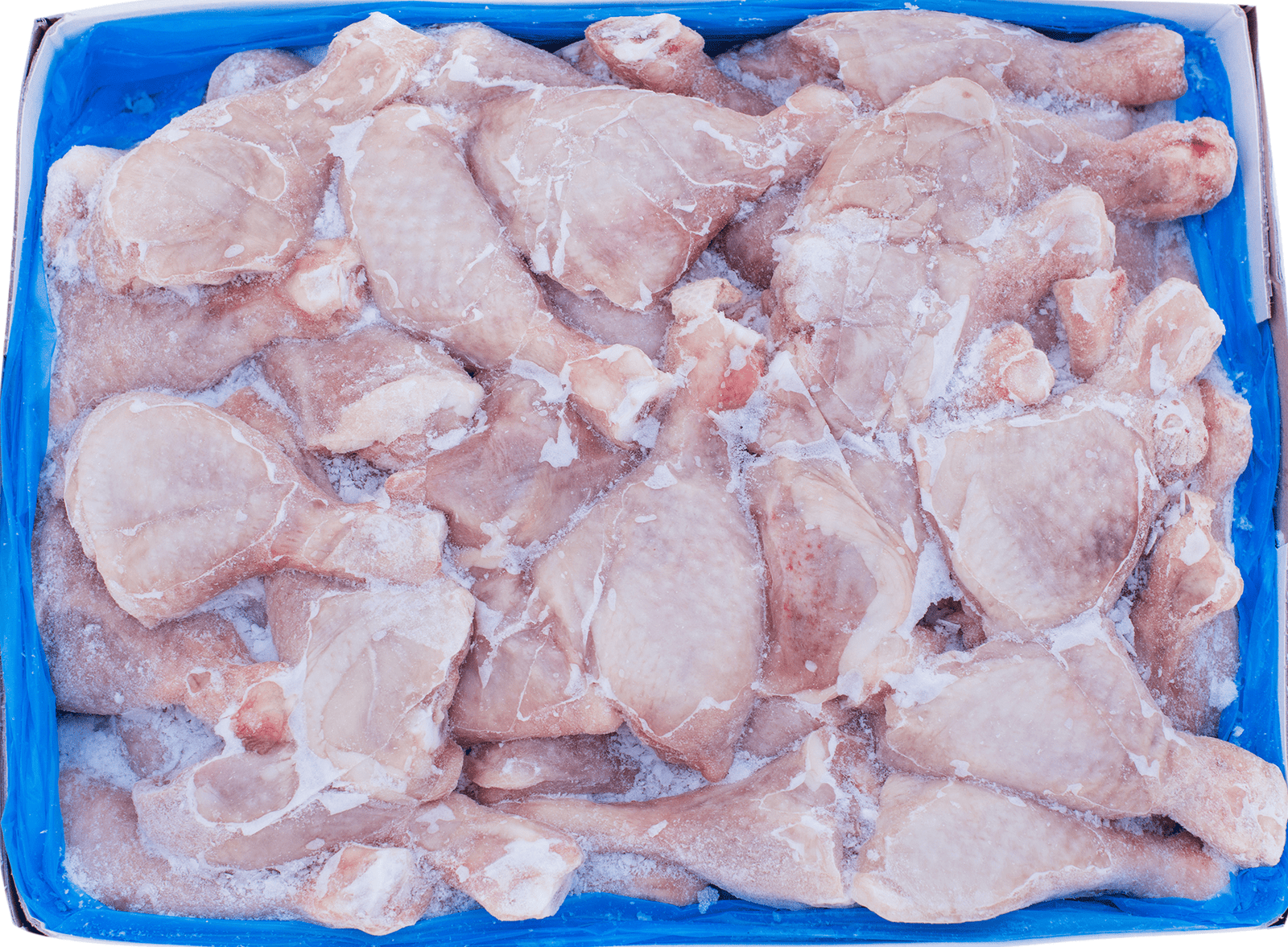
Most international trade is conducted using frozen products because freezing extends shelf life and enables long-distance transportation. Frozen turkey wings also simplify inventory management for wholesalers and distributors.
Halal Turkey Wings
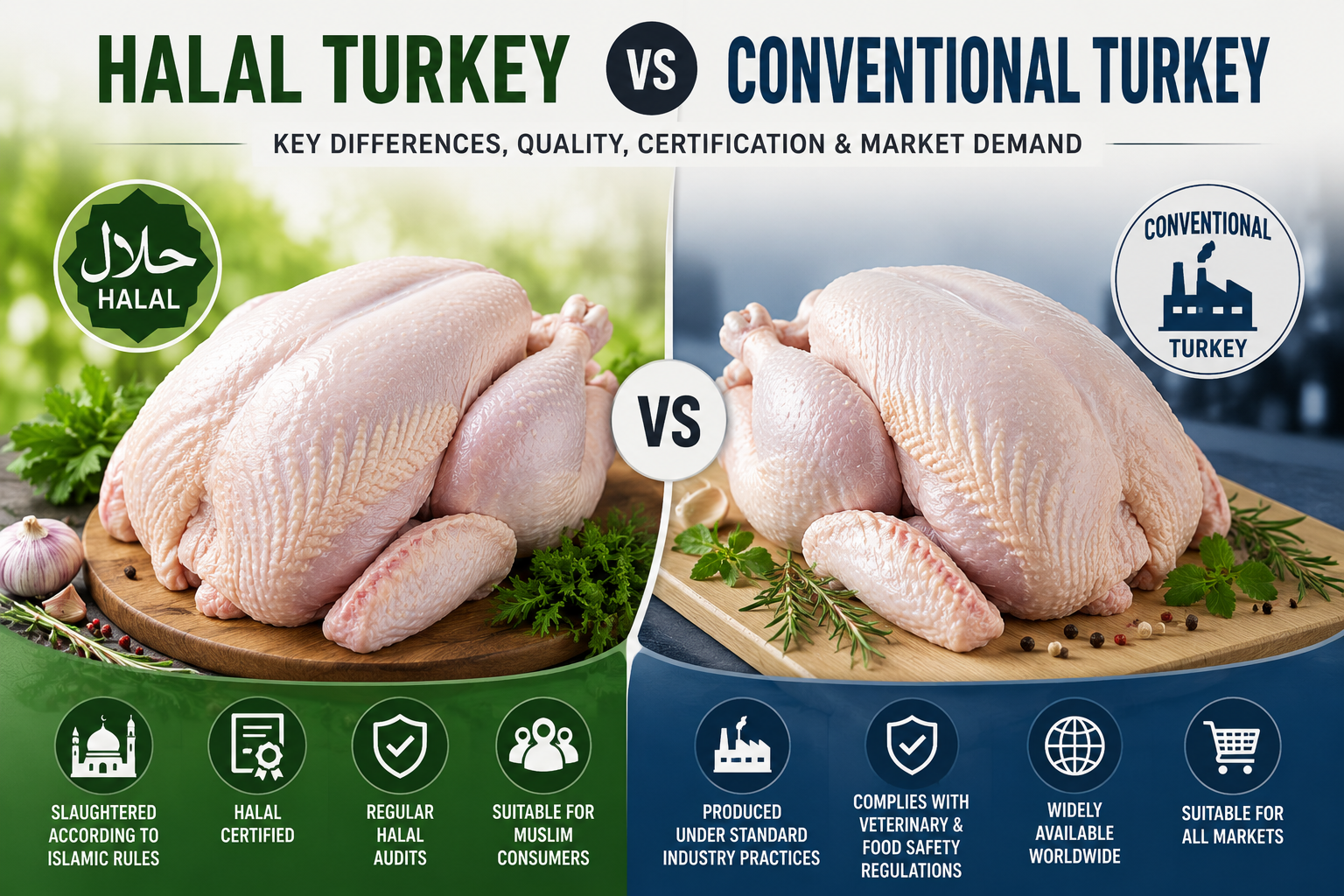
Halal-certified turkey wings are increasingly important in many international markets. Importers serving Muslim consumers often require certification from recognized halal organizations and documented compliance throughout production and logistics operations.
Food Safety Requirements
Major importers frequently require suppliers to operate under internationally recognized food safety systems such as HACCP, ISO 22000, BRCGS, or IFS. These certifications help demonstrate compliance with food safety and quality management standards.
Packaging Options
Wholesale buyers typically purchase turkey wings in bulk cartons, IQF formats, or private-label packaging. Packaging requirements vary depending on whether the products are destined for retail, foodservice, or industrial processing channels.
Pricing Factors
Turkey wing pricing is influenced by feed costs, processing expenses, labor, energy prices, freight rates, exchange rates, and market demand. Importers should evaluate total landed cost rather than focusing exclusively on supplier quotations.
Cold Chain Logistics
Turkey wings are generally transported in refrigerated containers at approximately -18°C or lower. Maintaining an uninterrupted cold chain protects product quality, extends shelf life, and supports regulatory compliance.
Documentation Requirements
Export shipments typically require commercial invoices, packing lists, veterinary health certificates, certificates of origin, bills of lading, and destination-specific approvals. Additional documentation may be required for halal markets.
How Importers Evaluate Suppliers
Experienced importers assess production capacity, export experience, quality systems, certification status, logistics capabilities, customer references, and supply consistency. Reliability often becomes a more important factor than price in long-term business relationships.
Challenges in the Turkey Wing Trade
Common challenges include freight volatility, changing import regulations, currency fluctuations, customs delays, and supply disruptions. Successful importers manage these risks through diversified sourcing and careful supplier selection.
Emerging Opportunities
Population growth, urbanization, expansion of foodservice sectors, and rising demand for affordable proteins are creating new opportunities for turkey wing suppliers and importers worldwide.
Future Market Outlook
Turkey wings are expected to remain an attractive category within the global poultry market. Demand growth in developing economies and continued interest in value-oriented protein products should support long-term trade opportunities.
Conclusion
Turkey wings offer wholesale importers a compelling combination of affordability, versatility, and market demand. Buyers who prioritize quality, certification compliance, logistics performance, and supplier reliability can build profitable long-term procurement programs and capitalize on growing international demand.