Frozen Turkey Breast for Foodservice Buyers
Comprehensive B2B Guide for Importers, Distributors, Wholesalers, Restaurants, Hotels, and Catering Companies
Introduction
Frozen turkey breast has become one of the most sought-after poultry products in the international foodservice sector. Restaurants, hotel chains, catering companies, institutional kitchens, airlines, and food manufacturers value turkey breast for its lean protein content, versatility, consistent quality, and cost efficiency. As global demand for healthy protein options continues to grow, frozen turkey breast remains an attractive solution for foodservice buyers seeking reliable supply and operational flexibility.
Why Foodservice Buyers Choose Turkey Breast
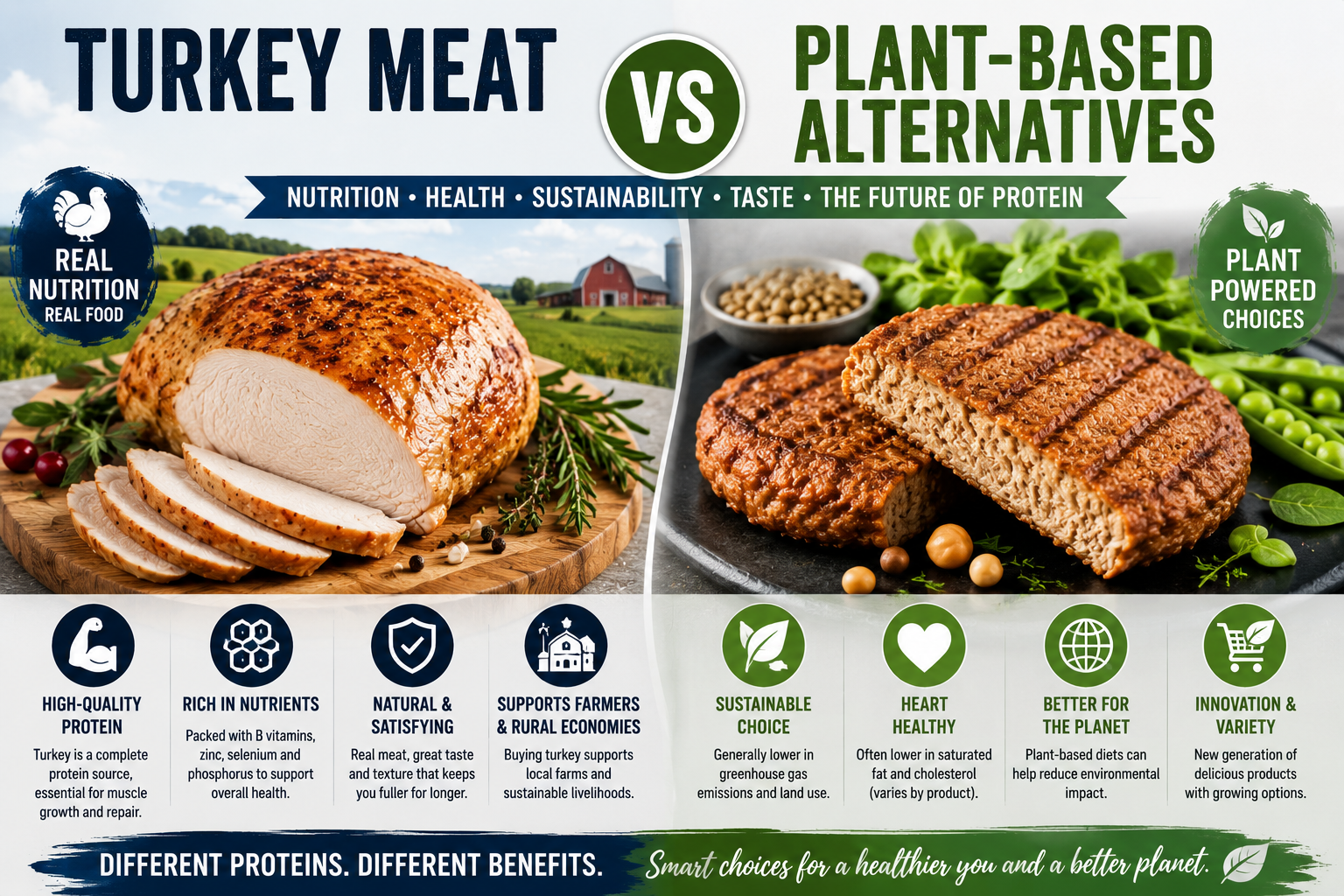
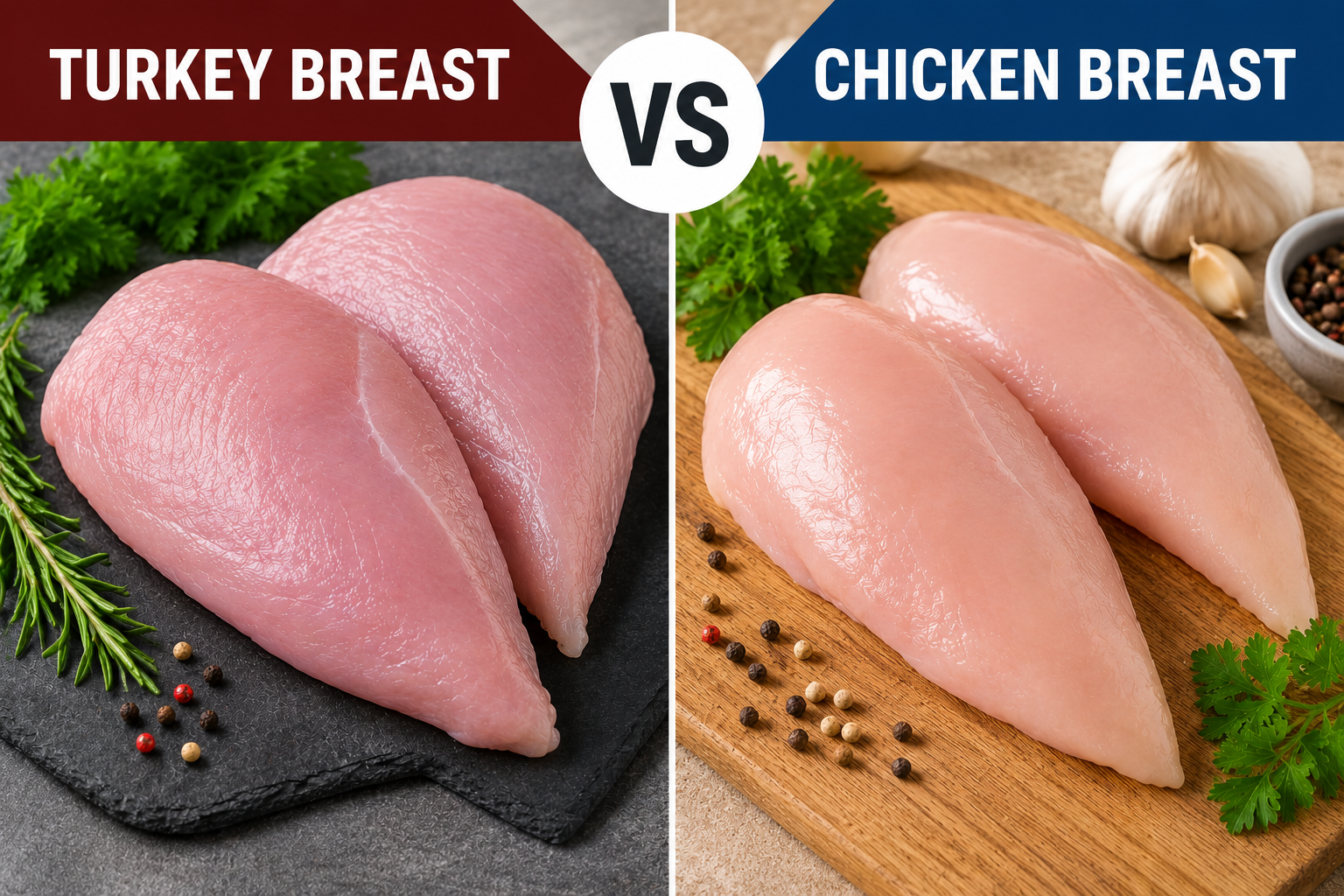
Turkey breast offers several advantages over other protein sources. It is naturally high in protein, relatively low in fat, adaptable to numerous cuisines, and suitable for both premium and value-oriented menu concepts. Foodservice operators appreciate its ability to perform consistently across grilling, roasting, baking, slicing, smoking, and further-processing applications.
Understanding Frozen Turkey Breast Products
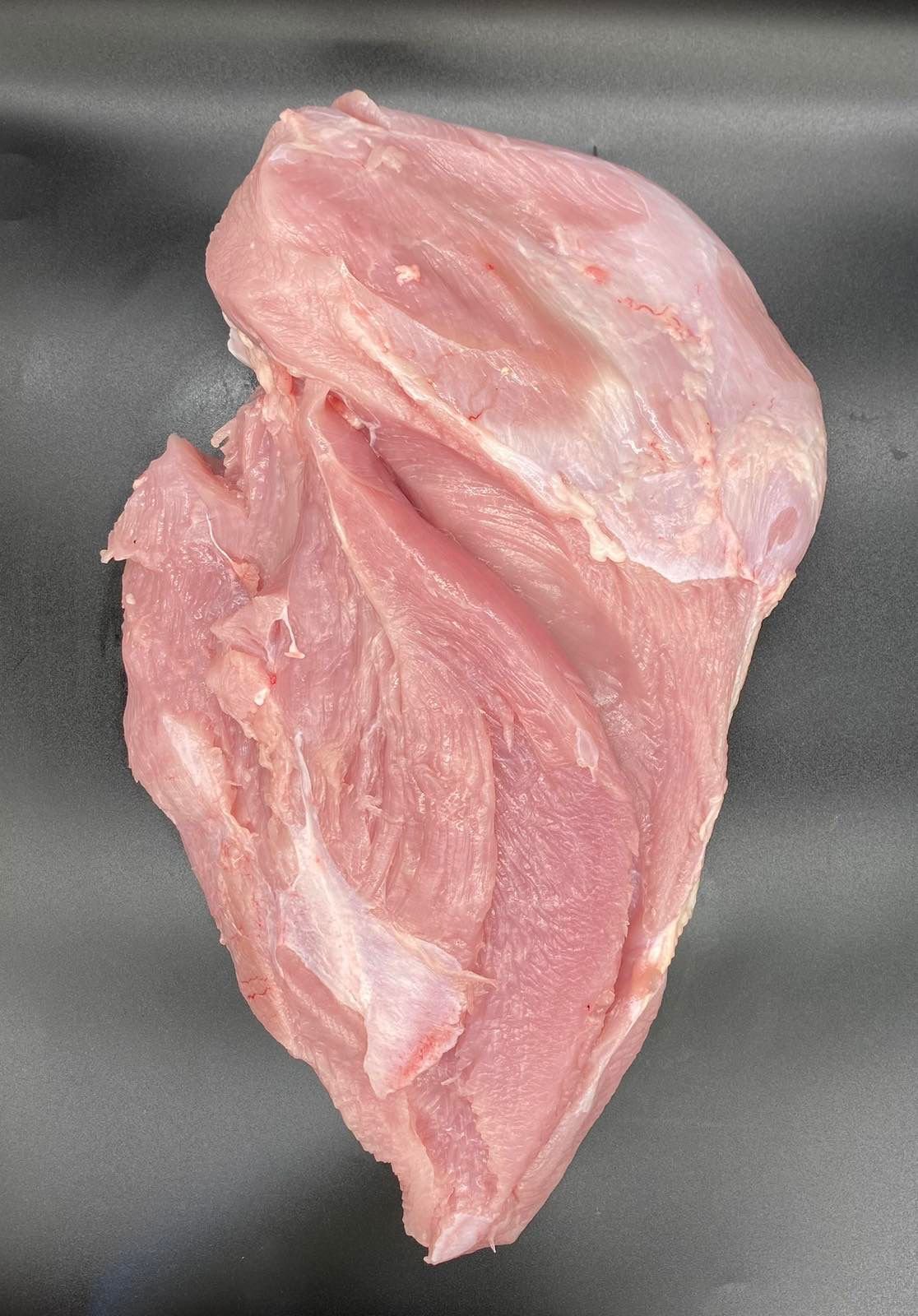
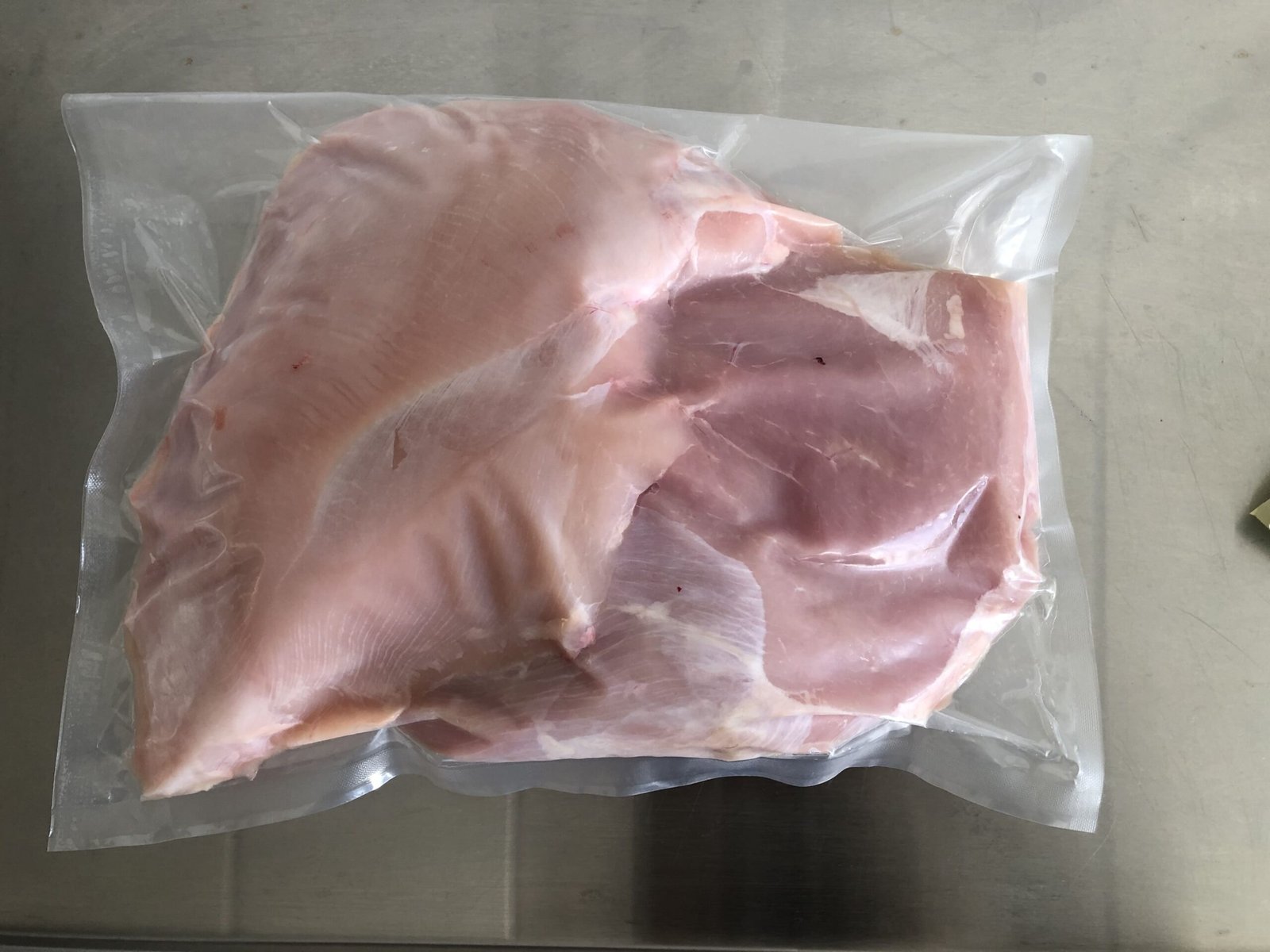
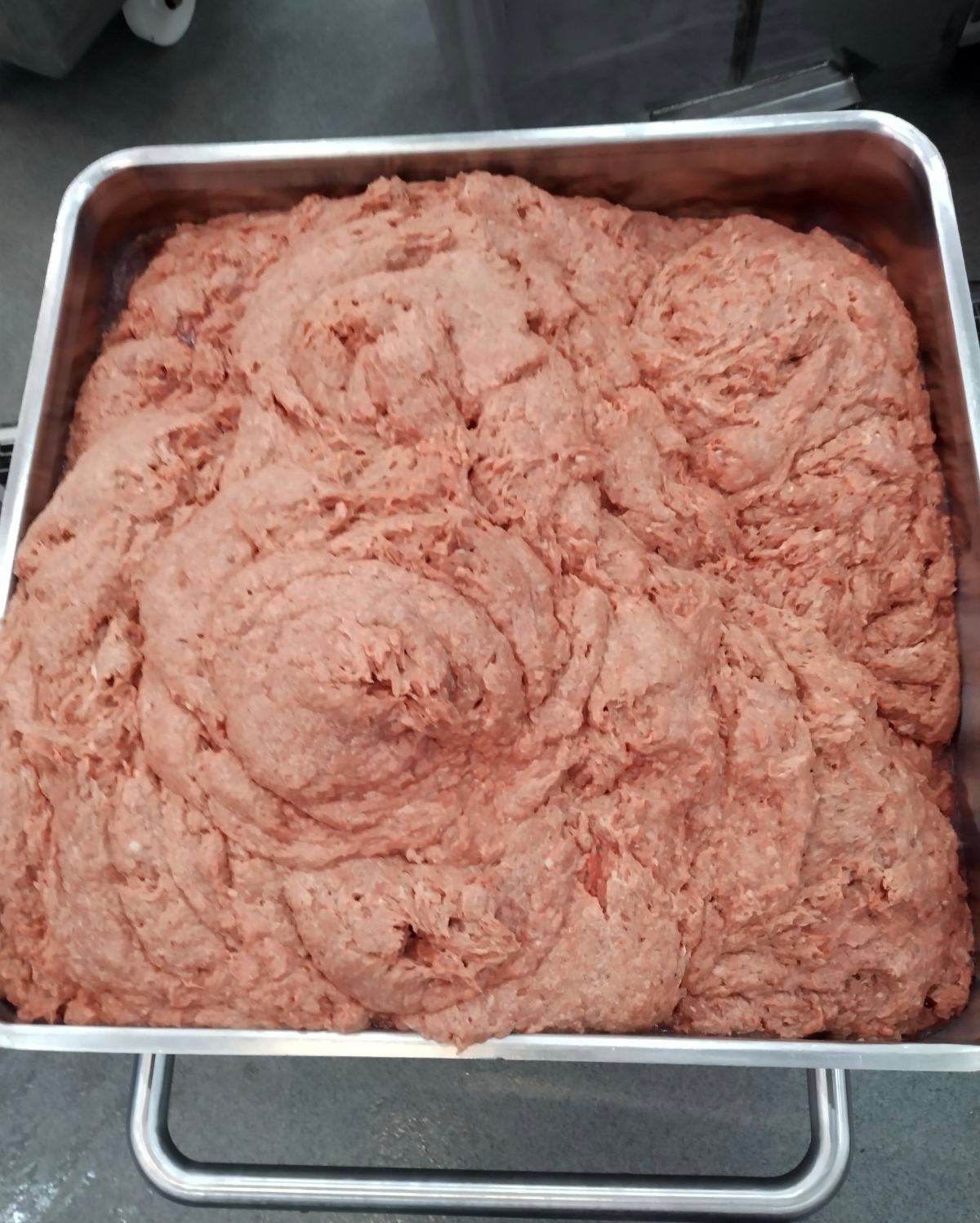
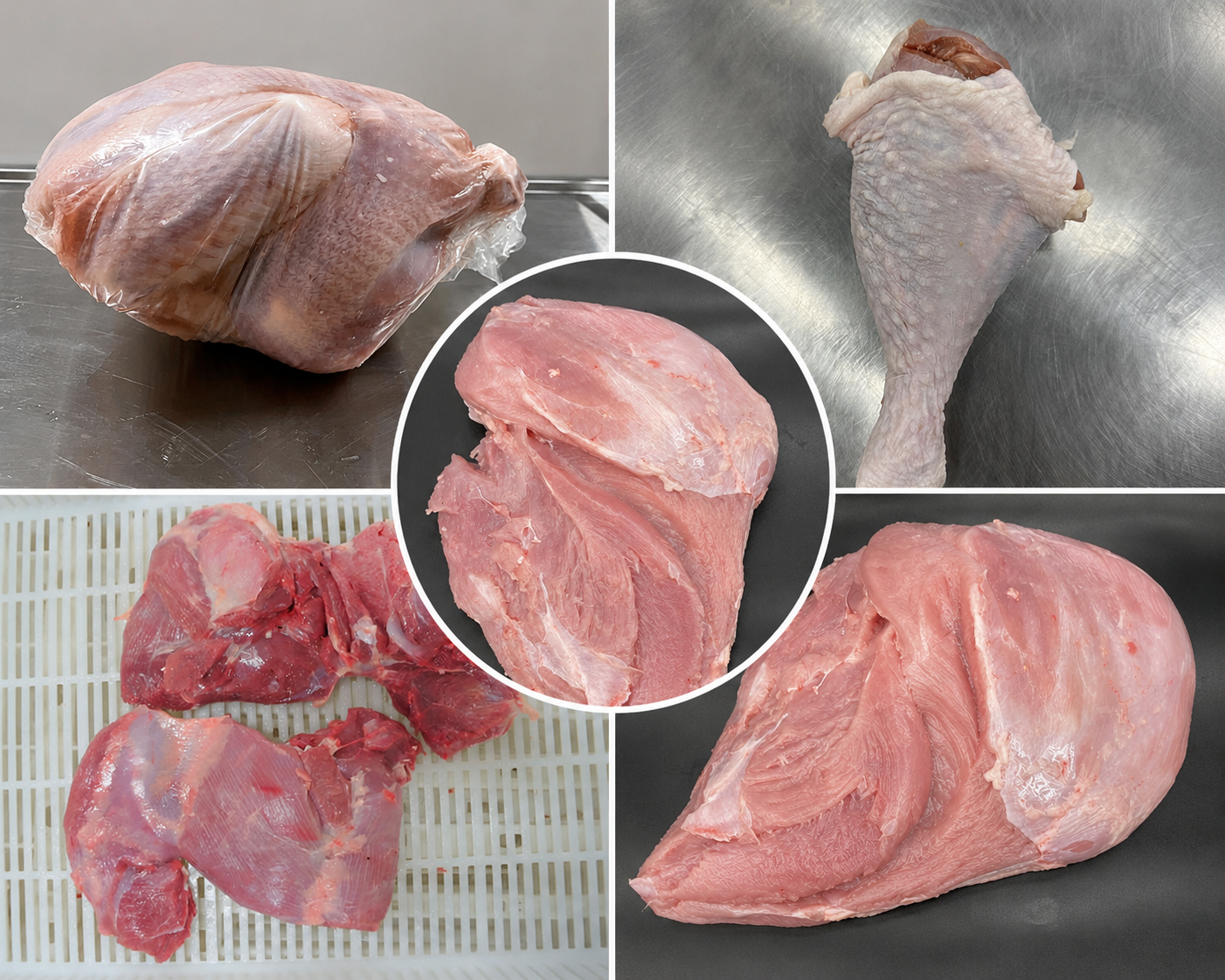
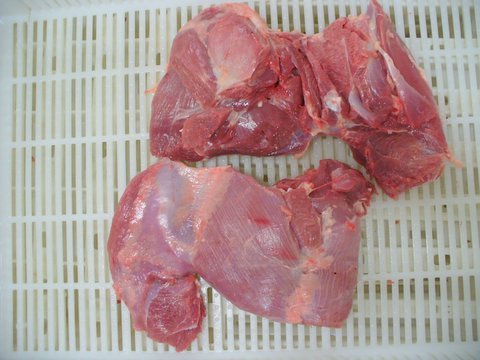
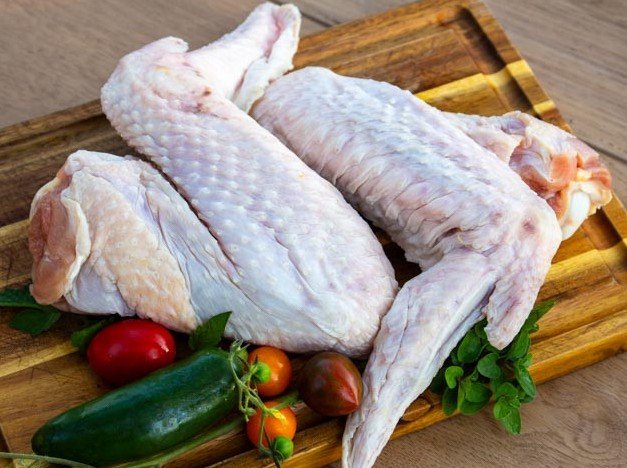
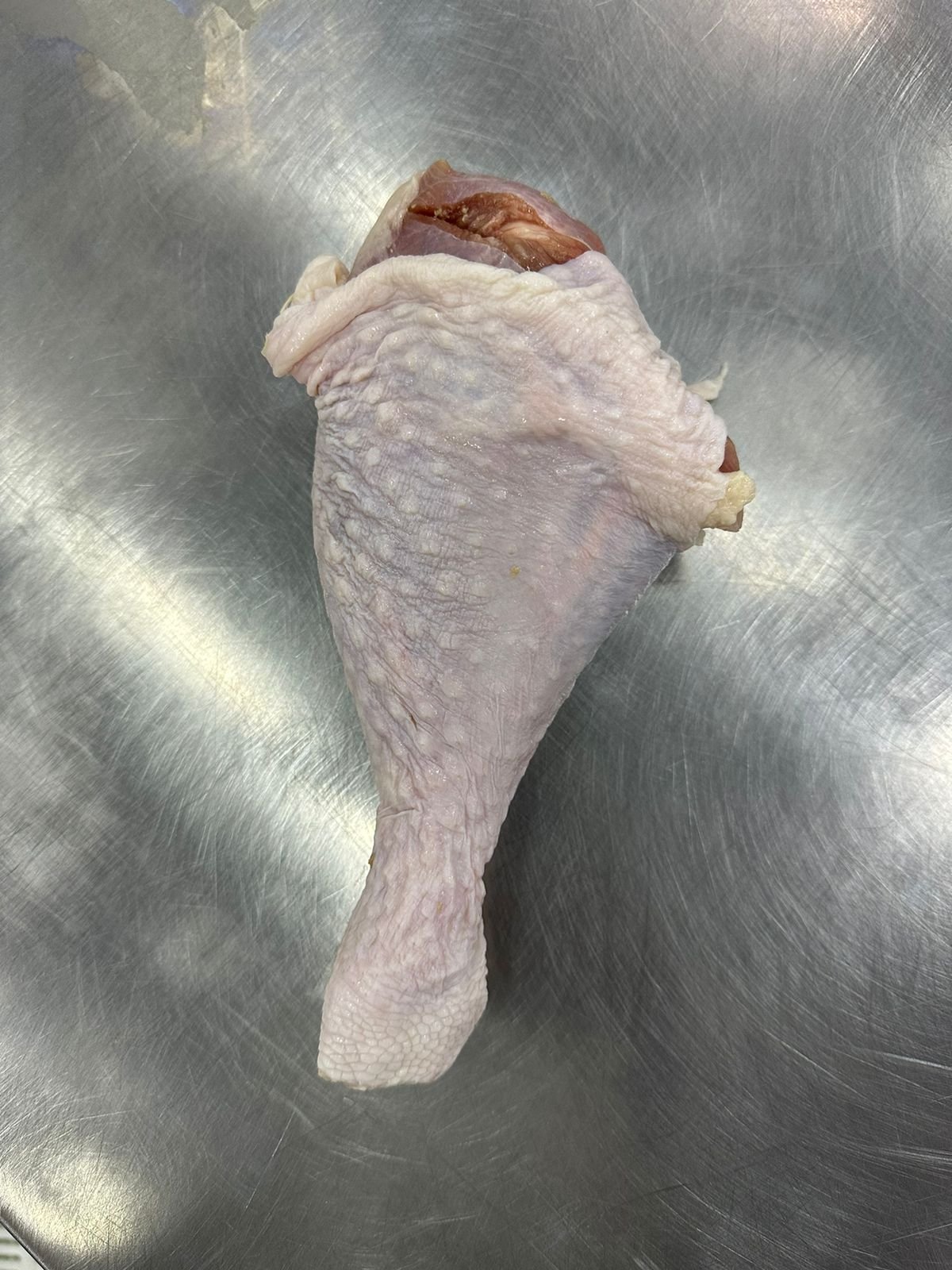
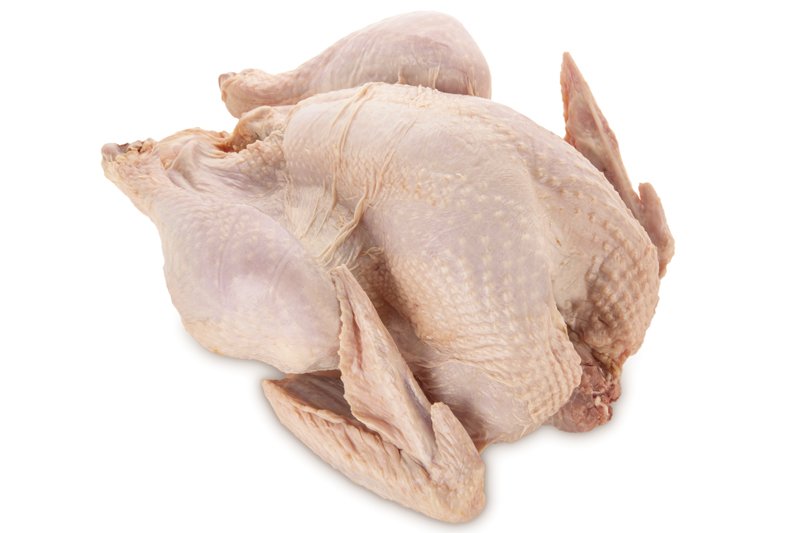
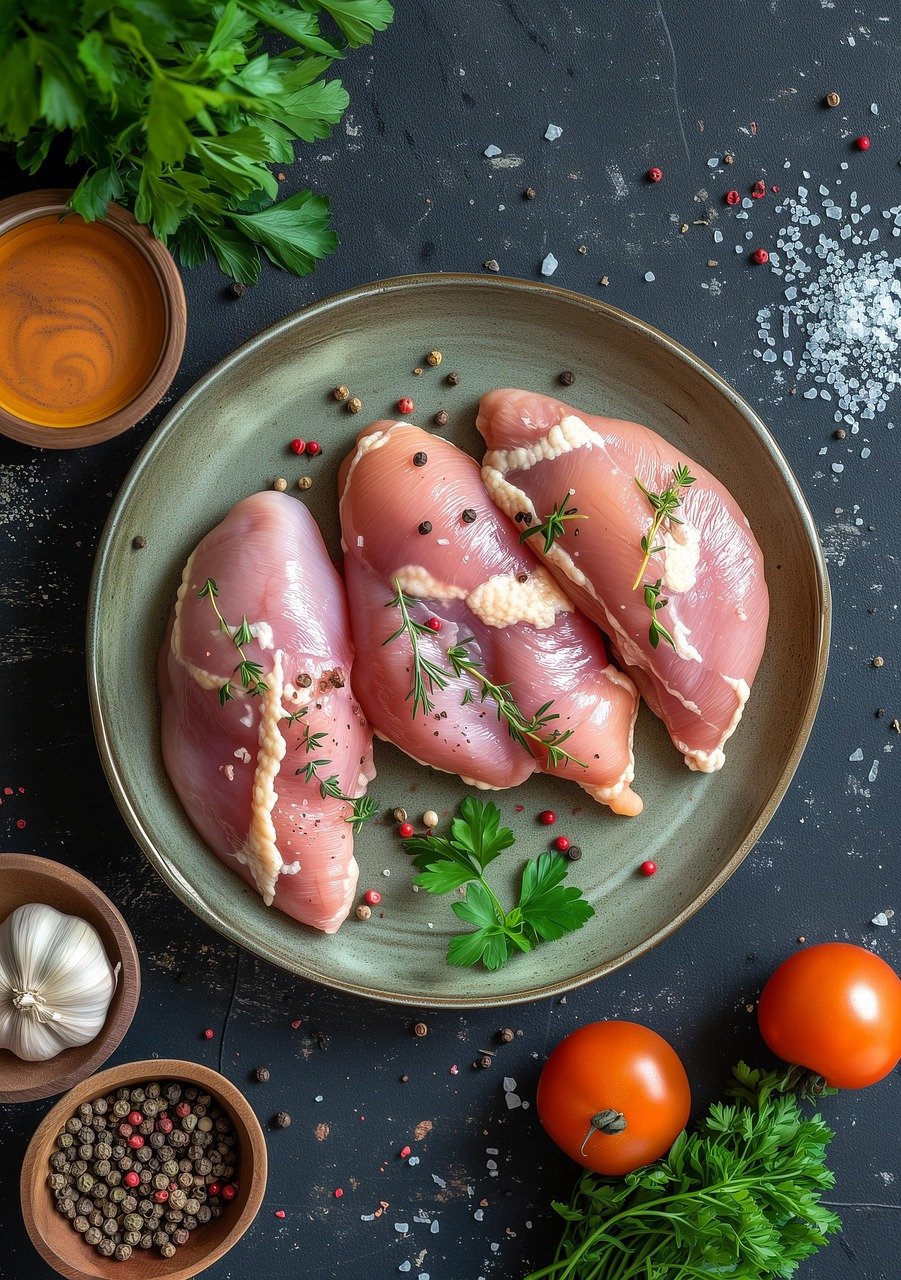
Turkey breast is available in a variety of formats including boneless skinless breast fillets, bone-in breast portions, butterfly breasts, cooked turkey breast, roasted turkey breast, and customized foodservice cuts. Product selection depends on menu requirements, kitchen capabilities, labor costs, and target customer preferences.
Benefits of Frozen Products
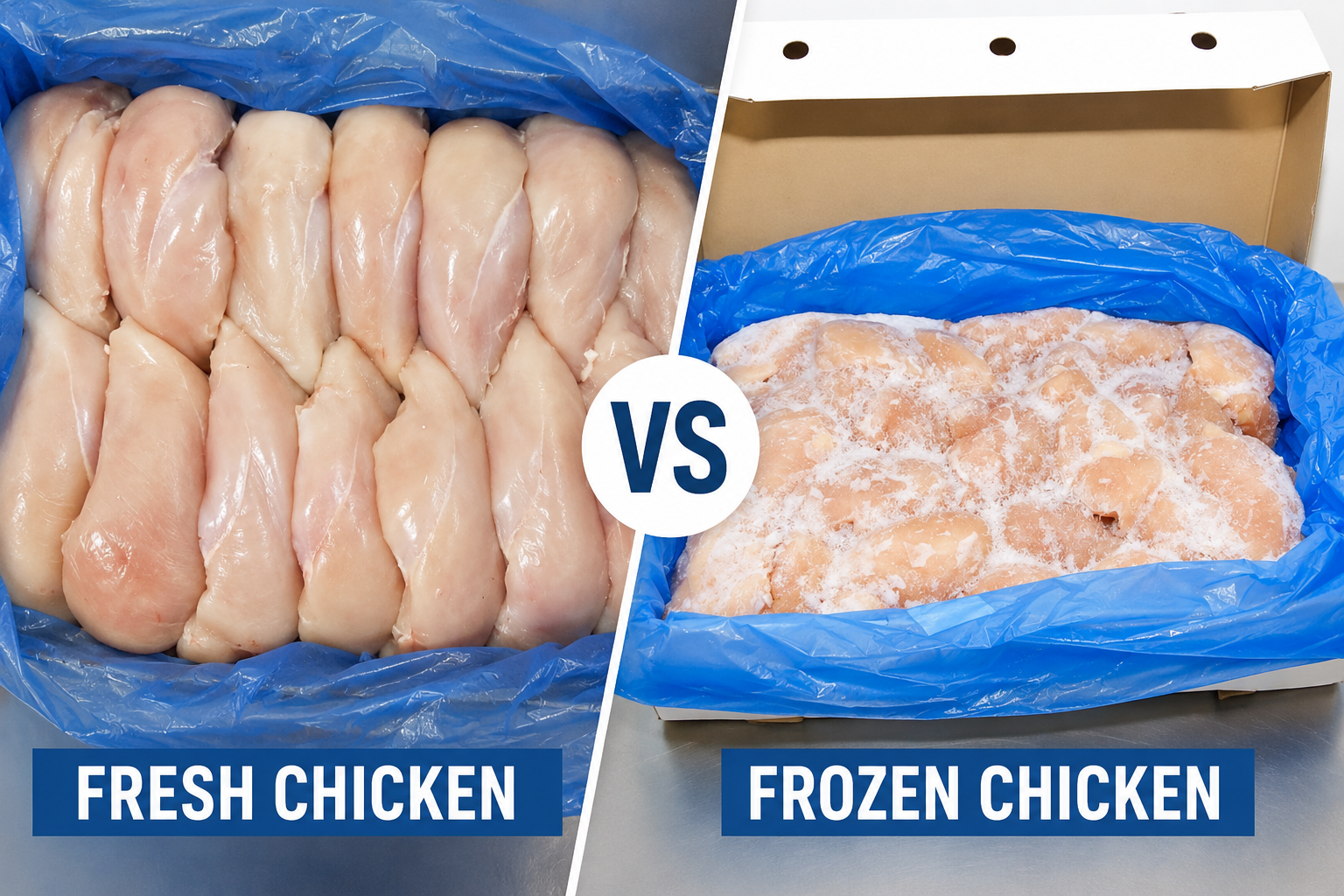
Frozen turkey breast provides longer shelf life compared to chilled products, allowing buyers to manage inventory more effectively. Frozen products reduce waste, support bulk purchasing strategies, and enable importers to source from international suppliers without being constrained by short transportation windows.
Key Product Specifications
Professional buyers typically evaluate turkey breast according to specifications such as weight range, moisture content, trimming standards, packaging format, freezing method, shelf life, and origin. Clearly defined specifications help ensure consistency across multiple shipments and suppliers.
Quality Standards and Grading
Quality is one of the most important purchasing criteria in foodservice procurement. Buyers assess appearance, texture, color, consistency, packaging integrity, and processing standards. Reliable suppliers maintain strict quality assurance programs throughout production and distribution.
Food Safety Requirements
International foodservice customers increasingly require suppliers to operate under recognized food safety systems. Certifications such as HACCP, ISO 22000, BRCGS, and IFS demonstrate commitment to food safety and regulatory compliance. These certifications often play a significant role in supplier approval processes.
Halal Turkey Breast for Foodservice
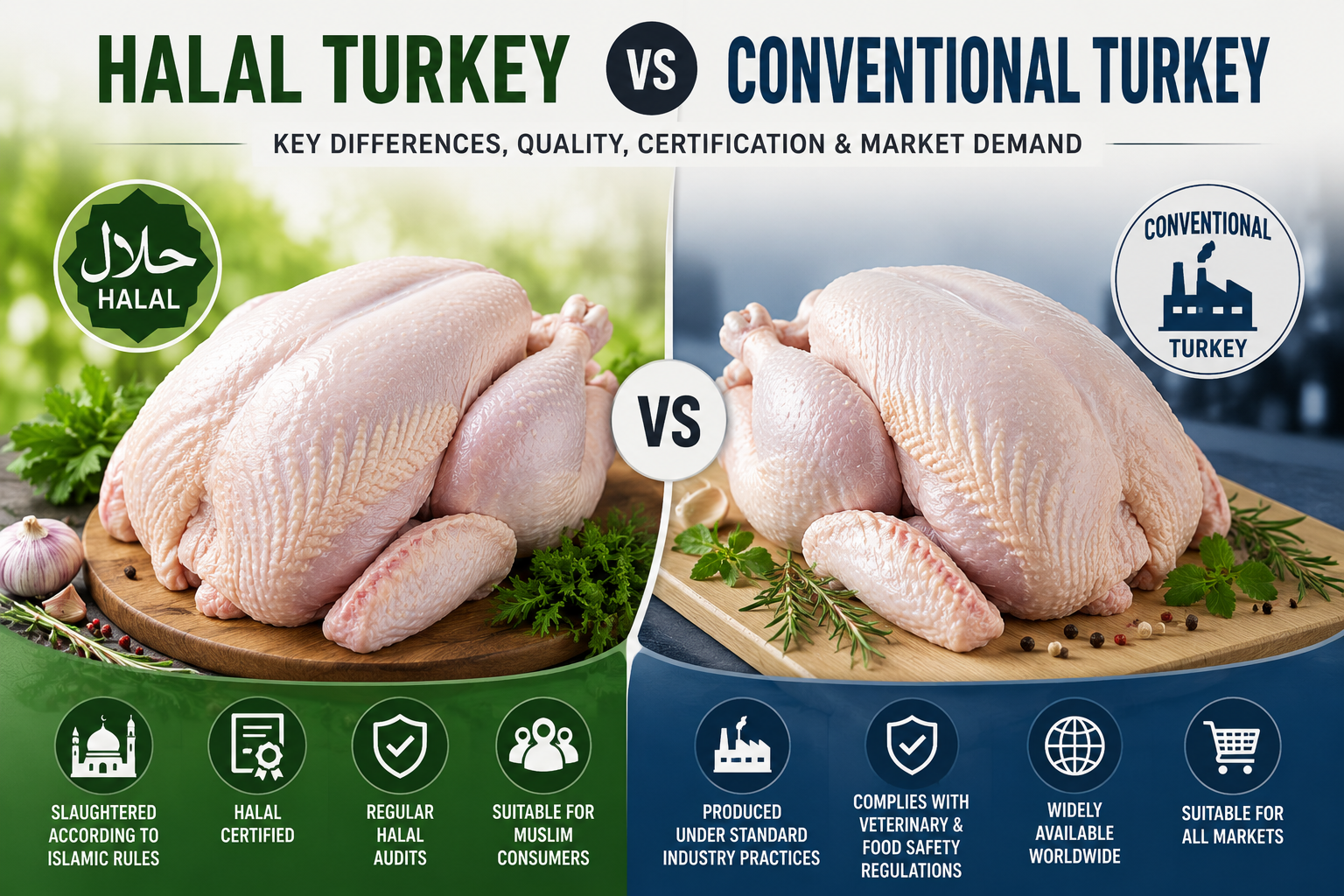
Demand for halal-certified turkey breast continues to grow in many regions, particularly in the Middle East, Africa, and parts of Europe. Foodservice operators serving Muslim consumers frequently require halal certification from recognized certification bodies. Suppliers must ensure compliance throughout slaughter, processing, storage, and transportation.
Packaging Options
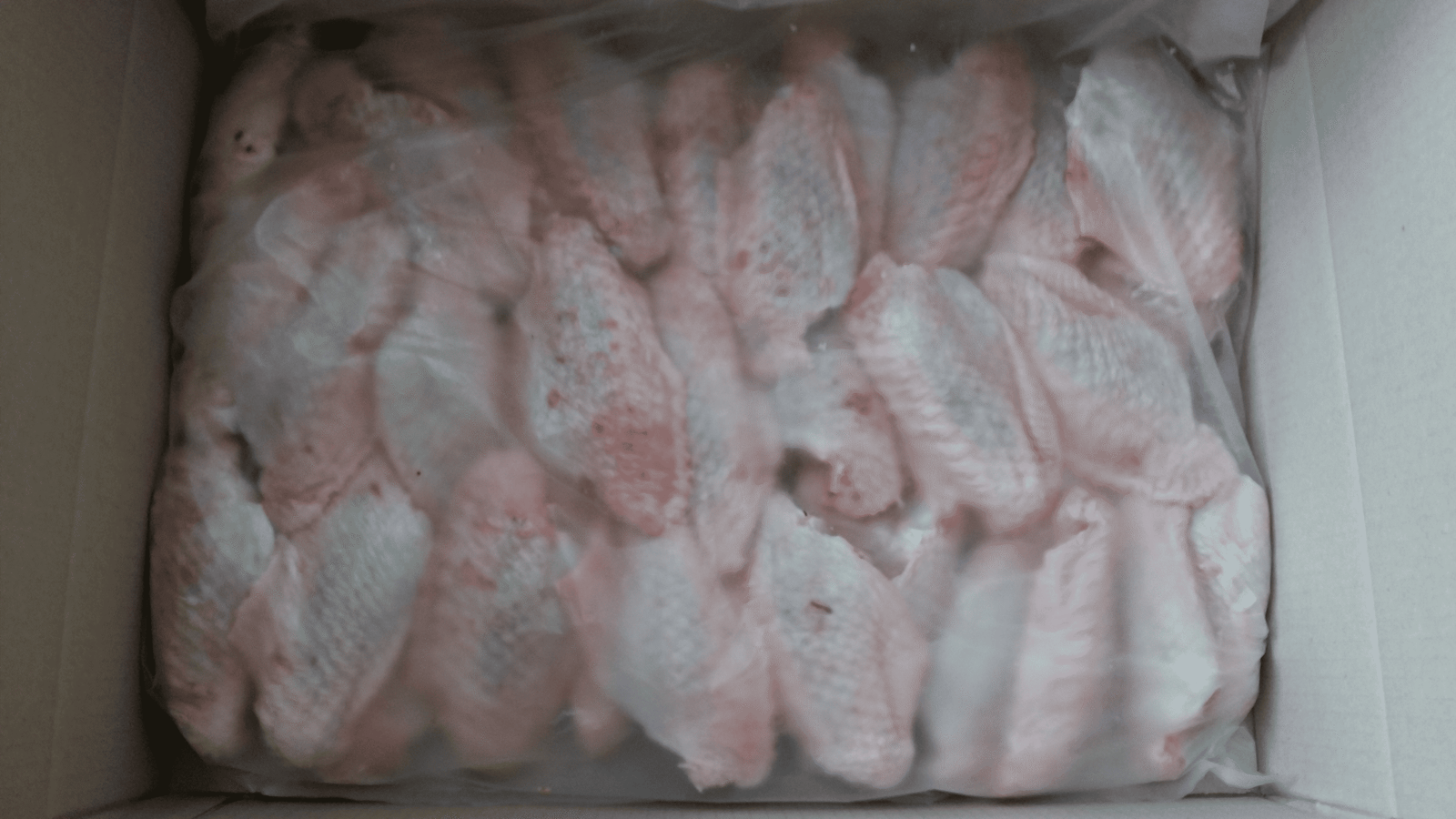
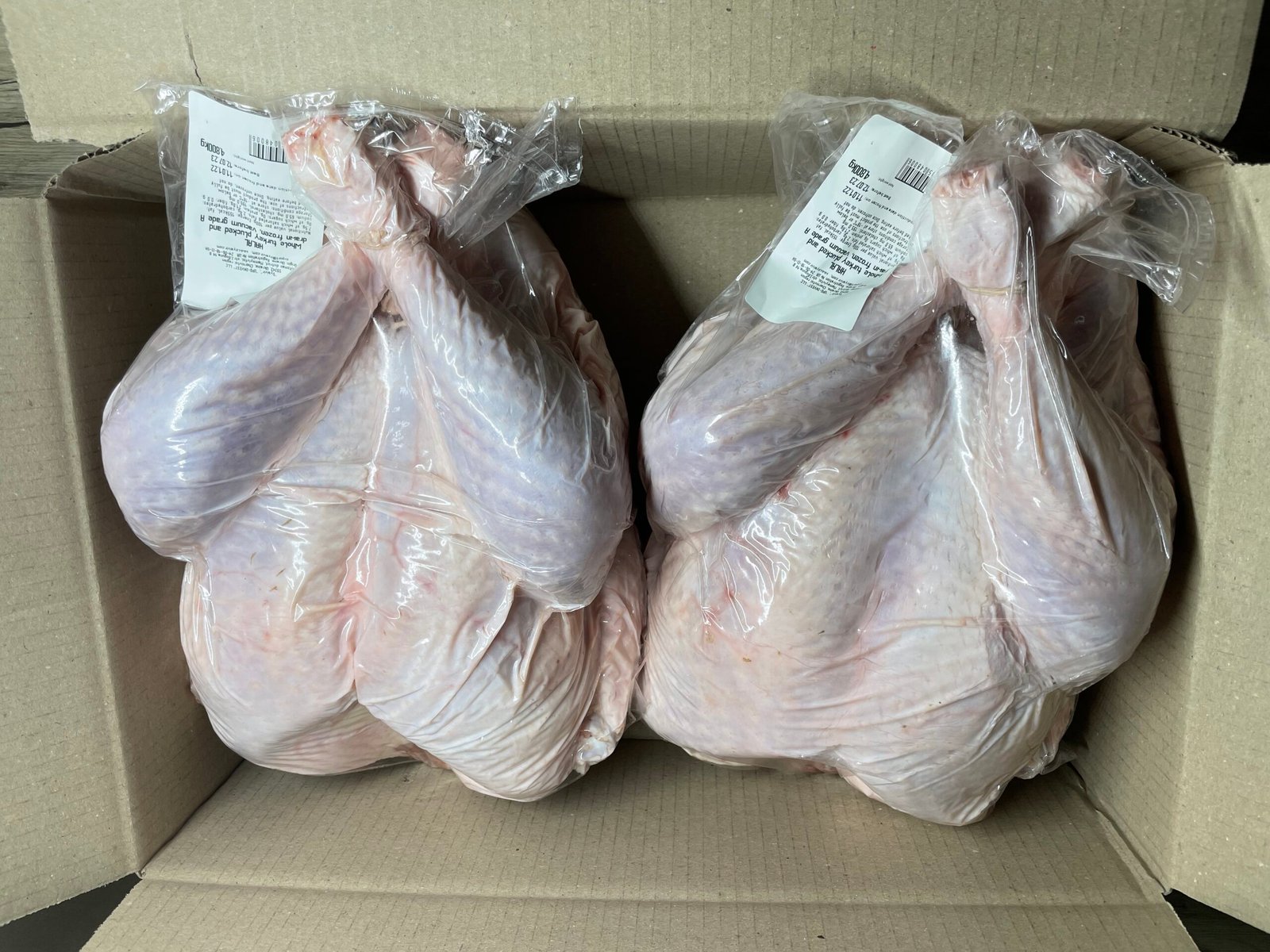
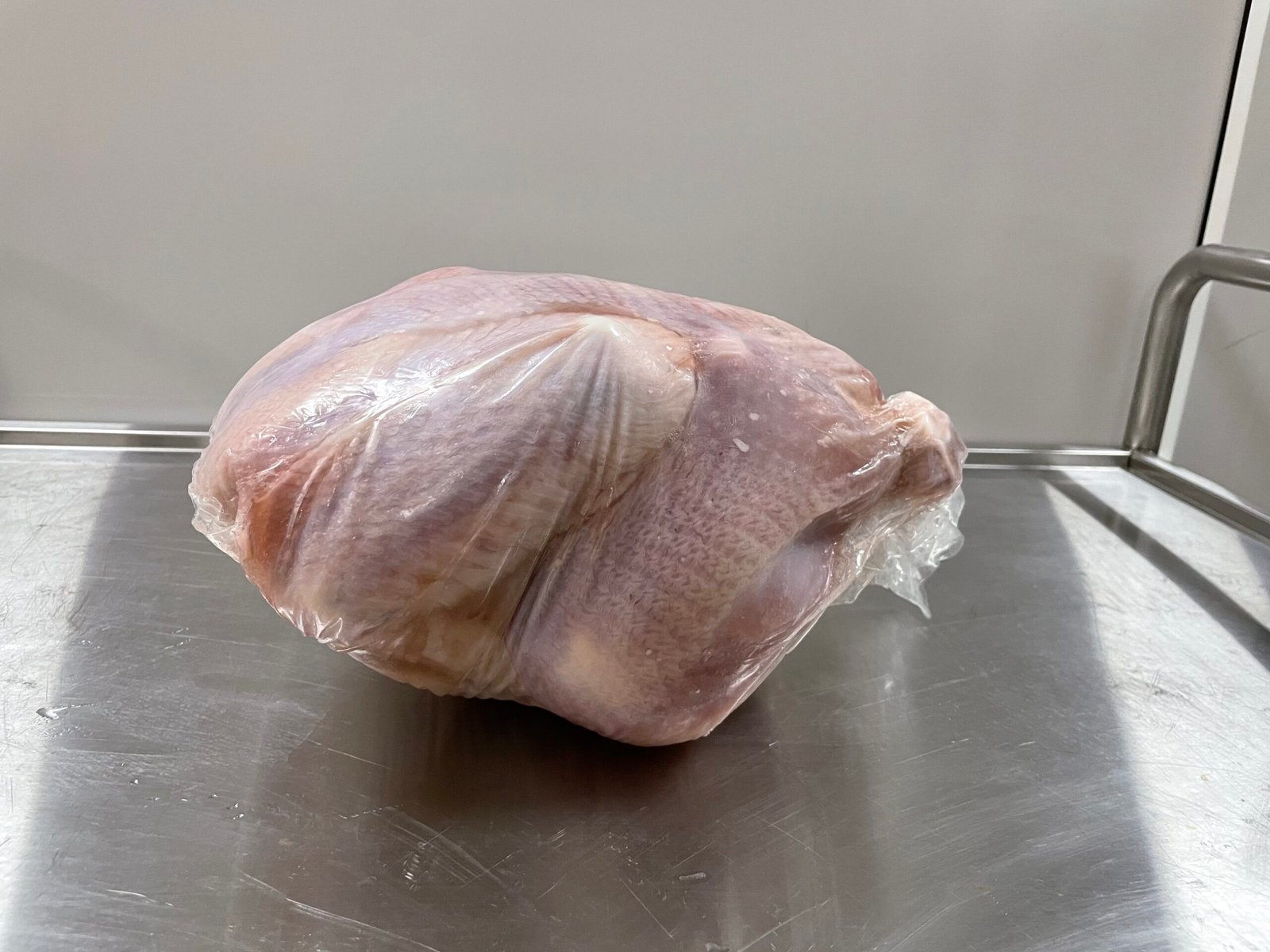
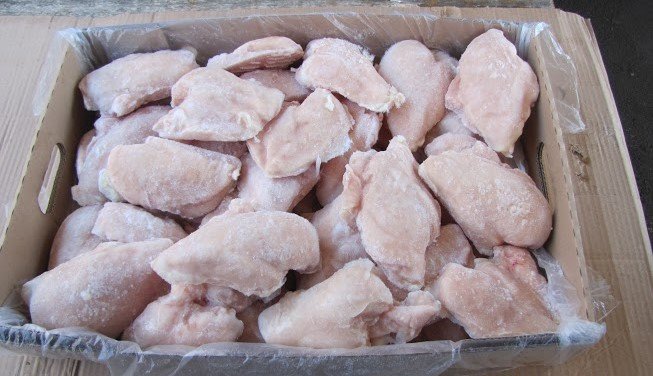
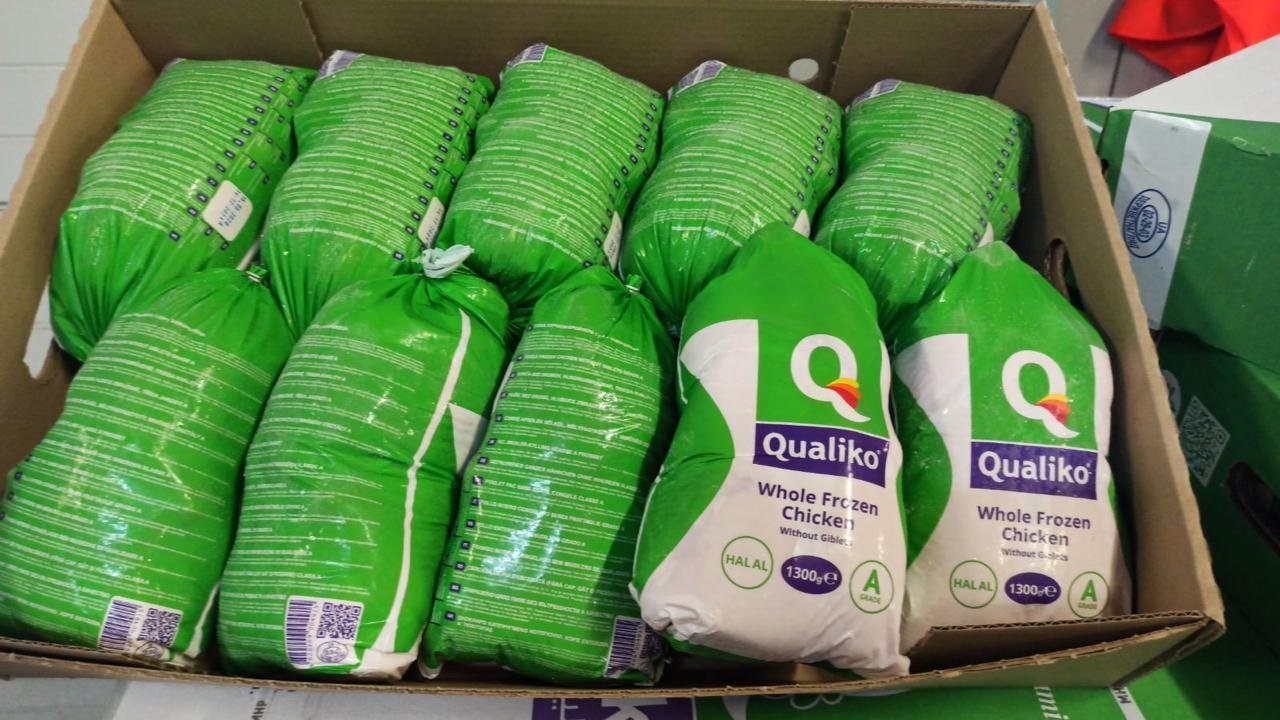
Foodservice buyers require packaging solutions that balance convenience, efficiency, and product protection. Common options include vacuum-packed breast fillets, bulk cartons, IQF products, and customized private-label packaging. Packaging requirements vary according to distribution channels and end-user needs.
Cold Chain Management
Frozen turkey breast must remain within specified temperature ranges throughout storage and transportation. Maintaining an uninterrupted cold chain protects product quality and ensures regulatory compliance. Importers often request temperature records and logistics documentation as part of supplier evaluation procedures.
Applications in Foodservice
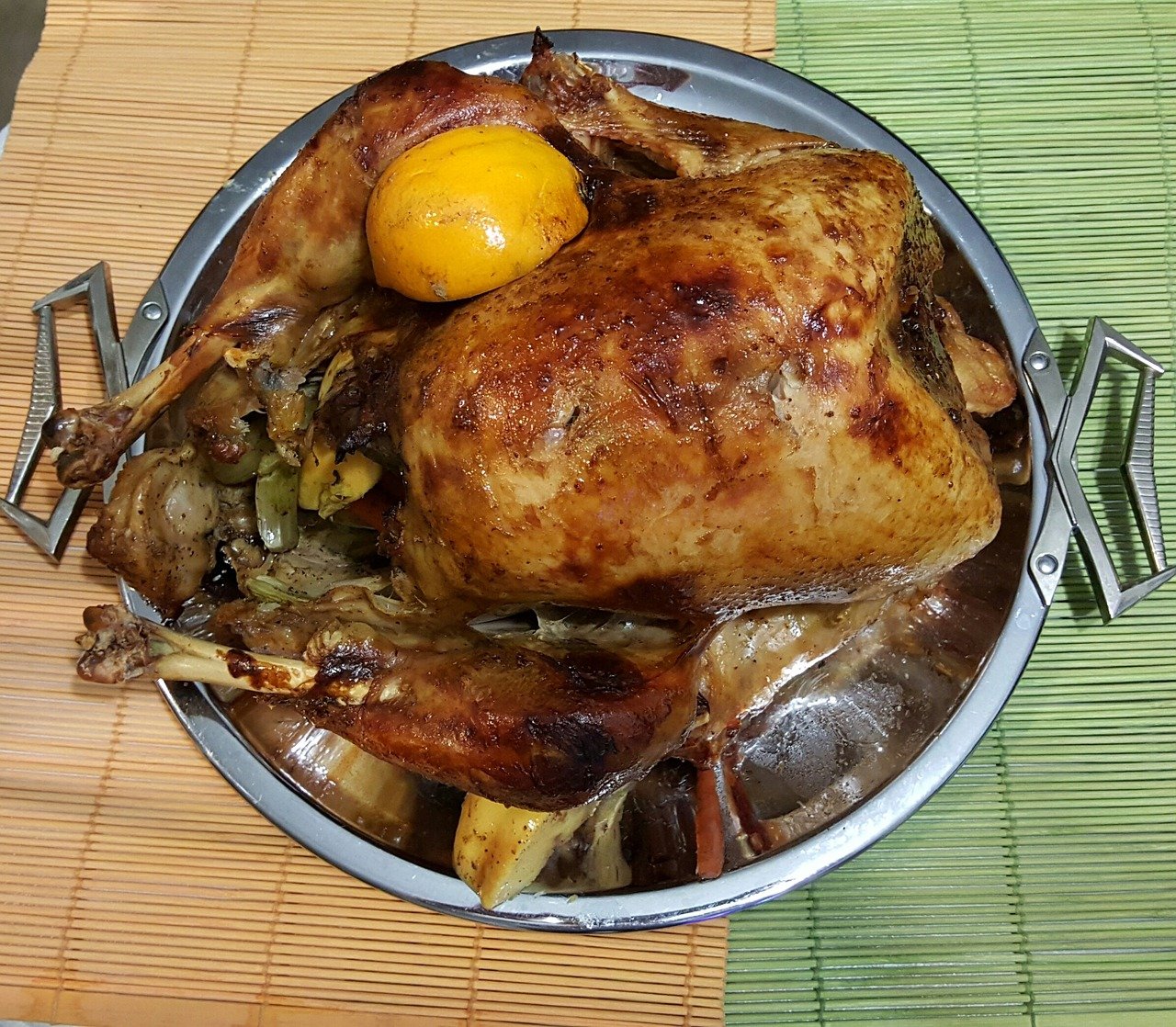
Turkey breast is widely used in restaurants, hotels, corporate catering, hospitals, schools, cruise ships, airlines, and quick-service restaurant chains. It can be incorporated into sandwiches, salads, roasted dishes, grilled menu items, deli products, wraps, and ready-to-eat meals.
Cost Efficiency for Operators
Foodservice buyers often choose turkey breast because it provides attractive yield characteristics and predictable portion control. Efficient utilization helps operators manage food costs while maintaining menu quality and customer satisfaction.
Factors Affecting Pricing
Several variables influence frozen turkey breast pricing, including feed costs, processing expenses, labor, certifications, packaging requirements, freight rates, exchange rates, and market demand. Buyers should evaluate total landed cost rather than focusing exclusively on product price.
How Importers Evaluate Suppliers
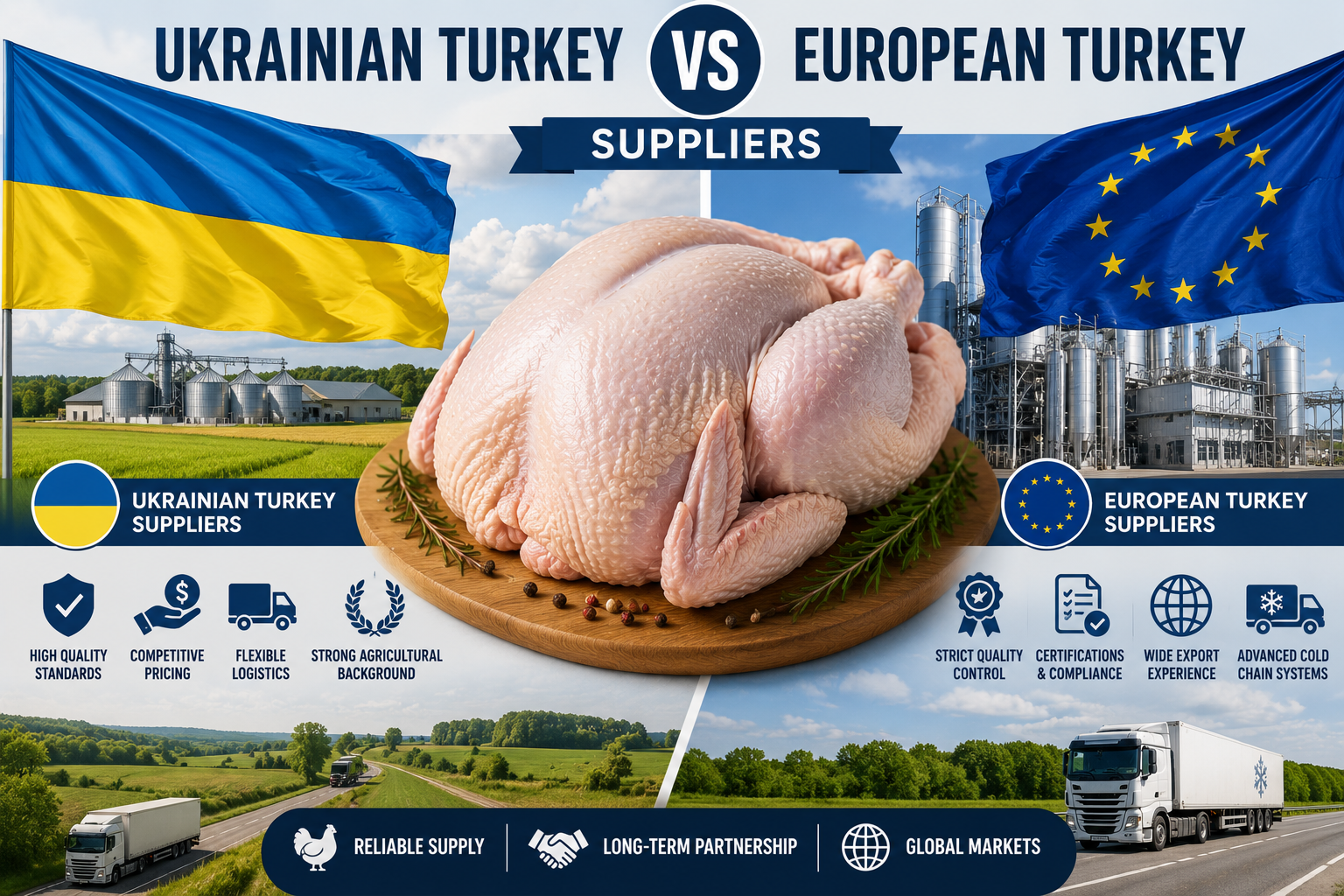
Professional importers assess production capacity, export experience, food safety certifications, halal status where applicable, logistics capabilities, quality consistency, and responsiveness. Long-term partnerships are often built on reliability rather than lowest price alone.
Documentation Requirements
International shipments typically require commercial invoices, packing lists, veterinary health certificates, certificates of origin, bills of lading, halal certificates when required, and destination-specific import documentation. Proper paperwork helps avoid customs delays and compliance issues.
Sustainability Considerations
Many foodservice companies are increasingly focused on sustainability. Buyers may evaluate suppliers based on environmental practices, resource efficiency, animal welfare standards, packaging initiatives, and supply chain transparency.
Common Purchasing Mistakes
Some buyers focus exclusively on price while overlooking product specifications, certification status, freight costs, shelf life, and supplier reliability. Comprehensive supplier evaluation reduces procurement risks and improves long-term performance.
Best Practices for Foodservice Procurement
Successful buyers establish detailed product specifications, conduct supplier audits, verify certifications, review logistics capabilities, and maintain regular communication with suppliers. Strategic procurement practices support consistent quality and operational efficiency.
Future Market Trends
Growing demand for healthy proteins, convenience foods, halal products, and premium poultry offerings is expected to support continued growth in the frozen turkey breast market. Foodservice operators are increasingly seeking dependable suppliers capable of delivering consistent quality at scale.
Conclusion
Frozen turkey breast remains one of the most versatile and commercially attractive poultry products available to foodservice buyers. Its combination of nutritional value, operational flexibility, long shelf life, and menu versatility makes it a preferred choice across numerous foodservice segments. Buyers who prioritize quality, food safety, logistics performance, and supplier reliability can build sustainable sourcing programs that support long-term business success.