Container Shipping for Frozen Turkey Products
Comprehensive B2B Guide for Importers, Exporters, Logistics Companies and Food Distributors
Introduction
Frozen turkey meat is traded globally through sophisticated cold-chain logistics networks connecting poultry processors with importers, wholesalers, retailers, foodservice distributors, and industrial food manufacturers. Container shipping is the backbone of this trade because it allows exporters to move large volumes of frozen products efficiently while maintaining strict temperature control.
For importers, understanding reefer logistics is just as important as understanding product quality. A competitively priced shipment can quickly become expensive if temperature excursions, customs delays, documentation errors, or port congestion compromise product quality. This guide explains the technical, operational, and commercial aspects of shipping frozen turkey products internationally.
Why Frozen Turkey Is Primarily Shipped in Containers
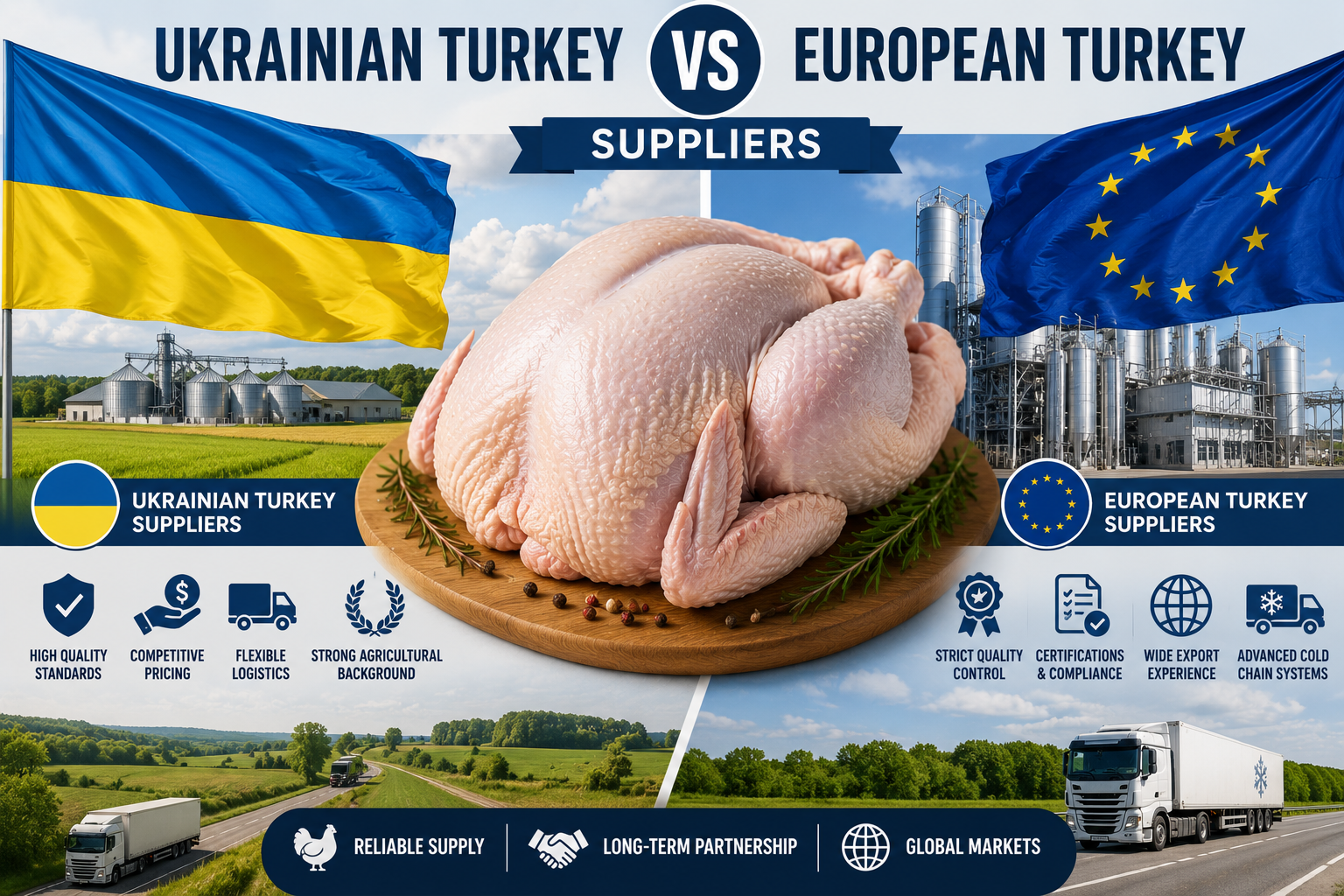
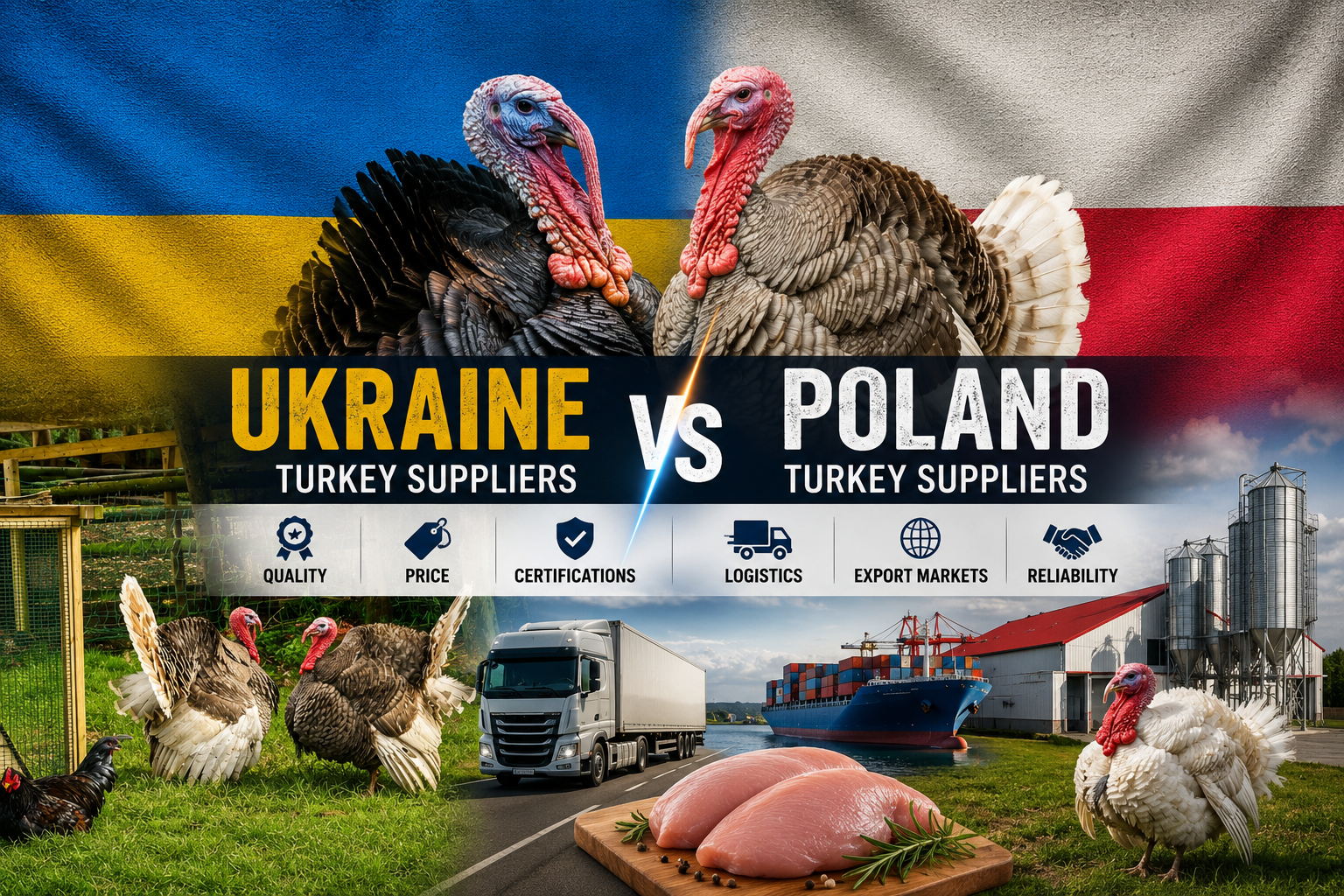
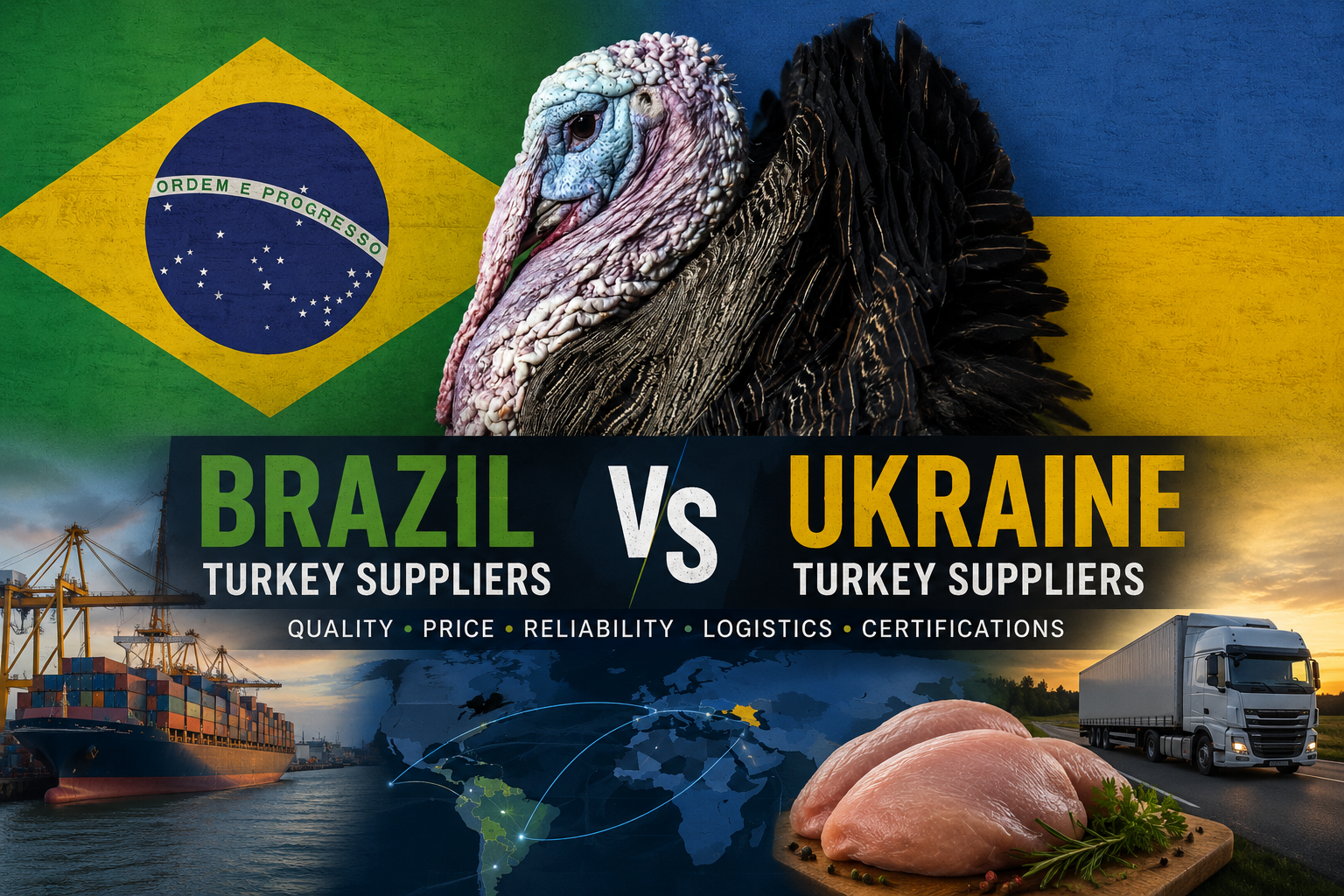
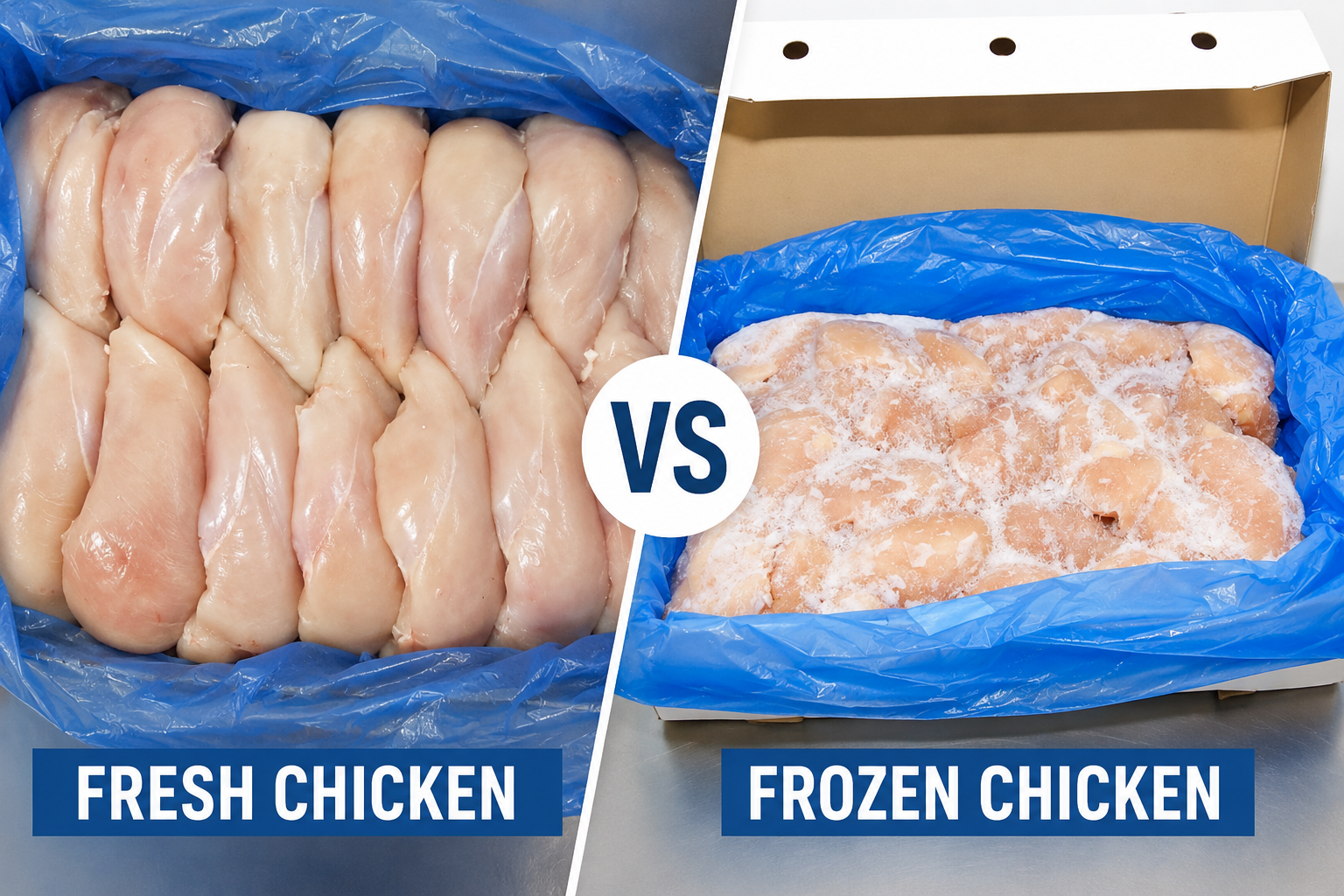
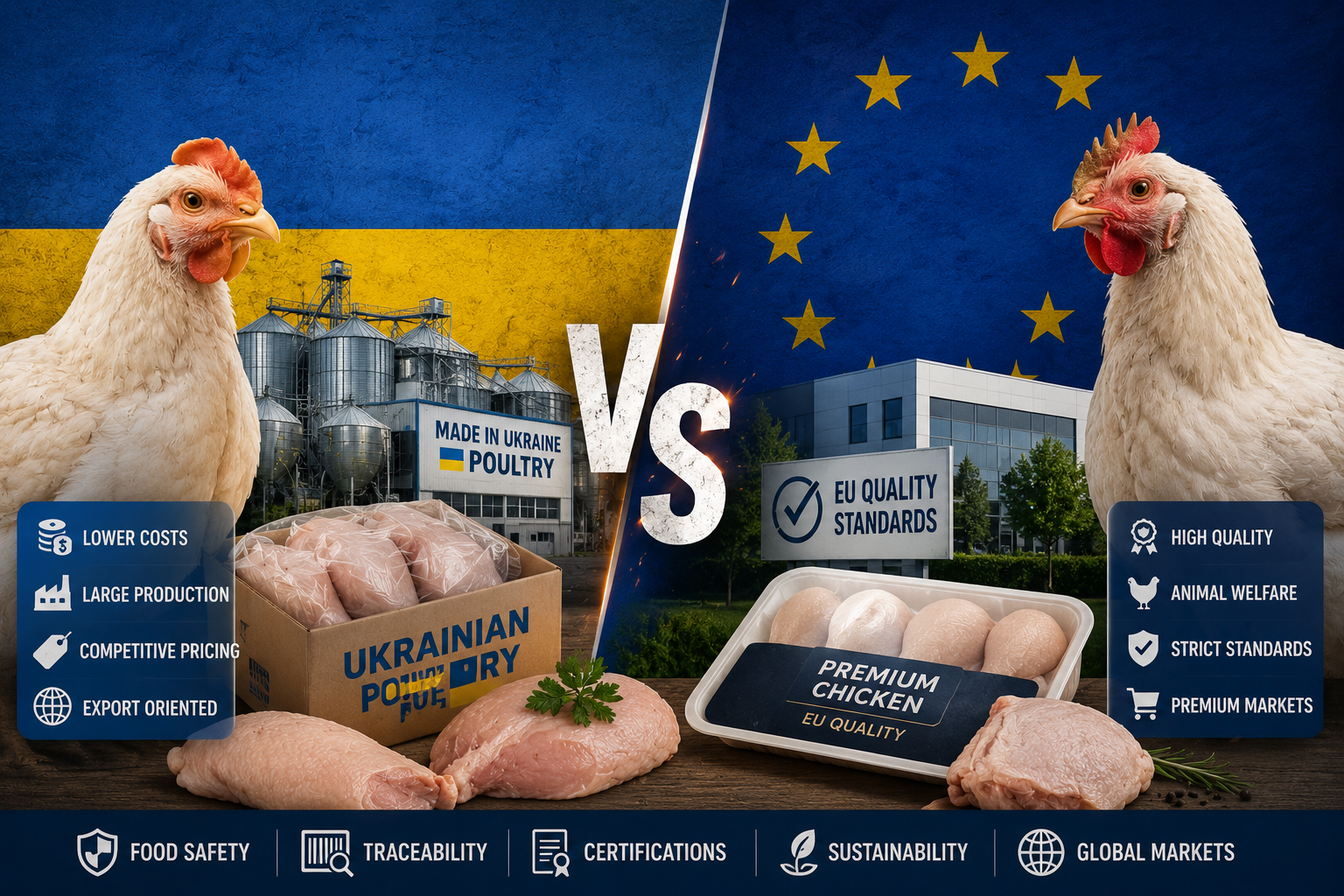
Unlike fresh poultry, frozen turkey products can be transported over long distances without significant deterioration when cold-chain requirements are maintained. This enables suppliers in countries such as Ukraine, Brazil, Poland, the United States, and Turkey to serve buyers across the Middle East, Africa, Asia, and Europe.
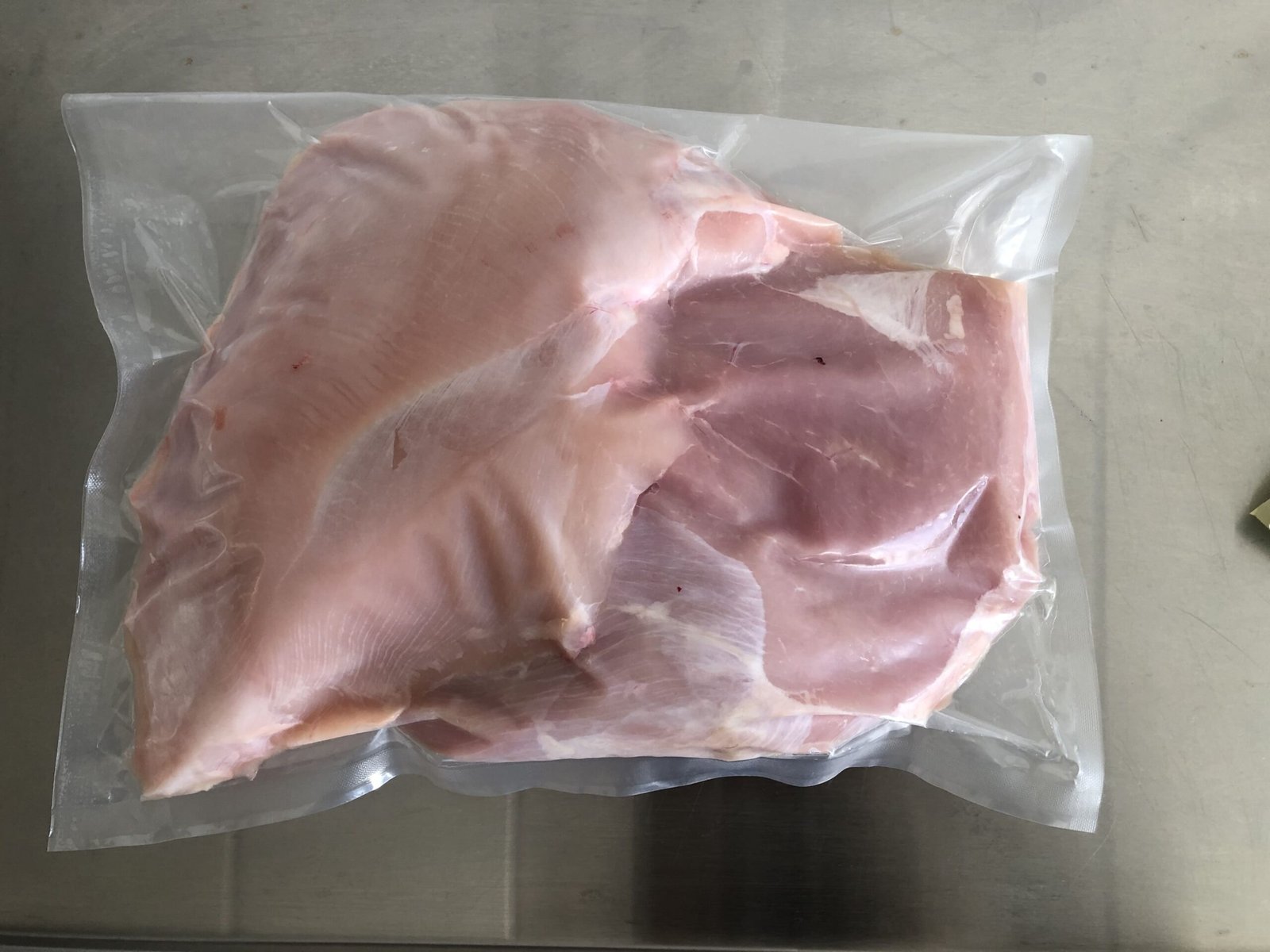
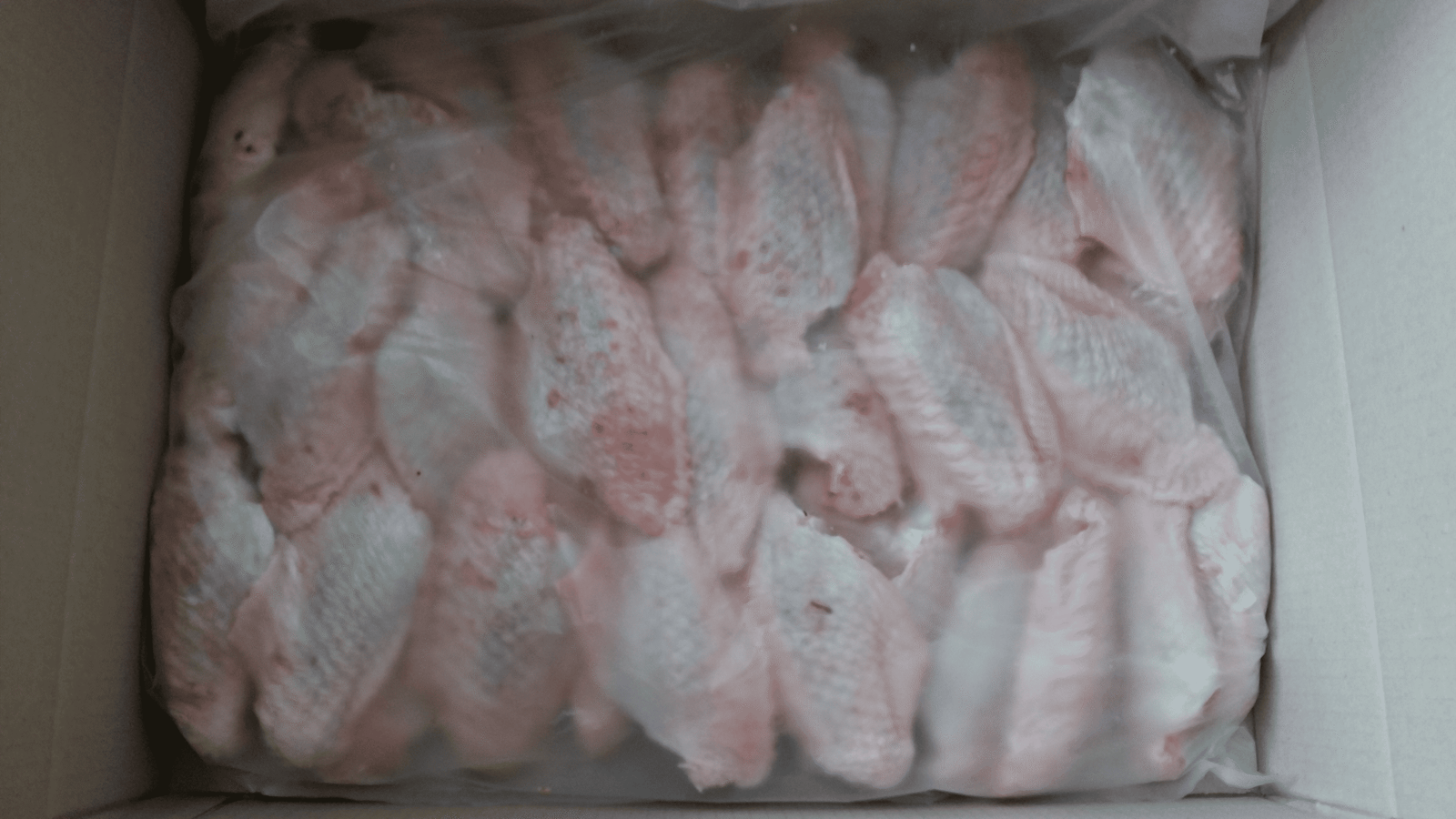
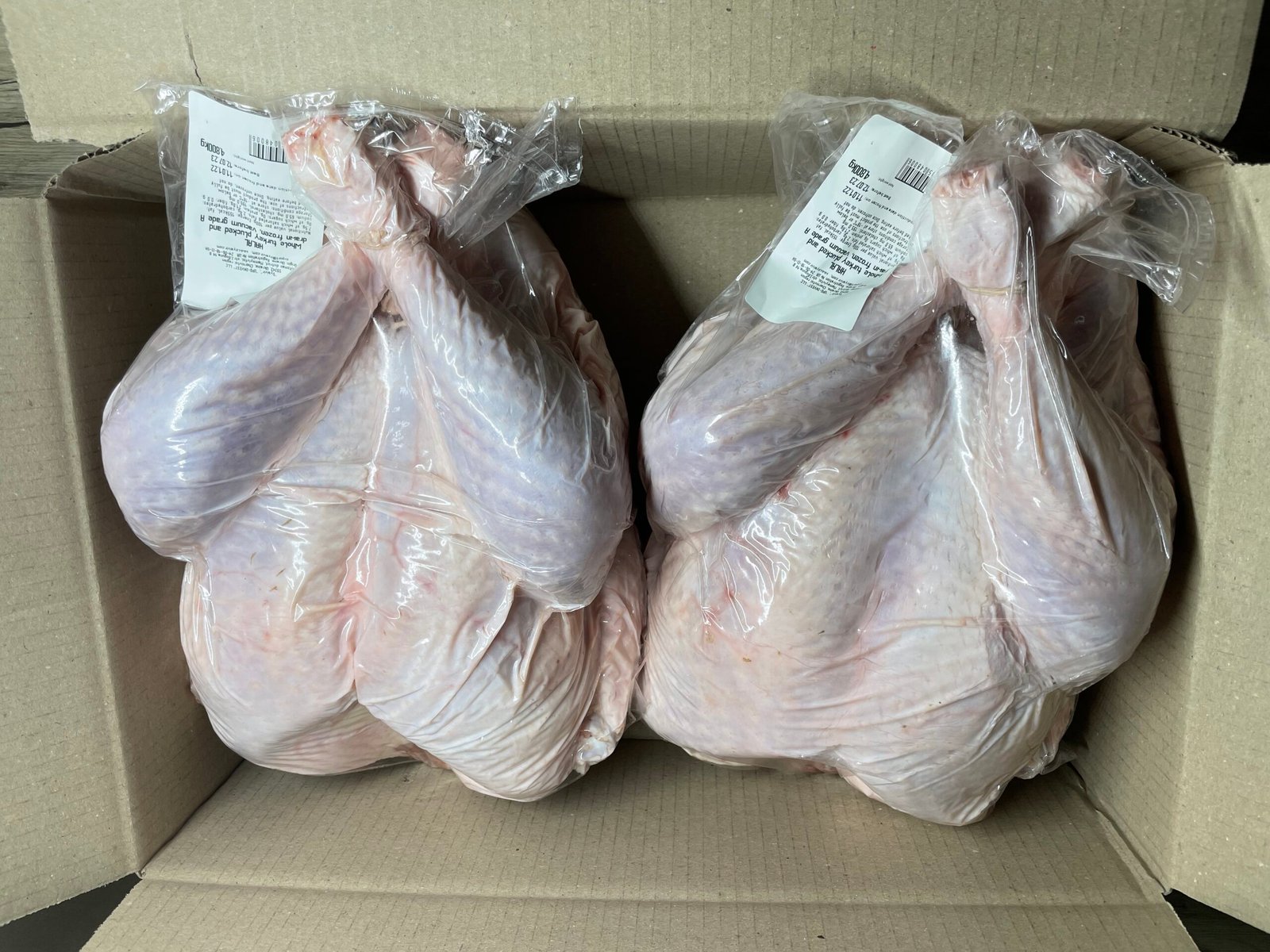
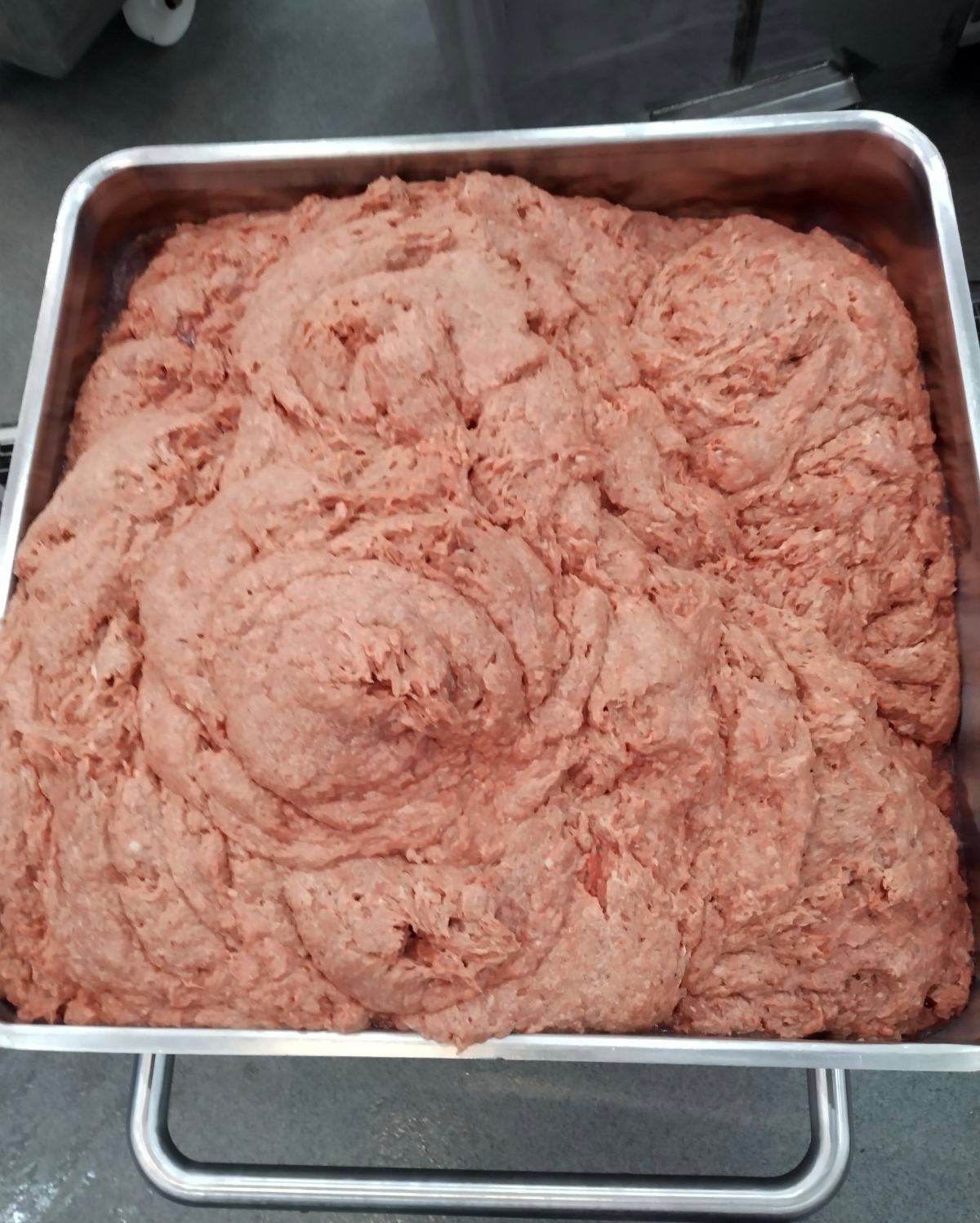
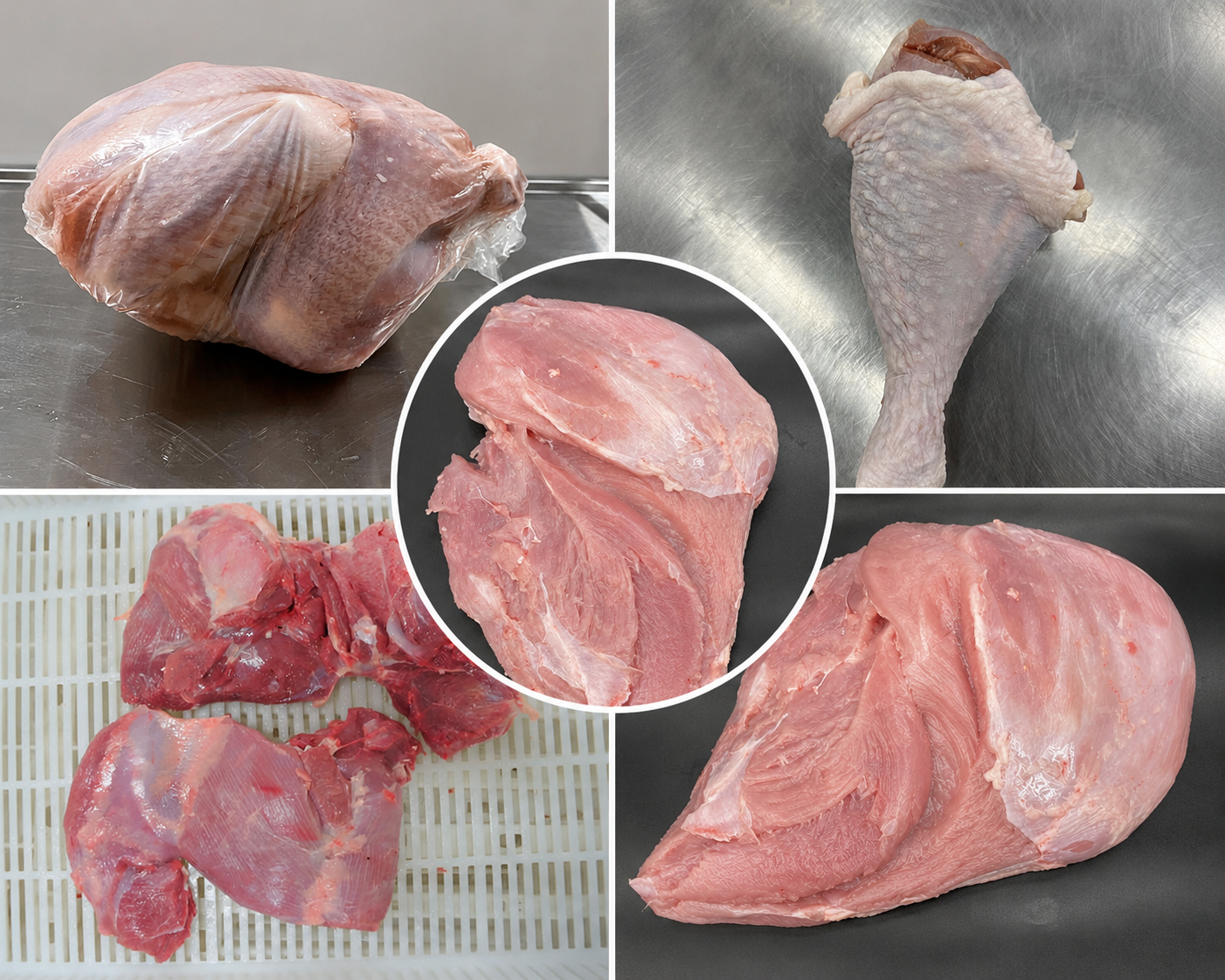
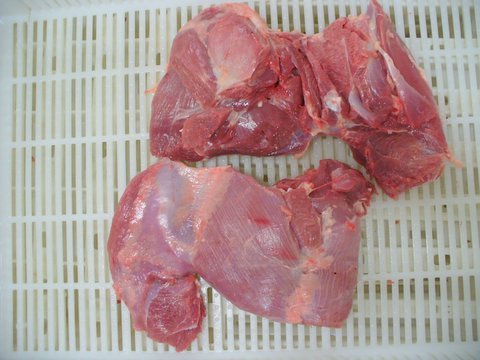
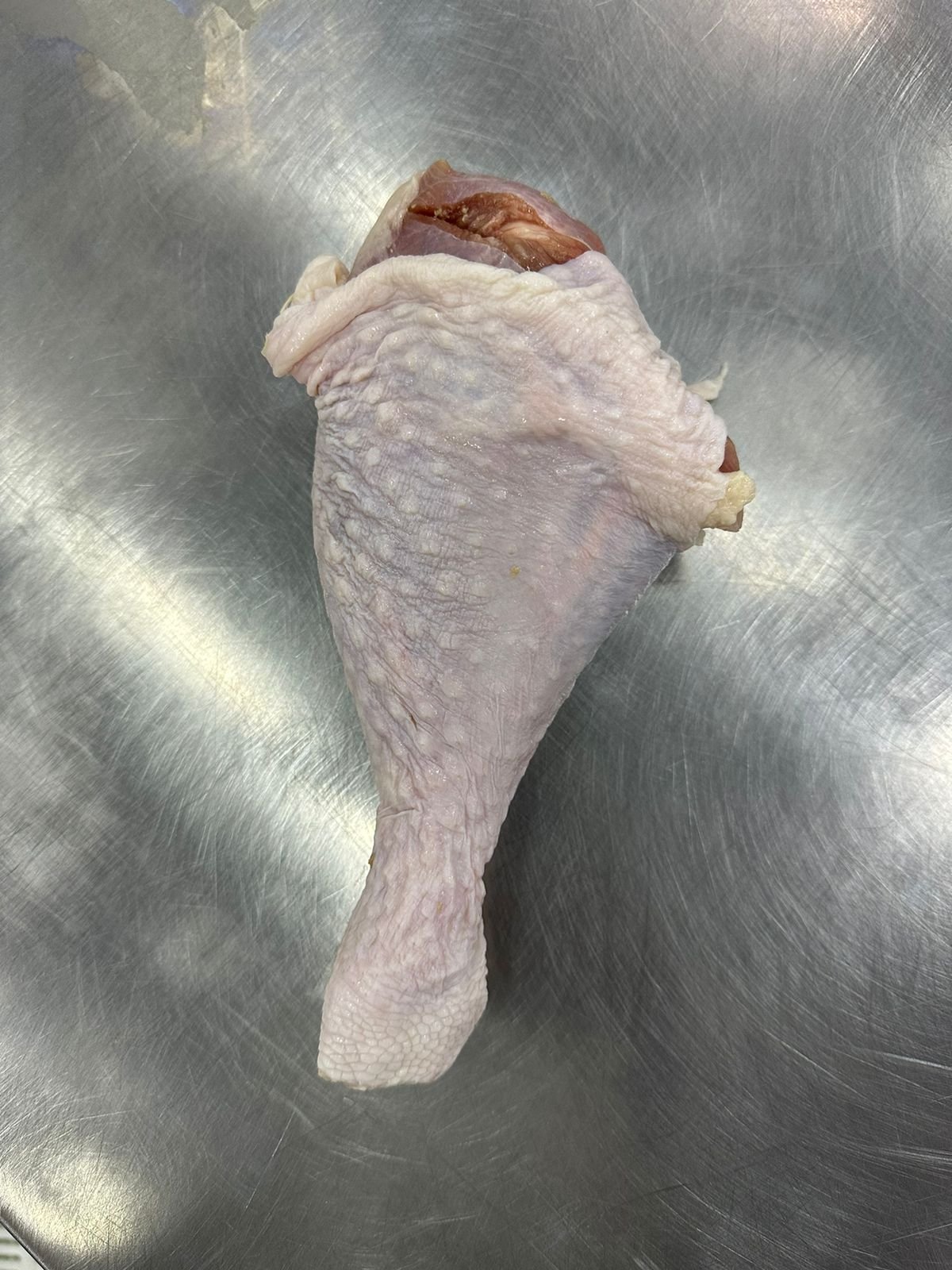
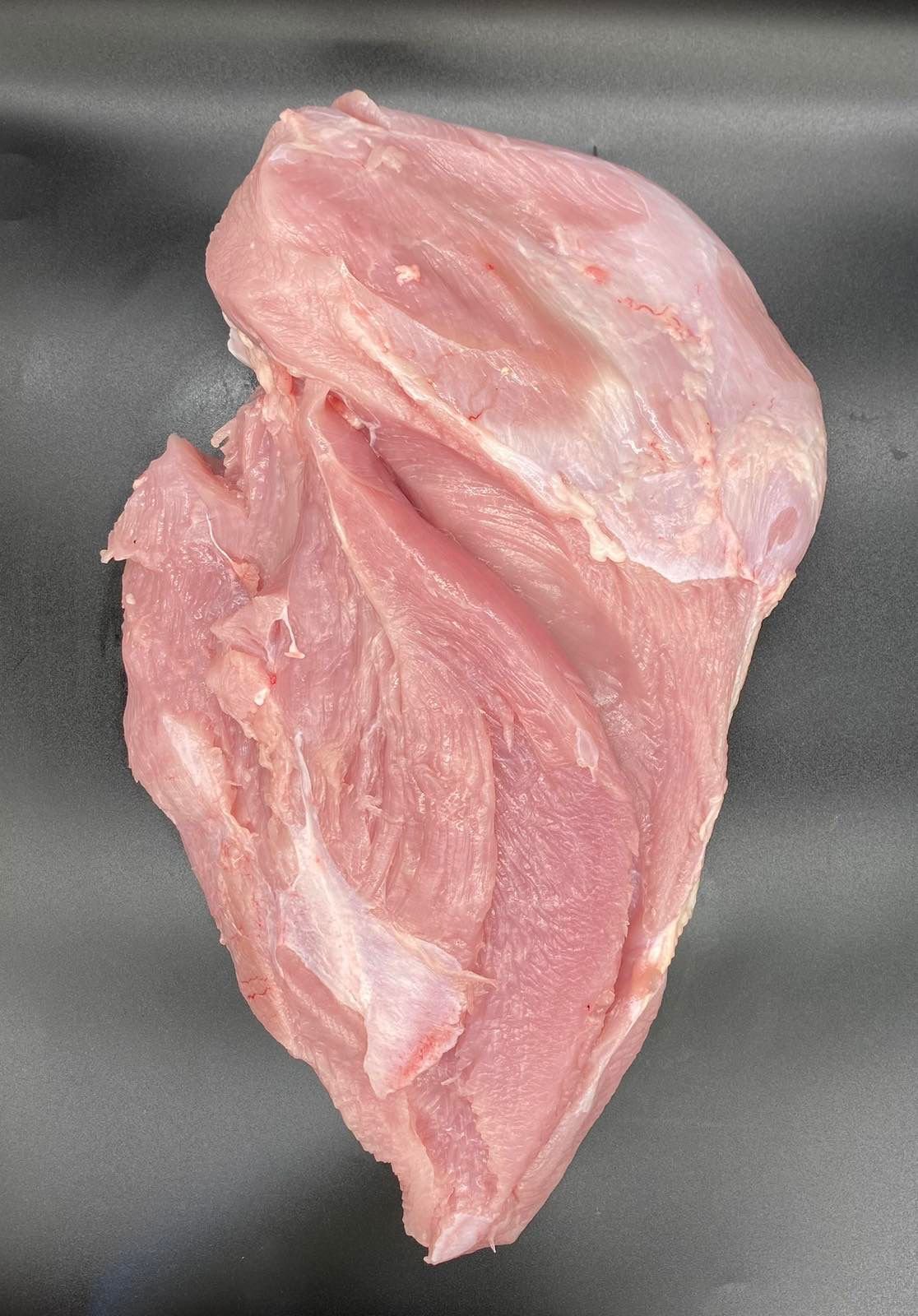
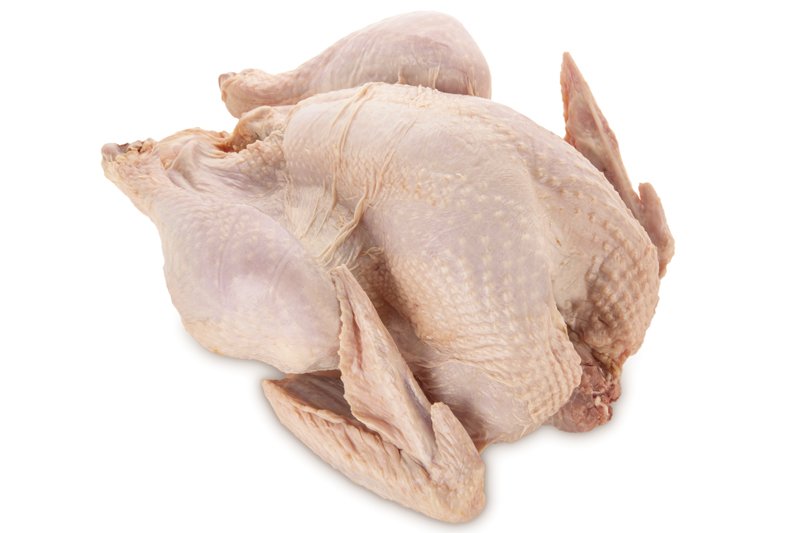
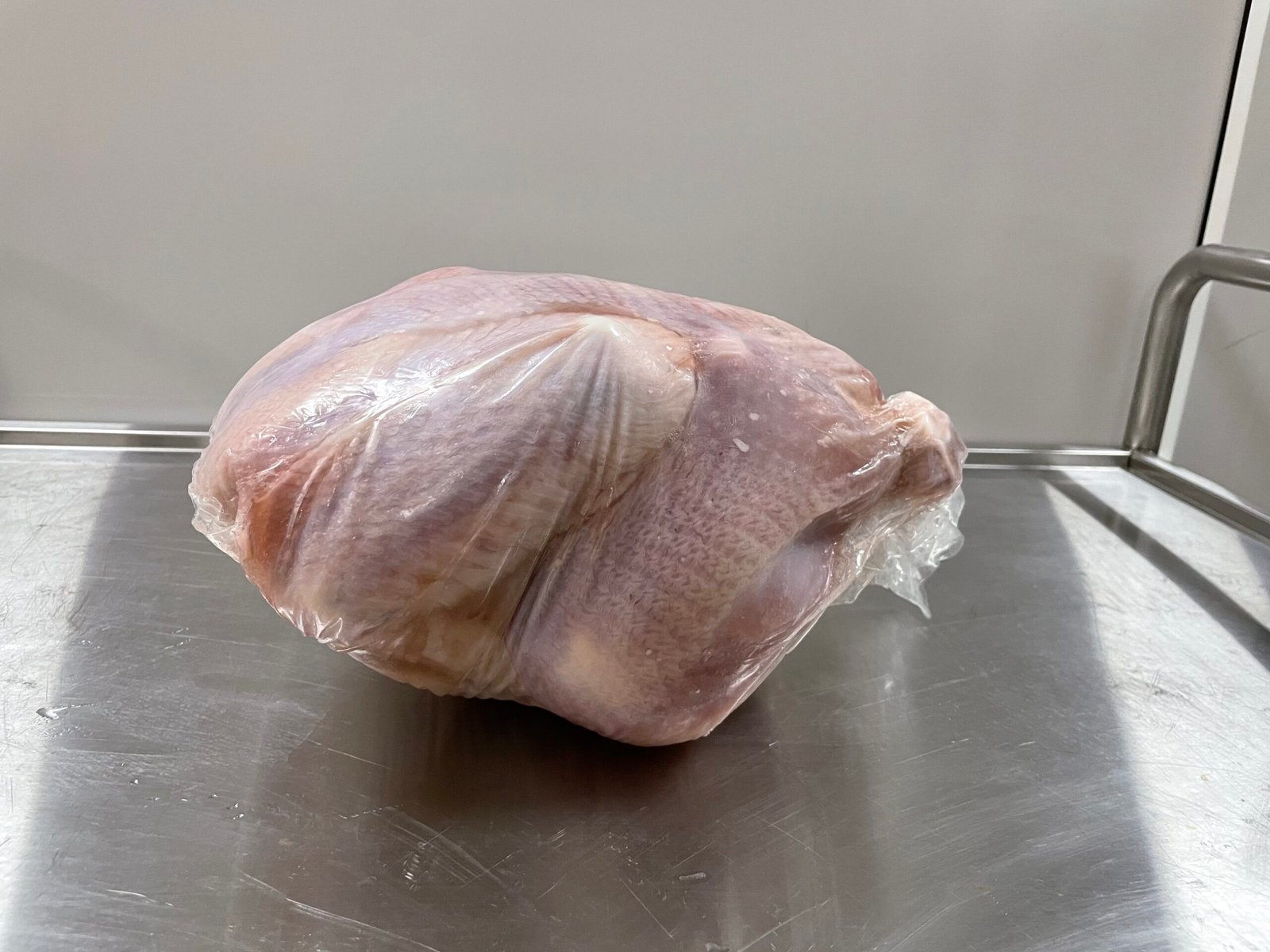
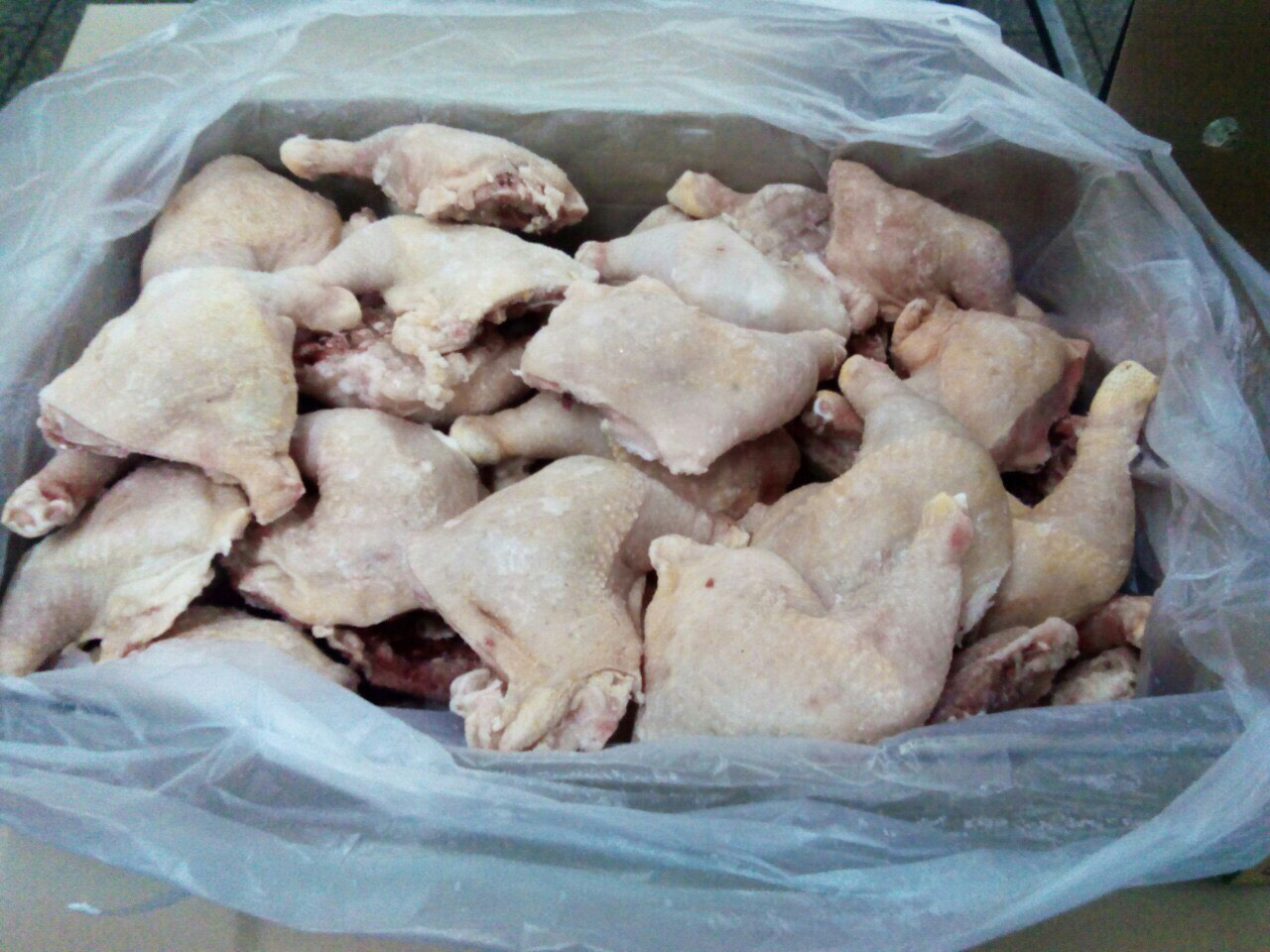
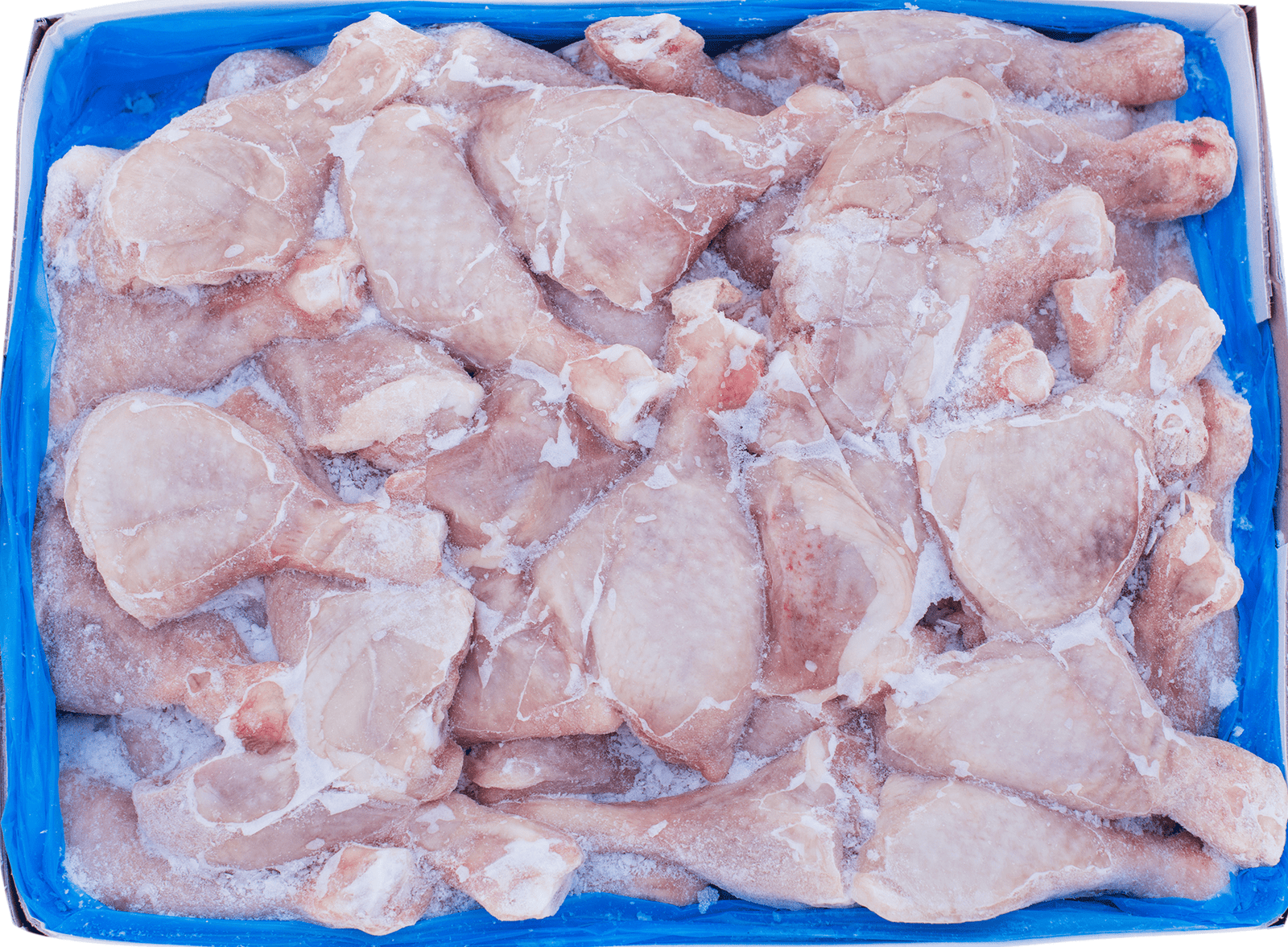
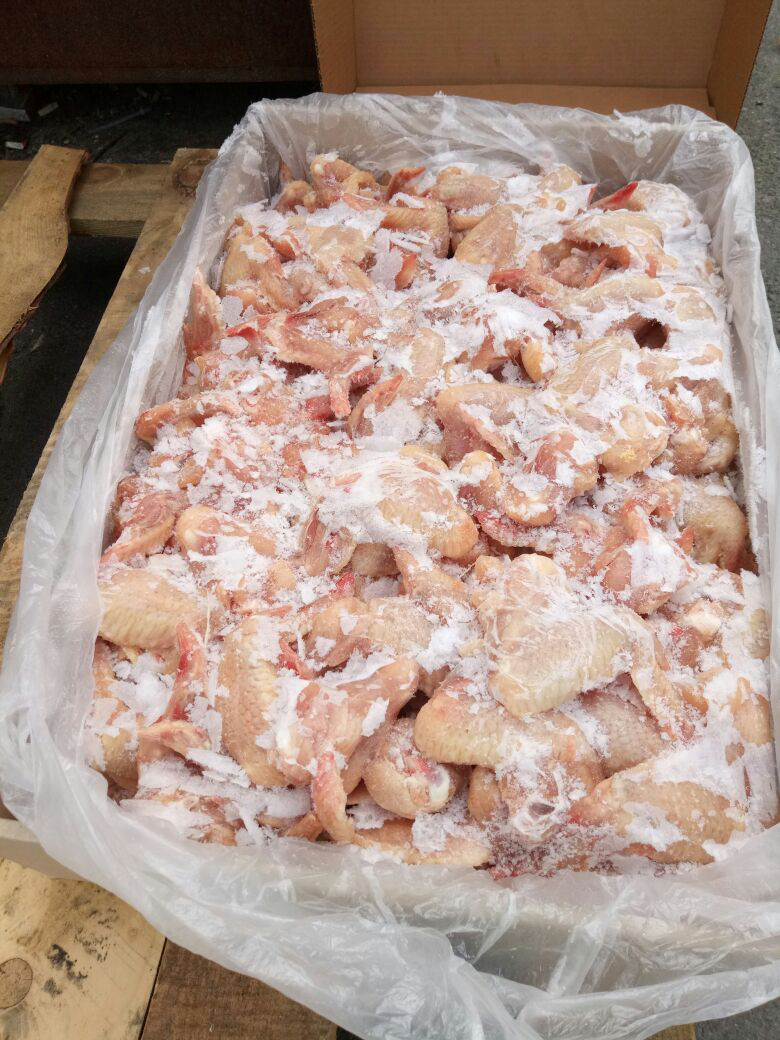
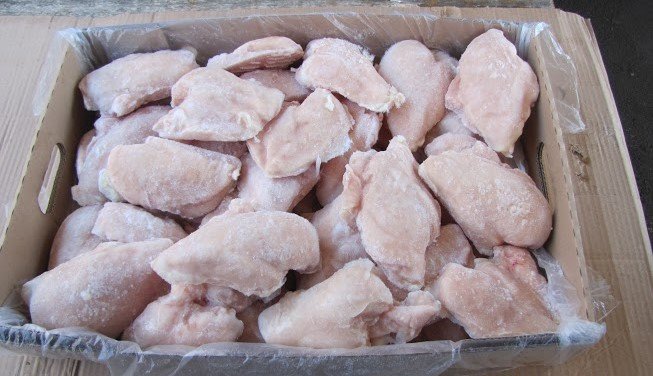
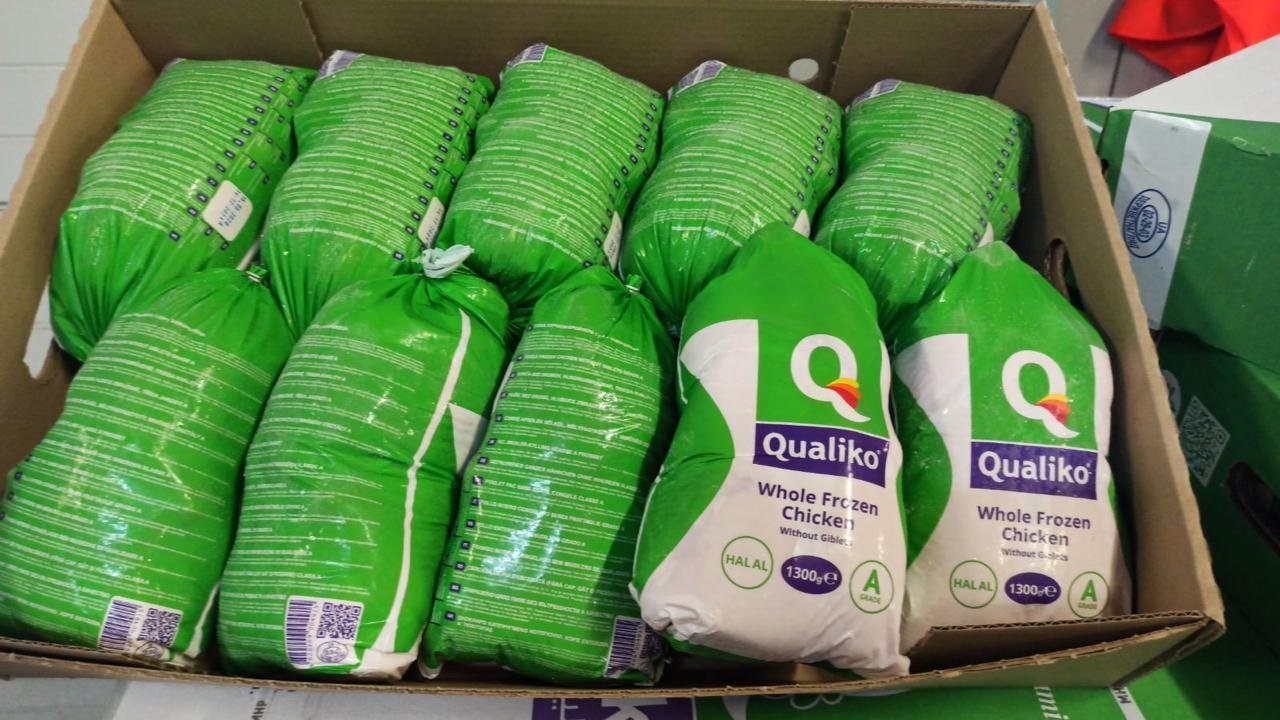
Containerized shipping offers lower transportation costs per kilogram, improved cargo security, scalable shipment volumes, and access to global trade routes. Exporters can ship whole birds, breast fillets, drumsticks, wings, mechanically deboned meat (MDM), and value-added turkey products using reefer containers.
Understanding Reefer Containers
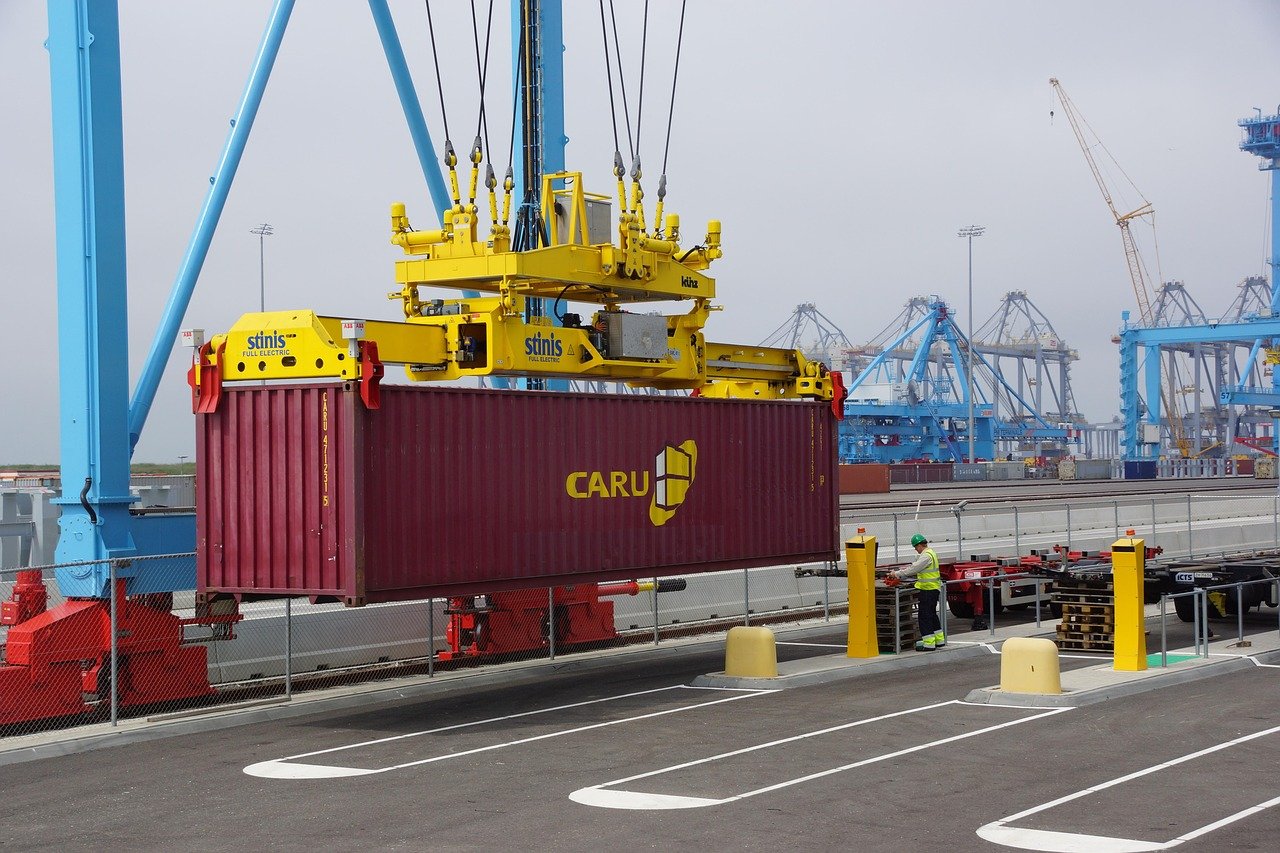
Refrigerated containers, commonly known as reefers, are specialized units equipped with integrated cooling systems. These systems continuously circulate cold air to maintain the required cargo temperature throughout transportation.
Modern reefer containers include digital temperature controls, remote monitoring capabilities, alarm systems, humidity management features, and data recording technology. These functions help exporters demonstrate compliance with customer specifications and regulatory requirements.
The most common equipment used in frozen turkey exports includes 20-foot reefer containers and 40-foot high-cube reefer containers. Container selection depends on shipment volume, destination market requirements, freight costs, and loading efficiency.
Temperature Requirements for Frozen Turkey Products
The industry standard for frozen turkey meat transportation is typically -18°C or colder. Some buyers may require even lower temperatures depending on product type, shelf-life objectives, and destination regulations.
Temperature consistency is more important than temporary fluctuations in ambient conditions because product safety depends on maintaining the frozen state throughout the supply chain. Temperature abuse can result in ice crystal formation, dehydration, texture changes, reduced shelf life, and customer complaints.
Importers increasingly request temperature records for every shipment as part of supplier performance monitoring programs.
Preparing Products Before Container Loading
One of the most common mistakes in frozen poultry logistics is loading products that have not reached the required core temperature. Reefer containers are designed to maintain temperature, not rapidly freeze warm products.
Before loading, turkey products should be fully frozen according to customer specifications. Exporters should verify product temperature, packaging integrity, pallet condition, labeling compliance, and inventory accuracy.
Pre-loading inspections reduce the risk of claims and ensure the shipment meets contractual requirements before leaving the facility.
Container Pre-Trip Inspection (PTI)
Shipping lines typically conduct a Pre-Trip Inspection before reefer equipment is released for loading. PTI procedures verify refrigeration performance, airflow capability, structural condition, door sealing integrity, temperature calibration, and electrical functionality.
Exporters should request confirmation that the container has successfully passed inspection. Using defective equipment can expose both buyer and seller to significant financial losses.
Loading and Airflow Management
Correct cargo loading is essential for maintaining uniform temperatures. Pallets should be arranged according to reefer airflow requirements. Blocking ventilation channels can create hot spots and temperature inconsistencies.
Loading teams should avoid overstuffing containers. Adequate airflow around pallets enables refrigeration systems to distribute cold air efficiently throughout the cargo space.
Many professional exporters follow standardized loading plans to maximize both product protection and container utilization.
Cold Chain Management from Plant to Port
Cold-chain management begins long before the container reaches the seaport. Turkey meat typically moves through multiple stages including processing plants, blast freezers, cold storage warehouses, inland transportation, port terminals, ocean vessels, destination ports, customs facilities, and final distribution centers.
Every transfer point introduces potential risks. Effective cold-chain programs include temperature monitoring, documented procedures, employee training, contingency planning, and regular audits.
Documentation Required for Frozen Turkey Exports
Accurate documentation is critical for international trade. Typical export documentation includes commercial invoices, packing lists, veterinary health certificates, certificates of origin, bills of lading, halal certificates when applicable, export declarations, and destination-specific import permits.
Documentation errors are among the leading causes of customs delays. Exporters should verify all shipment information before container departure to reduce clearance risks.
Freight Costs and Pricing Structure
The total logistics cost of a frozen turkey shipment includes inland trucking, cold storage, container handling charges, terminal fees, customs processing, ocean freight, insurance, destination charges, and local distribution expenses.
Importers evaluating supplier quotations should understand the applicable Incoterms. FOB, CFR, CIF, DAP, and DDP pricing structures allocate transportation responsibilities differently between buyer and seller.
Comparing supplier offers without understanding freight responsibilities often results in misleading price comparisons.
Transit Time and Route Planning
Transit times vary significantly depending on origin and destination. Direct sailings generally reduce risk, while transshipment routes introduce additional handling points and potential delays.
Exporters should consider seasonal congestion, geopolitical developments, weather conditions, and carrier reliability when selecting shipping routes. The lowest freight rate is not always the best commercial option if service reliability is poor.
Cargo Insurance and Risk Management
Cargo insurance provides protection against financial losses arising from transportation incidents. Coverage may include physical damage, temperature excursions, equipment failure, accidents, theft, and certain force majeure events depending on policy terms.
Importers and exporters should clearly define insurance responsibilities within sales contracts. Understanding claim procedures before shipment departure can significantly reduce disputes later.
Halal and Market-Specific Requirements
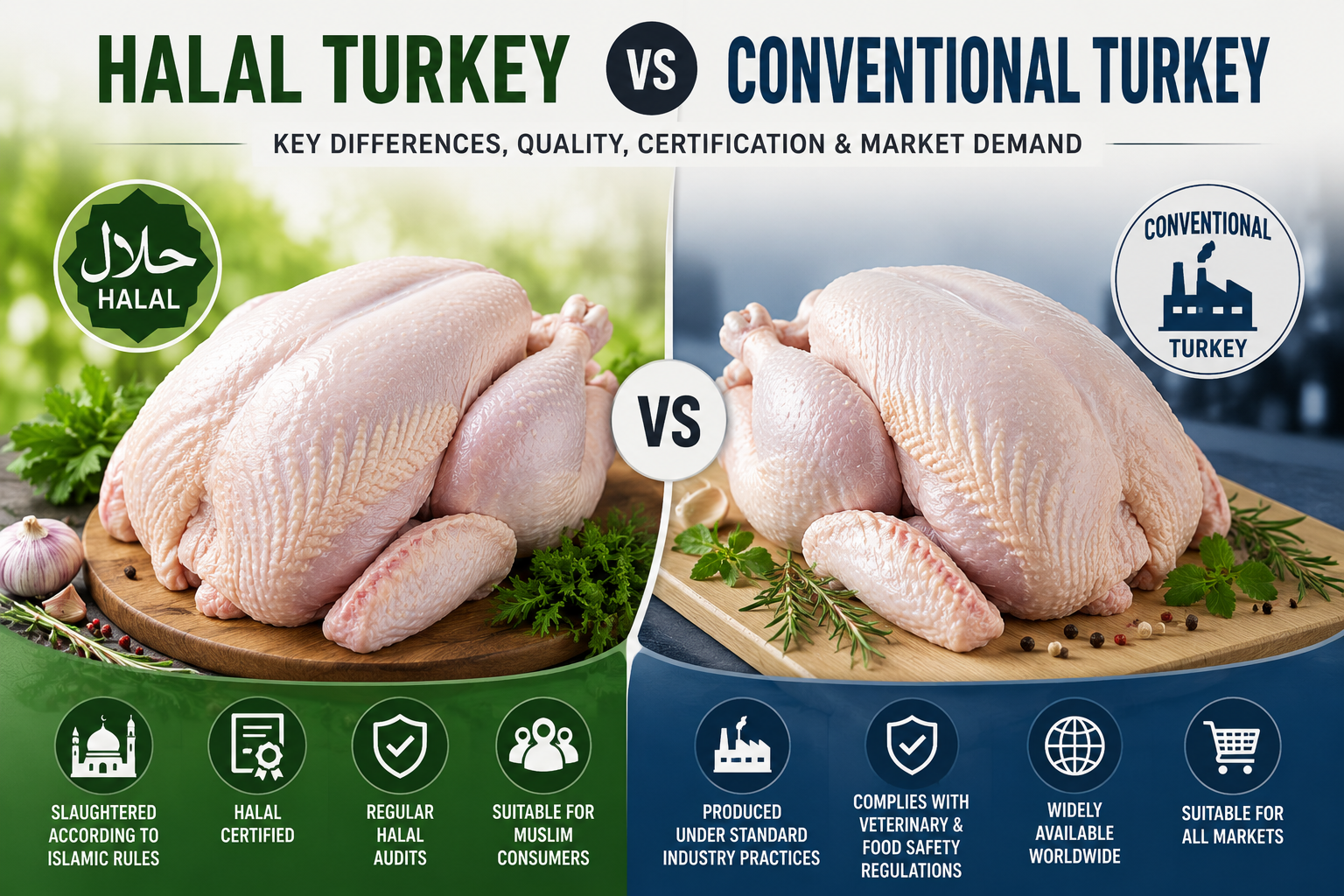
Many frozen turkey shipments are destined for halal markets in the Middle East, Africa, and Asia. Buyers frequently require halal certification issued by recognized certification bodies.
Additional requirements may include Arabic labeling, product registration, establishment approval, veterinary attestations, and destination-specific documentation. Exporters should verify compliance before production begins rather than after shipment completion.
Technology and Digital Monitoring
The reefer industry increasingly relies on digital monitoring systems. Real-time tracking solutions allow logistics teams to monitor location, temperature, power status, and equipment performance throughout the journey.
These technologies improve visibility, support compliance programs, and help resolve customer concerns using objective shipment data.
Common Challenges in Frozen Turkey Logistics
Frozen turkey exporters face numerous operational challenges including rising freight rates, reefer shortages, port congestion, customs inspections, power interruptions, labor disruptions, weather events, and changing regulatory requirements.
Successful exporters mitigate these risks through supplier diversification, logistics partnerships, contingency planning, and continuous communication with customers.
Best Practices for Importers
Importers should evaluate suppliers based on more than product price. Important factors include cold-chain capabilities, export experience, certification status, documentation quality, logistics performance, and responsiveness.
Requesting temperature records, audit reports, and logistics KPIs can provide valuable insights into supplier reliability. Long-term relationships with proven exporters often produce better results than short-term purchasing based solely on price.
Conclusion
Container shipping is the foundation of international frozen turkey trade. Maintaining product integrity requires far more than simply booking a reefer container. Exporters must manage freezing operations, temperature control, documentation, regulatory compliance, route planning, insurance, and customer communication throughout the supply chain.
Companies that invest in cold-chain excellence gain competitive advantages through reduced claims, stronger buyer confidence, improved product quality, and greater access to international markets. As global demand for frozen poultry products continues to grow, efficient reefer logistics will remain a critical success factor for both exporters and importers.