Turkey Meat Export Prices Explained
Understanding the Factors That Influence International Turkey Meat Pricing
Introduction
Turkey meat prices in international trade are influenced by a complex combination of production costs, feed markets, processing expenses, logistics, currency fluctuations, trade policies, and global supply-demand dynamics. Importers often focus on the final quoted price, but understanding the factors behind export pricing helps buyers make better sourcing decisions and negotiate more effectively.
Why Turkey Meat Prices Vary Between Suppliers
Two suppliers may offer significantly different prices for seemingly similar products. Differences can result from production scale, processing efficiency, labor costs, feed sourcing, certification requirements, packaging specifications, and destination market regulations. Buyers should evaluate the complete value proposition rather than comparing prices alone.
Feed Costs: The Largest Pricing Factor
Feed is typically the largest cost component in turkey production. Corn, wheat, soybean meal, and other feed ingredients directly influence farming expenses. Changes in global grain markets often translate into higher or lower turkey meat export prices. Countries with access to competitively priced feed generally enjoy stronger export competitiveness.
Production and Farming Costs
Turkey farming costs include housing, veterinary services, labor, energy, biosecurity measures, genetics, and animal welfare programs. Efficient producers can spread fixed costs across larger production volumes, improving their ability to offer competitive export pricing.
Processing Costs
After birds reach market weight, processors incur slaughtering, deboning, trimming, freezing, packaging, quality control, and storage costs. Facilities with modern automation often achieve lower production costs and more consistent product quality.
Product Type and Cut Selection
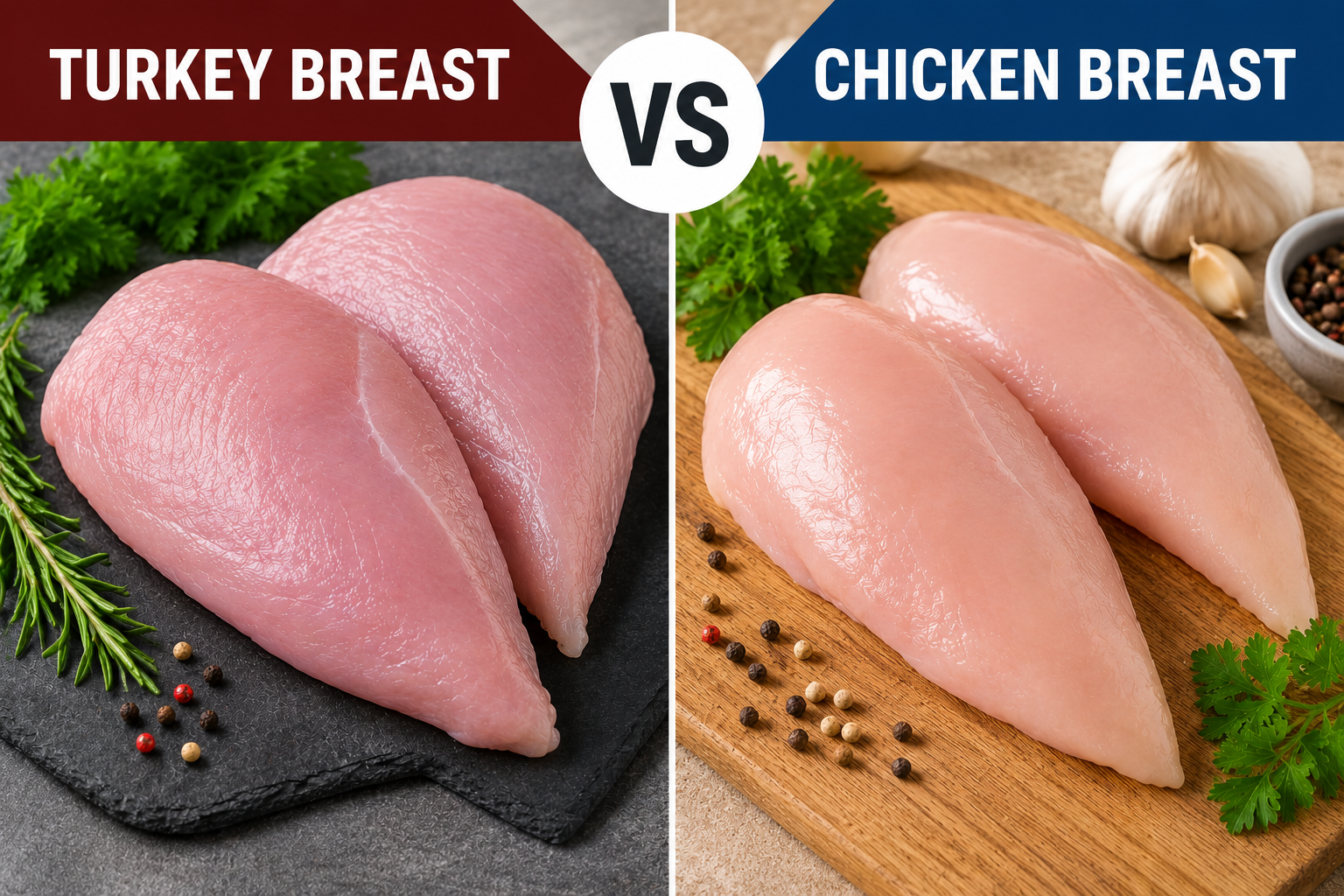
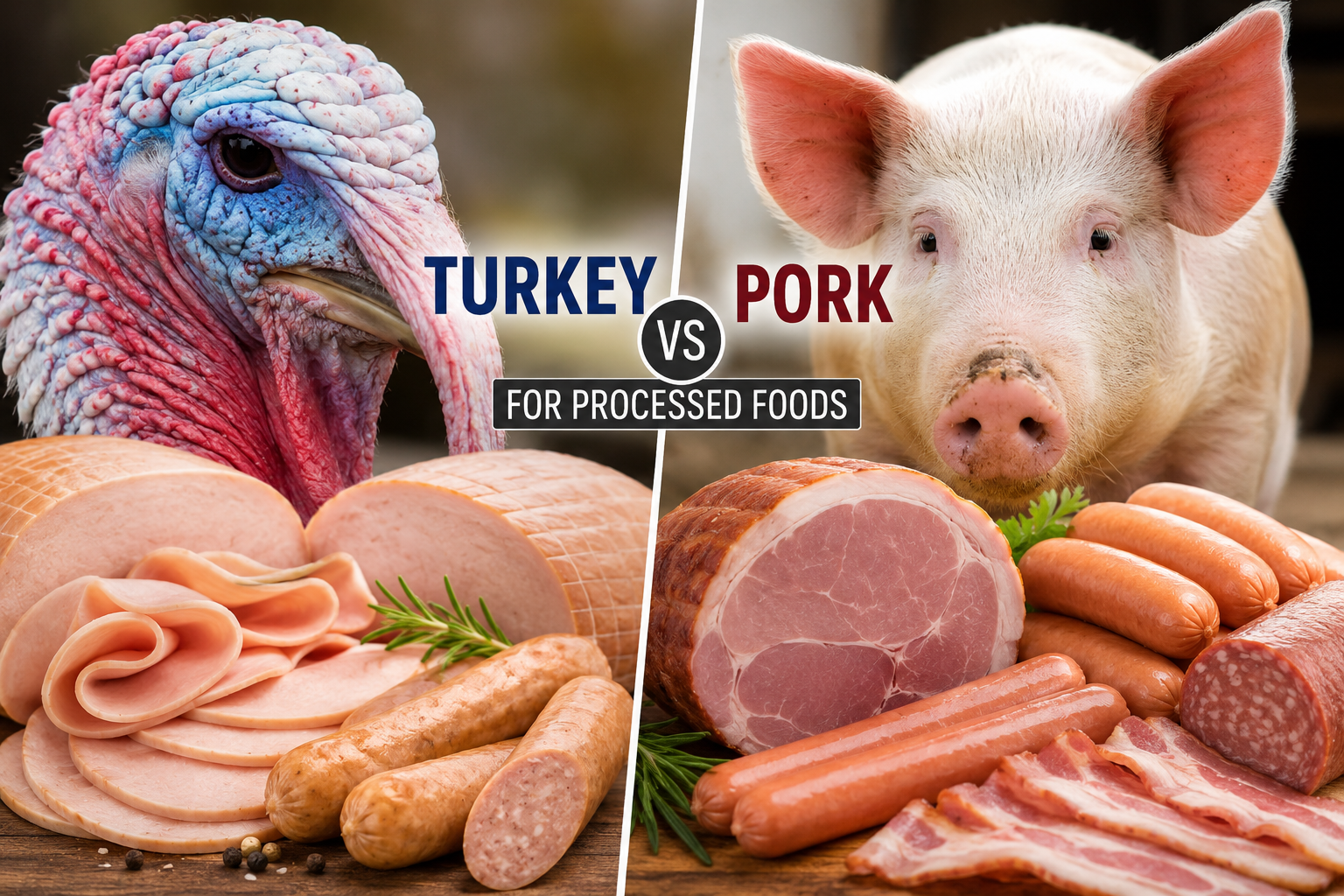
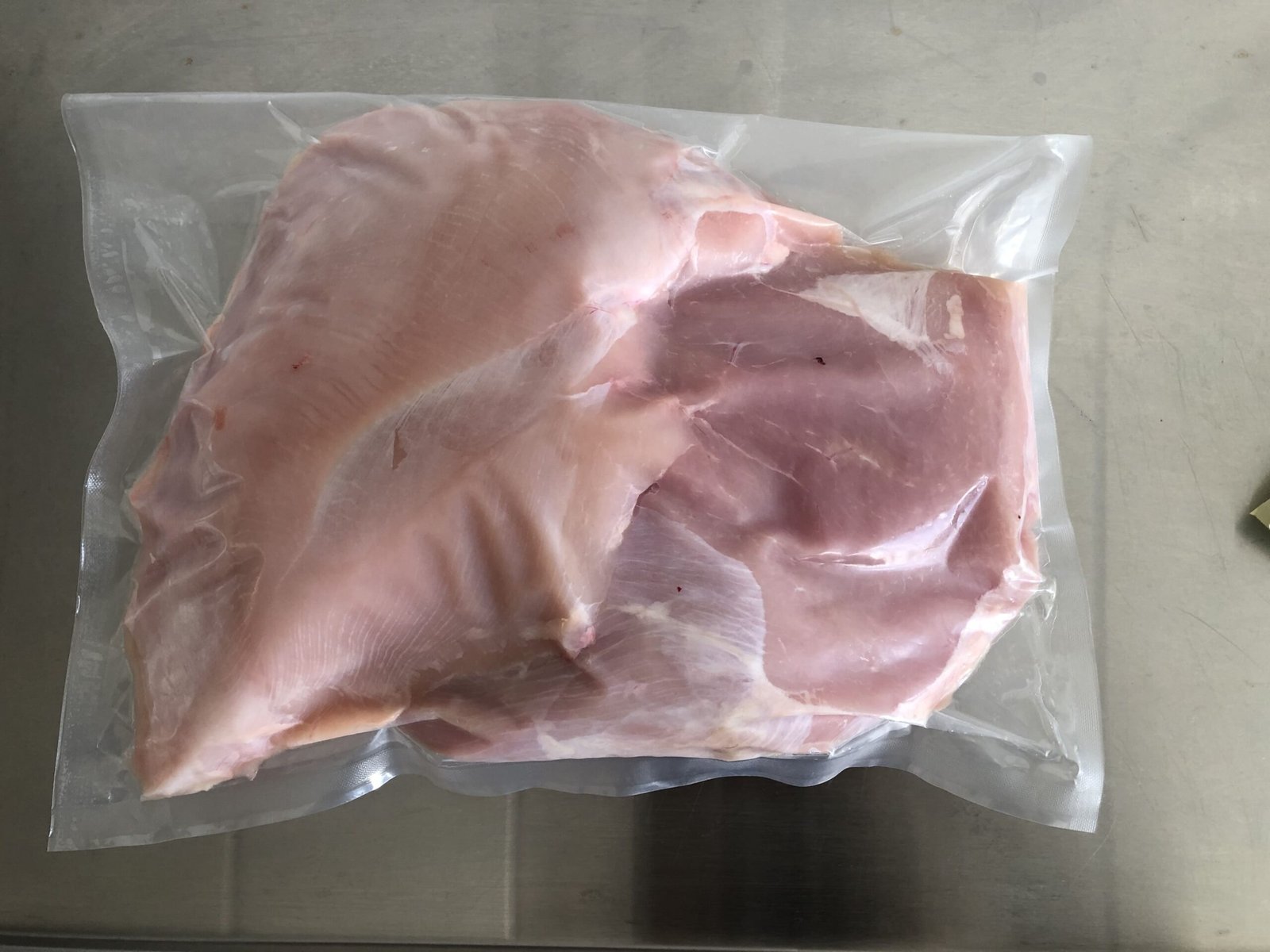
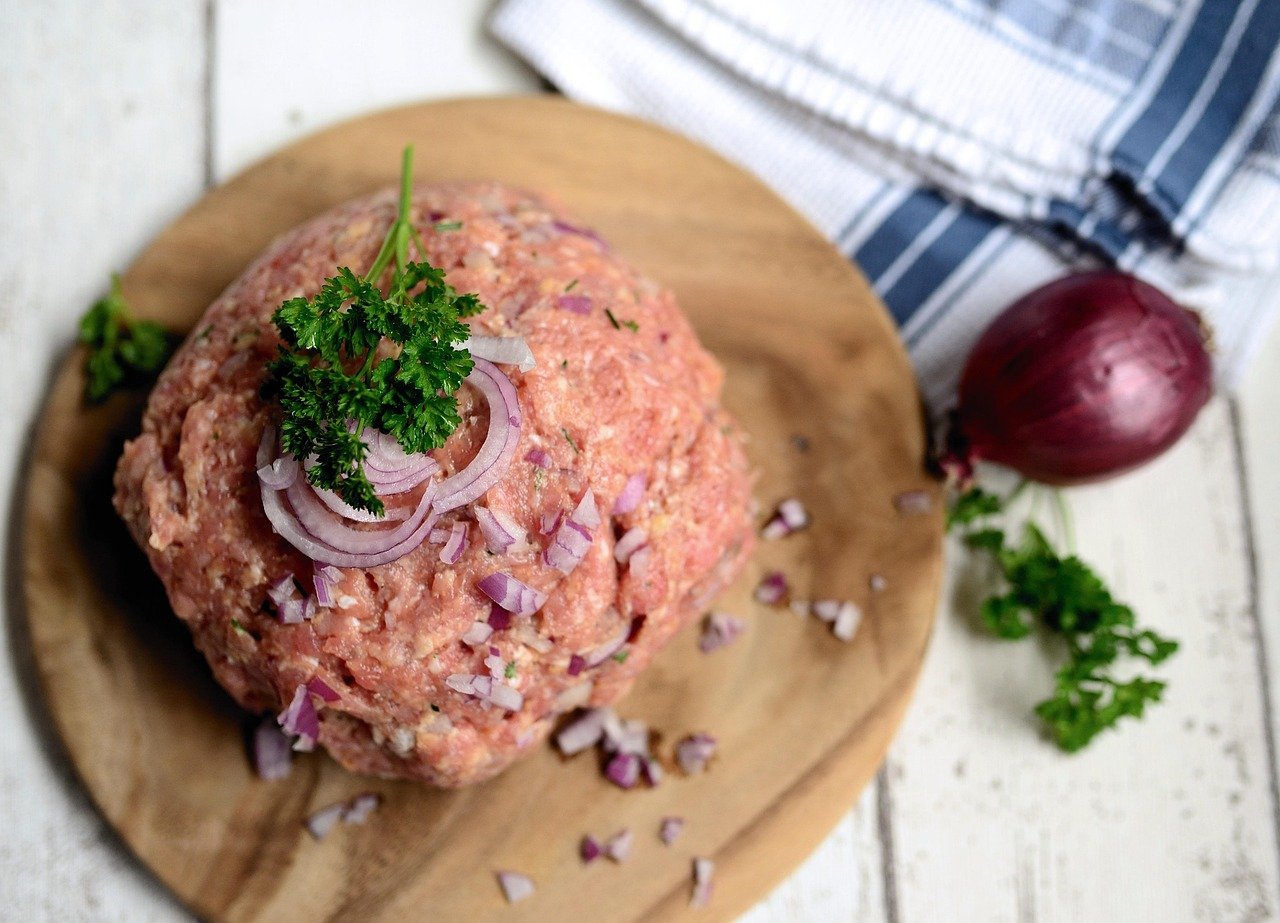
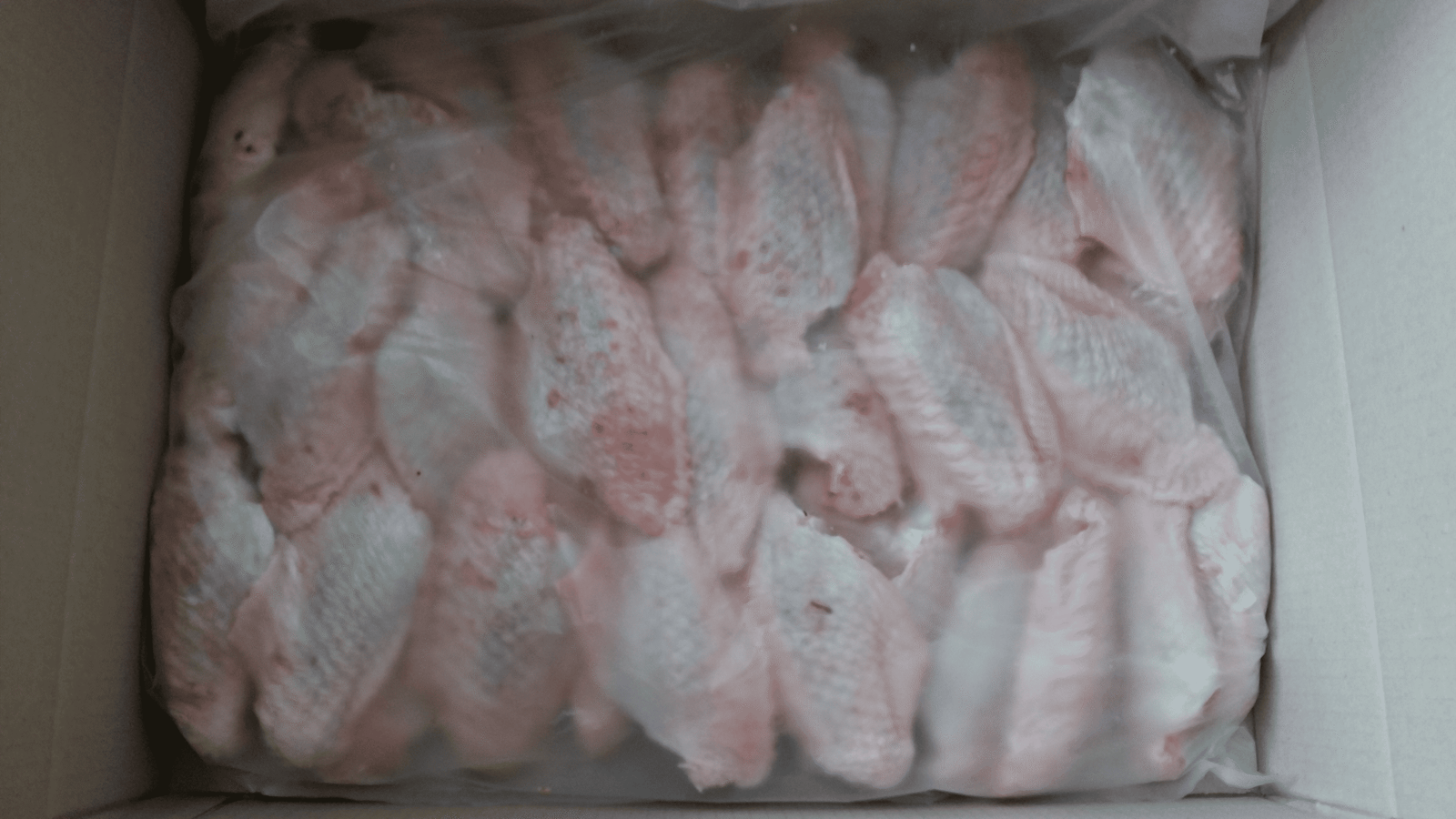
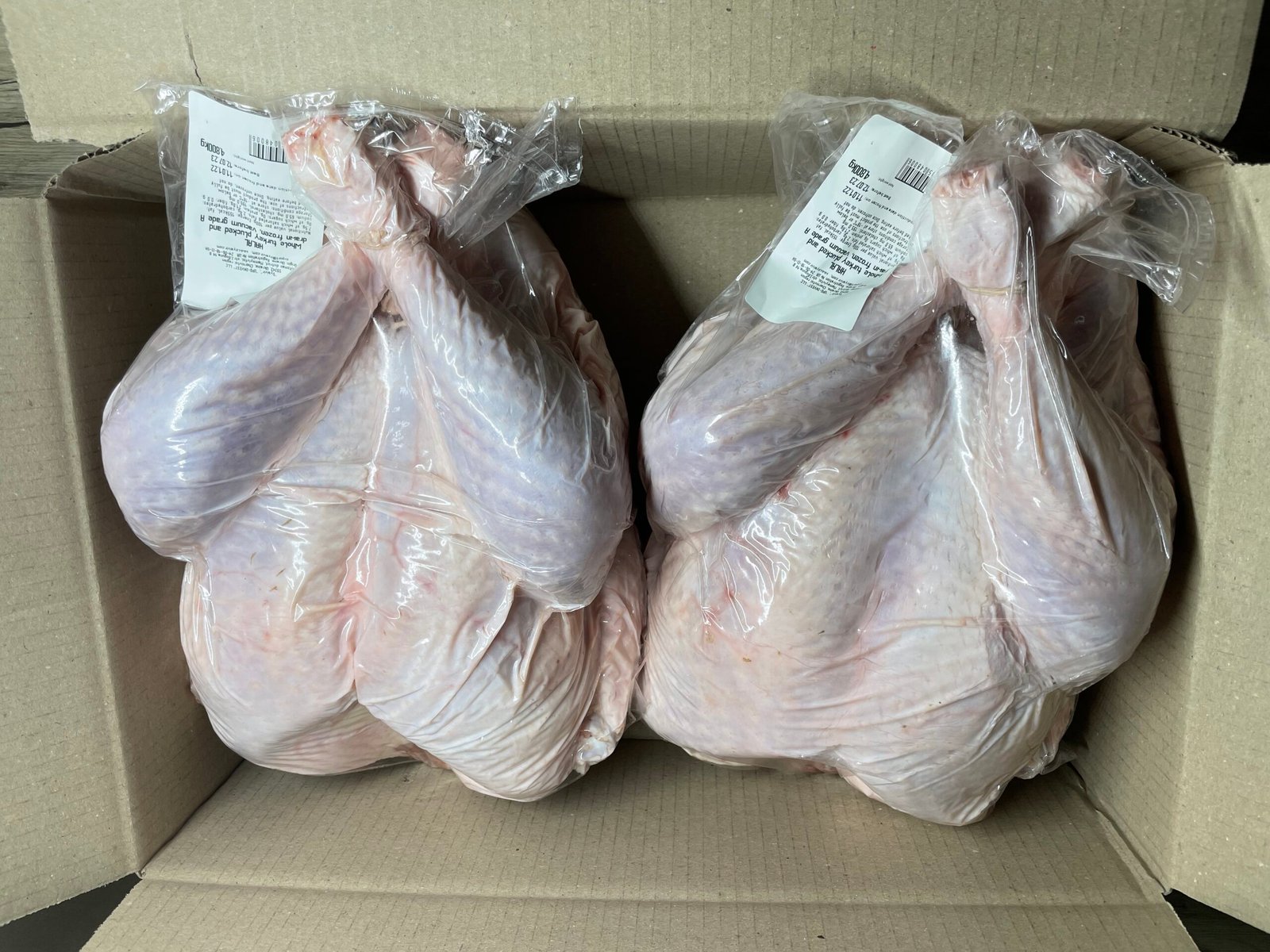
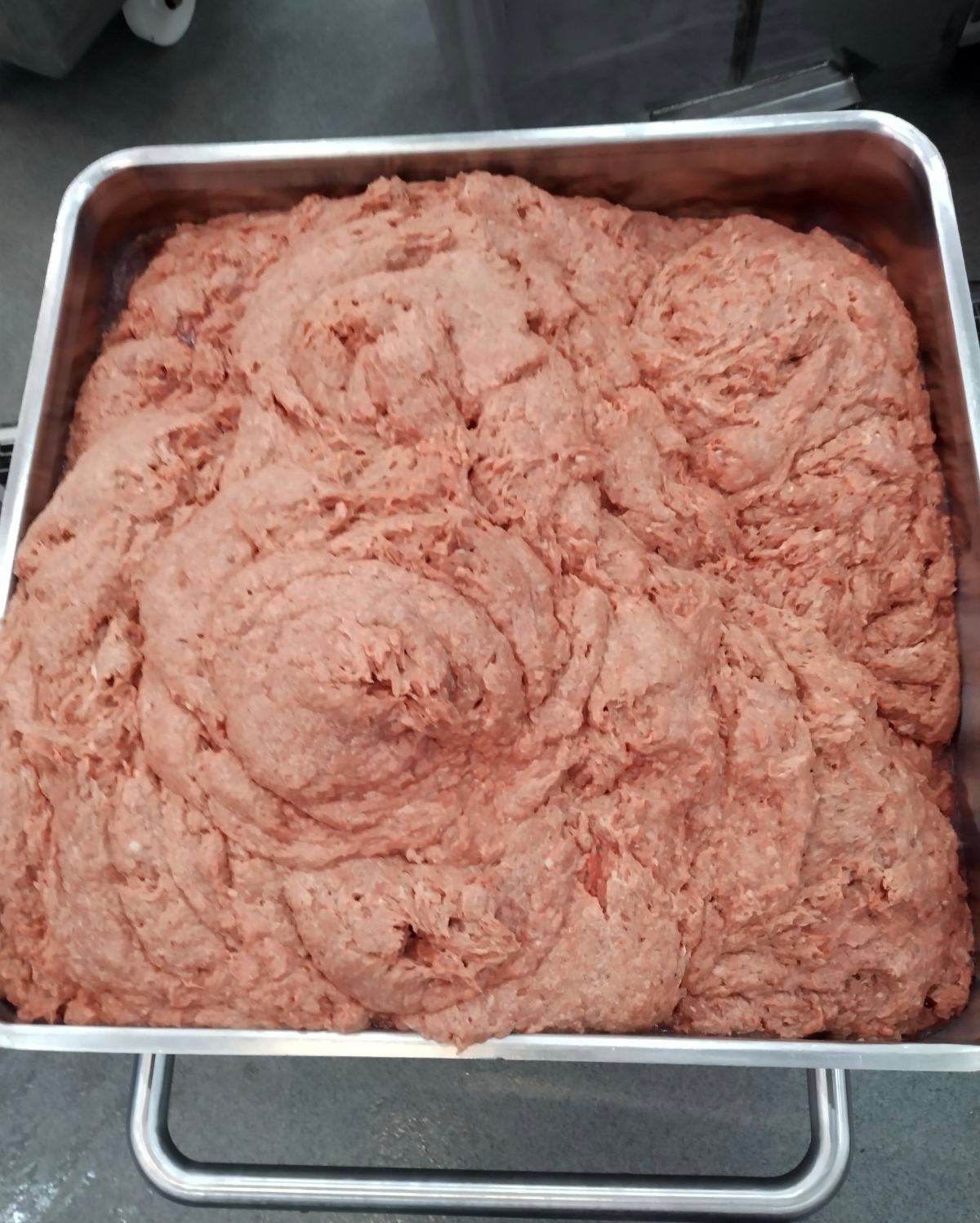
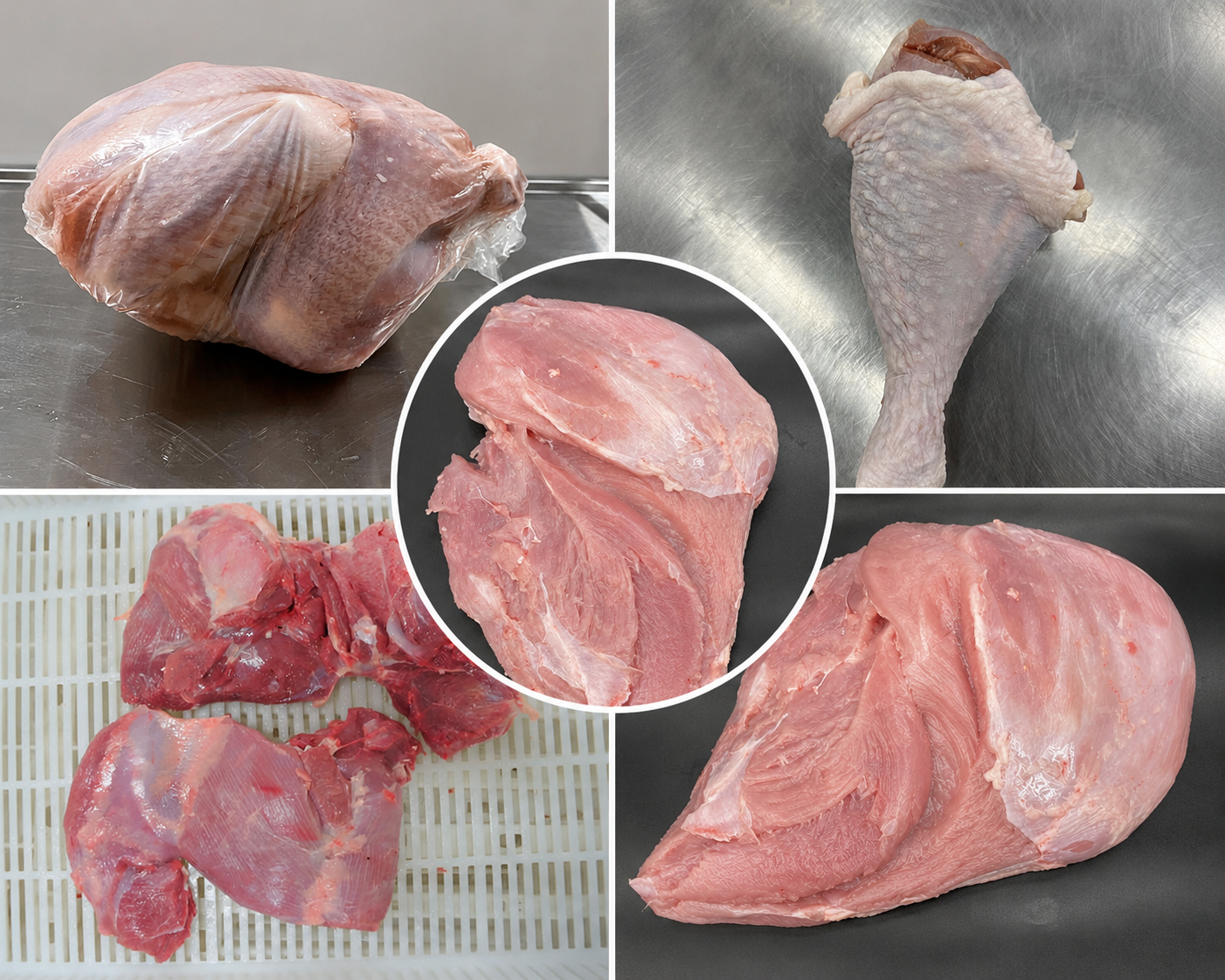
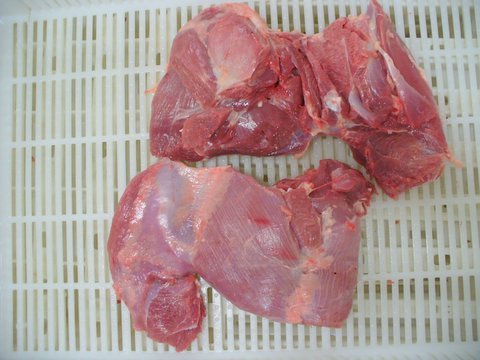
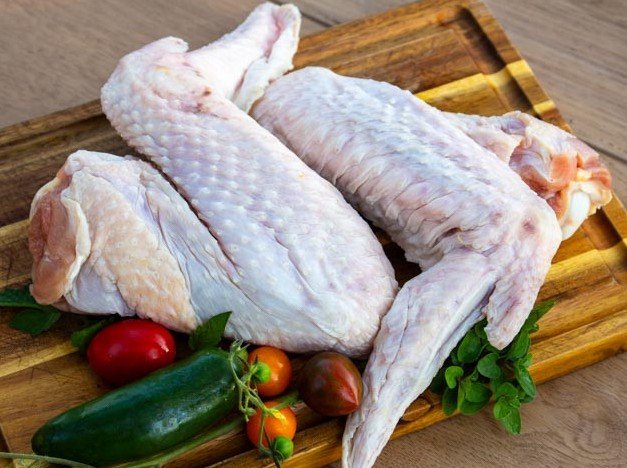
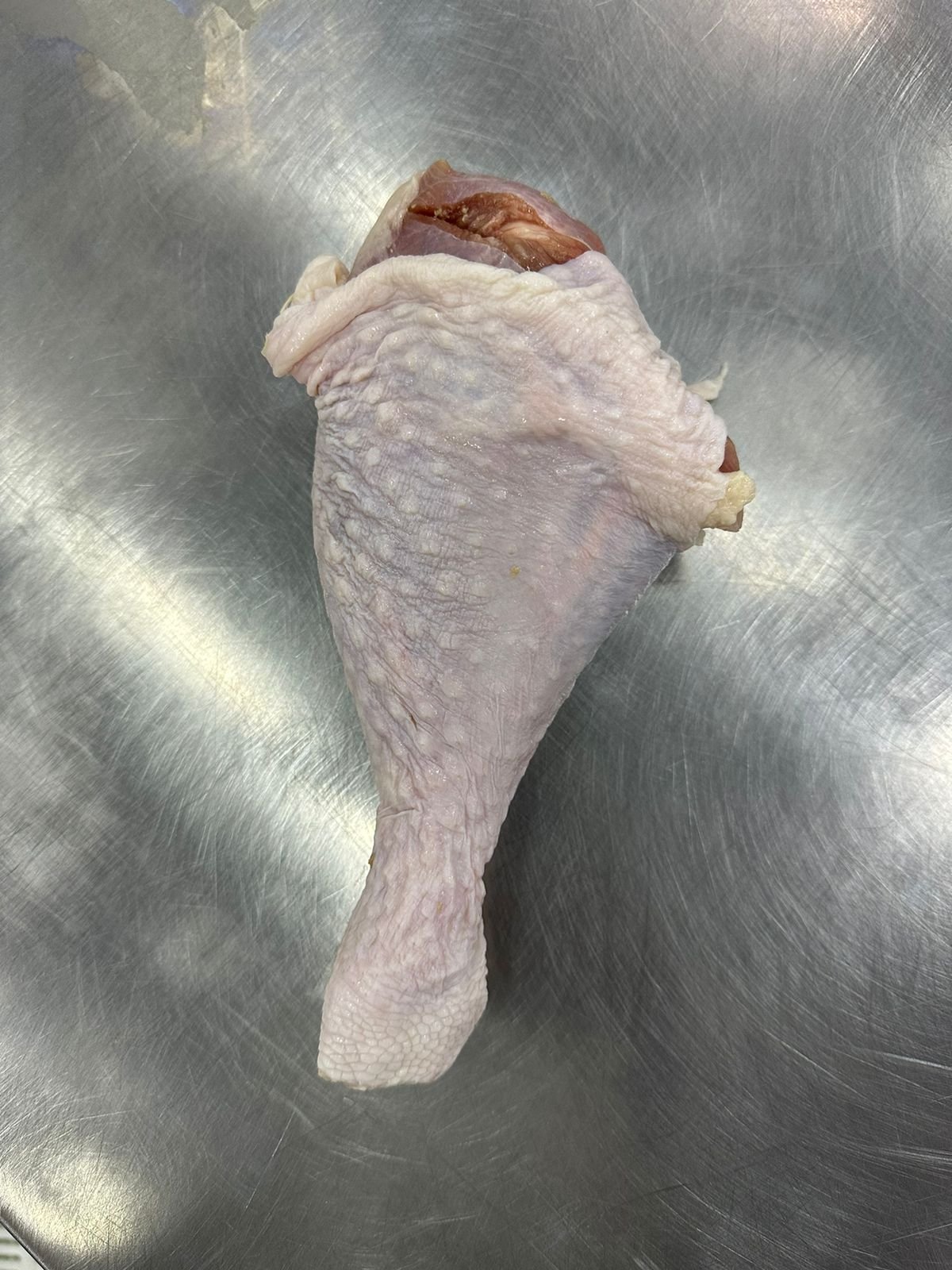
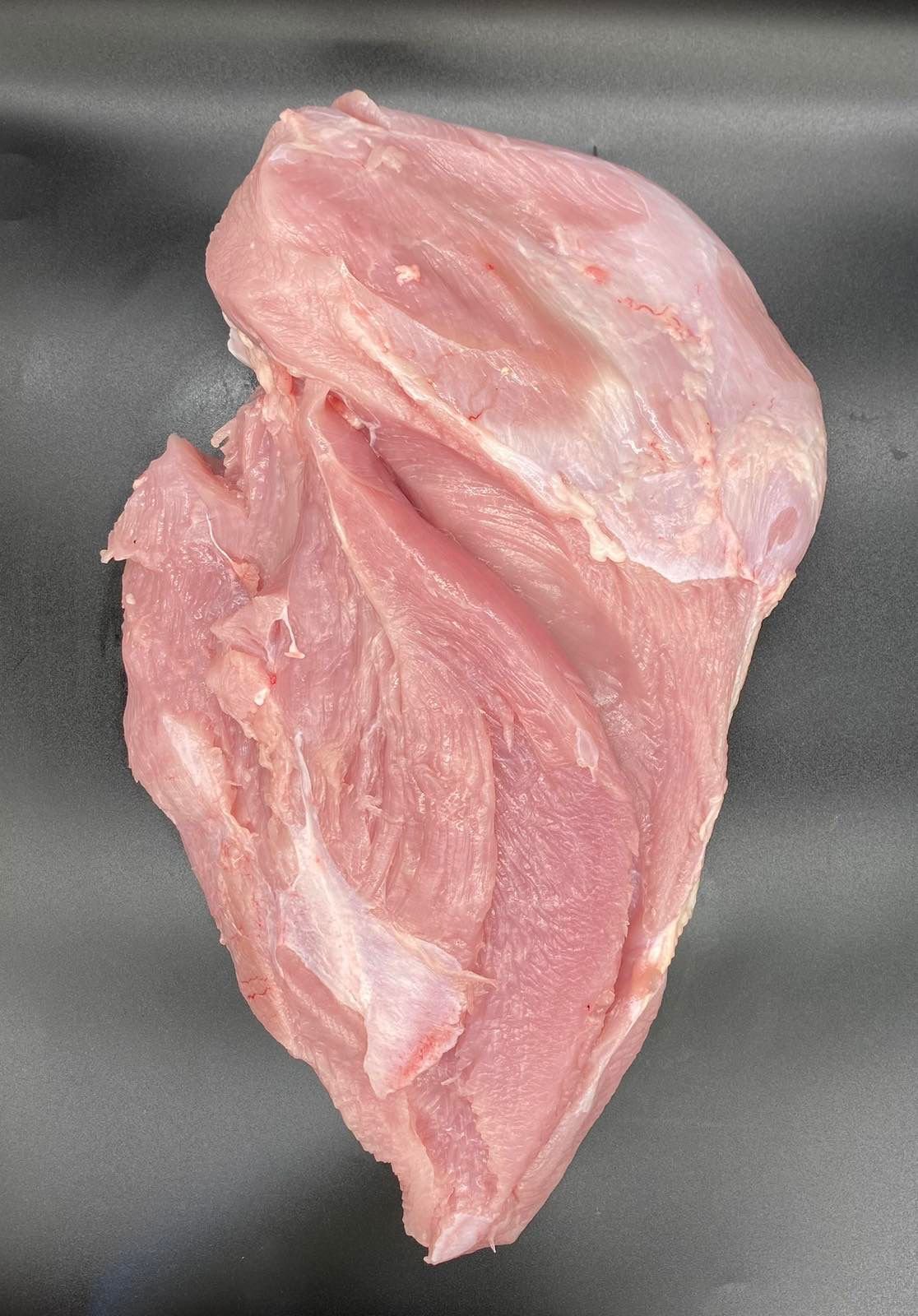
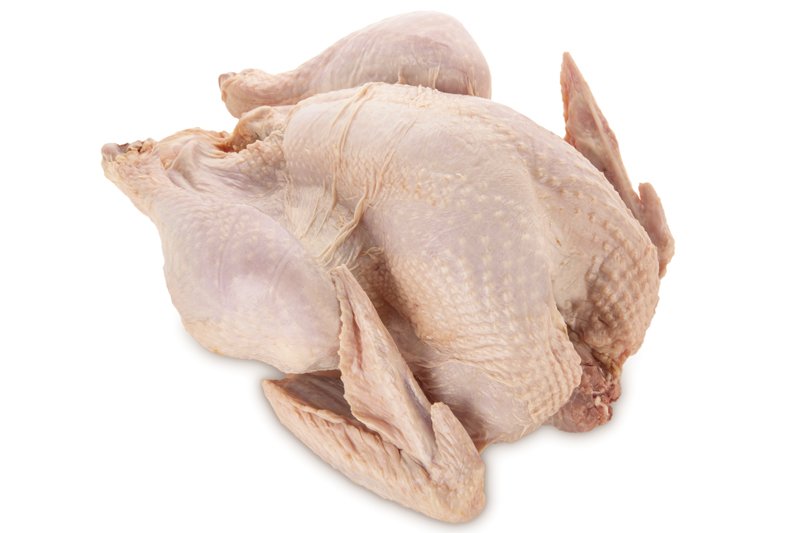
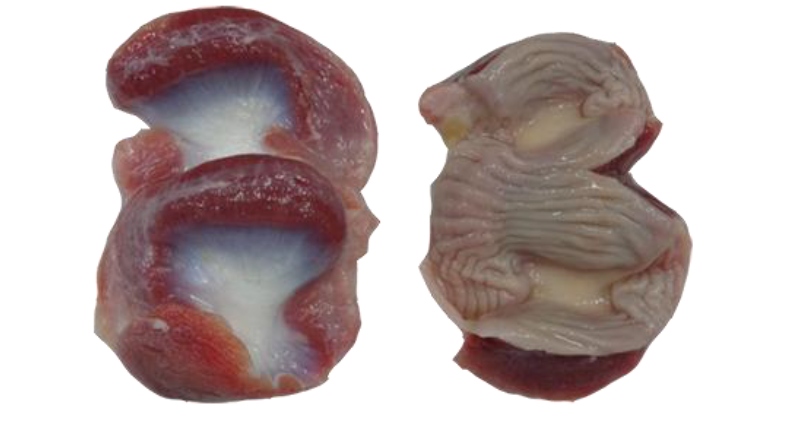
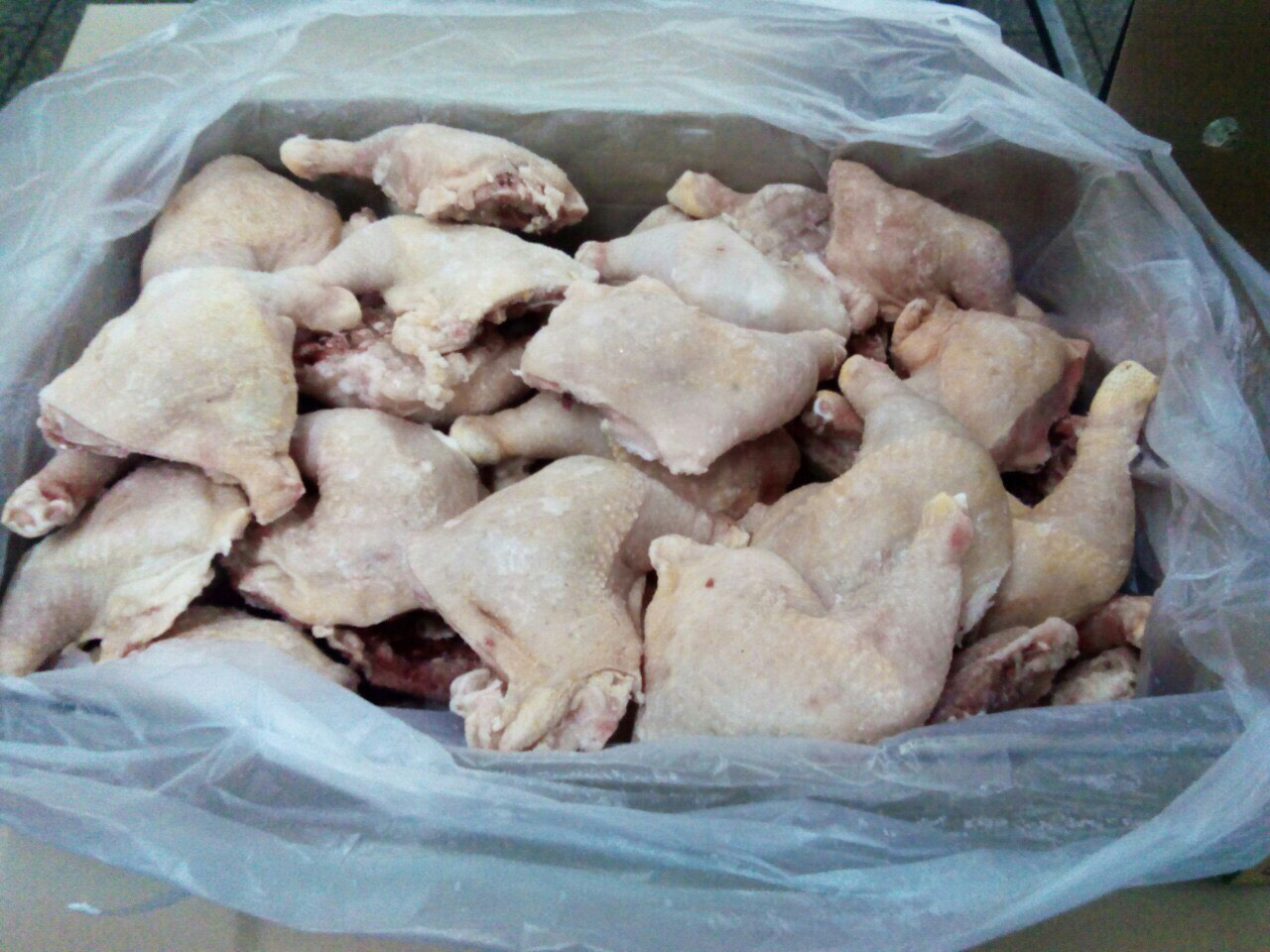
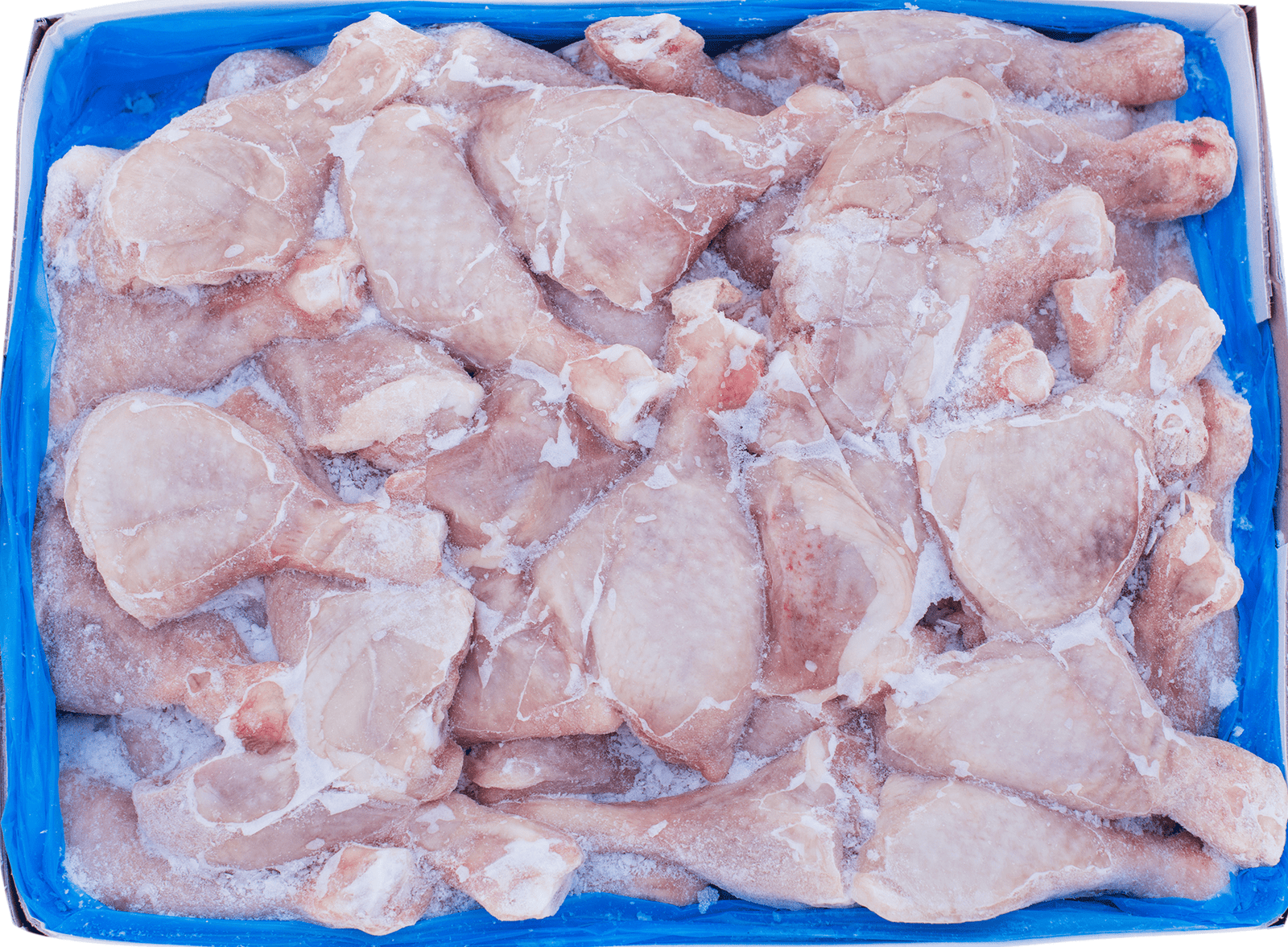
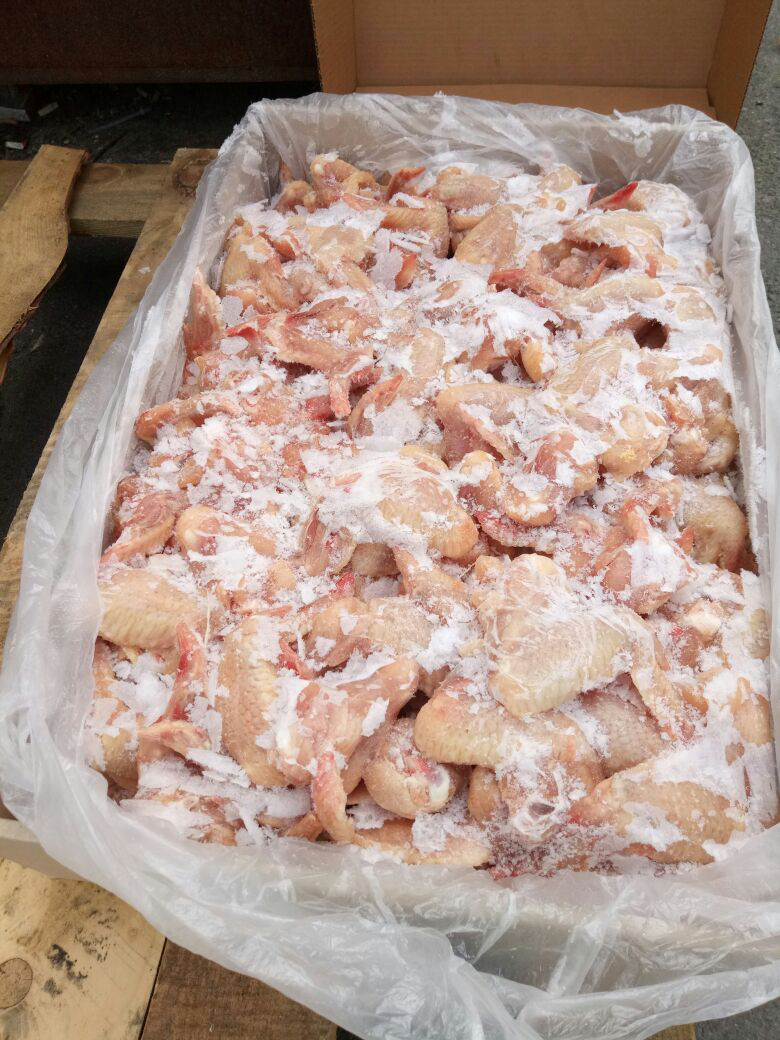
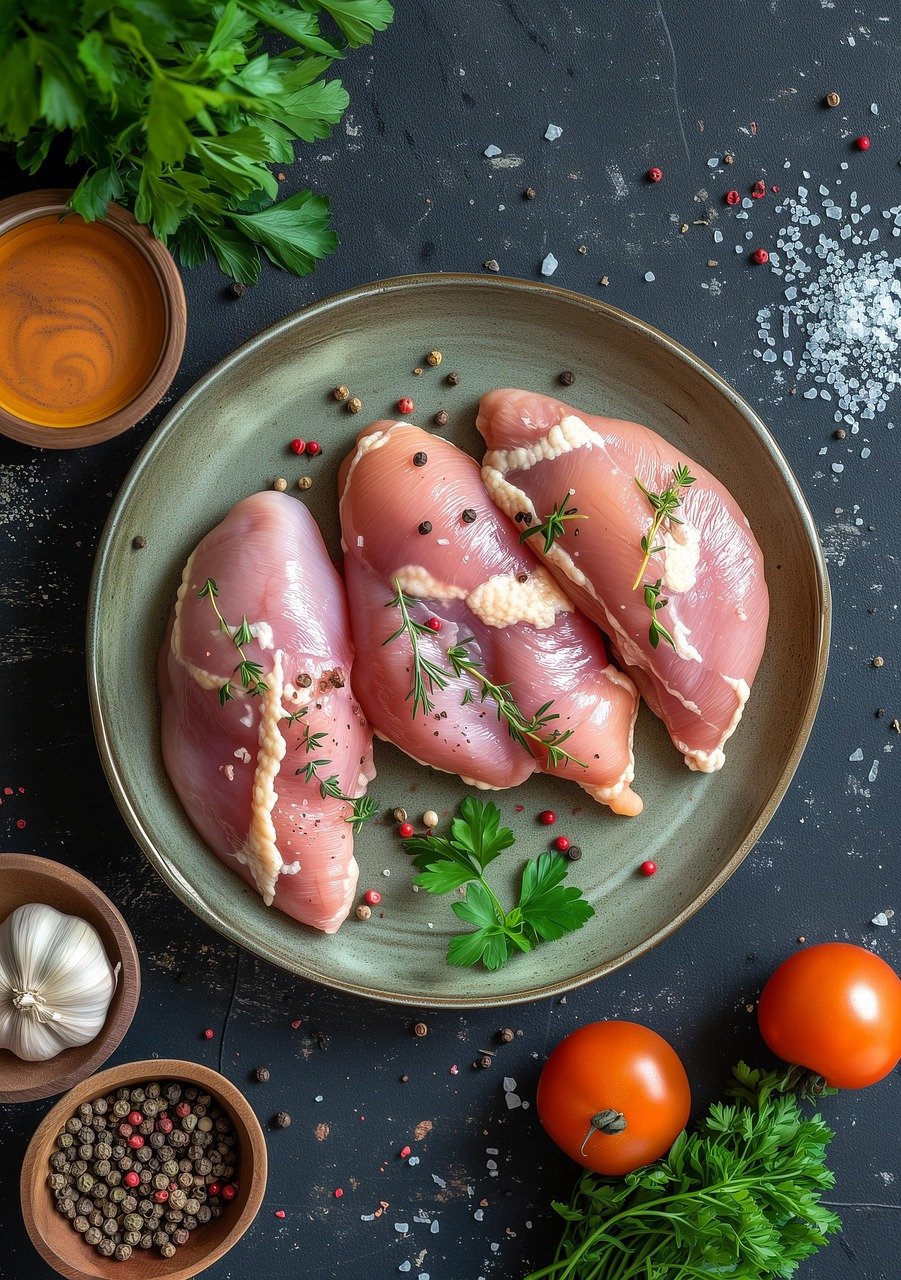
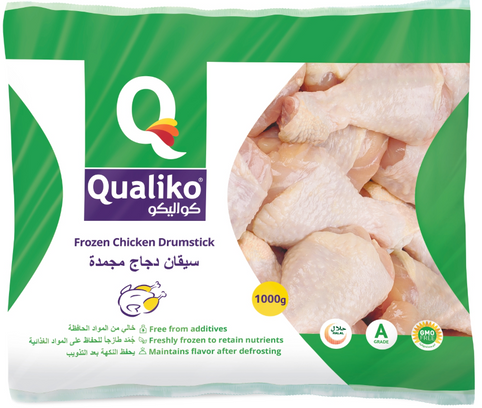
Turkey breast fillets, drumsticks, wings, mechanically deboned meat, whole birds, and value-added products each have different market values. Export prices vary significantly depending on the specific cut and level of processing required.
Fresh vs Frozen Products
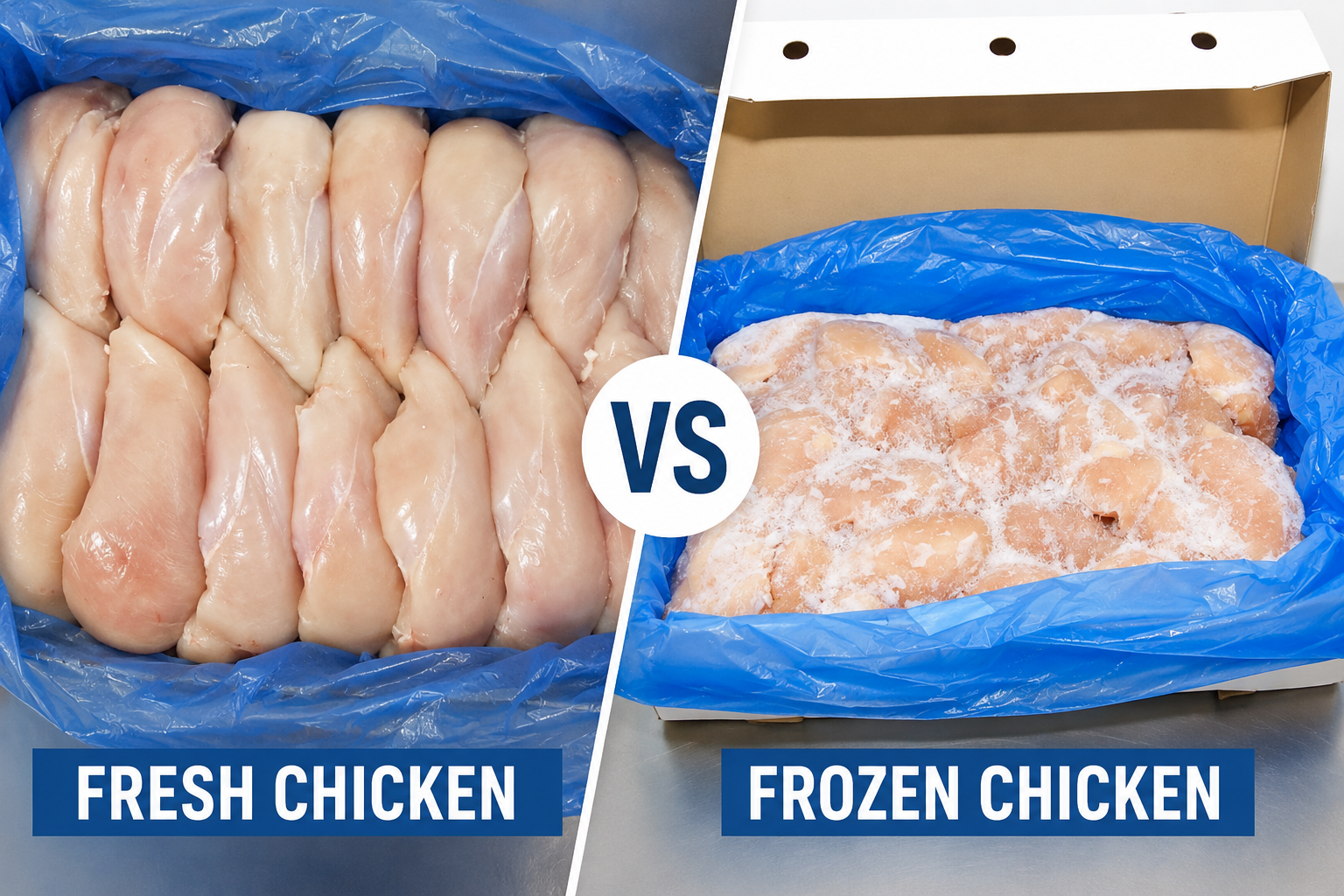
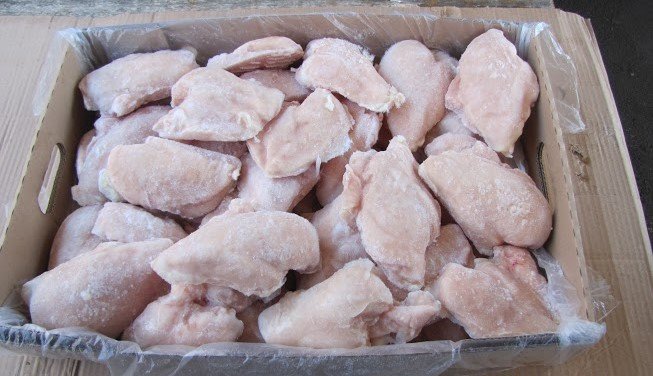
Fresh turkey products typically require faster transportation and tighter logistics controls. Frozen products generally offer greater flexibility in international trade and can access more distant markets. Transportation and shelf-life considerations influence the final export price.
Halal Certification Costs
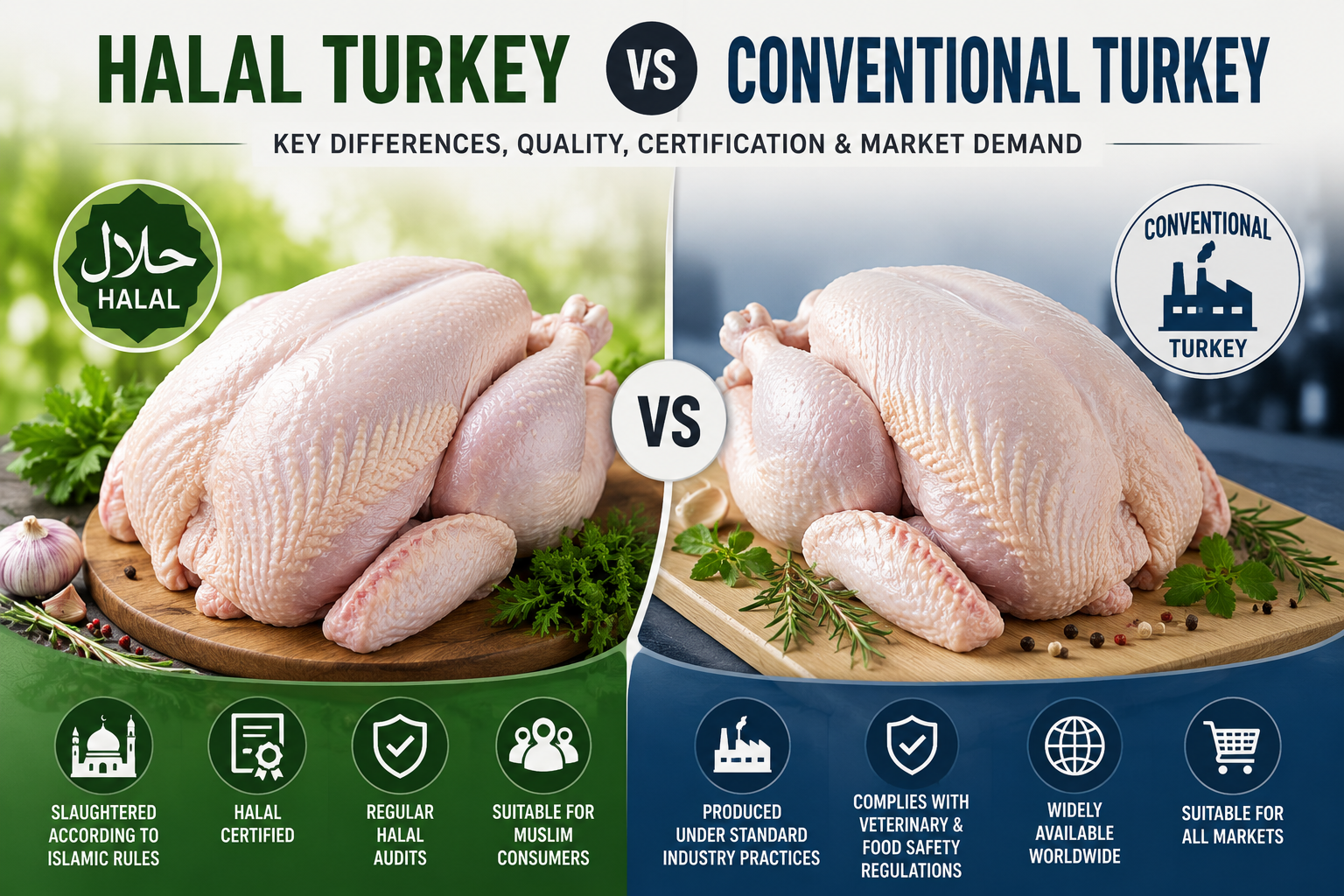
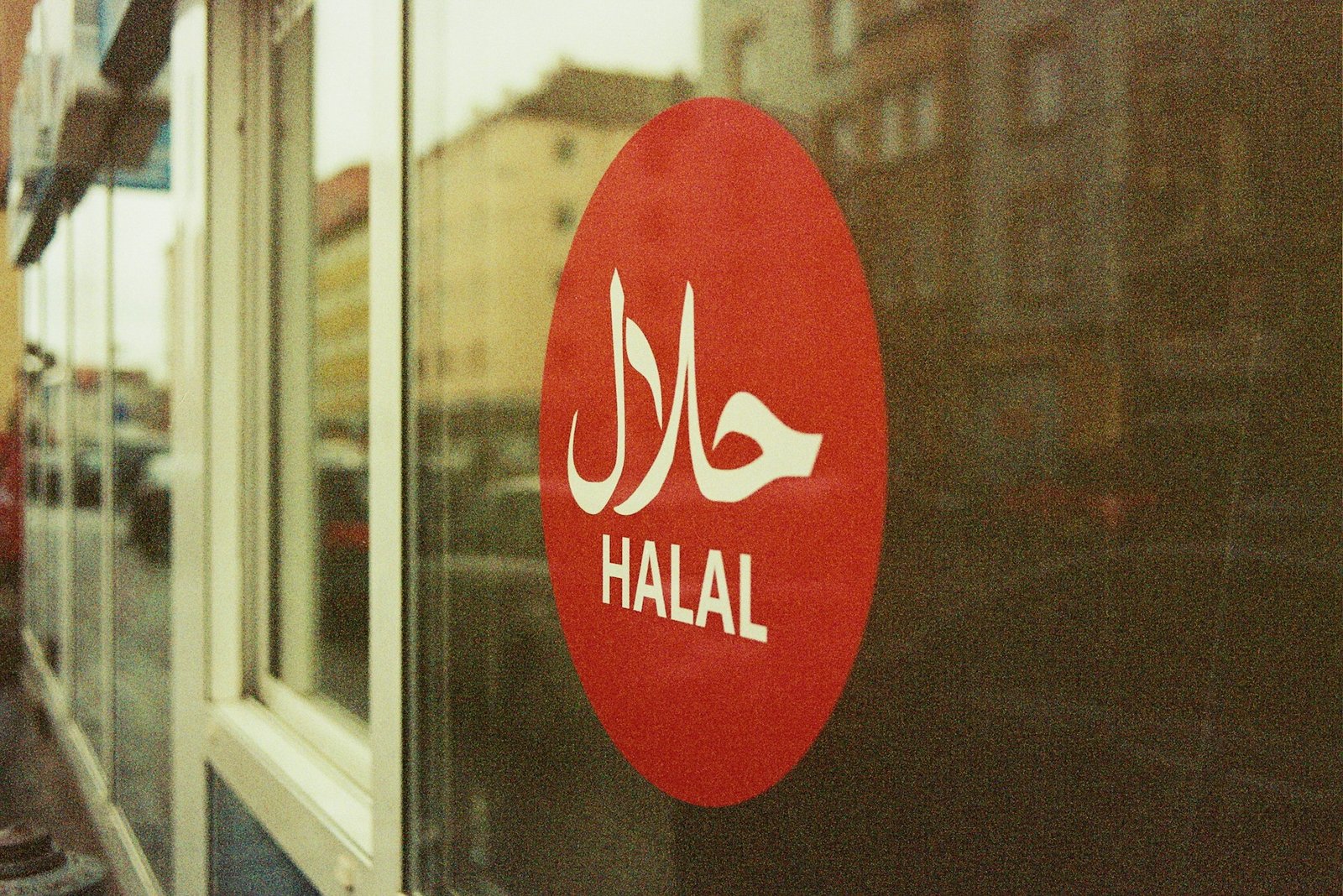
Halal-certified turkey products may involve additional certification, auditing, segregation, and compliance requirements. While these costs can increase production expenses, halal certification often provides access to valuable international markets.
Food Safety and Quality Certifications
International buyers frequently require HACCP, ISO 22000, BRCGS, or IFS certifications. Maintaining these standards involves investment in systems, audits, employee training, and infrastructure, which may be reflected in export pricing.
Packaging and Branding
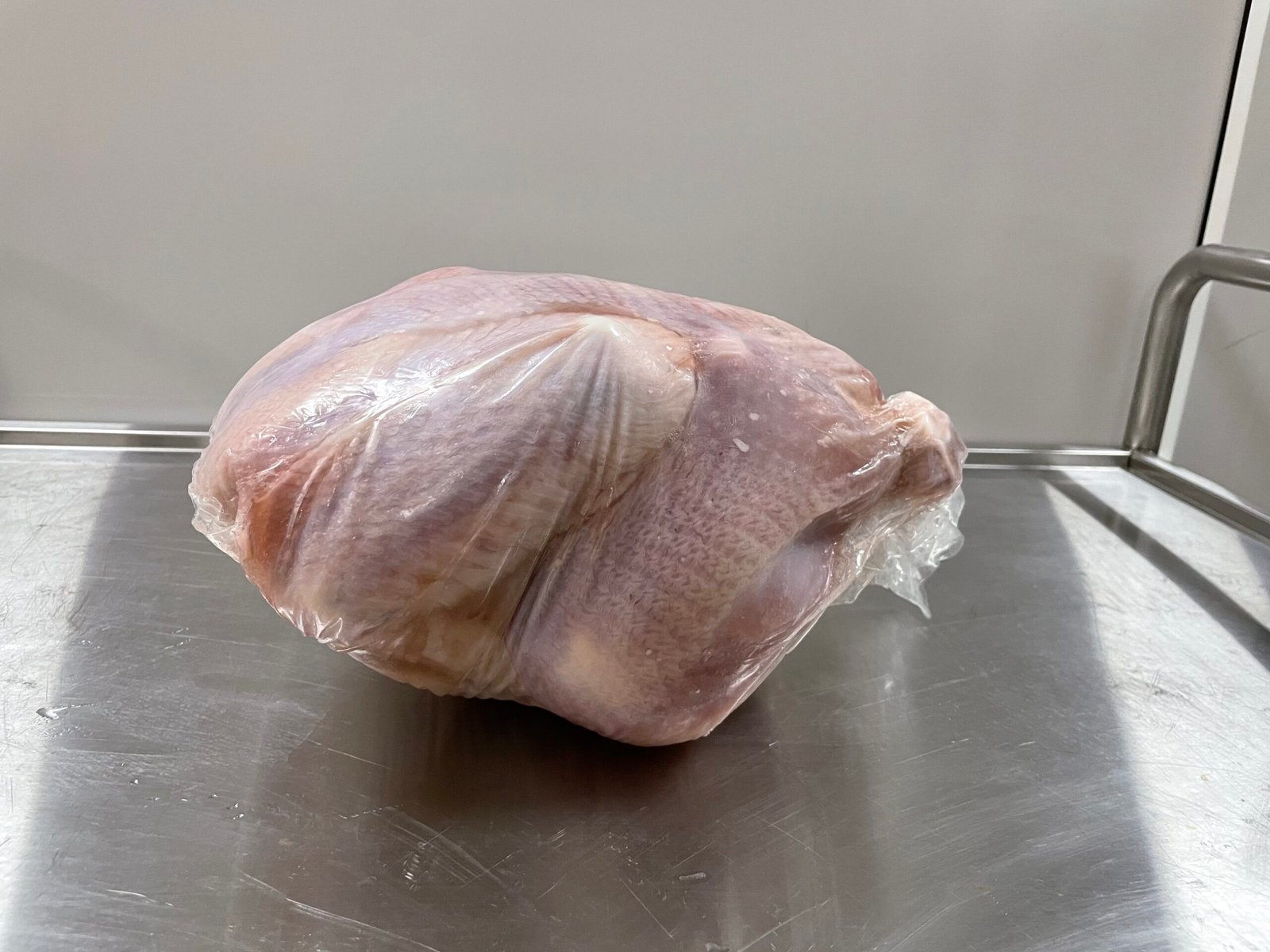
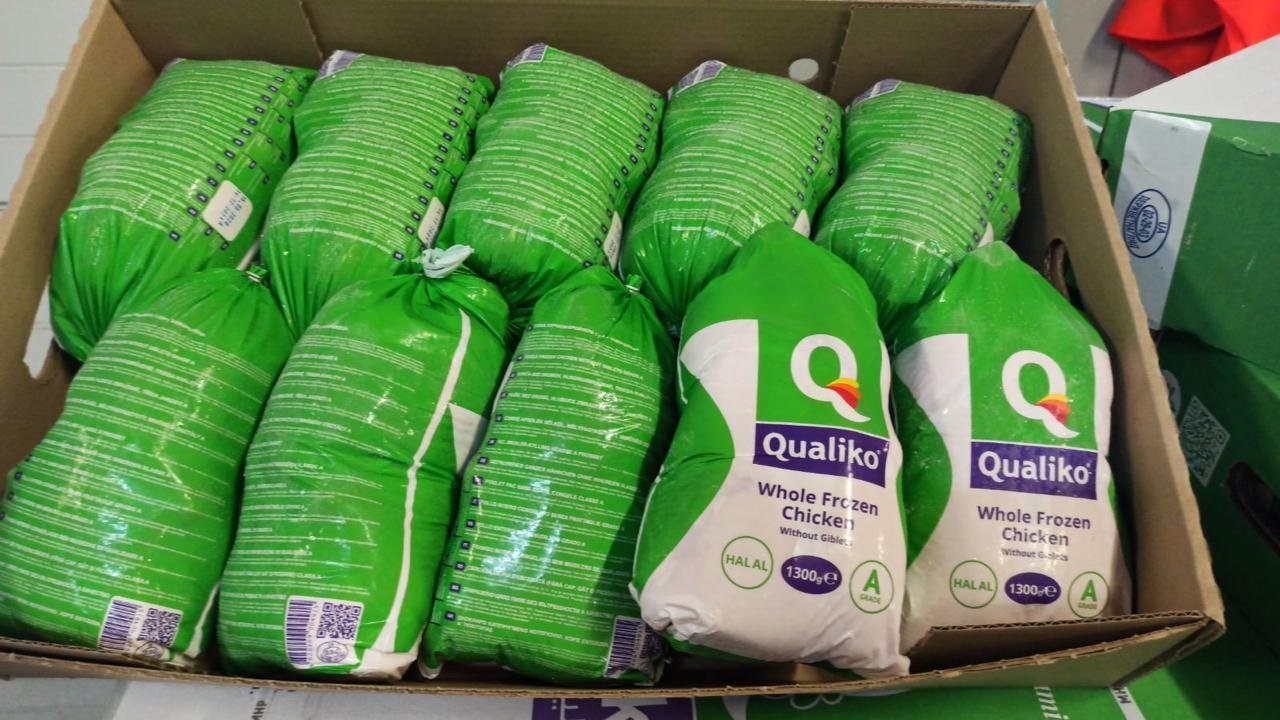
Bulk industrial shipments generally have lower per-unit packaging costs than retail-ready products. Private-label packaging, multilingual labeling, and destination-specific branding requirements can increase overall export expenses.
Cold Chain Logistics
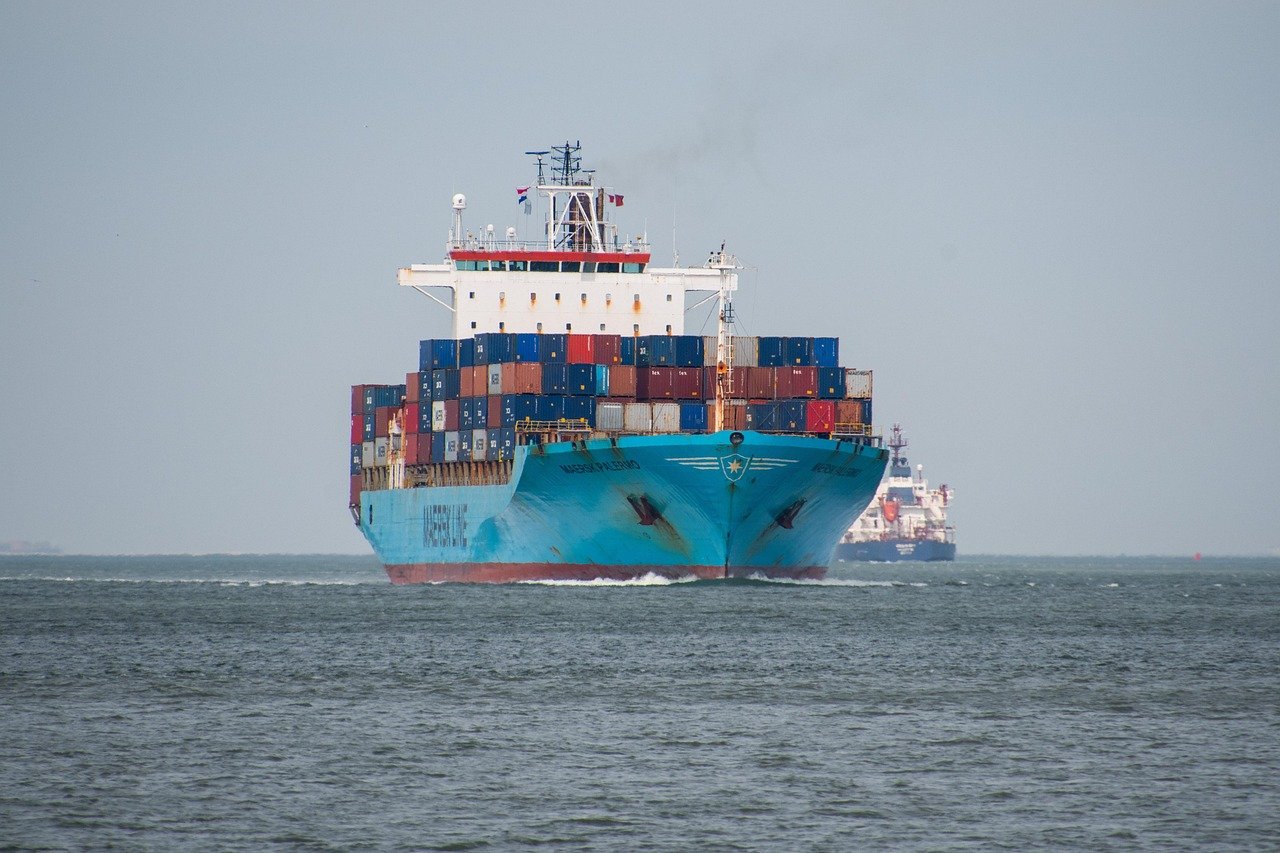
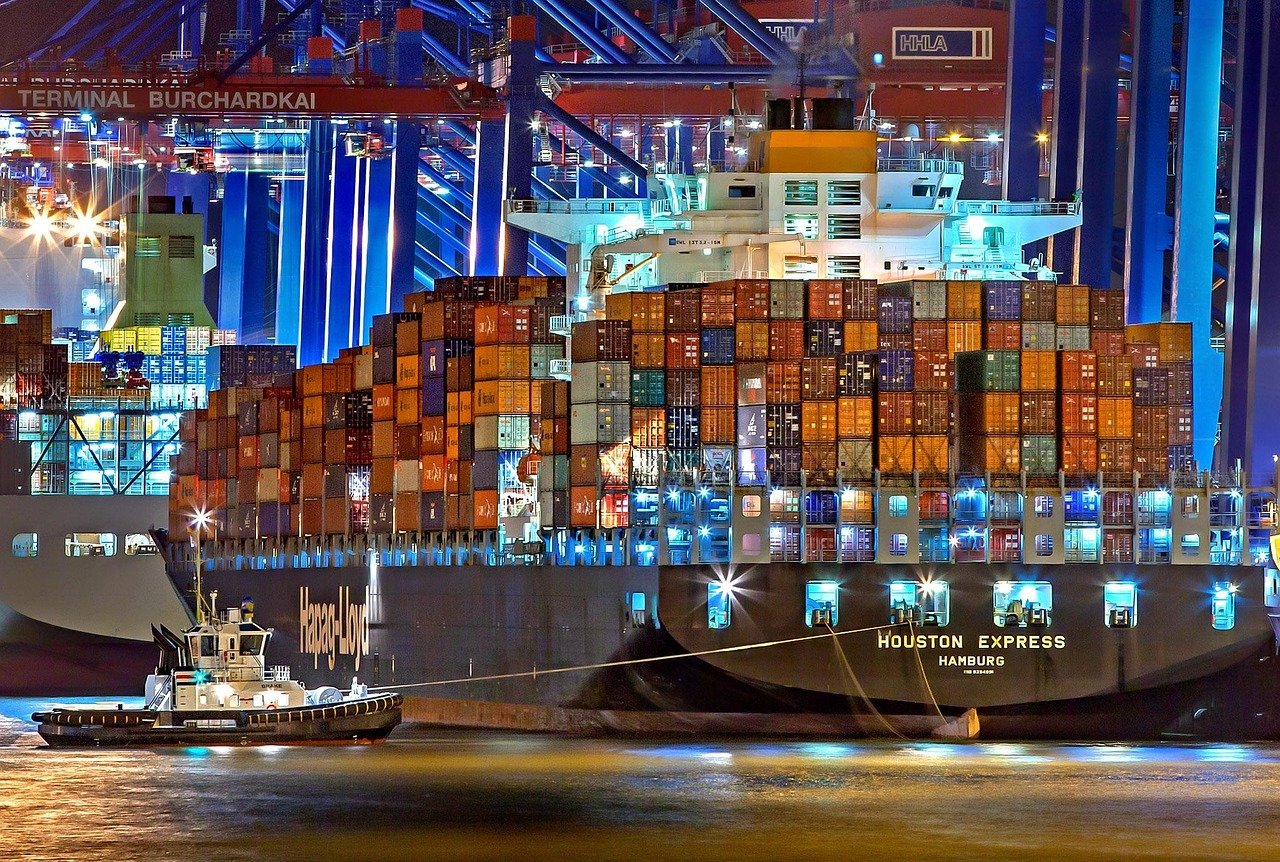
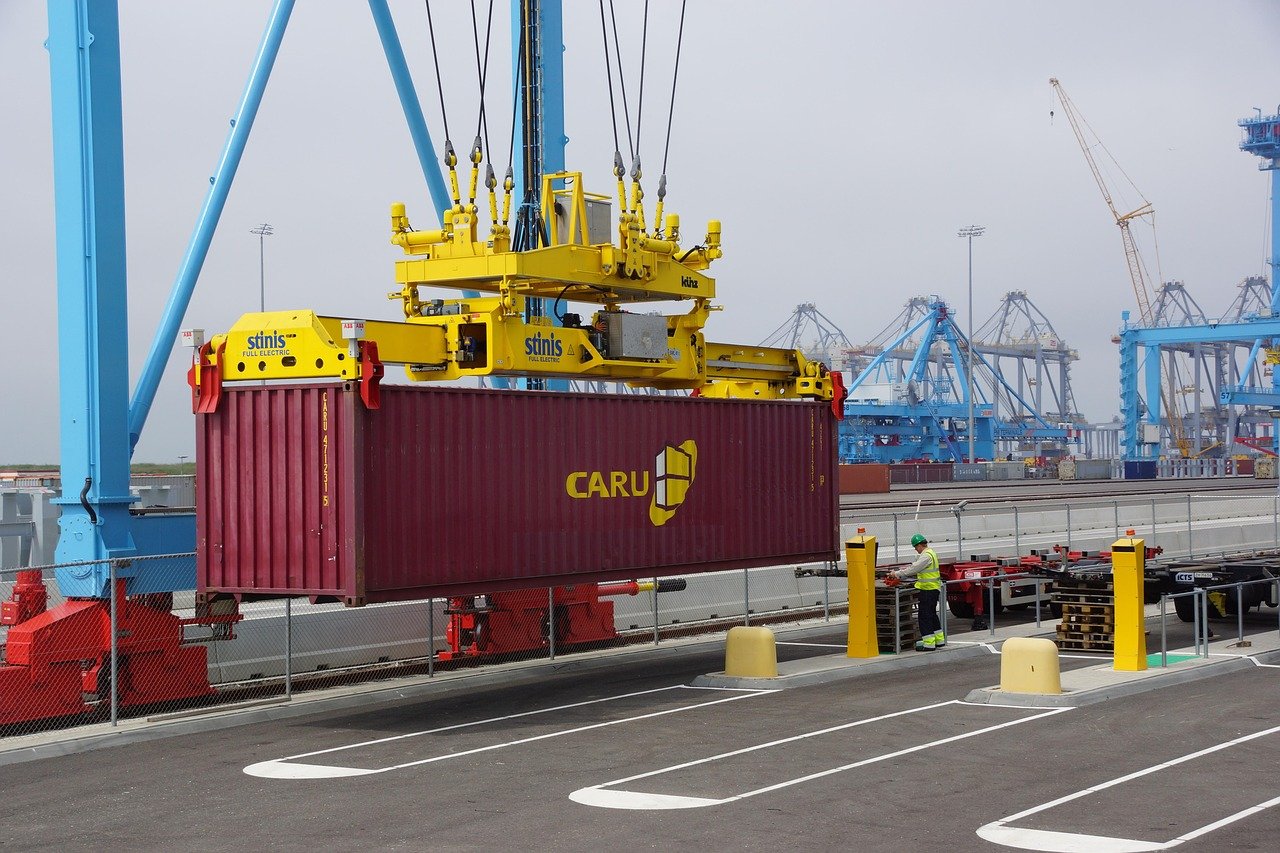
Turkey meat exports rely heavily on refrigerated and frozen logistics. Storage costs, container availability, fuel prices, port handling fees, and freight rates all contribute to final export prices.
The Impact of Freight Costs
Ocean freight rates can significantly influence landed costs. A competitive product price may become less attractive if transportation costs are unusually high. Importers should evaluate both product pricing and logistics expenses together.
Currency Exchange Rates
International poultry trade is often conducted in major currencies such as U.S. dollars or euros. Currency fluctuations can affect exporter competitiveness and influence short-term price movements.
Trade Agreements and Tariffs
Import duties, quotas, preferential trade agreements, and regulatory requirements can affect market access and final pricing. Countries benefiting from favorable trade arrangements may enjoy pricing advantages over competitors.
Seasonal Demand Patterns
Demand for turkey products often increases around major holidays and festive periods in specific markets. Seasonal demand can influence pricing, inventory management, and production planning.
Supply and Demand Dynamics
Global poultry supply, disease outbreaks, weather-related feed disruptions, and changing consumer preferences can all impact turkey meat prices. Market participants closely monitor these variables when planning procurement strategies.
How Importers Should Compare Quotes
Importers should compare product specifications, certifications, Incoterms, payment terms, shelf life, packaging formats, and logistics arrangements rather than focusing solely on price per metric ton. The lowest offer is not always the most economical choice.
Understanding Incoterms
Prices quoted under EXW, FCA, FOB, CFR, CIF, DAP, or DDP terms include different responsibilities and costs. Buyers should clearly understand which services are included in the quoted export price.
Price Risk Management
Long-term supply agreements, diversified sourcing strategies, and careful market monitoring can help importers manage price volatility. Strong supplier relationships also improve visibility into future market trends.
Conclusion
Turkey meat export pricing is shaped by a wide range of agricultural, industrial, logistical, and commercial factors. Successful importers evaluate the entire supply chain rather than focusing exclusively on headline prices. Understanding production costs, certifications, freight expenses, trade conditions, and market dynamics allows buyers to make informed purchasing decisions and build sustainable sourcing partnerships.