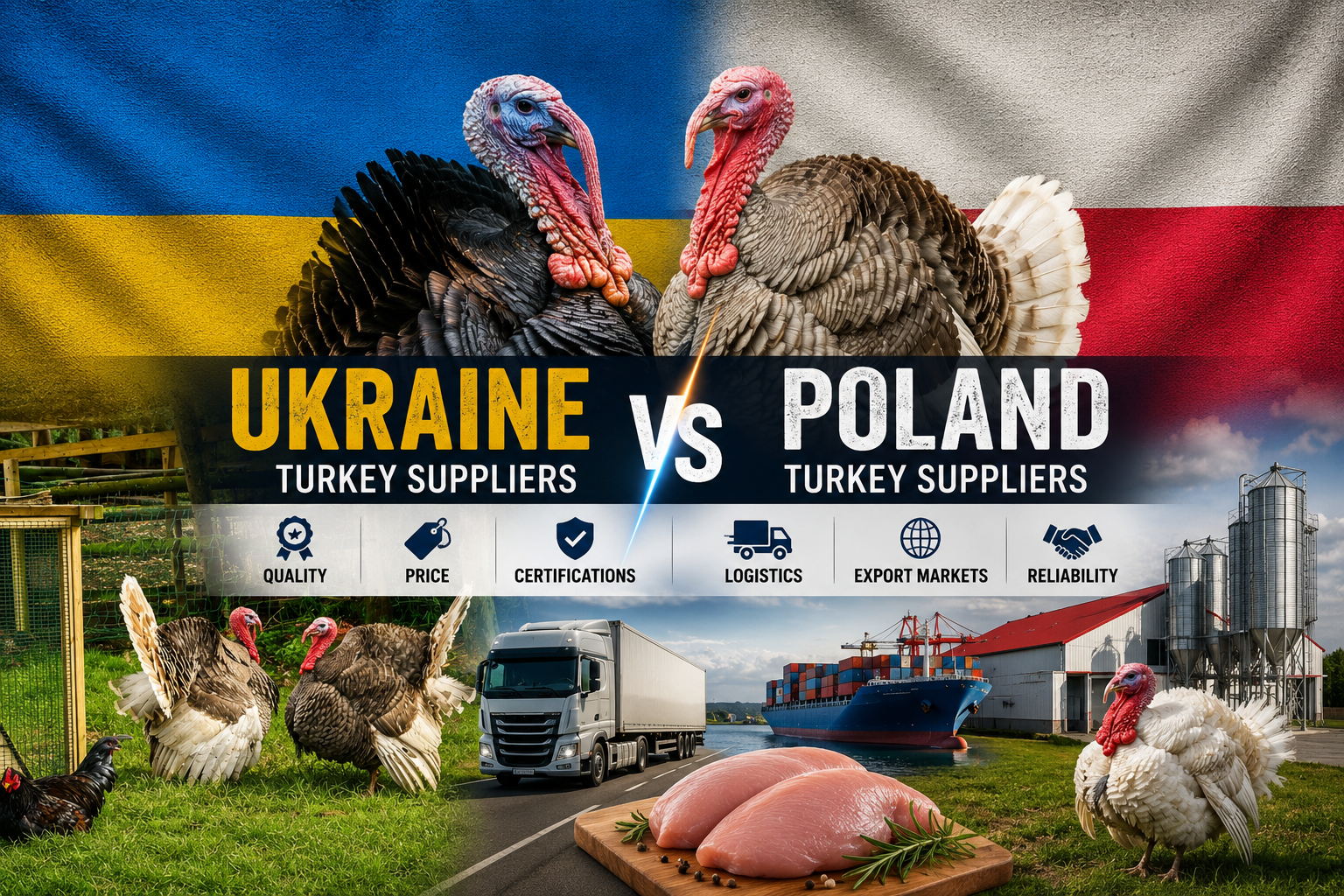
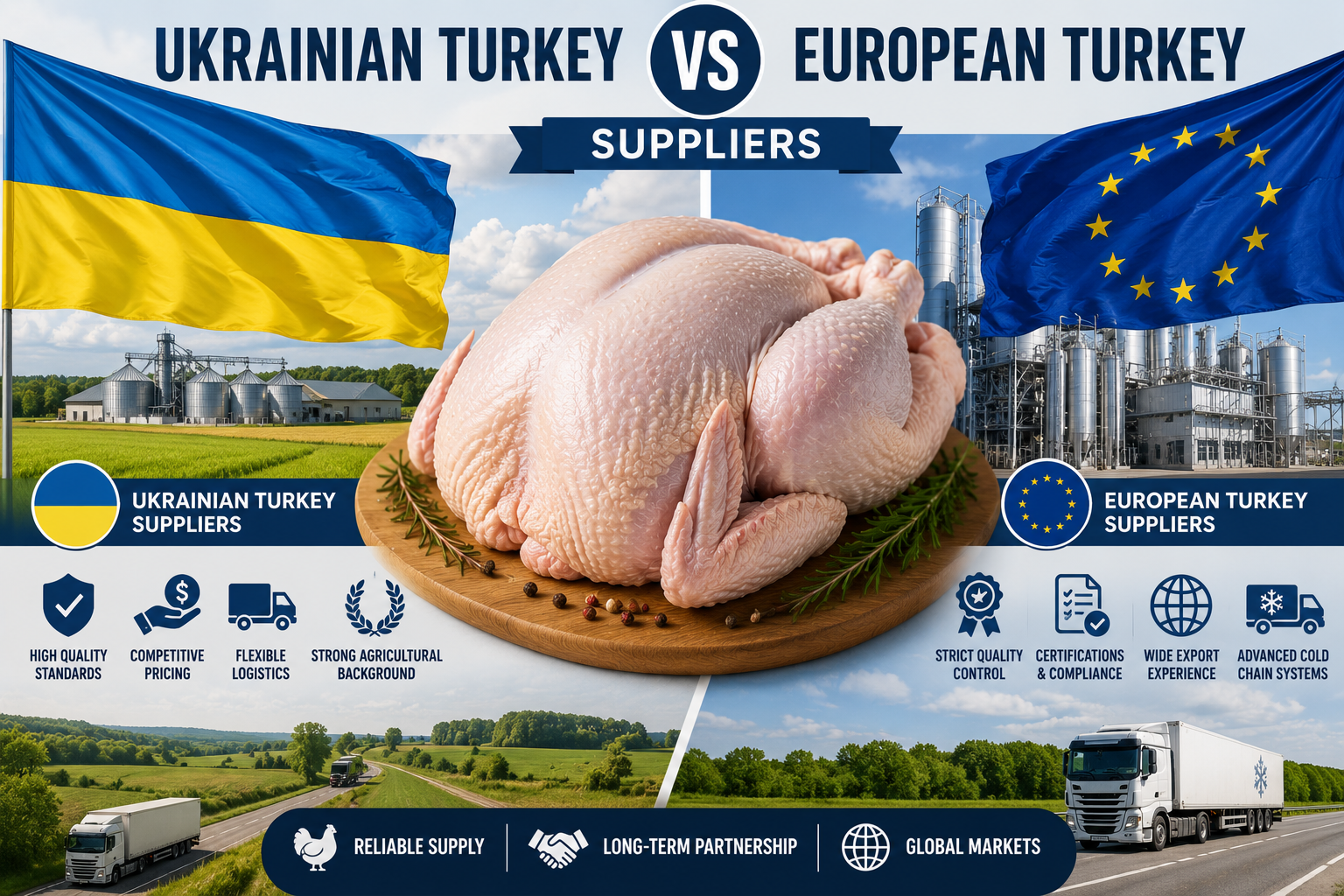
Ukraine vs Poland Turkey Suppliers: Which Origin Is Better for Importers?
Introduction
Poland and Ukraine are among the most important turkey meat suppliers in Europe. Both countries offer competitive products for importers, distributors, wholesalers, food processors, and retail chains. While Poland benefits from its position within the European Union and a highly developed poultry industry, Ukraine has emerged as a cost-effective and increasingly sophisticated sourcing destination. This article examines the strengths and weaknesses of both origins to help importers make informed purchasing decisions.
Global Turkey Meat Market Overview
Global demand for turkey meat continues to expand due to its favorable nutritional profile, versatility, and growing popularity among health-conscious consumers. Importers increasingly seek suppliers capable of delivering stable volumes, competitive pricing, and compliance with international food safety standards. Europe remains one of the largest turkey-producing regions globally, making Poland and Ukraine strategically important sourcing origins.
Turkey Industry in Poland
Poland has become one of Europe’s poultry powerhouses. The country’s turkey industry benefits from advanced farming practices, integrated production systems, and strong government and EU regulatory frameworks. Polish processors export throughout Europe and increasingly to markets in Asia, Africa, and the Middle East. Modern facilities, sophisticated quality control systems, and efficient logistics networks support Poland’s strong reputation among importers.
Turkey Industry in Ukraine
Ukraine’s turkey sector has undergone significant modernization over the past decade. Producers have invested in new farming technologies, modern slaughterhouses, and international food safety standards. Ukraine’s agricultural advantages, including grain production and feed availability, help maintain competitive production costs. Many exporters focus on international markets and increasingly compete with European suppliers.
Production Capacity Comparison
Poland generally possesses larger turkey production volumes and a broader industrial base. Large integrated companies can supply substantial annual contracts and maintain reliable output. Ukraine’s industry is smaller but growing steadily. Importers requiring flexibility often find Ukrainian suppliers willing to adapt product specifications and commercial terms to customer requirements.
Product Range Comparison
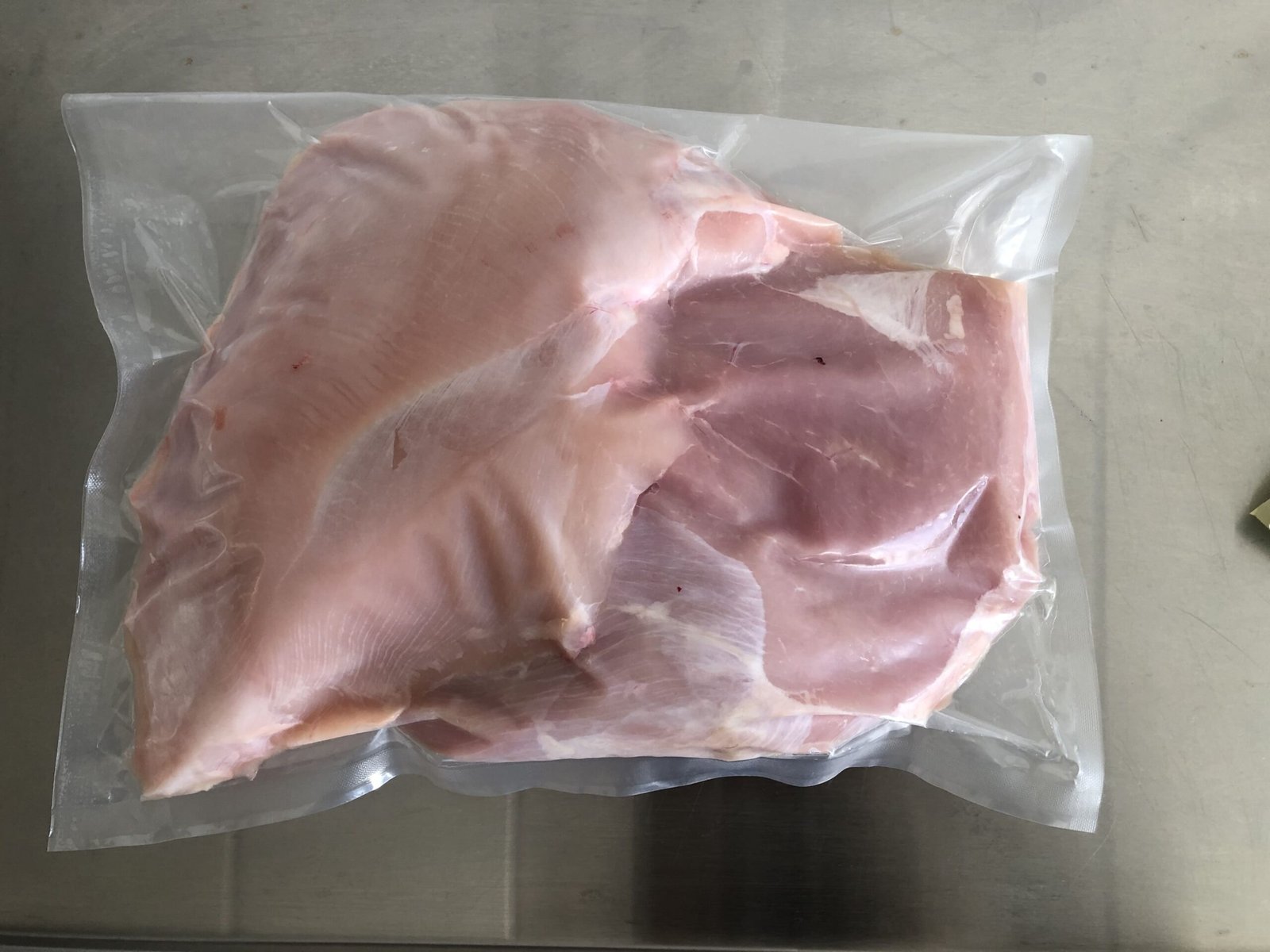
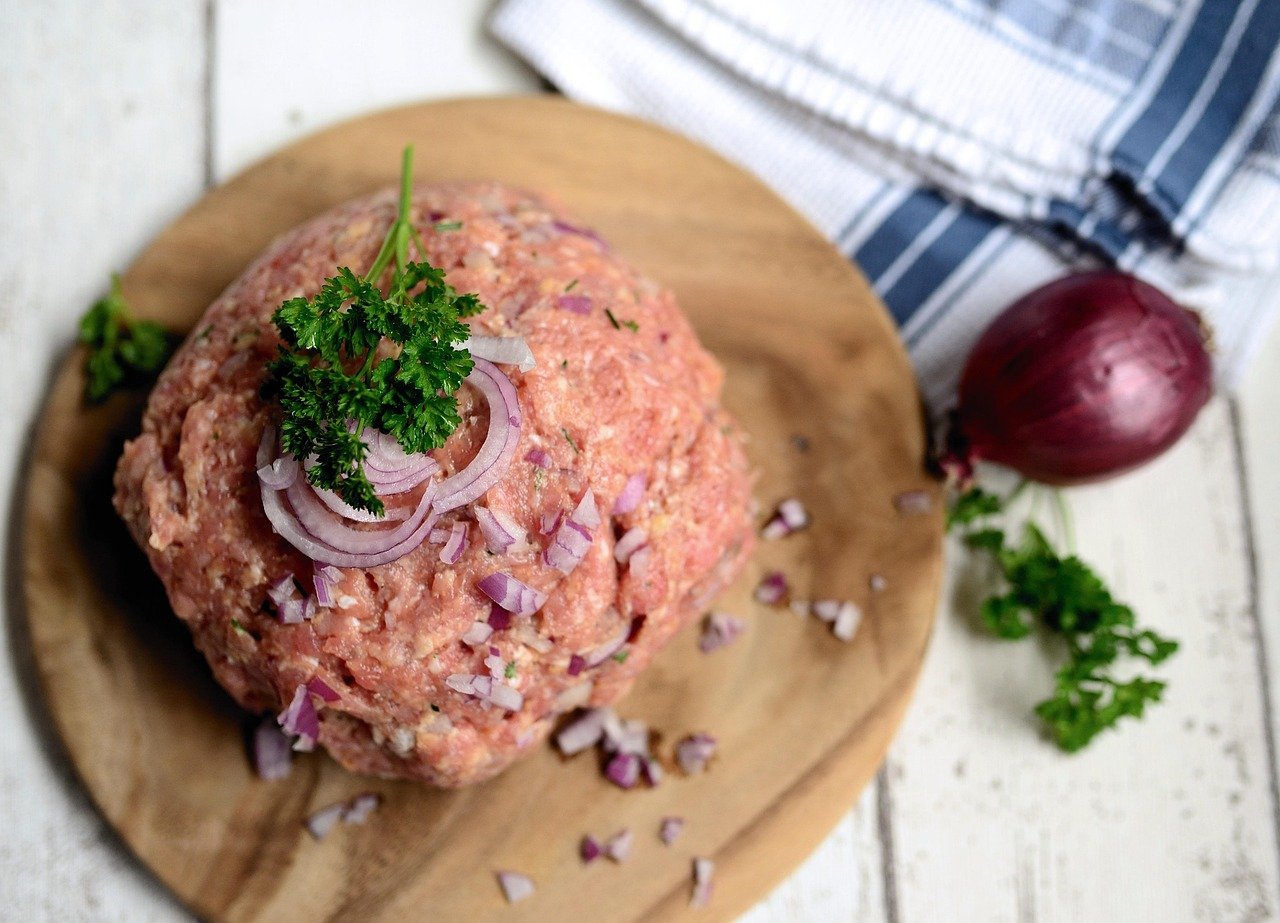
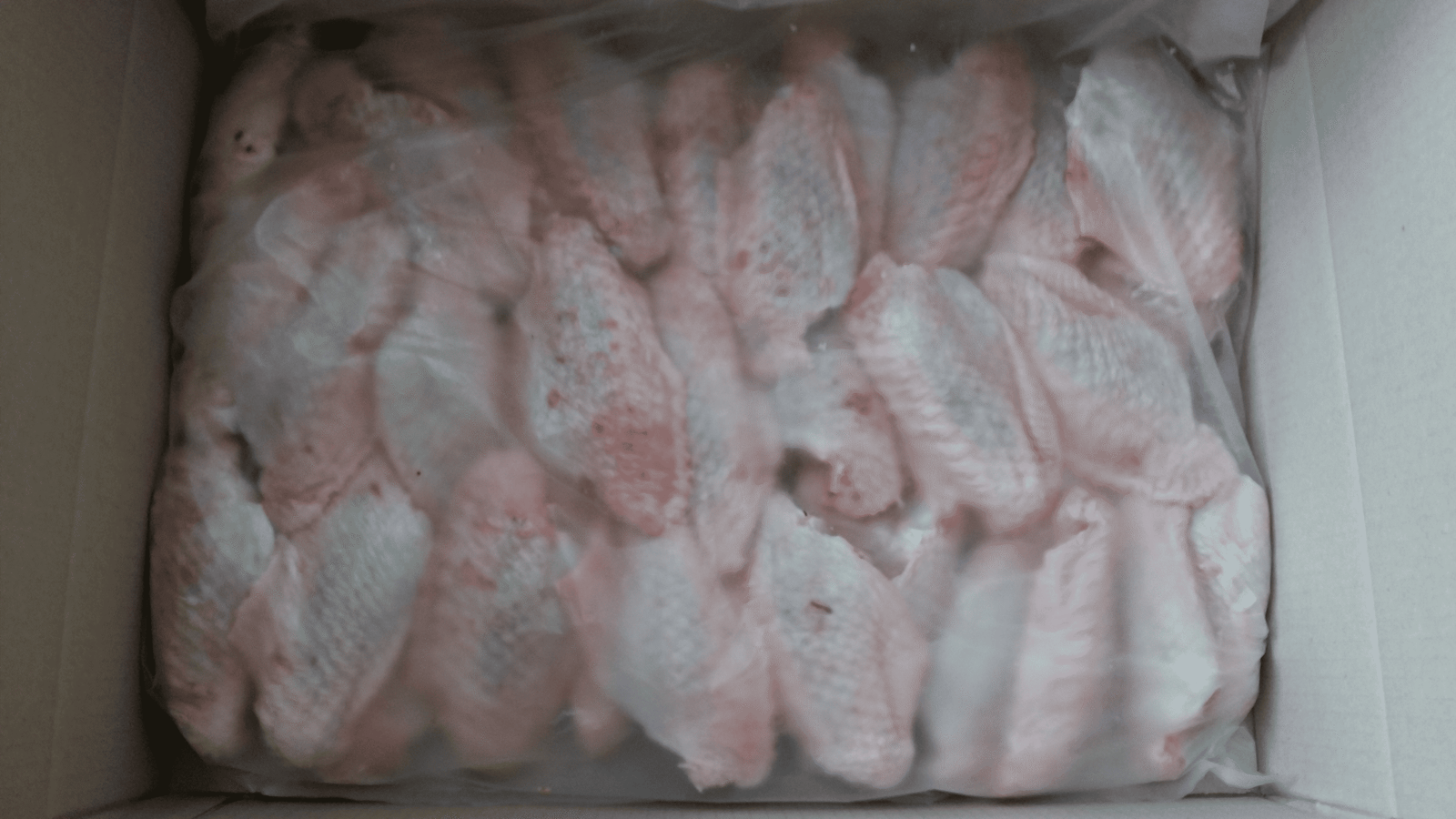
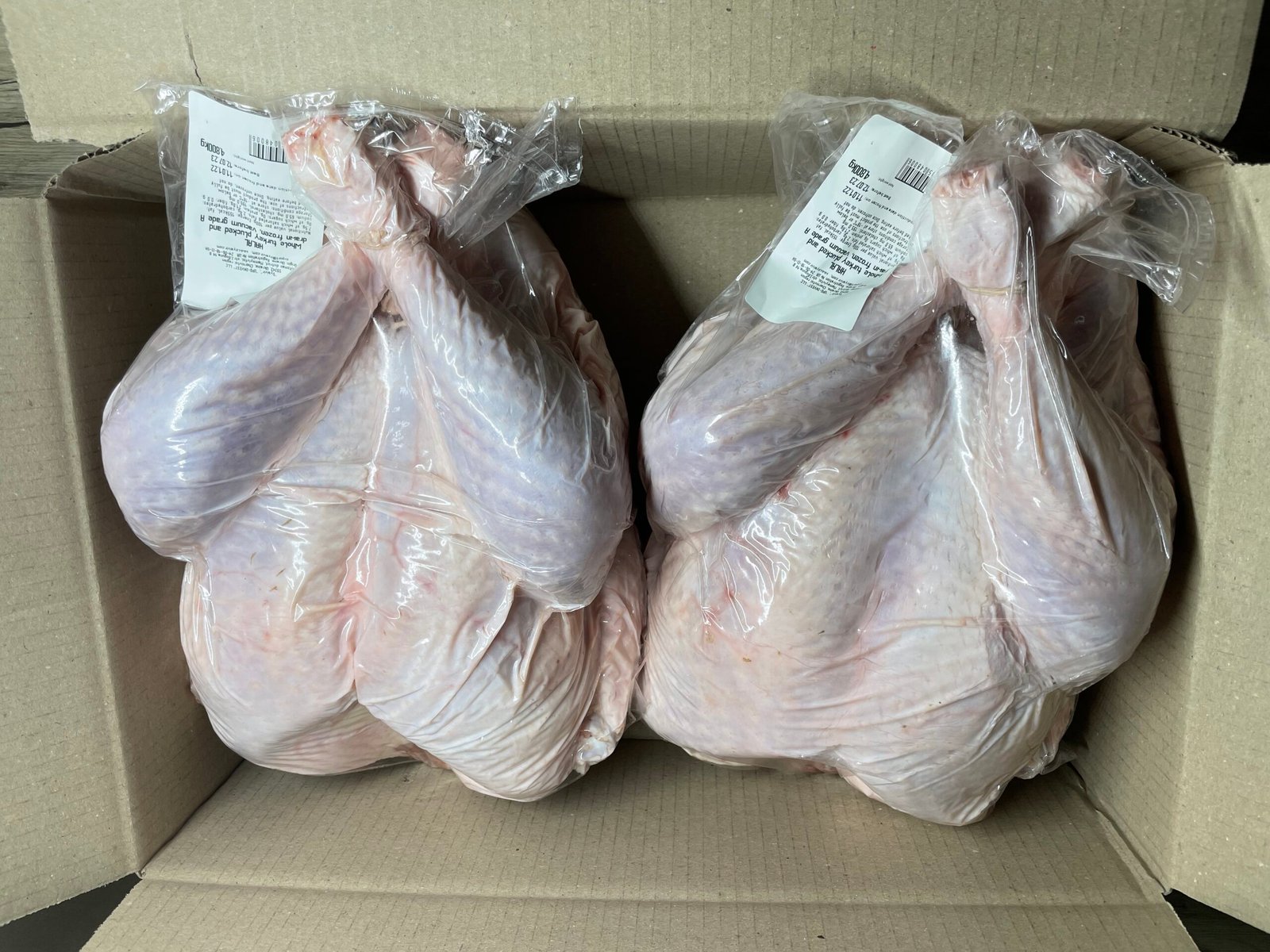
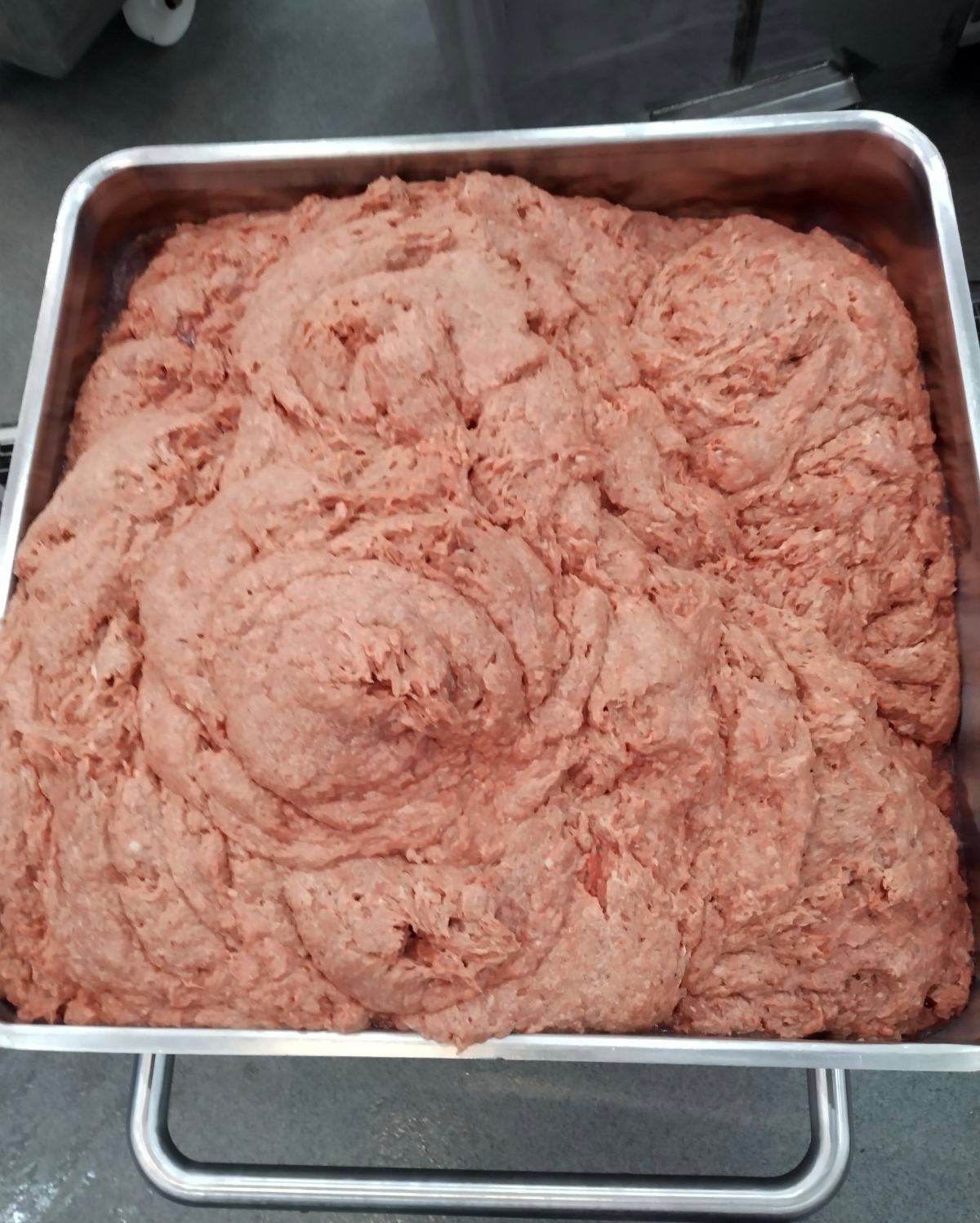
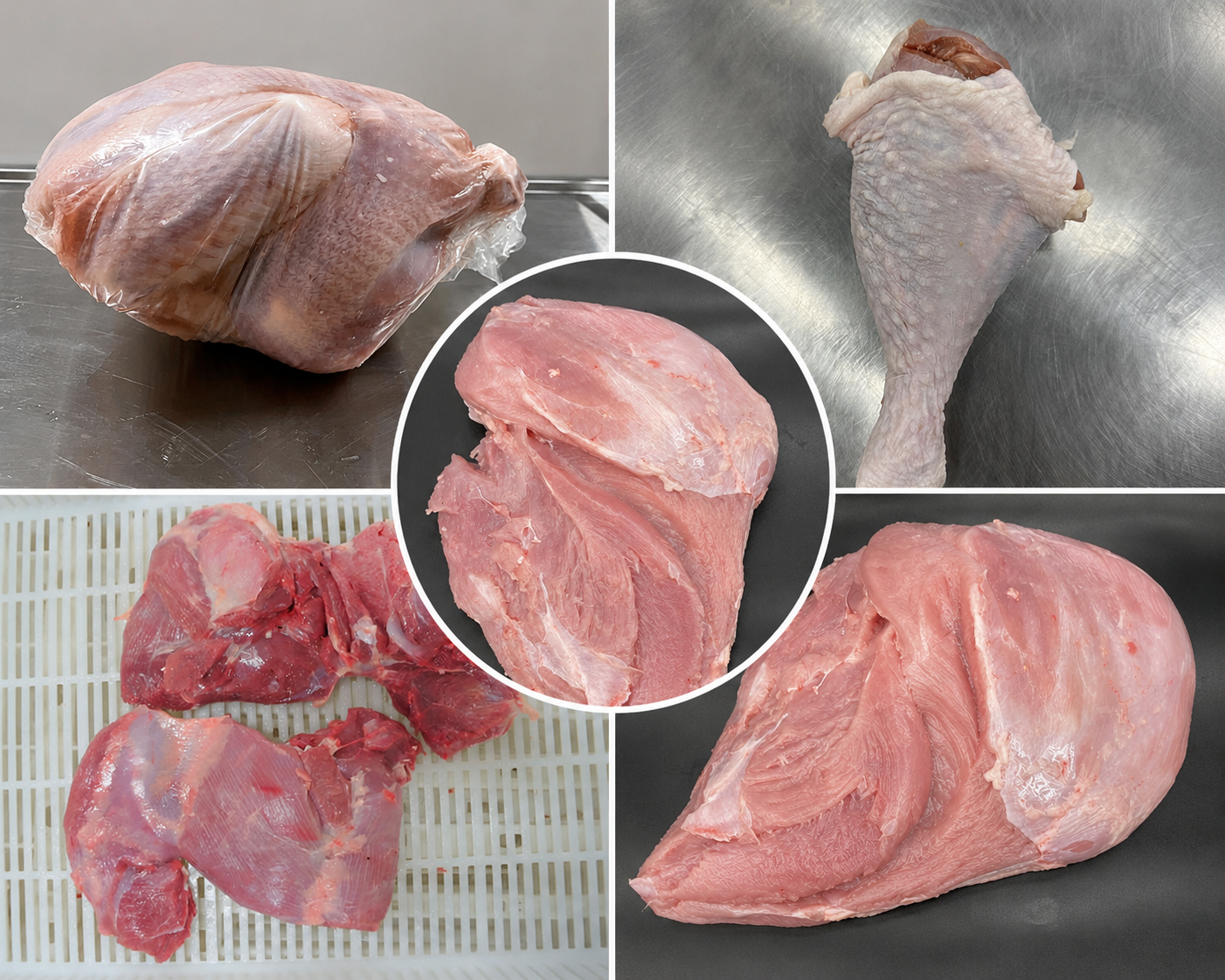
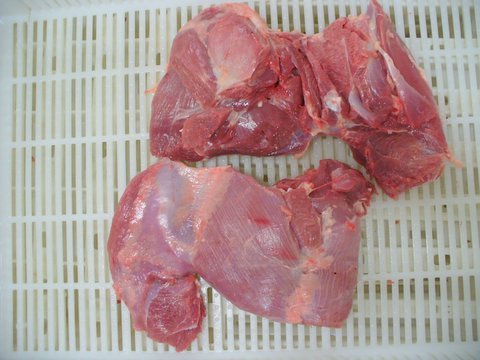
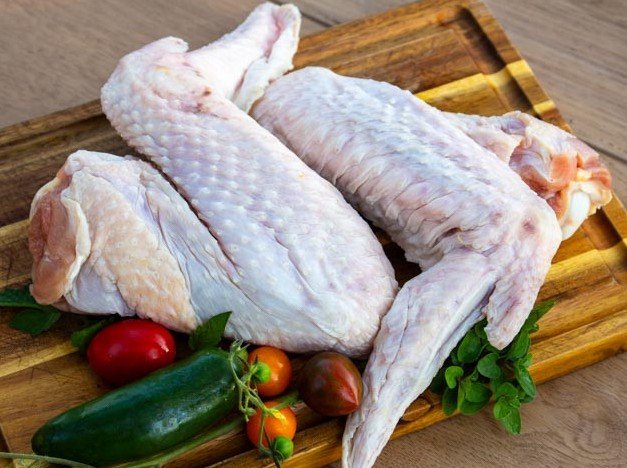
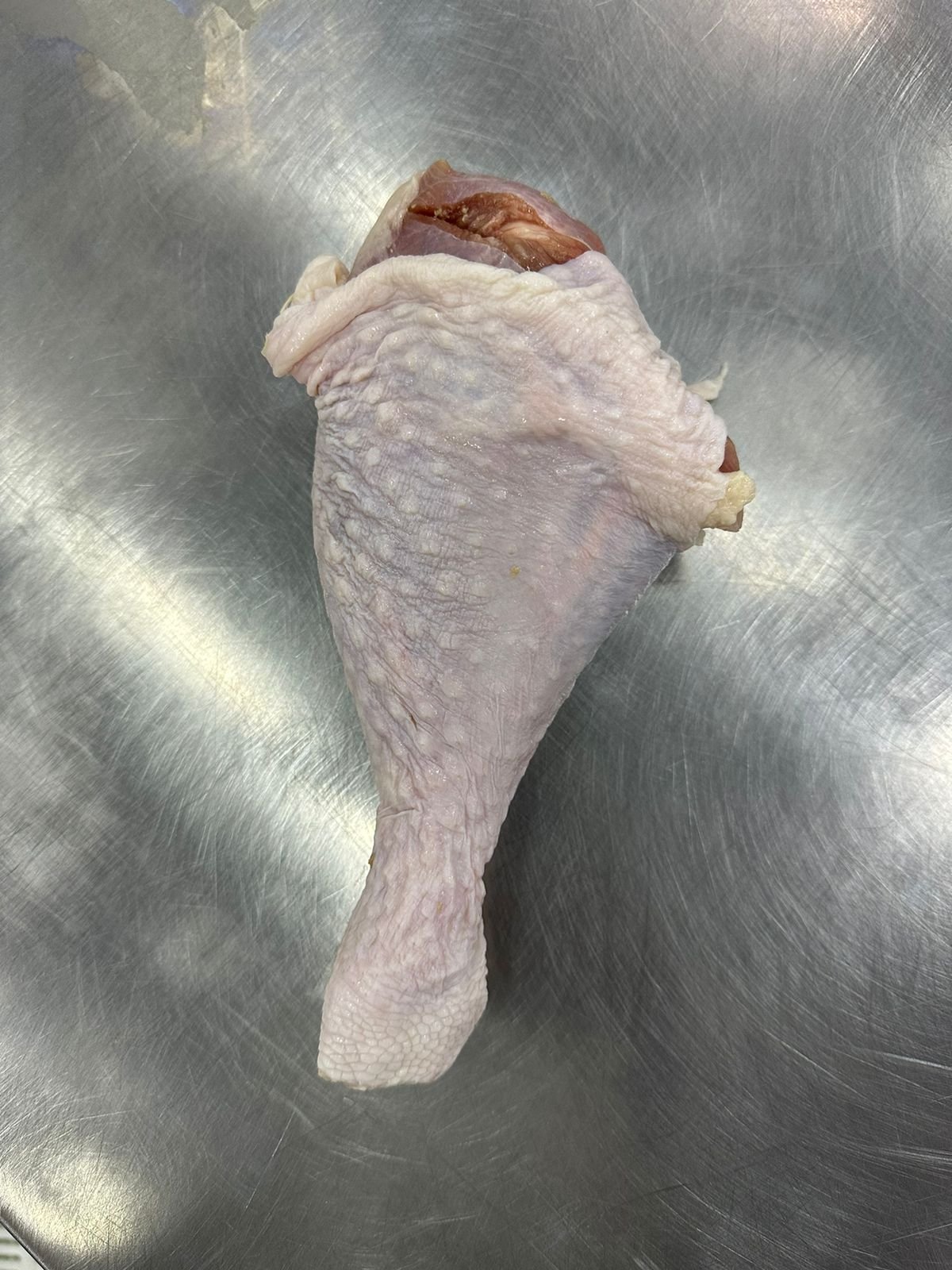
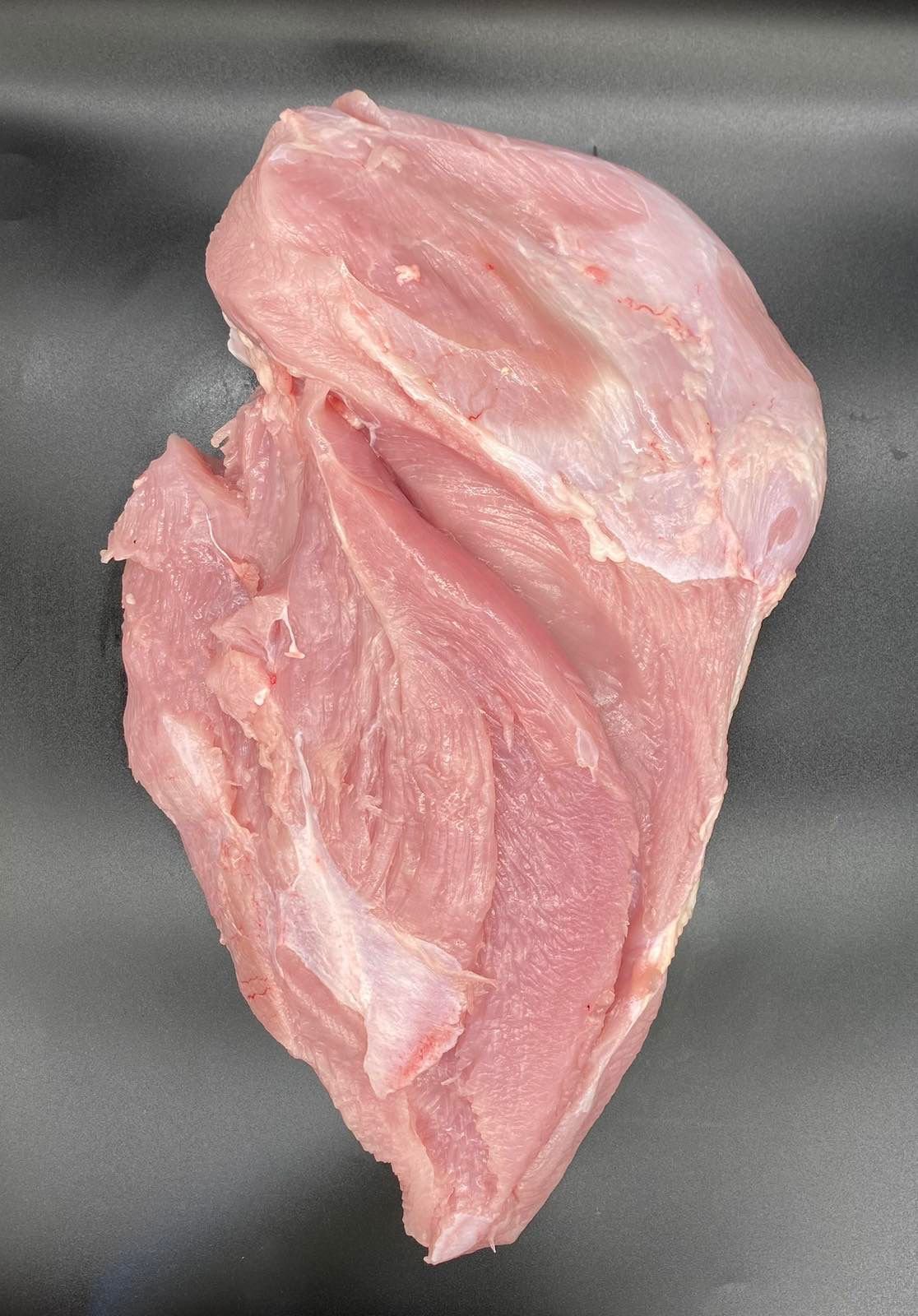
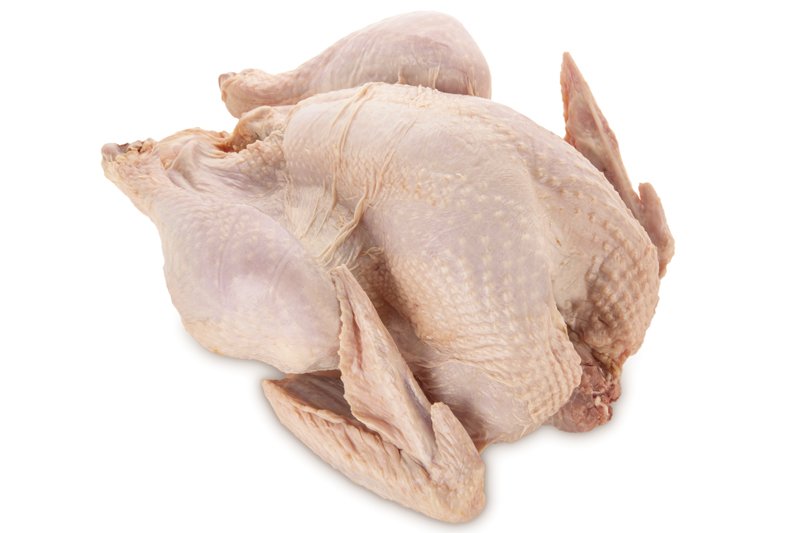
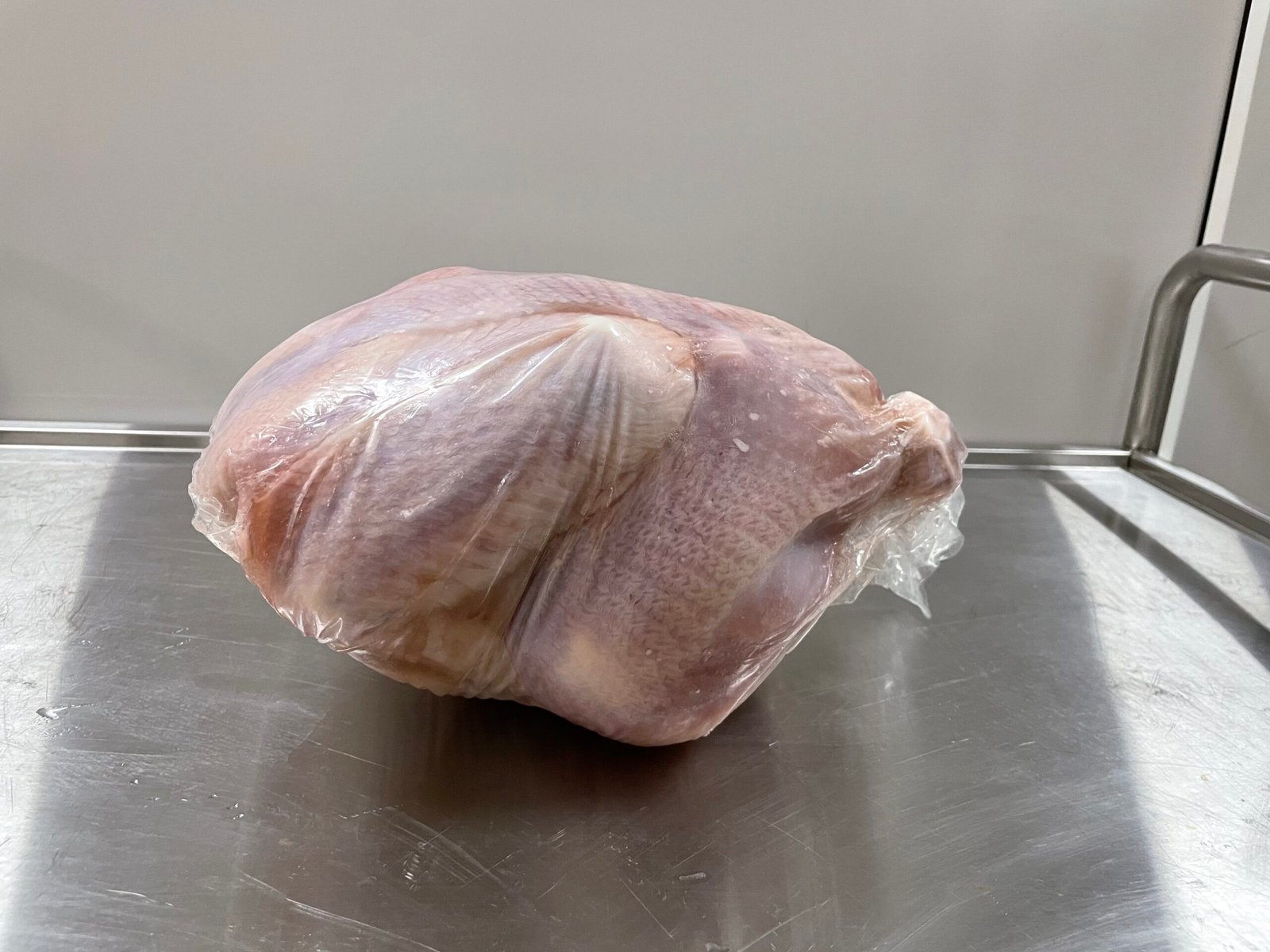
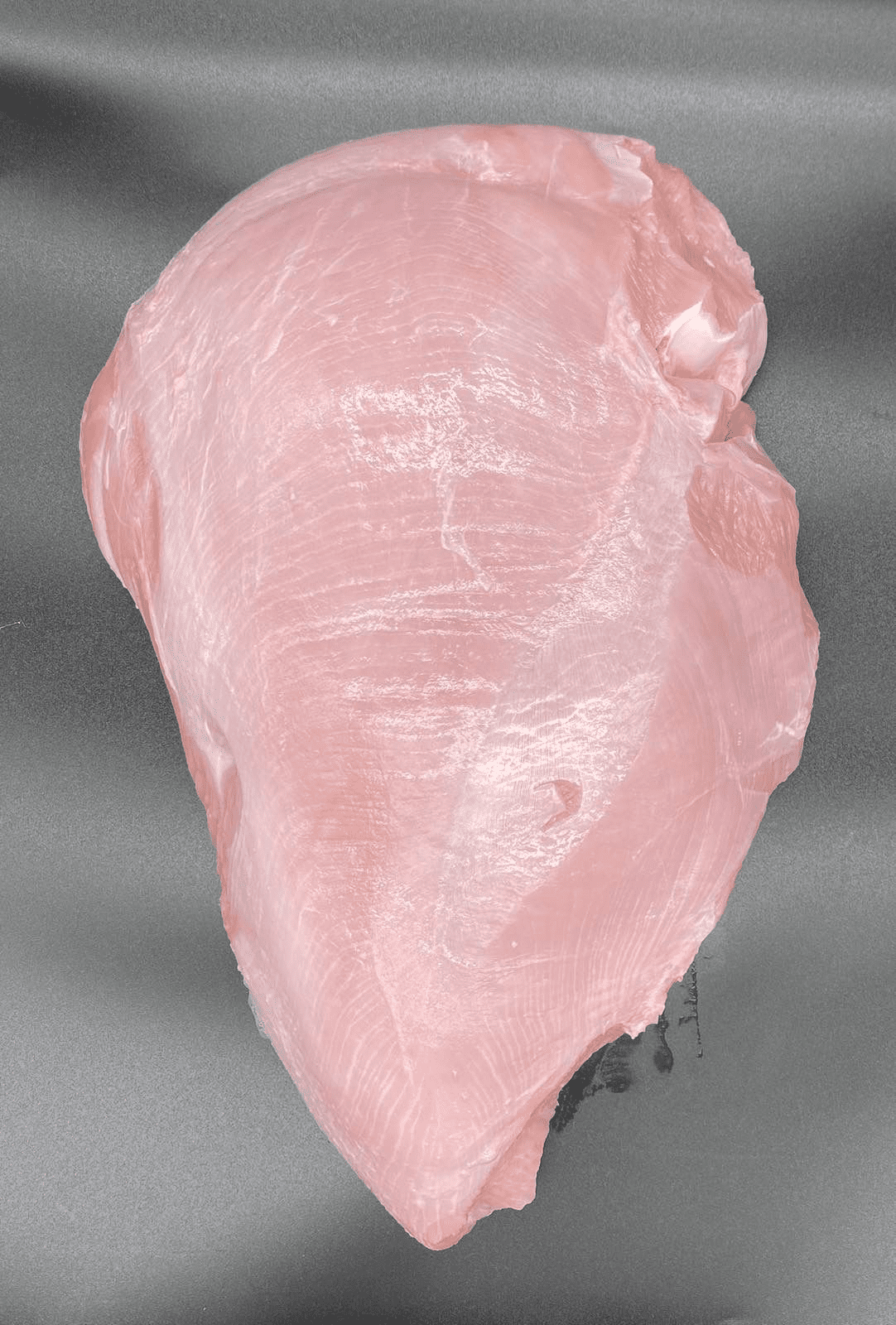
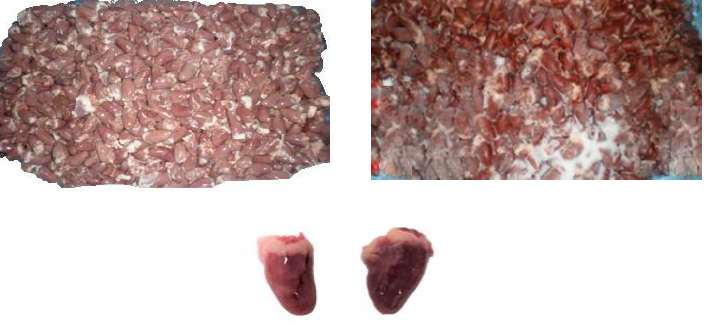
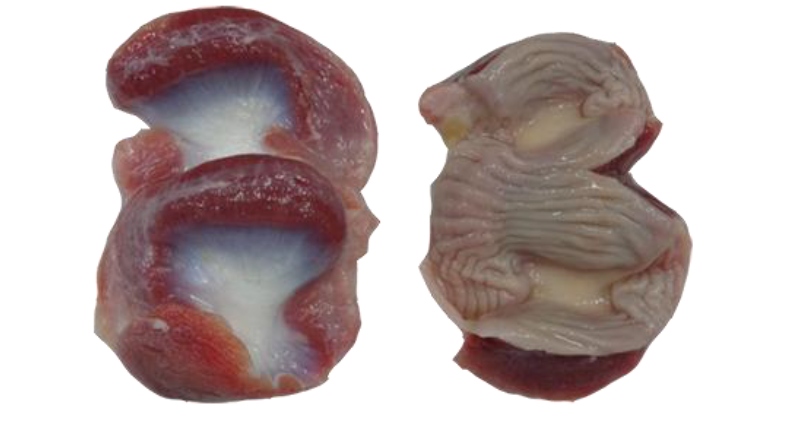
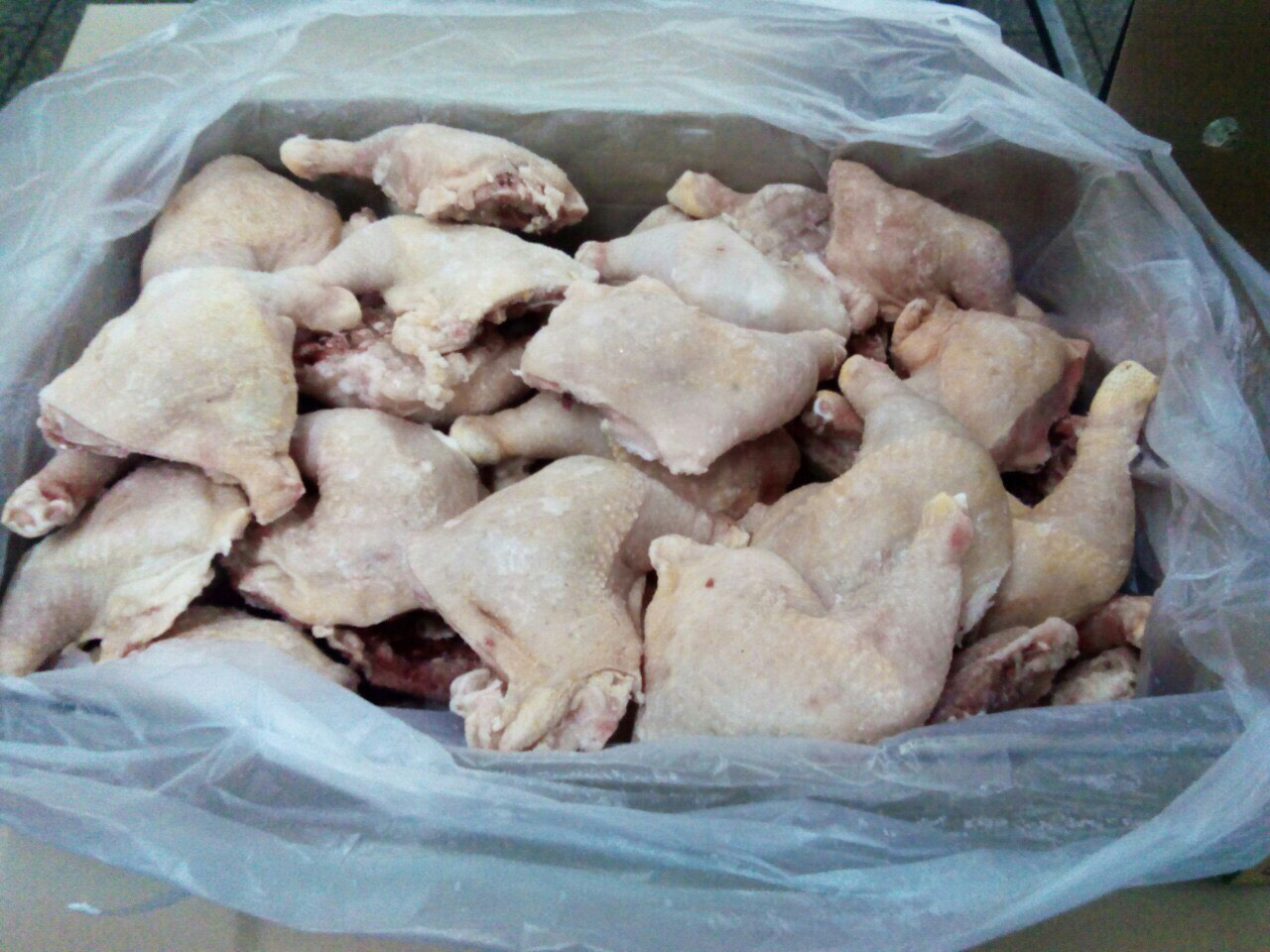
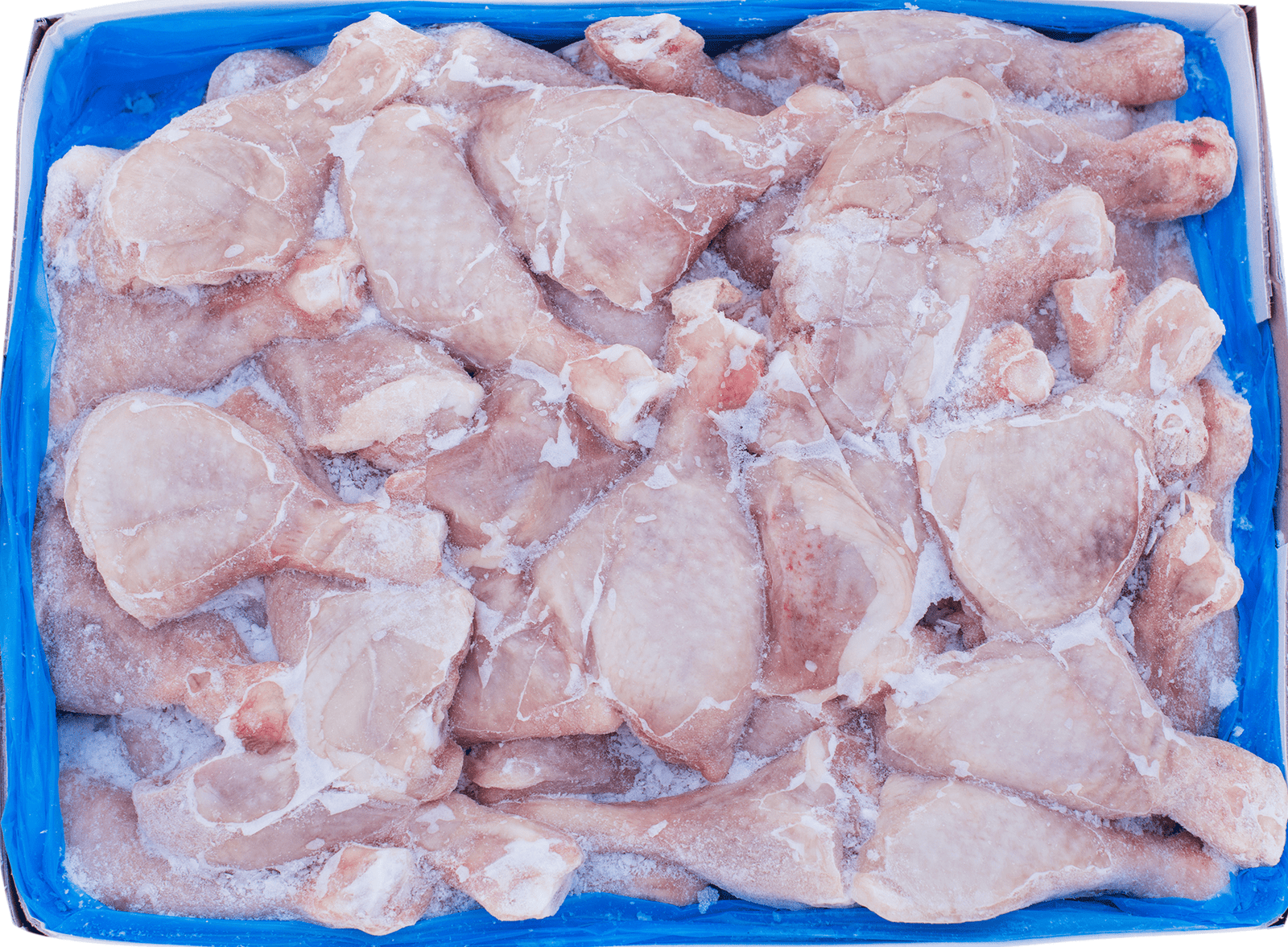
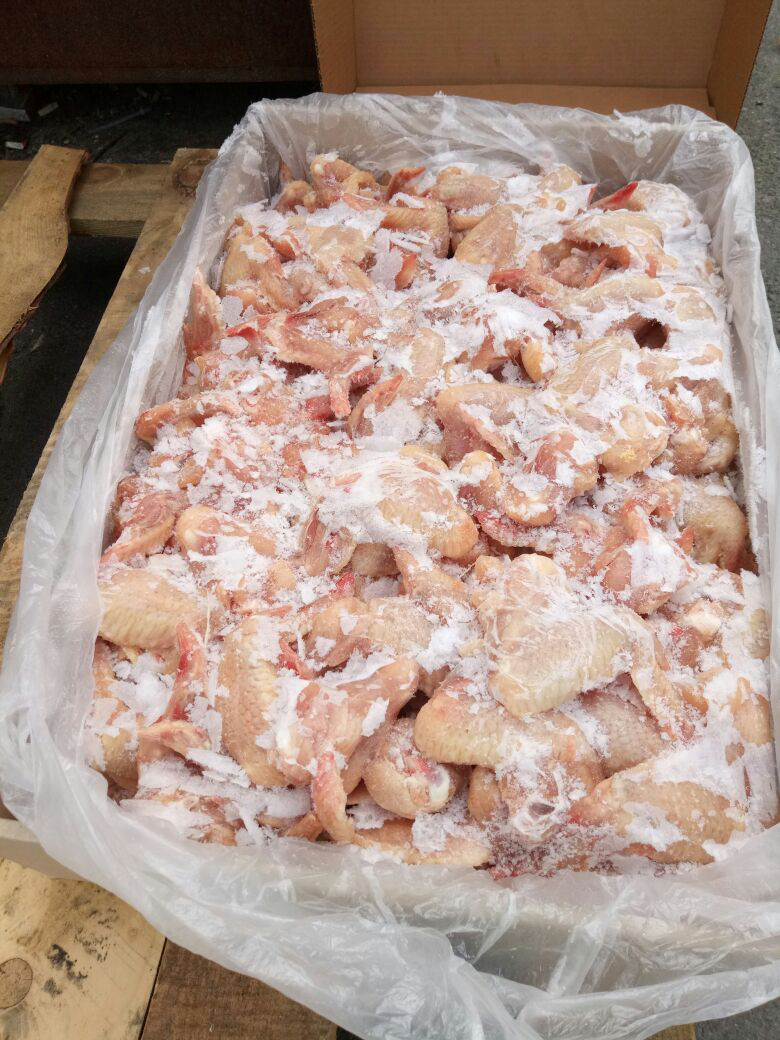
Both countries export a wide range of products including whole frozen turkey, breast meat, thigh meat, drumsticks, wings, fillets, mechanically deboned meat, and processed turkey products. Polish suppliers often offer a broader selection due to their larger processing sector, while Ukrainian exporters may provide greater customization opportunities.
Quality and Food Safety Standards
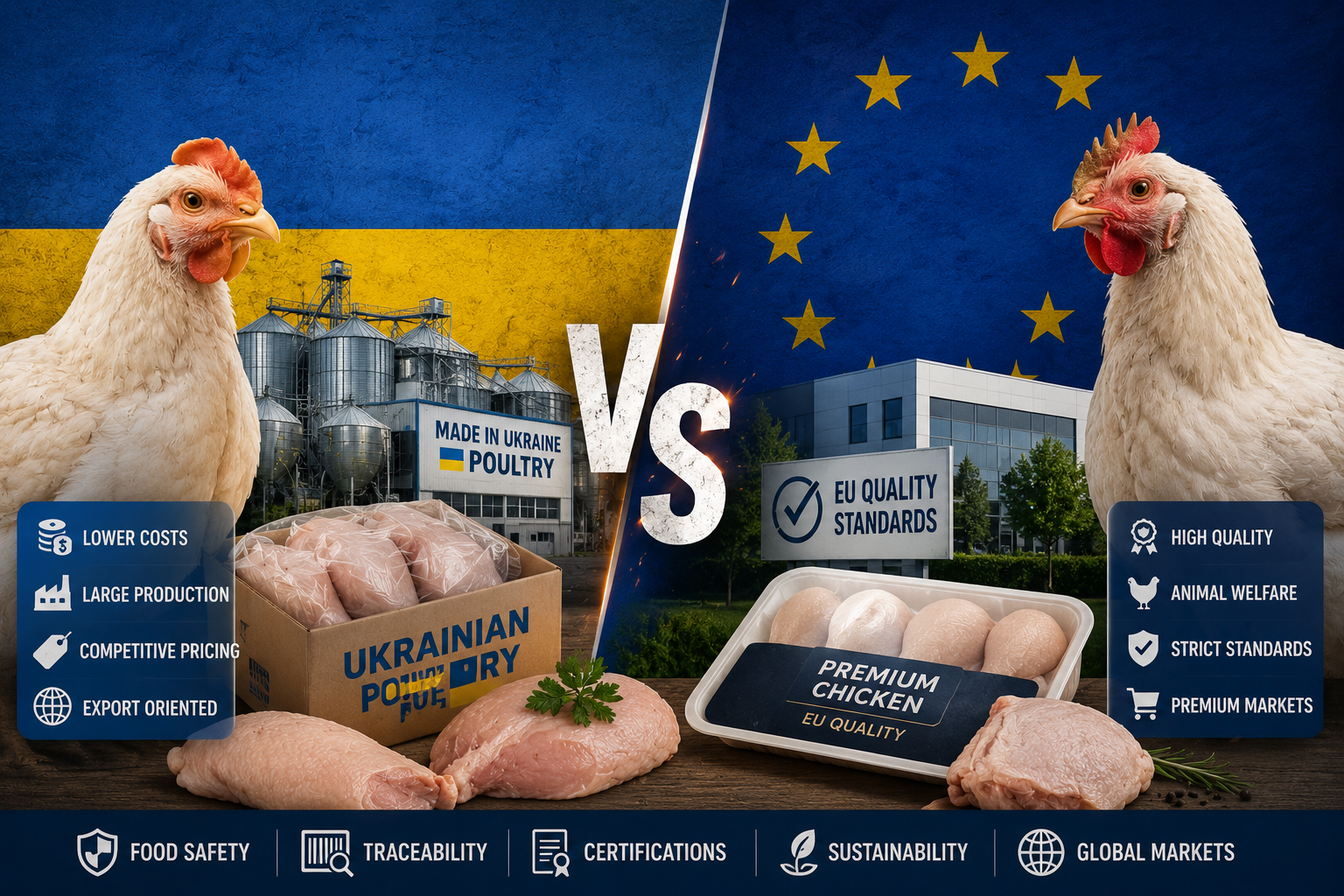
Food safety has become a central requirement for international buyers. Polish producers operate under strict European Union regulations covering hygiene, traceability, animal welfare, and food safety. Leading Ukrainian exporters increasingly align with international and European standards, implementing HACCP systems, laboratory testing, and comprehensive traceability programs. Both origins can provide premium-quality turkey products when sourced from reputable exporters.
Certifications and Export Approvals
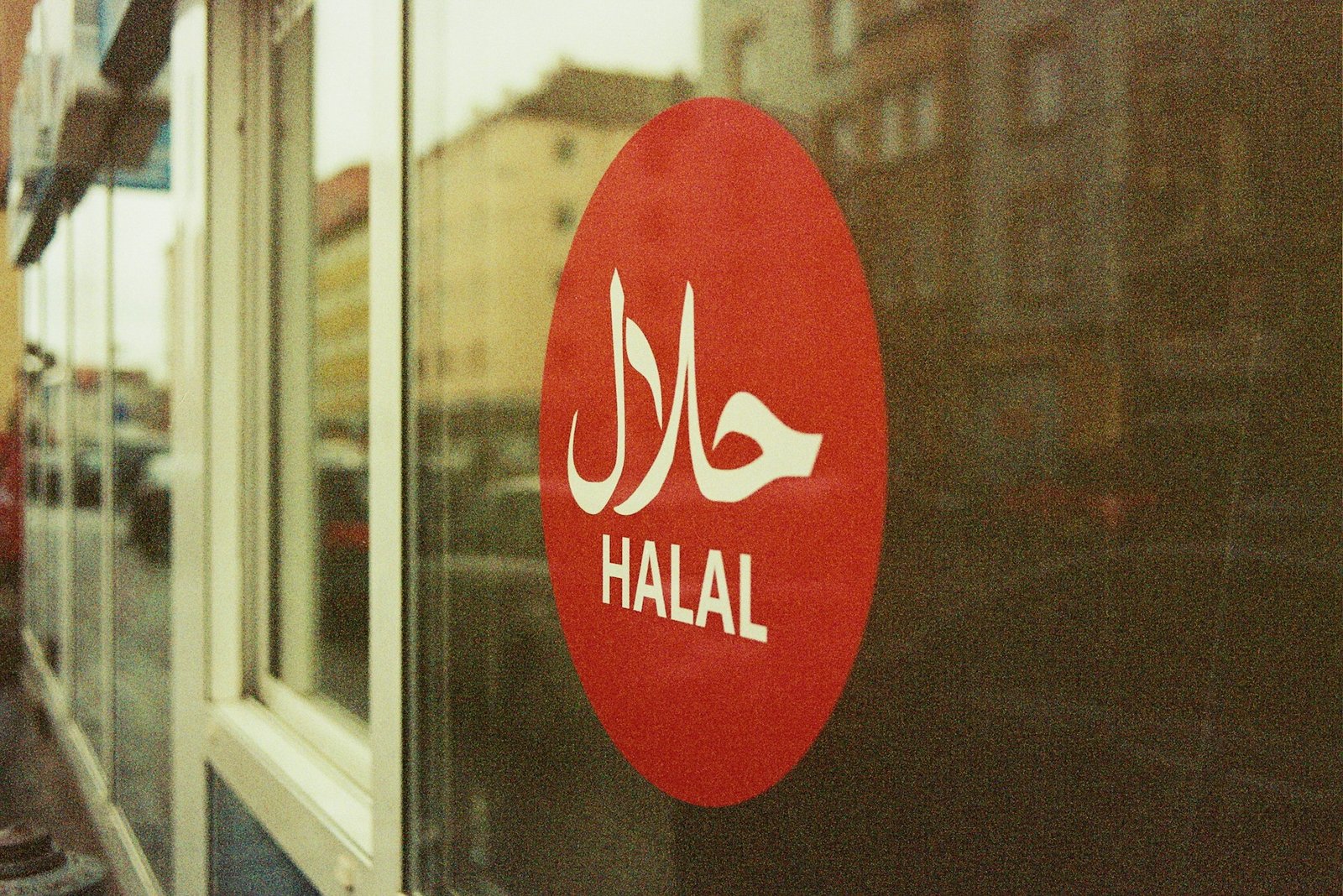
Importers should carefully review supplier certifications before signing contracts. Common certifications include HACCP, ISO 22000, BRCGS, IFS Food, Halal certification, veterinary approvals, and destination-market authorizations. Polish suppliers often benefit from broad recognition within EU markets, while Ukrainian exporters continue expanding their certification portfolios to access new destinations.
Pricing Analysis
Price remains a critical purchasing factor. Poland faces higher labor costs and regulatory expenses associated with EU operations. Ukraine frequently benefits from lower operating costs and competitive agricultural inputs. As a result, Ukrainian turkey products can often be offered at more attractive prices. However, final landed cost depends on freight rates, tariffs, and destination-specific requirements.
Logistics and Transit Times
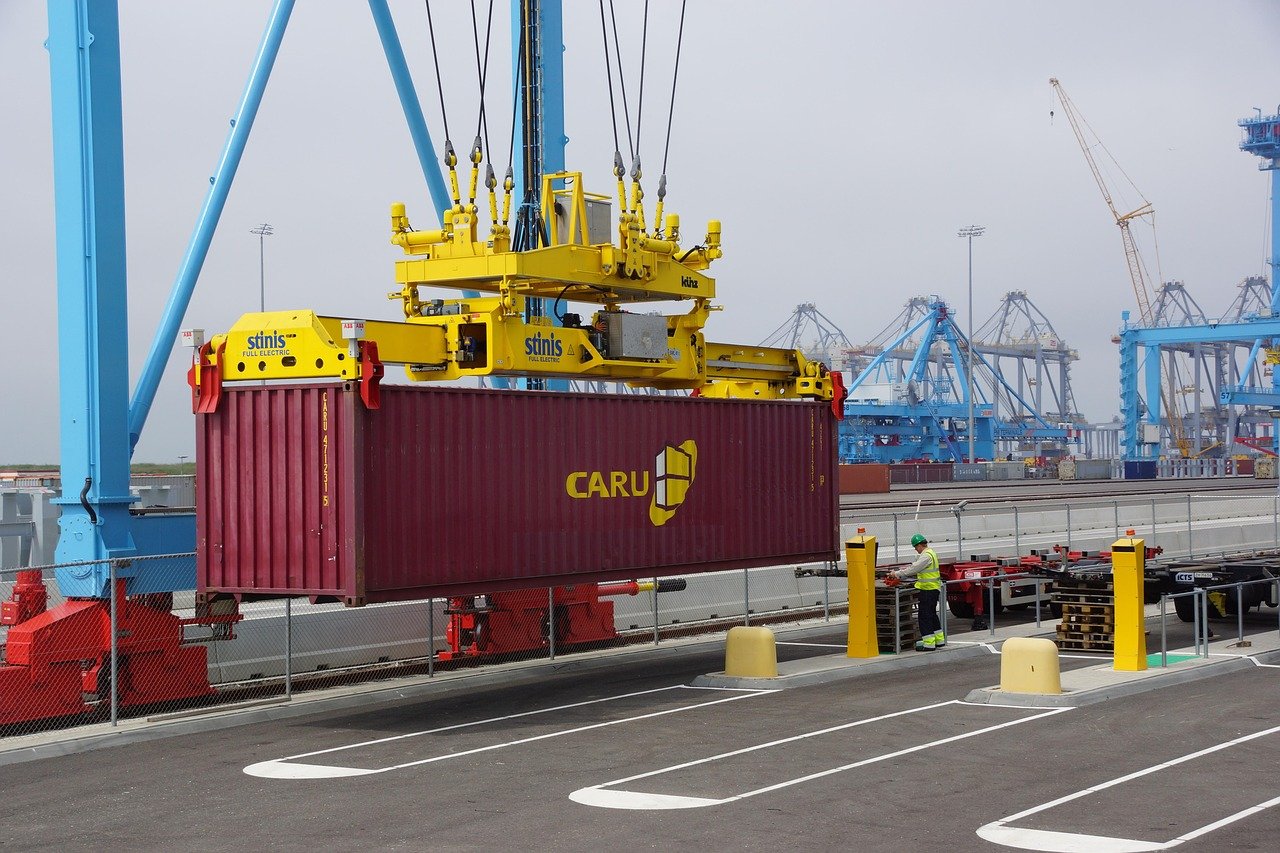
Poland enjoys exceptional logistics infrastructure, including modern highways, rail networks, ports, and unrestricted access to EU markets. Ukrainian exporters also benefit from strategic proximity to Europe and the Middle East. For many regional markets, shorter transportation distances can reduce costs and improve inventory turnover. Importers should evaluate total supply chain costs rather than focusing solely on FOB prices.
EU Market Access
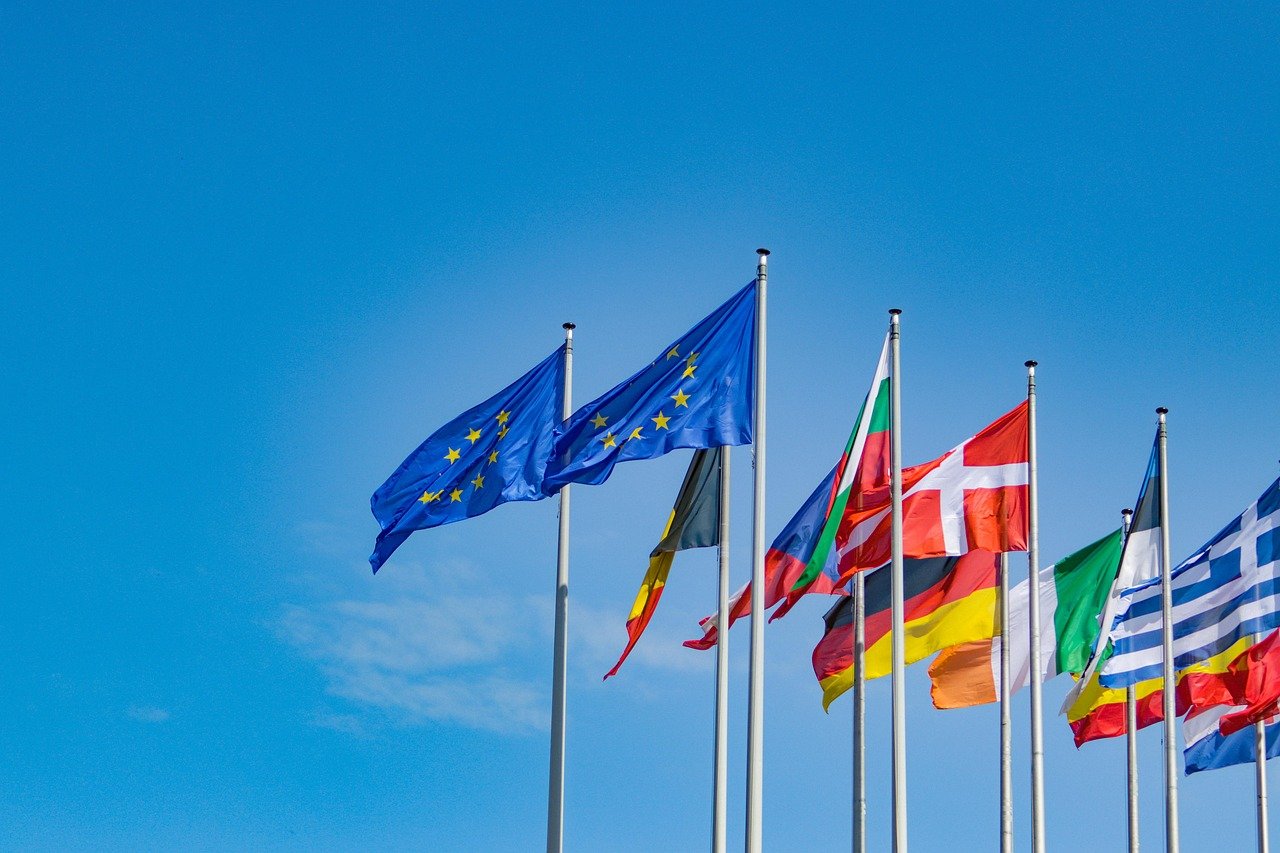
One of Poland’s strongest advantages is full integration into the European Union. Trade within the EU is generally simpler and more predictable. Ukrainian exporters have expanded access to European markets but must comply with specific import requirements. Buyers should carefully review regulatory obligations before selecting suppliers.
Advantages of Polish Turkey Suppliers
- Strong reputation throughout Europe
• EU-compliant production systems
• Extensive export experience
• Advanced processing technology
• Broad certification coverage
• Reliable infrastructure and logistics
Advantages of Ukrainian Turkey Suppliers
- Competitive pricing
• Growing production capacity
• Flexible commercial arrangements
• Modern facilities
• Strong agricultural resource base
• Attractive logistics for nearby markets
Which Origin Is Better for Importers?
There is no universal answer. Poland may be preferred by buyers prioritizing EU integration, established supplier reputations, and extensive certification coverage. Ukraine may be the better option for importers focused on competitive pricing, flexible partnerships, and cost-efficient logistics. Many successful importers maintain relationships with suppliers in both countries to reduce risk and improve supply security.
FAQ
Q: Is Polish turkey generally more expensive than Ukrainian turkey?
A: Often yes, primarily due to higher labor and regulatory costs.
Q: Which country offers better logistics for Europe?
A: Both are competitive, although Poland benefits from full EU integration.
Q: Are Ukrainian turkey suppliers certified?
A: Many leading exporters maintain internationally recognized food safety certifications.
Q: Which origin is better for large contracts?
A: Poland generally offers larger production capacity, although major Ukrainian suppliers can also support significant volumes.
Conclusion
Both Ukraine and Poland are strong turkey meat sourcing destinations. Poland offers the advantages of a mature EU-based poultry sector, while Ukraine provides cost competitiveness and increasing export sophistication. Importers should evaluate suppliers individually, considering quality, certifications, logistics, pricing, and long-term reliability. A diversified sourcing strategy involving both origins often provides the greatest resilience and commercial flexibility.