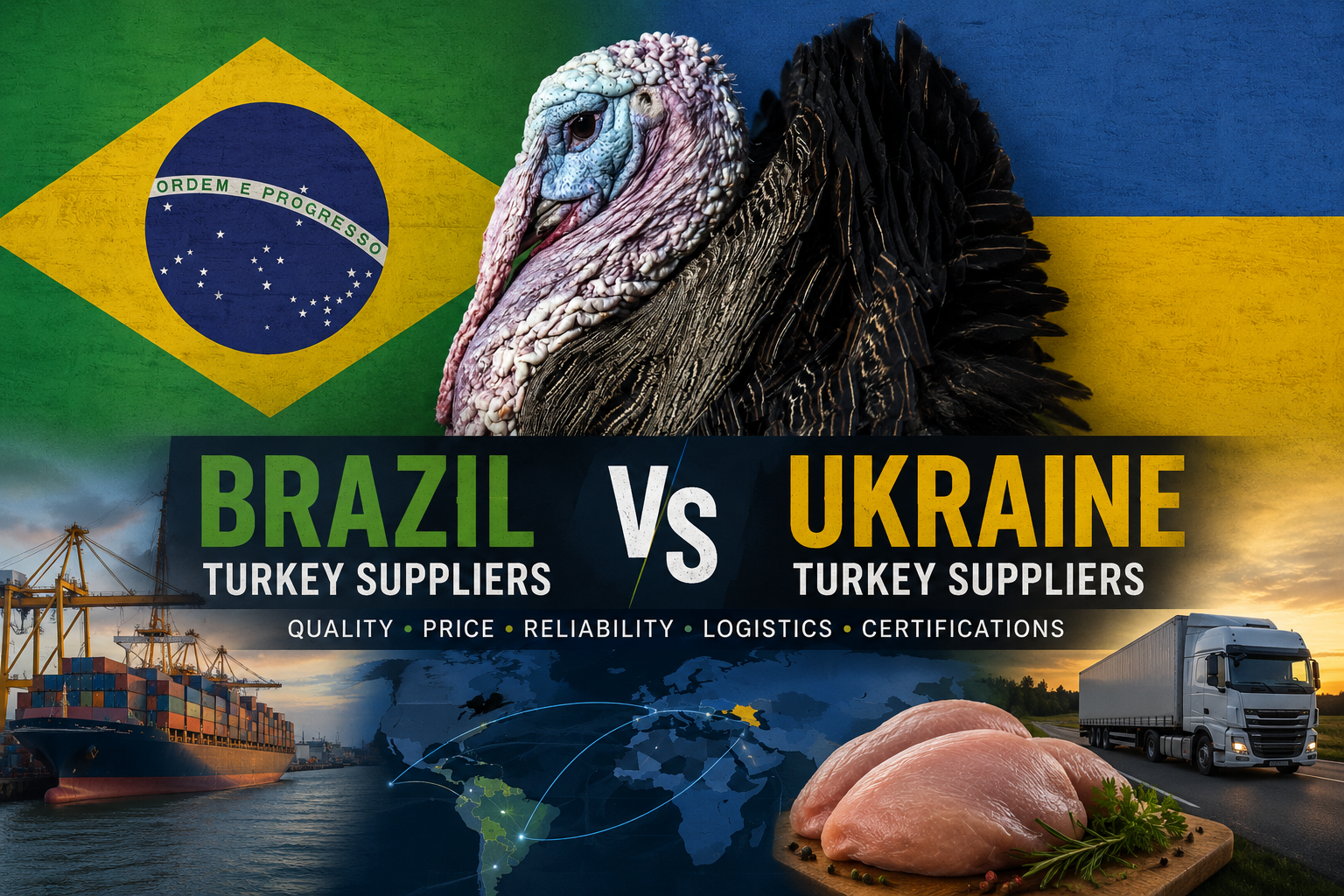
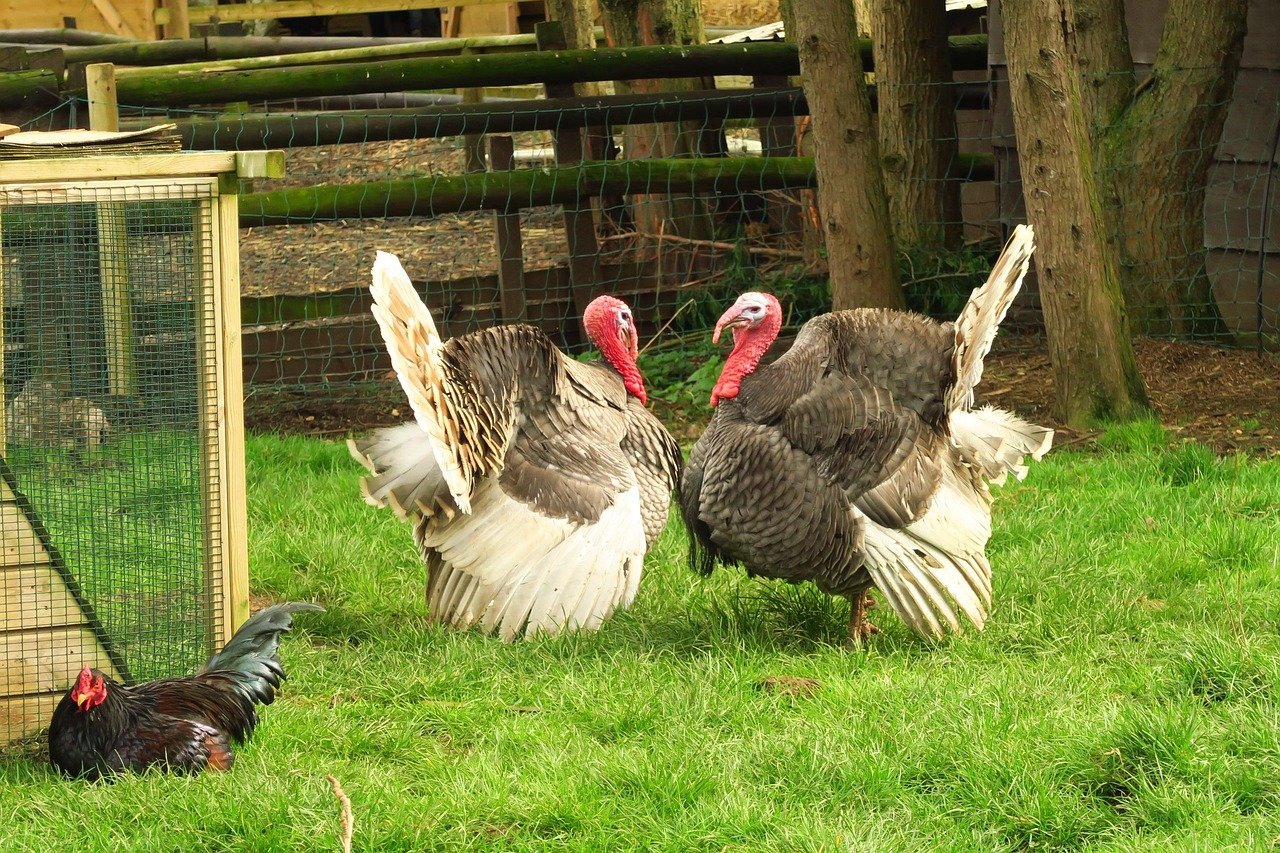
Turkey Meat Export from Ukraine: Opportunities for Importers
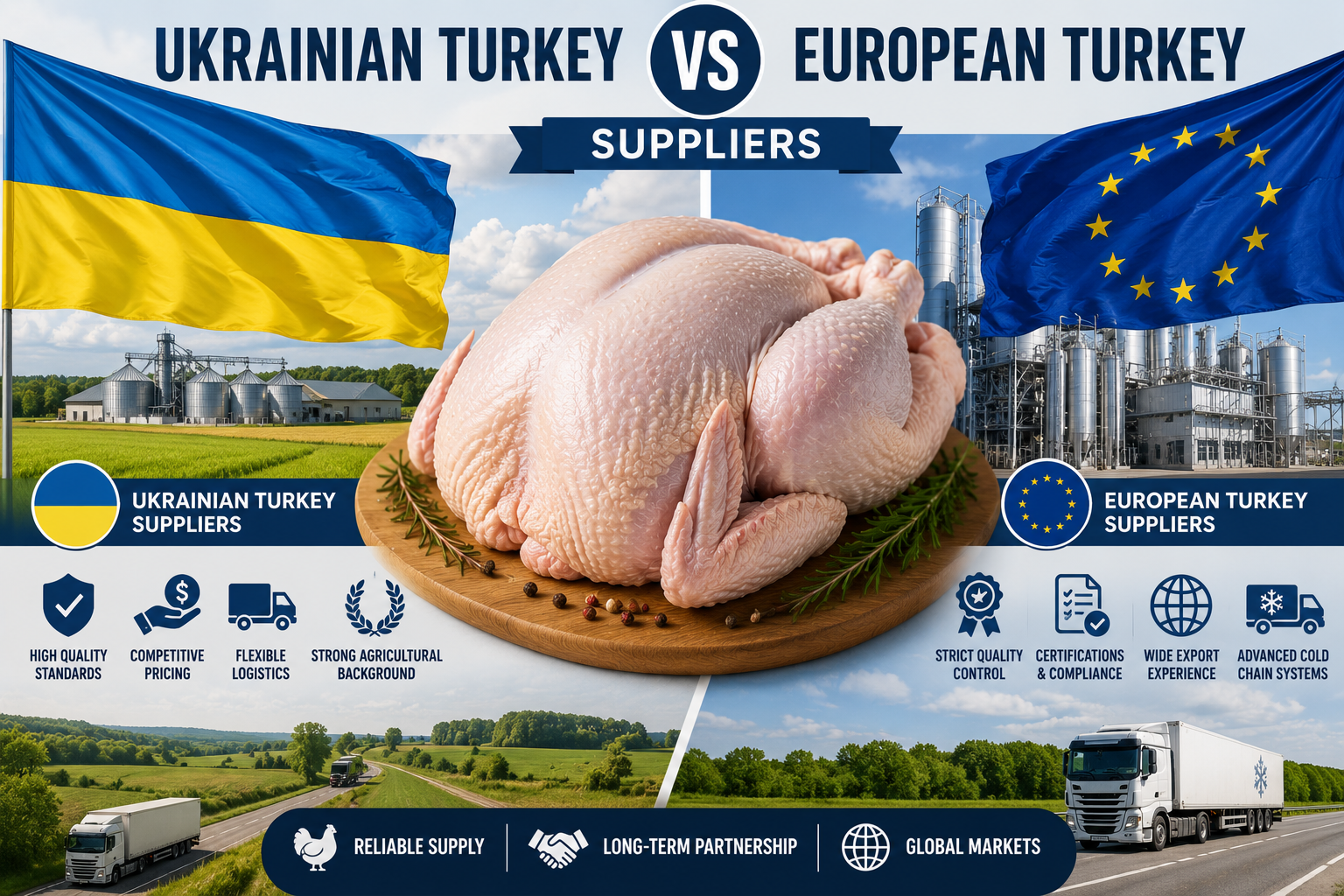
Ukraine is becoming an increasingly attractive source of turkey meat for global importers. Competitive production costs, modern poultry farming, strong agricultural resources, and strategic access to international markets position Ukrainian suppliers as valuable partners for distributors, wholesalers, retailers, and food manufacturers.
Global demand for turkey meat continues to rise due to its high protein content, low fat levels, and versatility in foodservice and retail applications. Importers are actively seeking reliable suppliers capable of delivering consistent quality and stable volumes.
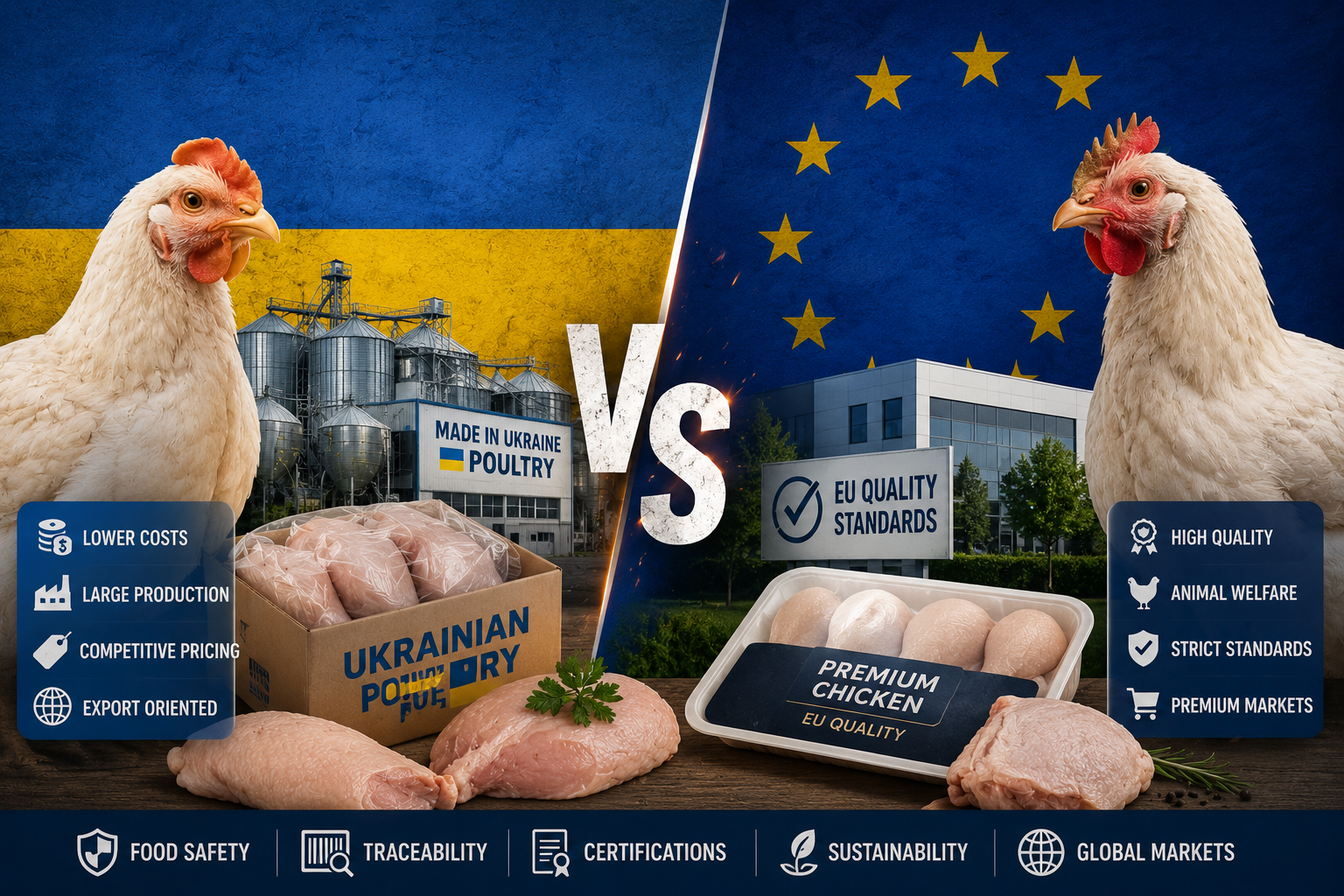
Ukraine benefits from abundant grain production, which supports cost-effective poultry farming. Modern processing facilities and export-oriented operations allow producers to meet international quality standards and buyer requirements.
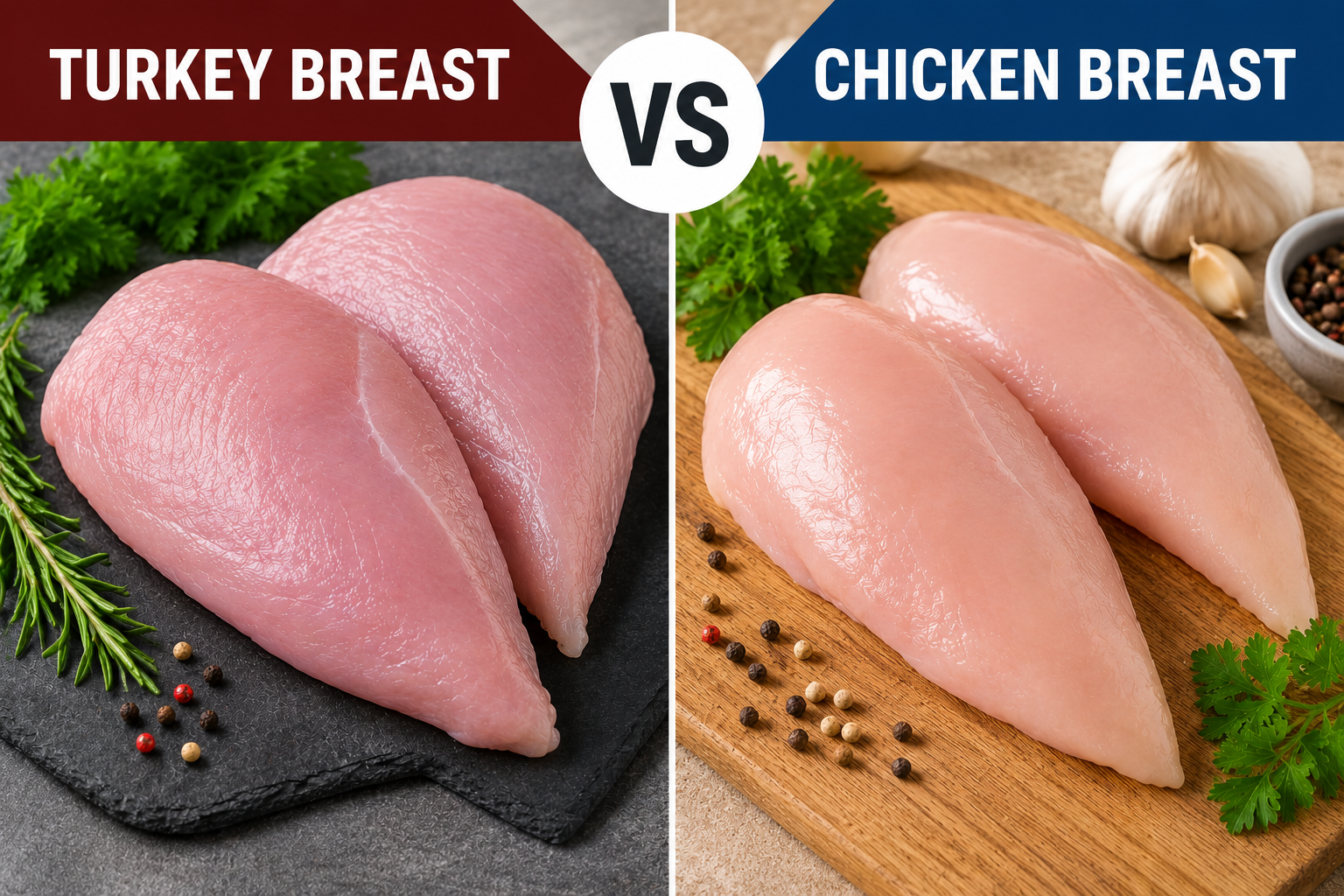
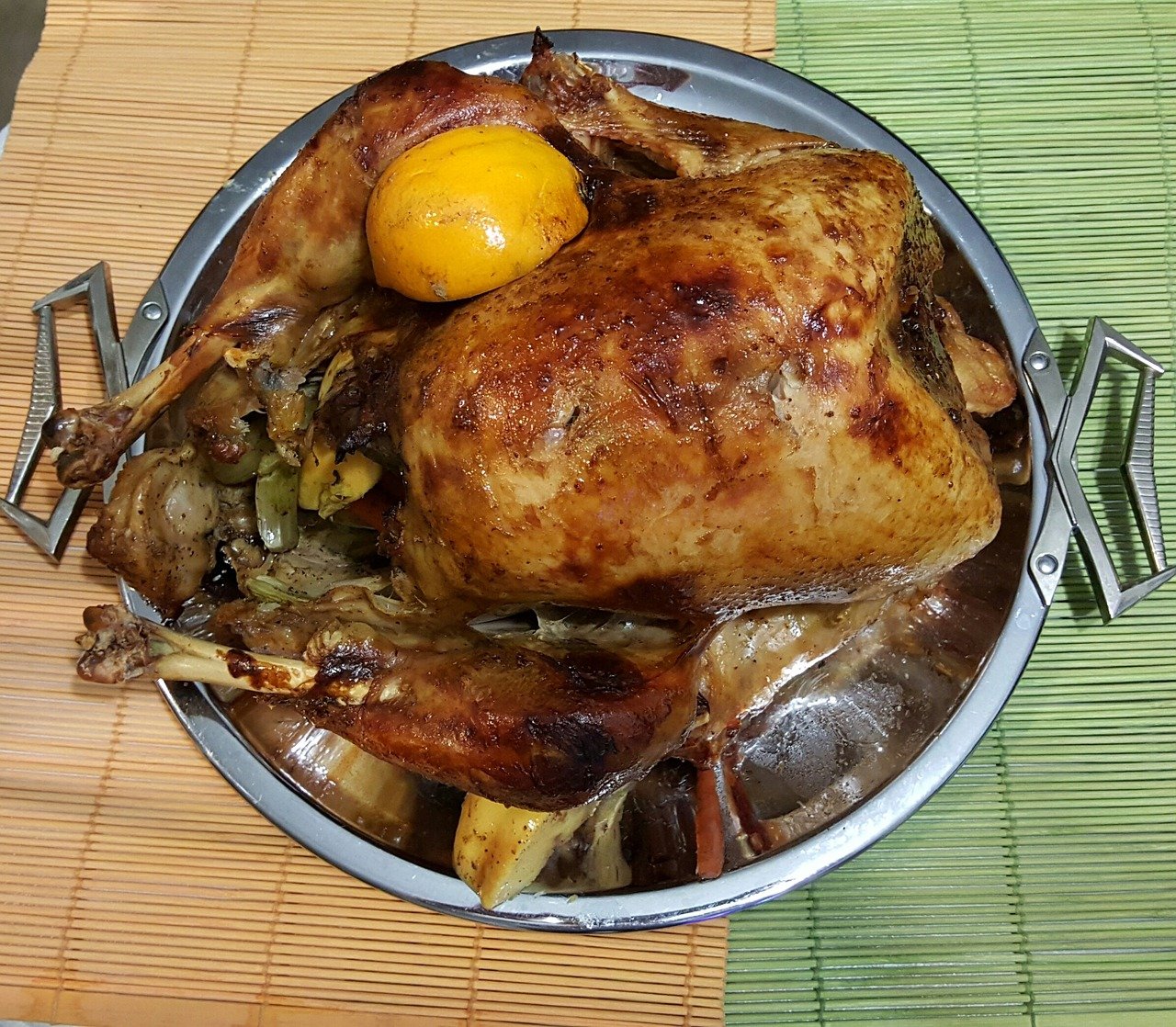
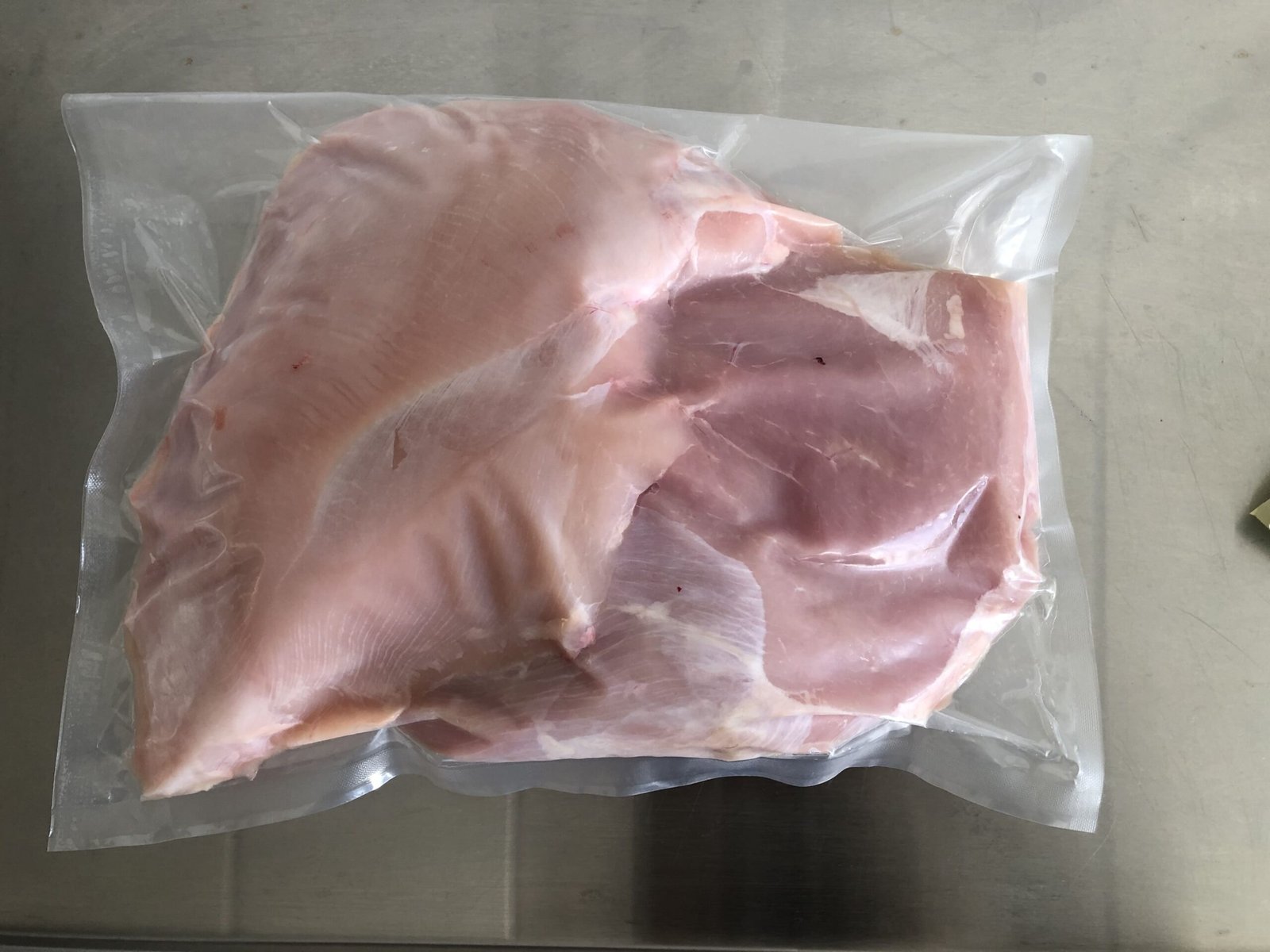
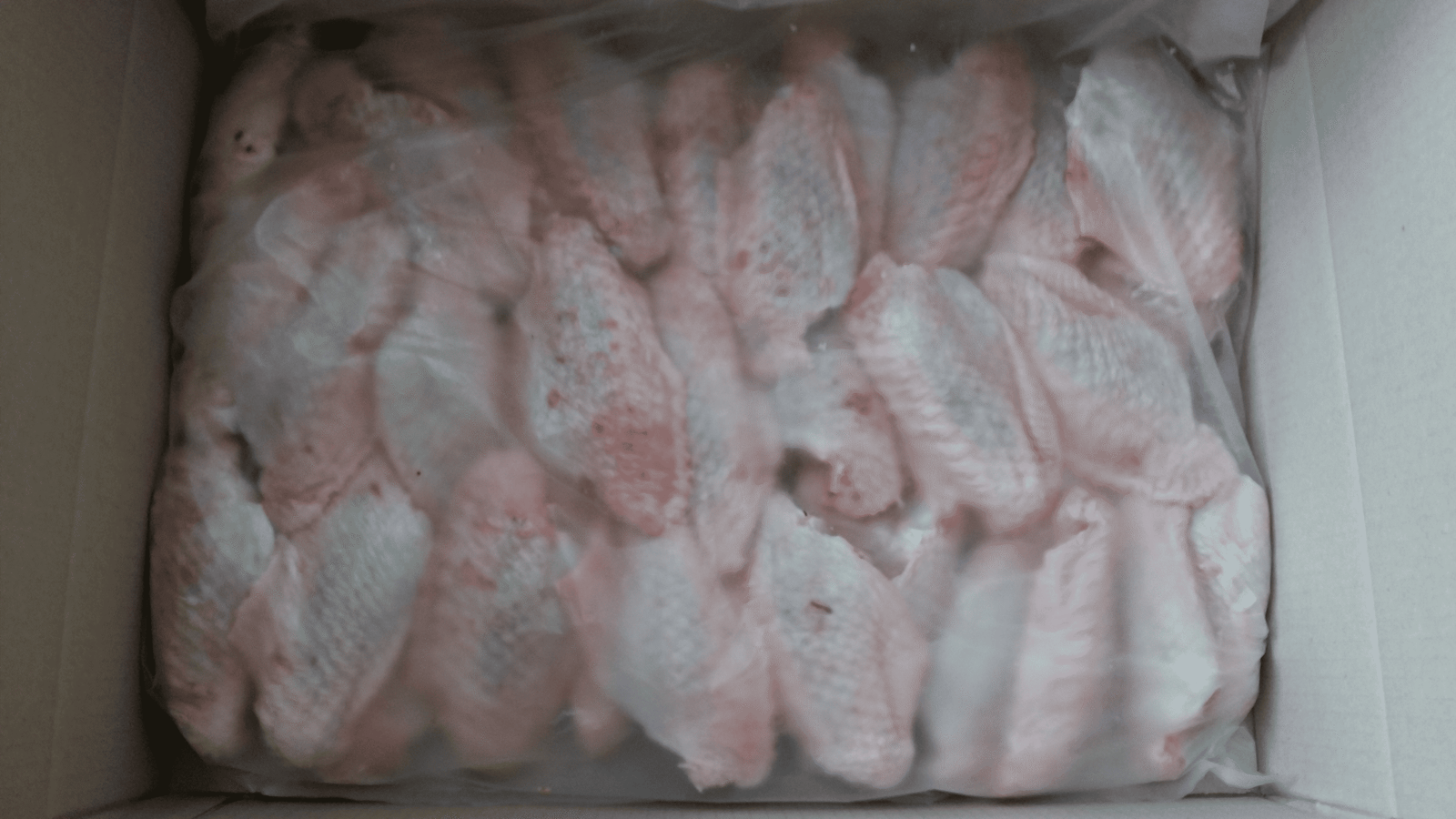
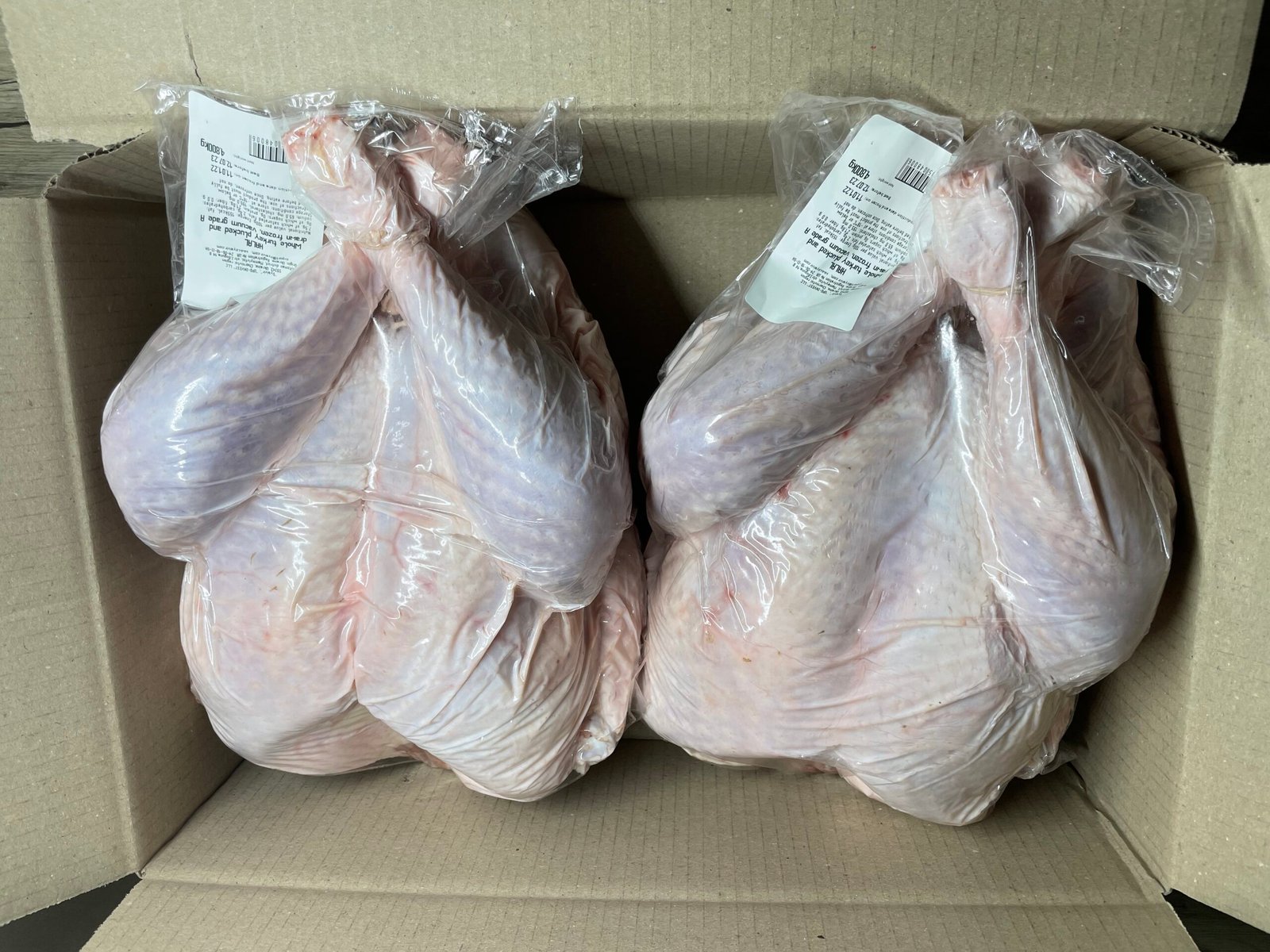
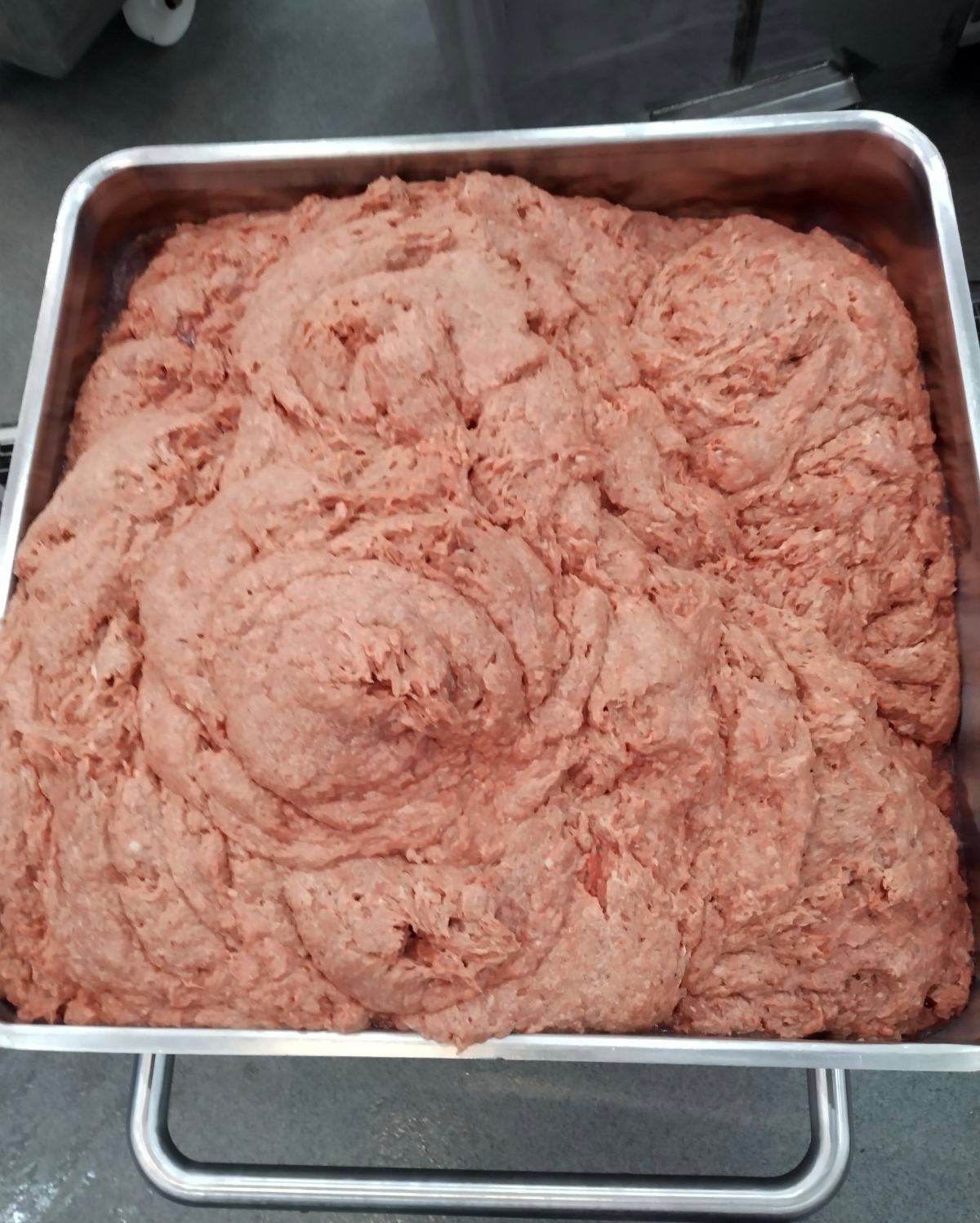
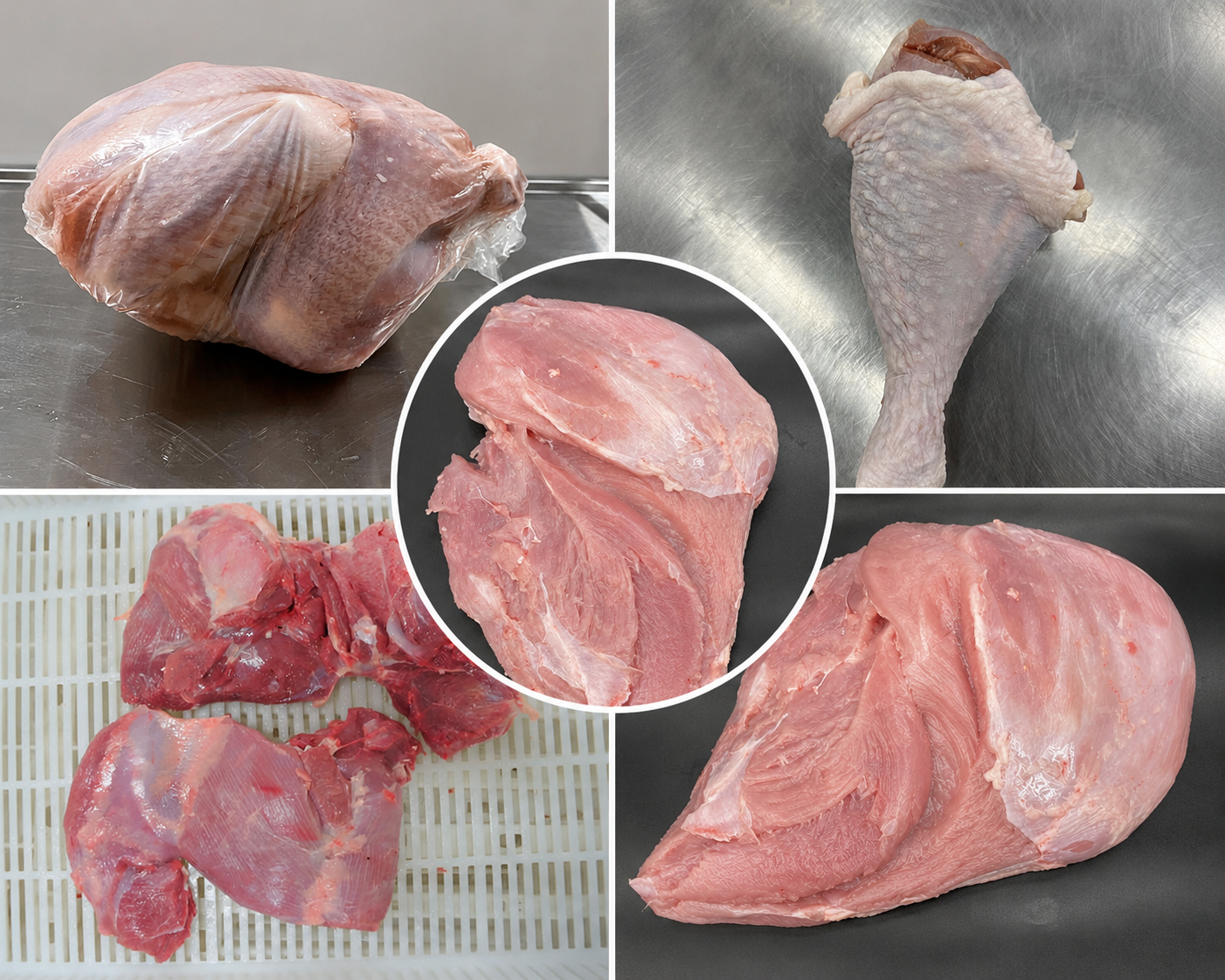
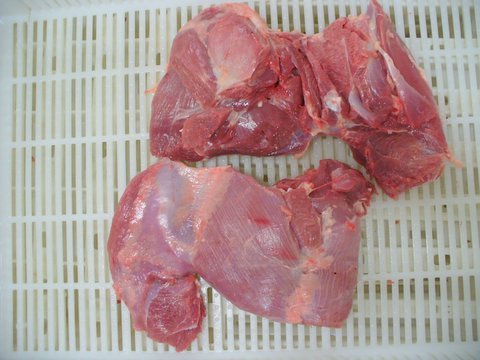
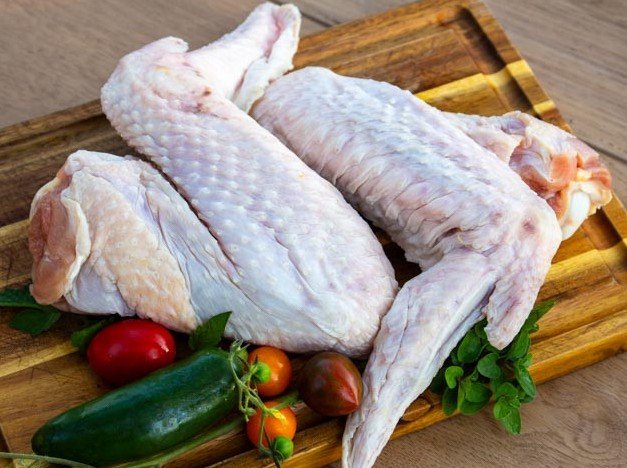
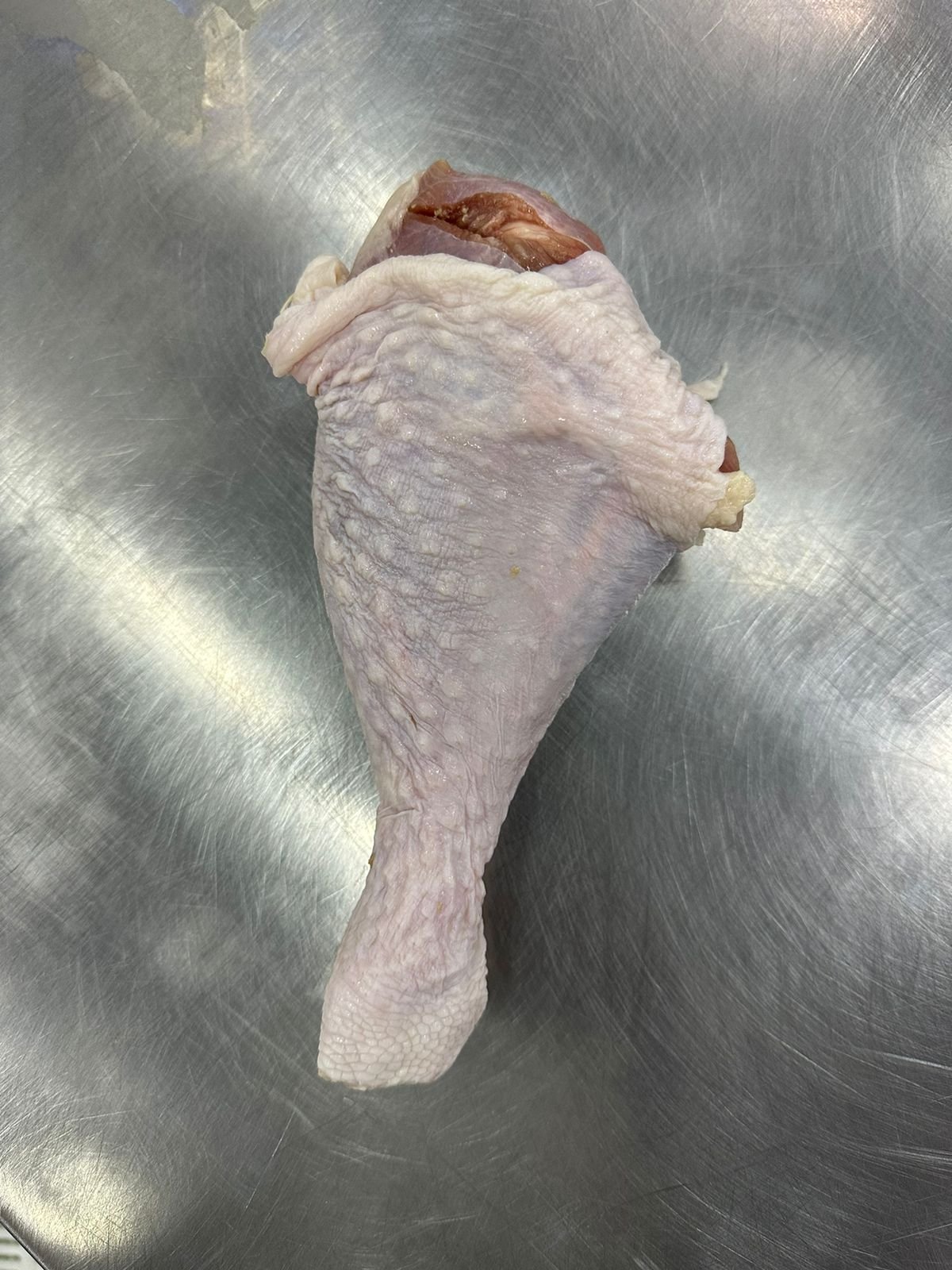
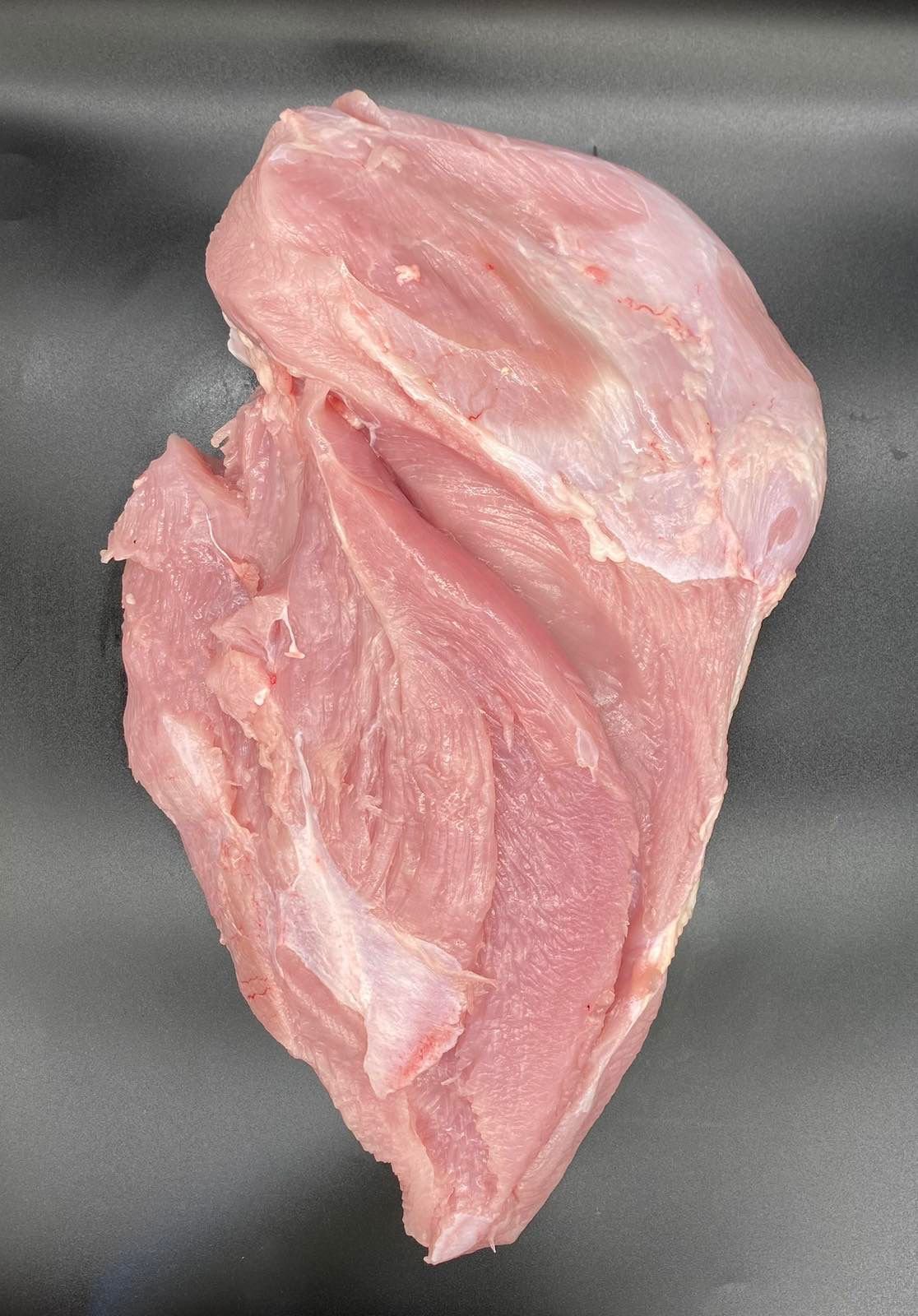
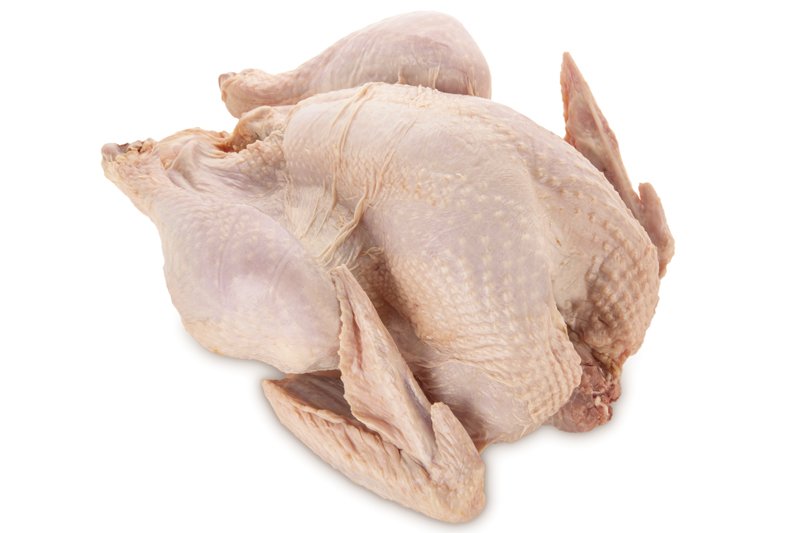
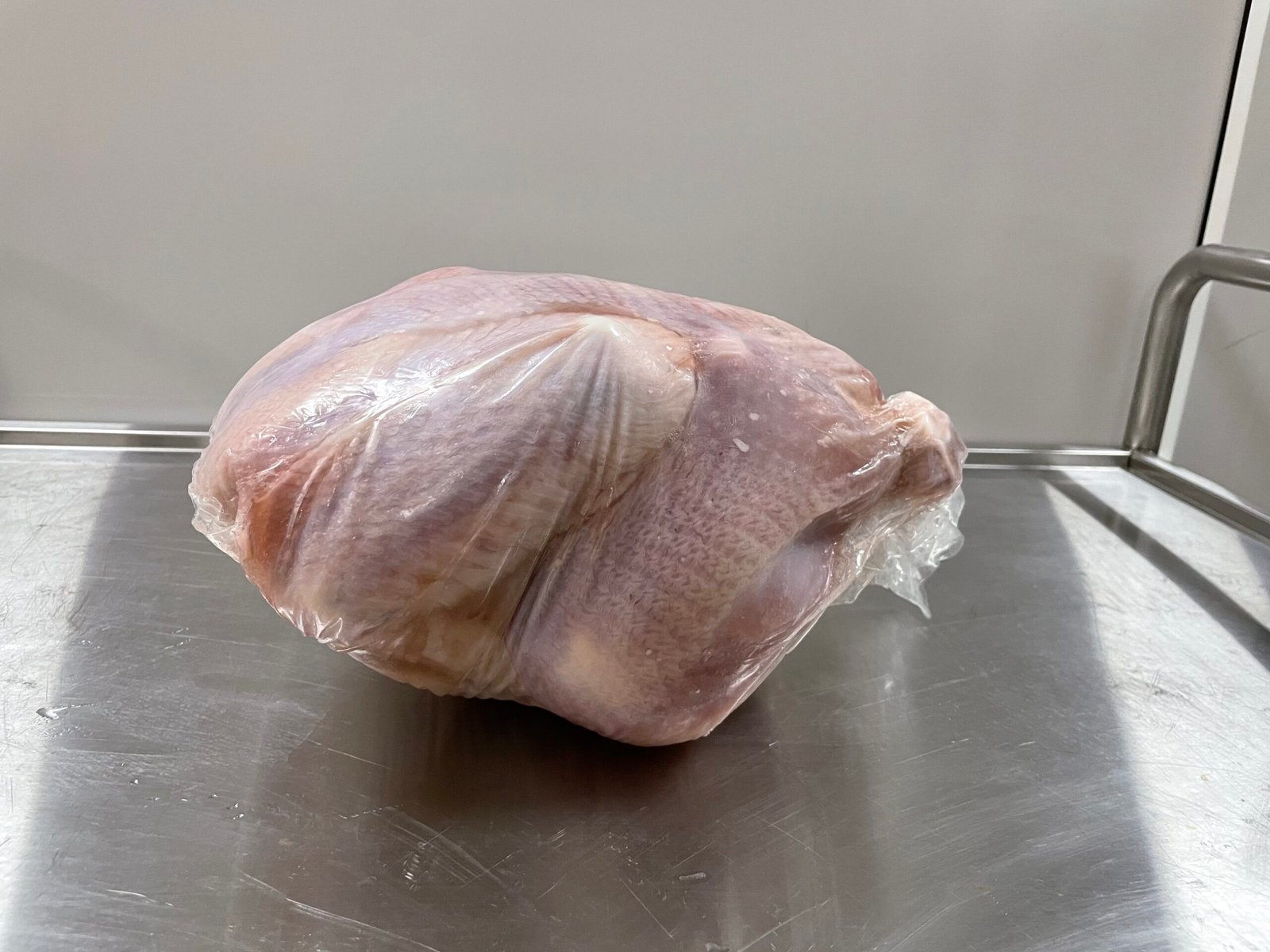
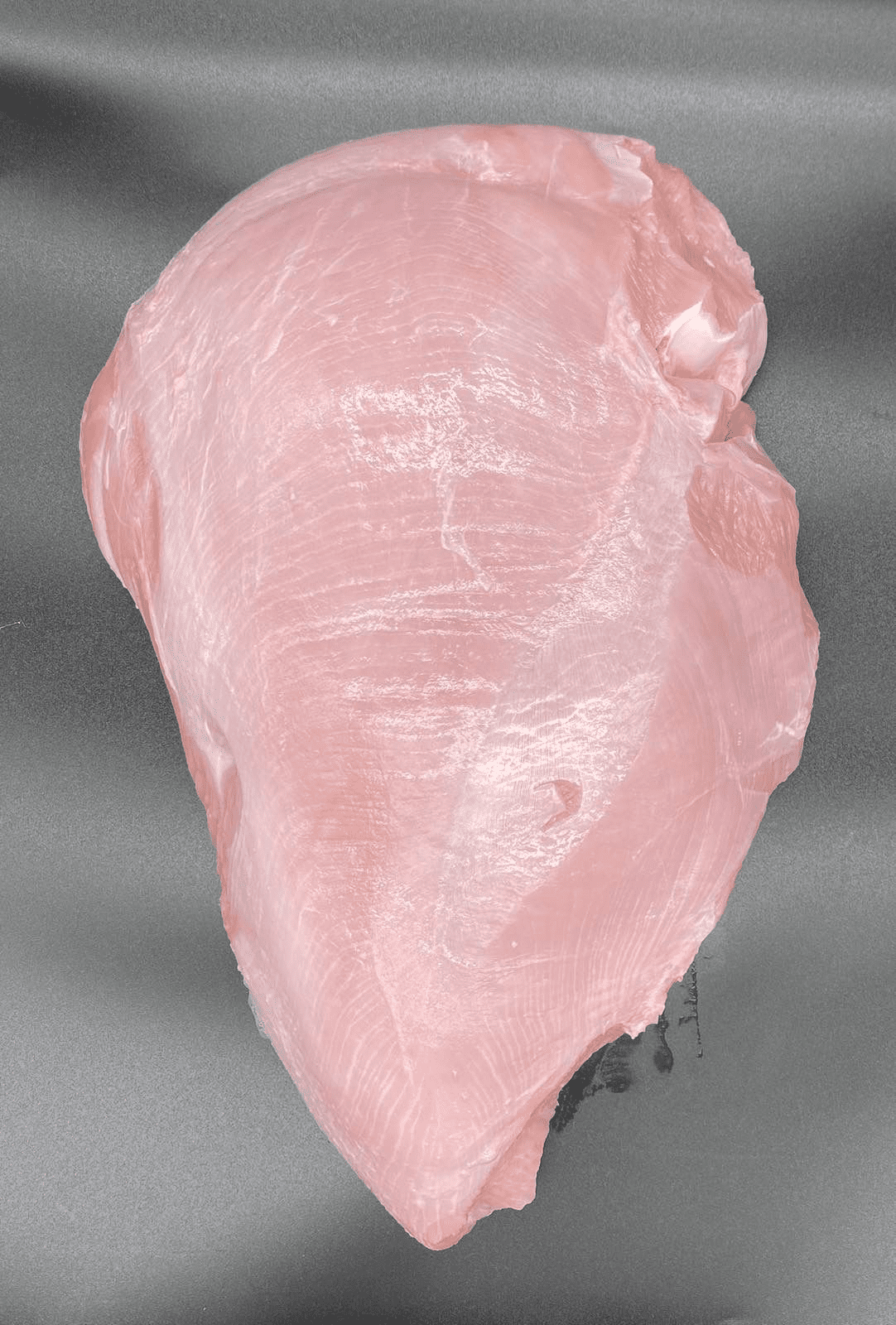
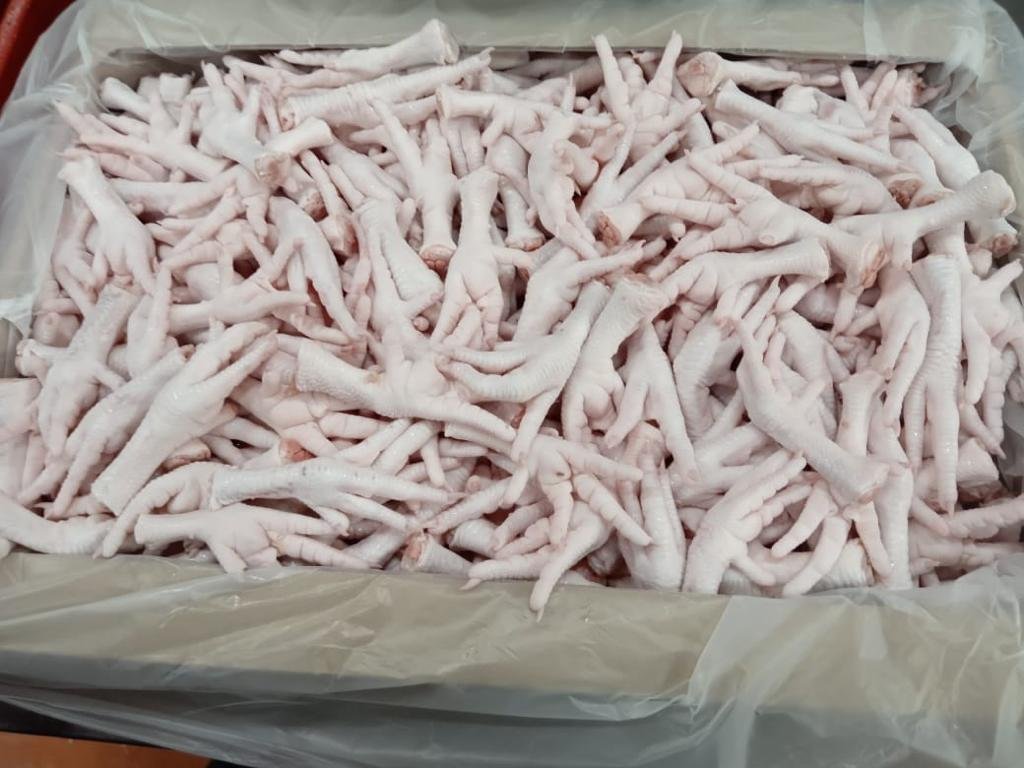
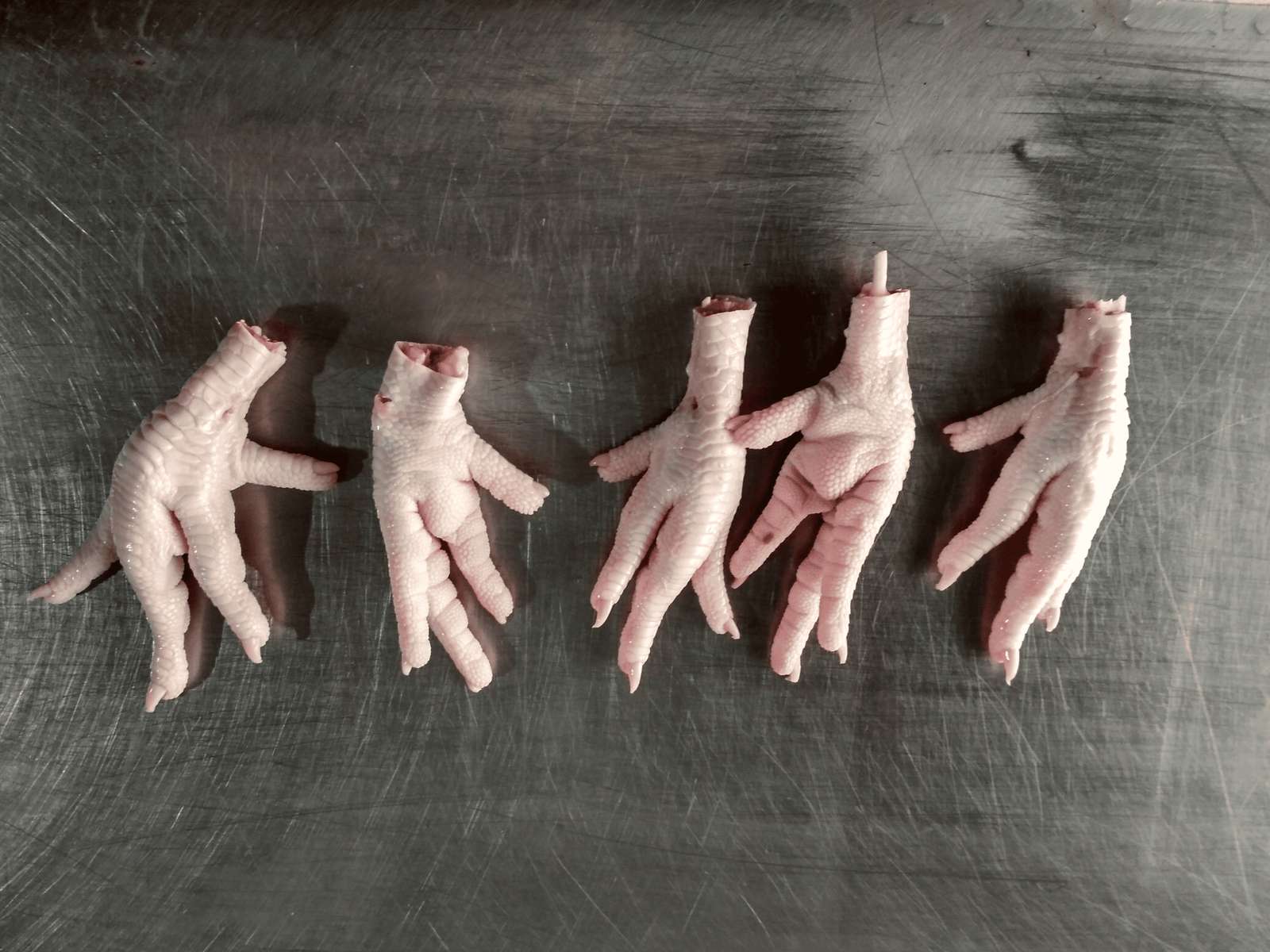
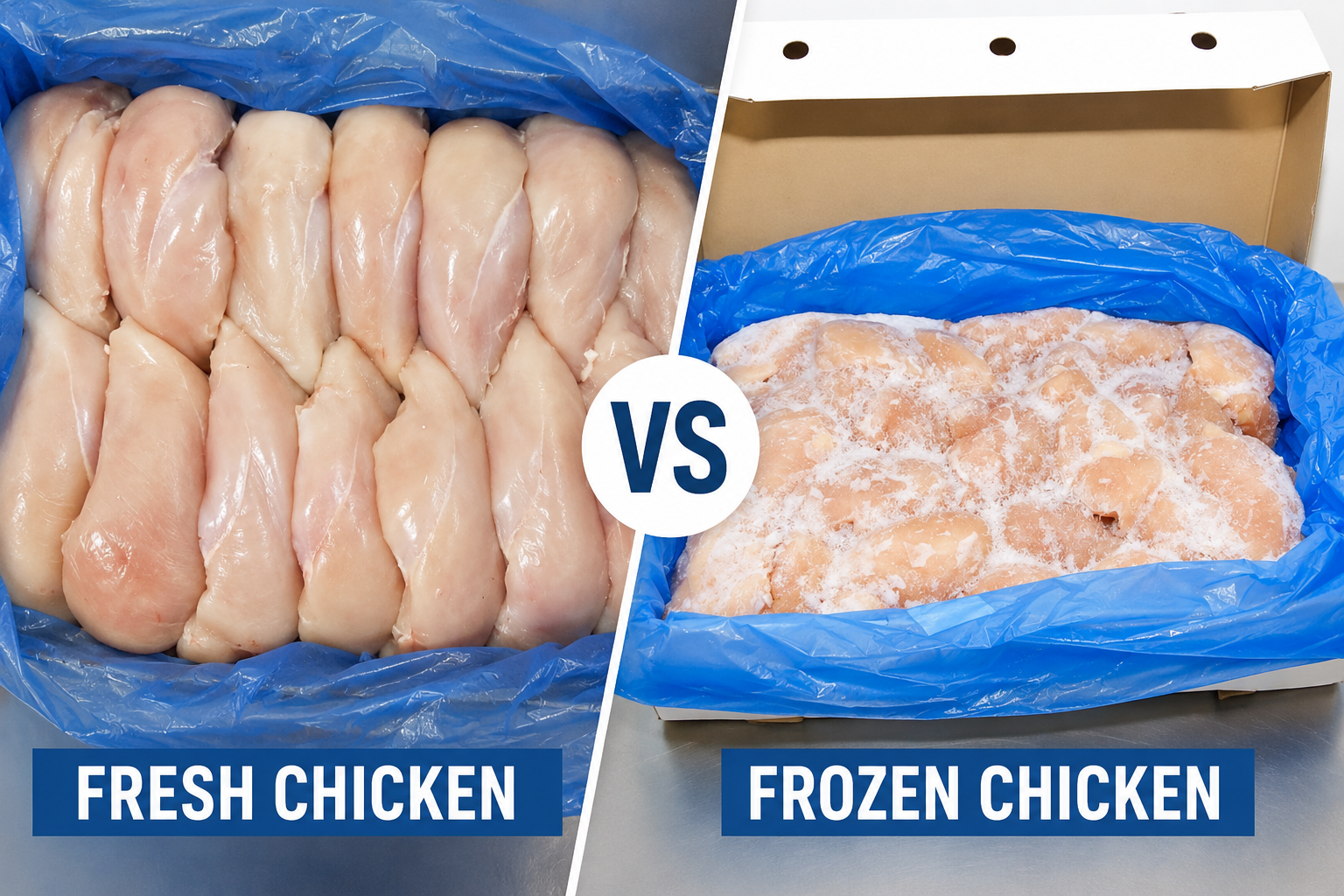
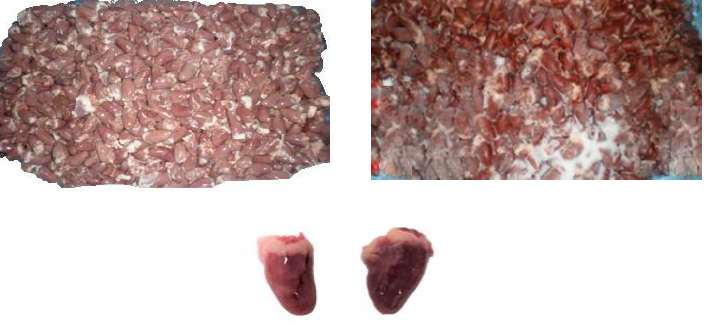
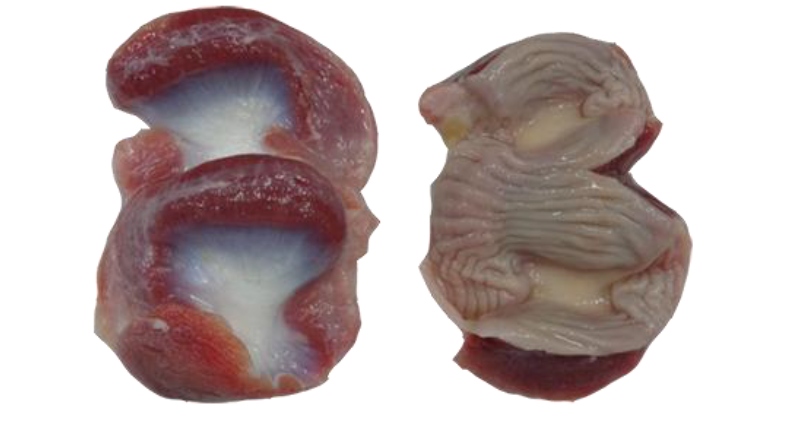
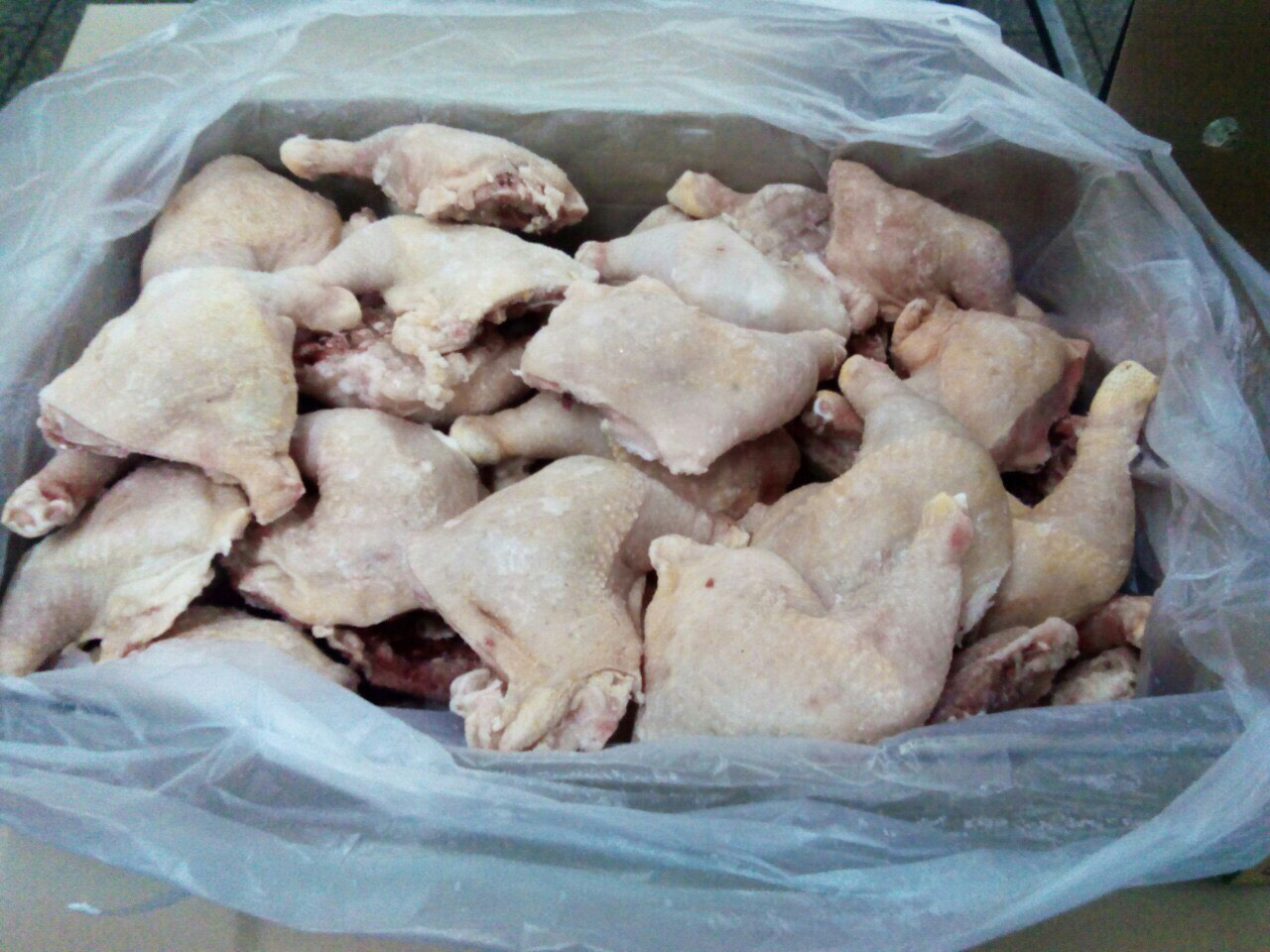
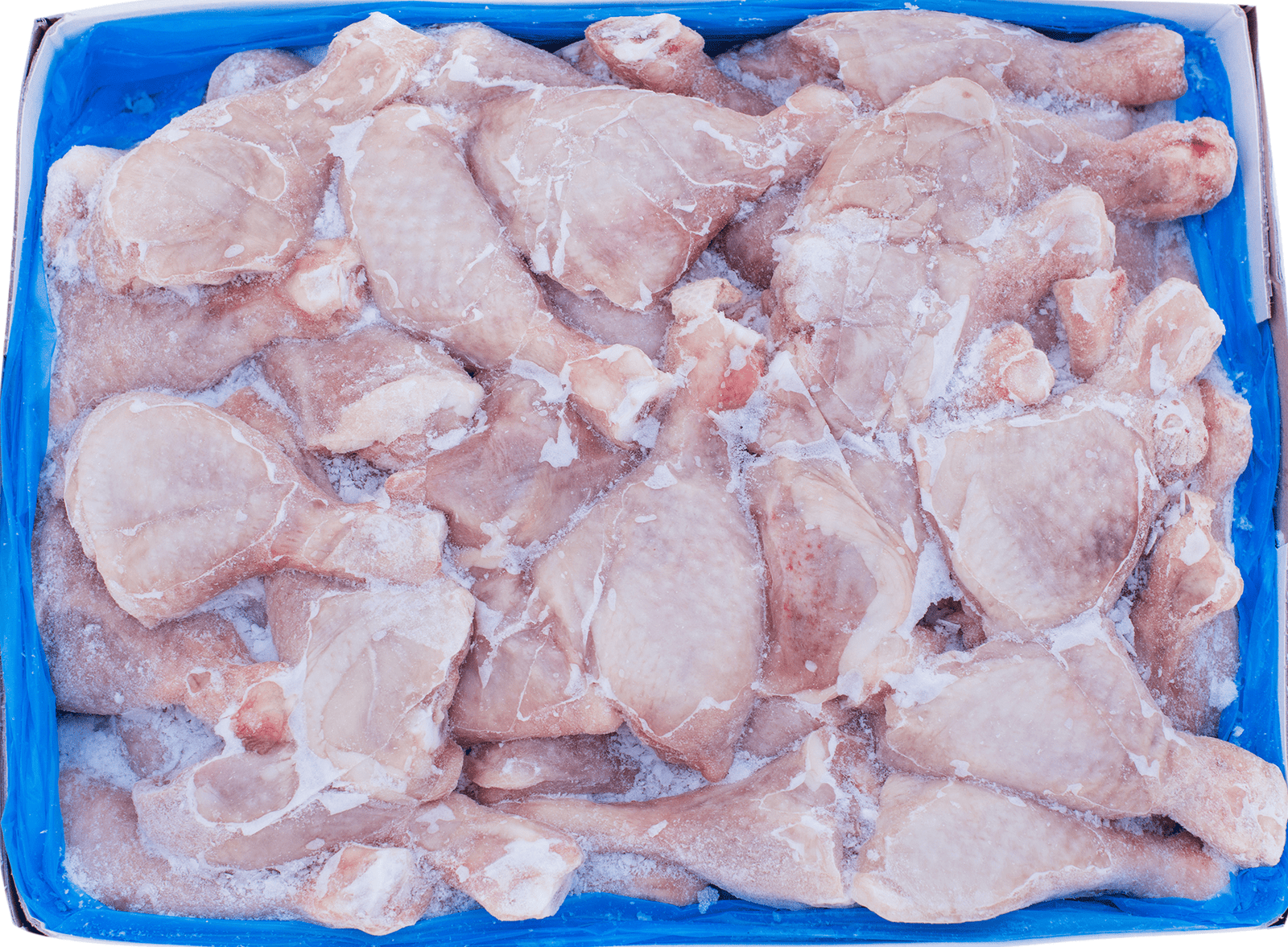
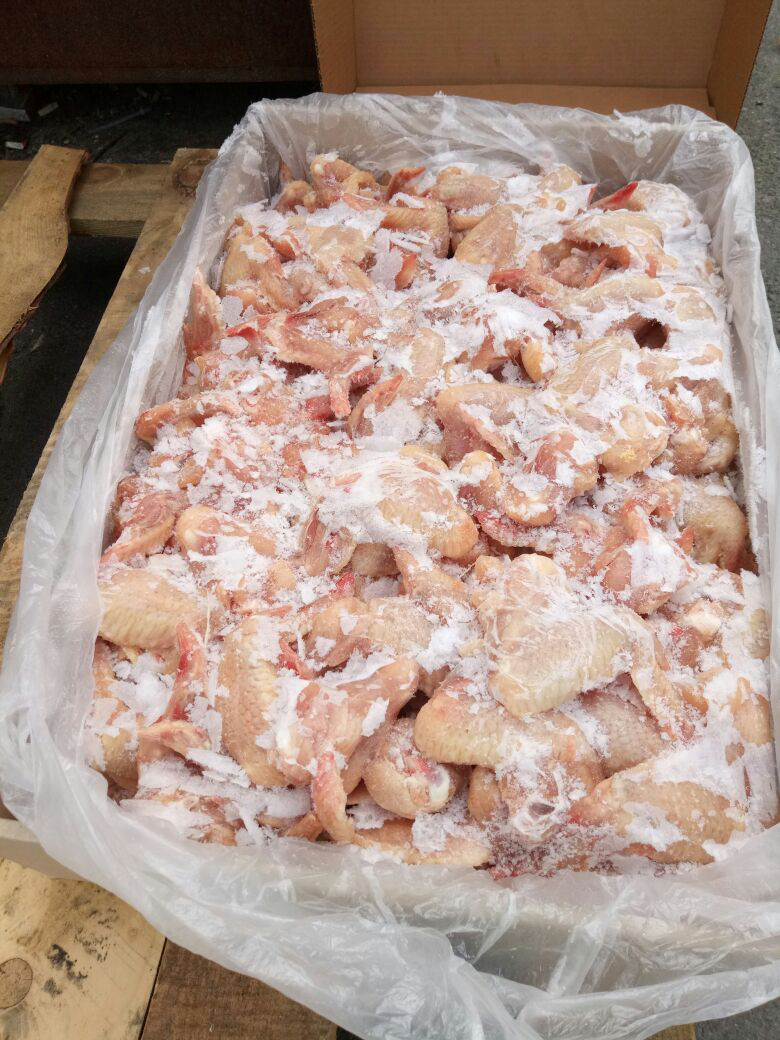
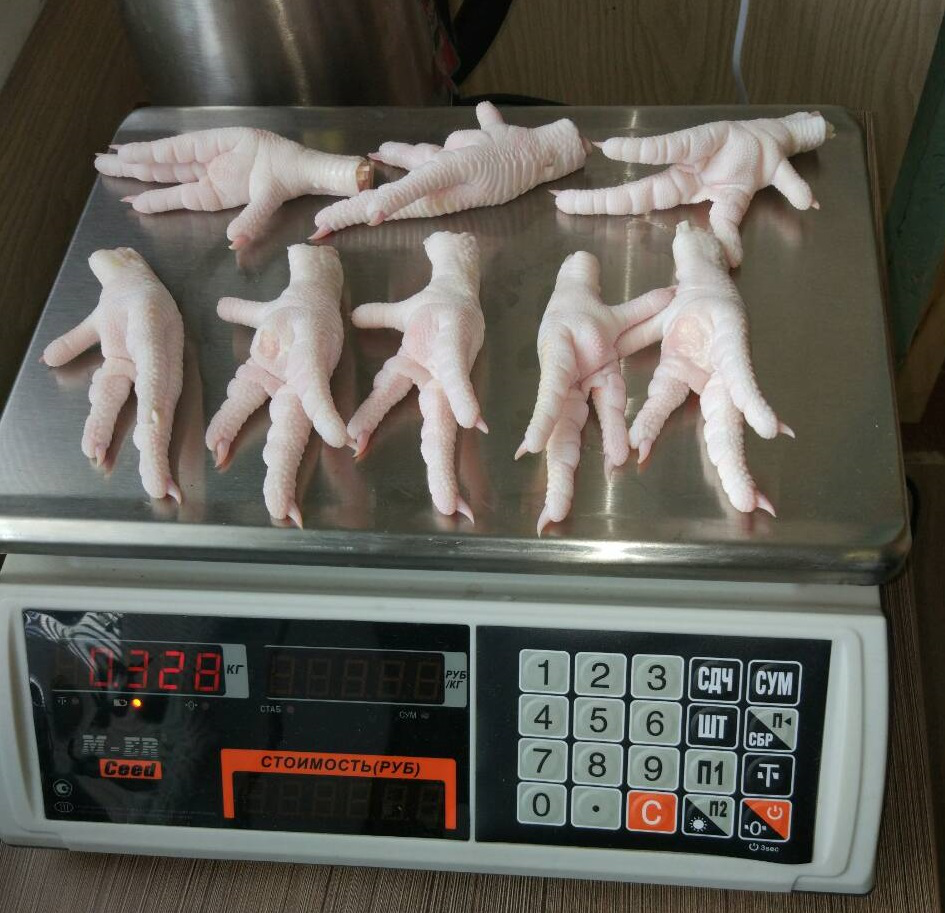
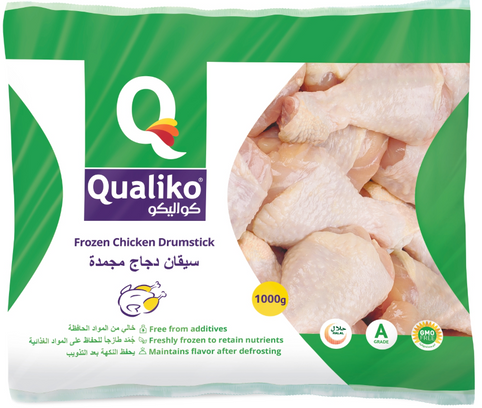
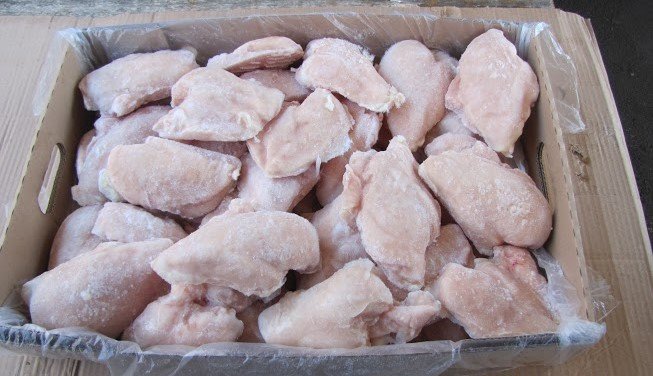
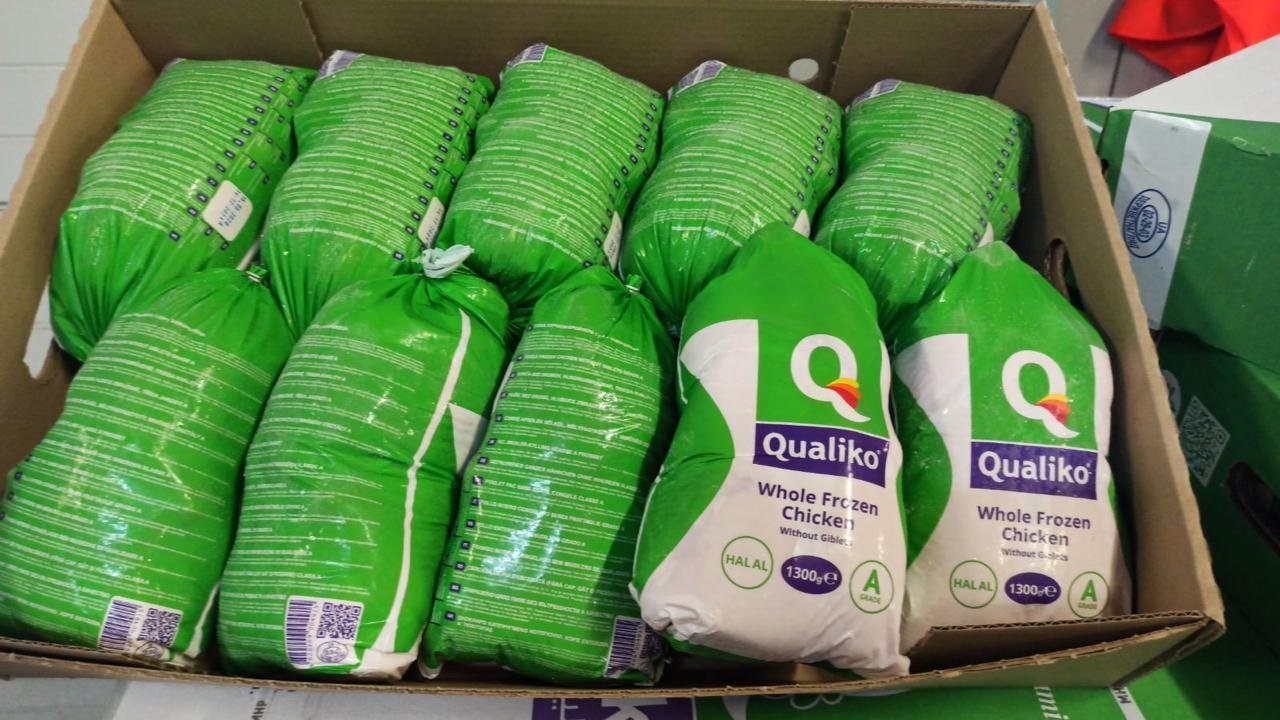
Ukrainian exporters offer a wide range of products including whole frozen turkeys, turkey breast fillets, thigh meat, drumsticks, wings, tenderloins, mechanically deboned turkey meat (MDTM), and various by-products.
Food safety remains a key priority. Export-oriented producers implement HACCP systems, veterinary controls, traceability programs, and internationally recognized quality standards. These measures help ensure compliance with requirements across Europe, the Middle East, Africa, and Asia.
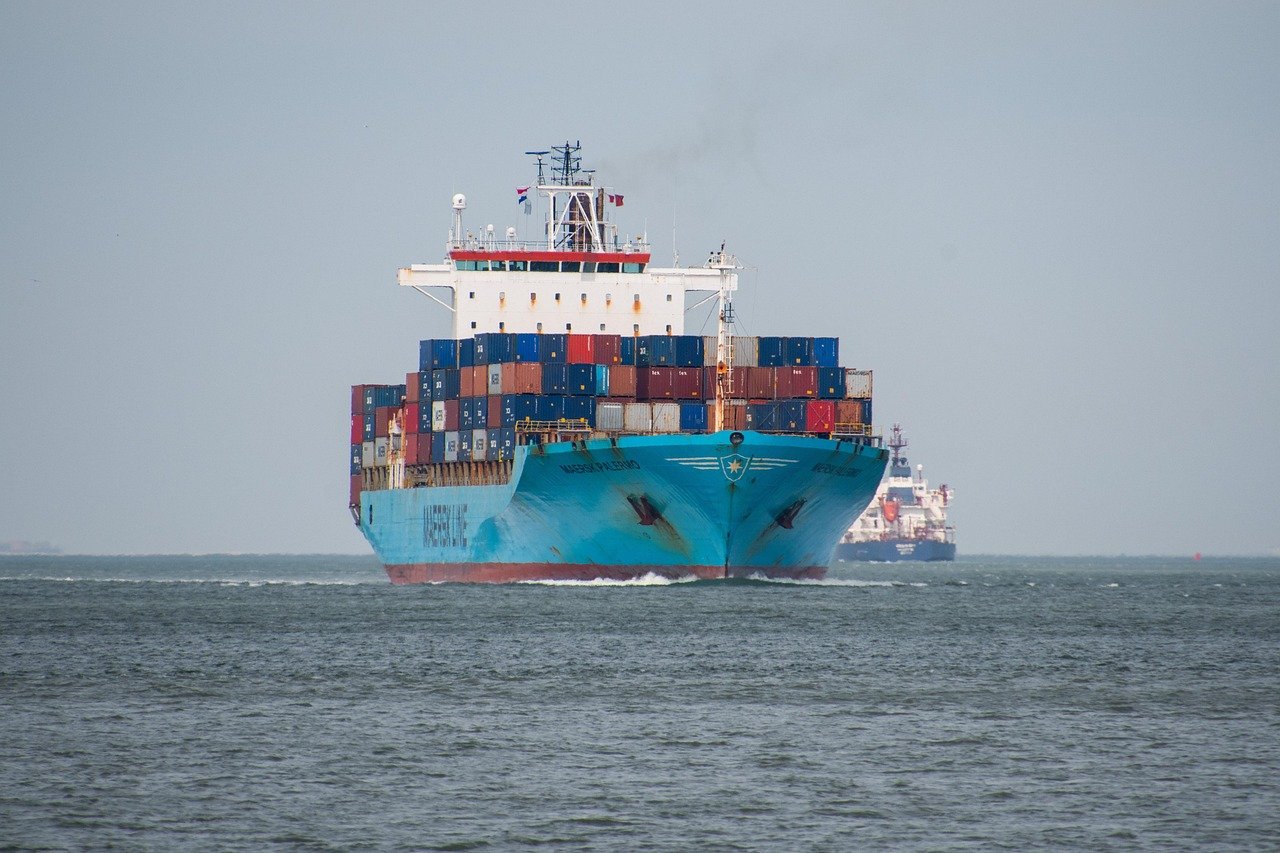
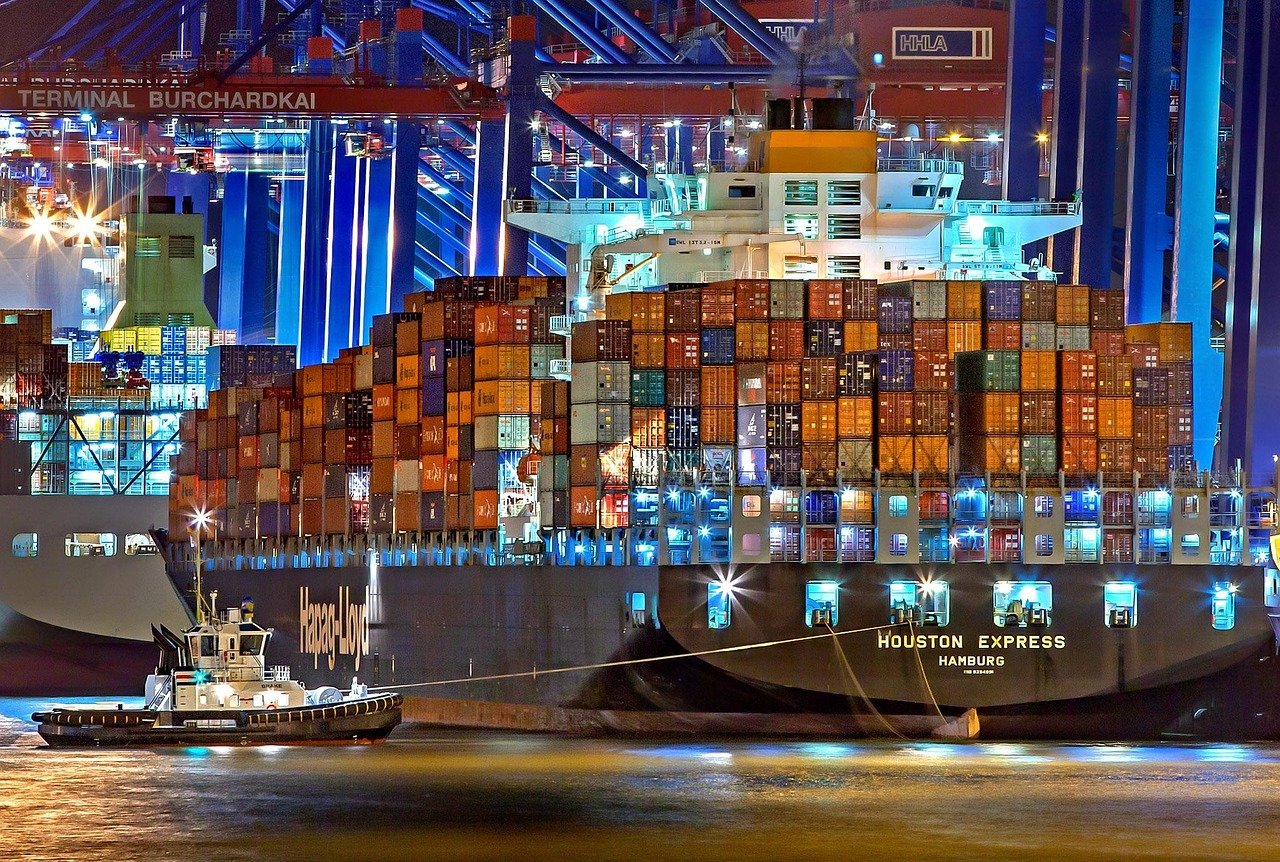
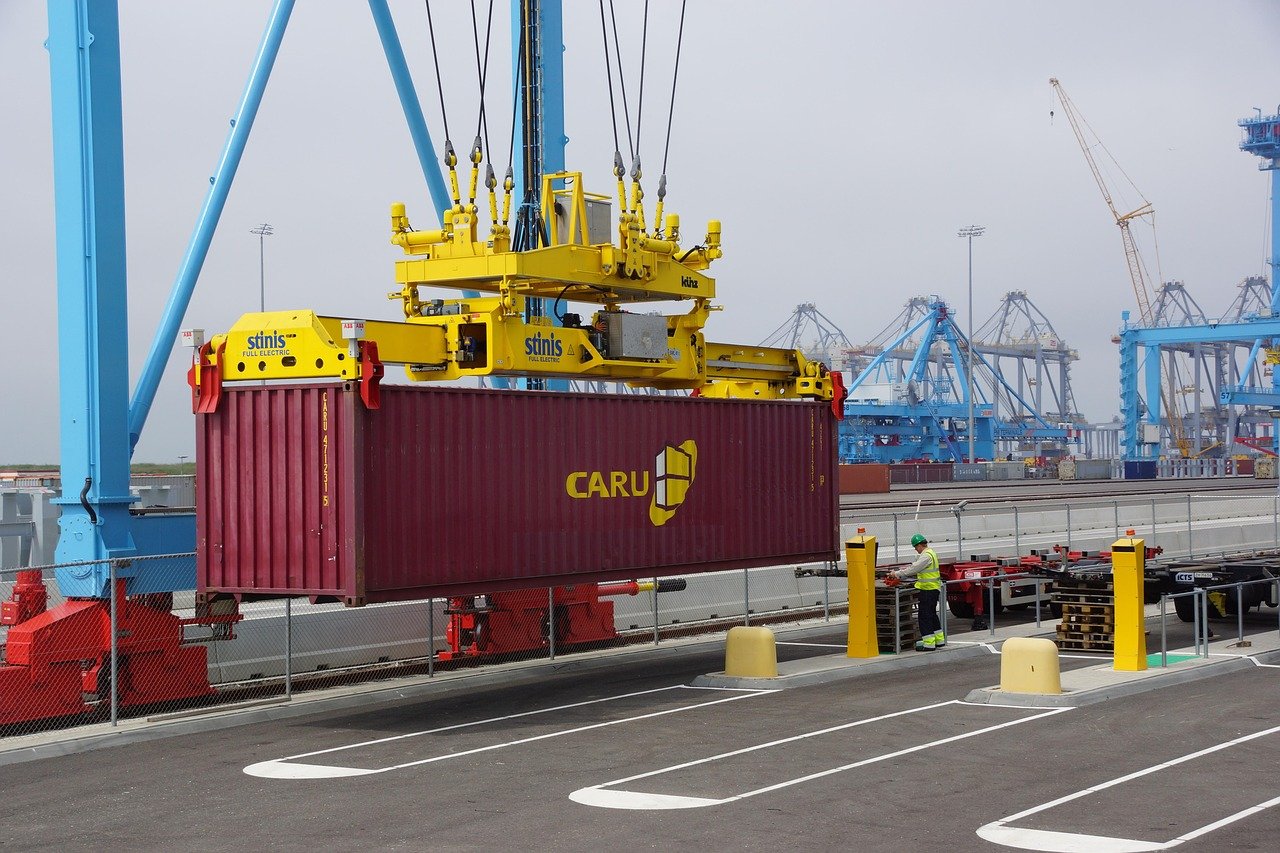
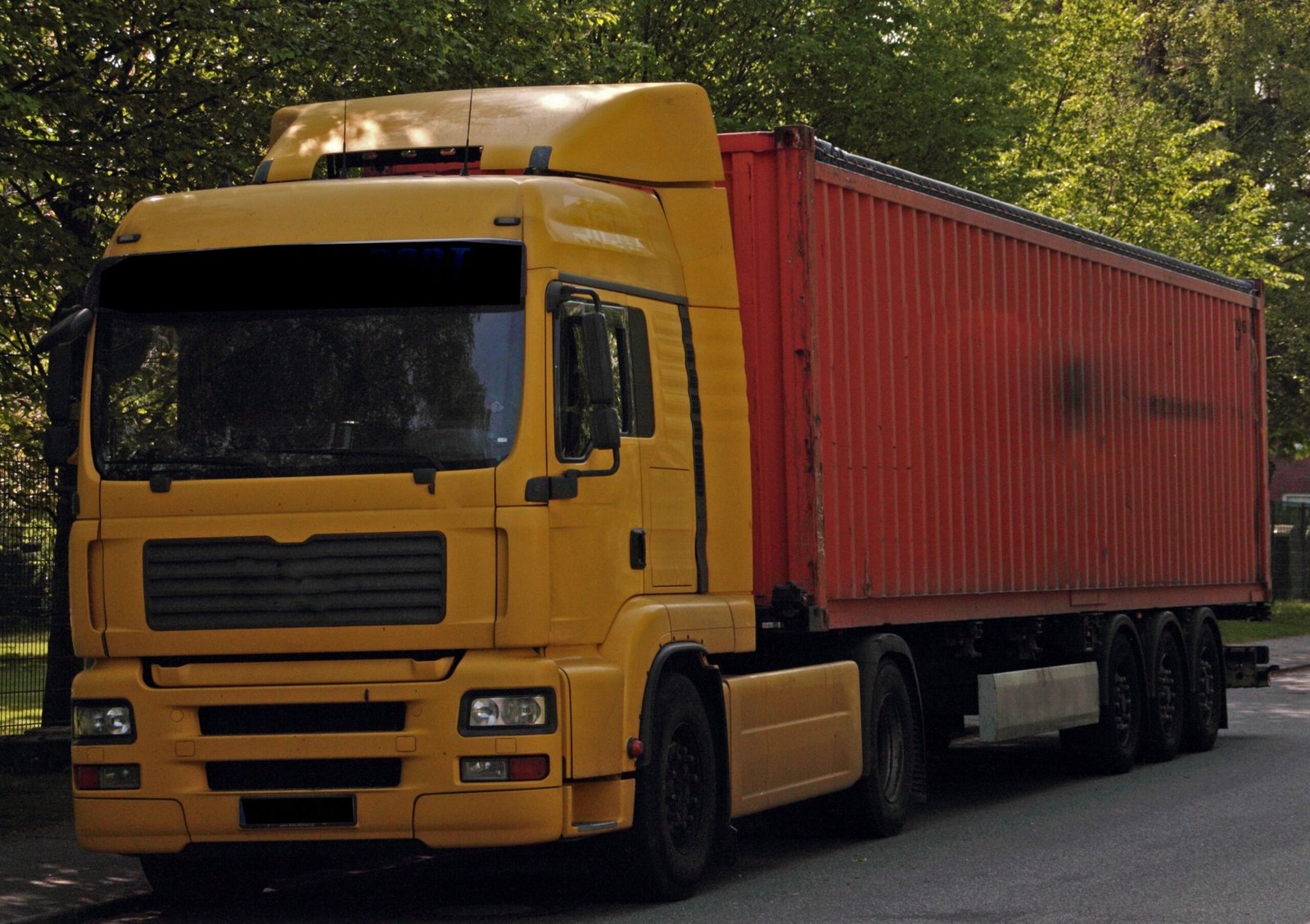
From a logistics perspective, Ukraine offers geographic advantages compared with more distant suppliers. Access to European transport corridors and international shipping routes can support efficient delivery to many destination markets.
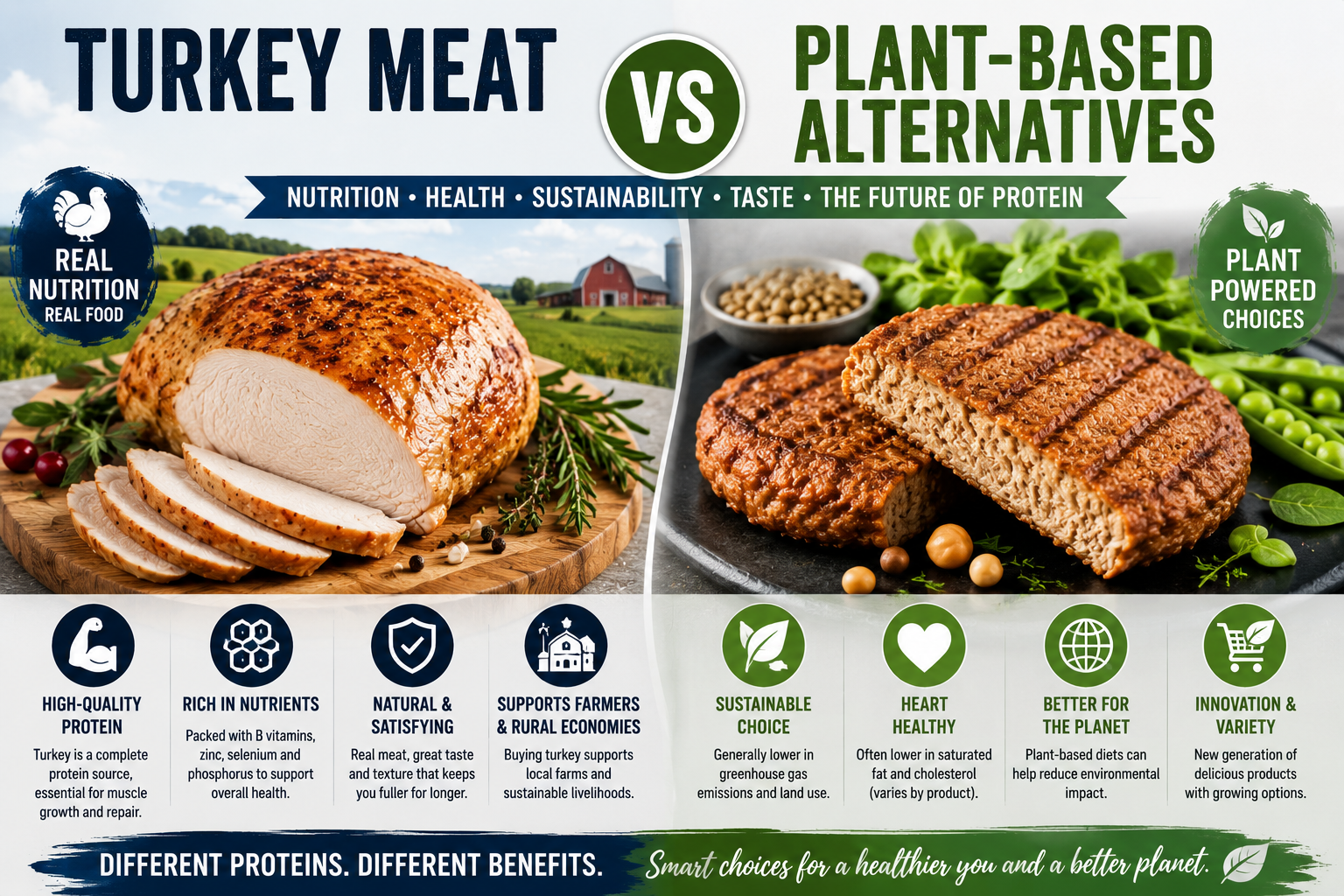
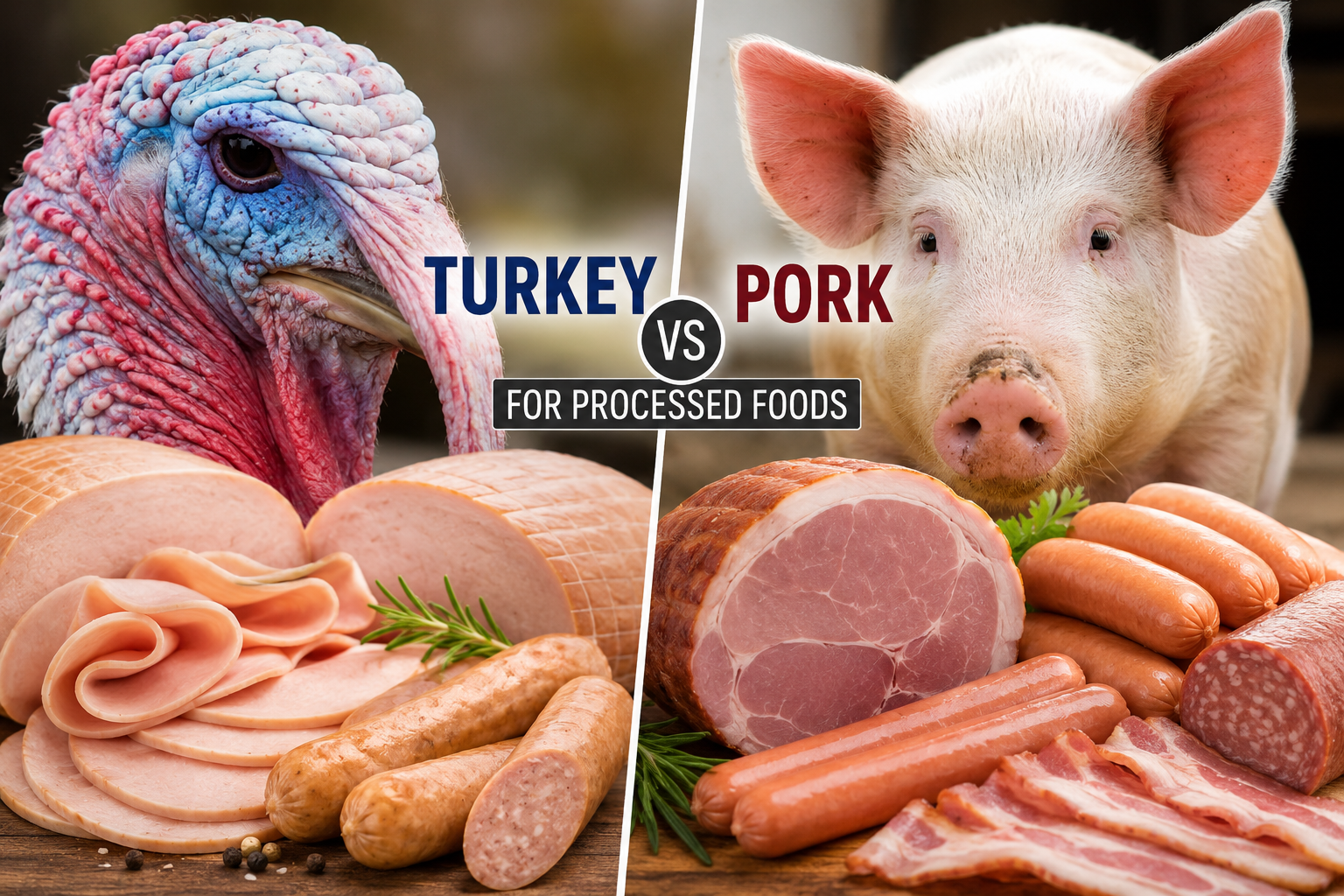
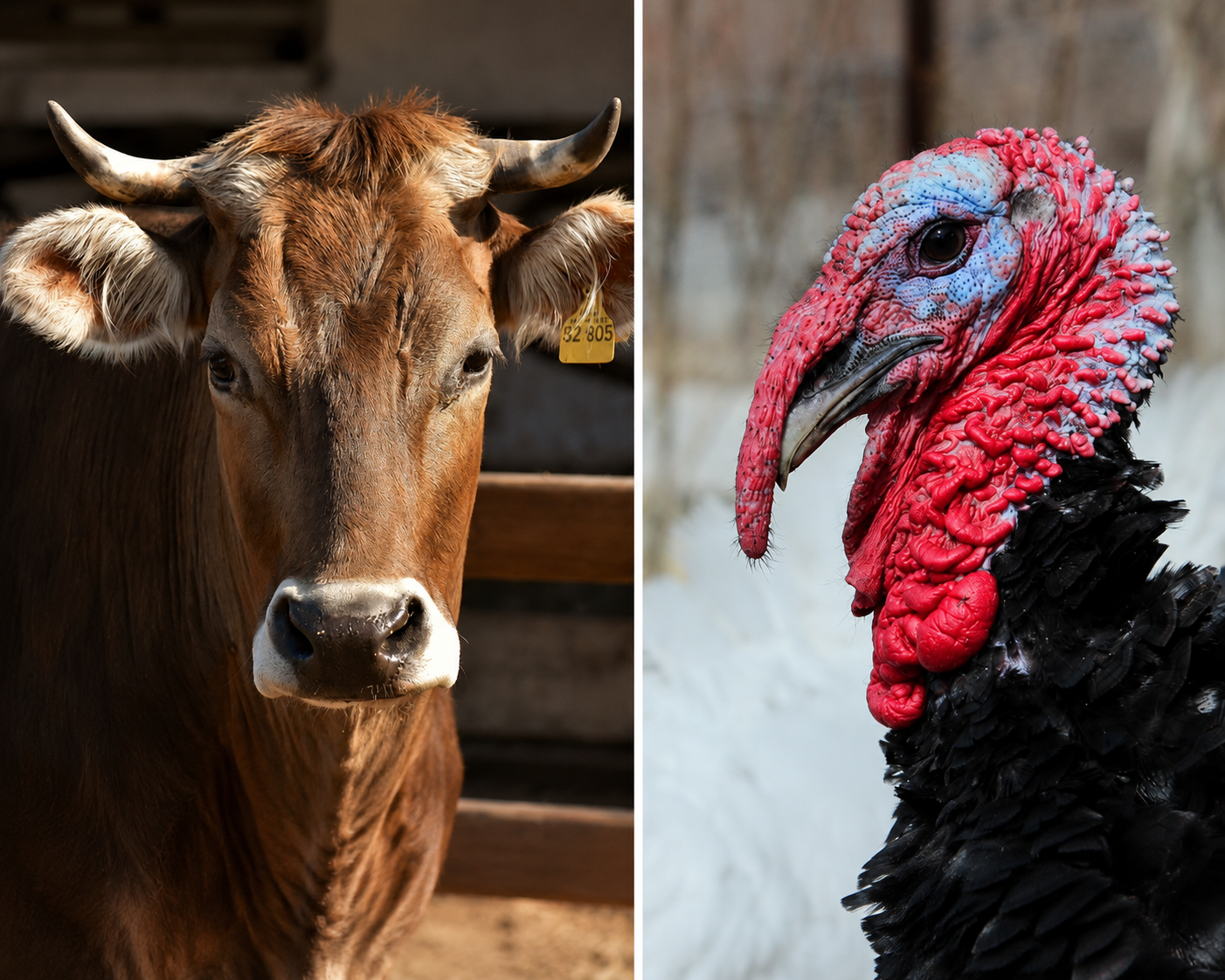
Turkey meat is increasingly popular among health-conscious consumers. Compared with many red meats, turkey is viewed as a lean protein source and is frequently used in retail products, processed foods, ready meals, and foodservice menus.
For importers, key advantages of sourcing from Ukraine include competitive pricing, flexible product specifications, reliable production capacity, and opportunities for long-term supplier relationships.
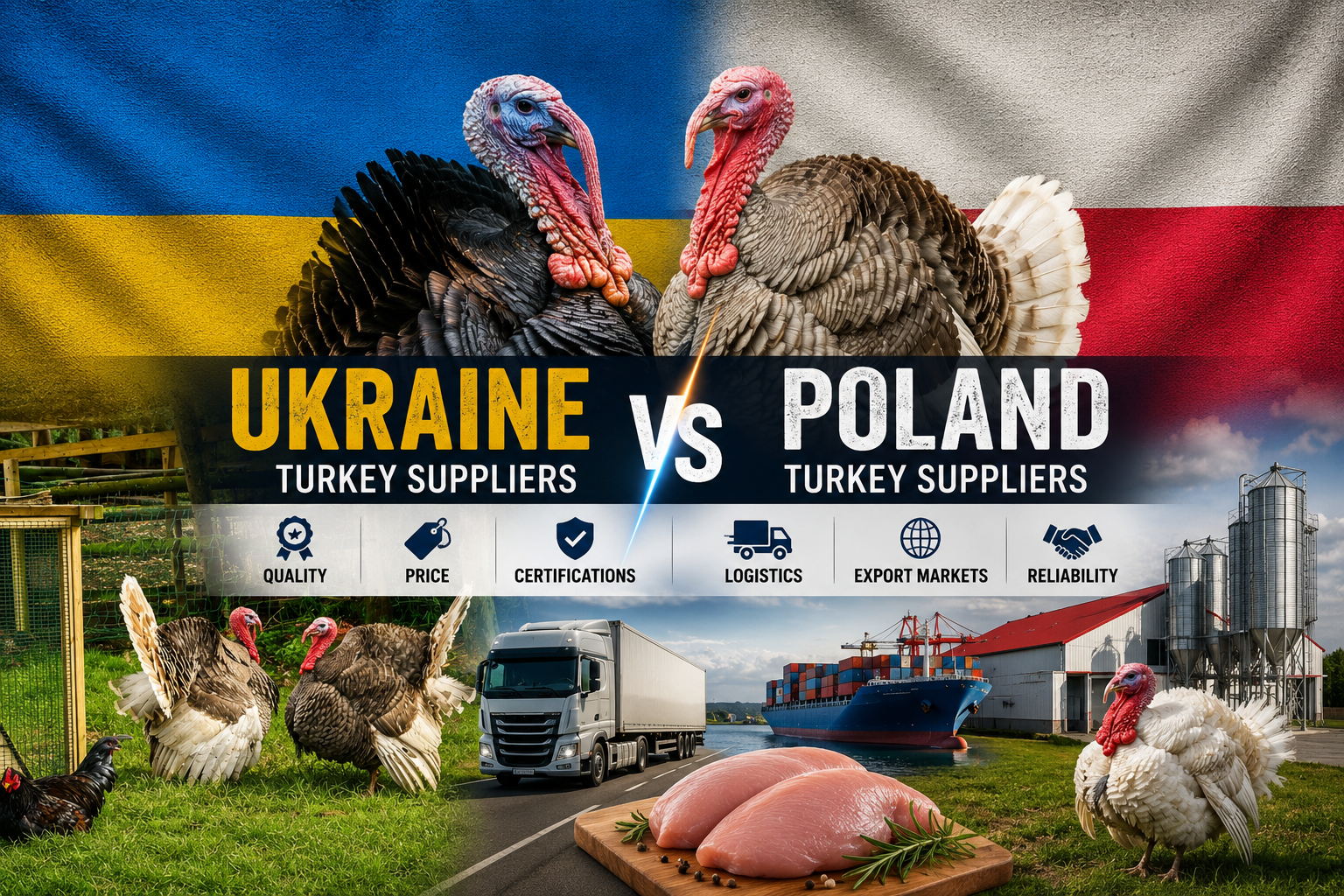
Potential export markets include Europe, the Middle East, Africa, and Asia, where demand for poultry protein continues to expand. Importers should evaluate supplier certifications, veterinary requirements, logistics solutions, and product specifications before establishing procurement programs.
Looking ahead, growing global consumption of poultry products is expected to create additional opportunities for Ukrainian turkey exporters. With ongoing investments in production efficiency and quality systems, Ukraine is well positioned to strengthen its role in international turkey meat trade.
Conclusion
Turkey meat exports from Ukraine offer importers a compelling combination of quality, value, and supply reliability. As global demand continues to grow, Ukrainian suppliers are increasingly capable of serving international buyers seeking dependable turkey meat sourcing solutions.