Shipping Chicken from Ukraine to Middle East
A Complete Guide for Poultry Exporters, Importers, and Food Distributors
Introduction
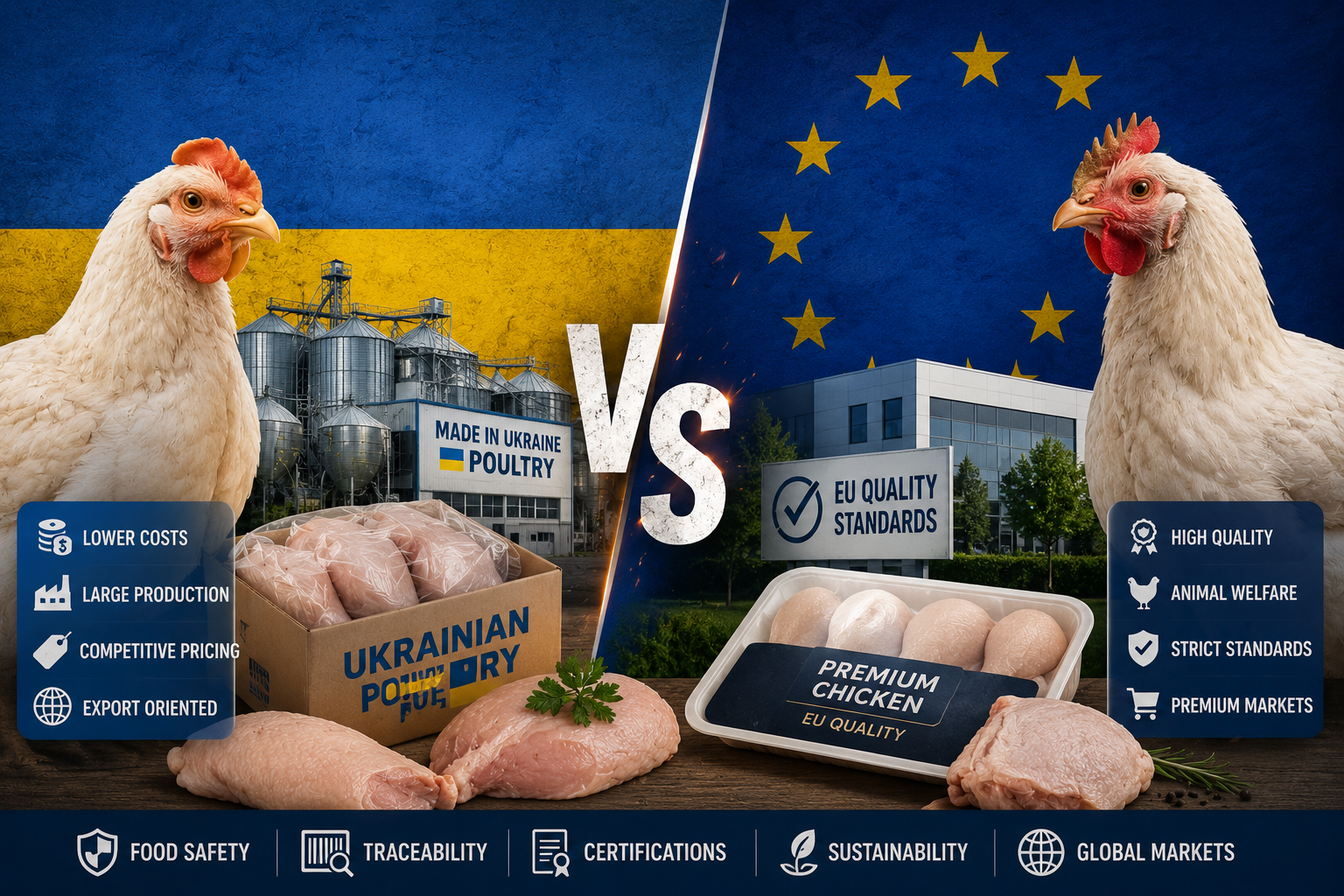
The Middle East is one of the most important destinations for frozen chicken exports from Ukraine. Countries across the Gulf region and broader Middle East import substantial volumes of poultry products to meet growing consumer demand. Ukrainian poultry producers have become increasingly competitive due to modern production facilities, international certifications, and strong export capabilities.
Why the Middle East Imports Chicken
Population growth, tourism, foodservice expansion, and limited domestic poultry production in several countries continue to drive demand for imported chicken. Frozen poultry remains a strategic food commodity across the region.
Popular Poultry Products Exported from Ukraine
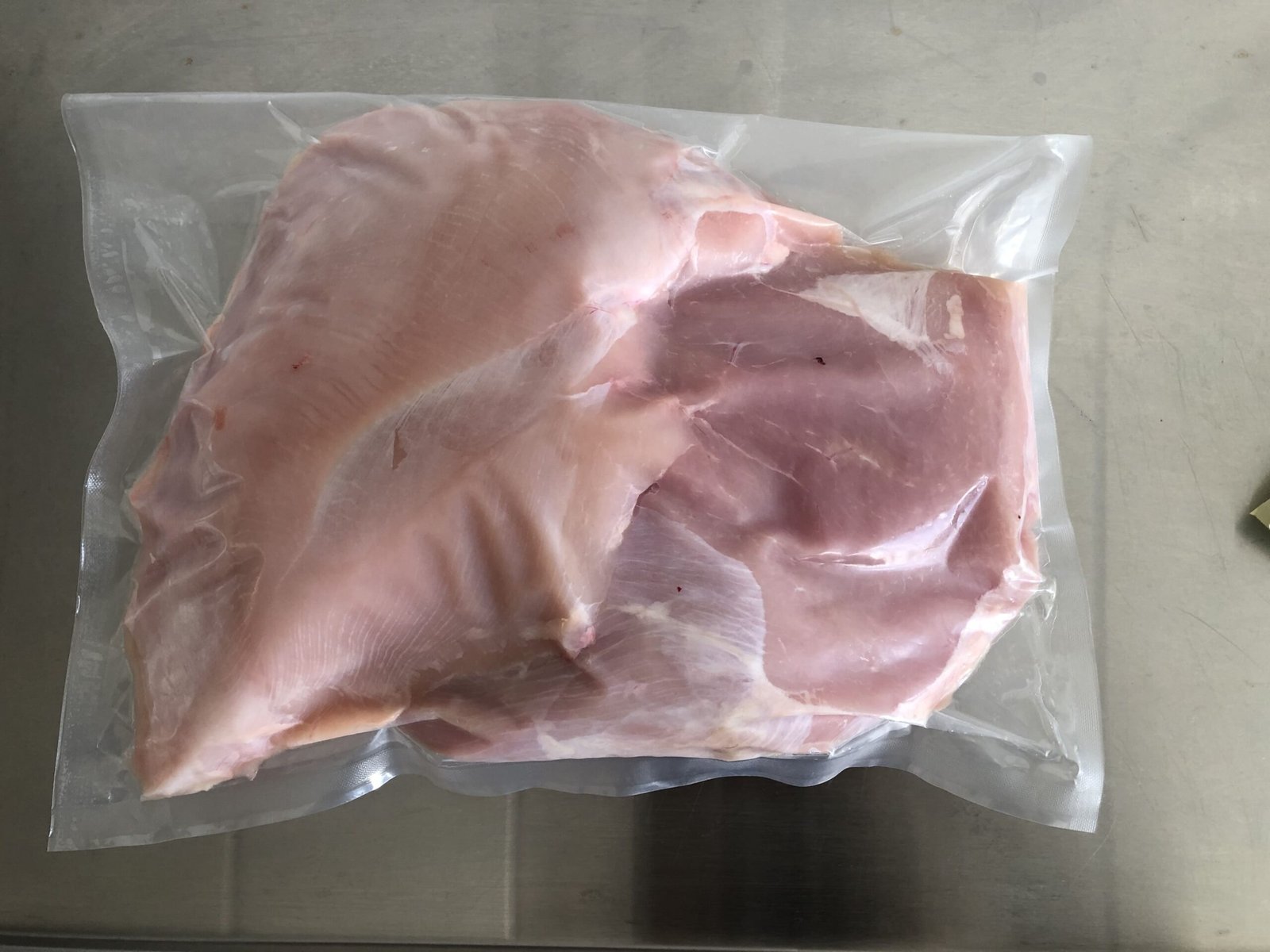
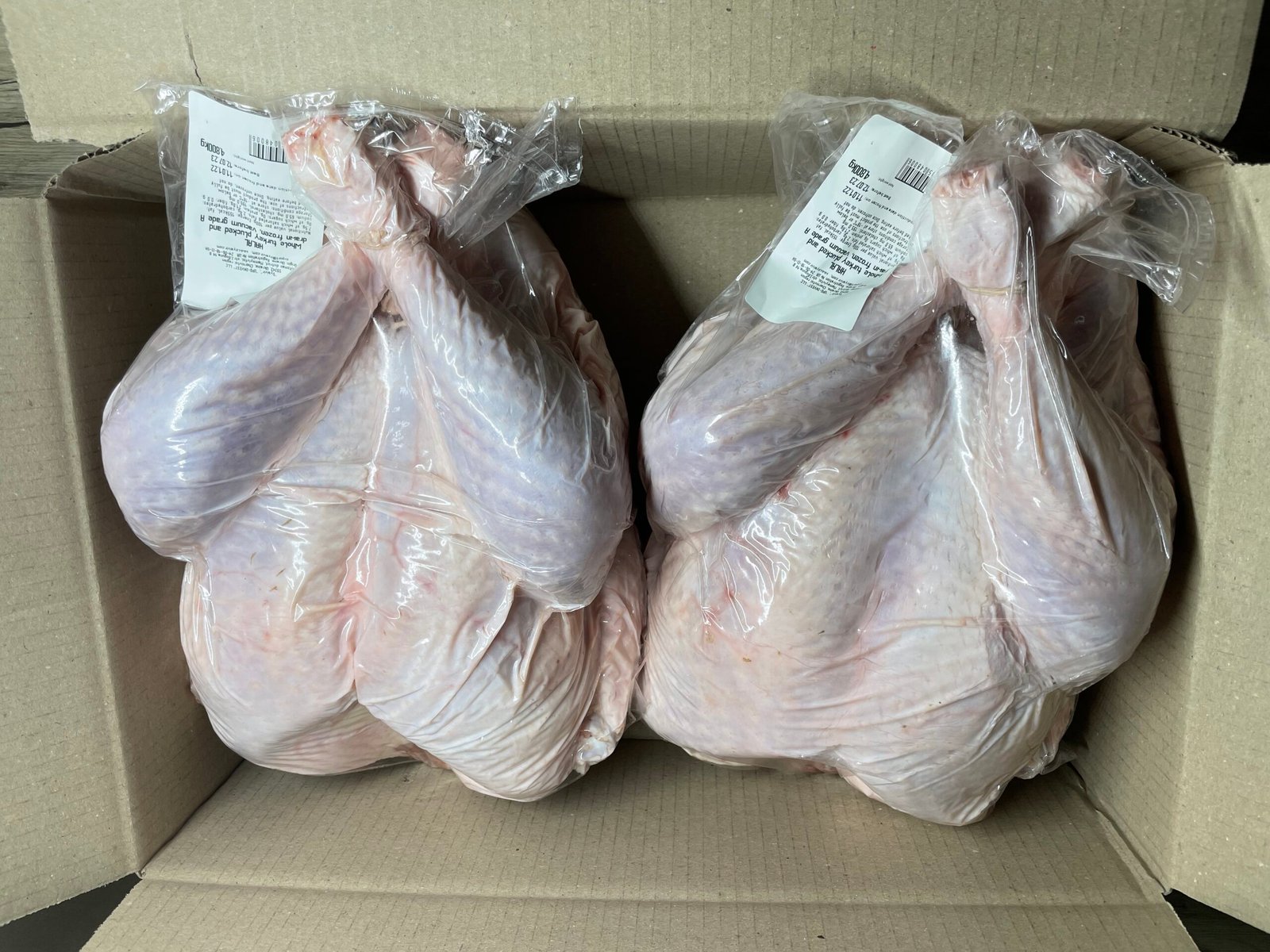
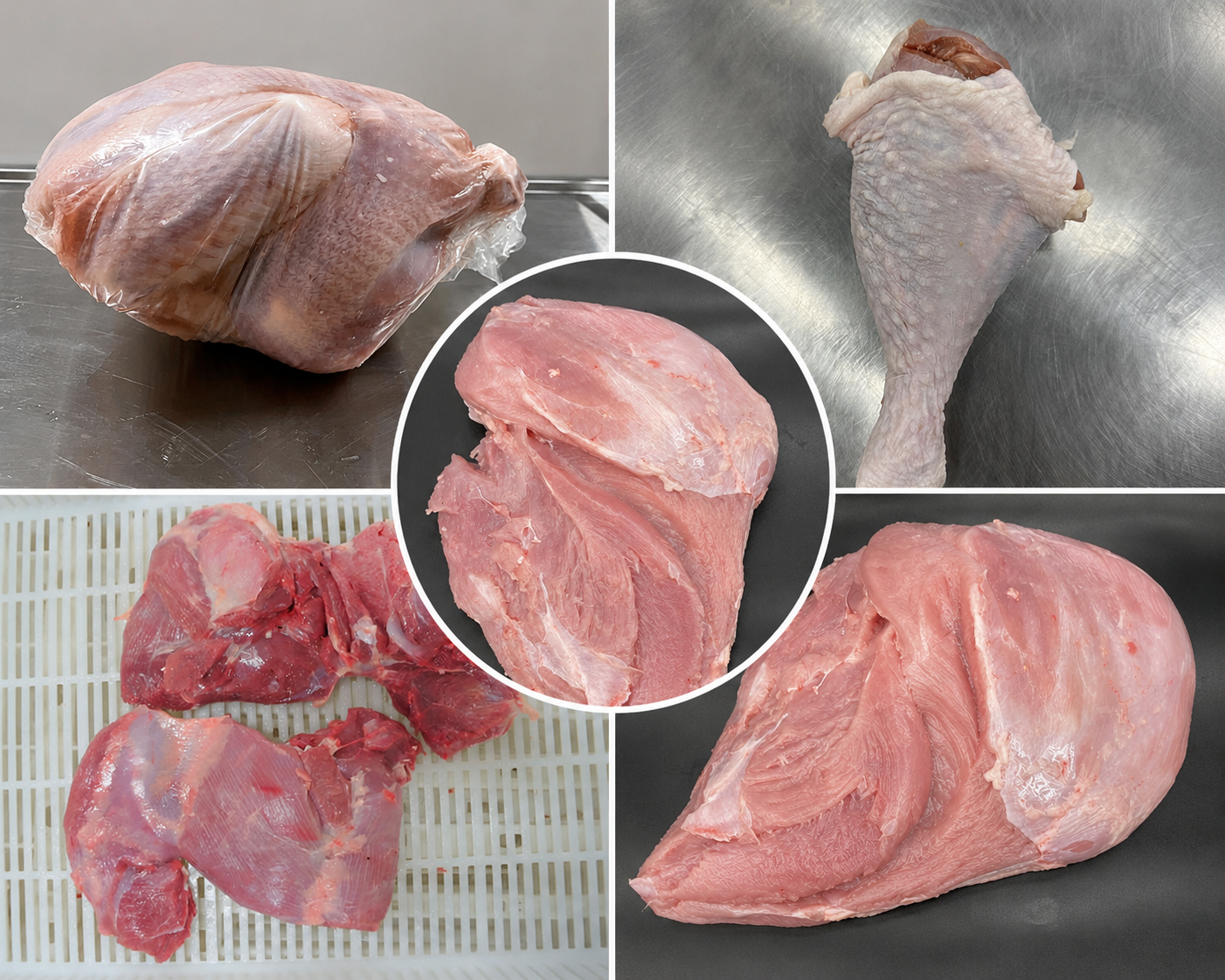
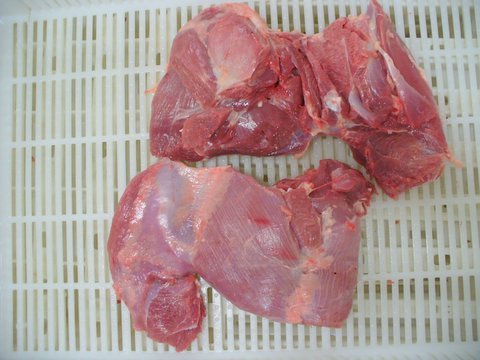
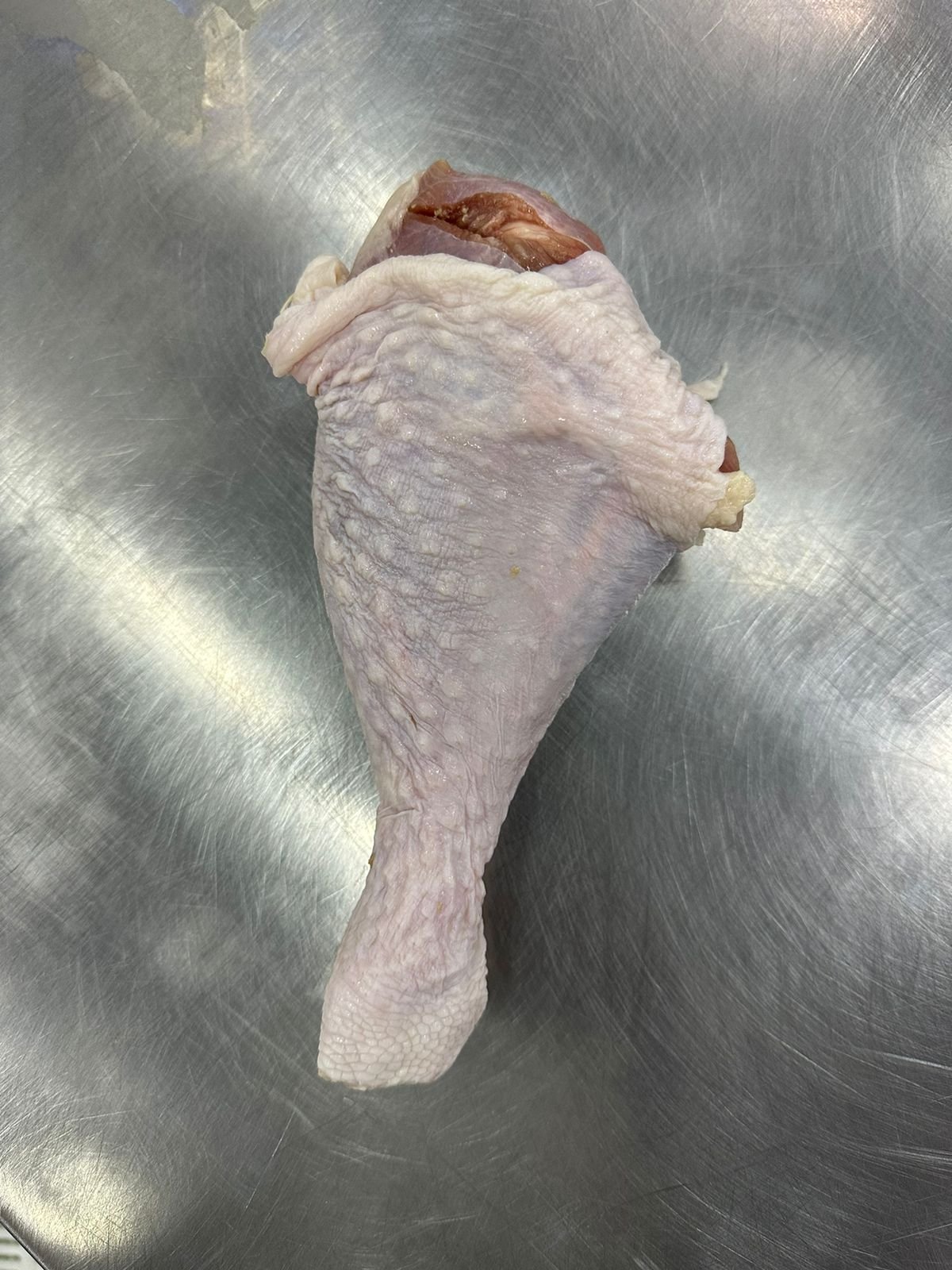
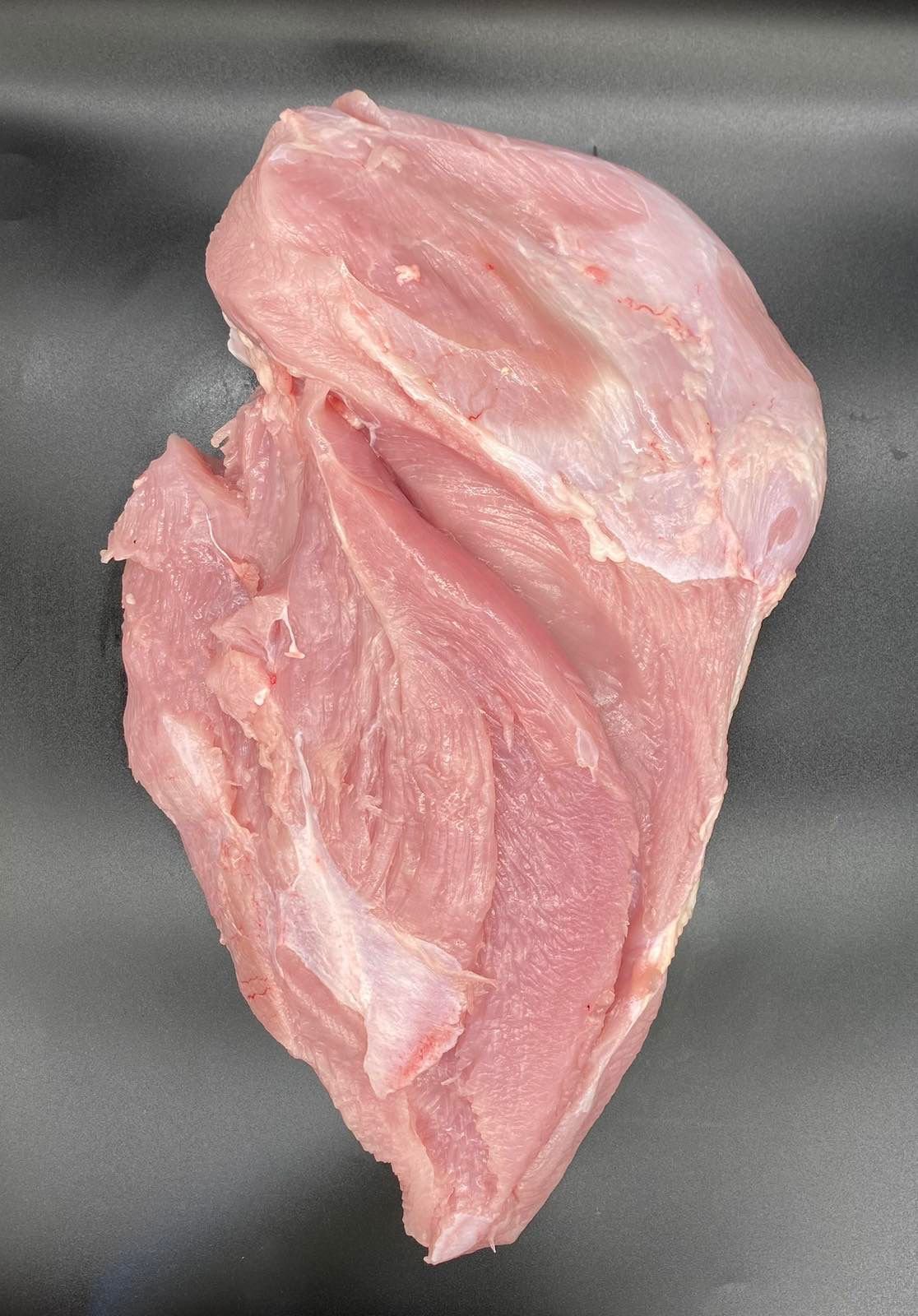
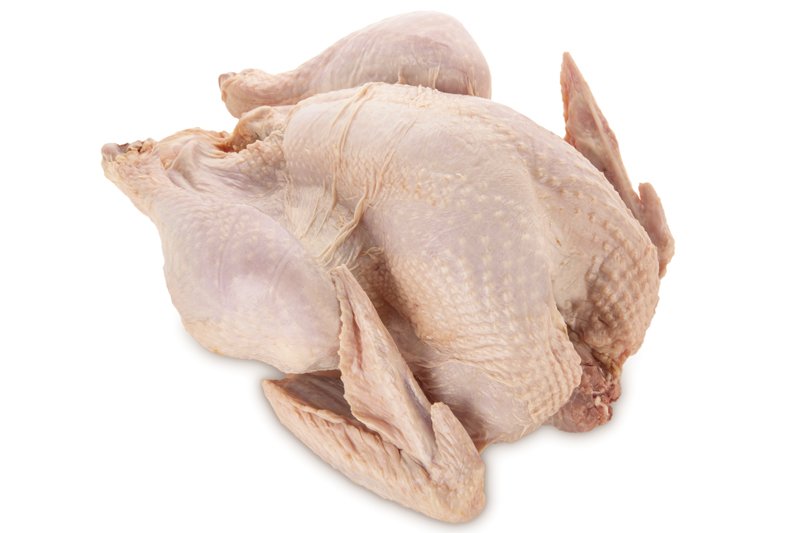
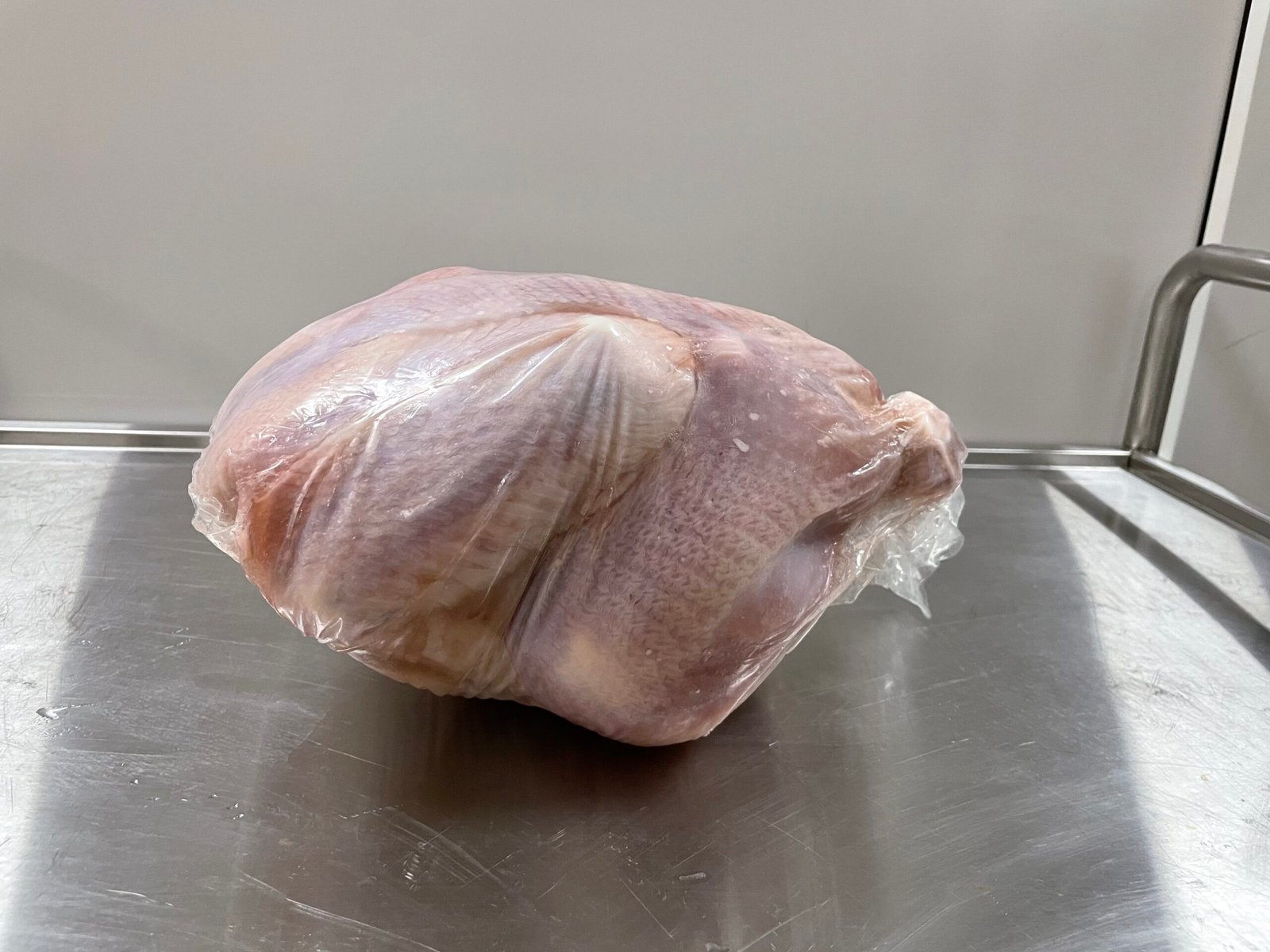
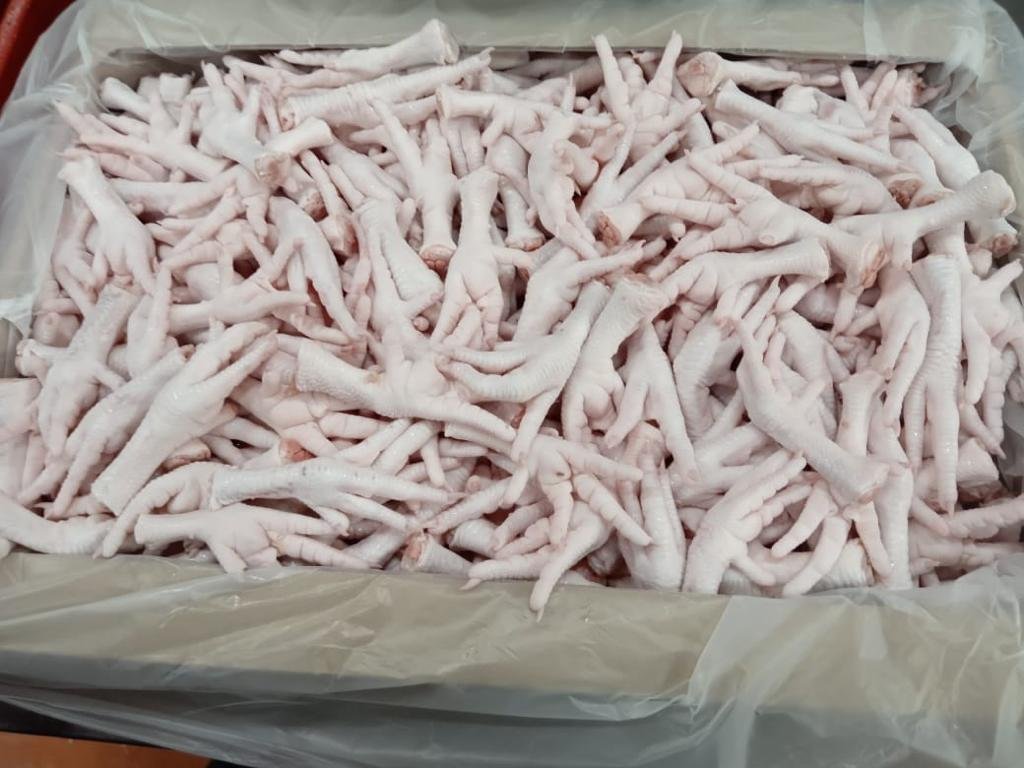
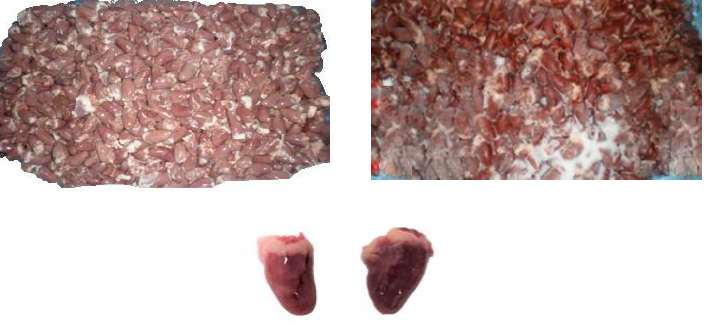
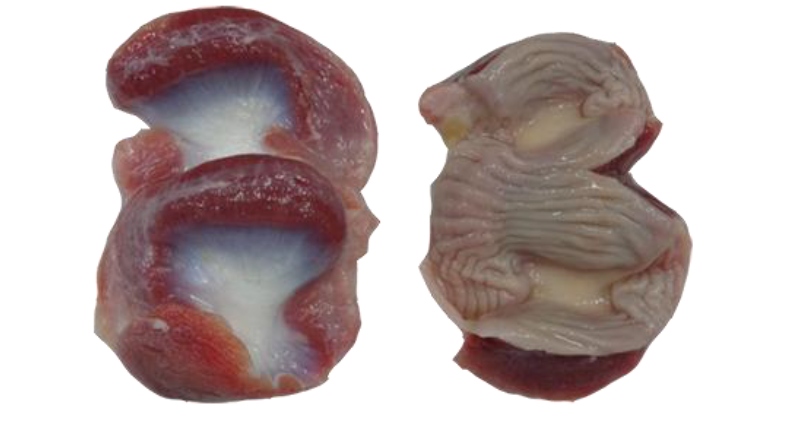
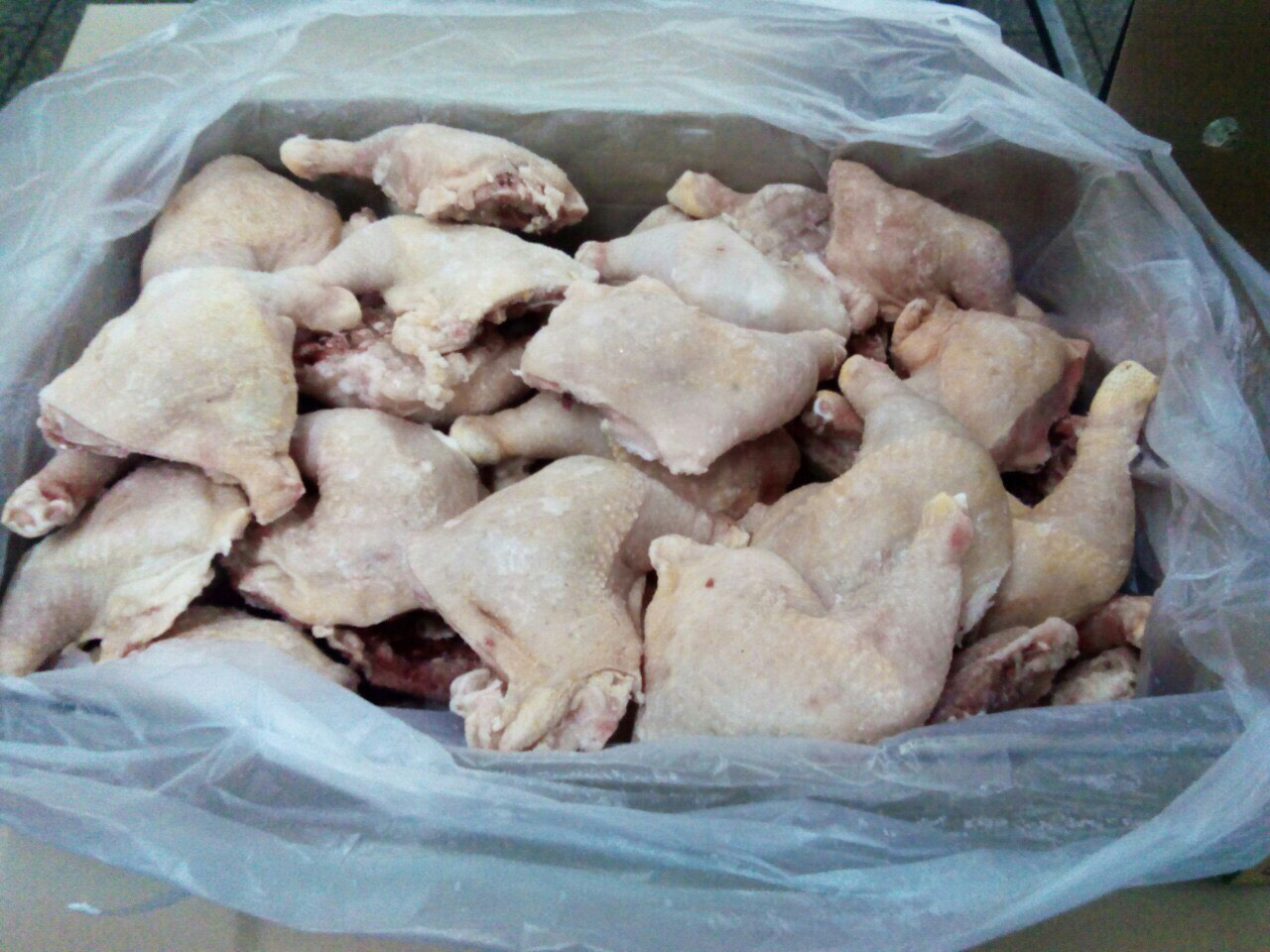
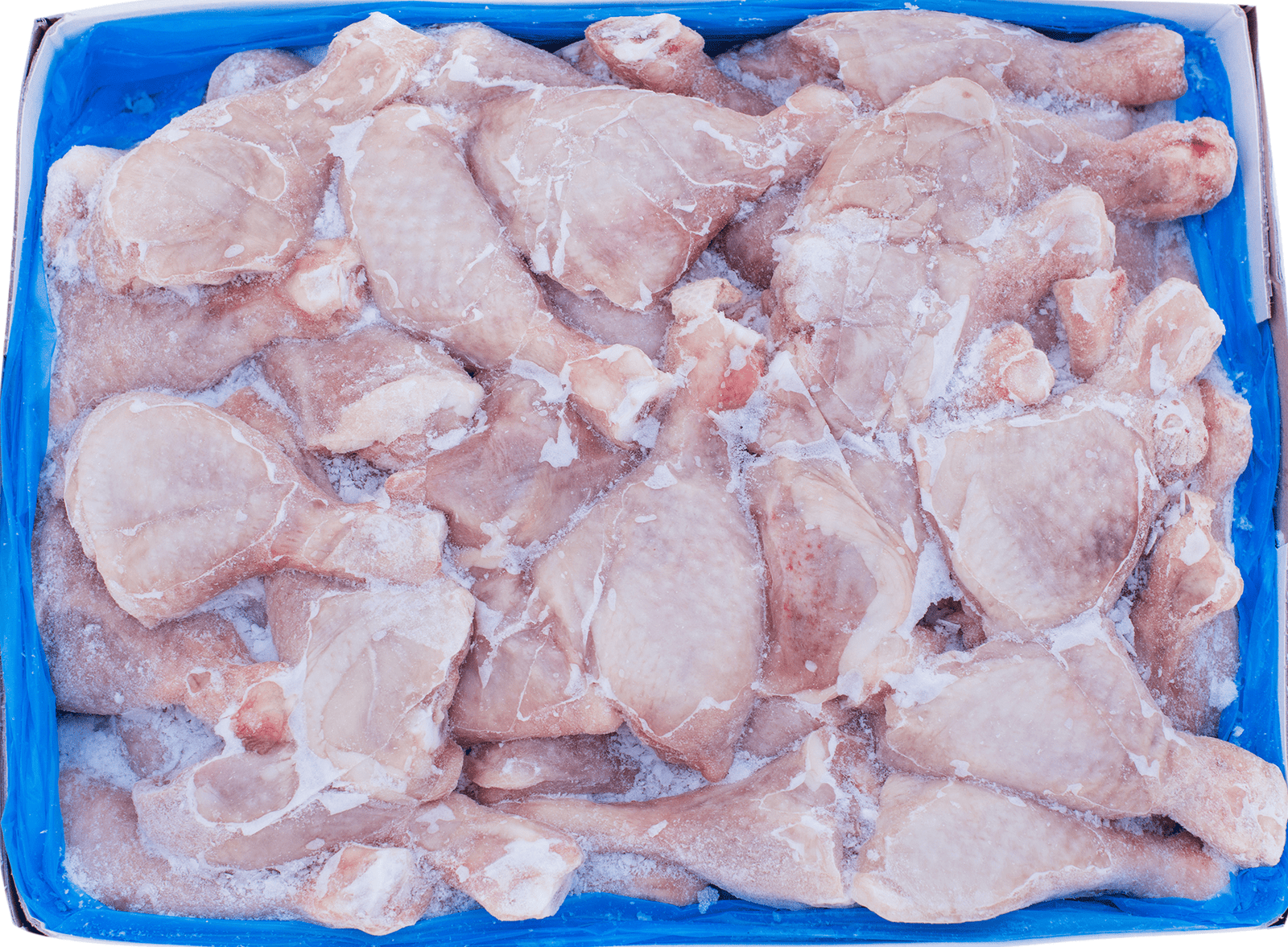
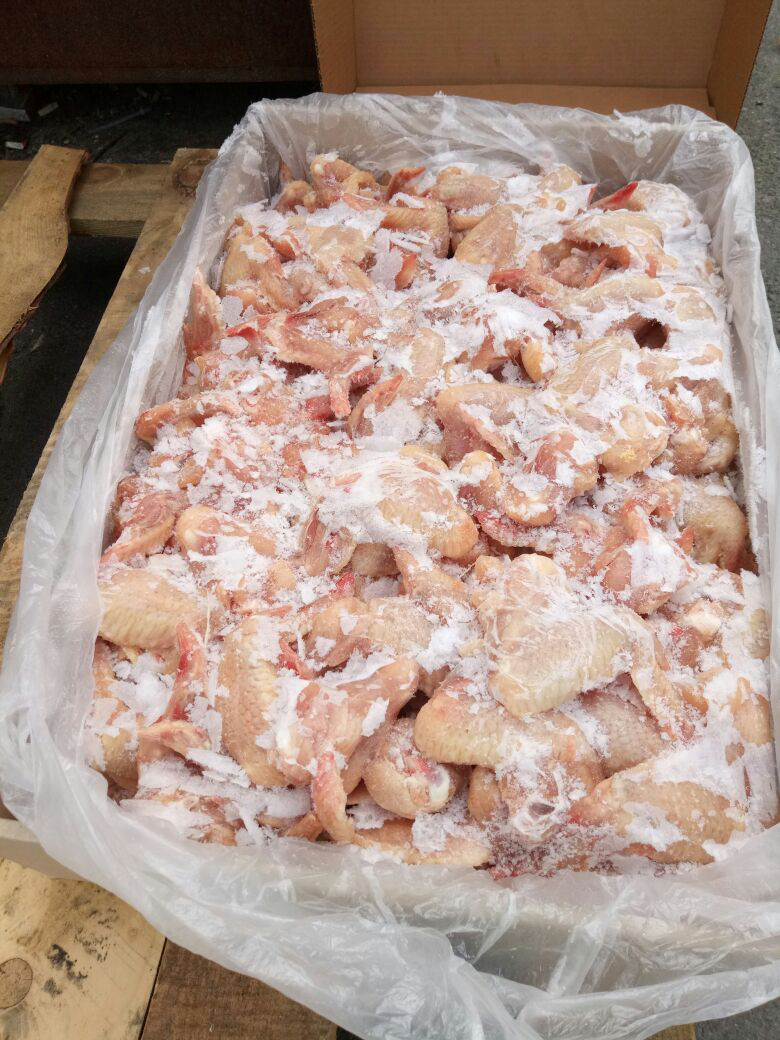
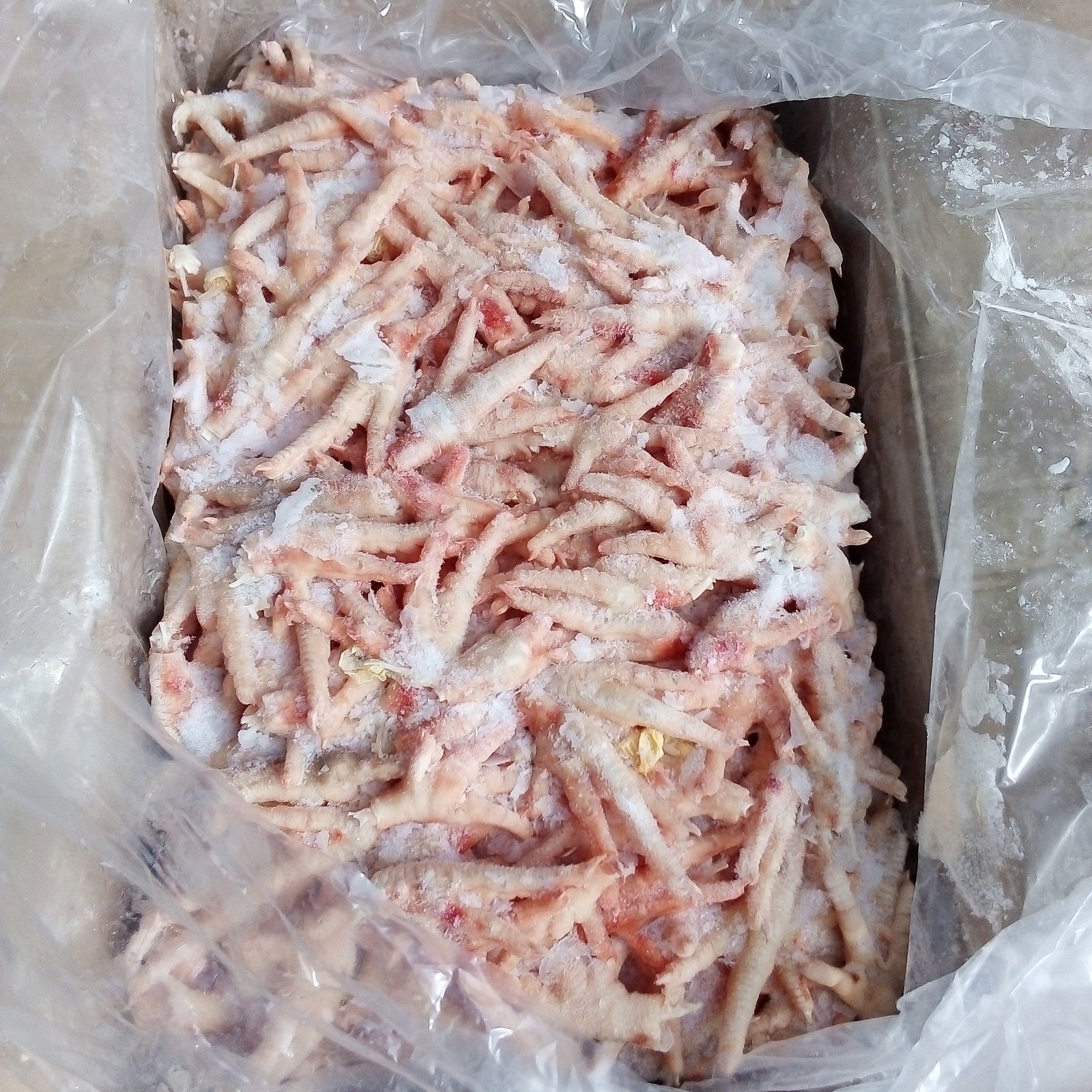
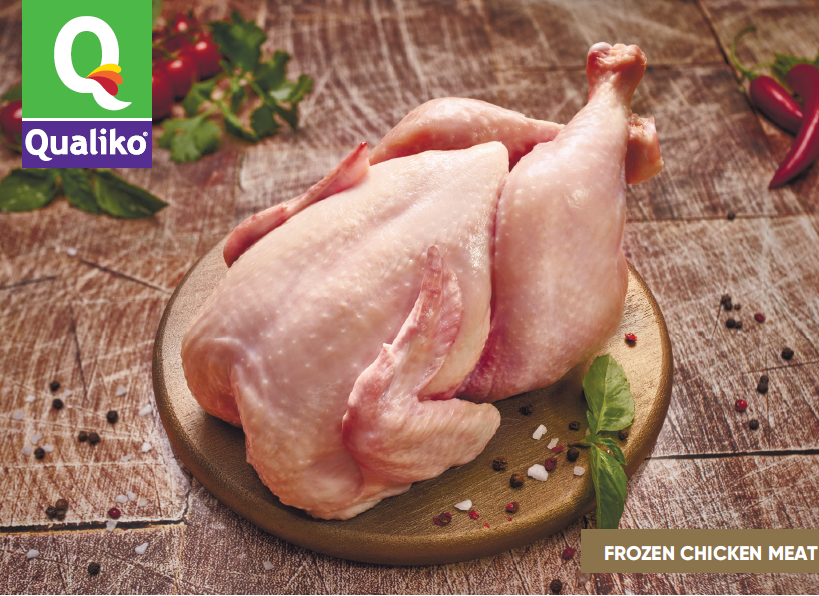
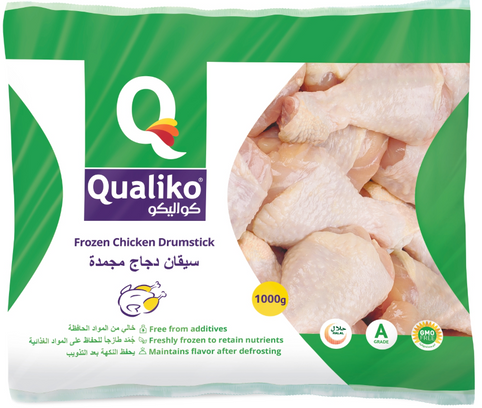
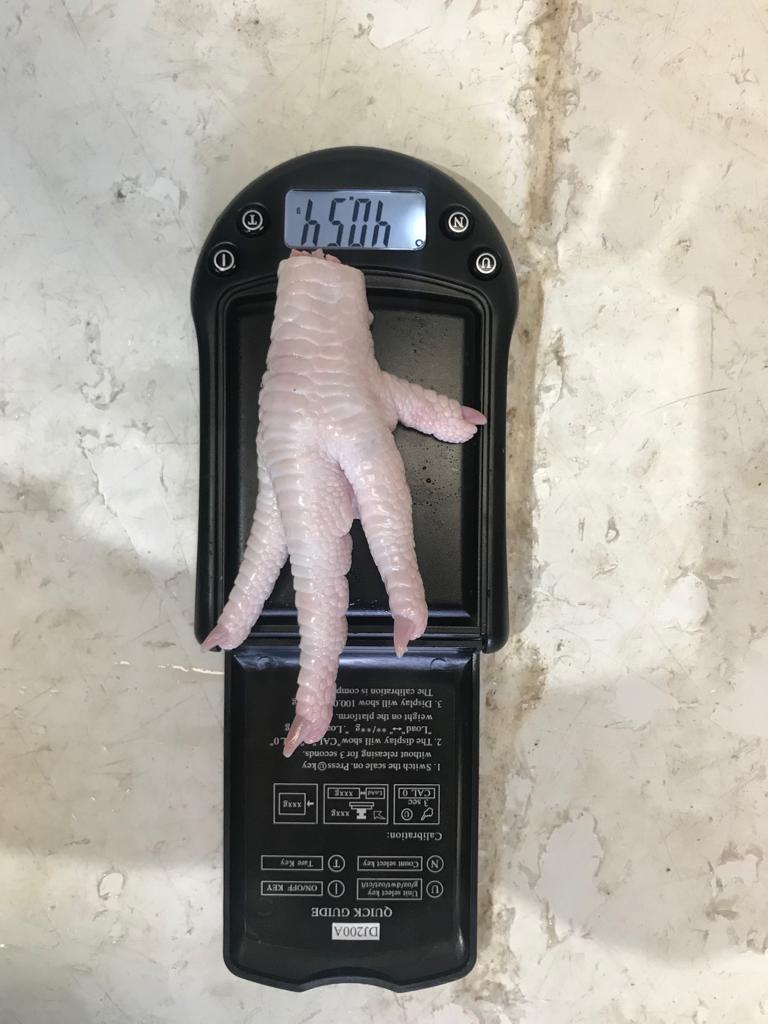
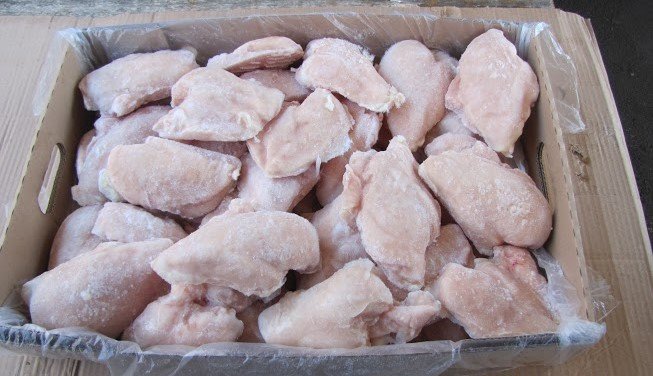
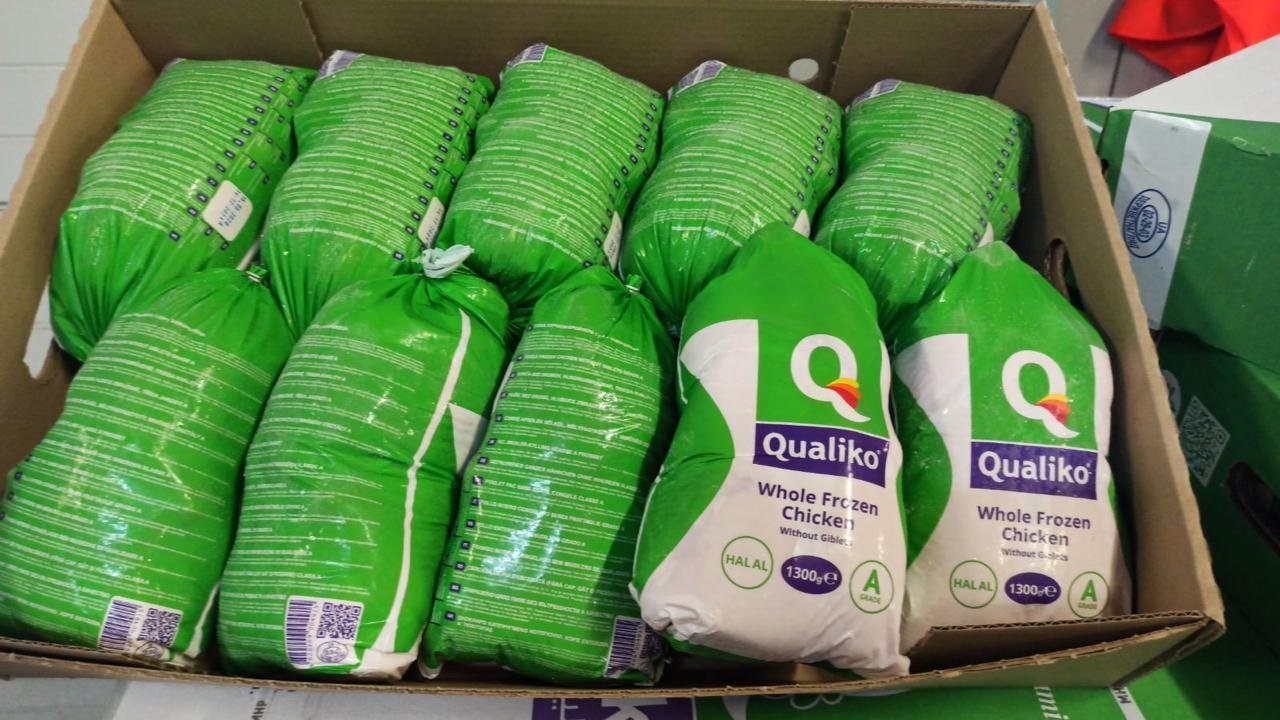
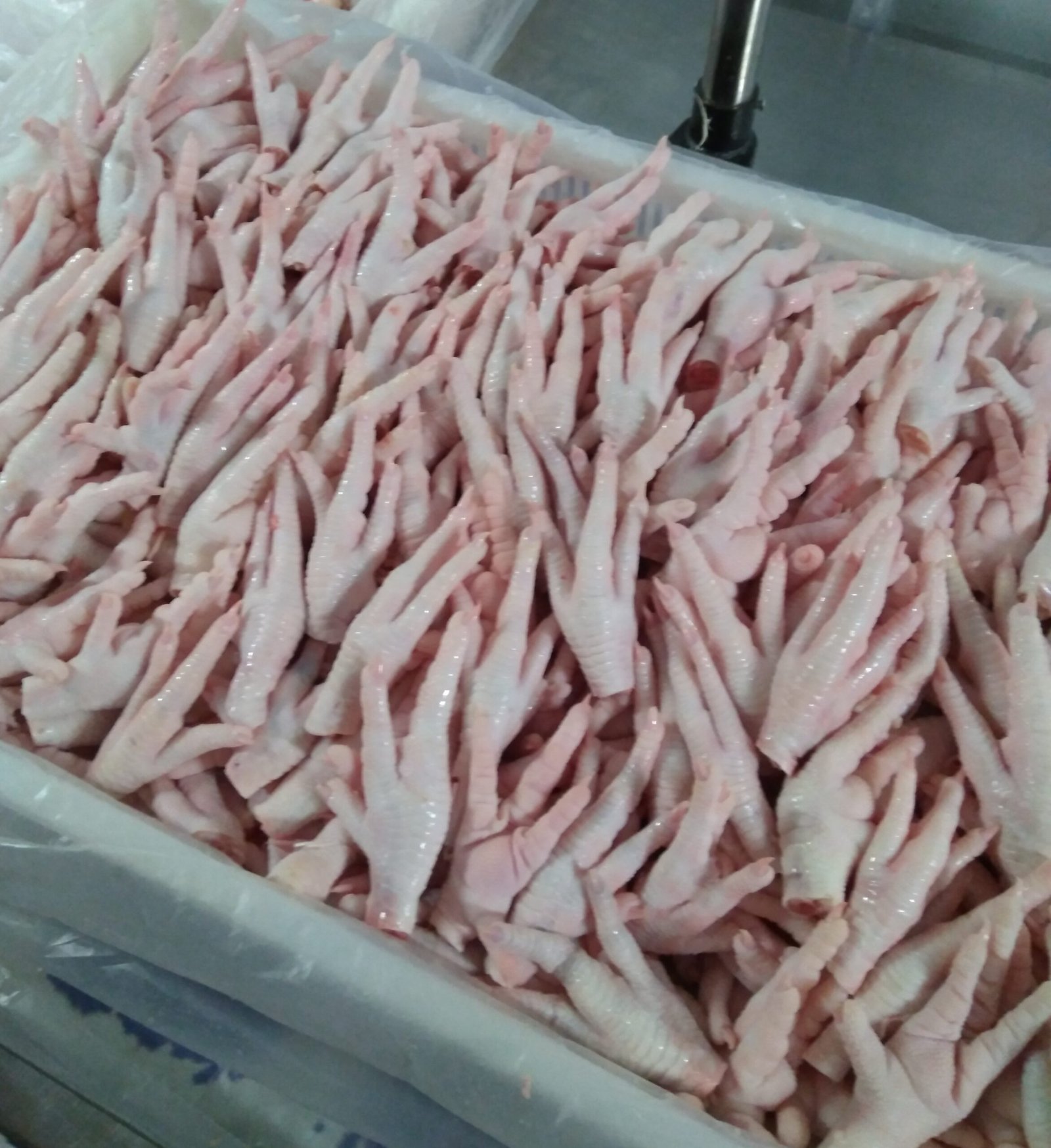
Ukrainian exporters supply frozen whole chickens, chicken leg quarters, breast meat, wings, drumsticks, chicken paws, feet, gizzards, hearts, and mechanically deboned meat to Middle Eastern markets.
Export Requirements
Exporters must comply with veterinary regulations, halal requirements, food safety standards, labeling requirements, and destination-country import regulations. Documentation typically includes health certificates, certificates of origin, commercial invoices, packing lists, and shipping documents.
Halal Certification
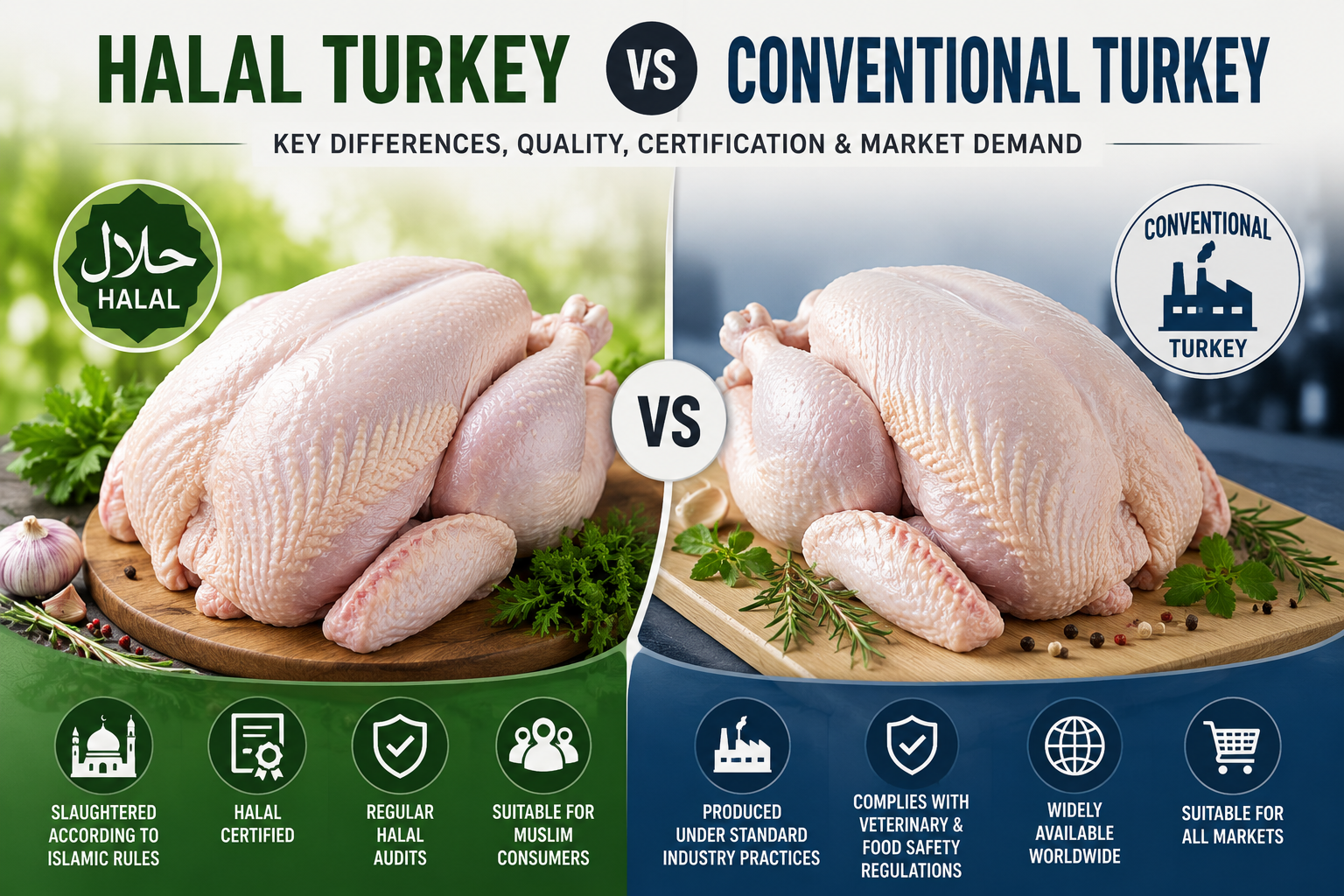
Halal certification is a critical requirement in many Middle Eastern countries. Poultry products must be processed according to approved halal procedures and certified by recognized organizations accepted by destination authorities.
Cold Chain Logistics
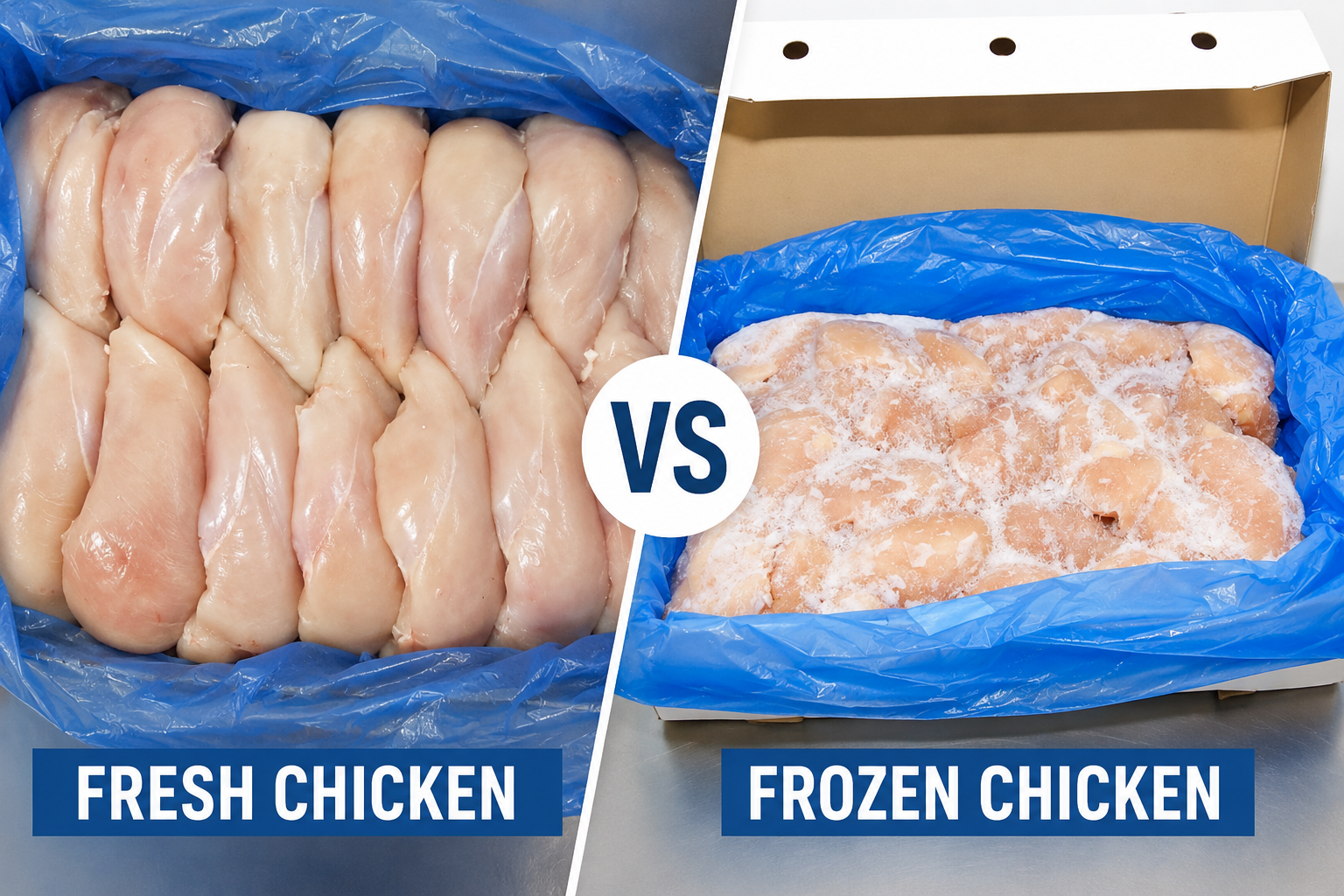
Maintaining an uninterrupted cold chain is essential. Frozen poultry is typically stored and transported at -18°C or below using refrigerated warehouses, reefer trucks, and reefer containers.
Shipping Methods
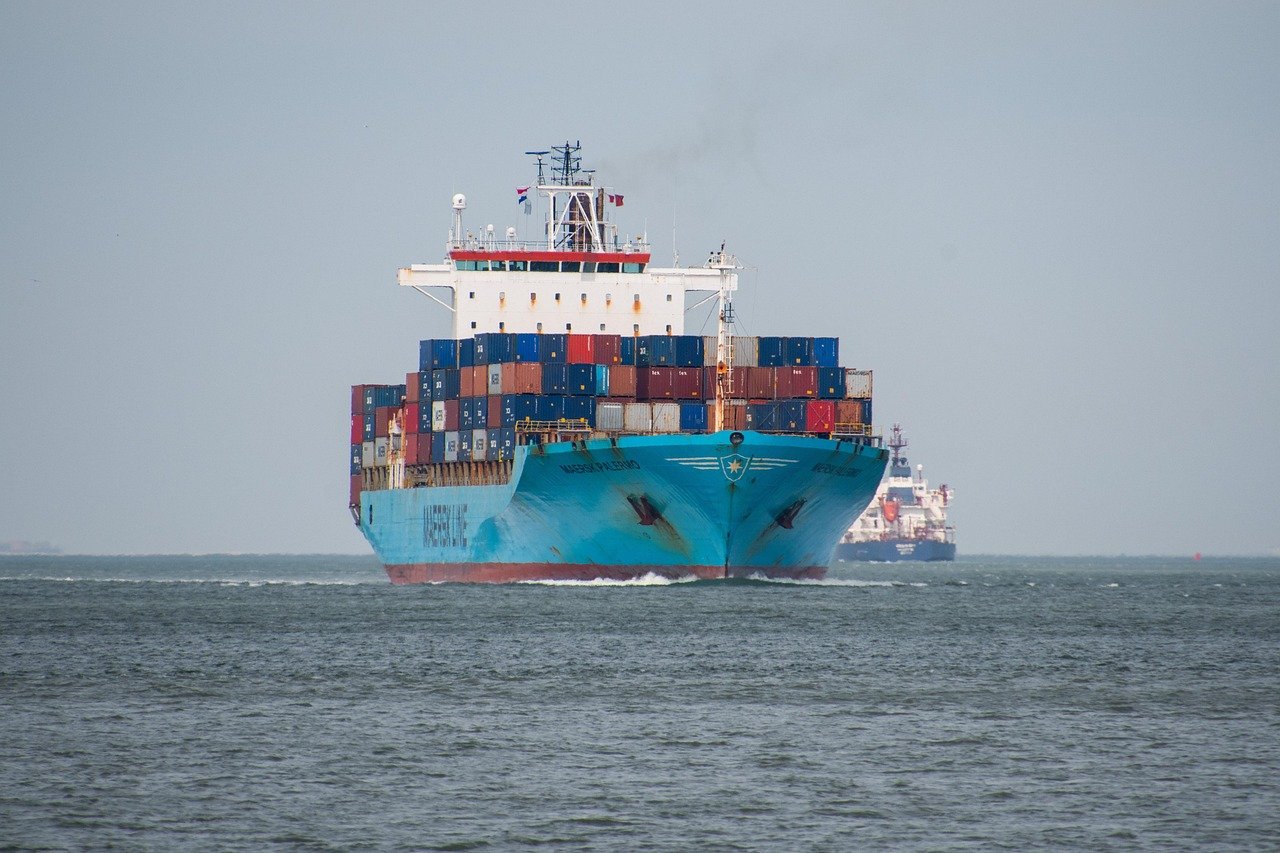
Most exports are transported in refrigerated ocean containers. Reefer containers maintain stable temperatures throughout transit and are widely used for shipments to the Gulf region.
Major Destination Markets
Key markets include Saudi Arabia, the United Arab Emirates, Kuwait, Qatar, Oman, Bahrain, Jordan, and Iraq. Each market has unique regulatory and commercial requirements.
Port Operations and Transit
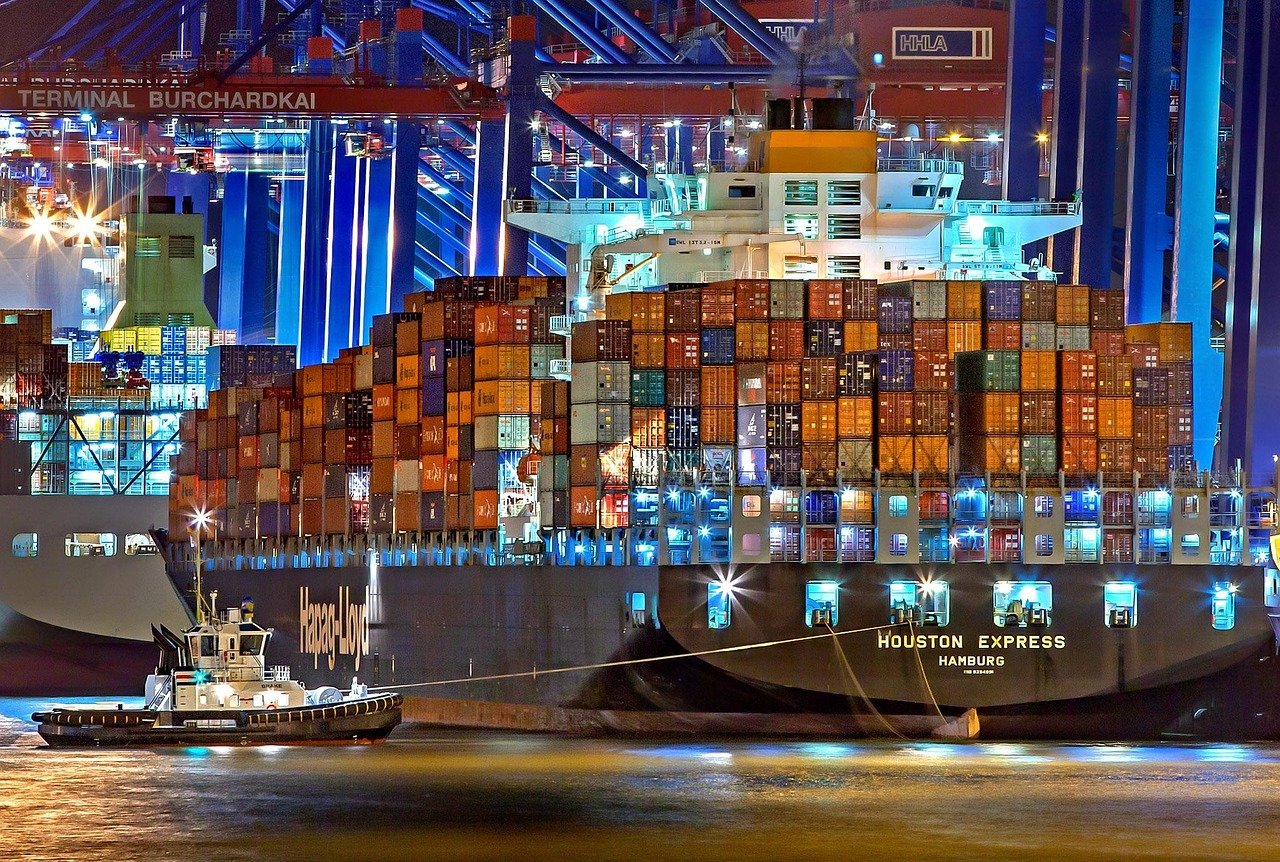
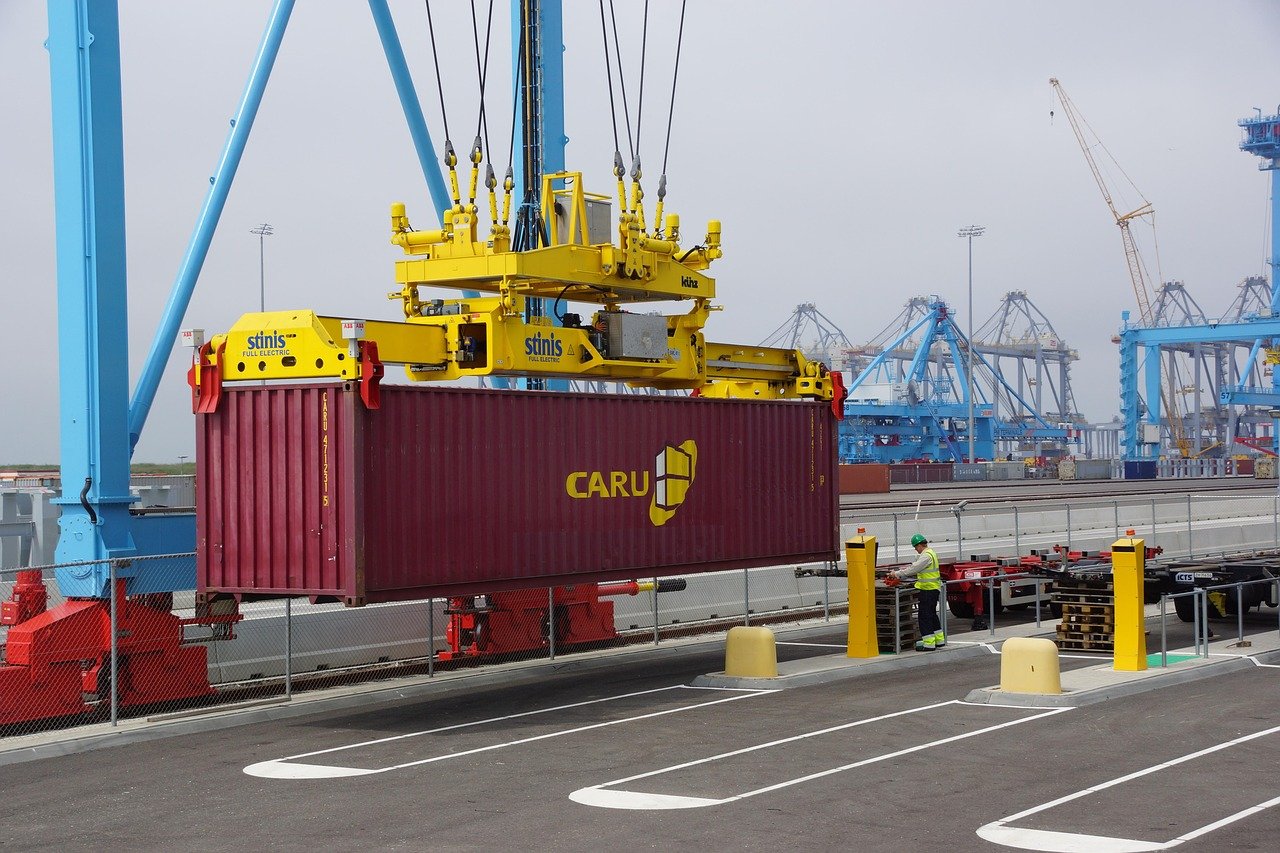
Export shipments move through seaports where containers undergo inspections, customs processing, and vessel loading. Transit times vary depending on destination and shipping route.
Challenges and Risk Management
Exporters must manage risks related to logistics disruptions, regulatory changes, customs delays, and temperature control. Strong planning and reliable logistics partners help minimize these risks.
Best Practices for Exporters
Successful exporters focus on product quality, halal compliance, competitive pricing, reliable logistics, strong importer relationships, and comprehensive documentation.
Conclusion
The Middle East offers significant opportunities for Ukrainian poultry exporters. Companies that maintain high quality standards, comply with import regulations, and manage logistics effectively can achieve long-term success in the region.