Chicken Export from Ukraine to UAE: Market Demand, Halal Standards and Why UAE Imports Poultry
The UAE is one of the Middle East’s largest food-import markets. Despite investment in domestic agriculture, climate conditions, water scarcity and high production costs limit large-scale poultry self-sufficiency. As a result, imported frozen chicken remains essential for retail chains, hospitality, catering and wholesale distribution.
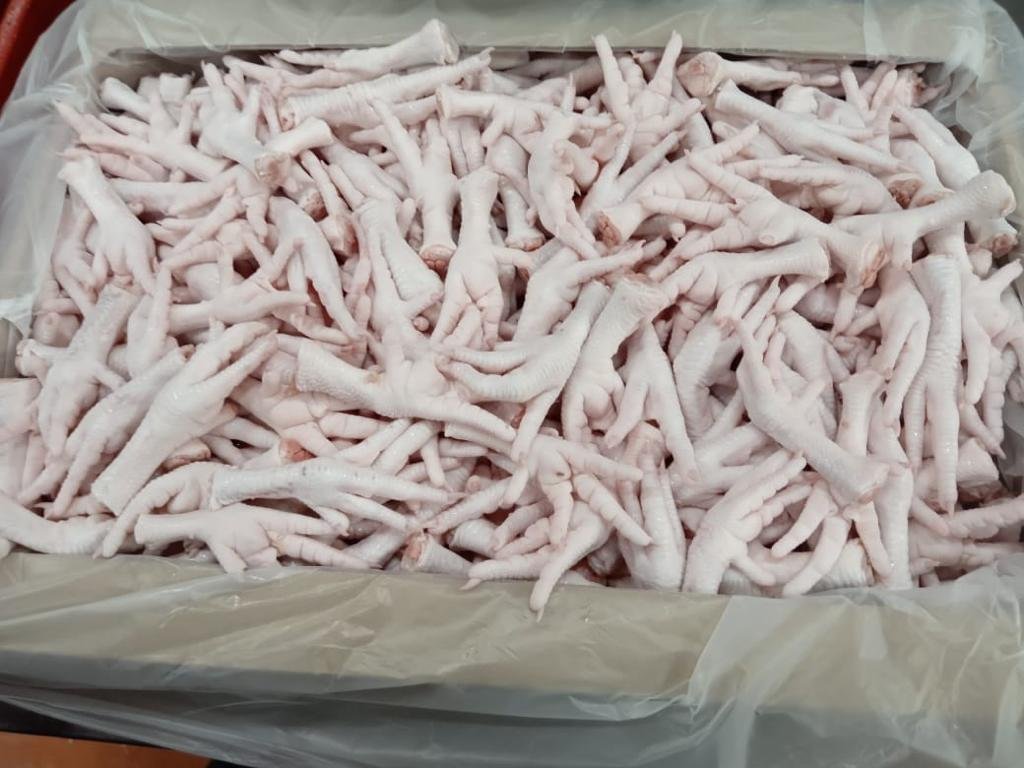
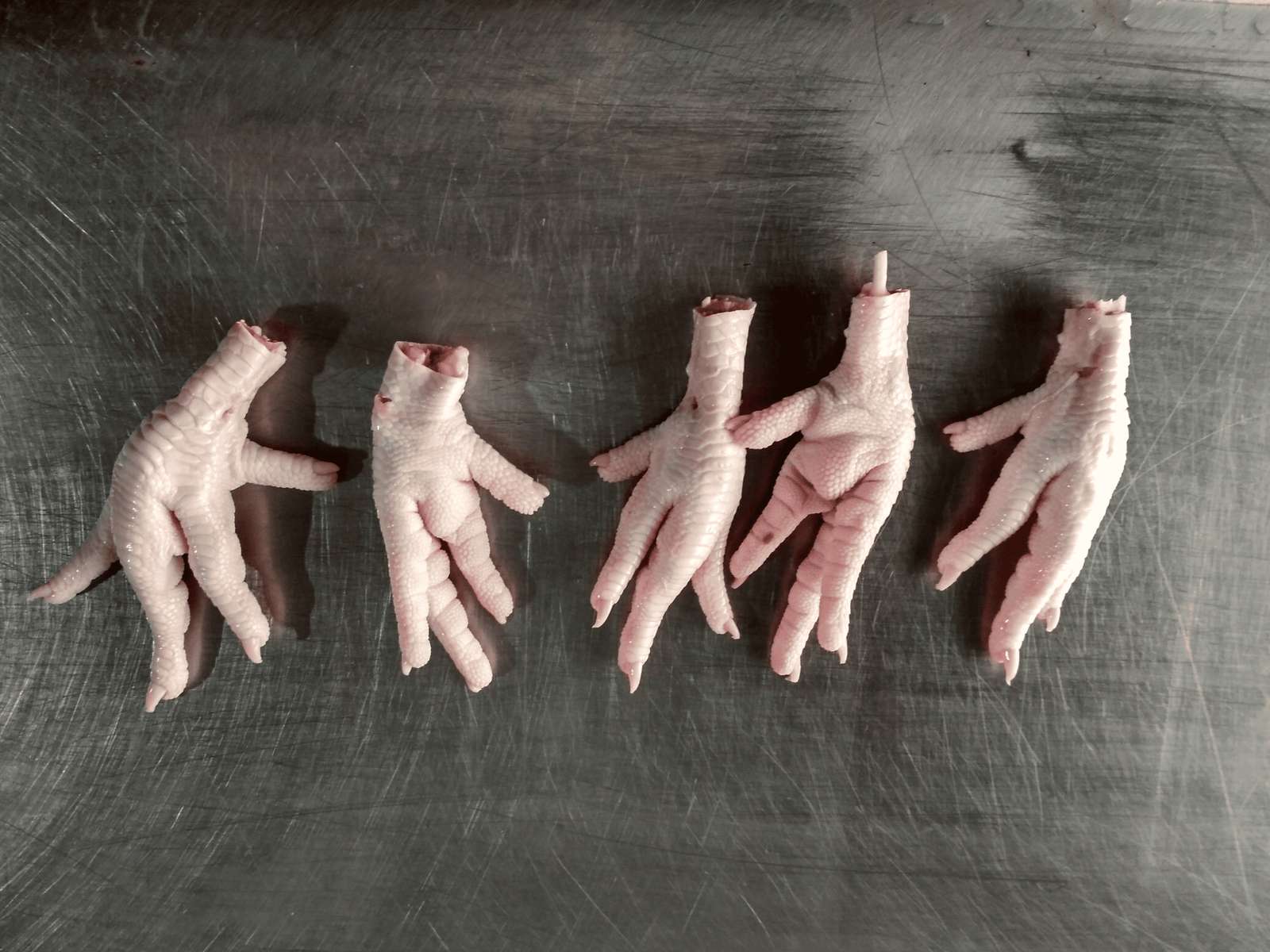
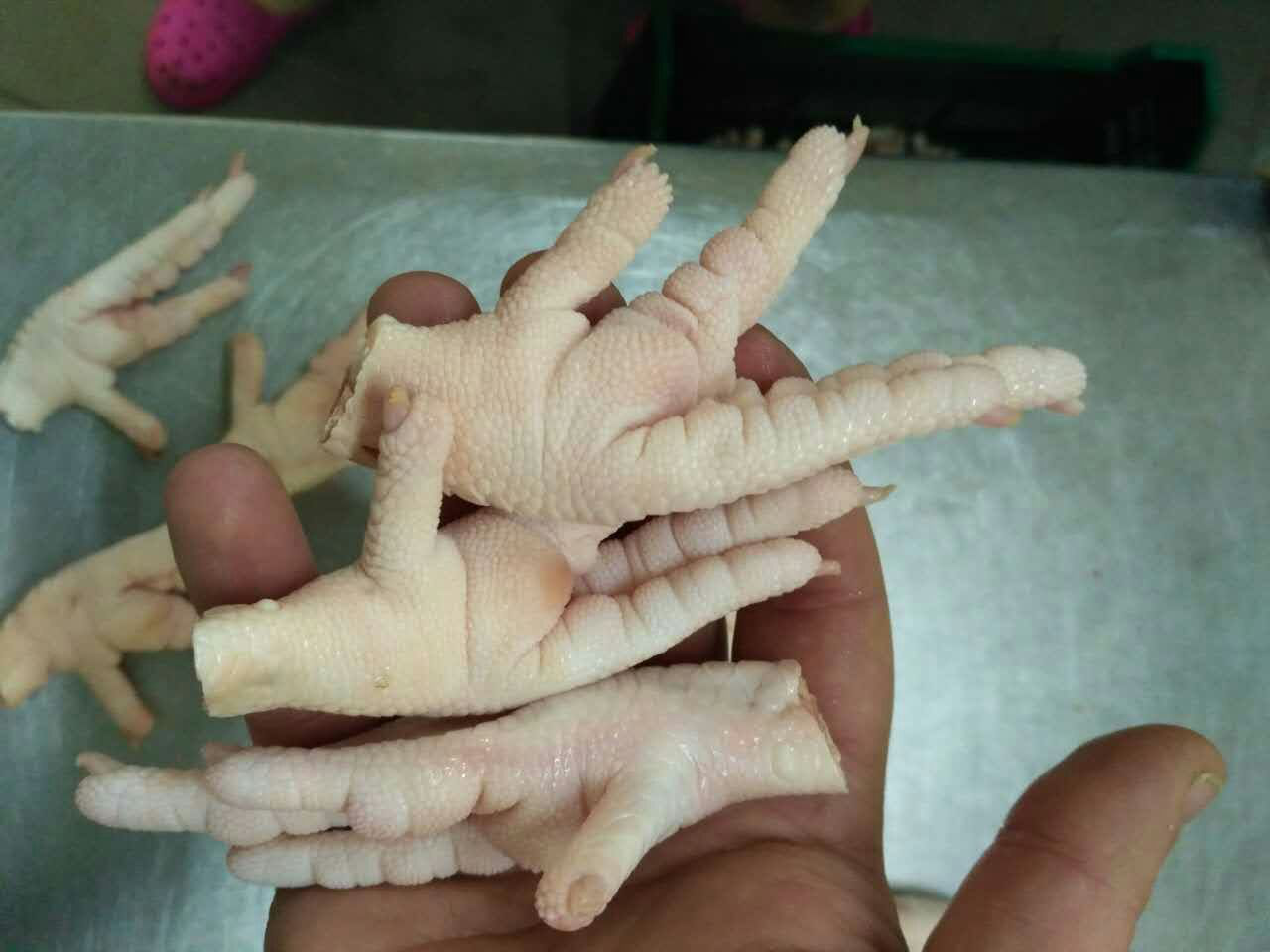
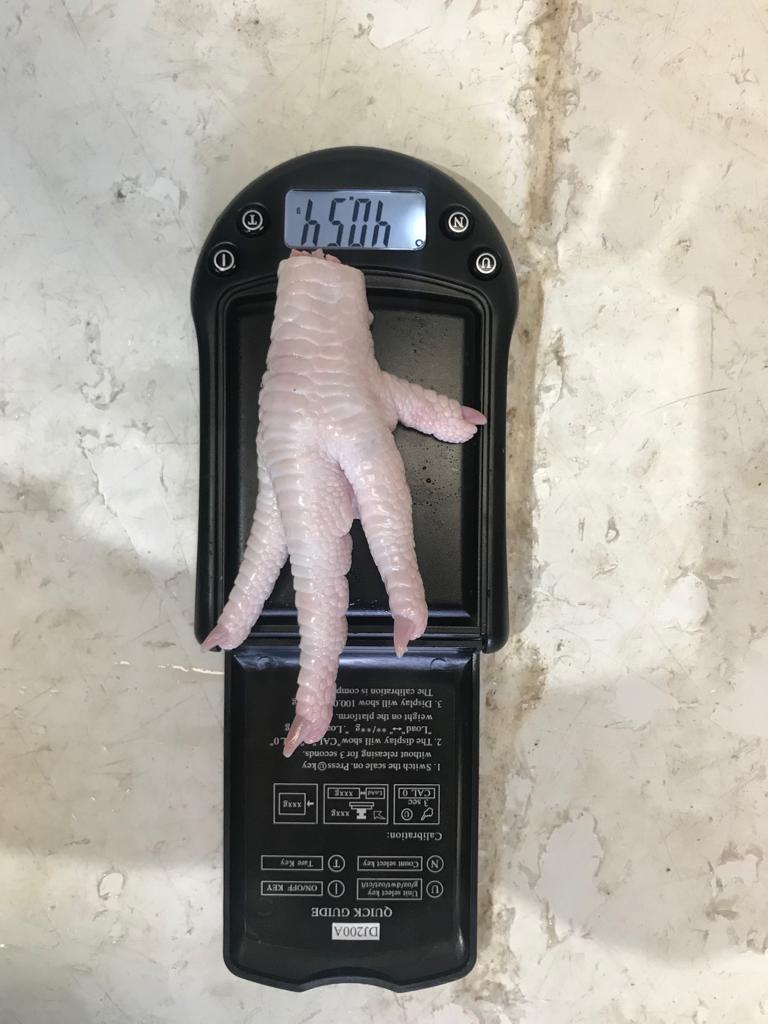
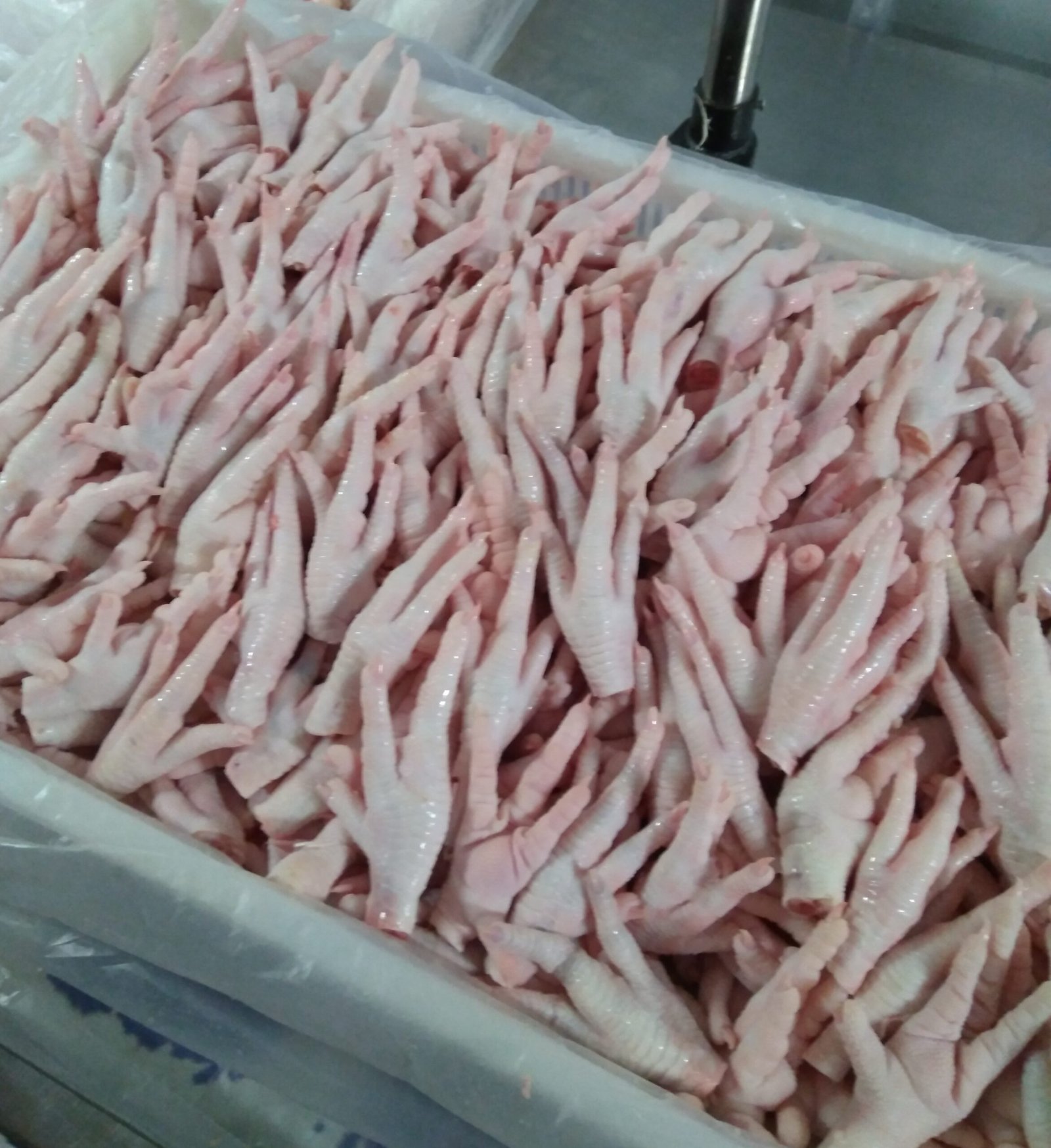
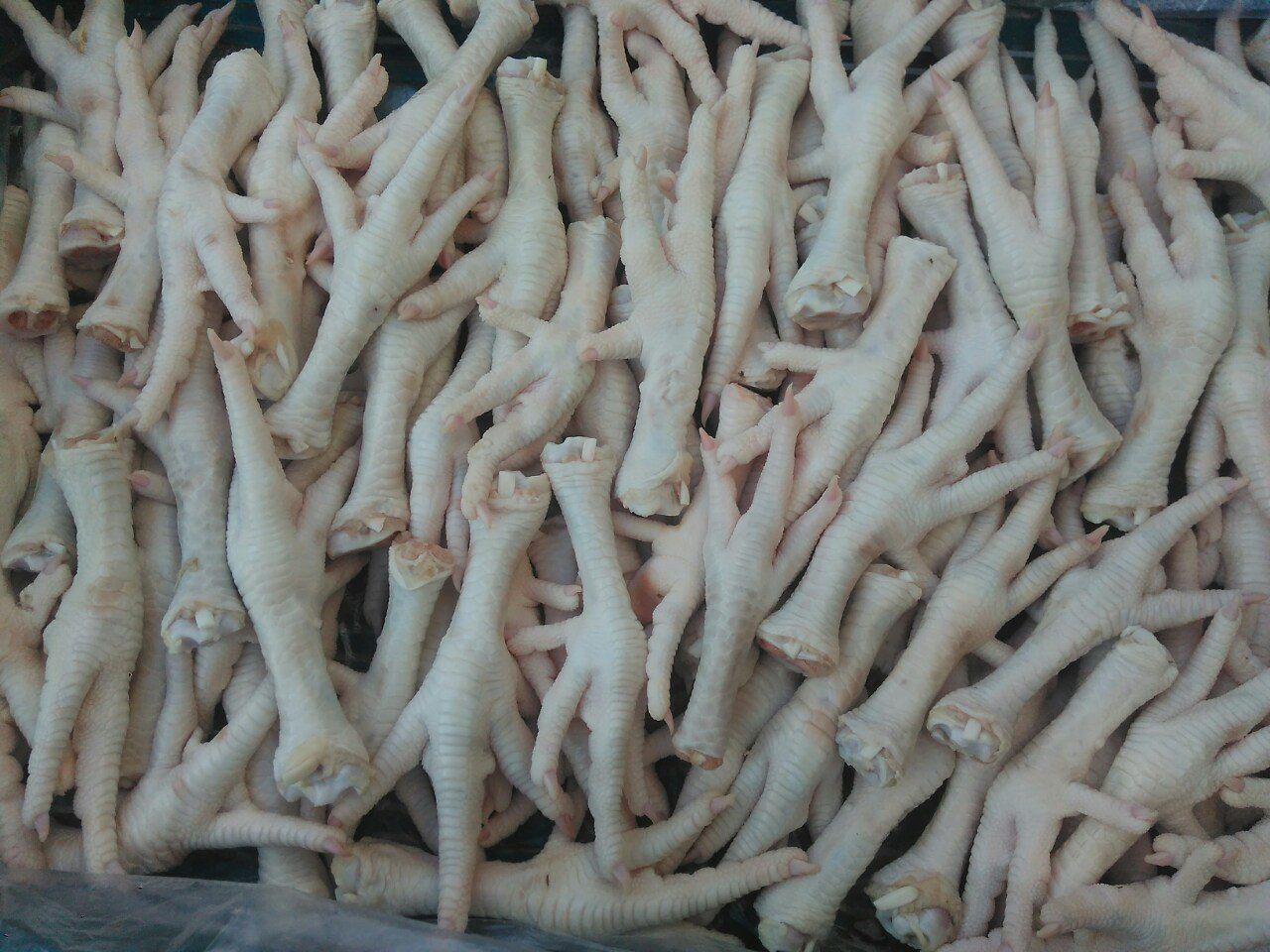
Unlike some Asian markets focused on paws or by-products, UAE demand is strongly associated with whole chicken and halal-certified poultry.
Why UAE imports chicken
Hot climate, limited agricultural land, water constraints and population growth increase dependence on imported food.
Which poultry products are supplied to UAE
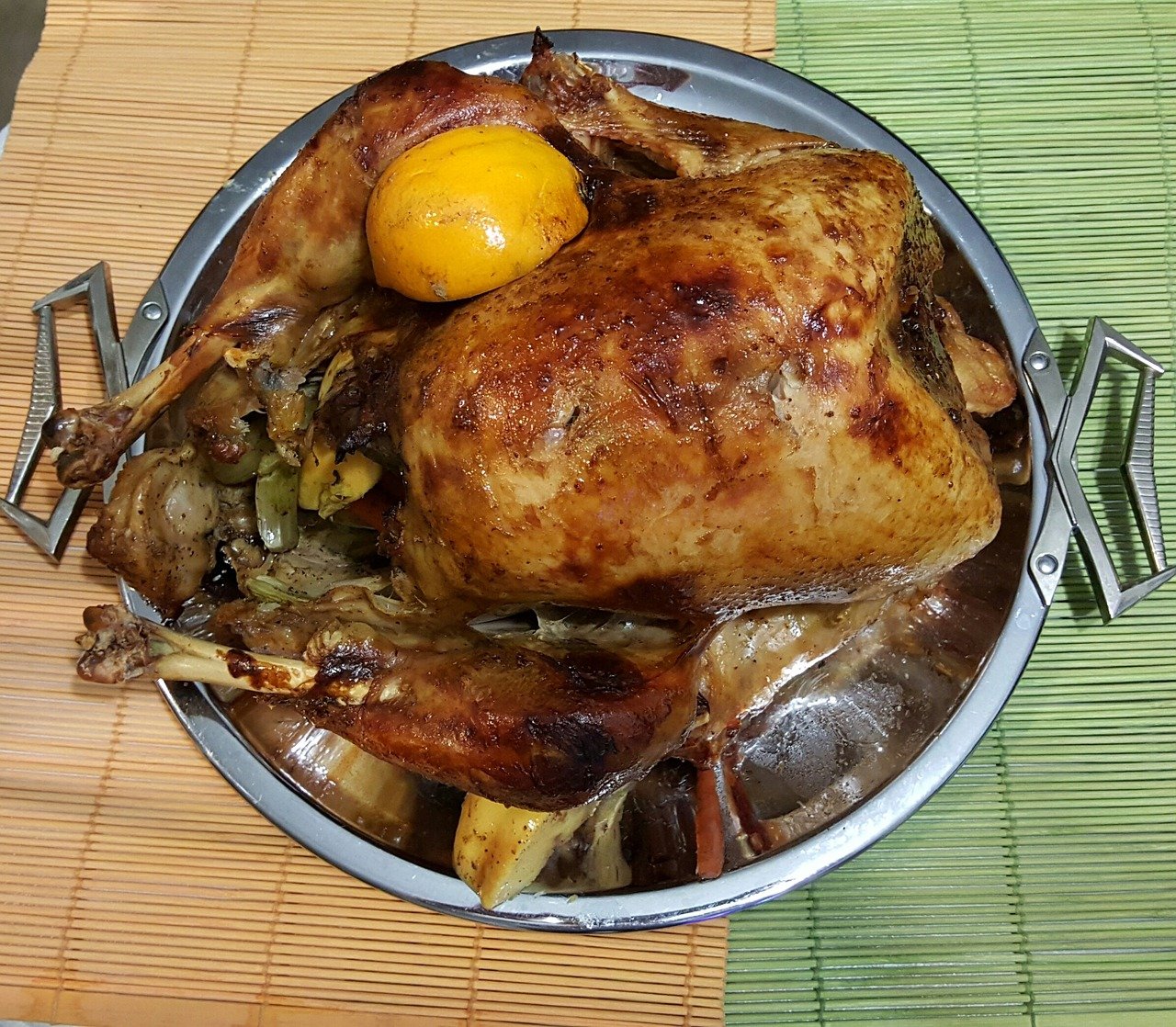
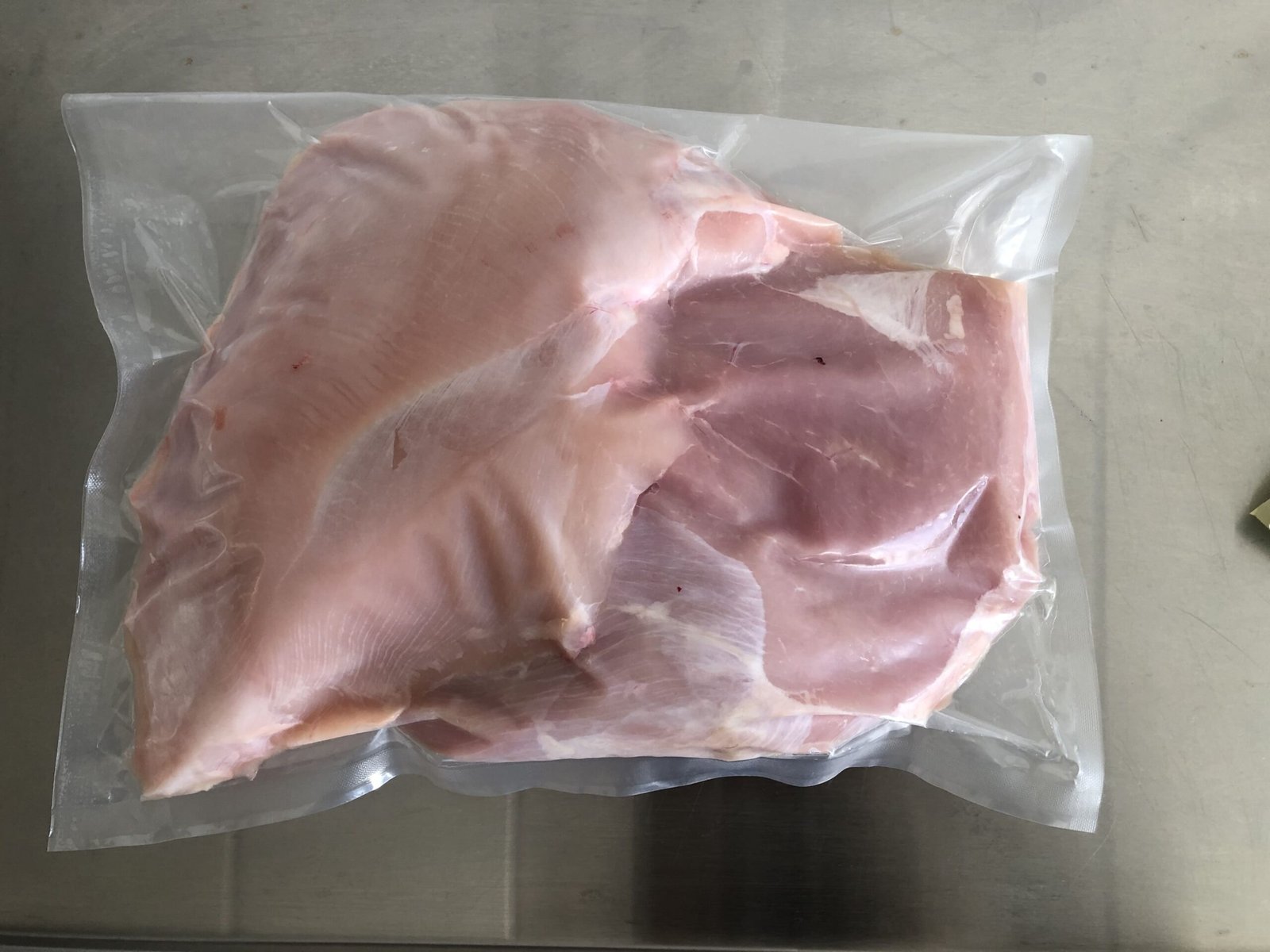
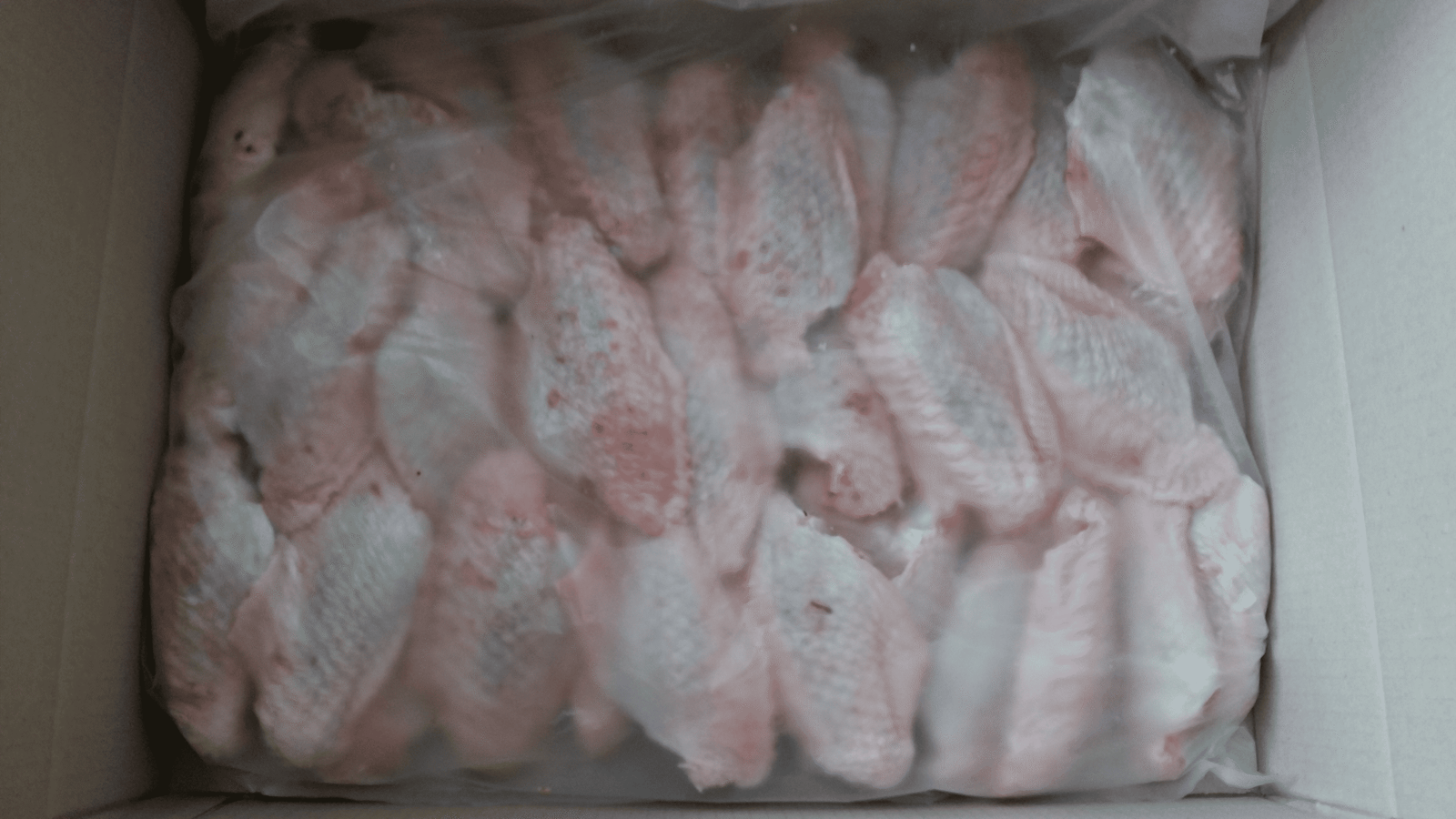
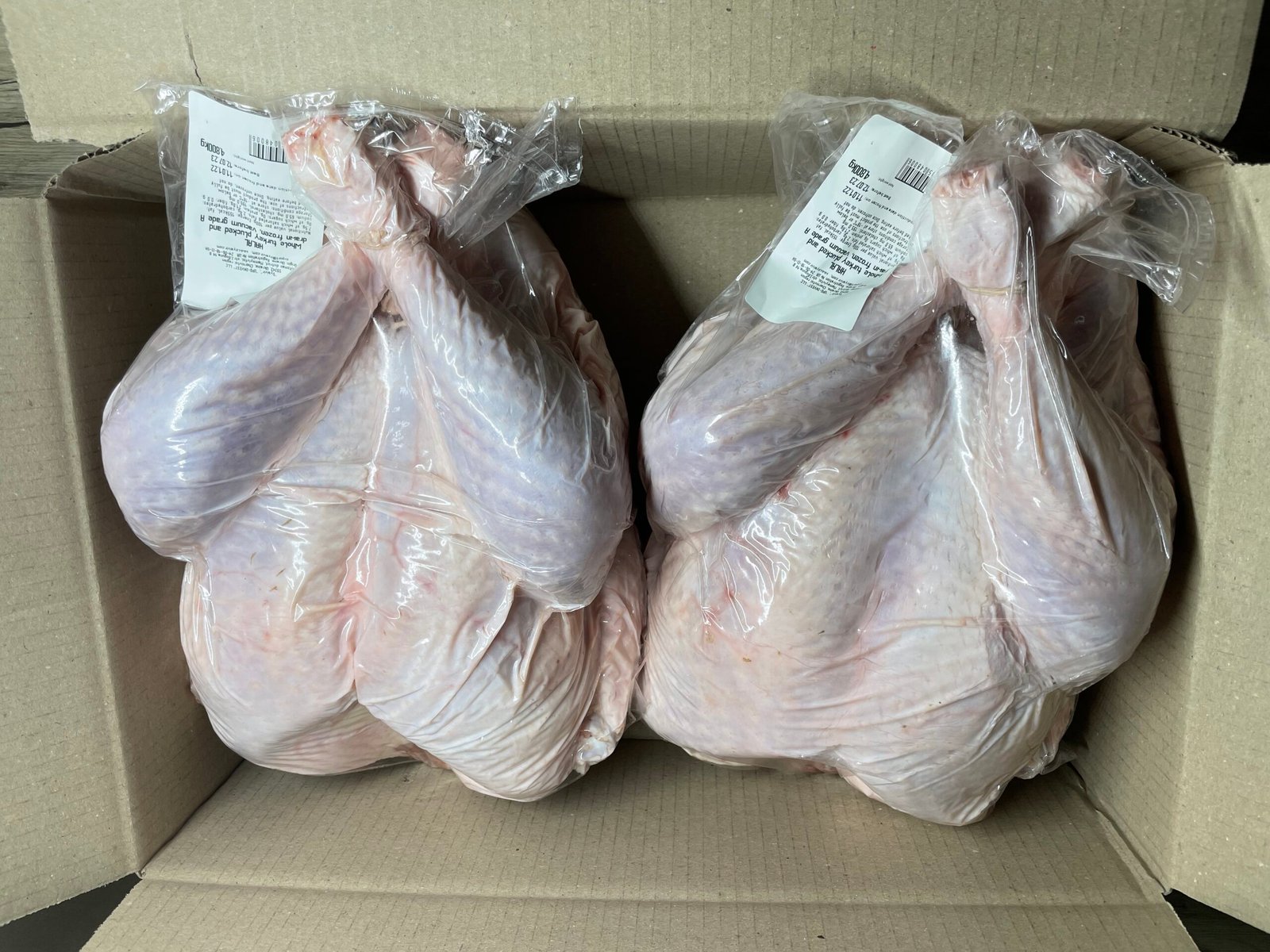
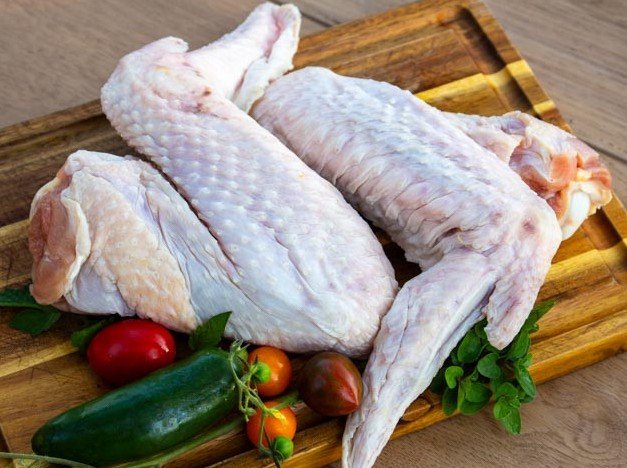
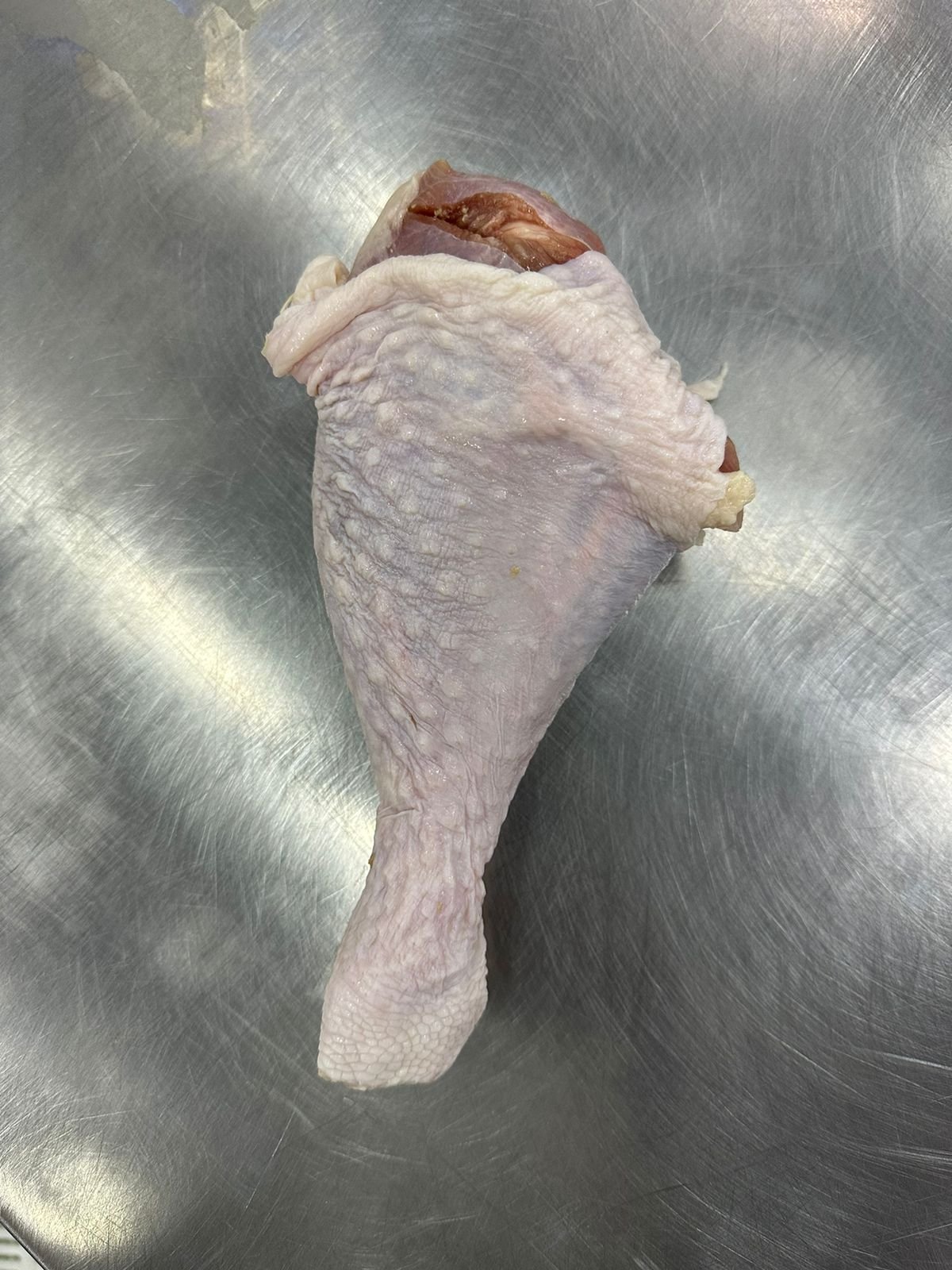
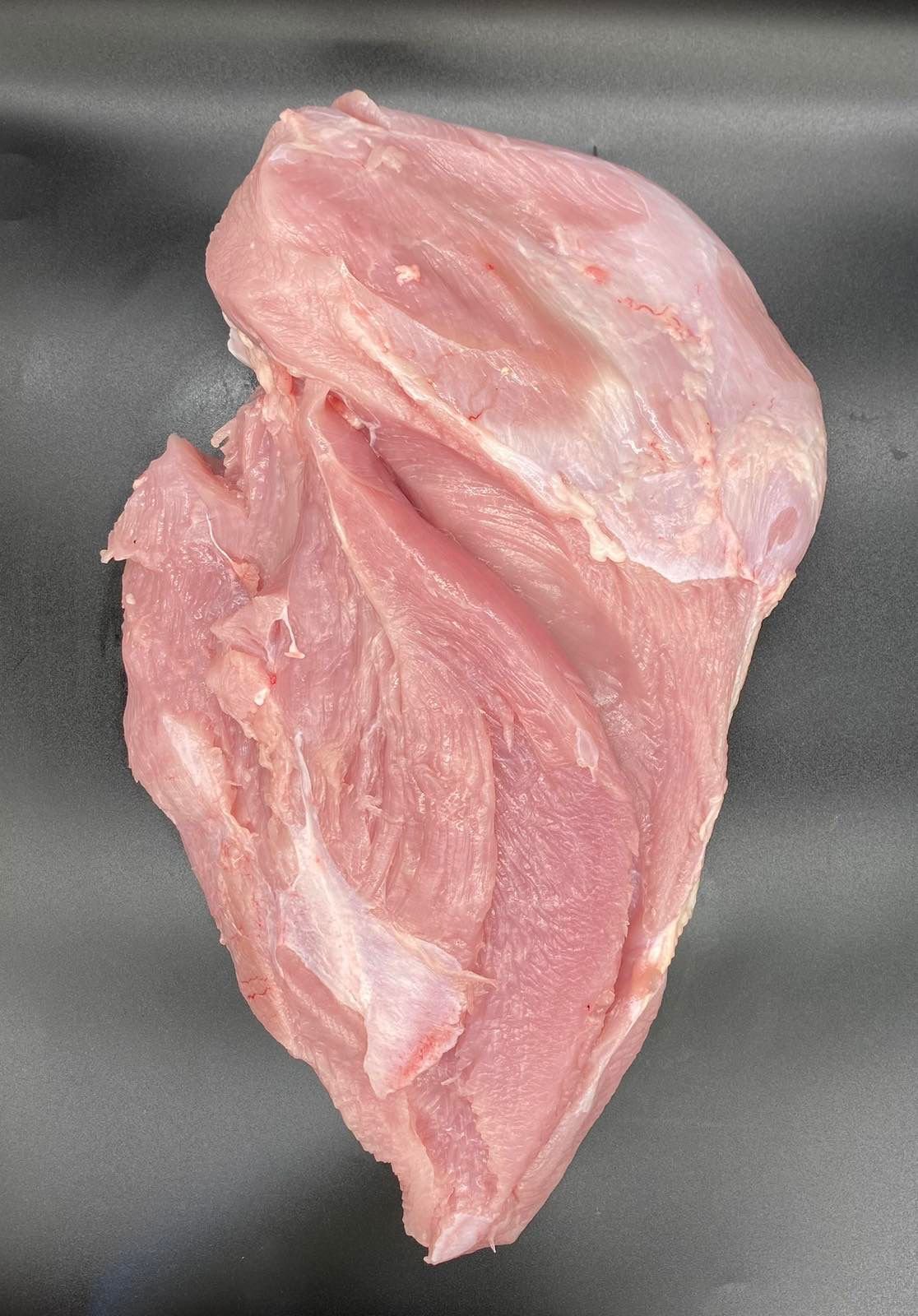
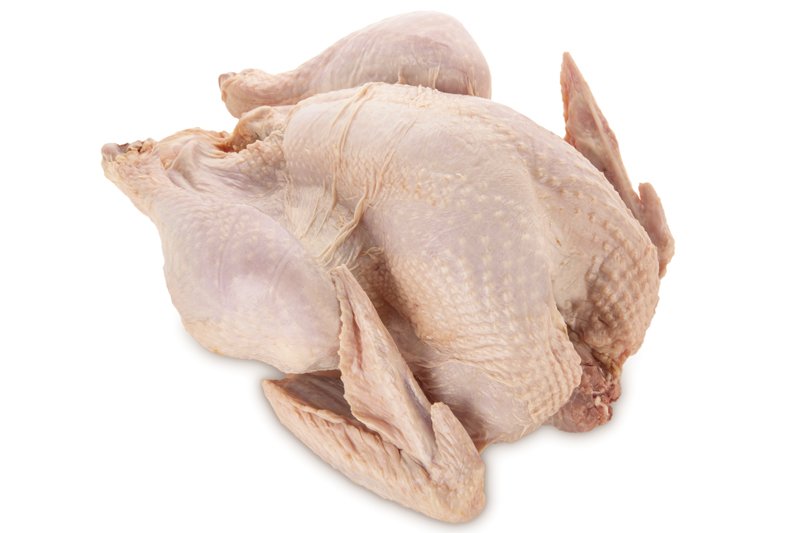
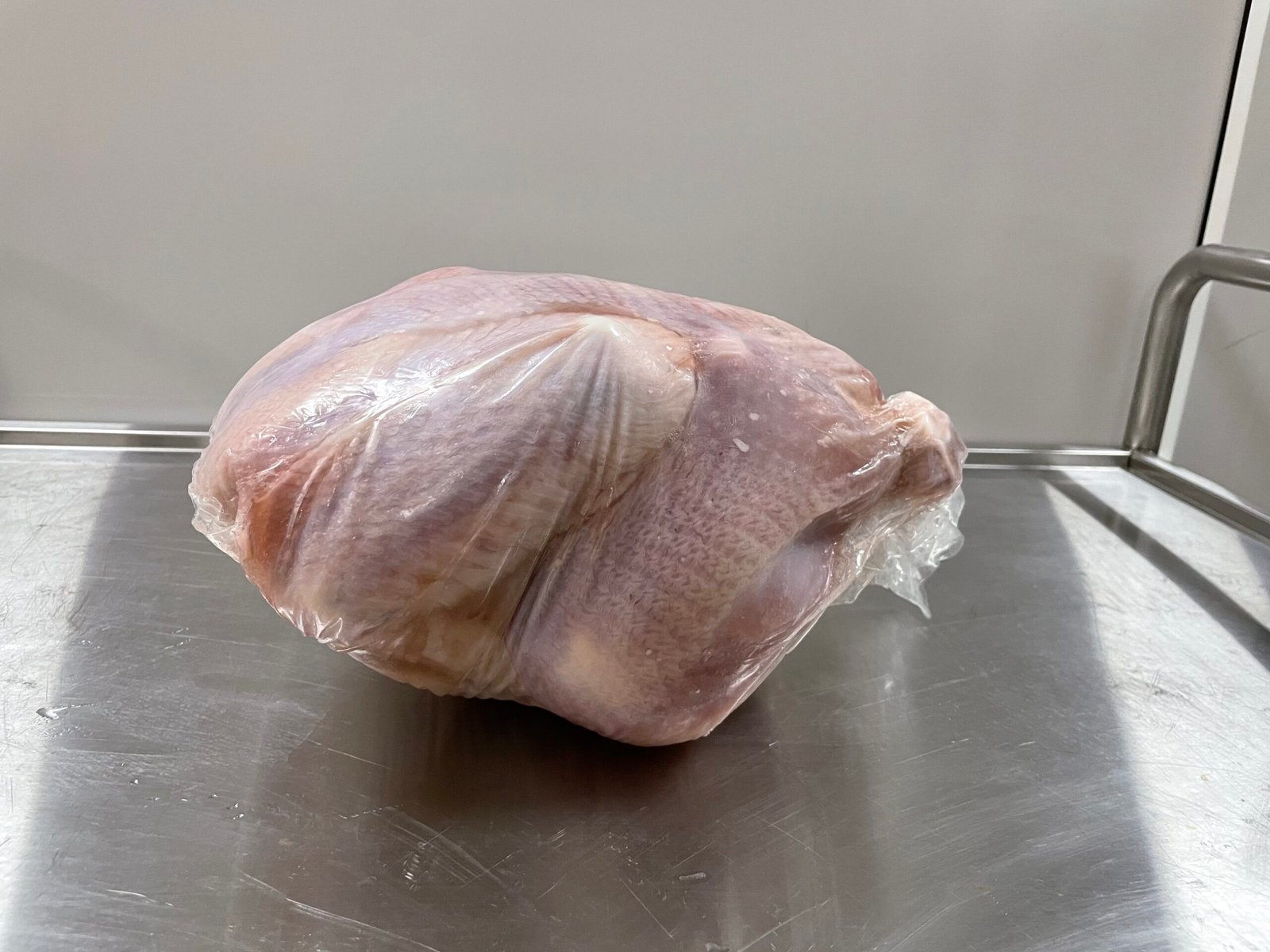
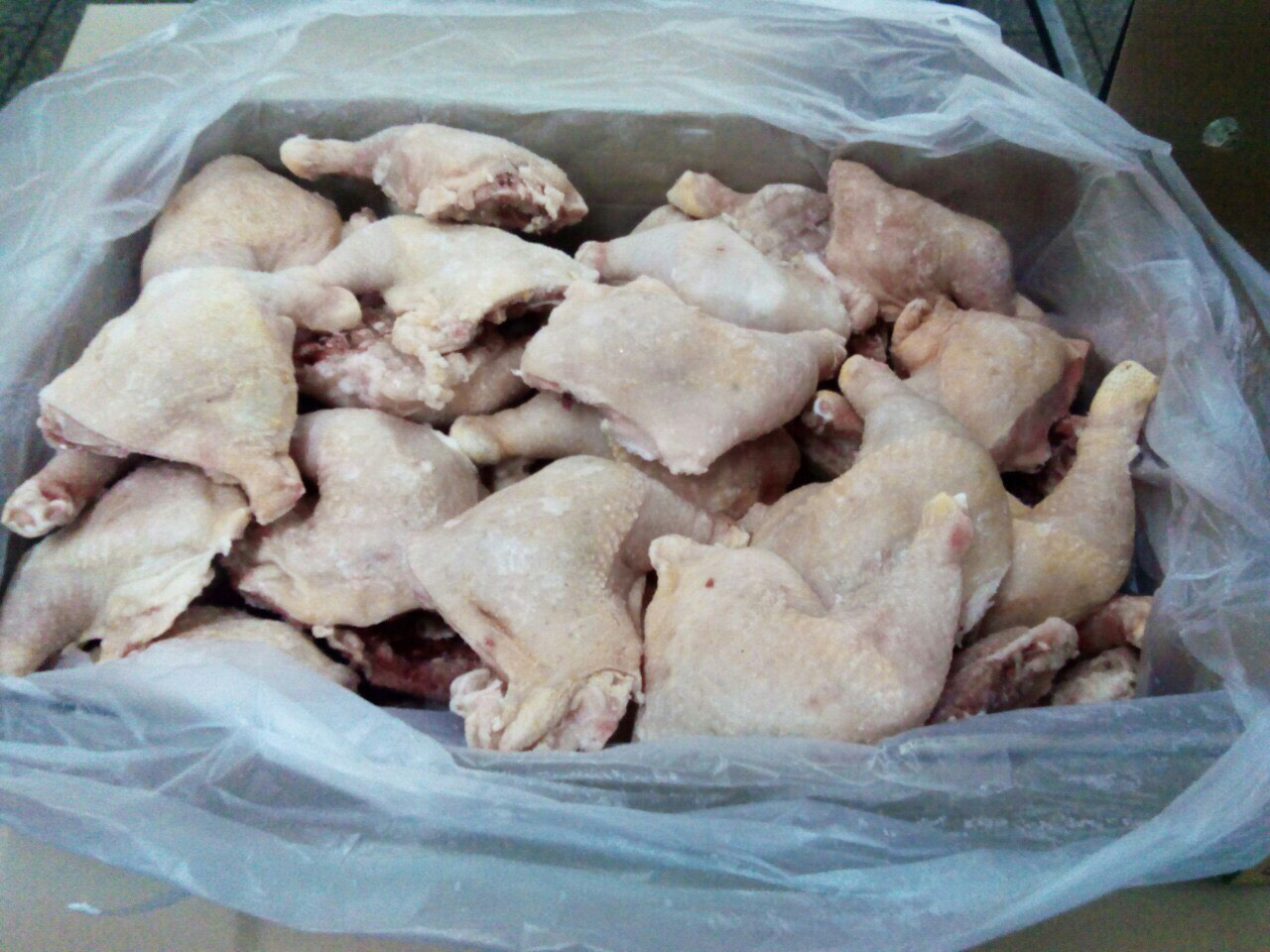
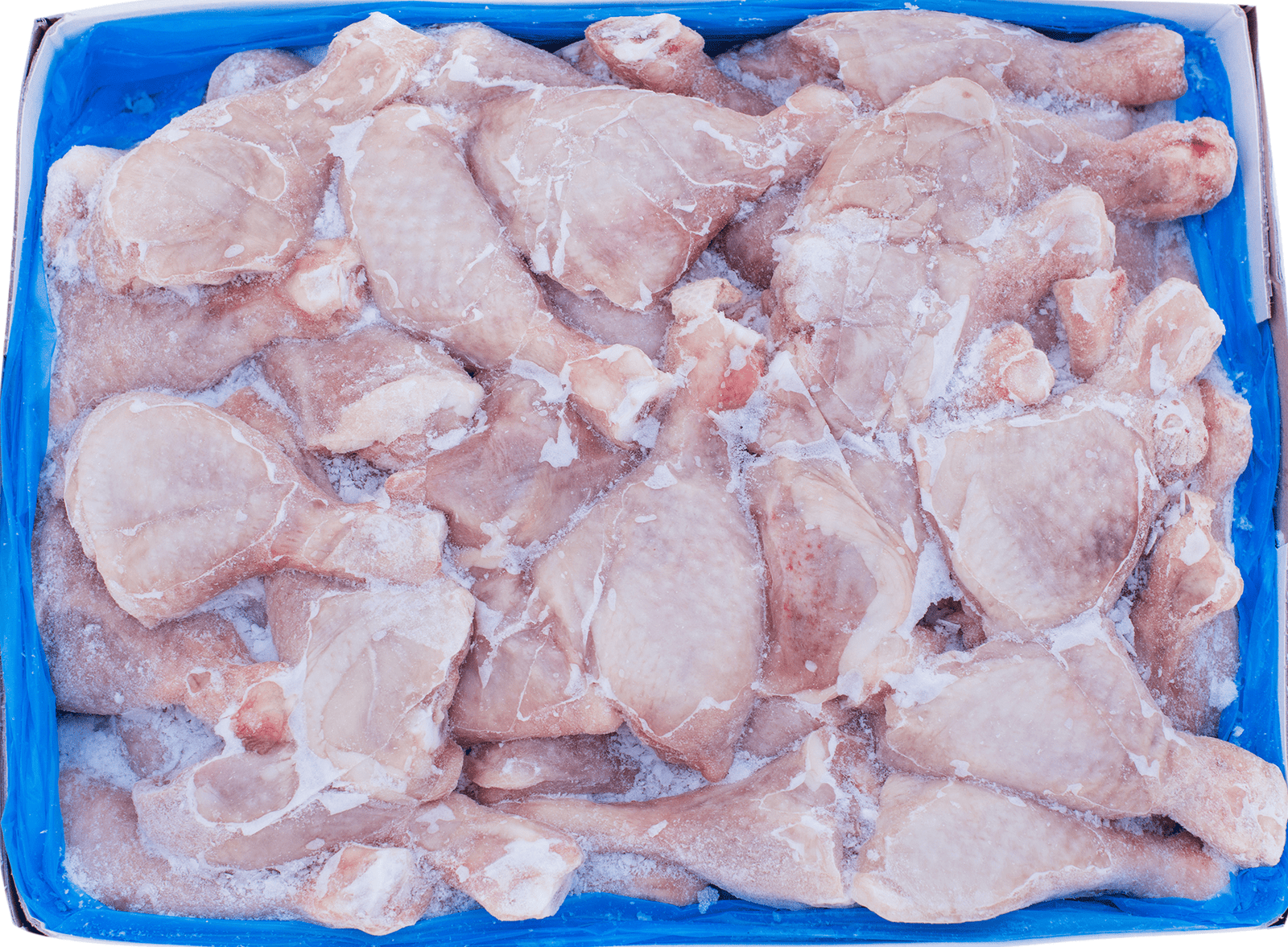
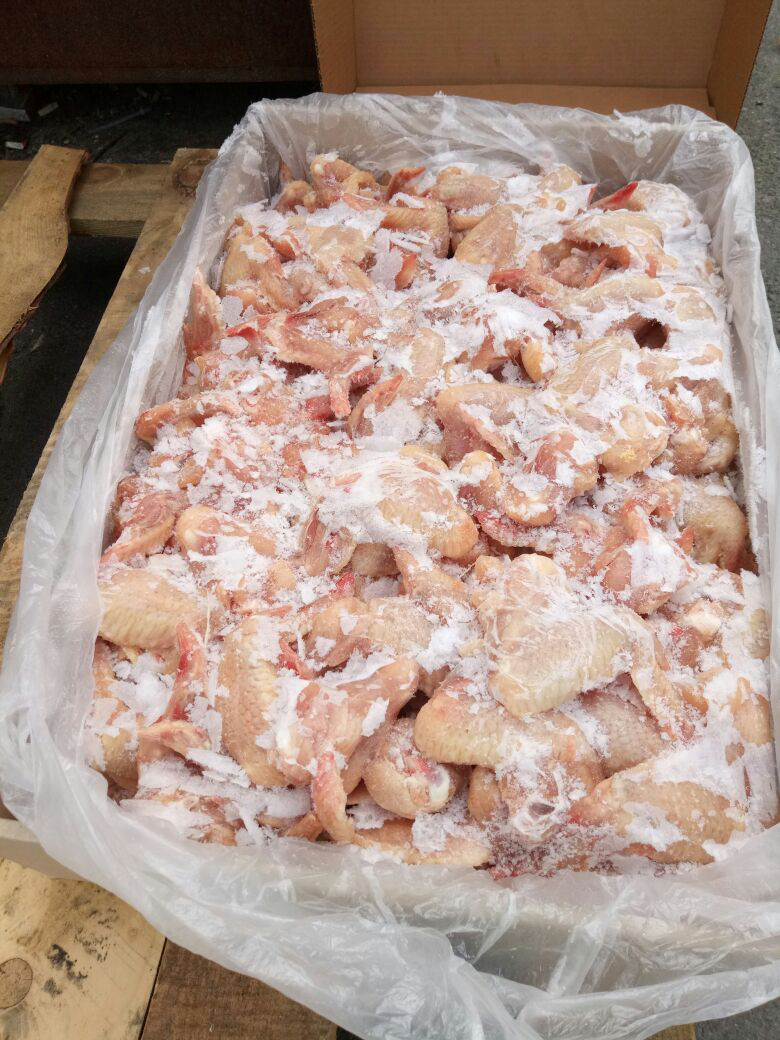
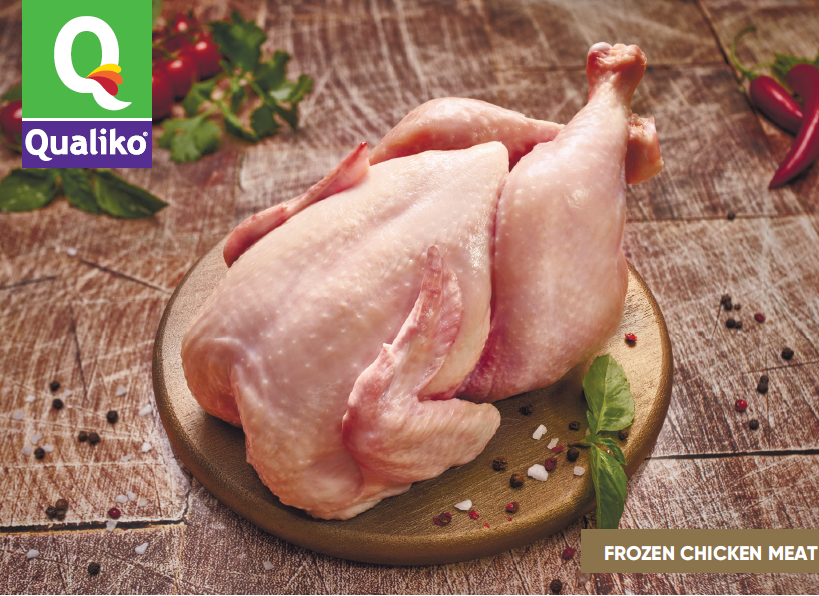
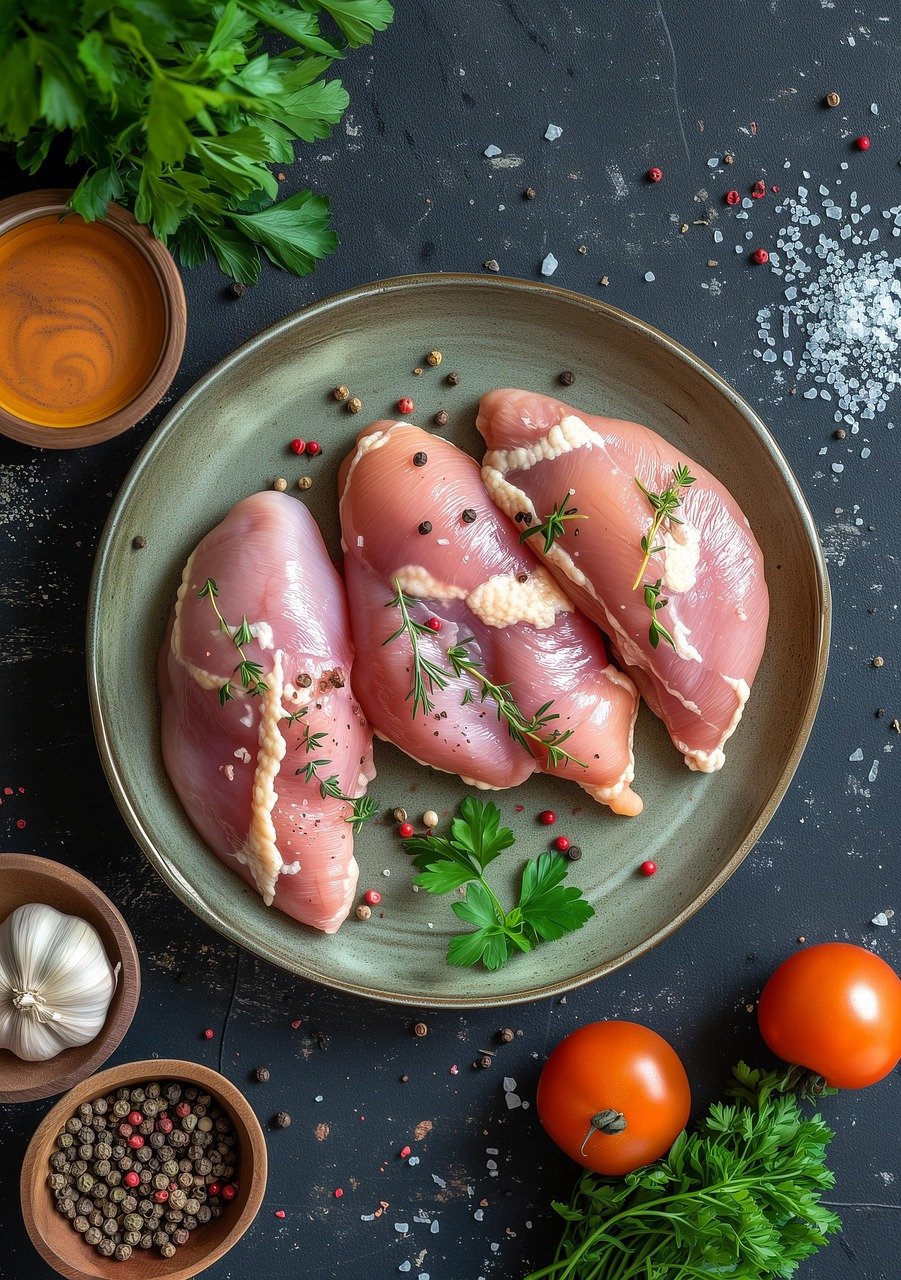
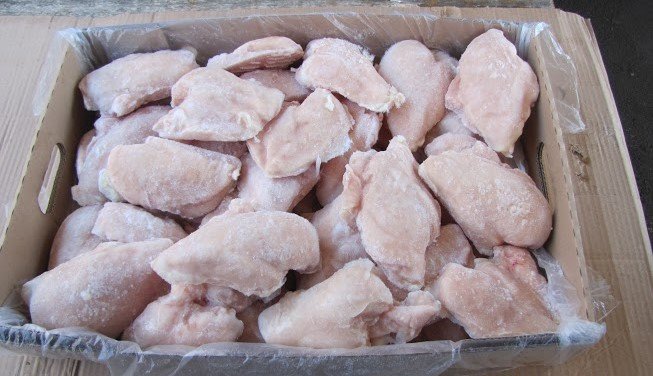
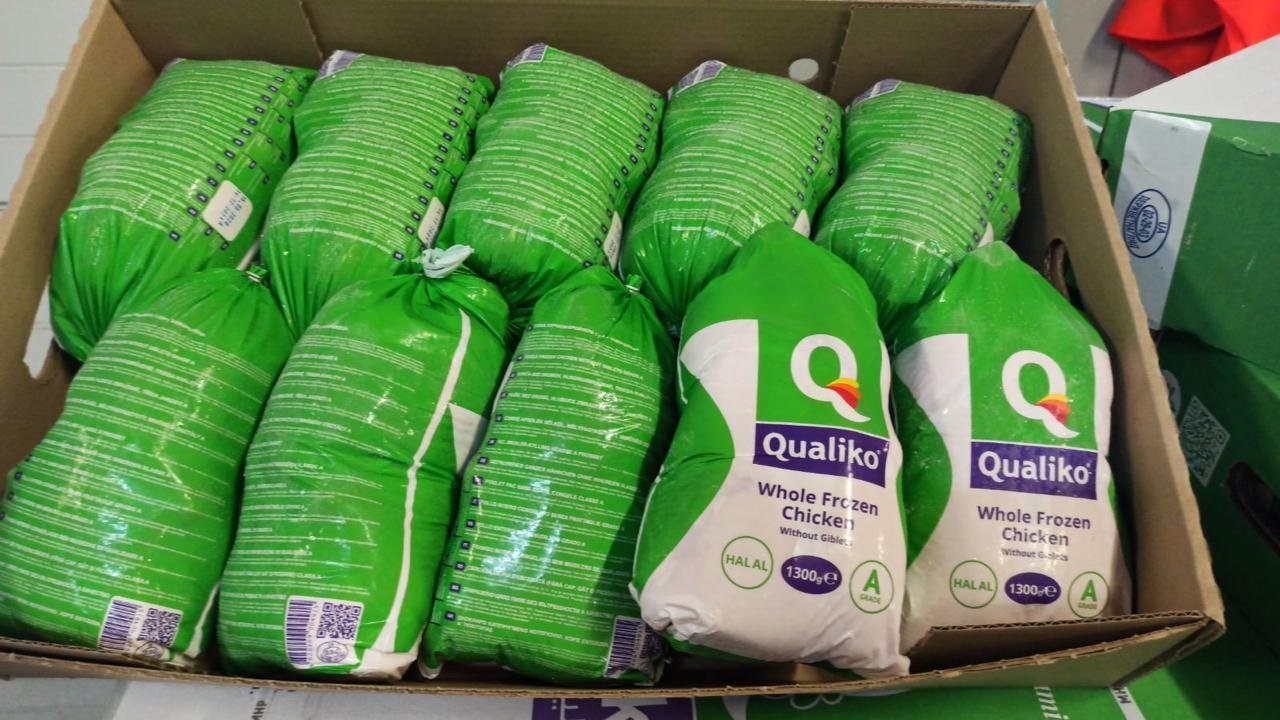
Whole chicken IWP (Individually Wrapped Poultry) is a major category. Common weights: 800–2400 g. Also grillers, breast fillets, leg quarters and wings.
Why buyers prefer non-injected chicken
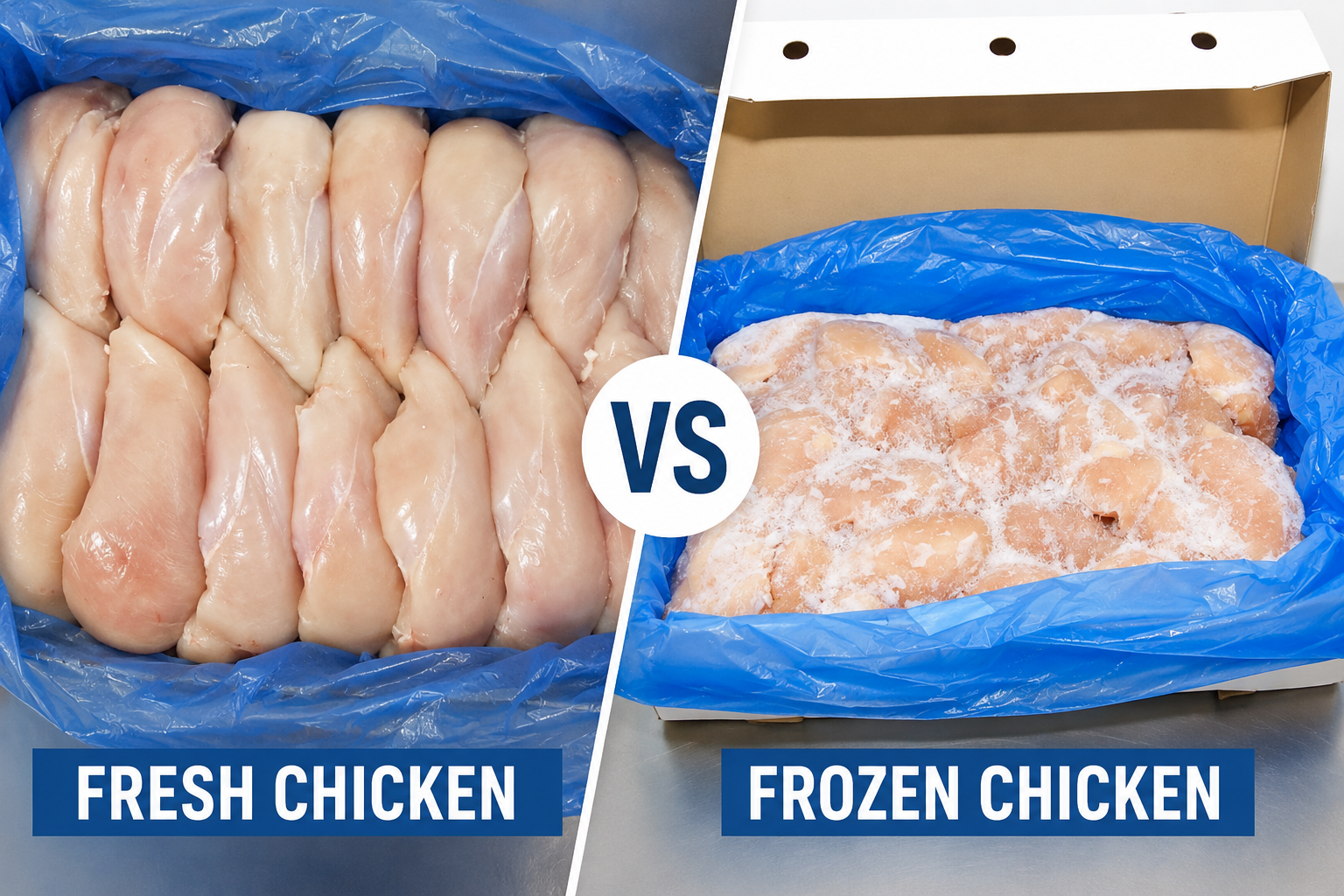
Many importers prefer natural, non-injected chicken because added water solutions can affect texture, cooking performance and perceived quality.
Why whole chicken IWP is important
Individually wrapped carcasses simplify retail handling, preserve hygiene and support size-based purchasing.
Competition: Ukraine vs Brazil
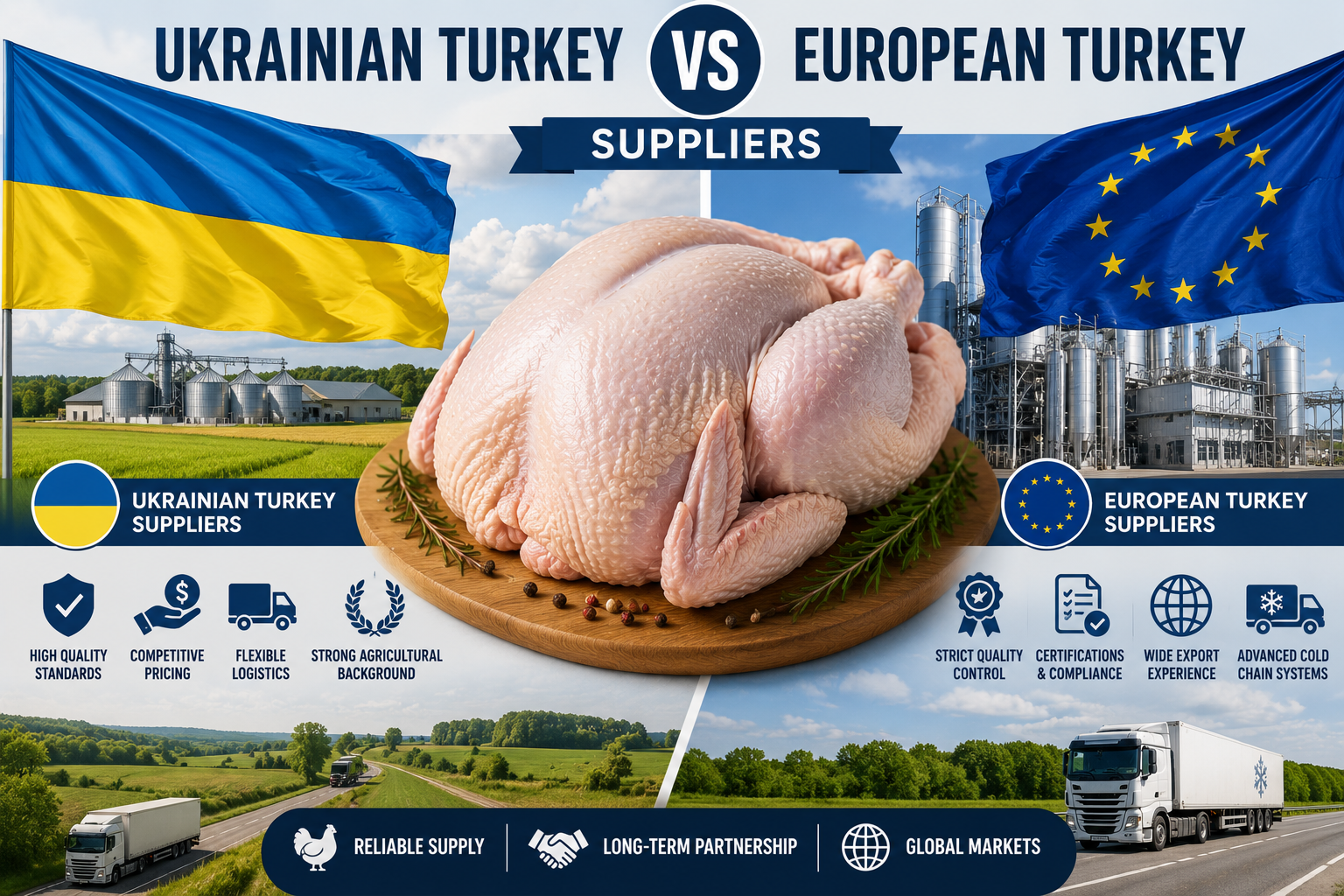
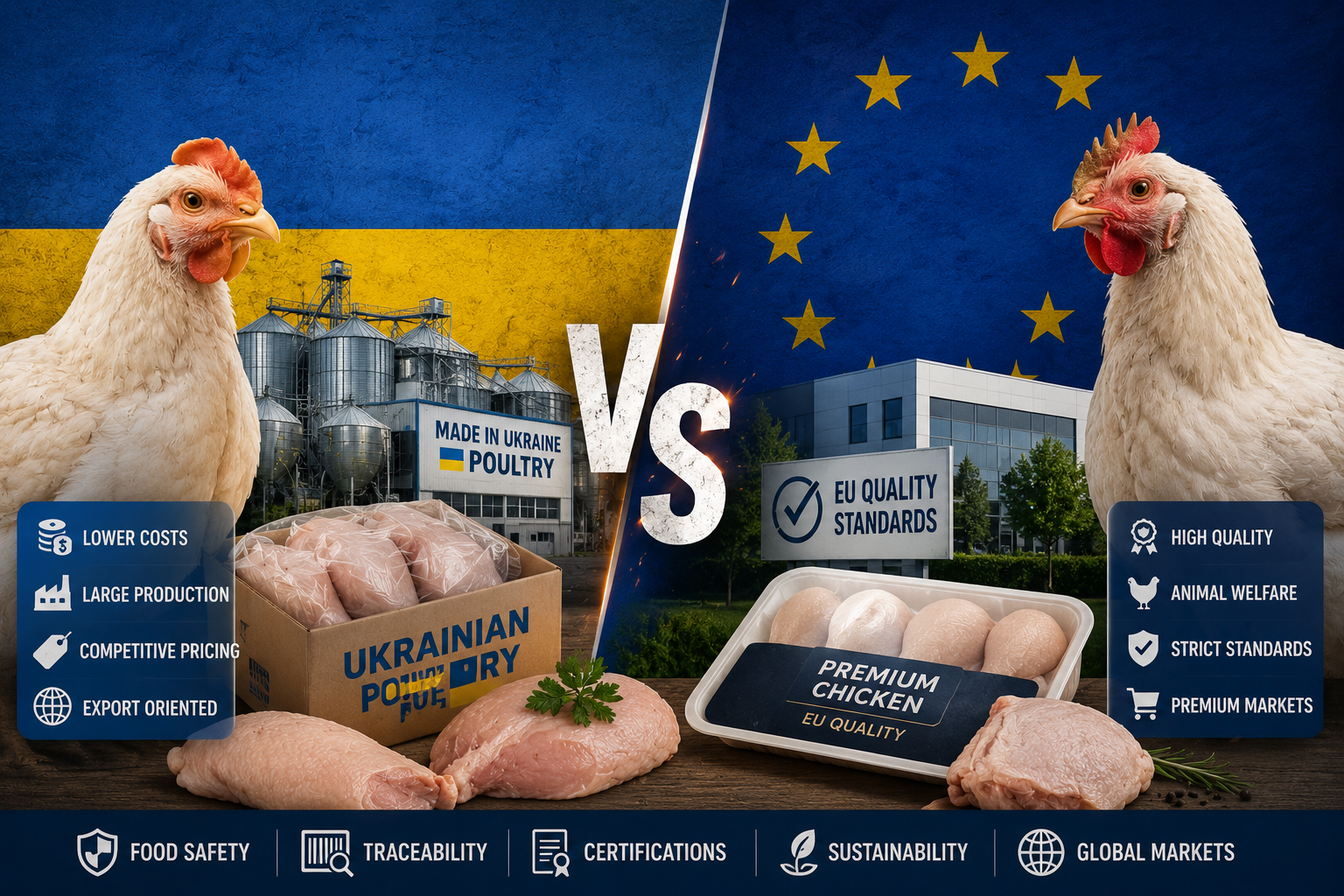
Brazilian exporters including major brands have long supplied Gulf markets. Ukrainian producers compete through shorter logistics routes, flexible sourcing and reputation for natural poultry.
Ukraine vs Saudi Arabia
Saudi producers are geographically close to Gulf buyers but domestic cost structures may differ. Ukrainian supply can compete on availability and export orientation.
Role of MHP (Qualiko)
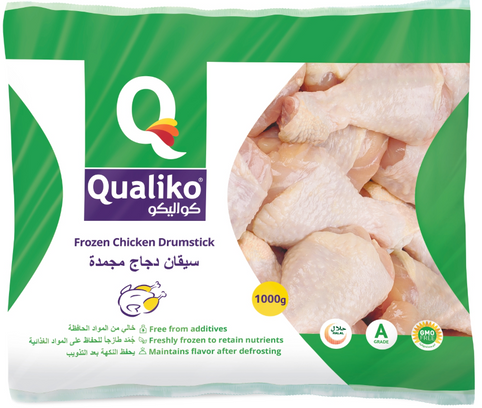
MHP (Qualiko) is one of the largest Ukrainian poultry groups and an important international exporter with established processing and distribution infrastructure.
Logistics and Jebel Ali
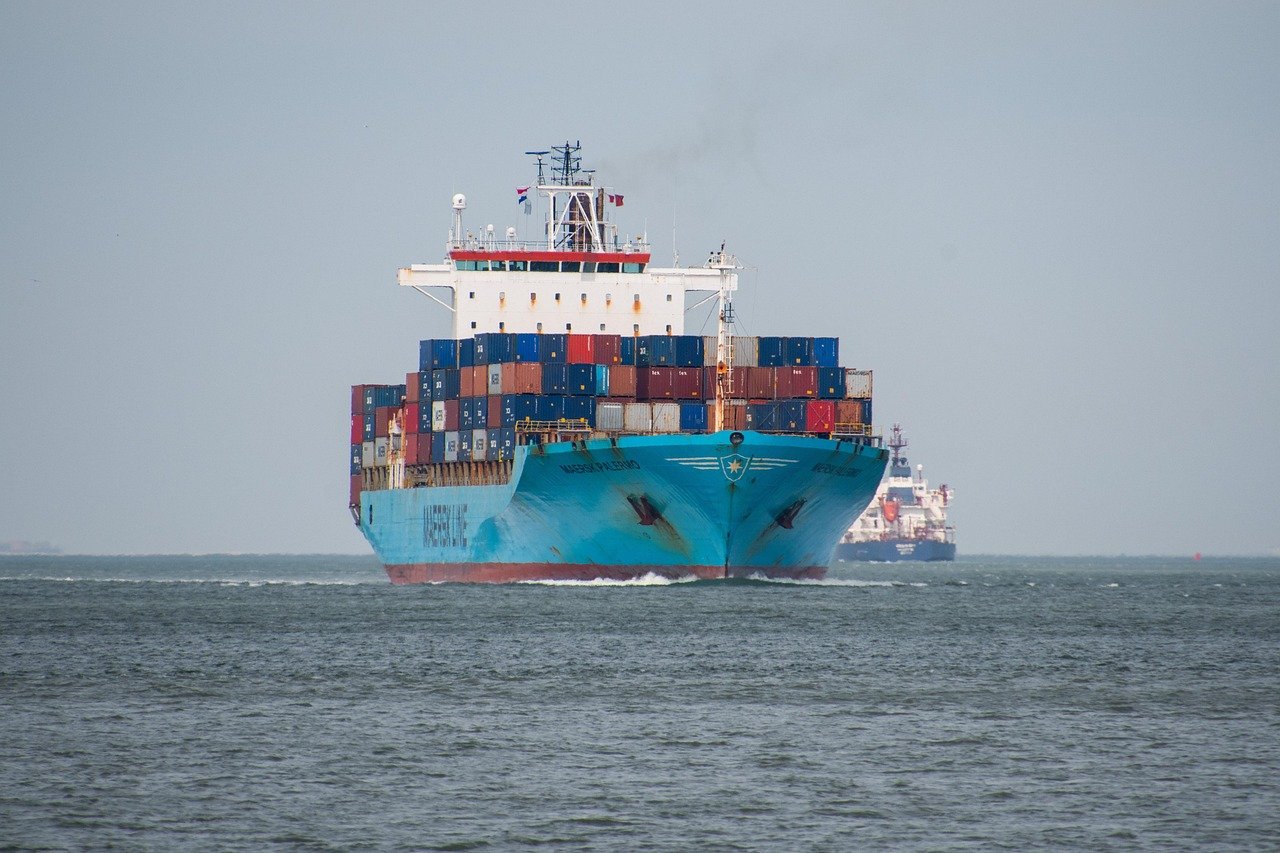
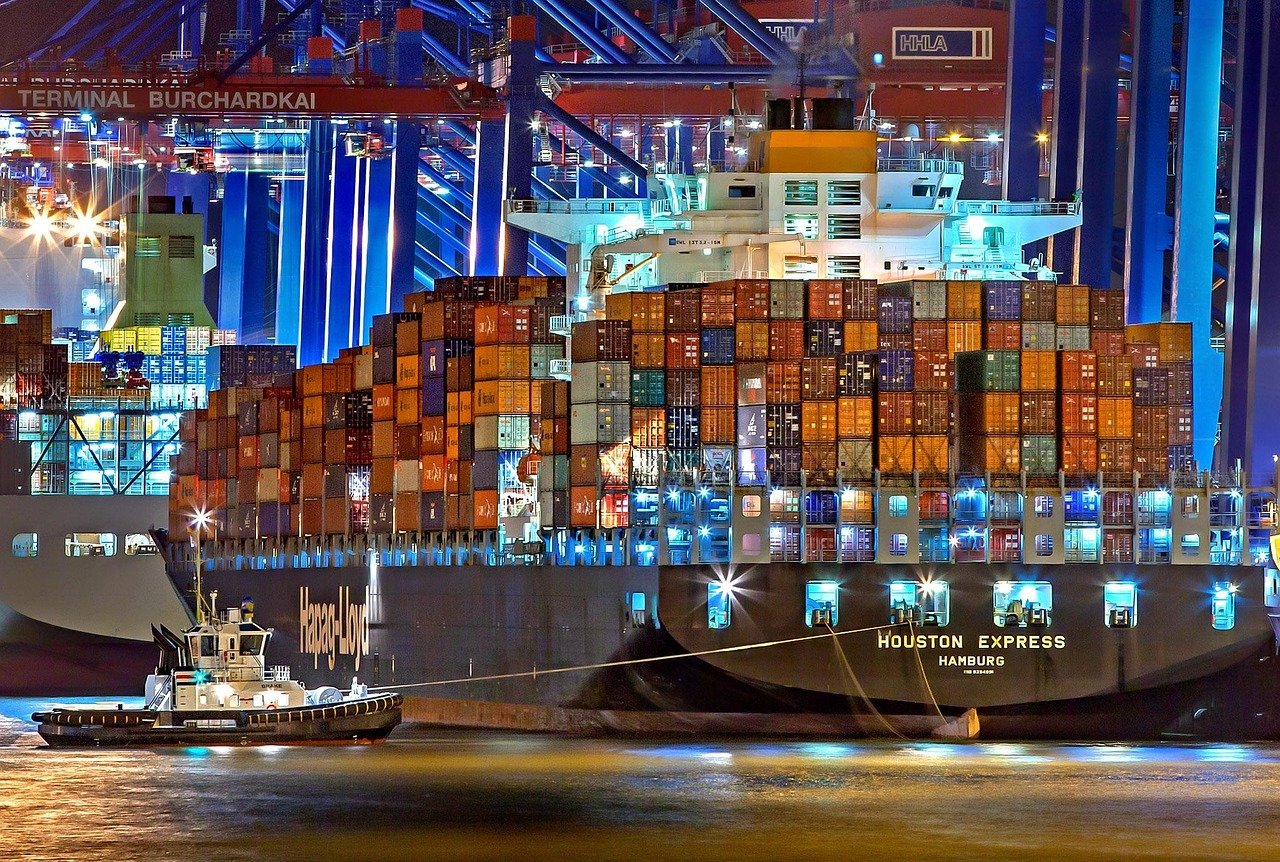
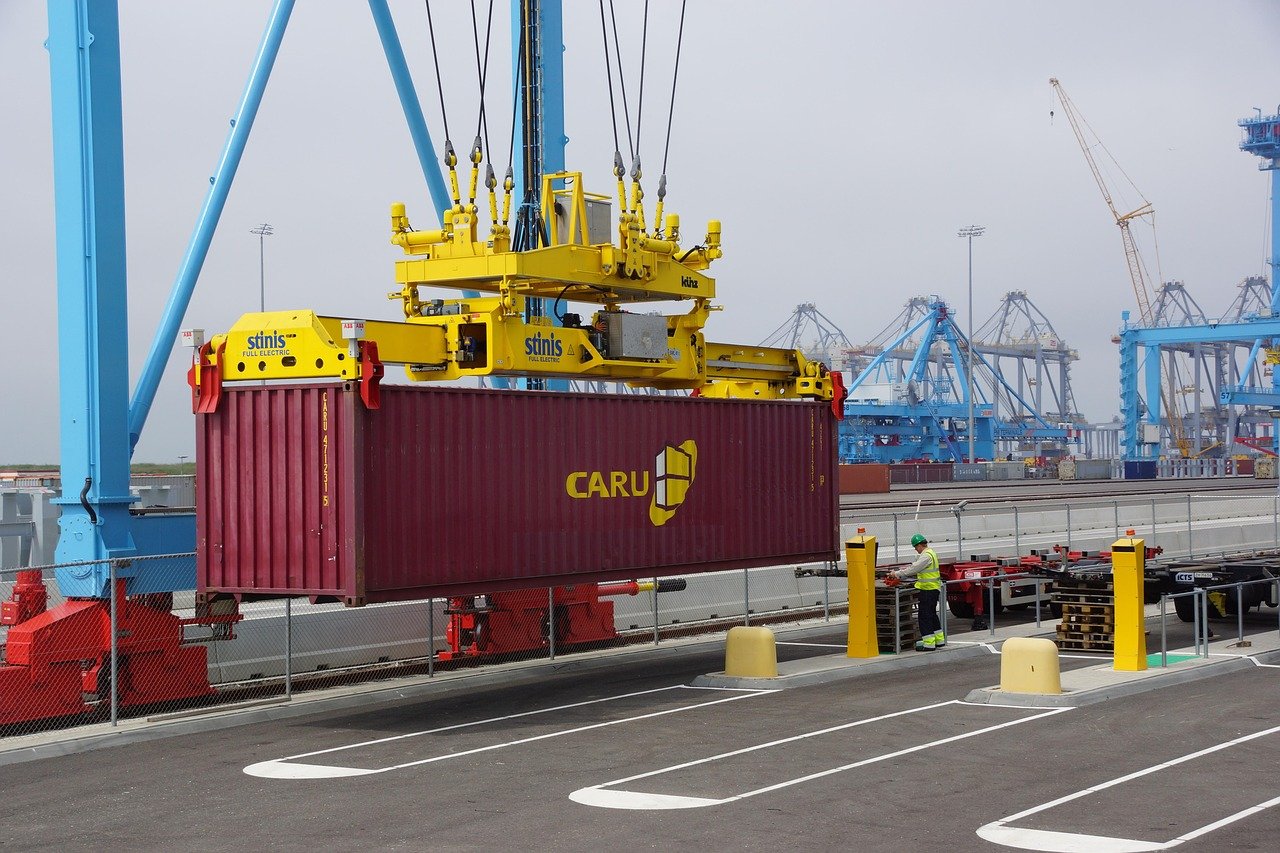
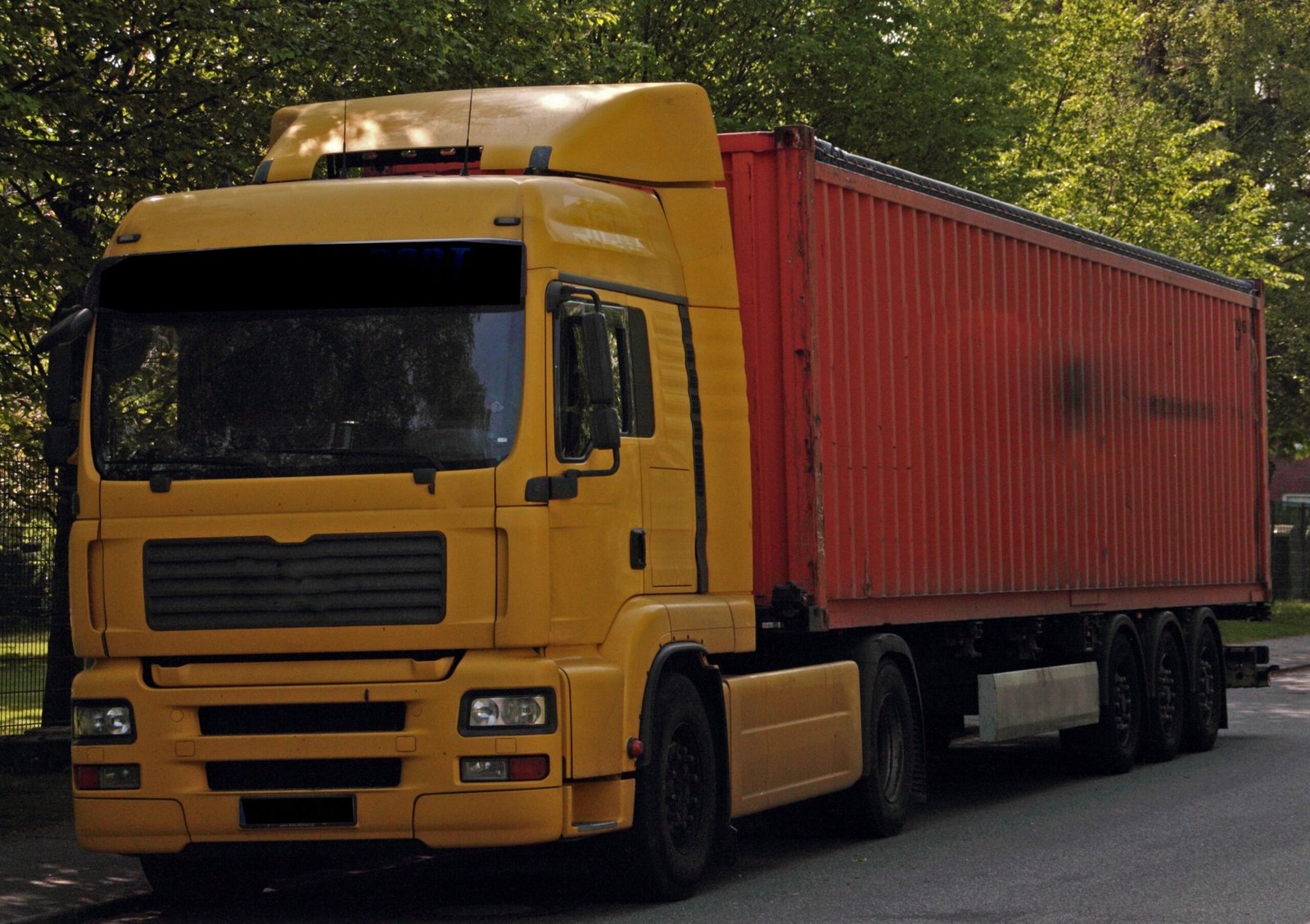
Jebel Ali is a major import gateway and redistribution hub for Gulf markets. Efficient cold-chain handling matters for frozen poultry.
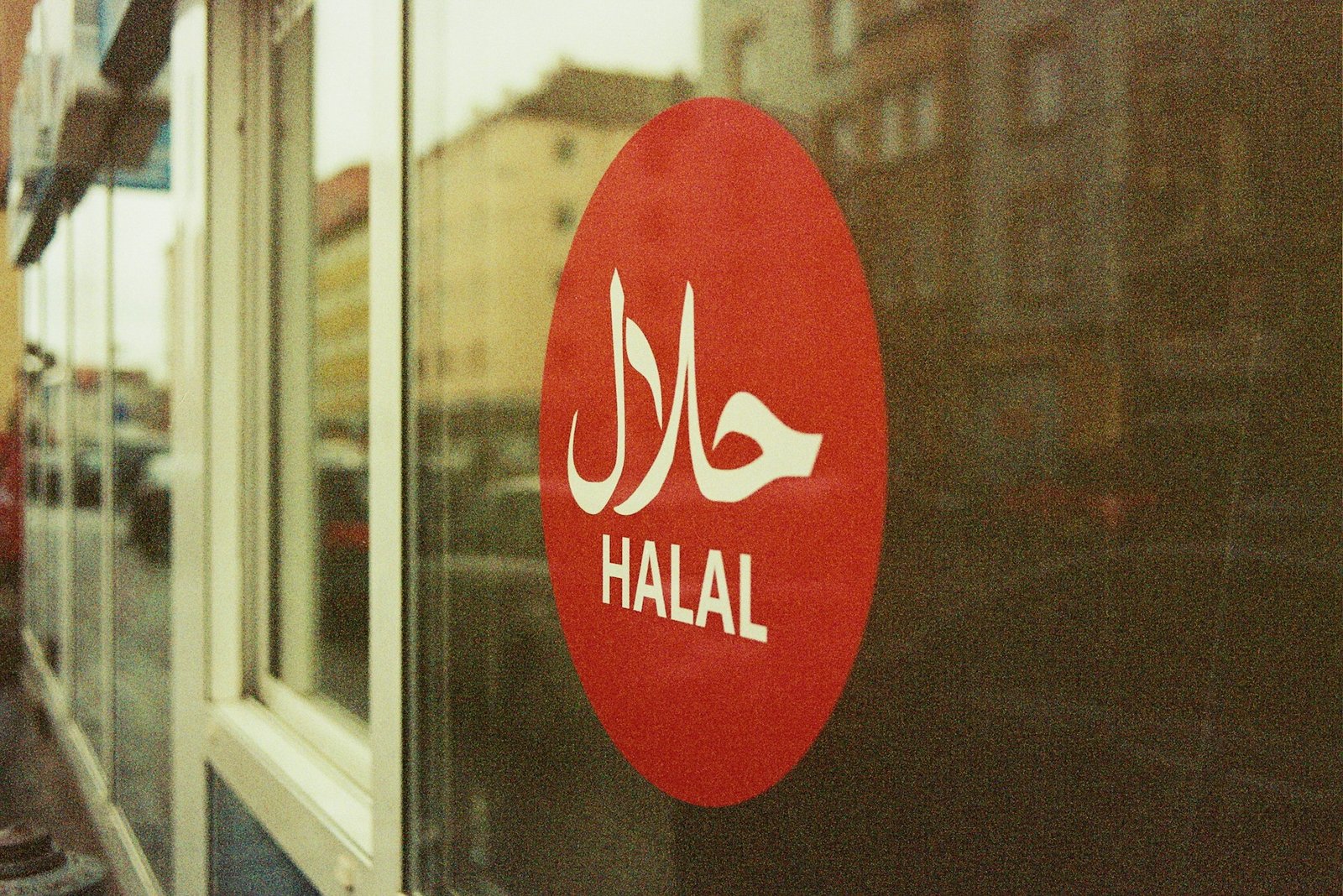
What halal means
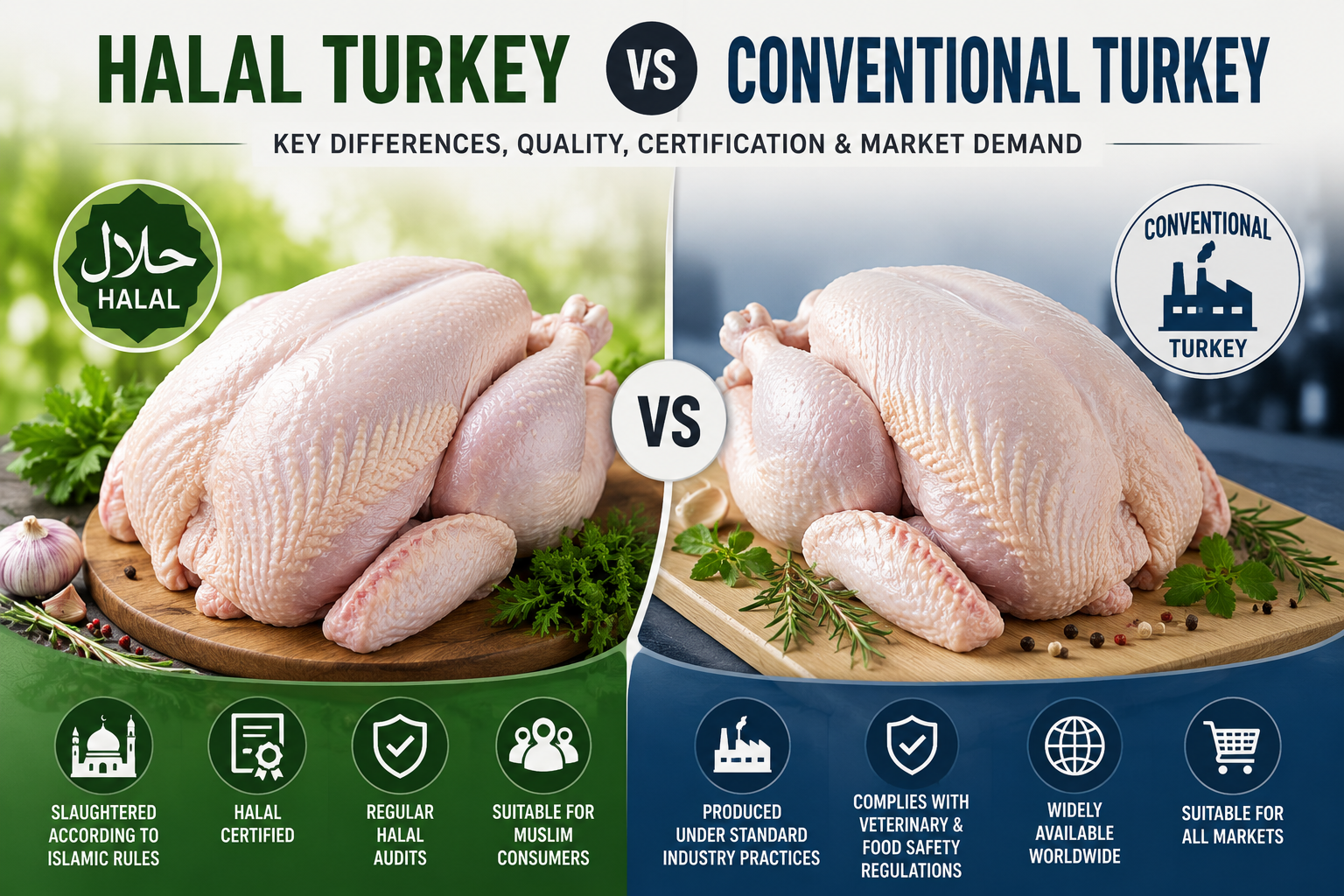
Halal refers to products prepared according to Islamic requirements. For poultry this can include slaughter procedures, traceability and certification expectations.
How halal poultry processes work in Ukraine
Export-oriented plants may operate under halal procedures verified by recognized certification bodies. Requirements vary by destination market and certifier.
Halal oversight
Certification bodies, plant procedures, audits and documentation are used to demonstrate compliance. Importers may request specific certificates accepted in destination markets.
Buyer checklist
Importers often assess: halal documentation, shelf life, weight range, freezing method, carton specs and manufacturer.
| Product |
Typical UAE Preference |
Notes |
| Whole chicken IWP |
800–2400 g |
Strong demand |
| Grillers |
Smaller sizes |
Food service |
| Breast fillets |
Processed foods |
Retail/HoReCa |
Conclusion
UAE poultry imports are shaped by halal expectations, whole chicken demand, logistics and quality perception. Ukrainian exporters compete in a market historically influenced by Brazilian supply.