How to Find a Reliable Turkey Meat Exporter
Introduction
Finding a reliable turkey meat exporter is one of the most important decisions an importer can make. The quality of your supplier directly affects product consistency, customer satisfaction, regulatory compliance, profitability, and long-term business growth. Whether you are a distributor, wholesaler, retailer, food processor, or foodservice operator, selecting the right export partner can determine the success of your supply chain.
The global turkey meat industry offers numerous sourcing opportunities. Exporters from countries such as Poland, Ukraine, Brazil, Germany, France, the United States, and Chile compete for international customers. However, not every supplier offers the same level of quality, transparency, logistics expertise, or commercial reliability.
This guide explains how importers can identify trustworthy turkey meat exporters and avoid common sourcing mistakes.
Why Supplier Selection Matters
Turkey meat imports involve more than simply comparing prices. A low-cost supplier may create significant risks if product quality is inconsistent, certifications are missing, or logistics performance is unreliable.
Choosing the right exporter can provide:
• Stable long-term supply
• Consistent product quality
• Reduced compliance risks
• Better customer satisfaction
• Improved profitability
• Stronger business relationships
The most successful importers focus on total value rather than price alone.
Understand Your Requirements
Before contacting suppliers, importers should clearly define their purchasing requirements.
Important questions include:
• Which turkey products are needed?
• What monthly or annual volume is required?
• Which certifications are necessary?
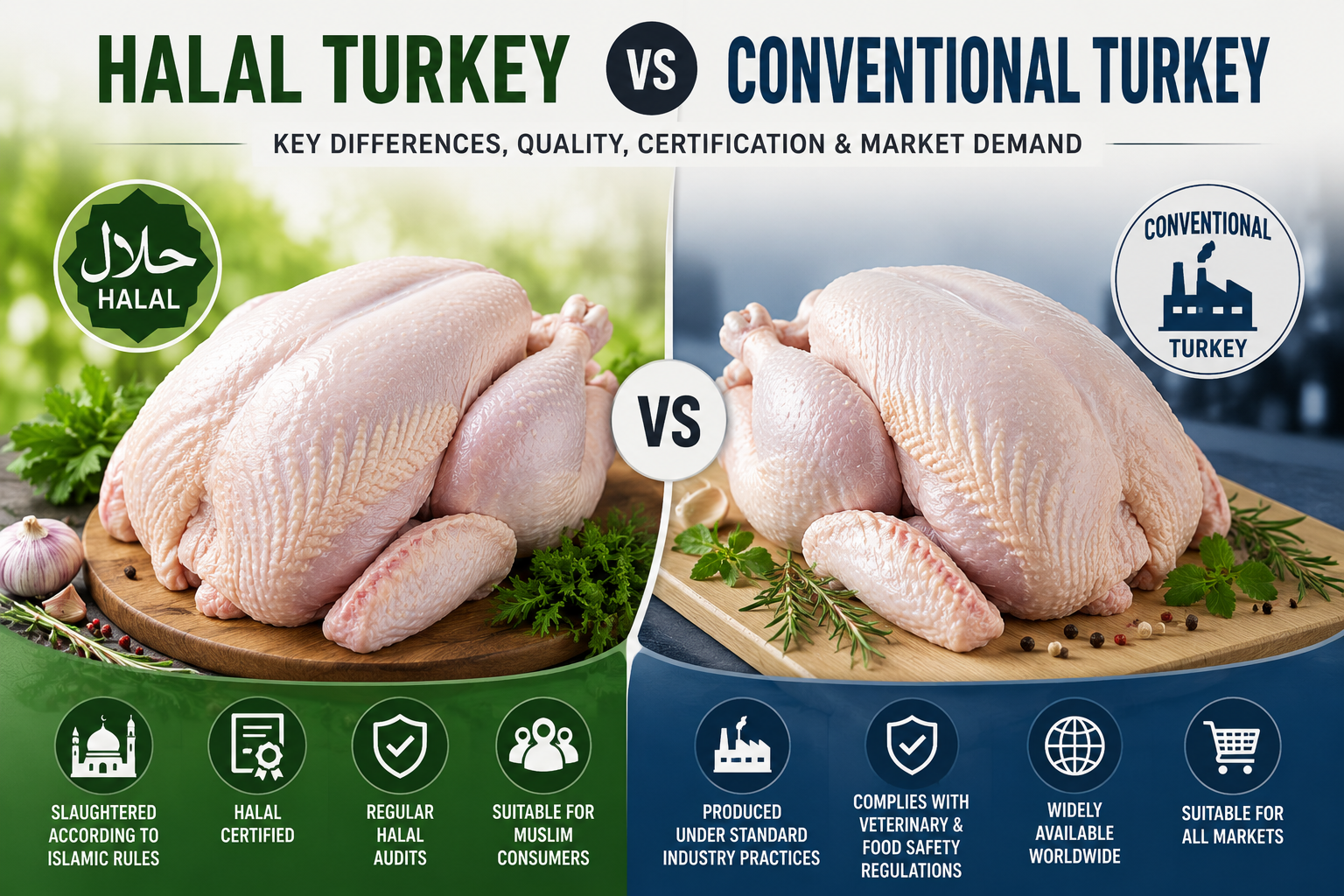
• Is halal certification required?
• What packaging format is preferred?
• Which destination market regulations apply?
• What delivery schedule is expected?
Clear requirements make supplier evaluation more effective.
Research Exporting Countries
Different exporting countries offer different advantages.
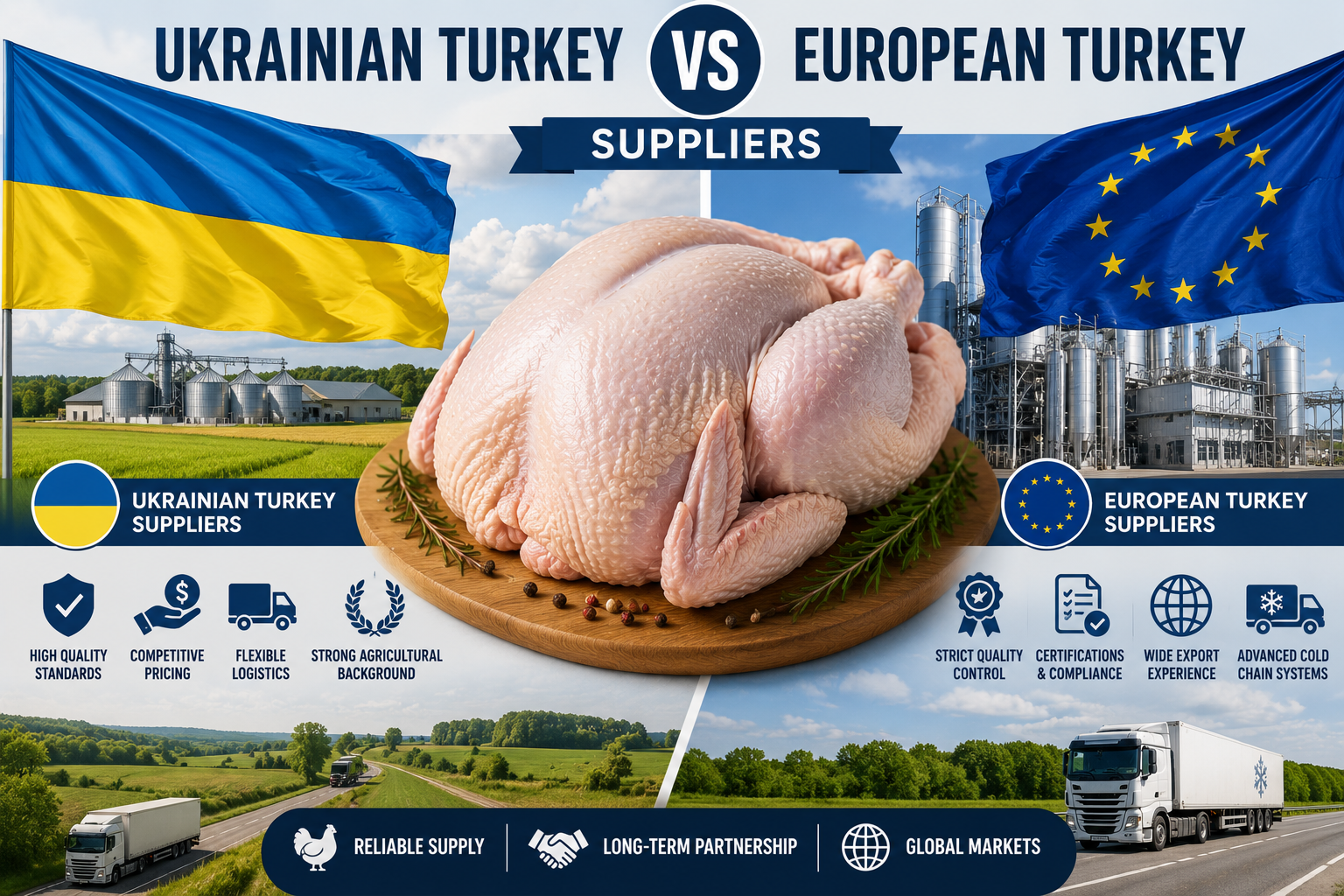
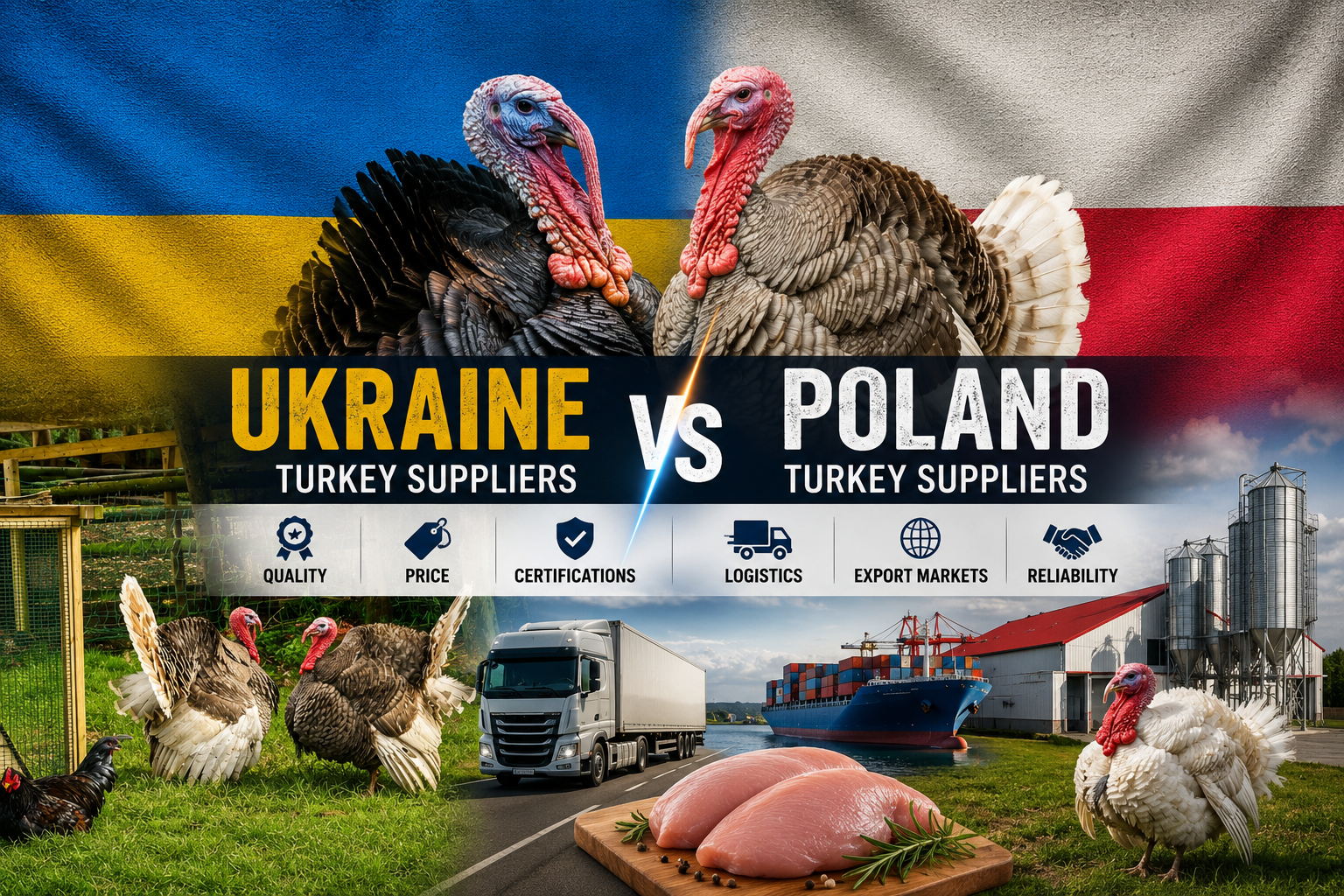
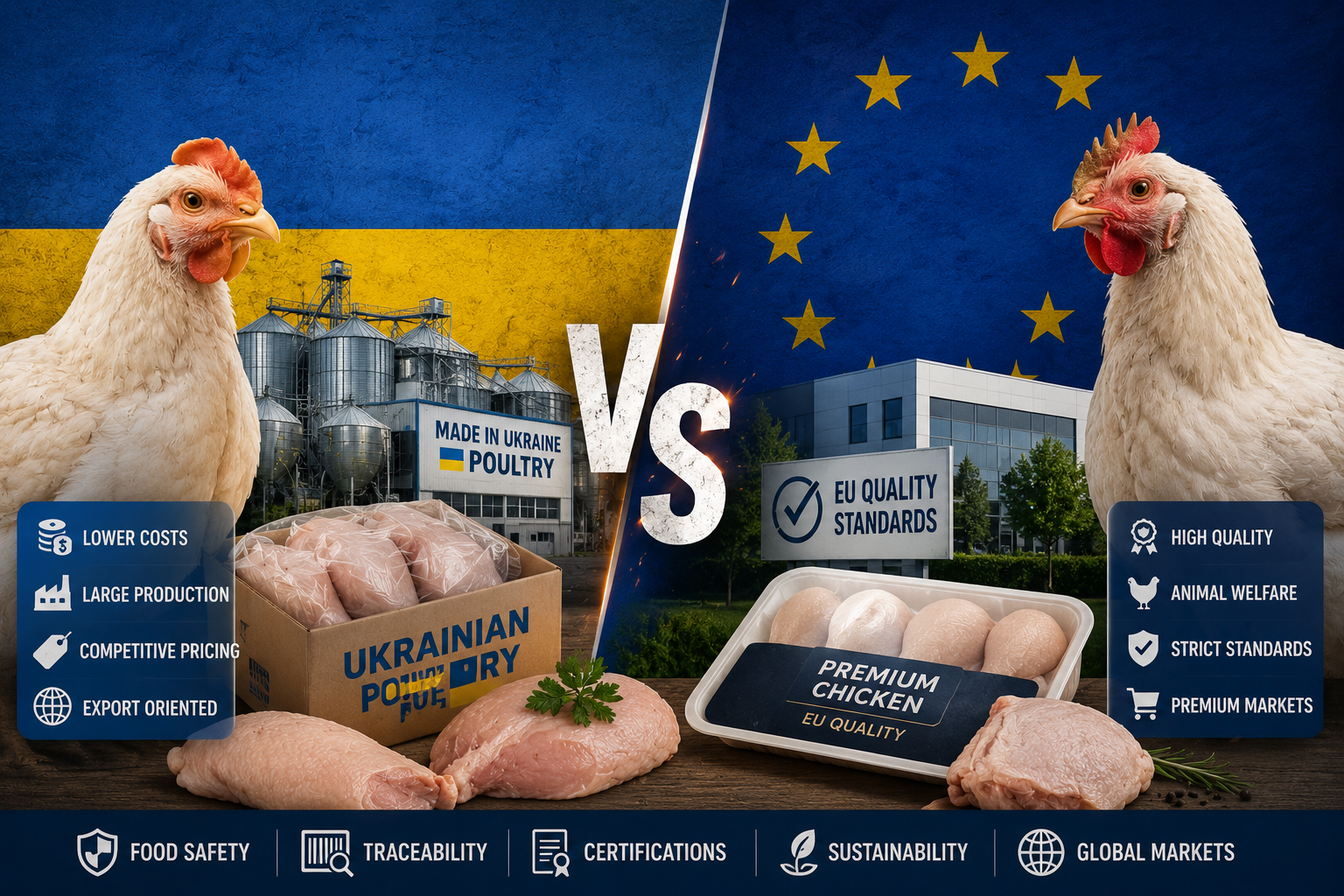
Poland is known for advanced poultry production and EU standards.
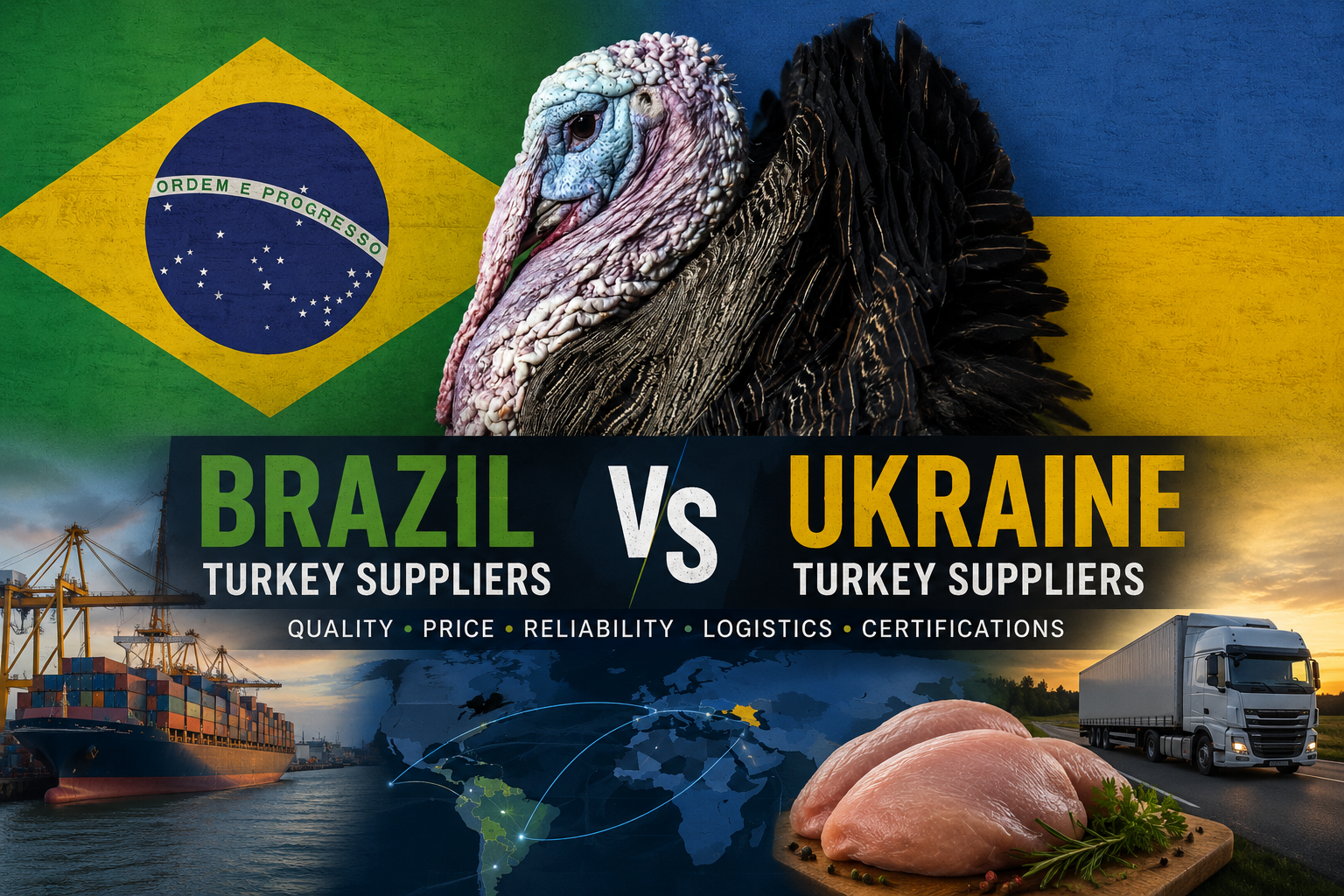
Ukraine offers competitive pricing and growing export capabilities.
Brazil benefits from large-scale poultry production and extensive export experience.
The United States remains one of the world’s largest poultry producers and exporters.
Evaluating country-level advantages can help narrow the supplier search.
Verify Company Legitimacy
One of the first steps is confirming that a supplier is a legitimate business.
Importers should verify:
• Company registration
• Export licenses
• Business address
• Website presence
• Trade references
• Industry memberships
Professional exporters should be transparent about their operations and corporate information.
Evaluate Production Capacity
Production capacity is critical when planning long-term purchasing programs.
Ask suppliers about:
• Annual production volumes
• Processing capacity
• Number of production facilities
• Cold storage capacity
• Ability to scale production
A reliable exporter should demonstrate that it can meet both current and future requirements.
Review Product Portfolio
Strong exporters typically offer multiple turkey products.
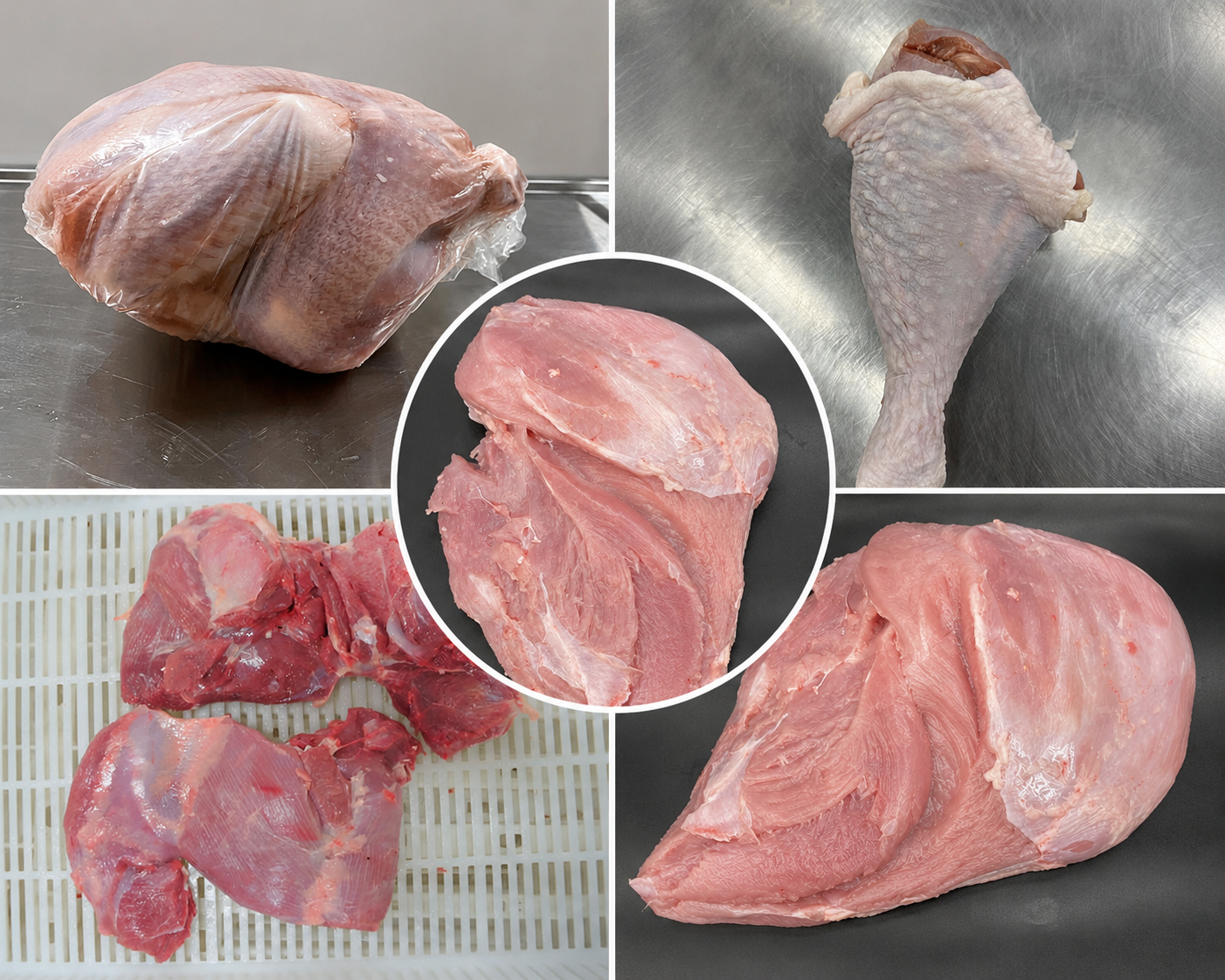
Common export products include:
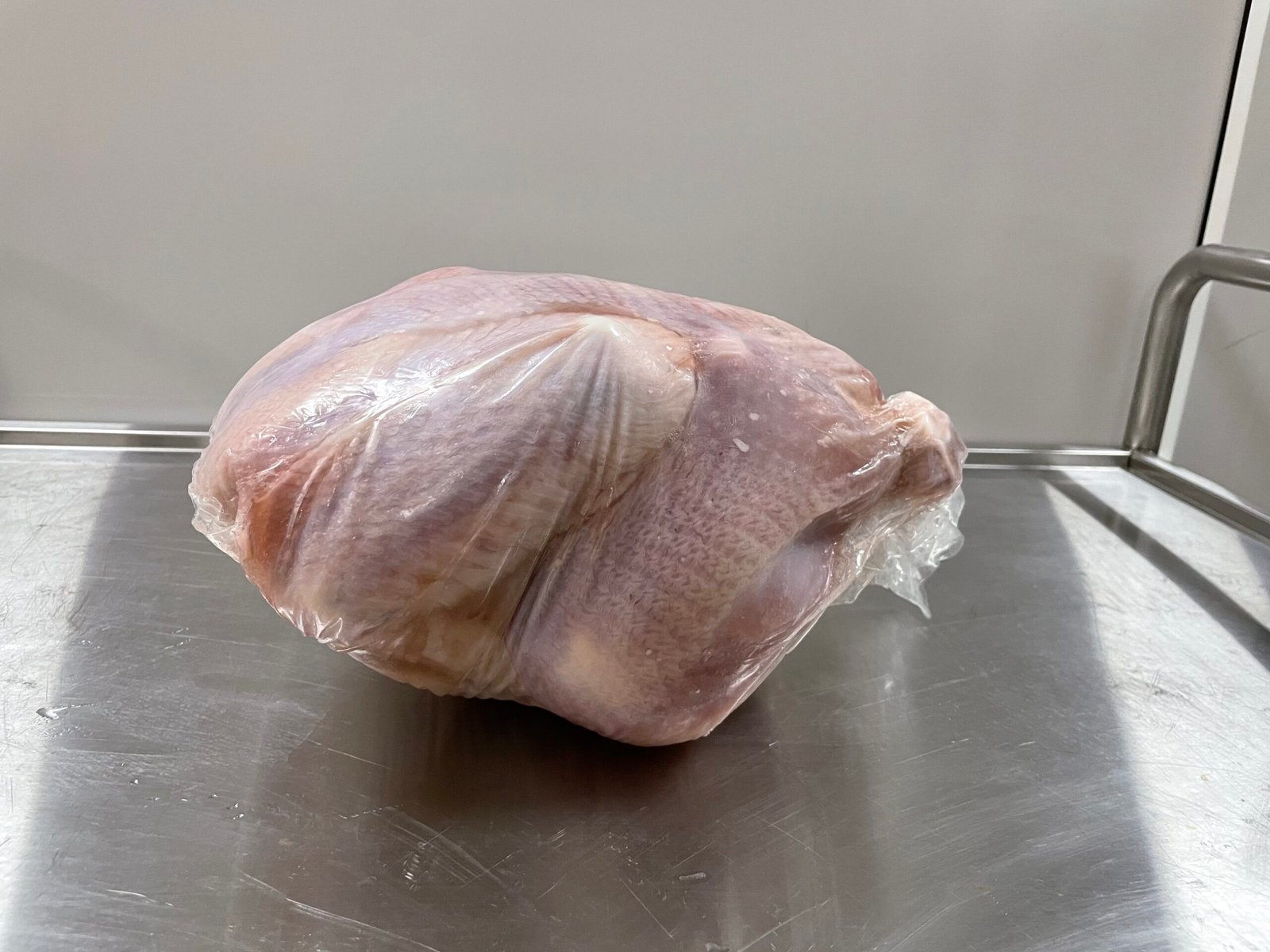
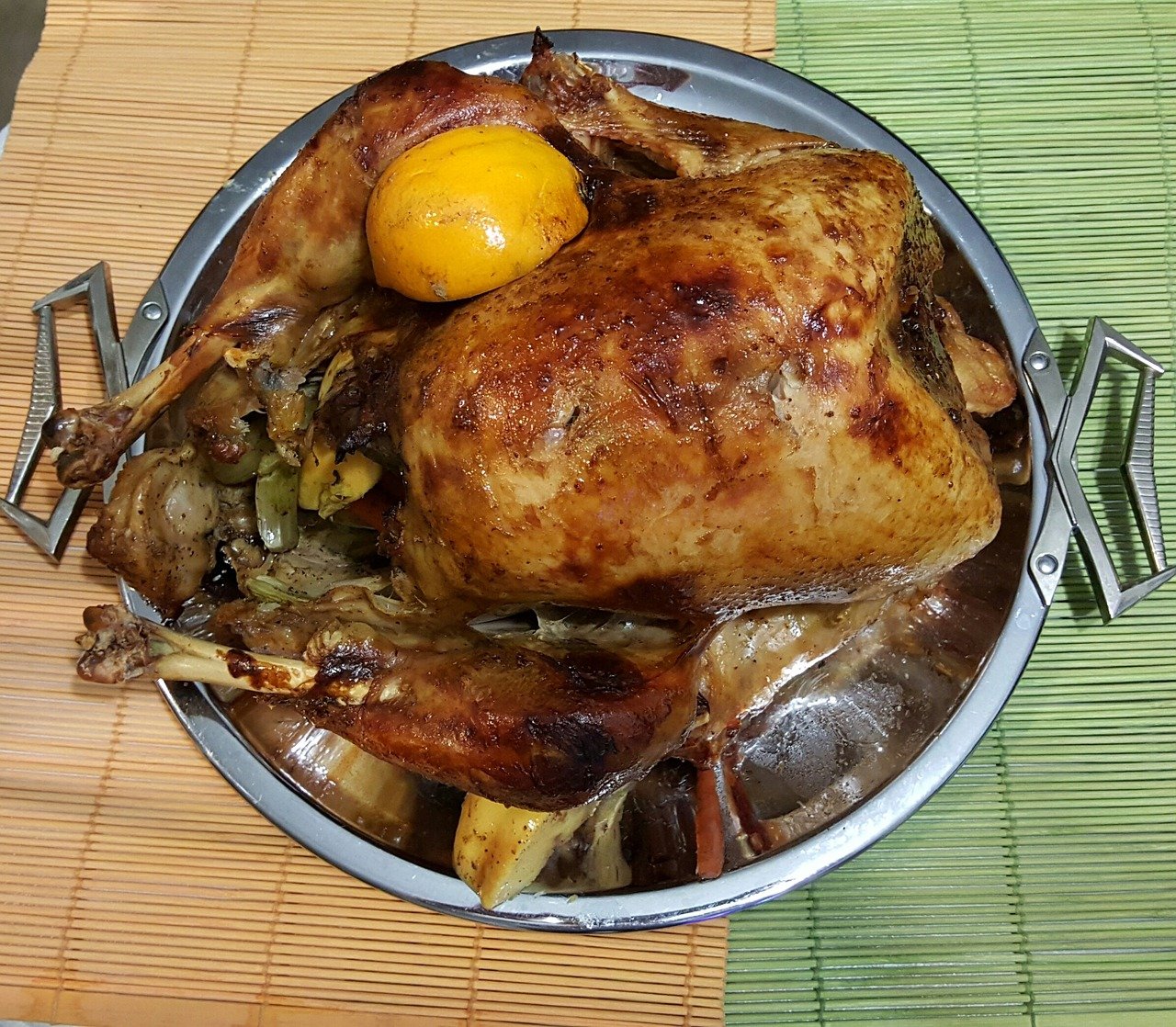
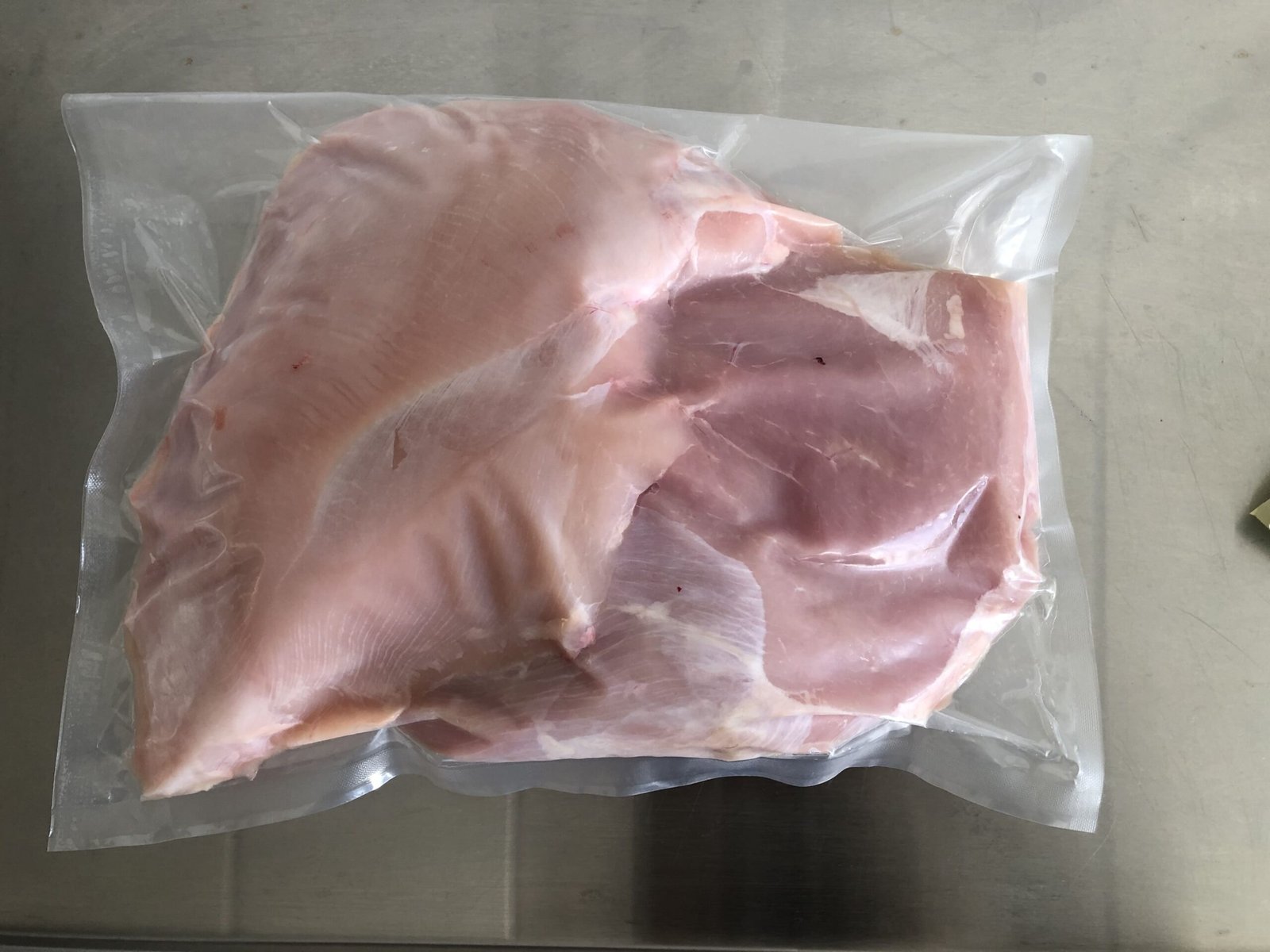
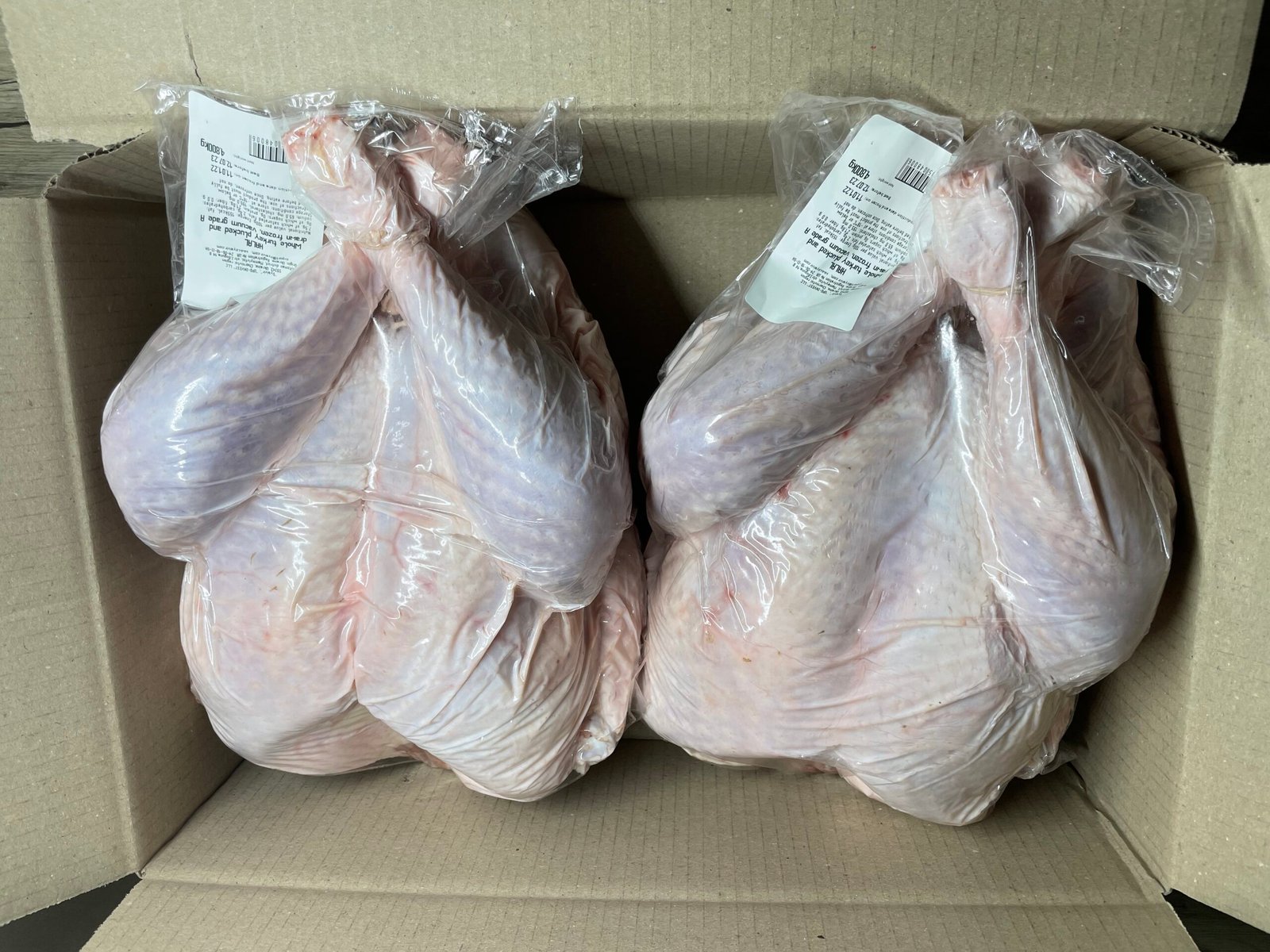
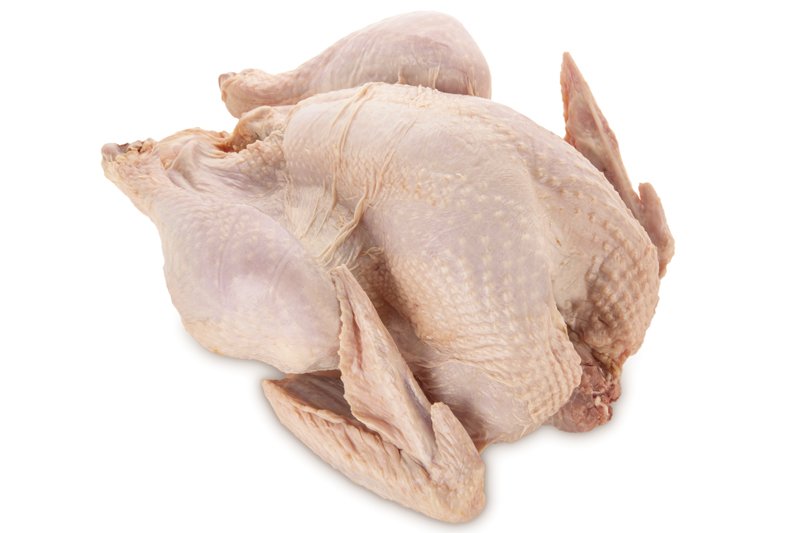
• Whole frozen turkey
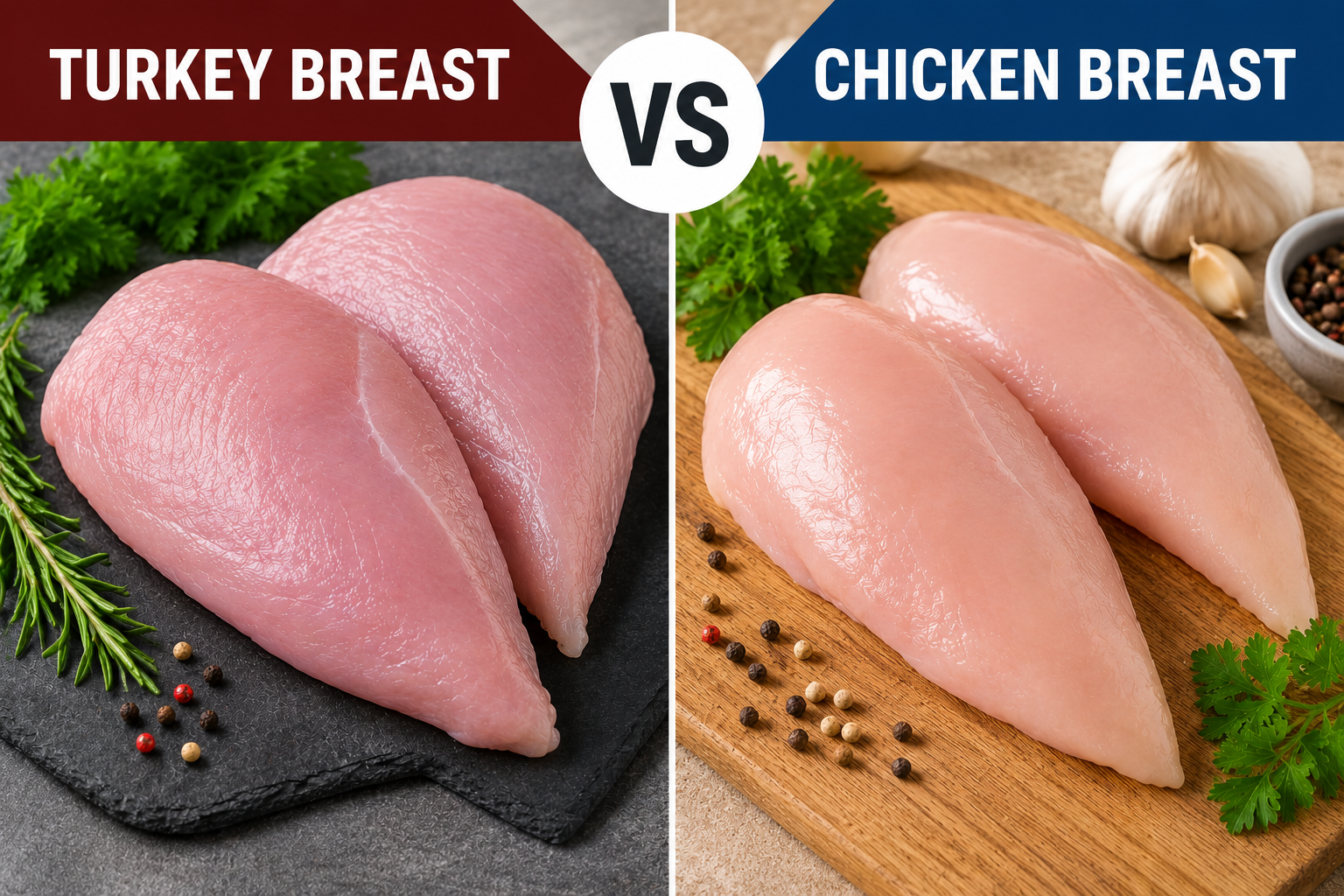
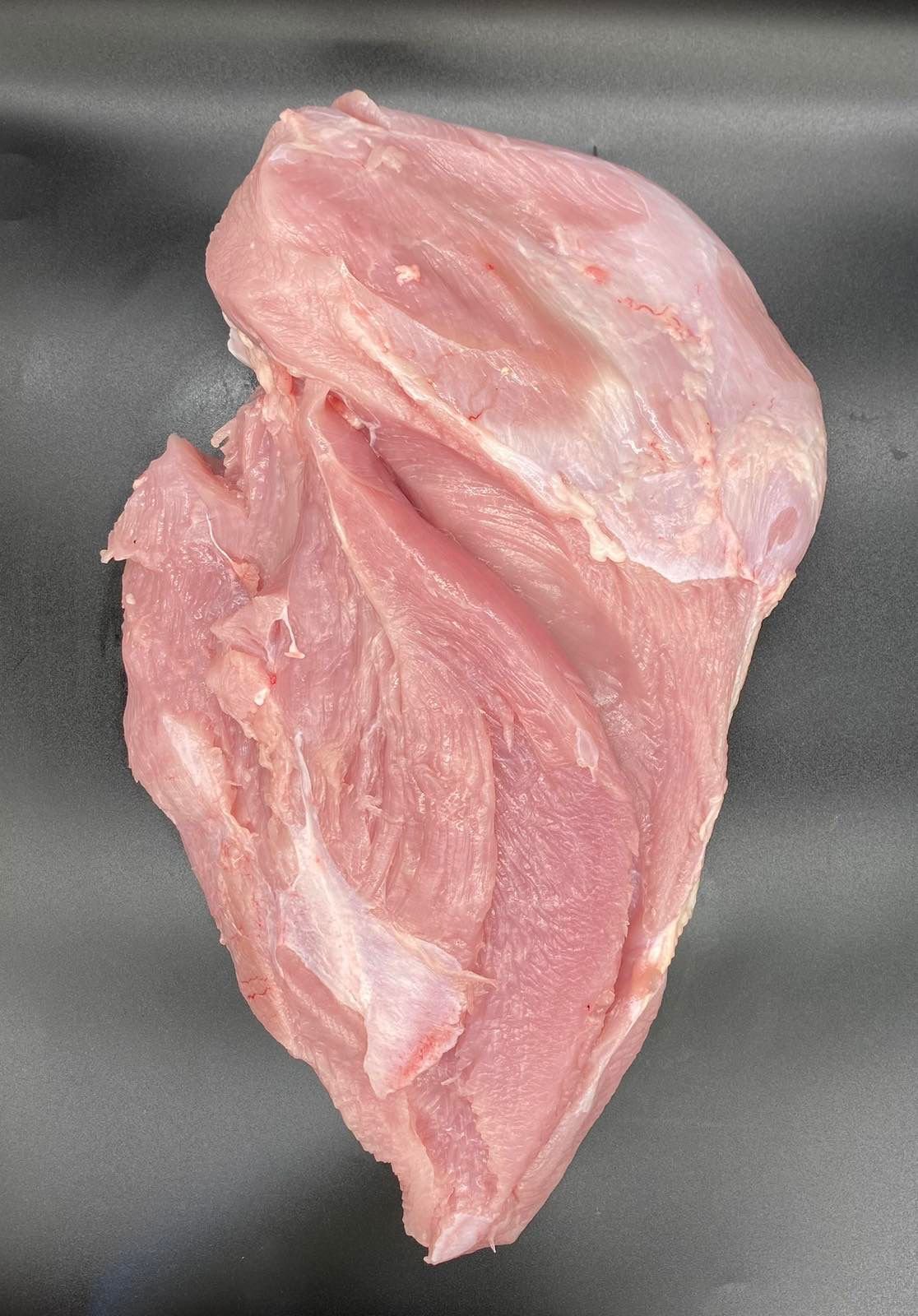
• Turkey breast meat
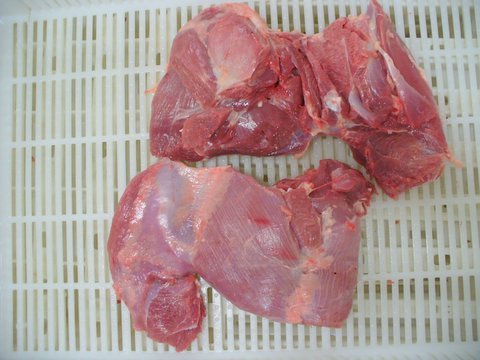
• Turkey thigh meat
• Turkey wings
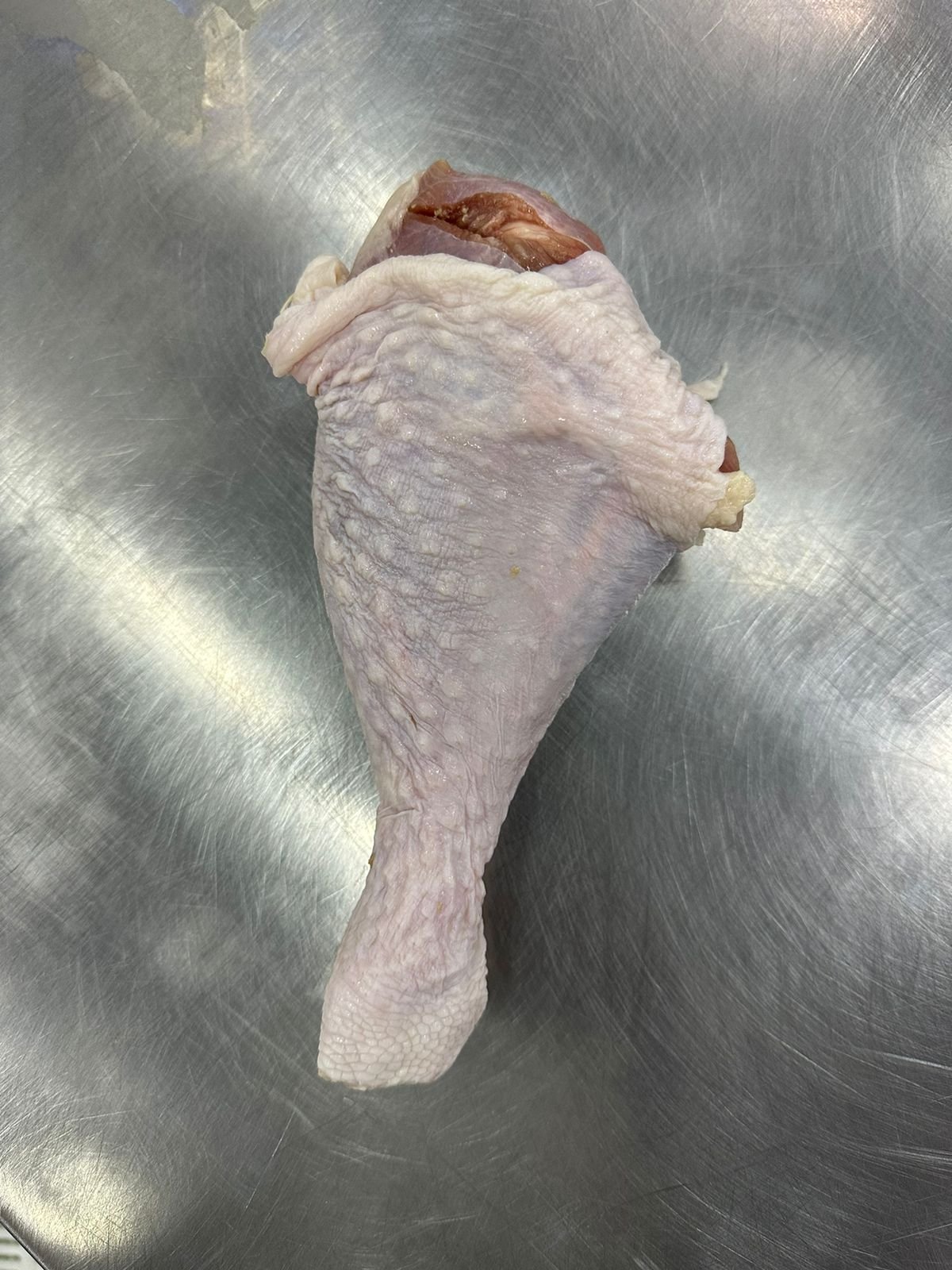
• Turkey drumsticks
• Turkey fillets
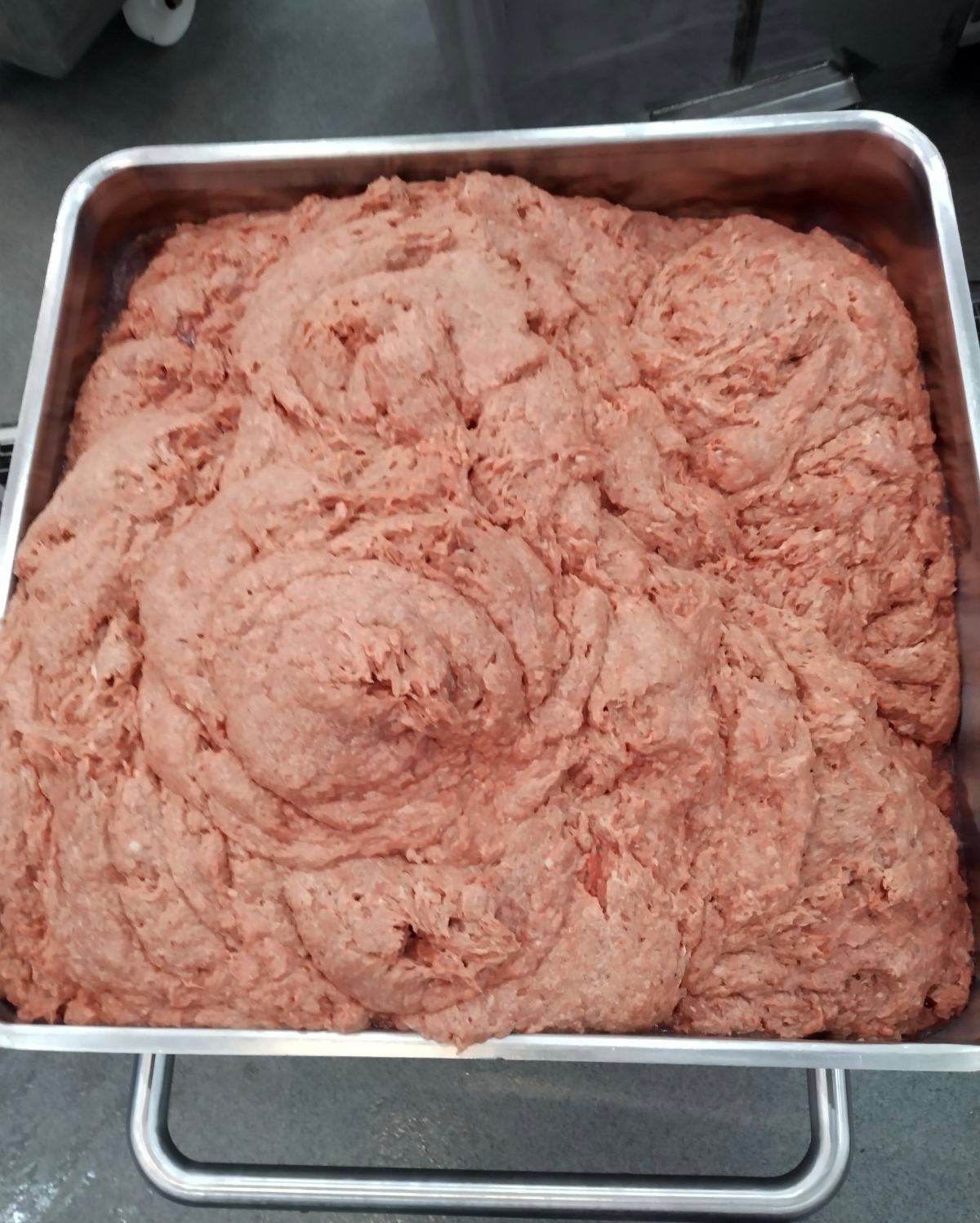
• Mechanically deboned meat
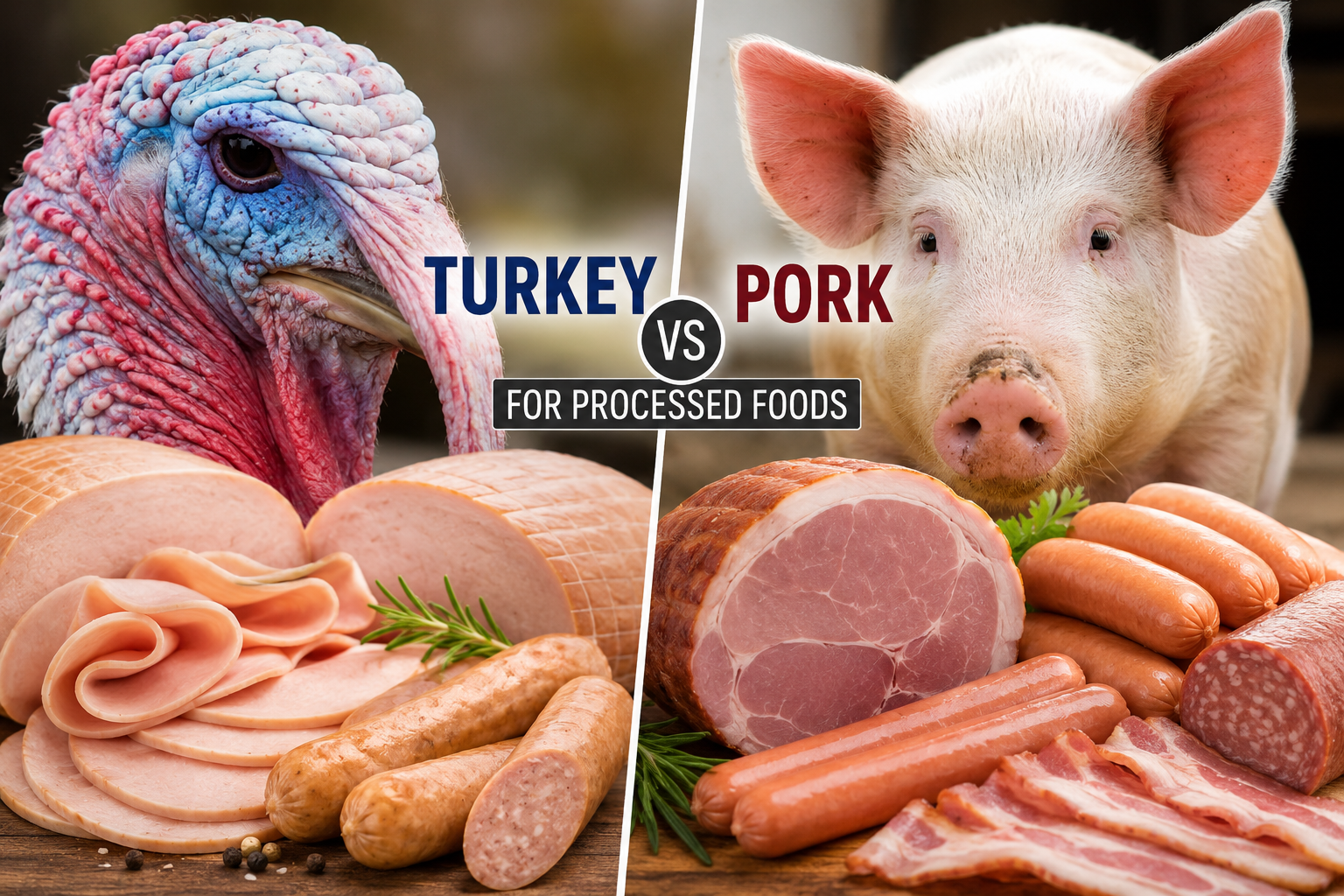
• Processed turkey products
A broad portfolio often indicates a more developed processing operation.
Assess Food Safety Standards
Food safety should never be compromised.
Importers should carefully evaluate:
• HACCP implementation
• Traceability systems
• Laboratory testing procedures
• Hygiene protocols
• Quality management systems
Reliable exporters invest heavily in food safety because international customers demand consistency and compliance.
Check Certifications
Certifications provide additional confidence regarding supplier capabilities.
Common certifications include:
• HACCP
• ISO 22000
• BRCGS
• IFS Food
• Halal certification
• Veterinary approvals
Importers should request copies of certificates and verify validity where possible.
Request Product Specifications
Professional exporters maintain detailed product specifications.
Specifications should include:
• Product description
• Weight range
• Packaging details
• Shelf life
• Storage requirements
• Microbiological standards
Clear specifications reduce misunderstandings and support consistent purchasing decisions.
Request Samples
Sampling remains one of the most effective evaluation tools.
Product samples allow importers to assess:
• Appearance
• Texture
• Color
• Packaging quality
• Product consistency
Whenever possible, multiple batches should be evaluated before signing long-term contracts.
Evaluate Logistics Capabilities
Even excellent products can create problems if logistics performance is poor.
Key areas to review include:
• Export experience
• Container loading procedures
• Cold-chain management
• Transit times
• Shipping partners
• Documentation accuracy
Reliable exporters understand international logistics requirements and work proactively to prevent disruptions.
Review Export Experience
Export experience often indicates reliability.
Questions to ask include:
• Which countries does the supplier export to?
• How many years has the company exported?
• Which customer segments are served?
• What percentage of production is exported?
Companies with strong export backgrounds generally understand international market requirements better.
Ask for References
References provide valuable insight into supplier performance.
Importers should request:
• Customer references
• Market references
• Distributor contacts
• Trade partner recommendations
While some suppliers cannot disclose all customer details, reputable exporters usually provide evidence of successful export relationships.
Assess Communication Quality
Communication quality often predicts future business performance.
Reliable exporters typically respond quickly, provide detailed answers, and demonstrate strong knowledge of their products and markets.
Warning signs include:
• Slow responses
• Inconsistent information
• Missing documentation
• Unclear pricing structures
Good communication supports long-term cooperation.
Analyze Pricing Carefully
Price comparisons should consider total landed cost rather than product price alone.
Factors include:
• Product price
• Freight cost
• Insurance
• Import duties
• Certification expenses
• Documentation costs
The cheapest supplier is not always the most economical option.
Conduct Factory Audits
For large-volume purchasing programs, factory visits can provide valuable insights.
During an audit, importers can evaluate:
• Production processes
• Hygiene standards
• Employee training
• Equipment condition
• Storage facilities
• Quality control systems
Physical inspections often reveal details that cannot be identified through documents alone.
Review Financial Stability
Financially stable suppliers are more likely to support long-term contracts.
Importers should consider:
• Years in operation
• Business growth
• Export history
• Production investments
Companies investing in expansion and modernization often demonstrate long-term commitment to export markets.
Common Warning Signs
Importers should remain cautious when encountering:
• Extremely low prices
• Missing certifications
• Poor communication
• Incomplete documentation
• Unrealistic delivery promises
These indicators may signal elevated risk.
Build Long-Term Partnerships
The strongest importer-exporter relationships are based on trust, transparency, and mutual growth.
Long-term partnerships often deliver:
• Better pricing stability
• Priority production allocation
• Improved communication
• Greater supply security
Rather than changing suppliers frequently, many successful importers focus on developing strategic relationships.
Conclusion
Finding a reliable turkey meat exporter requires careful evaluation of quality standards, certifications, production capacity, logistics capabilities, and commercial professionalism. Importers should conduct thorough due diligence, verify documentation, request samples, and assess supplier performance before entering long-term agreements.
The best exporters offer more than competitive pricing. They provide consistent quality, transparent communication, reliable logistics, and a commitment to customer success. By following a structured supplier selection process, importers can reduce risk, improve profitability, and build sustainable supply chains in the global turkey meat industry.