Top Markets for Turkey Meat Imports in 2026
Introduction
The global turkey meat industry continues to evolve as importers diversify protein sources and consumers increasingly seek lean, nutritious meat products. Although turkey remains a smaller segment than chicken, international demand is expanding across retail, foodservice, catering, and food processing industries. For exporters, understanding where demand is growing is essential for building successful long-term sales strategies.
In 2026, opportunities are expected to be concentrated in Europe, the Middle East, Asia, and selected African markets. Importers are looking for reliable suppliers capable of delivering competitive pricing, international certifications, consistent quality, and efficient logistics. This guide examines the most promising turkey meat import markets and the factors driving demand.
Global Turkey Meat Trade Outlook for 2026
Several trends are expected to support international turkey meat trade in 2026. Population growth, urbanization, rising disposable income, and expanding foodservice sectors continue to increase protein consumption worldwide. Turkey meat is also benefiting from its image as a lean alternative to red meat.
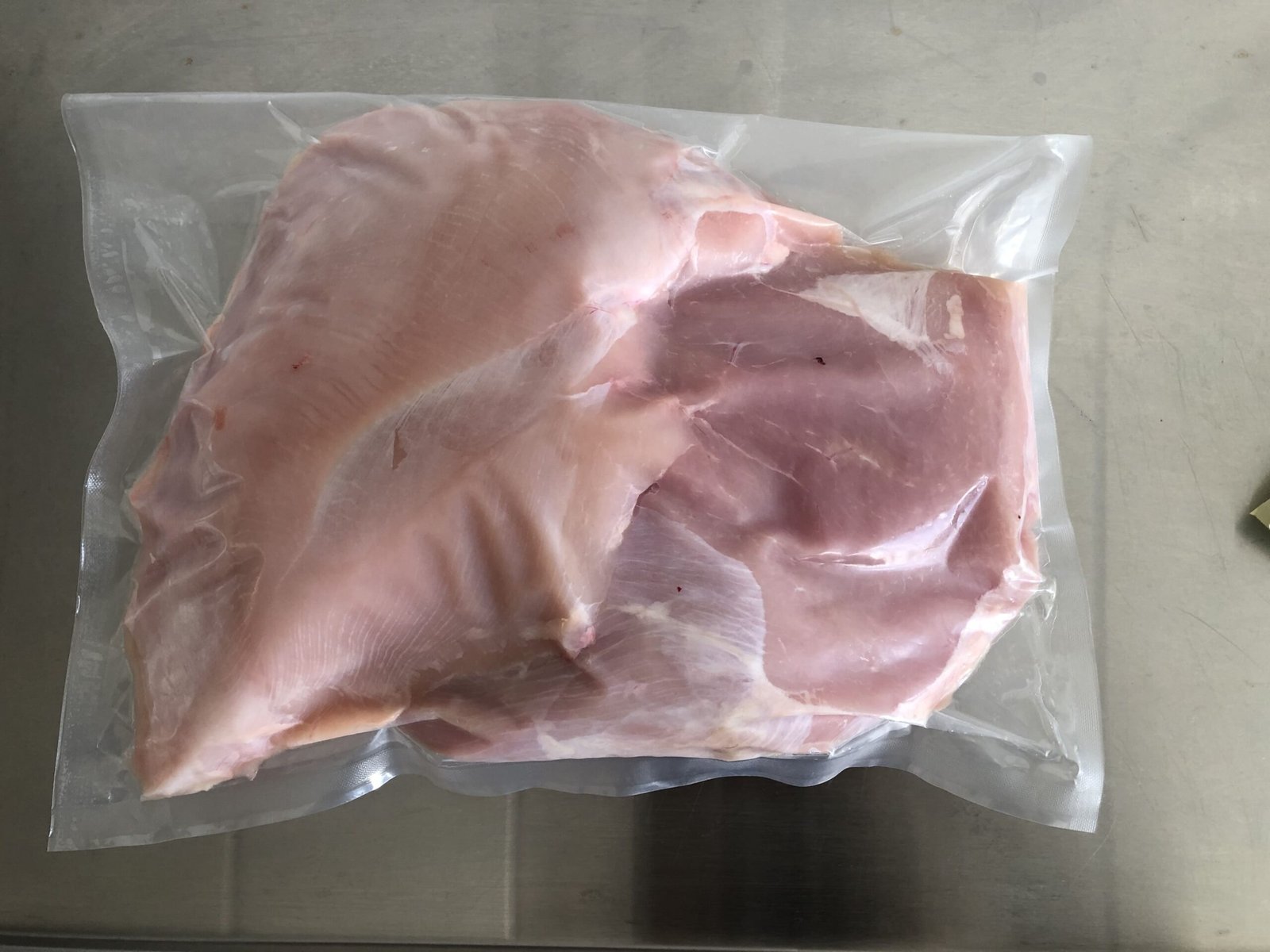
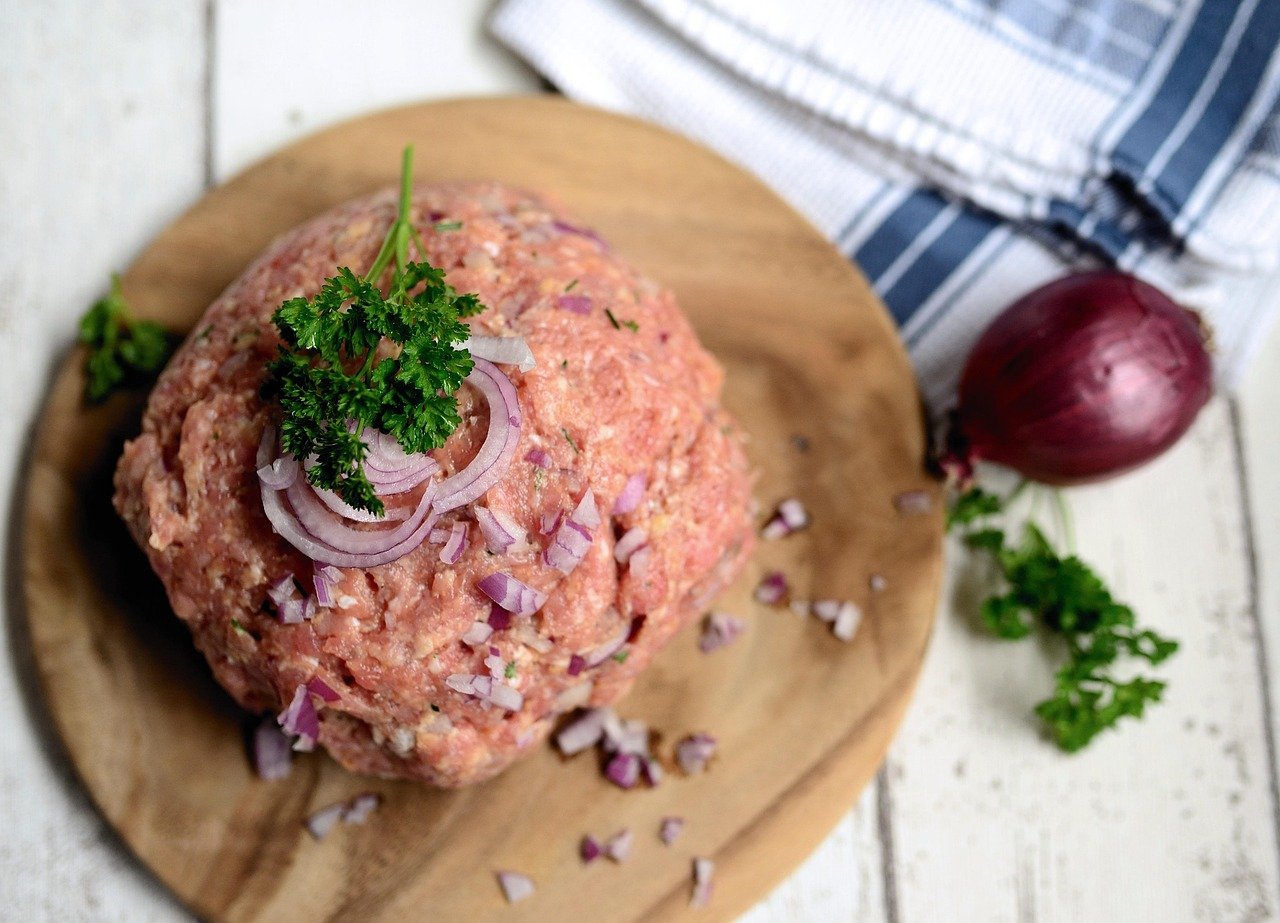
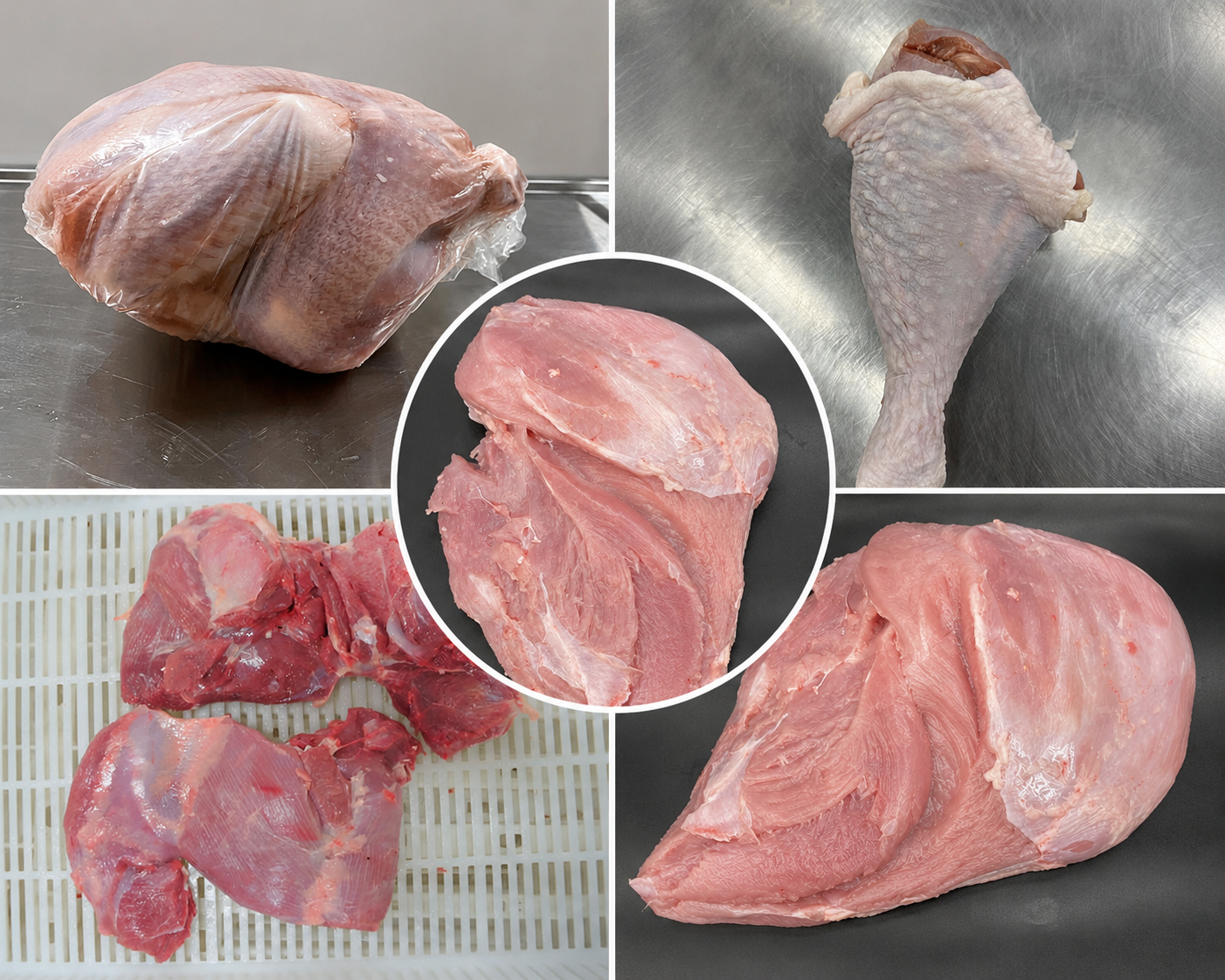
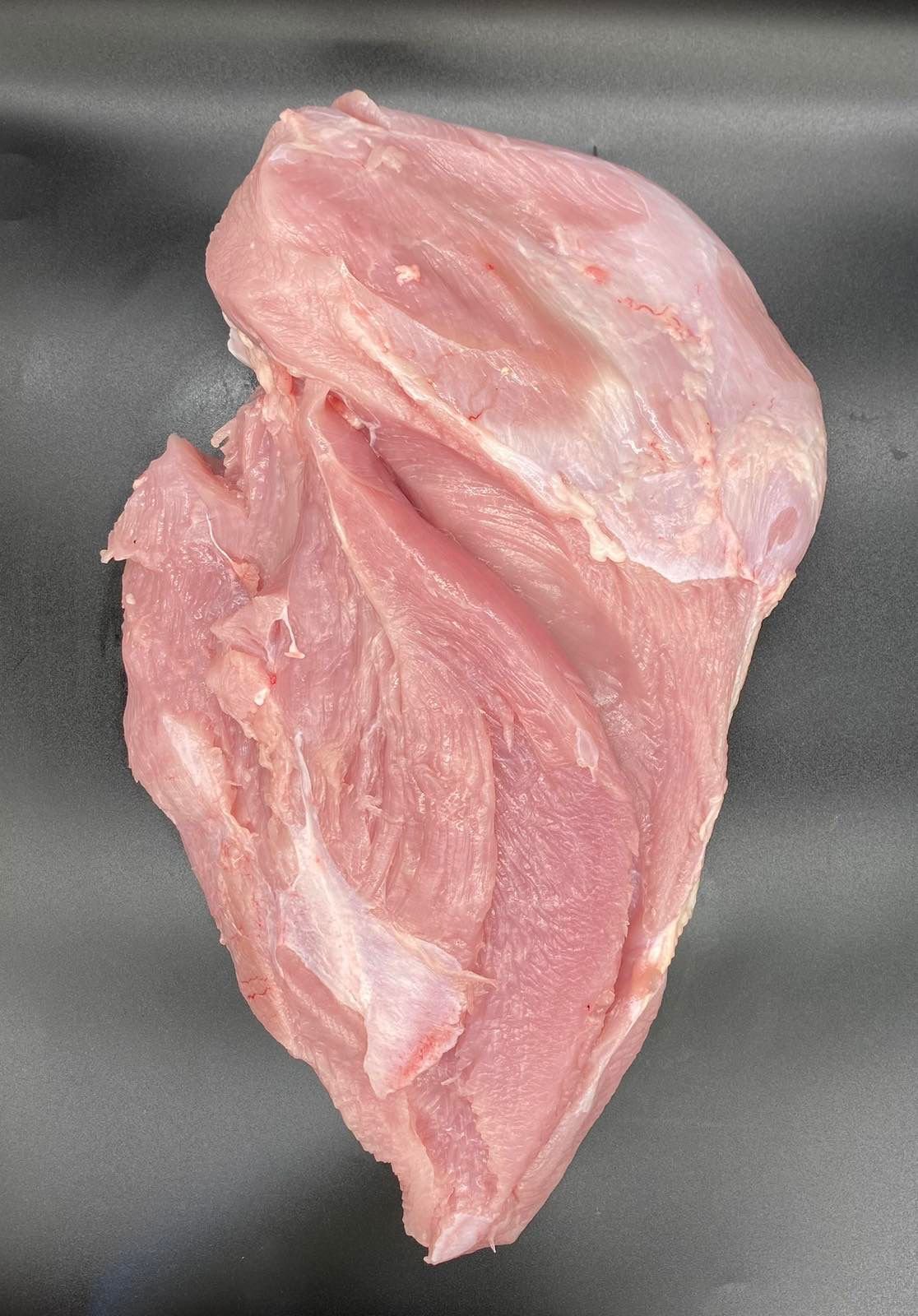
The growth of convenience foods, processed meat products, ready meals, sandwiches, and quick-service restaurants has further increased demand for turkey breast meat, mechanically deboned turkey meat, and value-added turkey products. Exporters that can adapt to changing consumer preferences are likely to benefit the most.
Germany
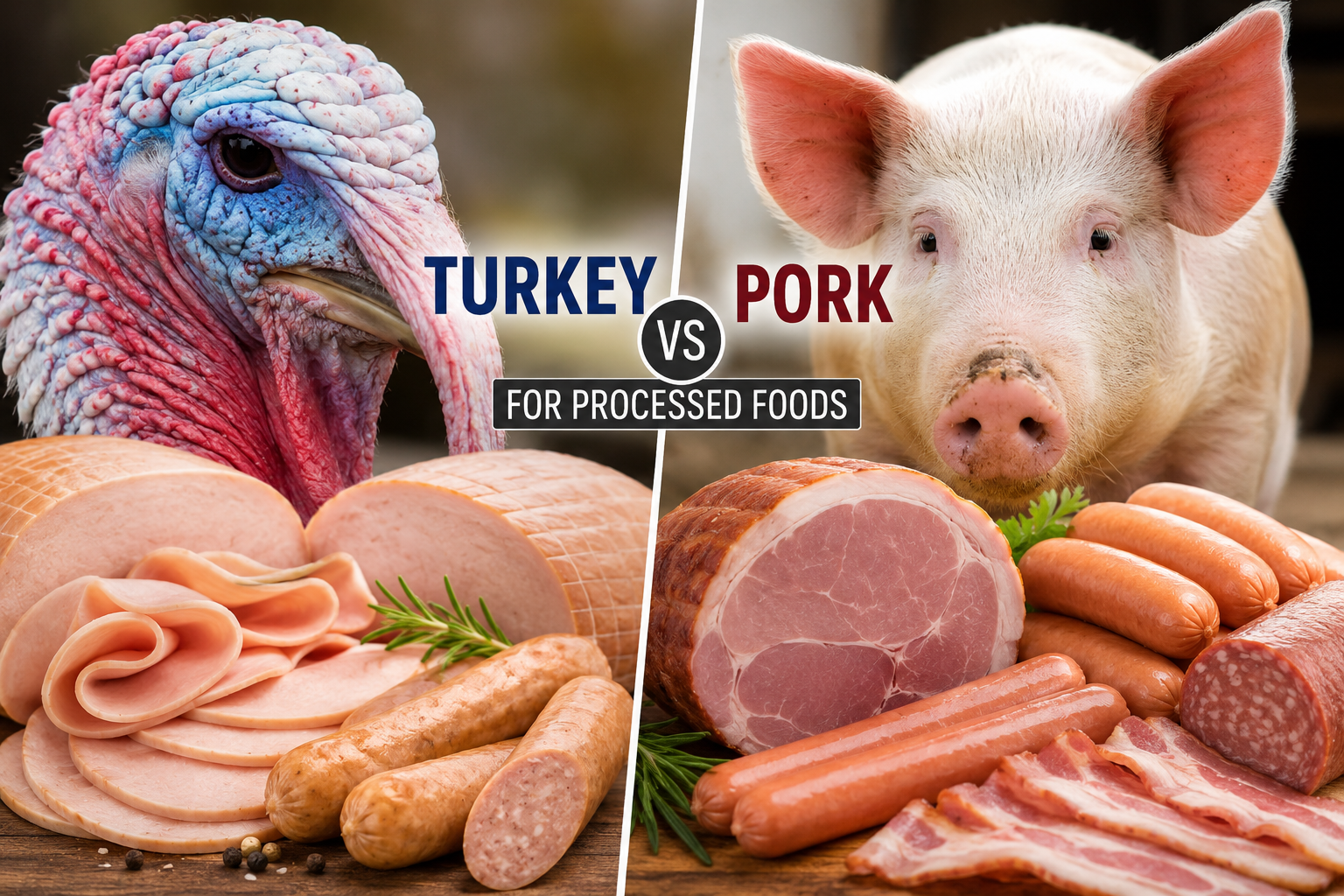
Germany remains one of Europe’s largest turkey meat markets. The country combines strong consumer purchasing power with an advanced food processing industry. Turkey meat is widely used in sliced deli products, sausages, sandwiches, and ready-to-eat meals.
German importers prioritize food safety, traceability, animal welfare standards, and supplier reliability. Exporters entering Germany must be prepared to meet demanding quality requirements and provide comprehensive documentation. Despite these requirements, Germany remains one of the most attractive destinations for high-quality turkey products.
France
France continues to offer significant opportunities for turkey exporters. While domestic production exists, imports play an important role in supporting processors, retailers, and foodservice operators.
Demand is especially strong for value-added products, halal-certified turkey, and retail-ready packaged products. French buyers often seek suppliers capable of maintaining stable quality and long-term supply programs. The country’s large food industry ensures ongoing opportunities for international exporters.
United Kingdom
The United Kingdom remains one of Europe’s most important turkey consumption markets. While holiday demand peaks during Christmas, year-round consumption is supported by retail chains, convenience foods, and foodservice operators.
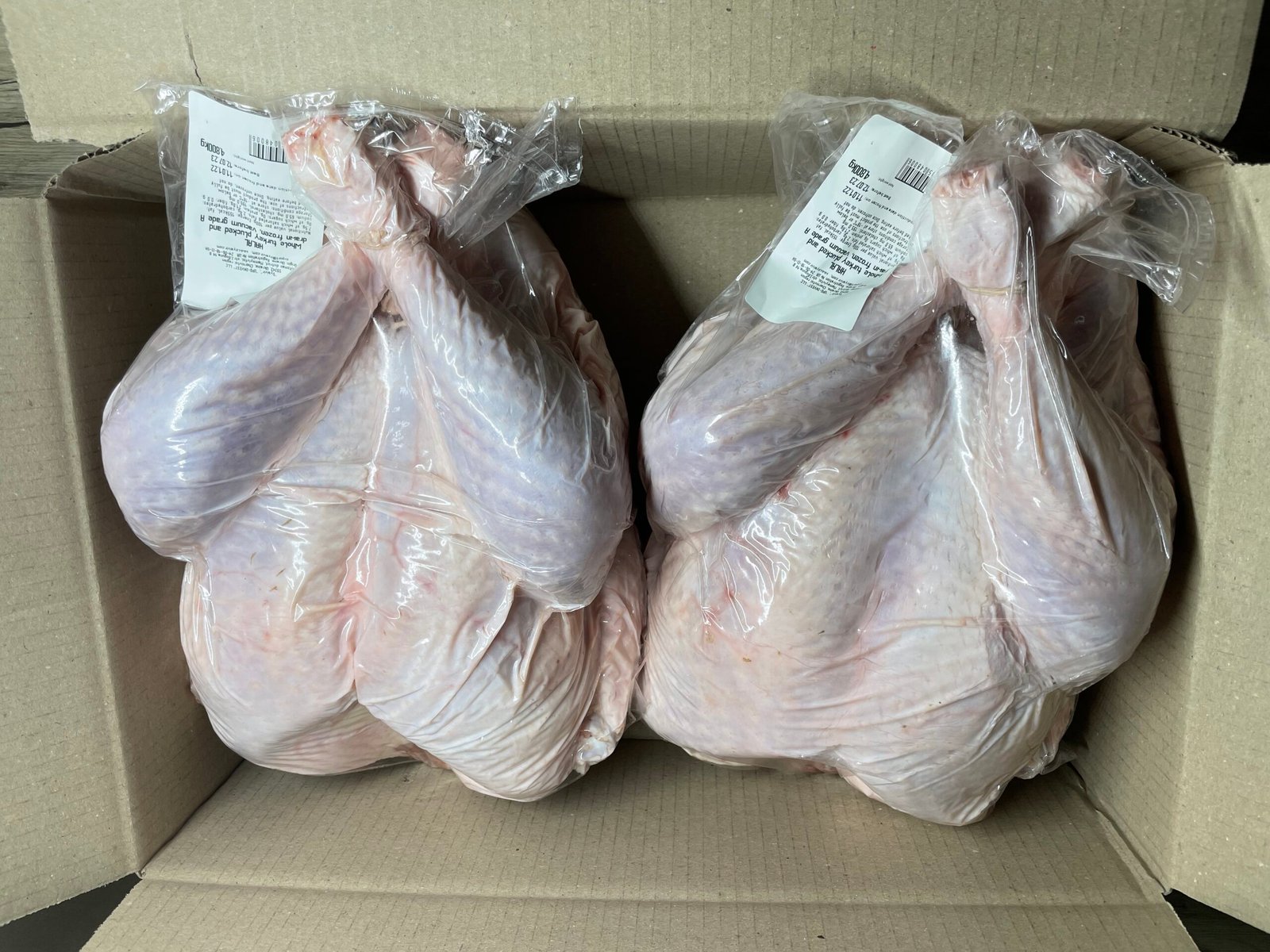
Importers value consistent supply, attractive pricing, and reliable logistics. The UK market is particularly attractive for exporters capable of supplying frozen turkey products, processed meats, and private-label retail programs.
Netherlands
The Netherlands serves as both a consumer market and a strategic logistics hub. Dutch importers frequently distribute products throughout Europe, making the country important even beyond its domestic consumption.
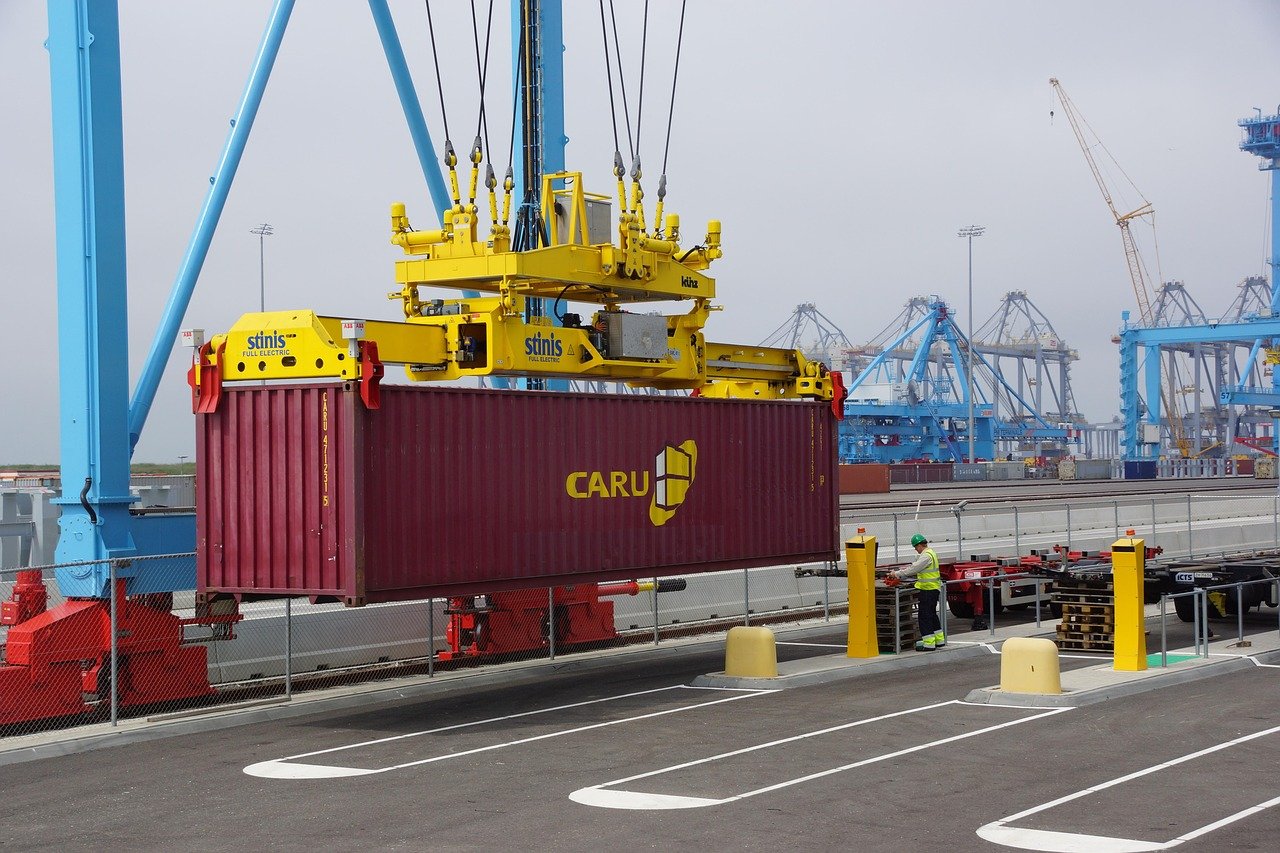
Excellent port infrastructure, advanced cold-chain logistics, and strong international trade expertise make the Netherlands a valuable entry point into the European market.
Spain and Italy
Southern Europe continues to present attractive opportunities. Spain benefits from a large tourism industry and expanding foodservice sector, while Italy maintains strong demand from processors and retailers.
Turkey products are increasingly incorporated into convenience foods, prepared meals, and healthy protein offerings. Exporters that can provide consistent quality and competitive pricing may find strong demand in both markets.
China
China represents one of the most significant long-term growth opportunities for turkey exporters. Although turkey consumption remains relatively small compared to pork and chicken, interest in imported proteins continues to rise.
Urban consumers, international restaurant chains, and premium retail segments are helping drive demand. Access requirements can be complex, but successful market entry can provide substantial growth opportunities due to China’s enormous population and evolving dietary preferences.
South Korea and Japan
Both South Korea and Japan represent sophisticated food markets with demanding quality expectations. Consumers increasingly seek healthy, high-quality imported food products.
Turkey meat is often positioned as a premium protein source and may be used in retail products, convenience foods, and restaurant menus. Exporters targeting these markets must focus on food safety, quality assurance, and consistent supply performance.
United Arab Emirates
The UAE remains one of the most attractive poultry-importing markets in the Middle East. High dependence on imported food products, a large expatriate population, and a thriving hospitality industry support strong demand.
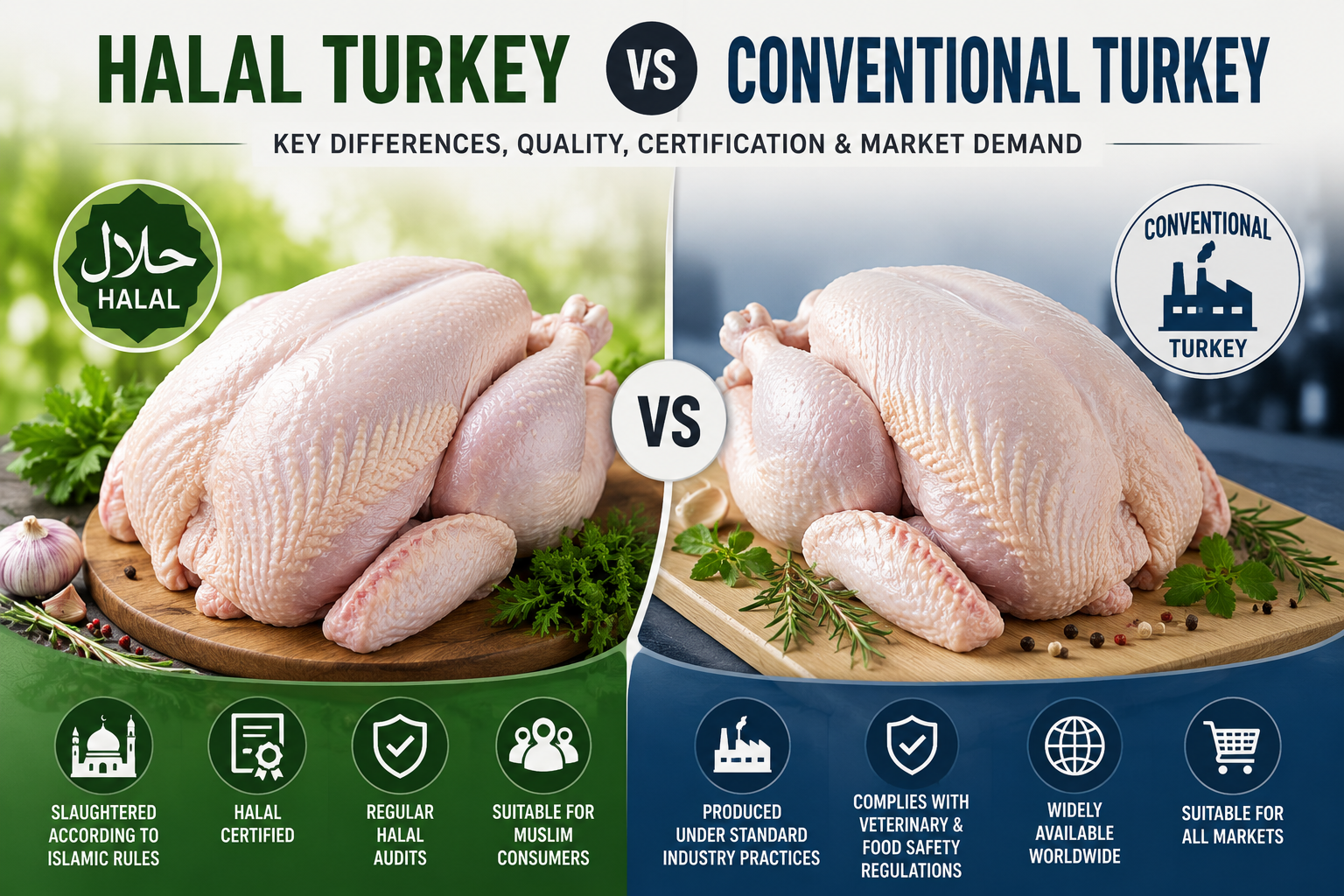
Hotels, restaurants, catering companies, and retailers all contribute to turkey consumption. Halal certification is essential, and suppliers with experience serving Gulf markets often enjoy a competitive advantage.
Saudi Arabia
Saudi Arabia continues to be a major poultry importer. Population growth, rising incomes, and government food security initiatives contribute to strong demand for imported poultry products.
Turkey meat offers opportunities in retail, foodservice, and institutional sectors. Halal-certified products remain critical for market access and customer acceptance.
Egypt
Egypt’s large population makes it one of Africa’s most promising poultry markets. While affordability remains important, demand for reliable imported protein products continues to grow.
Exporters able to balance quality and price competitiveness can find attractive opportunities. Frozen turkey products are particularly relevant due to logistical and storage considerations.
South Africa
South Africa remains one of the continent’s most developed food markets. Urbanization, modern retail expansion, and growing consumer demand for affordable protein support import opportunities.
Importers often seek suppliers capable of providing competitive pricing and dependable supply chains. The country can also serve as a gateway to neighboring African markets.
Middle East Growth Potential
The Middle East is expected to remain one of the fastest-growing destinations for turkey meat imports. Population growth, strong foodservice industries, and high dependence on imported food products create favorable conditions.
Countries such as the UAE, Saudi Arabia, Qatar, Kuwait, and Oman offer opportunities for exporters that maintain halal certification and understand regional business practices.
What Importers Look for in 2026
Importers are becoming increasingly selective when choosing suppliers. Key criteria include:
• Consistent product quality
• Competitive pricing
• International food safety certifications
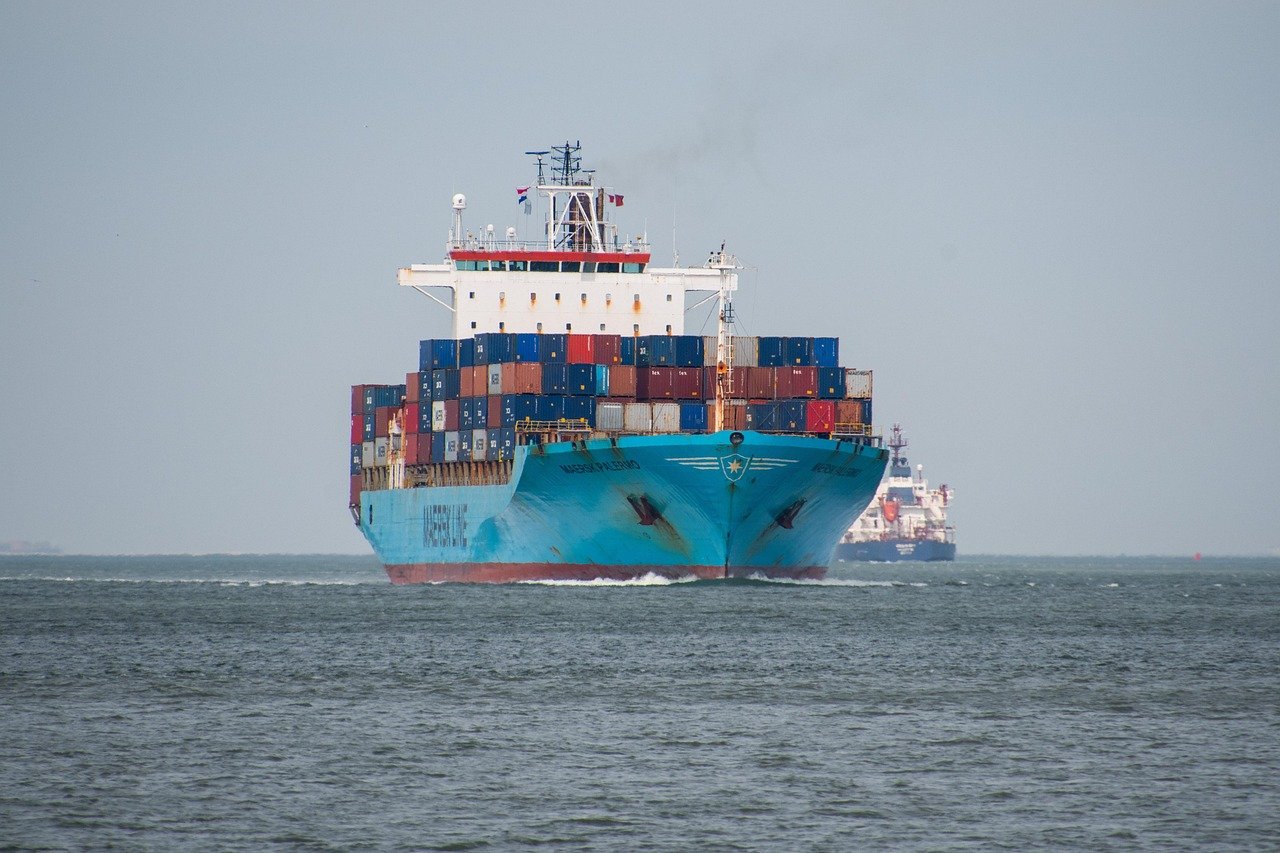
• Reliable logistics
• Halal certification where required
• Traceability systems
• Flexible packaging options
• Long-term production capacity
• Strong communication and customer service
Exporters that excel in these areas are more likely to secure long-term contracts.
Challenges for Exporters
Despite growing opportunities, exporters face several challenges. Rising logistics costs, regulatory compliance requirements, geopolitical risks, currency fluctuations, and evolving consumer expectations all influence market access.
Successful exporters continuously monitor destination-market regulations and invest in quality assurance, certification programs, and customer relationships.
Strategic Recommendations
Companies seeking to expand turkey exports in 2026 should prioritize market diversification. Relying on a single destination increases risk, while serving multiple regions improves resilience.
Europe remains the most stable market, the Middle East offers strong growth potential, Asia provides long-term expansion opportunities, and Africa presents emerging demand. Combining these regions can create a balanced export strategy.
Conclusion
The top turkey meat import markets in 2026 are expected to include Germany, France, the United Kingdom, the Netherlands, Spain, Italy, China, South Korea, Japan, the UAE, Saudi Arabia, Egypt, and South Africa. Each market offers unique opportunities and challenges, requiring exporters to adapt their strategies accordingly.
Success in international turkey meat trade will depend on product quality, certifications, logistics performance, pricing competitiveness, and the ability to build long-term partnerships. Exporters that understand market-specific requirements and invest in customer relationships will be best positioned to benefit from growing global demand.