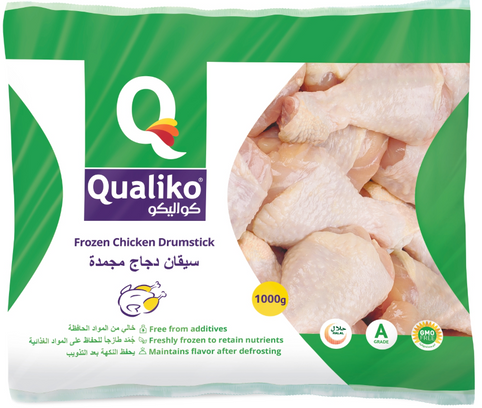
Halal vs Non-Halal Chicken Export
Introduction
Global poultry trade serves markets with different cultural, religious, and regulatory requirements. One of the most important distinctions is between Halal and non-Halal chicken. Understanding these differences is essential for exporters seeking access to high-growth markets in the Middle East, Africa, and Asia.
What Is Halal Chicken?
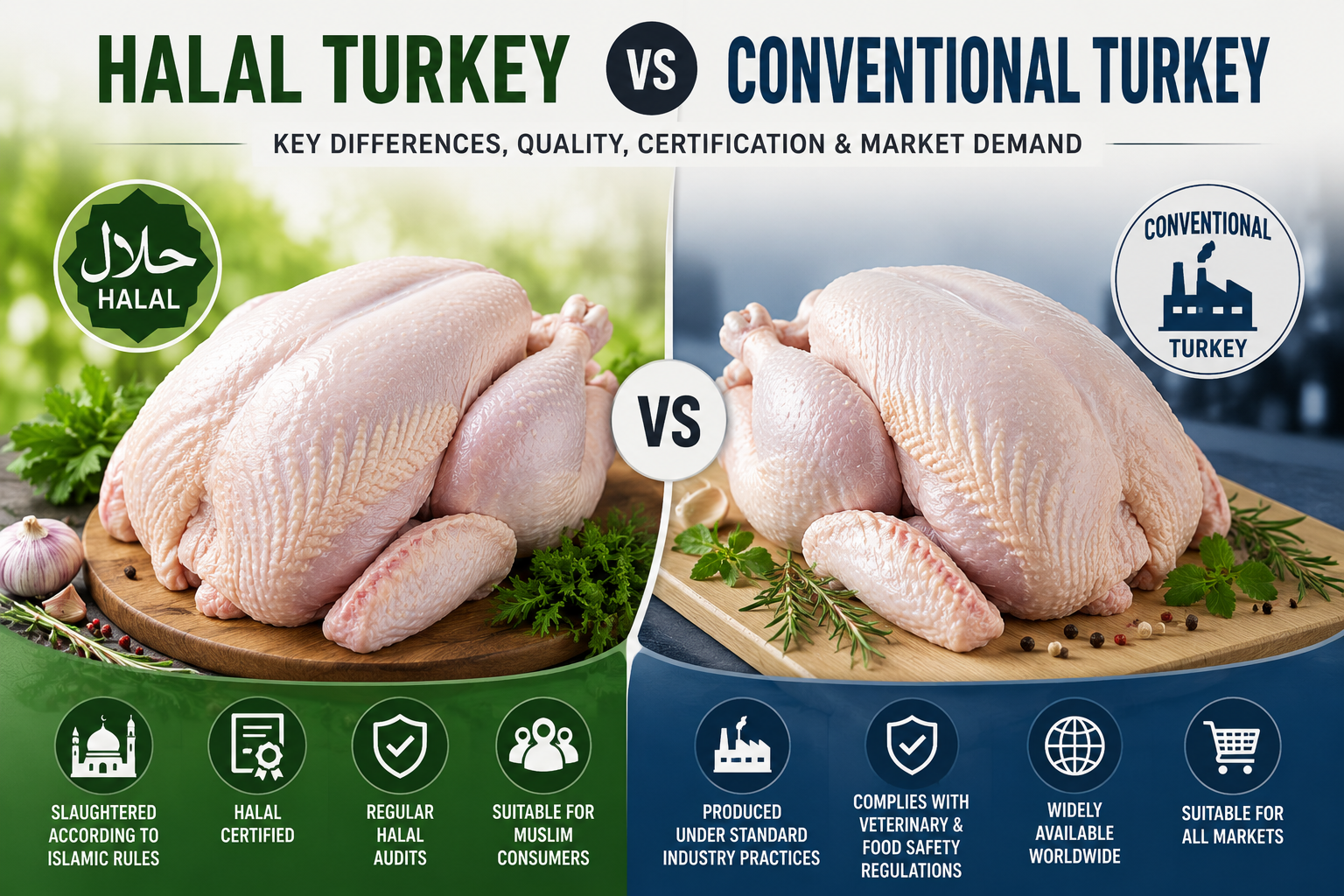
Halal chicken is poultry processed according to Islamic dietary requirements. The slaughter process must follow specific religious guidelines, including humane handling, proper slaughter techniques, and certification by recognized Halal authorities.
What Is Non-Halal Chicken?
Non-Halal chicken refers to poultry processed according to conventional commercial standards without the specific religious requirements associated with Halal production. These products dominate many European, North American, and Latin American markets.
Market Size and Demand
The global Halal food market continues to grow rapidly due to population growth, increasing purchasing power in Muslim-majority countries, and expanding international trade. Halal poultry is a mandatory requirement in many Middle Eastern countries and increasingly popular among consumers seeking certified food products.
Key Export Destinations for Halal Chicken
Major Halal poultry importers include Saudi Arabia, the UAE, Qatar, Kuwait, Oman, Bahrain, Malaysia, Indonesia, Egypt, and several African nations. Importers often require both veterinary approval and Halal certification.
Key Export Destinations for Non-Halal Chicken
Non-Halal poultry exports are common across Europe, North America, Latin America, and various international foodservice markets where religious certification is not a primary purchasing requirement.
Certification Requirements
Halal exports typically require certification from approved Islamic certification bodies. Documentation may include slaughter certificates, plant approvals, traceability records, and veterinary certificates. Non-Halal exports generally focus on food safety, veterinary compliance, and importing-country regulations.
Pricing and Profitability
Halal-certified poultry can command premium pricing in certain markets due to additional certification costs and strong demand. However, exporters must invest in training, auditing, certification programs, and compliance procedures.
Production and Processing Differences
Halal processing requires dedicated procedures, trained personnel, and certification oversight. Non-Halal production offers greater operational flexibility and may involve lower compliance costs.
Logistics and Supply Chain
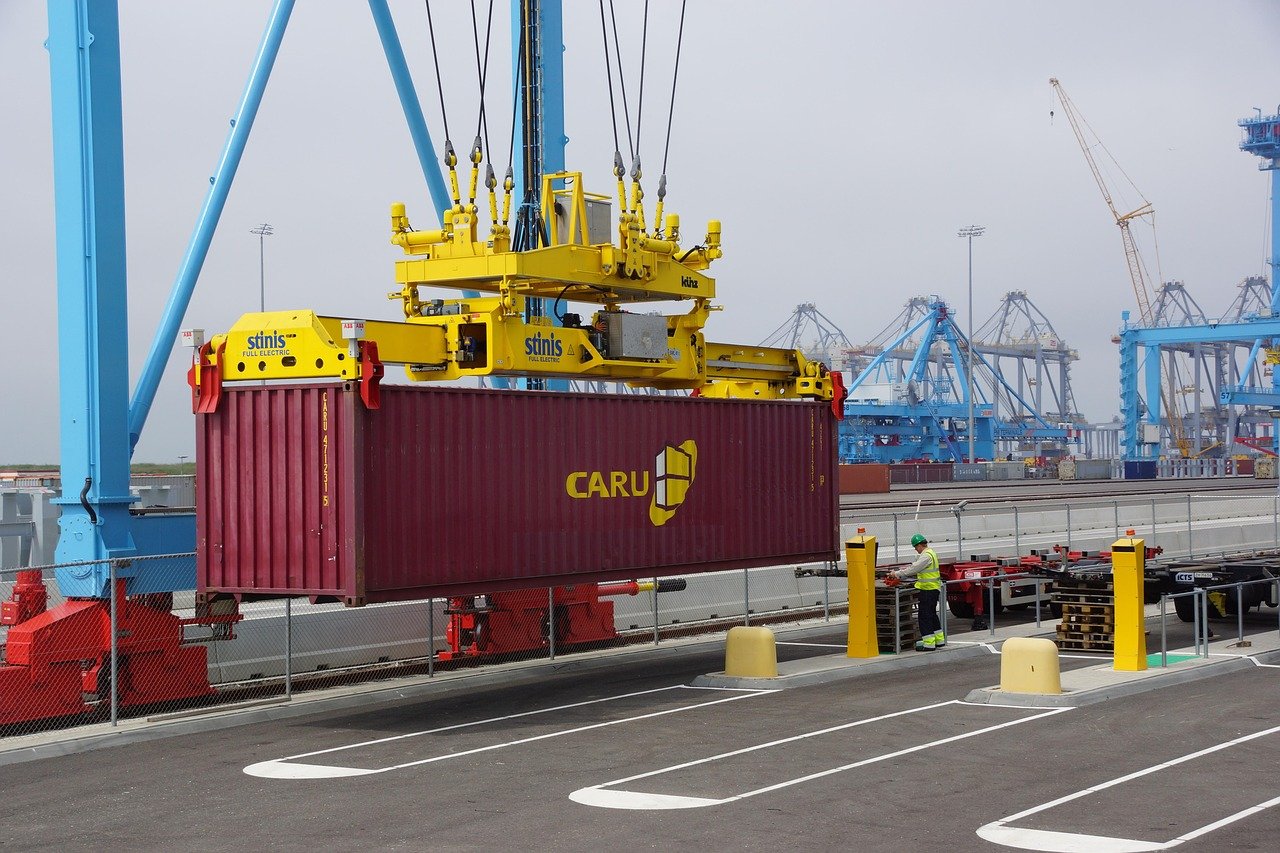
Both Halal and non-Halal poultry require strict cold-chain management. However, Halal supply chains often include additional segregation measures to preserve certification integrity throughout storage and transportation.
Advantages of Halal Chicken Export
– Access to fast-growing Muslim markets
– Potential premium pricing
– Strong consumer trust
– Long-term demand growth
– Competitive differentiation
Advantages of Non-Halal Chicken Export
– Simpler production requirements
– Lower certification costs
– Wider operational flexibility
– Easier market entry in non-Muslim regions
Challenges for Exporters
Halal exporters must maintain certification compliance, pass audits, and satisfy country-specific requirements. Non-Halal exporters face intense competition and fewer opportunities for product differentiation.
Conclusion
Both Halal and non-Halal chicken exports offer significant opportunities. Halal poultry provides access to some of the world’s fastest-growing food markets, while non-Halal poultry benefits from simpler operations and broad global demand. Exporters should evaluate target markets, certification requirements, and long-term business objectives when selecting their export strategy.