Cold Chain Logistics for Frozen Chicken Export
A Comprehensive Guide for Poultry Exporters, Importers, and Logistics Providers
Introduction
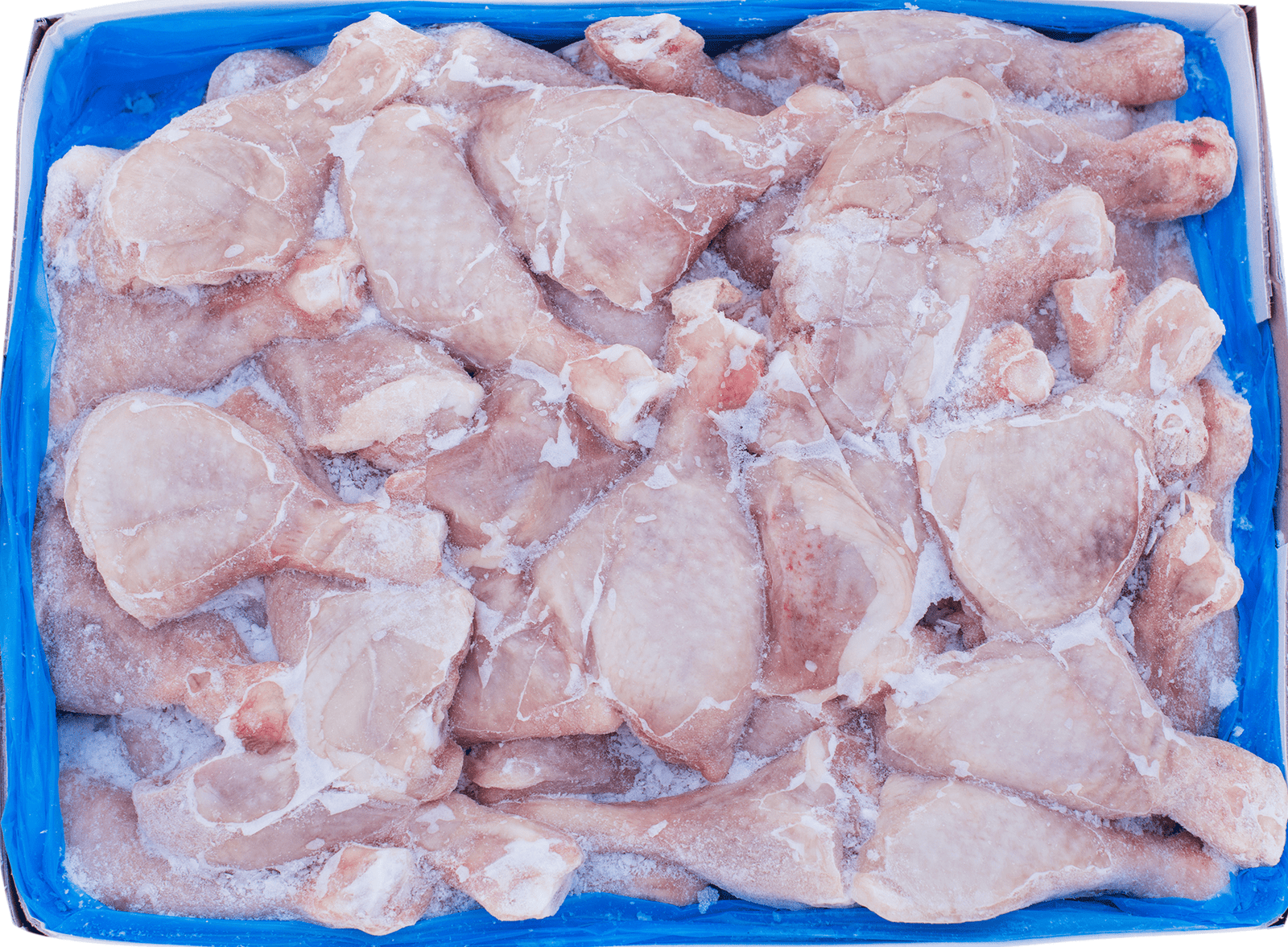
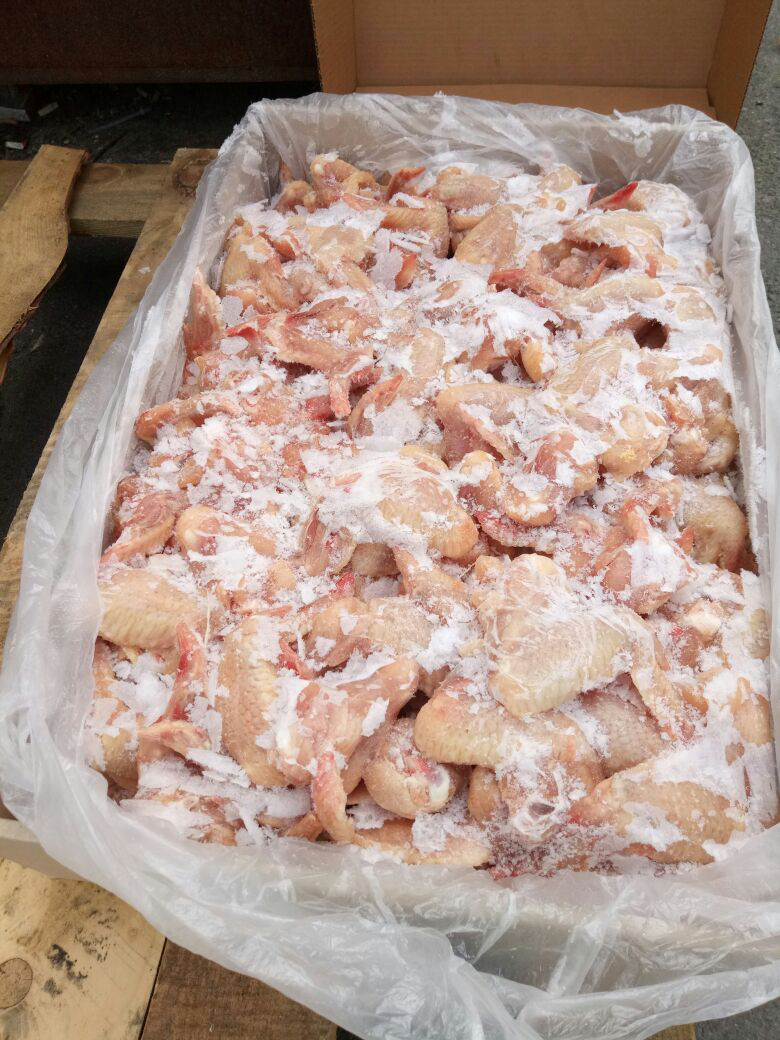
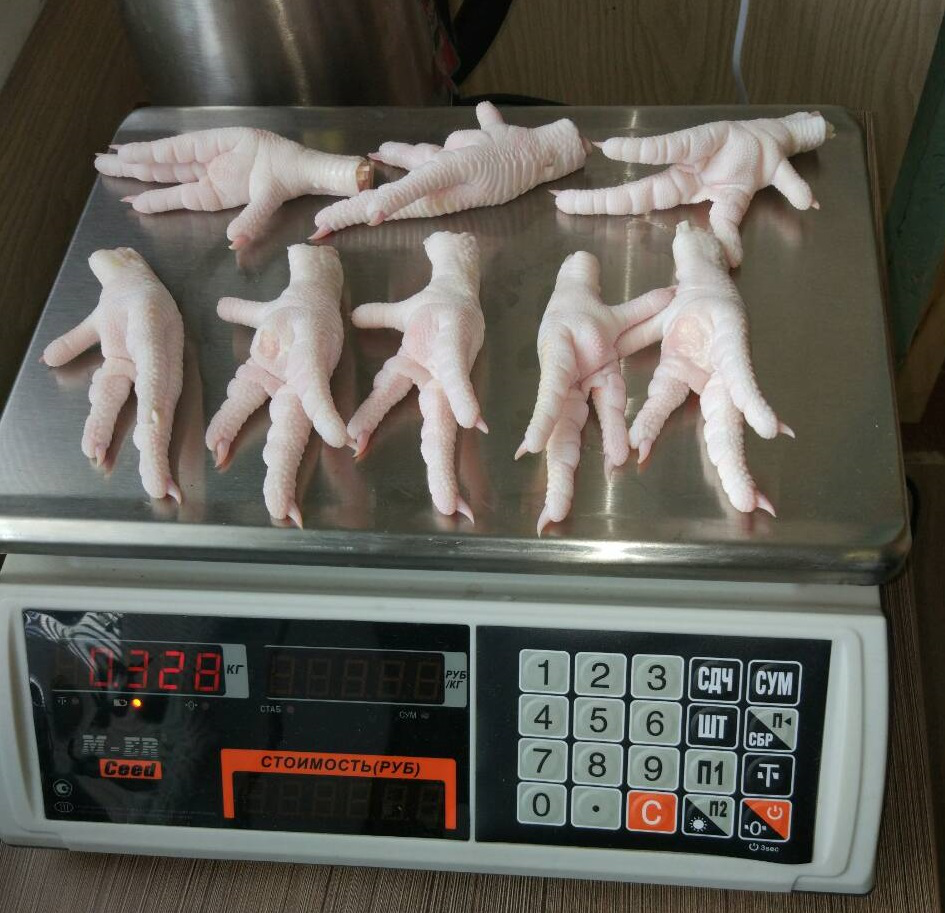
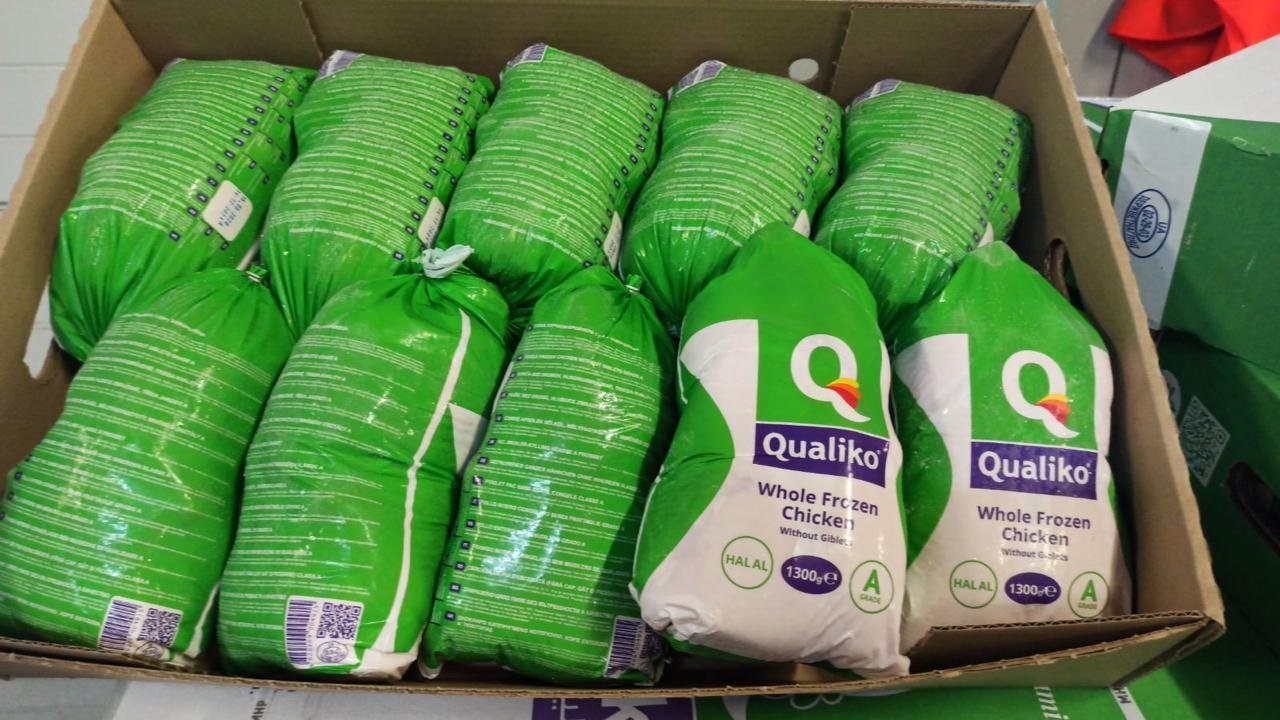
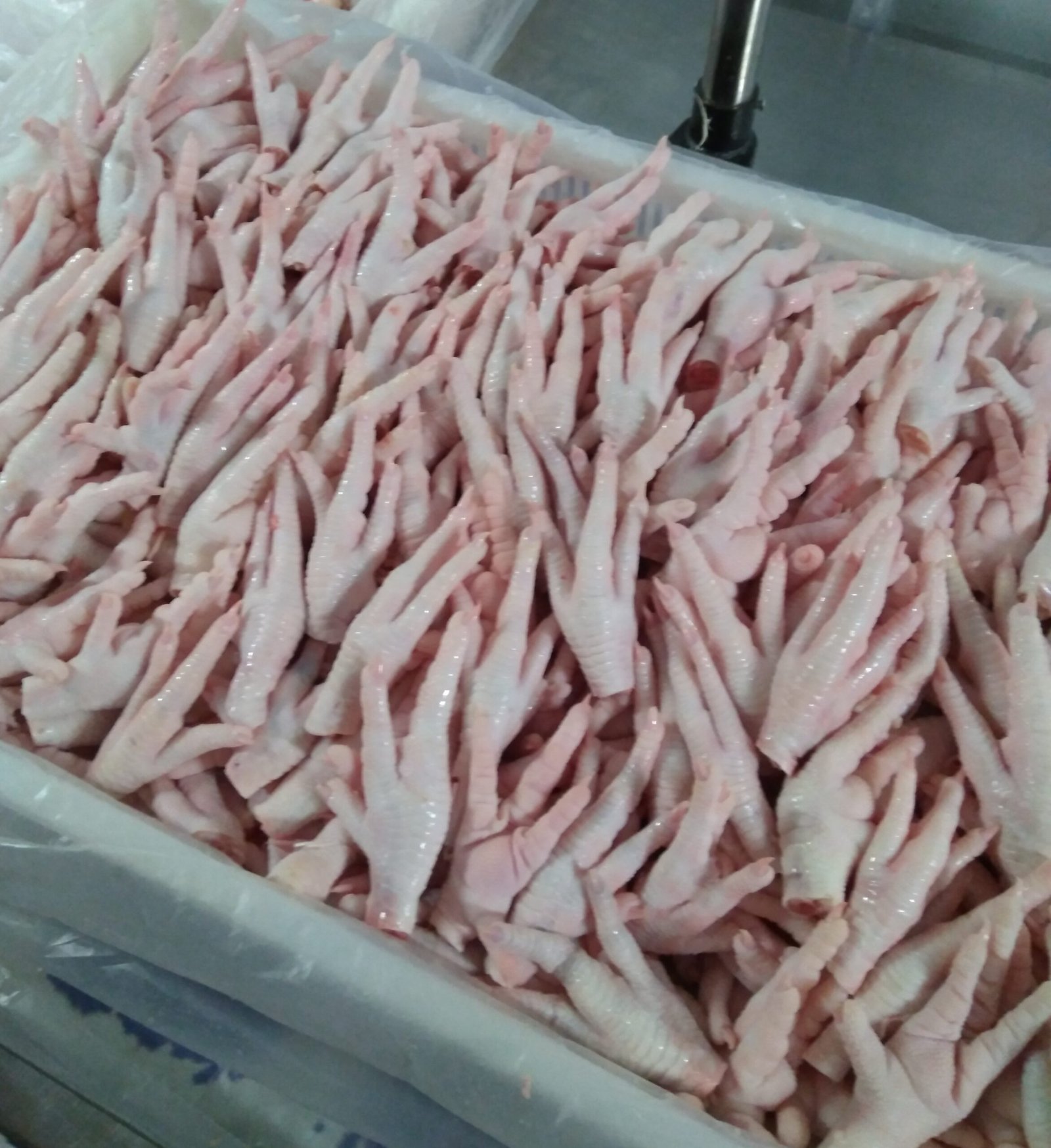
Cold chain logistics is one of the most critical elements in the international frozen chicken trade. Regardless of the quality of poultry processing, packaging, and certification, product integrity can be compromised if temperature-controlled logistics are not managed correctly. For exporters of frozen chicken, chicken paws, feet, wings, leg quarters, breast meat, gizzards, hearts, and other poultry products, maintaining an uninterrupted cold chain is essential for food safety, regulatory compliance, customer satisfaction, and commercial success.
The global frozen poultry market relies on sophisticated refrigeration infrastructure connecting processing plants, cold stores, transport providers, ports, shipping lines, customs facilities, and import warehouses. Every participant in the supply chain has a responsibility to maintain temperature requirements and prevent product deterioration.
This article explores the complete cold chain process for frozen chicken exports and outlines best practices for poultry exporters serving international markets.
What Is Cold Chain Logistics?
Cold chain logistics refers to a temperature-controlled supply chain designed to preserve perishable products from production to final delivery. In the poultry industry, the cold chain begins immediately after processing and freezing and continues until the product reaches the importer, distributor, retailer, or foodservice customer.
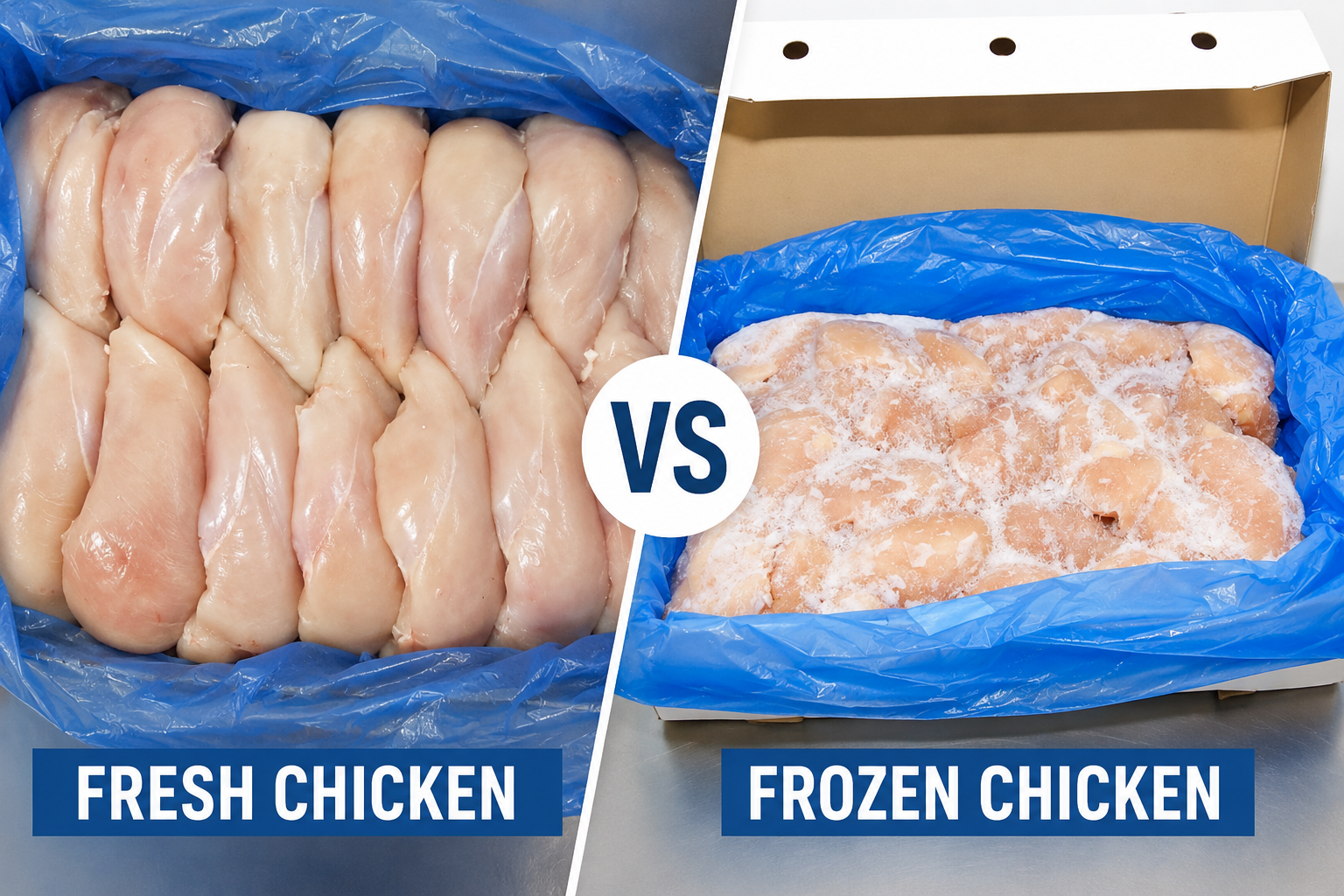
The objective is to maintain product safety, texture, appearance, nutritional value, and shelf life. Any interruption can lead to temperature abuse, ice crystal formation, dehydration, freezer burn, bacterial risks, and financial losses.
Frozen poultry products are typically stored and transported at temperatures of -18°C or lower. Some buyers require stricter standards of -20°C or -22°C depending on destination regulations and commercial agreements.
The Frozen Chicken Export Supply Chain
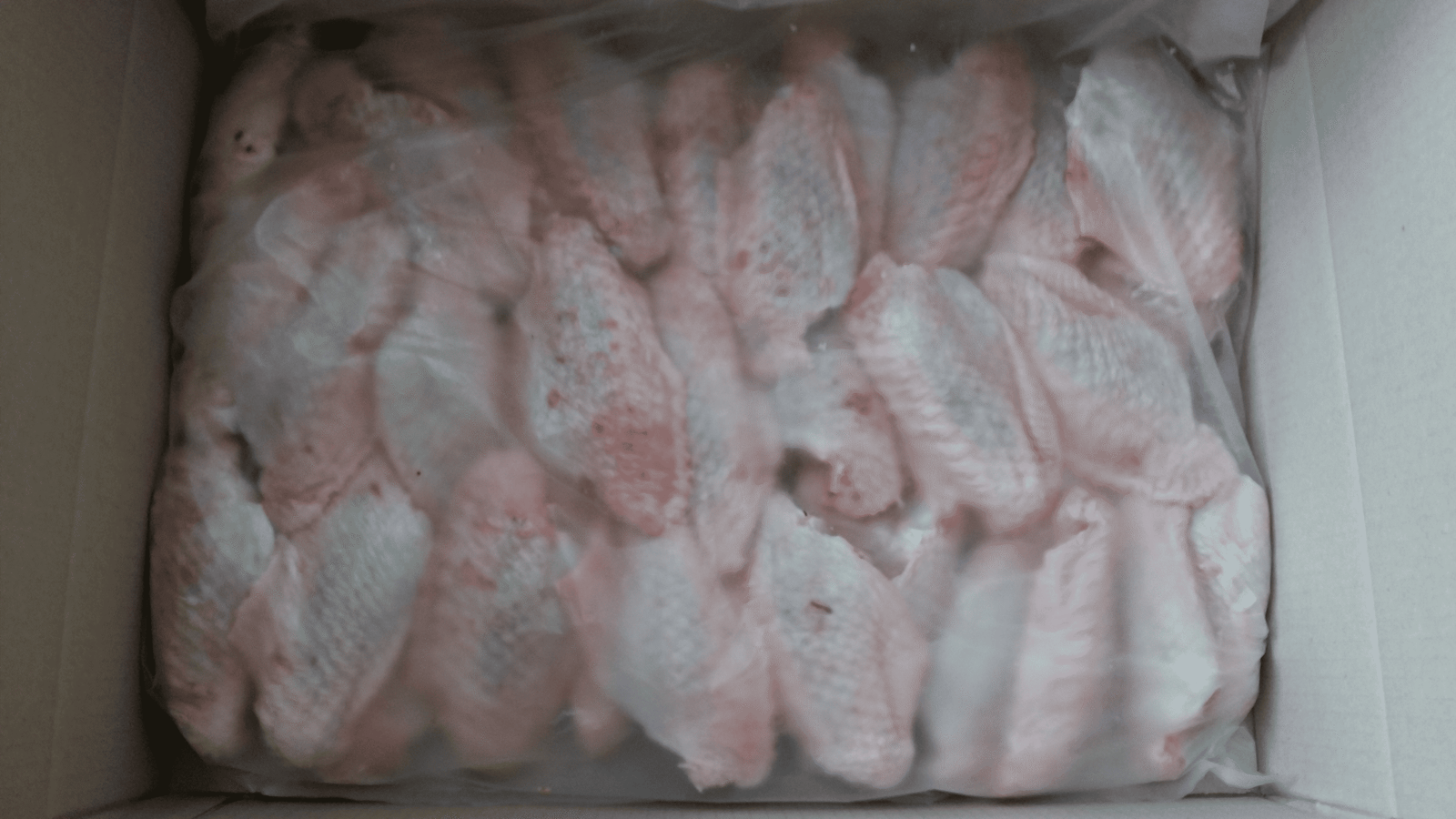
A typical frozen chicken export supply chain includes processing and freezing, cold storage, refrigerated trucking, port handling, container loading, ocean transportation, customs clearance, destination cold storage, and final distribution.
Immediately after slaughter and processing, chicken products are rapidly chilled and frozen. Blast freezing technology is commonly used because it minimizes cellular damage and preserves product quality.
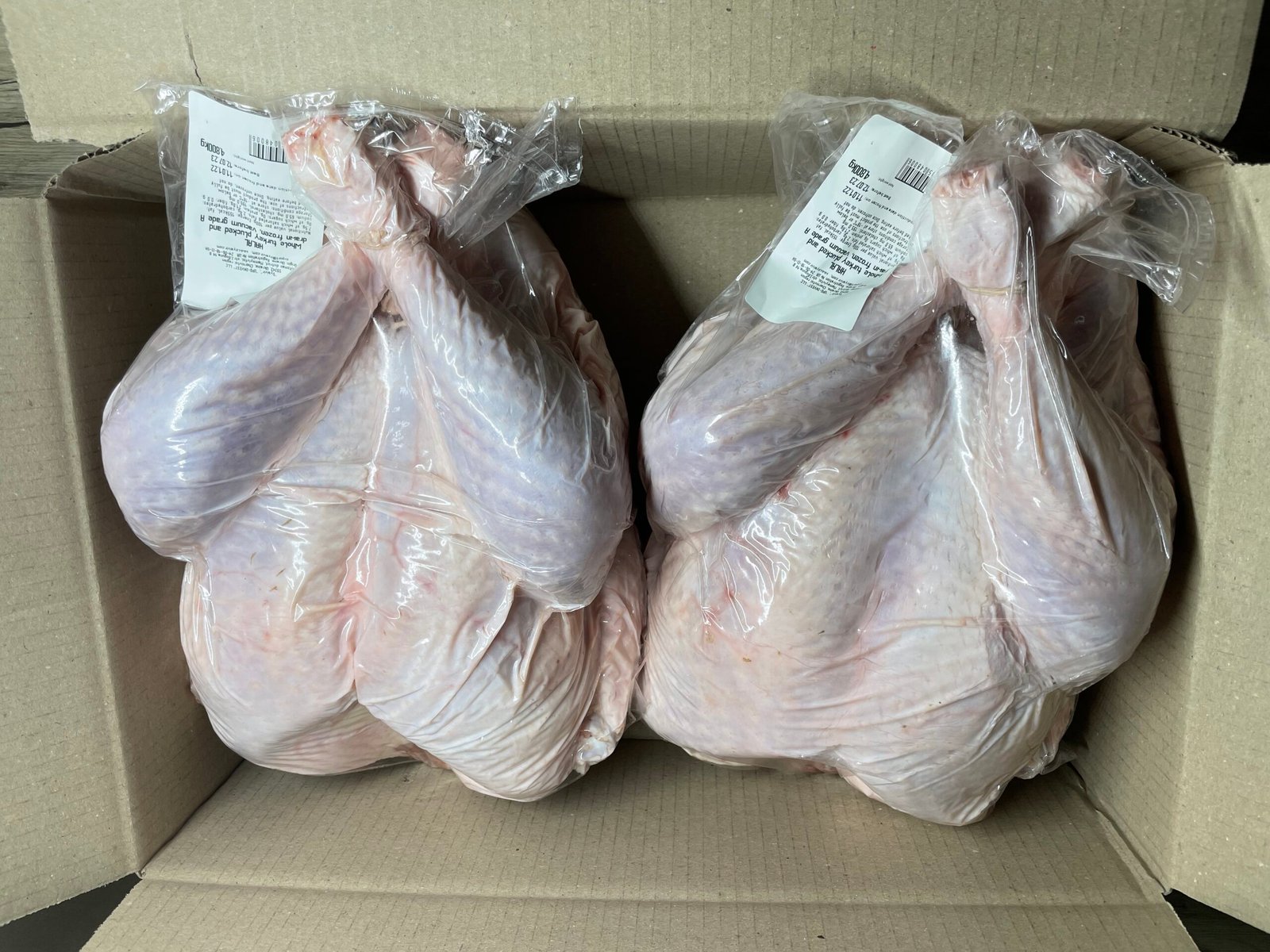
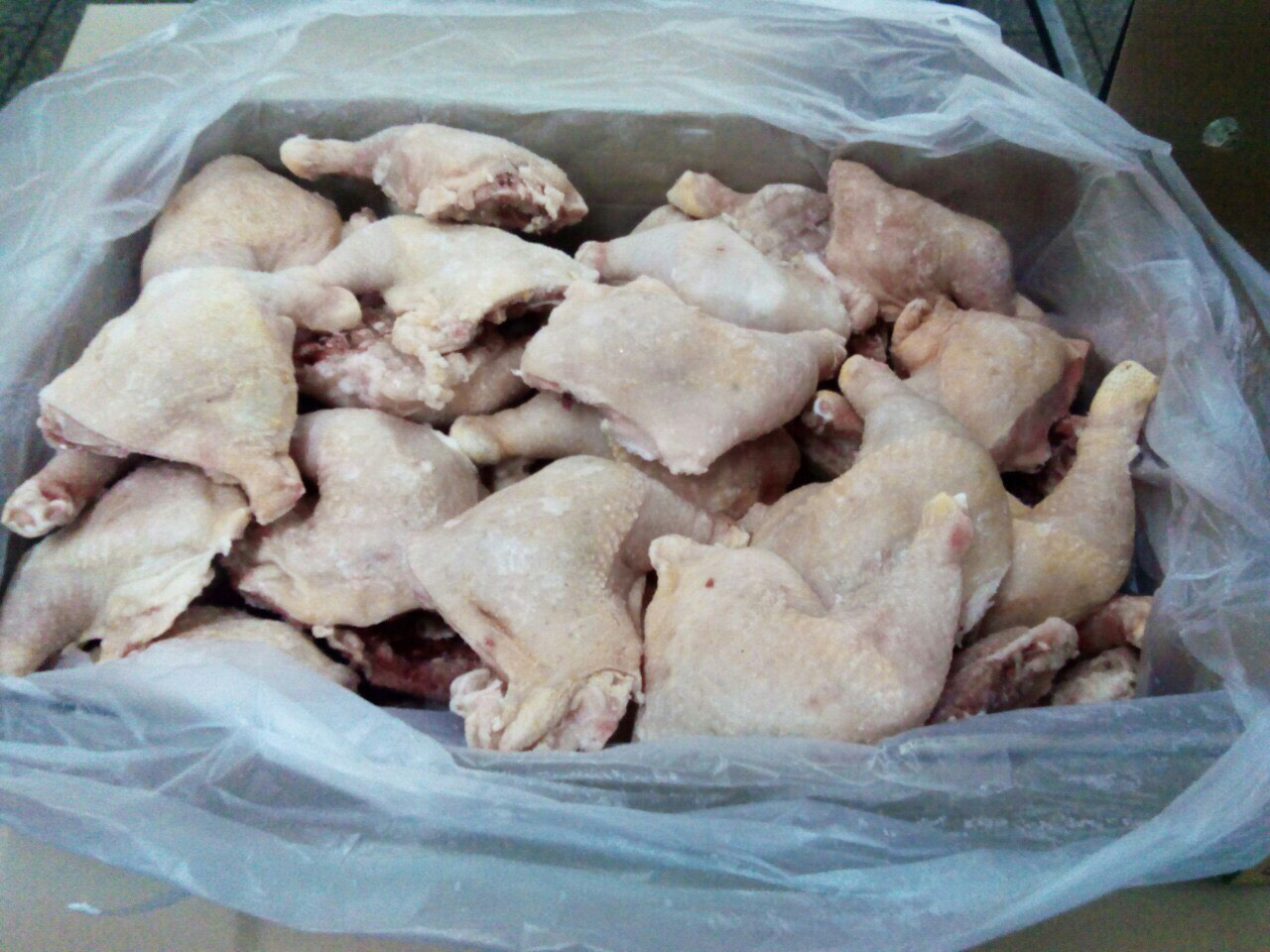
After freezing, products are transferred to certified cold storage facilities where temperatures are continuously monitored. Export cartons are then loaded into refrigerated trucks and transported to the export port for container stuffing and shipment.
Importance of Blast Freezing
Blast freezing is a key stage in poultry export operations. During this process, products are exposed to extremely cold air circulation that rapidly lowers the internal temperature.
Rapid freezing helps maintain product structure and reduces moisture loss. Compared with slow freezing, blast freezing produces smaller ice crystals, resulting in better texture after thawing.
Exporters supplying demanding markets in Asia, the Middle East, Africa, and Europe often rely on modern blast freezing systems to meet customer quality specifications.
Temperature Requirements for Frozen Chicken
Maintaining proper temperatures throughout transportation and storage is essential. Most international buyers require frozen poultry to remain at -18°C or below during the entire logistics cycle.
Temperature deviations may result in cargo claims, rejected shipments, regulatory issues, and loss of customer confidence. Exporters therefore implement strict monitoring procedures throughout the supply chain.
Common temperature targets include:
• Frozen chicken products: -18°C or below
• Long-distance ocean shipments: -18°C to -22°C
• Cold storage facilities: -18°C to -25°C
• Reefer container set points: according to customer requirements and shipping conditions.
Refrigerated Warehousing
Cold storage facilities serve as important consolidation points before export. Warehouses must maintain stable temperatures, adequate airflow, hygiene standards, pest control programs, and inventory management systems.
Modern cold stores use digital monitoring platforms that provide real-time temperature visibility. Many facilities also incorporate backup power systems to protect products during utility interruptions.
Exporters should work with warehouses that comply with recognized food safety standards and maintain detailed temperature records for audit purposes.
Reefer Containers and Ocean Freight
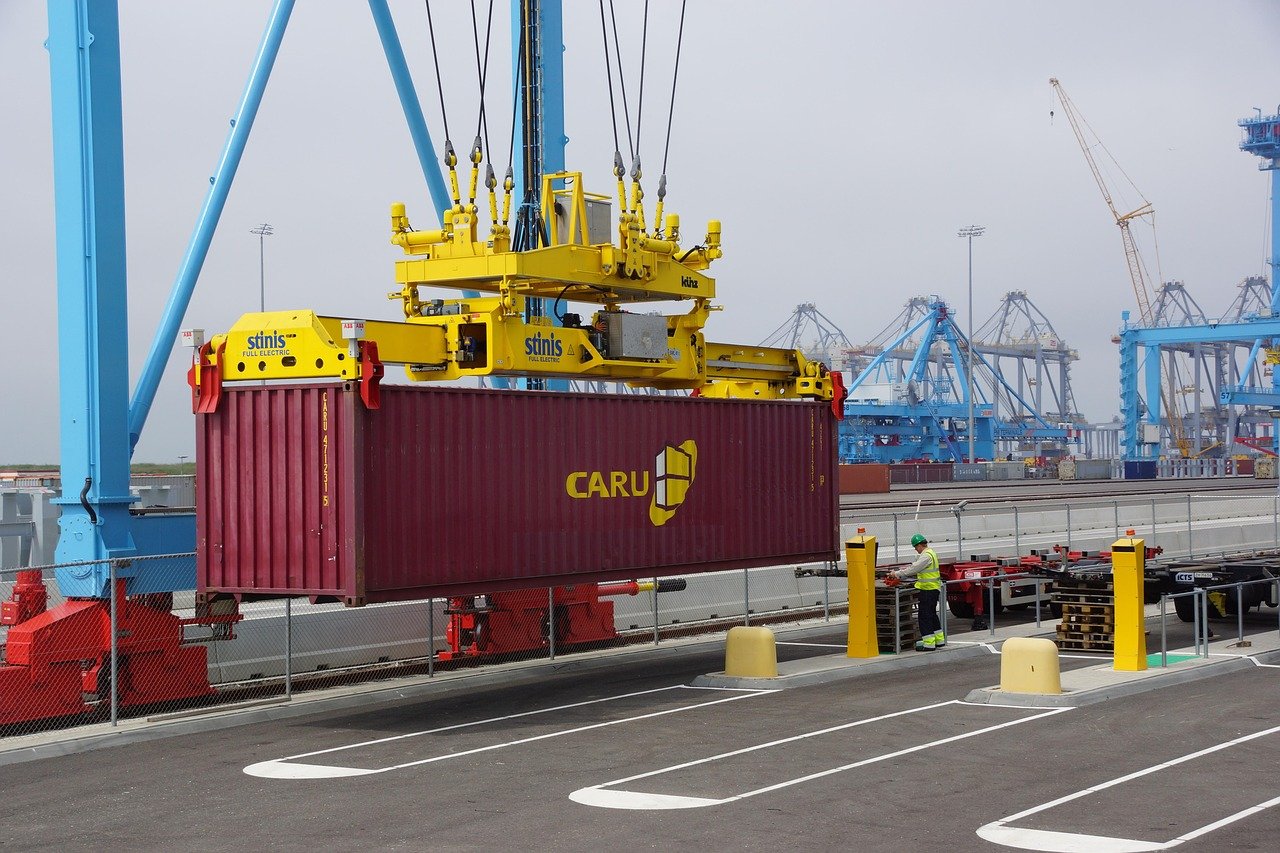
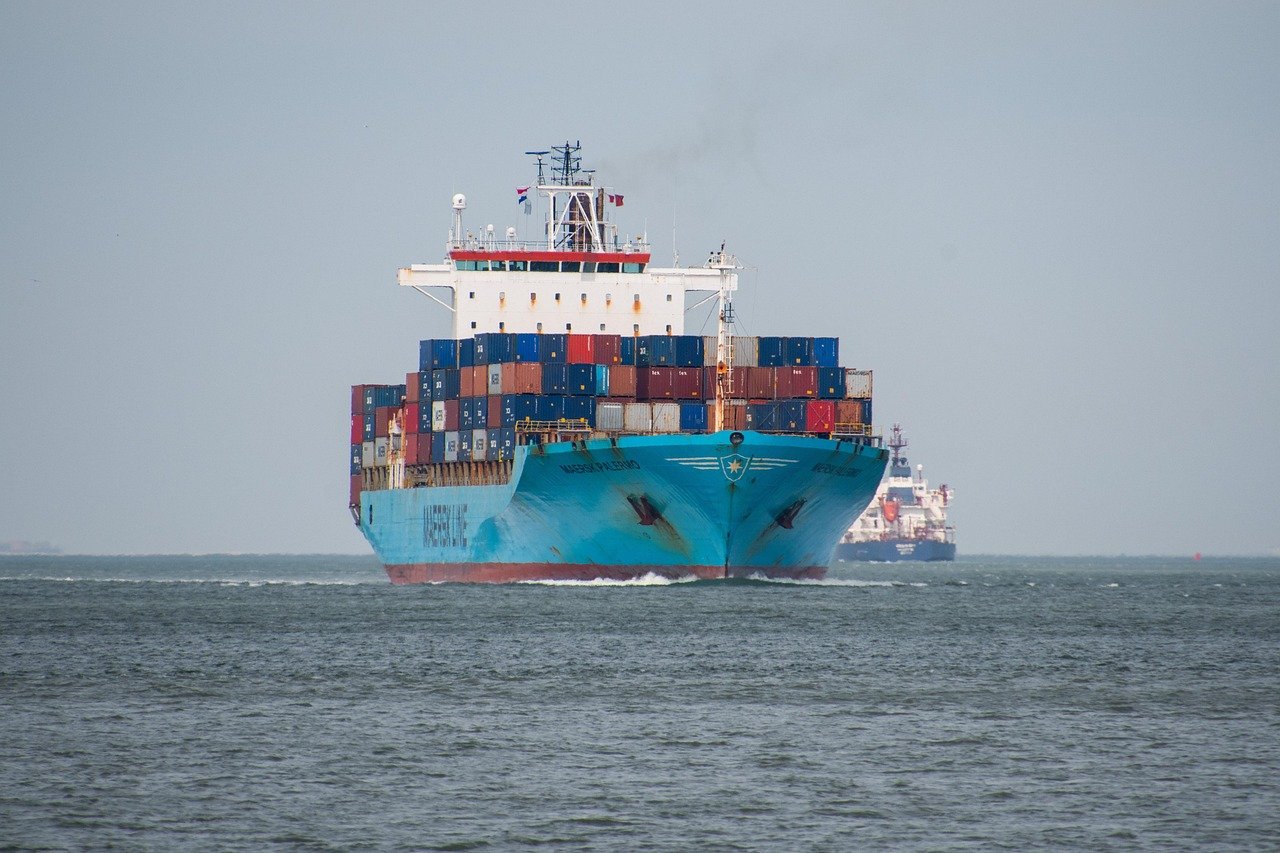
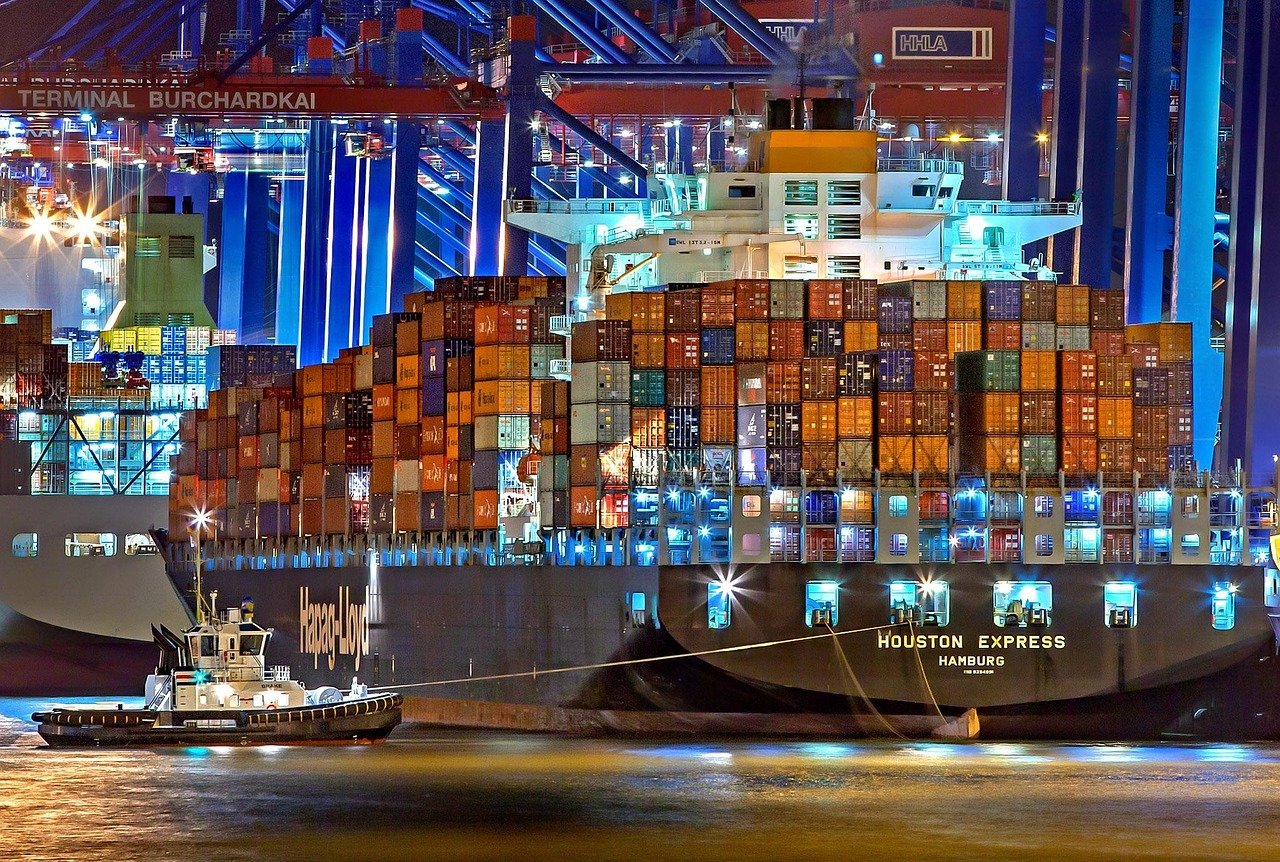
Refrigerated containers, commonly known as reefer containers, are the backbone of international frozen poultry logistics. These containers are equipped with integrated refrigeration units capable of maintaining precise temperatures throughout ocean transportation.
Before loading, reefer containers undergo inspections to verify cleanliness, structural integrity, and refrigeration performance. Exporters should confirm that container settings match buyer specifications and shipping documentation.
Container loading practices are equally important. Proper airflow must be maintained around the cargo to ensure uniform cooling. Overloading or incorrect stacking can restrict airflow and create temperature inconsistencies.
Monitoring and Data Logging
Advanced temperature monitoring technologies have become standard in international poultry trade. Data loggers and remote monitoring systems allow exporters and importers to track temperature performance throughout transportation.
Continuous monitoring provides several benefits:
• Verification of cold chain compliance.
• Early identification of temperature deviations.
• Reduced risk of cargo disputes.
• Improved transparency between trading partners.
• Better regulatory compliance.
Temperature records often play a critical role when resolving insurance claims or quality disputes.
Cold Chain Risks and Challenges
Frozen chicken exporters face numerous cold chain challenges. Equipment failures, port congestion, customs delays, power outages, human error, and transportation disruptions can all affect product integrity.
Some of the most common risks include:
• Reefer malfunction.
• Delayed vessel departures.
• Improper container loading.
• Extended customs inspections.
• Warehouse temperature fluctuations.
• Documentation errors causing clearance delays.
Risk management plans should be developed to minimize exposure and ensure rapid response when problems occur.
Regulatory and Food Safety Requirements
International poultry exports are subject to strict food safety and veterinary regulations. Importing countries frequently require evidence that products have been maintained under appropriate temperature conditions throughout the supply chain.
Compliance may involve:
• Veterinary health certificates.
• HACCP implementation.
• Traceability systems.
• Temperature monitoring records.
• Facility approvals.
• Third-party audits.
Exporters must understand destination-country requirements and coordinate closely with importers to ensure compliance.
Insurance and Risk Mitigation
Cargo insurance is an important component of frozen poultry exports. While strong cold chain management reduces risk, unforeseen incidents can still occur.
Exporters should evaluate insurance coverage related to temperature excursions, transportation delays, equipment failures, and cargo damage. Maintaining detailed monitoring records significantly strengthens claim documentation when losses occur.
A proactive approach to risk management often includes contingency storage arrangements, backup transport providers, and emergency response procedures.
Best Practices for Frozen Chicken Exporters
Leading poultry exporters follow several best practices:
• Freeze products rapidly after processing.
• Maintain uninterrupted temperature control.
• Use reputable cold storage providers.
• Inspect reefer containers before loading.
• Monitor temperatures continuously.
• Train logistics personnel regularly.
• Maintain detailed documentation.
• Implement traceability systems.
• Conduct supplier and service-provider audits.
• Develop contingency plans for disruptions.
These practices help protect product quality and strengthen long-term customer relationships.
Cold Chain Logistics in Emerging Markets
Demand for frozen poultry continues to grow across Africa, the Middle East, Southeast Asia, and other emerging regions. As trade volumes increase, investment in cold chain infrastructure becomes increasingly important.
Many countries are expanding refrigerated storage capacity, improving port facilities, and modernizing transportation networks. Exporters who understand local logistics capabilities can better manage risks and optimize delivery performance.
Conclusion
Cold chain logistics is far more than transportation. It is an integrated system that protects frozen chicken products from the processing plant to the final customer. Effective cold chain management safeguards food safety, preserves product quality, supports regulatory compliance, and protects commercial value.
For frozen chicken exporters competing in international markets, investment in reliable cold storage, reefer transportation, monitoring technology, staff training, and risk management is essential. Companies that maintain an uninterrupted cold chain consistently achieve stronger customer trust, reduced claims, improved profitability, and sustainable export growth.