Import Regulations for Poultry in UAE: Complete Market Access Guide for Chicken Exporters
Introduction
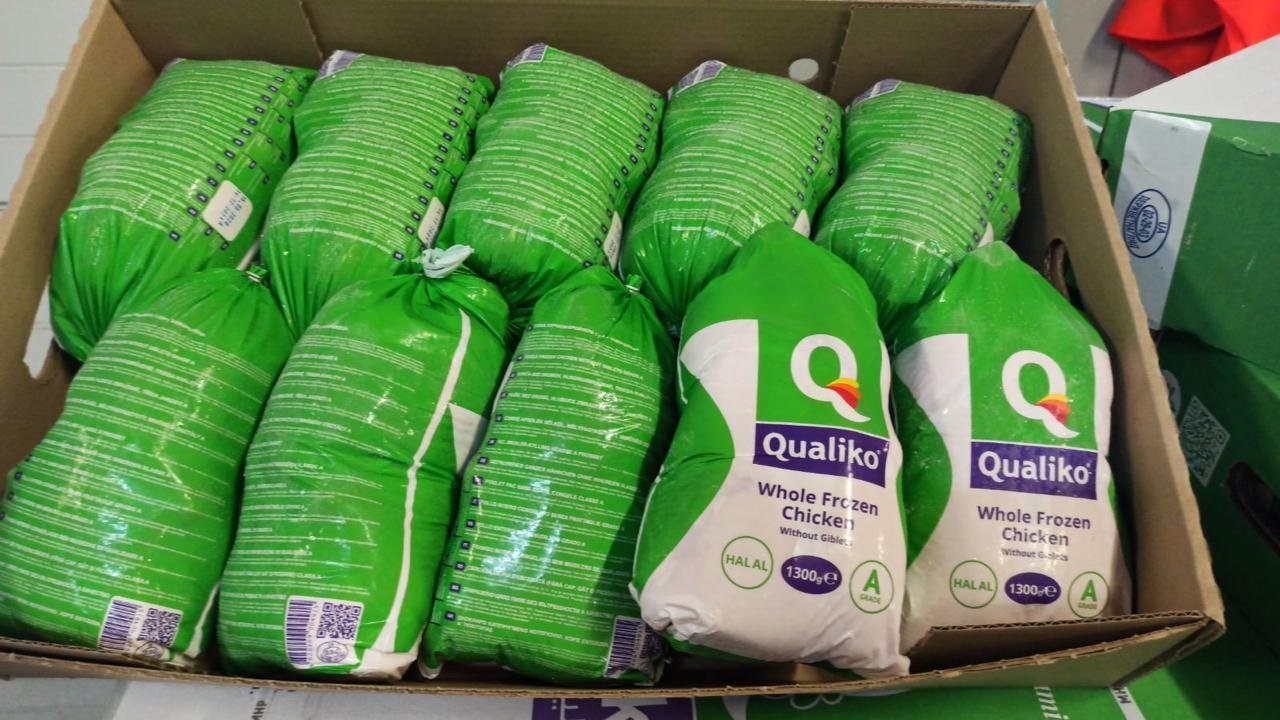
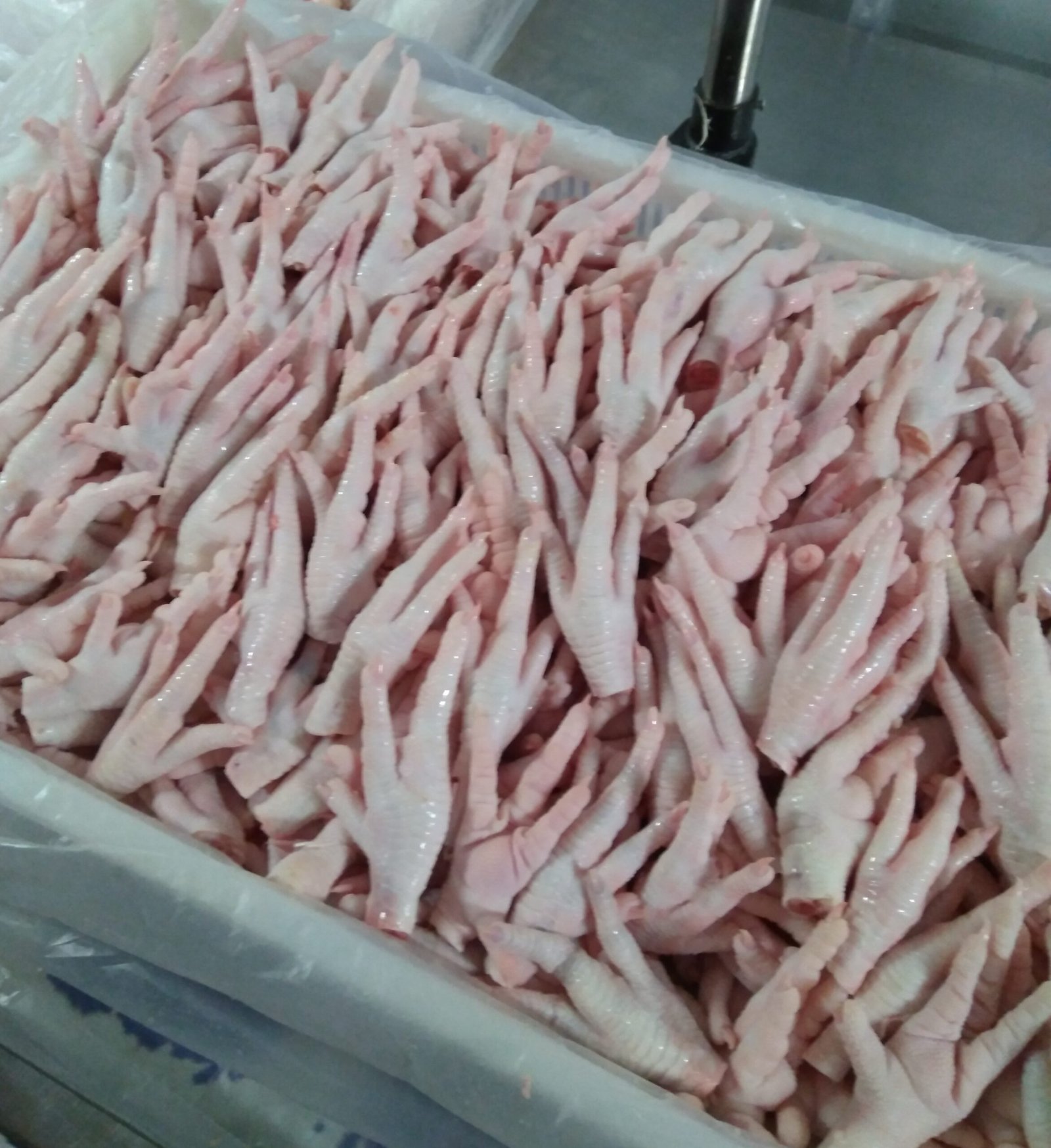
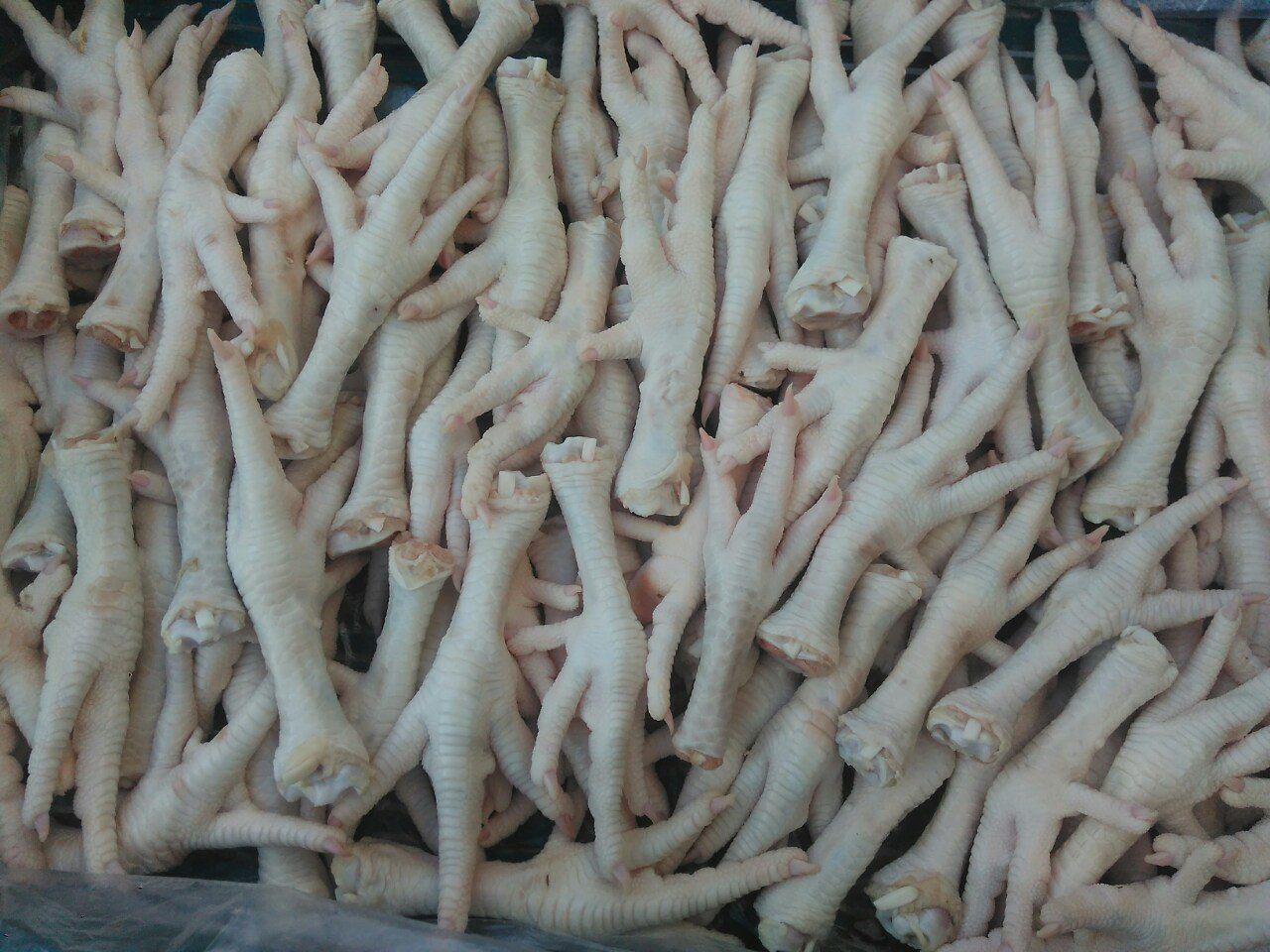
The UAE is one of the largest poultry importing markets in the Gulf region. Despite investments in domestic poultry production, the country remains highly dependent on imported frozen chicken, chicken cuts, processed poultry products and offal. Hotels, restaurants, retail chains, catering companies and food processors drive demand.
For exporters, UAE access depends less on offering the cheapest chicken and more on regulatory compliance. Many shipments are delayed because suppliers misunderstand import approvals, halal requirements, labeling rules or documentation expectations.
Why UAE Imports So Much Poultry
Several factors support imports:
• Population growth
• Tourism and hospitality sectors
• Large expatriate population
• Demand from hotels and restaurants
• Food security strategy requiring diversified suppliers
This creates opportunities for exporters able to maintain stable supply and documentation quality.
Who Regulates Poultry Imports in UAE
Import requirements involve several control layers including customs procedures, veterinary controls, food safety systems and halal compliance.
Exporters often assume one permit is enough. In practice, shipments may face multiple reviews before release.
Approved Country vs Approved Plant
One of the most expensive mistakes in poultry trade:
Country approval ≠ slaughterhouse approval.
An exporting country may be eligible, while individual poultry plants remain unauthorized. Importers often verify specific establishment eligibility before contracts.
How Poultry Actually Enters UAE: Step-by-Step
Step 1:
Importer identifies supplier.
Step 2:
Country eligibility is checked.
Step 3:
Plant approval status verified.
Step 4:
Halal certification reviewed.
Step 5:
Veterinary documents prepared.
Step 6:
Production and freezing completed.
Step 7:
Container shipment arranged.
Step 8:
Arrival and border inspection.
Step 9:
Document review.
Step 10:
Cargo release or detention.
This process explains why documentation errors create expensive delays.
Documents Usually Required
Typical poultry shipments may require:
– Veterinary certificate
– Health certificate
– Halal certificate
– Commercial invoice
– Packing list
– Certificate of origin
– Bill of lading
– Label information
The exact combination depends on product and origin.
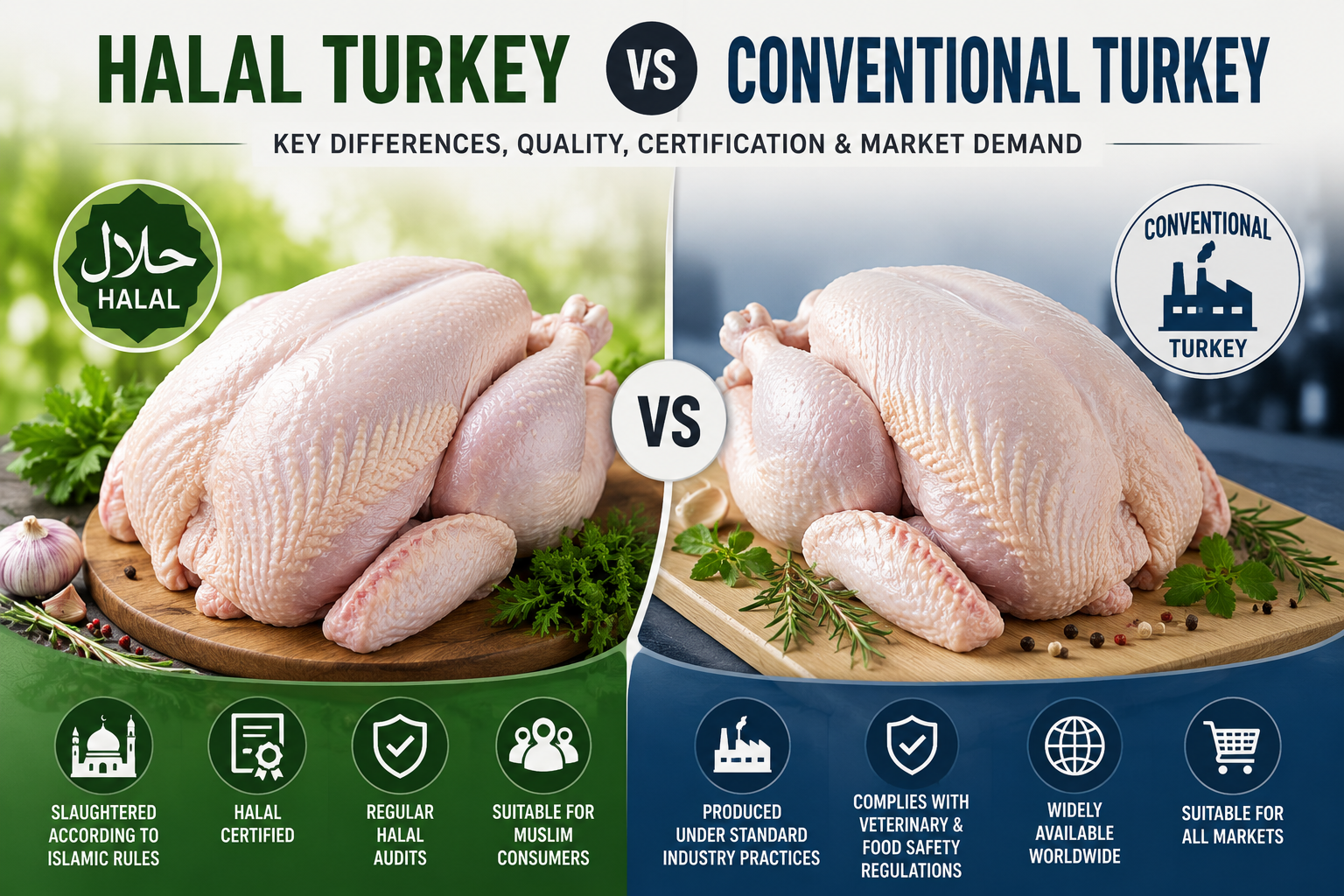
Halal Is a Commercial Requirement
In GCC markets, halal affects market access.
Many exporters think halal certificates are routine paperwork. Buyers often evaluate recognized certifiers, slaughter compliance and certificate credibility.
Why Poultry Shipments Get Rejected
Common causes:
1. Non-recognized halal body
2. Incorrect labels
3. Disease-related restrictions
4. Expired documents
5. Product descriptions differing from certificates
6. Plant approval issues
7. Temperature deviations
Importers remember failed suppliers. Repeated errors damage long-term opportunities.
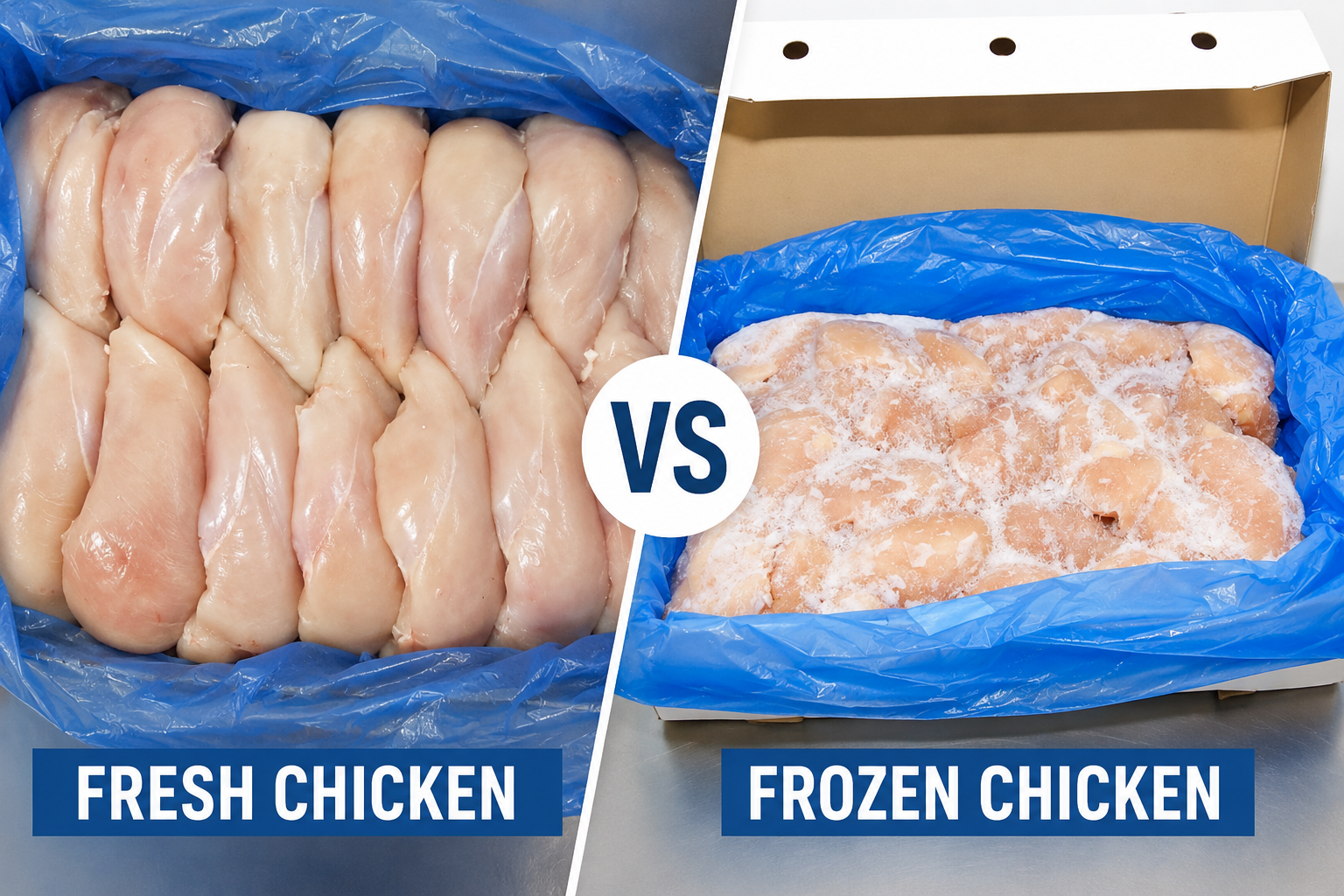
Frozen Chicken vs Chilled Chicken
Frozen poultry generally offers easier long-distance logistics and lower spoilage risk.
Chilled products may require tighter shelf-life management and faster clearance procedures.
How UAE Buyers Evaluate Suppliers
Experienced buyers assess:
• Price stability
• Disease history
• Production capacity
• Documentation reliability
• Traceability
• Ability to supply consistently
Cheap offers rarely compensate for unreliable compliance.
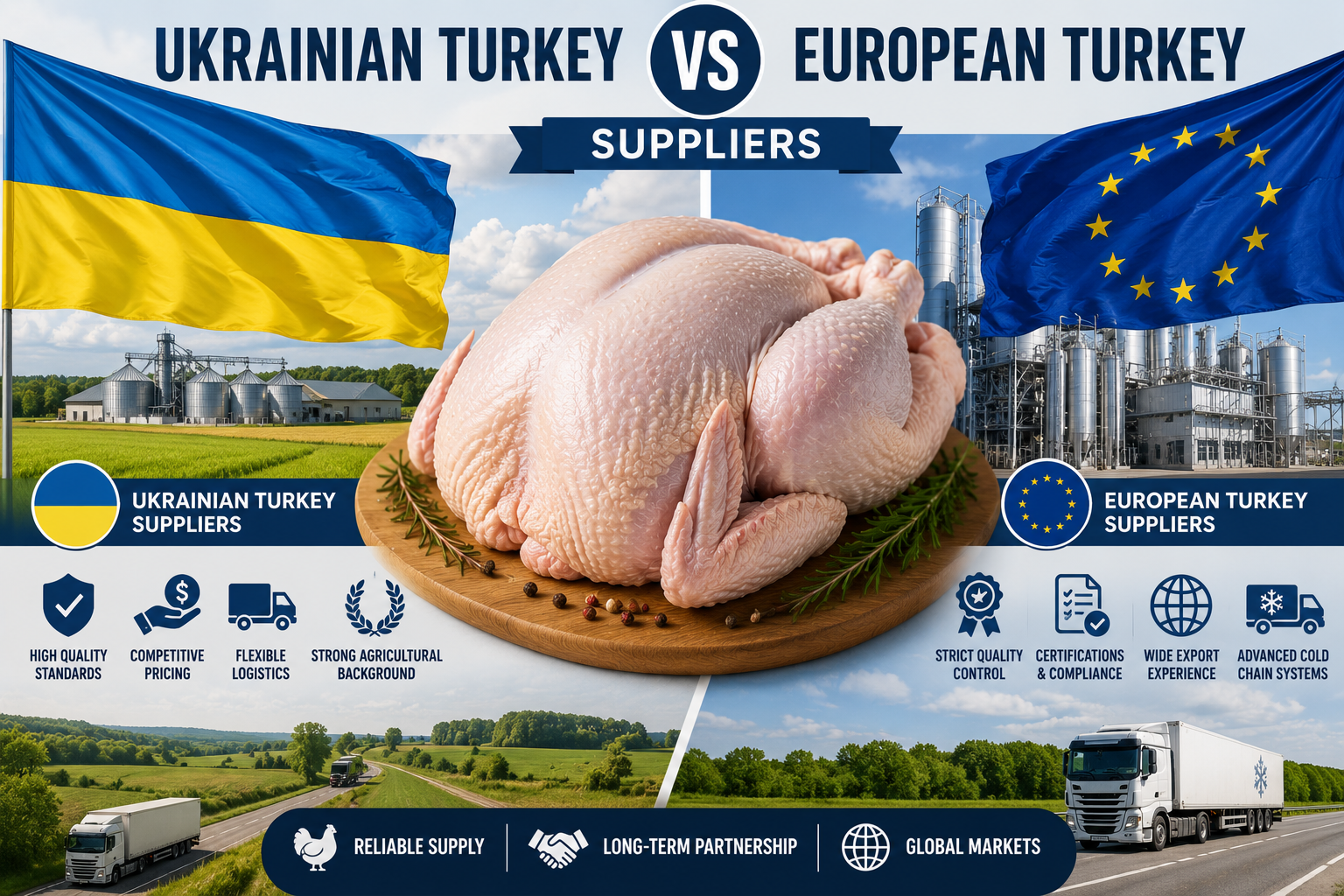
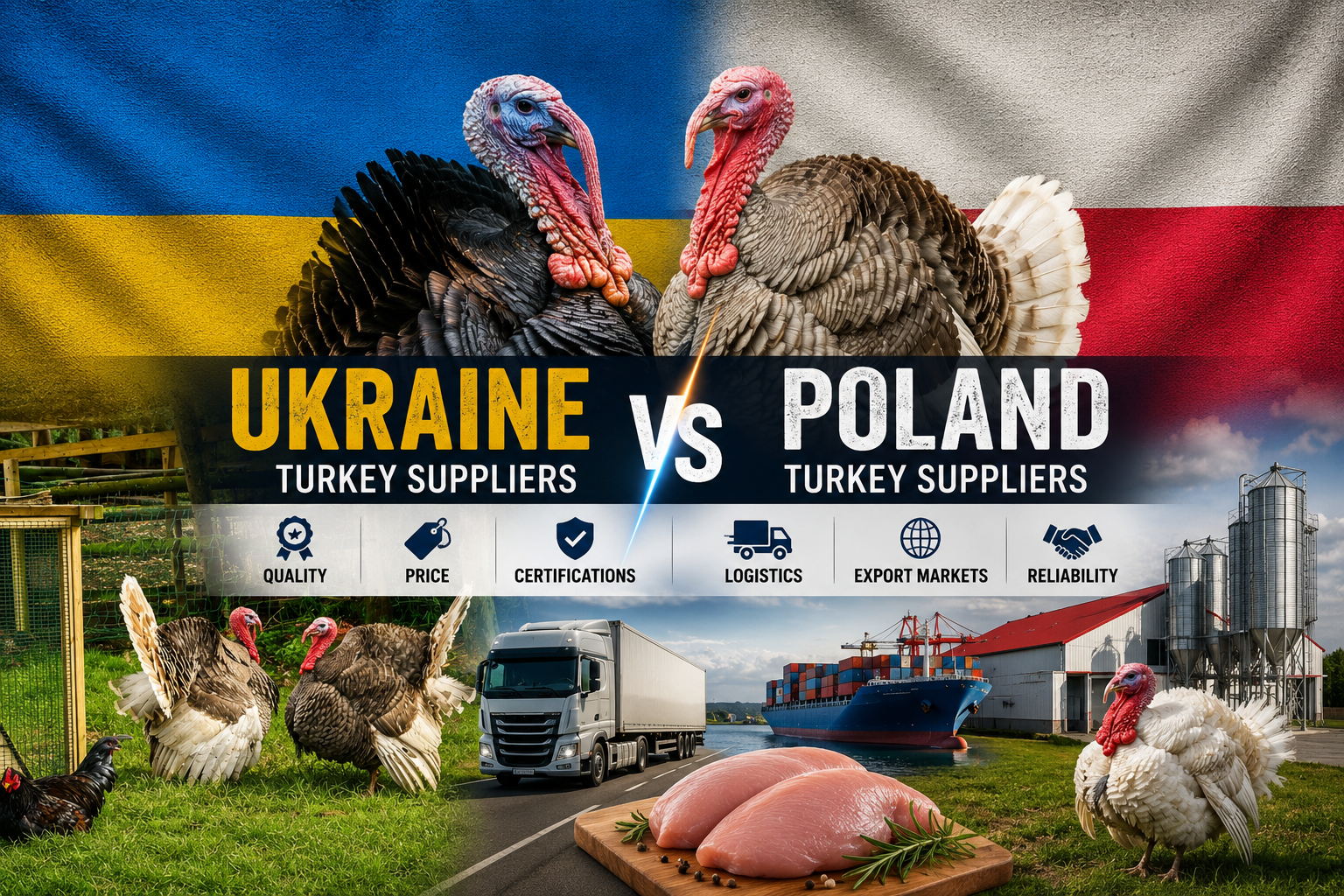
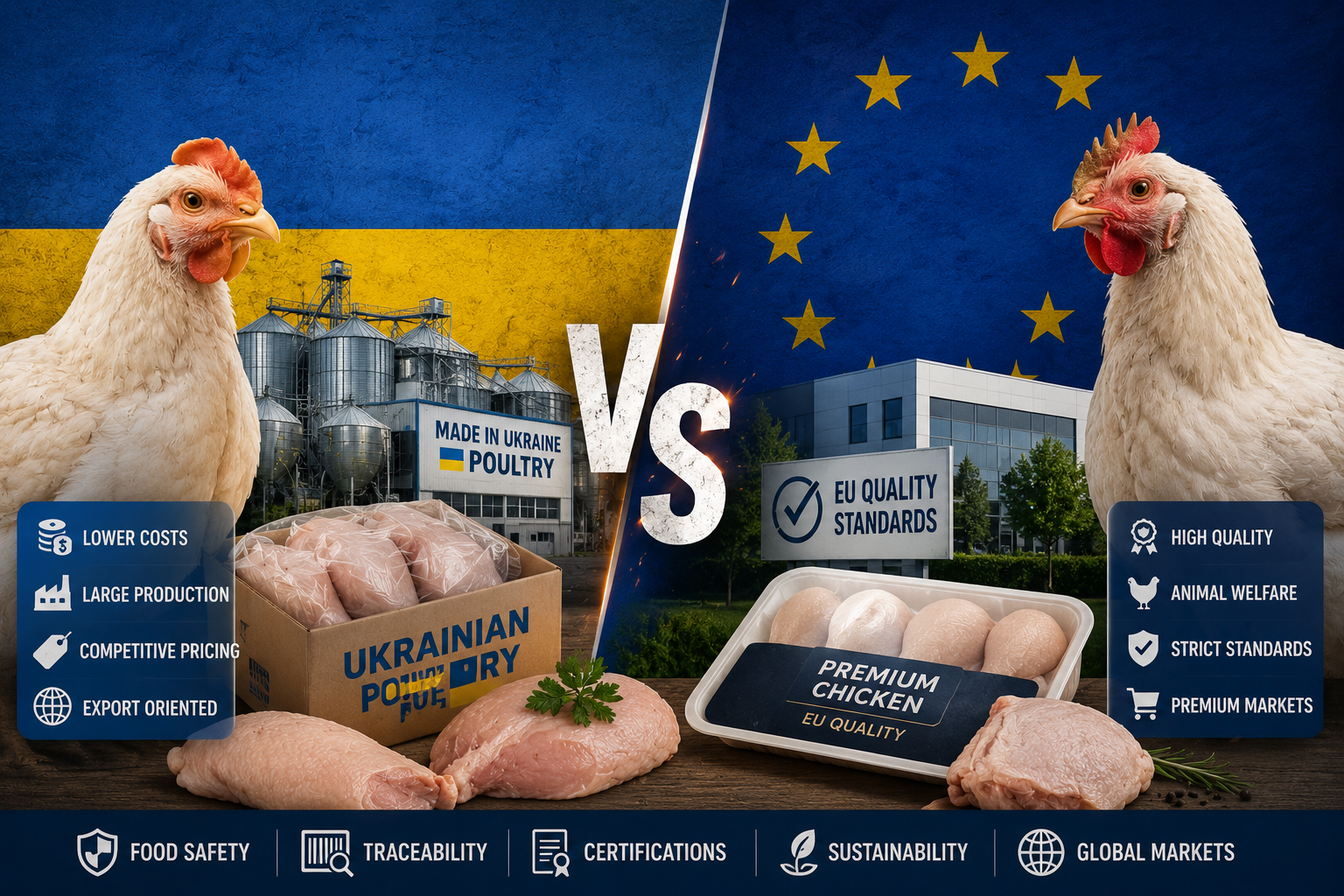
Opportunity for Ukrainian and European Producers
European exporters may compete through quality systems, traceability and food safety reputation.
Ukraine historically developed strong poultry export capability and may compete where approvals and market access permit.
Case Example
Supplier A offers cheaper chicken.
Supplier B offers stronger documentation, recognized certificates and stable logistics.
Importers frequently choose Supplier B because shipment reliability often matters more than minimal price differences.
Conclusion
Importing poultry into UAE is fundamentally a compliance business. Exporters who understand approvals, certificates, halal expectations and importer priorities gain stronger long-term access to GCC markets.