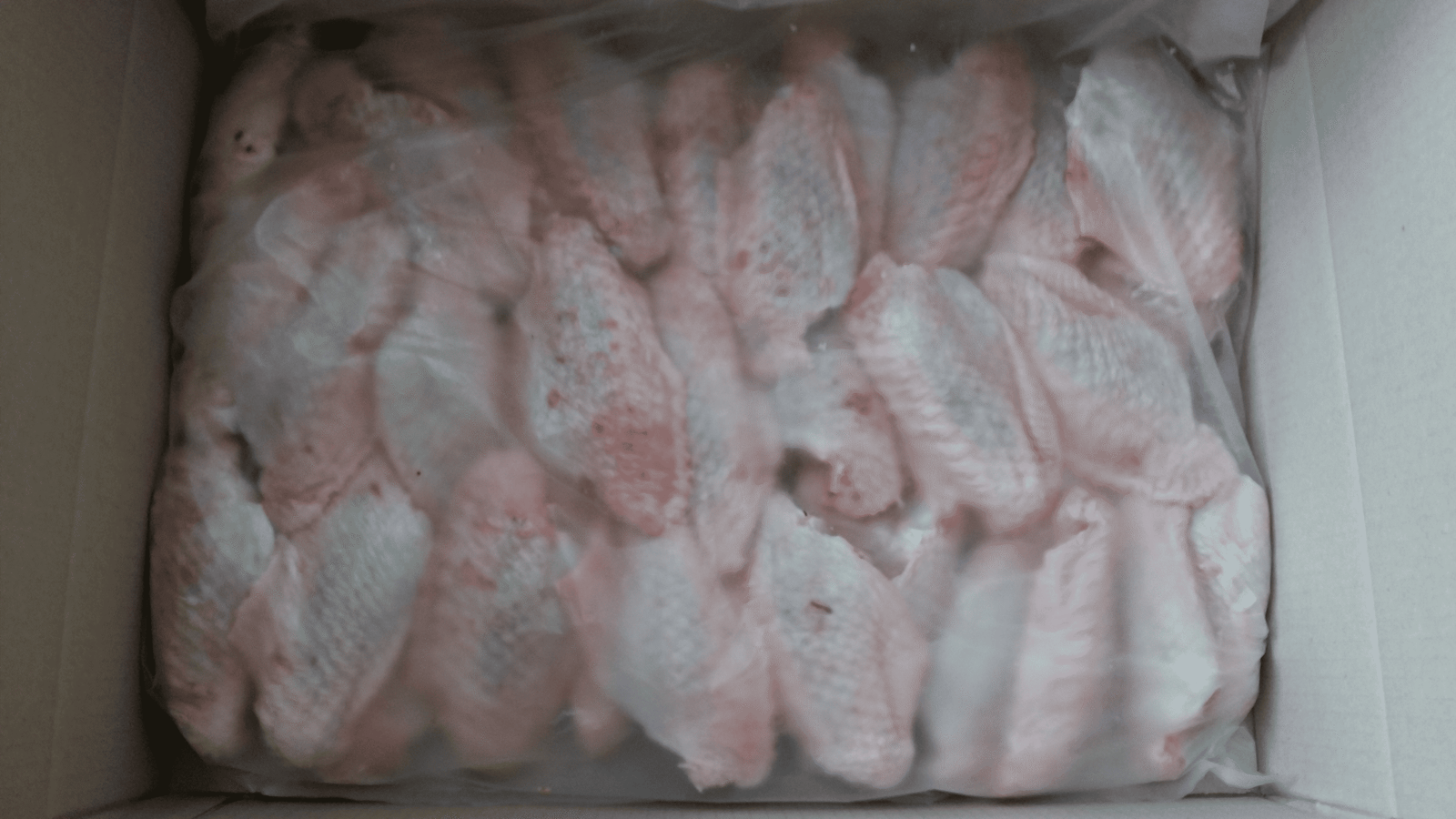
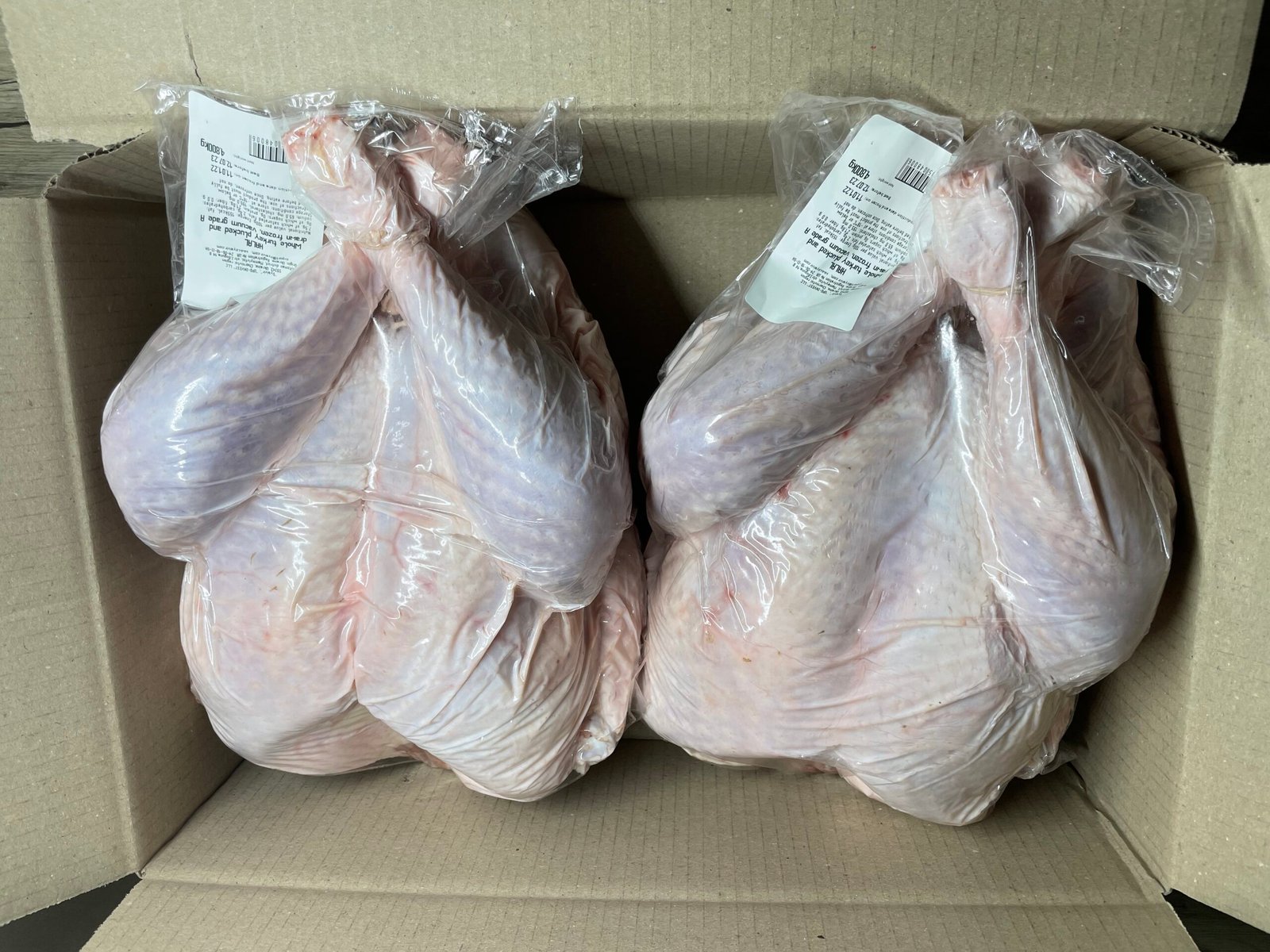
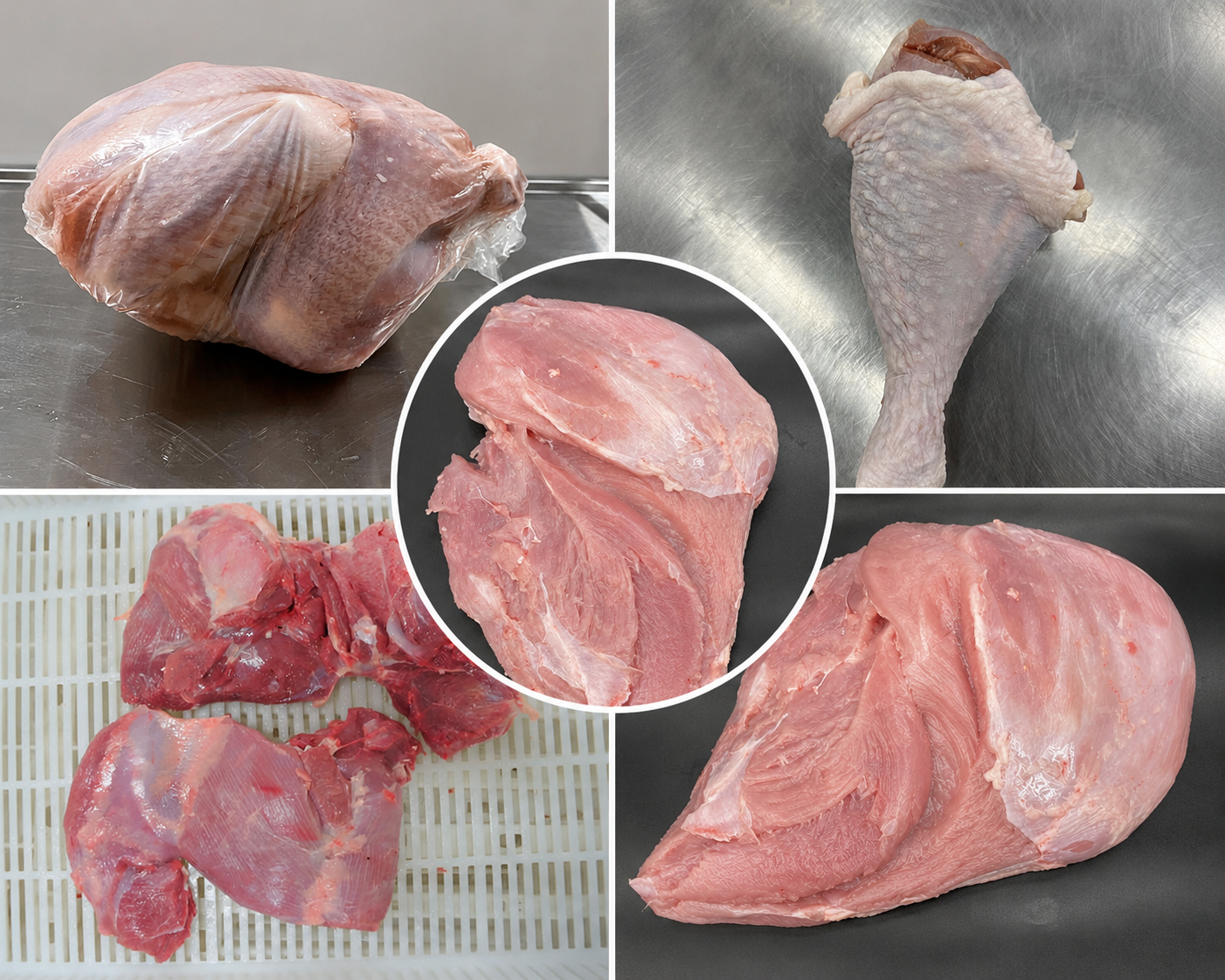
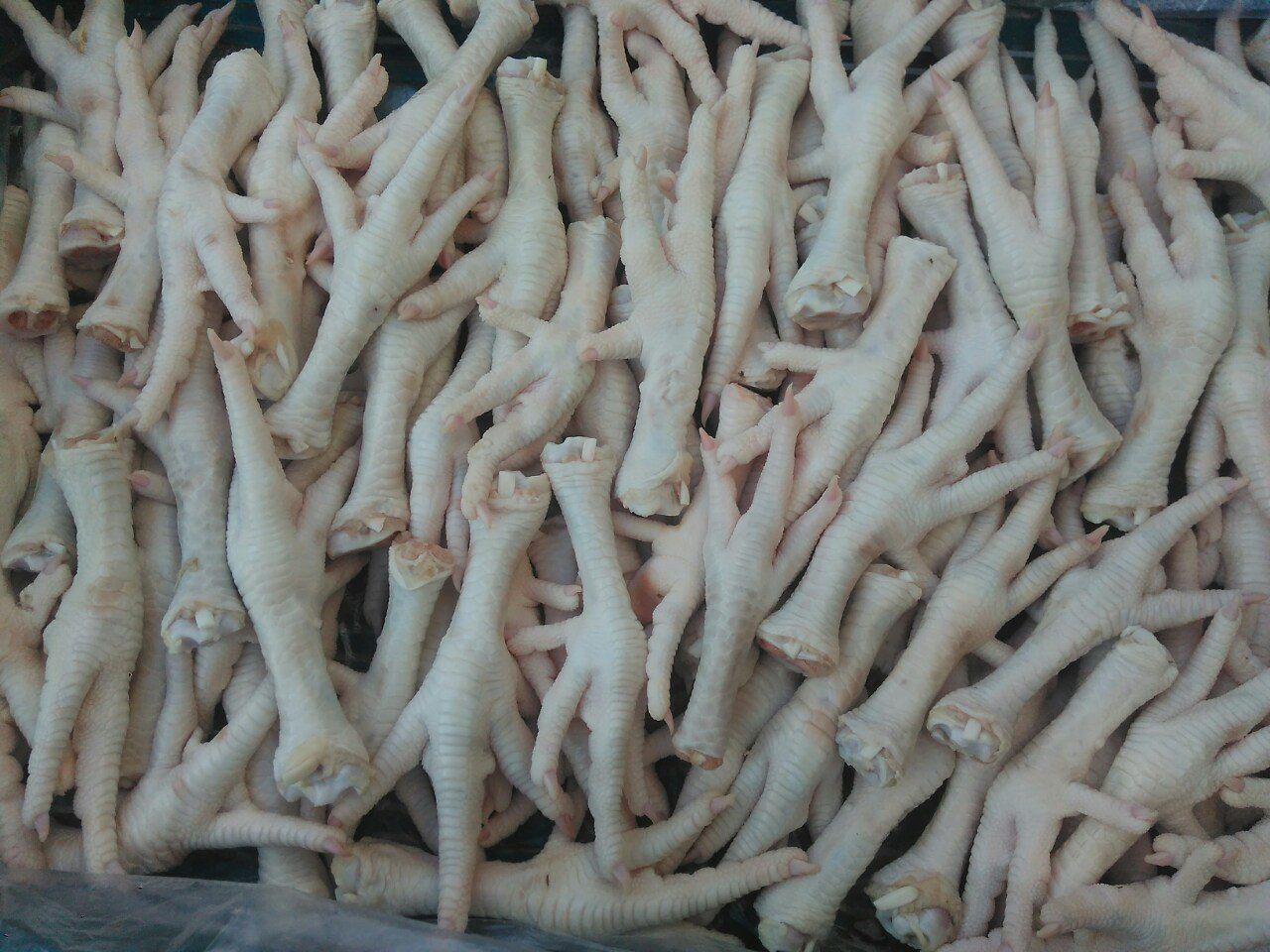
How to Import Frozen Chicken to Europe: Complete Guide for Importers
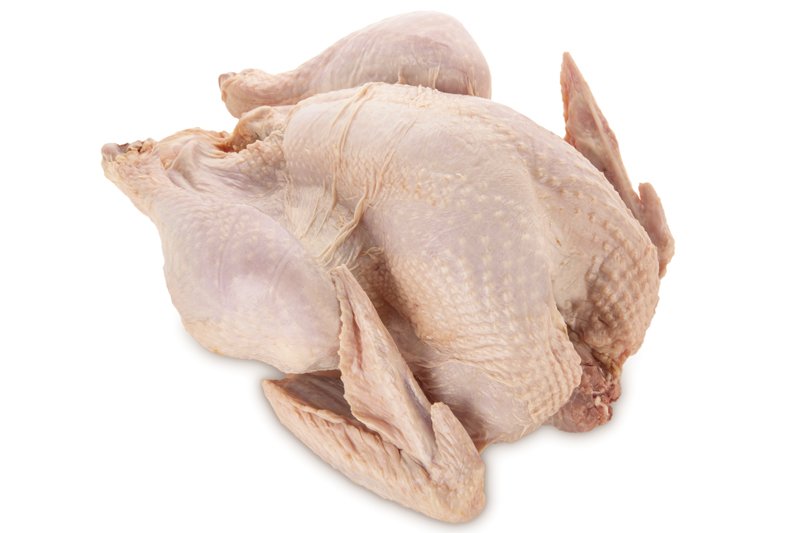
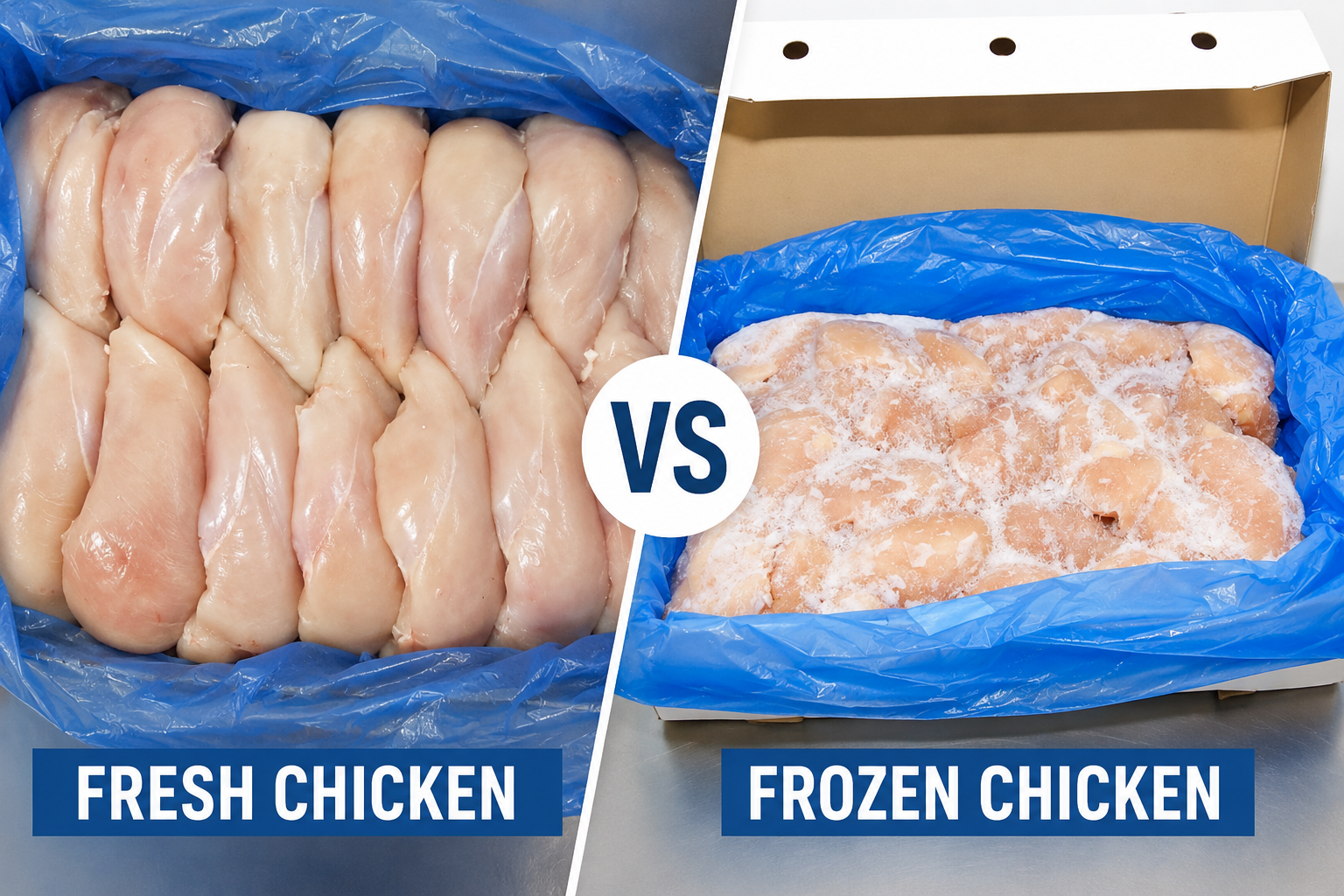
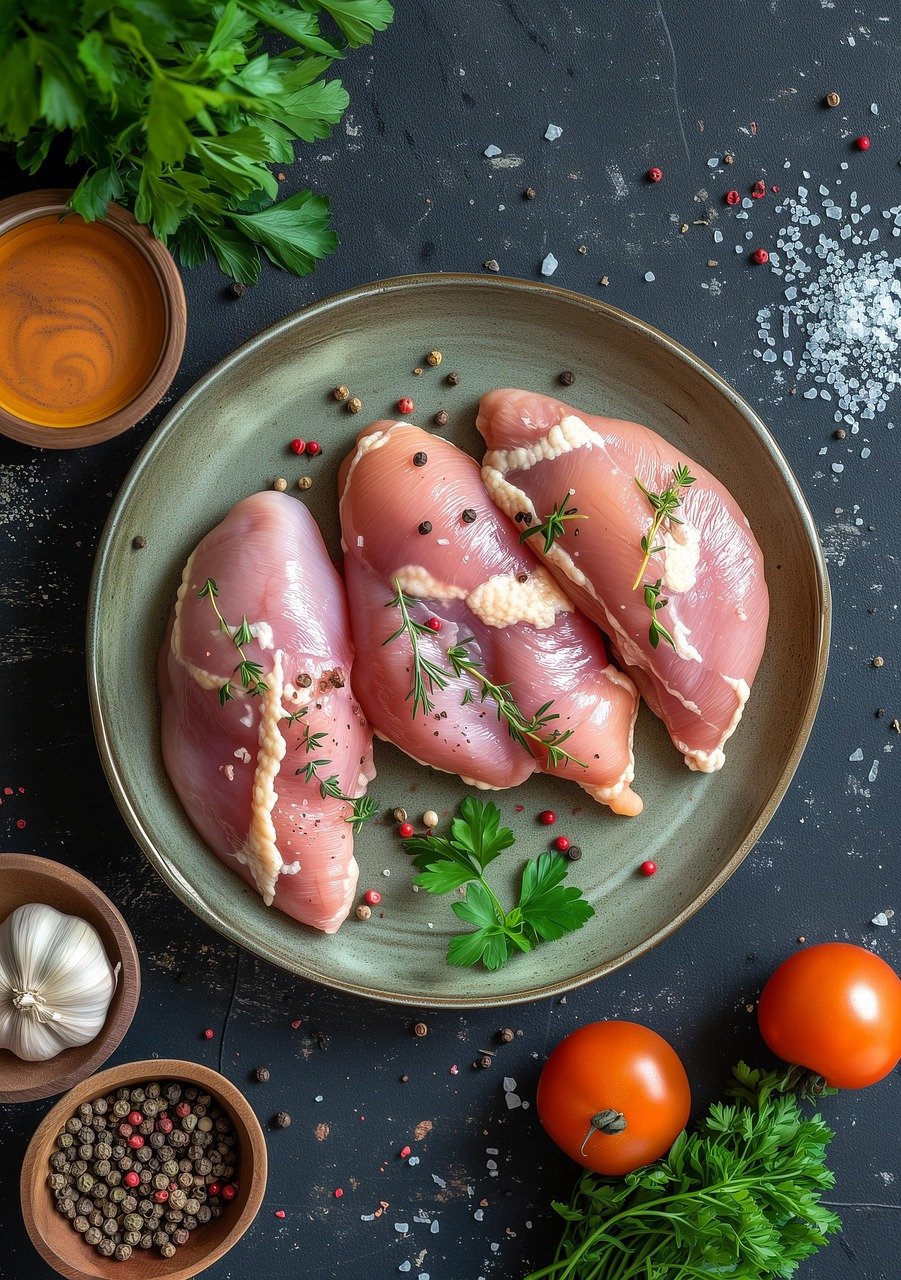
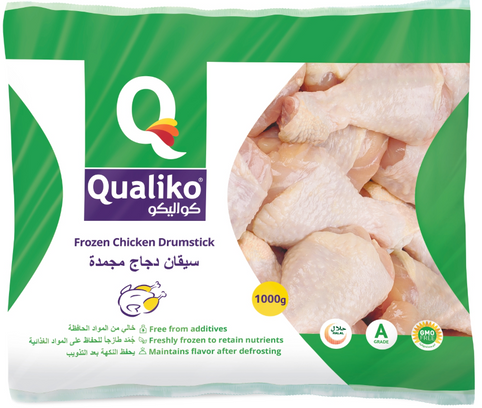
Importing frozen chicken into Europe requires compliance with European Union sanitary rules, veterinary approvals, customs procedures, documentation requirements, and cold-chain standards.
WHY IMPORT REGULATIONS MATTER
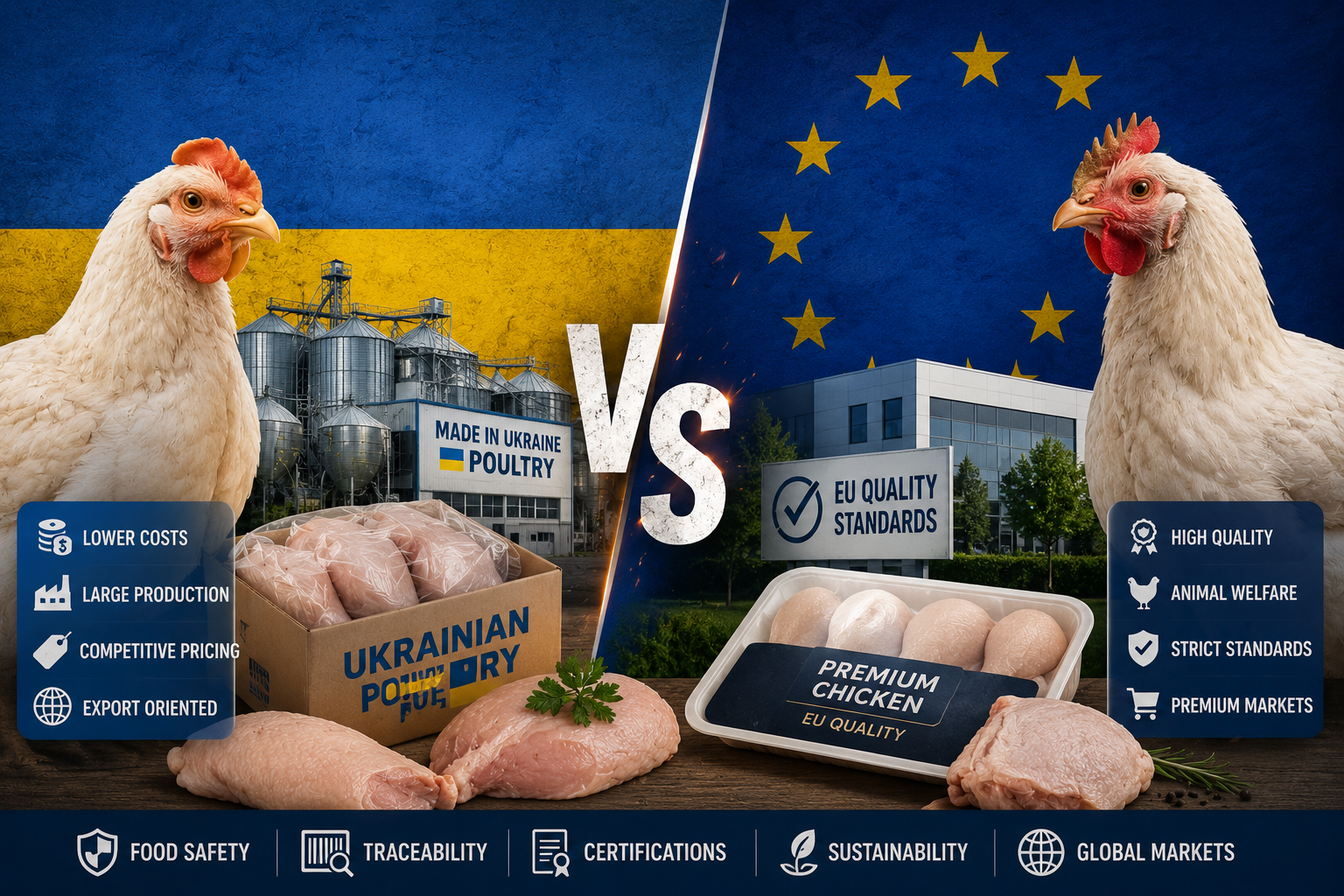
The EU applies strict controls on poultry imports to protect public health and animal health. Imports may be limited based on disease outbreaks, approved countries, and authorized processing plants.
CAN FROZEN CHICKEN BE IMPORTED INTO EUROPE?
Yes. However, products generally must originate from approved countries and approved poultry establishments meeting EU requirements.
KEY DOCUMENTS REQUIRED
– Veterinary certificate
– Health certificate
– Commercial invoice
– Packing list
– Certificate of origin
– Bill of lading
– Customs declarations
– Import permits where applicable
STEP-BY-STEP IMPORT PROCESS
1. Verify supplier approval status.
2. Confirm exporting country eligibility.
3. Review veterinary compliance.
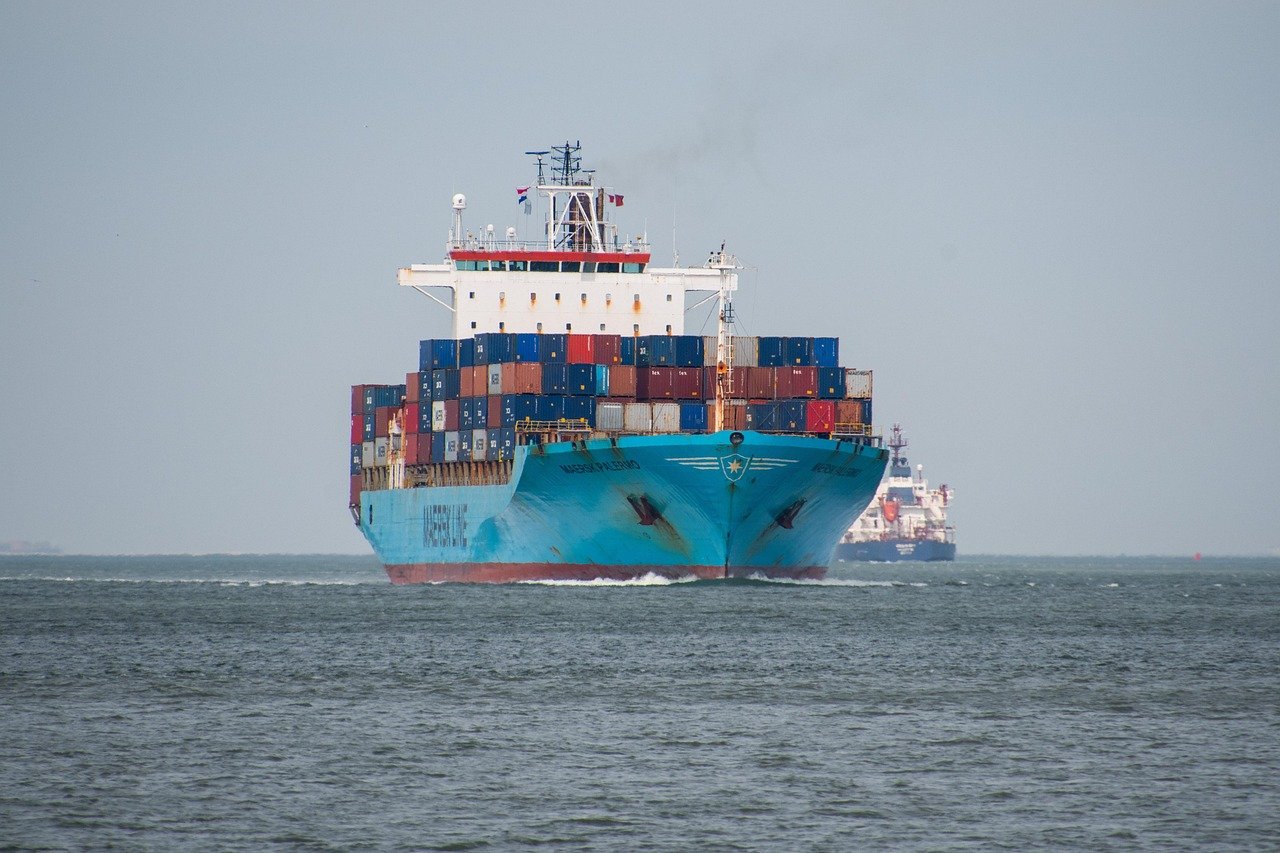
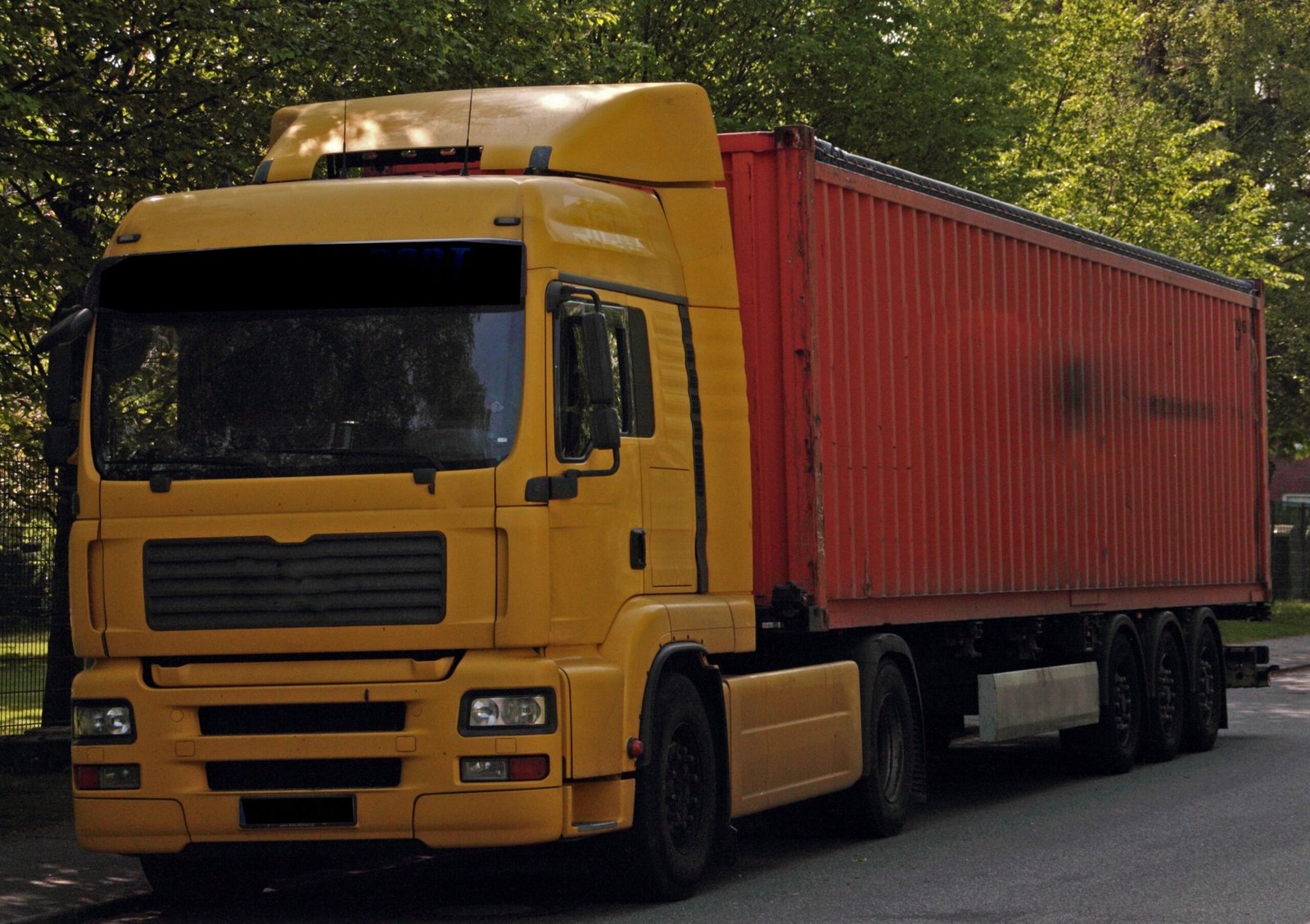
4. Arrange shipping and cold-chain logistics.
5. Submit customs documentation.
6. Pass border inspection procedures.
7. Release products into the market.
EU SANITARY REQUIREMENTS
European authorities evaluate disease monitoring systems, traceability, residue controls, slaughter standards, and approved processing facilities.
CUSTOMS DUTIES AND TARIFFS
Tariffs differ depending on product category, trade agreements, tariff quotas, and country of origin.
COMMON REASONS FOR REJECTION
Missing documents, incorrect labeling, disease restrictions, temperature deviations, and non-approved establishments frequently cause delays.
BEST PRACTICES
Review supplier approvals before contracts.
Monitor regulatory updates.
Maintain temperature control throughout transport.
Confirm destination-country requirements.
CONCLUSION
Successful frozen chicken import into Europe depends on documentation accuracy, supplier verification, veterinary compliance, and understanding EU regulations.