Halal Certification for Poultry Export: Complete B2B Guide for Producers and Exporters
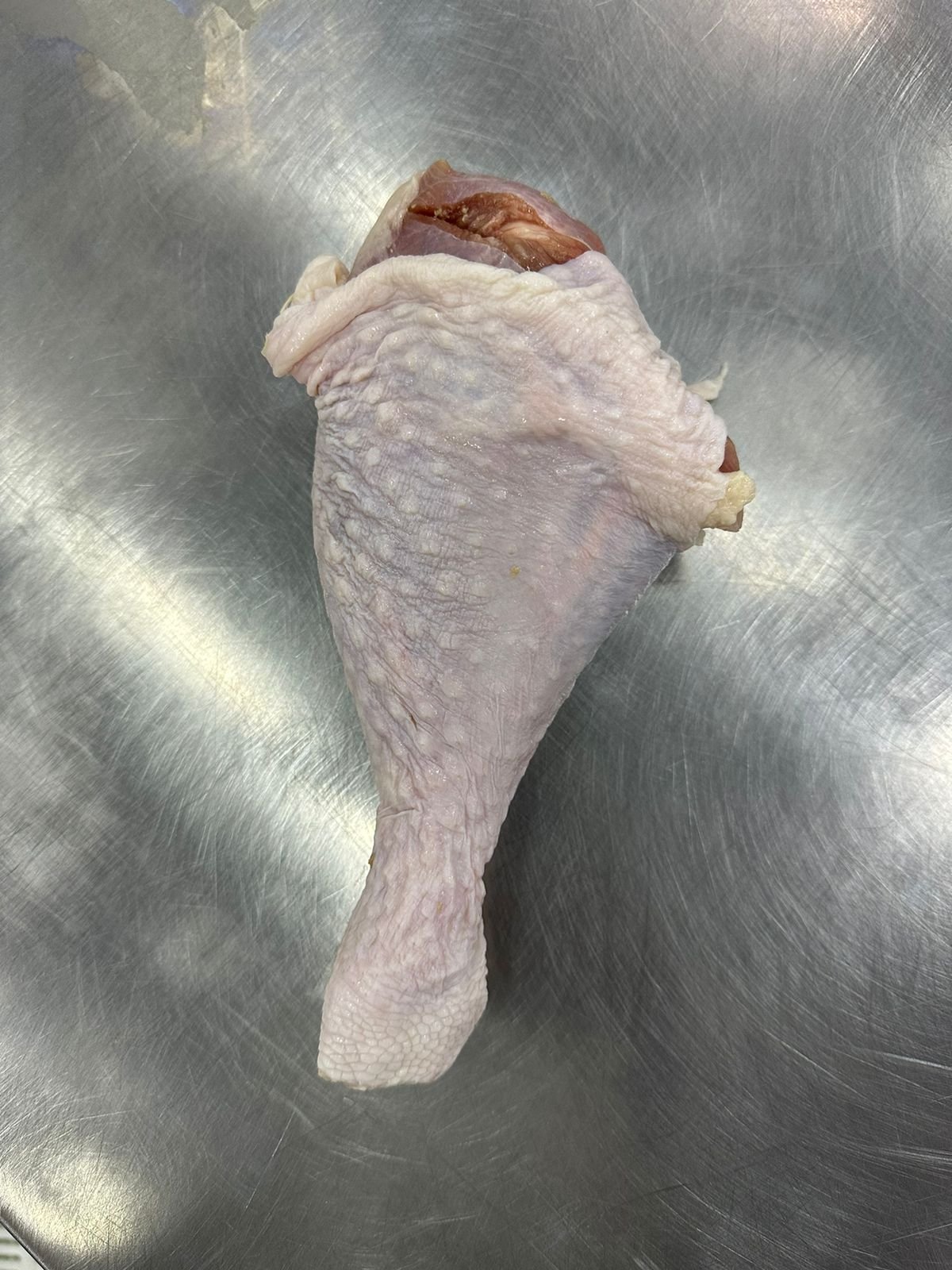
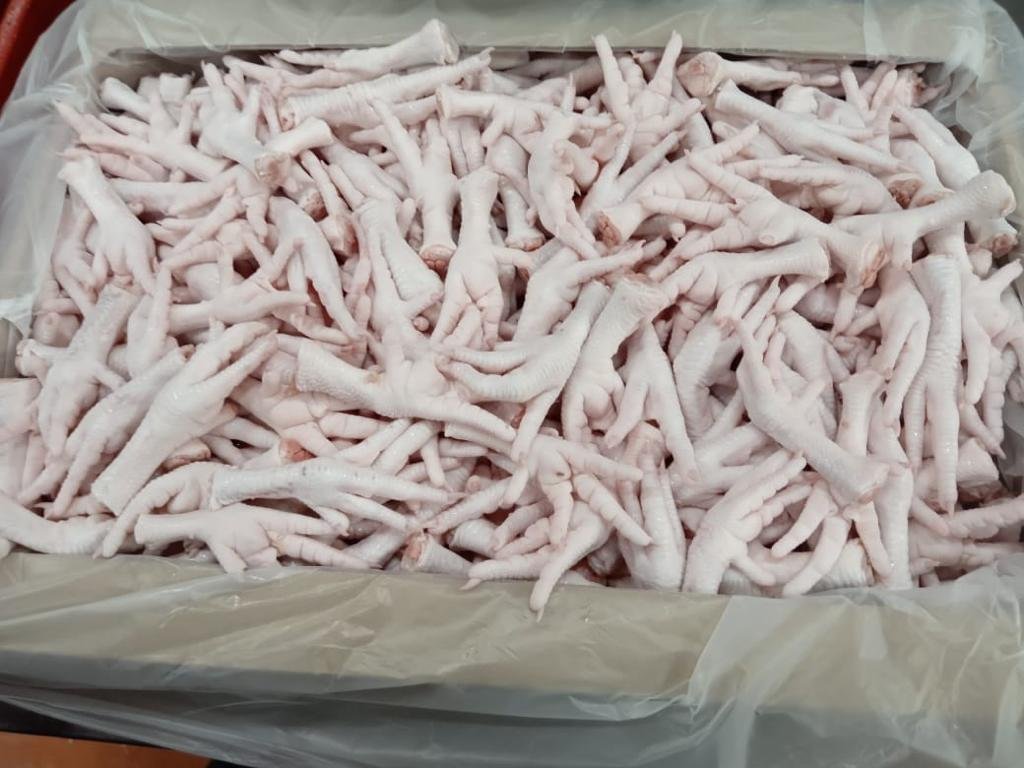
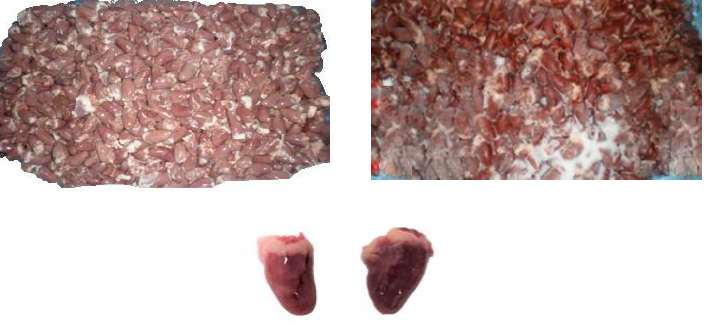
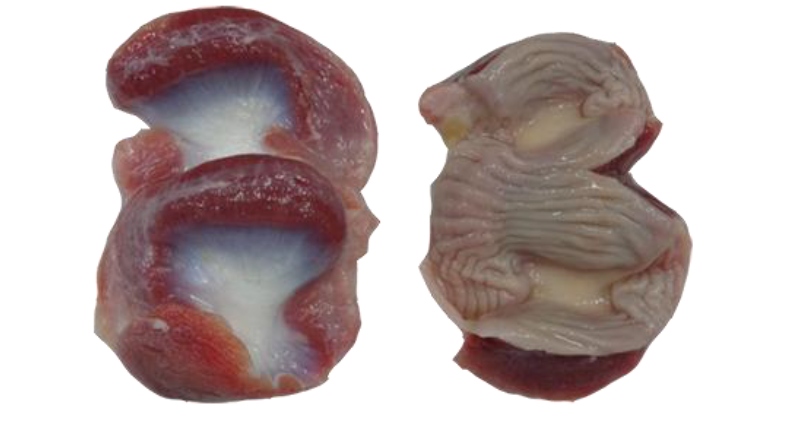
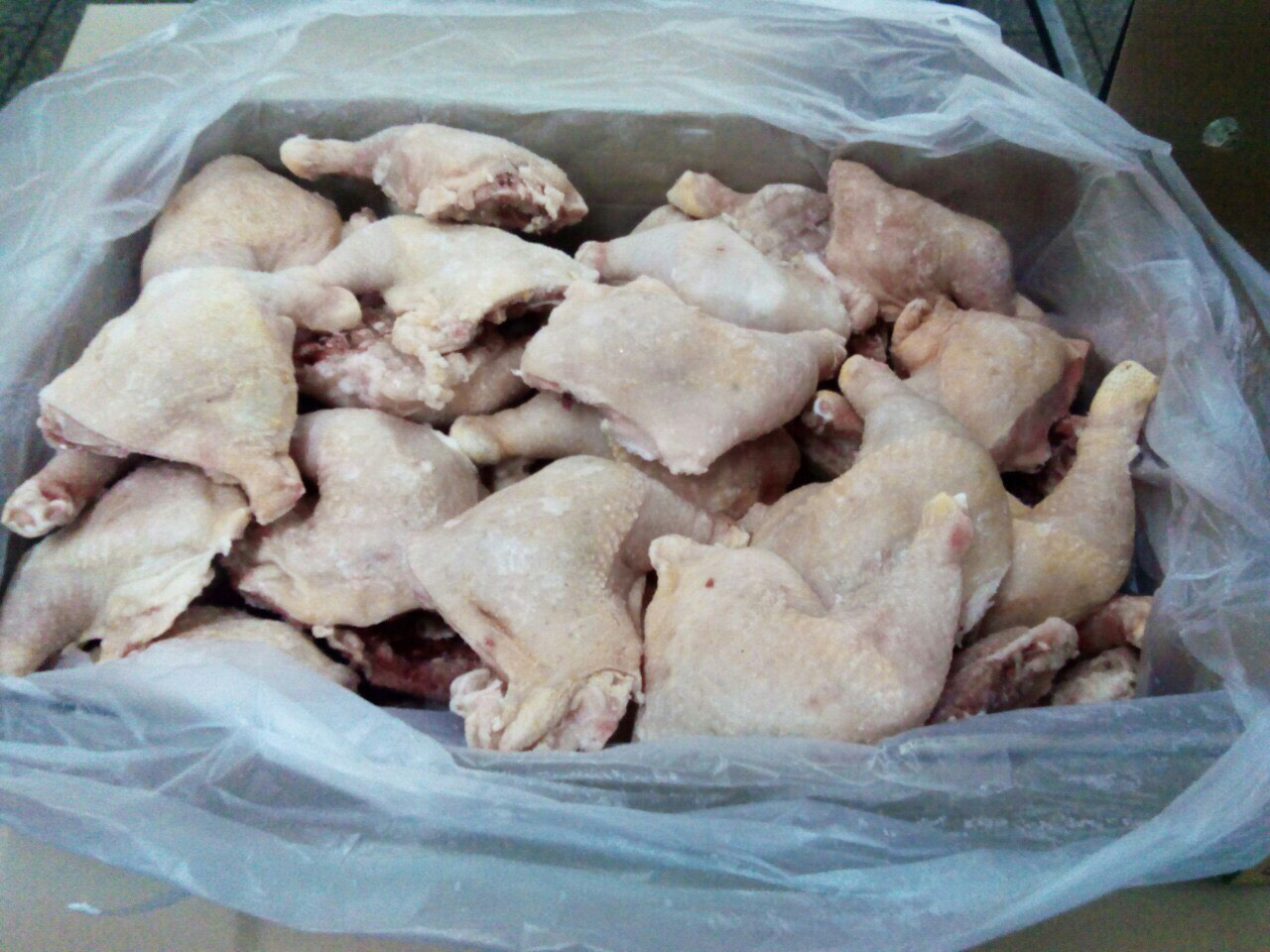
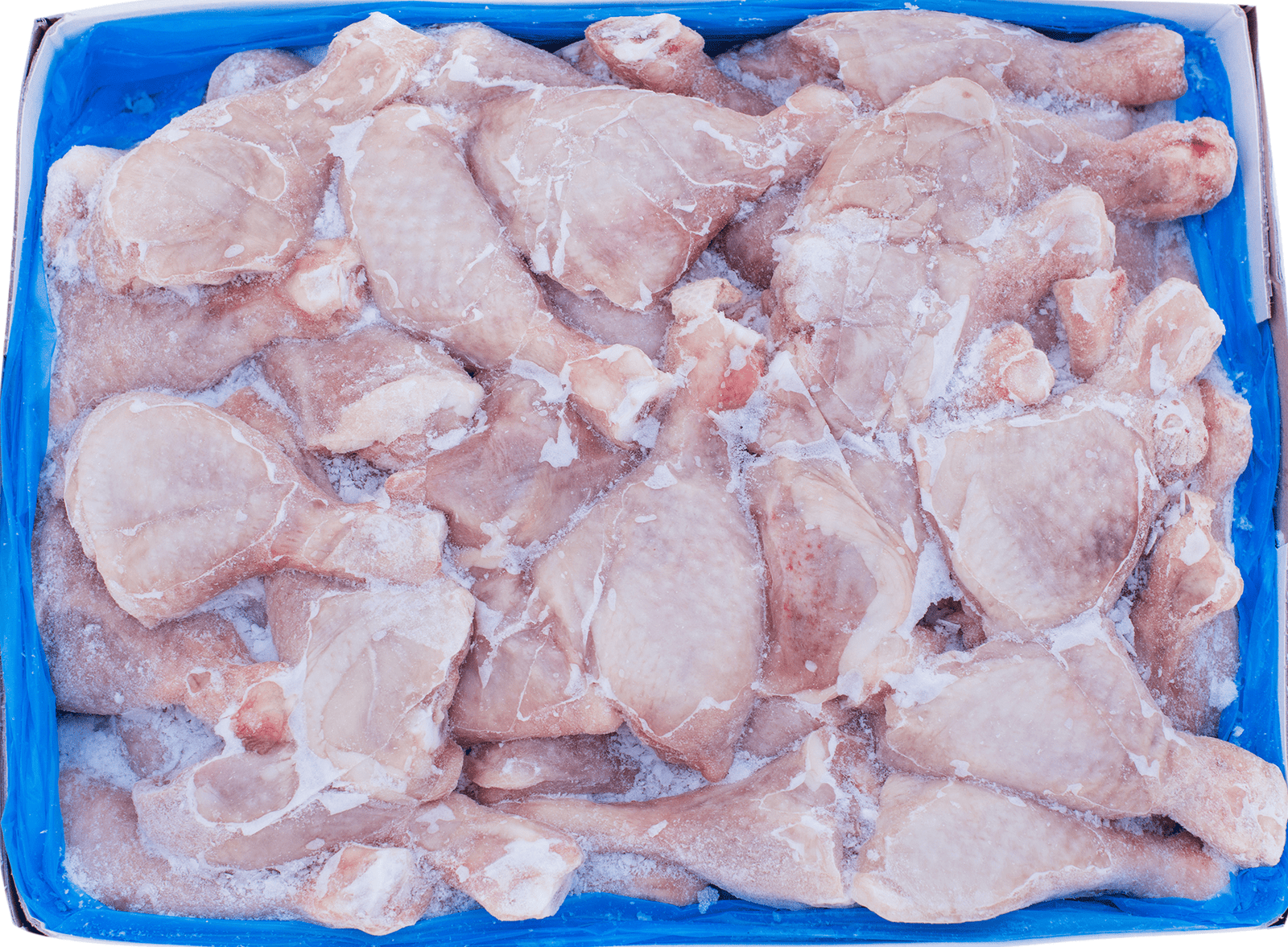
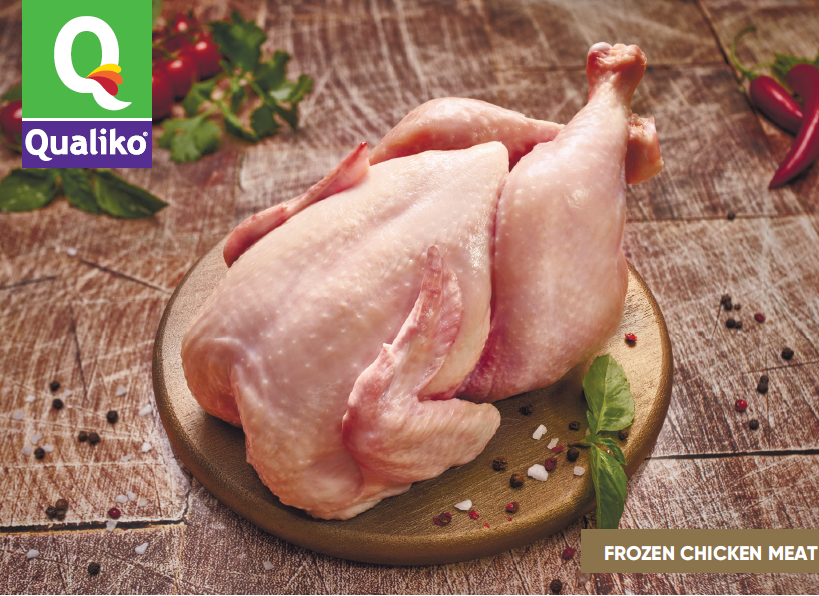
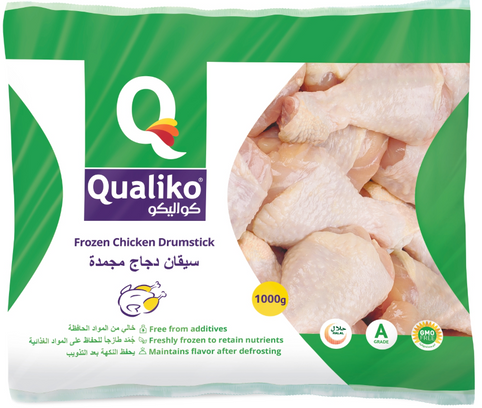
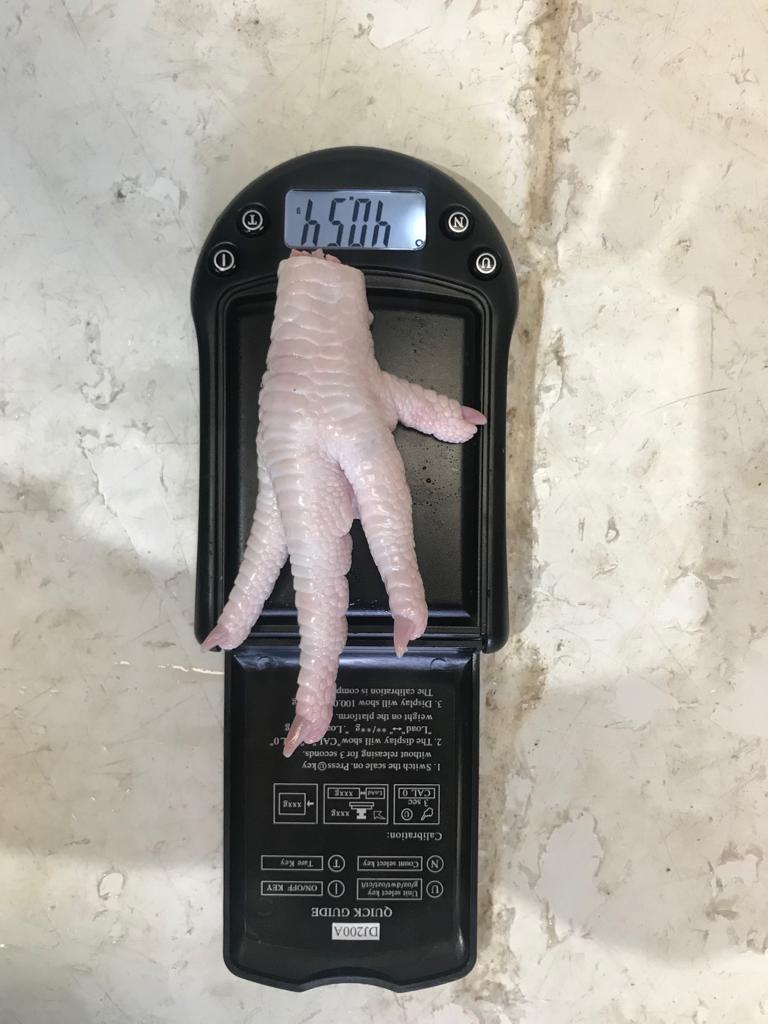
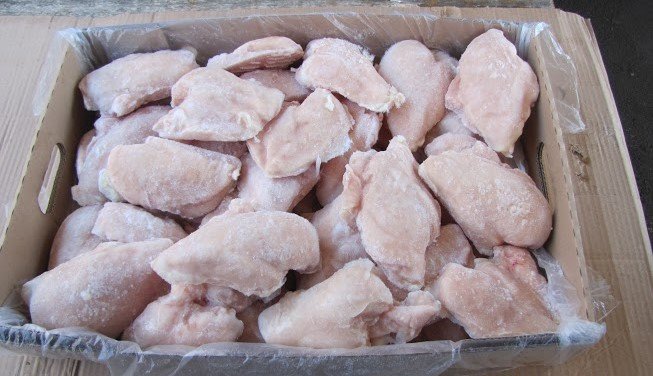
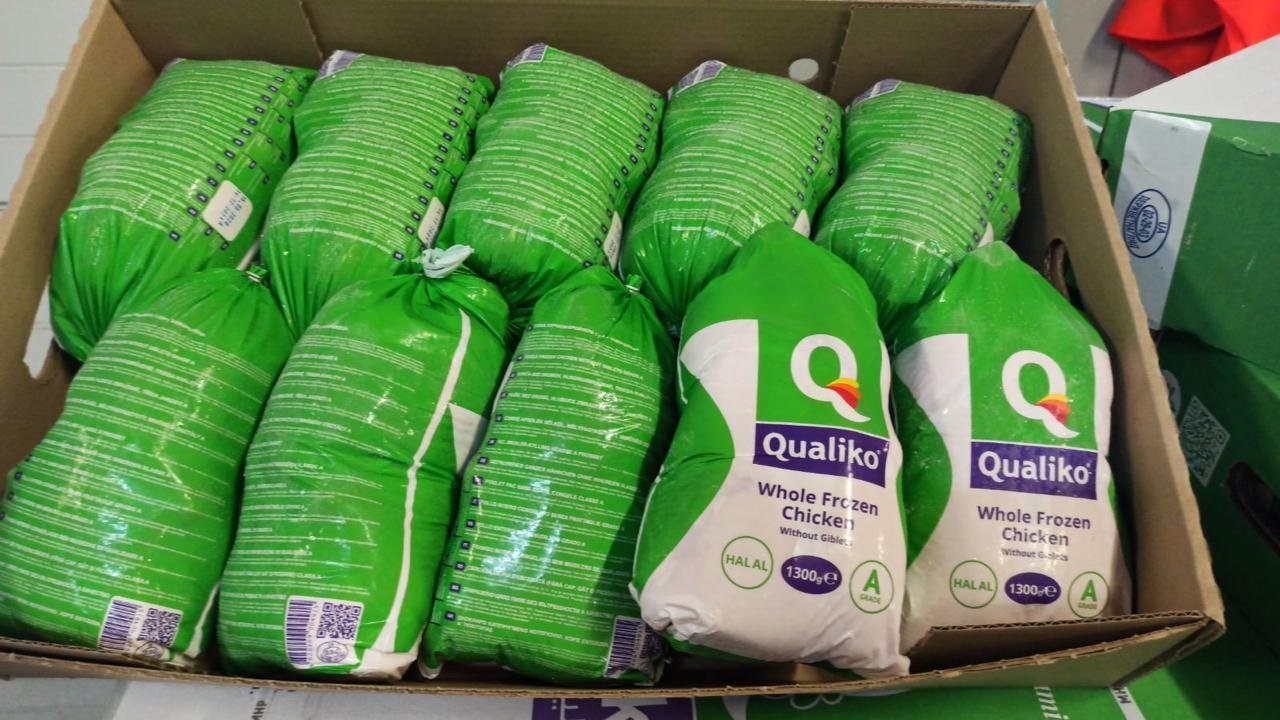
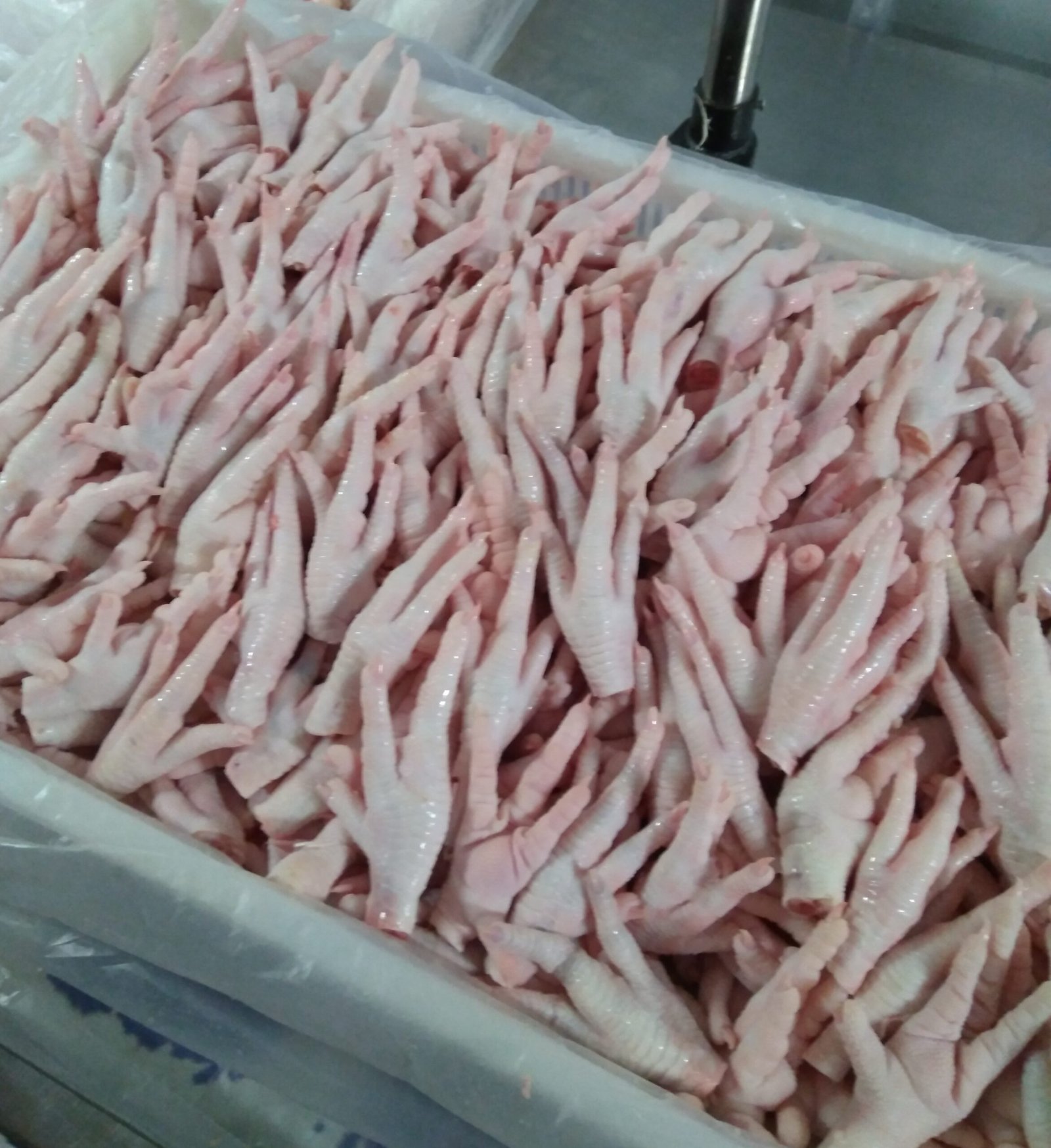
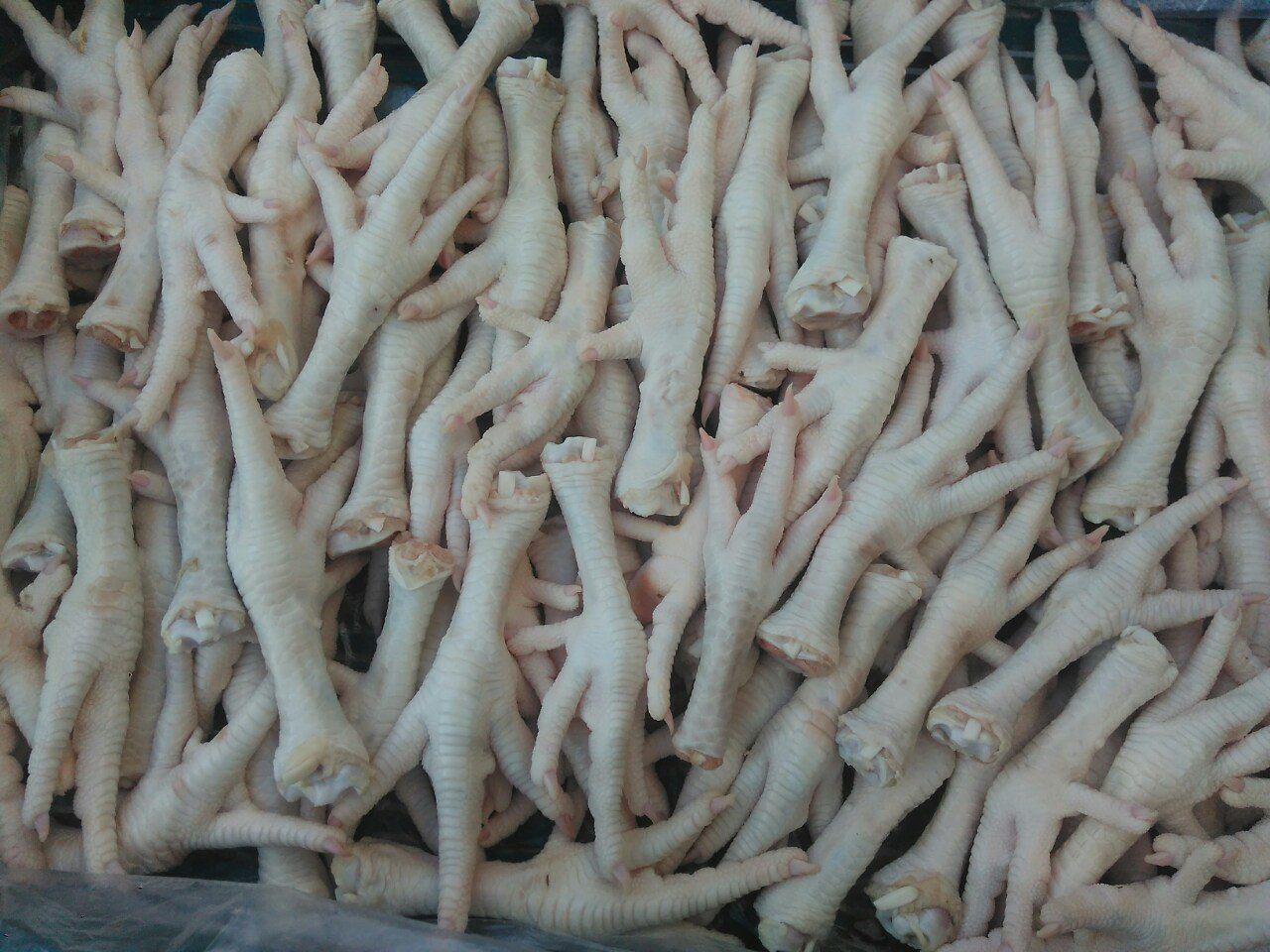
Halal certification has become one of the most important non-tariff requirements in global poultry trade. For exporters of whole chicken, chicken leg quarters, paws, feet, gizzards, hearts, MDM, and processed poultry products, halal approval increasingly determines whether a company can enter high-value import markets.
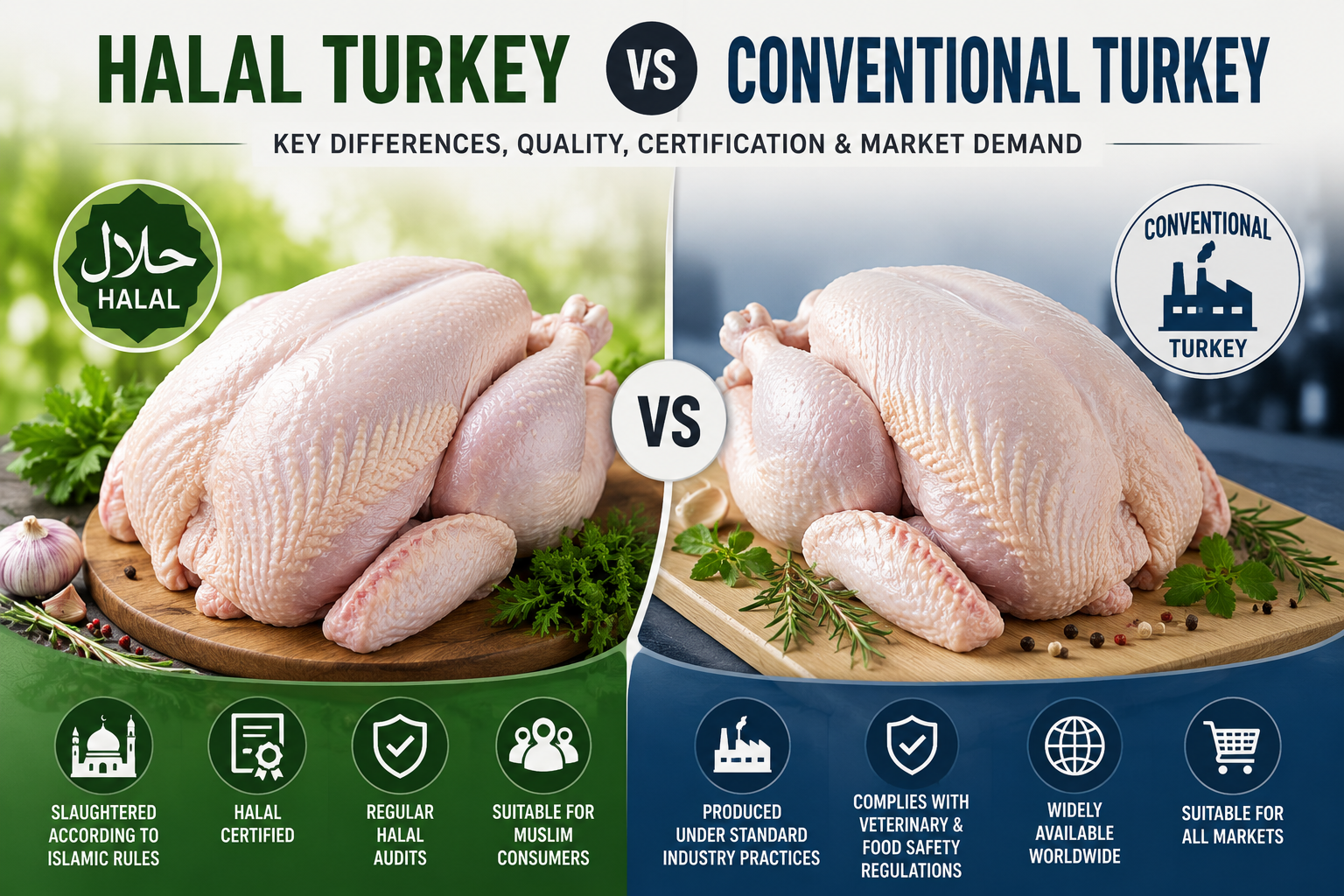
Unlike food safety systems, halal certification evaluates compliance with Islamic dietary principles across slaughter, handling, segregation, traceability, storage, and transportation. Buyers in the Gulf region often treat halal status as a prerequisite before discussing price.
WHY HALAL CERTIFICATION MATTERS
The halal economy continues to expand due to population growth, urbanization, and rising purchasing power in Muslim-majority countries. Importers want suppliers able to provide consistent documentation and recognized certification.
For poultry exporters, halal certification can provide:
• Access to GCC countries
• Entry into Indonesia and Malaysia
• Competitive advantage in Africa
• Supply opportunities for foodservice and industrial processors
• Stronger trust with distributors
KEY IMPORT MARKETS
Saudi Arabia remains among the largest importers of poultry globally. The UAE functions as both a consumer market and redistribution hub. Iraq imports substantial frozen poultry volumes. Indonesia and Malaysia maintain strict regulatory expectations. African markets vary widely between premium and price-sensitive segments.
HALAL REQUIREMENTS DURING SLAUGHTER
Although standards differ among certifiers, exporters commonly encounter requirements involving:
– Eligible slaughter procedures
– Verification that birds were alive before slaughter
– Proper bleeding
– Avoidance of contamination with non-halal materials
– Documentation and traceability
– Separation from non-certified products
HALAL VS HACCP VS ISO
Exporters frequently confuse certifications.
Halal: religious compliance.
HACCP: food safety risk management.
ISO: management systems.
Veterinary approvals: animal health and sanitary compliance.
A poultry processor supplying demanding export markets often needs all four.
HOW A PLANT OBTAINS CERTIFICATION
- Initial assessment
2. Review of slaughter procedures
3. Documentation audit
4. Staff training
5. Implementation of controls
6. Inspection
7. Corrective actions
8. Certification
9. Periodic surveillance audits
DOCUMENTS REQUIRED FOR EXPORT
Typical documentation package:
– Halal certificate
– Veterinary certificate
– Health certificate
– Packing list
– Commercial invoice
– Certificate of origin
– Production records
– Batch traceability documents
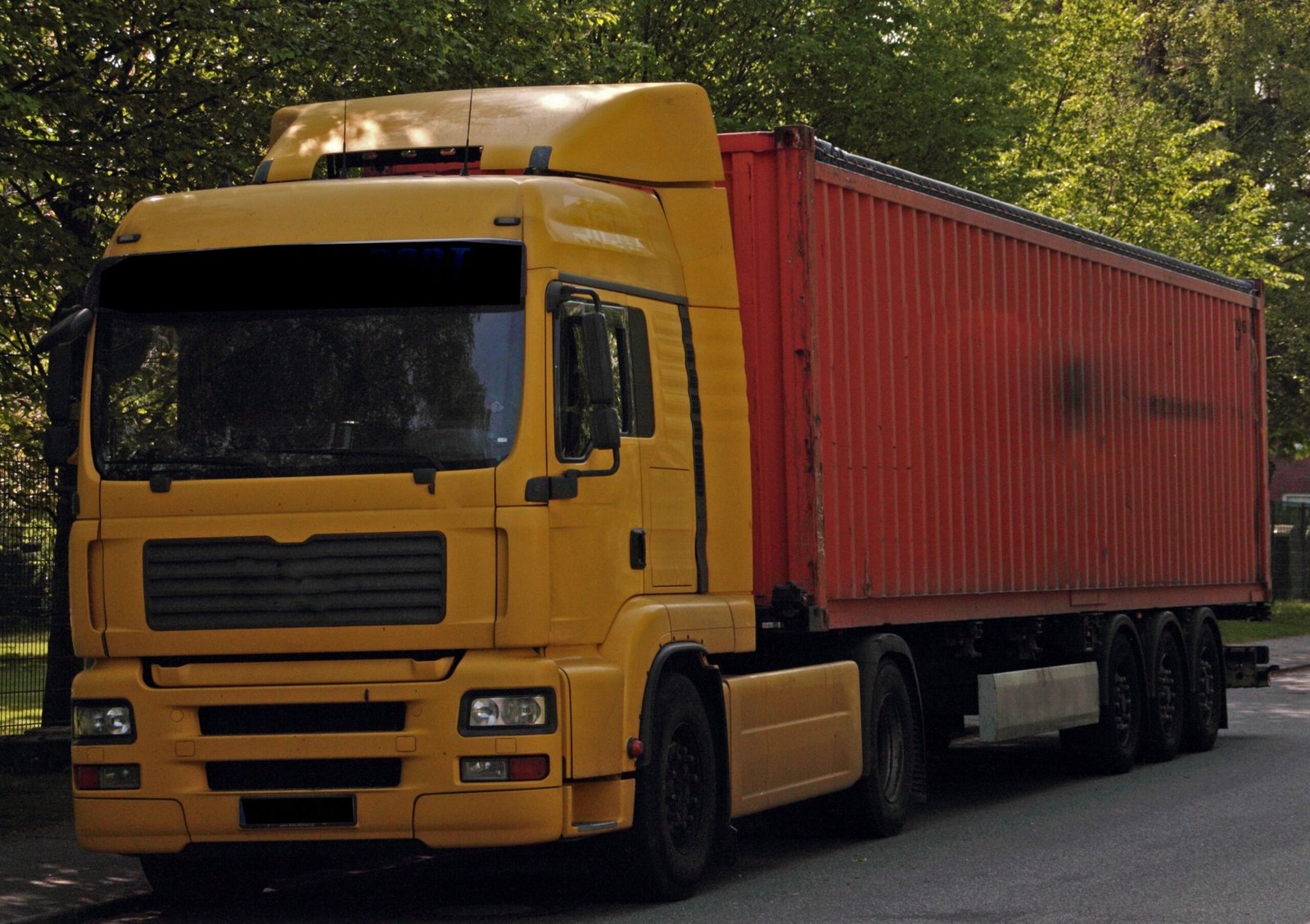
– Container information
COMMON REASONS SHIPMENTS ARE REJECTED
Export consignments may be delayed or rejected because of:
• Non-recognized certifier
• Label discrepancies
• Expired certificates
• Missing slaughter records
• Incorrect product descriptions
• Traceability failures
UKRAINE AND EUROPEAN EXPORTERS
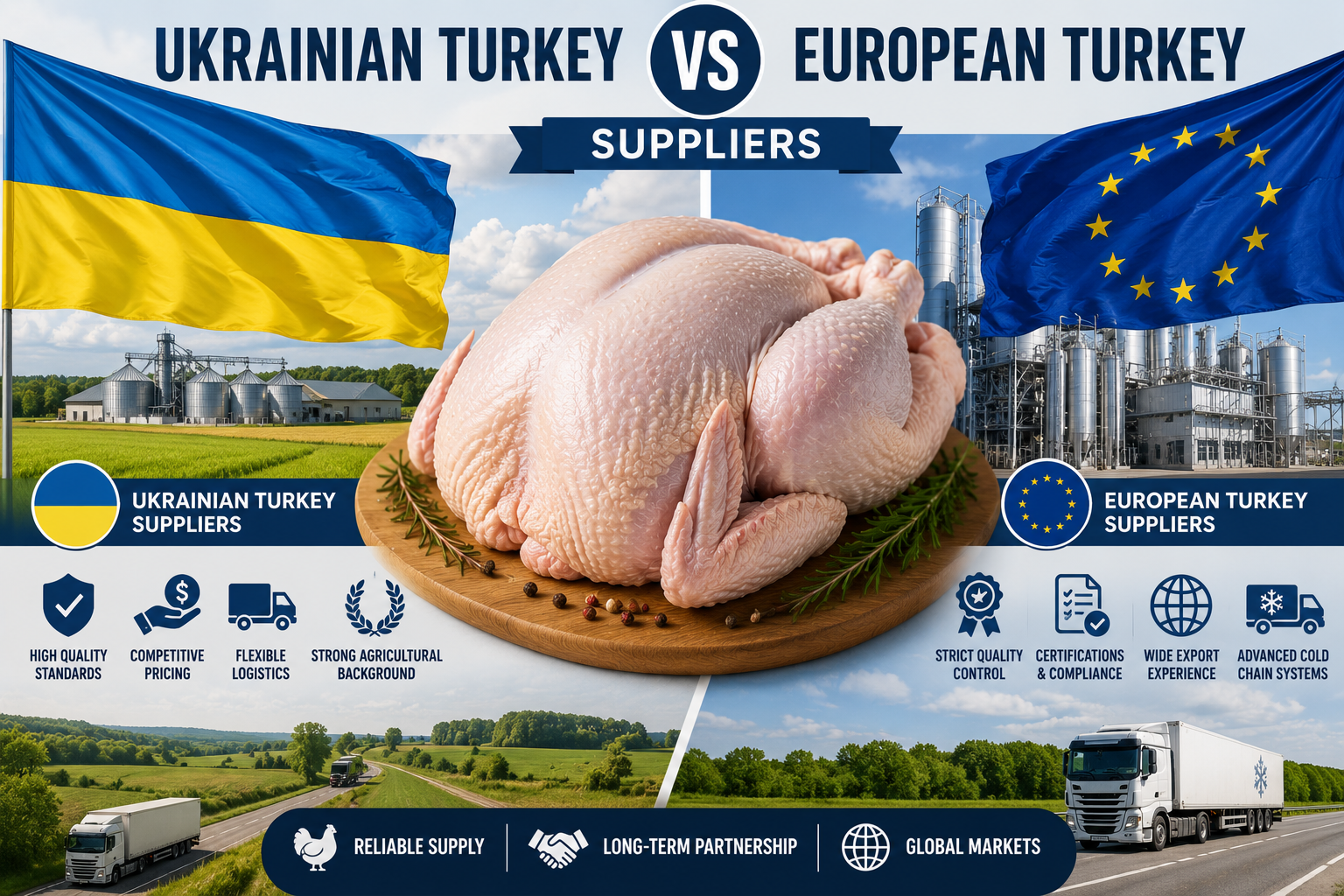
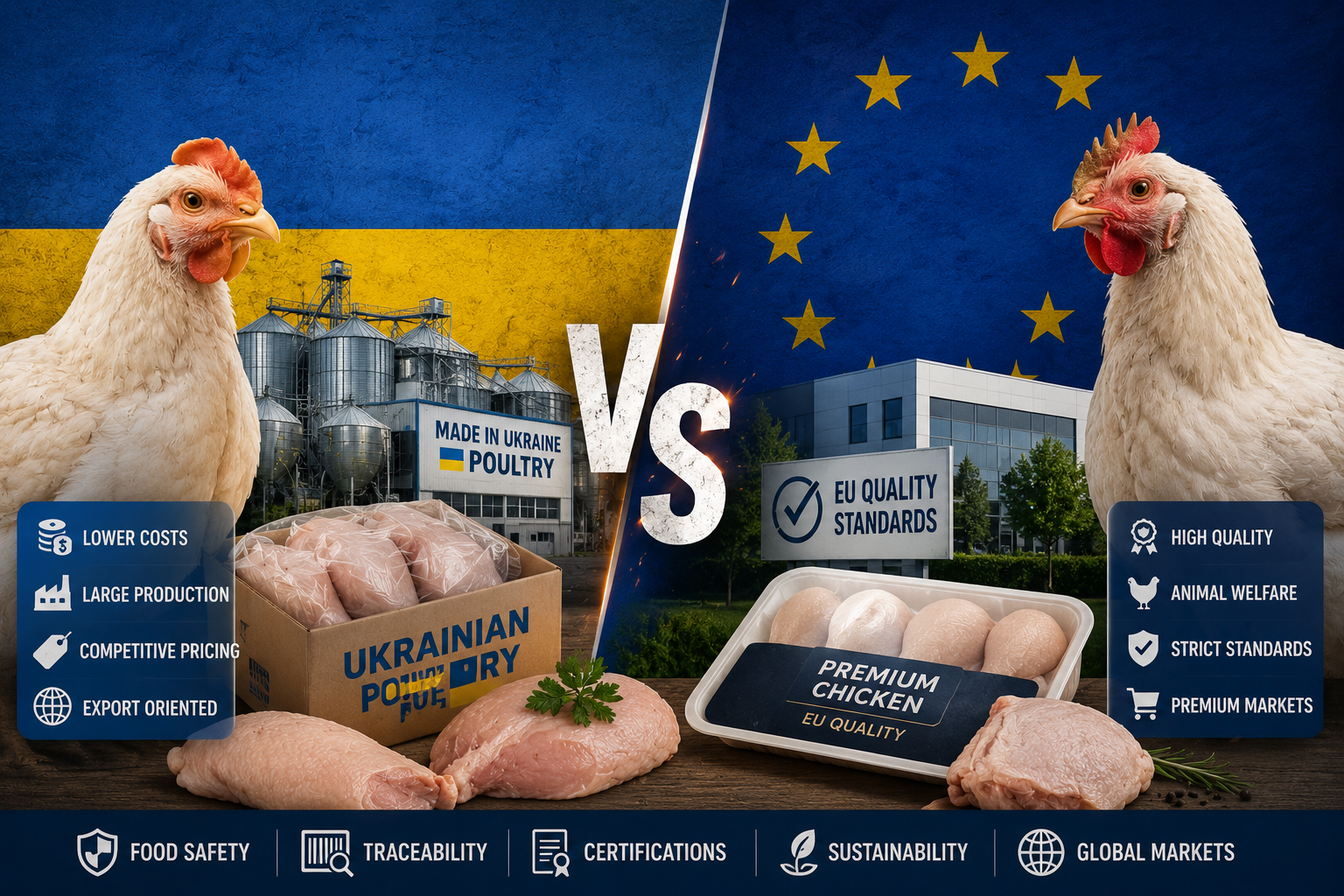
Producers in Ukraine and Europe may compete through biosecurity, industrial scale, quality systems, and stable logistics. Exporters supplying halal markets should align slaughter operations with importer expectations and verify accepted certifiers before signing contracts.
EXPORT STRATEGY
Companies should choose target markets before certification. Requirements for Saudi Arabia may differ from Indonesia. Building certification without understanding destination rules can increase cost without improving market access.
BEST PRACTICES
Maintain segregated storage.
Train employees continuously.
Audit suppliers.
Review importer requirements annually.
Integrate halal controls into existing quality systems.
CONCLUSION
Halal certification is no longer only a religious label. In poultry export it functions as a commercial access requirement. Producers investing in compliance, traceability, recognized certification, and documentation quality improve their ability to enter long-term international supply chains.