Frozen Chicken Supplier for Middle East Markets
Middle East Poultry Market
The Gulf and wider Middle East remain major import destinations because population growth, tourism and foodservice expansion increase protein demand faster than some domestic industries can respond.
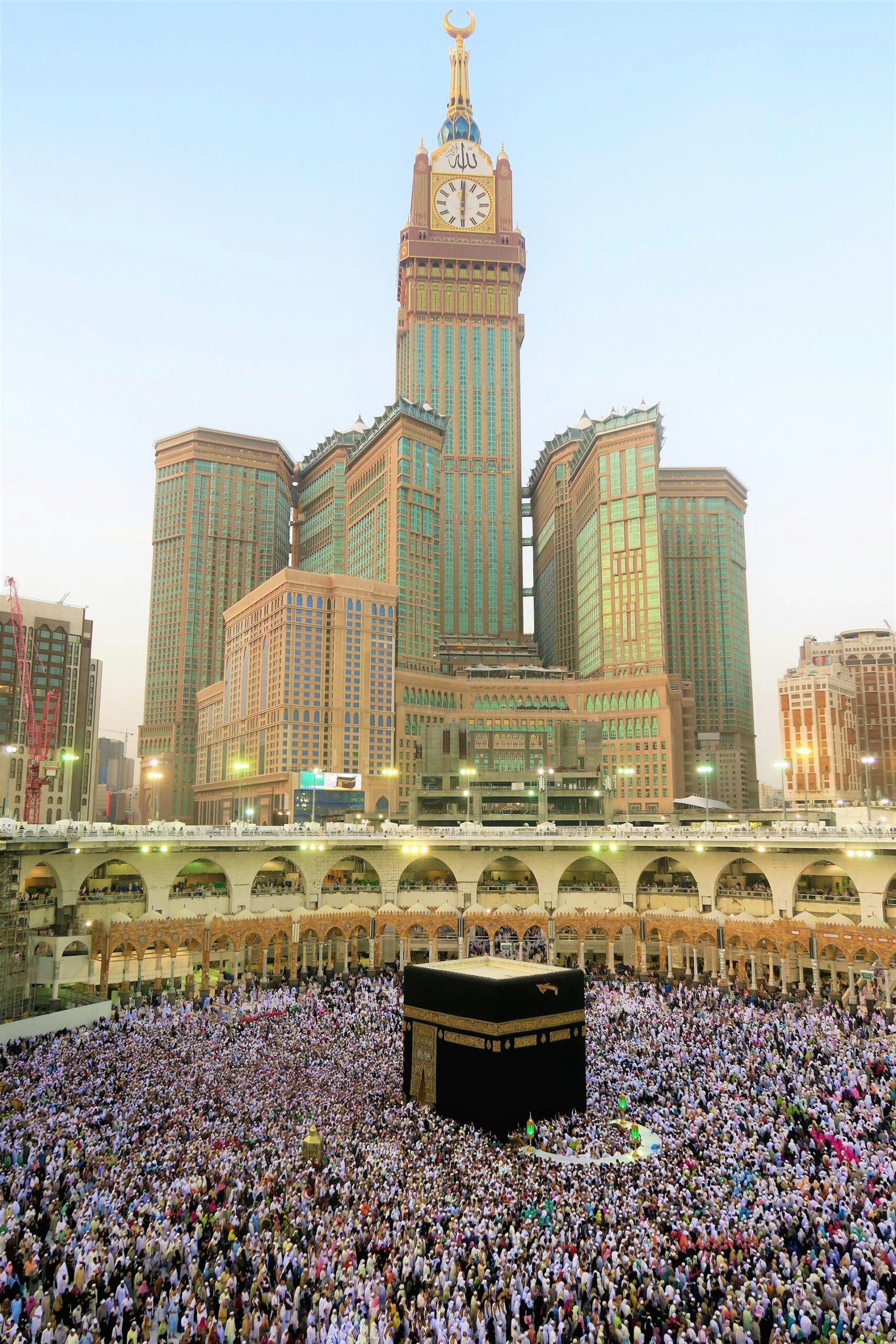
Hospitality and pilgrimage-related demand can increase consumption in some periods.
Why Imports Continue
Saudi Arabia and UAE support local production, yet import to diversify supply risk, stabilize prices and secure specific product specifications.
Governments increasingly prioritize food security after recent global supply disruptions.
Saudi Arabia
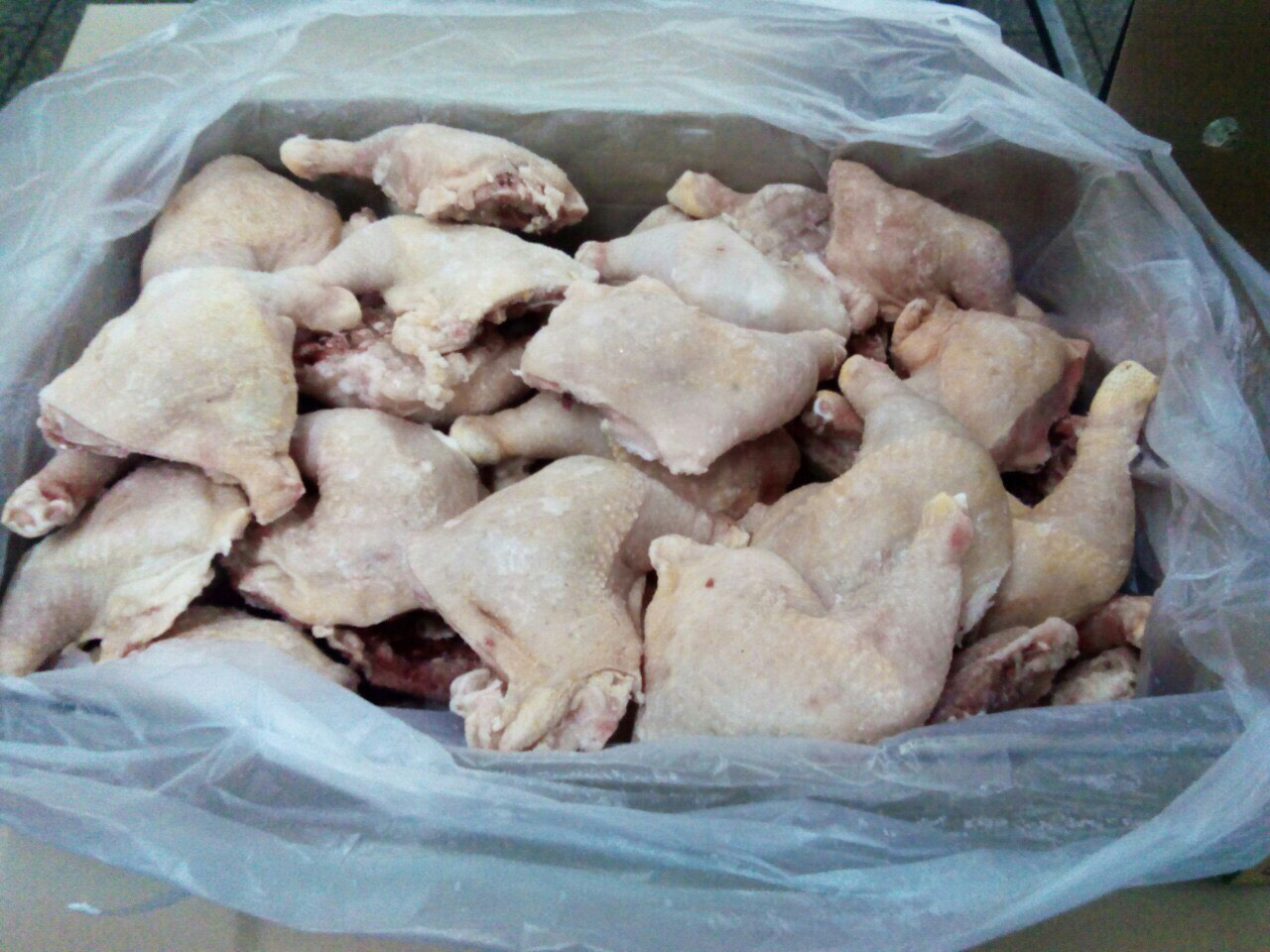
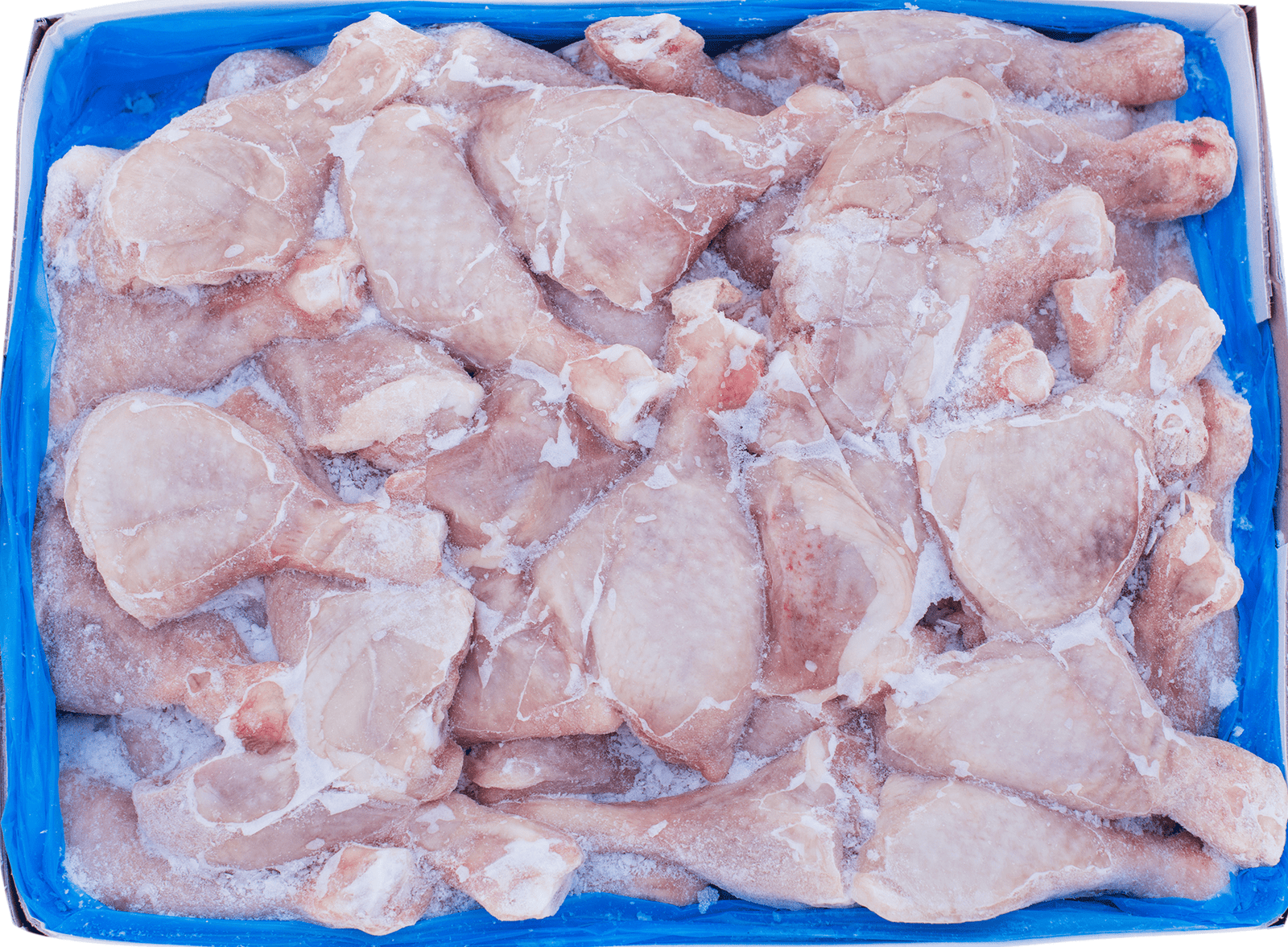
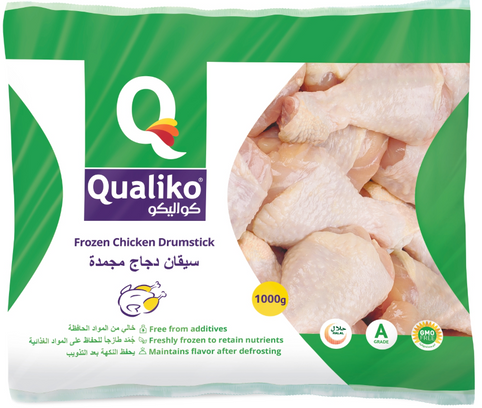
Importers commonly buy whole chicken, leg quarters, drumsticks and thighs. Buyers pay attention to Halal acceptance, shelf life and exporter reputation.
Domestic producers are strong, but buyers still maintain diversified procurement portfolios.
UAE
Dubai functions as a logistics hub. Some shipments are consumed locally while others move onward to neighboring markets.
Packaging presentation can matter more in premium retail segments.
Egypt
Large population size drives poultry consumption. Purchasing power and domestic production cycles influence import demand.
Currency changes may quickly alter import competitiveness.
Products
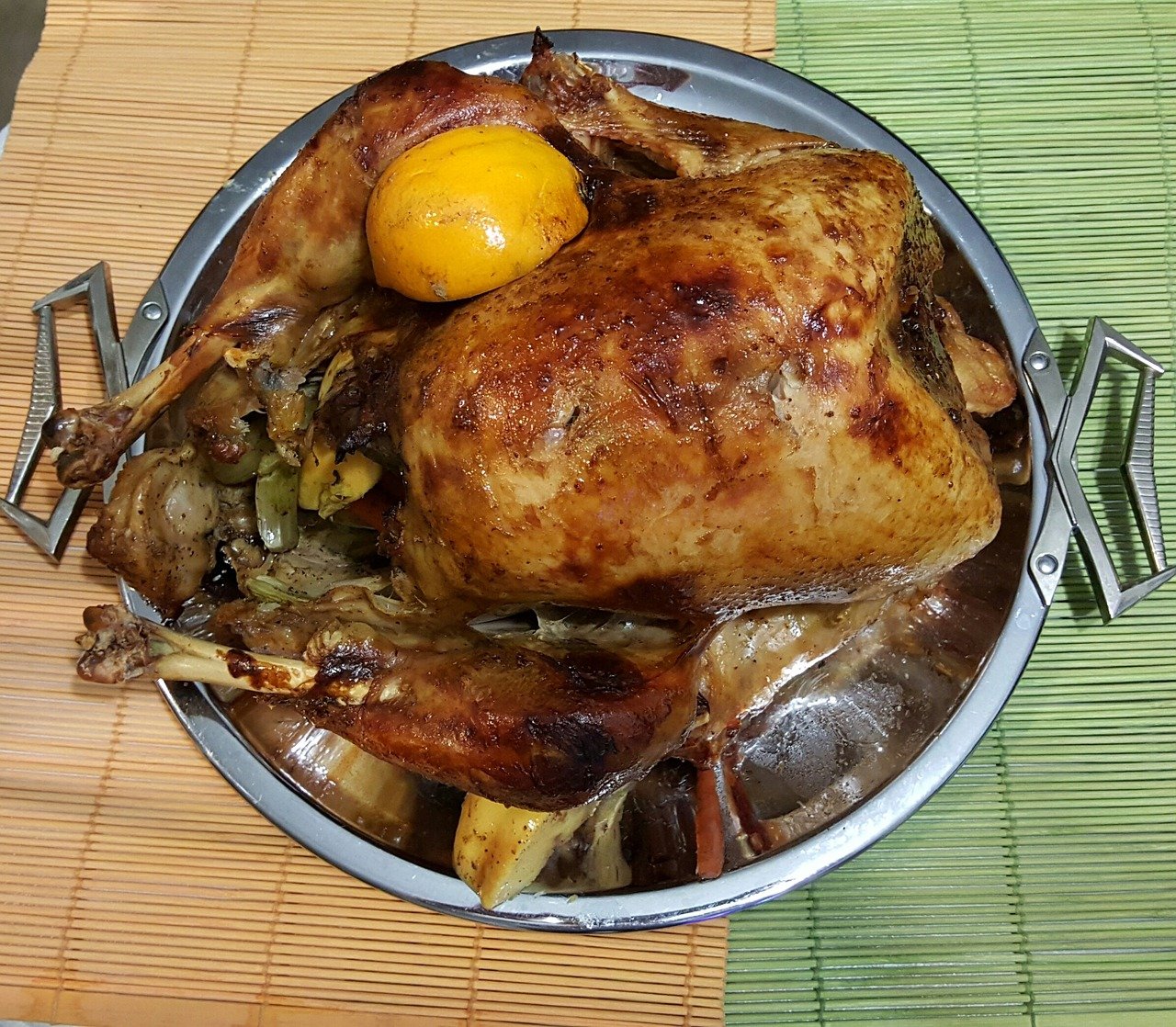
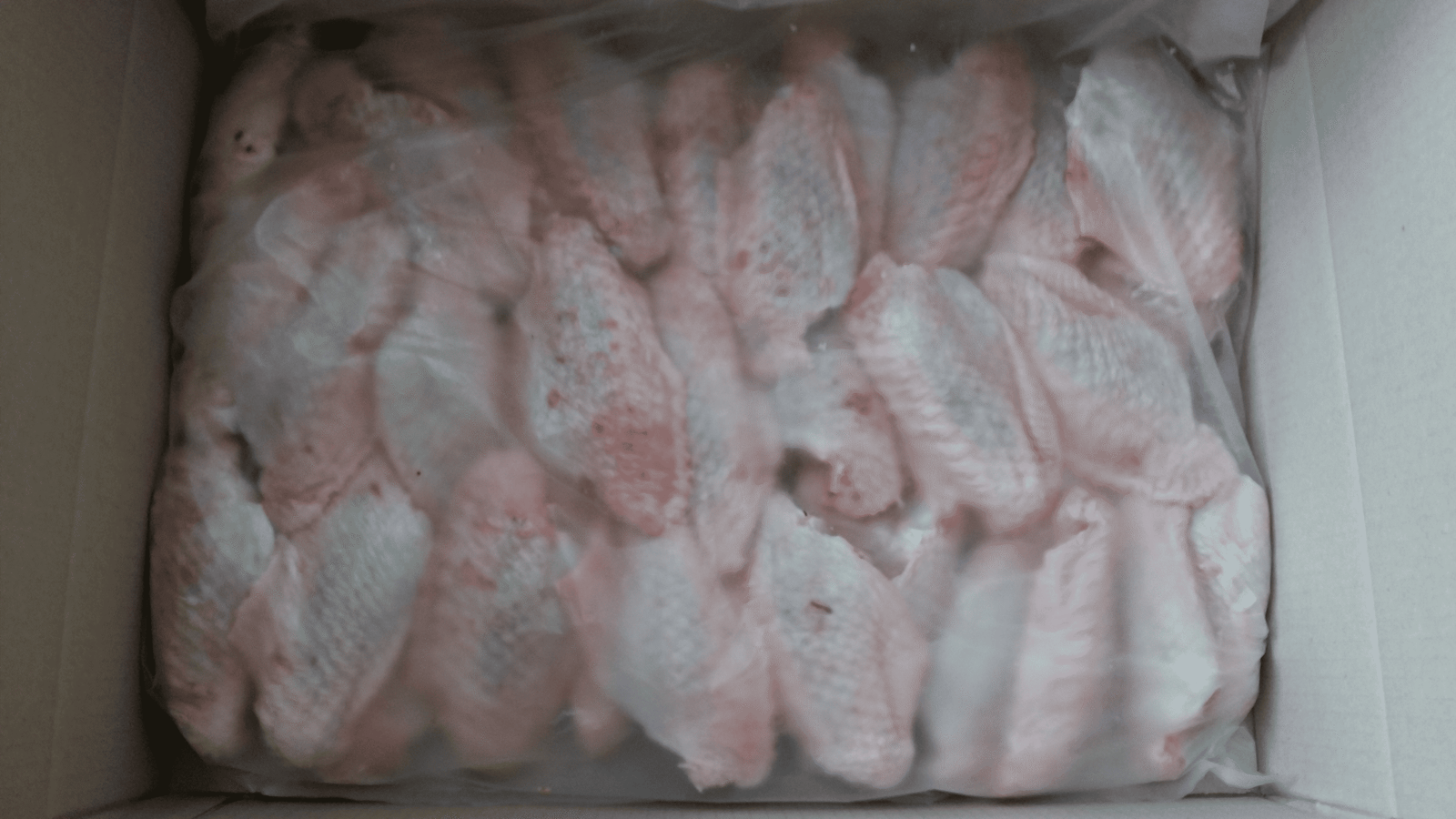
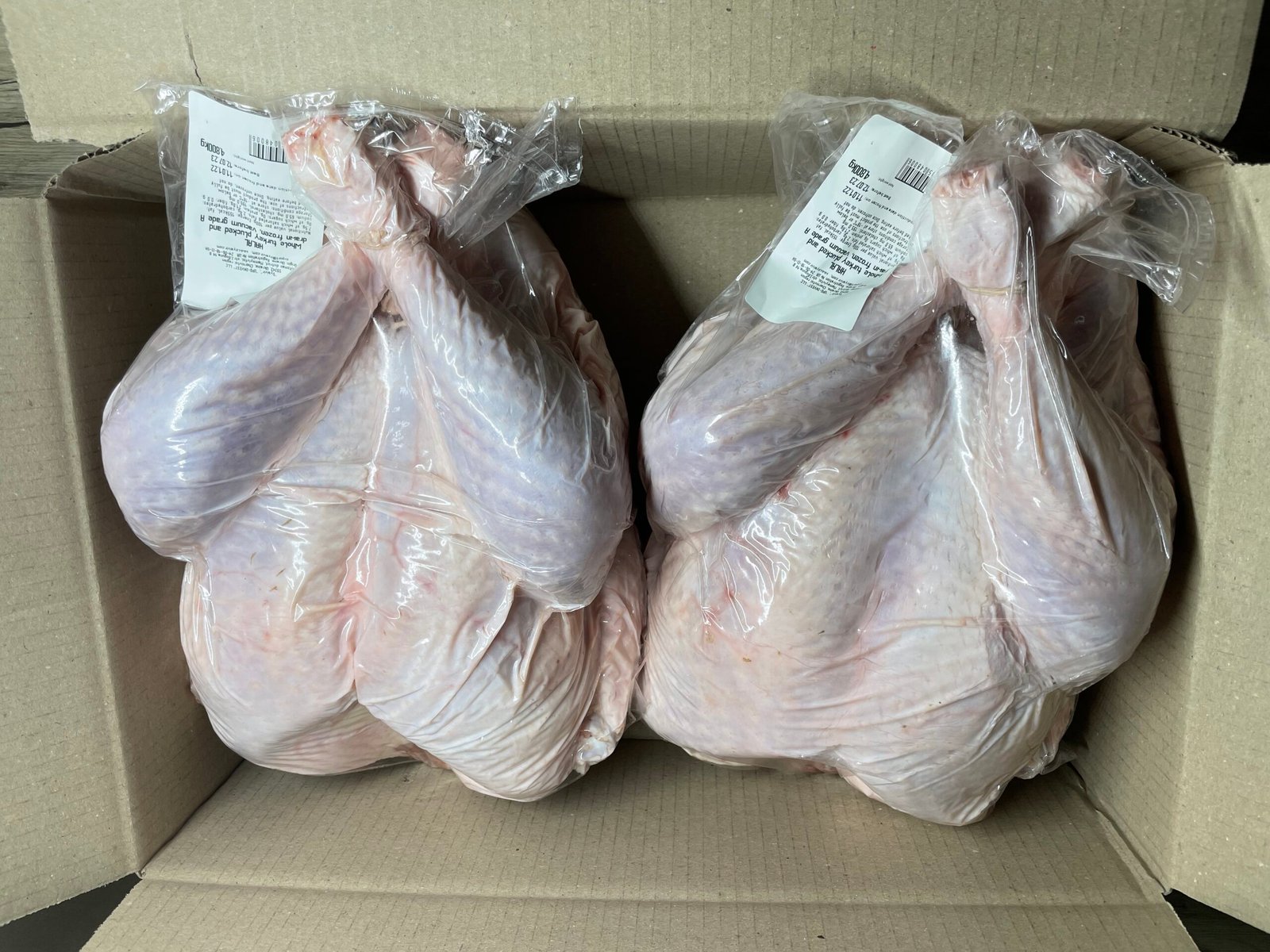
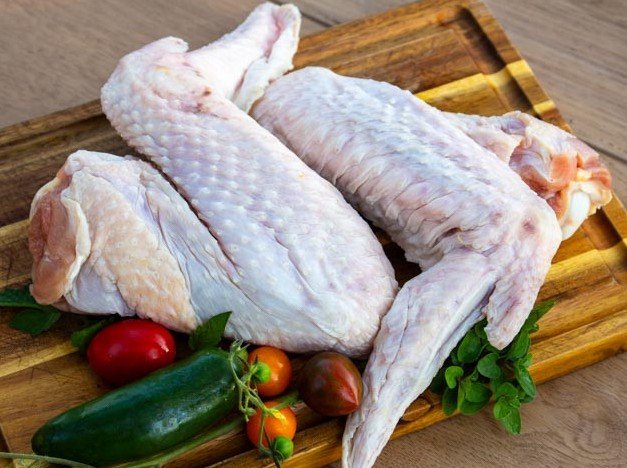
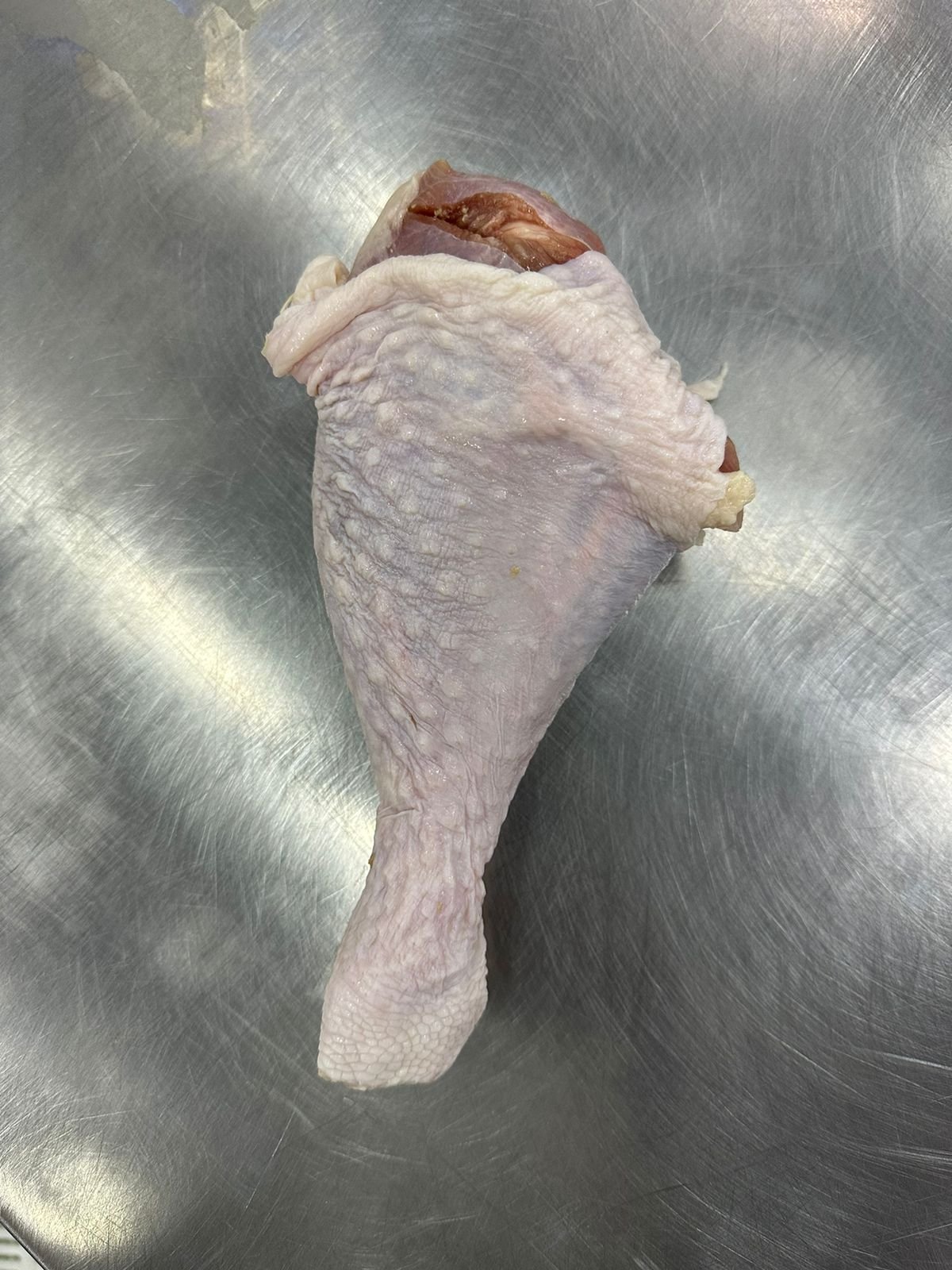
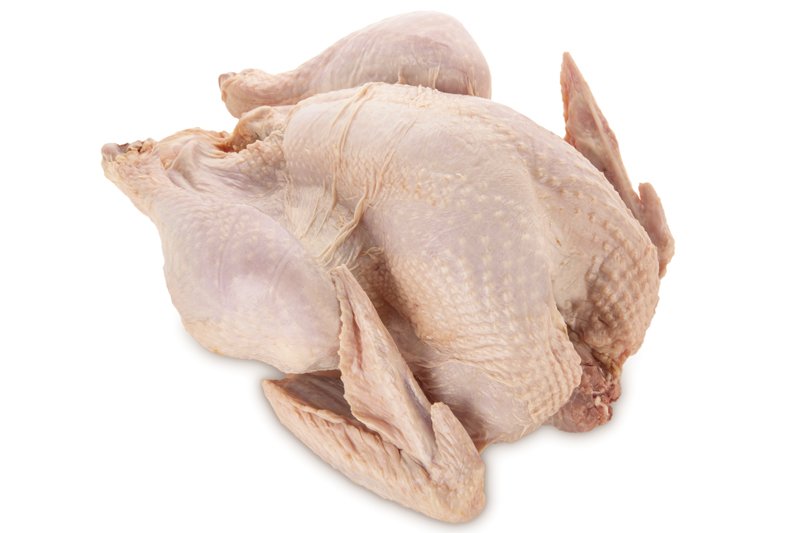
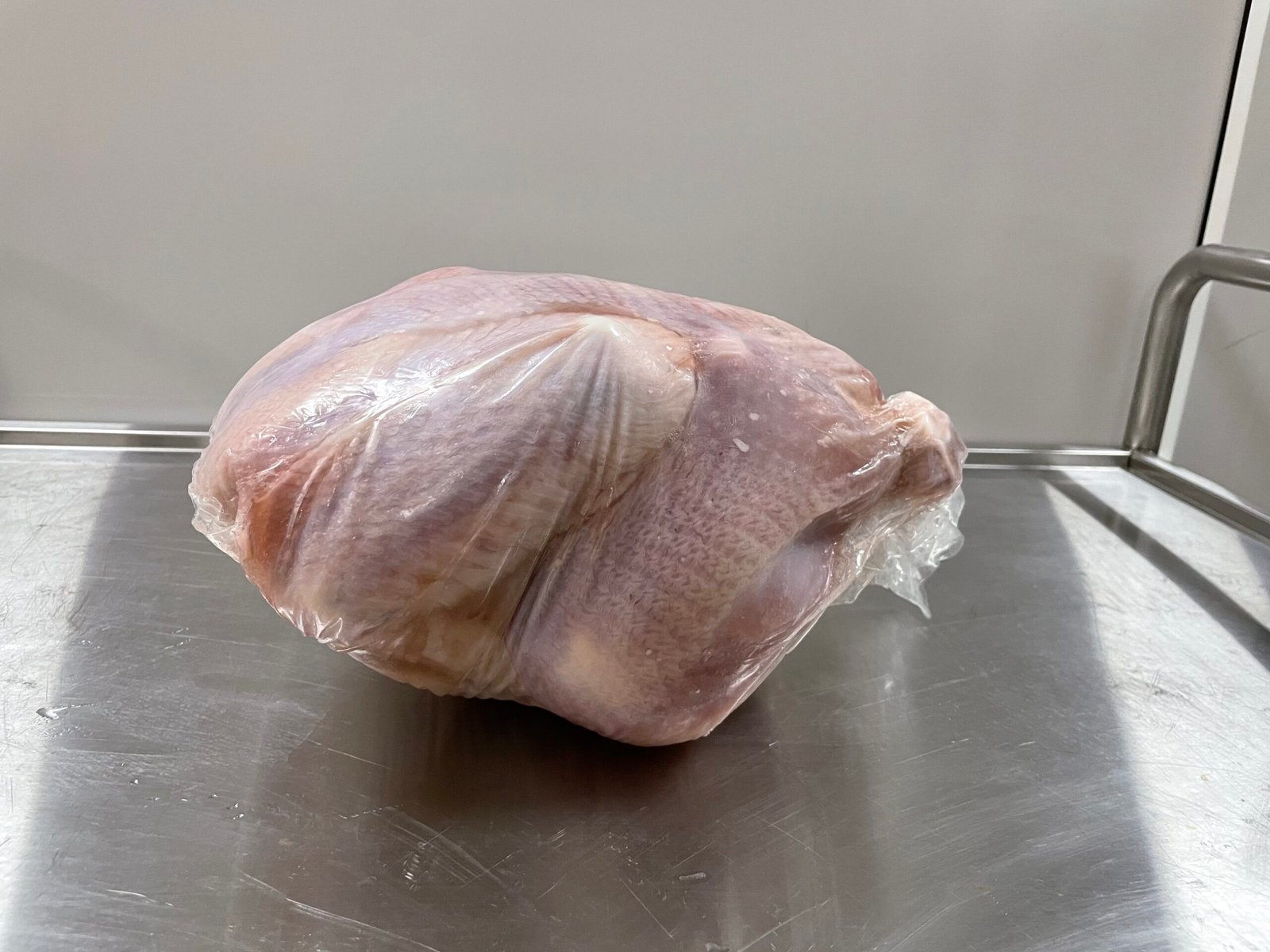
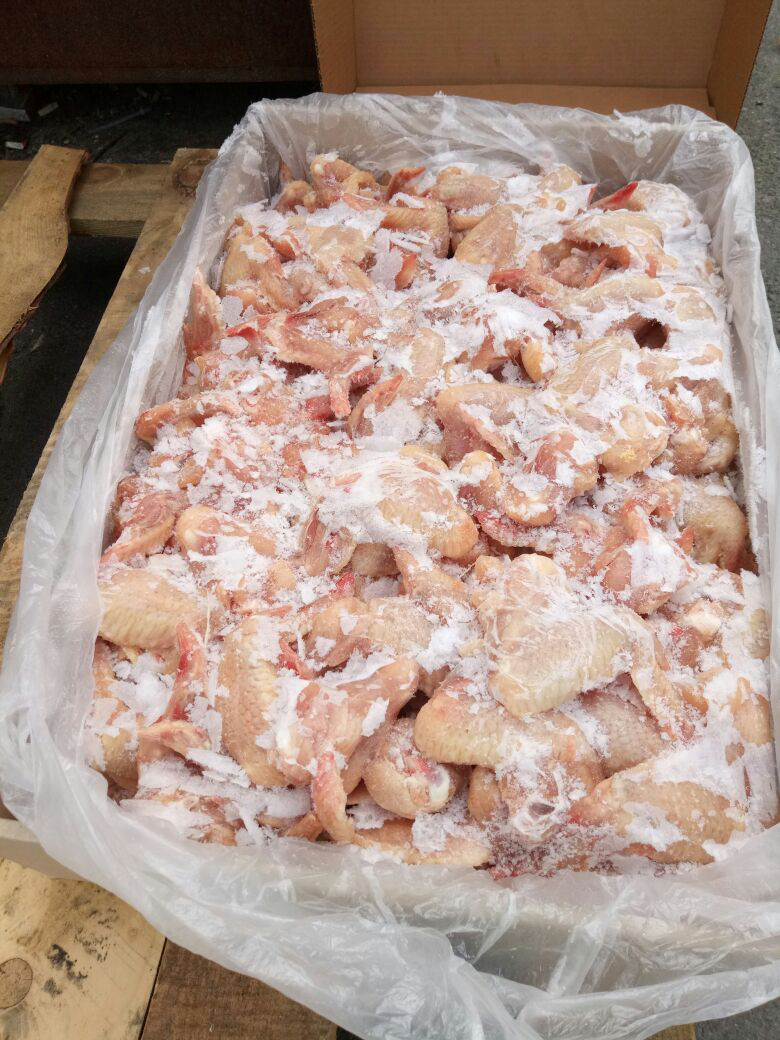
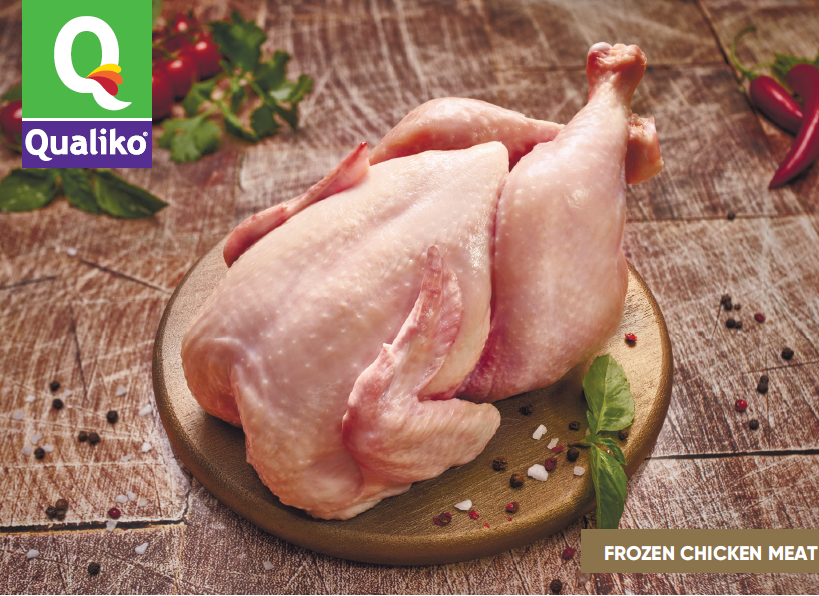
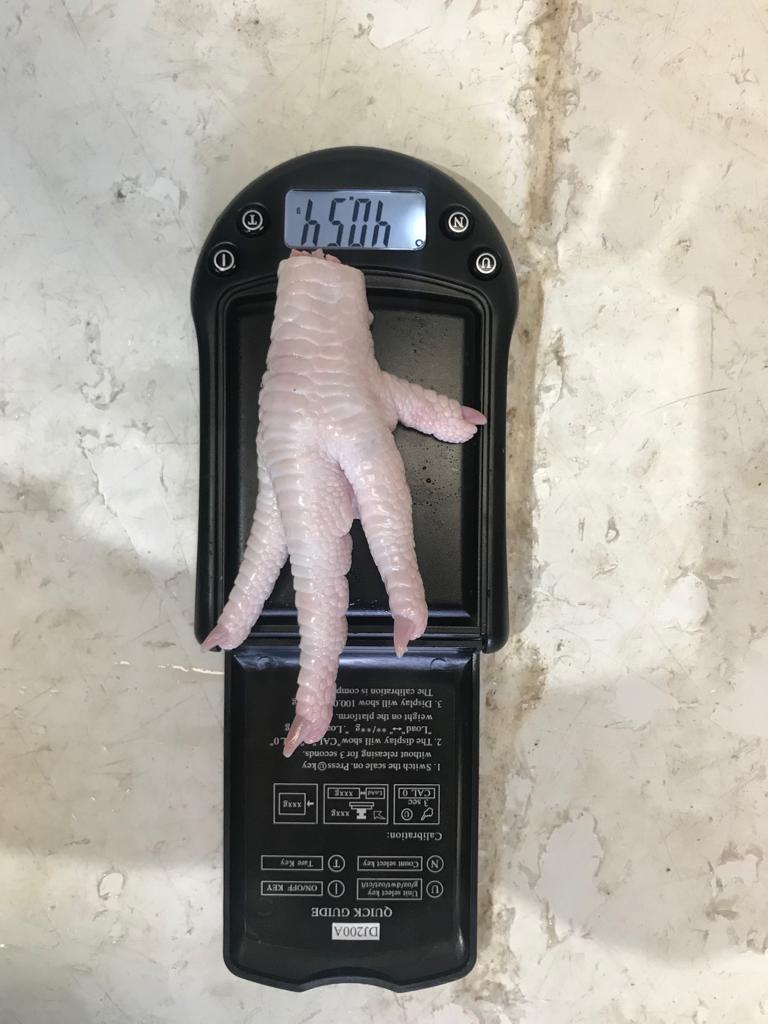
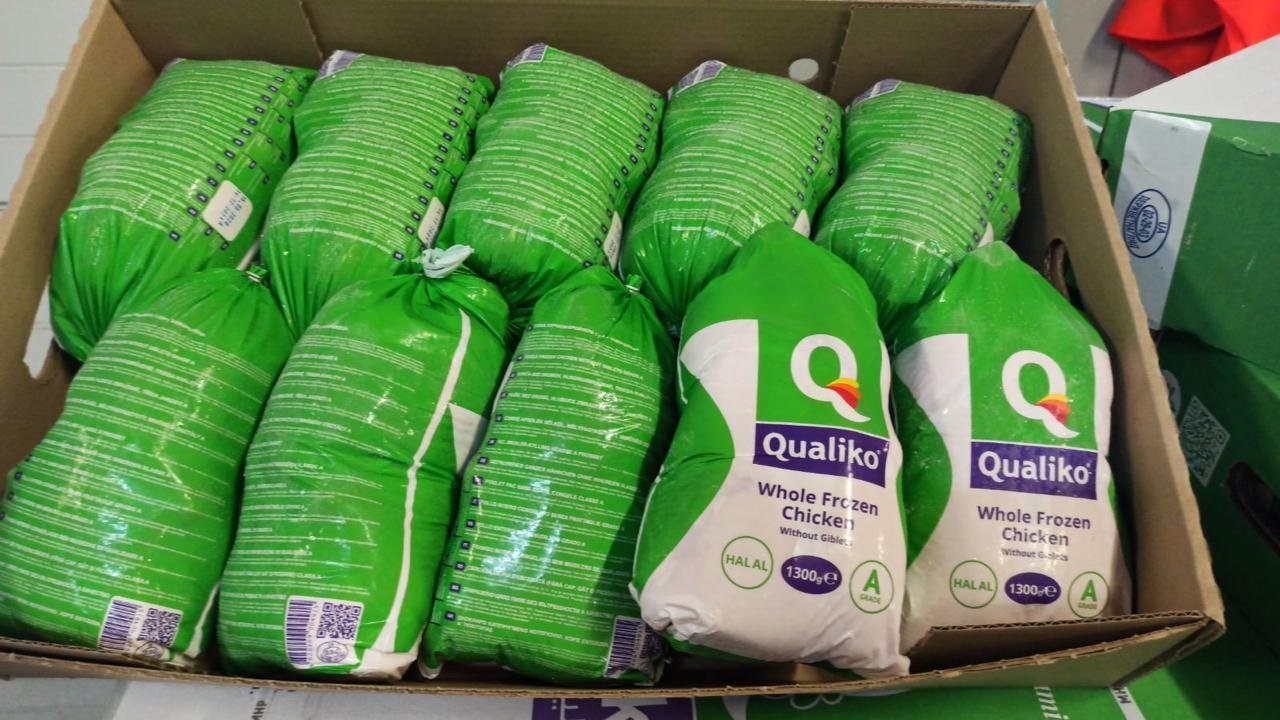
Whole chicken serves retail and traditional trade; drumsticks and thighs are strong in foodservice; wings have demand in quick-service channels.
Preferred cuts differ because culinary traditions vary between countries.
Halal
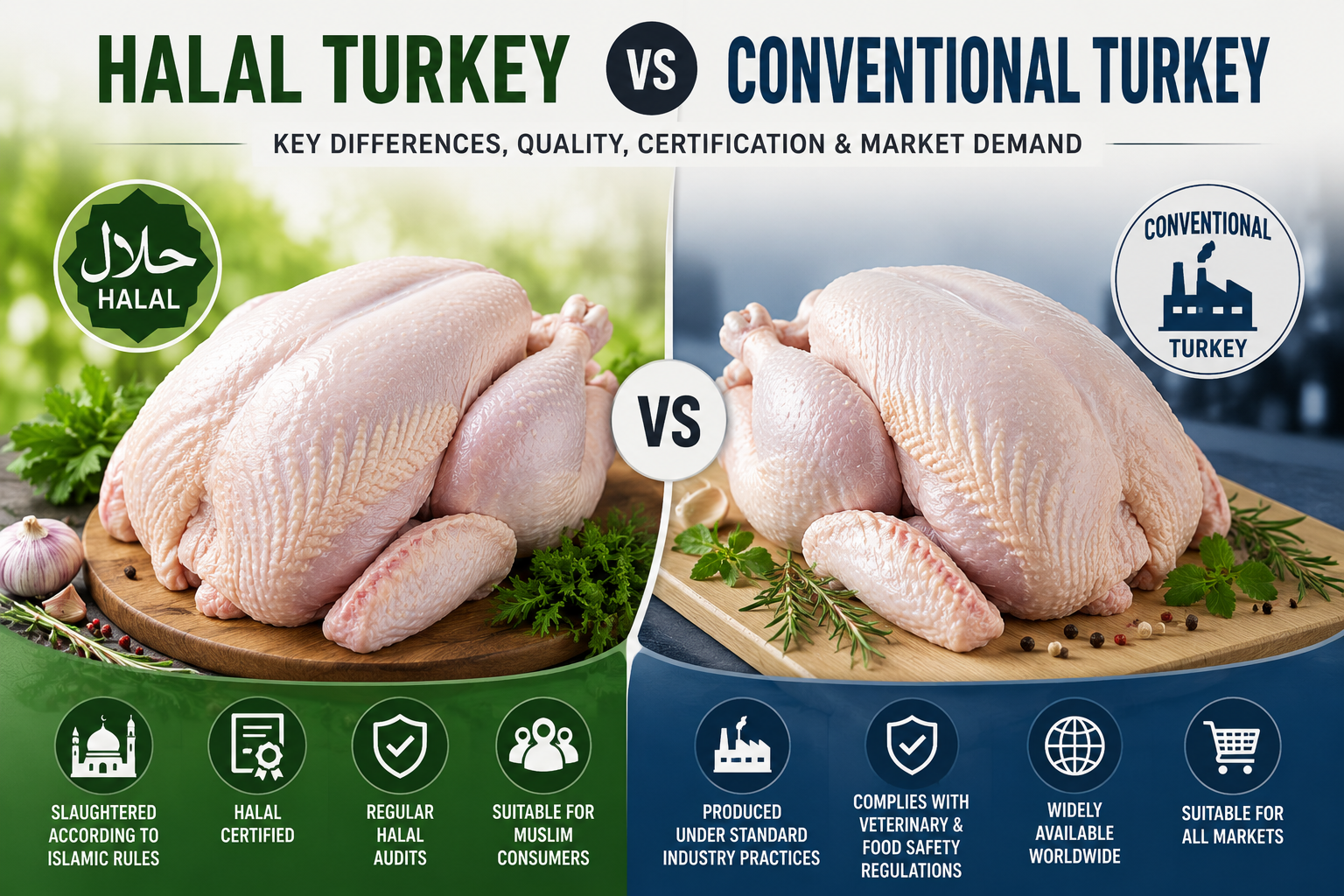
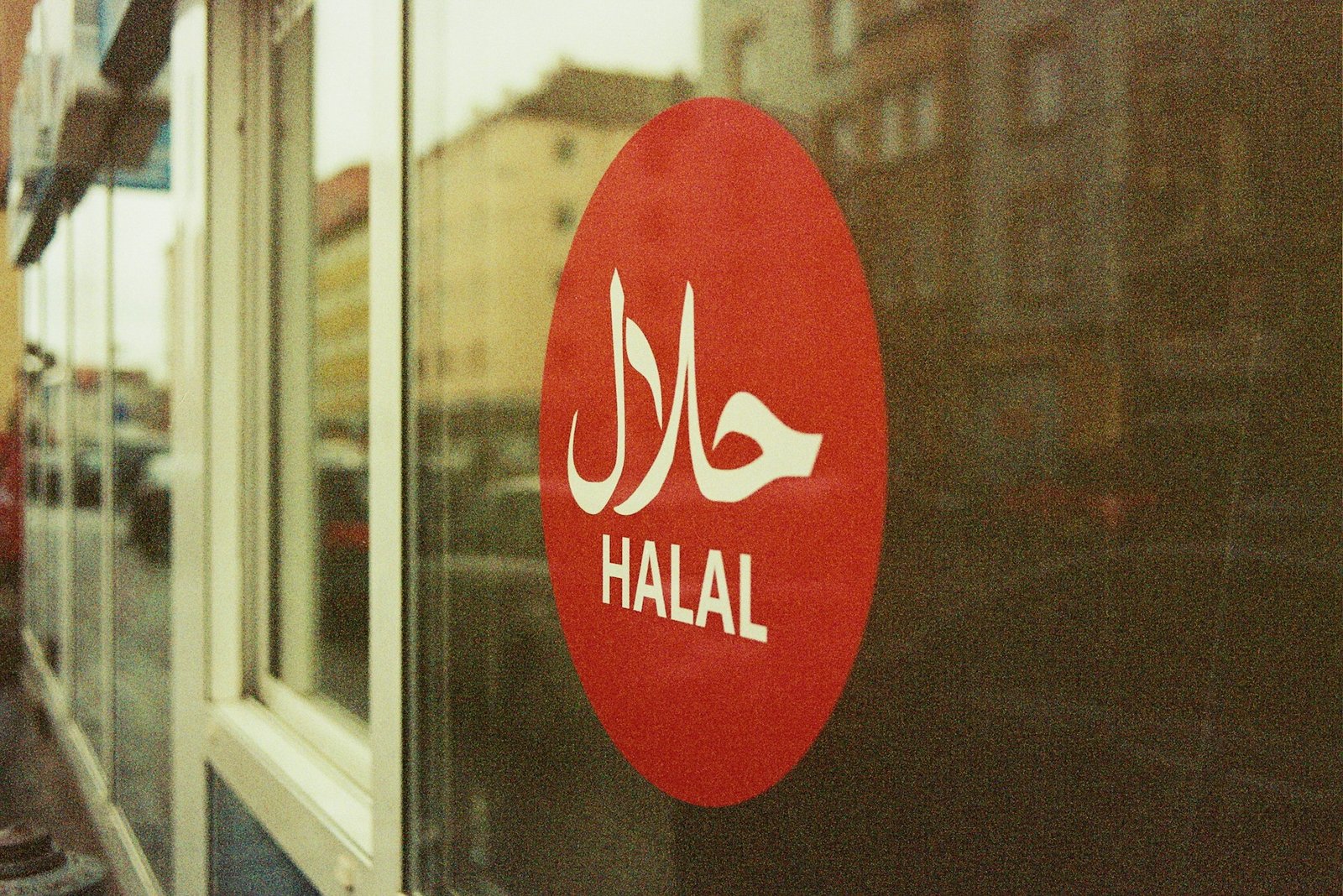
Halal certification is often mandatory. Importers may request evidence of slaughter supervision and recognized certificates.
Certificate recognition can affect customs clearance speed.
Quality
ISO and HACCP systems help exporters demonstrate process control and traceability.
Large buyers increasingly audit suppliers before long-term contracts.
Frozen Preference
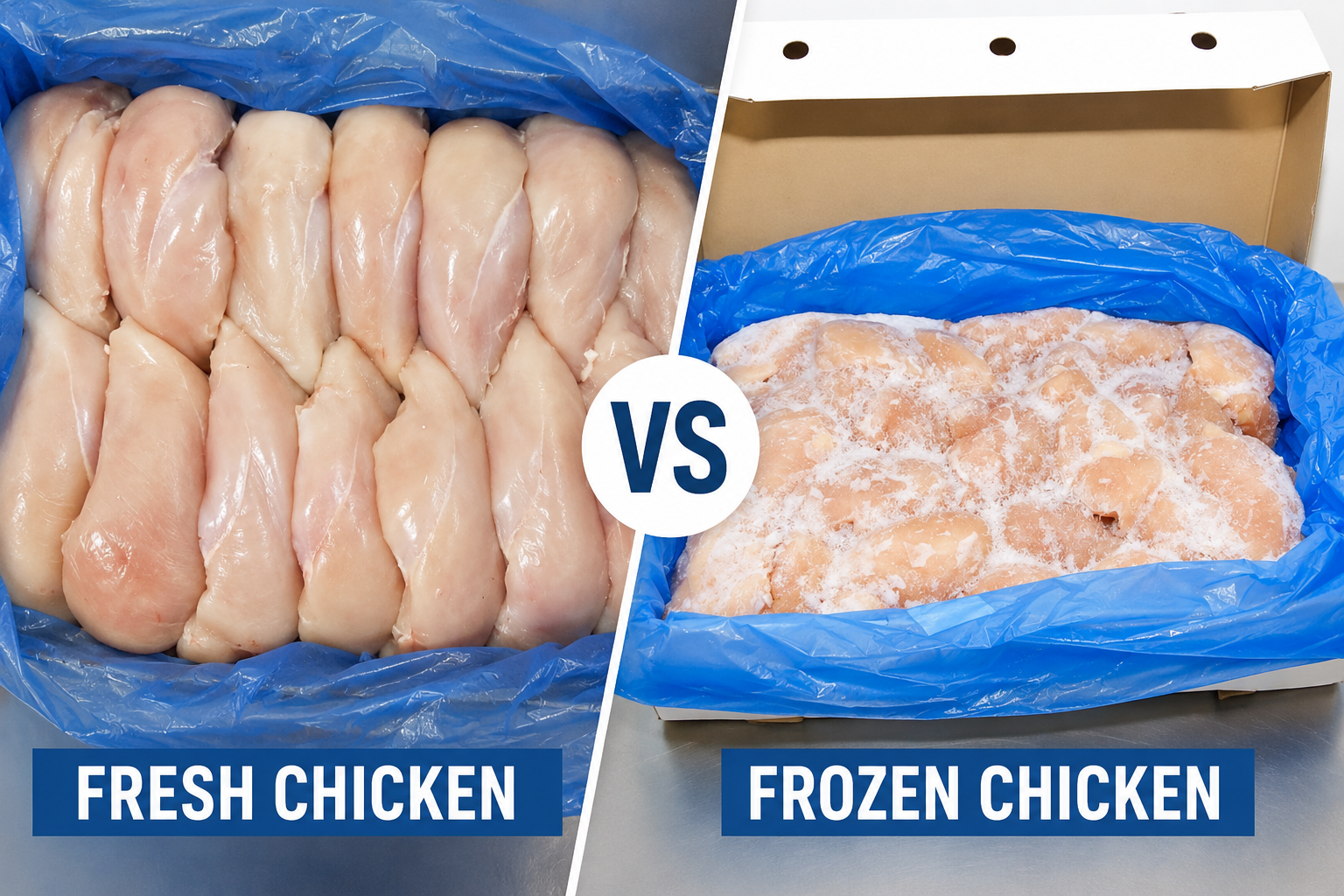
Frozen poultry dominates because long sea transit makes chilled distribution difficult.
Importers value longer storage windows for inventory planning.
Packaging
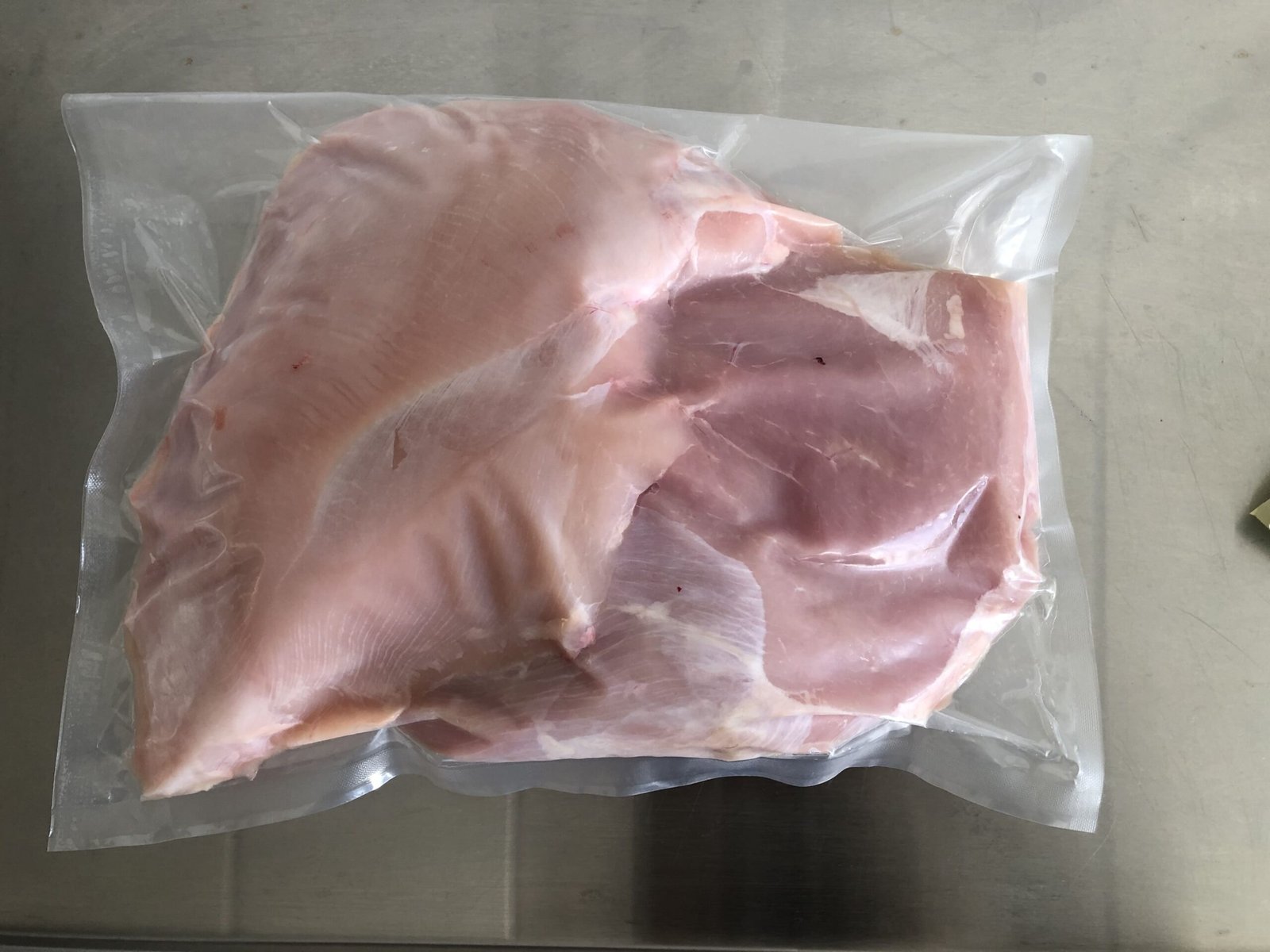
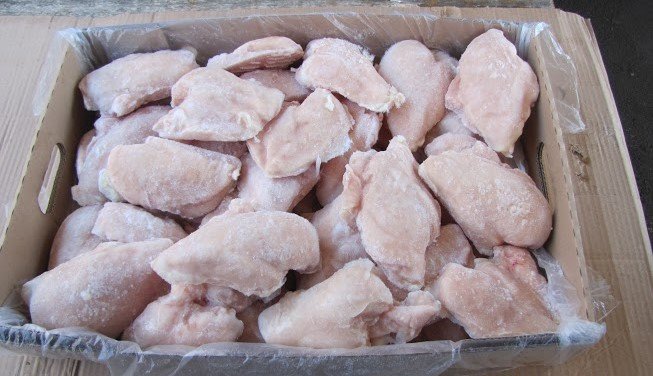
10–20 kg cartons are standard for wholesale. Labels include batch numbers, origin and storage conditions.
Private-label formats may be requested by distributors.
Logistics
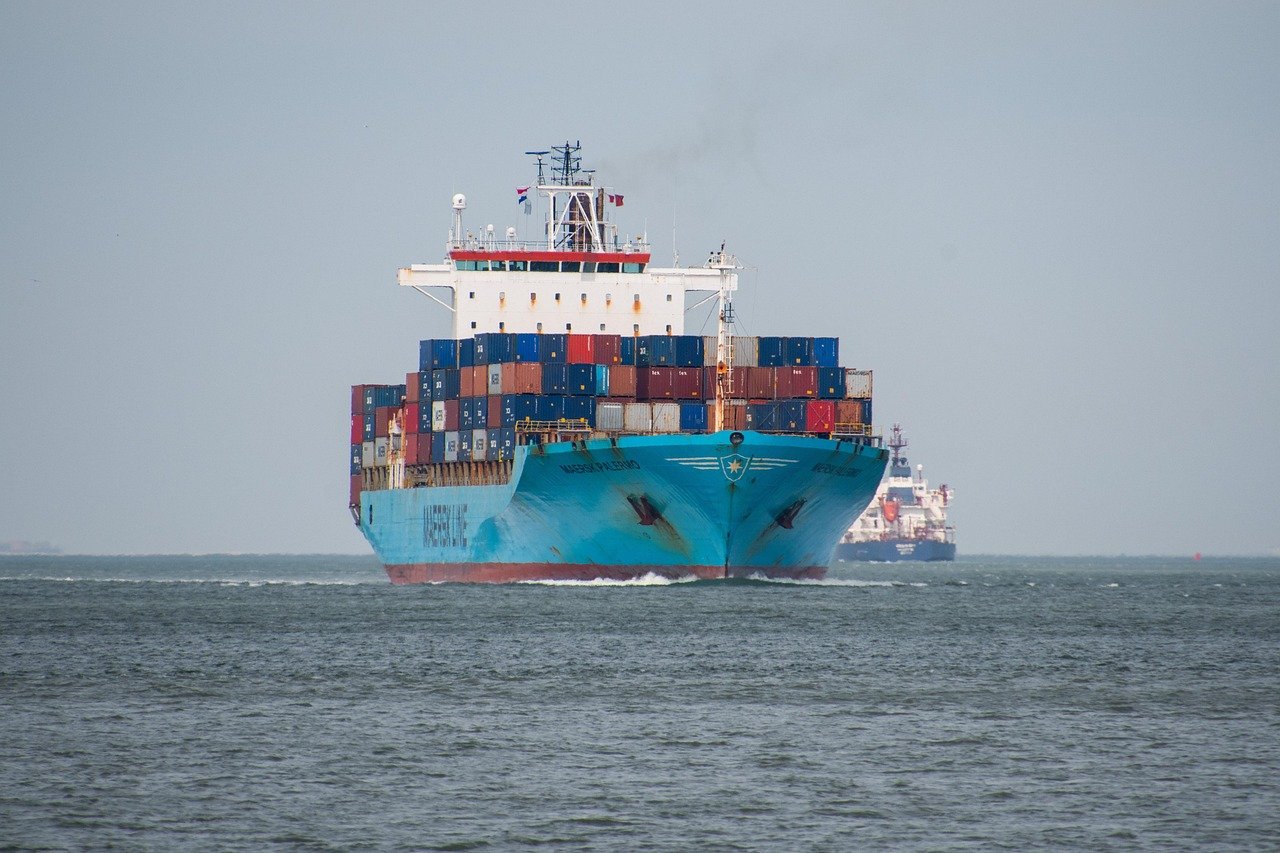
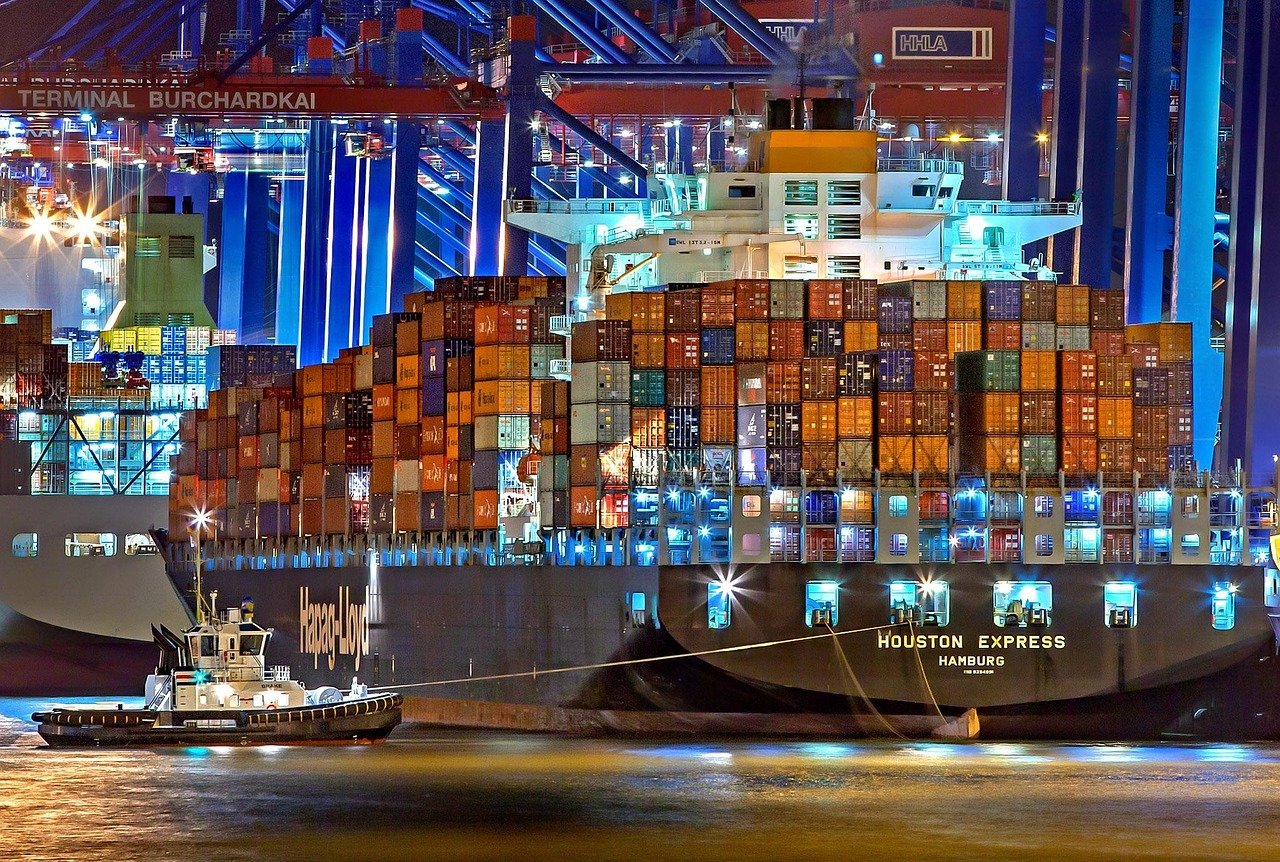
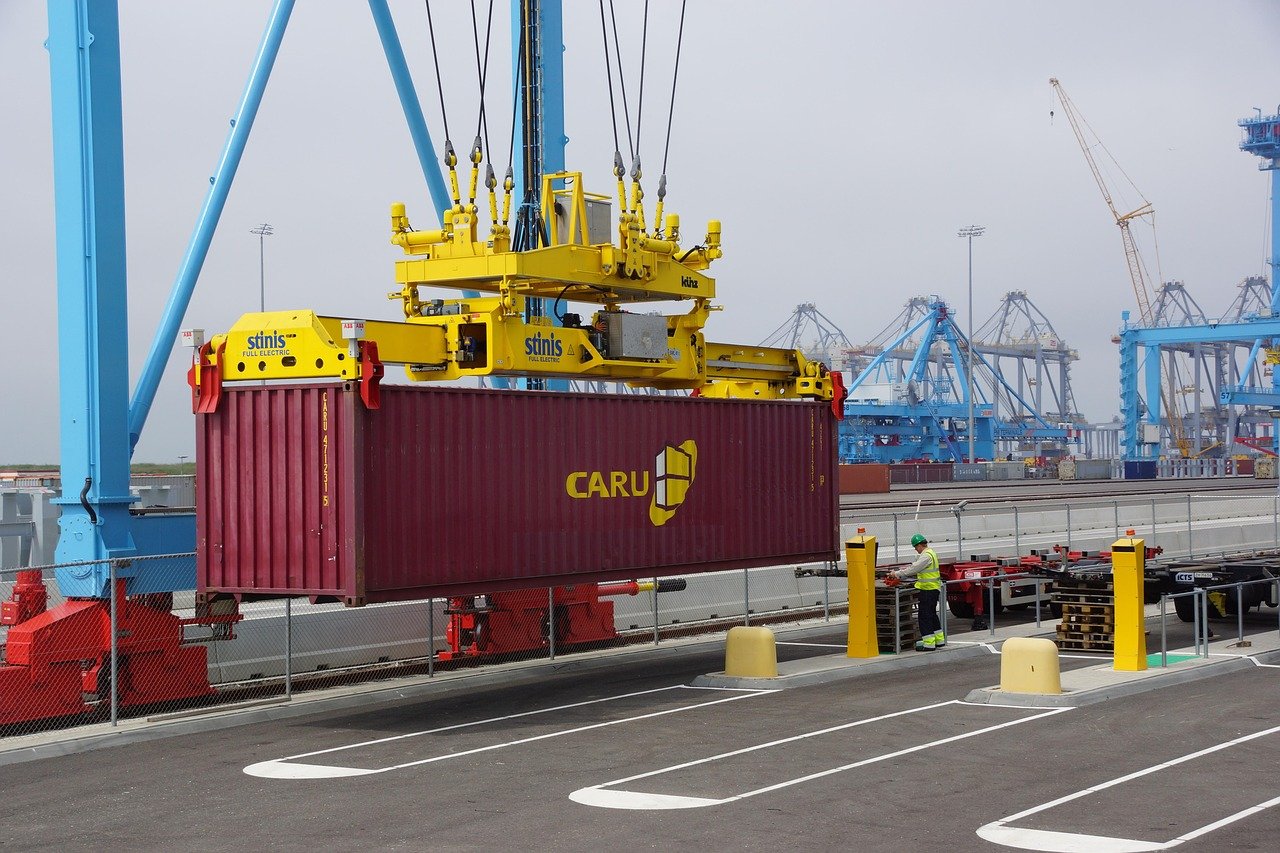
Middle East shipments usually move in reefer containers. Temperature deviations can reduce remaining shelf life and create claims.
Transit planning affects warehouse scheduling after arrival.
Ports
Saudi cargo may enter through Jeddah or Dammam. UAE cargo often arrives through Jebel Ali.
Port choice can influence final inland transport cost.
Role of Exporters
Export partners coordinate factories, veterinary documents, customs and shipping schedules.
Many buyers prefer one contact point instead of multiple contractors.
FAQ
- Are Halal certificates required? Often yes.
- Which cuts sell most? Whole chicken and dark meat.
- Are shipments frozen? Usually for Middle East routes.